
Cashmere Goats
Also known as: cashmir goats, cashmere fiber goats, soft fiber goats, underdown goats
Cashmere goats simplify management through their remarkable hardiness and superior foraging ability, thriving on diverse pastures and brush. Originating from the mountainous regions of Asia, these adaptable animals are renowned for their exceptionally fine, soft undercoat – the luxurious cashmere fiber – which is a primary economic driver. Their excellent browsing capacity makes them ideal for brush management and clearing overgrown areas, while their hardiness translates to fewer veterinary interventions. While appreciated for their dual-purpose qualities, including good meat and kidding ease, it's their exceptional fiber production and natural resilience that truly set them apart for farmers seeking efficient, low-input livestock. Their natural inclination towards rotational and multi-species grazing further enhances their value for land stewardship.
Regenerative Quick Profile
Best Suited For
Climates: Semi-arid to temperate continental, with some tolerance for cold, dry winters.
Terrain: Best for rolling to steep terrain
Scale: Suitable for small to medium operations (10-50 animals)
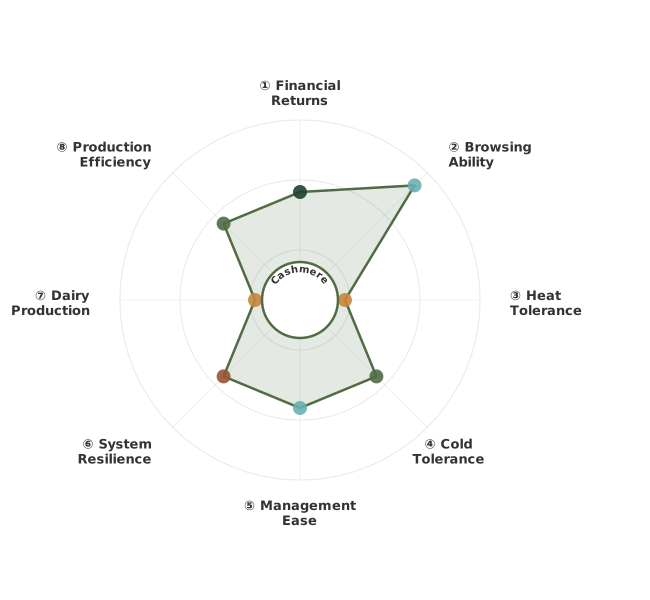
How These Traits Are Calculated
Trait dimensions are ordered clockwise starting from the top of the chart (12 o'clock position):
1. Financial Returns
Annual income per doe from kids, milk, or fiber
WHAT: Evaluates annual profit potential across meat (kid sales), dairy (milk production), fiber (cashmere/mohair), or dual-purpose value. Combines production output with input costs, kidding rates, and market premiums.
WHY: Goat profitability varies by enterprise type—dairy goats producing 1,500-2,500 lbs milk annually generate $400-800 revenue versus meat goats at $150-300 from kid sales. Understanding income potential by enterprise type helps match breeds to market opportunities and farm goals.
HOW: Calculated from enterprise-specific production data (milk yield, kid growth, fiber weight) combined with efficiency traits and costs. Exceptional (≥2.6): high output for enterprise type + low inputs + strong markets. Typical (1.8-2.5): moderate production and costs. Limited (<1.8): low output or premium-dependent without reliable access.
2. Browsing Ability
Effectiveness at consuming brush, weeds, and woody plants
WHAT: Measures goat effectiveness at controlling unwanted vegetation—clearing brush, managing invasive plants, consuming woody browse—while providing land management services that reduce fuel loads and restore degraded pastures.
WHY: Browsers reduce land clearing costs $200-600 per acre compared to mechanical methods while providing income. Effective browsers tackle multiflora rose, kudzu, poison ivy, and small trees where grazers fail, converting liability into profitability.
HOW: Rated from database trait 'browsing_ability' and documented land management effectiveness. Exceptional (≥2.6): aggressive browsers, thrives on brush, excellent weed control. Typical (1.8-2.5): moderate browsing with mixed diet. Limited (<1.8): prefers grass, minimal brush consumption.
3. Heat Tolerance
Milk production and health in hot weather above 85°F (29°C)
WHAT: Evaluates adaptation to sustained heat above 85°F (29°C), measuring production maintenance, heat stress resistance, and cooling behavior. Critical for dairy goats where heat drops milk production 20-40%.
WHY: Heat-sensitive breeds stop milking during summer peaks, creating 2-4 month income gaps in hot climates. Heat-adapted breeds maintain production year-round, provide consistent cash flow, and eliminate need for expensive cooling systems (fans, misters, air conditioning).
HOW: Rated from database trait 'heat_tolerance' based on documented characteristics. Exceptional (≥2.6): tropical origins, maintains production in 95°F+ (35°C+). Typical (1.8-2.5): moderate tolerance with shade and water. Limited (<1.8): production drops significantly above 85°F, requires cooling.
4. Cold Tolerance
Performance in cold weather below 20°F (-7°C)
WHAT: Evaluates adaptation to sustained cold below 20°F (-7°C), measuring coat thickness, metabolic adaptation, and winter performance. Important for northern climates with harsh winters and winter kidding systems.
WHY: Cold stress increases feed requirements 30-50%, complicates kidding (newborns at high risk), and drops milk production in dairy breeds. Cold-hardy breeds maintain production and kid successfully outdoors where others require heated barns.
HOW: Rated from database trait 'cold_tolerance' based on breed characteristics. Exceptional (≥2.6): thick winter coats, northern origins, thrives in <0°F (-18°C). Typical (1.8-2.5): moderate hardiness, basic shelter sufficient. Limited (<1.8): requires heated shelter, struggles with winter kidding.
5. Management Ease
Handling temperament and kidding ease
WHAT: Measures daily management simplicity combining temperament (calm vs flighty), kidding ease (unassisted births), and fence respect. Easy breeds cooperate with routines while difficult breeds create constant challenges.
WHY: Difficult goats increase labor 2-3× through kidding interventions, frequent escapes requiring fence repairs, and handling challenges (especially in dairy operations with twice-daily milking). Calm breeds with easy kidding enable efficient one-person operations.
HOW: Weighted assessment: temperament (40%), kidding ease (35%), fence respect (25%). Exceptional (≥2.6): calm and cooperative, unassisted kidding, respects fencing. Typical (1.8-2.5): manageable with experience. Limited (<1.8): flighty or aggressive, frequent interventions, notorious escapers.
6. Herd Resilience
Health and productivity under stress conditions
WHAT: Evaluates herd robustness across disease resistance, parasite tolerance, drought adaptation, and general hardiness. Measures ability to maintain health and production through typical challenges that affect goats.
WHY: Resilient breeds reduce veterinary costs, survive parasite pressure that kills others (goats being highly susceptible), thrive on sparse forage during drought, and maintain productivity through weather extremes. This determines whether herds thrive independently or require constant medical interventions.
HOW: Composite assessment across multiple resilience factors. Exceptional (≥2.6): exceptional health + parasite resistant + drought tolerant + hardy. Typical (1.8-2.5): standard resilience with routine care. Limited (<1.8): health-sensitive, requires intensive management.
7. Milk Production
Annual milk yield and lactation length for dairy breeds
WHAT: Measures milk output for dairy breeds, evaluating annual yield (1,200-3,000+ lbs), lactation length (8-12 months), milk quality (butterfat, protein), and production consistency. Only relevant for dairy-type breeds.
WHY: Dairy goats provide daily income through milk sales, cheese production, or value-added products. High producers (2,000+ lbs) generating $3-6 daily revenue make dairy operations viable at small scales (10-20 does) where lower producers require larger herds to achieve profitability.
HOW: Rated from database dairy production data and breed standards. Exceptional (≥2.6): 2,400+ lbs annually, 10+ month lactations, high quality milk. Typical (1.8-2.5): 1,500-2,400 lbs, standard lactations. Limited (<1.8): <1,500 lbs or short lactations, primarily meat-type.
8. Production Efficiency
Output relative to feed consumed and care required
WHAT: Measures how effectively goats convert feed into saleable output (milk, meat, fiber), combining feed efficiency, foraging ability, and growth/production rates. Efficient breeds maximize output per dollar of feed input.
WHY: Feed costs represent 50-70% of operating expenses. Breeds converting 4:1 versus 6:1 (feed:output) save $100-200 annually per goat. Excellent foragers reduce purchased feed needs 30-50%, making the difference between profitable and marginal operations.
HOW: Weighted formula: feed efficiency (40%), foraging ability reduces purchased feed (35%), production rate (25%). Exceptional (≥2.6): excellent feed conversion + strong foragers + high output. Typical (1.8-2.5): moderate efficiency. Limited (<1.8): poor feed conversion or low output relative to inputs.
Regenerative Advantages
- Foraging Ability: Cashmere goats are exceptionally adapted to diverse and marginal vegetation, reflecting their heritage from challenging Asian environments. They efficiently utilize a wide spectrum of forage, including tough grasses, forbs, weeds, and scrub, maintaining condition on unimproved rangelands with minimal supplementary feed. This broad utilization demonstrates their resilience and self-sufficiency on varied and lower-quality pastures.
- Browsing Ability: Originating from mountainous regions rich in woody growth, Cashmere goats exhibit specialized browsing. They actively seek out and consume shrubs and tree branches, predominantly browsing even when other forages are available. Their physical adaptations and inherent behavior allow them to convert woody biomass into production efficiently, maintaining excellent condition on diets high in browse content.
- Fiber Quality: Cashmere goats produce an exceptionally fine and soft undercoat with minimal coarse guard hairs, meeting the 'exceptional' standard for premium market value.
Know the Debate
- Fiber quality vs. economic return is debated
- Parasite resistance and management are critical challenges
- Hardiness varies by breed and climate adaptation
- Dual-purpose potential impacts profitability strategies
Value Streams
- Wool/Fiber production
- Nutrient cycling and soil building
- Brush clearing and fire risk reduction
- Invasive species control
Experience Level
Consult local experts for handling requirements
3
Understanding Cashmere Goats Characteristics
Physical traits, temperament, and what makes this breed unique
Understanding Cashmere Goats Characteristics
Physical traits, temperament, and what makes this breed unique
Cashmere goats are not a distinct breed in the same way as a dairy or meat goat breed, but rather a type of goat selected for its fine undercoat, known as cashmere. These goats are typically a mix of various breeds, with South Asian breeds like the Changthangi and the Tibetan goat being foundational. What sets them apart is their luxurious downy undercoat, which grows beneath a coarser outer coat (guard hair) and is harvested annually. This undercoat is incredibly fine, soft, and warm, making it highly prized in the luxury textile market. Unlike breeds primarily raised for milk or meat, cashmere goats are valued for this unique fiber. Their appearance can vary widely, but they are generally hardy, medium-sized animals adapted to harsh environments, often with long, sweeping horns and a body suited for foraging.
The history of cashmere production is ancient, deeply rooted in the Himalayan regions of Nepal, India, China, and Mongolia. For centuries, nomadic herders have raised these goats, relying on their fiber for warmth and trade. The term 'cashmere' itself is derived from the original name for the region of Kashmir. The development of cashmere as a commercial product gained momentum in the 20th century, with Australia and New Zealand pioneering selective breeding programs to improve fiber quality and yield in goats introduced to their own environments. This selective focus on the undercoat, rather than external characteristics, defines the modern cashmere goat.
What truly distinguishes cashmere goats is their dual-purpose nature, excelling in fiber production while also being capable foragers. While other goats might be bred for specific fiber types like mohair (Angora goats) or for dairy/meat production, cashmere goats are specifically managed to encourage the growth and easy shedding of their fine undercoat. This requires a different approach to shearing and harvesting, focusing on combing or gentle plucking during the natural molting period rather than a full shear. Their adaptability to diverse and often challenging climates also sets them apart, enabling them to thrive in environments where other livestock might struggle.
Sources behind this view
 Videos & Podcasts
-
Raises cashmere goats for meat and fiber, utilizing them for pasture management by controlling invasive species like bittersweet and consuming abundant maple seedlings after land clearing. Their grazi

 Research
-
Supplementary Feeding of Grazing Inner Mongolian Cashmere Goats during Pregnancy—Based on “Nutrient Requirements of Cashmere Goats” (opens in new window)
Targeted feeding for pregnant cashmere goats on pasture significantly improved cashmere yield, goat weight, and kid development, highlighting the importance of precise nutrition for fiber production a
4
Know the Debate
Cashmere goat profitability hinges on balancing their exceptional fiber quality with practical management and market realities. While their hardine...
Know the Debate
Cashmere goat profitability hinges on balancing their exceptional fiber quality with practical management and market realities. While their hardine...
Cashmere goat profitability hinges on balancing their exceptional fiber quality with practical management and market realities. While their hardiness and browsing ability offer advantages in regenerative systems, especially for brush control and diversification, achieving consistent economic returns requires careful breed selection for climate resilience, diligent parasite management, and strategic marketing of both fiber and meat. The economic viability can vary significantly based on production scale, herd genetics, and the farmer's ability to optimize niche fiber markets while managing the day-to-day demands of goat husbandry.
Cashmere production viability: fiber quality vs. economic return
Maximizing Fiber Quality
Precise nutritional management, particularly during gestation and kid development, is crucial for enhancing cashmere yield and fiber fineness. This approach aims to optimize the genetic potential for high-quality fiber, which commands premium prices in niche markets.
Sources behind this view
Sources behind this view
Research
-
Supplementary Feeding of Grazing Inner Mongolian Cashmere Goats during Pregnancy—Based on “Nutrient Requirements of Cashmere Goats” (opens in new window)
This study found: A study in Inner Mongolia looked at how to best feed pregnant cashmere goats that are grazing. Researchers found that goats on pasture alone were often lacking essential nutrients like protein and minerals. When they provided extra feed based on specific nutritional guidelines for pregnant cashmere goats, they saw significant improvements. The supplemented goats produced more cashmere fiber, weighed more after shearing, and their kids (both single and twin births) were heavier and had better potential for future fiber growth. This shows that targeted feeding during pregnancy is crucial for the health of the mother goats, their offspring, and the quality of their cashmere production.
Economic Viability Challenges
Challenges in harvesting the fine undercoat, slower growth rates compared to meat breeds, and volatile cashmere fiber prices raise concerns about overall economic returns. This perspective emphasizes the need for diversified income streams, such as meat production, to ensure profitability.
Sources behind this view
Sources behind this view
Videos & Podcasts
-
Raises cashmere goats for meat and fiber, utilizing them for pasture management by controlling invasive species like bittersweet and consuming abundant maple seedlings after land clearing. Their grazing helps maintain fences and soil stability in rotational systems.
-
The biggest challenge for goat grazing businesses is the lack of sufficient hearty goats in the US, despite rising prices and demand. Producers need to focus on genetics and diverse revenue streams for profitability.

Making Sense of the Differences
The economic viability of cashmere goats is debated due to the high value and specialized nature of the fiber versus the practical challenges of harvest and market price fluctuations. While improved nutrition can boost fiber yield, the profitability hinges on efficient harvesting techniques, consistent demand for high-grade cashmere, and efficient management of meat and kidding as secondary products. Farmers should carefully assess local market access and labor investment for fiber harvesting.
Effective parasite management for cashmere goats
Genetic Resistance & Environmental Management
Focusing on genetics for parasite resistance and implementing environmental management, such as parasite-resistant grazing strategies and appropriate shelter, can minimize reliance on chemical interventions and maintain animal health effectively.
Sources behind this view
Sources behind this view
Videos & Podcasts
-
Selective breeding of angora goats on the East Coast focuses on mohair quality and, critically, parasite resistance and resilience, as a healthy goat produces hair. An example doe, '410', produced high-quality mohair (26 microns) and remained healthy throughout her life without worming.

Rigorous Intervention & Weather Protection
Cashmere (and Angora) goats are highly susceptible to parasites and weather, necessitating frequent deworming, monthly foot care, and robust shelter, especially during humid and rainy conditions, to prevent health issues that impact fiber quality.
Sources behind this view
Sources behind this view
Videos & Podcasts
-
Key small ruminant knowledge includes: copper needs (goats need, sheep avoid), preventing acidosis and coccidia, stress minimization, vaccinations (overeating, tetanus), and planning production cycles aligned with forage. Develop business plans and budgets, purchase healthy stock, and prepare resources before acquiring animals.

-
Angora goats are highly susceptible to parasites and weather, especially rain after shearing, requiring shelter. They need a high-protein diet (20-26%) for hair growth and frequent foot care (monthly ideal). Predators are also a risk due to their gentle nature.
Making Sense of the Differences
Parasite management is a critical, labor-intensive factor impacting cashmere goat success, with differing perspectives on their susceptibility and management needs. While some suggest goats are more resilient, particularly with genetic selection for resistance, others emphasize their high susceptibility, especially Angora types, necessitating frequent interventions and protection from adverse weather. The effectiveness of deworming protocols versus focusing on resistant genetics and environmental management remains a key consideration for profitability and animal welfare.
5
Management, Care & Feeding
Operational guidance for raising this breed successfully
Management, Care & Feeding
Operational guidance for raising this breed successfully
Managing cashmere goats effectively requires understanding their unique fiber production cycle and their natural behaviors. The most critical aspect is the harvesting of the cashmere undercoat, which typically occurs in the spring as the goats naturally shed. This is done by combing or gently plucking the loose downy fibers, ensuring the coarse guard hairs are separated. Selective breeding programs focus on improving the quality and yield of this undercoat, aiming for finer fibers with less guard hair. Providing adequate nutrition, especially during the winter months when the undercoat is growing, is crucial for fiber development. Regular health checks, hoof trimming, and parasite management are standard husbandry practices, with particular attention paid to respiratory health in damp climates.
Feeding and grazing management for cashmere goats should capitalize on their browsing nature. While they can graze on pasture, they thrive when offered a variety of browse, forbs, and shrubs. Rotational grazing systems can be highly beneficial, allowing goats to clear specific areas of brush and then moving them to fresh pastures. Supplementation with a balanced mineral mix and, if necessary, high-quality hay or grain, is important, especially for breeding does and growing kids. Water should always be readily available and clean. Understanding their dietary preferences allows for strategic use of their browsing ability to improve pasture composition and control unwanted vegetation, aligning with regenerative goals.
Health considerations for cashmere goats are similar to other goat breeds, but with an emphasis on factors that impact fiber quality and overall well-being. Parasite control is paramount, as heavy infestations can lead to anemia and poor condition, affecting fiber growth. Regular fecal testing and strategic deworming are recommended. Vaccinations against common diseases like Clostridial infections should be administered. Ensuring dry, clean shelter is vital, particularly during wet seasons, to prevent foot rot and respiratory issues. Monitoring body condition scores and ensuring adequate nutrition, especially for pregnant or lactating does, will support healthy fiber production and reproductive success. Early detection and treatment of any health issues are key to maintaining a productive and healthy herd.
Sources behind this view
Videos & Podcasts
-
Raises cashmere goats for meat and fiber, utilizing them for pasture management by controlling invasive species like bittersweet and consuming abundant maple seedlings after land clearing. Their grazi
-
Key small ruminant knowledge includes: copper needs (goats need, sheep avoid), preventing acidosis and coccidia, stress minimization, vaccinations (overeating, tetanus), and planning production cycles
 Community
-
Effective meat goat management requires adequate shelter, secure fencing (no-climb, electric), and proper nutrition, including fresh water and high-quality forage. Reproductive management involves str
Read more (opens in new window) ucanr.edu -
Successful goat management involves proper fencing, varied browsing diets, and essential mineral supplementation (selenium, copper, calcium, magnesium) to control parasites. Owners must become knowled
Read more (opens in new window) permies.com -
Offers practical goat husbandry advice: brush clearing, fencing challenges (clay/rock soils), breeding timing (145-155 day gestation), and the development of the Nigora breed for dairy and fiber.
Read more (opens in new window) permies.com
Research
-
Supplementary Feeding of Grazing Inner Mongolian Cashmere Goats during Pregnancy—Based on “Nutrient Requirements of Cashmere Goats” (opens in new window)
Targeted feeding for pregnant cashmere goats on pasture significantly improved cashmere yield, goat weight, and kid development, highlighting the importance of precise nutrition for fiber production a
-
Optimizing Feed Formulation Strategies for Attaining Optimal Nutritional Balance in High-Performing Dairy Goats in Intensive Farming Production Systems (opens in new window)
Research explores optimizing dairy goat feed by considering genetics, environmental challenges, and nutritional interventions for better health, milk production, and sustainability in intensive farmin