
Cayuga Duck
Also known as: cayuga
The Cayuga duck excels at pest control and thrives on diverse forage, simplifying management by reducing the need for supplemental feed and chemical interventions. Originating from the United States, these striking black-feathered ducks are remarkably cold-hardy and exhibit excellent water dependency, making them well-suited for natural pond environments. Their docility and good disease resistance contribute to lower labor demands and healthier flocks. Cayugas are a dual-purpose breed, offering both meat and a respectable egg production, and are particularly adept in silvopasture and multi-species grazing setups, actively seeking out insects and weeds. Their inherent foraging prowess and resilience make them a standout choice for farmers seeking efficient and self-sufficient waterfowl.
Regenerative Quick Profile
Best Suited For
Climates: Humid subtropical to cool temperate maritime
Scale: Suitable for small to medium operations (10-50 animals)
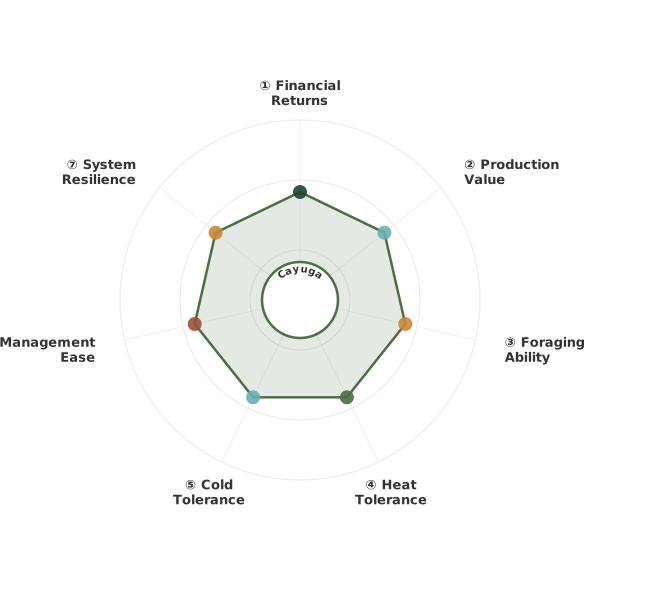
How These Traits Are Calculated
Trait dimensions are ordered clockwise starting from the top of the chart (12 o'clock position):
1. Financial Returns
Annual income per bird from eggs, meat, or specialty products
WHAT: Evaluates profit potential for specialty poultry (turkeys, ducks, geese, guinea fowl) combining meat yield, egg production (where applicable), growth timelines, and market premiums for specialty products.
WHY: Specialty poultry targets premium markets—heritage turkeys at $6-8/lb versus $1.50 commodity, duck eggs at $8-12/dozen versus $3-5 chicken eggs. Understanding enterprise-specific returns helps match birds to market opportunities, with successful operations generating 2-4× returns of conventional poultry.
HOW: Calculated from production data (market weight, timelines, egg yield) combined with efficiency traits and premium market access. Exceptional (≥2.6): strong output + premium markets + efficient growth. Typical (1.8-2.5): moderate production and markets. Limited (<1.8): low output or limited market access.
2. Production Value
Meat yield, egg production, and specialty product quality
WHAT: Measures output quality and quantity combining meat characteristics (size, flavor, texture prized by consumers), egg production (for laying breeds), and specialty products (foie gras, down feathers) that command premiums.
WHY: Production value determines market positioning. Heritage turkeys with superior flavor justify $6-8/lb premiums, duck eggs with rich yolks attract baking customers at $1+ per egg, quality down commands $20-40/lb. High production value enables profitable small-scale operations where commodity birds require large volume to achieve viability.
HOW: Composite assessment of documented production characteristics and market quality. Exceptional (≥2.6): superior product quality + strong output + specialty attributes. Typical (1.8-2.5): good standard production. Limited (<1.8): commodity quality, minimal specialty value.
3. Foraging Ability
Feed cost reduction through natural foraging behavior
WHAT: Measures effectiveness at obtaining nutrition through foraging—consuming insects, seeds, greens, and other natural foods—reducing purchased feed requirements 20-50% in pasture-based systems.
WHY: Aggressive foragers reduce feed costs while providing pest control (insects, ticks, slugs) and weed management services. Turkeys consuming 30-40% of calories from forage save $15-30 per bird over growing season, making the difference between profitable and marginal operations.
HOW: Rated from documented foraging behavior and feed reduction potential. Exceptional (≥2.6): excellent foragers, 40-50% feed reduction, active pest control. Typical (1.8-2.5): moderate foraging, 20-30% reduction. Limited (<1.8): minimal foraging, requires full feeding.
4. Heat Tolerance
Performance in hot weather above 85°F (29°C)
WHAT: Evaluates adaptation to sustained heat above 85°F (29°C), measuring heat stress resistance, growth/production maintenance, and survival during summer peaks. Critical for southern operations and summer meat production.
WHY: Heat stress reduces feed intake 20-40%, slows growth, and increases mortality—particularly problematic for turkeys naturally susceptible to heat. Heat-adapted breeds maintain production schedules where others require expensive cooling or suffer significant losses during summer.
HOW: Rated from database trait 'heat_tolerance' based on documented characteristics. Exceptional (≥2.6): maintains production in 95°F+ (35°C+), low mortality. Typical (1.8-2.5): manageable with shade and water. Limited (<1.8): high heat sensitivity, struggles above 85°F.
5. Cold Tolerance
Performance in cold weather below 20°F (-7°C)
WHAT: Evaluates adaptation to sustained cold below 20°F (-7°C), measuring feather insulation, cold-weather foraging activity, and winter production/growth maintenance. Important for year-round outdoor systems in northern climates.
WHY: Cold-sensitive birds require heated housing ($50-200 monthly winter costs), reduce activity limiting foraging value, and experience higher mortality. Cold-hardy breeds remain active outdoors year-round, maintain winter egg production (ducks/geese), and thrive with basic shelter.
HOW: Rated from database trait 'cold_tolerance' based on breed characteristics. Exceptional (≥2.6): excellent insulation, active in <0°F (-18°C), maintains winter production. Typical (1.8-2.5): moderate hardiness. Limited (<1.8): requires heated shelter, limited winter activity.
6. Management Ease
Handling temperament and care requirements
WHAT: Measures daily management simplicity combining temperament (calm vs flighty/aggressive), health needs, natural breeding ability (versus artificial insemination required), and routine handling cooperation.
WHY: Difficult birds increase labor 2-3× and create safety concerns. Aggressive turkeys or geese require protective equipment during handling, flighty birds complicate catching for processing, breeds requiring AI add complexity. Calm birds with good health enable confident management by beginners.
HOW: Weighted assessment: temperament (50%), health needs (30%), breeding ease (20%). Exceptional (≥2.6): calm and manageable, robust health, natural breeding. Typical (1.8-2.5): manageable with experience. Limited (<1.8): aggressive or nervous, high health needs, or breeding complications.
7. Flock Resilience
Disease resistance and survival under typical stresses
WHAT: Evaluates flock robustness across disease resistance (particularly respiratory issues and common poultry diseases), parasite tolerance, predator awareness, and general hardiness determining survival through typical challenges.
WHY: Resilient breeds maintain productivity through challenges causing 20-50% losses in susceptible birds—surviving disease pressure, evading predators through awareness, resisting parasites. This determines whether flocks thrive with basic care or require intensive interventions and predator-proof housing.
HOW: Composite assessment of documented health and survival characteristics. Exceptional (≥2.6): strong disease resistance + predator-savvy + hardy. Typical (1.8-2.5): standard resilience with routine care. Limited (<1.8): health-sensitive or vulnerable, requires intensive management and protection.
Regenerative Advantages
- Fence Requirements: Cayuga ducks are not strong fliers and tend to stay grounded. A 4ft fence is generally sufficient for containment.
Value Streams
- Meat & Egg production
- Insect and pest control
- Scratch tillage and compost distribution
Experience Level
Suitable for first-time livestock owners
3
Understanding Cayuga Duck Characteristics
Physical traits, temperament, and what makes this breed unique
Understanding Cayuga Duck Characteristics
Physical traits, temperament, and what makes this breed unique
The Cayuga duck is a heritage breed renowned for its striking iridescent black plumage, which shimmers with green and purple hues in sunlight, offering a distinctive aesthetic compared to many other domestic duck varieties. Originating from Cayuga County, New York, this breed was developed in the mid-19th century and is characterized by its medium size, heavy body, broad chest, and a relatively short neck. Ducklings are born a solid black, gradually developing the mature bird's characteristic sheen as they grow. Their robust physical build and strong foraging instincts make them well-suited for integrated farm systems, particularly in temperate and humid climates, where they can actively contribute to pest management.
Physical Characteristics:• Plumage: Deep, iridescent black with males often displaying a more pronounced green sheen. The feathers are dense and provide excellent waterproofing.
• Body Type: Medium-sized, heavy-bodied with a broad chest and back, contributing to their substantial presence.
• Mature Weight: Drakes typically weigh between 8-10 pounds, while ducks range from 7-9 pounds.
• Beak: Black or dark horn colored, complementing their dark plumage.
• Legs and Feet: Dark, frequently black or dark orange, adapted for terrestrial movement and water.
Behavioral and Biological Traits:• Foraging Acumen: Possess strong natural foraging abilities, adept at locating and consuming insects, slugs, snails, and other small invertebrates across varied terrain. This behavior is a key attribute for their utility in pest control.
• Temperament: Generally docile and calm, making them relatively easy to manage within a flock.
• Water Affinity: Exhibit a strong natural inclination for water, requiring daily access for proper feather maintenance, hygiene, and overall health.
• Cold Hardiness: Excellent. Their dense, water-repellent plumage provides significant insulation, enabling them to tolerate cold temperatures effectively without extensive artificial heating.
• Heat Tolerance: Good. While they prefer cooler conditions, they can adapt to warmer weather, especially when provided with adequate shade and water for thermoregulation.
• Predator Vulnerability: High. Their terrestrial nature and moderate size make them susceptible to common farm predators, necessitating protective measures.
The Cayuga duck's physical attributes, including its robust build and exceptional foraging drive, position it as a valuable asset in diversified agricultural settings. Their adaptability to varying temperatures, coupled with their striking appearance, makes them a compelling choice for land stewards seeking both functional and aesthetically pleasing additions to their farm ecosystem. Their heritage status also contributes to their appeal for those interested in preserving genetic diversity within domestic poultry.
Sources behind this view
 Community
-
Cayuga ducks are hardy layers with varied egg colors (black to white), requiring low fences and tolerating cold weather. Males are gentle, but some females can be vocal.
Read more (opens in new window) permies.com
4
Management, Care & Feeding
Operational guidance for raising this breed successfully
Management, Care & Feeding
Operational guidance for raising this breed successfully
Integrating Cayuga ducks into a regenerative farming system requires careful consideration of their physical needs, economic realities, and environmental contributions. Their strong foraging instincts and water dependency are key factors that dictate their housing, grazing, and overall management strategy. Economically, success is tied to understanding production timelines, input costs, and the development of suitable market channels for their meat and eggs. Environmentally, their integration should be planned to maximize their ecosystem services, such as pest control and nutrient cycling, while minimizing potential negative impacts.
Physical and Environmental Integration:• Water Access: Daily access to clean water for drinking and bathing is essential. This can be provided through ponds, large troughs, or man-made water features. Ensure water sources are replenished and kept clean.
• Foraging Grounds: Provide access to pasture, meadows, orchards, or even crop fields for foraging. Rotational grazing is highly recommended to prevent overgrazing and ensure continuous food availability.
• Shelter and Protection: While cold-hardy, they require basic shelter from extreme weather, including wind, heavy rain, and intense sun. Secure housing is critical to protect them from predators such as foxes, raccoons, and birds of prey.
• Climate Suitability: Cayuga ducks are well-suited for temperate and humid climates due to their excellent cold hardiness and good heat tolerance, provided water and shade are available in warmer months.
• Space Requirements: Allow adequate space per bird to prevent overcrowding, which can lead to stress, disease, and reduced foraging effectiveness. A general guideline is 10-20 square feet per duck in a confined area, with significantly more space needed for free-ranging or pasture-based systems.
Economic Implementation and Management:• Production Cycle: Plan for a 3-4 month finishing period for meat production. This timeline requires planning for processing and market availability.
• Input Cost Management: Maximize foraging opportunities to reduce reliance on commercial feed. Supplement with high-quality feed, especially during laying periods or for growing ducklings.
• Market Development: Identify and establish direct-to-consumer sales channels, such as farmers' markets, farm stands, or CSA programs, for both meat and eggs. Explore partnerships with specialty butchers or restaurants that value heritage breeds.
• Predator Management: Invest in secure fencing, predator-proof housing (e.g., solid walls, covered tops), and potentially guardian animals if predator pressure is high. This is a critical upfront and ongoing cost.
• Egg Production: While not prolific layers, they will produce eggs, especially during their peak season. Consider markets for fresh table eggs or hatching eggs if breeding stock is maintained. Consistent egg collection is important.
Systemic Benefits and Management Practices:• Pest Control Strategy: Integrate ducks into areas with high insect pressure, such as vegetable gardens, orchards, or fields between crop cycles. Move them regularly to prevent damage to desirable plants and to distribute their manure effectively.
• Nutrient Management: Utilize their manure by composting it or allowing ducks to graze pastures following larger livestock. This enriches soil fertility and closes nutrient loops within the farm.
• Water Quality Enhancement: If integrating near ponds or wetlands, their consumption of aquatic insects and algae can contribute to healthier aquatic ecosystems. Monitor water sources to ensure they are not over-fouled by duck waste.
• Follow-Grazing: Consider using Cayuga ducks to follow larger livestock like cattle or sheep. They can glean insects and seeds left behind, further benefiting from the pasture and contributing to fertility.
• Record Keeping: Maintain records of feed consumption, growth rates, egg production, input costs, and sales. This data is crucial for assessing profitability and refining management practices over time.
Successfully integrating Cayuga ducks involves a holistic approach, balancing their physiological requirements with economic objectives and environmental stewardship goals. Their robust nature and beneficial ecosystem services make them a valuable component of a diversified, regenerative farm system when managed thoughtfully.
Sources behind this view
Community
-
Steve Gabriel emphasizes adaptive learning in agroforestry, recommending starting simple, choosing preferred breeds like Cayuga ducks, and addressing water management challenges, while sharing his con
Read more (opens in new window) smallfarms.cornell.edu -
Provides guidance on residential duck flock management, including selective breeding, culling, and using Cayuga ducks for quiet operation in residential areas with noise ordinances. It also offers str
Read more (opens in new window) permies.com -
Recommends building duck houses at least 3-4 feet tall for maintenance access and integrating hot tub ponds that can water plants. Muscovy ducks are highlighted for their foraging skills in floodplain
Read more (opens in new window) permies.com -
A SARE-funded project tested integrating ducks into shiitake mushroom agroforestry, finding heritage breeds best for meat, establishing a 'slug-free moat' for pest control, and shifting focus from cos
Read more (opens in new window) smallfarms.cornell.edu
 Research
-
Outscaling of Rice-Based Farming System (Rice + Duck) in Claveria, Cagayan (opens in new window)
Integrating ducks into rice farming in Claveria, Cagayan, effectively controlled weeds and snails, improved soil, and created business opportunities, with comparable rice yields to monoculture systems