Regenerative Quick Profile

Best Suited For

Climates: Temperate to cool continental climates with moderate rainfall

Terrain: Requires carefully managed terrain

Scale: Best for medium to large operations (50+ animals)
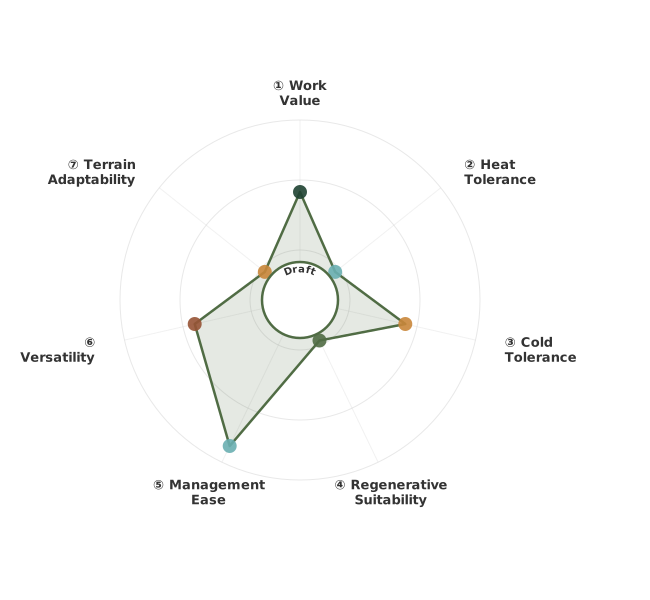
Regenerative Advantages

  • Temperament: Their calm, steady disposition and trainability make draft breeds exceptionally safe and manageable for heavy farm tasks and general handling.
  • Draft Capability: Specifically developed for extreme draft work, these breeds exhibit immense power, stamina, and a willing temperament for the heaviest tasks.

Value Streams

  • Nutrient cycling and soil building

Experience Level

Intermediate

Some livestock experience recommended (better for larger operations)

1

Climate Suitability Assessment

Will this breed thrive in your climate?

IDEALLY SUITED

EU Climate Region: Oceanic, Atlantic

ADEQUATE

Köppen Zone: Cfa (Humid Subtropical), Cfb (Oceanic (Maritime Temperate)), Dfa (Hot-Summer Continental), Dfb (Warm-Summer Continental)
US Zone: 5a, 5b, 6a, 7a
Australian Zone: Zone 3, Zone 4, Zone 5
EU Climate Region: Pannonian

Mild winters are easily managed. Hot, humid summers above 80°F require significant cooling interventions and shade.

NOT RECOMMENDED

Köppen Zone: Af (Tropical Rainforest), Am (Tropical Monsoon), Aw (Tropical Savanna), ET (Tundra), BSh (Hot Semi-Arid (Steppe)), BSk (Cold Semi-Arid (Steppe)), BWh (Hot Desert), BWk (Cold Desert), Csa (Hot-Summer Mediterranean), Csb (Warm-Summer Mediterranean), Cwa (Monsoon-Influenced Humid Subtropical), Cwb (Subtropical Highland), Dfc (Subarctic), Dwa (Monsoon-Influenced Hot-Summer Continental)
US Zone: 2a, 3a, 3b, 4a, 8a, 9a, 10a, 11a, 12a
EU Climate Region: Boreal, Continental

Constant high heat and humidity are detrimental. Draft horses are not adapted to tropical rainforest conditions and would suffer severe heat stress.

Better alternatives for these "not recommended" zones: Brahman (ideal for tropical rainforest conditions), Water Buffalo (adapted to hot, wet environments), Brahman (well-suited to monsoon climates), Zebu cattle (adapted to heat and humidity), Brahman (excellent heat and drought tolerance), Criollo (adapted to savanna conditions), Yak (exceptionally adapted to arctic and alpine environments), Reindeer (highly adapted to tundra conditions), Brahman (good heat tolerance), Criollo (adapted to semi-arid conditions), Yak (adapted to cold and dry conditions), Icelandic Horse (hardy and adaptable to variable climates), Dromedary Camel (highly adapted to desert environments), Brahman (can tolerate heat but requires water), Bighorn Sheep (native to arid, mountainous regions), American Quarter Horse (better heat tolerance), Andalusian (adapted to warmer climates), American Quarter Horse (more heat tolerant), Haflinger (more adaptable to warmer conditions), Brahman (better heat tolerance), Percheron (can adapt with management), Haflinger (adaptable to varied conditions), Yak (highly adapted to subarctic conditions), Icelandic Horse (well-suited to cold climates), Yak (adapted to extreme cold and variable conditions), Fjord Horse (hardy and adaptable), Yak (exceptionally cold-hardy and adapted to extreme environments), Musk Ox (highly adapted to arctic conditions with superior insulation), Yak (superior cold tolerance and hardiness), Icelandic Horse (adapted to cold climates with good insulation), Icelandic Horse (well-adapted to cold and variable conditions), Fjord Horse (hardy breed with good cold tolerance), Fjord Horse (robust and well-suited to temperate climates), Haflinger (hardy and adaptable to cooler conditions), American Quarter Horse (bred for heat tolerance and endurance), Brahman Crosses (highly adapted to hot climates), American Quarter Horse (superior heat tolerance and lower water needs), Gaited breeds (e.g., Tennessee Walking Horse) (often more heat tolerant and suited for lighter work), Brahman (specifically adapted to extreme heat and humidity), Criollo (hardy breed with good heat and drought tolerance), Brahman (ideal for tropical and subtropical conditions), N'Dama (African breed known for heat and disease resistance), Brahman (best suited for equatorial and tropical climates), Zebu breeds (adapted to hot, humid environments), Icelandic Horse (Exceptional cold tolerance and ability to thrive on sparse forage, making them well-suited for harsh winters.), Fjord Horse (Hardy breed with good cold tolerance and adaptability to varied conditions, requiring less intensive winter management.), Belgian Draft Horse (While a draft breed, they are generally more heat tolerant than some other draft types and have a more adaptable constitution for varied continental conditions.), Percheron (Known for their hardiness and adaptability, Percherons can often manage continental climates better than other draft breeds with appropriate management.)

Note: This breed's performance varies significantly by climate zone. Above are suitability ratings for major climate types where this breed can be raised successfully. If your climate isn't listed, this breed may not be a good fit. Breeds can technically survive in other climates with intensive management, but we don't recommend this for most regenerative operations due to questionable economics and high resource requirements.

2

Is This Breed Right for Your Operation?

Climate fit, terrain suitability, and scale considerations

Terrain & Environment

Can this breed handle my landscape? Performance on different terrain types and farm scales.

Attribute Suitability Explanation
Flat Terrain Not Recommended Built for raw power on level ground, draft breeds are inefficient and fatigue quickly during sustained high-speed movement on flat terrain.
Rolling Terrain Not Recommended Selected for power, draft breeds are less agile on uneven terrain, posing a higher risk of injury on rolling landscapes.
Small Scale Suitability Not Recommended Very large size (1,500-2,200 lbs) demands substantial land (5+ acres per animal) and strong fencing. Handling requires expertise and physical strength.

Forage & Feeding Adaptations

What can I feed them and how efficiently? Grazing ability, feed conversion, and seasonal adaptation.

Attribute Suitability Explanation
Browsing Ability Not Recommended Draft horses are primarily grazers, best adapted for efficient conversion of grasses and grains, which aligns with their historical use in agriculture. While they may opportunistically consume some woody material when grass is scarce, they do not actively seek out or specialize in browsing. Their digestive system and physical build are not optimized for the consistent, high volume consumption of shrubs and trees necessary for true browsing specialists. Consequently, they struggle to maintain condition on diets dominated by browse compared to breeds developed for such environments.
Fescue Tolerance Not Recommended Historically selected for temperate climates, draft breeds lack specialized grazing tolerance for endophyte-infected fescues.
Dry Season Grazing Not Recommended Their substantial caloric needs make draft breeds highly susceptible to condition loss on dry forages, requiring significant supplementation.

Browsing Ability: Specialized consumption of woody vegetation specifically (shrubs, trees, branches). Actively seeks woody plants, not just opportunistic. A specialized subset of foraging ability.

Fescue Tolerance: Resistance to endophyte-infected tall fescue toxicity (critical for Southern US pastures). Exceptional = minimal impact, Typical = manageable symptoms, Limited = poor performance.

Dry Season Grazing: Ability to utilize dormant or low-quality forage during dry periods. Important for year-round grazing systems.

Scale Considerations

Small-Scale Suitability: Not Recommended

Very large size (1,500-2,200 lbs) demands substantial land (5+ acres per animal) and strong fencing. Handling requires expertise and physical strength.

Water Requirements: 10-20 gal/day (38-76 L/day) gallons/day

3

Understanding Draft Horses Characteristics

Physical traits, temperament, and what makes this breed unique

Draft horses are a group of horse breeds characterized by their immense size, strength, and calm temperament, historically bred for heavy labor such as plowing fields, hauling heavy loads, and pulling artillery. Breeds like the Shire, Clydesdale, Belgian, Percheron, and Suffolk Punch are all considered draft types, each with its own lineage and specific traits, but all sharing a common purpose of power and endurance. Their muscular build, broad chests, and substantial bone structure are defining physical characteristics, setting them apart from lighter breeds. This robust physique is not just for show; it's the result of centuries of selective breeding for work capacity.

The origins of draft horses can be traced back to medieval Europe, where large horses were needed for warfare and agriculture. Over time, specific regional breeds were developed and refined. For instance, the Shire evolved from the English Great Horse, while the Clydesdale gained fame for its distinctive "action" and feathering. The Belgian draft, known for its docile nature and immense power, has ancient roots. These breeds were instrumental in the agricultural revolution and industrialization, serving as the primary motive force before the advent of mechanization. Their history is deeply intertwined with the development of modern farming and transportation.

What truly sets draft horses apart is their unique combination of raw power and a gentle disposition, often referred to as "gentle giants." Unlike more spirited breeds, drafts are typically docile, willing partners, making them safer and more manageable for demanding tasks. Their sheer size and strength allow them to perform heavy work with relative ease, a capability unmatched by smaller horses or even many modern machines when considering environmental impact. This blend of power, temperament, and historical significance makes them a distinct and valuable category of equine.

4

Management, Care & Feeding

Operational guidance for raising this breed successfully

Managing draft horses effectively in a regenerative system requires attention to their specific needs, which differ from lighter breeds or livestock. Their immense size and caloric needs mean they require ample, high-quality forage. Grazing management is key; rotational grazing is highly recommended to prevent overgrazing, manage pasture health, and utilize their manure effectively for soil fertility. During periods of heavy work, their diet may need supplementation with grains or specialized feeds to ensure they have sufficient energy, but care must be taken to avoid overfeeding, which can lead to health issues like laminitis or obesity. Access to clean water at all times is non-negotiable.

Husbandry considerations include regular hoof care, as their heavy workload demands diligent farrier attention to maintain proper balance and prevent injuries. Their coats, especially in breeds with heavy feathering, require regular grooming to prevent skin issues and detect parasites. Training and conditioning are paramount; draft horses need consistent, patient work to build their stamina and responsiveness for fieldwork. Establishing a strong bond and clear communication through groundwork and driving lessons ensures safety and efficiency. Harnesses and equipment must be well-fitted and maintained to prevent chafing and injury during work.

Health management for draft horses emphasizes preventative care. Regular deworming protocols, vaccinations, and dental check-ups are essential. Given their size, prompt attention to injuries, even minor ones, is crucial to prevent complications. Common issues to monitor include colic, laminitis (especially related to diet and pasture access), and injuries sustained from work. Building a relationship with a veterinarian experienced with large equines is vital for timely diagnosis and treatment. By providing appropriate nutrition, consistent care, and a safe working environment, draft horses can remain healthy, productive partners for many years in a regenerative farming operation.

5

Complete Trait Reference

Comprehensive trait ratings and explanations

Climate & Environmental Adaptation

How does this breed handle environmental challenges? Weather resilience, natural resistance, and adaptation.

Attribute Suitability Explanation
Hardiness Adequate Bred for strength in managed environments, draft horses possess robust constitutions but require specific care due to their size and metabolism.
Heat Tolerance Not Recommended Substantial builds and thick coats make draft horses prone to heat stress above 80°F, necessitating significant cooling interventions.
Cold Tolerance Adequate While possessing good natural insulation, draft breeds are typically managed in temperate climates and require standard winter housing and feeding.
Drought Tolerance Not Recommended Developed in temperate zones, draft breeds require consistent moisture and quality forage, making them vulnerable during dry spells.

Terrain & Land Suitability

Can this breed handle my landscape? Performance on different terrain types and farm scales.

Attribute Suitability Explanation
Flat Terrain Not Recommended Built for raw power on level ground, draft breeds are inefficient and fatigue quickly during sustained high-speed movement on flat terrain.
Rolling Terrain Not Recommended Selected for power, draft breeds are less agile on uneven terrain, posing a higher risk of injury on rolling landscapes.
Small Scale Suitability Not Recommended Very large size (1,500-2,200 lbs) demands substantial land (5+ acres per animal) and strong fencing. Handling requires expertise and physical strength.

Forage & Feeding Characteristics

What can I feed them and how efficiently? Grazing ability, feed conversion, and seasonal adaptation.

Attribute Suitability Explanation
Browsing Ability Not Recommended Draft horses are primarily grazers, best adapted for efficient conversion of grasses and grains, which aligns with their historical use in agriculture. While they may opportunistically consume some woody material when grass is scarce, they do not actively seek out or specialize in browsing. Their digestive system and physical build are not optimized for the consistent, high volume consumption of shrubs and trees necessary for true browsing specialists. Consequently, they struggle to maintain condition on diets dominated by browse compared to breeds developed for such environments.
Fescue Tolerance Not Recommended Historically selected for temperate climates, draft breeds lack specialized grazing tolerance for endophyte-infected fescues.
Dry Season Grazing Not Recommended Their substantial caloric needs make draft breeds highly susceptible to condition loss on dry forages, requiring significant supplementation.

Browsing Ability: Specialized consumption of woody vegetation specifically (shrubs, trees, branches). Actively seeks woody plants, not just opportunistic. A specialized subset of foraging ability.

Fescue Tolerance: Resistance to endophyte-infected tall fescue toxicity (critical for Southern US pastures). Exceptional = minimal impact, Typical = manageable symptoms, Limited = poor performance.

Dry Season Grazing: Ability to utilize dormant or low-quality forage during dry periods. Important for year-round grazing systems.

Working Capability

Can this breed perform work? Draft power, pack transport, riding, and training ease.

Attribute Suitability Explanation
Draft Capability Ideally Suited Specifically developed for extreme draft work, these breeds exhibit immense power, stamina, and a willing temperament for the heaviest tasks.
Riding Suitability Not Recommended Selected for power, most draft breeds lack the agility and refined trainability needed for many riding disciplines.
View Full Document (Printable single-page version)