
German Bees
Also known as: german honeybees, dark european bees, apis mellifera mellifera, black bees, northern dark bees
German Bees excel at robust overwintering and superior cold tolerance, significantly simplifying winter management and reducing colony loss. This hardy breed, originating from Germany, also demonstrates good resistance to common mite infestations and possesses excellent foraging ability, making them adaptable to a wider range of climates and floral sources. Their strong foraging prowess contributes to reliable honey production, even in challenging environments. While not exhibiting an exceptional affinity for specific top-bar hive configurations, their inherent hardiness and disease resilience make German Bees a valuable choice for farmers prioritizing reliable colony survival and consistent honey yields with less intensive intervention.
Regenerative Quick Profile
Best Suited For
Climates: Temperate oceanic to humid continental with cool summers
Scale: Best for medium to large operations (50+ animals)
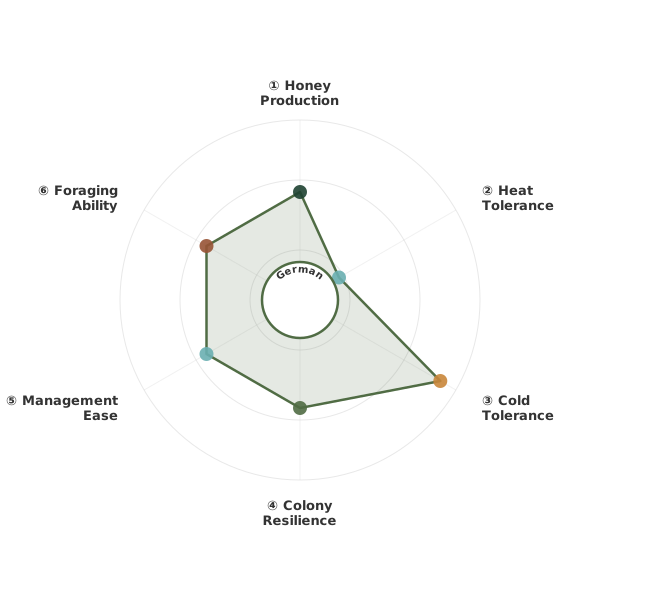
How These Traits Are Calculated
Trait dimensions are ordered clockwise starting from the top of the chart (12 o'clock position):
1. Honey Production
Annual honey yield per hive in pounds
WHAT: Measures annual honey production per hive, typically ranging 30-100 lbs in temperate climates. High producers generate 70-100+ lbs annually while lower producers yield 30-50 lbs, directly affecting revenue from honey sales.
WHY: Honey revenue determines whether beekeeping is a profitable side enterprise or requires large colony counts to achieve viability. At $8-12 per pound, high-producing hives generate $560-1,200 annually versus $240-600 for low producers, making the difference between 10 hives providing income or requiring 30+ hives.
HOW: Rated from documented production levels and breed characteristics. Exceptional (≥2.6): 80-100+ lbs annually, consistent high yields. Typical (1.8-2.5): 50-80 lbs, standard production. Limited (<1.8): <50 lbs, primarily consumed by colony for winter survival.
2. Heat Tolerance
Colony survival and productivity in hot weather above 85°F (29°C)
WHAT: Evaluates colony adaptation to sustained heat above 85°F (29°C), measuring temperature regulation behaviors (fanning, water collection), brood survival, and honey production maintenance during hot periods.
WHY: Heat stress halts foraging, causes brood mortality, and requires intensive cooling (water collection, fanning) that redirects energy from honey production. Heat-adapted breeds maintain productivity in southern climates where others struggle, preventing 2-4 month production gaps during summer peaks.
HOW: Rated from database trait 'heat_tolerance' based on documented characteristics. Exceptional (≥2.6): tropical origins, efficient cooling, maintains production in 95°F+ (35°C+). Typical (1.8-2.5): moderate tolerance, manageable with shade and water access. Limited (<1.8): struggles above 85°F, reduced foraging and brood survival.
3. Cold Tolerance
Overwinter survival in cold climates below 20°F (-7°C)
WHAT: Evaluates colony survival through sustained cold below 20°F (-7°C), measuring cluster efficiency, winter honey consumption, brood-rearing timing, and spring buildup speed. Critical for northern beekeeping viability.
WHY: Cold-sensitive bees consume 50-80 lbs honey for winter survival, start brood-rearing late, and suffer high winter losses (40-60%). Cold-hardy breeds overwinter on 40-60 lbs, resume brood-rearing earlier, and maintain losses below 20%, making northern beekeeping economically viable.
HOW: Rated from database trait 'cold_tolerance' based on documented overwinter performance. Exceptional (≥2.6): proven success in <0°F (-18°C), efficient clustering, low winter stores needed. Typical (1.8-2.5): moderate hardiness, standard overwintering. Limited (<1.8): high losses, requires extensive feeding or indoor wintering.
4. Hive Stability
Disease resistance and survival under typical stresses
WHAT: Evaluates colony robustness across disease resistance (foulbrood, nosema, viruses), pest tolerance (varroa mites, small hive beetles), hygienic behavior (removing diseased brood), and general stress adaptation.
WHY: Resilient colonies maintain productivity through challenges causing 30-50% losses in susceptible bees—surviving varroa pressure, resisting diseases, adapting to forage gaps. This determines whether beekeeping requires intensive treatments (monthly medications) or colonies thrive with minimal interventions.
HOW: Composite assessment of documented health characteristics. Exceptional (≥2.6): strong hygienic behavior + disease/mite resistant + thrives with minimal treatment. Typical (1.8-2.5): standard resilience, routine management sufficient. Limited (<1.8): susceptible, requires intensive treatment regimes.
5. Management Ease
Colony temperament and handling complexity
WHAT: Measures handling simplicity combining temperament (calm vs defensive), swarming tendency (frequent vs controlled), comb-building behavior (straight vs wandering), and routine inspection cooperation.
WHY: Defensive bees require full protective gear, limit inspection frequency, and create liability concerns near homes or public spaces. Frequent swarmers lose half the workforce annually, reducing productivity. Calm bees enable confident inspections in light protection, making beekeeping accessible and pleasant.
HOW: Weighted assessment: temperament (50%), swarming tendency (30%), comb behavior (20%). Exceptional (≥2.6): gentle and calm, low swarming, straight comb. Typical (1.8-2.5): manageable with standard practices. Limited (<1.8): defensive requiring full suits, frequent swarmers, or challenging comb behavior.
6. Foraging Ability
Nectar and pollen collection efficiency across seasons
WHAT: Measures foraging effectiveness combining flight range, early/late season activity (when few others are foraging), poor weather tolerance (flying in cool or cloudy conditions), and diverse floral source utilization.
WHY: Aggressive foragers extend the honey production season 2-4 weeks at each end, collect more per flight, and maintain productivity during brief nectar flows. This produces 20-40% more honey annually than less vigorous foragers from the same floral resources.
HOW: Rated from documented foraging characteristics and behavior. Exceptional (≥2.6): extended season activity + poor weather tolerance + diverse sources + vigorous foragers. Typical (1.8-2.5): standard foraging behavior. Limited (<1.8): restricted season, fair-weather only, selective about sources.
Regenerative Advantages
- Cold Tolerance: Adapted to colder European climates, strains like Apis mellifera mellifera cluster tightly, conserving resources and demonstrating exceptional cold tolerance.
- Overwintering: With origins in temperate climates, German Black Bees are robust foragers and hoarders, reliably overwintering with low mortality and minimal supplemental needs.
- Disease Resistance: German bees, selected in challenging European climates, often possess robust natural immunity and resilience to common pathogens, reducing the need for extensive treatments.
Value Streams
- Honey production
- Crop pollination (increases yields 20-40%)
- Biodiversity and ecosystem health indicator
Experience Level
Beekeeping requires specialized knowledge
3
Understanding German Bees Characteristics
Physical traits, temperament, and what makes this breed unique
Understanding German Bees Characteristics
Physical traits, temperament, and what makes this breed unique
The German Bee, scientifically known as *Apis mellifera mellifera*, is a subspecies of the European honey bee distinguished by its dark coloration, robust build, and exceptional hardiness. Originating from the cooler, northern climates of Europe, particularly Germany, these bees have evolved a remarkable tolerance to cold weather and challenging environmental conditions. This resilience is a hallmark of their genetics, allowing them to thrive where other subspecies might struggle. Their temperament is often described as more docile than some of their southern counterparts, though this can vary significantly by colony and management style.
Historically, the German Bee was the dominant honey bee across much of northern Europe before the introduction of other subspecies. Their natural foraging behavior is well-suited to diverse temperate flora, making them excellent pollinators for a wide range of crops and wildflowers. This adaptability is key to their success in varied agricultural settings. Unlike some breeds selectively bred for specific traits like honey production volume or docility at the expense of hardiness, the German Bee retains a strong instinct for survival and colony maintenance.
What truly sets the German Bee apart is its inherent ability to withstand harsh winters and recover quickly in the spring. This overwintering strength is a significant advantage for beekeepers in regions with long, cold seasons. Their efficient use of resources and tendency to build strong, compact winter clusters mean less supplemental feeding is often required. This self-sufficiency and genetic predisposition for resilience make them a foundational choice for beekeepers prioritizing colony health and long-term sustainability.
Sources behind this view
 Community
-
Details *Apis mellifera* history and cultivation, including historical figures like W.L. Coggshall. The book 'Homegrown Honey Bees' offers step-by-step guidance on the annual beekeeping cycle, from hi
Read more (opens in new window) smallfarms.cornell.edu
 Research
-
Honey bees as models for gut microbiota research. (opens in new window)
Honey bees are excellent models for studying gut microbes due to their simple, host-specific bacterial communities. Their gut microbes impact bee nutrition, immunity, and disease resistance, offering
-
Individual perception of bees: Between perceived danger and willingness to protect. (opens in new window)
Study found people willing to protect bees but also fearful. Educational programs can reduce fear and increase interest, supporting bees as flagship species for pollinator conservation.
4
Management, Care & Feeding
Operational guidance for raising this breed successfully
Management, Care & Feeding
Operational guidance for raising this breed successfully
Managing German Bees effectively in a regenerative system centers on providing an environment that supports their natural strengths. This means ensuring ample and diverse floral resources are available throughout the foraging season, ideally through a mix of permanent pastures, cover crops, and hedgerows. Minimizing the use of synthetic pesticides and herbicides is critical, as these bees are sensitive to chemical exposure, and their resilience is best expressed when operating within a clean environment. Providing adequate space for colony growth and swarm prevention through timely inspections and potential queen management can help maintain colony vigor without undue stress.
Feeding considerations for German Bees should prioritize natural sources. While supplemental feeding with sugar syrup or honey may be necessary during extreme dearth periods or for establishing new colonies, the goal should be to foster self-sufficiency. Ensuring they have access to clean water sources year-round is also paramount. Rotational grazing practices that incorporate flowering plants can provide a continuous buffet for foraging, supporting strong brood development and honey stores for winter. Monitoring their honey stores leading into winter is crucial, as their robust cluster requires sufficient reserves to survive long cold periods.
Health management for German Bees should focus on prevention and natural resistance. Regular monitoring for pests like Varroa mites is essential, but regenerative approaches often favor integrated pest management (IPM) strategies. This can include using mite-resistant queen lines, implementing biotechnical controls, and ensuring colonies are healthy and well-nourished to naturally resist infestations. Avoiding unnecessary antibiotic use and promoting good apiary hygiene helps maintain the bees' natural immune systems. By supporting colony health through good nutrition and a clean environment, German Bees are better equipped to manage common ailments and thrive.
Sources behind this view
Community
-
Adopt natural beekeeping by starting with 5+ hives, considering top-bar hives, and sourcing local, treatment-free bees. Prioritize diverse, abundant food sources and understand natural processes like
Read more (opens in new window) permies.com
6
Production Capabilities & Market Economics
Business case evaluation and production metrics
Production Capabilities & Market Economics
Business case evaluation and production metrics
Honey Production Economics
| Category | Value |
|---|---|
| Equipment Cost/Hive | 150-250 |
| Treatment Cost/Year | 10-30 |
| Feed Cost/Year | 5-15 |
| Price Premium/lb | +10% to +25% |
| Net Income/Hive/Year | 100-200 |
Management Economics & Labor
| Category | Value |
|---|---|
| Queen Replacement | 1-2 years |
| Winter Loss Rate | 15-30% |
| Nuc Value | 150-250 |
| Labor Hours/Year | 4-8 |
| Swarm Tendency | High |
| Minimum Protective Gear | Full suit, gloves, smoker required |
Queen Replacement: How often queens need replacing to maintain productivity and genetics. Hybrids (Buckfast) may need annual requeening to maintain traits, while pure races can go 2-4 years. Cost: $25-45 per mated queen.
Winter Loss Rate: Expected percentage of hives that die over winter in well-managed operations. Varies by climate and race. Cold-hardy races (Carniolan, Russian, German) have lower losses in northern climates. National average is 30-40%; regenerative beekeepers targeting 15-25%.
Swarm Tendency: How often colonies swarm without intervention. Low = minimal management, High = frequent splits needed to prevent swarming. Swarming is natural reproduction but reduces honey yield and requires proactive management.
Minimum Protective Gear: Minimum equipment needed for safe hive work based on breed temperament. Gentle races (Italian, Carniolan) allow work with just veil or even no gear for experienced beekeepers. Defensive races (German) require full suit, gloves, and smoker. Beekeepers can always choose to wear more protective gear for extra caution. Impacts urban/suburban suitability and visitor safety.
Value-Added Products & Services
| Category | Value |
|---|---|
| Propolis/Year | N/A oz |
| Beeswax/Year | 10-20 lbs 4.5-9 kg |
| Pollen Potential | N/A |
| Pollination Value | N/A |
| Orchard Readiness | strong |
Orchard Readiness: Ability to build up strong populations by early spring (March-April) for orchard pollination. Italian and Buckfast excel with rapid spring buildup. Carniolan moderate. German and Russian slower. Critical for pollination service income.
Sources behind this view
Community
-
Beekeeping offers multiple income streams beyond honey: premium mono-floral and cut-comb honey, highly sought-after pollen (£10+/lb), valuable bee bread (£10-£20/100g), and beeswax for ingots (£6.50/l
Read more (opens in new window) permies.com