
Milking Devon Cattle
Also known as: milking devon, devon cattle
The Milking Devon excels as a remarkably docile, hardy breed with excellent mothering instincts and superior cold tolerance, simplifying herd management for farmers. Originating from Devonshire, England, these medium-framed cattle are also notably adaptable to grazing diverse pastures and finishing well on grass. Their robust nature means they require minimal intervention, thriving even in challenging environments and demonstrating good heat tolerance and parasite resistance. Milking Devons are particularly well-suited for rotational grazing and silvopasture systems, demonstrating their ability to efficiently utilize varied forage resources and contributing to a self-sufficient operation. Their inherent hardiness and maternal traits make them a low-stress, high-value choice for producers seeking a dependable and adaptable cattle breed.
Regenerative Quick Profile
Best Suited For
Climates: Temperate oceanic to humid continental climates with cool summers
Terrain: Adaptable to most terrain types
Scale: Excellent for small homesteads (1-10 animals)
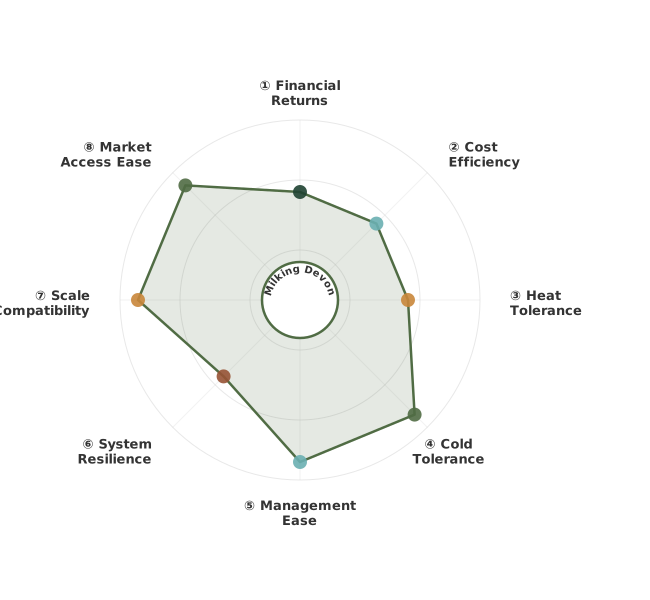
How These Traits Are Calculated
Trait dimensions are ordered clockwise starting from the top of the chart (12 o'clock position):
1. Financial Returns
Monthly income per animal after feed and care costs
WHAT: Evaluates net monthly profit by combining finish weight, time to market, price premiums, and input costs. Breeds with fast growth, efficient feed conversion, and premium market access generate higher returns per animal.
WHY: Farmers need clear income projections to sustain operations. Breeds returning $150+/month enable profitable small-scale operations, while those under $80/month require larger herds or alternative revenue streams to achieve viability.
HOW: Calculated from economics data (finish weight, months to finish, price premiums) combined with trait scores (feed efficiency, mothering ability, drought tolerance). Exceptional (≥2.6): fast growth ≤24 months + high capital efficiency >$180/month + low costs <30% of revenue. Typical (1.8-2.5): moderate returns or longer timelines. Limited (<1.8): slow growth >36 months or high input costs >50%.
2. Cost Efficiency
Feed, water, and input costs relative to output value
WHAT: Measures how well cattle convert inputs (pasture, hay, grain, water) into saleable output. Combines grass-finishing ability, feed efficiency, foraging capability, and water requirements into a composite efficiency score.
WHY: Input costs determine profitability more than market price. Breeds excelling on grass alone with minimal supplementation and low water needs reduce operating costs 40-60%, enabling viability even in drought years or when hay prices spike.
HOW: Weighted formula: grass finishing ability (30%), feed efficiency (30%), foraging ability (30%), water requirements inverted (10%). Exceptional (≥2.6): finishes on grass, exceptional feed conversion, thrives on rough forage. Typical (1.8-2.5): moderate efficiency, some grain needed. Limited (<1.8): grain-dependent, high inputs required.
3. Heat Tolerance
Performance in hot climates above 85°F (29°C)
WHAT: Evaluates breed adaptation to sustained heat above 85°F (29°C), measuring coat characteristics, metabolic adaptations, and documented performance in tropical or semi-arid regions.
WHY: Heat stress reduces feed intake 15-30%, lowers reproduction rates, and increases mortality. Heat-adapted breeds maintain productivity where others require expensive shade structures, cooling systems, or fail completely during summer peaks.
HOW: Rated from database trait 'heat_tolerance' based on breed characteristics. Exceptional (≥2.6): tropical origins, short sleek coats, proven success in regions >95°F (35°C). Typical (1.8-2.5): moderate tolerance, manageable with some shade. Limited (<1.8): temperate-adapted, struggles above 85°F without intensive cooling.
4. Cold Tolerance
Performance in cold climates below 20°F (-7°C)
WHAT: Evaluates breed adaptation to sustained cold below 20°F (-7°C), measuring coat thickness, body mass, metabolic efficiency, and documented performance in northern climates with harsh winters.
WHY: Cold stress increases feed requirements 20-40% for maintenance alone, elevates mortality in young stock, and complicates winter management. Cold-hardy breeds thrive outdoors year-round where others need expensive barns and supplemental heating.
HOW: Rated from database trait 'cold_tolerance' based on breed characteristics. Exceptional (≥2.6): northern origins, thick winter coats, proven success in regions <0°F (-18°C). Typical (1.8-2.5): moderate hardiness, windbreaks sufficient. Limited (<1.8): warm-adapted, requires shelter below 30°F (-1°C).
5. Management Ease
Temperament, handling requirements, and daily care needs
WHAT: Measures how straightforward cattle are to work with daily, combining temperament docility, calving ease, mothering ability, and fence respect into a management complexity score.
WHY: Difficult cattle increase labor 2-4× through longer handling times, more frequent escapes, calving interventions, and safety risks. Easy-handling breeds enable one-person operations and reduce stress for both farmer and animals.
HOW: Weighted formula: docility (40%), calving ease (30%), mothering ability (20%), fence respect (10%). Exceptional (≥2.6): calm docile temperament, unassisted calving, excellent mothers, respects basic fencing. Typical (1.8-2.5): manageable with experience. Limited (<1.8): nervous or aggressive, frequent interventions needed.
6. Drought & Disease Resilience
Survival and productivity under stress conditions
WHAT: Evaluates breed robustness across drought tolerance, parasite resistance, general hardiness, and disease resistance. Measures ability to maintain productivity when conditions deteriorate or health challenges arise.
WHY: Resilient breeds reduce veterinary costs 30-50%, survive drought years that devastate others, and maintain production through typical disease pressures. This determines whether you can sustain a herd through inevitable challenges or face repeated losses.
HOW: Weighted formula: drought tolerance (40%), parasite resistance (30%), general hardiness (20%), disease resistance (10%). Exceptional (≥2.6): thrives through drought, strong natural immunity, minimal interventions needed. Typical (1.8-2.5): moderate resilience, standard care sufficient. Limited (<1.8): requires intensive management to maintain health.
7. Farm Size Adaptability
Suitability across different farm scales and intensities
WHAT: Evaluates whether breeds work across small (1-10 head), medium (11-50 head), or large (50+ head) operations, considering size, handling needs, and infrastructure requirements.
WHY: Size mismatches create inefficiencies. Large commercial breeds overwhelm small pastures and facilities, while breeds requiring individual attention don't scale to large herds. Matching breed to scale prevents costly infrastructure changes or unmanageable daily workloads.
HOW: Matrix scoring based on breed size × small-scale suitability rating. Exceptional (≥2.6): adapts well to all scales or excels across 2+ scales. Typical (1.8-2.5): works best at specific scales. Limited (<1.8): narrow scale requirements, struggles outside optimal range.
8. Market Accessibility
Availability of buyers and premium market opportunities
WHAT: Evaluates market pathways by examining price premium potential, buyer network strength, and market accessibility. Inverted dimension where breeds requiring premiums to be viable score lower than those profitable at commodity prices.
WHY: Premium dependence creates risk. Breeds requiring 30-50% premiums need specialty buyers, direct marketing channels, and consumer education—adding 10-20 hours monthly overhead. Commodity-viable breeds sell through standard auctions with minimal marketing effort.
HOW: Inverted scoring: lower premiums = higher scores. Exceptional (≥2.6): profitable at commodity prices, sells through standard channels. Typical (1.8-2.5): moderate premium needs (10-20%), accessible specialty markets. Limited (<1.8): requires high premiums (30-50%), niche buyers, intensive marketing.
Regenerative Advantages
- Cold Tolerance: Their coat provides good insulation, allowing Milking Devons to perform well in colder climates with less supplemental care.
- Grazing Ability: Milking Devons are benchmark cattle for thriving on quality grass-based pastures, efficiently converting diverse grasslands and well-managed rotational systems into productive output. Their ability to finish well on grass with minimal supplementation makes them a gold standard for grass-fed operations and silvopasture systems. They require less specialized input to achieve high performance on high-quality forage, fitting the exceptional grazing criteria perfectly.
- Mothering Ability: They excel in maternal traits, possessing strong instincts, good milk for calves, and ease of calving.
- Hardiness: This heritage breed thrives on challenging New England pastures and weather, demonstrating remarkable resilience and self-sufficiency.
- Finishing On Grass: With an efficient metabolism and moderate frame, they achieve excellent carcass quality on forage alone, a strong historical grass-finishing trait.
Know the Debate
- Breed choice key for grass-based dairy sustainability.
- Focus on fertility and breed adaptability.
- Heritage breeds offer hardiness and low-input advantage.
- Crossbreds may boost production and efficiency.
Value Streams
- Meat & Dairy production
- Nutrient cycling and soil building
- Grassland management through grazing
- Carbon sequestration in grasslands
Experience Level
Suitable for first-time livestock owners
3
Understanding Milking Devon Cattle Characteristics
Physical traits, temperament, and what makes this breed unique
Understanding Milking Devon Cattle Characteristics
Physical traits, temperament, and what makes this breed unique
The Milking Devon is a true heritage breed, tracing its roots back to the western counties of England, particularly Devon. These cattle are renowned for their distinctive deep red coat, a striking visual that often signals their robust constitution. Historically, they were a cornerstone of English agriculture, valued as a dual-purpose animal capable of providing both milk and beef, a trait that led to their name. Unlike more specialized modern breeds, the Milking Devon retains a remarkable hardiness and adaptability, allowing them to thrive in a variety of climates and forage conditions. Their medium size and well-muscled frame contribute to their efficiency and longevity, making them a versatile choice for farmers seeking resilient livestock.
What truly sets the Milking Devon apart is its preservation of ancestral traits that have been bred out of many contemporary breeds. They are not overly large or demanding, which translates to lower input requirements. Their calm disposition makes them easier to handle, even when managed in larger herds or on extensive pastures. This breed embodies the "heritage" aspect of livestock, representing a genetic link to a time when animals were expected to perform multiple roles and thrive on what the land provided, rather than requiring intensive supplemental feeding and management.
In essence, the Milking Devon is a living piece of agricultural history, a breed that has maintained its integrity and utility through centuries of practical farming. Their unique combination of dual-purpose capability, inherent hardiness, adaptable foraging skills, and manageable size makes them stand out. They are a testament to the power of selective breeding for resilience and multi-functionality, offering a distinct alternative to breeds optimized for single, high-output purposes.
Sources behind this view
 Videos & Podcasts
-
Milking Devons differ structurally from Beef Devons: Milking Devons have higher milk production, greater longevity, and disease resistance, taking longer to finish. Beef Devons finish faster and are s
-
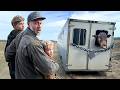
A farmer explains the choice of an American Milking Devon bull, a heritage breed, to cross with Jersey cows for hardy, grass-fed, vaccine/dewormer-free genetics, detailing the challenges of trailer lo
 Community
-
Details the triple-purpose Heritage Shorthorn breed for milk, meat, and draft work (oxen). Explains cow lactation cycles, training for milking, and breed differences in production, contrasting with hi
Read more (opens in new window) permies.com
4
Know the Debate
Selecting the right dairy breed for grass-based systems involves balancing production goals with inherent animal traits. While academic research em...
Know the Debate
Selecting the right dairy breed for grass-based systems involves balancing production goals with inherent animal traits. While academic research em...
Selecting the right dairy breed for grass-based systems involves balancing production goals with inherent animal traits. While academic research emphasizes fertility and resilience, field experience highlights the advantages of heritage breeds like Milking Devons and certain crossbreds for their adaptability and foraging efficiency. Outcomes vary based on your specific environmental conditions, desired milk composition, and the level of management intensity you can sustain. Understanding these factors is crucial for long-term profitability and herd health.
Dairy breed selection for grass-based systems?
Focus on Fertility and Resilience (Academic/Research)
Research prioritizes genetic selection for fertility, longevity, and disease resistance to ensure cows can thrive in pasture-based systems, reducing input needs and improving overall farm sustainability.
Sources behind this view
Sources behind this view
 Research
-
Review: New considerations to refine breeding objectives of dairy cows for increasing robustness and sustainability of grass-based milk production systems. (opens in new window)
This study found: This review looks at how to breed dairy cows that are better suited for grass-based farming systems, which are popular with consumers for animal welfare reasons. These systems present unique challenges, like relying on daily weather for feed and sometimes requiring cows to walk long distances to graze. To succeed, cows need to be highly fertile, easy to manage in large herds, good walkers, and resilient to changes in feed availability. As we focus more on sustainability and animal well-being, future breeding goals will need to include traits that improve the cow's quality of life and reduce the farm's environmental impact. Research shows that some cow genetics work better in grazing environments than others, meaning breeding goals should be adapted to specific regions and farm conditions to boost both profitability and sustainability.
-
Review: Genetic selection of high-yielding dairy cattle toward sustainable farming systems in a rapidly changing world. (opens in new window)
This study found: Over the last 50 years, breeding programs have dramatically increased milk production from dairy cows, meaning fewer cows are needed to produce more milk. This was achieved by focusing heavily on milk yield and using modern breeding technologies. However, this intense focus has led to problems: less variety in cattle breeds and within breeds, and negative impacts on cow fertility, health, lifespan, and their ability to cope with environmental changes. To ensure a sustainable dairy industry, future breeding efforts need to give more importance to animal welfare, health, longevity, environmental impact (like reducing methane and improving feed use), and overall resilience. This means identifying traits that are passed down from parents to offspring and can be easily measured. For long-term success, the dairy industry also needs to support different farming styles, such as organic or pasture-based systems, and protect local cattle breeds. The goal is to create a system that is productive, keeps animals healthy and comfortable, and is better for the environment.
-
Review: Genetic selection of high-yielding dairy cattle toward sustainable farming systems in a rapidly changing world (opens in new window)
This study found: For decades, dairy farming has focused on breeding cows for high milk production, leading to impressive yield increases but also reducing the variety of breeds and genetic traits within them. This intense focus has negatively impacted cow fertility, health, lifespan, and their ability to cope with environmental changes. To build a sustainable dairy industry for the future, breeding programs need to prioritize not just milk output, but also animal welfare, health, longevity, and environmental friendliness (like reducing methane and improving feed use). The review suggests that incorporating local and heritage breeds, which are often more resilient to different farming conditions (like organic or pasture-based systems), is vital. This approach aims to create robust dairy systems that are productive, keep animals healthy and comfortable, and minimize their impact on the environment.
Prioritize Adaptability and Efficiency (Field/Pasture)
Field practitioners often select hardy heritage breeds or crossbreds for their excellent adaptability to pasture, efficient forage utilization, and ease of management, which leads to greater resilience and lower input costs.
Sources behind this view
Sources behind this view
Videos & Podcasts
-
Devon cattle are highly practical, known for longevity, adaptability, and ease of keeping, excelling in grass farming and low-input systems. They thrive in diverse environments and are valuable heritage breeds suited for modern agricultural economics.
-
Milking Devons differ structurally from Beef Devons: Milking Devons have higher milk production, greater longevity, and disease resistance, taking longer to finish. Beef Devons finish faster and are selected for meat. Both produce high-quality beef, but milk levels must be managed for environmental conditions.
-
A farmer explains the choice of an American Milking Devon bull, a heritage breed, to cross with Jersey cows for hardy, grass-fed, vaccine/dewormer-free genetics, detailing the challenges of trailer loading.
Breed for Moderate Production and Functional Traits (Balanced Approach)
A balanced approach suggests selecting for moderate frame size, good structure, sound udder, and efficient forage conversion, often achieved through crossbreeding for heterosis, ensuring cows can thrive and reproduce effectively on pasture without excessive inputs.
Sources behind this view
Sources behind this view
Videos & Podcasts
-
Identifies ideal beef cattle phenotypes for grass-based systems: moderate frame score (3-4), sound structure, good udder, feminine appearance, and deep barrel for efficient forage digestion without supplements.
-
Balance genetic selection for growth with functional traits like fertility, structure, and hardiness for grass-fed systems. Prioritize moderate growth, fertility (the main profit driver), and robust structure over extreme EBVs. Epigenetics and environmental adaptation are crucial. Aim for optimal, not maximum, traits for sustainable profitability.

Making Sense of the Differences
The 'best' dairy breed for grass-based systems depends on the farm's specific environment and goals. Research emphasizes fertility and resilience for sustainability, while many field operators find heritage breeds like Milking Devons and specific crossbreds (e.g., Devon-Jersey) excel in adaptability and efficient forage utilization, often requiring fewer inputs. A balanced approach favors moderate frame size, good structure, and heterosis from crossbreeding. Farmers should match breed choice to local climate, forage types, management intensity, and desired product (milk solids vs. volume), considering that breeds adapted to less intense systems often perform better long-term on pasture.
5
Management, Care & Feeding
Operational guidance for raising this breed successfully
Management, Care & Feeding
Operational guidance for raising this breed successfully
Managing Milking Devon cattle effectively centers on leveraging their natural hardiness and foraging instincts. For pasture-based systems, this means providing access to a diverse range of forages and implementing well-managed rotational grazing. Their ability to thrive on less-than-ideal pasture makes them forgiving, but optimal health and productivity are achieved when they are rotated frequently to fresh grass, allowing pastures to recover and promoting efficient nutrient cycling. Ensuring access to clean water and mineral supplements tailored to forage quality is crucial, as is providing basic shelter against extreme weather.
Feeding strategies should prioritize high-quality forages as the primary source of nutrition. While they can subsist on marginal land, their milk and meat production will be significantly enhanced by well-managed pastures. During dry periods or winter, good quality hay or silage should be provided. Given their dual-purpose heritage, careful monitoring of body condition is important; ensure they are not becoming over-conditioned on rich pasture, which can lead to health issues, nor too thin on sparse forage. Their moderate frame size means they require less feed overall compared to larger, specialized breeds.
Health management for Milking Devons typically involves a proactive, preventative approach focused on good nutrition and stress reduction. Their inherent hardiness means they often have fewer health problems than more intensively bred animals. Regular observation for any signs of illness, parasite control integrated with grazing management (e.g., pasture spelling), and keeping vaccinations up-to-date are standard practices. Due to their docile nature, routine health checks, vaccinations, and hoof trimming are generally less stressful for both the animal and the handler. Maintaining good biosecurity and selecting breeding stock with proven genetic health are also key components of a robust management plan.
Sources behind this view
Videos & Podcasts
-
Milking Devons differ structurally from Beef Devons: Milking Devons have higher milk production, greater longevity, and disease resistance, taking longer to finish. Beef Devons finish faster and are s
Community
-
Discusses breeding strategies for Dexter/Devon cattle on small homesteads, including AI, renting bulls, or sharing. Emphasizes temperament, local adaptation, and caution regarding Dexter genetics. Men
Read more (opens in new window) permies.com
Research
-
A 100-Year Review: A century of change in temperate grazing dairy systems. (opens in new window)
Dairy grazing systems evolved over 100 years from random grazing to intensive, high-output systems driven by research, technology, and breeding. Managed grazing, better genetics, and supplementary fee
7
Production Capabilities & Market Economics
Business case evaluation and production metrics
Production Capabilities & Market Economics
Business case evaluation and production metrics
Meat Production Economics
| Category | Value |
|---|---|
| Finish Weight | 900-1200 lbs 408.2-544.3 kg |
| Months to Finish | 24-36 |
| Price Premium | 0% to 20% |
| Annual Input Cost/Head | $300-600 |
| DTC Retail Price | $10-14 |
| Hanging Weight Yield | 57-61 |
| Packaged Meat per Animal | 370-550 lbs 168-249 kg |
| Processing Cost | $800-1100 |
| Gross DTC Revenue | $3700-6600 |
Finish Weight: Market weight for grass-finished cattle. Varies by breed genetics, frame size, and forage quality. Smaller-framed heritage breeds typically finish at 900-1100 lbs vs. 1200-1400 lbs for larger commercial breeds.
Months to Finish: Time from weaning to finish weight on grass alone (no grain). Grass-finishing takes 24-30 months vs. 14-18 months for grain-finished feedlot cattle. Patient timeline suits regenerative grazing operations.
Price Premium: Premium above conventional beef prices ($0-6/lb range). Grass-finished beef typically sells for $6-12/lb vs. $4-6/lb for conventional. Premium only applies when farm qualifies through certification (organic, grass-fed verified, Animal Welfare Approved) or direct marketing establishes provenance. Without certification or direct sales channels, premium falls to $0.
Annual Input Cost/Head: Minerals, health care, pasture maintenance, and winter hay per animal per year. Excludes infrastructure, land, and labor. Grass-based systems have minimal input costs compared to grain finishing.
DTC Retail Price: Direct-to-consumer retail price range per pound of packaged beef (cuts average). Grass-finished DTC beef typically sells for $8-14/lb across all cuts. Breed reputation, marbling quality, and local market demand drive variation. Prices reflect farm-gate or farmers market sales — wholesale and commodity channels are significantly lower.
Hanging Weight Yield: Percentage of live weight retained as hanging carcass (after hide, head, organs removed). Most cattle dress out at 58-64% of live weight. Leaner grass-finished cattle may hang slightly lower than grain-finished. Breed frame size and condition affect yield.
Packaged Meat per Animal: Take-home meat after cutting and wrapping (typically 60-65% of hanging weight). Bone-in cuts yield more weight than boneless. Final packaged weight depends on cut sheet choices — ground beef maximizes total pounds, premium steaks reduce total weight but increase per-pound value.
Processing Cost: USDA-inspected slaughter, cutting, wrapping, and labeling per animal. Costs vary by region and processor availability — rural areas with more processors tend to be cheaper. Includes kill fee ($75-150), cut-and-wrap ($0.65-1.10/lb hanging), and any specialty processing (jerky, sausage). USDA inspection required for retail sales; custom-exempt processing costs less but meat cannot be resold.
Gross DTC Revenue: Total revenue per animal when selling all cuts direct to consumer. Calculated from packaged weight × average DTC price per pound. Does not deduct processing, marketing, delivery, or production costs. Actual net profit depends heavily on marketing efficiency and processing costs.
Dairy Production Economics
| Category | Value |
|---|---|
| Milk/Cow/Year | 4000-7000 lbs 1814.4-3175.1 kg |
| Lactation Period (Months) | 8-10 |
| Age First Calving (Months) | 24-30 |
| Price Premium | 0% to 40% |
| Annual Input Cost | $800-$1500 |
| Cull Cow Value | $1000-$1800 |
| Productive Years | 4-7 |
Price Premium: Premium above conventional milk prices ($0-8/gallon range). Grass-fed dairy typically sells for $8-15/gallon vs. $4-6/gallon for conventional. Premium only applies when farm qualifies through certification (organic, grass-fed, A2, raw milk license where legal) or direct sales. Without certification or qualifying market channels, premium falls to $0.
Sources behind this view
Research
-
Grass-fed vs. grain-fed beef systems: performance, economic, and environmental trade-offs. (opens in new window)
California study found conventional beef had better carcass quality and lower GHG emissions, while grass-fed systems had varied water/energy use and higher costs. No single system was superior across
-
Production Costs of Grass-Fed Organic Milk in the Northeastern United States: Empirical Results from Survey Data and Implications for Sustainable Development (opens in new window)
Grass-fed organic dairy farms in the Northeast US had average production costs of $45.91/cwt. Higher labor efficiency and milk per cow reduced costs, while more land per cow and smaller farm size incr