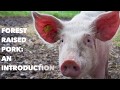
Red Wattle Hog
Also known as: red wattle, red wattle pig
The Red Wattle Hog simplifies management through its remarkable hardiness and exceptional foraging ability, thriving on diverse pasture and requiring minimal intervention. Originating from the French island of Corsica, these pigs are known for their distinctive red coat and wattles, a physical trait that sets them apart. Their innate drive to root and forage makes them ideal for silvopasture and rotational grazing systems, efficiently converting a wide range of vegetation into quality lard meat. Red Wattles exhibit good mothering instincts and heat tolerance, further enhancing their suitability for pasture-based operations and grass finishing. Farmers seeking a robust, self-sufficient pork breed that excels in foraging and pasture adaptability will find the Red Wattle Hog a highly advantageous choice.
Regenerative Quick Profile
Best Suited For
Climates: Humid subtropical to humid continental climates with warm summers and cold winters.
Scale: Suitable for small to medium operations (10-50 animals)
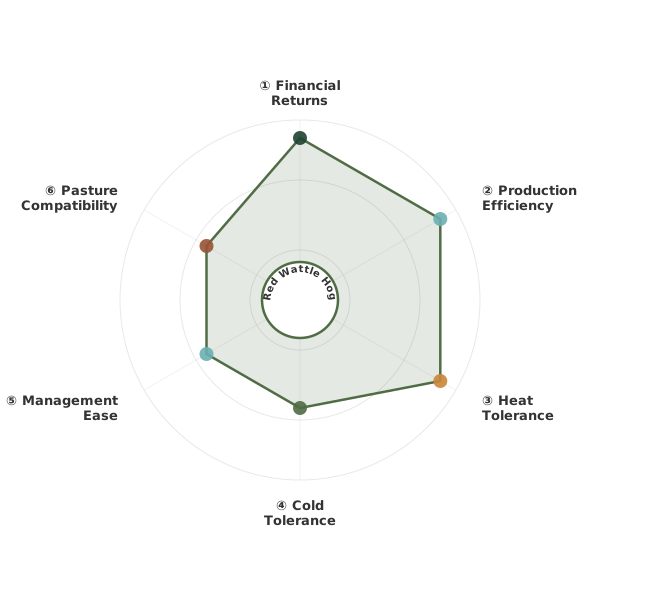
How These Traits Are Calculated
Trait dimensions are ordered clockwise starting from the top of the chart (12 o'clock position):
1. Financial Returns
Monthly income per pig from market weight and timeline
WHAT: Evaluates profit potential combining market weight, time to finish, feed efficiency, and input costs. Heritage breeds reaching 250-300 lbs in 8-12 months with premium pricing generate strong returns despite slower growth than commercial pigs.
WHY: Pig profitability depends on growth rate, feed efficiency, and market access. Fast-finishing breeds (5-6 months) on grain excel in conventional markets, while pasture-raised heritage breeds (8-12 months) target premium markets for higher per-pound returns that offset longer timelines.
HOW: Calculated from production data (finish weight, months to market) combined with feed efficiency and premium potential. Exceptional (≥2.6): efficient growth + strong premium access or commodity profitability. Typical (1.8-2.5): moderate timelines and costs. Limited (<1.8): slow growth or high costs eroding margins.
2. Production Efficiency
Feed conversion and resource utilization
WHAT: Measures how effectively pigs convert feed and resources into market weight, combining feed-to-gain ratios, foraging ability, and growth timeline. Efficient breeds reach target weight on fewer total inputs.
WHY: Feed represents 60-75% of production costs. Breeds converting 3.5:1 (feed:gain) versus 5:1 save $75-150 per pig, making the difference between profitable and marginal operations. Efficient foragers further reduce purchased feed costs.
HOW: Weighted formula: feed conversion ratio (50%), growth rate for inputs consumed (30%), foraging contribution (20%). Exceptional (≥2.6): ≤3.5:1 conversion + good growth. Typical (1.8-2.5): 3.5-4.5:1 conversion. Limited (<1.8): >4.5:1 or very slow growth.
3. Heat Tolerance
Performance in hot weather above 85°F (29°C)
WHAT: Evaluates adaptation to sustained heat above 85°F (29°C), measuring coat characteristics, wallowing behavior, and documented performance in southern climates where summer heat is prolonged.
WHY: Heat stress reduces feed intake and growth 20-40%, increases mortality, and can halt reproduction. Heat-adapted breeds maintain growth where others require expensive cooling systems (misters, shade structures) or accept reduced summer gains.
HOW: Rated from database trait 'heat_tolerance' based on breed characteristics. Exceptional (≥2.6): proven success in 95°F+ (35°C+), efficient cooling behaviors. Typical (1.8-2.5): moderate tolerance with wallows and shade. Limited (<1.8): struggles above 85°F, requires active cooling.
4. Cold Tolerance
Performance in cold weather below 20°F (-7°C)
WHAT: Evaluates adaptation to sustained cold below 20°F (-7°C), measuring hair coat thickness, fat insulation, and documented winter performance. Important for outdoor year-round systems in northern climates.
WHY: Cold-sensitive pigs require heated barns adding $50-150 monthly to winter costs, while cold-hardy breeds thrive outdoors with basic shelter. In climates with 4-6 month winters, hardy breeds save $300-900 annually in heating and infrastructure.
HOW: Rated from database trait 'cold_tolerance' based on documented characteristics. Exceptional (≥2.6): thick winter coat, substantial fat layer, thrives outdoors in <0°F (-18°C). Typical (1.8-2.5): moderate tolerance, windbreak sufficient. Limited (<1.8): requires heated shelter below 30°F (-1°C).
5. Management Ease
Handling temperament and daily care complexity
WHAT: Measures handling simplicity combining temperament docility, fence respect, health needs, and mothering ability. Calm breeds with good mothers and fence respect require minimal daily intervention.
WHY: Difficult pigs double or triple daily labor through frequent escapes, aggressive behavior requiring protective equipment, and high piglet mortality needing interventions. Easy breeds enable one-person management where hard breeds require two people for safety.
HOW: Weighted assessment: temperament (40%), fence respect (30%), mothering ability (20%), health needs (10%). Exceptional (≥2.6): calm and responsive, respects barriers, excellent mothers. Typical (1.8-2.5): manageable with experience. Limited (<1.8): escape-prone, aggressive, or high mortality requiring intensive farrowing management.
6. Grazing Suitability
Effectiveness on pasture-based systems versus confinement
WHAT: Evaluates adaptation to pasture-based production measuring foraging ability, grazing behavior, rooting gentleness, and growth rates on pasture versus grain confinement. Rates how well breeds utilize forage as significant feed component.
WHY: Pasture-adapted breeds reduce feed costs 30-50% through foraging while providing land management services (rooting clears brush, breaks pest cycles). Confinement-bred pigs grow slowly on pasture, negating cost savings, or damage land through aggressive rooting.
HOW: Weighted formula: foraging ability (40%), documented pasture performance (30%), rooting behavior (20%), adaptability (10%). Exceptional (≥2.6): excellent foragers + good growth on pasture + controlled rooting. Typical (1.8-2.5): moderate pasture performance. Limited (<1.8): confinement-bred, minimal foraging, or destructive rooting.
Regenerative Advantages
- Heat Tolerance: Red Wattle Hogs demonstrate exceptional heat tolerance, maintaining good activity levels and minimal panting in hot environments. Their hardiness and adaptability shine in warmer climates.
- Foraging Ability: Red Wattle Hogs are exceptional foragers, perfectly embodying the ability to thrive on diverse and marginal vegetation. Their innate rooting, browsing, and consumption of tubers, roots, forbs, and rough plant matter allow them to self-sufficiently manage on unimproved pastures, silvopasture, and scrubland. They require minimal supplemental feed even when forage quality is low, showcasing their robust heritage genetics for survival and production in varied environments.
- Hardiness: As a heritage breed, Red Wattle Hogs display robust health and thrive in extensive pasture systems. They maintain condition through seasonal changes with minimal intervention.
- Longevity: Their inherent hardiness, foraging prowess, and docile temperament contribute to excellent overall health and a longer productive lifespan. This contrasts with breeds optimized solely for rapid growth.
- Farrowing Ease: Red Wattle Hogs are often cited for their excellent maternal qualities and straightforward farrowing, typically requiring no assistance, well above the 95% unassisted mark.
Know the Debate
- Red Wattle growth rate slower than commercial breeds
- Pasture foraging yields quality meat with lower costs
- Management intensity varies by desired outcome and land
- Robustness allows for less intensive practical systems
Value Streams
- Meat production
- Nutrient cycling and soil building
- Soil tillage and aeration
- Woodland management
Experience Level
Some livestock experience recommended
3
Understanding Red Wattle Hog Characteristics
Physical traits, temperament, and what makes this breed unique
Understanding Red Wattle Hog Characteristics
Physical traits, temperament, and what makes this breed unique
The Red Wattle Hog is a heritage breed easily recognized by the two distinctive fleshly wattles that hang from its lower jaw. These pigs are typically a deep red color, though some may have black spots or be entirely black. They are known for their sturdy build, long snout, and erect ears. Historically, Red Wattle Hogs were prolific forage animals, adept at rooting and searching out food in woodlands and pastures. Their origins are somewhat obscure, but they are believed to have developed in the southeastern United States, possibly from importations of European hogs that adapted to the local environment over centuries.
What truly sets the Red Wattle Hog apart is its combination of hardiness, foraging ability, and maternal instincts. Unlike many modern commercial breeds selected solely for rapid growth and lean meat, Red Wattles retain a strong natural foraging drive and are known for their calm temperament and mothering skills. This makes them exceptionally well-suited to less intensive management systems. Their genetic diversity, as a heritage breed, also offers resilience that can be valuable in a changing agricultural landscape.
In essence, the Red Wattle Hog represents a return to a more natural way of raising livestock. They are not just a source of meat, but an active participant in the farm ecosystem. Their unique physical characteristic, the wattles, serves as an immediate identifier of a breed that has a deep connection to traditional farming practices and offers a different set of advantages compared to the highly specialized breeds dominating industrial agriculture.
Sources behind this view
 Videos & Podcasts
-
Ross Matheson raises Red Wattle pigs, preferring a single breed. He highlights the risk of wild boars cross-breeding with heritage pigs and spreading diseases like brucellosis, a problem mitigated on

4
Know the Debate
Raising Red Wattle hogs on pasture offers a path to regenerative pork production, but outcomes depend on your management intensity and goals. In sy...
Know the Debate
Raising Red Wattle hogs on pasture offers a path to regenerative pork production, but outcomes depend on your management intensity and goals. In sy...
Raising Red Wattle hogs on pasture offers a path to regenerative pork production, but outcomes depend on your management intensity and goals. In systems prioritizing rapid land regeneration and parasite control, daily observation and frequent moves (every 3-7 days) are essential, often requiring significant labor. However, RWH are known for their hardiness and foraging, enabling less intensive approaches where basic welfare and pasture impact are the primary concerns. Entry costs for rotational systems can range from $1,000-$7,000 for temporary fencing on smaller operations to $20,000+ for more permanent infrastructure on larger scales. Expect $40-80/acre annually for supplemental feed and fencing.
Red Wattle hog growth rate and meat yield vs. commercial breeds
Slower growth, efficient forage conversion
Heritage breeds like Red Wattles may not reach market weight as quickly as commercial breeds but efficiently convert pasture and forages into quality meat. This approach emphasizes lower input costs and a product with superior flavor and marbling.
Sources behind this view
Sources behind this view
Videos & Podcasts
-
Pigs are intelligent and thrive with good management. American Guinea Hogs are easy but slow-growing (18 months) with excessive fat, leading to a switch to faster-growing heritage crosses (7-month finish) to meet consumer demand and processing timelines.

-
Raising pastured pigs on cover crops reduces grain needs by 25-50%, enhancing pork quality. This requires superior genetics for foraging and marbling. The speaker plans to develop breeding stock and sell feeder pigs in 2-3 years to support other pastured producers.

-
Ross Matheson raises Red Wattle pigs, preferring a single breed. He highlights the risk of wild boars cross-breeding with heritage pigs and spreading diseases like brucellosis, a problem mitigated on his farm by a strong perimeter fence and livestock guardian dogs.
Slower growth, focus on resilience and robustness
Red Wattle Hogs are selected for hardiness, foraging ability, and maternal instincts, making them resilient in pasture systems. While growth may be slower than highly selected commercial breeds, their adaptability and need for fewer interventions contribute to overall system efficiency.
Sources behind this view
Sources behind this view
Videos & Podcasts
-
Rob from D Family Farms details selecting pastured pig genetics, prioritizing performance on cover crops, strong mothering instincts, fertility, and adequate teat numbers over traditional breed standards. He shares personal experiences with successful and unsuccessful sows.
 Research
-
Enhancing pork flavor and fat quality with swine raised in sylvan systems: Potential niche-market application for the Ossabaw hog (opens in new window)
This study found: Our global food supply becomes more vulnerable as we continue to lose diverse genetic resources. The Ossabaw hog is a feral breed that is unique to North America, a distant relative to the renowned Iberian hog and is considered an endangered swine breed. The objective of our farmer participatory project was to examine the meat and fat characteristics of Ossabaw hogs raised in alternative management systems for niche-market application. At one farm, eight Ossabaw pigs were randomly assigned to a grass pasture and fed a free choice corn–soy (CS) ration or placed in a mixed hardwood forest plot and provided free choice peanuts in the shells (P), alfalfa pellets (A) and mast from the mixed hardwoods (diet collectively referred to as PAM). The two diets had no effect on Ossabaw production data or pork quality characteristics; however, fat profiles were altered. Ossabaws weighed approximately 70 kg when harvested at 400 days and produced chops with small loin eyes (21–23 cm2) and minimal evidence of intramuscular fat deposits (1%). The unsaturated fatty acid (USFA) to saturated fatty acid (SFA) ratio improved from 1.6 to 2.6 (P<0.01) as a result of feeding the PAM diet. Forest-finished Ossabaw pork was considered more flavorful by food critics and renowned chefs than that of conventionally fed animals. Mast from hardwoods offers the possibility of enhancing pork flavor for niche markets and using a renewable forest resource as a food source. For farm two, eight Ossabaw gilts and eight crossbred progeny (from European breeds) were randomly assigned to one of the two dirt-lots and fed free choice a CS ration or PA diet (same ration as mentioned above with no mast). Ossabaw hogs grew nearly one-third as fast as the crosses and weighed approximately 80% of the crosses' harvest weight at twice their age. Loin eye areas of the crosses were nearly twice as large as the Ossabaws while the subcutaneous back fat deposition was nearly half. Compared to the CS diet, the PA ration decreased SFA by 23% while polyunsaturated fatty acids (PUFA) increased by 60%. The USFA to SFA ratios improved from 1.5 to 2.2 (P<0.01) when PA diets were fed. Differences (P<0.05) in USFA profiles were observed for breed effects; Ossabaws had 8% higher levels of monounsaturated fatty acids and 18% lower PUFA levels than the crosses. When adjusted for breed effects, no differences in sensory characteristics for the CS versus PA diets were detected by a trained panel. Ossabaws were more flavorful than the crosses (2.3 versus 1.6); (P<0.05).
-
Worldwide perspective for swine production and reproduction for the next 20 years. (opens in new window)
This study found: Looking ahead 20 years, the pig industry will continue to face challenges like profitability, disease (especially PRRS), labor shortages, and stricter rules for environmental protection and animal welfare. However, smart management, new technologies, and good business practices can lessen these impacts. We expect larger farms to supply big retailers, while smaller farms will serve local areas. Improving pig genetics will focus on increasing litter size, but also on ensuring piglets are born healthy and survive, and on breeding pigs that can better handle heat and resist diseases. While current artificial insemination (AI) methods are effective, future tech might help pinpoint the best times for insemination or improve sperm selection to use less semen. Sow housing will also evolve to meet higher animal welfare standards while remaining practical for farmers.
Making Sense of the Differences
The perceived difference in growth and yield stems from genetic selection goals: commercial breeds prioritize rapid lean meat production in confinement, while heritage breeds like Red Wattles are selected for foraging efficacy and hardiness in pasture systems. Farmers choosing Red Wattles often accept slower market weights in exchange for lower input costs, better forage utilization, and a more pasture-adaptable animal, aligning with regenerative goals. The trade-off is between rapid throughput and a breed suited to low-input, ecological farming.
Intensity of management required for Red Wattle hogs on pasture
Intensive management for optimal land impact & control
Rigorous rotational grazing involves daily monitoring and moves (every 3-7 days) using electric fencing, with precise paddock rest periods (30-90 days). This approach aims to maximize soil disturbance, parasite control, and uniform nutrient distribution, ensuring land regeneration.
Sources behind this view
Sources behind this view
Videos & Podcasts
-
Rotational grazing for pigs uses solar-powered electric fences and low-stress handling (Temple Grandin). Pigs impact land in forests, creating bare soil, followed by seeding ryegrass/brassicas. Wallows are essential for cooling pigs in summer heat.
![Thumbnail for Raising 400 Pigs On Pasture [COMPLETE]](/static/thumbnails/LajUoBGSRHM.jpg)
 From the Web
-
Silvopasture management for pigs involves rotational grazing with portable electric fencing, moving pigs every 3-7 days. Key practices include 30-90 day paddock rest, stocking 10-20 pigs/acre, protecting young trees, and timing moves to avoid wet soil. Balanced feeding and attentive observation are crucial for soil health and animal welfare.
-
Raising pigs in silvopasture involves rotational grazing every 3-7 days with portable electric fencing, 30-90 day paddock rest, and stocking 10-20 pigs/acre. Protect trees with guards and avoid grazing wet soils. Observe land daily for adaptability and cooperation.
Less intensive management leveraging natural behaviors
Red Wattle Hogs' natural hardiness and foraging reduce the need for constant intervention. Basic needs like water, shelter, and supplemental feed are provided, with rotational moves used less frequently (e.g., weekly) as the primary management strategy.
Sources behind this view
Sources behind this view
Videos & Podcasts
-
Cedric Shannon of Weathertop Farm uses rotational grazing with hogs (Tamworth crosses) managed by electric netting. He emphasizes their role in soil improvement and nutrient cycling, noting that other livestock prefer grazing areas previously used by hogs.

-
Pastured pork management focuses on providing shade, soil disturbance for regenerative benefits, and efficient watering systems using hot wire to secure troughs. They partner for farrowing and focus on finishing, using portable feed wagons and training pigs to hotwire fences.
![Thumbnail for LIVE Tour: Seven Sons Farms [Regenerative Agriculture]](/static/thumbnails/FAVk44qpGQU.jpg)
Research
-
Pig Farming in Alternative Systems: Strengths and Challenges in Terms of Animal Welfare, Biosecurity, Animal Health and Pork Safety (opens in new window)
This study found: This review looked at different ways of raising pigs, comparing standard indoor farms with 'alternative' methods like outdoor or free-range systems. Alternative farms generally let pigs act more naturally, which is good for their well-being. However, managing things like food, water, temperature, and keeping predators out can be harder, especially when pigs are outside. Disease prevention measures (biosecurity) also seem to be less strict and more difficult to maintain in alternative systems. While pigs in these systems might have fewer lung problems, issues like parasites and piglets being crushed by their mothers are still common. Importantly, alternative farms may have more germs that can spread to people, posing a potential risk to human health.
Making Sense of the Differences
The perceived intensity of management for Red Wattle hogs on pasture varies based on objectives. Intensive approaches prioritize soil regeneration and parasite control through frequent moves and detailed monitoring. Less intensive methods leverage the breed's natural hardiness and foraging, focusing on meeting basic needs while allowing pigs to express innate behaviors. Successful pasture management often involves adapting the intensity of rotation to land conditions, scale, and the farmer's desired balance between ecological impact and labor commitment.
5
Management, Care & Feeding
Operational guidance for raising this breed successfully
Management, Care & Feeding
Operational guidance for raising this breed successfully
Managing Red Wattle Hogs effectively in a regenerative system centers on leveraging their natural behaviors. Providing ample pasture or woodland access is crucial, allowing them to express their foraging instincts. Implement a robust rotational grazing plan, moving them frequently to prevent overgrazing, soil compaction, and parasite buildup. Ensure access to clean water and shelter, especially from extreme weather. While they are hardy, monitoring their condition and providing supplemental feed, particularly during gestation, lactation, or periods of low forage availability, is important for optimal growth and health.
Feeding should prioritize pasture and forages, supplemented as needed. Their diet can include grasses, legumes, roots, fruits, and even insects found while foraging. Supplementation might involve grains, protein meals, or mineral mixes, depending on the quality and availability of their natural forage. For meat production, finishing on pasture with minimal grain can produce a flavorful, well-marbled pork. Avoid over-reliance on high-energy, grain-heavy diets, which can lead to excessive fat and health issues, counteracting the benefits of a pasture-based system.
Health management for Red Wattle Hogs is generally straightforward due to their robust nature. Regular observation is key to catching any potential issues early. Parasite control through strategic pasture rotation and, if necessary, deworming is more effective than relying solely on chemical treatments. Vaccinations might be considered based on regional disease prevalence and veterinary recommendations, but their inherent hardiness often means they require fewer interventions than more intensively bred animals. Maintaining good biosecurity practices and a clean environment will further support their health and productivity.
Sources behind this view
Videos & Podcasts
-
Cedric Shannon of Weathertop Farm uses rotational grazing with hogs (Tamworth crosses) managed by electric netting. He emphasizes their role in soil improvement and nutrient cycling, noting that other
7
Production Capabilities & Market Economics
Business case evaluation and production metrics
Production Capabilities & Market Economics
Business case evaluation and production metrics
Meat Production Economics
| Category | Value |
|---|---|
| Finish Weight | 250-300 lbs 113.4-136.1 kg |
| Months to Finish | 8-12 |
| Lard Production | Moderate, 25-35% lard |
| Price Premium | +30% to +50% |
| Annual Input Cost/Head | $250-400 |
Finish Weight: Market weight for heritage breed pigs on pasture. Heritage breeds grow slower and finish lighter than commercial breeds but produce superior meat quality and more lard.
Months to Finish: Time from weaning to finish weight on pasture with supplemental feed. Heritage breeds take 8-12 months vs. 5-6 months for confinement pigs.
Lard Production: Heritage breeds excel at lard production - a valuable byproduct often sold at premium prices ($8-15/lb rendered). Lard-type breeds (Mulefoot, Guinea Hog, Mangalitsa) can be 40%+ fat.
Price Premium: Premium above conventional pork prices. Heritage pork from pastured systems typically sells for $6-12/lb vs. $3-5/lb conventional. Premium requires direct marketing, farmers markets, or specialty channels. Commodity sales receive $0 premium.
Annual Input Cost/Head: Feed, minerals, health care, and pasture maintenance per pig per year. Excludes infrastructure, land, and labor. Pastured pigs reduce feed costs through foraging (20-30% of diet).
Sources behind this view
Videos & Podcasts
-
Beginners should raise standard meat pig breeds (Duroc, Berkshire, Yorkshire) instead of lard breeds (Mangalitsa, Kune Kune). Meat breeds are cheaper, grow faster (5-7 months vs. 1-2 years), yield mor

-
Detailed cost analysis shows raising a 240lb pig costs ~$300, with retail sales potentially yielding ~$850 profit per animal. Farmer's market prices range from $6/lb for spare ribs to $13/lb for bonel