
Reindeer
Reindeer excel in challenging environments, offering farmers unparalleled hardiness and exceptional cold tolerance, making them ideal for producers seeking low-input livestock. Their remarkable feed efficiency and browse efficiency allow them to thrive on diverse forage, requiring minimal intervention and simplifying management in colder climates. Originating from Arctic and subarctic regions, these unique ungulates are perfectly adapted to tundra environments, demonstrating an innate ability to forage and survive where other livestock species would struggle. Their specialized adaptations make them a distinctive choice for farmers looking to leverage natural resilience and reduce reliance on intensive feeding practices.
Regenerative Quick Profile
Best Suited For
Climates: Cold, subarctic, and polar climates with long, harsh winters and short, cool summers.
Scale: Best for medium to large operations (50+ animals)
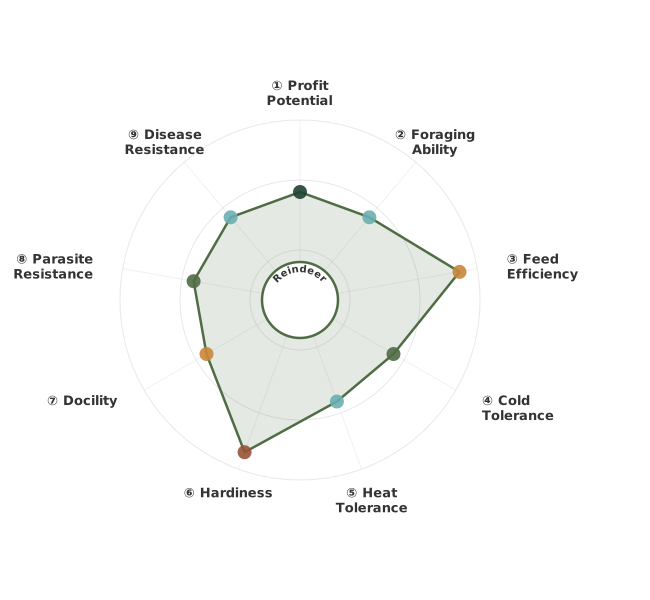
How These Traits Are Calculated
Trait dimensions are ordered clockwise starting from the top of the chart (12 o'clock position):
1. Profit Potential
Measures the economic viability of reindeer breeds for various products and markets.
WHAT: This trait assesses the economic viability of a reindeer breed across multiple revenue streams, including meat, hides, antlers, and potentially tourism. Breeds can vary significantly in their growth rates, carcass yields, and the quality/quantity of their secondary products, impacting overall profitability.
WHY: For regenerative farmers, understanding profit potential is crucial for the long-term sustainability of their reindeer operation. A breed with higher profit potential can contribute more significantly to farm income, allowing for reinvestment in regenerative practices and improved animal welfare.
HOW: Exceptional breeds demonstrate rapid growth (e.g., reaching harvest weight of 40-50 kg by 18 months), high meat yields (over 50% dressed weight), and consistently produce high-quality antlers and hides. Typical breeds show moderate growth and yield, while limited breeds may have slower development, lower yields, or less desirable product characteristics.
2. Foraging Mastery
Measures how effectively reindeer find and utilize diverse food sources in their environment.
WHAT: This trait assesses a reindeer breed's innate skill in locating and consuming a wide variety of natural vegetation, lichen, and mosses. Variation exists in their speed of discovery, the diversity of edible plants they recognize, and their efficiency in extracting nutrients from tough forage.
WHY: For regenerative farmers, strong foraging ability means reduced reliance on supplemental feed, lower costs, and improved herd health. Breeds excelling here can thrive on less managed pastures, contributing to ecosystem health by grazing strategically and spreading seeds.
HOW: Exceptional breeds consistently find over 70% of their diet from diverse natural sources, even in challenging terrains. Typical breeds manage 50-70% on varied forage, while Limited breeds may struggle to find adequate sustenance, requiring significant supplemental feeding (under 50% of diet from natural sources).
3. Feed Efficiency
Measures how well reindeer convert feed into growth and production.
WHAT: Feed efficiency in reindeer assesses how effectively they utilize available forage, browse, and supplemental feed to meet their nutritional requirements for growth, reproduction, and maintenance. Variation exists due to genetic predispositions for metabolic rates, digestive capabilities, and nutrient absorption.
WHY: High feed efficiency is crucial for regenerative reindeer farming as it reduces the demand on natural pastures, minimizes the need for supplemental feed, and lowers overall input costs. This aligns with ecological principles by placing less pressure on fragile Arctic and sub-Arctic ecosystems.
HOW: Exceptional breeds efficiently convert >80% of ingested dry matter into desired outputs, requiring minimal supplemental feed. Typical breeds achieve 60-80% conversion, while Limited breeds may convert <60%, necessitating significant supplemental feeding to maintain condition.
4. Cold Tolerance
Assesses reindeer's ability to withstand extreme cold and conserve energy.
WHAT: This trait evaluates a reindeer breed's innate ability to thrive in frigid environments. It considers factors like coat thickness, metabolic rate, and fat reserves, which vary significantly between different reindeer populations adapted to diverse Arctic climates.
WHY: For regenerative farmers, high cold tolerance is crucial for reducing supplemental feed needs and overall energy expenditure during long winters. It ensures animal welfare, improves productivity, and aligns with low-input, sustainable farming principles in harsh climates.
HOW: Exceptional breeds possess thick, insulating coats and efficient metabolism, allowing them to maintain body temperature with minimal energy loss, even below -40°C. Typical breeds have good tolerance but may require slightly more energy or protection. Limited breeds struggle in extreme cold, potentially requiring significant supplemental feeding and shelter.
5. Heat Tolerance
Measures reindeer's ability to cope with warmer temperatures and heat stress.
WHAT: This trait assesses a reindeer's physiological and behavioral responses to heat, including their ability to maintain body temperature, seek shade, and reduce activity during hot periods. Breeds adapted to warmer or more variable climates will exhibit better heat tolerance.
WHY: For regenerative farmers, good heat tolerance is crucial for maintaining animal welfare, reducing stress-related health issues, and ensuring consistent productivity, especially as climate change leads to more frequent heatwaves. It directly impacts grazing patterns and overall herd resilience.
HOW: Exceptional breeds can comfortably withstand ambient temperatures above 20°C for extended periods with minimal signs of distress. Typical breeds may show some signs of heat stress above 25°C, while limited breeds struggle and require significant cooling interventions above 20°C.
6. Hardiness
Measures reindeer's ability to thrive in harsh Arctic and sub-Arctic conditions.
WHAT: Hardiness assesses a reindeer breed's innate ability to withstand extreme environmental challenges, including cold temperatures, limited forage availability, and exposure to predators. Breeds differ significantly in their physiological and behavioral adaptations to these conditions.
WHY: For regenerative reindeer farming, high hardiness means reduced reliance on supplemental feed, shelter, and veterinary interventions, leading to lower costs and a more resilient herd. It's crucial for maintaining animal welfare and productivity in natural grazing systems.
HOW: Exceptional hardiness indicates a breed that can maintain excellent body condition and reproductive rates with minimal human input, even during severe winters with snow depths exceeding 50cm. Typical breeds may require some supplemental feeding or shelter during the harshest periods. Limited hardiness suggests a breed that struggles to cope with typical Arctic conditions without substantial management support.
7. Docility
Ease of handling and willingness to cooperate with human interaction.
WHAT: Docility assesses a reindeer's temperament, specifically its tendency to be calm, approachable, and responsive to human presence and handling. Some reindeer breeds are naturally more skittish and flighty, while others exhibit a more placid and predictable disposition.
WHY: For regenerative reindeer farming, docility is crucial for efficient management, reducing stress on both animals and handlers during tasks like health checks, movement, and harvesting. A more docile breed can simplify rotational grazing and fencing, contributing to less soil disturbance and improved pasture health.
HOW: Exceptional breeds consistently remain calm when approached, tolerate close contact, and readily accept gentle restraint. Typical breeds may show some initial wariness but can be managed with patience. Limited breeds are highly reactive, difficult to approach without causing panic, and may require specialized handling techniques.
8. Parasite Resistance
Measures reindeer's natural ability to withstand internal and external parasites.
WHAT: This trait evaluates a reindeer breed's inherent ability to resist infestation and infection by common parasites such as lungworm, gastrointestinal nematodes, and warble flies. Some breeds may have developed stronger immune responses or behavioral adaptations that reduce parasite load.
WHY: Higher parasite resistance reduces the need for chemical treatments, improving animal welfare and lowering input costs for regenerative farmers. It also contributes to herd health and reduces environmental impact by minimizing the use of anthelmintics.
HOW: Exceptional breeds demonstrate very low reliance on deworming treatments (e.g., <10% of animals treated annually) and minimal visible signs of parasitic damage. Typical breeds may require occasional, targeted treatments. Limited breeds often show higher susceptibility, requiring more frequent interventions and careful management to control parasite burdens.
9. Disease Resistance
Measures reindeer's natural ability to ward off sickness.
WHAT: This trait assesses the inherent ability of reindeer breeds to resist common diseases and parasites. Some breeds may have genetic predispositions for stronger immune responses, leading to fewer outbreaks of ailments like lungworm or foot rot.
WHY: For regenerative farmers, robust disease resistance minimizes the need for veterinary interventions and antibiotics, promoting a healthier herd and reducing operational costs. It also ensures greater animal welfare and reduces economic losses from sickness.
HOW: Exceptional breeds demonstrate very low incidence of common reindeer diseases (<5% annual mortality due to illness) and require minimal parasite control. Typical breeds show moderate resistance with occasional minor health issues. Limited breeds are more susceptible, requiring frequent monitoring and treatment for common ailments.
Regenerative Advantages
- Hardiness: Reindeer survive -50°C, Arctic storms, and sparse forage with minimal intervention, showing remarkable disease resistance and cold tolerance exceeding all other livestock.
- Feed Efficiency: Reindeer extract maximum nutrition from lichen (lichens provide 40-90% of winter diet) and sparse Arctic vegetation, thriving where other ruminants starve.
- Hide Quality: Reindeer hides are highly valued for insulation properties and water resistance, traditionally essential for Arctic clothing and commanding premium prices for specialized applications.
- Snow Terrain Navigation: Reindeer possess specialized hooves that spread wide and offer traction on snow and ice, enabling winter travel through deep snow where other ungulates flounder.
- Lichen Foraging Efficiency: Reindeer possess specialized rumen bacteria to digest lichen (40-90% of winter diet), accessing nutrition unavailable to other ruminants and surviving in lichen-dominated tundra.
Know the Debate
- Breed selection balances climate, forage, and management goals.
- Adaptation is genetic over generations; management offers quicker resilience.
Value Streams
Experience Level
Some livestock experience recommended (better for larger operations)
3
Know the Debate
Reindeer, or caribou, are uniquely adapted to cold, tundra environments, offering remarkable hardiness and feed efficiency. However, managing these...
Know the Debate
Reindeer, or caribou, are uniquely adapted to cold, tundra environments, offering remarkable hardiness and feed efficiency. However, managing these...
Reindeer, or caribou, are uniquely adapted to cold, tundra environments, offering remarkable hardiness and feed efficiency. However, managing these animals globally requires careful consideration of climate and specific environmental conditions. In warmer or transitional regions, selecting breeds with inherent heat tolerance and adaptability becomes crucial for sustained production and animal welfare, while in traditional Arctic environments, understanding the pace of genetic adaptation versus immediate management strategies is key to long-term success. The 'best' breed depends heavily on local forage, available water, market demands, and the producer's management intensity.
How quickly do reindeer adapt to changing climates?
Gradual genetic adaptation (generations)
Academic research suggests that genetic adaptation to new climatic conditions, like heat tolerance, occurs over multiple generations. Significant changes in traits such as sweat glands or hair density require a long-term evolutionary process.
Sources behind this view
Sources behind this view
 Videos & Podcasts
-
Bison phenotypes differ by climate: larger body mass for cold (Alberta) vs. better heat shedding for heat (Texas). Adaptation to warmer climates is a generational process.
 Research
-
Reindeer (Rangifer tarandus) and climate change: Importance of winter forage (opens in new window)
This study found: As a consequence of increasing greenhouse gas concentrations, climate change is predicted to be particularly pronounced, although regionally variable, in the vast arctic, sub-arctic and alpine tundra areas of the northern hemisphere. Here, we review winter foraging conditions for reindeer and caribou (Rangifer tarandus) living in these areas, and consider diet, forage quality and distribution, accessibility due to snow variation, and effects of snow condition on reindeer and caribou populations. Finally, we hypothesise how global warming may affect wild mountain reindeer herds in South Norway. Energy-rich lichens often dominate reindeer and caribou diets. The animals also prefer lichens, and their productivity has been shown to be higher on lichen-rich than on lichen-poor ranges. Nevertheless, this energy source appears to be neither sufficient as winter diet for reindeer or caribou (at least for pregnant females) nor necessary. Some reindeer and caribou populations seem to be better adapted to a non-lichen winter diet, e.g. by a larger alimentary tract. Shrubs appear to be the most common alternative winter forage, while some grasses appear to represent a good, nutritionally-balanced winter diet. Reindeer/caribou make good use of a wide variety of plants in winter, including dead and dry parts that are digested more than expected based on their fibre content. The diversity of winter forage is probably important for the mineral content of the diet. A lichen-dominated winter diet may be deficient in essential dietary elements, e.g. minerals. Sodium in particular may be marginal in inland winter ranges. Our review indicates that most Rangifer populations with lichen-dominated winter diets are either periodically or continuously heavily harvested by humans or predators. However, when population size is mainly limited by food, accessible lichen resources are often depleted. Plant studies simulating climatic change indicate that a warmer, wetter climate may cause an altitudinal upward shift in the production of mat-forming lichens in alpine, sub-arctic regions. This is due to an increased potential for lichen growth at high altitudes, combined with increased competition from taller-growing vascular plants at lower altitudes, where the biomass of Betula nana in particular will increase. Matforming lichens dominant on dry, windblown ridges are easily overgrazed at high reindeer densities. This has longterm effects due to lichens&rsquo; slow regeneration rate, but may also reduce competition from vascular plants in a long time perspective. Fires may act in a similar way in some forested areas. Accessibility of winter forage depends on plant biomass, snow depth and hardness; ice crusts or exceptionally deep snow may result in starvation and increased animal mortality. Calf recruitment appears to be low and/or highly variable where winter ranges are overgrazed and hard or deep snow is common. Population decline in several Rangifer tarandus spp. has been associated with snow-rich winters. Effects tend to be delayed and cumulative, particularly on calves. This is mainly ascribed to feeding conditions for young animals which later affect age at maturation. Global warming may increase the frequency of deep or hard snow on reindeer ranges in Norway, due to increased precipitation and more frequent mild periods in winter. We hypothesise that potential benefits from increased plant productivity due to global warming will be counteracted by shifts in the distribution of preferred lichen forage, reduction of the areas of suitable winter ranges, and generally reduced forage accessibility in winter.
-
Resilience of Small Ruminants to Climate Change and Increased Environmental Temperature: A Review (opens in new window)
This study found: Climate change, especially rising temperatures, poses a significant challenge to raising livestock like sheep and goats. High temperatures cause 'heat stress,' which harms animal growth, milk and meat production, and reproduction. While sheep and goats are generally more tolerant of heat than larger animals, they are still affected. Breeds developed in hot, tropical regions are better at handling heat than those from cooler, temperate areas. To help animals cope, farmers can focus on selecting breeds that are naturally more resistant to heat and can better survive in challenging conditions with less food and water.
Accelerated adaptation via management and selection (years)
Field observations and practical management strategies allow for faster perceived adaptation. This involves selecting animals already exhibiting desired traits, like hair coats or parasite resistance, and providing environmental advantages such as shade and water, showing improvements within a few years.
Sources behind this view
Sources behind this view
Videos & Podcasts
-
Select livestock based on climate and landscape. Consider hair sheep for cold resilience over wool sheep. Factors include climate, water, shelter, markets, and personal satisfaction. Choose animals that make you happy.
-
Livestock epigenetics and adaptation to local climate, feed, and management are critical for wintering on pasture. Observing body condition, hair coat, and residue distribution is key. While some breeds/classes (e.g., young calves, lactating dairy) may need extra care, selecting for adapted animals is paramount.
-
Highlights South Pole cattle as ideal for low-input, grass-based systems in the South due to their heat, parasite, and disease resistance (including warts), docile temperament, and ability to maintain condition on grass alone.

-
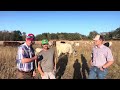
George Hel details his livestock management, using Katahdin sheep and developing a northern-adapted South Pole cattle seedstock operation. Key practices include ensuring livestock are never hungry for fence control, prioritizing water and perimeter fencing installation, and utilizing a FLIR system for efficiency.
Making Sense of the Differences
The pace of reindeer adaptation to climate challenges like heat stress varies between genetic shifts over generations and immediate management strategies. While genetic adaptation to warmer climates is slow, practical management can mitigate stress by providing shade, water, and selecting for animals with desirable traits like thinner coats, which can be propagated more quickly. Both long-term genetic shifts and short-term adaptive management are essential for sustained success.
What are the best reindeer breeds for different climates?
Locally adapted and hardy genetics
Field practitioners and some academic sources emphasize selecting breeds that are naturally hardy, adapted to local forage, and possess resilience traits like heat tolerance or parasite resistance. Examples include Morada Nova sheep, South Pole cattle, and Brahman crosses, all chosen for their ability to thrive with minimal intervention in specific climates.
Sources behind this view
Sources behind this view
Videos & Podcasts
-
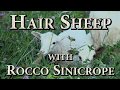
Select livestock based on climate and landscape. Consider hair sheep for cold resilience over wool sheep. Factors include climate, water, shelter, markets, and personal satisfaction. Choose animals that make you happy.
-
Recommends selecting sheep breeds based on hardiness, meat quality, and environmental tolerance, advising new farmers to match breed management to their own style and look for consistent lambing performance.
-
Highlights South Pole cattle as ideal for low-input, grass-based systems in the South due to their heat, parasite, and disease resistance (including warts), docile temperament, and ability to maintain condition on grass alone.
-
Improving North American cattle for summer heat stress requires selecting for maturity rate and fertility, not just growth. Incorporating African breeds like Y Masona with Angus can enhance adaptation and body condition. Early maturing animals with smoother coats show better summer performance, leading to higher conception and calving rates.
Research
-
Thermoregulation of male sheep of indigenous or exotic breeds in a tropical environment. (opens in new window)
This study found: This study looked at how different breeds of male sheep handle heat in a tropical climate over a full year in Brazil. Researchers monitored temperature, humidity, coat thickness, and blood markers in local breeds (Morada Nova, Santa Inês) and imported breeds (Dorper, Texel). They found that during hot periods, the imported Texel breed had thicker coats but showed more signs of heat stress, including higher body temperature regulation needs and lower thyroid hormone levels. The local Morada Nova and Santa Inês breeds, along with the Dorper, maintained lower internal body temperatures and showed better adaptation. This was linked to specific traits like larger sweat glands in Morada Nova and Santa Inês, and denser hair in Dorper sheep during hot months. The findings suggest that local or adapted breeds are better suited to cope with heat stress in these environments.
-
Goat as the ideal climate-resilient animal model in tropical environment: revisiting advantages over other livestock species. (opens in new window)
This study found: Goats are highlighted as the best livestock choice for dealing with climate change, especially in hot regions, compared to cattle and sheep. They are tough animals that can handle heat, drought, and scarce food and water better than other farm animals. Goats are also good at adapting their behavior and have physical traits that help them survive tough conditions. They are easier for small farmers to raise because they need less investment, fewer special facilities, and less labor, while still providing good returns. Their ability to digest poor-quality feed and conserve water makes them very efficient. This makes goats a key animal for ensuring food security as the climate changes.
-
Genomic responses to climatic challenges in beef cattle: A review. (opens in new window)
This study found: As climate change intensifies, breeding cattle that can withstand extreme weather is becoming crucial for reducing the environmental impact of farming. This review looks at the latest research on how beef cattle's genes help them adapt to harsh conditions, like extreme heat or cold. By understanding which genes are involved in traits like heat tolerance, coat structure, and fertility, breeders can select animals that are naturally more resilient. This approach can speed up adaptation, improve animal welfare, and make cattle farming more sustainable, especially by valuing local breeds that are already adapted to challenging environments.
Climate and management dictate optimal traits
Research highlights that the ideal animal traits ('sweet spot') are dynamic, heavily influenced by environmental variables like rainfall and forage availability. This suggests that the most suitable breeds or crosses are those that can be managed flexibly to adapt to changing conditions and local resource availability.
Sources behind this view
Sources behind this view
Videos & Podcasts
-
The 'sweet spot' for animal traits is a moving target, heavily influenced by environmental variations like rainfall and forage availability. Optimal animal types shift based on conditions, requiring continuous adaptation and adjustment to current circumstances.
Research
-
Climate change impacts on northern Australian rangeland livestock carrying capacity: a review of issues (opens in new window)
This study found: A review of research on how climate change might affect how many cattle Australian rangelands can support (their carrying capacity) highlights significant challenges. The amount of grass available for grazing is directly tied to climate, especially rainfall and temperature. While some parts of Western Australia are seeing more rain, eastern areas are experiencing less. Climate change projections suggest overall less rain and hotter temperatures, which will likely reduce the amount of grass. For example, a 3°C temperature rise could cut grass growth by over a fifth, and less rain by a third. However, higher carbon dioxide levels in the air might boost grass growth by about a quarter, partially offsetting these losses. There's still uncertainty about how CO2 affects grass quality and how trees and shrubs will compete with grasses. Given these uncertainties, the review recommends a cautious approach to managing grazing lands, using the best available climate predictions and managing for year-to-year weather variations to avoid damaging the land.
Making Sense of the Differences
Selecting the right reindeer breed involves balancing genetic potential with practical management across diverse climates. While academic research points to specific adaptations like heat tolerance in certain breeds and the generational nature of climate adaptation, field experience emphasizes choosing hardy, locally adapted animals that thrive on available forage. The ideal choice is dynamic, influenced by rainfall, forage quality, and management intensity, requiring continuous observation and adjustment to match environmental conditions and market needs.