Regenerative Quick Profile

Best Suited For

Climates: Mediterranean to semi-arid temperate climates

Terrain: Excels on rolling to steep terrain

Scale: Suitable for small to medium operations (10-50 animals)
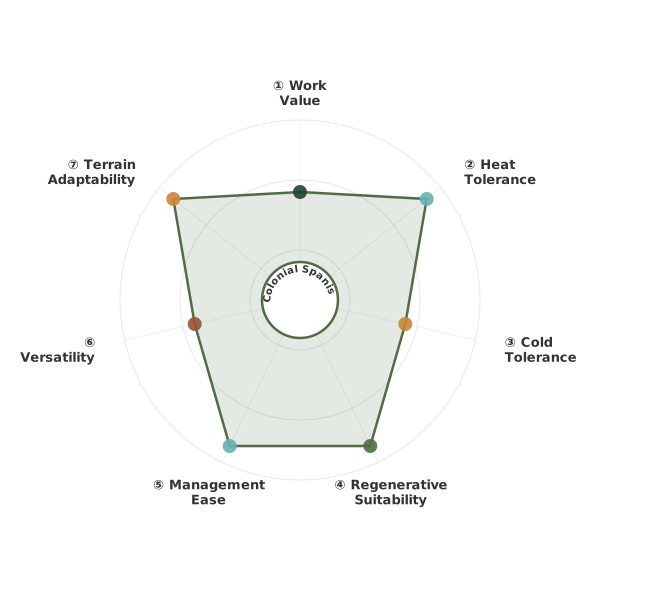
Regenerative Advantages

  • Heat Tolerance: With lineages evolved in hot, arid regions, their efficient thermoregulation and lean builds allow sustained work capacity above 95°F.
  • Drought Tolerance: Evolved in arid Americas, their physiology is adept at efficient water use and dry forage utilization, ensuring resilience in drought.
  • Hardiness: Descended from Spanish explorers' stock, natural selection in diverse North American environments has instilled remarkable resilience and low maintenance needs.
  • Feed Efficiency: Adapted to sparse rations, they exhibit exceptional nutrient utilization and hardiness, thriving on minimal forage with reduced supplemental needs.
  • Endurance: Forged through centuries of travel and hardship, these horses possess exceptional stamina and efficient gaits for demanding long-distance work.

Value Streams

  • Nutrient cycling and soil building

Experience Level

Intermediate

Consult local experts for handling requirements

1

Climate Suitability Assessment

Will this breed thrive in your climate?

IDEALLY SUITED

Köppen Zone: Af (Tropical Rainforest), Am (Tropical Monsoon), Aw (Tropical Savanna), BSh (Hot Semi-Arid (Steppe)), BWh (Hot Desert), Cfa (Humid Subtropical), Csa (Hot-Summer Mediterranean), Csb (Warm-Summer Mediterranean), Cwa (Monsoon-Influenced Humid Subtropical)
US Zone: 6a, 7a, 8a, 9a, 10a, 11a, 12a
Australian Zone: Zone 5
EU Climate Region: Mediterranean

The consistent heat and moisture of tropical rainforests are well-managed by the Colonial Spanish Horse's exceptional heat tolerance. Their arid adaptations mean they can handle the humidity without issue.

ADEQUATE

Köppen Zone: BSk (Cold Semi-Arid (Steppe)), BWk (Cold Desert), Cfb (Oceanic (Maritime Temperate)), Cwb (Subtropical Highland), Dfa (Hot-Summer Continental), Dfb (Warm-Summer Continental)
US Zone: 4a, 5a, 5b
Australian Zone: Zone 3, Zone 4
EU Climate Region: Oceanic, Atlantic, Pannonian

Cold semi-arid zones offer manageable winters with standard care, and the breed's drought tolerance is a major advantage. However, the cold winters prevent it from being 'ideally suited'.

NOT RECOMMENDED

Köppen Zone: ET (Tundra), Dfc (Subarctic), Dwa (Monsoon-Influenced Hot-Summer Continental)
US Zone: 2a, 3a, 3b
EU Climate Region: Continental

Tundra climates are entirely unsuitable due to the extremely short growing season and prolonged, severe winters. The breed cannot thrive in such conditions without prohibitive levels of intervention.

Better alternatives for these "not recommended" zones: Haflinger (Known for excellent hardiness and ability to thrive in colder climates with less supplemental feed.), Fjord Horse (Naturally hardy with good cold tolerance and efficient metabolism for colder regions.)

Note: This breed's performance varies significantly by climate zone. Above are suitability ratings for major climate types where this breed can be raised successfully. If your climate isn't listed, this breed may not be a good fit. Breeds can technically survive in other climates with intensive management, but we don't recommend this for most regenerative operations due to questionable economics and high resource requirements.

2

Is This Breed Right for Your Operation?

Climate fit, terrain suitability, and scale considerations

Terrain & Environment

Can this breed handle my landscape? Performance on different terrain types and farm scales.

Attribute Suitability Explanation
Flat Terrain Adequate Possessing stamina and sure-footedness, they navigate flat terrain well for grazing and travel, though not optimized for racing speeds.
Rolling Terrain Ideally Suited Evolved in varied and rugged environments, they display impressive agility and natural balance for stable footing on uneven ground.
Small Scale Suitability Adequate Smaller size (700-900 lbs) and hardy nature make them more manageable than larger breeds. Require 2-3 acres per animal, suitable for small farms.

Forage & Feeding Adaptations

What can I feed them and how efficiently? Grazing ability, feed conversion, and seasonal adaptation.

Attribute Suitability Explanation
Browsing Ability Adequate The Colonial Spanish Horse is known to utilize woody vegetation opportunistically. Their ancestral adaptation to varied environments means they can derive sustenance from browse when it's available, contributing to their hardiness. While they do not actively seek woody plants over high-quality grasses to the degree of a specialized browser, they can maintain condition on diets with a significant browse component. This indicates an effective, albeit not dominant, use of woody plants as part of their broader foraging strategy.
Fescue Tolerance Ideally Suited Ancestral adaptation to diverse forage, including native grasses with endophytes, has conferred a higher degree of fescue tolerance.
Dry Season Grazing Ideally Suited Survivors of harsh conditions, they efficiently convert dry matter and thrive on low-moisture vegetation with minimal supplemental feed.

Browsing Ability: Specialized consumption of woody vegetation specifically (shrubs, trees, branches). Actively seeks woody plants, not just opportunistic. A specialized subset of foraging ability.

Fescue Tolerance: Resistance to endophyte-infected tall fescue toxicity (critical for Southern US pastures). Exceptional = minimal impact, Typical = manageable symptoms, Limited = poor performance.

Dry Season Grazing: Ability to utilize dormant or low-quality forage during dry periods. Important for year-round grazing systems.

Scale Considerations

Small-Scale Suitability: Adequate

Smaller size (700-900 lbs) and hardy nature make them more manageable than larger breeds. Require 2-3 acres per animal, suitable for small farms.

Water Requirements: 5-10 gal/day (19-38 L/day) gallons/day

3

Understanding Colonial Spanish Horse Characteristics

Physical traits, temperament, and what makes this breed unique

The Colonial Spanish Horse represents a distinct and historically significant equine lineage, tracing its origins back to the horses brought to the Americas by Spanish explorers centuries ago. These animals have undergone a unique evolutionary process, shaped by both natural selection in diverse environments and deliberate, utilitarian breeding by early settlers and indigenous peoples. This dual influence has resulted in a horse with a specific set of physical and biological characteristics that set it apart from many modern breeds, making it exceptionally well-suited for demanding tasks in challenging landscapes. Their compact build, natural agility, and inherent hardiness are hallmarks of their heritage, reflecting a long history of adaptation and utility.

Physical Characteristics:Size and Build: Colonial Spanish Horses typically stand between 13.2 and 15 hands high, with mature individuals weighing between 700 and 900 pounds. They possess a balanced, well-muscled conformation that emphasizes substance and stamina over extreme refinement.
Head Profile: A distinctive dished or concave facial profile is a common trait, often accompanied by large, expressive eyes and a refined muzzle, conveying intelligence and alertness.
Body Structure: Their conformation features a short back, strong loin, and well-sprung ribs, contributing to their compact and powerful build, ideal for endurance and work.
Limb Soundness: Legs are generally well-boned and clean, supporting their natural agility and sure-footedness. They possess strong hooves that exhibit natural durability, reducing the need for extensive hoof care.
Tail Carriage: A high tail carriage, often held naturally above the level of the back, is a characteristic inherited from their Iberian ancestors.

Behavioral and Biological Traits:Temperament: These horses are renowned for their calm, intelligent, and willing disposition, often exhibiting a strong desire to please and a keen responsiveness to rider cues. This makes them excellent partners for various disciplines and for riders of different experience levels.
Agility and Sure-footedness: Centuries of navigating varied and difficult terrain have instilled in them a natural ability to move with confidence and ease across challenging landscapes, a trait invaluable for trail riding or working in rough country.
Natural Gaits: Many Colonial Spanish Horses exhibit natural gaited abilities, such as a smooth running walk or pace, in addition to the traditional walk, trot, and canter, which can enhance riding comfort and efficiency.
Hardiness and Adaptability: They possess exceptional resilience and adaptability, capable of thriving in a wide range of environmental conditions with minimal specialized care, a testament to their evolutionary history.
Feed Efficiency: These horses demonstrate a biological efficiency in converting forage into energy, generally requiring less supplemental feed than larger, heavier breeds, which translates to lower input costs for keepers.
Longevity: Colonial Spanish Horses typically enjoy a long lifespan, often remaining productive and sound well into their twenties and beyond, offering extended utility and companionship.

Their unique combination of physical robustness, mental acuity, and inherent efficiency makes the Colonial Spanish Horse a breed with a deep historical connection to the land and a practical suitability for various roles within a working farm or ranch system.

4

Management, Care & Feeding

Operational guidance for raising this breed successfully

Integrating Colonial Spanish Horses into a farm or land stewardship operation requires a thoughtful approach that considers their unique physical, biological, and economic profiles. Success hinges on understanding their specific needs for management, nutrition, and housing, as well as identifying suitable markets and implementing practices that leverage their inherent strengths. This breed is best suited for operations that prioritize resilience, low-input systems, and a connection to heritage, rather than those seeking high-volume production or conventional equine market dominance. Careful planning and a commitment to their specialized value proposition are key to realizing their full potential.

Physical and Environmental Integration:Climate Suitability: Colonial Spanish Horses are well-adapted to arid and semi-arid climates and can tolerate significant temperature fluctuations. They perform well in USDA Zones 5-9 and exhibit high tolerance for low-rainfall conditions (10-25 inches annually), with good cold tolerance when provided basic shelter and nutrition.
Pasture and Forage Management: Their efficient forage conversion means they require less supplemental feed, especially when managed in rotational grazing systems. They can effectively graze on a variety of forages, including brush and weeds, contributing to landscape management and reducing the need for mechanical clearing.
Brush Management: Their browsing behavior makes them valuable for controlling invasive species and managing fuel loads in fire-prone areas, contributing to ecological balance and fire mitigation efforts.
Limited Draft Capabilities: While not suited for heavy draft work, they can perform light tasks such as pulling small implements or carts. This offers a potential reduction in fossil fuel reliance for certain farm operations, aligning with regenerative goals.
Shelter Requirements: While hardy, they benefit from basic shelter to protect against extreme weather, especially during harsh winters or intense summer sun. This can be a simple run-in shed or a more enclosed structure depending on local climate severity.

Economic Implementation and Market Access:Establishment Period: Recognize that establishing a functional breeding herd and beginning to generate revenue from offspring sales typically requires 3-5 years. This necessitates a long-term investment perspective and potentially diversified income streams during the establishment phase.
Niche Market Focus: Direct sales of breeding stock to heritage enthusiasts or conservation programs can be lucrative, with prices ranging from $1,500 to $5,000+. This requires active participation in breed registries and effective marketing to a specialized audience.
Therapeutic and Trail Riding: Developing programs for therapeutic riding or offering guided trail rides can provide consistent revenue. This often requires specific certifications, insurance, and marketing to clientele seeking gentle, sure-footed mounts.
Feed Cost Savings: Leverage their feed efficiency, which can reduce annual feed costs by $200-$400 per animal unit compared to larger breeds, particularly when adequate forage is available through managed grazing.
Reduced Veterinary Costs: Expect potentially 10-25% lower veterinary costs due to their inherent hardiness and reduced susceptibility to common ailments, assuming proper management.

Management Practices and System Fit:Rotational Grazing: Integrate Colonial Spanish Horses into mob grazing or strip grazing systems to maximize pasture health benefits, including improved forage utilization and manure distribution. Their selective grazing can help manage plant diversity.
Manure Management: Their manure is a valuable soil amendment. Proper distribution through grazing or composting enhances nutrient cycling and soil fertility, supporting overall farm health.
Training and Handling: Their intelligent and responsive nature makes them trainable for various tasks. Focus on positive reinforcement and patient handling to build trust and maximize their willingness to work.
Breeding Programs: When developing a breeding program, prioritize maintaining the breed's core characteristics: hardiness, temperament, and conformation. Lineage tracking and adherence to breed standards are crucial for preserving genetic integrity.
Infrastructure: While they require less specialized infrastructure than some breeds, ensure adequate fencing, water sources, and appropriate shelter are in place. Their agility means sturdy fencing is essential.

Successfully integrating Colonial Spanish Horses involves aligning their unique attributes with specific farm goals, prioritizing low-input management, and actively pursuing niche markets that value their heritage and capabilities. Their contribution extends beyond direct economic returns to enhancing ecological sustainability and landscape resilience.

5

Complete Trait Reference

Comprehensive trait ratings and explanations

Climate & Environmental Adaptation

How does this breed handle environmental challenges? Weather resilience, natural resistance, and adaptation.

Attribute Suitability Explanation
Hardiness Ideally Suited Descended from Spanish explorers' stock, natural selection in diverse North American environments has instilled remarkable resilience and low maintenance needs.
Heat Tolerance Ideally Suited With lineages evolved in hot, arid regions, their efficient thermoregulation and lean builds allow sustained work capacity above 95°F.
Cold Tolerance Adequate While generally hardy, their varied ancestral climates mean standard winter housing and supplemental feed are still necessary for optimal thriving.
Drought Tolerance Ideally Suited Evolved in arid Americas, their physiology is adept at efficient water use and dry forage utilization, ensuring resilience in drought.

Terrain & Land Suitability

Can this breed handle my landscape? Performance on different terrain types and farm scales.

Attribute Suitability Explanation
Flat Terrain Adequate Possessing stamina and sure-footedness, they navigate flat terrain well for grazing and travel, though not optimized for racing speeds.
Rolling Terrain Ideally Suited Evolved in varied and rugged environments, they display impressive agility and natural balance for stable footing on uneven ground.
Small Scale Suitability Adequate Smaller size (700-900 lbs) and hardy nature make them more manageable than larger breeds. Require 2-3 acres per animal, suitable for small farms.

Forage & Feeding Characteristics

What can I feed them and how efficiently? Grazing ability, feed conversion, and seasonal adaptation.

Attribute Suitability Explanation
Browsing Ability Adequate The Colonial Spanish Horse is known to utilize woody vegetation opportunistically. Their ancestral adaptation to varied environments means they can derive sustenance from browse when it's available, contributing to their hardiness. While they do not actively seek woody plants over high-quality grasses to the degree of a specialized browser, they can maintain condition on diets with a significant browse component. This indicates an effective, albeit not dominant, use of woody plants as part of their broader foraging strategy.
Fescue Tolerance Ideally Suited Ancestral adaptation to diverse forage, including native grasses with endophytes, has conferred a higher degree of fescue tolerance.
Dry Season Grazing Ideally Suited Survivors of harsh conditions, they efficiently convert dry matter and thrive on low-moisture vegetation with minimal supplemental feed.

Browsing Ability: Specialized consumption of woody vegetation specifically (shrubs, trees, branches). Actively seeks woody plants, not just opportunistic. A specialized subset of foraging ability.

Fescue Tolerance: Resistance to endophyte-infected tall fescue toxicity (critical for Southern US pastures). Exceptional = minimal impact, Typical = manageable symptoms, Limited = poor performance.

Dry Season Grazing: Ability to utilize dormant or low-quality forage during dry periods. Important for year-round grazing systems.

Working Capability

Can this breed perform work? Draft power, pack transport, riding, and training ease.

Attribute Suitability Explanation
Draft Capability Not Recommended Their lighter frames and refinement favor agility and endurance for riding, rather than the heavy bone density for significant draft work.
Riding Suitability Ideally Suited Renowned for intelligence and natural gaits, their calm and willing disposition makes them exceptionally trainable and excel in diverse riding disciplines.
View Full Document (Printable single-page version)