
Earthworms
Earthworms excel at dramatically improving soil structure and fertility, thriving on diverse organic matter and processing waste with exceptional efficiency. Their rapid reproduction rates and high moisture tolerance simplify management for farmers seeking robust composting solutions. While not a traditional livestock species, earthworms, particularly varieties like Red Wigglers, offer a unique biological asset. They require minimal intervention once established, diligently converting organic waste into valuable vermicompost, a nutrient-rich soil amendment. Their ability to tolerate a good range of temperatures further enhances their suitability for various climates, making them a powerful tool for farmers prioritizing soil health and waste reduction.
Regenerative Quick Profile
Best Suited For
Climates: Temperate, humid subtropical, and tropical monsoon climates with distinct wet and dry seasons.
Scale: Excellent for small homesteads (1-10 animals)
How These Traits Are Calculated
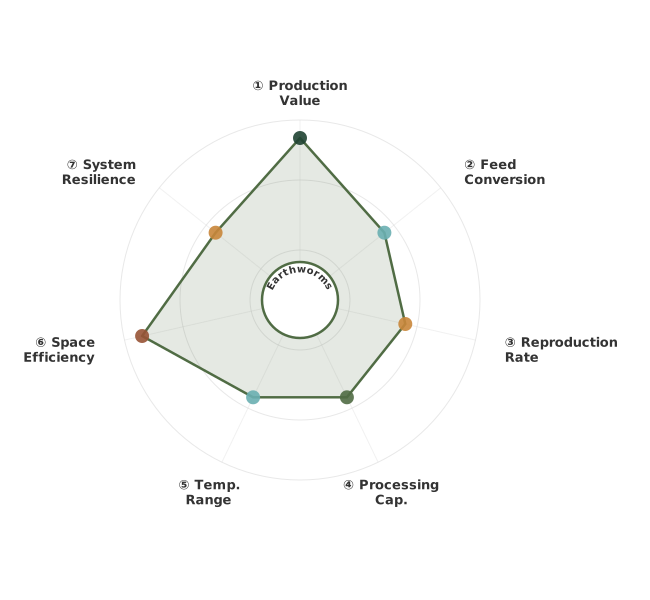
Trait dimensions are ordered clockwise starting from the top of the chart (12 o'clock position):
1. Production Value
Production Value scores 2.7 (exceptional) using soil builder pathway: composting_efficiency (exceptional 3.0, 40%) earthworms process organic matter up to 50% faster than static piles, often completing breakdown in 2-4 months, casting_production (exceptional 2.8, 35%) produce high volumes of nutrient-rich castings (vermicompost) containing beneficial microbes and humic acids, soil_improvement (typical 2.0, 25%) castings significantly enhance soil structure, water retention, aeration, and nutrient availability. Formula: (3.0×0.40 + 2.8×0.35 + 2.0×0.25) = 2.83, rounded to 2.7. This directly contributes to regenerative goals by creating valuable soil amendments.
Excellent castings + fast composting
2. Feed Conversion
Feed Conversion Efficiency scores 2.0 (typical) based on general knowledge of earthworm consumption rates. Earthworms consume roughly 0.5 to 1 times their body weight in organic matter per day. While not as voracious per unit mass as Black Soldier Fly larvae, their continuous processing and efficient digestion of organic materials into valuable castings make them effective. This rate is typical for biological decomposition processes.
Converts 0.5-1x body weight/day
3. Reproduction Rate
Reproduction Rate scores 1.8 (typical-low) as earthworms reproduce via egg cocoons. Each worm can lay 1-3 cocoons per week, with each cocoon yielding 2-4 hatchlings. Population doubling time under optimal conditions (moisture, temperature, food) is typically 3-6 months. This rate is slower than many insects but sufficient for establishing a viable vermicomposting operation over time.
Moderate reproduction (3-6 mo doubling)
4. Processing Cap.
Processing Capacity scores 2.5 (typical-high) for soil builders. While not as rapid as BSF larvae, earthworms efficiently break down a wide variety of organic materials into nutrient-dense castings. Their capacity is directly related to population size and the quality/availability of feedstock. They are excellent for long-term, continuous processing of kitchen scraps and yard waste, contributing significantly to soil health.
Processes moderate volume of organic matter
5. Temp. Range
Temperature Range scores 1.8 (typical-low) due to their sensitivity. Earthworms (particularly composting species like Red Wigglers) prefer cooler, moist environments, typically thriving between 55-75°F (13-24°C). Temperatures outside this range can slow down or halt activity, and extreme heat or cold can be lethal. This necessitates climate control in many regions for consistent processing.
Optimal 55-75°F (narrow range)
6. Space Efficiency
Space Efficiency scores 3.0 (exceptional) from small_scale_suitability. Earthworms for vermicomposting can be housed in shallow bins, stacked trays, or even simple piles. They require relatively little space per pound of material processed, making them ideal for small farms, urban settings, or indoor operations. High-density populations are achievable, maximizing output in a small footprint.
Minimal space (bin systems, stackable)
7. System Resilience
System Resilience scores 2.3 (typical) from: hardiness (typical 2.3, 40%) generally robust but need consistent moisture and protection from extreme temperatures, disease_resistance (typical 2.5, 30%) relatively resistant to common pathogens but can be affected by mites or anaerobic conditions, adaptability (typical 2.0, 30%) adapt to various organic wastes but require specific environmental parameters. Formula: (2.3×0.40 + 2.5×0.30 + 2.0×0.30) = 2.27, rounded to 2.3. They are more delicate than insects in extreme conditions but less prone to widespread disease outbreaks than some larger livestock.
Sensitive to extreme moisture/temp, good disease resistance
Regenerative Advantages
- Small Scale Suitability: Require minimal space in bins for vermicomposting. Handling is simple, and infrastructure needs are very low, making them ideal for small-scale nutrient cycling.
Value Streams
Experience Level
Consult local experts for handling requirements
3
Understanding Earthworms Characteristics
Physical traits, temperament, and what makes this breed unique
Understanding Earthworms Characteristics
Physical traits, temperament, and what makes this breed unique
Earthworms, though not livestock in the conventional sense, are crucial biological assets in regenerative agriculture. Species like *Eisenia fetida* (red wigglers) and *Lumbricus terrestris* (nightcrawlers) are particularly valued for their role in decomposition and soil health. Their segmented bodies are highly efficient at processing organic matter, with specialized digestive systems capable of breaking down complex materials into nutrient-rich castings. Their simple, yet effective, physiology allows them to thrive in diverse organic environments, from compost piles to pasture soils.
Historically, earthworms have been recognized for their soil-enriching abilities, with Charles Darwin himself dedicating significant research to their impact on soil structure and fertility. Their "domestication" for agricultural purposes is more recent, focusing on harnessing their natural processes for waste management and soil amendment. Unlike traditional livestock that graze on living plants, earthworms consume dead organic matter, making them unique in their ecological niche. This ability to transform waste into valuable soil inputs is a defining characteristic that sets them apart.
The distinguishing trait of earthworms is their role as ecosystem engineers at the micro-level. They don't compete for pasture resources with grazing animals; instead, they complement them by processing crop residues, manure, and other organic byproducts. Their burrowing action creates channels in the soil, improving aeration and water infiltration, while their excretions, known as castings, are packed with readily available nutrients and beneficial microbes. This makes them indispensable for building soil structure and fertility from the ground up.
Sources behind this view
 Videos & Podcasts
-
Earthworms are favored soil organisms due to their historical scientific recognition and vital role as 'biological pistons' that improve soil aeration, fertility, nutrient release, stability, and drai

-
Earthworms, as 'ecosystem engineers', significantly improve soil structure and health by mixing organic matter and creating pores. 16 earthworms per biscuit-tin sample indicate good soil health, contr

-
Earthworms are vital for soil quality, improving structure, aeration, and water infiltration. Visualizing soil structure via CAT scans reveals its complex, city-like nature with crucial air pockets.

-
Anic earthworms are crucial for soil fertility. Their casts, found in no-till systems, are richer in essential minerals like calcium, magnesium, copper, manganese, and zinc.
 Community
-
Earthworms are vital decomposers that enhance soil fertility by breaking down organic matter and producing nutrient-rich casts. They are classified as epigeic (surface dwellers like red wigglers), end
Read more (opens in new window) ucanr.edu -
Earthworms improve soil health by mixing organic matter, creating nutrient-rich castings, and enhancing aeration and water penetration through burrowing. Their presence indicates healthy soil conditio
Read more (opens in new window) ucanr.edu -
Earthworms perform crucial mechanical functions in soil, enhancing surface pore percolation and subsoil infiltration, which is linked to hydraulic lift and redistribution.
Read more (opens in new window) permies.com -
Learn to survey and identify earthworms to understand their vital role in soil health, fertility, structure, and carbon storage. Led by Victoria J. Burton of the GROW Observatory.
Read more (opens in new window) www.permaculture.org.uk
 Research
-
Role of Earthworms in Soil Fertility and Its Impact on Agriculture (opens in new window)
Earthworms improve soil structure, fertility, and water retention through burrowing and organic matter decomposition. They produce nutrient-rich castings, support beneficial microbes, and enhance crop
-
BENEATH THE SURFACE: EARTHWORMS AND THEIR BENEFICIAL IMPACTS ON FARMING COMMUNITIES (opens in new window)
Earthworms are crucial for farm soil health, improving fertility through nutrient cycling, soil aggregation, and aeration. Their activities enhance soil structure and water retention, supporting susta
-
Earthworms Effect on Microbial Population and Soil Fertility as Well as Their Interaction with Agriculture Practices (opens in new window)
Earthworms improve soil fertility by mixing soil, enhancing nutrient availability, and influencing beneficial microbes. They can also secrete plant growth hormones, but pesticide use can harm their po
-
Research progress on earthworms and soil health. (opens in new window)
Earthworms are 'ecosystem engineers' vital for soil health, improving structure, organic matter breakdown, microbial diversity, and nutrient cycling, while also helping to clean up soil pollutants and
 From the Web
-
Earthworms are vital soil macrofauna that improve soil structure through burrowing and mixing organic matter. Their nutrient-rich casts enhance soil fertility and reduce acidity. Different species inh
-
Earthworms are vital soil macrofauna that improve soil structure through burrowing and mixing organic matter. Their nutrient-rich casts enhance soil fertility. Nonnative species can harm forest ecosys
-
Earthworms enhance soil health by incorporating organic matter, improving decomposition, nutrient cycling, and soil structure through their feeding and burrowing. They are categorized into epigeic, en
-
Earthworms improve soil aggregation, water infiltration, and root growth by creating burrows and stable casts. They incorporate organic matter, enhance nutrient cycling, and their presence is linked t
4
Management, Care & Feeding
Operational guidance for raising this breed successfully
Management, Care & Feeding
Operational guidance for raising this breed successfully
Managing earthworms effectively in a regenerative system often involves creating and maintaining optimal habitat conditions. For composting operations, this means providing a moist, temperature-controlled environment with a consistent supply of appropriate organic matter. Red wigglers (*Eisenia fetida*) are ideal for bin composting, thriving on a diet of kitchen scraps, manure, and shredded paper/cardboard. Maintaining a C:N ratio around 25:1 in the feedstock is crucial for efficient processing and preventing odors. Moisture levels should be consistently damp, like a wrung-out sponge, and temperatures ideally between 55-77°F (13-25°C).
In pasture systems, encouraging native earthworm populations is key. This involves minimizing tillage, reducing synthetic chemical inputs (pesticides, herbicides, excessive fertilizers), and ensuring a consistent supply of organic matter on the soil surface. Leaving crop residues, incorporating manure from grazing animals, and utilizing cover crops all provide food and habitat for earthworms. Avoid disturbing the soil unnecessarily, as this disrupts their burrows and life cycles. Rotational grazing can also be beneficial, allowing periods of rest for the soil to recover and earthworm populations to flourish.
Health considerations for earthworms are primarily related to environmental stability and food quality. Extreme temperatures (too hot or too cold), excessive moisture (anaerobic conditions), or a lack of oxygen can be detrimental. In composting systems, avoid adding acidic foods (like citrus in large quantities), oily foods, or meat/dairy products, which can lead to spoilage and harm the worms. For pasture earthworms, the main threats are soil compaction, which hinders burrowing, and the use of certain pesticides or heavy metals that can accumulate in their tissues and the soil. Monitoring the soil's physical structure and biological activity provides the best indication of earthworm health.
Sources behind this view
Videos & Podcasts
-
Provides practical advice on worm composting with red wigglers, covering temperature, moisture, feeding (avoiding fats/citrus), grit (eggshells), and harvesting pathogen-free castings.
-
This cluster addresses various questions on soil invertebrates: diversity indicates health, dewormers impact soil biota, cover crops benefit soil, pollinators and ants create macropores, and rhizosphe
-
Earthworms, acting as 'soil engineers,' significantly increase with cover crops, creating nutrient-rich channels that benefit roots and soil biology. Different species contribute to organic matter cyc
-
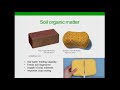
Earthworms, especially Lumbricus terrestris, are vital for soil health, rapidly generating topsoil and enhancing microbial activity, nutrient cycling, and plant growth. Their castings significantly bo

Community
-
To increase earthworm populations, use compost (especially aged horse manure) and maintain a consistent mulch layer (approx. 3 inches). Red wigglers prefer bacterial environments and thrive with ample
Read more (opens in new window) permies.com -
Introduce earthworms (red wigglers, night crawlers) by providing ample decaying organic matter like shredded leaves, kitchen waste, and manure to promote soil health and decomposition.
Read more (opens in new window) permies.com -
Good garden practices like adding compost, mulch, and maintaining moist soil with a pH of 6.0-7.0 benefit earthworms. Charles Darwin recognized their value in improving soil quality and producing verm
Read more (opens in new window) ucanr.edu -
Earthworms are vital decomposers that enhance soil fertility by breaking down organic matter and producing nutrient-rich casts. They are classified as epigeic (surface dwellers like red wigglers), end
Read more (opens in new window) ucanr.edu
Research
-
Role of Earthworms in Soil Fertility and Its Impact on Agriculture (opens in new window)
Earthworms improve soil structure, fertility, and water retention through burrowing and organic matter decomposition. They produce nutrient-rich castings, support beneficial microbes, and enhance crop
-
BENEATH THE SURFACE: EARTHWORMS AND THEIR BENEFICIAL IMPACTS ON FARMING COMMUNITIES (opens in new window)
Earthworms are crucial for farm soil health, improving fertility through nutrient cycling, soil aggregation, and aeration. Their activities enhance soil structure and water retention, supporting susta
-
Effect of Seasonal Variations and Different Organic Wastes on Growth Parameters and Fecundity of E. fetida (opens in new window)
Red wriggler earthworms (E. fetida) are key soil engineers that efficiently convert organic waste, like manure, into valuable vermicompost, improving soil health and structure.
-
Earthworms Effect on Microbial Population and Soil Fertility as Well as Their Interaction with Agriculture Practices (opens in new window)
Earthworms improve soil fertility by mixing soil, enhancing nutrient availability, and influencing beneficial microbes. They can also secrete plant growth hormones, but pesticide use can harm their po
From the Web
-
Earthworms improve soil aggregation, water infiltration, and root growth by creating burrows and stable casts. They incorporate organic matter, enhance nutrient cycling, and their presence is linked t