
Heritage Turkey Breeds
Heritage Turkey Breeds simplify pasture management with their exceptional hardiness and superior foraging ability, requiring minimal supplemental feed. Their strong maternal instincts and natural breeding capabilities reduce labor and reliance on artificial incubation, making them an ideal choice for farmers seeking self-sufficient poultry. Originating from diverse ancestral lines, these turkeys possess remarkable adaptability to various environments, thriving on woodland foraging and excelling in pasture settings. While good cold tolerance is a benefit, their true distinction lies in their robust constitution and independent nature, which allows them to thrive with less intensive management compared to commercial breeds, making them a natural fit for operations focused on seasonal dairying or woodland pork integration.
Regenerative Quick Profile
Best Suited For
Climates: Humid subtropical to continental, and semi-arid grasslands. Heritage turkeys are generally adaptable to a wide range of temperate climates.
Scale: Suitable for small to medium operations (10-50 animals)
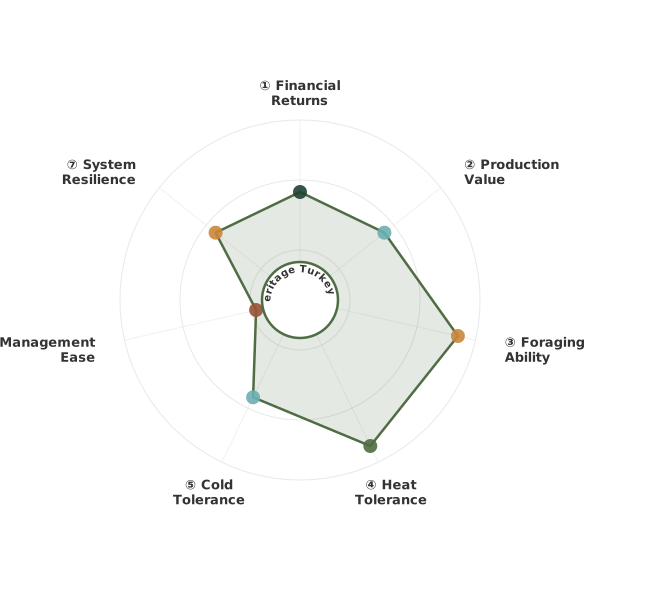
How These Traits Are Calculated
Trait dimensions are ordered clockwise starting from the top of the chart (12 o'clock position):
1. Financial Returns
Annual income per bird from eggs, meat, or specialty products
WHAT: Evaluates profit potential for specialty poultry (turkeys, ducks, geese, guinea fowl) combining meat yield, egg production (where applicable), growth timelines, and market premiums for specialty products.
WHY: Specialty poultry targets premium markets—heritage turkeys at $6-8/lb versus $1.50 commodity, duck eggs at $8-12/dozen versus $3-5 chicken eggs. Understanding enterprise-specific returns helps match birds to market opportunities, with successful operations generating 2-4× returns of conventional poultry.
HOW: Calculated from production data (market weight, timelines, egg yield) combined with efficiency traits and premium market access. Exceptional (≥2.6): strong output + premium markets + efficient growth. Typical (1.8-2.5): moderate production and markets. Limited (<1.8): low output or limited market access.
2. Production Value
Meat yield, egg production, and specialty product quality
WHAT: Measures output quality and quantity combining meat characteristics (size, flavor, texture prized by consumers), egg production (for laying breeds), and specialty products (foie gras, down feathers) that command premiums.
WHY: Production value determines market positioning. Heritage turkeys with superior flavor justify $6-8/lb premiums, duck eggs with rich yolks attract baking customers at $1+ per egg, quality down commands $20-40/lb. High production value enables profitable small-scale operations where commodity birds require large volume to achieve viability.
HOW: Composite assessment of documented production characteristics and market quality. Exceptional (≥2.6): superior product quality + strong output + specialty attributes. Typical (1.8-2.5): good standard production. Limited (<1.8): commodity quality, minimal specialty value.
3. Foraging Ability
Feed cost reduction through natural foraging behavior
WHAT: Measures effectiveness at obtaining nutrition through foraging—consuming insects, seeds, greens, and other natural foods—reducing purchased feed requirements 20-50% in pasture-based systems.
WHY: Aggressive foragers reduce feed costs while providing pest control (insects, ticks, slugs) and weed management services. Turkeys consuming 30-40% of calories from forage save $15-30 per bird over growing season, making the difference between profitable and marginal operations.
HOW: Rated from documented foraging behavior and feed reduction potential. Exceptional (≥2.6): excellent foragers, 40-50% feed reduction, active pest control. Typical (1.8-2.5): moderate foraging, 20-30% reduction. Limited (<1.8): minimal foraging, requires full feeding.
4. Heat Tolerance
Performance in hot weather above 85°F (29°C)
WHAT: Evaluates adaptation to sustained heat above 85°F (29°C), measuring heat stress resistance, growth/production maintenance, and survival during summer peaks. Critical for southern operations and summer meat production.
WHY: Heat stress reduces feed intake 20-40%, slows growth, and increases mortality—particularly problematic for turkeys naturally susceptible to heat. Heat-adapted breeds maintain production schedules where others require expensive cooling or suffer significant losses during summer.
HOW: Rated from database trait 'heat_tolerance' based on documented characteristics. Exceptional (≥2.6): maintains production in 95°F+ (35°C+), low mortality. Typical (1.8-2.5): manageable with shade and water. Limited (<1.8): high heat sensitivity, struggles above 85°F.
5. Cold Tolerance
Performance in cold weather below 20°F (-7°C)
WHAT: Evaluates adaptation to sustained cold below 20°F (-7°C), measuring feather insulation, cold-weather foraging activity, and winter production/growth maintenance. Important for year-round outdoor systems in northern climates.
WHY: Cold-sensitive birds require heated housing ($50-200 monthly winter costs), reduce activity limiting foraging value, and experience higher mortality. Cold-hardy breeds remain active outdoors year-round, maintain winter egg production (ducks/geese), and thrive with basic shelter.
HOW: Rated from database trait 'cold_tolerance' based on breed characteristics. Exceptional (≥2.6): excellent insulation, active in <0°F (-18°C), maintains winter production. Typical (1.8-2.5): moderate hardiness. Limited (<1.8): requires heated shelter, limited winter activity.
6. Management Ease
Handling temperament and care requirements
WHAT: Measures daily management simplicity combining temperament (calm vs flighty/aggressive), health needs, natural breeding ability (versus artificial insemination required), and routine handling cooperation.
WHY: Difficult birds increase labor 2-3× and create safety concerns. Aggressive turkeys or geese require protective equipment during handling, flighty birds complicate catching for processing, breeds requiring AI add complexity. Calm birds with good health enable confident management by beginners.
HOW: Weighted assessment: temperament (50%), health needs (30%), breeding ease (20%). Exceptional (≥2.6): calm and manageable, robust health, natural breeding. Typical (1.8-2.5): manageable with experience. Limited (<1.8): aggressive or nervous, high health needs, or breeding complications.
7. Flock Resilience
Disease resistance and survival under typical stresses
WHAT: Evaluates flock robustness across disease resistance (particularly respiratory issues and common poultry diseases), parasite tolerance, predator awareness, and general hardiness determining survival through typical challenges.
WHY: Resilient breeds maintain productivity through challenges causing 20-50% losses in susceptible birds—surviving disease pressure, evading predators through awareness, resisting parasites. This determines whether flocks thrive with basic care or require intensive interventions and predator-proof housing.
HOW: Composite assessment of documented health and survival characteristics. Exceptional (≥2.6): strong disease resistance + predator-savvy + hardy. Typical (1.8-2.5): standard resilience with routine care. Limited (<1.8): health-sensitive or vulnerable, requires intensive management and protection.
Regenerative Advantages
- Heat Tolerance: Genetically closer to wild ancestors, many heritage breeds thrive in heat above 90°F with basic shade and water, thanks to their lean build and efficient cooling.
- Foraging Ability: Heritage Turkeys excel at utilizing diverse and marginal vegetation, fitting the 'foraging' definition perfectly. Their natural inclination to root, scratch, and consume a wide array of food sources, including insects, seeds, forbs, and even some woody browse, allows them to thrive on unimproved land. This broad spectrum utilization means they require minimal supplementation, even when pasture quality is low or dominated by non-grass species, demonstrating an exceptional ability to self-sustain by foraging across varied ecological niches.
- Hardiness: Centuries of free-ranging have instilled robust hardiness and adaptability, making these breeds well-suited to varied environments and low-input systems.
- Maternal Instinct: Heritage breeds retain strong maternal traits, including excellent brooding and protection, crucial for successful poult survival in less intensively managed settings.
- Shelter Dependency: Adapted to natural environments, numerous heritage turkeys utilize natural cover and require minimal artificial shelter, demonstrating resilience to varied weather.
Know the Debate
- Heritage turkeys offer niche market premium; conventional breeds prioritize efficiency.
- Blackhead disease prevention necessitates strict flock separation strategies.
Value Streams
- Meat production
- Insect and pest control
- Scratch tillage and compost distribution
Experience Level
Suitable for first-time livestock owners
3
Understanding Heritage Turkey Breeds Characteristics
Physical traits, temperament, and what makes this breed unique
Understanding Heritage Turkey Breeds Characteristics
Physical traits, temperament, and what makes this breed unique
Heritage turkey breeds are the direct descendants of the wild turkey, carefully preserved through selective breeding by farmers and enthusiasts. Unlike the Broad Breasted White turkeys that dominate commercial production, heritage breeds retain the natural instincts and physical capabilities of their ancestors. They are known for their slower growth rate, allowing their skeletal structure and organs to develop in balance with their muscles, leading to a healthier bird. Breeds like the Bronze, Bourbon Red, Narragansett, and Standard Bronze are recognized for their distinct colors, body shapes, and temperaments, each offering unique qualities but sharing a common foundation of hardiness and natural behaviors.
Historically, these breeds were the primary turkeys raised on farms before the advent of intensive confinement systems and fast-growing hybrids. They were known for their ability to thrive on pasture, forage effectively, and reproduce naturally. This connection to traditional farming practices means heritage turkeys are well-adapted to free-range environments and less reliant on artificial interventions. Their genetic diversity is also a significant advantage, preserving a wider gene pool compared to the limited genetic base of most commercial strains.
What truly sets heritage turkeys apart is their combination of robust health, natural foraging ability, and reproductive soundness. They are excellent foragers, adept at finding insects, seeds, and greens, which contributes to their unique flavor profile and reduces feed costs. Furthermore, they are capable of natural mating and brooding, simplifying flock management for those seeking a more self-sufficient system. Their slower growth results in a denser, richer meat with a more complex flavor, highly valued by consumers seeking quality and authenticity.
Sources behind this view
 Videos & Podcasts
-
Discusses raising heritage turkeys, noting higher labor, longer grow-out, and premium pricing ($9.50/lb) compared to broad-breasted varieties. Highlights processing challenges and pasture needs, while

-
Daily pasture rotation for turkeys significantly improves meat quality and flavor compared to heritage breeds that are harder to control and may be raised in less sanitary conditions.
 Community
-
Compares heritage turkey breeds (Bourbon Red, Blue Slate) to Broad Breasted turkeys, noting heritage breeds have superior flavor but are smaller and slower growing; Bourbon Reds are easiest to pluck.
Read more (opens in new window) permies.com -
Compares heritage turkey breeds (Narragansett, Bourbon Red, Sweetgrass) and BBWs for flavor, size, and breeding. Heritage breeds offer superior taste and distinct personalities compared to chickens, t
Read more (opens in new window) permies.com -
The Heritage Turkey Project in Sonoma County implements detailed traceability for its heritage turkeys, with wing bands identifying growers and varieties, and customers paying growers directly. The pr
Read more (opens in new window) ucanr.edu
4
Know the Debate
Raising heritage turkeys presents different economic and management considerations compared to conventional breeds. While offering a premium niche ...
Know the Debate
Raising heritage turkeys presents different economic and management considerations compared to conventional breeds. While offering a premium niche ...
Raising heritage turkeys presents different economic and management considerations compared to conventional breeds. While offering a premium niche product and strong foraging abilities, they also come with slower growth rates and unique health challenges. Profitability hinges on market access, breed choice, and disease prevention strategies. Farmers must weigh the higher labor and longer grow-out periods of heritage breeds against the marketing advantages and potentially lower input costs, versus the efficiency and established markets of conventional breeds.
What are the profitability differences between heritage and conventional turkeys?
Premium Niche Market (Heritage)
Heritage turkeys command premium prices ($6-$9.50/lb) due to superior flavor, foraging, and natural traits, appealing to consumers seeking quality and authenticity. This niche requires strong marketing and potentially longer grow-out times.
Sources behind this view
Sources behind this view
Videos & Podcasts
-
Discusses raising heritage turkeys, noting higher labor, longer grow-out, and premium pricing ($9.50/lb) compared to broad-breasted varieties. Highlights processing challenges and pasture needs, while acknowledging broad-breasted turkeys are more profitable but heritage breeds have strong customer demand.
-
Turkeys can be a profitable pasture-raised niche product, with broad-breasted whites favored for quicker growth (3.5-4 months). Pre-selling and marketing are key, with demand peaking around holidays for a $100 purchase per bird.
 From the Web
-
Raising heritage turkeys involves specific standards (free-range, organic) and commands premium prices ($3.50-$4.00/lb) due to flavor and genetic value. Marketing through Slow Food and direct sales is key, though challenges like predator management and market establishment (2-5 years) exist.
Efficiency & Broad Markets (Conventional)
Conventional breeds like Broad Breasted Whites offer faster growth (3.5-4 months) and better feed efficiency, leading to higher profitability per pound. They are favored for commercial operations and established supply chains.
Sources behind this view
Sources behind this view
Videos & Podcasts
-
Turkeys can be a profitable pasture-raised niche product, with broad-breasted whites favored for quicker growth (3.5-4 months). Pre-selling and marketing are key, with demand peaking around holidays for a $100 purchase per bird.
 Research
-
Assessment of the Economic Profitability of Fattening Selected Chicken Genotypes in an Organic Farm (opens in new window)
This study found: A study compared the profitability of raising four different chicken breeds on an organic farm for 81 days. Researchers found that heritage breeds like Rhode Island Red and Sussex were less efficient at converting feed into meat (higher feed conversion ratio) compared to modern slow-growing hybrids like Hubbard JA 957 and fast-growing Ross 308. This inefficiency led to higher feed costs per pound of chicken for the heritage breeds. The study concluded that choosing modern, meat-focused chicken breeds, even if they are slow-growing, can improve the financial returns for organic chicken farmers.
From the Web
-
Raising Broad Breasted White turkeys on a traditional farmyard yielded similar performance to an annual cover crop mix in Central Iowa, but the farmyard was more economical due to no seed costs. Practical challenges with cover crop grazing were also noted.
Profitability Challenges & Support Needs (Developing Regions)
Small-scale farmers in regions like Bangladesh and Nigeria face profitability struggles due to high feed costs, weak markets, and lack of support, regardless of breed.
Sources behind this view
Sources behind this view
Research
-
Current status, reproductive performance, and health management of turkey (Meleagris gallopavo) breeds under farming systems in Bangladesh (opens in new window)
This study found: A study surveyed 33 turkey farms in Bangladesh to understand their current practices, how well they reproduce, and how they manage bird health. Most farmers were men, aged 31-40, with college degrees, and turkey farming was a side job for them. Many had no prior experience and didn't read up on turkey farming. The most common turkey breeds were American Black and White Holland. Farms often raised turkeys for multiple purposes (meat, eggs, poults). On average, farms produced about 32 eggs per day, and birds were sold around 5.75 months old, weighing about 8.8 kg (19.4 lbs) before dressing. While many hatcheries had good fertility and hatching rates (81-90%), most farmers made their own feed instead of using commercial rations. Diseases like turkey pox, Newcastle disease, and others were common. The main reasons farmers weren't making a profit and planned to stop farming were high feed costs, lack of technical help, poor market access, and unpredictable prices. The study suggests that government support through training, better feed access, and stable markets could help make turkey farming a sustainable income source.
-
Assessment of Turkey Farming Management Practices by Small-Scale Rural Farmers in Eastern Nigeria (opens in new window)
This study found: A survey of 180 small turkey farmers in three villages in Eastern Nigeria found that while most farmers keep small flocks (1-20 birds) and are part-time operators, their farming methods are generally below standard. Practices like cleaning pens, removing droppings, and changing litter were followed well. However, beak trimming was a very low-priority practice. The study suggests that these farmers need more financial support and regular training from government and other agencies to improve their turkey production.
Making Sense of the Differences
Profitability differences stem from market positioning and breed growth rates. Heritage breeds leverage premium pricing due to unique quality and traits, fitting niche direct markets. Conventional breeds are selected for efficiency, serving larger commercial markets. Developing regions face systemic issues like high input costs and weak market infrastructure affecting profitability for any breed.
Do heritage turkeys require different Blackhead disease prevention than conventional breeds?
Strict Separation & Fallowing for Blackhead Prevention
Preventing Blackhead disease is critical, especially with heritage turkeys, requiring strict flock separation by age and species, land fallowing (3+ years), and potentially relying on disease-resistant breeds rather than vaccination.
Sources behind this view
Sources behind this view
Videos & Podcasts
-
Turkeys are brooded in a new space to prevent blackhead disease, with most birds pre-sold to retailers. The farm avoids routine vaccination/deworming for poultry and cattle, relying on healthy conditions, and uses a temporary brooder setup with specific bedding needs for turkeys.
![Thumbnail for LIVE Tour: Joe's Farm [Pastured Poultry]](/static/thumbnails/M8x1_-zQG1w.jpg)
-
To prevent blackhead disease, turkeys are brooded in a new space, separate from chickens. Most of the 2500-3000 turkeys are pre-sold to retailers, reflecting demand for pasture-raised products and justifying premium pricing.
From the Web
-
Preventing Blackhead in turkeys is critical due to lack of treatment. Strategies include species separation, land fallowing (3+ years), breeding for resistance (e.g., Nature's Harmony Farm, GA), using feed additives (Histostat, Natustat), good biosecurity, and encouraging roosting. During outbreaks, move to fresh ground and isolate sick birds.
Holistic Health & Reduced Intervention (Minimalist Approach)
Some regenerative approaches prioritize overall flock health through good environment and avoiding routine interventions, potentially reducing disease susceptibility without specific treatments.
Sources behind this view
Sources behind this view
Videos & Podcasts
-
Turkeys are brooded in a new space to prevent blackhead disease, with most birds pre-sold to retailers. The farm avoids routine vaccination/deworming for poultry and cattle, relying on healthy conditions, and uses a temporary brooder setup with specific bedding needs for turkeys.
Making Sense of the Differences
Blackhead disease is a major concern for turkeys, especially heritage breeds, and prevention emphasizes strict biosecurity through maintaining separate flocks by age and species, and avoiding contamination by not mixing turkeys with chickens or poultry that may carry the disease. Land fallowing is recommended to break the parasite cycle. Options include selecting naturally resistant breeds or focusing on robust environmental and management practices to build inherent flock health, rather than relying on chemical interventions.
5
Management, Care & Feeding
Operational guidance for raising this breed successfully
Management, Care & Feeding
Operational guidance for raising this breed successfully
Managing heritage turkeys effectively in a regenerative system centers on providing ample space and access to pasture. They require more room to roam and express their natural foraging behaviors compared to confinement-raised birds. Rotational grazing is highly recommended, moving flocks frequently to fresh pasture to maximize their foraging impact, control parasite loads, and ensure they consume a diverse diet. Providing shelter from extreme weather and predators is essential, but this should be designed to encourage outdoor activity rather than confinement. Water access must be consistent and clean, and while they will forage, a high-quality supplemental feed, particularly during periods of high nutrient demand (like growth and egg-laying), is beneficial.
Feeding heritage turkeys in pasture-based systems involves leveraging their natural foraging abilities while ensuring nutritional needs are met. A significant portion of their diet can come from insects, seeds, grasses, and legumes found on pasture. This should be supplemented with a balanced grain ration, ideally formulated for poultry and adjusted for the birds' age and activity level. For breeding flocks, a higher protein content is necessary. Avoid over-reliance on commercial feed; instead, view it as a nutritional supplement to a diet largely derived from the land. Monitor flock condition and adjust supplementation accordingly, recognizing that their slower growth rate means they require less intensive feeding than hybrids.
Health management for heritage turkeys emphasizes prevention through good husbandry and genetics. Their natural hardiness means they are generally more resistant to diseases and parasites than commercial breeds. Maintaining clean living spaces, providing fresh water, and rotating pastures are the most critical steps in preventing common issues like coccidiosis and worm infestations. Observe birds regularly for any signs of distress or illness. While less common, individual birds may require treatment for specific ailments, but the goal is to foster a healthy, resilient flock through a low-stress, pasture-centric environment that allows their natural immune systems to function optimally. Natural mating and brooding further reduce stress associated with artificial reproduction methods.
Sources behind this view
Videos & Podcasts
-
Discusses raising heritage turkeys, noting higher labor, longer grow-out, and premium pricing ($9.50/lb) compared to broad-breasted varieties. Highlights processing challenges and pasture needs, while
-
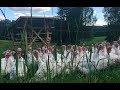
Describes regenerative pasture management for turkeys using daily Schooner moves and electric fencing for day ranging, alongside techniques for low-stress handling of larger birds to prevent joint str
-
Turkeys are brooded in a new space to prevent blackhead disease, with most birds pre-sold to retailers. The farm avoids routine vaccination/deworming for poultry and cattle, relying on healthy conditi
-
Details a successful turkey preparation method: brining for 24 hours, resting for 24 hours, then high-heat roasting for succulent meat. Also discusses growing larger birds and separating turkeys from
Community
-
Provides a comprehensive checklist for raising pasture-raised turkeys, covering genetics (Broad Breasted White, heritage breeds), management (brooding, housing, grazing, pest/predator control), and ma
Read more (opens in new window) ucanr.edu -
Details raising Broad Breasted White and Bronze turkeys for meat and eggs, including pasture integration, breeding stock selection to avoid inbreeding, and managing their heavy impact on pasture throu
Read more (opens in new window) permies.com -
Pasture-raised broad-breasted turkeys are excellent grazers, consuming diverse forage including weeds and legumes, leading to richer meat and less pasture damage than chickens. Improved forage quality
Read more (opens in new window) smallfarms.cornell.edu -
Seeks advice on raising turkeys (BBB and Bourbon Red) with broilers, focusing on shelter needs, potential feed competition, space requirements, and wing clipping for containment, especially for herita
Read more (opens in new window) permies.com
7
Production Capabilities & Market Economics
Business case evaluation and production metrics
Production Capabilities & Market Economics
Business case evaluation and production metrics
Meat Production Economics
| Category | Value |
|---|---|
| Dressed Rate per Bird | 8-15 lbs 3.6-6.8 kg |
| Months to Finish | 6-7 |
| Price Premium | +20% to +40% |
| Annual Input Cost/Bird | $35-55 |
Dressed weight refers to carcass weight after processing (feathers, head, feet, organs removed). Annual dressed production assumes 1-2 batches per year in pasture-based systems.
Price premium percentages represent the potential price increase over conventional commodity turkey when marketed through direct sales, farmers markets, or certified programs (organic, pasture-raised). Premium requires active marketing and certification. Birds sold through conventional wholesale channels typically receive commodity pricing (0% premium).
Sources behind this view
Videos & Podcasts
-
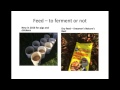
Presents turkey production data (2013-2016) from Many Hands Organic Farm: increasing harvest weights linked to pasture quality and comfrey, feed conversion of 3.4:1, feed costs at $0.66/lb, and net in
Research
-
Current status, reproductive performance, and health management of turkey (Meleagris gallopavo) breeds under farming systems in Bangladesh (opens in new window)
A Bangladesh survey found turkey farmers struggle with high feed costs, poor support, and weak markets, leading to no profit and plans to quit. Government intervention in training, feed, and markets i