
Italian Bees
Also known as: italian honeybees, apis mellifera ligustica, ligustica, italian race
The Italian bee excels at honey production and offers farmers exceptional gentleness and robust heat tolerance, simplifying hive management and reducing stress during warmer months. Originating from Italy, these bees are renowned for their superior foraging ability, effectively utilizing a wide range of floral sources. Their good climate adaptation means they can thrive in various environments, requiring minimal intervention once established. What truly sets Italian bees apart is their inherent calmness, making inspections and honey harvesting a safer and more efficient process, while their prolific nature ensures consistent honey yields and strong colony growth.
Regenerative Quick Profile
Best Suited For
Climates: Warm temperate to hot semi-arid climates, with hot dry summers and mild winters.
Scale: Excellent for small homesteads (1-10 animals)
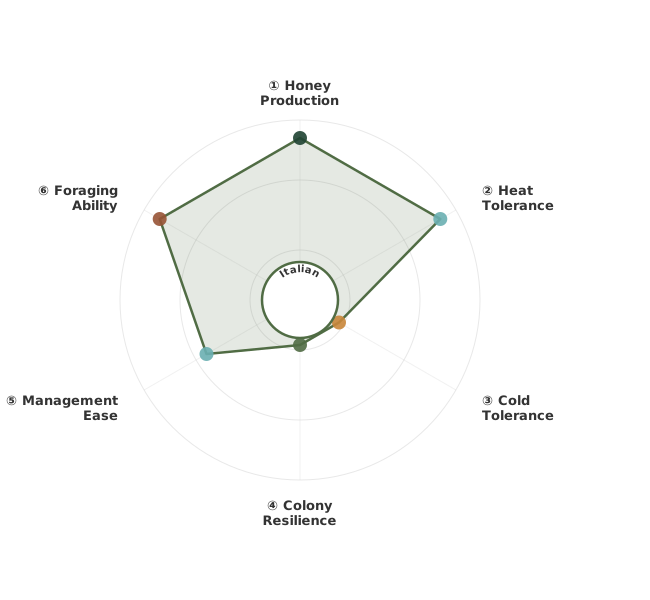
How These Traits Are Calculated
Trait dimensions are ordered clockwise starting from the top of the chart (12 o'clock position):
1. Honey Production
Annual honey yield per hive in pounds
WHAT: Measures annual honey production per hive, typically ranging 30-100 lbs in temperate climates. High producers generate 70-100+ lbs annually while lower producers yield 30-50 lbs, directly affecting revenue from honey sales.
WHY: Honey revenue determines whether beekeeping is a profitable side enterprise or requires large colony counts to achieve viability. At $8-12 per pound, high-producing hives generate $560-1,200 annually versus $240-600 for low producers, making the difference between 10 hives providing income or requiring 30+ hives.
HOW: Rated from documented production levels and breed characteristics. Exceptional (≥2.6): 80-100+ lbs annually, consistent high yields. Typical (1.8-2.5): 50-80 lbs, standard production. Limited (<1.8): <50 lbs, primarily consumed by colony for winter survival.
2. Heat Tolerance
Colony survival and productivity in hot weather above 85°F (29°C)
WHAT: Evaluates colony adaptation to sustained heat above 85°F (29°C), measuring temperature regulation behaviors (fanning, water collection), brood survival, and honey production maintenance during hot periods.
WHY: Heat stress halts foraging, causes brood mortality, and requires intensive cooling (water collection, fanning) that redirects energy from honey production. Heat-adapted breeds maintain productivity in southern climates where others struggle, preventing 2-4 month production gaps during summer peaks.
HOW: Rated from database trait 'heat_tolerance' based on documented characteristics. Exceptional (≥2.6): tropical origins, efficient cooling, maintains production in 95°F+ (35°C+). Typical (1.8-2.5): moderate tolerance, manageable with shade and water access. Limited (<1.8): struggles above 85°F, reduced foraging and brood survival.
3. Cold Tolerance
Overwinter survival in cold climates below 20°F (-7°C)
WHAT: Evaluates colony survival through sustained cold below 20°F (-7°C), measuring cluster efficiency, winter honey consumption, brood-rearing timing, and spring buildup speed. Critical for northern beekeeping viability.
WHY: Cold-sensitive bees consume 50-80 lbs honey for winter survival, start brood-rearing late, and suffer high winter losses (40-60%). Cold-hardy breeds overwinter on 40-60 lbs, resume brood-rearing earlier, and maintain losses below 20%, making northern beekeeping economically viable.
HOW: Rated from database trait 'cold_tolerance' based on documented overwinter performance. Exceptional (≥2.6): proven success in <0°F (-18°C), efficient clustering, low winter stores needed. Typical (1.8-2.5): moderate hardiness, standard overwintering. Limited (<1.8): high losses, requires extensive feeding or indoor wintering.
4. Hive Stability
Disease resistance and survival under typical stresses
WHAT: Evaluates colony robustness across disease resistance (foulbrood, nosema, viruses), pest tolerance (varroa mites, small hive beetles), hygienic behavior (removing diseased brood), and general stress adaptation.
WHY: Resilient colonies maintain productivity through challenges causing 30-50% losses in susceptible bees—surviving varroa pressure, resisting diseases, adapting to forage gaps. This determines whether beekeeping requires intensive treatments (monthly medications) or colonies thrive with minimal interventions.
HOW: Composite assessment of documented health characteristics. Exceptional (≥2.6): strong hygienic behavior + disease/mite resistant + thrives with minimal treatment. Typical (1.8-2.5): standard resilience, routine management sufficient. Limited (<1.8): susceptible, requires intensive treatment regimes.
5. Management Ease
Colony temperament and handling complexity
WHAT: Measures handling simplicity combining temperament (calm vs defensive), swarming tendency (frequent vs controlled), comb-building behavior (straight vs wandering), and routine inspection cooperation.
WHY: Defensive bees require full protective gear, limit inspection frequency, and create liability concerns near homes or public spaces. Frequent swarmers lose half the workforce annually, reducing productivity. Calm bees enable confident inspections in light protection, making beekeeping accessible and pleasant.
HOW: Weighted assessment: temperament (50%), swarming tendency (30%), comb behavior (20%). Exceptional (≥2.6): gentle and calm, low swarming, straight comb. Typical (1.8-2.5): manageable with standard practices. Limited (<1.8): defensive requiring full suits, frequent swarmers, or challenging comb behavior.
6. Foraging Ability
Nectar and pollen collection efficiency across seasons
WHAT: Measures foraging effectiveness combining flight range, early/late season activity (when few others are foraging), poor weather tolerance (flying in cool or cloudy conditions), and diverse floral source utilization.
WHY: Aggressive foragers extend the honey production season 2-4 weeks at each end, collect more per flight, and maintain productivity during brief nectar flows. This produces 20-40% more honey annually than less vigorous foragers from the same floral resources.
HOW: Rated from documented foraging characteristics and behavior. Exceptional (≥2.6): extended season activity + poor weather tolerance + diverse sources + vigorous foragers. Typical (1.8-2.5): standard foraging behavior. Limited (<1.8): restricted season, fair-weather only, selective about sources.
Regenerative Advantages
- Heat Tolerance: Italian bees excel in hot environments, utilizing efficient fanning and water management to maintain optimal brood nest temperatures.
- Foraging Ability: These bees possess exceptional foraging skills, consistently collecting abundant nectar and pollen from diverse floral sources.
- Gentleness: Italian bees are renowned for their docile nature, making them easy to manage and suitable for busy apiaries.
- Honey Production: Driven by strong foraging instincts, Italian bees build large colonies that reliably yield substantial honey surpluses.
- Comb Building Speed: Famous for their industriousness and prolific wax production, Italian bees often draw out 2-3 frames per week during strong nectar flows.
Know the Debate
- Native bees often more effective pollinators for specific plants.
- Italian bees favored for productivity and gentle management.
- Disease resistance varies; other breeds selected for specific traits.
- Competition for resources impacts native bee populations.
Value Streams
- Honey production
- Crop pollination (increases yields 20-40%)
- Biodiversity and ecosystem health indicator
Experience Level
Beekeeping requires specialized knowledge
3
Understanding Italian Bees Characteristics
Physical traits, temperament, and what makes this breed unique
Understanding Italian Bees Characteristics
Physical traits, temperament, and what makes this breed unique
The Italian Bee, scientifically known as *Apis mellifera ligustica*, is one of the most widely distributed and recognized subspecies of the Western honey bee. Originating from the Italian peninsula and Sicily, these bees are distinguished by their relatively light coloration, typically appearing golden-brown with darker stripes, though variations exist. Historically, they were favored for their gentle disposition, prolific nature, and excellent honey production, which led to their widespread adoption by beekeepers globally in the 19th century. Their adaptability and manageable temperament have made them a cornerstone of beekeeping operations for centuries, setting them apart from more aggressive or specialized breeds.
Compared to other subspecies, Italian bees are known for their industriousness and their tendency to build large, populous colonies. They are also characterized by their long tongues, which allow them to access nectar from a wider variety of flower types, an important trait for foraging diversity. This subspecies is particularly adept at foraging on clover and alfalfa, crucial forage crops in many agricultural landscapes. Their strong drive to collect resources and their ability to maintain large populations contribute significantly to their overall productivity and resilience.
Beyond their physical traits and productivity, Italian bees are valued for their hygienic behavior, meaning they are good at detecting and removing diseased or dead larvae from the hive. This natural pest and disease resistance is a significant advantage for beekeepers. Their tendency to raise brood early in the spring also allows them to take full advantage of early nectar flows, building up their colonies rapidly to maximize honey production and pollination services.
Sources behind this view
 Community
-
Beekeepers often prefer specific honey bee breeds like blond Italians, darker Carniolans, or Caucasians for desirable traits such as disposition, not just color. Susan Cobey favors New World Carniolan
Read more (opens in new window) ucanr.edu -
Scientists from UC Davis and WSU are collecting Italian honey bee germplasm in Italy to inseminate queen bees in the U.S., aiming to increase genetic diversity for healthier, hardier bees resistant to
Read more (opens in new window) ucanr.edu -
Details *Apis mellifera* history and cultivation, including historical figures like W.L. Coggshall. The book 'Homegrown Honey Bees' offers step-by-step guidance on the annual beekeeping cycle, from hi
Read more (opens in new window) smallfarms.cornell.edu
 Research
-
Exploring bee functional trait response to the agro-environment: a possible contribution to the future design of a farm-level indicator. (opens in new window)
Italian study found wild bees, especially social species, are more abundant on lowland farms and respond to farm management. Bee traits can help create indicators for pollinator conservation in agricu
4
Know the Debate
Italian bees are celebrated for their gentle nature, high honey yield, and manageable temperament, making them a popular choice for both commercial...
Know the Debate
Italian bees are celebrated for their gentle nature, high honey yield, and manageable temperament, making them a popular choice for both commercial...
Italian bees are celebrated for their gentle nature, high honey yield, and manageable temperament, making them a popular choice for both commercial apiaries and smaller farms integrating pollinators. They excel in warmer climates and are known for their foraging efficiency on a wide array of floral sources. However, their success in agricultural settings must be balanced against the crucial role and distinct needs of native bee species, which are vital for local ecosystems and specialized pollination tasks. Understanding these different roles and potential interactions is key to adopting a holistic approach to pollinator management.
Are Italian bees superior pollinators compared to native bees?
Native bees are more effective specialists
Native bees, being highly specialized, often exhibit superior pollination efficiency for specific crops and are crucial for native plant reproduction. Their diverse nesting habits and foraging behaviors fill unique ecological niches.
Sources behind this view
Sources behind this view
 Videos & Podcasts
-
Native solitary bees (e.g., Mason, leafcutter) are far more effective pollinators than honeybees due to their hairy bodies and less efficient pollen collection, leading to better fruit set and plant resilience.
Research
-
Exploring bee functional trait response to the agro-environment: a possible contribution to the future design of a farm-level indicator. (opens in new window)
This study found: Researchers studied how wild bees, important for crop pollination, respond to different farm environments in Italy. They looked at factors like farm management (conventional vs. organic) and landscape features (like how high up the farm is). They found that bees, especially social bees like Halictus and Lasioglossum, were more common on farms at lower elevations. Certain bee characteristics, such as their life cycle timing and how common they are, could be used to create a simple indicator to track how well farm policies are helping wild bees. This work aims to help design better farm management plans that support pollinator health, which is crucial for agriculture and biodiversity.
-
Functional trait mismatch between native and introduced bee pollinators servicing a global fruit crop. (opens in new window)
This study found: In orchards in New South Wales, Australia, researchers studied the bees that pollinate apple trees, comparing areas near natural vegetation to areas near more developed or 'disturbed' landscapes. They looked at the physical characteristics and behaviors of different bee species, and how these traits relate to their evolutionary history. While the number of bee species was similar in both landscape types, the natural areas had a more diverse and complex mix of bee types in terms of their evolutionary background and functional roles. Native bees filled most of these roles, but the introduced honey bee occupied a distinct functional niche. Even though both landscape types supported the same number of overall bee functional groups, the native bees didn't fully replace the honey bee's unique role. This suggests that if honey bee populations face health issues, apple pollination (and pollination for other crops) could be significantly impacted because there isn't a perfect native bee substitute for all of the honey bee's functions.
-
Visitation by Wild and Managed Bees (Hymenoptera: Apoidea) to Eastern U.S. Native Plants for Use in Conservation Programs (opens in new window)
This study found: A study in the Eastern U.S. tested which native wildflowers are best for attracting bees, both wild native bees and honey bees, to help with conservation efforts. They found that while many native plants were visited by bees, some were much more popular than others. The common eastern bumblebee was the most frequent visitor, with honey bees showing similar interest. The study suggests that the size of the flower itself was the best indicator of how many wild bees would visit. This research helps farmers and conservationists choose the right native plants to create habitats that support bees throughout the growing season.
Italian bees offer practical management and productivity
Italian bees are favored for their gentle temperament, prolific honey production, and consistent colony growth, making hive management easier and ensuring reliable pollination services for large-scale agriculture.
Sources behind this view
Sources behind this view
Videos & Podcasts
-
Bees are essential for small farm pollination of fruits and vegetables. Acquiring nucleus colonies of Italian or Kane Kolens bees in spring is a competitive process, with different varieties suited for early or late season.
-
Discusses acquiring bees via nucleus hives (nukes), packages, or swarm capture. Mentions Italian, Carolan, and Russian breeds. Highlights local sellers like John Christie and Carl Chesnik, and potential queen issues with shipped packages. Swarm capture is valuable due to low feral hive survival rates.
-
Details beekeeping practices at Stoney Ridge Farm, including adding medium supers and building frames. Discusses the role of Italian honeybees in pollination and the importance of local honey, while highlighting the need to avoid pesticides for bee health.

-
Acquiring a 3 lb package of Italian honeybees from Triad B Supply includes about 10,000 bees and a queen. Brush bees off before transport and be aware they are fed sugar syrup.
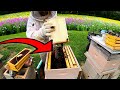
Introduced honeybees can outcompete and displace natives
Introduced European honeybees, including Italian breeds, can overwhelm native bee populations by aggressively competing for food resources, potentially reducing native bee abundance and diversity.
Sources behind this view
Sources behind this view
Research
-
Introduced honey bees (Apis mellifera) potentially reduce fitness of cavity-nesting native bees through a male-bias sex ratio, brood mortality and reduced reproduction (opens in new window)
This study found: IntroductionIn Australia, as well as many other regions of the world, European honey bees Apis mellifera are an introduced species and may harm native bee fauna by competing with them for food resources. Field studies have revealed negative associations between honey bee and native bee abundance, but whether this translates to fitness costs for native bees is unclear.MethodsUsing drilled wooden-block trap nests, we evaluated whether honey bee abundance is associated with fitness parameters (number of nests, provisioned cells per nest, offspring number, mortality rate, sex ratio, and body size) of cavity-nesting native bees over 2 years. We also conducted palynological analyses to measure pollen resource overlap and evaluate whether this impacts native bee fitness.Results and discussionGreater honey bee abundance was associated with a male-biased sex ratio in the native bee progeny across years and an increased mortality rate of native bee progeny in the first year. Most non-significant associations were also in the directions predicted from honey bees adversely impacting native bee fitness. In the first year, greater pollen morphospecies overlap was associated with fewer provisioned cells. In conclusion, we demonstrated that honey bees have the potential to have harmful consequences for native bee fitness.
-
Negative impacts of dominance on bee communities: Does the influence of invasive honey bees differ from native bees? (opens in new window)
This study found: A three-year study in Brazil used over 11,000 bee traps to understand how dominant bee species affect local bee populations. Researchers found that introduced African honey bees have become the most common bee, significantly reducing the number of native bees and the variety of bee species. However, the study revealed that it's the sheer number of honey bees, not necessarily the fact that they are an introduced species, that causes the most harm. This pattern held true across different farms, seasons, and years. The findings suggest that when any bee species becomes overwhelmingly dominant, it can lead to a decline in overall bee diversity and abundance, indicating a potential sign of ecological imbalance.
-
Non-native honey bees disproportionately dominate the most abundant floral resources in a biodiversity hotspot. (opens in new window)
This study found: A study in Southern California found that honey bees, which are not native to the area, tend to visit the most abundant flowers much more than local native bees and other insects. As more flowers bloom, the number of honey bees visiting increases faster than the number of native pollinators. This means honey bees can take over the best food sources, potentially pushing native pollinators to compete for less abundant flowers. Researchers suggest this is because honey bees can recruit more bees to a good food source. Understanding how these non-native bees forage is important for protecting native pollinators and the plants they help pollinate.
Making Sense of the Differences
The effectiveness of Italian bees as pollinators versus native bees depends on the specific context and goals. While Italian bees provide consistent productivity and manageable traits beneficial for agricultural pollination services, native bees are often more efficient for specific plants and are vital for maintaining broader ecological health. The aggressive foraging of managed honey bees can displace native species due to competition for limited floral resources. For regenerative systems, a balanced approach supporting both managed and wild pollinators is ideal, acknowledging their complementary roles and potential conflicts.
Do Italian bees have superior disease resistance compared to other bee breeds?
Disease resistance is variable, often requiring specific management
While Italian bees can exhibit some hygienic behaviors, their overall disease resistance varies. Other breeds or specific queen lines are often selected for better resistance to common issues like Varroa mites, suggesting breed purity alone isn't a guarantee.
Sources behind this view
Sources behind this view
Videos & Podcasts
-
Discusses acquiring bees via nucleus hives (nukes), packages, or swarm capture. Mentions Italian, Carolan, and Russian breeds. Highlights local sellers like John Christie and Carl Chesnik, and potential queen issues with shipped packages. Swarm capture is valuable due to low feral hive survival rates.
Hygienic behavior aids in colony health, but breed resistance is complex
Italian bees' hygienic behaviors help them manage certain hive problems, contributing to colony vigor. However, management practices and selection for specific resistances in other breeds may offer more targeted defenses against prevalent pests and diseases.
Sources behind this view
Sources behind this view
Videos & Podcasts
-
Details beekeeping practices at Stoney Ridge Farm, including adding medium supers and building frames. Discusses the role of Italian honeybees in pollination and the importance of local honey, while highlighting the need to avoid pesticides for bee health.
Making Sense of the Differences
The notion of Italian bees having superior disease resistance is not definitively supported by broad evidence. While their hygienic behaviors contribute to colony health, management practices and targeted selection of queen lines for specific resistances (like Varroa mite tolerance) are often more critical for overall bee health. Beekeepers rely on a combination of breed traits and proactive management to ensure colony resilience against pests and diseases, rather than a sole reliance on the Italian breed's inherent resistance.
5
Management, Care & Feeding
Operational guidance for raising this breed successfully
Management, Care & Feeding
Operational guidance for raising this breed successfully
Managing Italian bees effectively in a regenerative setting requires attention to their specific needs and behaviors. Providing ample floral diversity is paramount; ensuring access to a continuous bloom of various nectar and pollen sources throughout the season will support strong, healthy colonies. This can be achieved by integrating pollinator-friendly cover crops, planting native wildflowers in field margins, and maintaining diverse pasture mixes. Regular inspections are necessary to monitor colony strength, check for queen health, and assess honey stores, especially before winter. Due to their tendency to build large populations, ensuring adequate hive space is crucial to prevent swarming and allow for efficient resource collection.
Feeding management for Italian bees should primarily focus on supplementing their diet only when natural forage is scarce. While they are excellent foragers, prolonged periods of drought or poor weather can necessitate supplemental feeding with sugar syrup or pollen patties. This is especially important in early spring to stimulate rapid brood development and in late fall to ensure sufficient winter stores. Avoid over-reliance on artificial feeding; the goal is to support their natural foraging behavior. Ensure clean water sources are always available, as bees require water for diluting honey, cooling the hive, and feeding larvae.
Health management for Italian bees centers on proactive prevention and monitoring. Their inherent hygienic behaviors offer some natural resistance, but vigilance against pests like Varroa mites and diseases such as American Foulbrood is essential. Integrated pest management strategies, including regular mite counts and timely treatments (preferably organic or least-toxic options), are critical. Maintaining strong, healthy colonies with good nutrition and adequate space also bolsters their natural defenses. Regular queen replacement, if a queen's performance declines, can also help maintain colony vigor and disease resistance, ensuring the bees remain productive and resilient components of the regenerative farm system.
Sources behind this view
Community
-
Compares Italian, Carniolan, and Russian/Carniolan bees for Varroa resistance and winter survival, advocating a 'middle way' of low-impact interventions to support natural breeding and honey productio
Read more (opens in new window) permies.com
Research
-
Exploring bee functional trait response to the agro-environment: a possible contribution to the future design of a farm-level indicator. (opens in new window)
Italian study found wild bees, especially social species, are more abundant on lowland farms and respond to farm management. Bee traits can help create indicators for pollinator conservation in agricu
7
Production Capabilities & Market Economics
Business case evaluation and production metrics
Production Capabilities & Market Economics
Business case evaluation and production metrics
Honey Production Economics
| Category | Value |
|---|---|
| Honey Yield/Hive/Year | 60-100 lbs 27-45 kg |
| Equipment Cost/Hive | 200-300 |
| Treatment Cost/Year | 50-100 |
| Feed Cost/Year | 10-20 |
| Price Premium/lb | +5% to +15% |
| Net Income/Hive/Year | 100-200 |
Management Economics & Labor
| Category | Value |
|---|---|
| Queen Replacement | 1-2 |
| Winter Loss Rate | 10-20 |
| Nuc Value | 150-200 |
| Labor Hours/Year | 2-4 |
| Swarm Tendency | moderate |
| Minimum Protective Gear | Veil only |
Queen Replacement: How often queens need replacing to maintain productivity and genetics. Hybrids (Buckfast) may need annual requeening to maintain traits, while pure races can go 2-4 years. Cost: $25-45 per mated queen.
Winter Loss Rate: Expected percentage of hives that die over winter in well-managed operations. Varies by climate and race. Cold-hardy races (Carniolan, Russian, German) have lower losses in northern climates. National average is 30-40%; regenerative beekeepers targeting 15-25%.
Swarm Tendency: How often colonies swarm without intervention. Low = minimal management, High = frequent splits needed to prevent swarming. Swarming is natural reproduction but reduces honey yield and requires proactive management.
Minimum Protective Gear: Minimum equipment needed for safe hive work based on breed temperament. Gentle races (Italian, Carniolan) allow work with just veil or even no gear for experienced beekeepers. Defensive races (German) require full suit, gloves, and smoker. Beekeepers can always choose to wear more protective gear for extra caution. Impacts urban/suburban suitability and visitor safety.
Value-Added Products & Services
| Category | Value |
|---|---|
| Propolis/Year | N/A oz |
| Beeswax/Year | 20-40 lbs 18-36 kg |
| Pollen Potential | Moderate, varies with forage availability |
| Pollination Value | Site-specific, dependent on crop and acreage |
| Orchard Readiness | Strong, known for rapid population growth |
Orchard Readiness: Ability to build up strong populations by early spring (March-April) for orchard pollination. Italian and Buckfast excel with rapid spring buildup. Carniolan moderate. German and Russian slower. Critical for pollination service income.
Sources behind this view
Community
-
Beekeeping offers multiple income streams beyond honey: premium mono-floral and cut-comb honey, highly sought-after pollen (£10+/lb), valuable bee bread (£10-£20/100g), and beeswax for ingots (£6.50/l
Read more (opens in new window) permies.com