Yorkshire Pigs
Also known as: yorkshire swine, yorkshires, large white pigs, yorkshire hogs
Yorkshire pigs simplify management through their exceptional hardiness and remarkable foraging ability, thriving on diverse pastures and requiring minimal intervention. Originating from Yorkshire, England, these pigs are well-adapted to varied environments and are known for their efficient conversion of forage into quality lard meat. Their docility and good mothering skills further reduce labor demands, making them an excellent choice for farmers prioritizing pasture-based systems and rotational grazing. Yorkshire pigs excel at utilizing pasture resources, demonstrating a strong grazing instinct that allows them to effectively manage land while producing a desirable meat type.
Regenerative Quick Profile
Best Suited For
Climates: Humid subtropical to continental temperate climates
Scale: Suitable for small to medium operations (10-50 animals)
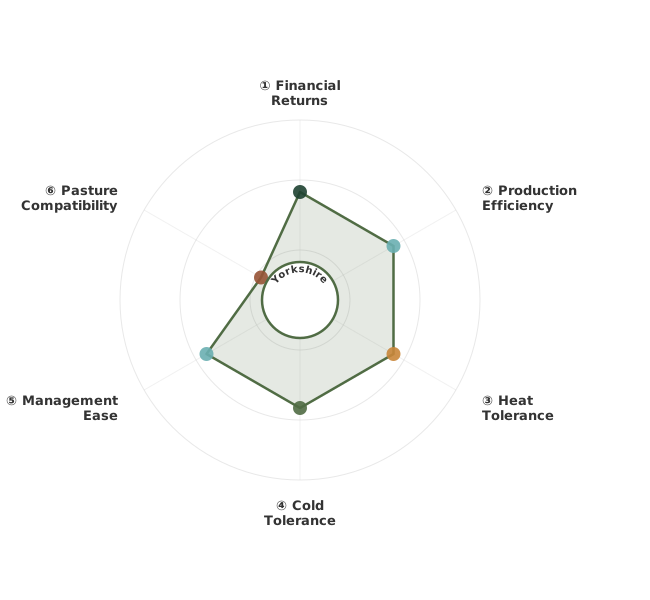
How These Traits Are Calculated
Trait dimensions are ordered clockwise starting from the top of the chart (12 o'clock position):
1. Financial Returns
Monthly income per pig from market weight and timeline
WHAT: Evaluates profit potential combining market weight, time to finish, feed efficiency, and input costs. Heritage breeds reaching 250-300 lbs in 8-12 months with premium pricing generate strong returns despite slower growth than commercial pigs.
WHY: Pig profitability depends on growth rate, feed efficiency, and market access. Fast-finishing breeds (5-6 months) on grain excel in conventional markets, while pasture-raised heritage breeds (8-12 months) target premium markets for higher per-pound returns that offset longer timelines.
HOW: Calculated from production data (finish weight, months to market) combined with feed efficiency and premium potential. Exceptional (≥2.6): efficient growth + strong premium access or commodity profitability. Typical (1.8-2.5): moderate timelines and costs. Limited (<1.8): slow growth or high costs eroding margins.
2. Production Efficiency
Feed conversion and resource utilization
WHAT: Measures how effectively pigs convert feed and resources into market weight, combining feed-to-gain ratios, foraging ability, and growth timeline. Efficient breeds reach target weight on fewer total inputs.
WHY: Feed represents 60-75% of production costs. Breeds converting 3.5:1 (feed:gain) versus 5:1 save $75-150 per pig, making the difference between profitable and marginal operations. Efficient foragers further reduce purchased feed costs.
HOW: Weighted formula: feed conversion ratio (50%), growth rate for inputs consumed (30%), foraging contribution (20%). Exceptional (≥2.6): ≤3.5:1 conversion + good growth. Typical (1.8-2.5): 3.5-4.5:1 conversion. Limited (<1.8): >4.5:1 or very slow growth.
3. Heat Tolerance
Performance in hot weather above 85°F (29°C)
WHAT: Evaluates adaptation to sustained heat above 85°F (29°C), measuring coat characteristics, wallowing behavior, and documented performance in southern climates where summer heat is prolonged.
WHY: Heat stress reduces feed intake and growth 20-40%, increases mortality, and can halt reproduction. Heat-adapted breeds maintain growth where others require expensive cooling systems (misters, shade structures) or accept reduced summer gains.
HOW: Rated from database trait 'heat_tolerance' based on breed characteristics. Exceptional (≥2.6): proven success in 95°F+ (35°C+), efficient cooling behaviors. Typical (1.8-2.5): moderate tolerance with wallows and shade. Limited (<1.8): struggles above 85°F, requires active cooling.
4. Cold Tolerance
Performance in cold weather below 20°F (-7°C)
WHAT: Evaluates adaptation to sustained cold below 20°F (-7°C), measuring hair coat thickness, fat insulation, and documented winter performance. Important for outdoor year-round systems in northern climates.
WHY: Cold-sensitive pigs require heated barns adding $50-150 monthly to winter costs, while cold-hardy breeds thrive outdoors with basic shelter. In climates with 4-6 month winters, hardy breeds save $300-900 annually in heating and infrastructure.
HOW: Rated from database trait 'cold_tolerance' based on documented characteristics. Exceptional (≥2.6): thick winter coat, substantial fat layer, thrives outdoors in <0°F (-18°C). Typical (1.8-2.5): moderate tolerance, windbreak sufficient. Limited (<1.8): requires heated shelter below 30°F (-1°C).
5. Management Ease
Handling temperament and daily care complexity
WHAT: Measures handling simplicity combining temperament docility, fence respect, health needs, and mothering ability. Calm breeds with good mothers and fence respect require minimal daily intervention.
WHY: Difficult pigs double or triple daily labor through frequent escapes, aggressive behavior requiring protective equipment, and high piglet mortality needing interventions. Easy breeds enable one-person management where hard breeds require two people for safety.
HOW: Weighted assessment: temperament (40%), fence respect (30%), mothering ability (20%), health needs (10%). Exceptional (≥2.6): calm and responsive, respects barriers, excellent mothers. Typical (1.8-2.5): manageable with experience. Limited (<1.8): escape-prone, aggressive, or high mortality requiring intensive farrowing management.
6. Grazing Suitability
Effectiveness on pasture-based systems versus confinement
WHAT: Evaluates adaptation to pasture-based production measuring foraging ability, grazing behavior, rooting gentleness, and growth rates on pasture versus grain confinement. Rates how well breeds utilize forage as significant feed component.
WHY: Pasture-adapted breeds reduce feed costs 30-50% through foraging while providing land management services (rooting clears brush, breaks pest cycles). Confinement-bred pigs grow slowly on pasture, negating cost savings, or damage land through aggressive rooting.
HOW: Weighted formula: foraging ability (40%), documented pasture performance (30%), rooting behavior (20%), adaptability (10%). Exceptional (≥2.6): excellent foragers + good growth on pasture + controlled rooting. Typical (1.8-2.5): moderate pasture performance. Limited (<1.8): confinement-bred, minimal foraging, or destructive rooting.
Regenerative Advantages
- Mothering Ability: Yorkshires are recognized for prolificacy and excellent milk production, consistently producing large litters with high survival rates, setting a benchmark for maternal traits.
- Feed Conversion: Yorkshires are a premier maternal breed, renowned for rapid growth and lean muscle development, offering highly efficient feed conversion in modern pork production.
Know the Debate
- Feed savings vary (25-50%+) based on pasture quality and genetics.
- Pasture genetics prioritize foraging and resilience over lean meat.
- Pigs improve land via disturbance and nutrient cycling.
- Management is key to prevent soil damage and boost benefits.
Value Streams
- Meat production
- Nutrient cycling and soil building
- Soil tillage and aeration
- Woodland management
Experience Level
Some livestock experience recommended
3
Understanding Yorkshire Pigs Characteristics
Physical traits, temperament, and what makes this breed unique
Understanding Yorkshire Pigs Characteristics
Physical traits, temperament, and what makes this breed unique
The Yorkshire pig, often called the 'Mother Breed,' is renowned for its distinct white coat, erect ears, and large, muscular frame. Originating from the county of Yorkshire in England, this breed was developed in the mid-1700s from native pigs, selectively bred for increased size and meat production, particularly for the burgeoning industrial towns. They are known for their exceptional lean meat yield, long body, and deep sides, making them a cornerstone of commercial pork production globally.
What truly sets the Yorkshire apart, beyond its impressive size and carcass quality, are its maternal instincts and prolificacy. Sows are known for their excellent mothering abilities, producing large litters and raising them with minimal intervention. They are hardy animals, capable of adapting to various climates, and their calm disposition makes them relatively easy to handle, even in larger groups. This combination of productivity, maternal strength, and adaptability makes them a versatile choice for swine producers.
Compared to other breeds, the Yorkshire excels in producing a high percentage of lean pork with excellent muscle development. While some heritage breeds might offer unique flavor profiles or foraging abilities, the Yorkshire's genetic makeup is optimized for efficient conversion of feed into high-quality meat. Their consistent performance across different production systems, from confinement to pasture, underscores their genetic robustness and widespread appeal.
Sources behind this view
 Videos & Podcasts
-
Anna Marie Sullivan prefers Red Wattle, Duroc, Hampshire, and Berkshire pigs for their temperament and meat quality, specifically avoiding Yorkshires due to their aggressive nature, which is unsuitabl

-
Pastured pork from heritage breeds and Yorkshire crosses offers superior flavor and texture, with fat that melts like butter, due to on-farm husbandry and diet.
![Thumbnail for LIVE Tour: Circle C Farm [Regenerative Farm Business]](/static/thumbnails/UpfLpiXVDLg.jpg)
-
Rob from D Family Farms details selecting pastured pig genetics, prioritizing performance on cover crops, strong mothering instincts, fertility, and adequate teat numbers over traditional breed standa
 Community
-
Farmer Bitta Albright selects pig breeds based on meat quality and growth: Yorkshire for bacon, Hampshire for ham, Berkshire for marbling, and Red Wattle for texture and fast growth. She advocates cro
Read more (opens in new window) smallfarms.cornell.edu
4
Know the Debate
Raising Yorkshire pigs regeneratively involves optimizing their integration into pasture and silvopasture systems. While these hardy pigs can thriv...
Know the Debate
Raising Yorkshire pigs regeneratively involves optimizing their integration into pasture and silvopasture systems. While these hardy pigs can thriv...
Raising Yorkshire pigs regeneratively involves optimizing their integration into pasture and silvopasture systems. While these hardy pigs can thrive on diverse forages, the extent of feed reduction depends on pasture quality and genetic selection, with estimates ranging from supplemental needs to over 50% savings. Their impact on land health is significant; however, careful management is required to harness their beneficial disturbance while preventing soil damage. Entry into regenerative systems can range from simple pasture rotations to more integrated silvopasture designs, requiring labor for daily moves and consistent observation.
How much grain can pasture and foraging reduce pig feed needs?
Significant reduction (25-50%+) with optimized systems
Producers successfully managing pigs on diverse cover crops and forages report substantial feed savings. This often involves specialized genetics selected for foraging aptitude, allowing pigs to acquire a larger portion of their nutrition from the land.
Sources behind this view
Sources behind this view
Videos & Podcasts
-
Raising pastured pigs on cover crops reduces grain needs by 25-50%, enhancing pork quality. This requires superior genetics for foraging and marbling. The speaker plans to develop breeding stock and sell feeder pigs in 2-3 years to support other pastured producers.

-
Amy in Devon uses fermented feed for pigs, achieving a 2.5:1 feed conversion ratio. This system relies on pasture and silage, and she emphasizes the importance of breed choice and managing pig movements for soil health.

Purchased feed remains crucial for optimal growth
While pasture offers benefits, purchased feed is essential for young pigs and overall optimal performance, with feed costs being a major expense in most systems. This approach prioritizes predictable growth and lean meat yield.
Sources behind this view
Sources behind this view
 Research
-
Evaluation of pig production practices, constraints and opportunities for improvement in smallholder production systems in Kenya. (opens in new window)
This study found: A study in Kenya surveyed 102 small-scale pig farmers to understand their farming methods, challenges, and opportunities. Farmers raise pigs mainly for steady income and as a financial safety net. The biggest problems they face are related to money, feed availability, and housing for their animals. The research suggests that improving pig farming could involve better use of local feed resources and providing proper housing to manage animal numbers and breeding. These findings are key for developing ways to help these farmers improve their pig production sustainably.
-
Worldwide perspective for swine production and reproduction for the next 20 years. (opens in new window)
This study found: Looking ahead 20 years, the pig industry will continue to face challenges like profitability, disease (especially PRRS), labor shortages, and stricter rules for environmental protection and animal welfare. However, smart management, new technologies, and good business practices can lessen these impacts. We expect larger farms to supply big retailers, while smaller farms will serve local areas. Improving pig genetics will focus on increasing litter size, but also on ensuring piglets are born healthy and survive, and on breeding pigs that can better handle heat and resist diseases. While current artificial insemination (AI) methods are effective, future tech might help pinpoint the best times for insemination or improve sperm selection to use less semen. Sow housing will also evolve to meet higher animal welfare standards while remaining practical for farmers.
 From the Web
-
Raising hogs outdoors requires careful environmental management, primarily through rotation, to protect soil and water. Feeding must be balanced, with purchased feed crucial for young pigs, while older hogs benefit from pasture and woodland foraging. Feed costs are a major expense.
Making Sense of the Differences
The extent of feed reduction achievable hinges on the quality and availability of pasture/forages, the specific genetic traits of the pigs selected for foraging, the pigs' age and growth phase, and the intensity of pasture management. Systems aiming for maximum land utilization and developing specialized genetics are more likely to achieve significant feed savings compared to operations focused on traditional growth metrics and leaning heavily on supplemental feed.
What pig genetics are best for pasture-based regenerative systems?
Genetics selected for foraging and resilience
Producers in regenerative systems often prioritize breeds or lines selected for strong foraging instincts, mothering ability, fertility, and overall hardiness, rather than solely focusing on lean meat yield.
Sources behind this view
Sources behind this view
Videos & Podcasts
-
Rob from D Family Farms details selecting pastured pig genetics, prioritizing performance on cover crops, strong mothering instincts, fertility, and adequate teat numbers over traditional breed standards. He shares personal experiences with successful and unsuccessful sows.
-
Raising pastured pigs on cover crops reduces grain needs by 25-50%, enhancing pork quality. This requires superior genetics for foraging and marbling. The speaker plans to develop breeding stock and sell feeder pigs in 2-3 years to support other pastured producers.
-
Amy in Devon uses fermented feed for pigs, achieving a 2.5:1 feed conversion ratio. This system relies on pasture and silage, and she emphasizes the importance of breed choice and managing pig movements for soil health.
Yorkshire genetics for lean meat and maternal traits
Yorkshire pigs are favored in commercial settings for their exceptional lean meat yield, dam-line traits, and large litters, offering predictability and robustness in various production environments.
Sources behind this view
Sources behind this view
Research
-
Local pig breeds: The multifunctionality assets for sustainable pork production (opens in new window)
This study found: This presentation analyses the role of local pig breeds within sustainable food systems, with a particular focus on their contribution to sustainable pig production. It examines how these breeds respond to evolving societal and consumer expectations regarding intrinsic and extrinsic quality attributes of pig meat and pork products. The analysis addresses critical challenges related to sustainability in livestock systems, highlighting the multifunctionality of local breeds, their environmental impact, socio-cultural significance, consumer perspectives and market potentials of their products. Public funding plays an important role in maintaining local pig breeds; however, a lasting conservation requires their integration into sustainable systems that capitalize on their distinctive qualities.
-
Worldwide perspective for swine production and reproduction for the next 20 years. (opens in new window)
This study found: Looking ahead 20 years, the pig industry will continue to face challenges like profitability, disease (especially PRRS), labor shortages, and stricter rules for environmental protection and animal welfare. However, smart management, new technologies, and good business practices can lessen these impacts. We expect larger farms to supply big retailers, while smaller farms will serve local areas. Improving pig genetics will focus on increasing litter size, but also on ensuring piglets are born healthy and survive, and on breeding pigs that can better handle heat and resist diseases. While current artificial insemination (AI) methods are effective, future tech might help pinpoint the best times for insemination or improve sperm selection to use less semen. Sow housing will also evolve to meet higher animal welfare standards while remaining practical for farmers.
Making Sense of the Differences
The optimal pig genetics for regenerative systems depend on the farm's primary goals. For meat production focused on efficiency and lean yield, breeds like Yorkshire offer predictable performance. However, for systems prioritizing land regeneration, utilizing forage, and minimizing inputs, genetics selected for strong foraging, mothering ability, and disease resistance may offer greater long-term resilience and ecological benefits.
What specific soil and land health benefits can pigs provide through rotational grazing?
Significant land regeneration with careful management
Managed rotational grazing with pigs can significantly improve soil health by stimulating grass growth, cycling nutrients via manure, improving seed-to-soil contact, and clearing vegetation in silvopasture or overgrown areas.
Sources behind this view
Sources behind this view
Videos & Podcasts
-
Pigs' rotational impact on pastures regenerates soil by stimulating grass growth and improving soil health. Their disturbance aids seed germination and nutrient cycling, leading to healthier pigs and potentially better meat quality. Feed is a balanced, non-GMO mash.

-
Utilizes pigs for land rejuvenation, focusing on the regenerative process of improving soil health and growing lush grass rather than just pork production.

-
Explains how pigs, through rotational grazing and rooting, impact land regeneratively, especially in winter, by clearing vegetation, stimulating seed banks, and contributing to soil health with adequate rest periods.
From the Web
-
Singing Pastures feeds pigs barley and cheese on pasture, managing them to prevent rooting and soil erosion. Their manure acts as compost to regenerate land, minimizing nutrient runoff.
-
Silvopasture for pigs requires moving animals every 3-7 days using portable electric fencing to prevent soil damage. Paddocks need 30-90 day rest periods. Stocking rates of 10-20 pigs/acre are a guideline, with understocking preferred. Protect young trees and avoid grazing wet soils. Supplemental feeding is needed, with portable feeders spreading manure. Adaptability and observation are key to this cooperative land management practice.
Potential for degradation if rooting is uncontrolled
While beneficial, pigs' natural rooting behavior requires management, such as using septum rings or short paddock durations, to prevent soil erosion, damage to pasture, and excessive disturbance, especially in fragile environments.
Sources behind this view
Sources behind this view
Videos & Podcasts
-
Pasture-raised pigs are managed with septum rings and rotational grazing to prevent destructive rooting, ensuring positive ecosystem impact and clean waterways.
-
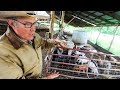
Pigs in a silvo-pasture system at Polyface Farm contribute to vegetation management through controlled disturbance. The system requires optimal paddock duration (5-12 days) to encourage pasture regeneration, with pigs foraging lower vegetation and contributing to land health.
From the Web
-
Raising pigs in silvopasture involves moving them every 3-7 days with portable electric fencing, allowing 30-90 day paddock rest, and stocking 10-20 pigs/acre. Protect young trees, avoid grazing wet soils, and use supplemental feed to promote even manure distribution and soil health.
Making Sense of the Differences
The regenerative impact of pigs on land is highly contingent on management practices. While their natural behaviors can break up sod, stimulate dormant seeds, and cycle nutrients, uncontrolled rooting can lead to soil erosion and pasture damage. Strategies like implementing short paddock rotations, using nose rings to limit destructive rooting, protecting sensitive areas like young trees, and ensuring adequate rest periods allow for beneficial disturbance without detrimental effects, turning pigs into effective land reclamation tools.
5
Management, Care & Feeding
Operational guidance for raising this breed successfully
Management, Care & Feeding
Operational guidance for raising this breed successfully
Managing Yorkshire pigs in a regenerative system emphasizes providing them with ample space, access to pasture, and appropriate shelter. Rotational grazing is key; moving pigs frequently to fresh paddocks prevents overgrazing, reduces parasite buildup, and allows pastures to recover. Provide access to clean water at all times and ensure adequate shade, especially during warmer months. While they are hardy, protection from extreme weather, such as windbreaks or simple hoop structures, is essential for maintaining their well-being and productivity, particularly for sows and young piglets.
Feeding should focus on complementing their pasture intake with a balanced ration tailored to their life stage. While they will forage for roots, grasses, and insects, this is unlikely to meet all their nutritional needs, especially for growing pigs or lactating sows. Supplement with a high-quality feed, adjusting protein and energy levels as needed. Consider incorporating locally sourced grains or by-products where appropriate to further enhance the regenerative aspect of their diet. Monitoring body condition and adjusting feed accordingly is crucial for optimal health and performance.
Health management for Yorkshire pigs on pasture involves proactive strategies to minimize disease and parasite risks. Regular pasture rotation is the most effective tool for breaking parasite cycles. Monitor pigs closely for any signs of illness or injury, and have a veterinarian on call for support. Ensure vaccination protocols are appropriate for the specific risks in your region and production system. Maintaining good biosecurity, especially when introducing new animals, is also vital to protect the herd's health and the integrity of your farming operation.
Sources behind this view
Videos & Podcasts
-
Pastured pork producers can advance regenerative agriculture by growing more of their own diverse feed on-farm, reducing monoculture reliance, enhancing soil health, and supporting biodiversity. Mark
-
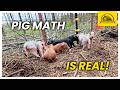
Details daily pig management, including monitoring sows and litters, acquiring new breeding stock, and utilizing pasture grazing, electric fencing, and free-choice feeding for weight gain and cost red
-
Details setting up a 10-feeder pig operation on 1 acre of woods, using electric fencing and 12 paddocks for regenerative grazing with an 84-day rest period per paddock.
Community
-
Walter Jeffries outlines a year-round pastured pig system in Vermont using managed rotational grazing, diverse forages, and genetics selected for climate adaptation. He emphasizes sourcing from simila
Read more (opens in new window) permies.com -
Raising pasture-based swine involves choosing between breeding or feeder pigs, selecting heritage breeds, assessing land availability for rotation, providing supplemental feed (14% protein), sturdy sh
Read more (opens in new window) ucanr.edu -
Pasture is the primary diet for pigs, supplemented with hay, whey, home-grown crops (pumpkins, kale, turnips), and legumes for nitrogen fixation. Managed rotational grazing, moving animals frequently
Read more (opens in new window) permies.com
7
Production Capabilities & Market Economics
Business case evaluation and production metrics
Production Capabilities & Market Economics
Business case evaluation and production metrics
Meat Production Economics
| Category | Value |
|---|---|
| Finish Weight | 250-280 lbs 113.4-127 kg |
| Months to Finish | 8-12 |
| Lard Production | Moderate, 25-35% lard |
| Price Premium | +5% to +15% |
| Annual Input Cost/Head | $250-400 |
Finish Weight: Market weight for heritage breed pigs on pasture. Heritage breeds grow slower and finish lighter than commercial breeds but produce superior meat quality and more lard.
Months to Finish: Time from weaning to finish weight on pasture with supplemental feed. Heritage breeds take 8-12 months vs. 5-6 months for confinement pigs.
Lard Production: Heritage breeds excel at lard production - a valuable byproduct often sold at premium prices ($8-15/lb rendered). Lard-type breeds (Mulefoot, Guinea Hog, Mangalitsa) can be 40%+ fat.
Price Premium: Premium above conventional pork prices. Heritage pork from pastured systems typically sells for $6-12/lb vs. $3-5/lb conventional. Premium requires direct marketing, farmers markets, or specialty channels. Commodity sales receive $0 premium.
Annual Input Cost/Head: Feed, minerals, health care, and pasture maintenance per pig per year. Excludes infrastructure, land, and labor. Pastured pigs reduce feed costs through foraging (20-30% of diet).
Sources behind this view
Videos & Podcasts
-
Beginners should raise standard meat pig breeds (Duroc, Berkshire, Yorkshire) instead of lard breeds (Mangalitsa, Kune Kune). Meat breeds are cheaper, grow faster (5-7 months vs. 1-2 years), yield mor

-
Detailed cost analysis shows raising a 240lb pig costs ~$300, with retail sales potentially yielding ~$850 profit per animal. Farmer's market prices range from $6/lb for spare ribs to $13/lb for bonel