
Chicken Tractor
A chicken tractor is a portable, enclosed structure designed to house and move a flock of chickens across a landscape. You use it to allow chickens to graze and forage in a controlled area, effectively "tilling" and fertilizing the land while also providing them with fresh food and protection. This method integrates animal husbandry with soil management, offering a dynamic and efficient way to improve pasture and gardens.
Read More: Complete Description
A chicken tractor, also known as a chicken mobile or chicken coop on skids, is a mobile poultry housing unit. It typically consists of a frame, often made of wood or metal, covered with wire mesh or hardware cloth to create a secure enclosure for chickens. The structure is designed to be easily moved, either by physically pulling or pushing it, or by using wheels or a towing mechanism. Inside, it provides shelter from the elements and predators, as well as space for roosting and nesting.
The primary purpose of a chicken tractor is to harness the natural behaviors of chickens for agricultural benefit. You use it to rotate a flock of birds across different areas of your land, such as pastures, cover crops, or garden beds. As the chickens forage within the contained space, they consume insects, weeds, and seeds, while their droppings deposit valuable nitrogen, phosphorus, and organic matter directly onto the soil. This process acts as a natural form of fertilization and pest control, preparing the ground for subsequent crops or improving pasture health.
Key characteristics of a chicken tractor include its portability, durability, and security. Portability is paramount, enabling you to relocate the structure frequently, often daily or every few days, to prevent overgrazing and soil compaction in any single spot. Durability ensures the tractor can withstand the stresses of being moved and the elements. Security is vital to protect the birds from aerial and terrestrial predators like foxes, hawks, and raccoons, as well as to contain them within the designated grazing area. Designs vary widely, from simple A-frame structures to more elaborate mobile coops with integrated feeders and waterers, but all share the common goal of facilitating managed grazing.
The size and capacity of a chicken tractor can vary significantly, accommodating anywhere from a few birds to several dozen, depending on the intended use and scale of operation. For backyard gardeners, a smaller tractor might be sufficient for managing a small vegetable patch. For larger farms, more substantial tractors might be employed to manage extensive pastures or prepare fields for planting. Regardless of size, the underlying principle remains the same: leveraging the chickens' natural foraging and fertilizing activities to enhance land productivity and reduce reliance on external inputs.
Sources behind this view
Sources behind this view
 Videos & Podcasts
-
Discusses the use and benefits of a chicken tractor for poultry management, including moving it, its role in pest control with deep bedding, and chick care, with plans for a 'Homestead Builds' book.

-
Rotational grazing with solar fencing and chicken tractors is key for integrating animals. Daily moves for meat birds ensure pasture rest (30-60 days). Chickens build pasture by scratching, eating wee

-
Integrate young chickens into gardens using chicken tractors, moving them daily/weekly to fertilize and improve soil without nutrient concentration. Consider food safety (90/120-day rule) and predator

 Community
-
Manage 40 chickens on a 1/2 acre homestead using rotational grazing with portable electric netting to create 10-12 zones, moving chickens every 2 days for grass regrowth. Implement manure management v
Read more (opens in new window) permies.com -
Details practical implementation of rotational grazing for poultry using movable pens, chicken tractors, and electric fencing, discussing stocking densities, species rotation benefits, and pasture res
Read more (opens in new window) permies.com
Key Points
What It Is
- Mobile chicken housing and grazing tool.
- Portable enclosure for managed poultry rotation.
- Combines shelter with land-improving functions.
Why Use It
- Natural soil fertilization and pest control.
- Enhances pasture and garden fertility.
- Reduces labor for land preparation.
Benefits - Economic
- Initial investment: $150-$1,000+ depending on size.
- Reduces fertilizer costs by 50-80%.
- Improves crop yields, increasing revenue.
Benefits - Operational
- Prepares land 3-5 times faster than digging.
- Reduces weed pressure by 60-90%.
- Distributes manure evenly across areas.
Considerations - Economic
- Initial purchase or DIY build cost.
- Potential for predator loss if unsecured.
- May require additional feed supplements.
Considerations - Operational
- Requires regular moving and monitoring.
- Learning curve for managing flock movement.
- Durability depends on construction quality.
1
WHY - The Benefits
The chicken tractor stands as a cornerstone of regenerative agriculture, offering a multifaceted approach to land management and livestock integration. Its primary allure lies in its ability to synergize the natural behaviors of chickens with the needs of the soil,...
The chicken tractor stands as a cornerstone of regenerative agriculture, offering a multifaceted approach to land management and livestock integration. Its primary allure lies in its ability to synergize the natural behaviors of chickens with the needs of the soil, creating a dynamic system that enhances fertility, controls pests, and reduces reliance on external inputs. By moving chickens across the landscape in these portable enclosures, you are not merely housing birds; you are actively engaging in a form of biological cultivation, transforming pastures, gardens, and even fallow fields into more productive and resilient ecosystems. This approach moves beyond conventional animal husbandry and instead embraces a holistic vision where livestock are integral partners in ecological restoration.
WHY - The Benefits
The chicken tractor stands as a cornerstone of regenerative agriculture, offering a multifaceted approach to land management and livestock integration. Its primary allure lies in its ability to synergize the natural behaviors of chickens with the needs of the soil,...
The chicken tractor stands as a cornerstone of regenerative agriculture, offering a multifaceted approach to land management and livestock integration. Its primary allure lies in its ability to synergize the natural behaviors of chickens with the needs of the soil, creating a dynamic system that enhances fertility, controls pests, and reduces reliance on external inputs. By moving chickens across the landscape in these portable enclosures, you are not merely housing birds; you are actively engaging in a form of biological cultivation, transforming pastures, gardens, and even fallow fields into more productive and resilient ecosystems. This approach moves beyond conventional animal husbandry and instead embraces a holistic vision where livestock are integral partners in ecological restoration.
The economic advantages are significant and often realized relatively quickly. By reducing or eliminating the need for synthetic fertilizers, you directly cut down on operating expenses. The natural aeration and fertilization provided by the chickens can lead to demonstrably higher crop yields or improved pasture quality, translating into increased revenue or reduced feed costs for other livestock. Furthermore, the labor saved in tasks like tilling, weeding, and manure spreading can be reallocated to other productive activities, boosting overall farm efficiency. The initial investment, while present, is often recouped through these savings and increased productivity within a single growing season or two, making the chicken tractor a financially sound decision for many operations.
Operationally, the chicken tractor offers a level of control and efficiency that is hard to match with free-ranging poultry or static coops. You dictate precisely where the chickens work and for how long, ensuring targeted fertilization and pest control without the risk of overgrazing or damage to sensitive areas. The daily movement, while requiring diligence, becomes a predictable routine that integrates seamlessly into a diversified farming schedule. This managed approach also enhances biosecurity by keeping the flock contained and reducing their exposure to external disease vectors.
From a sustainability perspective, the chicken tractor embodies the principles of closed-loop systems and resource efficiency. It converts otherwise underutilized resources, such as crop residues or fallow land, into valuable soil amendments. The reduction in synthetic inputs lessens the environmental footprint of the farm, minimizing risks of nutrient runoff and greenhouse gas emissions associated with their production. The improved soil health resulting from chicken tractor use contributes to greater biodiversity, better water infiltration, and enhanced carbon sequestration, all critical components of a resilient agricultural landscape.
The quality and performance benefits extend beyond mere soil fertility. Chickens, when allowed to forage naturally, consume a diverse diet of insects, seeds, and greens, which can lead to healthier, more robust birds and, if eggs or meat are the product, potentially more nutritious and flavorful outputs. The agitation of the soil by their scratching can also help break up surface crusts, improve aeration, and stimulate the germination of dormant weed seeds, which are then consumed by the chickens. This multi-pronged impact makes the chicken tractor a powerful tool for any farmer committed to ecological principles and sustainable production.
Soil Health Enhancement
The impact of chicken tractors on soil health is arguably their most profound benefit. As chickens scratch and peck, they not only consume insects and weeds but also break up soil crusts, aerate the topsoil, and distribute their nutrient-rich manure. This process mimics natural grazing systems, stimulating microbial activity and improving soil structure. The manure, a potent source of nitrogen, phosphorus, and potassium, acts as a slow-release fertilizer, gradually feeding plants and reducing the need for synthetic amendments. Research has shown that poultry manure can significantly increase soil organic matter, improve water-holding capacity, and enhance nutrient availability. For instance, studies have documented increases in soil organic carbon by 10-20% in areas managed with poultry litter. The chickens' foraging also helps to control insect populations that can damage crops, thus reducing the need for pesticides. By consuming weed seeds, they can help to reduce weed pressure in subsequent plantings. The physical action of their scratching can also break down thatch in pastures, allowing more sunlight to reach the soil surface and encouraging new growth. This is particularly beneficial for pasture renovation, where chickens can help remove old, dead grass and stimulate the emergence of fresh, nutritious forage. The combined effect of fertilization, aeration, and weed/pest control creates a more fertile, biologically active, and resilient soil ecosystem. Furthermore, the manure's nitrogen content is readily available to plants, but its decomposition also contributes to the long-term build-up of organic matter, which is crucial for soil structure and fertility. This is a stark contrast to synthetic fertilizers, which can sometimes lead to soil degradation over time. The chicken tractor facilitates a natural nutrient cycling process, turning a potential waste product (manure) into a valuable resource. This closed-loop system aligns perfectly with regenerative agriculture's goal of minimizing external inputs and maximizing internal resource utilization. The specific composition of chicken manure, with its high levels of nitrogen and phosphorus, makes it an excellent amendment for a wide range of soil types and crop needs. When managed correctly, with adequate time for decomposition and integration into the soil, it provides a balanced and sustained supply of nutrients, fostering robust plant growth and improving overall soil health. The cost savings associated with reducing or eliminating synthetic fertilizer purchases are substantial, making the chicken tractor an economically attractive option for farmers seeking to improve their bottom line while simultaneously enhancing their land's ecological health. This multifaceted benefit to soil health, encompassing fertility, structure, biological activity, and weed/pest management, underscores the transformative power of incorporating chicken tractors into a regenerative farming system.
Economic Value and Input Reduction
The economic advantages of using chicken tractors are substantial, primarily stemming from the significant reduction in external input costs. By effectively replacing synthetic fertilizers, pesticides, and even certain forms of mechanical land preparation, farmers can achieve considerable savings. The manure deposited by chickens is a rich source of essential nutrients like nitrogen, phosphorus, and potassium, providing a natural and cost-effective fertility amendment. For a small flock of 20-30 laying hens, their annual manure output can be equivalent to several hundred pounds of commercial fertilizer, valued at hundreds of dollars. For example, if a farmer typically spends $300-$500 annually on nitrogen fertilizer for a specific plot, utilizing a chicken tractor can reduce this cost to near zero, representing a direct saving of nearly 100%. Similarly, the chickens' consumption of insects and weed seeds diminishes the need for expensive and environmentally damaging pesticides and herbicides. A study by the USDA indicated that organic farmers can save between $50-$150 per acre annually on pest and weed control by integrating livestock into their cropping systems. Furthermore, the chickens' scratching and foraging action can aerate the soil and break up surface crusts, reducing or eliminating the need for mechanical tilling. Tilling operations can cost anywhere from $20-$50 per acre, depending on the equipment and fuel costs. By using chicken tractors, farmers can potentially save these costs, especially for smaller plots or during transitional phases of land management. This reduction in input costs directly enhances profit margins. For a small farm, these savings can be the difference between profitability and loss. Beyond direct cost savings, chicken tractors can also indirectly increase revenue. Improved soil fertility leads to higher crop yields and better quality produce, which can command higher prices in the market. For example, a 10-20% increase in yield due to improved soil health can translate into thousands of dollars in additional revenue for a mid-sized farm. The enhanced pasture quality resulting from managed grazing can also support more livestock, such as cattle or sheep, thereby increasing the overall carrying capacity of the land and generating more income from grazing animals. The initial investment in a chicken tractor, which can range from $150 for a DIY build to $1,000 or more for a commercial unit, is typically recouped within the first year of operation through these combined savings and revenue enhancements. This rapid return on investment makes the chicken tractor a highly attractive economic proposition for farmers seeking to improve their financial sustainability while adopting more ecological practices. The ability to reduce reliance on volatile commodity markets for fertilizers and pesticides also adds a layer of economic stability and predictability to the farm's operations. This self-sufficiency in fertility management is a key tenet of resilient agriculture.
Labor Efficiency and Animal Welfare
While seemingly adding a task by requiring regular movement, chicken tractors can paradoxically enhance labor efficiency in the long run by automating or simplifying several labor-intensive tasks. The primary efficiency gain comes from the chickens performing tasks that would otherwise require significant human effort. For instance, the process of tilling and fertilizing a garden bed, which might take a farmer several hours of digging and spreading manure by hand or machine, can be accomplished by a chicken tractor in a matter of days, with the farmer’s primary labor input being the daily relocation of the tractor. This frees up valuable time for other critical farm operations. The chickens’ natural foraging also significantly reduces the labor associated with weed and pest management. Instead of manually pulling weeds or applying pesticides, which can be time-consuming and require specialized knowledge, the chickens efficiently handle these tasks. This is particularly beneficial for organic farms, where non-chemical weed and pest control methods are essential. The daily movement of the tractor, while a consistent task, is typically a straightforward process that can be integrated into a morning or evening routine. For a flock of 20-30 birds, moving the tractor might take only 5-10 minutes. Over a season, this routine task replaces potentially much longer and more arduous manual labor. From an animal welfare perspective, chicken tractors offer a significant improvement over confinement in static coops, especially for backyard flocks. By providing access to fresh grass, insects, and sunlight, and allowing them to express natural foraging behaviors, chicken tractors contribute to healthier, happier, and more stimulated birds. This natural diet can lead to improved immune systems and reduced susceptibility to diseases, potentially lowering veterinary costs and mortality rates. The constant movement to fresh ground also minimizes parasite build-up within the coop and surrounding area, which is a common issue in static housing systems. The ability to forage for a varied diet also enriches the birds' lives, reducing stress and boredom. This leads to better overall bird health and productivity. For egg-laying hens, the stress reduction and improved diet can result in higher quality eggs with richer yolks. For meat birds, it can lead to more efficient feed conversion and healthier growth. The enclosed nature of the tractor ensures their safety from predators, providing a secure environment while still allowing them to interact with their surroundings. This balance between security and natural expression of behavior is a hallmark of good animal husbandry. The integration of livestock into cropping systems, facilitated by chicken tractors, also contributes to a more biodiverse and resilient farm ecosystem. The chickens help to break pest cycles, improve soil health, and distribute nutrients, all of which contribute to a more sustainable and less labor-intensive farming system overall. The labor saved in land preparation, weed control, and pest management, coupled with the improved animal welfare and reduced mortality, makes the chicken tractor a highly efficient and ethically sound tool for regenerative agriculture.
Sustainability and Environmental Impact
The sustainability credentials of chicken tractors are deeply rooted in their ability to foster closed-loop systems and minimize environmental impact. By utilizing chicken manure as a natural fertilizer, farmers significantly reduce their reliance on synthetic fertilizers, which are energy-intensive to produce and can contribute to greenhouse gas emissions, water pollution through runoff, and soil degradation. The production of nitrogen fertilizer alone accounts for a substantial portion of global agricultural energy consumption. Replacing these inputs with on-farm generated compost (chicken manure) not only saves energy but also reduces the carbon footprint of the farm. Furthermore, the chickens' consumption of insects and weed seeds reduces the need for synthetic pesticides and herbicides. These chemicals can harm beneficial insects, contaminate water sources, and pose risks to human health. By employing chickens as a natural pest control agent, farmers contribute to a healthier ecosystem and reduce their exposure to these harmful substances. The process of managed grazing within a chicken tractor also enhances soil health, a cornerstone of true sustainability. Improved soil structure, increased organic matter, and enhanced microbial activity lead to better water infiltration and retention, reducing the risk of erosion and drought stress. Healthy soils are also more effective at sequestering atmospheric carbon, turning farmland into a carbon sink rather than a source. Studies have shown that regenerative agricultural practices, including managed grazing, can significantly increase soil carbon levels over time. For instance, a meta-analysis of various soil management practices found that implementing regenerative techniques could lead to a 0.5-1.5% increase in soil organic carbon per year. This direct contribution to climate change mitigation is a powerful argument for the widespread adoption of chicken tractors. The mobility of the chicken tractor allows for targeted application of fertility and pest control across various parts of the farm, ensuring that nutrients are utilized efficiently and not leached away. This precision minimizes waste and environmental contamination. By integrating livestock into cropping systems, farmers also promote biodiversity. The disturbance of the soil by chickens can create microhabitats for various organisms, and the presence of livestock can attract beneficial insects and birds. This creates a more resilient and ecologically balanced farm landscape. The overall impact is a farm system that is less reliant on external, often unsustainable, inputs and more in tune with natural ecological processes. The chicken tractor is not just a tool for managing poultry; it is a catalyst for transforming agricultural landscapes into more sustainable, productive, and environmentally sound systems. It embodies the principles of regenerative agriculture by focusing on building soil health, enhancing biodiversity, and minimizing waste, all while producing healthy food.
Sources behind this view
Videos & Podcasts
-
Chickens were initially used via a 'chicken tractor' method to build soil fertility on sandy land, dramatically improving it. They also serve as valuable compost creators and biomass recyclers, turnin

-
Details a regenerative poultry system using chickens in agroforestry settings to enhance soil biology and energy transformation. Chickens forage on diverse plants and insects, leading to high-value ha
-
Utilizes chickens in mobile trailers for rotational grazing every three days to improve soil health by providing manure (nitrogen, phosphorus) and contributing to humus formation. Chickens also clean

 Research
-
Sustainable poultry farming practices: a critical review of current strategies and future prospects. (opens in new window)
Review of sustainable poultry farming strategies: includes better breeding, alternative feeds (insects, algae), smart tech, waste management, and organic practices to boost animal welfare and environm
-
Smart Sensors and Robotics in Poultry Farming; Transforming Operational Efficiency A Review (opens in new window)
Smart sensors and robots are transforming chicken farming by improving efficiency, animal welfare, and sustainability through real-time monitoring and automation, despite challenges like cost and inte
-
PASTURE-BASED POULTRY FARMING: APPROACH FOR ANIMAL WELFARE, NUTRITIONAL QUALITY AND ENVIRONMENTAL SUSTAINABILITY (opens in new window)
Pasture-based poultry farming boosts animal welfare, produces more nutritious products, and benefits the environment by improving soil health and reducing emissions, despite management challenges.
2
HOW - Selection & Use
Selecting and utilizing a chicken tractor effectively is crucial for maximizing its benefits in regenerative agriculture. The process involves careful consideration of your specific needs, the design of the tractor, and the implementation of best practices for moving,...
Selecting and utilizing a chicken tractor effectively is crucial for maximizing its benefits in regenerative agriculture. The process involves careful consideration of your specific needs, the design of the tractor, and the implementation of best practices for moving, managing, and maintaining the flock and the equipment. This section will guide you through the essential steps, from choosing the right tractor to ensuring its optimal performance and longevity.
HOW - Selection & Use
Selecting and utilizing a chicken tractor effectively is crucial for maximizing its benefits in regenerative agriculture. The process involves careful consideration of your specific needs, the design of the tractor, and the implementation of best practices for moving,...
Selecting and utilizing a chicken tractor effectively is crucial for maximizing its benefits in regenerative agriculture. The process involves careful consideration of your specific needs, the design of the tractor, and the implementation of best practices for moving, managing, and maintaining the flock and the equipment. This section will guide you through the essential steps, from choosing the right tractor to ensuring its optimal performance and longevity.
Selection Criteria
When selecting a chicken tractor, your primary considerations should revolve around the size of your flock, the type of land you intend to manage, and your personal capacity for moving and maintenance. For smaller operations, such as backyard gardens or hobby farms, a tractor designed for 10-20 chickens is often sufficient. These typically measure around 4 feet wide by 8 feet long (1.2 m x 2.4 m) and can be easily managed by one person. Larger operations, or those managing extensive pastures, might require tractors that can house 50-100 birds or more, potentially measuring 8 feet wide by 20 feet long (2.4 m x 6.1 m) or even larger, and may necessitate a small utility vehicle or tractor for relocation.
The materials used in construction are also important. Wood offers a natural and often more affordable option, but it requires regular maintenance to prevent rot and insect damage. Metal frames, particularly galvanized steel, are generally more durable and resistant to the elements, but can be more expensive and heavier. The type of flooring is also a consideration. Some tractors have solid floors, while others utilize wire mesh or hardware cloth. Wire mesh allows manure to drop through directly onto the soil, which is ideal for fertilization, but it requires careful attention to ensure no gaps exist that could trap small birds or allow predators access. Solid floors may require bedding, which adds to maintenance but can provide better insulation.
Security features are paramount. The wire mesh used should be sturdy, with openings small enough to prevent predators from entering. Hardware cloth (1/2-inch / 1.27 cm mesh) is generally recommended for its strength and small aperture. The tractor should also have a secure door and latches to prevent escape or predator entry, especially during the night. Consider the ease of access for collecting eggs, cleaning the tractor, and providing feed and water. Features like pop-up roofs or side access panels can significantly simplify these tasks.
The method of movement is another key factor. Some tractors are designed to be pulled by hand, featuring handles or smooth skids. Others are equipped with wheels, making them easier to roll across various terrains. For very large or heavy tractors, a towing hitch for a small utility vehicle or ATV might be necessary. When choosing, consider the terrain of your farm. If you have hilly or uneven ground, wheels might be a better option. If your land is relatively flat, a skid-based design might suffice.
Finally, think about the specific needs of your chickens. Ensure the tractor provides adequate roosting space, ventilation, and perhaps nesting boxes if you intend for them to lay eggs within the tractor. The overall design should promote good air circulation to prevent heat stress and ammonia buildup, while also offering protection from direct sun, rain, and wind. A well-designed chicken tractor will be a secure, comfortable home for your birds that also maximizes its utility as a land management tool.
Setup and Installation
Setting up a chicken tractor typically involves its initial assembly if you've purchased a kit or built it yourself, followed by preparing the site for its first deployment. If you've opted for a pre-built unit, the setup is minimal, often involving attaching wheels or handles if they aren't already integrated. For DIY builds, you'll need to follow your chosen plans meticulously, ensuring all joints are secure and the mesh is properly fastened to prevent any gaps. This usually involves constructing a frame, attaching the wire mesh, and adding a door and any other desired features like roosts or nesting boxes.
Once assembled, the initial placement of the chicken tractor is important. Choose an area that is relatively level to ensure stability and prevent the structure from tipping. If you are introducing new chickens to the tractor, it's advisable to start them in a familiar, secure environment before moving them to the tractor. Gently introduce them to their new mobile home, allowing them to explore it at their own pace. Ensure they have access to food and water immediately.
For the first few days, it's often recommended to keep the chickens confined to the tractor or a very small, enclosed area adjacent to it. This helps them acclimate to their new housing and understand that it is their safe zone. Once they are comfortable and roosting inside at night, you can begin to move them to the larger grazing area.
When you first deploy the tractor in a new location, such as a pasture or garden bed, it's wise to observe the chickens' behavior. Ensure they are not attempting to escape and that they are able to access food and water. The initial grazing period in a new area might be shorter, perhaps only a day or two, to gauge how they interact with the environment and how much impact they have.
If the tractor has wheels, ensure they are functioning correctly and that the terrain allows for easy movement. If it's a skid design, ensure you have a clear path for pulling or pushing it. If you are using a towing mechanism, double-check all connections before moving.
Regular checks for any damage to the wire mesh, frame, or latches are essential after initial setup and before each move. This ensures the security of the birds and the integrity of the equipment. Proper setup also includes ensuring adequate ventilation, especially in warmer climates, and protection from direct sun or harsh weather. This might involve positioning the tractor in a shaded area or providing additional coverings if necessary. The goal of setup is to create a safe, functional, and effective environment for both the chickens and the land management process.
Proper Use Techniques
The efficacy of a chicken tractor hinges on proper use techniques, which primarily revolve around strategic movement and flock management. The fundamental principle is to move the tractor frequently, typically every day or every few days, to a fresh section of land. This prevents overgrazing, soil compaction, and the accumulation of excessive manure in one spot, which can lead to ammonia burn and disease. The ideal frequency of movement depends on factors like the size of the tractor, the number of birds, the type of vegetation, and the season. A common guideline is to move the tractor when the chickens have consumed the majority of the desirable vegetation and have begun to scratch up the soil.
When moving the tractor, aim for a systematic approach. If you are managing a pasture, you might divide it into paddocks or strips. Move the tractor into a new section, allowing the chickens to graze and fertilize. After a day or two, move them to the next section. This rotational grazing pattern allows the previous area to rest and recover, promoting vigorous regrowth of grasses and forages. The manure left behind acts as a natural fertilizer, boosting the fertility of the land.
For garden beds, the process is similar but might involve shorter durations in each spot. Chickens can be used to clear beds of weeds and insects before planting, or to "clean up" beds after harvest. In these cases, you might move the tractor daily to ensure even distribution of their foraging and fertilizing activities. It's crucial to ensure the chickens don't have access to young seedlings or vulnerable crops unless that is your specific intention for pest control.
Provide adequate food and water within the tractor. While they will forage, supplemental feed is necessary for optimal health and productivity, especially for laying hens or meat birds. Ensure water is always available and clean. The tractor should be positioned to offer shade during hot weather and shelter from rain and wind.
Monitor your flock closely. Observe their behavior for signs of stress, disease, or escape attempts. Ensure the predator-proofing remains intact. If you notice excessive dust or ammonia buildup, improve ventilation or consider moving to an area with more cover.
When managing larger flocks or more extensive areas, consider using multiple chicken tractors or employing a higher-density grazing period followed by a longer rest period. This "mob grazing" technique can be highly effective for rapid land renovation.
The key to successful chicken tractor use is consistency and observation. Regularly assess the impact on the land and the well-being of your chickens, and adjust your moving schedule and techniques accordingly. This adaptive management approach ensures you are maximizing the benefits of this versatile tool.
Maintenance
Regular maintenance of your chicken tractor is essential for its longevity, the safety of your flock, and its continued effectiveness as a land management tool. The primary areas of focus include the structural integrity of the frame, the durability of the wire mesh, and the functionality of any moving parts.
For wooden tractors, regular inspection for rot, insect damage, or splintering is crucial. Treat the wood with a non-toxic, bird-safe sealant or stain to protect it from moisture and UV rays. Pay close attention to any areas that come into contact with the ground, as these are most susceptible to rot. If you notice any damaged sections, repair them promptly to prevent further deterioration and ensure the tractor remains secure.
Metal frames, especially those not galvanized or treated, can be prone to rust. Inspect for rust spots and address them by sanding down the affected areas and applying a rust-inhibiting paint or sealant. Ensure all welds or bolted connections are secure.
The wire mesh or hardware cloth is a critical component for predator protection. Regularly inspect it for any tears, holes, or loose sections. Small gaps can be easily repaired by weaving in new wire or using zip ties or staples. If larger sections are damaged, consider replacing the entire panel to maintain security. Ensure the mesh is securely attached to the frame at all points.
Check latches, hinges, and any other hardware for proper function. Lubricate moving parts if necessary to ensure smooth operation. These components can become stiff or corroded over time, especially with exposure to the elements.
If your tractor has wheels, inspect them for wear and tear. Ensure they are properly inflated (if pneumatic) and that the axles are free of debris. Check that the wheels rotate freely.
Clean the tractor regularly, especially if you are using bedding. Remove old bedding and manure to prevent the buildup of parasites and disease. A thorough cleaning with water and a mild, bird-safe disinfectant can be done periodically.
Store the tractor properly when not in use for extended periods, ideally in a dry, sheltered location to protect it from the elements and prolong its lifespan. Cover it with a tarp if necessary. By investing a little time in regular maintenance, you can ensure your chicken tractor remains a reliable and effective tool for years to come, safeguarding your flock and enhancing your land.
Common Mistakes to Avoid
One of the most common mistakes is underestimating the frequency of movement. Many new users move their chicken tractors too infrequently, leading to overgrazing, soil compaction, and potential damage to vegetation. Chickens are highly efficient grazers and fertilizers, and their impact can be significant in a short period. Aim for daily or every-other-day moves, especially during the growing season.
Another mistake is inadequate predator protection. While chicken tractors offer security, they are not impenetrable. Ensure the wire mesh is strong and small enough to exclude predators, and that all doors and latches are securely fastened, especially at night. Leaving gaps or weak points can result in devastating losses.
Overcrowding is also a common pitfall. A tractor that is too small for the number of birds will lead to stress, disease, cannibalism, and a less effective foraging and fertilizing outcome. Always ensure adequate space per bird for their well-being and productivity.
Neglecting to provide adequate food and water is another oversight. While chickens forage, they still require supplemental feed and constant access to clean water for optimal health and egg production. Ensure feeders and waterers are appropriate for the tractor's design and are refilled regularly.
Ignoring the weather can also be detrimental. Chickens need protection from extreme heat, cold, rain, and wind. Position the tractor in shaded areas during hot weather and provide shelter during storms. Failure to do so can lead to heat stress, hypothermia, and reduced productivity.
Lack of observation and adaptation is a major mistake. Each farm and flock is unique. Failing to observe how your chickens interact with the environment, how much impact they are having, and their general health will prevent you from optimizing the tractor's use. Be prepared to adjust your moving schedule, feeding, and watering practices based on your observations.
Finally, poor maintenance can lead to premature failure of the tractor. Ignoring minor repairs like loose wire or a rusty hinge can result in bigger problems down the line, compromising security or rendering the tractor unusable. Regular checks and prompt repairs are key to longevity.
Sources behind this view
Videos & Podcasts
-
Discusses the use and benefits of a chicken tractor for poultry management, including moving it, its role in pest control with deep bedding, and chick care, with plans for a 'Homestead Builds' book.
-
Effective predator control for chicken tractors requires ground-level barriers (skirts) and flat terrain; uneven ground significantly increases labor. Poultry netting and guard dogs are other options,
-
Utilizes a mobile chicken tractor for pastured poultry in small spaces, moving it daily for fertilization and predator control. Design features ease of movement and heat reflection; advises checking l
5
COMPATIBLE PRACTICES
The chicken tractor seamlessly integrates into a variety of regenerative agriculture practices, enhancing their effectiveness and contributing to a more holistic farm system. Its mobility and targeted impact make it a versatile tool.
The chicken tractor seamlessly integrates into a variety of regenerative agriculture practices, enhancing their effectiveness and contributing to a more holistic farm system. Its mobility and targeted impact make it a versatile tool.
COMPATIBLE PRACTICES
The chicken tractor seamlessly integrates into a variety of regenerative agriculture practices, enhancing their effectiveness and contributing to a more holistic farm system. Its mobility and targeted impact make it a versatile tool.
The chicken tractor seamlessly integrates into a variety of regenerative agriculture practices, enhancing their effectiveness and contributing to a more holistic farm system. Its mobility and targeted impact make it a versatile tool.
Intensive Rotational Grazing (IRG) / Managed Intensive Grazing (MIG)
Chicken tractors are a natural extension of intensive rotational grazing principles, particularly for smaller livestock or for specific land preparation tasks. While IRG typically involves larger grazers like cattle or sheep, the chicken tractor allows for a similar managed grazing approach with poultry. You can divide a pasture into small paddocks and move the chicken tractor daily or every few days. This mimics the high-density, short-duration grazing that stimulates pasture regrowth, breaks up thatch, and distributes manure evenly. The chickens' foraging behavior, combined with their fertilization, effectively renovates and fertilizes the pasture, preparing it for larger livestock or improving its overall health and carrying capacity. This practice can be used to manage pastures between larger grazers, or as a primary method for pasture improvement.
Cover Cropping and Green Manure Management
Chicken tractors are exceptionally well-suited for managing cover crops. After a cover crop has served its purpose—whether for nitrogen fixation, erosion control, or biomass production—the chicken tractor can be used to prepare the land for the next cash crop. Chickens will graze down the cover crop, consuming seeds and tender growth, and their manure will begin to break down the remaining organic matter, adding nutrients to the soil. This process can significantly reduce or eliminate the need for mechanical tillage to incorporate the cover crop. You can move the tractor daily across the cover-cropped area, allowing the chickens to work it over a week or two, effectively "chopping and dropping" and fertilizing in one go. This accelerates the decomposition process and builds soil fertility in preparation for planting.
Organic Vegetable Production
In organic vegetable gardens, chicken tractors are invaluable for pre-season preparation and post-season cleanup. Before planting a new garden bed, you can place the chicken tractor on it for a week or two. The chickens will eat weed seeds, consume insect pests, and deposit nutrient-rich manure directly onto the soil. This significantly reduces the labor required for weeding and fertilizing. After harvesting a crop, you can move the tractor onto the depleted bed to "recharge" the soil. This practice helps break pest and disease cycles by exposing them to the chickens and their digestive systems, and it builds soil organic matter, leading to healthier and more productive vegetable crops with reduced reliance on external compost or fertilizers.
Permaculture Systems
Within permaculture design, the chicken tractor aligns with principles of stacking functions and utilizing animal integration. It can be used to manage the understory of young orchards or food forests, grazing down weeds and fertilizing the soil without damaging young trees. The mobility allows for targeted application of fertility to specific zones within a permaculture landscape. It can also be used in conjunction with other elements, such as water harvesting swales or perennial beds, to improve soil health and reduce maintenance labor. The chicken tractor embodies the permaculture ethic of observing and interacting with nature, using animals as a functional component of the ecosystem design.
Soil Remediation and Land Renovation
For areas of land that are degraded, compacted, or overgrown with undesirable vegetation, chicken tractors can be a powerful tool for initial remediation. By mob grazing these areas, the chickens can help break down thatch, consume invasive weeds, and begin the process of rebuilding soil fertility. Their constant scratching and manure deposition stimulate microbial activity and improve soil structure. While not a complete solution on its own, it serves as an excellent first step in a broader land renovation strategy, making the land more receptive to subsequent planting or grazing by other livestock.
Sources behind this view
Videos & Podcasts
-
Rotational grazing with solar fencing and chicken tractors is key for integrating animals. Daily moves for meat birds ensure pasture rest (30-60 days). Chickens build pasture by scratching, eating wee
-
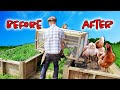
Details using a 40x8 ft chicken tractor in yards or garden beds for about two weeks to till soil, incorporate manure and food scraps, and prepare the ground for planting.
-
Discusses the use and benefits of a chicken tractor for poultry management, including moving it, its role in pest control with deep bedding, and chick care, with plans for a 'Homestead Builds' book.
Community
-
Utilizes chicken tractors to manage vegetation and prepare soil for food forests and gardens by grazing, aerating, and manuring, with careful timing to avoid damaging young plants and maximize soil bu
Read more (opens in new window) permies.com -
A chicken tractor is a mobile house for chickens used to fertilize soil, control pests, and provide healthy poultry. The book 'The Chicken Tractor' by Lee and Foreman details this practice.
Read more (opens in new window) permies.com -
Researchers are quantifying the benefits of integrating broiler chickens into organic vegetable rotations using chicken tractors to graze cover crops and deposit manure, aiming to improve soil health
Read more (opens in new window) ucanr.edu