
Compost Bin System
A compost bin system is a contained structure designed to facilitate the decomposition of organic materials into nutrient-rich compost. You use it to manage kitchen scraps, yard waste, and other organic matter, transforming waste into a valuable soil amendment for gardens and farms. These systems come in various forms, from simple open piles to enclosed tumblers and multi-bay systems, each offering different levels of control over the composting process.
Read More: Complete Description
A compost bin system serves as a dedicated enclosure for orchestrating the biological process of decomposition. At its core, it's a tool that helps create the optimal environment for microorganisms, such as bacteria and fungi, to break down organic matter efficiently. This process transforms discarded materials like vegetable peels, coffee grounds, grass clippings, and leaves into a stable, humus-like substance known as compost. The bin itself is crucial because it helps manage the materials, retain moisture and heat, and often aerate the pile, all of which are critical for successful and timely composting.
You will find compost bin systems in a wide array of designs, catering to different needs and scales. For home gardeners, small, often plastic or wooden bins, sometimes with lids or turning mechanisms, are common. These are designed to handle typical household organic waste and yard trimmings. On larger farms or in commercial composting operations, the systems become more substantial. They can include multi-bay static piles, large rotating tumblers, or even sophisticated in-vessel systems that offer precise control over temperature, moisture, and aeration. The choice of system is often dictated by the volume of organic material to be processed, the desired speed of decomposition, available space, and labor resources.
Key characteristics of compost bin systems include their ability to contain the composting materials, preventing them from becoming unsightly or attracting pests. Many designs incorporate features for aeration, such as vents or turning mechanisms, which are vital for providing oxygen to the aerobic microbes that drive efficient decomposition and prevent foul odors. Moisture retention is another crucial characteristic; the bin helps keep the compost pile damp, but not waterlogged, a balance essential for microbial activity. Some systems are designed for easy turning or mixing of the compost, which speeds up the process and ensures more uniform decomposition. The materials used in construction also vary, ranging from recycled plastics and wood to metal and concrete, each offering different durability, cost, and environmental considerations. Ultimately, a compost bin system is a fundamental piece of infrastructure for anyone looking to close nutrient loops, reduce waste, and build healthier soils.
Sources behind this view
Sources behind this view
 Videos & Podcasts
-
Compost is a useful tool for soil health, providing microbial food and nutrients, but use judiciously. Focus on cover crops, rotations, and livestock for fundamental soil building, as compost is a pra

-
Details regenerative tobacco farming practices: lower-cost compost use, improved fertilization and pest management leading to fewer pests (7 vs 11 incidents) and reduced costs. Highlights ecosystem de
-
Explains the benefits, science (C:N ratio, moisture, oxygen, temperature), and methods (windrows, in-vessel) of manure composting. Highlights NRCS 317 standards, regulatory considerations, and the nee

-
Compost is preferred over cover crops for immediate soil improvement. Sourcing external compost materials requires extreme caution due to risks of weed seeds and persistent herbicides, especially from
 Community
-
Compost is a useful amendment but not a primary soil health practice; living plants and root exudates are the key drivers of stable organic matter and soil aggregation. Implementing regenerative princ
Read more (opens in new window) understandingag.com -
Large-scale compost use is challenging; no-till farming relies on natural fungi. Tilling compost creates a 'vicious cycle,' while mimicking forest systems offers a sustainable 'virtuous cycle' of soil
Read more (opens in new window) permies.com
 Research
-
Recycling of Organic Wastes through Composting: Process Performance and Compost Application in Agriculture (opens in new window)
Composting organic wastes creates a valuable soil amendment that improves fertility and can suppress diseases. The review covers compost quality, application, and potential negative effects of overuse
-
Waste Management through Composting: Challenges and Potentials (opens in new window)
Composting recycles farm waste into soil amendments, but faces challenges like long duration and odor. Chemical fertilizers have environmental downsides, driving a return to compost for soil fertility
-
Recycling of Organic Wastes through Composting: Process Performance and Compost Application in Agriculture (opens in new window)
Composting organic waste creates a valuable soil amendment that improves fertility and can suppress diseases. The review covers compost quality, application methods, and potential downsides of over-ap
-
Building Soil Health and Fertility through Organic Amendments and Practices: A Review (opens in new window)
Using organic amendments (manures, composts, cover crops) and regenerative practices (no-till, crop diversity) restores soil health by increasing organic matter and beneficial microbes, leading to mor
Key Points
What It Is
- Contained structure for organic decomposition.
- Accelerates waste breakdown into compost.
- Manages moisture, heat, and aeration.
Why Use It
- Reduces landfill waste volume.
- Creates valuable soil amendment.
- Improves soil fertility and structure.
Benefits - Economic
- Reduces fertilizer purchase costs ($100-500+ annually).
- Lowers waste disposal fees ($50-200+ annually).
- Increases crop yield and quality ($ varies).
Benefits - Operational
- Produces finished compost in weeks/months.
- Aeration and moisture control optimize process.
- Reduces manual labor for turning.
Considerations - Economic
- Initial purchase cost: $50 - $5,000+.
- Potential for odor complaints if mismanaged.
- Time investment for management.
Considerations - Operational
- Requires suitable organic materials mix.
- Needs regular monitoring of moisture/aeration.
- Learning curve for optimal composting.
1
WHY - The Benefits
The integration of a compost bin system into regenerative agriculture practices unlocks a cascade of benefits, fundamentally transforming how a farm or garden manages resources and cultivates its soil. At its heart, composting is about nutrient cycling and waste...
The integration of a compost bin system into regenerative agriculture practices unlocks a cascade of benefits, fundamentally transforming how a farm or garden manages resources and cultivates its soil. At its heart, composting is about nutrient cycling and waste valorization. Instead of viewing organic byproducts as waste destined for landfill or costly disposal, a compost bin system empowers you to see them as valuable inputs for rebuilding soil health. This shift in perspective is central to regenerative principles, emphasizing closed-loop systems and ecological regeneration. The benefits extend across multiple domains, from enhancing soil structure and fertility to improving water retention, fostering biodiversity, and ultimately contributing to a more resilient and economically viable agricultural system. You are not just making compost; you are actively participating in the creation of a more sustainable and productive ecosystem.
WHY - The Benefits
The integration of a compost bin system into regenerative agriculture practices unlocks a cascade of benefits, fundamentally transforming how a farm or garden manages resources and cultivates its soil. At its heart, composting is about nutrient cycling and waste...
The integration of a compost bin system into regenerative agriculture practices unlocks a cascade of benefits, fundamentally transforming how a farm or garden manages resources and cultivates its soil. At its heart, composting is about nutrient cycling and waste valorization. Instead of viewing organic byproducts as waste destined for landfill or costly disposal, a compost bin system empowers you to see them as valuable inputs for rebuilding soil health. This shift in perspective is central to regenerative principles, emphasizing closed-loop systems and ecological regeneration. The benefits extend across multiple domains, from enhancing soil structure and fertility to improving water retention, fostering biodiversity, and ultimately contributing to a more resilient and economically viable agricultural system. You are not just making compost; you are actively participating in the creation of a more sustainable and productive ecosystem.
Enhancing Soil Health and Fertility
One of the most profound benefits of using a compost bin system in regenerative agriculture is its direct impact on soil health and fertility. Compost, the end product, is a living substance teeming with beneficial microorganisms, including bacteria, fungi, actinomycetes, and protozoa. These microbes are the workhorses of the soil, breaking down organic matter, making nutrients available to plants, and improving soil structure. When you incorporate compost into your soil, you are inoculating it with a diverse and robust microbial community. This biological enhancement is crucial because healthy soil relies on a complex web of life. The organic matter in compost acts as a food source for these microbes, stimulating their activity and reproduction. As they thrive, they perform essential functions such as nutrient cycling, making locked-up phosphorus and nitrogen available to plants in plant-available forms. This reduces the need for synthetic fertilizers, which can disrupt the natural microbial balance and lead to nutrient runoff.
Furthermore, the physical structure of compost significantly improves soil aggregation. The humic substances within compost bind soil particles together, creating stable aggregates. This improves soil aeration, allowing roots to breathe and water to infiltrate more effectively, reducing compaction and erosion. For soils that are heavy clay, compost acts as a conditioner, loosening the structure and improving drainage. For sandy soils, it acts as a binder, increasing water and nutrient retention. This improved soil structure creates a more favorable environment for root growth, leading to stronger, healthier plants with deeper root systems. Deeper roots can access water and nutrients from a larger soil volume, making plants more resilient to drought and stress. The increased organic matter content also acts like a sponge, significantly boosting the soil’s water-holding capacity. This means you can potentially reduce irrigation needs, saving water and energy, and making your operation more resilient to dry spells. For example, studies have shown that adding just 10% organic matter to soil can increase its water-holding capacity by up to 20,000 gallons per acre (approximately 190,000 liters per hectare) (Brady & Weil, 2016). This enhanced water retention is a cornerstone of drought resilience, a critical factor in a changing climate. The cumulative effect of these improvements is a soil that is more alive, more structured, and more capable of supporting vigorous plant growth naturally, forming the bedrock of a truly regenerative system.
Waste Reduction and Resource Valorization
A compost bin system is a powerful tool for waste reduction and resource valorization, directly aligning with the regenerative agriculture principle of closing nutrient loops. Every year, farms and households generate significant amounts of organic waste, from crop residues and animal manures to kitchen scraps and yard trimmings. Historically, much of this material was returned to the soil, but modern practices often lead to it being treated as waste, incurring disposal costs and losing valuable nutrients. By implementing a compost bin system, you divert these materials from landfills, thereby reducing methane emissions – a potent greenhouse gas produced by anaerobic decomposition in landfills. Instead of being a liability, these organic materials become a valuable asset.
The process of composting transforms these diverse organic inputs into a rich, stable soil amendment. This means you are essentially recycling nutrients that would otherwise be lost. For a farm, this can include crop residues like straw, stalks, and leaves, as well as byproducts from livestock operations such as manure and bedding. For home gardeners, it’s about turning kitchen scraps and garden waste into "black gold" for their plots. The economic benefit here is twofold. Firstly, it significantly reduces or eliminates waste disposal fees. Landfills charge by weight or volume, and organic materials can constitute a substantial portion of a farm's or household's waste stream. Secondly, the compost produced serves as a high-quality, nutrient-rich fertilizer. This directly offsets the need to purchase synthetic fertilizers, which can be expensive and have negative environmental impacts. For instance, a mid-sized farm generating several tons of manure and crop residues annually could potentially save upwards of $500 to $2,000 or more per year on fertilizer costs, depending on the scale and the price of commercial fertilizers (Altieri, 2002). This not only saves money but also ensures that nutrients are cycled locally, reducing the carbon footprint associated with transporting fertilizers. The compost also improves the soil's ability to retain nutrients, further reducing losses and maximizing the efficiency of any additional nutrient inputs. By embracing composting, you are actively participating in a circular economy, turning potential environmental problems into ecological and economic solutions.
Economic Savings and Increased Productivity
The economic implications of using a compost bin system extend beyond direct fertilizer cost savings and waste disposal fee reductions, ultimately contributing to increased productivity and overall farm profitability. When you consistently apply compost to your land, you are investing in the long-term health and productivity of your soil. As previously discussed, improved soil structure, enhanced water retention, and increased biological activity lead to stronger, more resilient plants. These healthier plants are often more resistant to pests and diseases, reducing the need for costly pesticides and herbicides. This not only saves money on inputs but also leads to higher quality produce and potentially higher market prices.
Furthermore, the improved soil conditions can lead to increased crop yields. For example, a study by the Rodale Institute found that organically managed fields, which heavily rely on compost and manure, consistently produced yields comparable to or even higher than conventional fields, especially during drought years (Rodale Institute, n.d.). While the exact yield increase varies greatly depending on the crop, soil type, climate, and management practices, a conservative estimate might see yield increases of 5-15% for many crops once soil health is significantly improved over several years. This translates directly into increased revenue. The enhanced water-holding capacity also means that during dry periods, crops can maintain their growth with less irrigation, preventing yield losses that can occur in less resilient systems. This consistency in production and quality can build a stronger reputation with buyers and consumers, leading to more stable demand and potentially premium pricing for sustainably produced goods. The initial investment in a compost bin system, whether it’s a few hundred dollars for a small setup or several thousand for larger operations, can yield significant returns on investment within a few years through reduced input costs, increased yields, and improved resilience. For a small farm, the savings on fertilizer and pest control alone could easily exceed the annual cost of managing a compost system, leading to a positive ROI within 1-3 years. This makes composting not just an environmental practice, but a sound economic strategy for building a more profitable and sustainable agricultural enterprise.
Biodiversity and Ecosystem Support
Beyond the direct benefits to soil and finances, a compost bin system plays a crucial role in fostering biodiversity and supporting broader ecosystem health. Healthy soil, enriched by compost, is a vibrant ecosystem in itself. The diverse community of microorganisms and invertebrates introduced or stimulated by compost forms the base of a complex food web within the soil. This includes beneficial nematodes, earthworms, springtails, mites, and a vast array of fungi and bacteria. These organisms contribute to nutrient cycling, soil aeration, and disease suppression, creating a self-regulating system.
When this healthy soil is present, it supports a greater diversity of plant life, including cover crops, wildflowers, and beneficial insects that are crucial for pollination and natural pest control. A more biodiverse farm ecosystem is inherently more resilient. For instance, the presence of a wider variety of flowering plants provides habitat and food sources for pollinators and beneficial insects throughout the growing season, reducing reliance on external inputs for crop pollination and pest management. This can lead to a reduction in pest outbreaks and an increase in natural pest control services, estimated to save anywhere from 10% to 30% on pest management costs for some operations (Altieri, 2002). Furthermore, healthy, compost-amended soils are better at filtering water, reducing runoff and erosion. This protects local waterways from nutrient and sediment pollution, benefiting aquatic ecosystems. The improved soil structure also leads to better infiltration, recharging groundwater resources. By creating a more robust and diverse soil ecosystem, you are contributing to the health of the wider landscape, supporting wildlife, and enhancing the overall ecological services your land provides. This holistic approach is at the core of regenerative agriculture, where the farm is viewed not just as a production unit, but as an integral part of the natural environment.
Sources behind this view
Videos & Podcasts
-
Healthy soils support biological functions, water/nutrient cycling, and contaminant binding. Compost enhances soil health by increasing organic matter and carbon, improving CEC, water retention, and n
-
Reducing chemical and mechanical disturbance is key to soil health. Adding compost inoculates soil with diverse microorganisms, improving aggregation, water infiltration, and plant resilience via myco

-
Prioritize building healthy soil by making compost through various methods (grazing, chop-and-drop, chicken tractors). Healthy soil enhances plant and animal health, farm management, drought resilienc

-
Compost is a useful tool for soil health, providing microbial food and nutrients, but use judiciously. Focus on cover crops, rotations, and livestock for fundamental soil building, as compost is a pra
Community
-
Composting improves garden soil health by enhancing microbial activity, water retention, nutrient content, and root structure, while also reducing erosion, balancing pH, moderating temperature, and su
Read more (opens in new window) ucanr.edu -
Composting recycles organic waste into a soil amendment that improves structure, aeration, and drainage, while providing nutrients released slowly over time.
Read more (opens in new window) ucanr.edu -
Compost is a useful amendment but not a primary soil health practice; living plants and root exudates are the key drivers of stable organic matter and soil aggregation. Implementing regenerative princ
Read more (opens in new window) understandingag.com -
Composting effectively reduces waste, builds soil, and grows healthy plants by mimicking natural ecosystem cycles, with smaller systems being effective for urban environments.
Read more (opens in new window) permies.com
Research
-
Microbial Community in the Composting Process and Its Positive Impact on the Soil Biota in Sustainable Agriculture (opens in new window)
Compost's microbial communities are key to improving soil health and promoting sustainable agriculture by boosting beneficial soil organisms and essential ecosystem functions.
-
Regenerative Agriculture: Restoring Ecosystems¢ Resilience and Productivity: A Review (opens in new window)
Regenerative agriculture builds soil health and ecosystem services through practices like no-till, cover crops, and diverse rotations. It increases soil organic matter, improves water infiltration, bo
-
A Vision toward Regenerative Organic Agriculture to Sustain Climate Change and Combat Global Warming (opens in new window)
Regenerative Agriculture (RA) promotes sustainability and climate mitigation. Vermicompost enhances plant growth and significantly reduces greenhouse gas emissions compared to landfills and convention
-
Recycling of Organic Wastes through Composting: Process Performance and Compost Application in Agriculture (opens in new window)
Composting organic wastes creates a valuable soil amendment that improves fertility and can suppress diseases. The review covers compost quality, application, and potential negative effects of overuse
2
HOW - Selection & Use
Selecting and effectively using a compost bin system is crucial for maximizing its benefits in regenerative agriculture. The right system, properly set up and managed, will efficiently transform organic waste into valuable compost, enhancing your soil and reducing your...
Selecting and effectively using a compost bin system is crucial for maximizing its benefits in regenerative agriculture. The right system, properly set up and managed, will efficiently transform organic waste into valuable compost, enhancing your soil and reducing your reliance on external inputs. This involves understanding your specific needs, choosing a bin that suits those needs, and then implementing best practices for material management and composting. A thoughtful approach to selection and use ensures that the composting process is efficient, odor-free, and produces high-quality compost, making it a cornerstone of your regenerative farming or gardening efforts.
HOW - Selection & Use
Selecting and effectively using a compost bin system is crucial for maximizing its benefits in regenerative agriculture. The right system, properly set up and managed, will efficiently transform organic waste into valuable compost, enhancing your soil and reducing your...
Selecting and effectively using a compost bin system is crucial for maximizing its benefits in regenerative agriculture. The right system, properly set up and managed, will efficiently transform organic waste into valuable compost, enhancing your soil and reducing your reliance on external inputs. This involves understanding your specific needs, choosing a bin that suits those needs, and then implementing best practices for material management and composting. A thoughtful approach to selection and use ensures that the composting process is efficient, odor-free, and produces high-quality compost, making it a cornerstone of your regenerative farming or gardening efforts.
Selection Criteria
Choosing the right compost bin system depends on several key factors related to your scale of operation, available resources, and composting goals. The first consideration is the volume of organic material you anticipate processing. For a small household garden, a simple 3-bin system or a small tumbler might suffice, handling perhaps 5-10 cubic feet (0.14-0.28 cubic meters) of material per batch. For a mid-sized farm or a community garden, a larger multi-bay system capable of holding 20-50 cubic yards (15-38 cubic meters) or more, or several large tumblers, would be more appropriate. Commercial operations might require windrow composting or in-vessel systems that can handle hundreds or thousands of cubic yards.
The type of materials you will be composting also influences the choice. If you have a lot of bulky yard waste, an open bin or a large capacity system works well. For primarily kitchen scraps, an enclosed or rodent-proof bin is often preferable. Consider the space you have available. Static piles require more land area, while tumblers are more compact. Multi-bay systems offer a good balance between capacity and manageability. Ease of use is another important factor. Tumblers are generally easier to turn but can have limited capacity and may struggle with very wet materials. Static bins or bays require more manual labor for turning but can accommodate larger volumes and a wider range of materials. Think about your budget; simple DIY bins can be very inexpensive, while automated in-vessel systems can cost tens of thousands of dollars. Finally, consider the local climate and your desired composting speed. Hot, dry climates may benefit from enclosed bins that retain moisture, while cooler climates might need bins that retain heat. If you need compost quickly, systems that allow for frequent turning and aeration (like tumblers or well-managed static piles) will be faster than passive systems.
Setup and Installation
Proper setup and installation of a compost bin system are critical for its efficient operation and longevity. For most bin systems, selecting an appropriate location is the first step. Ideally, the site should be relatively level, well-drained, and easily accessible with a wheelbarrow or other tools. Proximity to the source of organic materials (e.g., kitchen, garden, animal pens) and the area where the finished compost will be used can save significant labor. While some composting can occur in full sun, a location with partial shade can help prevent the compost pile from drying out too quickly in hot climates. Ensure there is adequate space around the bin for turning, adding materials, and removing finished compost. For larger systems like windrows, ensure sufficient space for machinery access.
If you are building a DIY bin, ensure the materials used are durable and appropriate for your climate. Untreated wood can rot quickly, while treated wood may leach chemicals. Cedar or redwood are good choices for longevity. For purchased bins, follow the manufacturer's instructions carefully. Ensure that any aeration features (vents, gaps) are clear and unobstructed. If building a multi-bay system, consider the order of filling and turning. Typically, you fill one bay, then move the material to the next bay for further decomposition and turning, and finally to a curing bay. This sequential process allows for efficient management of different stages of decomposition. For tumblers, ensure they are stable and securely assembled. If the tumbler is on the ground, make sure you have enough clearance to turn it effectively. For any system, consider adding a layer of coarse material, like small branches or wood chips, at the bottom to improve drainage and aeration, especially if you are composting a lot of finer materials. Proper setup minimizes common issues like poor drainage, lack of aeration, and difficulty accessing the compost, setting you up for success from the start.
Proper Use Techniques
The success of a compost bin system hinges on how you manage the materials within it. The fundamental principle is balancing "greens" (nitrogen-rich materials) and "browns" (carbon-rich materials). A good general ratio is about 2 parts browns to 1 part greens by volume, though this can be adjusted based on the materials and desired outcome. Greens include kitchen scraps (vegetable peels, coffee grounds, eggshells), fresh grass clippings, and manure. Browns include dried leaves, straw, shredded cardboard, sawdust, and wood chips. This balance is crucial for providing the microorganisms with the right mix of energy and structure. Too many greens can lead to a wet, slimy, and smelly pile, while too many browns will slow down decomposition significantly.
You also need to manage moisture and aeration. The compost pile should be as damp as a wrung-out sponge – moist enough to support microbial life but not so wet that water drips out when squeezed. If it’s too dry, decomposition slows; if it’s too wet, it can become anaerobic and produce foul odors. You can add water if it’s too dry, or add more browns if it’s too wet. Aeration is essential for providing oxygen to aerobic microbes, which are more efficient and produce less odor than anaerobic ones. This can be achieved by turning the pile regularly (e.g., once a week to once a month, depending on your system and desired speed), using bins with built-in aeration, or layering materials to create air pockets. Chopping or shredding larger materials before adding them to the bin will also speed up decomposition by increasing surface area. Avoid adding materials that can cause problems, such as diseased plants (unless you are confident your compost pile reaches high temperatures), persistent weeds with seeds, meat, dairy products, or oily foods, which can attract pests and cause odors. Regularly observe your compost pile: look for signs of heat (a hot pile indicates active decomposition), moisture levels, and smells. Adjust your management based on these observations.
Maintenance
While compost bin systems are generally low-maintenance, some regular attention ensures optimal performance and longevity. The primary maintenance task is related to the composting process itself: managing the inputs and ensuring proper moisture and aeration. This means regularly adding balanced green and brown materials, checking moisture levels, and turning the pile as needed. For tumblers, this might involve a few turns every few days. For static piles, turning might be done weekly, bi-weekly, or monthly, depending on your system and how quickly you want compost.
Beyond the composting process, the physical bin system may require some maintenance. Check for any cracks, loose fasteners, or damage to the structure, especially after harsh weather. Wooden bins may need occasional sealing or replacement of rotting parts. Metal bins might develop rust and need touch-ups. Plastic bins can become brittle in extreme temperatures or UV exposure. Ensure any aeration vents or holes remain clear of debris that could impede airflow. If your bin has a lid, ensure it seals properly to keep out excess rain or pests. For tumblers, check that the turning mechanism is functioning smoothly and that the drum rotates freely. Keeping the area around the bin clean will also help prevent pest issues and make management easier. Regularly removing finished compost and making space for new materials is also a form of system maintenance that keeps the process flowing. Most importantly, regular observation of the compost itself—its temperature, moisture, and smell—is a form of proactive maintenance, allowing you to catch and correct potential problems before they become significant issues.
Common Mistakes to Avoid
Several common mistakes can hinder the composting process and lead to frustration. One of the most frequent is an improper "greens to browns" ratio. Overloading the bin with too many kitchen scraps (greens) without enough carbon-rich browns is a recipe for a slimy, smelly mess that attracts pests. Conversely, too many browns will result in a pile that decomposes very slowly, if at all. Aim for that balanced ratio, and adjust as needed.
Another common error is neglecting moisture management. A pile that is too dry will not decompose efficiently, while a pile that is too wet will become anaerobic, leading to foul odors and attracting flies and rodents. The "wrung-out sponge" analogy is key here. Don't be afraid to add water if it's dry or add more browns if it's too wet. Insufficient aeration is also a major culprit. If you don't turn your pile or ensure adequate airflow, it will become anaerobic, leading to putrid smells and slow decomposition. This can be mitigated by turning the pile regularly or using bins designed for better airflow. Finally, avoid adding inappropriate materials. While it's tempting to compost everything, items like meat, dairy, bones, and oily foods can attract pests and create odor problems. Diseased plants and persistent weeds with seeds should also generally be avoided unless you are confident your composting method can kill them through high temperatures. By being mindful of these common pitfalls, you can ensure your compost bin system operates efficiently and produces high-quality compost.
Sources behind this view
Videos & Podcasts
-
Reiterates composting basics: balancing 'greens' and 'browns' (2:1 ratio), layering, aeration, and moisture management. Avoids meat, dairy, and diseased plants. Ready compost is dark, crumbly, and ear

-
Troubleshoot compost issues: add browns and turn for odors, add water if too dry, avoid protein/fats/dairy for pests. Use a kitchen bucket for easy scrap collection.

-
Home composting advice: balance greens/browns, use wood chips to bury food waste in pockets, or opt for static (1-2 years) or thermophilic composting. Shredded newspaper also serves as a carbon cover
-
Troubleshoots composting issues: odors (too many greens/wet) need browns/turning; pests (avoid meat/dairy, bury scraps, use closed bin); slow decomposition (chop materials, add moisture). Personal set

Community
-
Learn to make compost at home by balancing nitrogen-rich green materials (food waste, grass) with carbon-rich brown materials (twigs, paper). Set up a bin, mix equal parts, turn regularly, and cover t
Read more (opens in new window) soilassociation.org -
A guide to making compost at home, detailing how to set up a heap, mix green (nitrogen-rich) and brown (carbon-rich) materials in equal parts, and turn regularly. It explains compost benefits for soil
Read more (opens in new window) soilassociation.org -
Recommends a three-tiered composting system for efficiency, emphasizing aerobic conditions, moisture, and temperature management. Suggests 90% completion is sufficient for soil amendments, with potent
Read more (opens in new window) permies.com -
Composting garden waste is easy and beneficial, requiring a 50/50 mix of brown (twigs, leaves) and green (grass, food scraps) materials, chopped small. Regular turning and proper moisture are key to a
Read more (opens in new window) ucanr.edu
Research
-
Waste Management through Composting: Challenges and Potentials (opens in new window)
Composting recycles farm waste into soil amendments, but faces challenges like long duration and odor. Chemical fertilizers have environmental downsides, driving a return to compost for soil fertility
-
Composting and Its Benefits (opens in new window)
This chapter covers composting basics, its environmental, economic, and soil benefits, and key factors like C:N ratio, moisture, air, and temperature. It also explains the role of microbes in the proc
 From the Web
-
Guidance on choosing compost bins (min 3x3x3 ft), using "lasagna layering" with thick brown layers, turning piles annually, troubleshooting common issues, and applying finished compost (2 inches to ne
-
Composting requires a suitable location and container (bin or turning bin). Materials are categorized as 'brown' (carbon-rich like sawdust, leaves, straw) and 'green' (nitrogen-rich like grass clippin
-
Composting transforms organic waste (kitchen scraps, yard waste) into a nutrient-rich soil amendment by balancing greens and browns for microbial activity, improving soil structure and fertility.
-
Effective composting requires a balance of organic matter (1:1 green to brown ratio), moisture (like a wrung-out sponge), oxygen (from turning), and bacteria. Optimal pile size is 3-5 cubic feet, and
4
REWARDS AND RISKS
Implementing a compost bin system offers significant rewards for regenerative agriculture practitioners, but like any agricultural practice, it also comes with potential risks and challenges. A realistic understanding of both allows for effective planning, mitigation...
Implementing a compost bin system offers significant rewards for regenerative agriculture practitioners, but like any agricultural practice, it also comes with potential risks and challenges. A realistic understanding of both allows for effective planning, mitigation strategies, and ultimately, successful integration of composting into your operation. The rewards are substantial, contributing to ecological health, economic viability, and operational efficiency. However, overlooking potential risks can lead to setbacks, odor complaints, or ineffective compost production.
REWARDS AND RISKS
Implementing a compost bin system offers significant rewards for regenerative agriculture practitioners, but like any agricultural practice, it also comes with potential risks and challenges. A realistic understanding of both allows for effective planning, mitigation...
Implementing a compost bin system offers significant rewards for regenerative agriculture practitioners, but like any agricultural practice, it also comes with potential risks and challenges. A realistic understanding of both allows for effective planning, mitigation strategies, and ultimately, successful integration of composting into your operation. The rewards are substantial, contributing to ecological health, economic viability, and operational efficiency. However, overlooking potential risks can lead to setbacks, odor complaints, or ineffective compost production.
Economic Considerations
The primary economic reward of using a compost bin system is the creation of a valuable, nutrient-rich soil amendment at a significantly lower cost than purchasing commercial fertilizers and soil conditioners. For a small farm, the annual savings on fertilizer alone can range from $100 to $500+, depending on the scale and the type of crops grown. Waste disposal fees can also be reduced by $50 to $200+ annually for households and small farms. Over time, the improved soil health leads to higher yields and better crop quality, which can increase revenue by 5-15% or more, translating to thousands of dollars for larger operations. The investment in a system costing $100-$1,000 can therefore provide a return on investment within 1-3 years through these direct savings and increased productivity.
However, there are economic risks. The initial purchase or build cost, while often modest for smaller systems, can be a barrier for some. If the system is not managed correctly, the compost produced might be of poor quality, or the process could fail to complete, leading to wasted time, resources, and the continued need to purchase external inputs. This represents a lost opportunity and a wasted investment. For larger operations, errors in scale or management can lead to significant financial losses, especially if specialized machinery is involved. Furthermore, if composting generates odors or attracts pests, there can be associated costs for mitigation or potential fines and complaints from neighbors, which can damage community relations and reputation. A poorly managed system might also require more labor than anticipated, increasing operational costs, or might not produce enough compost to meet demand, leading to missed opportunities for revenue generation or soil improvement.
Performance Factors
The performance of a compost bin system—how quickly and effectively it produces high-quality compost—is influenced by several factors. The most critical is the management of the "greens" and "browns" ratio, moisture content, and aeration. A well-balanced mix, kept consistently moist and aerated, will heat up efficiently, killing weed seeds and pathogens, and break down into stable humus relatively quickly, often within 4-12 weeks for hot composting. This high-performing compost is dark, crumbly, and earthy-smelling, rich in nutrients and beneficial microorganisms.
The performance can be significantly hampered by incorrect ratios, leading to slow decomposition or anaerobic conditions. If the pile is too dry, microbial activity slows dramatically. Insufficient aeration leads to foul odors and favors the growth of anaerobic bacteria, which are less efficient and can produce undesirable compounds. The size of the organic materials also plays a role; smaller pieces decompose faster due to increased surface area. The type of bin system itself affects performance. Tumblers generally offer faster composting due to ease of turning and aeration, while static piles can be slower if not actively managed. External environmental factors, such as temperature and rainfall, also influence performance. Very cold temperatures will slow decomposition, while excessive rain can waterlog the pile if drainage is poor. Failure to achieve adequate temperatures (ideally 130-160°F or 55-71°C) means weed seeds and pathogens may survive, rendering the compost less useful or even detrimental.
Common Failure Modes
Several common failure modes can prevent a compost bin system from functioning as intended. The most prevalent is odor generation, typically caused by anaerobic conditions (lack of oxygen, often from being too wet or too compacted) or an imbalance of greens to browns (excess nitrogen). This can lead to the compost being unusable or undesirable to have on-site, and it can cause significant neighbor complaints. Another failure mode is pest attraction. Meat, dairy, oily foods, and improperly contained compost can attract rodents, flies, and other unwanted visitors.
A system can also fail to produce usable compost if decomposition is too slow, taking many months or even years, or if it never heats up sufficiently to kill weed seeds and pathogens. This might happen if there are too many browns, insufficient moisture, or very infrequent turning. Conversely, a pile that gets too hot and remains there for too long without turning can sometimes become inert, though this is less common. Physical breakdown of the bin itself—rotting wood, cracked plastic, rusted metal—is another failure mode, requiring repairs or replacement. For tumblers, mechanical failure of the rotation mechanism can be an issue. Finally, producing a compost that is too acidic or too alkaline, or one that is contaminated with persistent herbicides or heavy metals from the input materials, can render it unsuitable for use, especially in sensitive agricultural applications.
Risk Mitigation
Mitigating the risks associated with compost bin systems involves proactive management and informed decision-making. To prevent odor issues, maintain a proper balance of greens and browns, ensure adequate aeration by turning the pile regularly, and manage moisture to avoid waterlogging. If odors occur, add more browns immediately and turn the pile to introduce oxygen. To deter pests, avoid adding prohibited materials like meat and dairy, use enclosed bins or secure lids, and ensure the compost pile is actively managed (hot composting generally deters pests).
To ensure effective decomposition and pathogen kill, aim for a balance of materials, maintain proper moisture, and turn the pile to achieve temperatures of 130-160°F (55-71°C) for at least a few weeks. If the pile isn't heating, check your C:N ratio, moisture, and aeration. For weed seed and pathogen kill, ensuring the pile reaches and maintains these temperatures is crucial; if not, the compost should be considered immature and potentially problematic. For physical bin maintenance, choose durable materials, follow manufacturer instructions, and perform regular inspections. Consider screening input materials if there's a concern about herbicide contamination, or source materials from known, reliable suppliers. Regularly monitoring the compost's temperature, moisture, smell, and appearance is the best way to identify and address potential problems early, before they become significant failures.
Sources behind this view
Videos & Podcasts
-
Reiterates composting basics: balancing 'greens' and 'browns' (2:1 ratio), layering, aeration, and moisture management. Avoids meat, dairy, and diseased plants. Ready compost is dark, crumbly, and ear
-
Troubleshoot compost issues: add browns and turn for odors, add water if too dry, avoid protein/fats/dairy for pests. Use a kitchen bucket for easy scrap collection.
-
Troubleshoots composting issues: odors (too many greens/wet) need browns/turning; pests (avoid meat/dairy, bury scraps, use closed bin); slow decomposition (chop materials, add moisture). Personal set
-
Comprehensive guide to backyard composting: ideal 75% carbon to 25% nitrogen ratio, with examples of materials and methods (static piles, bioreactors, tumblers). Troubleshooting covers odor, temperatu
Community
-
Recommends a three-tiered composting system for efficiency, emphasizing aerobic conditions, moisture, and temperature management. Suggests 90% completion is sufficient for soil amendments, with potent
Read more (opens in new window) permies.com -
Learn to make compost at home by balancing nitrogen-rich green materials (food waste, grass) with carbon-rich brown materials (twigs, paper). Set up a bin, mix equal parts, turn regularly, and cover t
Read more (opens in new window) soilassociation.org -
Composting garden waste is easy and beneficial, requiring a 50/50 mix of brown (twigs, leaves) and green (grass, food scraps) materials, chopped small. Regular turning and proper moisture are key to a
Read more (opens in new window) ucanr.edu -
A guide to making compost at home, detailing how to set up a heap, mix green (nitrogen-rich) and brown (carbon-rich) materials in equal parts, and turn regularly. It explains compost benefits for soil
Read more (opens in new window) soilassociation.org
Research
-
Waste Management through Composting: Challenges and Potentials (opens in new window)
Composting recycles farm waste into soil amendments, but faces challenges like long duration and odor. Chemical fertilizers have environmental downsides, driving a return to compost for soil fertility
-
Recycling of Organic Wastes through Composting: Process Performance and Compost Application in Agriculture (opens in new window)
Composting organic waste creates a valuable soil amendment that improves fertility and can suppress diseases. The review covers compost quality, application methods, and potential downsides of over-ap
-
Recycling of Organic Wastes through Composting: Process Performance and Compost Application in Agriculture (opens in new window)
Composting organic wastes creates a valuable soil amendment that improves fertility and can suppress diseases. The review covers compost quality, application, and potential negative effects of overuse
-
CURRENT STATE CONCERNING THE CONSTRUCTION OF ORGANIC COMPOST EQUIPMENT. A REVIEW (opens in new window)
This review explores compost equipment for organic farming, highlighting how microorganisms transform waste into soil-enriching compost, reducing waste and improving fertility.
5
COMPATIBLE PRACTICES
A compost bin system is a foundational element in many regenerative agriculture practices, acting as a key component for nutrient cycling and soil building. Its versatility allows it to integrate seamlessly with a wide range of farming and gardening methodologies aimed...
A compost bin system is a foundational element in many regenerative agriculture practices, acting as a key component for nutrient cycling and soil building. Its versatility allows it to integrate seamlessly with a wide range of farming and gardening methodologies aimed at improving soil health, reducing waste, and enhancing ecosystem function.
COMPATIBLE PRACTICES
A compost bin system is a foundational element in many regenerative agriculture practices, acting as a key component for nutrient cycling and soil building. Its versatility allows it to integrate seamlessly with a wide range of farming and gardening methodologies aimed...
A compost bin system is a foundational element in many regenerative agriculture practices, acting as a key component for nutrient cycling and soil building. Its versatility allows it to integrate seamlessly with a wide range of farming and gardening methodologies aimed at improving soil health, reducing waste, and enhancing ecosystem function.
Cover Cropping
Cover cropping is a practice where crops are grown primarily to benefit the soil rather than for harvest. They protect soil from erosion, suppress weeds, improve soil structure, and fix nitrogen. Once cover crops have served their purpose, they are typically terminated (either by mowing, crimping, or tilling) and left on the soil surface as mulch or incorporated into the soil. A compost bin system complements cover cropping by providing a consistent source of high-quality compost to further enhance soil fertility, particularly for the subsequent cash crop. Instead of relying solely on the decomposed cover crop residue, farmers can apply compost to boost nutrient levels, improve soil microbial activity, and enhance water retention. This combination ensures that the soil is not only protected and structured by cover crops but also actively enriched with a broad spectrum of nutrients and beneficial biology from compost.
No-Till Farming
No-till farming involves planting crops directly into the residue of the previous crop without disturbing the soil through plowing or tilling. This practice preserves soil structure, reduces erosion, conserves moisture, and builds soil organic matter. Compost is an ideal amendment for no-till systems because it can be applied to the soil surface without being incorporated. Its organic matter content and biological activity help to gradually improve the topsoil layer. Applying compost to the surface in a no-till system feeds the soil biology that exists in the upper horizons, promoting aggregation and nutrient cycling without the need for tillage. This synergy between no-till and surface-applied compost builds a robust, living soil ecosystem from the top down.
Organic Farming
Organic farming systems strictly limit or prohibit the use of synthetic fertilizers, pesticides, and genetically modified organisms. Compost is a cornerstone of organic farming, providing essential nutrients and organic matter to support crop growth naturally. A compost bin system allows organic farmers to produce their own nutrient-rich amendments on-site, reducing reliance on purchased organic fertilizers, which can be expensive and variable in quality. By composting farm-generated organic wastes, organic farmers close nutrient loops, enhance soil health, and meet the requirements for certified organic production, ensuring that their farming practices are both environmentally sound and economically sustainable.
Crop Rotation
Crop rotation involves planting a series of different crops in the same area across a sequence of growing seasons. This practice helps to break pest and disease cycles, manage weeds, and improve soil fertility by utilizing the different nutrient needs and root structures of various crops. Compost plays a crucial role in crop rotation by replenishing soil nutrients and organic matter that are depleted by successive crops. Applying compost between crop cycles ensures that the soil has the necessary resources to support the next planting, particularly for nutrient-demanding crops. It also contributes to building a diverse soil microbiome that can help suppress soil-borne diseases, making the rotation more effective and resilient.
Sources behind this view
Videos & Podcasts
-
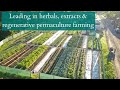
Key regenerative farming practices like composting and cover cropping enhance soil biology, increase organic matter, and sequester carbon. Cover cropping is vital in the Pacific Northwest to prevent w
-
Implement diverse crop rotations (7-11+ years) and cover crops year-round to feed soil biology. Utilize no-till methods by terminating cover crops mechanically and planting into the mulch to suppress

-
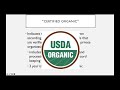
Organic crop rotations and cover cropping are key for soil health and weed management, minimizing tillage. Diverse rotations (e.g., corn, soybean, wheat, hay) and strategic cover crop integration (int
-
Regenerative agriculture principles include minimizing disturbance (no-till), keeping soil covered, planting diverse species, and integrating livestock to enhance soil biology, nutrient cycling, and o

Community
-
Organic fertility building relies on balanced rotations, no-till, leguminous leys for nitrogen fixation, and organic amendments. Pest, disease, and weed control are achieved through rotations, variety
Read more (opens in new window) soilassociation.org -
Feed your soil with compost, mulch, and cover crops like Dutch white clover. Legumes, with *Rhizobium spp.*, fix atmospheric nitrogen, enriching soil and reducing fertilizer needs.
Read more (opens in new window) ucanr.edu -
Common permaculture practices for sustainable land use include companion planting, mulching, rainwater harvesting, vermicomposting, hügelkultur, rotational grazing, swales, contour planting, and no-ti
Read more (opens in new window) vergepermaculture.ca -
Regenerative gardening principles include minimizing soil disruption (avoiding excessive tilling), keeping soil covered with plants or organic matter, promoting plant diversity through crop rotation a
Read more (opens in new window) ucanr.edu
Research
-
Sustainable Practices in Organic Agriculture: Reducing Environmental Impact and Improving Efficiency (opens in new window)
Organic farming uses practices like crop rotation with legumes, composting, and biological pest control to improve soil health, reduce environmental impact, and enhance farm resilience and productivit
-
Managing soil fertility in organic farming systems (opens in new window)
Organic farming soil fertility relies on integrated systems: crop rotation, legumes for nitrogen, manure/residue recycling, and leys for organic matter. This long-term approach contrasts with conventi
-
Building Soil Health and Fertility through Organic Amendments and Practices: A Review (opens in new window)
Review of organic amendments (manures, compost, cover crops) and regenerative practices (no-till, crop diversity, agroecology) shows they restore soil health by increasing organic matter and beneficia
-
Building Soil Health and Fertility through Organic Amendments and Practices: A Review (opens in new window)
Using organic amendments (manures, composts, cover crops) and regenerative practices (no-till, crop diversity) restores soil health by increasing organic matter and beneficial microbes, leading to mor
From the Web
-
Crop rotation is the core of organic farming, integrating cover crops, diverse species, and soil-building practices for fertility, pest control, and weed management. Key principles include alternating
-
Crop rotation is key in organic farming, integrating cover crops, diverse species, and organic matter for fertility, pest control, and soil health. Principles include alternating crop families, root d
-
Effective crop rotation for organic certification requires including legumes for nitrogen, grasses/cover crops for soil health, diverse plant families for pest control, and deep-rooted crops for struc