
No-Till Grain Drill
A no-till grain drill is specialized agricultural equipment designed to plant seeds directly into undisturbed soil, bypassing the need for conventional plowing and tillage. You use this tool to create a narrow furrow, place seeds at a precise depth, and close the soil over them, all in a single pass, thereby preserving soil structure and minimizing erosion. Its primary function is to enable efficient and soil-preserving seeding operations in various agricultural systems, particularly those focused on regenerative practices.
Read More: Complete Description
A no-till grain drill, also known as a direct seeder or no-till planter, is a sophisticated piece of farm machinery engineered to sow seeds directly into the ground without prior soil disturbance like plowing, disking, or harrowing. Unlike conventional drills that require a finely tilled seedbed, the no-till drill is designed to cut through existing surface residue (like cover crops or previous crop stubble) and place seeds into the soil at a consistent depth and spacing. This capability is crucial for farmers aiming to reduce soil erosion, improve soil health, conserve moisture, and decrease labor and fuel costs associated with traditional tillage practices.
The fundamental operation of a no-till grain drill involves several key components working in concert. Leading openers, often in the form of coulters or discs, are responsible for slicing through surface residue and creating a narrow slot in the soil. Following closely behind are the seed boots or openers, which guide the seeds into this prepared trench. Depth control wheels or gauge wheels are typically positioned alongside the openers to ensure seeds are planted at the optimal depth for germination, regardless of the contour of the soil surface. Finally, a closing mechanism, often a press wheel or a set of drag chains, firms the soil over the seed, ensuring good seed-to-soil contact.
You would typically use a no-till grain drill for planting a wide array of crops, including small grains like wheat, barley, oats, and rye, as well as legumes such as soybeans, peas, and vetch. It's also highly effective for planting cover crops, which are essential for building soil health, and for establishing pastures and forages. The drill's ability to handle diverse seed sizes and types, from fine grass seeds to larger beans, makes it a versatile tool for many farming operations. Its design is particularly advantageous in regions prone to drought, where moisture conservation is paramount, or in areas with significant soil erosion risks, as it leaves the soil surface largely intact.
Key characteristics of no-till grain drills include their robust construction to handle tough residue, precise seed metering systems to ensure uniform planting rates, and adjustable depth control for different soil types and crop requirements. They can be equipped with various opener types, such as single or double disc openers, and often feature independent row units for better contour following. Many modern no-till drills also incorporate options for fertilizer application, allowing for simultaneous seeding and nutrient placement, further streamlining the planting process and improving nutrient use efficiency. The selection of a no-till drill depends heavily on the specific crops to be planted, the field conditions, and the overall scale and goals of the farming operation.
Sources behind this view
Sources behind this view
 Videos & Podcasts
-
Strongly advocates for no-till combined with cover crops, detailing benefits like erosion control, water conservation, improved soil structure, and increased biological activity. Emphasizes uniform re

-
Adopting no-till and cover crops reduces production costs by an estimated $31/acre over 3-5 years through lower fuel use, reduced tillage equipment needs, and decreased reliance on inputs, while impro

-
Switching to no-till requires new equipment (tractors, drills), different residue management (straw/chaff), reliance on chemical fallow for weeds, and a change in mindset, often supported by governmen
-
Transitioning to no-till farming involved investing in both disc and tine drills. Disc drills are low-disturbance, ideal for cover crops, while tine drills are better for pushing aside heavy residues

 Research
-
No-till Farming in the Agroecological Management Approach (opens in new window)
No-till farming, a core part of ecological agriculture, minimizes soil disturbance and maintains crop residue to improve soil health, reduce erosion, and cut costs compared to conventional methods.
-
A “Win‐Win” for Soil Conservation? How Indiana Row‐Crop Farmers Perceive the Benefits (and Trade‐offs) of No‐Till Agriculture (opens in new window)
Indiana farmers perceive no-till as beneficial for soil health and costs, but acknowledge trade-offs like altered practices and increased herbicide use, highlighting ongoing debates about its conserva
-
Organic zero-till in the northern US Great Plains Region: Opportunities and obstacles (opens in new window)
Organic no-till in the northern Great Plains faces challenges with cover crop termination, water use, and nitrogen supply, but can be integrated with crop rotation, grazing, and specialized tools for
-
Improving resource-use-efficiency with no-till and crop diversity (opens in new window)
No-till farming with diverse crops in dry climates boosted corn yields and cut resource use by 42%, including fertilizer and fuel, while lowering weed management costs by 45%.
 From the Web
-
Conservation tillage principles include reducing tillage, using crop rotations with cover crops to avoid bare soil, and maximizing residue coverage on the soil surface. Traffic control and specialized
Key Points
What It Is
- Direct seed placement into undisturbed soil.
- Cuts residue, places seed, closes furrow.
- Preserves soil structure and health.
Why Use It
- Reduces soil erosion and moisture loss.
- Improves soil organic matter and biology.
- Lowers fuel, labor, and equipment costs.
Benefits - Economic
- Saves $50-150 per acre fuel/labor.
- Initial investment $30,000-150,000+.
- Potentially higher yields from healthier soil.
Benefits - Operational
- Single pass seeding and residue management.
- Faster planting windows, less weather dependent.
- Reduced soil compaction from fewer passes.
Considerations - Economic
- Higher initial purchase cost than conventional drills.
- Can require higher horsepower tractors.
- Specialized maintenance and repair costs.
Considerations - Operational
- Requires careful residue management.
- Learning curve for settings and calibration.
- Potential for opener wear in rocky soils.
1
WHY - The Benefits
The adoption of no-till grain drills marks a significant shift in agricultural practices, moving away from intensive soil disturbance towards methods that foster long-term ecological and economic sustainability. The core philosophy behind using this equipment is to mimic...
The adoption of no-till grain drills marks a significant shift in agricultural practices, moving away from intensive soil disturbance towards methods that foster long-term ecological and economic sustainability. The core philosophy behind using this equipment is to mimic natural ecosystems, which do not undergo regular plowing. By planting directly into standing or recently terminated cover crops, or into stubble from a previous cash crop, the no-till drill plays a pivotal role in protecting and enhancing the very foundation of agricultural productivity: the soil. The benefits are multifaceted, impacting soil health, economic viability, operational efficiency, and the overall environmental footprint of farming. These advantages are not merely theoretical; they are supported by extensive research and demonstrated by farmers who have successfully integrated no-till systems into their operations. Understanding these benefits is crucial for any farmer considering the transition to or optimization of no-till practices.
WHY - The Benefits
The adoption of no-till grain drills marks a significant shift in agricultural practices, moving away from intensive soil disturbance towards methods that foster long-term ecological and economic sustainability. The core philosophy behind using this equipment is to mimic...
The adoption of no-till grain drills marks a significant shift in agricultural practices, moving away from intensive soil disturbance towards methods that foster long-term ecological and economic sustainability. The core philosophy behind using this equipment is to mimic natural ecosystems, which do not undergo regular plowing. By planting directly into standing or recently terminated cover crops, or into stubble from a previous cash crop, the no-till drill plays a pivotal role in protecting and enhancing the very foundation of agricultural productivity: the soil. The benefits are multifaceted, impacting soil health, economic viability, operational efficiency, and the overall environmental footprint of farming. These advantages are not merely theoretical; they are supported by extensive research and demonstrated by farmers who have successfully integrated no-till systems into their operations. Understanding these benefits is crucial for any farmer considering the transition to or optimization of no-till practices.
Enhancing Soil Health and Structure
One of the most profound benefits of using a no-till grain drill is its direct contribution to improving soil health. Conventional tillage practices, such as plowing and disking, disrupt the soil's natural structure, breaking down aggregates, accelerating the decomposition of organic matter, and damaging the intricate network of soil organisms. This degradation leads to reduced water infiltration, increased susceptibility to erosion by wind and water, and diminished nutrient-holding capacity. In stark contrast, a no-till drill preserves soil structure by leaving the soil surface largely intact. The undisturbed soil profile maintains its natural stratification, which is beneficial for water percolation and aeration. Surface residue, left in place by the no-till approach, acts as a protective blanket, shielding the soil from the impact of raindrops, which can disaggregate surface soil particles and seal pores. This protection significantly reduces runoff and erosion, keeping valuable topsoil in place.
Furthermore, the continuous presence of organic matter on the soil surface provides a consistent food source for soil microorganisms, including bacteria, fungi, earthworms, and arthropods. These organisms are vital for nutrient cycling, soil aggregation, and disease suppression. Earthworms, in particular, create channels that improve aeration and drainage, acting as natural tillage. The undisturbed soil environment fostered by no-till drilling allows these beneficial populations to thrive and expand their activity. Over time, this leads to an increase in soil organic matter content, which is a key indicator of soil health. Higher organic matter improves soil water-holding capacity, making crops more resilient to drought. It also enhances soil fertility by releasing nutrients as it decomposes and improves the soil's cation exchange capacity (CEC), enabling it to retain more essential nutrients. For example, studies have shown that no-till systems can increase soil organic carbon by 0.2 to 0.5 percent per year compared to conventional tillage, leading to improved soil structure, water infiltration, and nutrient availability, ultimately contributing to more stable and productive agricultural systems (Lal, 2004). The reduced soil disturbance also minimizes the upward movement of weed seeds, and the residue can suppress weed germination, further contributing to a healthier soil ecosystem.
Economic Advantages and Cost Savings
Beyond the environmental and soil health benefits, no-till grain drills offer significant economic advantages for farmers. The most immediate and tangible benefit is the reduction in operational costs. By eliminating primary tillage operations like plowing and disking, farmers can save substantially on fuel, labor, and equipment wear and tear. A single pass with a no-till drill replaces multiple passes with plows, harrows, and cultivators. This consolidation of operations can reduce fuel consumption by an estimated 40-60% per acre (USDA NRCS, n.d.). For a typical row crop operation, this can translate to savings of $30-$70 per acre annually on fuel alone, not to mention the reduced hours of tractor time and labor.
The reduced wear and tear on machinery is another significant economic factor. Tractors and implements are subjected to less stress when operating in undisturbed soil compared to tilled fields, which can be hard and abrasive. This extends the lifespan of equipment, leading to lower capital replacement costs over the long term. Furthermore, the ability to plant earlier and more efficiently can allow farmers to capture more favorable market prices for their crops or to plant into optimal soil moisture conditions, potentially increasing yields. The improved soil health, as discussed earlier, also contributes to economic benefits. Healthier soils are more resilient to extreme weather events, meaning fewer crop failures and more consistent yields year after year. Increased water-holding capacity reduces the need for irrigation in some regions, and improved nutrient cycling can lead to reduced fertilizer inputs over time. While the initial investment in a no-till drill can be higher than for a conventional drill, the long-term savings in fuel, labor, equipment maintenance, and potentially reduced input costs, coupled with more stable yields, often result in a favorable return on investment within a few years (Sanford et al., 2021). For instance, a study in the Midwest found that transitioning to no-till could reduce per-acre costs by $20-$50, primarily due to reduced tillage operations.
Increased Operational Efficiency and Flexibility
No-till grain drills enhance operational efficiency by streamlining the planting process. Instead of requiring a sequence of tillage operations followed by planting, the no-till drill accomplishes seeding in a single pass. This means farmers can cover more acres in a shorter period, which is critical for capitalizing on narrow planting windows dictated by weather and soil conditions. The ability to plant into residue also means that fields do not need to be perfectly dry to begin planting; the drill's openers can cut through damp soil more effectively than a conventional planter might in a tilled, muddy field. This flexibility can be a significant advantage, allowing farmers to get their crops in the ground on time, even after a wet spring.
The reduction in the number of field operations directly translates to less time spent in the tractor cab and less logistical complexity. Fewer tractor passes also mean less soil compaction. Conventional tillage can compact the soil, creating hardpans that impede root growth and water infiltration. By minimizing traffic and avoiding the creation of a soft, tilled layer that can be easily compacted, no-till systems help maintain a more friable soil structure. This is particularly beneficial in areas with heavy clay soils or where equipment traffic is a significant concern. Furthermore, the residue layer left on the surface acts as a natural mulch, helping to regulate soil temperature. It keeps the soil cooler in the summer and warmer in the early spring and late fall, extending the growing season slightly and providing a more stable environment for seed germination and early seedling development. This temperature regulation can be a subtle but important factor in improving crop establishment and performance, especially in regions with variable climates. The efficiency gains extend beyond the field; with fewer operations, there's less planning, less fuel to manage, and less equipment to maintain, freeing up valuable time and resources for other aspects of farm management.
Environmental Stewardship and Sustainability
Using a no-till grain drill is a cornerstone practice for environmental stewardship and building a sustainable agricultural system. The reduction in soil erosion is perhaps the most evident environmental benefit. By keeping crop residue on the surface, the drill protects the soil from being washed away by rain or blown away by wind. This preservation of topsoil is critical for long-term agricultural productivity, as topsoil is a finite resource that takes centuries to form. Reduced erosion also means less sediment and nutrient runoff into waterways, which helps protect water quality, aquatic ecosystems, and downstream communities from pollution (U.S. EPA, 2022).
Beyond erosion control, no-till farming contributes significantly to carbon sequestration. The undisturbed soil, rich in organic matter, acts as a carbon sink, drawing carbon dioxide from the atmosphere and storing it in the soil. This process helps mitigate climate change. Estimates suggest that no-till practices can increase soil carbon sequestration rates by 20-30% compared to conventional tillage (Paustian et al., 1997). While this provides a clear ecological benefit, farmers should be aware that many carbon markets have 'additionality' rules that may prevent payments to those who have already been practicing no-till for several years, effectively penalizing early adopters. The reduced fuel consumption associated with no-till also lowers greenhouse gas emissions from farm operations. Furthermore, the enhanced biodiversity in no-till soils, with thriving populations of beneficial microbes and invertebrates, creates a more resilient and self-regulating ecosystem. This increased biodiversity can lead to more effective natural pest control and nutrient cycling, reducing the reliance on synthetic inputs like pesticides and fertilizers, which can have their own environmental impacts. By embracing no-till drilling, farmers are actively participating in regenerative agriculture, a system designed to improve the environment, build healthy soil, and enhance the resilience and profitability of their farms. This proactive approach to environmental management not only benefits the planet but also secures the long-term viability of agricultural production for future generations.
Sources behind this view
Videos & Podcasts
-
Adopting no-till and cover crops reduces production costs by an estimated $31/acre over 3-5 years through lower fuel use, reduced tillage equipment needs, and decreased reliance on inputs, while impro
-
No-till farming significantly reduces erosion and improves water management, losing minimal soil compared to conventional tillage. It also enhances soil health by increasing organic matter, improving

-
Strongly advocates for no-till combined with cover crops, detailing benefits like erosion control, water conservation, improved soil structure, and increased biological activity. Emphasizes uniform re
-
Reducing tillage with no-till and strip-till practices improves erosion control, soil health, and allows farmers to participate in carbon and sustainability programs for additional income.
 Community
-
Explains the benefits of no-till/strip-till, cover crops, and nutrient management for reducing soil erosion, improving soil health, increasing water infiltration, and mitigating nutrient loss and gree
Read more (opens in new window) sustainableagriculture.net -
Sustainable soil management practices like reducing tillage, planting cover crops, and improving crop rotations enhance soil health and drought resilience. No-till systems drastically reduce water run
Read more (opens in new window) sustainableagriculture.net -
No-till gardening preserves soil life, prevents weed seed germination, and improves water infiltration and retention. A one-time till may be used for new beds, but ongoing minimal disturbance is key f
Read more (opens in new window) ucanr.edu -
Adopt no-till/minimum tillage to preserve soil health and prevent carbon loss. Enhance fertility organically with cover crops, crop rotation, compost, and mulching, while avoiding synthetic fertilizer
Read more (opens in new window) ucanr.edu
Research
-
No-till Farming in the Agroecological Management Approach (opens in new window)
No-till farming, a core part of ecological agriculture, minimizes soil disturbance and maintains crop residue to improve soil health, reduce erosion, and cut costs compared to conventional methods.
-
Enhancing ecosystem services with no-till (opens in new window)
No-till farming enhances soil ecosystem services like carbon sequestration and biodiversity, but adoption is low globally. Payments for these services could incentivize wider adoption.
-
No-till farming: prospects, challenges – productivity, soil health, and ecosystem services (opens in new window)
No-till farming and conservation agriculture improve soil health by increasing organic matter, reducing erosion, and storing carbon. These practices also boost crop yields and lower greenhouse gas emi
-
A review on tillage system and no-till agriculture and its impact on soil health (opens in new window)
Review of tillage vs. no-till farming shows traditional plowing causes soil compaction, erosion, and organic matter loss. No-till farming is presented as a sustainable solution, reducing costs and imp
From the Web
-
No-till farming protects soil, improves water infiltration, and increases yields. It saves farmers time and money on fuel and labor, and organic no-till methods use cover crops and roller crimpers to
2
HOW - Selection & Use
Implementing a no-till grain drill effectively requires careful consideration during selection and a thorough understanding of its operation. Unlike conventional drills, no-till equipment must contend with varying amounts of surface residue, different soil types, and the...
Implementing a no-till grain drill effectively requires careful consideration during selection and a thorough understanding of its operation. Unlike conventional drills, no-till equipment must contend with varying amounts of surface residue, different soil types, and the need for precise seed placement without disturbing excessive soil. This section will guide you through the critical aspects of choosing the right drill for your operation, setting it up correctly, employing best practices for its use, and understanding its maintenance needs to ensure optimal performance and longevity. Mastering these elements is key to unlocking the full benefits of no-till seeding.
HOW - Selection & Use
Implementing a no-till grain drill effectively requires careful consideration during selection and a thorough understanding of its operation. Unlike conventional drills, no-till equipment must contend with varying amounts of surface residue, different soil types, and the...
Implementing a no-till grain drill effectively requires careful consideration during selection and a thorough understanding of its operation. Unlike conventional drills, no-till equipment must contend with varying amounts of surface residue, different soil types, and the need for precise seed placement without disturbing excessive soil. This section will guide you through the critical aspects of choosing the right drill for your operation, setting it up correctly, employing best practices for its use, and understanding its maintenance needs to ensure optimal performance and longevity. Mastering these elements is key to unlocking the full benefits of no-till seeding.
Selection Criteria
Choosing the right no-till grain drill involves assessing several factors specific to your farm and intended use. The primary consideration is the type and volume of residue you expect to encounter. Farms that grow crops with heavy residue, such as corn or wheat, will need a drill with aggressive residue-cutting capabilities. This often means opting for models with large-diameter (20-22 inch / 50-56 cm) single or double disc openers designed to slice through tough material. If you primarily deal with lighter residues or plant into cover crops that are terminated mechanically or with herbicides, a less aggressive opener might suffice, though robust openers are generally preferred for versatility.
The width of the drill is another critical factor, balancing acreage coverage with maneuverability. Drills range from 6 feet (1.8 m) to 30 feet (9.1 m) or wider. For smaller farms or fields with many obstacles, a narrower drill may be more practical. For larger operations, wider drills increase efficiency but require more horsepower and may be less suitable for irregular terrain. Consider the type of seeding you plan to do. Some drills are designed for a single seed type, while others offer segmented hoppers or multiple seed boxes to allow for planting mixtures, such as cover crop blends or small grains with companion crops.
Another important aspect is the seed metering system. Look for drills with accurate and consistent metering mechanisms, whether they are mechanical, pneumatic, or electric. These systems ensure uniform seed distribution, which is vital for even crop emergence and yield. The ability to adjust seed depth precisely is also paramount. Ensure the drill has a reliable depth control system, often involving gauge wheels or hydraulic adjustments, that can be easily set for different soil types and crop requirements. For farmers planning to apply fertilizer with the drill, look for models with integrated fertilizer openers and tanks. These can be single or dual placement systems, allowing for seed-only, fertilizer-only, or combined seed and fertilizer placement, which can significantly improve nutrient efficiency. Finally, consider the tractor horsepower required. No-till drills, especially wider ones, are heavier and require more power to pull through the soil, particularly in tough conditions. Ensure your existing or planned tractor can adequately power the drill you select.
Setup and Calibration
Proper setup and calibration of a no-till grain drill are essential for achieving uniform seed placement and maximizing germination rates. Begin by ensuring the drill is properly leveled when hitched to the tractor. The hitch adjustment is crucial for achieving the correct angle of the openers and the appropriate working depth. For most no-till drills, the frame should be relatively level, with the openers set to cut into the soil at the desired depth. Consult your drill's manual for specific leveling recommendations, as they can vary between manufacturers and opener types.
Seed metering calibration is a critical step that ensures you are planting at the intended seeding rate. This process typically involves disengaging the drive mechanism that powers the seed meters (e.g., by lifting the openers off the ground or using a jack stand) and rotating the drive wheel or specific meter shafts a set number of revolutions. Collect the seed dispensed during this test into a container and weigh it. Compare this weight to the manufacturer's charts or calculate the seed rate per acre based on the circumference of the drive wheel and the area it covers. Adjusting drive sprockets, chains, or electronic settings will fine-tune the seeding rate until it matches your target. It's advisable to perform this calibration for each seed type and rate you intend to use.
Depth control settings are also vital. The gauge wheels are typically set to limit how deep the openers penetrate the soil. Adjustments are usually made via shims, crank handles, or hydraulic cylinders. The goal is to place the seed at the optimal depth for the specific crop and soil moisture conditions. For most small grains, this is typically between 0.75 to 2 inches (1.9 to 5 cm). Too shallow, and the seed may dry out or be consumed by pests; too deep, and it may lack the energy to emerge. The closing mechanism, often press wheels, should be adjusted to provide firm, consistent contact between the seed and the soil without excessively compacting the soil surface, which can hinder emergence or create a hard crust. Ensure the press wheels are properly aligned and applying adequate pressure to close the furrow effectively. Finally, check that all hydraulic functions (if applicable) are working correctly and that tires are properly inflated to ensure consistent operating height and depth control.
Proper Use Techniques
Using a no-till grain drill effectively involves adapting your techniques to the unique demands of planting into undisturbed soil. The first principle is to maintain a consistent operating speed. While some drills can operate at higher speeds than conventional drills, maintaining a steady pace is crucial for uniform seed depth and spacing. Consult your operator's manual for recommended operating speeds, as exceeding them can lead to erratic seed placement and opener bounce. Aim for a speed that allows the openers to cut cleanly into the soil and the gauge wheels to maintain consistent contact, preventing the openers from diving too deep or bouncing out of the ground.
Managing surface residue is another key technique. While no-till drills are designed to handle residue, excessive amounts can still cause problems, such as plugging openers or preventing proper seed-to-soil contact. If residue levels are very high, consider pre-termination of cover crops with herbicides or light mechanical chopping to reduce the volume. However, avoid practices that create a fluffy layer that can interfere with opener function. Ensure that residue is distributed as evenly as possible across the field to avoid clumps that can cause uneven seeding depth.
When turning at the headlands, be mindful of disengaging the openers to prevent excessive soil disturbance or damage to the equipment. Many drills have auto-reset features for openers or specific procedures for lifting and lowering them to minimize damage on turns. It's also important to be aware of soil conditions. While no-till allows planting in a wider range of moisture conditions than conventional tillage, planting into overly wet soil can still lead to compaction and poor seed placement. Observe how the openers are cutting into the soil; they should create a clean furrow, not smear the soil. If you notice excessive soil buildup on the openers or closing wheels, adjustments may be needed, or conditions may be too wet. For drills equipped with fertilizer openers, ensure proper placement relative to the seed. Typically, fertilizer is placed to the side and slightly below the seed to prevent seedling burn while providing nutrients for early growth. Finally, pay attention to the drill's performance throughout the field. Periodically check seed depth, spacing, and the quality of the furrow closure to ensure everything is operating as intended.
Maintenance and Troubleshooting
Regular maintenance is crucial for ensuring the longevity and optimal performance of your no-till grain drill. Before and after each season, conduct a thorough inspection of all components. Check for worn parts, especially on the openers, seed discs, scrapers, and press wheels. These components are subjected to significant wear, and replacing them promptly will prevent more costly damage and ensure proper seeding. Lubricate all grease points regularly according to the manufacturer's recommendations to prevent wear and corrosion.
Inspect drive chains and sprockets for wear and proper tension. Ensure drive belts are in good condition and properly tensioned. Check the seed metering system for any signs of wear or damage, and clean it thoroughly to prevent blockages. Examine the hydraulic system, including hoses, cylinders, and fittings, for leaks or damage. Ensure the hydraulic fluid is at the correct level and clean. Inspect the frame and all structural components for any signs of stress, cracks, or corrosion.
Troubleshooting common issues involves understanding their likely causes. If you are experiencing uneven seeding rates, check the seed metering calibration, ensure the seed hoppers are clean and free-flowing, and verify that the drive system is functioning correctly. If seeds are being planted at inconsistent depths, check the gauge wheel settings and tire inflation, ensure the openers are not worn excessively, and verify that the drill is running at a consistent speed. Worn or damaged openers are a common cause of poor seed placement. If the furrow is not closing properly, adjust the press wheels or check for obstructions. Excessive residue buildup can also prevent proper closure; ensure openers are clean and that residue is not accumulating excessively. If openers are plugging, it may indicate too much residue, damp soil conditions, or worn openers that are not effectively cutting through the material. In rocky conditions, wear on openers can be rapid, and specialized hardened components may be necessary. Always refer to your operator's manual for specific troubleshooting guides and recommended solutions for your particular drill model.
Sources behind this view
Videos & Podcasts
-
No-till drills often require added weight (up to 600 gallons of water or suitcase weights) for sufficient down pressure and penetration, especially on side hills. Proper maintenance and the high cost
-
Discusses no-till planter design, emphasizing seed size impact on planting depth (2-2.5 inches recommended), managing seed separation in diverse mixes, and the importance of opener disc angle for resi

-
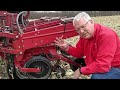
No-till planting requires four steps: handle residue (use double disc openers, avoid movers), penetrate soil to depth (ensure firm depth gauge contact via down pressure/weight), establish seed-to-soil
-
Planting grass and clover seeds with rented no-till drills requires careful adjustment to achieve proper 1/8-1/4 inch depth, as seeds planted too deep may not germinate. Running the drill twice in dif

Community
-
Iowa farmer Steve Berger stresses meticulous planter setup for successful no-till after cover crops, focusing on seed-to-soil contact, depth (1 ¾” for corn), nitrogen application (Y-band, 60-80 lbs N)
Read more (opens in new window) practicalfarmers.org -
Discusses grain drills (including no-till options) for precise seeding of oats and winter rye, emphasizing uniform depth (0.75-2.5 inches), row spacing (6-7.5 inches), and firm seed beds for germinati
Read more (opens in new window) practicalfarmers.org
Research
-
Influence the Coulter Type on the Seed - Soil Contact in No-till Technology (opens in new window)
Study compares chisel vs. disc openers on no-till seed drills to find the best way to ensure seed-soil contact for better germination.
3
HOW MUCH - Costs & Investment
Investing in a no-till grain drill represents a significant capital expenditure for any farm, but the associated costs extend beyond the initial purchase price. Understanding the full spectrum of expenses, from acquisition to ongoing operation and maintenance, is crucial...
Investing in a no-till grain drill represents a significant capital expenditure for any farm, but the associated costs extend beyond the initial purchase price. Understanding the full spectrum of expenses, from acquisition to ongoing operation and maintenance, is crucial for accurate budgeting and for calculating the potential return on investment. The cost of a no-till drill can vary widely based on its size, features, brand, and whether it's new or used. This section will break down these costs, considering different farm scales and offering insights into the long-term financial implications.
HOW MUCH - Costs & Investment
Investing in a no-till grain drill represents a significant capital expenditure for any farm, but the associated costs extend beyond the initial purchase price. Understanding the full spectrum of expenses, from acquisition to ongoing operation and maintenance, is crucial...
Investing in a no-till grain drill represents a significant capital expenditure for any farm, but the associated costs extend beyond the initial purchase price. Understanding the full spectrum of expenses, from acquisition to ongoing operation and maintenance, is crucial for accurate budgeting and for calculating the potential return on investment. The cost of a no-till drill can vary widely based on its size, features, brand, and whether it's new or used. This section will break down these costs, considering different farm scales and offering insights into the long-term financial implications.
Initial Purchase Costs
The initial purchase cost of a new no-till grain drill can range considerably. For smaller, lighter-duty drills, typically 6-10 feet (1.8-3 m) wide, designed for smaller farms or specialized applications, prices might start around $25,000 to $50,000. These are often simpler in design and may have fewer features like advanced residue management or integrated fertilizer systems.
For mid-size operations or those requiring more robust features and wider working widths, 10-20 feet (3-6 m), the cost generally increases. These drills will likely feature more advanced metering systems, better residue handling openers, and potentially integrated fertilizer capabilities. Expect prices in the range of $50,000 to $120,000 for this category.
Larger, high-capacity no-till drills, often 20 feet (6 m) and wider, designed for commercial-scale farming operations, can command prices from $100,000 to over $250,000. These machines are built for durability, efficiency, and often come with advanced technologies such as hydraulic downforce, precision seeding controls, and sophisticated fertilizer delivery systems. The price can climb even higher for specialized drills with advanced row units or specific configurations.
When considering used equipment, significant savings are possible. A well-maintained used no-till drill can often be purchased for 40-70% of the cost of a comparable new model. However, it's crucial to thoroughly inspect any used equipment for wear and tear, especially on openers, bearings, and metering components, as repairs can quickly offset initial savings. The upfront investment also needs to be considered in relation to required tractor horsepower. Many no-till drills, especially wider ones, require tractors with higher horsepower ratings (e.g., 100-300+ hp / 75-225+ kW), which represents an additional capital investment if a suitable tractor is not already available.
Operating Costs
Operating costs for a no-till grain drill are generally lower than for conventional tillage equipment due to the elimination of multiple passes. The primary operating costs include fuel, labor, and maintenance.
Fuel: As mentioned, no-till seeding significantly reduces fuel consumption. A typical estimate is a 40-60% reduction in fuel use for planting compared to a full tillage sequence. For a farm planting 500 acres (202 hectares) and assuming a fuel cost of $4.00 per gallon ($1.06 per liter) and a consumption rate of 4 gallons per acre (37.8 liters per hectare) for conventional tillage versus 2 gallons per acre (18.9 liters per hectare) for no-till, the savings are substantial. This could equate to $8 per acre (approx. $20 per hectare) in fuel savings annually, totaling $4,000 for the 500 acres.
Labor: Fewer field operations mean less time spent in the tractor. This reduction in labor hours can be significant, especially for larger operations. If labor is hired, this translates directly to cost savings. If the farmer is providing the labor, it frees up valuable time for other tasks or provides an improved work-life balance.
Maintenance and Repairs: While fuel and labor costs are reduced, maintenance for no-till drills can be more intensive than for some conventional equipment due to the abrasive nature of residue and soil contact. Wear parts such as openers, scrapers, gauge wheels, and bearings need regular inspection and replacement. An annual budget for wear parts and routine maintenance might range from $5 to $20 per acre ($12 to $49 per hectare), depending on soil type, residue levels, and operating hours. For a 500-acre (202 hectare) farm, this could be $2,500 to $10,000 annually. Unexpected repairs can add to this cost, especially if specialized parts or technicians are required.
Other Operating Costs: These may include the cost of seed, fertilizer (if applied through the drill), and any specialized lubricants or cleaning agents. The efficiency of no-till can sometimes lead to reduced seed rates due to better seed-to-soil contact and more consistent emergence, potentially offering minor savings in seed costs.
Scale Considerations
The economic impact of a no-till grain drill is heavily influenced by the scale of the farming operation.
Small Farms (under 200 acres / 81 hectares): For small farms, the high initial cost of a new no-till drill can be a significant barrier. Purchasing a used drill becomes a more viable option. Alternatively, sharing equipment with neighbors through a cooperative or custom hiring the seeding service can be more cost-effective. If purchasing, a narrower drill (6-10 feet / 1.8-3 m) is likely appropriate. The savings in fuel and labor might still justify the investment, but the payback period will be longer. The break-even point for a $40,000 drill with annual savings of $30 per acre ($74 per hectare) would be approximately 133 acres (54 hectares) of operation for the savings to cover the initial cost, excluding interest and depreciation.
Mid-Size Operations (200-1000 acres / 81-405 hectares): This scale often represents a sweet spot for investing in a new or late-model used no-till drill. A working width of 10-20 feet (3-6 m) is typically suitable. The significant savings in fuel and labor on hundreds of acres can amortize the initial investment relatively quickly, often within 3-7 years, depending on the exact costs and farm practices. The ability to own and operate the equipment on your own schedule also provides a significant operational advantage.
Commercial Scale Farms (over 1000 acres / 405 hectares): For large commercial operations, the investment in a wide, high-capacity no-till drill (20+ feet / 6+ m) is almost always economically justified. The massive acreage allows for rapid recoupment of the high initial purchase price through substantial savings in fuel, labor, and equipment wear. The efficiency gains from a wider drill can dramatically increase the number of acres planted per day, optimizing planting windows and potentially leading to higher yields. These operations often have dedicated maintenance staff and facilities, further optimizing the long-term cost-effectiveness of such machinery.
Long-Term Value and ROI
The long-term value of a no-till grain drill extends beyond immediate cost savings. The improvements in soil health, such as increased organic matter, better water infiltration, and reduced erosion, contribute to more resilient and productive farmland. This enhanced soil quality can lead to more stable yields, reduced reliance on inputs like fertilizers and pesticides over time, and increased resistance to extreme weather events. These factors contribute to the farm's overall sustainability and long-term profitability.
Calculating the Return on Investment (ROI) involves comparing the total costs of owning and operating the no-till drill against the savings and potential yield increases it provides. A simplified ROI calculation might look at annual savings (fuel, labor, reduced equipment wear) plus any incremental yield gains, divided by the annual cost of ownership (depreciation, interest, insurance, maintenance). For example, if annual savings are $50 per acre and the annual ownership cost is $20 per acre, the net benefit is $30 per acre. For a 500-acre farm, this is $15,000 annually. If the initial investment was $100,000, the simple payback period would be approximately 6.7 years ($100,000 / $15,000). However, this doesn't account for the compounding benefits of soil health improvements, which can lead to even greater long-term economic advantages. Many farmers report that the reduced risk from improved soil resilience alone is a significant return on investment, even if not directly quantifiable in dollars immediately.
Sources behind this view
Videos & Podcasts
-
Adopting no-till and cover crops reduces production costs by an estimated $31/acre over 3-5 years through lower fuel use, reduced tillage equipment needs, and decreased reliance on inputs, while impro
Research
-
Long‐term research avoids spurious and misleading trends in sustainability attributes of no‐till (opens in new window)
A 29-year study shows no-till benefits for yield and soil moisture emerge after 15+ years, with increasing profitability over time. Long-term research is vital to avoid misleading short-term trends.
4
REWARDS AND RISKS
Adopting a no-till grain drill and the associated practices can profoundly transform a farm's productivity and sustainability, but like any significant operational change, it comes with its own set of rewards and risks. Understanding these potential outcomes, from the...
Adopting a no-till grain drill and the associated practices can profoundly transform a farm's productivity and sustainability, but like any significant operational change, it comes with its own set of rewards and risks. Understanding these potential outcomes, from the most optimistic scenarios to the challenges that can arise, is crucial for effective planning and risk mitigation. This section explores the economic and performance considerations, common pitfalls, and strategies to navigate the complexities of no-till seeding.
REWARDS AND RISKS
Adopting a no-till grain drill and the associated practices can profoundly transform a farm's productivity and sustainability, but like any significant operational change, it comes with its own set of rewards and risks. Understanding these potential outcomes, from the...
Adopting a no-till grain drill and the associated practices can profoundly transform a farm's productivity and sustainability, but like any significant operational change, it comes with its own set of rewards and risks. Understanding these potential outcomes, from the most optimistic scenarios to the challenges that can arise, is crucial for effective planning and risk mitigation. This section explores the economic and performance considerations, common pitfalls, and strategies to navigate the complexities of no-till seeding.
Economic Considerations
The primary economic reward of using a no-till drill is the significant reduction in operating costs. By eliminating primary tillage passes, farmers can save $30-$70 per acre ($74-$173 per hectare) annually on fuel, labor, and equipment wear. For a 1,000-acre (405-hectare) operation, this could amount to $30,000-$70,000 in annual savings. Over the lifespan of the equipment, these savings can far outweigh the initial purchase price. Furthermore, improvements in soil health can lead to increased yield potential and greater resilience to drought or excessive rainfall, reducing the risk of crop failure and stabilizing farm income. Healthier soils may also require fewer fertilizer inputs over time due to improved nutrient cycling and organic matter content, leading to further cost reductions.
However, there are economic risks. The initial capital investment for a no-till drill can be substantial, ranging from $25,000 for smaller units to over $250,000 for large, high-tech models. This requires careful financial planning and may necessitate loans, incurring interest costs. If a farm is transitioning from conventional tillage, there can be a transition period where yields might temporarily dip as the soil ecosystem adapts. This "transition phase" can last 1-3 years and may require careful management to mitigate yield losses. Another risk is the potential need for higher horsepower tractors to pull the no-till drill, especially in challenging conditions or with wider units, adding to the overall equipment investment. If the farm's primary income is highly dependent on a specific crop that is sensitive to initial no-till establishment, a poorly managed transition could lead to economic hardship.
Best Case Scenario: A farmer invests in a well-suited no-till drill, successfully transitions their soil to a healthy state within 1-2 years, experiences increased yields due to improved soil structure and water retention, significantly cuts fuel and labor costs, and benefits from reduced soil erosion and improved water quality, leading to enhanced long-term farm sustainability and profitability.
Typical Case Scenario: A farmer adopts no-till, experiences moderate cost savings in fuel and labor, sees gradual improvements in soil health over 3-5 years, and maintains or slightly increases yields. They manage the transition period with careful crop selection and management, and the equipment investment is amortized over its lifespan with reasonable returns.
Worst Case Scenario: A farmer invests in an unsuitable drill for their conditions, struggles with residue management, experiences yield reductions during the transition period that are not offset by cost savings, incurs high maintenance costs due to improper use or poor equipment selection, and faces financial strain due to the initial capital outlay and ongoing operational challenges.
Performance Factors
The performance of a no-till grain drill is influenced by several factors, including soil type, residue load, crop selection, and operator skill. In loamy or clay soils with moderate residue, a properly adjusted no-till drill can provide excellent seed placement and uniform emergence. The openers cut cleanly, the seed is placed at the correct depth, and good seed-to-soil contact is achieved by the closing wheels. This leads to timely germination and robust early plant growth, setting the stage for successful crop development. The ability to plant into slightly cooler or moister soils than conventionally tilled fields can also be a performance advantage, allowing for earlier planting and potentially capturing more favorable growing conditions.
However, performance can be compromised in certain conditions. In very rocky soils, openers can experience excessive wear and tear, and the drill may bounce, leading to inconsistent seeding depth. Sticky clay soils can be challenging, potentially causing openers to smear the furrow, hindering seed-to-soil contact and emergence, especially if the soil is too wet. Heavy residue loads, such as thick corn stover or dense cover crops, can plug openers or prevent them from cutting effectively, leading to poor seed placement or forcing the operator to slow down significantly, reducing efficiency. If the drill is not properly calibrated or adjusted, seeding rates can be inaccurate, or seeds may be placed too shallow or too deep, resulting in poor germination, uneven stands, and reduced yield potential. The operator's understanding of the drill's capabilities and limitations, as well as their ability to adapt settings to changing field conditions, is paramount to achieving consistent, high-level performance.
Common Failure Modes and Risk Mitigation
Several common failure modes can impact the effectiveness and longevity of a no-till grain drill. Opener wear is perhaps the most frequent issue. In abrasive soils or when encountering rocks, disc openers, blades, and furrow openers can wear down rapidly. This leads to reduced cutting ability, poor furrow formation, and inconsistent seeding depth. Mitigation: Regularly inspect openers for wear and replace them promptly. Use hardened or specialized wear-resistant components if operating in particularly abrasive conditions. Ensure proper alignment and lubrication of opener components.
Residue plugging is another common problem, especially with heavy residue loads. This can occur on openers, seed tubes, or drive mechanisms. Mitigation: Manage residue by terminating cover crops appropriately, considering residue shredding if necessary, and ensuring even distribution of residue across the field. Adjust drill settings for residue flow and consider drills with aggressive residue-handling features. Operate at appropriate speeds for the residue conditions.
Inconsistent depth control often stems from worn gauge wheels, improper tire inflation, or operator error in setting adjustments. This leads to erratic seed placement. Mitigation: Regularly check and maintain gauge wheels, ensuring they spin freely and are properly adjusted. Maintain correct tire pressure. Operate at consistent speeds and ensure the drill is properly leveled.
Seed metering issues, such as uneven distribution or incorrect rates, can result from clogged meters, worn components, or incorrect calibration. Mitigation: Ensure seed meters are clean and free of debris. Perform regular calibration checks and recalibrate as needed for different seed types and sizes. Ensure drive mechanisms are functioning correctly.
Frame and component damage can occur from hitting obstacles (rocks, hidden debris), improper transport, or excessive stress. Mitigation: Scout fields for hidden obstacles before planting. Use caution during transport and when maneuvering at headlands. Ensure the drill is properly maintained and serviced to prevent stress-related failures. For risk mitigation in general, thorough operator training, adherence to maintenance schedules, performing pre-operation checks, and scouting fields for potential hazards are essential. Investing in a drill with features like hydraulic downforce can also help overcome challenging soil conditions and improve performance.
Sources behind this view
Videos & Podcasts
-
No-till drills often require added weight (up to 600 gallons of water or suitcase weights) for sufficient down pressure and penetration, especially on side hills. Proper maintenance and the high cost
-
Compares disc and tine drills for conservation agriculture, highlighting tilth creation as paramount. Tine drills with narrow openers are preferred for managing residue and creating tilth, while disc

5
COMPATIBLE PRACTICES
The no-till grain drill is a foundational piece of equipment for many regenerative agriculture systems. Its design and function are specifically aimed at minimizing soil disturbance, which is a core principle of these practices. Integrating a no-till drill allows farmers...
The no-till grain drill is a foundational piece of equipment for many regenerative agriculture systems. Its design and function are specifically aimed at minimizing soil disturbance, which is a core principle of these practices. Integrating a no-till drill allows farmers to achieve multiple ecological and economic benefits simultaneously.
COMPATIBLE PRACTICES
The no-till grain drill is a foundational piece of equipment for many regenerative agriculture systems. Its design and function are specifically aimed at minimizing soil disturbance, which is a core principle of these practices. Integrating a no-till drill allows farmers...
The no-till grain drill is a foundational piece of equipment for many regenerative agriculture systems. Its design and function are specifically aimed at minimizing soil disturbance, which is a core principle of these practices. Integrating a no-till drill allows farmers to achieve multiple ecological and economic benefits simultaneously.
Cover Cropping
Cover cropping is a practice where non-cash crops are grown primarily to benefit the soil. These crops can improve soil structure, add organic matter, suppress weeds, prevent erosion, and enhance nutrient cycling. A no-till grain drill is the ideal tool for planting cover crops directly into the residue of a previous cash crop or into a terminated cover crop. This allows farmers to establish a new cover crop without disturbing the soil structure that the previous cover crop helped build. For example, after harvesting a grain crop, a farmer can use the no-till drill to sow a mix of legumes and grasses as a winter cover. The drill cuts through the stubble, places the cover crop seed at the correct depth, and leaves the soil surface largely undisturbed. This seamless integration ensures that the benefits of cover cropping are maximized while adhering to no-till principles.
Reduced Tillage or Minimum Tillage Systems
Reduced tillage, also known as minimum tillage, involves significantly decreasing the number of tillage operations performed on a field compared to conventional methods. While not always strictly "no-till," these systems aim to minimize soil disturbance for reasons similar to regenerative agriculture: to preserve soil structure, reduce erosion, and conserve moisture. A no-till grain drill is the ultimate tool for this category, as it enables planting without any prior soil disturbance. Even if a farm practices some form of shallow tillage or cultivation, a no-till drill can still be used if the goal is to plant into stubble or some remaining surface residue from a previous crop or cover crop. It allows for a transition towards less intensive soil management, reducing the reliance on plows and disks.
Integrated Crop-Livestock Systems
In integrated crop-livestock systems, crop residues and cover crops often serve as valuable forage for grazing animals. After a cash crop is harvested, the field might be planted with a cover crop using a no-till drill. This cover crop can then be grazed by livestock. The grazing animals can help manage the cover crop biomass, and their manure contributes nutrients and organic matter back to the soil. Following the grazing period, the no-till drill can be used again to plant the next cash crop or another cover crop, continuing the cycle without disturbing the soil structure that has been built up. This practice not only enhances soil health but also creates multiple revenue streams and improves nutrient cycling across the farm. The no-till drill facilitates the establishment of forage and cash crops efficiently within this complex system.
Organic Farming Systems (with modifications)
While many organic farmers traditionally rely on tillage for weed control, the principles of soil health are increasingly leading them to explore no-till or reduced-till methods. For organic systems, a no-till drill can be used for planting cash crops and cover crops. The challenge in organic farming is weed management without herbicides; therefore, organic no-till often involves using cover crops to suppress weeds, or employing strategies like "roller-crimping" cover crops before planting with a no-till drill to create a mulch that suppresses weeds. Some organic farmers might also use specialized "strike-off" units on their drills to lightly disturb a narrow strip for seed placement while leaving the rest of the inter-row undisturbed, striking a balance between weed control and soil preservation. The no-till drill remains a key tool for establishing crops and cover crops in these evolving organic systems.
Sources behind this view
Videos & Podcasts
-
Reducing tillage in organic systems is key for weed control and soil health. Methods include crop rotation, less aggressive tillage, blind cultivation with tine weeders, and using roller crimpers, aim
-
Strongly advocates for no-till combined with cover crops, detailing benefits like erosion control, water conservation, improved soil structure, and increased biological activity. Emphasizes uniform re
-
Reducing tillage in organic farming is difficult but beneficial for soil health, preventing erosion. Organic no-till systems use cover crops terminated mechanically to suppress weeds, unlike conventio
-
Successful broadacre growers use context-specific tillage, often involving strip-till or minimal disturbance tools like Yeomans plow. Intensive cover cropping is a common factor, emphasizing a holisti

Community
-
Organic farmers prioritize soil health through practices like conservation tillage, cover crops, residue management, mulching, extended rotations, strip cropping, compost, and manure to control erosio
Read more (opens in new window) cias.wisc.edu -
Discusses less invasive methods like strip tilling and roller crimping, recommending initial tilling for amendment incorporation followed by cover crops to build soil health and retain moisture.
Read more (opens in new window) permies.com -
Adopt no-till/minimum tillage to preserve soil health and prevent carbon loss. Enhance fertility organically with cover crops, crop rotation, compost, and mulching, while avoiding synthetic fertilizer
Read more (opens in new window) ucanr.edu -
Small grains and cover crops aid organic weed control by suppressing winter weeds. Timely tillage and cultivation are crucial, but weather can impact operations. Gradual transition and savvy managemen
Read more (opens in new window) practicalfarmers.org
Research
-
Organic zero-till in the northern US Great Plains Region: Opportunities and obstacles (opens in new window)
Organic no-till in the northern Great Plains faces challenges with cover crop termination, water use, and nitrogen supply, but can be integrated with crop rotation, grazing, and specialized tools for
-
Organic Agriculture and the Quest for the Holy Grail in Water-Limited Ecosystems: Managing Weeds and Reducing Tillage Intensity (opens in new window)
Organic farming in dry areas needs to reduce plowing. Integrating crops and livestock, including grazing, is a promising strategy for weed control and cover crop management to improve sustainability.
-
Weed management in organic farming (opens in new window)
Weed control is a key challenge in organic farming. Cultivation, crop rotation, and cover cropping are essential, requiring knowledge of weed biology. Modern tools improve efficiency for effective wee
-
Conservation Tillage Practices and Their Role in Sustainable Farming Systems (opens in new window)
Review of conservation tillage (no-till, strip-till, etc.) shows benefits for soil health, water conservation, and reduced emissions, while also addressing crop yields and pest management challenges.
From the Web
-
Conservation tillage principles include reducing tillage, using crop rotations with cover crops to avoid bare soil, and maximizing residue coverage on the soil surface. Traffic control and specialized
-
Conservation tillage principles include reducing tillage, using crop rotations with cover crops, and maintaining maximum residue on the soil surface to prevent compaction and erosion. Equipment manage
-
Organic no-till farming uses a roller crimper to terminate cover crops like crimson clover and cereal rye at anthesis, creating a weed-suppressing mulch for direct seeding. This method avoids syntheti
-
Key regenerative agriculture methods include no-till farming, cover cropping, agroforestry, perennial crops, planned rotational grazing (Holistic Management), and compost application, all aimed at imp