
Root Cellar
A root cellar is an underground or partially underground structure designed to store harvested crops, particularly root vegetables and fruits, in a cool, dark, and humid environment. It leverages natural insulation from the earth to maintain stable temperatures and humidity levels, extending the usability of produce far beyond the growing season. You use a root cellar to preserve food, reduce waste, and ensure a consistent supply of fresh ingredients throughout the year, independent of market availability or spoilage.
Read More: Complete Description
A root cellar is a specialized storage space, typically dug into the ground or built into a hillside, that utilizes the earth's consistent temperature and high humidity to preserve perishable foods. Its primary function is to create an environment that mimics ideal underground conditions, which are naturally cool, dark, and moist, thus slowing down the respiration rate of stored produce and preventing spoilage. You would utilize a root cellar to store a variety of items, most famously root vegetables such as potatoes, carrots, beets, and turnips, but also onions, garlic, winter squash, apples, and pears. The stable, cool temperatures (typically between 32°F and 50°F or 0°C and 10°C) prevent sprouting and inhibit the growth of mold and bacteria, while the high humidity (between 85% and 95%) prevents dehydration, a common issue with many stored crops.
The construction of a root cellar can vary significantly, from simple excavated pits lined with straw or wood, to more elaborate structures built with stone, concrete, brick, or even modern insulated materials. Regardless of the specific construction, the core principle remains the same: to create an insulated buffer zone between the stored produce and the fluctuating external environment. This insulation is provided by the mass of the earth surrounding the cellar, which moderates temperature swings, acting as a natural thermal regulator. Ventilation is also a critical component, allowing for air exchange to prevent the buildup of ethylene gas (a ripening agent) and to manage humidity, though excessive ventilation can lead to drying. Modern root cellars often incorporate passive ventilation systems, such as adjustable vents or chimneys, to fine-tune these conditions.
The advantages of using a root cellar are multifaceted. Primarily, it allows for significant extension of the harvest season, enabling families and farmers to enjoy fresh produce for months after it has been picked. This reduces reliance on expensive and energy-intensive commercial storage or the need to purchase produce out of season, which often travels long distances and has a lower nutritional value. Furthermore, by preserving surplus harvests, root cellars contribute to food security and self-sufficiency, minimizing post-harvest losses and the associated economic waste. They are a cornerstone of traditional food preservation strategies and remain highly relevant in contemporary regenerative agriculture systems focused on resilience and local food economies.
Sources behind this view
Sources behind this view
 Videos & Podcasts
-
Details the construction, maintenance, and stocking of a hidden, underground root cellar for year-round food storage, emphasizing waterproofing, ventilation, and temperature regulation for preserving

-
Root cellaring is the preferred food preservation method for its low workload, allowing potatoes and squash to be stored over winter with minimal processing after curing. Freezing is a close second.

 Community
-
Discusses root cellars for food preservation, focusing on storing vegetables and fruits, with specific considerations for implementation in warmer, southern climates.
Read more (opens in new window) permies.com
Key Points
What It Is
- Underground, climate-controlled food storage.
- Natural insulation for stable temperature.
- High humidity preserves produce quality.
- Protects against spoilage and dehydration.
Why Use It
- Extend harvest and reduce waste.
- Consistent food supply year-round.
- Lower reliance on commercial storage.
- Enhance self-sufficiency and resilience.
Benefits - Economic
- Reduces spoilage losses by 50-75%.
- Saves $200-500 annually on produce.
- Increases farm revenue via extended sales.
Benefits - Operational
- Maintains produce freshness for months.
- Reduces post-harvest handling time.
- Eliminates need for energy-intensive refrigeration.
Considerations - Economic
- Initial DIY build: $500-2,500.
- Professional build: $5,000-25,000+.
- Potential for high upfront investment.
Considerations - Operational
- Requires specific site selection.
- Needs regular monitoring of conditions.
- Learning curve for optimal storage.
1
WHY - The Benefits
The decision to invest in a root cellar is rooted in a deep understanding of its capacity to transform food preservation, enhance farm economics, and bolster ecological sustainability. For those practicing regenerative agriculture, a root cellar is not merely a storage...
The decision to invest in a root cellar is rooted in a deep understanding of its capacity to transform food preservation, enhance farm economics, and bolster ecological sustainability. For those practicing regenerative agriculture, a root cellar is not merely a storage shed; it's an integral component of a closed-loop system that maximizes the value of every harvest, minimizes waste, and reduces reliance on external, often energy-intensive, inputs. By providing a stable, naturally regulated environment, it allows farmers and homesteaders to bridge the gap between bountiful harvest seasons and lean winter months, ensuring a continuous supply of nutritious food. This capability extends the economic viability of crops, allows for better marketing strategies by extending product availability, and significantly reduces the environmental footprint associated with conventional food storage and transportation.
WHY - The Benefits
The decision to invest in a root cellar is rooted in a deep understanding of its capacity to transform food preservation, enhance farm economics, and bolster ecological sustainability. For those practicing regenerative agriculture, a root cellar is not merely a storage...
The decision to invest in a root cellar is rooted in a deep understanding of its capacity to transform food preservation, enhance farm economics, and bolster ecological sustainability. For those practicing regenerative agriculture, a root cellar is not merely a storage shed; it's an integral component of a closed-loop system that maximizes the value of every harvest, minimizes waste, and reduces reliance on external, often energy-intensive, inputs. By providing a stable, naturally regulated environment, it allows farmers and homesteaders to bridge the gap between bountiful harvest seasons and lean winter months, ensuring a continuous supply of nutritious food. This capability extends the economic viability of crops, allows for better marketing strategies by extending product availability, and significantly reduces the environmental footprint associated with conventional food storage and transportation.
Extending Harvest and Reducing Waste
One of the most profound benefits of a root cellar is its unparalleled ability to extend the usability of harvested crops. In traditional agricultural systems, the period after harvest often sees significant losses due to spoilage, dehydration, or premature sprouting. A well-designed root cellar, by maintaining a consistent cool temperature (typically 32°F to 50°F or 0°C to 10°C) and high humidity (85% to 95%), creates an environment that significantly slows down the natural processes of respiration and decay in fruits and vegetables. For root vegetables like potatoes, carrots, and beets, this means they can remain in prime condition for six to ten months, sometimes even longer, compared to mere weeks or a couple of months in less controlled environments. For apples, varieties can be stored from autumn through late spring, providing a continuous source of fresh fruit. This dramatically reduces post-harvest losses, which can otherwise range from 20% to 50% for certain crops when stored improperly. By minimizing these losses, a root cellar directly translates to increased available food and, consequently, increased economic return from the same amount of cultivated land and labor. It allows farmers to sell produce later in the season when demand might be higher or prices more favorable, or simply to ensure their own families have access to wholesome food throughout the winter, reducing reliance on costly and less nutritious market purchases. This reduction in waste is a fundamental principle of regenerative agriculture, aligning with the goal of maximizing resource efficiency and minimizing the environmental impact of food production and consumption. The ability to store a significant portion of the harvest also provides a buffer against unexpected crop failures or market fluctuations, enhancing the overall resilience of the farming operation.
Enhancing Economic Viability and Market Access
The economic implications of a root cellar are substantial, particularly for small to mid-sized farms and homesteaders. By preserving harvests, farmers can effectively extend their selling season for crops that would otherwise be perishable. For instance, a farmer who harvests potatoes in the fall can continue to sell them from their farm stand or to local restaurants well into the spring, capturing a price point that might be unavailable if the entire crop had to be sold immediately at harvest. This can represent a significant increase in revenue from the same acreage. Studies and anecdotal evidence suggest that effective root cellar storage can reduce spoilage-related losses by 30-75% for crops like potatoes and onions. This directly translates to more product available for sale, effectively increasing the yield and profitability of the farm. Beyond direct sales, a root cellar enables participation in year-round CSA (Community Supported Agriculture) models or direct-to-consumer sales, fostering stronger relationships with customers and building a more stable, predictable income stream. The cost savings are also significant for the consumer. By having access to locally grown, home-stored produce, individuals can save an estimated $200 to $500 annually on their grocery bills, depending on their consumption habits and the types of produce stored. This economic benefit fosters local food systems and circulates money within the community. Furthermore, the ability to store and sell non-perishables like winter squash, onions, and garlic can provide a crucial income buffer during months when fresh market vegetables are less available or more expensive to produce. This economic resilience is a hallmark of successful regenerative farming enterprises, which prioritize long-term viability and self-sufficiency over short-term gains.
Contributing to Sustainability and Food Security
Root cellars are inherently sustainable tools that align perfectly with the principles of regenerative agriculture. By leveraging natural insulation from the earth, they eliminate the need for energy-intensive mechanical refrigeration, significantly reducing the carbon footprint associated with food storage. Conventional cold storage facilities, whether for commercial operations or large-scale distribution, consume vast amounts of electricity. A root cellar, in contrast, relies on passive cooling and humidity management, making it an environmentally friendly solution. This reduction in energy consumption is critical in efforts to mitigate climate change. Moreover, by reducing food waste, root cellars directly contribute to global food security. Globally, a staggering amount of food is lost or wasted between the farm and the consumer. By extending the shelf life of produce at the local level, root cellars help to keep more food within the human food chain, making it available for consumption rather than ending up in landfills where it produces methane, a potent greenhouse gas. This local preservation also reduces the environmental impact of transportation, as less food needs to be shipped long distances to markets. For individuals and communities, a root cellar enhances food security by providing a reliable source of nutritious food throughout the year, independent of external supply chains that can be vulnerable to disruptions from weather events, economic crises, or geopolitical instability. It empowers individuals and communities to be more self-reliant, a key tenet of building resilient food systems. The practice also encourages the cultivation of heirloom and traditional varieties of crops that are well-suited for long-term storage, further promoting biodiversity and preserving agricultural heritage.
Improving Produce Quality and Nutritional Value
The stable, cool, and humid environment of a root cellar not only preserves produce but also helps maintain its quality and nutritional integrity. Unlike refrigeration, which can sometimes lead to dehydration and a loss of texture in certain vegetables, a root cellar’s high humidity prevents this. The slow respiration rate maintained in cool temperatures means that the produce retains its sugars, vitamins, and minerals for longer periods. For example, while potatoes stored at room temperature will quickly sprout and become undesirable, and those in a typical refrigerator might suffer from changes in starch composition, those in a root cellar remain firm, flavorful, and nutritionally dense. Apples stored in a root cellar retain their crispness and tartness, making them suitable for eating fresh or for baking and cooking months after harvest. This preservation of quality means that produce available in late winter or early spring from a root cellar is far superior in taste and nutritional content to produce that has been shipped across continents and stored under artificial conditions. This is particularly important for regenerative agriculture, which emphasizes the production of nutrient-dense food. By minimizing nutrient degradation, root cellars ensure that the hard work of growing healthy soil and healthy plants translates into healthy food for the consumer. This direct connection between agricultural practices and the nutritional quality of the food consumed is a core value proposition of regenerative systems. The ability to access fresh, high-quality produce year-round also supports healthier diets, encouraging the consumption of vegetables and fruits even when they are not in season locally.
Sources behind this view
Videos & Podcasts
-
Details the construction, maintenance, and stocking of a hidden, underground root cellar for year-round food storage, emphasizing waterproofing, ventilation, and temperature regulation for preserving
-
Root cellaring is the preferred food preservation method for its low workload, allowing potatoes and squash to be stored over winter with minimal processing after curing. Freezing is a close second.
-
Root cellars are recommended as an inexpensive and effective storage method for produce like carrots and potatoes, preventing dehydration issues common in refrigerators and reducing energy intensity.
-
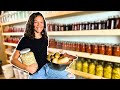
Describes a successful cold cellar for storing root vegetables like potatoes, sweet potatoes, onions, and squash with minimal effort. Emphasizes air circulation, temperature, and light control. Advise
Community
-
Discusses storing purple carrots and leeks successfully, with a suggestion to use eco grocery bags for rodent deterrence, while acknowledging plastic's effectiveness for extending storage life.
Read more (opens in new window) permies.com -
Discusses root cellars for food preservation, focusing on storing vegetables and fruits, with specific considerations for implementation in warmer, southern climates.
Read more (opens in new window) permies.com
2
HOW - Selection & Use
Choosing and utilizing a root cellar effectively is crucial for maximizing its benefits in a regenerative agricultural context. It involves careful planning during the design and construction phases, meticulous attention to detail during installation, and consistent,...
Choosing and utilizing a root cellar effectively is crucial for maximizing its benefits in a regenerative agricultural context. It involves careful planning during the design and construction phases, meticulous attention to detail during installation, and consistent, informed practices during its operation. The goal is to create and maintain an optimal environment that preserves produce for extended periods while minimizing labor and resource input. This section will guide you through the essential steps, from selecting the right location and design to implementing proper storage techniques and ongoing maintenance, ensuring your root cellar becomes a reliable asset for your farm or homestead.
HOW - Selection & Use
Choosing and utilizing a root cellar effectively is crucial for maximizing its benefits in a regenerative agricultural context. It involves careful planning during the design and construction phases, meticulous attention to detail during installation, and consistent,...
Choosing and utilizing a root cellar effectively is crucial for maximizing its benefits in a regenerative agricultural context. It involves careful planning during the design and construction phases, meticulous attention to detail during installation, and consistent, informed practices during its operation. The goal is to create and maintain an optimal environment that preserves produce for extended periods while minimizing labor and resource input. This section will guide you through the essential steps, from selecting the right location and design to implementing proper storage techniques and ongoing maintenance, ensuring your root cellar becomes a reliable asset for your farm or homestead.
Selection Criteria
Selecting the appropriate site and design for your root cellar is paramount to its success and longevity. The primary consideration is location, which dictates temperature stability, moisture levels, and accessibility. Ideally, you want a site that is naturally cool and protected from extreme temperature fluctuations. This often means choosing a location with good soil cover, such as a north-facing slope, under a dense canopy of trees, or even integrated into the foundation of an existing building like a barn or house. The earth itself acts as a natural insulator, and a minimum of 2 to 3 feet (60 to 90 cm) of soil cover over the roof is generally recommended for effective thermal mass. Drainage is another critical factor. Waterlogged soil can lead to excessive humidity, mold growth, and structural damage. The site should have excellent natural drainage or be equipped with a drainage system, such as French drains, around the perimeter. Avoid areas prone to flooding or with a high water table. Accessibility is also important; you'll need to be able to easily transport produce to and from the cellar, especially during harvest season. Consider proximity to your fields and harvesting equipment.
When it comes to design, several options exist, each with its own advantages. A pit cellar, the simplest form, involves excavating a hole in the ground and covering it with a waterproof roof and insulation. This is often the most cost-effective but can be prone to water intrusion if not properly constructed. An above-ground or semi-underground cellar built into a hillside or bermed with earth offers better protection and temperature stability than a pit cellar and is often easier to access and ventilate. Freestanding cellars are built entirely underground or with a significant portion below grade, often constructed from concrete, stone, or brick, providing excellent durability and insulation. The choice will depend on your budget, available resources, soil conditions, and the desired scale of storage. Key design elements to consider include the size, which should be adequate for your anticipated harvest but not so large as to be inefficient to maintain optimal conditions. Wall and roof construction materials should provide insulation and moisture resistance. For walls, materials like concrete, stone, or treated lumber are common. The roof often requires a waterproof membrane topped with a thick layer of soil and vegetation for insulation. Ventilation is non-negotiable; an effective root cellar needs a system for air exchange to regulate temperature, manage humidity, and remove ethylene gas. This typically involves at least two vents: one near the floor for cool air intake and one near the ceiling for warm, moist air exhaust, often with adjustable dampers.
Setup and Installation
Proper setup and installation are critical for creating a functional and long-lasting root cellar. This phase builds directly upon the selection criteria and design choices. For a pit cellar, the excavation is the first step. Dig a pit to the desired dimensions, ensuring the walls are stable. Line the pit with gravel for drainage, followed by a layer of sand or a permeable geotextile fabric. For more durable pit cellars, consider lining the walls with treated lumber or concrete blocks. The roof structure is crucial for protection and insulation. This could be a sturdy wooden frame covered with roofing felt, a waterproof membrane, and then a thick layer of soil (at least 12 inches or 30 cm) and potentially sod. A ventilation pipe should be installed, extending from near the floor to above ground level, with a screened cap to prevent pests.
For above-ground or semi-underground structures, construction involves building walls and a roof that can be bermed with soil. This might involve concrete pouring, masonry work, or the use of pre-fabricated insulated panels. Ensure that the foundation is robust and that waterproofing is applied thoroughly to all exterior surfaces that will be in contact with the soil. A drainage system, such as a perimeter drain, is essential to prevent water buildup. The roof, similar to a pit cellar, needs to be waterproof and insulated with a substantial layer of soil. Ventilation is again a key element, typically involving an intake vent near the floor and an exhaust vent near the ceiling, strategically placed to encourage natural convection.
For freestanding underground cellars, installation is more complex, often resembling a small underground building. Excavation is extensive, and the structure is typically built from poured concrete, concrete blocks, or stone. Waterproofing is paramount, often involving multiple layers of membranes and drainage boards. A well-designed ventilation system with adjustable dampers is essential to control airflow and maintain desired conditions. Entryways should be insulated and sealed to minimize heat loss or gain. Regardless of the type, ensure that any wooden components used in construction are treated or naturally rot-resistant. Install shelving or bins that allow for good air circulation around the stored produce. The final step often involves covering the structure with soil and, if desired, planting vegetation on top of the soil layer to enhance insulation and integrate the cellar into the landscape. Thoroughly test the ventilation system before filling the cellar with produce.
Proper Use Techniques
The success of a root cellar hinges on how you use it. Preparation of produce before storage is the first critical step. Only store produce that is in excellent condition – free from bruises, cuts, or signs of disease. Damaged items will spoil quickly and can contaminate others. For most root vegetables (carrots, beets, parsnips), leave the root intact and trim the greens to about 1-2 inches (2.5-5 cm) to prevent moisture loss from the leaves. Do not wash root vegetables before storing them; the soil acts as a natural protective layer. Onions and garlic should be cured thoroughly (dried until the neck is papery) before storage. Winter squash should also be cured in a warm, dry place for a week or two to harden their rinds. Apples should be handled gently and stored individually if possible, as one rotten apple can spoil many others.
Arrangement within the cellar is also key. Different crops have different storage requirements. Generally, group items that require similar conditions. For instance, potatoes and onions should not be stored together, as the ethylene gas emitted by onions can cause potatoes to sprout prematurely. Potatoes prefer a dark, cool, humid environment. Onions and garlic prefer cooler, drier conditions with good air circulation. Apples and pears thrive in cool, humid conditions but should be kept away from vegetables that are sensitive to ethylene. Use shelves, bins, or crates that allow for good airflow. Stacking items too tightly can impede circulation and promote spoilage. Consider using materials like sand, sawdust, or straw as an insulating medium to pack around root vegetables, which helps maintain humidity and prevent contact between items. For apples, individual wrapping in paper can prevent the spread of rot.
Monitoring and maintenance are ongoing tasks. Regularly check your stored produce for any signs of spoilage, rot, or pest infestation. Remove any affected items immediately. Monitor the temperature and humidity levels within the cellar. A simple thermometer and hygrometer are essential tools. Aim for temperatures between 32°F and 50°F (0°C and 10°C) and humidity levels between 85% and 95%. Adjust ventilation as needed: open vents more on warmer days to release heat and close them on very cold nights to conserve warmth. Conversely, on very humid days, you might need to increase ventilation to dry the air slightly. If humidity is too low, you can introduce moisture by placing open containers of water or damp cloths in the cellar, or by lightly misting the floor. Proper ventilation also helps manage the build-up of ethylene gas, which accelerates ripening and spoilage. Periodically clean out the cellar, especially at the end of the storage season, to remove any debris or potential pest habitats.
Maintenance
Regular maintenance ensures your root cellar continues to function optimally year after year. The most crucial aspect is structural integrity. Periodically inspect the walls, roof, and foundation for any signs of cracking, settling, or water damage. Address any issues promptly to prevent more significant problems. Waterproofing is vital; check for any breaches in the membrane or sealants and repair them. If your cellar has a soil covering, ensure it remains intact and hasn't eroded, which could compromise insulation.
Ventilation systems require attention. Clean out any debris that might have accumulated in the vents or chimneys, such as leaves, nests, or insect casings. Ensure that adjustable dampers are functioning correctly and can be easily opened and closed. Blocked vents can lead to poor air circulation, resulting in excessive humidity, temperature fluctuations, and potential spoilage.
Pest control is an ongoing concern. Rodents and insects can enter root cellars and damage stored produce. Ensure that all openings, including vents, are screened with sturdy mesh (e.g., 1/4-inch or 6 mm hardware cloth) that can deter pests. Keep the interior of the cellar clean by removing any spilled produce or debris. Avoid storing anything other than produce and appropriate packing materials within the cellar, as this can attract pests. If you notice signs of infestation, use humane traps or natural repellents.
Humidity and temperature management require continuous monitoring. Keep a log of temperature and humidity readings. This data will help you understand seasonal patterns and make informed adjustments to ventilation. If you use packing materials like sand or sawdust, ensure they are clean and dry at the beginning of each storage season. Replace them if they become moldy or contaminated. Regularly air out the cellar between storage seasons to prevent mustiness and allow materials to dry.
Common Mistakes to Avoid
One of the most frequent mistakes is inadequate site selection. Choosing a location with poor drainage or one that is too exposed to extreme temperatures will severely limit the root cellar's effectiveness. Always prioritize good drainage and natural insulation from the earth.
Another common error is insufficient or improper ventilation. Root cellars need airflow to regulate temperature, manage humidity, and remove spoilage-promoting gases like ethylene. Over-reliance on a single vent or failing to adjust ventilation based on external conditions can lead to problems. Ensure you have at least two vents for proper convection.
Storing produce that is not properly prepared is another critical mistake. Storing bruised, damaged, or un-cured produce is a recipe for disaster. Always select only high-quality, healthy items for storage, and follow specific preparation guidelines for each crop (e.g., curing onions, not washing root vegetables).
Overcrowding the cellar is also a mistake. Produce needs space for air to circulate around it. Cramming too much into a small space will trap moisture and heat, accelerating spoilage. Use shelving and bins that promote airflow.
Finally, neglecting regular monitoring and maintenance is a significant oversight. A root cellar isn't a "set it and forget it" storage solution. You must regularly check on your produce, monitor conditions, and perform necessary upkeep to ensure its continued effectiveness. Ignoring small issues like a slight crack or a blocked vent can lead to larger problems down the line.
Sources behind this view
Videos & Podcasts
-
Details the construction, maintenance, and stocking of a hidden, underground root cellar for year-round food storage, emphasizing waterproofing, ventilation, and temperature regulation for preserving
-
Describes a successful cold cellar for storing root vegetables like potatoes, sweet potatoes, onions, and squash with minimal effort. Emphasizes air circulation, temperature, and light control. Advise
-
Details on constructing and managing a root cellar, focusing on passive ventilation with pipes and chimneys, shelving design for circulation, and organized storage of root vegetables, canned goods, an

-
Details on building and operating a cold room for vegetable storage, including construction with insulation, importance of ventilation to remove CO2, separating onions from potatoes due to ethylene ga

Community
-
Advises a cautious, experimental approach to root cellar building, recommending research, separate storage areas for different produce, and books like 'Root Cellaring' by the Bubels, while planning fo
Read more (opens in new window) permies.com -
Root cellar construction should prioritize cleanable materials like lime-coated concrete. A mixed floor of concrete and gravel aids drainage and humidity control for vegetables, cheese, and ferments.
Read more (opens in new window) permies.com
4
REWARDS AND RISKS
Investing in a root cellar, like any significant agricultural infrastructure, comes with a set of potential rewards and inherent risks. Understanding these is crucial for making informed decisions, maximizing the upside, and mitigating potential downsides. This section...
Investing in a root cellar, like any significant agricultural infrastructure, comes with a set of potential rewards and inherent risks. Understanding these is crucial for making informed decisions, maximizing the upside, and mitigating potential downsides. This section explores the economic considerations, performance factors, common failure modes, and practical strategies for risk mitigation associated with root cellar use.
REWARDS AND RISKS
Investing in a root cellar, like any significant agricultural infrastructure, comes with a set of potential rewards and inherent risks. Understanding these is crucial for making informed decisions, maximizing the upside, and mitigating potential downsides. This section...
Investing in a root cellar, like any significant agricultural infrastructure, comes with a set of potential rewards and inherent risks. Understanding these is crucial for making informed decisions, maximizing the upside, and mitigating potential downsides. This section explores the economic considerations, performance factors, common failure modes, and practical strategies for risk mitigation associated with root cellar use.
Economic Considerations
The economic rewards of a root cellar are substantial and can significantly impact the profitability and resilience of a farm or homestead. The primary economic reward is the reduction in post-harvest losses. For crops like potatoes, onions, carrots, and winter squash, spoilage rates can be high without proper storage. By reducing these losses by 30-75%, a farmer directly increases the amount of marketable product, translating to higher revenue from the same planted acreage. For example, if a farmer harvests 10,000 lbs (4,536 kg) of potatoes and typically loses 30% to spoilage, that's 3,000 lbs (1,361 kg) of lost potential revenue. If sold at $0.50/lb, that's $1,500 (1500 USD) in direct loss. A root cellar can prevent much of this.
Another significant economic benefit is the extended market access and premium pricing. By being able to supply crops like apples or potatoes well into spring, farmers can capture higher prices than they might receive at the peak of harvest. This also allows for participation in year-round markets, such as farmer's markets or CSA programs, which foster customer loyalty and provide more predictable income streams. The ability to sell produce months after harvest can mean the difference between a profitable season and a break-even one.
Reduced input costs are also a factor. Eliminating the need for electricity-consuming refrigeration significantly cuts operational expenses. For a small farm, this can mean savings of hundreds to thousands of dollars annually. This saved capital can be reinvested in other areas of the farm, such as soil building, equipment upgrades, or labor.
However, the primary economic risk is the initial capital investment. Building a robust root cellar can be expensive, ranging from a few thousand dollars for a DIY project to tens of thousands for professional construction. If the cellar is not well-designed or utilized effectively, this investment may not yield the expected returns, leading to a poor return on investment or even a financial loss. Inadequate construction could lead to premature failure, requiring costly repairs or rebuilding, further eroding the economic benefit.
Performance Factors
The performance of a root cellar is measured by its ability to consistently maintain the ideal environmental conditions for stored produce. Several factors influence this performance:
-
Temperature Stability: The most critical factor is maintaining a cool, consistent temperature, ideally between 32°F and 50°F (0°C and 10°C). Fluctuations in temperature can cause premature sprouting, condensation, and increased respiration rates, all of which lead to faster spoilage. The effectiveness of the earth's insulation is paramount here. A well-insulated cellar with significant soil cover will perform better than one with inadequate insulation or exposure to direct sunlight.
-
Humidity Control: High humidity (85-95%) is essential for preventing dehydration in most root vegetables, apples, and pears. However, excessive humidity without adequate ventilation can lead to mold and fungal diseases. The balance is key, and performance depends on the cellar's design (ventilation system) and the external climate.
-
Air Circulation: Proper airflow is necessary to prevent the buildup of ethylene gas (produced by ripening fruits and vegetables), which accelerates spoilage. It also helps to equalize temperature and humidity throughout the space. Poor circulation means pockets of higher temperature or humidity can develop, leading to localized spoilage.
-
Light Exclusion: Darkness is crucial for preventing sprouting in crops like potatoes and onions. Light exposure can also degrade the quality of some produce over time. A well-sealed cellar that prevents light intrusion will perform better.
-
Pest and Rodent Exclusion: Performance is severely compromised if pests can access the stored produce. Effective screening and sealing of the structure are vital for maintaining ideal conditions and preventing contamination.
-
Crop Compatibility: Different crops have different ideal storage conditions. Storing incompatible crops together (e.g., potatoes and onions) can negatively impact the performance for both. Understanding these relationships and managing the cellar accordingly is a key performance factor.
Common Failure Modes
Despite their inherent simplicity, root cellars can fail if not properly designed, constructed, or maintained. Understanding these common failure modes is essential for preventative action.
-
Water Intrusion and Flooding: This is perhaps the most common and destructive failure mode. Poor site selection (low-lying areas, high water table), inadequate drainage systems (or no system at all), or compromised waterproofing can lead to water filling the cellar. This not only spoils the produce but can also damage the structure, leading to mold, rot, and costly repairs.
- Mitigation: Thorough site assessment for drainage, installation of French drains, proper waterproofing membranes, and regular inspection of the structure for cracks.
-
Excessive Humidity and Mold Growth: While high humidity is desirable, too much without adequate ventilation can create a breeding ground for mold and mildew. This can ruin produce and create an unhealthy environment.
- Mitigation: Ensure adequate ventilation, including intake and exhaust vents, and adjust airflow based on external humidity. Consider using desiccants or absorbent materials if persistent issues arise.
-
Temperature Fluctuations: If the cellar is not adequately insulated or is exposed to external temperature extremes (e.g., insufficient soil cover, poor insulation in the roof or walls), temperatures can swing wildly. This leads to premature sprouting, condensation, and faster spoilage.
- Mitigation: Ensure sufficient soil cover (2-3 feet or 60-90 cm), use insulating materials in construction, and seal any air leaks.
-
Pest Infestation: Rodents and insects can enter through poorly screened vents or cracks, consuming and contaminating produce. This renders the stored goods unusable and can spread disease.
- Mitigation: Install fine-mesh screens on all vents, seal any structural gaps, and maintain cleanliness within the cellar.
-
Structural Degradation: Over time, materials can degrade. Wood can rot, concrete can crack, and waterproofing membranes can fail, especially when exposed to constant moisture and soil pressure.
- Mitigation: Use rot-resistant materials, apply appropriate sealants and waterproofing, and conduct regular structural inspections.
-
Ethylene Gas Buildup: Storing ethylene-producing crops (like apples) with ethylene-sensitive crops (like potatoes) without adequate ventilation can lead to rapid spoilage of the sensitive items.
- Mitigation: Understand crop compatibility and ensure good air circulation, especially when storing a variety of produce.
Risk Mitigation
Proactive risk mitigation is key to ensuring the long-term success and economic viability of your root cellar.
-
Thorough Planning and Design:
- Site Assessment: Conduct detailed soil tests, check water tables, and analyze drainage patterns before selecting a site. Consult with local agricultural extension services or experienced builders.
- Professional Design: For larger or more complex structures, invest in professional architectural or engineering designs that account for local soil conditions, climate, and building codes.
- Material Selection: Choose durable, rot-resistant, and waterproof materials appropriate for underground construction.
-
Quality Construction:
- Skilled Labor: If not doing it yourself, hire experienced contractors who understand underground construction and waterproofing.
- Waterproofing and Drainage: This cannot be overemphasized. Invest in high-quality waterproofing membranes and a robust drainage system.
- Adequate Insulation: Ensure sufficient soil cover and consider additional insulation in the roof and walls, especially in colder climates.
-
Diligent Operation and Maintenance:
- Produce Selection: Only store high-quality, blemish-free produce. Implement strict protocols for harvesting and handling.
- Crop Separation: Understand crop compatibility and store items separately as needed.
- Regular Monitoring: Consistently check temperature, humidity, and for any signs of spoilage or pests. Keep a logbook.
- Ventilation Management: Actively manage vents to optimize airflow based on weather conditions.
- Routine Inspections: Annually inspect the structure for any signs of damage, leaks, or pest activity. Address issues immediately.
- Cleanliness: Keep the cellar clean and free of debris between storage seasons.
-
Contingency Planning:
- Backup Storage: For critical items, consider having a small backup storage option (e.g., a few crates in a cool basement) in case of root cellar failure.
- Insurance: If the root cellar represents a significant investment, consider if it's covered under your farm or property insurance.
By integrating these risk mitigation strategies throughout the lifecycle of your root cellar – from conception to daily operation – you can significantly enhance its performance, longevity, and economic value, ensuring it remains a valuable asset for years to come.
Sources behind this view
Videos & Podcasts
-
Details the construction, maintenance, and stocking of a hidden, underground root cellar for year-round food storage, emphasizing waterproofing, ventilation, and temperature regulation for preserving
Community
-
Advises a cautious, experimental approach to root cellar building, recommending research, separate storage areas for different produce, and books like 'Root Cellaring' by the Bubels, while planning fo
Read more (opens in new window) permies.com -
Root cellar construction should prioritize cleanable materials like lime-coated concrete. A mixed floor of concrete and gravel aids drainage and humidity control for vegetables, cheese, and ferments.
Read more (opens in new window) permies.com
5
COMPATIBLE PRACTICES
A root cellar is a foundational element in many regenerative agriculture systems, enhancing their resilience and efficiency. Its ability to preserve harvests naturally complements a wide range of practices focused on soil health, biodiversity, and local food systems.
A root cellar is a foundational element in many regenerative agriculture systems, enhancing their resilience and efficiency. Its ability to preserve harvests naturally complements a wide range of practices focused on soil health, biodiversity, and local food systems.
COMPATIBLE PRACTICES
A root cellar is a foundational element in many regenerative agriculture systems, enhancing their resilience and efficiency. Its ability to preserve harvests naturally complements a wide range of practices focused on soil health, biodiversity, and local food systems.
A root cellar is a foundational element in many regenerative agriculture systems, enhancing their resilience and efficiency. Its ability to preserve harvests naturally complements a wide range of practices focused on soil health, biodiversity, and local food systems.
Organic Farming
In organic farming, the absence of synthetic pesticides and fertilizers means that careful post-harvest handling and storage are even more critical. A root cellar provides a natural, chemical-free method for extending the shelf life of produce. Organic farmers often rely on root cellars to store their surplus crops, reducing waste that would be unacceptable in a system committed to maximizing resource efficiency. It allows them to sell organic produce throughout the year, meeting consumer demand for high-quality, sustainably grown food without resorting to artificial preservatives or energy-intensive refrigeration. This practice aligns perfectly with organic principles of working with natural systems and minimizing off-farm inputs.
Permaculture Design
Permaculture emphasizes creating self-sufficient and sustainable systems that mimic natural ecosystems. A root cellar is a classic permaculture element, representing a passive, low-energy solution for food storage. It is often integrated into the landscape design, utilizing earth berming or placement on slopes to maximize natural insulation and drainage. In a permaculture system, the root cellar helps close nutrient loops by storing food that is grown using permaculture techniques, thus reducing the need for external food purchases and minimizing waste. It supports perennial crop harvests and allows for the utilization of abundant yields from diverse planting guilds.
Small-Scale and Diversified Farming
For small-scale and diversified farms, a root cellar is an indispensable tool. These farms typically grow a wide variety of crops, leading to staggered harvests and a need for flexible storage solutions. A root cellar allows these farms to prolong the availability of diverse vegetables, fruits, and herbs, enabling them to supply local markets, restaurants, and CSAs consistently. It helps smooth out income streams by allowing sales of stored goods during off-peak seasons. This diversification and extended market access are key to the economic viability of many small, regenerative farms.
Food Security and Community Supported Agriculture (CSA)
Root cellars play a vital role in enhancing community food security and supporting CSA models. By enabling local storage of produce, they reduce reliance on long-distance supply chains that can be vulnerable to disruption. For CSA programs, a root cellar allows farmers to provide members with a consistent supply of fresh produce throughout a longer season, sometimes even year-round, deepening the connection between farmers and consumers. It ensures that communities have access to nutritious, locally grown food, fostering resilience and self-reliance.
Sources behind this view
Videos & Podcasts
-
Root cellaring is the preferred food preservation method for its low workload, allowing potatoes and squash to be stored over winter with minimal processing after curing. Freezing is a close second.
-
Details the construction, maintenance, and stocking of a hidden, underground root cellar for year-round food storage, emphasizing waterproofing, ventilation, and temperature regulation for preserving
Community
-
Discusses root cellars for food preservation, focusing on storing vegetables and fruits, with specific considerations for implementation in warmer, southern climates.
Read more (opens in new window) permies.com -
A permies.com forum dedicated to root cellars, offering practical advice on design, construction, and use for food storage, with discussions on specific climates (hot, southern, PNW), materials, venti
Read more (opens in new window) permies.com