Watermelon
Citrullus lanatus, commonly known as watermelon, is explored in regenerative agriculture primarily for its role in integrated soil fertility management. Experiments indicate its effectiveness when combined with organic amendments like goat manure, neem seed cake, jatropha seed cake, poultry manure, compost, and cow dung, often alongside reduced or strategic NPK fertilizer application. These practices aim to improve soil health, as seen in studies showing increased macroaggregate percentage and mean weight diameter with higher organic fertilizer proportions. While not explicitly stated as a cover crop or forage in these excerpts, its cultivation within these organic management systems suggests a contribution to soil building. Furthermore, rotation with crops like green garlic alongside cattle manure application has demonstrated increased yields and reduced disease incidence in continuous watermelon cropping, highlighting its integration potential in diversified farming systems. Farmer experiences from the knowledge base point to the positive impact of organic matter integration on soil physicochemical properties and crop performance.
For a full botanical description see: Plants For A Future↗(opens in new window) (external link)
Regenerative Quick Profile
All recommendations assume integrated, regenerative practices—not conventional inputs.
Climate & Soil Fit
Climate: Tropical Rainforest, Tropical Monsoon, Tropical Savanna, Hot Semi-Arid (Steppe), Cold Semi-Arid (Steppe), Hot Desert, Cold Desert, Humid Subtropical, Oceanic (Maritime Temperate), Hot-Summer Mediterranean, Warm-Summer Mediterranean, Monsoon-Influenced Humid Subtropical, Subtropical Highland, Hot-Summer Continental, Warm-Summer Continental, Subarctic, Monsoon-Influenced Hot-Summer Continental, Tundra
Zones: USDA 7-11, Australian Zones 3-9, EU Mediterranean, Subtropical, Temperate Oceanic
System Role & Functions
Primary: Cash Crop With Services
Secondary: Cover Crop System, Soil Remediation
Key Benefits: Storage Longevity
Management Level
Experience: Beginner-Friendly
Maintenance: Moderate maintenance - Integrating watermelons into a regenerative system involves providing ample sun and moisture, utilizing compost and mulch for fertility and moisture retention, and promoting beneficial insect populations to manage pests.
Value Streams
- Vegetable/specialty crop harvest
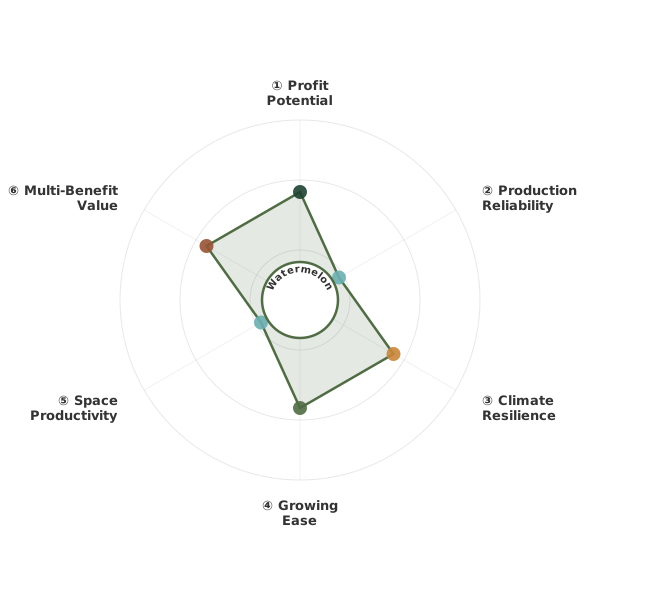
Regenerative Trait Ratings
How These Traits Are Calculated
Trait dimensions are ordered clockwise starting from the top of the chart (12 o'clock position):
1. Profit Potential
Net returns per acre from yield, pricing, input costs, and labor efficiency
WHAT: Synthesizes gross revenue potential, input costs, labor requirements, and storage/marketing advantages into net profitability per acre. Captures the complete economic picture from planting to sale.
WHY: Not all vegetables are equally profitable. High-value crops with efficient production can return $10,000-30,000/acre versus $2,000-5,000/acre for lower-value options. Profit potential guides crop selection for maximum return on limited land and determines viable scale for farm businesses.
HOW: Scored via LLM synthesis of economics data (yields, prices, costs), storage advantages (season extension, value-added potential), and labor intensity. Exceptional (3.0): High yields × premium prices with moderate inputs and good storage (garlic, high-value salad greens). Typical (2.0): Moderate returns (tomatoes, squash). Limited (1.0): Low yields, commodity pricing, or intensive labor requirements (low-value greens).
2. Production Reliability
Weighted: yield consistency (60%) + disease/pest resistance (40%)
WHAT: Combines yield reliability (harvest consistency year-to-year) with disease and pest resistance to measure predictable production. Reliable vegetables deliver consistent harvests without catastrophic failures from pests or weather.
WHY: Market commitments and CSA subscriptions require dependable production. Unreliable crops that fail in bad years or require intensive pest management create cash flow gaps and customer dissatisfaction. Reliable producers allow confident planning and reduce input costs from emergency pest interventions.
HOW: Weighted formula prioritizes yield reliability (60% weight) for overall consistency, with disease/pest resistance (40% weight) to prevent total failures. Exceptional (3.0): Consistent yields across variable seasons with strong natural pest resistance. Typical (2.0): Generally reliable with some pest/weather sensitivity. Limited (1.0): Highly variable yields or severe pest vulnerability requiring intensive management.
3. Climate Resilience
Temperature and rainfall tolerance across diverse growing conditions
WHAT: Measures the breadth of climatic conditions where the vegetable produces successfully—temperature extremes, humidity ranges, and rainfall variability. Climate-resilient crops work across diverse regions and weather patterns.
WHY: Climate variability is increasing—unexpected heat waves, cold snaps, or drought periods can wipe out entire vegetable harvests. Resilient crops provide insurance against weather uncertainty and allow geographic expansion for market growth. This is especially critical for direct-market farmers who can't easily substitute crops mid-season.
HOW: Ratings based on the climate_adaptability trait documenting temperature tolerance and geographic range. Exceptional (3.0): Grows successfully in diverse climates (cold to hot, humid to dry) with wide hardiness zone range. Typical (2.0): Moderate climate flexibility. Limited (1.0): Narrow climate requirements (tropical-only, cool-season-only, humidity-sensitive).
4. Growing Ease
Weighted: establishment ease (50%) + low maintenance requirements (50%)
WHAT: Combines establishment difficulty (germination, transplanting) with ongoing maintenance needs (watering, fertilizing, pest management) to measure total labor requirements. Easy crops grow reliably with minimal intervention.
WHY: Labor is the primary cost for small-scale vegetable production. Easy-care crops allow farmers to manage more production area with the same labor, improving profitability. Difficult crops requiring constant attention, precise timing, or specialized skills reduce overall farm productivity and increase risk.
HOW: Weighted formula balances establishment ease (50% weight) for reliable startup and inverted maintenance intensity (50% weight) for ongoing care. Exceptional (3.0): Direct-seeded or easy transplants with minimal water/fertility/pest needs. Typical (2.0): Moderate care requirements. Limited (1.0): Difficult establishment or intensive ongoing management (daily watering, heavy feeding, constant pest monitoring).
5. Space Productivity
Weighted: yield per square foot (60%) + season extension potential (40%)
WHAT: Combines spatial productivity (yield per square foot) with temporal productivity (extended harvest windows from succession planting or season extension). Maximizes production from limited growing area.
WHY: Land is the primary constraint for vegetable farmers—especially those near urban markets. Space-efficient crops delivering high yields in small areas improve per-acre profitability dramatically. Season extension (spring tunnels, fall protection) adds bonus production windows when competing supply is limited and prices are higher.
HOW: Weighted formula prioritizes space efficiency (60% weight) for core yield per area, with season extension potential (40% weight) for bonus production opportunities. Exceptional (3.0): High yields per square foot (10,000+ lbs/acre equivalents) with season extension options. Typical (2.0): Moderate yields and extension potential. Limited (1.0): Low yields or crops unsuitable for season extension.
6. Multi-Benefit Value
Ecosystem services beyond harvest—pollinator support, nitrogen fixing, pest habitat
WHAT: Measures ecosystem services provided beyond harvestable yield. Multi-benefit vegetables contribute to farm ecology through nitrogen fixation (legumes), pollinator support (flowering crops), beneficial insect habitat, soil building, or erosion control.
WHY: Cash crops can either extract from farm ecosystems or contribute to them. Vegetables with strong multi-benefit value build soil fertility, support pollinators needed for fruit/vine crops, and create habitat for pest predators—reducing external input needs. Nitrogen-fixing vegetables (beans, peas) provide $40-80/acre worth of fertility for following crops.
HOW: Ratings based on the multi_benefit_value trait documenting service contributions. Exceptional (3.0): Significant ecosystem services (nitrogen fixation, heavy pollinator support, soil building, pest habitat). Typical (2.0): Some ecosystem contributions. Limited (1.0): Single-purpose cash crops with minimal farm ecology benefits.
Ratings are based on documented performance in regenerative systems, not conventional high-input scenarios. All traits assume integrated management practices focused on soil health and ecosystem services.
1
Climate Suitability Assessment
Will this plant thrive in your climate?
Climate Suitability Assessment
Will this plant thrive in your climate?
Köppen Zone: Cfa (Humid Subtropical), Csa (Hot-Summer Mediterranean), Cwa (Monsoon-Influenced Humid Subtropical), Dfa (Hot-Summer Continental)
USDA Zone: 6a, 7a, 8a, 9a, 10a
Australian Zone: tropical, subtropical
Watermelon thrives in climates with long, warm to hot growing seasons, typically requiring 90-150 frost-free days and average temperatures between 70-90°F (21-32°C). These conditions are met in Köppen Cfa, Cwa, and Aw zones, as well as USDA zones 7a-10b, Australian subtropical and tropical zones, and parts of the EU Mediterranean. Adequate rainfall (25-35 inches/63-89 cm annually) is beneficial, but supplemental irrigation is often crucial in drier regions or during dry spells to ensure optimal fruit development and quality. Soil temperatures should consistently exceed 70°F (21°C) for germination and vigorous growth. These zones offer a high probability of successful establishment and high yields with minimal specialized management beyond standard agricultural practices and irrigation. The long growing season allows for full crop maturation, leading to sweet and well-developed fruits, making these regions prime for commercial and regenerative watermelon production.
Köppen Zone: Aw (Tropical Savanna), BSh (Hot Semi-Arid (Steppe)), Cfb (Oceanic (Maritime Temperate)), Csb (Warm-Summer Mediterranean), Cwb (Subtropical Highland), Dfb (Warm-Summer Continental), Dwa (Monsoon-Influenced Hot-Summer Continental)
USDA Zone: 5a, 5b, 11a, 12a
Australian Zone: grassland, temperate
EU Climate Region: atlantic, mediterranean
Watermelon cultivation is feasible in these regions, but requires careful management and consideration of specific climate characteristics. Köppen Csa zones, USDA 10a-10b, Australian grassland and temperate zones, and EU Atlantic and Mediterranean regions offer growing seasons that are generally warm enough, but may have limitations. Mediterranean and semi-arid grassland zones often experience insufficient natural rainfall, necessitating substantial irrigation (15-30 inches/38-75 cm) to support growth and fruit development, increasing operational costs. USDA zones 10a and 10b, while having long growing seasons, can experience extreme summer heat (consistently above 95°F/35°C) that stresses plants, reduces fruit set, and impacts quality, requiring heat-tolerant varieties or protective measures. Atlantic climates may have milder summers, potentially limiting peak sugar development, and requiring season extension techniques. Yields and quality may be slightly reduced compared to 'ideally suited' zones, but economic viability is achievable with appropriate variety selection, water management, and timing.
Köppen Zone: Af (Tropical Rainforest), Am (Tropical Monsoon), ET (Tundra), BSk (Cold Semi-Arid (Steppe)), BWh (Hot Desert), BWk (Cold Desert), Dfc (Subarctic)
USDA Zone: 2a, 3a, 3b, 4a
Australian Zone: arid
Watermelon cultivation is technically possible but economically and practically questionable in these zones due to extreme climate conditions that significantly challenge plant performance and increase management costs. Köppen BWh and BSh zones, USDA zones 11a-13a, and Australian arid zones face severe water deficits (often <10-20 inches/25-50 cm annually) and/or extreme heat (consistently above 95°F/35°C, sometimes exceeding 105°F/38°C). These conditions lead to plant stress, poor fruit set, reduced quality, and very low establishment success rates (<60%) without intensive and costly irrigation infrastructure and soil amendments. In arid and semi-arid regions, water demand can reach 40-50 inches (100-125 cm) annually, far exceeding natural precipitation. In extremely hot USDA zones, sustained high temperatures cause blossom drop and physiological stress, making yields unreliable and quality poor. The high input requirements and low probability of success make these zones unsuitable for watermelon, with alternative drought-tolerant or heat-adapted crops being far more viable.
Note: Zones listed above represent climates where this plant can produce reliably with reasonable management. Climate zones not mentioned would require intensive climate modification (greenhouses, extensive infrastructure) and are not economically viable for regenerative agriculture purposes.
2
Soil Suitability Assessment
Which soil types work best for this plant?
Soil Suitability Assessment
Which soil types work best for this plant?
Clay Soil, Loam Soil, Rich Soil, Sandy Soil
This plant performs acceptably in these soil types with moderate, manageable remediation such as pH adjustment, compost addition, or drainage improvement. The required amendments are practical and cost-effective for regenerative agriculture.
Acidic Soil, Alkaline Soil, Desert Soil, Rocky Soil, Saline Soil, Wet Soil
Growing this plant in these soil types would require impractical remediation such as complete soil replacement, extensive amendments, or cost-prohibitive infrastructure. These conditions are not economically viable for regenerative agriculture.
Note: Soil suitability assessments focus on remediation requirements. "Ideally Suited" means the plant generally thrives without the need for substantial amendments, "Adequate" means manageable remediation (lime, compost, mulch), and "Not Recommended" means impractical soil changes would be required. Climate factors like rainfall and temperature also influence success.
3
Seasonal Considerations
Planting timing, growth duration, and harvest windows
Seasonal Considerations
Planting timing, growth duration, and harvest windows
Watermelons thrive in warmth, so begin by starting seeds indoors about three to four weeks before your last expected frost. Transplant seedlings outdoors only when all danger of frost has passed and soil temperatures consistently reach at least 60°F (15°C). Direct seeding is an option after the soil has warmed sufficiently, typically a couple of weeks after the last frost date.
Expect maturity in 70 to 100 days, depending on the variety. Harvest is a mid-to-late summer affair, continuing as long as warm weather persists. Succession planting isn't typically practiced due to the long maturation period and heat requirement. Watermelons have very little cold tolerance once established. While a light frost might not immediately kill mature plants, it will halt further development and can damage fruit. Fall planting is generally not feasible for reaching full maturity, though very early varieties might produce a small crop if planted immediately after the last frost and given a long, warm growing season. Season extension for watermelons is challenging and usually involves protecting young plants from late frosts or covering ripening fruit in late fall to prevent damage from cooler nights.
4
System Role & Multi-Benefit Value
Functional roles, integration strategies, and stacked benefits
System Role & Multi-Benefit Value
Functional roles, integration strategies, and stacked benefits
Functional Role
Total System Value
Watermelon's primary system value lies in its direct harvest, providing a marketable product that diversifies farm income. Beyond the harvest, its integration into regenerative systems offers significant benefit stacking. When cultivated with organic amendments and fertilizers, as demonstrated in research, watermelon cropping can lead to a marked improvement in soil physical properties. This includes increased macroaggregate percentage and mean weight diameter, contributing to better soil structure, water infiltration, and aeration. The use of organic matter also enhances soil moisture retention, a critical service in arid or drought-prone regions. Furthermore, crop rotation involving watermelon can help reduce disease incidence in subsequent crops. While not providing direct shade or windbreak services like trees, its dense foliage can offer temporary ground cover, suppressing weeds and preventing surface erosion during its growing season. The risk diversification comes from adding a distinct market commodity to the farm's portfolio, reducing reliance on single crops.
Integration Characteristics
Multi-Benefit Value: Adequate - Watermelons provide nutritious food and attract beneficial pollinators, while their dense foliage offers significant ground cover to protect and build soil health.
5
Management & Care Requirements
Integration guidance, maintenance needs, and care practices
Management & Care Requirements
Integration guidance, maintenance needs, and care practices
How to Integrate This Plant
Watermelon (Citrullus lanatus), a non-tree cash crop, can be integrated into regenerative systems primarily for its direct harvest value, but also for its role in soil health improvement when managed with organic inputs. Its primary function as a cash crop with services suggests it can be part of diversified farming operations. Compatible practices include alley cropping, where it could be grown between rows of longer-term perennial crops, potentially benefiting from their shade as it matures. It can also be part of crop rotations to disrupt pest cycles and improve soil structure. The timeline to contribution is immediate for harvest (Year 1), with soil benefits like improved macroaggregate percentage and moisture retention developing within 3-5 years, especially when combined with organic amendments like compost, manure, or seed cakes as indicated in the research. Multi-benefit stacking includes potential for weed suppression during its growth phase, contribution to ground cover, and the soil organic matter enhancement from associated organic fertilizer applications.
Integration Practices & Management
While the provided sources focus on the effects of various organic and mineral fertilizers on Citrullus lanatus (watermelon) and do not directly detail regenerative integration practices such as establishment, grazing, or termination strategies, they highlight key management considerations. The experiments emphasize the positive correlation between increased organic matter inputs and improved soil health indicators, such as macroaggregate percentage and mean weight diameter. Regenerative approaches would leverage this by integrating watermelon into crop rotations to build soil fertility. Sources indicate that watermelon benefits from amendments like goat manure, neem seed cake, jatropha seed cake, poultry manure, compost manure, and cow dung, suggesting these can be utilized to meet fertility needs within a regenerative system. Managing competition and planning for crop succession are implicit in these fertilization studies, pointing towards the need for careful planning in any integrated system. The research implies that watermelon can be a component in systems aiming to enhance soil physical and chemical properties through organic matter amendment.
Management Profile
Maintenance Intensity: Adequate - Integrating watermelons into a regenerative system involves providing ample sun and moisture, utilizing compost and mulch for fertility and moisture retention, and promoting beneficial insect populations to manage pests.
6
Economics & Value Streams
Direct harvest, system benefits, ecosystem services, and risk diversification
Economics & Value Streams
Direct harvest, system benefits, ecosystem services, and risk diversification
Comprehensive economic analysis including direct harvest value, system enhancement contributions, ecosystem services, value timeline, and risk diversification strategies.
Vegetable & Specialty Economics
| Metric | Value |
|---|---|
| Seed/Transplant Cost | 100-200 $/acre 247-494 $/ha |
| Expected Yield | 10000-20000 lbs/acre 11208-22416 kg/ha |
| Market Price | 0.30-0.60 $/lb 0-1 $/kg |
| Harvest/Handling Cost | 700-1400 $/acre 1729-3459 $/ha |
| Marketing/Distribution Cost | 350-700 $/acre 864-1729 $/ha |
| Net Annual Return* | $700-$10850/acre/year |
Economics highly variable by market channel (direct vs wholesale), scale, and management. Direct marketing commands premiums but requires labor. Values shown for mid-scale market garden operations.
* Net Annual Return = (Yield × Market Price) − (Amortized Establishment Cost + Annual Maintenance). This return is realized only at/after first harvest; early years have costs but no revenue. Range shows worst case to best case scenarios.
System Enhancement Value
Beyond harvest: ecosystem services from regenerative cash crop practices
Ecological Service Contributions
Watermelon cultivation, particularly when integrated with organic amendments, offers significant soil remediation and enhancement. As indicated in Excerpts and, the use of organic fertilizers like compost, manure, and seed cakes demonstrably improves soil physical properties. This includes increased macroaggregate percentage, mean weight diameter, and micro/macro porosity, while decreasing bulk density. These improvements foster better water infiltration and retention, crucial for overall soil health and reduced erosion. Furthermore, organic amendments enhance soil organic carbon (TOC) and permanganate oxidizable carbon (POC) concentrations, as highlighted in Excerpt. This buildup of soil organic matter is vital for nutrient cycling, improved soil structure, and long-term soil fertility. The 'Biostarter+' mentioned in Excerpt also suggests a focus on microbial activity, further contributing to soil health and nutrient availability. While not explicitly stated as a primary function in the excerpts, the dense vine growth of watermelon can provide a temporary ground cover, suppressing weeds and contributing to organic matter accumulation when residues are incorporated post-harvest, thus aiding in soil remediation.
Ecosystem Service Contributions
Environmental contributions: carbon, pollinators, wildlife, and water
- Carbon Sequestration: Watermelon plants, as annual crops with significant biomass production, contribute to carbon sequestration during their growth cycle. While not a perennial with long-term woody carbon storage, the incorporation of organic matter from plant residues and applied amendments (as seen in Excerpts and) enhances soil organic carbon stocks, providing a more enduring form of carbon sequestration.
- Pollinator Support: Medium. Watermelon flowers require pollination, making them a food source for various pollinators. While not primarily grown for pollinator support like certain other crops, their blooming period can provide supplementary resources for local pollinator populations.
- Wildlife Habitat: Low. Watermelon plants are not typically a significant source of food or habitat for most wildlife beyond insects. Their primary role in this context would be as a temporary ground cover, offering minimal shelter.
- Water Quality: Not applicable
Value Timeline: Production & Services
When you'll see results: varies by crop (annual harvest vs. perennial establishment)
Years 1-2
Initial soil improvement through organic matter incorporation and improved soil structure. Potential for weed suppression by developing vine cover. Establishment of a cash crop revenue stream.
Years 3-5
Continued soil health benefits, with accumulated organic matter leading to more robust soil structure and nutrient cycling. Consistent cash crop revenue. Potential for increased resilience to drought due to improved soil water retention.
Years 10-20
Sustained soil fertility and structural benefits from long-term integration of organic amendments. Potential for reduced reliance on external inputs due to improved soil health. Consistent and potentially higher yields from improved soil conditions.
20+ Years
Mature soil ecosystem with enhanced microbial activity and nutrient availability. Significant long-term soil remediation and carbon sequestration benefits. A resilient agricultural system with a well-established, multi-benefit crop integration.
Farm Risk Reduction
How this reduces farm risk: backup income, weather protection, market hedges
- Multiple Revenue Streams: ['Direct cash crop revenue from watermelon sales.', 'Improved soil health leading to potential yield increases in subsequent crops.', 'Reduced input costs over time due to enhanced soil fertility and water retention.', 'Potential for sale of byproducts or composted residues.']
- Temporal Income Spread: Primarily an annual harvest of watermelon, providing a distinct seasonal income stream. The ongoing ecosystem services (soil health, carbon sequestration) provide continuous, long-term value that is not tied to a specific harvest period.
- Market Risk Hedge: Diversifies farm revenue beyond single commodities. The focus on organic amendments and soil health can lead to greater resilience against climate variability (e.g., drought) compared to conventional systems. Improved soil structure can reduce risk of crop failure due to poor soil conditions.
7
Regenerative Suitability Details
Comprehensive trait ratings for system integration assessment
Regenerative Suitability Details
Comprehensive trait ratings for system integration assessment
Comparative ratings for this plant across key regenerative agriculture traits.
| Trait | Suitability | Explanation |
|---|---|---|
| Season Extension | Not Recommended | Watermelons thrive in warm conditions and are limited by frost, their primary role is to maximize harvest from available warm periods, not to extend them. |
| Space Efficiency | Not Recommended | As sprawling vines, watermelons are best integrated into diverse landscape designs where their ground cover benefits soil health and their yield is balanced against space requirements. |
| Storage Longevity | Ideally Suited | Well-managed watermelons, when harvested at peak ripeness and kept in appropriate conditions, can offer a valuable food source for several months, extending harvest bounty. |
| Yield Reliability | Not Recommended | Optimal yields are achieved in consistently warm microclimates with ample sunshine; success relies on careful site selection and supportive soil moisture management. |
| Establishment Ease | Adequate | Watermelons establish readily in well-prepared, warm soils, exhibiting good early vigor that, when coupled with thoughtful spacing, helps suppress competing vegetation. |
| Multi Benefit Value | Adequate | Watermelons provide nutritious food and attract beneficial pollinators, while their dense foliage offers significant ground cover to protect and build soil health. |
| Climate Adaptability | Adequate | Thriving in warm, sunny environments, watermelons benefit from consistent soil moisture managed through mulching and practices that enhance water retention. |
| Maintenance Intensity | Adequate | Integrating watermelons into a regenerative system involves providing ample sun and moisture, utilizing compost and mulch for fertility and moisture retention, and promoting beneficial insect populations to manage pests. |
| Disease Pest Resistance | Adequate | While susceptible to certain fungal diseases and pests, watermelons perform best when integrated into diverse plantings that promote beneficial insect activity and good air circulation. |
Comparative System: Ratings compare plants within their economic category (e.g., cover crop nitrogen fixation compared to other cover crops, not to all plants). Individual farm conditions and management practices significantly influence actual performance.
8
Learn More
Why farmers use this plant and additional resources
Learn More
Why farmers use this plant and additional resources
Why Regenerative Farmers Use This Plant
Citrullus lanatus, commonly known as watermelon, offers significant regenerative potential as a high-value specialty cash crop. Its rapid growth and high yield per acre can contribute substantially to farm income, with potential revenue per acre often ranging from $5,000 to $15,000 or more, depending on variety, market, and production efficiency. Market prices can also range from $0.20 to $0.50 per pound ($0.44 to $1.10 per kg). A well-managed crop can yield between 15,000-30,000 pounds per acre (16,800 to 33,600 kg/ha) of marketable fruit. Varieties like 'Crimson Sweet' or 'Sugar Baby' can reach maturity in 75-90 days, enabling succession planting in regions with long growing seasons to extend harvest windows from mid-summer through early fall. This makes it an excellent candidate for direct-to-consumer sales, farmers' markets, CSAs, and specialty wholesale channels seeking premium produce. Integrating watermelons into a diversified farm plan diversifies income streams, reducing reliance on single commodity markets and enhancing overall farm resilience.
Beyond direct economic returns, watermelons play a beneficial role in regenerative systems by improving soil health. Their extensive root systems, typically reaching depths of 18-36 inches (45-90 cm), help to break up soil compaction, improve aeration, and enhance water infiltration, particularly in heavier soils. While not nitrogen fixers, their vigorous vine growth can produce substantial biomass, contributing organic matter to the soil when residues are managed appropriately, such as through incorporation or mulching. This organic matter addition supports a thriving soil microbiome, which is crucial for nutrient cycling and disease suppression. Furthermore, their relatively short maturation time allows for strategic placement within crop rotations, offering opportunities to follow soil-building cover crops or precede winter hardiness crops.
The ecological benefits of integrating watermelons are also noteworthy. Their large leaves provide significant ground cover during the growing season, which can help suppress certain weed species and reduce soil erosion from wind and rain. While not a primary pollinator attractant compared to flowering crops, their blossoms do provide a nectar and pollen source that can support local bee populations and other beneficial insects. By improving soil structure and water infiltration, watermelons can indirectly contribute to watershed health by reducing runoff and sedimentation. When managed with a focus on biological fertility and minimal soil disturbance, their cultivation supports a more robust and resilient farm ecosystem.
Watermelons have demonstrated success in various regional farm systems. In the humid subtropical climates of the Southeastern United States (USDA Zones 7-9), they are a staple crop, often grown in rotation with corn and soybeans. In parts of Australia (e.g., Queensland, New South Wales, USDA Zones 9-11 equivalent), they are cultivated in sandy soils, frequently integrated into mixed cropping systems or as a standalone cash crop. European farmers in regions with warm summers, such as parts of Italy and Spain (Köppen Cfa, Csb, Csa), also find success with specific heat-tolerant varieties, often selling into local markets or specialty food distributors. In the humid continental climates of the US Midwest (USDA Zones 4-6), they are typically grown in raised beds with irrigation and careful attention to disease management due to higher humidity. In dryland farming regions of the Western United States (USDA Zones 5-8), careful water management and drought-tolerant varieties are key, often grown with reduced tillage to conserve moisture. In the Australian wheat-sheep belt (similar to USDA Zones 8-10), watermelons can be a profitable summer crop, often grown in rotation with cereals, benefiting from residual moisture from winter rains. In tropical and subtropical regions of South America (e.g., Brazil, USDA Zones 10-11), watermelons can be grown year-round in suitable microclimates, often integrated into diversified horticultural systems. In tropical and subtropical regions of India (Köppen Aw/As), watermelons are a popular summer crop, often grown on raised beds to improve drainage, and are integrated into mixed cropping systems.
Sources behind this view
-
The Prevention of Bio-Organic Fertilizer Fermented from Cow Manure Compost by Bacillus sp. XG-1 on Watermelon Continuous Cropping Barrier (opens in new window)
A bio-organic fertilizer with beneficial bacteria (Bacillus sp. XG-1) reduced watermelon disease and improved soil health, overcoming continuous cropping issues. It boosted plant growth by up to 96.4%
-
Effects of Watermelon Cropping Management on Soil Bacteria and Fungi Biodiversity (opens in new window)
Rotating watermelon with wheat after six years of continuous watermelon significantly improved soil fungi, organic matter, nitrogen, and pH in sandy Chinese soil.
-
Effects of wheat intercropping on growth and occurrence of Fusarium wilt in watermelon. (opens in new window)
Intercropping wheat with watermelon improved watermelon growth, boosted photosynthesis, and significantly reduced Fusarium wilt disease by enhancing plant defenses and beneficial soil microbes.
-
The Effects of Cattle Manure and Garlic Rotation on Soil under Continuous Cropping of Watermelon (Citrullus lanatus L.). (opens in new window)
Adding cow manure and rotating watermelon with garlic in China significantly boosted watermelon yields, reduced disease, and improved soil health, especially when both practices were combined.
9
How to Integrate This Plant
Practical guidance for regenerative systems
How to Integrate This Plant
Practical guidance for regenerative systems
Establishing Citrullus lanatus regeneratively begins with careful seed selection and planting. For direct sowing, optimal seeding rates typically range from 1 to 3 lbs per acre (1.1 to 3.4 kg/ha) for standard varieties, broadcast or drilled, with seeds planted at a depth of 0.75 to 1.5 inches (1.9 to 3.8 cm). For smaller, faster-maturing varieties, rates can be slightly higher. Spacing is critical for vine development and fruit production; rows are commonly spaced 6 to 10 feet (1.8 to 3 meters) apart, with plants thinned to 2 to 3 feet (0.6 to 0.9 meters) within the row, or hills spaced 4 to 6 feet (1.2 to 1.8 meters) apart, with 2-3 plants per hill. In the Northern Hemisphere, direct sowing typically occurs from late April to June, once soil temperatures consistently reach 18°C (65°F) and all danger of frost has passed. In the Southern Hemisphere, this timing shifts to October through December. For faster crop establishment and earlier harvest, transplants can be started indoors 3-4 weeks prior to the last expected frost, ensuring they are hardened off before being transplanted into the field at the recommended spacing, typically 2-4 weeks after the last frost.
Effective management for watermelon production prioritizes soil health and biological activity. While watermelons are relatively drought-tolerant once established, they require consistent moisture, especially during fruit development, with approximately 1 to 1.5 inches (2.5 to 3.8 cm) of water per week being ideal. Fertility should be built through biological means, such as incorporating well-rotted compost or aged manure into the soil before planting, at rates of 10-20 tons per acre (22-45 metric tons/ha), and utilizing nitrogen-fixing cover crops in rotation. Incorporating legume cover crop residue from a preceding crop, such as hairy vetch or crimson clover, can provide a significant nitrogen boost. If supplemental fertility is needed during the growing season, organic amendments like fish emulsion or compost tea can be applied. Watermelons typically establish in 2-3 weeks and reach maturity in 70-100 days, depending on the variety. Mature plants can reach vine lengths of 6 to 15 feet (1.8 to 4.5 meters) or more, with plant height at maturity reaching 1 to 2 feet (0.3 to 0.6 m) above the ground. Pest and disease management should focus on preventative cultural practices, such as crop rotation (a 3-4 year interval is recommended to break pest and disease cycles), selecting disease-resistant varieties, and ensuring good air circulation through proper spacing. Biological controls for common pests like aphids and cucumber beetles should be encouraged through habitat management.
For category-specific integration as a specialty cash crop, consider the production cycle and soil stewardship. Watermelons typically have a 70-100 day maturation period from seed. To ensure a continuous harvest from June through October in USDA Zones 5-7, succession planting every 2-3 weeks with early, mid, and late-season varieties is recommended. This can be achieved through a combination of direct sowing and transplanting. Prior to planting watermelons, a spring cover crop like oats or field peas can be terminated via crimping or mowing to build soil organic matter and suppress early weeds. Following the final watermelon harvest, a winter cover crop mix should be sown within 2 weeks to protect soil structure, scavenge remaining nutrients, and fix atmospheric nitrogen. A minimum 3-year rotation interval with non-cucurbit crops, such as legumes or grains, is crucial for breaking pest and disease cycles, including those for Fusarium wilt and powdery mildew, without chemical intervention.
Regional adaptations for watermelon cultivation are diverse. In the dryland farming regions of the Western United States (USDA Zones 5-8), careful water management and drought-tolerant varieties are key, often grown with reduced tillage to conserve moisture. In the Australian wheat-sheep belt (similar to USDA Zones 8-10), watermelons can be a profitable summer crop, often grown in rotation with cereals, benefiting from residual moisture from winter rains. European farmers in Mediterranean climates (Köppen Csa, Csb) utilize their long, hot summers to grow a variety of watermelons, often selling directly to local markets and restaurants. In tropical and subtropical regions of South America (e.g., Brazil, USDA Zones 10-11), watermelons can be grown year-round in suitable microclimates, often integrated into diversified horticultural systems. In the humid continental climates of the US Midwest (USDA Zones 4-6), they are typically grown in raised beds with irrigation and careful attention to disease management due to higher humidity. In the tropical and subtropical regions of India (Köppen Aw/As), watermelons are a popular summer crop, often grown on raised beds to improve drainage, and are integrated into mixed cropping systems.