
Chinese Bushclover
Chinese bushclover (*Lespedeza cuneata*) shows potential as a forage species within regenerative systems, particularly for livestock. Farmers are exploring its use in grazing management, with mentions alongside other pasture diversity elements like orchard grass and autumn olive, suggesting its role in creating varied forage for animal health. Greg Judy discusses managing sericea lespedeza, a variety of Chinese bushclover, using grazing and mowing, indicating it can be controlled and utilized rather than solely eradicated. While direct mentions of its use as a cover crop or nitrogen fixer in the provided excerpts are limited, its inclusion in diverse pastures hints at potential ecological benefits. Its role in animal health is indirectly supported by practices that emphasize pasture diversity to reduce reliance on dewormers. Farmers employing intensive rotational grazing, moving animals frequently to manage forage and improve soil health, could integrate species like bushclover into their pasture mixes. The knowledge base suggests that managing invasive varieties through timely mowing and grazing is a key farmer insight. Further research within this knowledge base would be needed to fully elucidate its benefits for soil carbon sequestration or as a dedicated nitrogen fixer.
For a full botanical description see: Plants For A Future(opens in new window) (external link)
Regenerative Quick Profile
All recommendations assume integrated, regenerative practices—not conventional inputs.
Climate & Soil Fit
Climate: Tropical Rainforest, Tropical Monsoon, Tropical Savanna, Hot Semi-Arid (Steppe), Cold Semi-Arid (Steppe), Hot Desert, Cold Desert, Humid Subtropical, Oceanic (Maritime Temperate), Hot-Summer Mediterranean, Warm-Summer Mediterranean, Monsoon-Influenced Humid Subtropical, Subtropical Highland, Hot-Summer Continental, Warm-Summer Continental, Subarctic, Monsoon-Influenced Hot-Summer Continental, Tundra
Zones: USDA 5-8, Australian Zones 3-5
System Role & Functions
Primary: Forage Integration
Secondary: Nitrogen Fixer, Cover Crop System
Management Level
Experience: Beginner-Friendly
Maintenance: Moderate maintenance - As a nitrogen-fixing legume, it contributes to soil fertility; managing its spread through grazing or cover cropping is key to system integration.
Value Streams
- Forage production
Know the Debate
- Beneficial in some systems, invasive in others.
- Fixes significant nitrogen (50-150 lbs/acre).
- Extends grazing season 60-90 days.
- Requires adaptive grazing management for best results.
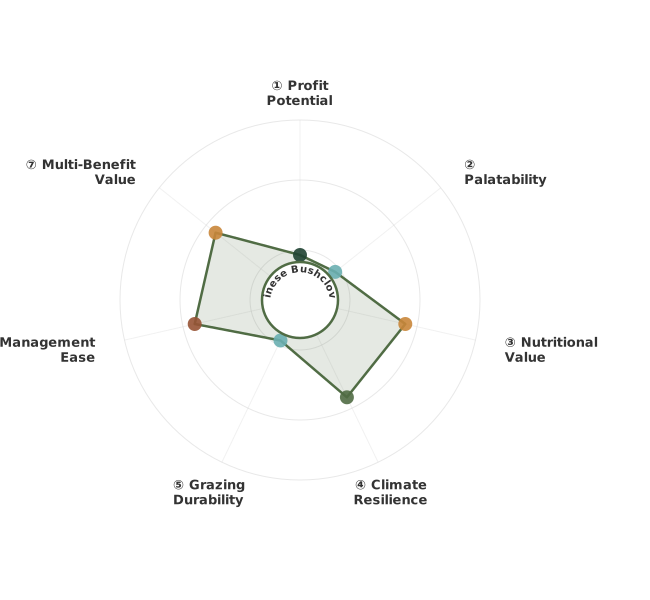
How These Traits Are Calculated
Trait dimensions are ordered clockwise starting from the top of the chart (12 o'clock position):
1. Profit Potential
Economic returns from hay sales, grazing value, and system contributions
WHAT: Synthesizes direct revenue potential (hay sales or grazing service value) with system contributions (nitrogen fixation, reduced supplement needs) into net economic value. Captures both cash income and cost savings.
WHY: Forage profitability comes from two sources—direct sales (hay, haylage) or indirect value (grazing services supporting livestock production). High-value forages provide $300-600/acre in combined revenue and savings versus $100-200/acre for lower-value options. This determines whether forage enterprises are viable versus purchasing feed.
HOW: Scored via LLM synthesis of economics data (hay yields, prices, grazing value), timeline considerations (establishment costs, productive lifespan), and system value (nitrogen contributions, supplement replacement). Exceptional (3.0): High yields with premium pricing or exceptional grazing value plus nitrogen fixation. Typical (2.0): Moderate returns. Limited (1.0): Low yields, commodity pricing, or minimal system contributions.
2. Palatability
Livestock preference and voluntary consumption rates
WHAT: Measures how eagerly livestock consume the forage—preference ranking when choices are available. Highly palatable forages are grazed first and completely; limited palatability means animals avoid unless no alternatives exist.
WHY: Palatability directly determines voluntary intake, which drives animal performance. High-palatability forages support faster weight gain and higher milk production because animals eat more. Low-palatability forages reduce performance and waste productive potential—animals selectively graze preferred species and leave unpalatable plants ungrazed.
HOW: Ratings based on the palatability trait documenting livestock selection preference. Exceptional (3.0): Preferentially selected, high sugar content, tender growth eagerly consumed (orchardgrass, white clover, ryegrass). Typical (2.0): Readily consumed when available. Limited (1.0): Avoided unless no other options (coarse stems, bitter compounds, low digestibility).
3. Nutritional Value
Protein content and forage quality for livestock growth and production
WHAT: Measures protein content as the primary indicator of forage nutritional quality. High-protein forages (>18%) support rapid growth and high milk production; low-protein forages (<12%) require supplementation for production animals.
WHY: Protein is the most expensive supplement in livestock diets ($0.40-0.60/lb). Forages with exceptional protein content eliminate or reduce supplement costs while supporting maximum animal performance. High-quality forage can save $200-400/cow/year in purchased feed versus low-protein options.
HOW: Ratings based on the protein_content trait. Exceptional (3.0): High protein (>18%) supporting rapid weight gain or high milk production (alfalfa, clovers, young grasses). Typical (2.0): Moderate protein (12-18%) for maintenance and moderate production (mature grasses). Limited (1.0): Low protein (<12%) requiring supplementation for production animals (mature warm-season grasses, low-fertility forages).
4. Climate Resilience
Weighted: drought tolerance (60%) + climate adaptability (40%)
WHAT: Combines drought tolerance (primary climate stressor for forages) with overall climate adaptability (temperature range, geographic flexibility). Resilient forages survive extended dry periods and diverse weather patterns.
WHY: Drought is the most common forage crisis—dry years can cut production 50-80% and force costly hay purchases or herd reductions. Drought-tolerant forages maintain productivity through dry spells, reducing feed costs and providing grazing when less-resilient options fail. Geographic adaptability allows forage systems to work across farm regions.
HOW: Weighted formula prioritizes drought tolerance (60% weight) as primary stressor, with climate adaptability (40% weight) for temperature and general flexibility. Exceptional (3.0): Survives extended drought (6+ weeks) with minimal production loss and works across diverse climates. Typical (2.0): Moderate drought and climate tolerance. Limited (1.0): Drought-sensitive or narrow climate requirements.
5. Grazing Durability
Weighted: trampling tolerance (70%) + seasonal availability (30%)
WHAT: Combines grazing tolerance (resistance to trampling and frequent defoliation) with seasonal availability (timing and duration of productive growth). Durable forages handle intensive rotational grazing and provide consistent seasonal production.
WHY: Grazing tolerance determines management system viability. Tolerant forages allow intensive rotational grazing or mob grazing for maximum animal performance and pasture health. Intolerant forages are hay-only or require long rest periods. Seasonal availability indicates production timing—year-round, seasonal gaps, or narrow windows.
HOW: Weighted formula prioritizes grazing tolerance (70% weight) for management system determination, with seasonal availability (30% weight) for production timing. Exceptional (3.0): Handles intensive rotational grazing with consistent seasonal production. Typical (2.0): Moderate tolerance and availability. Limited (1.0): Hay-only species or narrow seasonal production windows.
6. Management Ease
Weighted: establishment ease (50%) + low maintenance needs (50%)
WHAT: Combines establishment difficulty (germination, stand establishment) with ongoing maintenance requirements (fertility, weed control, renovation needs). Easy forages establish reliably and persist without intensive management.
WHY: Pasture establishment is expensive ($150-400/acre) and risky. Easy-to-establish forages reduce stand failure risk and provide quicker returns. Low-maintenance forages reduce annual input costs and labor, improving long-term profitability of grazing systems.
HOW: Weighted formula balances establishment ease (50% weight) for startup success and inverted maintenance intensity (50% weight) for ongoing care. Exceptional (3.0): Fast germination, reliable stand establishment, minimal fertility/weed management needs (white clover, orchardgrass). Typical (2.0): Moderate establishment and care requirements. Limited (1.0): Difficult establishment or intensive maintenance (heavy fertility, frequent renovation, weed competition).
7. Multi-Benefit Value
Ecosystem services beyond forage—nitrogen fixation, pollinator support, wildlife habitat
WHAT: Measures ecosystem services provided beyond livestock nutrition. Multi-benefit forages contribute nitrogen fixation (legumes), pollinator support (flowering species), wildlife habitat, soil building, erosion control, and biodiversity support.
WHY: Forage systems can either extract from farm ecosystems or contribute to them. Nitrogen-fixing legumes (clovers, alfalfa) provide $80-150/acre/year worth of fertility for companion grasses and following crops. Flowering forages support pollinators critical for fruit/vegetable crops. These service-stacking forages deliver total system value beyond livestock production.
HOW: Ratings based on the multi_benefit_value trait documenting service diversity. Exceptional (3.0): Multiple significant benefits (legumes fixing 80-150 lbs N/acre/year + pollinator support + wildlife forage). Typical (2.0): Some ecosystem contributions. Limited (1.0): Single-purpose forage with minimal ecosystem services beyond grazing value.
Ratings are based on documented performance in regenerative systems, not conventional high-input scenarios. All traits assume integrated management practices focused on soil health and ecosystem services.
4
System Role & Multi-Benefit Value
Functional roles, integration strategies, and stacked benefits
System Role & Multi-Benefit Value
Functional roles, integration strategies, and stacked benefits
Functional Role
Total System Value
Chinese bushclover offers significant whole-farm resilience through multiple stacked benefits. As a forage, it provides direct harvest value for livestock, contributing to animal nutrition and growth, especially when managed within rotational grazing systems. Beyond direct feed, it enhances pasture systems by increasing plant diversity, which is crucial for soil health and robust grazing ecosystems (Excerpt 5). Its legume nature suggests potential nitrogen-fixing capabilities, further enriching the soil fertility. In terms of ecosystem services, its root system contributes to soil structure and carbon sequestration, and its presence can support beneficial insects. By providing an alternative forage source and being manageable through grazing, it aids in controlling invasive species like sericea lespedeza (Excerpt 2) and can be a tool in integrated parasite management for livestock (Excerpts 1, 6, 8), reducing reliance on chemical inputs. This diversification of forage and management options reduces farm risk, making the system more adaptable to environmental and economic fluctuations.
Integration Characteristics
Multi-Benefit Value: Adequate - This nitrogen fixer enhances soil fertility and provides biomass for cover cropping and wildlife habitat.
Sources behind this view
 Research
-
Diversification and ecosystem services for conservation agriculture: Outcomes from pastures and integrated crop–livestock systems (opens in new window)
This study found: Conservation farming with diverse plants and integrated crop-livestock systems enhances environmental benefits like soil carbon storage and nutrient cycling, while minimizing soil disturbance and maxi
5
Management & Care Requirements
Integration guidance, maintenance needs, and care practices
Management & Care Requirements
Integration guidance, maintenance needs, and care practices
How to Integrate This Plant
Chinese bushclover (Lespedeza cuneata) serves as a valuable forage integration component in regenerative systems, particularly for livestock. Its primary role is as a fodder source that can be incorporated into grazing management plans. Compatible practices include intensive mob grazing (Excerpts 2, 3, 4) and silvopasture systems where it can coexist with trees, providing understory forage. It can also be managed through mechanical means like mowing to improve its palatability and nutritional value for livestock (Excerpt 2). The plant begins contributing to forage availability from its first growing season, providing significant biomass for grazing by years 3-5. Its value extends beyond direct harvest by improving pasture diversity, potentially contributing to nitrogen fixation (though not explicitly stated in excerpts, it's a legume trait), and enhancing soil organic matter through root turnover. It also offers a browsing opportunity that can help manage invasive broadleaf plants (Excerpt 2), and can be a component in parasite management strategies by offering alternative forage and potentially harboring fewer parasite larvae in its vicinity compared to continuously grazed monocultures.
Integration Practices & Management
Chinese bushclover (Lespedeza cuneata), often referred to as sericea lespedeza, is managed within regenerative agriculture primarily through grazing and mechanical means to control its invasive potential and utilize its biomass. While sources do not detail specific establishment methods like seeding rates or no-till practices, the focus is on its management once present. Greg Judy highlights mowing sericea lespedeza in late July, before seed set, as a critical step. This is followed by a rest period of approximately 30 days before introducing cattle. This grazing strategy, often within intensive mob grazing or rotational systems, allows the plant to regrow into a vegetative state, making it more palatable and manageable. Farmers employ frequent animal movements (e.g., every 12 hours) and provide adequate rest periods (e.g., 60 days) to ensure forage is utilized effectively, with the 'rule of thirds' (eat, trample, leave) being a key principle. Termination strategies are largely mechanical or grazing-based, avoiding herbicides. Mowing before seed production is a key preventative measure. Management centers on controlling its spread and leveraging its growth for grazing, rather than specific fertility needs or integration into cash crops, which are not detailed in the provided texts. The knowledge base indicates a focus on using grazing to manage this plant's growth and prevent seed spread, thereby integrating it into livestock systems.
Management Profile
Maintenance Intensity: Adequate - As a nitrogen-fixing legume, it contributes to soil fertility; managing its spread through grazing or cover cropping is key to system integration.
Sources behind this view
 Videos & Podcasts
-
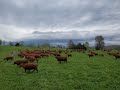
Greg Judy explains that allowing sufficient pasture rest (60+ days) enables clover to produce seed for regeneration, improving pasture health and promoting native grasses. He notes that Korean lespede
-
Discusses natural clover regeneration via seed production (30-60 seeds/head) and sheep's preference for sericia lespedeza, which they graze heavily. Warns against planting perennial sericia lespedeza
8
Know the Debate
Chinese bushclover is best suited for regions with moderate rainfall (over 30 inches annually) and USDA Zones 5-7, where its deep roots (3-6 ft) im...
Know the Debate
Chinese bushclover is best suited for regions with moderate rainfall (over 30 inches annually) and USDA Zones 5-7, where its deep roots (3-6 ft) im...
Chinese bushclover is best suited for regions with moderate rainfall (over 30 inches annually) and USDA Zones 5-7, where its deep roots (3-6 ft) improve soil structure and nutrient cycling. It requires a shallow planting depth (0.25-0.5 inches) and good seed-to-soil contact, often established in late spring or early fall. Management involves balancing its high forage value (14-20% protein) with its potential invasiveness through adaptive grazing, allowing 45-60 day rest periods and removing animals at 3-4 inches residual height. While it fixes substantial nitrogen, its actual contribution varies with soil conditions.
Is Chinese bushclover beneficial or invasive?
Beneficial Forage & Soil Builder
In degraded or low-fertility systems, Chinese bushclover is highly beneficial, improving soil structure, fixing significant nitrogen (50-150 lbs/acre), and providing nutritious forage (14-20% protein). Its deep roots enhance water infiltration, and its dense growth suppresses weeds and erosion.
Sources behind this view
Sources behind this view
Videos & Podcasts
-
Clovers establish slowly and compete poorly with weeds, but offer good regrowth. Versine clover tolerates heat and wet soils, suitable for interceding. Faba beans thrive in cold, wet soils, are unpalatable to cattle, and have large seeds.
-
Discusses several nitrogen-fixing plants for animal feed and soil health: Alfalfa (nutrient-dense, adaptable), Clover (winter cover, good for milk producers), Hairy Vetch (high protein, harvest timing critical), Bird's foot trefoil (thrives in poor soil, non-bloating), and Lespedeza (adaptable, deep roots, invasive).

Research
-
Clover frost‐seeding rate effects on productivity and nutritive value of tall fescue pastures during the year of establishment (opens in new window)
This study found: AbstractFrost seeding is a low‐cost effective strategy to introduce legumes into existing perennial pastures; however, it has been deemed unreliable in the upper southeast USA. We evaluated frost seeding planting rate effects of clover (Trifolium spp.) during the year of establishment on productivity and nutritive value of clover‐tall fescue [Festuca arundinacea (Schreb.) Darbysh.] pastures. Ball (T. nigrescens Viv.), crimson (T. incarnatum L.), red (T. pratense L.), and white (T. repens L.) clover were frost seeded in the Piedmont and Coastal Plain for 3 yr (2017–2019). Planting rates were 0X, 0.5X, 1X, 1.5X, and 2X of the recommended rate (X) of 5.6, 13.5, 11.2, and 5.6 kg ha–1 for ball, crimson, red, and white clover, respectively. At Coastal Plain, clover accounted for ≤16%. At Piedmont, ball, crimson, red, and white clover accounted for up to 27, 48, 21, and 15%, respectively. Notwithstanding similar clover frequency early in the growing season at both locations, competition from tall fescue in a higher rainfall environment is attributed to the lower clover contribution at Coastal Plain. Increasing clover frost‐seeding rate resulted in greater crude protein (130–154 g kg–1) and total digestible nutrients (586–610 g kg–1) only at Piedmont. The results from this study support the practice of frost‐seeding ball, crimson, red, and white clover at planting rates of 5.6, 20.2, 11.2, and 5.6 kg ha–1, respectively, into tall fescue pastures in the Piedmont; however, minimal or no benefits of frost seeding clover were observed in the Coastal Plain.
Aggressive Invasive Species
In many ecosystems, especially in less degraded or dryland environments, Chinese bushclover is considered highly invasive. It aggressively outcompetes native vegetation, leading to reduced biodiversity and an undesirable monoculture that can negatively impact the overall ecological health of the land.
Sources behind this view
Sources behind this view
Videos & Podcasts
-
Clovers establish slowly and compete poorly with weeds, but offer good regrowth. Versine clover tolerates heat and wet soils, suitable for interceding. Faba beans thrive in cold, wet soils, are unpalatable to cattle, and have large seeds.
-
Discusses several nitrogen-fixing plants for animal feed and soil health: Alfalfa (nutrient-dense, adaptable), Clover (winter cover, good for milk producers), Hairy Vetch (high protein, harvest timing critical), Bird's foot trefoil (thrives in poor soil, non-bloating), and Lespedeza (adaptable, deep roots, invasive).
Making Sense of the Differences
The distinction between beneficial forage and invasive threat hinges on context: management intensity and ecological setting. In degraded pastures lacking nitrogen and structure, its aggressive growth can be harnessed for soil improvement and livestock feed, provided grazing is managed to prevent over-dominance. However, in more intact or dryland ecosystems, its robust growth can outcompete native flora, disrupting biodiversity. Farmers must assess soil fertility, moisture availability, existing plant communities, and their specific management capacity to determine whether Chinese bushclover will be a valuable addition or an ecological challenge.
How much nitrogen does Chinese bushclover fix?
Significant Nitrogen Fixation (50-150 lbs/acre)
As a legume, Chinese bushclover can fix a substantial amount of atmospheric nitrogen, with estimates ranging from 50-150 lbs/acre annually. This significantly reduces the need for synthetic nitrogen inputs and contributes to improved soil fertility for subsequent crops.
Sources behind this view
Sources behind this view
 From the Web
-
Sweetclovers (white and yellow) tolerate diverse temperatures (5.7-24.3 C) and precipitation (mean 7.8 dm), preferring pH 4.8-8.2 and various soil types. Their deep roots improve soil structure, water infiltration, and nutrient mining, with yellow sweetclover offering drought tolerance and enhanced N use efficiency when mixed with grasses.
Variable Nitrogen Contribution
While a legume, the actual nitrogen contribution can be highly variable and may not reach higher estimates in all conditions. Factors like soil conditions, moisture, rhizobia presence, and management intensity influence the actual output.
Sources behind this view
Sources behind this view
Videos & Podcasts
-
Discusses several nitrogen-fixing plants for animal feed and soil health: Alfalfa (nutrient-dense, adaptable), Clover (winter cover, good for milk producers), Hairy Vetch (high protein, harvest timing critical), Bird's foot trefoil (thrives in poor soil, non-bloating), and Lespedeza (adaptable, deep roots, invasive).
Making Sense of the Differences
Nitrogen fixation rates vary significantly based on soil conditions, moisture availability, presence of compatible rhizobia bacteria, and management. Optimal soil pH (4.8-8.2) and adequate phosphorus and potassium are crucial for effective nodulation. Management such as appropriate grazing or mowing timing also impacts nitrogen contribution. In systems with poor soil biology or extreme drought, fixation may be at the lower end of the spectrum.
What is the optimal grazing management for bushclover?
Intensive Rotational Grazing for Control and Use
Intensive rotational grazing with frequent moves and adequate rest periods is recommended to manage bushclover. Removing animals when forage is grazed to 3-4 inches, with 45-60 day rest periods, ensures regrowth and stand longevity while controlling its spread.
Sources behind this view
Sources behind this view
Videos & Podcasts
-
Clovers establish slowly and compete poorly with weeds, but offer good regrowth. Versine clover tolerates heat and wet soils, suitable for interceding. Faba beans thrive in cold, wet soils, are unpalatable to cattle, and have large seeds.
-
Discusses several nitrogen-fixing plants for animal feed and soil health: Alfalfa (nutrient-dense, adaptable), Clover (winter cover, good for milk producers), Hairy Vetch (high protein, harvest timing critical), Bird's foot trefoil (thrives in poor soil, non-bloating), and Lespedeza (adaptable, deep roots, invasive).
-
Introduces the 'Rejuvenation' perennial cover crop blend for marginal pastures, featuring diverse legumes like alfalfa, sainfoin, and clovers. Recommends 5-10 lbs/acre seeding rates and emphasizes patience, altered grazing management (long rest, high intensity), and soil incorporation for establishment over 1-4 years.

Variable Management Based on Context
Optimal grazing management varies; some farmers find less intensive grazing leads to bushclover dominance, while others successfully integrate it into diverse pastures with varied intensities and rest periods. The key is adapting to specific operation goals and pasture composition.
Sources behind this view
Sources behind this view
Videos & Podcasts
-
Clovers establish slowly and compete poorly with weeds, but offer good regrowth. Versine clover tolerates heat and wet soils, suitable for interceding. Faba beans thrive in cold, wet soils, are unpalatable to cattle, and have large seeds.
-
Discusses several nitrogen-fixing plants for animal feed and soil health: Alfalfa (nutrient-dense, adaptable), Clover (winter cover, good for milk producers), Hairy Vetch (high protein, harvest timing critical), Bird's foot trefoil (thrives in poor soil, non-bloating), and Lespedeza (adaptable, deep roots, invasive).
Making Sense of the Differences
Effective grazing management of Chinese bushclover balances its forage benefits with controlling its dominance. Intensive rotational grazing with sufficient rest (45-60 days) and appropriate residual heights (3-4 inches) promotes its growth and longevity while preventing over-dominance. However, the optimal intensity, duration, and livestock type vary based on the specific farm context, environmental conditions, and pasture goals. Adapting management strategies to local conditions and desired outcomes is crucial for successful integration.