
Biological Pest Control
Biological pest control uses natural enemies—beneficial insects, predatory mites, nematodes, microbes, or even birds and bats—to manage pest populations. Instead of broad-spectrum pesticides that harm beneficials, this approach fosters a balanced ecosystem where natural predators and parasites keep pest numbers in check, promoting healthier soil and reducing reliance on external inputs.
Read More: Complete Description
Biological pest control, often referred to as biocontrol, is a strategy that leverages the natural enemies of pests to manage their populations and reduce damage to crops and livestock. This approach shifts from a purely interventionist mindset to one of ecological management, working with nature rather than against it. It involves identifying key pests and understanding their life cycles, then introducing or encouraging their natural predators, parasites, or pathogens. The goal is to create a resilient agricultural ecosystem where pest outbreaks are rare and manageable through inherent biological regulation.
This practice aligns deeply with regenerative agriculture principles by fostering biodiversity, minimizing soil disturbance, and reducing reliance on synthetic inputs. By supporting beneficial organisms, biological pest control directly contributes to maximizing crop diversity (Principle 2) through the development of complex, multi-species ecosystems. It indirectly supports minimizing soil disturbance (Principle 1) by reducing the need for broadcast pesticide applications that can negatively impact soil microbes. Furthermore, healthy soil ecosystems, rich in organic matter and microbial life, often support a greater diversity of beneficial arthropods and microorganisms, thus playing a role in keeping soil covered and maintaining living roots (Principles 3 & 4) through improved plant health and resilience. Integrating livestock (Principle 5) can also contribute to biological pest control, as certain animals like chickens or ducks can forage on insect pests in pastures or around crop perimeters, or livestock manure can support a healthy soil food web which in turn supports beneficial insects.
Biological pest control can be categorized into several types. Classical biological control introduces a new natural enemy from a pest's native region into a new area where it's causing problems. Augmentative biological control involves releasing large numbers of commercially reared natural enemies into the field to supplement existing populations, often as a seasonal boost or to quickly suppress a pest outbreak. Conservation biological control focuses on enhancing the effectiveness of existing natural enemies by providing them with the habitat, food, and water they need to thrive. This might include planting hedgerows, cover crops, or flowering strips that offer shelter and alternative food sources.
A fundamental aspect of implementing biological pest control is understanding pest and beneficial insect life cycles and their interactions within the specific agroecosystem. For instance, ladybugs are voracious predators of aphids, while parasitic wasps can lay their eggs inside aphid bodies, killing them from within. Predatory mites can control spider mites on crops, and beneficial nematodes can target soil-dwelling insect larvae. Entomopathogenic fungi and bacteria, like Bacillus thuringiensis (Bt) or Beauveria bassiana, can also be used to infect and kill specific insect pests.
The transition to biological pest control often involves phasing out broad-spectrum synthetic pesticides. While this transition can be challenging, especially if current pest populations are high, the long-term benefits include reduced input costs, improved soil health, better water quality, enhanced biodiversity above and below ground, and increased resilience to pest resistance. It’s crucial to recognize that biocontrol is not always an immediate fix; it's about building a sustainable system that manages pests, rather than eradicates them. Misapplication, such as spraying broad-spectrum insecticides in an area where beneficials have been released, can negate the entire effort. Success is measured by consistently lower pest damage and a healthier, more diverse farm ecosystem over time.
Sources behind this view
Sources behind this view
 Videos & Podcasts
-
Biocontrols offer advantages over synthetic pesticides: they are biodegradable, low-risk to non-target organisms, reduce pest resistance development due to complex modes of action, and are produced su
-
Biological inputs like mycorrhizal fungi are living and require a holistic, long-term agronomic approach, not a simple replacement for conventional products. Success depends on understanding interacti

-
Covers biological pest control methods, including BT strains, nematodes, spinosad, and 'goal area' for pests like emerald ash borers and vegetable weevils. Emphasizes specificity of biologicals, rotat
-
Biological control uses natural enemies: classic (introducing native pest's enemy), augmentation (releasing non-native enemies), and conservation (enhancing existing enemies). Ideal natural enemies ha

 Community
-
Guidance on biological pest control using natural enemies, emphasizing conservation over release. Details purchasing, release methods (inoculation/inundation), effective timing, and avoiding pesticide
Read more (opens in new window) ucanr.edu -
IPM employs a combination of biological, cultural, mechanical, and chemical controls when pest thresholds are met, prioritizing prevention and minimizing harm. Key practices include encouraging benefi
Read more (opens in new window) ucanr.edu -
Explores Bacillus Thuringiensis (Bt) for pest control, cautioning about GMO strains and temporary relief, while advocating for ecological methods like attracting insect-eating birds and selecting for
Read more (opens in new window) permies.com -
Enhance natural enemy releases by accurately identifying pests/enemies, understanding their biology, and timing releases to vulnerable pest stages. Avoid broad-spectrum pesticides; use selective appli
Read more (opens in new window) ucanr.edu
 Research
-
Restoring functional integrity of the global production ecosystem through biological control (opens in new window)
This study found: Using nature's diversity (biological control) can fix degraded farm ecosystems, improve crop health, and manage pests, but needs integration with sustainable farming practices and policy support.
-
Orchard systems offer low-hanging fruit for low-carbon, biodiversity-friendly farming (opens in new window)
This study found: Orchards can be managed for lower carbon emissions, increased biodiversity, and better soil health by focusing on natural pest control and reducing pesticide use.
-
The Future of Farming with Advances in Biological Control Techniques for Crop Health (opens in new window)
This study found: Farming's future involves advanced biological pest control using natural enemies and microbe-based pesticides. Precision tech and gene editing will enhance crop health and resilience against climate c
-
Conservation biological control and enemy diversity on a landscape scale (opens in new window)
This study found: Effective natural pest control requires managing the entire farm landscape. Diverse, connected habitats around crops support a wider range of beneficial insects, leading to better pest regulation. Mor
 From the Web
-
Biological control uses natural enemies for pest management through conservation, augmentation, and classical methods, offering sustainable alternatives to chemical pesticides.
-
Biological products are used for plant disease, insect, weed, and nutrient management, enhancing crop yield and system resilience when integrated into IPM/IPM systems. Industry self-regulation and ong
-
Biological pest management enhances biodiversity and ecosystem services by increasing predator abundance, leading to higher crop yields, reduced pest damage, and cost savings for farmers, though clima
-
Biological control uses natural enemies like parasitoids, predators, and entomopathogens to manage pests. Advantages include no toxic residues and no resistance development. Conserving natural enemies
Key Points
What It Is
- Uses natural enemies to control pests
- Supports beneficial insects, microbes, and wildlife
- Fosters ecological balance on the farm
Why Do It
- Reduces reliance on synthetic pesticides
- Builds healthier, more resilient ecosystems
- Supports crop diversity and soil biology
Know the Debate
- Biocontrol uses natural enemies to manage pests.
- Reduces pesticide reliance and cost.
- Requires habitat and ecosystem balance.
- Results take 2-5 years to stabilize.
Benefits - Financial
- Reduced synthetic pesticide costs by $250–$600 per acre ($618–$1,483 per hectare) annually.
- Increased crop quality and yield potential by 8–15%.
- Long-term net profit increase of $300–$500 per acre ($741–$1,236 per hectare) annually.
Benefits - System
- Enhanced farm biodiversity: insect, bird, microbe populations
- Improved soil health: reduced chemical disruption
- Supports Principle 2 (Maximize Crop Diversity) indirectly
Risks - Financial
- Significant crop loss risk of 20–30% if monitoring fails.
- Transition period yield dips of 5–10% over the first three years.
- Habitat establishment costs reaching $45–$180 per acre ($111–$445 per hectare).
Risks - System
- Ineffective if habitat/food for beneficials is missing
- Broad-spectrum pesticides kill beneficials
- Pest resistance can still develop if not managed holistically
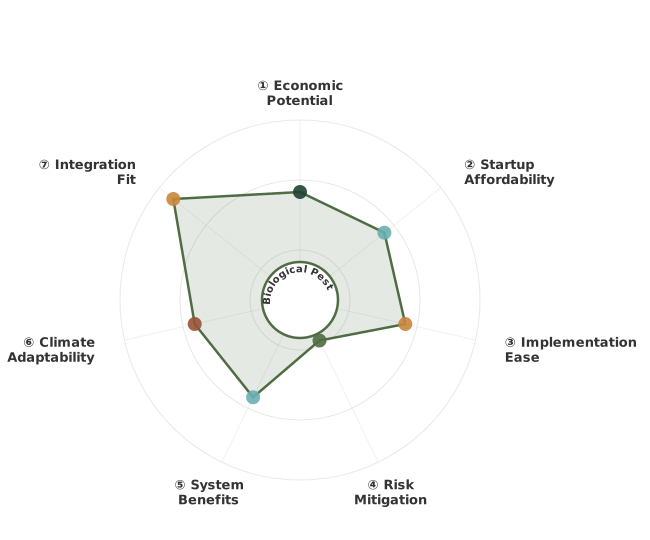
How These Traits Are Calculated
Trait dimensions are ordered clockwise starting from the top of the chart (12 o'clock position):
1. Economic Potential
Financial returns, annual value, and break-even timeline
WHAT: Evaluates financial viability by combining net annual value ($/ha from savings, income, and amortized harvests) with break-even timeline showing when practices pay for themselves.
WHY: Farmers need clear ROI understanding before committing resources. Fast payback (≤3 years) with strong returns (≥$300/ha) enables confident adoption, while long timelines (>10 years) restrict adoption to well-funded operations willing to wait for returns.
HOW: Calculated from net annual value in $/ha and break-even years. Exceptional (≥2.6): fast ROI ≤3 years + high value ≥$300/ha. Typical (1.8-2.5): moderate returns or longer timelines. Limited (<1.8): marginal economics or very long payback >10 years.
2. Startup Affordability
Initial investment costs and financial barrier to entry
WHAT: Measures financial barrier to entry through startup costs for equipment, infrastructure, consulting, and materials. Inverted scoring: lower costs = higher scores = more accessible adoption.
WHY: Affordability determines who can adopt. Low-cost practices (<$250/ha) enable widespread adoption across diverse scales, while high costs (>$2,500/ha) limit adoption to well-capitalized operations, creating barriers that slow regenerative transition.
HOW: Calculated from initial investment parsed from practice content. Inverted scoring: Exceptional (≥2.6): minimal investment <$250/ha. Typical (1.8-2.5): moderate costs $250-2,500/ha. Limited (<1.8): high barrier >$2,500/ha.
3. Implementation Ease
Learning curve and specialized knowledge required
WHAT: Measures how much learning, planning, and specialized knowledge a practice requires. Simpler practices with fewer steps score higher, while complex practices requiring extensive training or specialized resources score lower.
WHY: Complex practices create adoption barriers even when economically viable. Straightforward practices enable faster adoption and broader participation, while those requiring extensive training, timing precision, or specialized equipment limit who can succeed.
HOW: Evaluated by measuring documentation length and identifying complexity markers like location-specific requirements, seasonal timing windows, specialized skills, and dedicated equipment needs. Exceptional (≥2.6): straightforward practices with minimal prerequisites. Typical (1.8-2.5): moderate learning curve with some specialized needs. Limited (<1.8): steep learning curve requiring significant training or resources.
4. Risk Mitigation
Identified financial and ecological risk assessment
WHAT: Evaluates documented risks across financial (investment loss, market volatility) and ecological (crop failure, pest outbreaks) domains. Inverted scoring: fewer risks = higher scores.
WHY: Understanding risk exposure helps farmers make informed decisions. Low-risk practices allow confident implementation, while high-risk practices require careful planning and contingency resources. Risk transparency prevents costly failures.
HOW: Calculated from identified risks in practice content. Inverted scoring: Exceptional (≥2.6): ≤2 risks with manageable severity. Typical (1.8-2.5): 3-5 moderate risks. Limited (<1.8): 6+ risks or severe exposure.
5. System Benefits
How many ways the practice improves your land simultaneously
WHAT: Measures how many aspects of land health improve at once—carbon storage, soil quality, erosion control, water absorption, and biodiversity. Practices that improve multiple areas simultaneously create compounding benefits where each improvement reinforces the others.
WHY: The best practices solve multiple problems at once. For example, addressing erosion simultaneously builds carbon and improves water infiltration, creating a resilient system with positive feedback loops. Single-benefit approaches miss these compound transformation opportunities.
HOW: Evaluated across five key outcomes: carbon sequestration, soil organic matter increase, erosion reduction, water infiltration improvement, and biodiversity enhancement. Exceptional (≥2.6): high carbon storage (>8 t/ha/yr), improvements across 4-5 areas, transformative outcomes. Typical (1.8-2.5): moderate carbon (3-8 t/ha/yr), improvements across 2-3 areas. Limited (<1.8): modest impact (<3 t/ha/yr), single-area focus only.
6. Climate Adaptability
Geographic applicability across Köppen climate zones
WHAT: Evaluates geographic applicability by assessing how many Köppen climate zones successfully support a practice and what adaptation requirements are needed. Measures breadth of climates where farmers can implement with minimal to moderate modifications.
WHY: Universal practices working across diverse climates enable more farmers to adopt regenerative approaches. Practices limited to single climate types (only Mediterranean, only tropical) restrict adoption and slow global transition. Adaptability determines whether a practice serves niche regions or offers broad transformation.
HOW: LLM evaluation of regional success stories, Köppen zone coverage, and adaptation needs. Exceptional (≥2.6): 5+ zones or 4+ climate types, 3+ continents, minimal adaptation. Typical (1.8-2.5): 3-4 zones or 2-3 types, 2 continents, moderate adaptation. Limited (<1.8): 1-2 zones, single region, significant adaptation or highly specialized.
7. Integration Fit
How well this practice combines with others you're doing
WHAT: Measures how well a practice combines with other regenerative practices you might be doing. Some practices work as building blocks that make many other practices easier or more effective, while others work best on their own.
WHY: Practices that combine well with many others create more value on your farm. For example, cover cropping enables no-till, improves grazing, supports crop diversity, and helps water management—making all of them work better together. This helps you build a coherent system rather than juggling disconnected practices.
HOW: Evaluated by identifying which practices combine well and how strong those combinations are. 'Ideally Suited' means strong combinations where practices reinforce each other (practice A makes B easier, while B makes A more effective). 'Adequate' means complementary benefits that work well together. Exceptional (≥2.6): combines well with 6+ practices, serves as a building block. Typical (1.8-2.5): combines with 3-5 practices. Limited (<1.8): 1-2 practices or works best alone.
Going Deeper
1
WHY - The Benefits
Biological pest control offers a cascade of benefits that extend beyond simply managing pests, contributing to a more resilient, productive, and ecologically sound farming system. It shifts the paradigm from chemical knockdown to ecological balance, fostering a healthier...
Biological pest control offers a cascade of benefits that extend beyond simply managing pests, contributing to a more resilient, productive, and ecologically sound farming system. It shifts the paradigm from chemical knockdown to ecological balance, fostering a healthier...
WHY - The Benefits
Biological pest control offers a cascade of benefits that extend beyond simply managing pests, contributing to a more resilient, productive, and ecologically sound farming system. It shifts the paradigm from chemical knockdown to ecological balance, fostering a healthier...
Biological pest control offers a cascade of benefits that extend beyond simply managing pests, contributing to a more resilient, productive, and ecologically sound farming system. It shifts the paradigm from chemical knockdown to ecological balance, fostering a healthier...
Soil Health Benefits
By reducing or eliminating the use of broad-spectrum synthetic pesticides, biological pest control directly contributes to a healthier soil food web. Synthetic pesticides can indiscriminately harm beneficial soil microorganisms—bacteria, fungi, protozoa, and nematodes—that are crucial for nutrient cycling, soil structure, and plant health. Reducing this chemical pressure allows these beneficial soil organisms to flourish, leading to increased soil organic matter, improved water infiltration, and better nutrient availability for crops. A diverse community of soil microbes also supports the establishment and persistence of beneficial above-ground insects by providing them with food sources or habitat. For example, healthy soil can support populations of ground beetles that prey on insect pests, or it can foster the development of fungal pathogens that target specific insect pests. Over time, this leads to more fertile, resilient soil that requires fewer artificial amendments.
The improved plant health resulting from reduced pest pressure and healthier soil also contributes indirectly to soil health. Healthier plants have more robust root systems, which exude carbohydrates that feed soil microbes and build soil structure. They also contribute more organic matter to the soil surface through leaf litter and root turnover, further enhancing soil biology and fertility. This creates a positive feedback loop where healthy soil supports healthy plants, which in turn further improve soil health.
Economic Benefits
The primary economic benefit of biological pest control is the significant reduction or elimination of costs associated with synthetic pesticides. Depending on the crop and region, these costs can range from under $50 to over $500 per hectare annually (USD equivalent). Over several years, these savings can be substantial, freeing up capital for investment in other regenerative practices. Beyond direct input cost savings, biological pest control can lead to improved crop quality and higher yields. By managing pests more selectively, it prevents significant crop damage that can lead to downgrading of produce or complete yield loss. Healthier plants, less stressed by pests and supported by healthier soil, often produce higher quality fruits, vegetables, or grains.
Furthermore, biological pest control fosters long-term stability. It reduces the risk of pests developing resistance to chemical pesticides, which often necessitates more expensive or toxic inputs down the line. By managing pests within their ecological limits, biological control creates a more predictable and sustainable pest management strategy, reducing the financial volatility associated with frequent pest outbreaks that require reactive chemical interventions. As soil health improves and the farm ecosystem becomes more balanced, the need for external pest control measures diminishes, leading to increased profitability and a more secure economic future for the farm.
Regenerative Systems Fit
Biological pest control is a powerful enabler of multiple regenerative agriculture principles:
Principle 1 (Minimize Soil Disturbance): By reducing the need for broadcast pesticide applications, biological pest control minimizes chemical disturbance to the soil food web. This allows the natural soil structure and biological communities to remain intact and undisturbed, fostering greater resilience and fertility.
Principle 2 (Maximize Crop Diversity): Biological pest control thrives in diverse cropping systems. A wider variety of plants provides diverse habitats, food sources, and attractants for a broader range of beneficial insects and other natural enemies. This principle is inherently synergistic: diverse crops support diverse beneficials, and diverse beneficials help manage pests across a variety of crops.
Principle 3 (Keep Soil Covered): While not directly a soil covering practice, biological pest control supports healthy plant growth which, in turn, helps keep the soil covered year-round. Healthy, vigorous plants create a living mulch, protecting the soil from erosion and moisture loss. Furthermore, some beneficial insects require specific plant cover (like hedgerows or cover crops) for habitat, linking these principles directly.
Principle 4 (Maintain Living Roots): Healthy plants supported by biological pest control have robust root systems that maintain living roots in the soil for longer periods, feeding soil microbes and improving soil structure. Reduced pest pressure allows plants to allocate more energy to root development rather than defense.
Principle 5 (Integrate Livestock): When managed properly, livestock can play a role in biological pest control. For example, chickens and ducks can forage for insect pests, and the targeted impact of high-density, rotational grazing can stimulate pasture health. Manure from well-managed livestock enriches the soil, supporting a healthy soil food web that includes beneficial microbes and insects. However, it is crucial that grazing is managed to provide adequate plant recovery time; continuous, set-stock grazing is generally degenerative, reducing plant diversity and harming the very ecosystem beneficials depend on.
The integration of biological pest control into a regenerative system creates a self-reinforcing cycle. Healthier soil supports more diverse plant life, which in turn supports a greater diversity and abundance of beneficial organisms. This balanced ecosystem naturally keeps pest populations in check, reducing the need for external inputs and further enhancing soil health and plant vigor. Ultimately, biological pest control moves a farm away from a reactive, input-dependent model towards a proactive, ecosystem-based approach that builds long-term resilience and sustainability.
Sources behind this view
Videos & Podcasts
-
Four NRCS principles for soil health benefit pest management: maintain continuous living roots (via cover crops), minimize disturbance (reduce tillage), maintain surface residue (organic mulch), and m
-
Historically, pesticide companies opposed biological control, causing financial losses and suppression of knowledge. Increased interest in organic food now supports ecological farming, but conventiona
-
Agricultural research is too reductionist, hindering biocontrol adoption. There's a critical need for funding and development of multifactorial, Integrated Pest Management (IPM) systems that integrate
-
Biological farming transition resulted in significant reductions: 35-75% N on livestock farms, 15-50% on tillage farms. Insecticides reduced 100%, fungicides 30-60%, and herbicides 30%, with nutrition
Community
-
Guidance on biological pest control using natural enemies, emphasizing conservation over release. Details purchasing, release methods (inoculation/inundation), effective timing, and avoiding pesticide
Read more (opens in new window) ucanr.edu -
A new IPM paradigm emphasizes prevention, monitoring, and control using diverse methods like host resistance, cultural, biological, and chemical controls. It integrates management, business, and susta
Read more (opens in new window) ucanr.edu -
Debate on using OMRI-listed organic insecticides (Neem, B.t.) versus holistic permaculture approaches. Proponents of organic sprays cite necessity in high-pest areas for profitability, while permacult
Read more (opens in new window) permies.com -
Biological control uses natural enemies like parasites and predators. Conserving existing ones is preferred over releases. If releasing, consult UC IPM guidelines for effectiveness, use ANBP members,
Read more (opens in new window) ucanr.edu
Research
-
Restoring functional integrity of the global production ecosystem through biological control (opens in new window)
This study found: Using nature's diversity (biological control) can fix degraded farm ecosystems, improve crop health, and manage pests, but needs integration with sustainable farming practices and policy support.
-
Orchard systems offer low-hanging fruit for low-carbon, biodiversity-friendly farming (opens in new window)
This study found: Orchards can be managed for lower carbon emissions, increased biodiversity, and better soil health by focusing on natural pest control and reducing pesticide use.
-
Biological Control in Organic Agriculture (opens in new window)
This study found: Using natural pest control methods like plant extracts (botanicals) is crucial for sustainable farming. Unlike chemical pesticides, botanicals improve soil health, are cost-effective, and safer for th
-
Conservation biological control and enemy diversity on a landscape scale (opens in new window)
This study found: Effective natural pest control requires managing the entire farm landscape. Diverse, connected habitats around crops support a wider range of beneficial insects, leading to better pest regulation. Mor
From the Web
-
Organic pest management follows a three-tiered NOP approach: preventative cultural practices, biological/physical methods, and allowed materials as a last resort. Vegetation management, cover crops, a
-
Ecological pest management uses biodiversity and resource management to suppress pests, improve soil health, and increase profitability by leveraging natural ecosystem services and beneficial organism
-
Biological pest management enhances biodiversity and ecosystem services by increasing predator abundance, leading to higher crop yields, reduced pest damage, and cost savings for farmers, though clima
-
Biological control uses natural enemies for pest management through conservation, augmentation, and classical methods, offering sustainable alternatives to chemical pesticides.
2
WHERE - Regional Considerations
Biological pest control is applicable across all agricultural regions and climate zones, as natural enemies exist globally. However, the specific implementations and success depend on local ecological conditions, climate, cropping systems, and the availability of natural...
Biological pest control is applicable across all agricultural regions and climate zones, as natural enemies exist globally. However, the specific implementations and success depend on local ecological conditions, climate, cropping systems, and the availability of natural...
WHERE - Regional Considerations
Biological pest control is applicable across all agricultural regions and climate zones, as natural enemies exist globally. However, the specific implementations and success depend on local ecological conditions, climate, cropping systems, and the availability of natural...
Biological pest control is applicable across all agricultural regions and climate zones, as natural enemies exist globally. However, the specific implementations and success depend on local ecological conditions, climate, cropping systems, and the availability of natural...
Click Here to Look up your Region if you don't already know it
Tropical Regions
Representative Locations: Southeast Asia, Central America, Sub-Saharan Africa, Northern Australia
Climate Context: High temperatures year-round, with distinct wet and dry seasons or consistent high rainfall. Köppen Af/Am/Aw.
Application: Tropical regions often have high biodiversity, meaning natural enemies are abundant. Challenges can include high pest pressure due to rapid life cycles and warm conditions, and potential disruption from heavy rainfall or intense sunlight. Conservation biocontrol is highly effective, focusing on creating habitat for endemic natural enemies such as predatory beetles, parasitic wasps, and spiders. For example, intercropping with flowering plants can provide nectar and pollen for adult beneficial insects, supporting their populations between pest outbreaks. Augmentative releases of beneficial insects, like ladybugs for aphid control or parasitic wasps for fruit fly management, are also common and often highly successful due to the favorable climate for beneficial reproduction.
Arid and Semi-Arid Regions
Representative Locations: US Southwest, North Africa, Central Asia, Interior Australia
Climate Context: Low annual precipitation (<40 cm or 15 inches), high temperatures, short and often unpredictable growing season. USDA Zones 7-9, Köppen BSh/BSk.
Application: Water scarcity and extreme temperatures can limit both pest and beneficial insect populations. Successful biocontrol here often relies on drought-tolerant beneficial species, or conservation strategies that provide water and shelter (e.g., mulching, strategically placed windbreaks or vegetation strips). Augmentative releases may be more challenging if the environment is not conducive to the survival and reproduction of the released agents. Integrated pest management that combines biocontrol with cultural practices (like choosing drought-resistant crop varieties that are less susceptible to pests) and judicious use of less harmful biopesticides (like spinosad) can be effective. Careful monitoring is key, as pest outbreaks can be rapid and severe when conditions favor them.
Mediterranean Regions
Representative Locations: California, Mediterranean basin, central Chile, southwestern Australia
Climate Context: Hot, dry summers and mild, wet winters. Annual precipitation 40-90 cm (15-35 inches), highly seasonal. USDA Zones 8-10, Köppen Csa/Csb.
Application: The distinct wet and dry seasons create varied opportunities and challenges for biological pest control. Mild, wet winters can support overwintering populations of both pests and beneficials. Summer drought can stress insect populations. Conservation biocontrol is well-suited, focusing on habitat corridors and overwintering sites for beneficial insects. For example, reducing broad-spectrum pesticide use during the mild winter and spring periods can allow beneficial populations to build up significantly before pest outbreaks occur in the dry summer. Augmentative releases can be timed to supplement natural populations during critical crop growth stages, especially in areas with lower endemic beneficial populations.
Humid Temperate Regions
Representative Locations: Northern Europe, eastern China, northeastern US, southeastern Canada
Climate Context: Warm to hot summers and cool to cold winters with moderate to high annual precipitation (75-150 cm or 30-60 inches) distributed relatively evenly. USDA Zones 6-8, Köppen Cfb/Cfa.
Application: These regions often host a wide array of native beneficial insects and microorganisms. Conservation biocontrol is highly effective, focusing on maintaining diverse landscapes with non-crop habitats such as field margins, insectary plants, and hedgerows. The moderate climate allows for extended periods where beneficials can reproduce and hunt. Augmentative releases are also successful, and often the timing is critical to match the life cycles of both the pest and the beneficial agent. Crop rotation and intercropping are key strategies in these regions to manage diverse pest pressures and provide varied habitats for beneficials throughout the season.
Cold Continental Regions
Representative Locations: Northern US and Canada, Northern Europe, Northern Asia
Climate Context: Very short growing seasons, extreme summer heat, severe winter cold. USDA Zones 3-5, Köppen Dfa/Dfb.
Application: The harsh winters can significantly reduce pest populations, but also challenge the overwintering survival of beneficial insects and their food sources. Successful biocontrol here often involves maximizing the short growing season for both pests and beneficials, and understanding which beneficial species can effectively overwinter. Conservation strategies might focus on providing shelter for overwintering insects and ensuring a food base is available as soon as the growing season begins. Augmentative releases need to be timed precisely when pests appear and temperatures are suitable for beneficial activity. Some strategies may involve using biological agents that have a more rapid life cycle or can reproduce quickly within the limited frost-free period.
3
HOW - Implementation Process
HOW - Implementation Process
- Pest Identification: Accurate identification of the target pest(s) is crucial. Understanding their life cycle, feeding habits, and preferred habitats is the first step.
- Assessment of Natural Enemies: Identify existing natural enemies present on the farm. This helps determine gaps that need to be filled.
- Understanding the Ecosystem: Consider the broader farm environment: soil health, cropping systems, presence of non-crop habitats, and any current pesticide use.
- Commitment to Monitoring: Biological pest control is not a "set it and forget it" approach. Regular monitoring of pest and beneficial populations is essential.
Phase 1: Assessment and Planning (Ongoing)
- Scouting: Regularly walk fields to observe pest and beneficial populations. Note pest numbers, damage levels, and presence/activity of natural enemies. Use traps (sticky traps, pheromone traps) to monitor specific pest populations.
- Life Cycle Analysis: Learn the life stages of key pests and their common predators/parasites. This knowledge informs timing for interventions.
- Habitat Assessment: Evaluate existing farm features that support beneficials: wild areas, hedgerows, flowering plants, water sources, and lack of pesticide residue.
- Goal Setting: Define acceptable pest levels. Regenerative agriculture aims to manage pests, not eradicate them, so define what constitutes an economically or agriculturally damaging threshold.
Phase 2: Conservation Biological Control (Foundation)
This phase focuses on creating an environment that naturally supports and enhances existing beneficial populations.
-
Habitat Enhancement:
- Plant Insectary Plants: Introduce flowering plants that provide nectar, pollen, and habitat for adult beneficial insects. Examples include dill, fennel, yarrow, buckwheat, cosmos, and various native wildflowers. Plant these in field borders, hedgerows, or dedicated strips.
- Provide Shelter: Maintain non-crop areas like hedgerows, grass strips, or field margins. These areas serve as refuges for beneficials during adverse weather, between crop cycles, and provide overwintering sites.
- Water Sources: Small water features, such as shallow pans with pebbles or even damp areas, can support beneficial insects.
- Mulch and Litter: Encourage organic matter accumulation on the soil surface, which provides habitat for ground-dwelling beneficials like carabid beetles.
-
Modify Cultural Practices:
- Crop Rotation: Vary crops planted in a field year-to-year to disrupt pest life cycles and provide varied habitats for beneficials.
- Minimizing Soil Disturbance: Reduced tillage supports soil dwelling beneficials like ground beetles and predatory mites.
- Reduced or Selective Pesticide Use: If pesticides are absolutely necessary, choose targeted applications or softer chemistries (e.g., spinosad, neem oil, insecticidal soaps) that have less impact on beneficials. Avoid broad-spectrum insecticides.
Phase 3: Augmentative Biological Control (Targeted Intervention)
This phase involves releasing commercially reared natural enemies when pest pressure exceeds the capacity of existing populations.
-
Selecting the Right Agent: Choose a beneficial organism specifically suited to the target pest and the crop/environment. For example:
- Ladybugs/Lacewings: For aphids, mealybugs, small caterpillars.
- Parasitic Wasps: For aphids, whiteflies, caterpillars, fruit flies.
- Predatory Mites: For spider mites.
- Nematodes: For soil-dwelling grubs, cutworms, flea beetle larvae.
- Bt (Bacillus thuringiensis): A bacterium for specific caterpillar pests.
- Beauveria bassiana: A fungus for a range of insect pests.
-
Timing the Release: This is critical. Release beneficials when pest populations are present but not yet overwhelming, and when environmental conditions (temperature, humidity) are suitable for the beneficial's survival and reproduction. Early season releases are often more effective for prevention.
-
Release Techniques: Follow supplier instructions. Typically, beneficials are released at dusk or dawn when temperatures are moderate and in areas of highest pest activity. Avoid spraying pesticides immediately before or after releases.
-
Monitoring Post-Release: Observe if the released beneficials establish and reproduce. This may take several days to weeks. Success is indicated by visible populations of beneficials and a decline in pest numbers. Repeat applications may be needed depending on the target pest and the beneficial's life cycle.
Phase 4: Integrated Pest Management (Holistic Approach)
Biological pest control is most effective when integrated into a broader IPM strategy.
- Monitoring and Thresholds: Continuously scout and establish action thresholds. Only intervene (with conservation or augmentation) when pest levels are likely to cause economic damage.
- Environmental Health: Focus on building overall farm health, including soil, water, and biodiversity, as this underpins all biological control efforts.
- Adaptive Management: Adjust strategies based on monitoring results and changing environmental conditions. What works one year may need modification the next.
Transition Timeline & Phase-Out Strategy
The transition to biological pest control is typically gradual and iterative, rather than a sudden switch.
Year 1-2 (Information Gathering & Initial Steps):
- Focus on assessment: Pest and beneficial scouting, understanding life cycles.
- Implement basic conservation biocontrol: Plant insectary plants, add diverse habitats, reduce broad-spectrum pesticide use by 20-30%.
- Begin monitoring acceptable pest thresholds.
Year 3-4 (Building Momentum):
- Expand habitat enhancement efforts.
- Introduce selective pesticides or biopesticides as needed for critical pest issues, while minimizing impact on beneficials.
- Conduct first targeted augmentative releases for specific high-pressure pests.
- Measure reduction in pesticide costs and observe increase in beneficial populations.
Year 5+ (Established Biocontrol System):
- Pesticide use significantly reduced or eliminated for most pests.
- Farm ecosystem visibly supports diverse beneficial populations.
- Pest outbreaks are rare and managed primarily through conservation and periodic, well-timed augmentative releases.
- Continuous monitoring and adaptive management remain key.
Graduating to a fully regenerative biological pest control system means relying primarily on a balanced ecosystem for pest regulation, with external interventions being the exception rather than the rule. This involves a deep understanding of farm ecology and a commitment to fostering biodiversity.
Sources behind this view
Videos & Podcasts
-
Covers biological pest control methods, including BT strains, nematodes, spinosad, and 'goal area' for pests like emerald ash borers and vegetable weevils. Emphasizes specificity of biologicals, rotat
-
Biological control uses natural enemies: classic (introducing native pest's enemy), augmentation (releasing non-native enemies), and conservation (enhancing existing enemies). Ideal natural enemies ha
-
Biocontrols offer advantages over synthetic pesticides: they are biodegradable, low-risk to non-target organisms, reduce pest resistance development due to complex modes of action, and are produced su
-
Integrated Pest Management (IPM) leverages beneficial insects for pest control. It requires monitoring both pests and natural enemies, aiming to suppress pest populations below economic thresholds wit
Community
-
Guidance on biological pest control using natural enemies, emphasizing conservation over release. Details purchasing, release methods (inoculation/inundation), effective timing, and avoiding pesticide
Read more (opens in new window) ucanr.edu -
Biological control uses natural enemies like parasites and predators. Conserving existing ones is preferred over releases. If releasing, consult UC IPM guidelines for effectiveness, use ANBP members,
Read more (opens in new window) ucanr.edu -
Enhance natural enemy releases by accurately identifying pests/enemies, understanding their biology, and timing releases to vulnerable pest stages. Avoid broad-spectrum pesticides; use selective appli
Read more (opens in new window) ucanr.edu -
A new IPM paradigm emphasizes prevention, monitoring, and control using diverse methods like host resistance, cultural, biological, and chemical controls. It integrates management, business, and susta
Read more (opens in new window) ucanr.edu
Research
-
How does IPM 3.0 look like (and why do we need it in Africa)? (opens in new window)
This study found: IPM 3.0 is a new approach for African smallholders, combining real-time decision tools, nature-based pest control, and new technologies to reduce hazardous pesticide use and build climate resilience.
-
Problems Inherent to Augmentation of Natural Enemies in Open Agriculture. (opens in new window)
This study found: Releasing beneficial insects works better in greenhouses than open fields. For sustainable pest control, focus on making farms more natural to support beneficial insects already present, rather than r
-
Restoring functional integrity of the global production ecosystem through biological control (opens in new window)
This study found: Using nature's diversity (biological control) can fix degraded farm ecosystems, improve crop health, and manage pests, but needs integration with sustainable farming practices and policy support.
-
Orchard systems offer low-hanging fruit for low-carbon, biodiversity-friendly farming (opens in new window)
This study found: Orchards can be managed for lower carbon emissions, increased biodiversity, and better soil health by focusing on natural pest control and reducing pesticide use.
From the Web
-
Biological control uses natural enemies for pest management through conservation, augmentation, and classical methods, offering sustainable alternatives to chemical pesticides.
-
Biological control uses natural enemies like parasitoids, predators, and entomopathogens to manage pests. Advantages include no toxic residues and no resistance development. Conserving natural enemies
4
Know the Debate
Biological pest control offers a regenerative approach that relies on fostering natural allies rather than synthetic interventions. While applicabl...
Know the Debate
Biological pest control offers a regenerative approach that relies on fostering natural allies rather than synthetic interventions. While applicabl...
Biological pest control offers a regenerative approach that relies on fostering natural allies rather than synthetic interventions. While applicable globally, its success hinges on understanding local ecosystems, from arid rangelands to humid temperate zones. Effective implementation requires a commitment to habitat creation and patient observation, often taking 2-5 years to establish robust pest suppression. While initial investments in habitat and beneficials may seem high, long-term cost savings from reduced pesticide reliance and improved ecosystem resilience can be substantial. Labor shifts from pesticide application to monitoring and habitat management.
How quickly does biocontrol suppress pests?
Rapid suppression (1-2 years)
Academic research and some institute recommendations suggest that with proper habitat and conservation, natural enemies can establish and begin regulating pest populations within one to two years, leading to noticeable pest suppression.
Sources behind this view
Sources behind this view
Research
-
Conservation biological control and enemy diversity on a landscape scale (opens in new window)
This study found: To effectively control pests naturally, we need to think about the entire farm landscape, not just individual fields. Many beneficial insects and other small creatures that help control pests live and move across areas larger than a single crop field, moving between crops and natural habitats like hedgerows or wild areas. The variety of these natural pest controllers, especially those that don't move far, depends on what's in the surrounding landscape and how close crops are to natural habitats. Farms with more complex landscapes and connected natural areas are likely to have better pest control. While some generalist pest controllers might thrive in crops, a diverse mix of natural enemies is important for reliable pest management. This includes considering how fungi and other microbes in the soil and on plants can affect pest-enemy relationships. Creating landscapes with varied habitats and good connections between them is key for long-term natural pest control and sustainable farming. However, more research is needed to give specific advice on how to design these landscapes.
From the Web
-
Biological control uses natural enemies for pest management through conservation, augmentation, and classical methods, offering sustainable alternatives to chemical pesticides.
-
Ecological pest management treats pests as symptoms of imbalance, advocating for holistic farm management. Key practices include scouting, record-keeping, and integrated strategies like adjusting planting dates, increasing plant diversity, and utilizing biological and physical controls, reserving agrochemicals as a last resort.
Gradual suppression (3-5 years)
Field practitioners often report that it takes 2-5 years for beneficial insect populations to become robust enough for consistent, significant pest suppression, emphasizing continuous habitat management beyond initial establishment.
Sources behind this view
Sources behind this view
Videos & Podcasts
-
Organic pest control focuses on ecosystem balance by attracting beneficial insects (ladybugs, wasps, hoverflies) that prey on pests. Maintaining healthy plants and providing habitat like hedgerows are key to this strategy.

-
Integrated pest management emphasizes diversity, understanding insect life cycles, and using organic sprays (neem oil, pyrethrins) and physical barriers (row covers). Healthy soil leads to healthier plants less susceptible to pests. Encourage beneficial insects and habitat.
-
Professional organic pest management involves preemptive strategies: insect netting for physical exclusion, attracting native predators with flowers and habitats instead of importing beneficials, understanding pest/predator life cycles, and practicing crop rotation.
Making Sense of the Differences
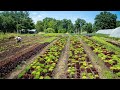
The discrepancy in timelines for pest suppression by biocontrol agents likely stems from the difference between controlled research settings and complex farm ecosystems. While controlled studies may show rapid colonization, real-world success depends on sustained habitat quality, availability of alternative food sources for beneficials between pest cycles, and the eventual establishment of a resilient food web. Farmers have experienced that 2-5 years of consistent habitat development and reduced pesticide use are often needed for reliable, long-term suppression.
5
HOW MUCH - Costs & Investment
Note: Costs are based on recent US economic data (2023-2025) and may vary substantially in other regions based on local labor rates, material costs, and regulatory requirements. Prices for beneficial insects and biopesticides vary significantly by supplier, region, and...
Note: Costs are based on recent US economic data (2023-2025) and may vary substantially in other regions based on local labor rates, material costs, and regulatory requirements. Prices for beneficial insects and biopesticides vary significantly by supplier, region, and...
HOW MUCH - Costs & Investment
Note: Costs are based on recent US economic data (2023-2025) and may vary substantially in other regions based on local labor rates, material costs, and regulatory requirements. Prices for beneficial insects and biopesticides vary significantly by supplier, region, and...
Note: Costs are based on recent US economic data (2023-2025) and may vary substantially in other regions based on local labor rates, material costs, and regulatory requirements. Prices for beneficial insects and biopesticides vary significantly by supplier, region, and...
Note: All costs are based on recent US economic data (2024–2026) and may vary substantially by region based on local labor rates, material costs, and regulatory requirements.
Habitat Enhancement & Infrastructure
Establishing permanent biological buffers serves as the primary capital expenditure for biological pest control, creating a landscape-scale reservoir for beneficial organisms. For small farms—defined as under 50 acres (20 ha)—investment in specialized native seed mixtures for insectary strips and the planting of perennial hedgerows typically costs $45–$180 per acre ($111–$445/ha). These costs are higher for smaller operations due to the inability to leverage bulk discounts on native nursery stock or specialized seed blends developed for specific pollinator and predator species.
Mid-size farms, operating on 50–500 acres (20–202 ha), benefit from economies of scale, allowing for investment at $30–$120 per acre ($74–$297/ha). At this level, operations often utilize tractor-mounted mechanical seed drills and bulk purchasing of shrubbery, which significantly lowers the per-acre capitalization rate. Large-scale farms, exceeding 500 acres (202 ha), optimize for precision planting techniques and wholesale procurement contracts, further reducing establishment costs to $20–$90 per acre ($49–$222/ha). These capital expenditures reflect the inherent landscape design costs required to transition from monoculture to an ecosystem-based pest management system, which essentially serves as a foundational infrastructure investment for the farm's future resilience.
Maintenance of Ecological Infrastructure
Once established, these habitats require structural maintenance to ensure they provide consistent support for beneficial insects and birds. Maintenance includes annual weeding, selective pruning of hedgerows to prevent encroachment, and the renewal of annual insectary strips. For small farms, these labor-intensive activities typically range from $25–$120 per acre ($62–$297/ha). As scale increases, the efficiency of maintenance improves; mid-size farms generally allocate $15–$80 per acre ($37–$198/ha) for ongoing habitat upkeep. Large-scale industrial operations, utilizing automated pruning systems and strategic mechanical mowing, manage these ecosystems with a budget of $10–$60 per acre ($25–$148/ha). These ongoing costs are critical, as neglected habitat buffers can quickly become weed reservoirs, undermining the very biological control they were meant to support.
Augmentative Releases & Biopesticides
Proactive biological support involves the deliberate introduction of predators or the application of highly targeted biopesticides. When natural populations are insufficient to suppress pest pressure, small farms often focus on limited, manual releases of ladybugs, parasitic wasps, or predatory nematodes, which vary by release cycle at $120–$350. Mid-size farms frequently upgrade to tractor-mounted sprayers or drone-assisted release systems to achieve better distribution, resulting in costs of $90–$280 per release cycle. Large farms leverage custom application equipment and specialized, high-volume biological delivery systems to bring costs down to $60–$220 per release, allowing for more frequent interventions without excessive labor spikes.
For biopesticides, such as Bacillus thuringiensis (Bt) or spinosad, the budget is highly dependent on pest pressure. Small farms, facing smaller but potentially more sensitive patches, spend $60–$240 per acre ($148–$593/ha) on applications. Mid-size farms, benefiting from better-integrated monitoring, spend $50–$180 per acre ($124–$445/ha), while large operations operating at industrial scales average $40–$120 per acre ($99–$297/ha). These figures assume that these applications are used sparingly as supplements to, rather than replacements for, the background biological control services provided by the permanent habitat.
Monitoring Tools, Education, & Labor
Effective biological control is an information-intensive process. Small operations often rely on manual labor for the installation of sticky traps and pheromone lures, totaling $25–$95 per acre ($62–$235/ha) annually for these monitoring materials. Mid-size farms spend $18–$70 per acre ($44–$173/ha), while large-scale producers, integrating automated sensing technology and algorithmic field-scouting, can reduce monitoring material costs to $12–$60 per acre ($30–$148/ha). Initial training is a necessary one-time capitalization: small farms invest $150–$600 for consultants or specialized workshops, mid-size farms invest $80–$400, and large-scale operations incorporate ongoing training into staff professional development totaling $40–$250 per acre ($99–$618/ha) equivalent in labor time.
Most Spend: The majority of agricultural operations—representing the middle 60% of adopters—typically spend between $180 and $450 per acre ($445–$1,112/ha) annually to maintain an effective,, functioning biological pest control program.
Why the Range?: The primary drivers of these cost variances are the initial ecological health of the land and the technological intensity of the monitoring system. Farms with higher existing biodiversity require less aggressive habitat establishment, while those with intensive, high-value crop rotations require more frequent augmentative releases and biopesticide applications to mitigate the risk of catastrophic pest outbreaks.
Sources behind this view
Research
-
Pesticidal natural products - status and future potential. (opens in new window)
This study found: Biopesticides from natural products are growing rapidly, offering better yields, reduced residues, and safety for beneficials when used in integrated pest management. Challenges include farmer educati
-
Orchard systems offer low-hanging fruit for low-carbon, biodiversity-friendly farming (opens in new window)
This study found: Orchards can be managed for lower carbon emissions, increased biodiversity, and better soil health by focusing on natural pest control and reducing pesticide use.
-
Conservation biological control and enemy diversity on a landscape scale (opens in new window)
This study found: Effective natural pest control requires managing the entire farm landscape. Diverse, connected habitats around crops support a wider range of beneficial insects, leading to better pest regulation. Mor
-
Restoring functional integrity of the global production ecosystem through biological control (opens in new window)
This study found: Using nature's diversity (biological control) can fix degraded farm ecosystems, improve crop health, and manage pests, but needs integration with sustainable farming practices and policy support.
6
REWARDS AND RISKS - Economics & Risk Factors
REWARDS AND RISKS - Economics & Risk Factors
In a "Best Case" economic scenario, the producer achieves reliable ecological function and pest regulation within 2–3 years of implementation. By establishing robust habitat corridors that harbor permanent native predator populations, the farm successfully reduces the need for broad-spectrum chemical intervention by approximately 85–95%. The realized net annual savings on synthetic pesticide inputs, when compared to input-heavy conventional standards, range from $250–$600 per acre ($618–$1,483/ha). The systemic shift also results in reduced phytotoxicity and improved crop appearance, often driving yield increases of 8–15%. When combined with the ability to reach premium organic or regenerative market channels, this results in a net annual profit increase of $300–$500 per acre ($741–$1,236/ha).
In a "Typical" scenario, the ecological equilibrium is achieved within 3–5 years. During this period, farmers find that approximately 70–80% of former pesticide applications are entirely eliminated, though the farm still requires periodic, targeted "rescue" interventions during extreme weather-induced pest explosions, costing $60–$250 per acre ($148–$618/ha) in biopesticides or augmentative releases. Total annual operating expenses remain 10–20% lower than previous high-input systems, primarily because the farm is no longer vulnerable to the extreme price volatility of global synthetic pesticide markets.
The "Worst Case" scenario reflects the risk of a "predator gap," which occurs if habitats are poorly designed or if natural enemy populations fluctuate in ways that don't match the timing of pest cycles. In such cases, if a high-outbreak year occurs, crop losses can spike to 20–30% of total revenue. If the farmer attempts to correct this via an emergency, late-stage reliance on "rescue" biopesticides or massive augmentations, the net operating cost can rise by $100–$300 per acre ($247–$741/ha) beyond conventional benchmarks without preventing yield loss, resulting in a significantly negative ROI for that specific growing cycle.
Transition Period Risks
The transition phase (years 1–3) constitutes the period of highest systemic economic risk. As the farm migrates away from the consistent "safety net" of prophylactic synthetic pesticides, it may experience "yield dips" of 5–10% as the predatory insect community grows to sufficient density. To avoid financial distress, it is recommended that producers avoid a "cold turkey" approach. Instead, adopt a phased reduction strategy, lowering synthetic pesticide intensity by 20–30% per year. This gradual shift limits transition-related financial shocks to under $100 per acre ($247/ha) while the landscape effectively resets its internal balance.
Risk Mitigation Strategies
Financial risk is best managed through rigorous, high-frequency scouting. Investing $10–$30 per acre ($25–$74/ha) in dedicated labor for scouting acts as a primary defensive layer, preventing the need for massive $200+/acre rescue applications by identifying pest pressures while they are still manageable. Furthermore, an upfront investment of $500–$2,000 for consultations with an IPM-specialized agronomist is considered essential insurance; this professional oversight ensures that habitat structures are correctly aligned with local predatory insect biology, which is the single most effective way to prevent the "Worst Case" scenario.
Sources behind this view
Videos & Podcasts
-
Future agriculture should prioritize holistic, ecologically based systems using biologicals and cultural tools, with chemicals applied only when necessary. The Randall Island Project's codling moth co
-
Broadfork Farm employs a hands-off pest management strategy using crop rotation, row covers, and natural predator-prey cycles, avoiding pesticides to encourage biodiversity and natural control, even w

-
Focuses on building a healthy agricultural ecosystem using integrated pest management, hedgerows, and owl boxes to enhance plant immune systems and natural resistance to pests and diseases, rather tha
-
While diversity and habitats for beneficial insects are important, efficient farming of concentrated crops will still face pest pressure. Focus on soil health first, supplemented with targeted organic

Community
-
Guidance on biological pest control using natural enemies, emphasizing conservation over release. Details purchasing, release methods (inoculation/inundation), effective timing, and avoiding pesticide
Read more (opens in new window) ucanr.edu -
Biological control uses natural enemies like parasites and predators. Conserving existing ones is preferred over releases. If releasing, consult UC IPM guidelines for effectiveness, use ANBP members,
Read more (opens in new window) ucanr.edu -
Enhance natural enemy releases by accurately identifying pests/enemies, understanding their biology, and timing releases to vulnerable pest stages. Avoid broad-spectrum pesticides; use selective appli
Read more (opens in new window) ucanr.edu
Research
-
Orchard systems offer low-hanging fruit for low-carbon, biodiversity-friendly farming (opens in new window)
This study found: Orchards can be managed for lower carbon emissions, increased biodiversity, and better soil health by focusing on natural pest control and reducing pesticide use.
-
How does IPM 3.0 look like (and why do we need it in Africa)? (opens in new window)
This study found: IPM 3.0 is a new approach for African smallholders, combining real-time decision tools, nature-based pest control, and new technologies to reduce hazardous pesticide use and build climate resilience.
-
Conservation biological control and enemy diversity on a landscape scale (opens in new window)
This study found: Effective natural pest control requires managing the entire farm landscape. Diverse, connected habitats around crops support a wider range of beneficial insects, leading to better pest regulation. Mor
-
Restoring functional integrity of the global production ecosystem through biological control (opens in new window)
This study found: Using nature's diversity (biological control) can fix degraded farm ecosystems, improve crop health, and manage pests, but needs integration with sustainable farming practices and policy support.
7
WHO - Labor & Expertise
Biological pest control requires a shift in labor and expertise from simply applying chemicals to understanding and managing an ecosystem. This necessitates:
Biological pest control requires a shift in labor and expertise from simply applying chemicals to understanding and managing an ecosystem. This necessitates:
WHO - Labor & Expertise
Biological pest control requires a shift in labor and expertise from simply applying chemicals to understanding and managing an ecosystem. This necessitates:
Biological pest control requires a shift in labor and expertise from simply applying chemicals to understanding and managing an ecosystem. This necessitates:
- Skilled Observation and Monitoring: Farm labor needs to be trained to accurately identify pests and beneficial insects, assess population levels, and recognize early signs of pest outbreaks or beneficial success. This requires consistent field scouting.
- Ecological Knowledge: Understanding the life cycles of key pests and their natural enemies, as well as the habitat requirements of beneficial organisms, is crucial. This knowledge can be gained through workshops, reading, and hands-on experience.
- Habitat Management Skills: Labor will be involved in establishing and maintaining insectary plants, hedgerows, and other beneficial habitats. This may include planting, mowing (selectively, to avoid disturbing beneficials), and managing these areas according to ecological principles.
- Strategic Release and Application: If augmentative biological control is used, labor needs to be trained on proper timing, methods, and safety precautions for releasing beneficial insects or applying biopesticides.
- Record Keeping: Detailed records of pest and beneficial scouting, intervention timing, and outcomes are vital for adaptive management and learning.
International Labor Cost Considerations: The cost of labor varies significantly across continents. In regions with lower labor costs, a more hands-on, labor-intensive approach to habitat creation and monitoring may be economically feasible and even preferred. In regions with higher labor costs, efficiency becomes paramount, potentially favoring more established habitat corridors or targeted, cost-effective augmentative releases. Investment in training skilled labor is crucial globally, regardless of local wage rates, as it underpins the success of biocontrol.
Expertise Requirements:
- Basic Identification: Ability to distinguish common pests from beneficials.
- Life Cycle Understanding: Knowledge of pest and beneficial developmental stages.
- Habitat Appreciation: Understanding what conditions beneficials need to thrive.
- Monitoring Skills: Ability to scout fields effectively and interpret findings.
- Adaptive Management: Willingness to adjust strategies based on observations and results.
Specialized expertise can be sourced from:
- Local Extension Services: Many government agricultural bodies offer advice on IPM and biocontrol.
- IPM Consultants: Professionals specializing in integrated pest management strategies.
- Biocontrol Suppliers: Companies that sell beneficial insects often provide technical support.
- Regenerative Agriculture Networks: Farmers and researchers sharing knowledge through organizations like Rodale Institute, IFOAM, or regional networks.
Sources behind this view
Videos & Podcasts
-
Covers biological pest control methods, including BT strains, nematodes, spinosad, and 'goal area' for pests like emerald ash borers and vegetable weevils. Emphasizes specificity of biologicals, rotat
-
Biological control uses natural enemies: classic (introducing native pest's enemy), augmentation (releasing non-native enemies), and conservation (enhancing existing enemies). Ideal natural enemies ha
-
Historically, pesticide companies opposed biological control, causing financial losses and suppression of knowledge. Increased interest in organic food now supports ecological farming, but conventiona
-
Biocontrols offer advantages over synthetic pesticides: they are biodegradable, low-risk to non-target organisms, reduce pest resistance development due to complex modes of action, and are produced su
Community
-
Guidance on biological pest control using natural enemies, emphasizing conservation over release. Details purchasing, release methods (inoculation/inundation), effective timing, and avoiding pesticide
Read more (opens in new window) ucanr.edu -
Biological control uses natural enemies like parasites and predators. Conserving existing ones is preferred over releases. If releasing, consult UC IPM guidelines for effectiveness, use ANBP members,
Read more (opens in new window) ucanr.edu -
Enhance natural enemy releases by accurately identifying pests/enemies, understanding their biology, and timing releases to vulnerable pest stages. Avoid broad-spectrum pesticides; use selective appli
Read more (opens in new window) ucanr.edu -
Promotes using beneficial insects for natural pest control, referencing the Xerces Society's book and workshops. Key methods include habitat improvement with native plants to reduce pesticide reliance
Read more (opens in new window) ucanr.edu
Research
-
Conservation biological control and enemy diversity on a landscape scale (opens in new window)
This study found: Effective natural pest control requires managing the entire farm landscape. Diverse, connected habitats around crops support a wider range of beneficial insects, leading to better pest regulation. Mor
-
Restoring functional integrity of the global production ecosystem through biological control (opens in new window)
This study found: Using nature's diversity (biological control) can fix degraded farm ecosystems, improve crop health, and manage pests, but needs integration with sustainable farming practices and policy support.
-
How does IPM 3.0 look like (and why do we need it in Africa)? (opens in new window)
This study found: IPM 3.0 is a new approach for African smallholders, combining real-time decision tools, nature-based pest control, and new technologies to reduce hazardous pesticide use and build climate resilience.
-
Problems Inherent to Augmentation of Natural Enemies in Open Agriculture. (opens in new window)
This study found: Releasing beneficial insects works better in greenhouses than open fields. For sustainable pest control, focus on making farms more natural to support beneficial insects already present, rather than r
From the Web
-
Biological control uses natural enemies for pest management through conservation, augmentation, and classical methods, offering sustainable alternatives to chemical pesticides.
-
Biological control uses natural enemies like parasitoids, predators, and entomopathogens to manage pests. Advantages include no toxic residues and no resistance development. Conserving natural enemies
8
EQUIPMENT - Tools & Infrastructure
Biological pest control generally relies less on heavy machinery and more on tools for observation, habitat management, and targeted application. Observation & Monitoring Tools:
Biological pest control generally relies less on heavy machinery and more on tools for observation, habitat management, and targeted application. Observation & Monitoring Tools:
EQUIPMENT - Tools & Infrastructure
Biological pest control generally relies less on heavy machinery and more on tools for observation, habitat management, and targeted application. Observation & Monitoring Tools:
Biological pest control generally relies less on heavy machinery and more on tools for observation, habitat management, and targeted application. Observation & Monitoring Tools:
Observation & Monitoring Tools:
- Hand Lenses/Magnifying Glasses: Essential for close examination of plants for pests and beneficials.
- Field Guides: Regionally specific guides for identifying insects and plants.
- Sweep Nets: For collecting insects from vegetation for identification.
- Sticky Traps (Yellow, Blue): For monitoring flying insects, including some pests and beneficials.
- Pheromone Traps: For attracting and monitoring specific pest species using sex attractants.
- Field Notebooks/Tablets: For detailed record-keeping of observations, dates, locations, and counts.
- Magnifying Jars/Containers: For temporary collection and examination of specimens.
Habitat Management Tools:
- Mowers (Rotary, Flail, Sickle-bar): For selective mowing of field margins or cover crops to manage habitat without destroying beneficial populations. Some are designed for low impact.
- Tractor/Small Implement Carrier: For towing mowers, tillers (for initial habitat establishment, not for main field), or seeders for insectary plants.
- Seeder/Drill: For establishing insectary plants or cover crops in field borders or dedicated strips.
- Hand Tools (Shovels, trowels, pruners): For planting and maintaining insectary strips or hedgerows.
- Watering Cans/Hoses: For establishing new plantings or providing water sources for beneficials.
Application Equipment (for Augmentative Releases & Biopesticides):
- Small Hand-held Sprayers: For targeted application of biopesticides or releasing some forms of beneficial insects.
- Backpack Sprayers: For larger areas or more frequent applications.
- Controlled Release Devices: Some commercially reared beneficials come in specialized containers for timed release to ensure survival and effective dispersal.
- Air Aspirators/Collection Devices: For carefully collecting and relocating beneficial insects found in undesirable areas.
Infrastructure:
- Greenhouse/Propagation Area (Optional): For starting insectary plants or for farmers who are rearing some beneficials themselves.
- Shaded Holding Areas: For temporary storage of beneficial insects before release, to protect them from direct sun and extreme temperatures.
- Access to Water: For establishing and maintaining habitat plantings.
The investment in equipment for biological pest control is generally lower than for conventional tillage-based agriculture or heavy pesticide application. The focus shifts to tools that support ecological management and precise intervention.
Sources behind this view
Videos & Podcasts
-
Covers biological pest control methods, including BT strains, nematodes, spinosad, and 'goal area' for pests like emerald ash borers and vegetable weevils. Emphasizes specificity of biologicals, rotat
-
Biological control uses natural enemies: classic (introducing native pest's enemy), augmentation (releasing non-native enemies), and conservation (enhancing existing enemies). Ideal natural enemies ha
-
Biocontrols offer advantages over synthetic pesticides: they are biodegradable, low-risk to non-target organisms, reduce pest resistance development due to complex modes of action, and are produced su
Community
-
Guidance on biological pest control using natural enemies, emphasizing conservation over release. Details purchasing, release methods (inoculation/inundation), effective timing, and avoiding pesticide
Read more (opens in new window) ucanr.edu -
Biological control uses natural enemies like parasites and predators. Conserving existing ones is preferred over releases. If releasing, consult UC IPM guidelines for effectiveness, use ANBP members,
Read more (opens in new window) ucanr.edu -
Enhance natural enemy releases by accurately identifying pests/enemies, understanding their biology, and timing releases to vulnerable pest stages. Avoid broad-spectrum pesticides; use selective appli
Read more (opens in new window) ucanr.edu -
Promotes using beneficial insects for natural pest control, referencing the Xerces Society's book and workshops. Key methods include habitat improvement with native plants to reduce pesticide reliance
Read more (opens in new window) ucanr.edu
Research
-
Problems Inherent to Augmentation of Natural Enemies in Open Agriculture. (opens in new window)
This study found: Releasing beneficial insects works better in greenhouses than open fields. For sustainable pest control, focus on making farms more natural to support beneficial insects already present, rather than r
-
Conservation biological control and enemy diversity on a landscape scale (opens in new window)
This study found: Effective natural pest control requires managing the entire farm landscape. Diverse, connected habitats around crops support a wider range of beneficial insects, leading to better pest regulation. Mor
-
Biological Control in Organic Agriculture (opens in new window)
This study found: Using natural pest control methods like plant extracts (botanicals) is crucial for sustainable farming. Unlike chemical pesticides, botanicals improve soil health, are cost-effective, and safer for th
-
Ecosmart Biorational Insecticides: Alternative Insect Control Strategies (opens in new window)
This study found: Synthetic pesticides cause environmental harm and pest resistance. Safer 'biorational' options, including natural plant sprays and beneficial insects, are increasingly important for sustainable pest m
From the Web
-
Biological control uses natural enemies for pest management through conservation, augmentation, and classical methods, offering sustainable alternatives to chemical pesticides.
9
COMPATIBLE PRACTICES - Integration Opportunities
Biological pest control is best implemented as part of a holistic regenerative system. Its effectiveness is significantly amplified when integrated with other practices that promote overall farm health and biodiversity.
Biological pest control is best implemented as part of a holistic regenerative system. Its effectiveness is significantly amplified when integrated with other practices that promote overall farm health and biodiversity.
COMPATIBLE PRACTICES - Integration Opportunities
Biological pest control is best implemented as part of a holistic regenerative system. Its effectiveness is significantly amplified when integrated with other practices that promote overall farm health and biodiversity.
Biological pest control is best implemented as part of a holistic regenerative system. Its effectiveness is significantly amplified when integrated with other practices that promote overall farm health and biodiversity.
Diverse Cover Cropping
- Integration Benefit: Cover crops provide year-round habitat, alternative food sources (nectar, pollen, overwintering sites), and food for beneficial insects when cash crops are absent. They also contribute to soil health, which supports soil-dwelling beneficials.
- Synergy: Insectary mixes planted as cover crops directly support biocontrol.
Crop Rotation
- Integration Benefit: Rotating crops disrupts pest life cycles that are specific to certain plants, reducing pest build-up. This also means different crops can support different beneficial predators and parasites throughout the year, enhancing overall biological control capacity.
- Synergy: Reduces predictable pest pressure, allowing beneficial populations to establish more reliably.
Hedgerows & Field Margins
- Integration Benefit: These provide critical habitat, shelter, food (flowers, seeds), and overwintering sites for a wide array of beneficial insects, pollinators, and predatory arthropods, as well as birds that control insect pests.
- Synergy: Act as "seed banks" for beneficial populations that can then move into adjacent fields.
Reduced Synthetic Pesticide Use
- Integration Benefit: Eliminating broad-spectrum pesticides is a prerequisite for successful biological pest control. It prevents the loss of beneficial insects and allows natural populations to thrive and reproduce.
- Synergy: Biological pest control becomes the primary method when synthetic pesticide use is drastically reduced or eliminated.
Conservation Tillage/No-Till
- Integration Benefit: Reduced soil disturbance preserves habitats for beneficial insects that overwinter or live in the soil, such as ground beetles and predatory mites. It also protects fungal networks integral to plant and soil health.
- Synergy: Minimizes disruption to the soil food web, which is a foundation for many beneficial organisms.
Agroforestry/Silvopasture
- Integration Benefit: The presence of trees and shrubs in agricultural landscapes provides diverse microclimates, shelter, and a wider range of food sources (flowers, insects living on trees) for beneficial organisms.
- Synergy: Creates complex ecosystems that generally have higher biodiversity and better pest regulation than monocultures.
Livestock Integration
- Integration Benefit: Certain livestock (e.g., chickens, ducks) can directly control insect pests in pastures or orchards. Manure supports soil health, which in turn supports soil-dwelling beneficials.
- Synergy: Can provide a direct, low-cost form of pest management and nutrient cycling for soil health.
Implementing biological pest control is most effective when viewed as an investment in the farm's ecological capital. By integrating it with these compatible practices, farmers build a robust, resilient system where pests are managed naturally, reducing external inputs and enhancing overall farm health and profitability.
Sources behind this view
Videos & Podcasts
-
Agricultural research is too reductionist, hindering biocontrol adoption. There's a critical need for funding and development of multifactorial, Integrated Pest Management (IPM) systems that integrate
-
Four NRCS principles for soil health benefit pest management: maintain continuous living roots (via cover crops), minimize disturbance (reduce tillage), maintain surface residue (organic mulch), and m
-
Historically, pesticide companies opposed biological control, causing financial losses and suppression of knowledge. Increased interest in organic food now supports ecological farming, but conventiona
-
Broadfork Farm employs a hands-off pest management strategy using crop rotation, row covers, and natural predator-prey cycles, avoiding pesticides to encourage biodiversity and natural control, even w
Community
-
Guidance on biological pest control using natural enemies, emphasizing conservation over release. Details purchasing, release methods (inoculation/inundation), effective timing, and avoiding pesticide
Read more (opens in new window) ucanr.edu -
A new IPM paradigm emphasizes prevention, monitoring, and control using diverse methods like host resistance, cultural, biological, and chemical controls. It integrates management, business, and susta
Read more (opens in new window) ucanr.edu -
Debate on using OMRI-listed organic insecticides (Neem, B.t.) versus holistic permaculture approaches. Proponents of organic sprays cite necessity in high-pest areas for profitability, while permacult
Read more (opens in new window) permies.com -
Highlights conservation practices for IPM including crop rotation, cover crops, field borders, forage harvest management, irrigation, nutrient management, mulching, prescribed grazing, and strip cropp
Read more (pp. 3-4) (opens PDF, pp. 3-4) efotg.sc.egov.usda.gov
Research
-
Restoring functional integrity of the global production ecosystem through biological control (opens in new window)
This study found: Using nature's diversity (biological control) can fix degraded farm ecosystems, improve crop health, and manage pests, but needs integration with sustainable farming practices and policy support.
-
Orchard systems offer low-hanging fruit for low-carbon, biodiversity-friendly farming (opens in new window)
This study found: Orchards can be managed for lower carbon emissions, increased biodiversity, and better soil health by focusing on natural pest control and reducing pesticide use.
-
Conservation biological control and enemy diversity on a landscape scale (opens in new window)
This study found: Effective natural pest control requires managing the entire farm landscape. Diverse, connected habitats around crops support a wider range of beneficial insects, leading to better pest regulation. Mor
-
How does IPM 3.0 look like (and why do we need it in Africa)? (opens in new window)
This study found: IPM 3.0 is a new approach for African smallholders, combining real-time decision tools, nature-based pest control, and new technologies to reduce hazardous pesticide use and build climate resilience.
From the Web
-
Organic pest management follows a three-tiered NOP approach: preventative cultural practices, biological/physical methods, and allowed materials as a last resort. Vegetation management, cover crops, a
-
Biological pest management enhances biodiversity and ecosystem services by increasing predator abundance, leading to higher crop yields, reduced pest damage, and cost savings for farmers, though clima
-
Biological control uses natural enemies for pest management through conservation, augmentation, and classical methods, offering sustainable alternatives to chemical pesticides.
-
Biological control uses natural enemies like parasitoids, predators, and entomopathogens to manage pests. Advantages include no toxic residues and no resistance development. Conserving natural enemies