
Creep Grazing
Creep grazing is a livestock management strategy where young, growing animals (typically calves or lambs) are provided with separate, high-quality pasture or supplemental feed. This allows them to access nutrients targeted to their specific needs, promoting faster growth and better conditioning before they are weaned or enter the main herd/flock. It can be implemented using temporary fencing or specialized creep gates to create access points to enriched areas.
Read More: Complete Description
Creep grazing is a specialized livestock management technique designed to provide young, developing animals like calves or lambs with preferential access to a higher-quality forage or a specifically formulated supplement. This targeted nutrition supports their unique growth and development stages. The practice involves creating a "creep area" – a paddock or section of pasture accessible only to the young animals, often through specially designed gates or temporary fencing systems, thereby excluding the dams (mothers). These creep areas are typically stocked with highly digestible, nutrient-dense forages or contain supplemental feed, ensuring the young animals receive a diet optimized for their rapid growth, immune system development, and skeletal formation.
The primary goal of creep grazing is to accelerate the growth rate of young livestock, improve their weaning weights, and enhance their overall condition and resilience. By providing a diet that better meets their energy, protein, mineral, and vitamin requirements, young animals can reach target weights sooner, potentially enter the breeding herd or be marketed at younger ages, and demonstrate improved health outcomes. This practice is particularly beneficial in situations where the dams' milk production may be insufficient to meet the offspring's needs, or when the general pasture quality is suboptimal for unhindered young animal development. The strategic use of creep grazing can lead to more uniform age groups, better physical development, and a reduced stress transition during weaning.
From a regenerative agriculture perspective, creep grazing is classified as a Context-Dependent practice. Its regenerative potential lies heavily in how it is implemented and its integration into a broader holistic grazing plan, directly supporting Principle 5: Integrate Livestock. When used judiciously as part of adaptive grazing, creep grazing can enhance nutrient cycling and optimize animal performance by ensuring young animals are healthy and well-nourished, leading to better manure distribution and less stress on dams. However, if implemented without aligning with principles like maintaining living roots and keeping soil covered, or if it leads to overgrazing of specific areas, it can be extractive. For instance, if creep areas are continuously overgrazed, they can lead to soil degradation and bare patches. The practice does not inherently violate the principle of minimizing soil disturbance or maximizing crop diversity, but its application must be mindful not to create localized stress on the ecosystem.
The transition pathway for creep grazing within a regenerative framework involves understanding its role in animal husbandry and ensuring it complements rather than conflicts with soil health objectives. For farms transitioning to regenerative systems, creep grazing can be a valuable tool to improve the economic viability of livestock operations while soil health is being rebuilt. For example, if a ranch is focusing on building soil organic matter through long rest periods for pastures, ensuring calves have access to high-quality creep feed can maintain necessary growth rates, making the transition financially sustainable. The timeline for phasing out dependence on supplemental creep feeding might extend over several years as pasture quality improves through regenerative management, allowing dams to provide sufficient nutrition and young animals to thrive solely on pasture. Success is defined by achieving target growth rates with reduced or eliminated creep feeding as pasture quality (driven by regenerative practices) increases.
Creep grazing is not about simply letting young animals eat more; it’s about strategic nutrition at a critical developmental stage. When employed thoughtfully, it can contribute to healthier animals, more efficient livestock production, and better resource utilization within a regenerative system. Its effectiveness is amplified when the creep areas themselves are managed regeneratively, ensuring that the "enriched" areas support soil biology and plant diversity, rather than becoming points of localized degradation. For instance, rotating creep areas or ensuring they are part of a larger planned grazing sequence helps to distribute grazing impact and maintain soil cover.
The practice has been observed and utilized in various forms across different agricultural systems globally. In extensive pastoral systems in regions like Australia or parts of South America, limited creep feeding might be used to supplement calves during dry seasons to improve weaning weights. In more intensive systems in Europe or North America, it may involve specialized creep feeders or designated high-energy pastures. The economics vary widely by region, currency, and local feed costs, but the underlying principle aims to leverage improved animal performance for economic gain. Regenerative farmers might explore using home-grown supplements or nutrient-dense cover crops within creep paddocks to reduce reliance on commercially manufactured feeds.
The true regenerative value of creep grazing emerges when it is viewed as part of a balanced ecosystem. It allows for optimized animal growth while maintaining healthy soil and diverse plant communities. It can be a valuable stepping stone for conventional livestock producers, helping them see the economic benefits of better nutrition for their young stock, which can later be achieved through improved pasture health, making the ultimate goal of fully regenerative grazing more attainable.
Sources behind this view
Sources behind this view
 Videos & Podcasts
-
Regenerative cattle farming uses intensive/mob grazing, moving animals daily to small paddocks (0.75-1.5 acres) to prevent overgrazing. This keeps grass in its vigorous 'teenage' growth phase, stimula
-
Creep feeding's value hinges on marketing goals; it accelerates growth to meet specific weight targets and timelines, potentially improving resilience to parasites. However, it's not always necessary

 Research
-
Managing Grazing to Restore Soil Health, Ecosystem Function, and Ecosystem Services (opens in new window)
This study found: Properly managed grazing animals can reverse environmental damage. Regenerative practices, like Adaptive Multi-Paddock (AMP) grazing, boost soil health, increase soil carbon, reduce erosion, and enhan
-
51 Observing the Effect of Creep Feeding on Calf Behavior Before and After Weaning (opens in new window)
This study found: Creep feeding supplements altered calf behavior before and after weaning. Control calves ate more and vocalized more post-weaning compared to supplemented calves.
-
Creep Feed as a Factor Influencing Performance of Cows and Calves (opens in new window)
This study found: A 21-year study found creep feeding increased calf weights initially but negatively impacted heifer growth post-weaning and cow productivity long-term. Progeny of creep-fed cows were lighter at weanin
Key Points
What It Is
- Young animals access separate, high-quality forage/feed
- Excludes dams (mothers) from creep area
- Promotes faster growth and better weaning weights
- Uses creep gates or temporary fencing
Why Do It
- Enhances calf/lamb growth rate and weaning weight
- Improves animal health and conditioning
- Supports economic viability during regenerative transition
- Optimizes nutrient delivery for specific needs
Know the Debate
- Economic returns vary due to feed costs and market fluctuations.
- Long-term effects on animal productivity can be negative.
- Infrastructure costs range from $350 to $10,000+.
- Integrated with rotational grazing for best results.
Benefits - Financial
- Increases weaning weight by 20-30%, adding $50-120 in revenue per head.
- Improves herd uniformity, potentially capturing 5-10% premiums at market.
- Decreases medical and veterinary expenses by 10-20% through herd health.
- Saves winter feed costs by reducing time to market by 4-8 weeks.
Benefits - System
- Supports Principle 5 (Integrate Livestock) when managed well
- Can improve nutrient cycling through well-nourished stock
- Prevents stress during weaning transition
- Enables pasture recovery for dams via deferred grazing
Risks - Financial
- Supplemental feed costs reach $70-100 per head annually during market volatility.
- Overgrazed pasture requires soil remediation costs of $50-100 per acre ($124–$247 per hectare).
- Poor management risks negative returns on $1,000-4,000 infrastructure investments.
Risks - System
- Can lead to overgrazing in creep areas if not managed
- May mask underlying pasture quality issues (Principle 4 violation risk)
- Requires careful monitoring to prevent dependency
- Potential for dams to overgraze surrounding areas
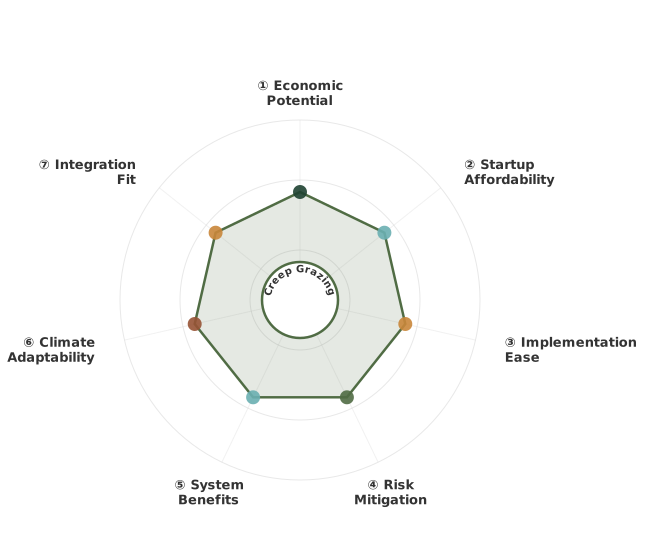
How These Traits Are Calculated
Trait dimensions are ordered clockwise starting from the top of the chart (12 o'clock position):
1. Economic Potential
Financial returns, annual value, and break-even timeline
WHAT: Evaluates financial viability by combining net annual value ($/ha from savings, income, and amortized harvests) with break-even timeline showing when practices pay for themselves.
WHY: Farmers need clear ROI understanding before committing resources. Fast payback (≤3 years) with strong returns (≥$300/ha) enables confident adoption, while long timelines (>10 years) restrict adoption to well-funded operations willing to wait for returns.
HOW: Calculated from net annual value in $/ha and break-even years. Exceptional (≥2.6): fast ROI ≤3 years + high value ≥$300/ha. Typical (1.8-2.5): moderate returns or longer timelines. Limited (<1.8): marginal economics or very long payback >10 years.
2. Startup Affordability
Initial investment costs and financial barrier to entry
WHAT: Measures financial barrier to entry through startup costs for equipment, infrastructure, consulting, and materials. Inverted scoring: lower costs = higher scores = more accessible adoption.
WHY: Affordability determines who can adopt. Low-cost practices (<$250/ha) enable widespread adoption across diverse scales, while high costs (>$2,500/ha) limit adoption to well-capitalized operations, creating barriers that slow regenerative transition.
HOW: Calculated from initial investment parsed from practice content. Inverted scoring: Exceptional (≥2.6): minimal investment <$250/ha. Typical (1.8-2.5): moderate costs $250-2,500/ha. Limited (<1.8): high barrier >$2,500/ha.
3. Implementation Ease
Learning curve and specialized knowledge required
WHAT: Measures how much learning, planning, and specialized knowledge a practice requires. Simpler practices with fewer steps score higher, while complex practices requiring extensive training or specialized resources score lower.
WHY: Complex practices create adoption barriers even when economically viable. Straightforward practices enable faster adoption and broader participation, while those requiring extensive training, timing precision, or specialized equipment limit who can succeed.
HOW: Evaluated by measuring documentation length and identifying complexity markers like location-specific requirements, seasonal timing windows, specialized skills, and dedicated equipment needs. Exceptional (≥2.6): straightforward practices with minimal prerequisites. Typical (1.8-2.5): moderate learning curve with some specialized needs. Limited (<1.8): steep learning curve requiring significant training or resources.
4. Risk Mitigation
Identified financial and ecological risk assessment
WHAT: Evaluates documented risks across financial (investment loss, market volatility) and ecological (crop failure, pest outbreaks) domains. Inverted scoring: fewer risks = higher scores.
WHY: Understanding risk exposure helps farmers make informed decisions. Low-risk practices allow confident implementation, while high-risk practices require careful planning and contingency resources. Risk transparency prevents costly failures.
HOW: Calculated from identified risks in practice content. Inverted scoring: Exceptional (≥2.6): ≤2 risks with manageable severity. Typical (1.8-2.5): 3-5 moderate risks. Limited (<1.8): 6+ risks or severe exposure.
5. System Benefits
How many ways the practice improves your land simultaneously
WHAT: Measures how many aspects of land health improve at once—carbon storage, soil quality, erosion control, water absorption, and biodiversity. Practices that improve multiple areas simultaneously create compounding benefits where each improvement reinforces the others.
WHY: The best practices solve multiple problems at once. For example, addressing erosion simultaneously builds carbon and improves water infiltration, creating a resilient system with positive feedback loops. Single-benefit approaches miss these compound transformation opportunities.
HOW: Evaluated across five key outcomes: carbon sequestration, soil organic matter increase, erosion reduction, water infiltration improvement, and biodiversity enhancement. Exceptional (≥2.6): high carbon storage (>8 t/ha/yr), improvements across 4-5 areas, transformative outcomes. Typical (1.8-2.5): moderate carbon (3-8 t/ha/yr), improvements across 2-3 areas. Limited (<1.8): modest impact (<3 t/ha/yr), single-area focus only.
6. Climate Adaptability
Geographic applicability across Köppen climate zones
WHAT: Evaluates geographic applicability by assessing how many Köppen climate zones successfully support a practice and what adaptation requirements are needed. Measures breadth of climates where farmers can implement with minimal to moderate modifications.
WHY: Universal practices working across diverse climates enable more farmers to adopt regenerative approaches. Practices limited to single climate types (only Mediterranean, only tropical) restrict adoption and slow global transition. Adaptability determines whether a practice serves niche regions or offers broad transformation.
HOW: LLM evaluation of regional success stories, Köppen zone coverage, and adaptation needs. Exceptional (≥2.6): 5+ zones or 4+ climate types, 3+ continents, minimal adaptation. Typical (1.8-2.5): 3-4 zones or 2-3 types, 2 continents, moderate adaptation. Limited (<1.8): 1-2 zones, single region, significant adaptation or highly specialized.
7. Integration Fit
How well this practice combines with others you're doing
WHAT: Measures how well a practice combines with other regenerative practices you might be doing. Some practices work as building blocks that make many other practices easier or more effective, while others work best on their own.
WHY: Practices that combine well with many others create more value on your farm. For example, cover cropping enables no-till, improves grazing, supports crop diversity, and helps water management—making all of them work better together. This helps you build a coherent system rather than juggling disconnected practices.
HOW: Evaluated by identifying which practices combine well and how strong those combinations are. 'Ideally Suited' means strong combinations where practices reinforce each other (practice A makes B easier, while B makes A more effective). 'Adequate' means complementary benefits that work well together. Exceptional (≥2.6): combines well with 6+ practices, serves as a building block. Typical (1.8-2.5): combines with 3-5 practices. Limited (<1.8): 1-2 practices or works best alone.
Going Deeper
1
WHY - The Benefits
Creep grazing is a strategic livestock management tool that offers distinct advantages for animal performance, economic efficiency, and integration into regenerative systems. Its benefits are rooted in providing targeted nutrition during critical growth phases, which can...
Creep grazing is a strategic livestock management tool that offers distinct advantages for animal performance, economic efficiency, and integration into regenerative systems. Its benefits are rooted in providing targeted nutrition during critical growth phases, which can unlock significant improvements in animal development and overall farm profitability.
WHY - The Benefits
Creep grazing is a strategic livestock management tool that offers distinct advantages for animal performance, economic efficiency, and integration into regenerative systems. Its benefits are rooted in providing targeted nutrition during critical growth phases, which can...
Creep grazing is a strategic livestock management tool that offers distinct advantages for animal performance, economic efficiency, and integration into regenerative systems. Its benefits are rooted in providing targeted nutrition during critical growth phases, which can unlock significant improvements in animal development and overall farm profitability.
Animal Health and Growth Benefits
The primary benefit of creep grazing is enhanced growth rates in young animals. Calves or lambs, consuming a more nutrient-dense diet in their creep areas, typically gain weight faster and reach weaning targets earlier than those solely relying on their dams' milk and the general pasture. This improved nutrition is crucial for skeletal development, muscle growth, and the maturation of the digestive system. For example, studies in beef cattle have shown creep feeding can increase weaning weights by 15-25% and accelerate daily gains by 0.2-0.4 kg/day (0.4-0.9 lbs/day) during the pre-weaning period. Similar benefits are seen in lambs, with increased weaning weights and improved carcass quality.
Moreover, this enhanced nutrition bolsters the immune system, making young animals more resilient to diseases and parasites. Healthier animals require less veterinary intervention, reducing treatment costs and improving survival rates. The improved body condition and reduced stress during weaning, thanks to better nutritional preparedness, lead to a smoother transition to post-weaning diets and management. This can translate into better lifetime performance and productivity for the animal.
Economic Benefits
The economic advantages of creep grazing often stem directly from improved animal performance. Higher weaning weights can lead to increased sale prices per animal, especially if market premiums are offered for larger or heavier finished stock. Alternatively, faster growth allows animals to reach market weight at a younger age, reducing the time to sale and lowering overall feeding costs per pound of gain. This can improve cash flow for the farm, allowing for quicker reinvestment.
For instance, if calves can be marketed 4-6 weeks earlier due to creep feeding, it frees up pasture and reduces overhead costs associated with maintaining them. The cost of supplemental feed or managing enriched pasture for creep grazing is often offset by the increased value of the weaned or marketed animal. For producers aiming for specific market specifications (e.g., certain carcass grades or weights), creep grazing provides a reliable method to achieve those targets.
Furthermore, creep grazing can improve the genetic potential realization. By overcoming limitations in milk production or pasture quality, it ensures that young animals with superior genetics can fully express their growth potential, leading to a better return on investment in breeding stock.
Regenerative Systems Fit
Creep grazing's fit within regenerative agriculture is primarily through Principle 5: Integrate Livestock. When managed adaptively, creep grazing can be a strategic tool to optimize animal performance and nutrient distribution, contributing to a more resilient farm ecosystem.
Supporting Principle 5 (Integrate Livestock): Creep grazing allows for targeted nutrition delivery to a specific animal demographic. This can lead to more uniform nutrient cycling through manure deposition, as the young animals are concentrated in specific areas. It can also be used to defer grazing pressure from mothers on certain pastures, allowing those areas to recover and maintaining living root systems (Principle 4) and soil cover (Principle 3). By ensuring young animals are robust, it supports robust animal health which is a cornerstone of well-integrated livestock systems.
Potential Trade-offs and Transition Considerations: While inherently supporting livestock integration, creep grazing must be implemented with care to avoid conflicts with other regenerative principles:
- Minimizing Soil Disturbance (Principle 1): If creep areas are continuously and intensely grazed, this can lead to localized soil compaction and erosion, particularly if they are not rotated.
- Maximizing Crop Diversity (Principle 2): If creep areas are monocultures of high-energy feed or a single type of forage, they reduce plant diversity. Regenerative approaches would favor diverse, high-quality forage mixes or species-diverse cover crops in creep areas.
- Keeping Soil Covered (Principle 3): Overgrazing the creep area can leave soil bare, increasing erosion risk and reducing soil water infiltration.
- Maintaining Living Roots (Principle 4): Continuous, intense grazing in creep areas can damage perennial forage roots, reducing their ability to photosynthesize and maintain soil health.
Transition Pathway: For farms transitioning to regenerative grazing, creep grazing can be used to maintain economic viability by improving young animal performance while pasture health is being rebuilt. As soil health improves through regenerative practices (e.g., longer rest periods, diverse cover crops, reduced synthetic inputs), the quality and quantity of available forage increase. This reduces the dependency on creep feeding. The timeline for this transition can be 3-5 years, contingent on the pace of soil regeneration. Eventually, the goal is to reach a point where young animals can achieve optimal growth rates solely from high-quality, regeneratively managed pastures, making creep feeding unnecessary. Success looks like weaning weights meeting targets with minimal or zero supplemental creep feed, solely on the strength of improved pasture.
Sources behind this view
Videos & Podcasts
-
Maximize cattle performance by grazing plant tips for energy, avoiding overgrazing to ensure regrowth and reduce parasite exposure. High stock density and frequent moves concentrate manure, improving
-
Discusses increasing stocking rates through smaller, efficient cows and rotational grazing, leading to higher forage production and profitability. Examples illustrate reduced input costs and the impor
-
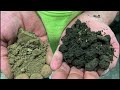
Advanced grazing strategies like strip grazing corn stalks and daily moves in rotational grazing prevent acidosis, double cow days per acre, and improve pasture productivity. Incorporating legumes and
-
Provides practical advice on grazing management, including using crested wheatgrass in arid areas, managing livestock health (pink eye, calving difficulty) by focusing on immune systems and genetics,
Research
-
Managing Grazing to Restore Soil Health, Ecosystem Function, and Ecosystem Services (opens in new window)
This study found: Properly managed grazing animals can reverse environmental damage. Regenerative practices, like Adaptive Multi-Paddock (AMP) grazing, boost soil health, increase soil carbon, reduce erosion, and enhan
-
51 Observing the Effect of Creep Feeding on Calf Behavior Before and After Weaning (opens in new window)
This study found: Creep feeding supplements altered calf behavior before and after weaning. Control calves ate more and vocalized more post-weaning compared to supplemented calves.
-
Creep Feed as a Factor Influencing Performance of Cows and Calves (opens in new window)
This study found: A 21-year study found creep feeding increased calf weights initially but negatively impacted heifer growth post-weaning and cow productivity long-term. Progeny of creep-fed cows were lighter at weanin
-
Pasture-Based Dairy Systems in Temperate Lowlands: Challenges and Opportunities for the Future (opens in new window)
This study found: Pasture-based dairy in temperate lowlands can improve efficiency and sustainability by using more legumes for nitrogen, extending grazing, and selecting robust cows. This reduces chemical inputs, lowe
 From the Web
-
Nebraska Extension's guide details creep feeding for beef calves to increase weaning weight, offering example rations, economic calculations, and management advice. It emphasizes careful appraisal of
-
Creep feeding beef calves increases weaning weight and profitability by supplementing nutrition when milk and forage are insufficient. Benefits include heavier calves and better carcass quality, but p
2
WHERE - Regional Considerations
Successfully implementing creep grazing requires careful consideration of local climate, pasture types, and livestock breeds. The availability and quality of forages, the length of the growing season, and the specific nutritional demands of young animals under local...
Successfully implementing creep grazing requires careful consideration of local climate, pasture types, and livestock breeds. The availability and quality of forages, the length of the growing season, and the specific nutritional demands of young animals under local conditions will all influence its effectiveness and economic feasibility.
WHERE - Regional Considerations
Successfully implementing creep grazing requires careful consideration of local climate, pasture types, and livestock breeds. The availability and quality of forages, the length of the growing season, and the specific nutritional demands of young animals under local...
Successfully implementing creep grazing requires careful consideration of local climate, pasture types, and livestock breeds. The availability and quality of forages, the length of the growing season, and the specific nutritional demands of young animals under local conditions will all influence its effectiveness and economic feasibility.
Click Here to Look up your Region if you don't already know it
Humid Temperate Regions
Representative Locations: Northeastern and Southeastern United States, Northern Europe (UK, Germany, France), Eastern China, Japan, New Zealand
Climate Context: Warm to hot summers and cool to cold winters with moderate to high annual precipitation (75-150 cm or 30-60 inches) distributed relatively evenly. USDA Zones 6-8, Köppen Cfb/Cfa. Typically support a wide range of cool-season perennial grasses and legumes.
Creep Grazing Considerations: These regions generally have a long enough growing season to support high-quality pasture. Cool-season forages like ryegrass, fescue, clover, or alfalfa can be excellent for creep grazing. Management focuses on optimizing forage quality and timely grazing to prevent overgrazing. Temporary paddocks of highly digestible annual forages (e.g., oats, forage radish) can be used for intensive creep grazing. The risk of nutrient imbalances from lush forages needs management through monitoring and potentially mineral supplementation.
Mediterranean Regions
Representative Locations: California, Mediterranean basin (Spain, Italy, Greece), central Chile, southwestern Australia, Western Cape South Africa
Climate Context: Hot, dry summers and mild, wet winters. Annual precipitation 40-90 cm (15-35 inches), highly seasonal. USDA Zones 8-10, Köppen Csa/Csb. Often characterized by annual grasses and forbs during the wet season, with drought-tolerant perennials and shrubs dominating in drier periods.
Creep Grazing Considerations: The primary challenge is the seasonal availability of high-quality forage, especially during dry summers when pastures senesce. Creep grazing may be most effective during the spring flush of growth when annual forages are most nutritious. Supplemental feeding with hay or concentrates might then be necessary during summer, or creep areas could be set aside to manage late-season growth. Drought-tolerant forage species (e.g., certain clovers, some saltbush species) could be considered for creep areas if managed for high quality. The risk of overgrazing during the short, intense growing season is significant if not carefully planned.
Arid / Semi-Arid Regions
Representative Locations: Western USA, North Africa, Central Asia, Interior Australia, parts of South America (e.g., Patagonia)
Climate Context: Low annual precipitation (<40 cm or 15 inches), high temperatures, short and often unpredictable growing season. USDA Zones 7-9, Köppen BSh/BSk. Pastures are typically dominated by drought-tolerant grasses, shrubs, and forbs; forage quality can be low and variable.
Creep Grazing Considerations: Creep grazing is often most impactful in these regions due to the inherent challenge of meeting young animal nutritional needs on sparse forage. Supplemental feeding with concentrates or high-quality hay in creep areas becomes crucial, especially during dry periods or when native forages are low in protein and energy. Managing water access and heat stress in creep areas is paramount. The economic justification for creep feeding in these systems is often higher due to the significant potential for improved weaning weights and reduced mortality. However, overgrazing in supplementary areas can be highly detrimental to fragile arid ecosystems.
Cold Continental Regions
Representative Locations: Northern USA and Canada, Northern Europe, Northern Asia
Climate Context: Very short growing seasons, extreme summer heat, severe winter cold. USDA Zones 3-5, Köppen Dfa/Dfb. Forage is predominantly cool-season grasses and legumes that grow rapidly during the short summer months.
Creep Grazing Considerations: Creep grazing is typically focused on the short, intense summer growing season. Utilizing high-quality annual forages or intensively managed perennial pastures can be very effective. The limited growing season means careful planning is needed to ensure adequate nutrition is available throughout the critical development period for young animals. Hay and stored forages may be used for creep feeding later in the season or during shoulder periods. The cost-effectiveness will depend on the ability to quickly achieve growth targets before winter sets in.
Subtropical Regions
Representative Locations: Southeastern USA, Southern China, Southern Brazil, Eastern Australia
Climate Context: Hot, humid summers and mild winters with generally ample rainfall. USDA Zones 9-11, Köppen Cfa/Cwa. Support a mix of warm-season and cool-season forages depending on the specific location and management.
Creep Grazing Considerations: These regions often have year-round grazing potential, but forage quality can fluctuate. Warm-season perennial grasses dominate in summer, which are often lower in protein and digestibility than cool-season forages. Creep grazing can be highly beneficial during the summer months to boost growth rates when dams' milk production may also be challenged by heat stress. Utilizing high-protein legumes or annual forages (like ryegrass or clover in winter/spring) in creep areas can provide a significant nutritional advantage. Managing heat tolerance for young animals in creep areas during summer is essential.
Tropical Regions
Representative Locations: Central America, Southeast Asia, East Africa, Northern Australia, Northern South America
Climate Context: High temperatures year-round, with distinct wet and dry seasons or consistent high rainfall. Köppen Af/Am/Aw. Pastures often consist of various tropical grasses, legumes, and forbs; quality can be low and fluctuate seasonally.
Creep Grazing Considerations: Creep grazing is highly relevant, especially in regions with pronounced dry seasons where forage quality plummets. Supplemental feeding in creep areas becomes essential to maintain growth rates and reduce mortality. During the wet season, it can be used to capitalize on lush growth. Tropical grasses can be lower in protein and phosphorus, making targeted supplementation critical. Managing for parasites common in tropical climates is also a significant consideration for young animals receiving intensive nutrition.
3
HOW - Implementation Process
Successfully implementing creep grazing involves careful planning, infrastructure setup, and ongoing management to ensure optimal outcomes for young animals and minimal negative impact on the broader ecosystem.
Successfully implementing creep grazing involves careful planning, infrastructure setup, and ongoing management to ensure optimal outcomes for young animals and minimal negative impact on the broader ecosystem.
HOW - Implementation Process
Successfully implementing creep grazing involves careful planning, infrastructure setup, and ongoing management to ensure optimal outcomes for young animals and minimal negative impact on the broader ecosystem.
Successfully implementing creep grazing involves careful planning, infrastructure setup, and ongoing management to ensure optimal outcomes for young animals and minimal negative impact on the broader ecosystem.
Prerequisites
- Animal Assessment: Understand the specific nutritional needs of your young animals based on breed, age, target weight, and growth stage. Consult veterinary or animal husbandry resources.
- Pasture Assessment: Evaluate existing forage quality and quantity. Identify areas that can be temporarily enriched (e.g., small, highly fertile paddocks or areas with specific forage types) or areas suitable for supplemental feeding.
- Objective Setting: Define clear goals for creep grazing: e.g., specific weaning weight increase, earlier marketing age, improved herd uniformity, or supporting transition to regenerative systems.
- Resource Availability: Confirm access to suitable supplemental feed (either pasture or manufactured/home-grown supplements) or the ability to manage a small enriched pasture patch.
- Infrastructure Planning: Determine the type of creep access (gates, tunnels, temporary fencing) and the location of creep areas.
Phase 1: Infrastructure Setup and Area Preparation
Creep Area Selection: Choose areas that:
- Are relatively easy to manage and monitor.
- Are not ecologically sensitive (e.g., avoid riparian zones or fragile slopes if intense grazing is planned).
- Can be easily accessed and moved with animals.
- Allow for rotation to prevent overgrazing and soil degradation.
Creep Access:
- Creep Gates/Tunnels: For permanent or semi-permanent creep areas, build or purchase commercial creep gates or tunnels that allow small animals (calves, lambs) to pass through but not their dams. These are installed in existing fence lines. Cost varies from $50-200 USD equivalent per gate.
- Temporary Fencing: Use electric fencing (polywire, tape) or portable panels to create temporary creep paddocks or to partition off a section of a larger pasture. This offers flexibility but requires more frequent management. Total setup cost for temporary fencing can range from $100-500 USD equivalent for a small area.
Area Preparation:
- Pasture Enrichment: If using a pasture-based creep, prepare the creep area by ensuring it has high-quality, highly digestible forage. This might involve reseeding with a nutrient-dense mix (e.g., ryegrass, clover, turnips), applying compost or manure, or designating a paddock that receives preferential grazing in a rotational system.
- Supplemental Feeding Stations: If using creep feeders, establish feeding stations within the creep area. Ensure feeders are adequately sized to prevent overcrowding and are placed in a location that is accessible but not prone to excessive mud or manure buildup. Feeders can be purchased or constructed, with costs ranging from $100-500 USD equivalent for a small-scale setup.
Phase 2: Introducing Young Animals to Creep Access
Timing: Introduce young animals to the creep area and access points when they show sufficient curiosity and mobility to explore. This is typically after they are a few weeks old.
Introduction Strategy: 1. Gentle Introduction: Guide the young animals towards the creep access points, allowing them to explore and find entry. If using gates, ensure they are open or easily pushed through initially if possible without dams entering. 2. Familiarization: Allow animals to become accustomed to the creep area and its contents for several days. Dams will naturally try to keep their young close, so initial utilization might be low. 3. Encouraging Access: If young animals are hesitant, consider placing a small amount of highly palatable feed or a strong-smelling supplement just inside the creep area to attract them. For pasture-based creep, limit dams' access to the main pasture for short periods to encourage young animals to explore the creep area. 4. Monitoring: Observe animal behavior. Ensure young animals can easily access the creep area and that dams are effectively excluded. Check for any signs of stress, injury, or inability to navigate the access points.
Phase 3: Ongoing Management and Monitoring
Nutritional Management:
- Feed Quality: Continuously monitor the quality of creep forage or supplemental feed. Adjust as needed based on animal growth and environmental conditions (e.g., forage quality drops in dry spells).
- Feed Availability: Ensure feed is always available in creep feeders to meet demand, or that creep pastures are managed to provide high nutritional value. For feeders, replenish as needed to maintain intake.
- Supplement Formulation: If using manufactured feeds, consult with an animal nutritionist to ensure the product is balanced for the specific needs of young animals (e.g., high protein, sufficient minerals and vitamins, appropriate energy levels).
Grazing Management (for pasture-based creep):
- Rotational Grazing: Do not allow continuous grazing within the creep area. Rotate young animals to fresh creep paddocks or move creep access points regularly to prevent overgrazing, soil degradation, and nutrient imbalances. Rotate dams out of the main pasture sections so young can access creep.
- Stocking Density: Manage stocking density in creep areas to prevent damage to forage and soil. Overcrowding leads to reduced forage quality and increased risk of disease transmission.
Animal Health Monitoring:
- Regular Observation: Observe young animals daily for signs of health issues, weight gain, or problems with accessing the creep area. Look for uniformity in growth within the creep-fed group.
- Weaning Transition: As weaning approaches, gradually reduce creep feed availability or prepare animals for the transition to post-weaning diets or pastures.
Transition Timeline & Phase-Out Strategy (If applicable to regenerative transition)
For farms actively transitioning to regenerative grazing, creep grazing is often a temporary tool. The goal is to eventually rely on pasture alone.
- Assess Pasture Improvement: As regenerative practices (longer rest, diverse cover crops, reduced tillage) improve overall pasture quality and availability, monitor young animal growth rates.
- Gradual Reduction: If young animals are meeting target growth rates on improved pasture, begin reducing the amount of creep feed or the duration of access to creep areas.
- Targeted Supplementation: If creep feeding continues, shift towards using less processed feeds or more biologically-sourced supplements (e.g., high-protein legumes grazed in creep paddocks).
- Full Phase-Out: The aim is to reach a point where creep feeding or enriched creep areas are no longer necessary because the dams' milk and the overall pasture are sufficient. This typically occurs when soil organic matter increases, leading to better forage quality, typically 3-5 years into a full regenerative transition, though it can vary.
- Measuring Success: Success is defined by achieving target weaning weights and animal health with minimal or no creep inputs relying instead on the improved regenerative pasture system.
4
Know the Debate
Creep grazing's effectiveness varies significantly by region and management intensity. In humid climates with ample forage, it primarily offers eco...
Know the Debate
Creep grazing's effectiveness varies significantly by region and management intensity. In humid climates with ample forage, it primarily offers eco...
Creep grazing's effectiveness varies significantly by region and management intensity. In humid climates with ample forage, it primarily offers economic gains and a transitional support tool for regenerative farms. However, in drier or more challenging environments, it can be essential for calf survival and productivity but requires careful cost evaluation. Implementing creep grazing demands attention to animal nutrition and grazing infrastructure, ranging from simple setups to more advanced systems. While it can boost early-stage growth, long-term impacts on animal development and pasture health are subjects of ongoing discussion.
What is the true economic benefit of creep grazing?
Profitable Investment ($25-100+/head gain)
Creep grazing can lead to significant economic gains through 10-25% higher weaning weights and earlier marketing, potentially yielding $25-100+ USD equivalent per head. This supports farm profitability, especially during transitions and in challenging environments.
Sources behind this view
Sources behind this view
Videos & Podcasts
-
Creep feeding significantly increases weaning weights, making it a profitable investment when analyzed against feed costs and current market prices. It may also improve rumen development for better grass utilization.
Research
-
Creep Feed as a Factor Influencing Performance of Cows and Calves (opens in new window)
This study found: A long-term study over 21 years looked at how feeding young calves extra feed (creep feeding) affected their growth and how well their mothers produced calves later on. For male calves, creep feeding led to significantly heavier weights at weaning and as yearlings. Female calves were heavier at weaning, but this advantage disappeared by one year old, and creep feeding actually seemed to slow their growth after weaning. For the mother cows, being creep-fed as calves negatively impacted their ability to raise calves later in life, affecting the number of calves weaned, their birth and weaning weights, and overall lifetime production. Calves born to cows that were creep-fed tended to be lighter at weaning, regardless of whether those calves themselves were creep-fed.
From the Web
-
Pasture weaning methods like fence-line weaning and creep feeding are detailed. Advantages include improved cow reproduction, efficient feed use during drought, and better calf growth potential. Retaining ownership post-weaning is often economically beneficial.
Context-Dependent & Risky ($0-40/head gain)
Economic returns are highly variable, potentially yielding minimal gains or even losses if feed costs are high or pasture quality is poor. Risks include over-reliance on supplements and masking underlying pasture deficiencies.
Sources behind this view
Sources behind this view
Videos & Podcasts
-
Describes a grazing system using sedan grass, annual forages (turnips, radishes, cereal rye), and bale residue. Calves are managed separately to access prime grazing, resulting in a reported 30 lbs heavier weaning weight compared to previous year's polywire system.
Research
-
51 Observing the Effect of Creep Feeding on Calf Behavior Before and After Weaning (opens in new window)
This study found: This study looked at how feeding young calves extra supplements (creep feeding) before they are weaned affects their behavior. Researchers compared calves that received no supplement (control), a lower protein supplement, or a higher protein supplement for 82 days. Before weaning, calves on the lower protein feed nursed more, while control calves grazed more. After weaning, calves that did not receive any supplement ate more and made more vocalizations (called out more) compared to the supplemented calves. Calves on the higher protein supplement walked more after weaning. The study found that creep feeding changed how calves behaved both before and after they were separated from their mothers.
From the Web
-
A portable creep grazing gate, with 23 cm spaces and 1.2 m height, allows lambs to forward graze ahead of ewes, increasing weaning weight by up to 2 kg and facilitating pasture rotation.
Making Sense of the Differences
The economic return on creep grazing varies significantly based on the cost and quality of the supplemental feed or enriched pasture, local market prices for livestock, and the efficiency of infrastructure. While there is potential for profit through increased weaning weights and earlier marketing, a careful analysis of input costs versus output gains is crucial. Farms transitioning to regenerative systems may find it a temporary support tool, but the ultimate goal is often to achieve optimal growth from improved pasture alone.
What are the long-term impacts of creep grazing on animal and pasture health?
Potential Negative Long-Term Impacts
Creep feeding may negatively impact long-term cow productivity, heifer growth, and crucial grazing behaviors, potentially increasing disease susceptibility and reducing adaptive grazing skills.
Sources behind this view
Sources behind this view
Research
-
Creep Feed as a Factor Influencing Performance of Cows and Calves (opens in new window)
This study found: A long-term study over 21 years looked at how feeding young calves extra feed (creep feeding) affected their growth and how well their mothers produced calves later on. For male calves, creep feeding led to significantly heavier weights at weaning and as yearlings. Female calves were heavier at weaning, but this advantage disappeared by one year old, and creep feeding actually seemed to slow their growth after weaning. For the mother cows, being creep-fed as calves negatively impacted their ability to raise calves later in life, affecting the number of calves weaned, their birth and weaning weights, and overall lifetime production. Calves born to cows that were creep-fed tended to be lighter at weaning, regardless of whether those calves themselves were creep-fed.
-
51 Observing the Effect of Creep Feeding on Calf Behavior Before and After Weaning (opens in new window)
This study found: This study looked at how feeding young calves extra supplements (creep feeding) before they are weaned affects their behavior. Researchers compared calves that received no supplement (control), a lower protein supplement, or a higher protein supplement for 82 days. Before weaning, calves on the lower protein feed nursed more, while control calves grazed more. After weaning, calves that did not receive any supplement ate more and made more vocalizations (called out more) compared to the supplemented calves. Calves on the higher protein supplement walked more after weaning. The study found that creep feeding changed how calves behaved both before and after they were separated from their mothers.
-
38 Effects of combining nose flap weaning with short-term creep feeding of beef calves on cow and calf performance (opens in new window)
This study found: A study with 104 beef calves tested different weaning methods over three weeks before separation. Combining a short period of supplemental feeding (creep feed) with nose flaps (devices that prevent nursing) or traditional weaning significantly improved both calf weight gain and the weight gain of the mother cows. Calves receiving creep feed before weaning gained more weight and tended to be heavier at separation. While this combination improved performance, it did not improve the calves' response to vaccinations, and one group showed higher levels of BVD virus antibodies after weaning.
Supportive Role in Animal Health and Resilience
When managed strategically, creep grazing can improve young animal health, promote better rumen development, and increase resilience to stressors like weaning and parasites, especially when pasture quality is challenging.
Sources behind this view
Sources behind this view
Videos & Podcasts
-
Creep feeding provides lambs with supplemental concentrate (oats, corn, soybean meal) in a separate area to promote growth and reduce competition with ewes. Early introduction aids digestive adaptation, and consistent availability prevents issues. It can also support lambs during weaning while ewes dry up.
Research
-
LAMB FEEDING STRATEGIES DURING THE PRE-WEANING PERIOD IN INTENSIVE MEAT PRODUCTION SYSTEMS (opens in new window)
This study found: For sheep farmers aiming for consistent, high-quality meat production, how lambs are fed before weaning is critical. Introducing palatable starter feed (creep feed) from the first few days helps lambs' stomachs develop and get used to solid food, boosting their growth. This is important because lambs grow very fast and need more energy than milk can provide for long. While lambs can be weaned as early as 35 days old with proper nutrition, feeding them with creep feed and controlled milk access before weaning is better than abruptly separating them. This approach likely reduces stress and improves their overall performance. Finding specific milk replacers for sheep can be difficult and expensive, and simply controlling how much they suckle doesn't seem to hurt their growth. More research is needed on the best feeding plans for lambs before they are weaned.
From the Web
-
Detailed management for early-weaned beef calves includes pre-weaning creep feeding for bunk-breaking, specific starter ration guidelines (energy, protein, palatability, particle size), and ensuring adequate bunk space and water. Early weaning also improves cow body condition and reproductive performance.
Making Sense of the Differences
There's a divergence between short-term performance gains and potential long-term impacts. While creep feeding can boost immediate weaning weights, academic research suggests it might interfere with natural development, potentially affecting productivity in subsequent years or increasing disease susceptibility. Field reports often focus on immediate economic and animal health benefits, especially for operations with challenging pasture conditions. A balanced approach might involve using creep grazing strategically during challenging pasture phases or transitions, while ensuring pasture quality improves to eventually support natural development, thus mitigating risks to long-term productivity and health.
5
HOW MUCH - Costs & Investment
Note: Costs shown in USD; multiply by local labor and material cost indices for your region. Labor costs vary significantly internationally.
Note: Costs shown in USD; multiply by local labor and material cost indices for your region. Labor costs vary significantly internationally.
HOW MUCH - Costs & Investment
Note: Costs shown in USD; multiply by local labor and material cost indices for your region. Labor costs vary significantly internationally.
Note: Costs shown in USD; multiply by local labor and material cost indices for your region. Labor costs vary significantly internationally.
Note: All costs are based on recent US economic data (2024–2026) and may vary substantially by region based on local labor rates, material costs, and regulatory requirements.
Infrastructure and Setup Costs
Infrastructure investments define the barrier to entry for creep grazing. For small operations (under 50 acres (20 ha)), the strategy focuses on low-cost, mobile assets. Initial setup ranges from $450 to $1,300, accounting for 1–2 portable creep gates ($150–$500), basic solar-powered electric fencing units ($150–$400), and small-capacity creep feeders ($150–$400).
Mid-size operations (50–500 acres (20–202 ha)) require greater durability to accommodate larger herd groups. Total setup costs scale from $1,300 to $4,000. This tier typically includes multiple heavy-duty creep gates ($500–$1,500), significant runs of high-tensile or poly-wire fencing ($400–$1,200), and larger 1,000–2,000 lb (454–907 kg) capacity feeders ($400–$1,200).
Large-scale operations (500+ acres) transition toward permanent or semi-permanent infrastructure, with total capital requirements spanning $4,000 to $12,000+. These investments cover industrial-grade bulk grain bins or multi-gate automated systems ($1,500–$6,000+), extensive perimeter and interior electric fencing ($1,200–$3,500+), and equipment for mechanized feed delivery, ranging from $1,200 to $3,000+.
Pasture and Forage Establishment
Forage quality dictates the success of a creep system. For small tracts, seeding improved legumes or annual ryegrass on 1–10 acres (0.4–4.0 ha) costs $80–$250 per acre ($198–$618/ha), including seed, lime, and seedbed preparation. Mid-size operations managing 10–50 acres (4.0–20 ha) see costs of $60–$180 per acre ($148–$445/ha), benefiting from bulk procurement. Large-scale producers (50+ acres) capitalize on mechanized planting and precision nutrient management, reducing costs to $50–$150 per acre ($124–$371/ha). These investments are largely cyclic, typically occurring on a biennial basis depending on the rotation and climate.
Annual Operating Costs (Per Animal)
Operating costs are dominated by high-protein supplemental feed and routine pasture upkeep. Supplemental feed ranges from $35–$95 per head across all scales. Pasture management—covering fertilizer, specialized soil testing, and periodic rotational mowing—adds $5–$30 per head. For a small operation with 25 animals, annual operating costs range from $1,000 to $3,125. A mid-sized operation with 100 animals requires $3,800 to $9,500 annually. Large operations with 300 animals should budget $10,500 to $27,000, assuming consistent animal counts and optimized feed logistics.
Most Spend: The middle 60% of current adopters typically invest $800–$2,200 on initial infrastructure for mid-sized setups and commit $50–$75 per head annually on ongoing operating costs. This bracket represents a balance between utilizing durable, long-term equipment and managing moderate feed inputs.
Why the Range?: Costs vary primarily due to the choice between mobile versus permanent infrastructure and the producer’s reliance on purchased feed versus high-quality home-grown forages. Geographic location significantly impacts labor costs for installation and regional soil-amendment prices, which can shift total budgets by 10%–15%.
Sources behind this view
Videos & Podcasts
-
Creep feeding significantly increases weaning weights, making it a profitable investment when analyzed against feed costs and current market prices. It may also improve rumen development for better gr
-
Creep feeding's value hinges on marketing goals; it accelerates growth to meet specific weight targets and timelines, potentially improving resilience to parasites. However, it's not always necessary
Research
-
Creep Feed as a Factor Influencing Performance of Cows and Calves (opens in new window)
This study found: A 21-year study found creep feeding increased calf weights initially but negatively impacted heifer growth post-weaning and cow productivity long-term. Progeny of creep-fed cows were lighter at weanin
-
51 Observing the Effect of Creep Feeding on Calf Behavior Before and After Weaning (opens in new window)
This study found: Creep feeding supplements altered calf behavior before and after weaning. Control calves ate more and vocalized more post-weaning compared to supplemented calves.
-
125 Residual Effects of Creep Feed Management on Reproductive Performance of Meat Goat does Across Multiple Years (opens in new window)
This study found: Creep feeding young meat goats did not show lasting benefits for adult reproductive performance or kid production over five years, though sire breed influenced doe weight and total weight weaned.
-
ESTIMATES OF CREEP FEED REQUIREMENTS OF NURSING CALVES AND THE TOTAL ENERGY REQUIREMENTS OF BOTH COW AND CALF TO PRODUCE THE WEANED CALF (opens in new window)
This study found: Energy models estimate creep feed needs for nursing calves, considering cow size and milk production. Larger cows with lower milk yield were found to be more biologically efficient for producing weane
From the Web
-
Nebraska Extension's guide details creep feeding for beef calves to increase weaning weight, offering example rations, economic calculations, and management advice. It emphasizes careful appraisal of
-
Creep feeding beef calves increases weaning weight and profitability by supplementing nutrition when milk and forage are insufficient. Benefits include heavier calves and better carcass quality, but p
6
REWARDS AND RISKS - Economics & Risk Factors
Economic Impact Scenarios
Economic Impact Scenarios
REWARDS AND RISKS - Economics & Risk Factors
Economic Impact Scenarios
Economic Impact Scenarios
Economic Scenarios
The best-case scenario involves a high-quality forage-based creep system coupled with precision supplementation. This approach enables a 20–30% increase in weaning weights, securing an extra $80–$120 in revenue per head. Producers in this scenario often recoup infrastructure investments within 12–18 months. Beyond weight gains, these animals frequently achieve higher uniformity, capturing a 5–10% price premium from finishers.
The typical case scenario features a 10–15% increase in weaning weight, yielding approximately $40–$65 of net revenue per head after accounting for creep feed expenses. Infrastructure costs for gates and feeders ($1,500–$2,200) are usually fully recovered within 2–3 weaning cycles. Improved animal health contributes to this stability by reducing medical and veterinary treatments by 10–20%, equating to $5–$15 per head in annual savings.
The worst-case scenario occurs during periods of high commodity feed costs or poor forage conditions, potentially resulting in a net loss of $10–$30 per head. Improper implementation—specifically failure to rotate animals effectively—can lead to localized overgrazing, requiring $50–$100 per acre ($124–$247/ha) in soil remediation and weed control costs. If the creep system is under-utilized, the capital expenditure remains an idle asset, failing to reach a break-even point even over a 5-year period.
Market Factors and Risk Mitigation
Commodity price volatility poses the greatest danger to thin-margin creep programs. A sudden downturn in cattle or lamb markets can eliminate the profit generated by the added weight. Producers should utilize a "price floor" strategy, forward-contracting 30–50% of the animal crop to lock in margins and cover the investment in feed. To mitigate feed cost surges, diversifying the creep area with complex, multi-species forage mixes helps ensure stable forage availability even if a single species suffers from pests or drought.
Transition Period Risks
Converting existing paddocks into creep zones often triggers a "yield dip." During the first 12–24 months of establishing high-quality legumes, producers may face a reduction in overall grazing capacity by 10–15% as stands become established. To manage this safely, producers should limit conversion to no more than 20% of total acreage per season. Temporary fencing is highly recommended as a diagnostic tool; testing potential creep locations for one season helps verify animal behavior and forage suitability before committing to permanent infrastructure costing over $1,000.
Sources behind this view
Videos & Podcasts
-
Creep feeding significantly increases weaning weights, making it a profitable investment when analyzed against feed costs and current market prices. It may also improve rumen development for better gr
-
Creep feeding's value hinges on marketing goals; it accelerates growth to meet specific weight targets and timelines, potentially improving resilience to parasites. However, it's not always necessary
Research
-
Creep Feed as a Factor Influencing Performance of Cows and Calves (opens in new window)
This study found: A 21-year study found creep feeding increased calf weights initially but negatively impacted heifer growth post-weaning and cow productivity long-term. Progeny of creep-fed cows were lighter at weanin
-
51 Observing the Effect of Creep Feeding on Calf Behavior Before and After Weaning (opens in new window)
This study found: Creep feeding supplements altered calf behavior before and after weaning. Control calves ate more and vocalized more post-weaning compared to supplemented calves.
-
ESTIMATES OF CREEP FEED REQUIREMENTS OF NURSING CALVES AND THE TOTAL ENERGY REQUIREMENTS OF BOTH COW AND CALF TO PRODUCE THE WEANED CALF (opens in new window)
This study found: Energy models estimate creep feed needs for nursing calves, considering cow size and milk production. Larger cows with lower milk yield were found to be more biologically efficient for producing weane
-
125 Residual Effects of Creep Feed Management on Reproductive Performance of Meat Goat does Across Multiple Years (opens in new window)
This study found: Creep feeding young meat goats did not show lasting benefits for adult reproductive performance or kid production over five years, though sire breed influenced doe weight and total weight weaned.
From the Web
-
Nebraska Extension's guide details creep feeding for beef calves to increase weaning weight, offering example rations, economic calculations, and management advice. It emphasizes careful appraisal of
-
Creep feeding beef calves increases weaning weight and profitability by supplementing nutrition when milk and forage are insufficient. Benefits include heavier calves and better carcass quality, but p
7
WHO - Labor & Expertise
Creep grazing requires moderate labor and specific expertise, particularly concerning animal nutrition and grazing management.
Creep grazing requires moderate labor and specific expertise, particularly concerning animal nutrition and grazing management.
WHO - Labor & Expertise
Creep grazing requires moderate labor and specific expertise, particularly concerning animal nutrition and grazing management.
Creep grazing requires moderate labor and specific expertise, particularly concerning animal nutrition and grazing management.
Labor Requirements
- Infrastructure Setup: Initial setup of creep gates, fencing, or feeders requires labor for installation, ranging from a few hours for temporary fencing to a couple of days for robust permanent structures. This can be done by farm staff or hired help.
-
Daily/Weekly Operations:
- Feeding (if applicable): Daily or every-other-day refilling of creep feeders. This takes 30-60 minutes per operation depending on scale and feeder type.
- Pasture Management (if applicable): Moving temporary fencing, checking on creep paddocks, and managing rotational grazing within creep areas. This is integrated into existing rotational grazing duties.
- Animal Observation: Daily checks of young animals for health, weight gain, access to creep areas, and presence of any unusual behavior or health issues. This is crucial for early detection of problems.
-
Monitoring and Adjustment: Weekly or bi-weekly checks of feed intake, forage quality, and soil conditions in creep areas. Adjustments to feed levels, pasture rotation, or fencing are made as needed.
Expertise Requirements
- Animal Nutrition: Understanding the specific nutritional requirements of young animals (calves, lambs) at different growth stages (e.g., protein, energy, mineral, vitamin needs). Expertise in formulating or selecting balanced creep diets is essential to avoid imbalances or deficiencies. Consultants or animal nutritionists can provide this.
- Grazing Management: Knowledge of rotational grazing principles is vital, especially when managing creep paddock quality and preventing overgrazing. Understanding forage growth curves and plant recovery periods is key. Adaptive management principles are beneficial.
- Animal Husbandry and Health: Ability to observe animal behavior, identify health issues, and know when to intervene or seek veterinary advice. Experience with young animal handling is beneficial.
- Infrastructure Management: Basic skills in fence maintenance, gate installation, and feeder upkeep.
International Labor and Expertise Context
- Labor Costs: In regions with lower labor costs (e.g., parts of South America, Africa, Asia), DIY infrastructure construction and more frequent manual feeding might be economically feasible. In regions with higher labor costs (e.g., Western Europe, North America), investing in more efficient, automated feeders or robust, low-maintenance infrastructure is often preferred.
- Expertise Access: Access to animal nutritionists and experienced livestock managers varies globally. Local agricultural extension services, cooperatives, or established farmers can be valuable sources of expertise. Online resources and global research institutions (e.g., ILRI for tropical livestock) provide information applicable across continents.
- Local Breed Needs: Expertise specific to local livestock breeds and their adaptation to regional conditions is important. What constitutes "optimal growth" or "sufficient nutrition" might differ based on breed genetics and climate.
8
EQUIPMENT - Tools & Infrastructure
The equipment and infrastructure for creep grazing can range from simple, low-cost solutions to more advanced systems, depending on scale, management strategy, and available resources.
The equipment and infrastructure for creep grazing can range from simple, low-cost solutions to more advanced systems, depending on scale, management strategy, and available resources.
EQUIPMENT - Tools & Infrastructure
The equipment and infrastructure for creep grazing can range from simple, low-cost solutions to more advanced systems, depending on scale, management strategy, and available resources.
The equipment and infrastructure for creep grazing can range from simple, low-cost solutions to more advanced systems, depending on scale, management strategy, and available resources.
Creep Access Systems
-
Creep Gates/Tunnels:
- Description: Robust, durable frames with adjustable bars or openings that allow young animals to pass through but exclude larger animals (dams). Can be welded steel, galvanized metal, or heavy-duty plastic.
- Cost: $50 - $300 USD equivalent per unit.
- International Sourcing: Available from major agricultural equipment suppliers worldwide. Can also be custom-fabricated locally.
-
Temporary Electric Fencing:
- Description: Polywire or polytape, insulators, step-in posts, and an energizer (solar or mains-powered). Used to create temporary creep paddocks or restrict dam access.
- Cost: $100 - $500 USD equivalent for a small to medium pasture area.
- International Sourcing: Widely available from farm supply stores globally.
-
Portable Panels:
- Description: Metal or heavy-duty plastic panels that can be linked to form temporary enclosures or barriers.
- Cost: $50 - $150 USD equivalent per panel.
- International Sourcing: Common in livestock supply chains worldwide.
Feeding Equipment (if supplemental feeding is used)
-
Creep Feeders:
- Description: Specialized feeders designed with small openings for young animals. They come in various sizes, materials (plastic, metal), and configurations (e.g., multiple feeding ports, covered tops). Capacity ranges from 5-20 young animals per feeder for small units.
- Cost: $100 - $500 USD equivalent per feeder.
- International Sourcing: Available from major agricultural equipment manufacturers and suppliers.
-
Hay/Forage Feeders:
- Description: If using hay or harvested forage as creep feed, specialized feeders designed to minimize waste can be used.
- Cost: $75 - $300 USD equivalent.
- International Sourcing: Standard livestock equipment.
Pasture Management Equipment (for pasture-based creep)
-
No-Till Seeders/Drills:
- Description: Used to establish high-quality forage mixes in existing pastures without prior tillage, minimizing soil disturbance.
- Cost: Can be significant ($5,000 - $30,000+ USD eq. for purchase), or rental options may be available.
- International Sourcing: Available from specialized agricultural machinery dealers.
-
Pasture Renovators/Harrows:
- Description: Lighter implement for improving seed-to-soil contact or lightly disturbing soil surface for overseeding.
- Cost: $500 - $5,000 USD eq.
- International Sourcing: Widely available.
-
Roller-Crimpers (for cover crops):
- Description: Used to terminate cover crops efficiently while leaving residue, enabling subsequent grazing or planting.
- Cost: $1,000 - $5,000+ USD eq.
- International Sourcing: Available from specialized equipment dealers.
Monitoring Tools
-
Weigh Scales: Portable or permanent scales for weighing young animals to monitor growth rates and assess the effectiveness of creep feeding.
- Cost: $500 - $2,000+ USD eq.
- International Sourcing: Standard livestock management equipment.
-
Soil Testing Kits/Penetrometers: For assessing soil health and compaction in creep areas, especially if pasture-based.
- Cost: $50 - $300 USD eq.
- International Sourcing: Widely available from farm supply and laboratory suppliers.
9
COMPATIBLE PRACTICES - Integration Opportunities
Creep grazing, particularly when used as a transitional tool within a regenerative framework, can be synergistically integrated with several other regenerative practices to enhance its benefits and minimize its potential drawbacks.
Creep grazing, particularly when used as a transitional tool within a regenerative framework, can be synergistically integrated with several other regenerative practices to enhance its benefits and minimize its potential drawbacks.
COMPATIBLE PRACTICES - Integration Opportunities
Creep grazing, particularly when used as a transitional tool within a regenerative framework, can be synergistically integrated with several other regenerative practices to enhance its benefits and minimize its potential drawbacks.
Creep grazing, particularly when used as a transitional tool within a regenerative framework, can be synergistically integrated with several other regenerative practices to enhance its benefits and minimize its potential drawbacks.
Cover Cropping
- Integration: If using pasture-based creep, seeding a diverse cover crop mix (e.g., legumes, brassicas, ryegrass) in the creep area can provide highly nutritious forage for young animals while simultaneously improving soil health, nitrogen fixation, and organic matter.
- Synergy Rating: ⭐⭐⭐⭐ (High)
- Benefit: Provides a nutrient-dense, biologically active food source for young animals, improving soil structure, fertility, and biodiversity in the creep area itself. Reduces reliance on purchased feeds.
Holistic Management / Planned Grazing
- Integration: Creep grazing can be incorporated into a holistic planned grazing schedule. The timing and location of creep access are strategically planned months in advance to coincide with critical developmental stages of the young animals and to align with the overall grazing plan for pasture recovery and soil health goals.
- Synergy Rating: ⭐⭐⭐⭐ (High)
- Benefit: Ensures creep grazing supports, rather than detracts from, broader ecological goals by integrating animal performance needs with pasture regeneration and soil health objectives.
Nutrient Management (Organic Fertilizers/Compost)
- Integration: Applying compost, manure, or other organic soil amendments to creep pastures can significantly boost forage quality and yield without synthetic inputs.
- Synergy Rating: ⭐⭐⭐ (Moderate)
- Benefit: Enhances the nutritional value of pasture-based creep forage through natural, biologically active fertility, supporting animal growth and soil biology simultaneously.
Livestock Health Monitoring & Preventative Care
- Integration: The focused attention on young animals in creep areas provides an ideal opportunity for routine health checks, mineral/vitamin supplementation, and parasite management.
- Synergy Rating: ⭐⭐⭐⭐ (High)
- Benefit: Healthier, better-conditioned young animals are more resilient, have higher survival rates, and will ultimately contribute more to farm productivity.
When these practices are integrated, creep grazing becomes a tool that enhances animal performance while remaining consistent with regenerative principles, particularly when it is a temporary strategy leading to a pasture-only system. It shifts from being solely about growth acceleration to becoming part of a holistic animal and land management system.
Sources behind this view
Videos & Podcasts
-
Regenerative grazing (adaptive multi-paddock) uses high-density, short-duration grazing with long recovery to stimulate soil health, increase biomass, and improve water infiltration, mimicking natural
-
Integrating livestock adaptively enhances regenerative agriculture by improving soil health, nutrient cycling, and pest/disease management through grazing, manure, and litter decomposition, but requir

-
Adaptive Multi-Paddock Grazing (AMPG) involves flexible, short-duration grazing and long rest periods, replacing conventional inputs with animal manure. Research metrics include soil health, water inf

Research
-
Managing Grazing to Restore Soil Health, Ecosystem Function, and Ecosystem Services (opens in new window)
This study found: Properly managed grazing animals can reverse environmental damage. Regenerative practices, like Adaptive Multi-Paddock (AMP) grazing, boost soil health, increase soil carbon, reduce erosion, and enhan
-
FORAGES AND PASTURES SYMPOSIUM: COVER CROPS IN LIVESTOCK PRODUCTION: WHOLE-SYSTEM APPROACH: Managing grazing to restore soil health and farm livelihoods1 (opens in new window)
This study found: Regenerative grazing management is key to sustainable, climate-resilient farms. It restores soil health, enhances ecosystem services like carbon capture and water infiltration, and improves farm profi
-
FORAGES AND PASTURES SYMPOSIUM: Improving soil health and productivity on grasslands using managed grazing of livestock. (opens in new window)
This study found: Managed grazing on grasslands can boost plant diversity, soil organic matter, and water infiltration. While results vary, integrating livestock and ecological goals is key for optimal grassland manage
-
FORAGES AND PASTURES SYMPOSIUM: COVER CROPS IN LIVESTOCK PRODUCTION: WHOLE-SYSTEM APPROACH: Managing grazing to restore soil health and farm livelihoods. (opens in new window)
This study found: Shifting to low-input, regenerative farming with smart grazing management can restore soil health, improve ecosystem services like carbon capture and water infiltration, and boost farm profitability f