
Herd Effect
The "herd effect" describes the regenerative benefits derived from grouping livestock at high densities and moving them frequently across a landscape, mimicking natural herd movements. This strategic management stimulates plant growth, cycles nutrients through dung and urine, and improves soil structure, even in systems transitioning away from conventional grazing.
Read More: Complete Description
The herd effect, often associated with "mob grazing" or "holistic management," capitalizes on the combined impacts of large numbers of animals concentrated in a small area for a short duration. By grouping animals densely and moving them frequently to fresh paddocks, managers leverage a suite of ecological processes that regenerate soil and pasture health. This practice fundamentally aligns with regenerative principle 5: integrating livestock. It moves beyond simply placing animals on land to using them as deliberate ecological tools to build soil fertility, stimulate plant growth, and improve water cycles.
At its core, the herd effect is about controlled disturbance and strategic rest. High-density grazing pressures plants intensely for a short period, stimulating them to grow more vigorously afterward. This intense grazing followed by prolonged rest periods allows pastures to recover and build biomass. The concentrated trampling action incorporates organic matter into the soil surface, breaking down surface residues and facilitating nutrient cycling. Furthermore, the concentrated deposition of manure and urine acts as a potent, natural fertilizer, distributing nutrients more evenly across the landscape compared to scattered grazing.
From a regenerative agriculture perspective, the herd effect is a foundational practice when implemented thoughtfully. It directly supports Principle 5: Integrate Livestock by using animals strategically to build soil and cycle nutrients. When managed within a planned grazing system that allows adequate rest, it also contributes to Principle 3: Keep Soil Covered, as the increased plant growth and organic matter deposition protect the soil surface. By promoting vigorous plant growth and deeper root systems in recovering pastures, it also supports Principle 4: Maintain Living Roots, ensuring continuous photosynthetic activity. While it might involve some soil disturbance through trampling, this is carefully managed to be beneficial rather than detrimental, supporting Principle 1: Minimize Soil Disturbance by avoiding rutting and compaction associated with continuous overgrazing. The diversity of plant species that can thrive in a well-managed, rested pasture also supports Principle 2: Maximize Crop Diversity.
The practice is not inherently a transition practice, but can be a crucial stepping stone for farms moving from continuous grazing or feedlot systems. For such farms, adopting the herd effect requires a shift in mindset—from managing animals to managing an ecosystem. It involves moving from concern over individual animal performance to a focus on landscape-level ecological outcomes. This transition may require investing in new fencing and water infrastructure to facilitate frequent moves, and developing skills in observation and planning to adapt grazing to environmental conditions. The "herd effect" is not about keeping animals in one place, but about their dynamic interaction with the land in controlled patterns.
The effectiveness of the herd effect is amplified when combined with diverse forage species. Mixed pastures containing a variety of grasses, legumes, and forbs offer different nutritional profiles and root structures, supporting a more robust ecosystem and more resilient livestock. The diverse root systems and varied decomposition rates of these species contribute significantly to soil health and long-term fertility, further enhancing the regenerative benefits. Internationally, this practice has seen success in various forms, from the vast pastoral systems of East Africa and Australia to mixed farming operations in Europe and North America, adapting livestock types and pasture species to local conditions.
Common misconceptions suggest the herd effect is about animal welfare or sheer animal numbers. In reality, it's about the impact of the herd on the ecosystem. Animals are kept together at high density for a short time not to stress them, but to concentrate their ecological impact and allow vast areas to rest and recover. This rest period is critical, allowing plants to regrow, roots to deepen, soil biology to flourish, and soil structure to improve. Without adequate rest, high-density grazing can indeed be detrimental. Therefore, proper planning of grazing duration and rest periods is paramount.
The herd effect contributes to a more resilient agricultural system. By building soil organic matter and improving water infiltration, pastures managed with the herd effect become more drought-tolerant. Increased biodiversity above and below ground creates a more stable and productive ecosystem. Moreover, by sequestering carbon in the soil, the practice contributes to climate change mitigation. Farms that transition to this model often report reduced reliance on synthetic inputs, as soil fertility is naturally enhanced, leading to lower costs and a more sustainable operation.
Sources behind this view
Sources behind this view
 Videos & Podcasts
-
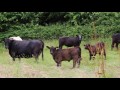
Implemented mob grazing by moving cattle daily to fresh pasture, resulting in thousands saved annually, a 30% increase in stocking rate, and improved soil organic matter (up to 9%) by feeding soil mic
-
Improved grazing management boosts ranch economics through higher stocking rates, better cows-per-man ratios, extended grazing seasons, and reduced feeding costs. Strategic fencing and water developme
-
Effective grazing management mimics natural systems using animal impact to control weeds and cycle nutrients. Frequent rotations spread manure/urine, acting as fertilizer. Avoiding haying, which degra
 Research
-
Managing Grazing to Restore Soil Health, Ecosystem Function, and Ecosystem Services (opens in new window)
This study found: Properly managed grazing animals can reverse environmental damage. Regenerative practices, like Adaptive Multi-Paddock (AMP) grazing, boost soil health, increase soil carbon, reduce erosion, and enhan
-
Regenerative Agriculture: Restoring Ecosystems¢ Resilience and Productivity: A Review (opens in new window)
This study found: Regenerative agriculture builds soil health and ecosystem services through practices like no-till, cover crops, and diverse rotations. It increases soil organic matter, improves water infiltration, bo
-
FORAGES AND PASTURES SYMPOSIUM: Improving soil health and productivity on grasslands using managed grazing of livestock. (opens in new window)
This study found: Managed grazing on grasslands can boost plant diversity, soil organic matter, and water infiltration. While results vary, integrating livestock and ecological goals is key for optimal grassland manage
-
Do regenerative grazing management practices improve vegetation and soil health in grazed rangelands? Preliminary insights from a space-for-time study in the Great Barrier Reef catchments, Australia (opens in new window)
This study found: Regenerative grazing in Queensland, Australia, improved soil nitrogen and carbon over 5-20 years by enhancing plant growth and organic matter. Benefits may take years to become statistically significa
Key Points
What It Is
- High-density grazing, short duration, frequent moves
- Mimics natural migratory herd behavior
- Stimulates plant growth via grazing/trampling
- Concentrates fertility through manure/urine
Why Do It
- Builds soil organic matter and structure
- Enhances pasture growth and resilience
- Increases nutrient cycling efficiency
- Improves water infiltration and retention
Know the Debate
- Soil organic matter gains range from 0.5-2% over years
- Carrying capacity can increase 10-30% with good management
- Infrastructure needs vary by scale and labor availability
- Focus on impact, not just animal numbers
Benefits - Financial
- Carrying capacity increases of 10–30% boost top-line revenue annually.
- Reduced fertilizer/chemical costs save $50–$150 per acre ($124–$371 per hectare) each year.
- Livestock performance improvements yield 5–15% higher weight gains at market.
- Premium branding provides $0.50–$1.50/lb revenue increase at market.
Benefits - System
- Soil organic matter +0.5-2% over 5 years (Principles 3,4,5)
- Earthworm populations increase 2-4x
- Water infiltration +30-60%
- Enhanced biodiversity above and below ground
Risks - Financial
- Initial infrastructure investment costs range from $100–$650 per acre ($247–$1,606 per hectare).
- Stocking rate reductions of 10–20% during 1–2 year transition.
- Annual labor/management overhead costs increase by $2,500–$5,000 base.
Risks - System
- Recompaction if rest periods are too short
- Overgrazing if stock density is low or duration too long
- Requires dedicated labor for frequent moves
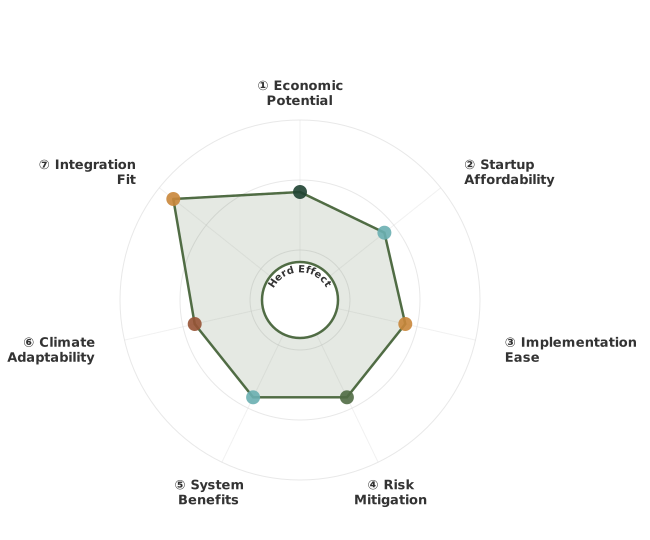
How These Traits Are Calculated
Trait dimensions are ordered clockwise starting from the top of the chart (12 o'clock position):
1. Economic Potential
Financial returns, annual value, and break-even timeline
WHAT: Evaluates financial viability by combining net annual value ($/ha from savings, income, and amortized harvests) with break-even timeline showing when practices pay for themselves.
WHY: Farmers need clear ROI understanding before committing resources. Fast payback (≤3 years) with strong returns (≥$300/ha) enables confident adoption, while long timelines (>10 years) restrict adoption to well-funded operations willing to wait for returns.
HOW: Calculated from net annual value in $/ha and break-even years. Exceptional (≥2.6): fast ROI ≤3 years + high value ≥$300/ha. Typical (1.8-2.5): moderate returns or longer timelines. Limited (<1.8): marginal economics or very long payback >10 years.
2. Startup Affordability
Initial investment costs and financial barrier to entry
WHAT: Measures financial barrier to entry through startup costs for equipment, infrastructure, consulting, and materials. Inverted scoring: lower costs = higher scores = more accessible adoption.
WHY: Affordability determines who can adopt. Low-cost practices (<$250/ha) enable widespread adoption across diverse scales, while high costs (>$2,500/ha) limit adoption to well-capitalized operations, creating barriers that slow regenerative transition.
HOW: Calculated from initial investment parsed from practice content. Inverted scoring: Exceptional (≥2.6): minimal investment <$250/ha. Typical (1.8-2.5): moderate costs $250-2,500/ha. Limited (<1.8): high barrier >$2,500/ha.
3. Implementation Ease
Learning curve and specialized knowledge required
WHAT: Measures how much learning, planning, and specialized knowledge a practice requires. Simpler practices with fewer steps score higher, while complex practices requiring extensive training or specialized resources score lower.
WHY: Complex practices create adoption barriers even when economically viable. Straightforward practices enable faster adoption and broader participation, while those requiring extensive training, timing precision, or specialized equipment limit who can succeed.
HOW: Evaluated by measuring documentation length and identifying complexity markers like location-specific requirements, seasonal timing windows, specialized skills, and dedicated equipment needs. Exceptional (≥2.6): straightforward practices with minimal prerequisites. Typical (1.8-2.5): moderate learning curve with some specialized needs. Limited (<1.8): steep learning curve requiring significant training or resources.
4. Risk Mitigation
Identified financial and ecological risk assessment
WHAT: Evaluates documented risks across financial (investment loss, market volatility) and ecological (crop failure, pest outbreaks) domains. Inverted scoring: fewer risks = higher scores.
WHY: Understanding risk exposure helps farmers make informed decisions. Low-risk practices allow confident implementation, while high-risk practices require careful planning and contingency resources. Risk transparency prevents costly failures.
HOW: Calculated from identified risks in practice content. Inverted scoring: Exceptional (≥2.6): ≤2 risks with manageable severity. Typical (1.8-2.5): 3-5 moderate risks. Limited (<1.8): 6+ risks or severe exposure.
5. System Benefits
How many ways the practice improves your land simultaneously
WHAT: Measures how many aspects of land health improve at once—carbon storage, soil quality, erosion control, water absorption, and biodiversity. Practices that improve multiple areas simultaneously create compounding benefits where each improvement reinforces the others.
WHY: The best practices solve multiple problems at once. For example, addressing erosion simultaneously builds carbon and improves water infiltration, creating a resilient system with positive feedback loops. Single-benefit approaches miss these compound transformation opportunities.
HOW: Evaluated across five key outcomes: carbon sequestration, soil organic matter increase, erosion reduction, water infiltration improvement, and biodiversity enhancement. Exceptional (≥2.6): high carbon storage (>8 t/ha/yr), improvements across 4-5 areas, transformative outcomes. Typical (1.8-2.5): moderate carbon (3-8 t/ha/yr), improvements across 2-3 areas. Limited (<1.8): modest impact (<3 t/ha/yr), single-area focus only.
6. Climate Adaptability
Geographic applicability across Köppen climate zones
WHAT: Evaluates geographic applicability by assessing how many Köppen climate zones successfully support a practice and what adaptation requirements are needed. Measures breadth of climates where farmers can implement with minimal to moderate modifications.
WHY: Universal practices working across diverse climates enable more farmers to adopt regenerative approaches. Practices limited to single climate types (only Mediterranean, only tropical) restrict adoption and slow global transition. Adaptability determines whether a practice serves niche regions or offers broad transformation.
HOW: LLM evaluation of regional success stories, Köppen zone coverage, and adaptation needs. Exceptional (≥2.6): 5+ zones or 4+ climate types, 3+ continents, minimal adaptation. Typical (1.8-2.5): 3-4 zones or 2-3 types, 2 continents, moderate adaptation. Limited (<1.8): 1-2 zones, single region, significant adaptation or highly specialized.
7. Integration Fit
How well this practice combines with others you're doing
WHAT: Measures how well a practice combines with other regenerative practices you might be doing. Some practices work as building blocks that make many other practices easier or more effective, while others work best on their own.
WHY: Practices that combine well with many others create more value on your farm. For example, cover cropping enables no-till, improves grazing, supports crop diversity, and helps water management—making all of them work better together. This helps you build a coherent system rather than juggling disconnected practices.
HOW: Evaluated by identifying which practices combine well and how strong those combinations are. 'Ideally Suited' means strong combinations where practices reinforce each other (practice A makes B easier, while B makes A more effective). 'Adequate' means complementary benefits that work well together. Exceptional (≥2.6): combines well with 6+ practices, serves as a building block. Typical (1.8-2.5): combines with 3-5 practices. Limited (<1.8): 1-2 practices or works best alone.
Going Deeper
1
WHY - The Benefits
The herd effect is a powerful regenerative tool that transforms grazing ecosystems by leveraging the concentrated biological activity of livestock. Its benefits extend from immediate improvements in pasture productivity to long-term enhancements in soil health, water...
The herd effect is a powerful regenerative tool that transforms grazing ecosystems by leveraging the concentrated biological activity of livestock. Its benefits extend from immediate improvements in pasture productivity to long-term enhancements in soil health, water...
WHY - The Benefits
The herd effect is a powerful regenerative tool that transforms grazing ecosystems by leveraging the concentrated biological activity of livestock. Its benefits extend from immediate improvements in pasture productivity to long-term enhancements in soil health, water...
The herd effect is a powerful regenerative tool that transforms grazing ecosystems by leveraging the concentrated biological activity of livestock. Its benefits extend from immediate improvements in pasture productivity to long-term enhancements in soil health, water...
Soil Health Benefits
The most profound impact of the herd effect is on soil health. By concentrating animals, their dung and urine become a significant source of fertility, rapidly returning nutrients to the soil. This organic matter input fuels soil microbial communities—bacteria, fungi, protozoa, and nematodes—which are the engines of nutrient cycling and soil structure formation.
High-density grazing leads to trampling, which breaks down surface plant residues and incorporates them into the top few centimeters of soil. This process accelerates decomposition and carbon sequestration. Coupled with the increased root growth stimulated by grazing and the organic matter from animal waste, soil organic matter (SOM) can increase by 0.5-2.0% over 5-10 years. This increase in SOM improves soil aggregation, water-holding capacity, and nutrient availability.
The activity of earthworms and other soil fauna is significantly stimulated. They burrow through the soil, creating channels that improve aeration and water infiltration. With sufficient rest, earthworm populations can increase 2-4 times compared to continuously grazed systems. These biological engineers create a porous soil structure that resists compaction, unlike the dense, anaerobic soils often found in continuously grazed or overstocked pastures.
The herd effect, when paired with adequate rest, fosters a diverse and active soil food web. This biological complexity leads to more resilient soil that can better withstand drought stress and heavy rainfall, reducing erosion and maintaining productivity.
Economic Benefits
The economic advantages of the herd effect stem from both improved productivity and reduced input costs. As pasture health improves, its carrying capacity increases. Studies and farmer reports indicate a potential increase in carrying capacity of 10-30% over time as soil fertility, water infiltration, and plant diversity improve.
Improved forage quality and digestibility due to the grazing and rest cycle lead to better livestock performance. Animals gain weight more efficiently, potentially improving average daily gain by 5-15%. This translates directly to higher market weights and increased revenue.
The natural fertility inputs from livestock manure and urine reduce or eliminate the need for synthetic fertilizers. This can lead to substantial savings, often $50-150 per hectare per year (USD equivalent), depending on the intensity of the system and the baseline fertilizer use.
Furthermore, the enhanced resilience of pastures to drought and other environmental stresses means more predictable production and reduced risk of catastrophic failures, safeguarding long-term income. Improved soil health also contributes to increased land value over time.
For farms in regions with variable rainfall, the improved water infiltration and retention capacity of soils managed with the herd effect can significantly reduce reliance on costly irrigation.
Regenerative Systems Fit
The herd effect is a direct application of Principle 5: Integrate Livestock. It's not just about having animals present; it's about using their presence and movement strategically to regenerate the land.
When managed properly with planned grazing to allow for sufficient rest periods, it actively supports Principle 3: Keep Soil Covered. The stimulated plant growth translates to more living biomass and mulch on the soil surface.
By promoting vigorous plant growth and deeper root systems, it reinforces Principle 4: Maintain Living Roots. The cycle of grazing and recovery encourages plants to actively photosynthesize for longer periods throughout the year.
When the herd effect is implemented in a way that fosters diverse pasture species and promotes soil biological activity, it supports Principle 2: Maximize Crop Diversity. Diverse pastures provide varied food sources for soil microbes and insects, creating a more complex and resilient ecosystem.
While trampling does involve some disturbance, it's a form of beneficial disturbance that helps incorporate organic matter and stimulate plant tillering. This controlled disturbance, when balanced with long rest periods, aligns with Principle 1: Minimize Soil Disturbance by preventing the severe compaction and erosion associated with continuous overgrazing or inappropriate tillage.
The herd effect serves as a foundational practice for farms transitioning to full regenerative systems. It offers a pathway for continued livestock production while actively rebuilding soil health. For operations shifting from continuous grazing, it's a critical training ground for adaptive grazing management. For those moving from confined feeding, it’s a reintroduction to the ecological role of livestock on the landscape.
Sources behind this view
Videos & Podcasts
-
Regenerative grazing (adaptive multi-paddock) uses high-density, short-duration grazing with long recovery to stimulate soil health, increase biomass, and improve water infiltration, mimicking natural
-
Regenerative farming utilizes intensive grazing for short periods followed by long recovery, employing 'Herd Effect' via hoof action and dung/urine to break up hard soil and fertilize for grass growth

-
Rotational grazing with high animal impact is key for soil health. Cattle trample forage, deposit biology, and incorporate organic matter. Leaving adequate 'armor' is vital for regrowth and long-term
-
Grasses regenerate well when managed with grazing animals mimicking natural herd movements. This practice builds soil health, sequesters carbon, and increases biodiversity by stimulating the soil food
 Community
-
Adaptive grazing, emphasizing longer paddock rest periods, promotes pasture diversity and soil health. This leads to improved livestock nutrition, milk/meat quality, and extended grazing seasons, as d
Read more (opens in new window) understandingag.com -
High-density planned grazing, part of Holistic Management, uses cattle timing and density to regenerate soil, enhance forage, and improve animal health. Key is leaving residual forage (40-70%) and mai
Read more (opens in new window) smallfarms.cornell.edu -
Provides practical guidance on regenerative soil management through minimizing tillage, maintaining living roots, diverse species, and strategic grazing. Emphasizes cover crops, perennial pastures, an
Read more (opens in new window) attradev.ncat.org -
High-density grazing (50k-1M lb/ac) benefits soil health via four keystones: less disturbance, living roots, soil cover, and plant diversity. Trampled forage feeds soil microbes, while living roots an
Read more (opens in new window) practicalfarmers.org
Research
-
How Biodiversity-Friendly Is Regenerative Grazing? (opens in new window)
This study found: Regenerative grazing can improve soil health and biodiversity by mimicking natural herd movements, but impacts on plants and animals are mixed and depend on management adaptation.
-
FORAGES AND PASTURES SYMPOSIUM: Improving soil health and productivity on grasslands using managed grazing of livestock. (opens in new window)
This study found: Managed grazing on grasslands can boost plant diversity, soil organic matter, and water infiltration. While results vary, integrating livestock and ecological goals is key for optimal grassland manage
-
Managing Grazing to Restore Soil Health, Ecosystem Function, and Ecosystem Services (opens in new window)
This study found: Properly managed grazing animals can reverse environmental damage. Regenerative practices, like Adaptive Multi-Paddock (AMP) grazing, boost soil health, increase soil carbon, reduce erosion, and enhan
-
316 Regenerative grazing: restoring ecosystem function to improve farm profits (opens in new window)
This study found: Regenerative grazing can improve soil health and farm profits by restoring ecosystem function. Healthy, carbon-rich soil supports biodiversity and better nutrition for livestock and humans.
 From the Web
-
Managed grazing, guided by Holistic Management, improves soil by softening, seeding, mulching, and fertilizing. Hoof action, pruning, and rest periods stimulate plant growth, enhance water/mineral cyc
-
Mob grazing involves moving livestock like cattle and sheep to fresh, small paddocks daily or every few days, promoting even grazing, soil health, drought tolerance, and increased stocking capacity. T
-
Explains how grazing animals, particularly ruminants in brittle environments, are crucial for plant decay and soil replenishment through dung and urine. Holistic Planned Grazing uses animal impact and
-
Holistic and planned grazing with livestock can restore degraded land and improve soil health by enhancing carbon sequestration, water cycles, and fertility, contrary to the belief that grazing causes
2
WHERE - Regional Considerations
The herd effect is highly adaptable to diverse climates and landscapes as it fundamentally involves managing livestock movement and impact, not specific plant species. Its success relies on matching livestock type, density, and grazing/rest cycles to local environmental...
The herd effect is highly adaptable to diverse climates and landscapes as it fundamentally involves managing livestock movement and impact, not specific plant species. Its success relies on matching livestock type, density, and grazing/rest cycles to local environmental...
WHERE - Regional Considerations
The herd effect is highly adaptable to diverse climates and landscapes as it fundamentally involves managing livestock movement and impact, not specific plant species. Its success relies on matching livestock type, density, and grazing/rest cycles to local environmental...
The herd effect is highly adaptable to diverse climates and landscapes as it fundamentally involves managing livestock movement and impact, not specific plant species. Its success relies on matching livestock type, density, and grazing/rest cycles to local environmental...
Click Here to Look up your Region if you don't already know it
Temperate Regions (Humid & Dry)
Representative Locations: North America (Midwest, Great Plains, Eastern US & Canada), Europe (Western, Central, Northern), parts of Asia (China, Japan), Australia (Southern) Climate Context: USDA Zones 4-8, Köppen Cfb, Cfa, Dfb. Significant seasonal variation in temperature and precipitation (750-1500 mm annually). Humid temperate regions have ample rainfall distributed throughout the year, while dry temperate regions experience more distinct wet/dry seasons.
Adaptation Notes: Cattle and sheep are common. Pasture species vary from cool-season grasses (fescues, ryegrasses, bluegrass) in humid areas to drought-hardy grasses (big bluestem, switchgrass) and legumes in drier regions. Management must account for winter dormancy or extreme cold. Short, intense grazing periods followed by long rest (60-90 days or more in summer, potentially including complete winter rest in colder areas) are effective to build biomass and soil organic matter. Intense grazing can manage cool-season pastures to reduce tussockiness and encourage leafy growth. In dry temperate regions, longer rest periods are crucial during dry spells to allow full plant recovery; managing for dormant season grazing may be necessary.
Arid and Semi-Arid Regions
Representative Locations: Western USA (Great Basin, High Plains), North Africa, Middle East, Central Asia, Interior Australia, parts of South America (Patagonia) Climate Context: USDA Zones 5-9 (variable), Köppen BSh, BSk, BWh. Low annual precipitation (<400 mm), high temperatures, large diurnal temperature ranges, and long dry periods. Plant life is adapted to drought and heat.
Adaptation Notes: Often involves nomadic or semi-nomadic pastoralism, adapting herd movement to scarce water and forage resources. Livestock species are typically drought-tolerant (e.g., certain cattle breeds like Boran or Simbrah, sheep, goats, camels). Native grasses, shrubs, and forbs adapted to low rainfall are key. Management focuses on extending grazing pressure over vast areas by moving herds frequently between scattered water sources and forage patches. Long rest periods (often 9-12+ months, sometimes including full year-round rests for vulnerable areas) are essential to allow slow-growing arid plants to recover and set seed. The herd effect here can be about moving livestock before they deplete any single patch, allowing it to rest and regenerate in an environment where recovery is naturally slow. The trampling action can help break soil crusts and embed seeds.
Mediterranean Regions
Representative Locations: California (USA), Mediterranean Basin (Spain, Italy, Greece), Central Chile, Southwestern Australia, South Africa (Cape region) Climate Context: USDA Zones 8-10, Köppen Csa, Csb. Hot, dry summers and mild, wet winters. Rainfall is seasonal and can be moderate to low.
Adaptation Notes: Pastures are often annuals or perennials adapted to seasonal moisture. Livestock include cattle, sheep, and goats. Management typically involves grazing during the wet, growing season (fall through spring) and resting pastures during the hot, dry summer. The herd effect can be used to manage annual pastures, grazing them down before they go to seed to encourage reseeding and nutrient cycling. High-density grazing during the spring growth flush, followed by summer rest, maximizes pasture recovery and builds soil organic matter during the wet season. Goats can be very useful for managing woody encroachment in these ecosystems when incorporated into the grazing plan.
Subtropical and Tropical Regions
Representative Locations: Southeastern USA, Southeast Asia, East Africa, Brazil, Northern Australia Climate Context: USDA Zones 9-11, Köppen Cfa, Cwa, Af, Am, Aw. High temperatures year-round, with high humidity and abundant rainfall (often >1500 mm), sometimes with distinct wet and dry seasons. Lush, fast-growing vegetation.
Adaptation Notes: Cattle and sheep are common, but water buffalo, goats, and pigs can also be integrated. Pasture species are typically tropical grasses (e.g., Brachiaria, Panicum species) and legumes. The fast growth in these regions allows for shorter rest periods (e.g., 30-45 days in the wet season, potentially longer during dry spells or winter dormancy). High stocking densities are effective for managing rank tropical grasses, preventing them from becoming unpalatable and woody. Trampling is effective for incorporating organic matter and breaking down dense tropical thatch. The key is to manage grazing intensity and duration to avoid over-degradation of the highly productive but potentially fragile tropical ecosystems. Careful attention to water sources is critical due to high evaporation rates and potential for rapid drying.
3
HOW - Implementation Process
Implementing the herd effect involves a shift from traditional grazing management to a system that actively uses livestock as an ecological tool. This requires careful planning, observation, and adaptation.
Implementing the herd effect involves a shift from traditional grazing management to a system that actively uses livestock as an ecological tool. This requires careful planning, observation, and adaptation.
HOW - Implementation Process
Implementing the herd effect involves a shift from traditional grazing management to a system that actively uses livestock as an ecological tool. This requires careful planning, observation, and adaptation.
Implementing the herd effect involves a shift from traditional grazing management to a system that actively uses livestock as an ecological tool. This requires careful planning, observation, and adaptation.
Prerequisites
- Understanding of Local Ecosystem: Familiarity with plant species, soil types, rainfall patterns, and historical grazing impacts.
- Defined Goals: What are you trying to achieve? (e.g., increase SOM, improve water infiltration, increase carrying capacity, sequester carbon, reduce input costs).
- Commitment to Observation: Regular monitoring of plant regrowth, soil condition, and animal behavior is crucial.
- Decision to Plan: Moving from reactive grazing to proactive, planned grazing.
Phase 1: Planning and Infrastructure Assessment
1. Design for Movement:
- Paddock Design: Subdivide large pastures into smaller paddocks. The size depends on herd size, desired grazing duration, and plant growth rate. For a herd of 100 large animals, paddocks might range from 0.2 to 2 hectares (0.5 to 5 acres) for 12-72 hour grazing periods. International variation: in arid regions, paddocks can be much larger due to sparse forage and water sources, but require effective management to avoid overgrazing.
- Water Access: Ensure reliable water points in each paddock or planned grazing area. Water infrastructure (troughs, pipelines, solar pumps) is critical for implementing short-duration grazing. Costs vary significantly by region and existing infrastructure.
- Fencing: Implement flexible fencing systems. High-tensile electric fencing is common for rapid paddock shifts. Portable electric fences are cost-effective for smaller operations or temporary subdivisions. Permanent fencing may be used for perimeter and major subdivisions. Costs range from $100-500/ha ($40-200/acre) USD equivalent for setup without existing infrastructure.
2. Livestock Selection and Preparation:
- Herd Size and Composition: Adapt herd size to pasture capacity and management goals. Consider using a diverse herd (e.g., mixed cattle breeds, sheep, goats) to target different plant species and management objectives.
- Animal Health: Ensure animals are healthy and well-adapted to pasture conditions. Transitioning animals to pasture slowly, especially if coming from feedlots, is important.
3. Develop a Grazing Plan:
- Rotation Schedule: Create a rotational plan based on plant growth rates, anticipated rainfall, and desired rest periods. This is not static; it must be adaptable to real-time conditions.
- Rest Periods: This is the most critical element. Rest periods should be long enough for plants to recover, regrow, and rebuild root reserves. This might be 30-60 days in highly productive temperate summers, but can be 9-12 months or longer in arid or cold regions.
Phase 2: Initial Grazing Cycles
1. Implement High-Density Grazing:
- Stock Density: Group animals at high density (e.g., 100+ large animals per hectare for 12-72 hours). This forces animals to graze more uniformly and trample vegetation and manure.
- Duration: Limit grazing to 1-3 days per paddock. Shorter periods (12-24 hours) are often used in highly productive systems or for specific plant management goals. Longer periods (up to 3 days) might be used in less productive or more resilient systems.
2. Frequent Movement:
- Daily or Bi-Daily Moves: Move the herd to a new paddock or fresh strip every 1-3 days. This requires consistent daily effort and attention.
- Strip Grazing/Forward Grazing: For certain pastures or when managing for intense impact, a "front" strip of pasture can be continuously opened up to the herd.
3. Monitor and Record:
- Observe Plant Regrowth: Check how quickly plants are recovering after grazing.
- Assess Soil Impact: Look for signs of beneficial trampling versus detrimental compaction.
- Track Animal Performance: Monitor weight gains, health, and condition.
- Record Data: Keep logs of paddock movements, grazing duration, rest periods, rainfall, and observations of plant and soil health.
Phase 3: Adaptation and Refinement
1. Adapt Grazing Plan:
- Respond to Conditions: Modify the plan based on actual plant growth rates, rainfall, and unexpected events. If growth is slow, extend rest periods. If growth is rapid, shorten rest periods or increase stocking density in other areas to utilize excess biomass.
- Adjust Paddock Sizes: Refine paddock sizes based on experience. Too small, and you spend too much time moving. Too large, and you risk overgrazing before the next planned move.
2. Monitor Soil Health Indicators:
- Infiltration Tests: Periodically assess how well water penetrates the soil.
- Soil Organic Matter: Sample soil annually or biennially to track SOM changes.
- Earthworm Counts: Conduct visual counts of earthworms in dug soil samples.
3. Livestock Management Refinements:
- Breed Selection: Consider if different breeds or species would perform better or serve specific ecological management goals.
- Nutritional Support: Supplement animals as needed, but prioritize pasture quality to reduce reliance on external feed.
Transition Timeline & Phase-Out Strategy (If applicable)
For farms transitioning from continuous grazing or feedlots, the integration of herd effect principles is a process:
- Years 1-2 (Introduction & Learning):
- Begin subdividing pastures and implementing rotational grazing, even if longer rest periods are initially used. Focus on moving animals more frequently than before.
- Invest in basic infrastructure (portable electric fence, water tanks).
- Prioritize learning observation skills and planning.
- Start with shorter grazing durations (2-4 days) and gradually reduce as comfort and understanding grow.
-
Use a diverse mix of forage species in pastures where possible.
-
Years 3-5 (Optimization & System Integration):
- Shorten grazing durations (1-3 days) and increase stock density.
- Implement more rigorous planning using tools like grazing calendars or software.
- Ensure adequate rest periods are consistently achieved (e.g., 60+ days in temperate growing seasons).
- Monitor soil health indicators and livestock performance rigorously.
- Phase out synthetic inputs (fertilizers, pesticides) as soil fertility and pasture resilience increase.
-
Consider herd composition adjustments for ecological goals.
-
Year 5+ (Mature Regenerative System):
- Herd effect is fully integrated into the farm management system.
- Grazing cycles are adaptive and responsive to environmental cues.
- Soil health and biodiversity indicators show consistent improvement.
- Reduced reliance on external inputs is significant.
- The focus is on long-term ecosystem health and resilient production.
The success of this transition depends on consistent effort, a willingness to adapt based on observations, and embracing the role of livestock as ecological managers rather than mere production units.
Sources behind this view
Videos & Podcasts
-
Adaptive grazing, emphasizing high stock density, flexibility, and frequent movement/rest, rapidly builds soil organic matter and microbial populations. A Mississippi case study showed dramatic improv

-
Holistic planned grazing mimics natural herd behavior to regenerate grasslands, improve ecosystem function, and sequester carbon. It involves matching forage to livestock needs and monitoring grass re
-
Brian Walberg details the practice of holistic planned grazing, involving intense animal bunching and frequent moves (10-30 min intervals) to maximize animal impact. This method significantly reduced
-
Regenerative farming utilizes intensive grazing for short periods followed by long recovery, employing 'Herd Effect' via hoof action and dung/urine to break up hard soil and fertilize for grass growth
Community
-
Manage rotational grazing by setting recovery (15-40+ days, adapting to region/season) and grazing periods (2-3 days). Aim to 'take half, leave half' for livestock and soil microbes. High stocking den
Read more (opens in new window) smallfarms.cornell.edu -
Adopts a holistic grazing management approach emphasizing diverse perennial pastures, higher residuals (4"), and longer rest periods (avg. 45 days) to build soil health, increase organic matter (3.4%
Read more (opens in new window) smallfarms.cornell.edu -
Prescribed grazing (adaptive, rotational, regenerative) enhances pasture health by resting plants between grazing periods. Key practices include maintaining specific grazing heights (6-10 inches start
Read more (opens in new window) attra.ncat.org -
Holistic Planned Grazing is a systematic approach starting with land health, then human management, influencing plants and animals. It involves adaptive planning to manage complex, changing factors fo
Read more (opens in new window) soilforwater.org
Research
-
Managing Grazing to Restore Soil Health, Ecosystem Function, and Ecosystem Services (opens in new window)
This study found: Properly managed grazing animals can reverse environmental damage. Regenerative practices, like Adaptive Multi-Paddock (AMP) grazing, boost soil health, increase soil carbon, reduce erosion, and enhan
-
FORAGES AND PASTURES SYMPOSIUM: Improving soil health and productivity on grasslands using managed grazing of livestock. (opens in new window)
This study found: Managed grazing on grasslands can boost plant diversity, soil organic matter, and water infiltration. While results vary, integrating livestock and ecological goals is key for optimal grassland manage
-
Impacts of grazing management on hill country pastures: principles and practices (opens in new window)
This study found: Smart grazing on hilly pastures balances animal needs with grass availability. Managing livestock numbers and types, and grazing at the right time, improves pasture quality and quantity for better far
-
Pasture-Based Dairy Systems in Temperate Lowlands: Challenges and Opportunities for the Future (opens in new window)
This study found: Pasture-based dairy in temperate lowlands can improve efficiency and sustainability by using more legumes for nitrogen, extending grazing, and selecting robust cows. This reduces chemical inputs, lowe
From the Web
-
Transition to adaptive grazing with a three-step approach: inventory land/animals/infrastructure, start small using existing resources to increase stock density gradually, and observe/measure progress
-
A 10-step plan for regenerative grazing emphasizes adaptive management, goal setting, mapping, infrastructure assessment, and proper stocking rates. It advises starting small to gain experience before
4
Know the Debate
The effectiveness of the herd effect varies across landscapes, primarily driven by climate, starting soil condition, and management intensity. In h...
Know the Debate
The effectiveness of the herd effect varies across landscapes, primarily driven by climate, starting soil condition, and management intensity. In h...
The effectiveness of the herd effect varies across landscapes, primarily driven by climate, starting soil condition, and management intensity. In humid regions with reliable rainfall and fertile soils, soil biology responds rapidly, showing measurable gains within two years. Arid and semi-arid rangelands, however, require greater patience (five to seven years) due to slower decomposition and plant recovery. Initial infrastructure costs can range from $200-$1,000 per hectare, depending on scale and existing resources, while daily labor for moves is a consistent requirement at any size. Regenerative grazing is less about animal numbers and more about controlled impact and adequate rest periods.
How much soil organic matter gain is achievable?
Modest gains (0.5-1.5% over 5-10 years)
Academic research suggests that well-managed grazing can lead to gradual soil organic matter increases in the range of 0.5-1.5% over several years. These results often depend on the initial soil condition and regional climate, with more fertile, humid areas showing stronger responses.
Sources behind this view
Sources behind this view
Research
-
Response of Grazing Land Soil Health to Management Strategies: A Summary Review (opens in new window)
This study found: This review looks at how different ways of managing pastures affect soil health, specifically how well water soaks in, how much carbon the soil stores, and how efficiently plants use nitrogen. Generally, good grazing practices like moderate, continuous grazing or planned rotational grazing with fewer animals per acre tend to improve these soil functions. Healthy, complete plant cover helps water penetrate the soil better, as does more soil carbon. Planting diverse, fast-growing forage species can boost carbon storage. However, overgrazing or incorrect fertilizer use can lead to carbon loss. Getting the right balance of manure and fertilizer, along with the correct number of animals, is key for plants to use nitrogen effectively. The best approach involves combining these practices based on the specific farm and climate to improve both soil health and overall farm productivity.
-
FORAGES AND PASTURES SYMPOSIUM: Improving soil health and productivity on grasslands using managed grazing of livestock. (opens in new window)
This study found: Managing livestock grazing on grasslands can offer multiple benefits beyond just producing meat or milk. By carefully planning grazing, farmers can encourage a wider variety of plants to grow. This diversity helps plants use sunlight, water, and nutrients more effectively, making the pasture more resilient to weather changes and less prone to weeds. Managed grazing also helps build soil organic matter, which means more carbon and nutrients are stored in the soil, and the soil can hold more water. While grazing can create soil compaction, the roots from diverse pasture plants can help reduce this. More research is needed on how different grazing and rest periods affect soil compaction. Keeping enough plants on the ground is key to helping water soak into the soil, even in wet areas. Diverse plant communities can also create better habitats for wildlife and pollinators. It's important to remember that how grasslands respond to grazing depends a lot on local climate, soil, and plant types. A single grazing plan might not be best for both animal production and all the ecological benefits, so farmers need to balance their goals.
Significant gains (up to 9% in 3-5 years)
Field practitioners report dramatic soil organic matter increases, sometimes up to 9% in just 3-5 years, through intense mob grazing, trampling, and frequent moves. These claims emphasize rapid ecosystem regeneration and significant carbon sequestration.
Sources behind this view
Sources behind this view
Videos & Podcasts
-
Implemented mob grazing by moving cattle daily to fresh pasture, resulting in thousands saved annually, a 30% increase in stocking rate, and improved soil organic matter (up to 9%) by feeding soil microbiology and sequestering carbon. Overcame mental challenges to adopt the practice.
-
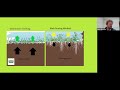
Mob grazing involves daily cattle moves with portable electric fences and water troughs to build soil fertility. Focus is on root development for soil organic matter, with grazing intensity adapting to seasonal grass growth. Farm layout uses 100m alleys.
Making Sense of the Differences
The range of soil organic matter gains from the herd effect varies significantly based on the starting condition of the land, regional climate, and the intensity and duration of grazing and rest. Highly degraded soils in humid regions with ample rainfall and intensive management show faster, larger gains. Arid climates and less degraded soils achieve slower, smaller increases. Farmers should measure their own soil health over time to track progress.
What is the realistic increase in carrying capacity?
Moderate increases (10-20% over 5-7 years)
Research suggests that well-managed grazing can lead to modest increases in carrying capacity (10-20%) over several years. These gains are often observed as pastures become more resilient and productive, benefiting from improved soil health.
Sources behind this view
Sources behind this view
Research
-
Response of Grazing Land Soil Health to Management Strategies: A Summary Review (opens in new window)
This study found: This review looks at how different ways of managing pastures affect soil health, specifically how well water soaks in, how much carbon the soil stores, and how efficiently plants use nitrogen. Generally, good grazing practices like moderate, continuous grazing or planned rotational grazing with fewer animals per acre tend to improve these soil functions. Healthy, complete plant cover helps water penetrate the soil better, as does more soil carbon. Planting diverse, fast-growing forage species can boost carbon storage. However, overgrazing or incorrect fertilizer use can lead to carbon loss. Getting the right balance of manure and fertilizer, along with the correct number of animals, is key for plants to use nitrogen effectively. The best approach involves combining these practices based on the specific farm and climate to improve both soil health and overall farm productivity.
-
FORAGES AND PASTURES SYMPOSIUM: Improving soil health and productivity on grasslands using managed grazing of livestock. (opens in new window)
This study found: Managing livestock grazing on grasslands can offer multiple benefits beyond just producing meat or milk. By carefully planning grazing, farmers can encourage a wider variety of plants to grow. This diversity helps plants use sunlight, water, and nutrients more effectively, making the pasture more resilient to weather changes and less prone to weeds. Managed grazing also helps build soil organic matter, which means more carbon and nutrients are stored in the soil, and the soil can hold more water. While grazing can create soil compaction, the roots from diverse pasture plants can help reduce this. More research is needed on how different grazing and rest periods affect soil compaction. Keeping enough plants on the ground is key to helping water soak into the soil, even in wet areas. Diverse plant communities can also create better habitats for wildlife and pollinators. It's important to remember that how grasslands respond to grazing depends a lot on local climate, soil, and plant types. A single grazing plan might not be best for both animal production and all the ecological benefits, so farmers need to balance their goals.
Significant increases (20-30%+ in 3-5 years)
Field practitioners report substantial increases in carrying capacity (20-30% or more) within 3-5 years by implementing high-density grazing and frequent moves. This is attributed to enhanced forage growth and better utilization.
Sources behind this view
Sources behind this view
Videos & Podcasts
-
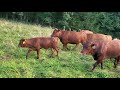
Greg Judy explains regenerative mob grazing, where cattle trample ~70% of forage to build soil health and increase grass growth. This practice, requiring years of management, relies on sunlight and animals, reducing equipment and input costs.
-
Implemented mob grazing by moving cattle daily to fresh pasture, resulting in thousands saved annually, a 30% increase in stocking rate, and improved soil organic matter (up to 9%) by feeding soil microbiology and sequestering carbon. Overcame mental challenges to adopt the practice.
Making Sense of the Differences
Achievable increases in carrying capacity from the herd effect depend on initial pasture condition, rainfall patterns, and the precision of grazing management. Farms starting with degraded land and implementing carefully planned grazing cycles with adequate rest periods see the greatest gains. In arid climates or with less intensive management, changes may be more modest. Consistent monitoring of pasture regrowth and animal performance is key to properly scaling the system.
What are the infrastructure needs for effective herd effect?
Investment varies: temporary to permanent
Academic and institute sources suggest robust electric fencing and water systems are ideal for frequent moves. Field practitioners highlight that adaptable, lower-cost solutions like portable electric fencing can enable implementation, especially for smaller or transitioning farms.
Sources behind this view
Sources behind this view
Videos & Podcasts
-
Mob grazing involves daily cattle moves with portable electric fences and water troughs to build soil fertility. Focus is on root development for soil organic matter, with grazing intensity adapting to seasonal grass growth. Farm layout uses 100m alleys.
-
Implemented mob grazing by moving cattle daily to fresh pasture, resulting in thousands saved annually, a 30% increase in stocking rate, and improved soil organic matter (up to 9%) by feeding soil microbiology and sequestering carbon. Overcame mental challenges to adopt the practice.
Research
-
The Influence of Livestock Trampling under Intensive Rotation Grazing on Soil Hydrologic Characteristics (opens in new window)
This study found: Research from 1986 showed that heavy grazing, where animals are moved frequently and intensely, can harm soil health. On bare patches of soil with a clay-like texture, the impact of cattle hooves significantly reduced how well water could soak into the ground and increased soil erosion. The more animals were stocked, the worse the damage. This damage was worse when the soil was wet. Even 30 days of rest wasn't enough for the soil to recover its ability to absorb water. Soil compaction and poor soil structure were linked to these negative effects.
-
Grazing effects on soil physical properties and the consequences for pastures: a review (opens in new window)
This study found: This review explains how grazing animals, like cattle and sheep, can compact the soil in pastures, similar to how farm machinery can. This soil hardening usually happens in the top few inches of the soil. Deeper compaction is more likely if the soil is wet or has been recently tilled. While compacted soil can affect how well pastures grow, the review suggests that the impact of simply eating the grass (defoliation) is usually more significant. The key takeaway is that managing for healthy, vigorous pasture growth is the best way to maintain good soil structure and prevent excessive compaction.
From the Web
-
Mob grazing requires careful planning regarding move periods and stocking density. Initial setup costs for fencing and water infrastructure are considerations, and traditional breeds may be better suited than modern ones for utilizing taller forage.
-
Mob grazing involves moving livestock like cattle and sheep to fresh, small paddocks daily or every few days, promoting even grazing, soil health, drought tolerance, and increased stocking capacity. This contrasts with set stocking and benefits soil microbiology, water retention, and biodiversity.
Making Sense of the Differences
The required infrastructure for the herd effect varies significantly with farm scale and budget. Smaller operations or those transitioning can start with more economical portable systems, but may face higher labor demands. Larger farms may opt for more permanent subdivisions and centralized water. The key is ensuring animals can be moved frequently and safely to achieve planned rest periods, regardless of specific infrastructure.
5
HOW MUCH - Costs & Investment
Note: Costs are shown in USD equivalent and represent a range. Local labor rates, material availability, and existing infrastructure significantly impact actual costs. Research local pricing for accurate budgeting.
Note: Costs are shown in USD equivalent and represent a range. Local labor rates, material availability, and existing infrastructure significantly impact actual costs. Research local pricing for accurate budgeting.
HOW MUCH - Costs & Investment
Note: Costs are shown in USD equivalent and represent a range. Local labor rates, material availability, and existing infrastructure significantly impact actual costs. Research local pricing for accurate budgeting.
Note: Costs are shown in USD equivalent and represent a range. Local labor rates, material availability, and existing infrastructure significantly impact actual costs. Research local pricing for accurate budgeting.
Note: All costs are based on recent US economic data (2024–2026) and may vary substantially by region based on local labor rates, material costs, and regulatory requirements.
Portable Electric Fencing and Subdivision Infrastructure
High-density grazing necessitates a modular fencing strategy to achieve the biological impact of the herd effect. Small operations (under 50 acres (20 ha)) often bear a disproportionate per-acre cost because they lack the economies of scale found in larger systems. These setups typically require $150–$450 per acre ($371–$1,112/ha), covering the purchase of portable energizers, multi-reel carts, high-visibility poly-wire, and fiberglass pigtail posts. For mid-size operations (50–500 acres (20–202 ha)), costs improve to $80–$250 per acre ($198–$618/ha) through the integration of existing perimeter fences and bulk purchasing of conductors. Large operations (500+ acres) prioritize long-term efficiency, spending $40–$150 per acre ($99–$371/ha) on heavy-duty, high-tensile perimeter fencing while relying on minimal, highly-mobile subdivisions to move the herd. The shift from permanent conventional wire to semi-permanent interior subdivisions is the primary driver of this cost variability.
Water Distribution Systems
The herd effect demands a water system that keeps pace with rapid livestock movement. Small operations (under 50 acres (20 ha)) are often limited by existing infrastructure, frequently necessitating $200–$600 per acre ($494–$1,483/ha) to install localized, high-flow pumping systems or new well-heads to ensure water follows the paddock rotation. Mid-size operations (50–500 acres (20–202 ha)) typically spend $120–$350 per acre ($297–$865/ha), focusing on installing 1-inch to 2-inch poly-pipe mainlines that extend across the property, equipped with quick-coupler valves that allow for rapid trough deployment. Large operations (500+ acres) achieve the lowest per-acre expenditure of $60–$200 by utilizing high-capacity, solar-powered pumps that feed centralized header tanks, which then gravity-feed extensive networks of surface-laid piping to ensure consistent pressure across large geographies.
Management, Training, and Software
Data-driven grazing is essential to prevent overgrazing during the transition. Small operations (under 50 acres (20 ha)) often keep management costs between $0–$400 annually by utilizing free spreadsheets or handheld mobile apps to track forage recovery and animal move dates. Mid-size operations (50–500 acres (20–202 ha)) scale this investment to $500–$1,500 annually to integrate subscription-based management software, such as GrazingCharts or similar digital platforms, and periodic professional site visits. Large operations (500+ acres) spend $1,500–$5,000+ per year, allocating budget toward enterprise-grade satellite forage assessments, remote sensor integration for soil monitoring, and expert consultancy for holistic farm redesign. This professional guidance is often the difference between successful nutrient cycling and the formation of bare soil caps.
Most Spend: The middle 60% of operations typically invest $250–$650 per acre ($618–$1,606/ha). This bracket reflects a hybrid approach, combining the longevity of permanent perimeter fencing with strategically planned, low-cost portable interior wire and a reliable, scalable water system that enables multiple paddocks to be watered from a single centralized header tank. Operations in this range value long-run durability over the "cheapest initial build" approach to avoid the labor intensity of frequent fence repairs.
Why the Range?: The primary drivers of cost variance are existing infrastructure quality and the intensity of the grazing schedule. Operations already equipped with perimeter high-tensile wire see lower entry costs, whereas those starting from conventional barbed wire or no fencing at all skew toward the upper bound of these estimates. Additionally, the decision to utilize manual labor versus automated, time-saving technologies (like solar-powered gate openers or advanced water valve systems) accounts for significant mid-range variation.
Sources behind this view
Videos & Podcasts
-
Improved grazing management boosts ranch economics through higher stocking rates, better cows-per-man ratios, extended grazing seasons, and reduced feeding costs. Strategic fencing and water developme
-
Implemented mob grazing by moving cattle daily to fresh pasture, resulting in thousands saved annually, a 30% increase in stocking rate, and improved soil organic matter (up to 9%) by feeding soil mic
-
Intensive grazing economics depend on labor, equipment, and context. High stock density and bale grazing can manage brush, while soil microbial balance (fungal vs. bacterial) influences plant growth a
-
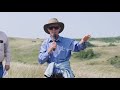
Details the financial benefits of investing in fencing and water infrastructure for grazing, estimating costs ($175/acre) and returns (66% increase in carrying capacity). Discusses specific paddock de
Community
-
Successful rotational grazing requires infrastructure (fences, water), soil testing, and adherence to short occupation/long rest periods, despite offering labor savings and improved animal health.
Read more (opens in new window) smallfarms.cornell.edu -
Integrating portable heifers and dry cows via adaptive grazing in crop systems offers substantial cost savings ($0.56/head/day vs. $4/head/day) and soil health benefits. Practices like Bud Williams' m
Read more (opens in new window) understandingag.com -
Grazing dairy heifers and cull cows reduces costs compared to confinement, with potential savings on feed, labor, and equipment. Producers can manage pastures themselves or use custom grazers, seeking
Read more (opens in new window) smallfarms.cornell.edu
Research
-
Increasing Intensity of Pasture Use with Dairy Cattle: An Economic Analysis (opens in new window)
This study found: Intensive grazing on Pennsylvania dairy farms was more profitable than hay/corn silage, returning $129/acre. High debt and poor cash flow motivated increased grazing intensity, which lowered feed cost
-
Economics of increasing the persistence of sown pastures: costs, stocking rate and cash flow (opens in new window)
This study found: A 15-year financial model shows pastures that last longer and support higher stocking rates without replanting are most profitable, linking ecological sustainability to economic viability for grazing
-
FORAGES AND PASTURES SYMPOSIUM: Improving soil health and productivity on grasslands using managed grazing of livestock. (opens in new window)
This study found: Managed grazing on grasslands can boost plant diversity, soil organic matter, and water infiltration. While results vary, integrating livestock and ecological goals is key for optimal grassland manage
From the Web
-
Analyzes ROI for high stock density grazing, detailing infrastructure costs ($3,250 with grant), labor ($3600 estimate), and a 257% carrying capacity increase. Discusses scaling challenges and lists k
6
REWARDS AND RISKS - Economics & Risk Factors
REWARDS AND RISKS - Economics & Risk Factors
Achieving the herd effect produces varied economic outcomes based on the aggressiveness of the management transition and the baseline health of the soil. In a best-case scenario, where managers have optimized forage residual levels, operations see a 30% increase in carrying capacity within 4 years, alongside a 15% increase in livestock weight gain, resulting in a net profit increase of $200–$400 per acre ($494–$988/ha). Furthermore, synthetic fertilizer dependence can be slashed by up to 75%, and hay supplementation costs drop by $80–$120 per ton as grazing season duration extends into dormant months.
In a typical scenario, carrying capacity improves by 15–20% over a 6-year horizon. Operators record weight gains 5–10% higher than conventional benchmarks, driven by superior forage quality. Annual net income improvements of $80–$180 per acre ($198–$445/ha) are common, with initial capital expenditure for fencing and water amortized over 7–10 years. Conversely, a worst-case scenario occurs when stocking density exceeds the forage recovery rate, leading to soil capping and weed pressure. This results in a 10% decrease in carrying capacity in the first 3 years and a potential decline in annual profitability of $50–$150 per acre ($124–$371/ha), often alongside $100–$300 per acre ($247–$741/ha) in stranded asset costs for fencing that cannot be effectively managed.
Profitability is heavily reliant on market positioning. Capturing premiums for "regenerative" or "grass-fed" certification can increase carcass value by $0.50–$1.50 per lb, which acts as a buffer against input cost volatility. Risk mitigation involves a "Phased Transition," where only 20% of the property is high-density grazed in year one. This keeps startup costs below $100 per acre ($247/ha) in early stages, allowing for operational learning before full-scale adoption.
Transition Period Risks
The transition to high-density grazing presents specific hurdles in the first 12–24 months. Operators should anticipate a temporary stocking rate dip of 10–20% to prioritize root growth and soil biology, requiring a cash reserve equal to 15% of annual operating expenses to cover periods of restricted intake. Labor is another major potential bottleneck; moving livestock daily requires 30–60 minutes of labor, which can cost $2,500–$5,000 annually if using hired labor. Installing automated gate openers ($300–$800) is a recommended hedge against the rising cost of manual labor, effectively reclaiming up to 40% of the time required for daily moves. Finally, an ecological lag of 2–3 years is typical, during which the soil microbial activity catches up to the new management; during this time, livestock weight gain may dip by 5% as the herd acclimates to new nutritional profiles.
Sources behind this view
Videos & Podcasts
-
Implemented mob grazing by moving cattle daily to fresh pasture, resulting in thousands saved annually, a 30% increase in stocking rate, and improved soil organic matter (up to 9%) by feeding soil mic
-
Regenerative agriculture emphasizes adaptive grazing with daily moves and high stock density to improve soil health, reduce synthetic inputs, and build soil carbon. Diversity, manure management, and c
-
Transitioning to regenerative agriculture can be cost-effective by starting with basic rotational grazing principles and viewing infrastructure upgrades as asset investments. Tools like Myograzing aid

-
Transitioning to regenerative grazing involves costs for infrastructure (fencing, water), specialized animal breeds, and potential productivity dips, necessitating financial loans. Nature-focused farm

Community
-
Guides the transition to sustainable pasture fertility by managing the soil carbon liquid pathway through year-round cover, reduced fertilizers, plant diversity, and high-density grazing. Emphasizes p
Read more (opens in new window) attradev.ncat.org -
Manage rotational grazing by setting recovery (15-40+ days, adapting to region/season) and grazing periods (2-3 days). Aim to 'take half, leave half' for livestock and soil microbes. High stocking den
Read more (opens in new window) smallfarms.cornell.edu -
Seven steps to control brush include stabilizing soil temps with cover, optimizing soil biology, using adaptive grazing, minimizing chemicals, growing diverse perennial pastures, incorporating multipl
Read more (opens in new window) understandingag.com -
Prescribed grazing (adaptive, rotational, regenerative) enhances pasture health by resting plants between grazing periods. Key practices include maintaining specific grazing heights (6-10 inches start
Read more (opens in new window) attra.ncat.org
Research
-
Managing Grazing to Restore Soil Health, Ecosystem Function, and Ecosystem Services (opens in new window)
This study found: Properly managed grazing animals can reverse environmental damage. Regenerative practices, like Adaptive Multi-Paddock (AMP) grazing, boost soil health, increase soil carbon, reduce erosion, and enhan
-
Pasture-Based Dairy Systems in Temperate Lowlands: Challenges and Opportunities for the Future (opens in new window)
This study found: Pasture-based dairy in temperate lowlands can improve efficiency and sustainability by using more legumes for nitrogen, extending grazing, and selecting robust cows. This reduces chemical inputs, lowe
-
FORAGES AND PASTURES SYMPOSIUM: Improving soil health and productivity on grasslands using managed grazing of livestock. (opens in new window)
This study found: Managed grazing on grasslands can boost plant diversity, soil organic matter, and water infiltration. While results vary, integrating livestock and ecological goals is key for optimal grassland manage
-
FORAGES AND PASTURES SYMPOSIUM: COVER CROPS IN LIVESTOCK PRODUCTION: WHOLE-SYSTEM APPROACH: Managing grazing to restore soil health and farm livelihoods. (opens in new window)
This study found: Shifting to low-input, regenerative farming with smart grazing management can restore soil health, improve ecosystem services like carbon capture and water infiltration, and boost farm profitability f
From the Web
-
Transition to adaptive grazing with a three-step approach: inventory land/animals/infrastructure, start small using existing resources to increase stock density gradually, and observe/measure progress
-
A 10-step plan for regenerative grazing emphasizes adaptive management, goal setting, mapping, infrastructure assessment, and proper stocking rates. It advises starting small to gain experience before
-
A regenerative grazing plan requires setting goals, building a support system, using maps (aerial, soil) and identifying infrastructure, forage types, grazeable acres, and carrying capacity. It also i
-
Transitioning to diverse pastures requires patience and a mindset shift, moving away from manicured landscapes. Proper grazing management, leaving adequate plant residue, and operating below carrying
7
COMPATIBLE PRACTICES - Integration Opportunities
The herd effect acts as a catalyst for many other regenerative practices, amplifying their benefits and creating a synergistic system.
The herd effect acts as a catalyst for many other regenerative practices, amplifying their benefits and creating a synergistic system.
COMPATIBLE PRACTICES - Integration Opportunities
The herd effect acts as a catalyst for many other regenerative practices, amplifying their benefits and creating a synergistic system.
The herd effect acts as a catalyst for many other regenerative practices, amplifying their benefits and creating a synergistic system.
Rotational Grazing / Planned Grazing
- The herd effect is a form of planned grazing, using high densities and frequent moves. This integration is inherent.
- Integration benefit: Provides the framework for managing the herd's impact and ensuring adequate rest, leading to ecological regeneration.
Diverse Forage Planting / Cover Cropping
- Introducing a wide variety of grasses, legumes, and forbs into pastures.
- Integration benefit: Provides varied nutrition for livestock, encourages deeper root systems, builds soil organic matter, and increases biodiversity. Herbaceous cover crops can be used to bridge gaps in perennial pasture growth or to prepare land for regenerative grazing.
Soil Health Monitoring
- Regular assessment of soil organic matter, infiltration rates, earthworm populations, and aggregate stability.
- Integration benefit: Provides critical feedback on the effectiveness of the herd effect and informs adaptive management decisions. Without monitoring, it's impossible to know if the practice is achieving its goals.
Agroforestry / Silvopasture
- Integrating trees with livestock pastures.
- Integration benefit: Trees provide shade, moderating heat stress on livestock, which is especially valuable with high-density grazing. Livestock can help manage understory vegetation in silvopasture systems. Tree forage can supplement pasture during dry spells.
Keyline Design / Water Harvesting
- Contour plowing or earthworks to slow, spread, and sink water.
- Integration benefit: Improves water infiltration in fields, complementing the infiltration benefits gained from improved soil structure under the herd effect. Ensures water availability for livestock and pasture growth.
No-Till Agriculture
- Relevant if livestock are integrated into cropping systems (e.g., grazing cover crops on crop fields).
- Integration benefit: Livestock can manage cover crops and provide fertility, reducing the need for tillage and synthetic inputs in a crop rotation, supporting continuous soil cover and living roots.
These synergistic practices build upon each other, creating a robust, resilient, and regenerative farming system where livestock play a vital role in ecosystem health and productivity.
Sources behind this view
Videos & Podcasts
-
Integrating livestock, especially cattle, accelerates soil health gains through grazing effects and the addition of organic matter from saliva, dung, and urine. This leads to faster increases in soil
-
Livestock integration is key to soil health, requiring short exposure and long rest grazing to avoid compaction. Creative solutions like 'stacking fiefdoms' allow integration without ownership, creati
-
Regenerative grazing (adaptive multi-paddock) uses high-density, short-duration grazing with long recovery to stimulate soil health, increase biomass, and improve water infiltration, mimicking natural
-
Holistic grazing and multi-species cover cropping, driven by planned animal impact and photosynthesis, regenerate landscapes by improving soil health, water cycles, and soil food webs through mechanis
Community
-
Adaptive grazing, emphasizing longer paddock rest periods, promotes pasture diversity and soil health. This leads to improved livestock nutrition, milk/meat quality, and extended grazing seasons, as d
Read more (opens in new window) understandingag.com -
High-density planned grazing, part of Holistic Management, uses cattle timing and density to regenerate soil, enhance forage, and improve animal health. Key is leaving residual forage (40-70%) and mai
Read more (opens in new window) smallfarms.cornell.edu -
Provides practical guidance on regenerative soil management through minimizing tillage, maintaining living roots, diverse species, and strategic grazing. Emphasizes cover crops, perennial pastures, an
Read more (opens in new window) attradev.ncat.org -
High-density planned grazing uses cattle to regenerate soil and manage forage by leaving ample residual plant material, promoting ecological health and increasing farm productivity.
Read more (opens in new window) smallfarms.cornell.edu
Research
-
Managing Grazing to Restore Soil Health, Ecosystem Function, and Ecosystem Services (opens in new window)
This study found: Properly managed grazing animals can reverse environmental damage. Regenerative practices, like Adaptive Multi-Paddock (AMP) grazing, boost soil health, increase soil carbon, reduce erosion, and enhan
-
FORAGES AND PASTURES SYMPOSIUM: Improving soil health and productivity on grasslands using managed grazing of livestock. (opens in new window)
This study found: Managed grazing on grasslands can boost plant diversity, soil organic matter, and water infiltration. While results vary, integrating livestock and ecological goals is key for optimal grassland manage
-
How Biodiversity-Friendly Is Regenerative Grazing? (opens in new window)
This study found: Regenerative grazing can improve soil health and biodiversity by mimicking natural herd movements, but impacts on plants and animals are mixed and depend on management adaptation.
-
Diversification and ecosystem services for conservation agriculture: Outcomes from pastures and integrated crop–livestock systems (opens in new window)
This study found: Conservation farming with diverse plants and integrated crop-livestock systems enhances environmental benefits like soil carbon storage and nutrient cycling, while minimizing soil disturbance and maxi
From the Web
-
Integrate livestock for weed/pest control and soil fertility, employing regenerative grazing methods while strictly avoiding overgrazing and prohibited practices like synthetic inputs, GMOs, CAFOs, an
-
Integrate livestock using regenerative grazing methods (e.g., mob grazing, rotational grazing) to manage weeds, pests, and build soil organic matter. Prohibits synthetic inputs, GMOs, CAFOs, and damag
-
Integrating ruminant livestock into crop systems enhances soil health by stimulating root exudates for humus building, cycling 70-80% of consumed nutrients, inoculating soil with beneficial microbes,
-
Six soil health principles (context, cover, minimize disturbance, diversity, living roots, integrate livestock) guide regenerative agriculture within four ecosystem processes (energy, water, nutrient