
High Density Short Duration Grazing
High-density short-duration grazing (HDSDG) involves intensely grazing a large group of animals on a small pasture section for a very brief period, usually 12-48 hours, followed by a long rest period of 30-60+ days. This high-impact, short-duration grazing pattern stimulates plant growth, distributes manure evenly, and enhances soil health by maximizing animal impact before moving to a new paddock.
Read More: Complete Description
High-density short-duration grazing (HDSDG), often referred to as "mob grazing" or "ultra-high density grazing," is a strategic livestock management technique that focuses on concentrating a large number of animals onto a very small area for a few hours to a maximum of two days. The goal is to achieve intense, uniform grazing and trampling impact across the paddock, followed by an extended rest period—typically 30 to 60 days, and sometimes much longer depending on the season and land productivity—allowing plants to fully recover and regrow. This contrasts sharply with continuous grazing, where animals have unlimited access to a larger area for an extended period, leading to selective grazing, under-rested plants, and uneven manure distribution.
The fundamental principle behind HDSDG is mimicking the grazing patterns of wild herds that moved constantly to avoid predators and find fresh forage. By mimicking this natural behavior, farmers and ranchers can leverage livestock to build soil health and ecosystem function. When animals are densely packed, they graze plants more evenly and thoroughly. Crucially, they also trample a significant portion of the forage and manure onto the soil surface, acting as a natural fertilizer and mulch. This trampling effect mixes organic matter into the topsoil, which can accelerate decomposition and nutrient availability for plants. The subsequent long rest periods are critical; they allow grazed plants to regrow with vigor, develop deeper root systems, and replenish stored energy reserves. This robust recovery is essential for building soil health and increasing carrying capacity over time.
From a regenerative agriculture perspective, HDSDG directly supports several key principles. It is a powerful tool for integrating livestock (Principle 5) in a way that enhances soil biology and nutrient cycling. By distributing manure and urine uniformly across paddocks, it mimics natural fertility distribution, reducing reliance on synthetic fertilizers. The intense grazing and trampling, when managed correctly, stimulates plant growth and root development, which directly supports maintaining living roots (Principle 4) and keeping soil covered (Principle 3) with healthy, growing vegetation. While the short duration of grazing avoids prolonged hoof pressure that causes compaction, the management must ensure adequate rest periods so plants can recover fully, thus minimizing soil disturbance (Principle 1). HDSDG's emphasis on diverse plant communities and improved soil conditions also inherently leads to maximizing crop diversity (Principle 2) by creating more favorable conditions for a wider array of grasses, legumes, and forbs to flourish.
HDSDG is particularly effective in temperate, humid, and subtropical climates where plant growth is robust. It has been successfully implemented on beef cattle operations in North America, dairy farms in Europe, sheep farms in Australia, and pastoral systems in East Africa. For example, cattle ranchers in the North American Great Plains have used HDSDG to improve pasture productivity and drought resilience, while sheep farmers in New Zealand have observed enhanced soil fertility and reduced need for external inputs. In the savanna regions of Africa, it's employed to manage grazing pressure, enhance rainfall infiltration, and combat desertification by stimulating grass growth and improving soil cover.
The practice often requires significant investment in fencing and water infrastructure. Electric fencing, typically portable, is essential for creating small paddocks rapidly and economically. Water points must be strategically placed and mobile or easily accessible to the densely packed animals during their short stay. The management intensity is higher due to the frequent moving of animals and fencing, requiring diligent observation and planning. However, proponents argue that the significant improvements in soil health, pasture productivity, and reduced input costs offset this management overhead in the long term. It is not a silver bullet for all land types or livestock operations, but when applied appropriately, HDSDG offers a pathway to regenerative outcomes.
A common misconception is that high-density grazing inherently causes compaction. While prolonged or continuous heavy stocking can lead to compaction, HDSDG's short duration of impact followed by long rest periods significantly mitigates this risk. The key is the subsequent recovery time for the soil and plants. If soil is not given adequate time to recover and regrow, compaction can indeed become an issue, especially in wet conditions. Therefore, the length of the rest period is as critical as the density and duration of grazing.
HDSDG is best understood as a phase of adaptive grazing that can be foundational. It’s not a transition practice in the sense of violating principles temporarily; rather, it's a sophisticated application of managed grazing that directly supports regenerative goals. It moves beyond simple rest rotation by intensifying impact and recovery cycles, leading to rapid improvements in pasture and soil health when implemented with careful planning and diligent observation of plant and soil responses. The practice requires a deep understanding of plant physiology, soil biology, and animal behavior, and continuous adaptation based on site-specific conditions.
Sources behind this view
Sources behind this view
 Videos & Podcasts
-
Adaptive high stock density grazing, coupled with plant diversity and strategic disruption, rapidly builds soil organic matter, microbial biomass, and water infiltration. A 5-year case study in Missis

-
This cluster details ultra-high stock density grazing (UHSDG) and 'total grazing' for cattle, emphasizing intensive management, long pasture recovery, and increased stocking rates. The speaker advocat
-
Holistic grazing, with high-density short grazing (2-3 days) and long rest periods (3-4 months), dramatically increases pasture diversity, eliminates pests like grasshoppers, and boosts livestock prod
-
Adaptive grazing, emphasizing high stock density, flexibility, and frequent movement/rest, rapidly builds soil organic matter and microbial populations. A Mississippi case study showed dramatic improv

 Community
-
Discusses regenerative grazing with cattle, sheep, and goats, emphasizing high-density impact and long recovery periods for soil health and ecosystem restoration in arid regions. Debates overgrazing,
Read more (opens in new window) permies.com -
Adopts a holistic grazing management approach emphasizing diverse perennial pastures, higher residuals (4"), and longer rest periods (avg. 45 days) to build soil health, increase organic matter (3.4%
Read more (opens in new window) smallfarms.cornell.edu -
Allan Savory explains holistic management prevents desertification by using livestock to mimic nature, replacing prescriptive grazing systems. Holistic Planned Grazing, with decisions guided by a holi
Read more (opens in new window) permies.com -
Manage rotational grazing by setting recovery (15-40+ days, adapting to region/season) and grazing periods (2-3 days). Aim to 'take half, leave half' for livestock and soil microbes. High stocking den
Read more (opens in new window) smallfarms.cornell.edu
 Research
-
The effect of Holistic Planned Grazing™ on African rangelands: a case study from Zimbabwe (opens in new window)
This study found: Holistic Planned Grazing™ in Zimbabwe improved rangeland health, soil, and vegetation with higher animal density. Temporary animal enclosures also boosted crop yields, suggesting HPG enhances ecosyste
-
Impacts of holistic planned grazing with bison compared to continuous grazing with cattle in South Dakota shortgrass prairie (opens in new window)
This study found: Managed grazing with bison in South Dakota's shortgrass prairie significantly improved soil health, water infiltration, forage, and plant composition compared to continuous cattle grazing over a decad
-
Enabling Regenerative Agriculture Using Remote Sensing and Machine Learning (opens in new window)
This study found: High-intensity sheep grazing with short rest periods (3-6 months) increased pasture organic matter and potentially soil carbon in Tasmania, Australia, even during wet weather. Satellite imagery and AI
-
Adaptive multi-paddock grazing management’s influence on soil food web community structure for: increasing pasture forage production, soil organic carbon, and reducing soil respiration rates in southeastern USA ranches (opens in new window)
This study found: Adaptive multi-paddock grazing in the southeastern US increased pasture growth by 46%, improved soil food webs, reduced soil respiration by 19.5%, and boosted soil organic carbon by 20.6% compared to
 From the Web
-
Adaptive grazing (AMP, ASG, RG) with high stock densities and flexible management improves vegetation, soil health, soil carbon, and animal production over continuous grazing. Research shows short gra
-
Adaptive grazing, emphasizing longer paddock rest periods, promotes pasture diversity and soil health. This leads to improved livestock nutrition, milk/meat quality, and extended grazing seasons, as d
-
Adaptive multi-paddock and holistic planned grazing significantly enhance soil carbon and nitrogen stocks, improve grassland resilience, and can make farms net carbon sinks. Studies show these methods
-
Controlled grazing, including holistic planned and adaptive multi-paddock systems, significantly improves grassland ecology and soil health. Studies show enhanced soil organic carbon, water content, i
Key Points
What It Is
- Large herds, small paddocks, short duration
- Grazing 12-48 hours per paddock
- Long rest periods (30-60+ days)
- High impact, even distribution of impact
Why Do It
- Stimulates plant growth and root development
- Enhances soil fertility through manure distribution
- Improves water infiltration and soil cover
- Builds soil organic matter and biology
Know the Debate
- Soil carbon gains vary by climate, method, and time.
- Pasture recovery timelines depend on rainfall and rest.
- Infrastructure costs increase with farm scale.
- Water access must be distributed and reliable for HDSDG.
- Management intensity requires daily observation and planning.
Benefits - Financial
- Net farm income growth of 10–15% annually by year 4
- Reduced annual supplemental feed/fertilizer costs by 20–50% per acre
- Premium regenerative beef branding adds $0.25–$0.50/lb revenue per animal
- Carrying capacity increases of 20–40% within 3–4 years
Benefits - System
- Improves soil organic matter: 0.5-2% in 5 years
- Increases infiltration: 50-100% in 3-5 years
- Enhances biodiversity: support more plant & insect species
- Maximizes nutrient cycling (Principles 2, 3, 4, 5)
Risks - Financial
- Initial capital infrastructure investment of $180–$950 per acre ($445–$2,347 per hectare)
- Yield reduction of 10–20% during the 1–2 year transition phase
Risks - System
- Overgrazing if rest periods are inadequate
- Soil compaction if soil too wet during impact
- Requires significant fence/water infrastructure
- Management intensive, requires observation skills
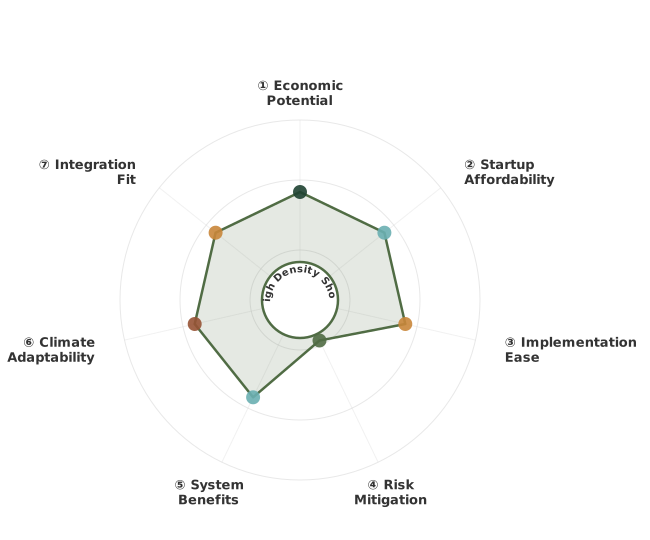
How These Traits Are Calculated
Trait dimensions are ordered clockwise starting from the top of the chart (12 o'clock position):
1. Economic Potential
Financial returns, annual value, and break-even timeline
WHAT: Evaluates financial viability by combining net annual value ($/ha from savings, income, and amortized harvests) with break-even timeline showing when practices pay for themselves.
WHY: Farmers need clear ROI understanding before committing resources. Fast payback (≤3 years) with strong returns (≥$300/ha) enables confident adoption, while long timelines (>10 years) restrict adoption to well-funded operations willing to wait for returns.
HOW: Calculated from net annual value in $/ha and break-even years. Exceptional (≥2.6): fast ROI ≤3 years + high value ≥$300/ha. Typical (1.8-2.5): moderate returns or longer timelines. Limited (<1.8): marginal economics or very long payback >10 years.
2. Startup Affordability
Initial investment costs and financial barrier to entry
WHAT: Measures financial barrier to entry through startup costs for equipment, infrastructure, consulting, and materials. Inverted scoring: lower costs = higher scores = more accessible adoption.
WHY: Affordability determines who can adopt. Low-cost practices (<$250/ha) enable widespread adoption across diverse scales, while high costs (>$2,500/ha) limit adoption to well-capitalized operations, creating barriers that slow regenerative transition.
HOW: Calculated from initial investment parsed from practice content. Inverted scoring: Exceptional (≥2.6): minimal investment <$250/ha. Typical (1.8-2.5): moderate costs $250-2,500/ha. Limited (<1.8): high barrier >$2,500/ha.
3. Implementation Ease
Learning curve and specialized knowledge required
WHAT: Measures how much learning, planning, and specialized knowledge a practice requires. Simpler practices with fewer steps score higher, while complex practices requiring extensive training or specialized resources score lower.
WHY: Complex practices create adoption barriers even when economically viable. Straightforward practices enable faster adoption and broader participation, while those requiring extensive training, timing precision, or specialized equipment limit who can succeed.
HOW: Evaluated by measuring documentation length and identifying complexity markers like location-specific requirements, seasonal timing windows, specialized skills, and dedicated equipment needs. Exceptional (≥2.6): straightforward practices with minimal prerequisites. Typical (1.8-2.5): moderate learning curve with some specialized needs. Limited (<1.8): steep learning curve requiring significant training or resources.
4. Risk Mitigation
Identified financial and ecological risk assessment
WHAT: Evaluates documented risks across financial (investment loss, market volatility) and ecological (crop failure, pest outbreaks) domains. Inverted scoring: fewer risks = higher scores.
WHY: Understanding risk exposure helps farmers make informed decisions. Low-risk practices allow confident implementation, while high-risk practices require careful planning and contingency resources. Risk transparency prevents costly failures.
HOW: Calculated from identified risks in practice content. Inverted scoring: Exceptional (≥2.6): ≤2 risks with manageable severity. Typical (1.8-2.5): 3-5 moderate risks. Limited (<1.8): 6+ risks or severe exposure.
5. System Benefits
How many ways the practice improves your land simultaneously
WHAT: Measures how many aspects of land health improve at once—carbon storage, soil quality, erosion control, water absorption, and biodiversity. Practices that improve multiple areas simultaneously create compounding benefits where each improvement reinforces the others.
WHY: The best practices solve multiple problems at once. For example, addressing erosion simultaneously builds carbon and improves water infiltration, creating a resilient system with positive feedback loops. Single-benefit approaches miss these compound transformation opportunities.
HOW: Evaluated across five key outcomes: carbon sequestration, soil organic matter increase, erosion reduction, water infiltration improvement, and biodiversity enhancement. Exceptional (≥2.6): high carbon storage (>8 t/ha/yr), improvements across 4-5 areas, transformative outcomes. Typical (1.8-2.5): moderate carbon (3-8 t/ha/yr), improvements across 2-3 areas. Limited (<1.8): modest impact (<3 t/ha/yr), single-area focus only.
6. Climate Adaptability
Geographic applicability across Köppen climate zones
WHAT: Evaluates geographic applicability by assessing how many Köppen climate zones successfully support a practice and what adaptation requirements are needed. Measures breadth of climates where farmers can implement with minimal to moderate modifications.
WHY: Universal practices working across diverse climates enable more farmers to adopt regenerative approaches. Practices limited to single climate types (only Mediterranean, only tropical) restrict adoption and slow global transition. Adaptability determines whether a practice serves niche regions or offers broad transformation.
HOW: LLM evaluation of regional success stories, Köppen zone coverage, and adaptation needs. Exceptional (≥2.6): 5+ zones or 4+ climate types, 3+ continents, minimal adaptation. Typical (1.8-2.5): 3-4 zones or 2-3 types, 2 continents, moderate adaptation. Limited (<1.8): 1-2 zones, single region, significant adaptation or highly specialized.
7. Integration Fit
How well this practice combines with others you're doing
WHAT: Measures how well a practice combines with other regenerative practices you might be doing. Some practices work as building blocks that make many other practices easier or more effective, while others work best on their own.
WHY: Practices that combine well with many others create more value on your farm. For example, cover cropping enables no-till, improves grazing, supports crop diversity, and helps water management—making all of them work better together. This helps you build a coherent system rather than juggling disconnected practices.
HOW: Evaluated by identifying which practices combine well and how strong those combinations are. 'Ideally Suited' means strong combinations where practices reinforce each other (practice A makes B easier, while B makes A more effective). 'Adequate' means complementary benefits that work well together. Exceptional (≥2.6): combines well with 6+ practices, serves as a building block. Typical (1.8-2.5): combines with 3-5 practices. Limited (<1.8): 1-2 practices or works best alone.
Going Deeper
1
WHY - The Benefits
High-density short-duration grazing (HDSDG) is a powerful tool for land regeneration because it leverages the natural behavior of livestock to actively improve ecosystem function. By concentrating animals and then providing ample rest, farmers and ranchers can achieve...
High-density short-duration grazing (HDSDG) is a powerful tool for land regeneration because it leverages the natural behavior of livestock to actively improve ecosystem function. By concentrating animals and then providing ample rest, farmers and ranchers can achieve...
WHY - The Benefits
High-density short-duration grazing (HDSDG) is a powerful tool for land regeneration because it leverages the natural behavior of livestock to actively improve ecosystem function. By concentrating animals and then providing ample rest, farmers and ranchers can achieve...
High-density short-duration grazing (HDSDG) is a powerful tool for land regeneration because it leverages the natural behavior of livestock to actively improve ecosystem function. By concentrating animals and then providing ample rest, farmers and ranchers can achieve...
Soil Health Benefits
HDSDG directly contributes to building soil organic matter (SOM) through increased plant photosynthesis and efficient nutrient cycling. By stimulating vigorous plant growth and root development, the practice ensures more photosynthetic energy is directed below ground, feeding soil microbes. The long rest periods allow plants to recover fully, develop deeper and more extensive root systems, and shed organic matter. When animals graze intensely for a short duration, they consume a significant portion of the available forage but also trample a considerable amount of plant material and manure onto the soil surface. This organic residue provides a rich food source for soil microbes, earthworms, and fungi, accelerating decomposition and contributing to SOM accumulation. Studies in temperate grasslands have shown SOM increases of 0.5-2% within 3-5 years of implementing HDSDG.
Improved soil structure is another key benefit. The increase in organic matter acts as a binding agent, promoting the formation of stable soil aggregates. Earthworm activity, stimulated by the availability of organic matter and improved soil conditions, creates burrows that enhance aeration and water infiltration. The intense but brief impact of HDSDG, followed by long rest periods, allows soil to recover from hoof action, preventing severe compaction. This leads to improved soil porosity, reduced bulk density, and better water infiltration rates, often increasing by 50-100% within 3-5 years. This enhanced infiltration reduces surface runoff, conserves moisture, and recharges groundwater.
Nutrient cycling is significantly amplified by HDSDG. Livestock manure and urine are uniformly distributed across the paddocks during the short grazing period. This concentrates fertility where it's needed most, acting as a natural fertilizer. The trampling action helps incorporate this organic matter into the soil surface, facilitating faster nutrient breakdown and availability to plants. This enhanced cycling reduces the farm's reliance on synthetic fertilizers. Furthermore, the practice supports a more diverse and robust soil microbial community, which is crucial for nutrient transformations, disease suppression, and overall soil health.
Economic Benefits
The economic advantages of HDSDG stem from increased land productivity and reduced input costs. By improving pasture health and fertility, farms can often increase their stocking rates. In many cases, producers report increases in carrying capacity by 30-60% per hectare (or per acre) once the system matures and soil health improves, meaning more livestock can be supported on the same land. This directly translates to higher gross revenue potential.
Reduced reliance on external inputs is a significant economic driver. As pasture fertility improves through effective manure distribution and enhanced nutrient cycling, the need for synthetic fertilizers diminishes significantly, often by 20-50%. Similarly, improved forage quality and quantity can reduce the need for supplemental feed, particularly during the growing season. This can lead to substantial savings in feed costs, often contributing to lower overall production costs per animal.
Livestock performance can also see noticeable improvements. Animals grazing on diverse, healthy pastures often exhibit better weight gains, improved reproductive rates, and overall better health due to a more balanced diet and reduced exposure to parasites and stress. These improvements can translate to 5-15% better performance metrics, impacting profitability through higher sale weights or faster market readiness.
In the long term, successful implementation of HDSDG contributes to significant increases in land value. Healthy, productive land with robust soil health and reduced input needs is more desirable and resilient. The enhanced ecological functions also improve a farm's resilience to climate variability, such as drought, by increasing water holding capacity and extending the grazing season. This long-term appreciation in land value can be substantial, often exceeding 20%.
Water Cycle Benefits
HDSDG plays a critical role in restoring and enhancing the water cycle on agricultural landscapes. By improving soil structure and increasing soil organic matter, HDSDG dramatically increases water infiltration rates. Healthy soil acts like a sponge, absorbing rainfall rather than allowing it to run off the surface. This means more water enters the soil profile, recharging groundwater aquifers and making more water available to plants during dry periods. Studies have shown infiltration rates can improve by 50-100% within 3-5 years of consistent HDSDG.
Reduced runoff is a direct consequence of improved infiltration. Less surface water flow protects against soil erosion, preventing the loss of valuable topsoil. Cleaner water also enters waterways, as sediment and nutrient loads from runoff are significantly reduced. This has positive implications for downstream water quality and aquatic ecosystems.
The longer rest periods allow pasture plants to grow more vigorously. This increased plant cover provides a larger surface area for interception of rainfall, reducing the impact of raindrops on the soil surface and further minimizing erosion. The deeper root systems developed by well-rested plants also contribute to improved water uptake and cycling within the ecosystem. In arid and semi-arid regions, this enhanced water retention and availability can significantly extend the grazing season and reduce the risk of drought-induced pasture failure.
Carbon Sequestration
HDSDG is a powerful tool for sequestering atmospheric carbon dioxide into the soil. This process occurs primarily through two mechanisms: enhanced plant photosynthesis and improved soil health. 1. Enhanced Photosynthesis: When plants are grazed and then given adequate rest, they respond with vigorous regrowth. This increased photosynthetic activity means more carbon dioxide is drawn from the atmosphere and converted into sugars, which are then translocated to the roots. Root exudates—sugars and other compounds released by roots—are a primary food source for soil microbes. When these microbes break down dead roots and use exudates, carbon is incorporated into soil organic matter. 2. Improved Soil Health: Increased soil organic matter directly sequesters carbon. As SOM levels rise due to more organic inputs (plant residues, manure, root turnover) and reduced decomposition rates in healthy soil, carbon is stored in the soil profile. The long rest periods help maintain a living root system throughout much of the year, ensuring continuous carbon input. By building soil structure and microbial biomass, HDSDG creates a more stable environment for long-term carbon storage.
Estimates for carbon sequestration under well-managed grazing are highly variable and a subject of ongoing research. Reported rates often range from 1 to 5 tonnes of CO2 equivalent per hectare per year, though some studies in optimal conditions suggest potential for over 10 tCO2e/ha/yr. This sequestration contributes significantly to climate change mitigation efforts and drives broader soil health benefits, such as increased water-holding capacity and fertility.
Biodiversity Benefits
The practice of HDSDG significantly enhances biodiversity both above and below ground. By promoting healthy plant growth and greater diversity in forage species, it creates a more varied habitat and food source for a wide range of insects, birds, and small mammals. The increased presence of diverse grasses, legumes, and forbs provides nesting sites, food (nectar, pollen, seeds), and shelter for pollinators, beneficial insects (predators of pests), and ground-nesting birds.
Below ground, the increase in soil organic matter and improved soil structure fosters a more diverse and abundant soil microbiome. This includes a greater variety of bacteria, fungi, protozoa, and nematodes, which are essential for nutrient cycling, soil structure formation, and plant health. The presence of mycorrhizal fungi, which form symbiotic relationships with plant roots, is particularly important for nutrient uptake and plant resilience. The more diverse and active the soil food web, the more resilient the entire ecosystem becomes to disturbances like drought or pest outbreaks. The even distribution of manure also supports dung beetle populations, which are vital for nutrient recycling and reducing parasite loads in livestock.
Regenerative Systems Fit
HDSDG is a foundational regenerative practice that directly embodies and promotes several core regenerative principles, making it a cornerstone for holistic land management.
Principle 1 (Minimize Soil Disturbance): While HDSDG involves the physical presence of livestock and their hooves, the impact is intense but brief, followed by long recovery periods. This strategy avoids the chronic compaction and degradation associated with continuous overgrazing or the soil structure destruction from annual tillage. By stimulating rapid plant and root growth, the practice helps maintain soil structure through biological means, minimizing the need for mechanical intervention. The goal is to disturb the soil surface minimally with hoof action during the grazing period, and then allow regenerative biological processes to heal and improve structure during the extended rest.
Principle 2 (Maximize Crop Diversity): HDSDG actively promotes plant diversity. The varied grazing intensity and residual forage height across paddocks, combined with the long rest periods, create microhabitats that favor different plant species. Managers can strategically use HDSDG to favor desired species by adjusting graze duration and rest periods. The practice encourages the establishment of a wider array of perennial grasses, legumes, and forbs, which are more resilient and provide a broader spectrum of nutrients for livestock and soil organisms. This increased species diversity above ground leads to a more complex and functional root system diversity below ground.
Principle 3 (Keep Soil Covered): This principle is inherently supported by HDSDG. The goal of intense grazing followed by long rest is to stimulate rapid plant regrowth. This ensures that the soil surface is covered by living plants for the maximum possible duration throughout the year. The trampling of organic matter by livestock also creates a mulch layer, further protecting the soil from erosion, temperature extremes, and moisture loss, especially during the critical initial weeks of plant recovery.
Principle 4 (Maintain Living Roots): By promoting vigorous, well-rested plant growth, HDSDG ensures that living roots are present in the soil for extended periods. The long rest cycles allow plants to develop deep, healthy root systems that are vital for nutrient and water uptake, soil aeration, and carbon sequestration. Continuous root activity fuels soil biology year-round (in perennial systems), maintaining soil structure and fertility.
Principle 5 (Integrate Livestock): HDSDG is fundamentally about integrating livestock to regenerate land. It views animals not just as producers of meat or milk, but as ecological agents that can be managed to improve soil, water, plant, and wildlife health. The high-density, short-duration grazing approach ensures that livestock impact is controlled and utilized strategically to stimulate desired plant responses and distribute fertility, rather than causing degradation. This moves livestock from being a potential liability to a powerful regenerative asset.
HDSDG integrates synergistically with other regenerative practices. It is the bedrock of holistic planned grazing, serving as a detailed tactical implementation of planned grazing. It works exceptionally well with cover cropping, where grazed cover crops can be followed by longer rest periods to maximize their benefit. It complements silvopasture by allowing for managed grazing within tree-pasture systems, ensuring trees receive adequate rest while livestock benefit from the integrated environment. By building soil health and reducing input needs, HDSDG prepares land for other regenerative systems and makes the transition smoother and more economically viable.
Sources behind this view
Videos & Podcasts
-
Adaptive high stock density grazing, coupled with plant diversity and strategic disruption, rapidly builds soil organic matter, microbial biomass, and water infiltration. A 5-year case study in Missis
-
Holistic grazing, with high-density short grazing (2-3 days) and long rest periods (3-4 months), dramatically increases pasture diversity, eliminates pests like grasshoppers, and boosts livestock prod
-
This cluster details ultra-high stock density grazing (UHSDG) and 'total grazing' for cattle, emphasizing intensive management, long pasture recovery, and increased stocking rates. The speaker advocat
-
Holistic planned grazing (HPG), also called adaptive multi-paddock grazing, significantly improves soil carbon (3 tons/ha/yr more than continuous grazing), water infiltration, and ecological function
Community
-
Adopts a holistic grazing management approach emphasizing diverse perennial pastures, higher residuals (4"), and longer rest periods (avg. 45 days) to build soil health, increase organic matter (3.4%
Read more (opens in new window) smallfarms.cornell.edu -
Allan Savory explains holistic management prevents desertification by using livestock to mimic nature, replacing prescriptive grazing systems. Holistic Planned Grazing, with decisions guided by a holi
Read more (opens in new window) permies.com -
Advocates for Soil Foodweb principles and Holistic Management, emphasizing land leasing and custom grazing/growing over labor-intensive methods. Focuses on soil restructuring for water availability an
Read more (opens in new window) permies.com -
Manage rotational grazing by setting recovery (15-40+ days, adapting to region/season) and grazing periods (2-3 days). Aim to 'take half, leave half' for livestock and soil microbes. High stocking den
Read more (opens in new window) smallfarms.cornell.edu
Research
-
The effect of Holistic Planned Grazing™ on African rangelands: a case study from Zimbabwe (opens in new window)
This study found: Holistic Planned Grazing™ in Zimbabwe improved rangeland health, soil, and vegetation with higher animal density. Temporary animal enclosures also boosted crop yields, suggesting HPG enhances ecosyste
-
Impacts of holistic planned grazing with bison compared to continuous grazing with cattle in South Dakota shortgrass prairie (opens in new window)
This study found: Managed grazing with bison in South Dakota's shortgrass prairie significantly improved soil health, water infiltration, forage, and plant composition compared to continuous cattle grazing over a decad
-
Managing Grazing to Restore Soil Health, Ecosystem Function, and Ecosystem Services (opens in new window)
This study found: Properly managed grazing animals can reverse environmental damage. Regenerative practices, like Adaptive Multi-Paddock (AMP) grazing, boost soil health, increase soil carbon, reduce erosion, and enhan
-
Improved grazing management may increase soil carbon sequestration in temperate steppe (opens in new window)
This study found: Continuous moderate grazing in temperate grasslands maximized soil carbon storage by boosting root growth and decay. Optimal management involves ~5 animals/ha and ~40% vegetation utilization for best
From the Web
-
Adaptive grazing, emphasizing longer paddock rest periods, promotes pasture diversity and soil health. This leads to improved livestock nutrition, milk/meat quality, and extended grazing seasons, as d
-
Adaptive multi-paddock and holistic planned grazing significantly enhance soil carbon and nitrogen stocks, improve grassland resilience, and can make farms net carbon sinks. Studies show these methods
-
Adaptive grazing (AMP, ASG, RG) with high stock densities and flexible management improves vegetation, soil health, soil carbon, and animal production over continuous grazing. Research shows short gra
-
Controlled grazing, including holistic planned and adaptive multi-paddock systems, significantly improves grassland ecology and soil health. Studies show enhanced soil organic carbon, water content, i
2
WHERE - Regional Considerations
High-density short-duration grazing (HDSDG) is an adaptive management strategy that can be applied across a wide range of climates, but success is significantly influenced by regional factors such as rainfall patterns, growing season length, soil types, and native plant...
High-density short-duration grazing (HDSDG) is an adaptive management strategy that can be applied across a wide range of climates, but success is significantly influenced by regional factors such as rainfall patterns, growing season length, soil types, and native plant...
WHERE - Regional Considerations
High-density short-duration grazing (HDSDG) is an adaptive management strategy that can be applied across a wide range of climates, but success is significantly influenced by regional factors such as rainfall patterns, growing season length, soil types, and native plant...
High-density short-duration grazing (HDSDG) is an adaptive management strategy that can be applied across a wide range of climates, but success is significantly influenced by regional factors such as rainfall patterns, growing season length, soil types, and native plant...
Click Here to Look up your Region if you don't already know it
Tropical Regions
Representative Locations: Central America, Southeast Asia, East Africa, Northern Australia, Northern South America Climate Context: High temperatures year-round, with distinct wet and dry seasons or consistent high rainfall. Köppen Af/Am/Aw.
In tropical regions, HDSDG can be highly effective due to rapid plant growth during the wet season. The challenge often lies in managing the dry season, where long rest periods may be necessary but vegetation growth is slow. Careful planning for water availability and selecting drought-tolerant forage species are critical. In savanna areas with distinct wet and dry seasons, HDSDG can help manage grazing pressure, stimulate grass growth as rains return, and prevent overgrazing during dry periods by concentrating animals on available dry matter. Livestock management in these regions must also consider heat stress and parasite loads.
Subtropical Regions
Representative Locations: Southeastern USA, Southern China, Southern Brazil, Eastern Australia Climate Context: Hot, humid summers and mild winters with generally ample rainfall. USDA Zones 9-11, Köppen Cfa/Cwa.
Subtropical climates offer long growing seasons, making HDSDG very productive. The warm, humid conditions support rapid plant regrowth, allowing for shorter rest periods during the peak growing season (potentially 20-30 days), though longer rests (40-60 days) are still beneficial for deep root development and forage diversity. Managing animal heat stress during long summers is a key consideration. Ensuring access to shade and water is paramount. The high rainfall can also increase the risk of soil compaction if grazing occurs on saturated soils; therefore, paddock selection and timing are crucial. HDSDG here can significantly improve pasture quality and reduce reliance on supplemental feed.
Humid Temperate Regions
Representative Locations: Northeastern USA, Northern Europe (UK, Germany, Poland), Eastern China, Japan, New Zealand Climate Context: Warm to hot summers and cool to cold winters with moderate to high annual precipitation (75-150 cm or 30-60 inches) distributed relatively evenly. USDA Zones 6-8, Köppen Cfb/Cfa.
These regions are ideal for HDSDG due to long, consistent growing seasons and abundant rainfall. Plant regrowth can be rapid, allowing for relatively short rest periods during peak growth. However, very wet spring conditions can pose a risk for soil compaction. Careful attention must be paid to soil moisture levels before moving livestock into paddocks. HDSDG is widely used in these areas to improve pasture swards, increase forage quality, build soil organic matter, and reduce the need for fertilizer inputs on dairy and beef operations. The challenge is often managing animal access during wet periods.
Mediterranean Regions
Representative Locations: California, Mediterranean basin (Spain, Italy, Greece), central Chile, southwestern Australia, Western Cape South Africa Climate Context: Hot, dry summers and mild, wet winters. Annual precipitation 40-90 cm (15-35 inches), highly seasonal. USDA Zones 8-10, Köppen Csa/Csb.
HDSDG in Mediterranean climates requires careful adaptation to the highly seasonal rainfall patterns. The majority of growth occurs during the mild, wet winter and spring. During this peak growth period, short grazing durations and moderate rest periods (30-45 days) can be effective. However, summer grazing is challenging due to dry conditions and limited forage availability. Management often involves destocking or shifting to dry-season grazing strategies, relying on stored forage or drought-tolerant species. Long rest periods during the dry summer are crucial for allowing perennial plants to recover and build reserves for the next growing season. HDSDG can be highly effective in restoring degraded Mediterranean rangelands by improving soil cover and water infiltration.
Arid/Semi-Arid Regions
Representative Locations: Western USA, North Africa, Central Asia, Interior Australia Climate Context: Low annual precipitation (<40 cm or 15 inches), high temperatures, short and often unpredictable growing season. USDA Zones 7-9, Köppen BSh/BSk.
HDSDG in arid and semi-arid regions is challenging but highly rewarding when managed correctly. Growth is highly dependent on unpredictable rainfall events. The length of the rest period becomes extremely critical, often needing to be 60 days or much longer (up to 120+ days) to allow plants to fully recover from grazing. The goal is to graze lightly and move animals frequently to allow plants to survive and regenerate. Emphasis is placed on improving soil cover and water infiltration to capture any rainfall that does occur. HDSDG in these regions is often part of a broader strategy to combat desertification and improve range condition, focusing on enhancing perennial grass stands and overall ecosystem function through extended dormancy and recovery periods.
Cold Continental Regions
Representative Locations: Northern USA and Canada, Northern Europe, Northern Asia Climate Context: Very short growing seasons, extreme summer heat, severe winter cold. USDA Zones 3-5, Köppen Dfa/Dfb.
In cold continental climates, HDSDG is typically applied during the short growing season (spring, summer, early autumn). Plant growth is rapid but concentrated. Rest periods need to be carefully managed in relation to forage availability and fall frost. Animals are often removed from pastures well before winter to allow vegetation to harden off and build root reserves for winter survival. The significant accumulation of plant residue, combined with dormant plant roots, provides excellent soil cover over winter. HDSDG can be very effective in these regions for building soil health, increasing carrying capacity during the productive season, and ensuring pasture resilience. Winter feeding strategies must be carefully integrated with the land's capacity.
3
HOW - Implementation Process
Implementing High-Density Short-Duration Grazing (HDSDG) involves meticulous planning and precise execution to ensure optimal animal performance and ecosystem regeneration. It's a system that requires adaptive management, meaning constant observation and adjustment based...
Implementing High-Density Short-Duration Grazing (HDSDG) involves meticulous planning and precise execution to ensure optimal animal performance and ecosystem regeneration. It's a system that requires adaptive management, meaning constant observation and adjustment based...
HOW - Implementation Process
Implementing High-Density Short-Duration Grazing (HDSDG) involves meticulous planning and precise execution to ensure optimal animal performance and ecosystem regeneration. It's a system that requires adaptive management, meaning constant observation and adjustment based...
Implementing High-Density Short-Duration Grazing (HDSDG) involves meticulous planning and precise execution to ensure optimal animal performance and ecosystem regeneration. It's a system that requires adaptive management, meaning constant observation and adjustment based...
Prerequisites
Before initiating HDSDG, assess your land and resources:
- Adequate Forage and Water: Ensure sufficient forage quantity and quality to support a concentrated herd for the planned grazing duration. Reliable water sources must be accessible within or near the paddocks.
- Infrastructure: Access to fencing (portable electric fencing is most common for HDSDG), water troughs or lines, and potentially a holding pen or lead-up area.
- Climate and Growing Season: Understand your region's rainfall patterns and growing season length, as this dictates the appropriate rest periods and stocking densities.
- Animal Health: Healthy animals are essential for effective grazing and manure distribution. Ensure animals are properly managed for parasite control and vaccination.
- Management Commitment: HDSDG requires higher management intensity due to frequent paddock moves and observation.
Phase 1: Planning and Infrastructure Setup
Define Goals: What do you want to achieve? (e.g., increased SOM, improved pasture diversity, reduced fertilizer use, better animal performance). This guides your management decisions.
Develop a Grazing Plan:
- Map Your Land: Divide your farm into paddocks. The size of paddocks and number of animals will determine grazing duration. A common starting point is to have enough paddocks to provide a 30-60 day rest period during the growing season.
- Calculate Stocking Density: Determine how many animals will graze together. This is typically a large portion of your total herd, concentrated into a relatively small area.
- Estimate Rest Periods: Based on your climate and forage growth rates, determine the optimal rest period. A good target is 30-60 days in temperate climates during the growing season, but this can vary significantly. In arid climates, rest periods can extend to 120+ days.
- Water Access: Plan how you will move water to each paddock or ensure animals can access water without extensive travel.
Infrastructure Setup:
- Fencing: Invest in high-quality portable electric fencing, including polywire, polytape, insulators, and energizers. You'll need enough to subdivide your land into dozens or even hundreds of small paddocks. For large operations, consider using permanent fences for primary divisions and electric for internal subdivisions.
- Water Systems: Implement a system for delivering water to each paddock during the short grazing period. This might involve portable water troughs moved with a trailer, or a network of pipes with hydrants and hoses. Poly pipe and quick-connect fittings are useful for flexibility. The number of water points per paddock may need to be higher than in conventional systems to minimize travel time for animals.
Phase 2: Implementation - Grazing a Paddock
Animal Grouping: Gather a large group of animals (e.g., your entire herd, or a significant portion of it). The larger the group, the more uniform the grazing impact.
Paddock Preparation: Select the first paddock to graze. Ensure it has been adequately rested and has sufficient forage biomass. Adjust the paddock size so that the large herd grazes it down in 12-48 hours. A common approach is to graze until about 50-70% of the forage is consumed, leaving enough residue to protect the soil and stimulate regrowth.
Grazing Duration:
- 12-48 hours: This is the typical duration. Shorter periods (12-24 hours) are often preferred to ensure uniform grazing and trampling. Overgrazing (leaving very little forage) or undergrazing (leaving too much) can be detrimental.
- Monitor Animal Behavior: Observe livestock. If they are grazing very selectively or are actively trying to move on, it might signal the end of the grazing period. Uniform trampling of manure is a good indicator of even impact.
Manure Distribution: The high-density grazing naturally leads to very uniform distribution of manure and urine, which is a key benefit for fertility.
Phase 3: Rest and Recovery
Relocation: Immediately after the grazing period, move the entire herd to the next prepared paddock.
Paddock Rest: This is arguably the most critical phase. Do not re-graze the paddock until the forage has fully recovered.
- Rest Length: 30-60 days is typical in temperate growing seasons; can be longer (up to 120+ days) in arid or cold regions, or during slower growth periods.
- Observe Plant Regrowth: The goal is to allow plants to regrow to a height where their photosynthetic capacity is maximized before the next grazing event. This ensures they have enough energy to access deep water and nutrients and recover their root systems.
Phase 4: Monitoring and Adaptation
Observe Plant Response: Monitor forage growth, species composition, and residual leaf litter. Are plants recovering vigorously? Is there evidence of overgrazing (minimal regrowth)? Is plant diversity increasing? Monitor Soil Conditions: Check for soil moisture, evidence of compaction, and soil life (earthworms, insects). Monitor Animal Performance: Track weight gains, reproductive rates, and overall health. Adjust the Plan: Based on your observations, adjust paddock sizes, grazing durations, animal numbers, and rest periods. This adaptive management is key to long-term success. For example, if pastures are growing faster than expected, you might shorten rest periods slightly or increase stocking density in future rotations. If growth is slow, increase rest periods or reduce stocking density.
Transition Timeline & Phase-Out Strategy
HDSDG is rarely a transition practice in itself, but rather a regenerative management strategy that can be implemented from the start or transitioned into. If transitioning from conventional grazing:
Year 0-1: Setup and Pilot
- Invest in infrastructure (fencing, water).
- Begin dividing land into smaller paddocks.
- Start with a pilot herd or section of land to get a feel for paddock sizes and rest periods.
- Focus on intense grazing for 1-2 days, followed by extended rest (start with 45-60 days).
- Observe initial plant and animal responses. Costs are primarily infrastructure and initial seed/fertilizer for pasture improvement if needed.
Year 1-3: Optimization and Expansion
- Gradually increase herd size or expand HDSDG to more land.
- Refine paddock sizes and rest periods based on observation.
- Begin to see improvements in pasture vigor, SOM, and reduced need for inputs.
- Potential reduction in fertilizer and supplemental feed costs begins. No significant phase-out of non-regenerative inputs is usually required if transitioning from pasture-based systems. If coming from feedlots or confinement, this is part of a broader farm transition.
Year 3+: Mature System
- HDSDG is the primary grazing management strategy.
- Pasture productivity and soil health are significantly improved.
- Animal performance is enhanced, and input costs are minimized.
- The need for external inputs like synthetic fertilizers or supplements is greatly reduced or eliminated.
- The system is self-sustaining and regenerates land continuously.
Phase-out of non-regenerative inputs: If transitioning from systems that used synthetic fertilizers, HDSDG actively rebuilds natural fertility. Any phase-out should be gradual (e.g., reducing fertilizer application by 20-30% per year) as soil biology takes over nutrient cycling. This usually aligns with the 3-5 year timeframe for significant soil health improvements under HDSDG.
Sources behind this view
Videos & Podcasts
-
Adaptive high stock density grazing, coupled with plant diversity and strategic disruption, rapidly builds soil organic matter, microbial biomass, and water infiltration. A 5-year case study in Missis
-
This cluster details ultra-high stock density grazing (UHSDG) and 'total grazing' for cattle, emphasizing intensive management, long pasture recovery, and increased stocking rates. The speaker advocat
-
Holistic grazing, with high-density short grazing (2-3 days) and long rest periods (3-4 months), dramatically increases pasture diversity, eliminates pests like grasshoppers, and boosts livestock prod
-
Holistic management and planned grazing are foundational for 100% grass-fed dairy, improving soil health, nutrient cycling, and economic viability by reducing feed costs. This regenerative approach be
Community
-
Adopts a holistic grazing management approach emphasizing diverse perennial pastures, higher residuals (4"), and longer rest periods (avg. 45 days) to build soil health, increase organic matter (3.4%
Read more (opens in new window) smallfarms.cornell.edu -
Discusses regenerative grazing with cattle, sheep, and goats, emphasizing high-density impact and long recovery periods for soil health and ecosystem restoration in arid regions. Debates overgrazing,
Read more (opens in new window) permies.com -
Allan Savory explains holistic management prevents desertification by using livestock to mimic nature, replacing prescriptive grazing systems. Holistic Planned Grazing, with decisions guided by a holi
Read more (opens in new window) permies.com -
Manage rotational grazing by setting recovery (15-40+ days, adapting to region/season) and grazing periods (2-3 days). Aim to 'take half, leave half' for livestock and soil microbes. High stocking den
Read more (opens in new window) smallfarms.cornell.edu
Research
-
The effect of Holistic Planned Grazing™ on African rangelands: a case study from Zimbabwe (opens in new window)
This study found: Holistic Planned Grazing™ in Zimbabwe improved rangeland health, soil, and vegetation with higher animal density. Temporary animal enclosures also boosted crop yields, suggesting HPG enhances ecosyste
-
Impacts of holistic planned grazing with bison compared to continuous grazing with cattle in South Dakota shortgrass prairie (opens in new window)
This study found: Managed grazing with bison in South Dakota's shortgrass prairie significantly improved soil health, water infiltration, forage, and plant composition compared to continuous cattle grazing over a decad
-
High-density grazing in southern Africa: Inspiration by nature leads to conservation? (opens in new window)
This study found: High-density grazing in southern Africa aims to mimic nature for grassland health and carbon storage, but its claimed ecological superiority and representation of natural systems are debated, with far
-
A 100-Year Review: A century of change in temperate grazing dairy systems. (opens in new window)
This study found: Dairy grazing systems evolved over 100 years from random grazing to intensive, high-output systems driven by research, technology, and breeding. Managed grazing, better genetics, and supplementary fee
From the Web
-
Controlled grazing, including holistic planned and adaptive multi-paddock systems, significantly improves grassland ecology and soil health. Studies show enhanced soil organic carbon, water content, i
-
Contrasts Grazing Naturally with Holistic Planned Grazing, arguing that faster stock moves during high growth (HPG) harm soil health and pasture diversity. Grazing Naturally advocates returning to pri
4
Know the Debate
High-density short-duration grazing (HDSDG) outcomes depend heavily on your environment and scale. In humid regions with reliable rainfall, soil bi...
Know the Debate
High-density short-duration grazing (HDSDG) outcomes depend heavily on your environment and scale. In humid regions with reliable rainfall, soil bi...
High-density short-duration grazing (HDSDG) outcomes depend heavily on your environment and scale. In humid regions with reliable rainfall, soil biology responds quickly, and measurable gains can appear within one to three years. In arid or semi-arid rangeland, slower decomposition means patience is key—plan for five to seven years of consistent management before soil tests reflect significant change. Entry costs range from $1,000-$7,000 for temporary electric fencing on smaller farms to $20,000+ for permanent water infrastructure on operations over 100 hectares. Daily labor of 1-2 hours for paddock moves is non-negotiable at any scale.
How fast do soil organic matter and pasture productivity increase under HDSDG?
Faster gains (1-3 years in humid regions)
In humid climates with reliable rainfall and adequate rest periods, soil biology responds rapidly. Field practitioners often report significant improvements in pasture health, carrying capacity, and visual soil changes within 1-3 years.
Sources behind this view
Sources behind this view
Videos & Podcasts
-
Adaptive high stock density grazing, coupled with plant diversity and strategic disruption, rapidly builds soil organic matter, microbial biomass, and water infiltration. A 5-year case study in Mississippi showed dramatic improvements in soil health and carrying capacity through these methods.
-
Explains high-density, non-selective grazing as a method to build soil fertility through concentrated animal impact, stimulating root growth, microbial activity, and humus formation, leading to carbon sequestration and improved plant production.
Research
-
Grazing management and edapho-climatic factors: drivers of soil carbon and vegetation dynamics in South African rangelands (opens in new window)
This study found: A study comparing two grazing methods in South Africa—high-density grazing (intense grazing with long rest periods) and conventional rotational grazing (less intense, longer grazing)—found that high-density grazing generally improved soil health and plant growth. This was especially true in areas with finer soils and more rainfall. The researchers believe that better root growth under high-density grazing boosted soil microbes, which in turn helped store more carbon in the soil. However, they also noted that the higher number of animals in high-density systems led to increased soil compaction, particularly in deeper soil layers. The study emphasizes that the best grazing approach depends on the specific local soil and climate conditions.
Slower gains (5-7+ years in arid/semi-arid regions)
Arid and semi-arid regions with limited rainfall and slow plant recovery require significantly longer rest periods. Field reports indicate substantial soil organic matter gains and improved range condition may take 5-7 years or more.
Sources behind this view
Sources behind this view
Research
-
Grazing management and edapho-climatic factors: drivers of soil carbon and vegetation dynamics in South African rangelands (opens in new window)
This study found: A study comparing two grazing methods in South Africa—high-density grazing (intense grazing with long rest periods) and conventional rotational grazing (less intense, longer grazing)—found that high-density grazing generally improved soil health and plant growth. This was especially true in areas with finer soils and more rainfall. The researchers believe that better root growth under high-density grazing boosted soil microbes, which in turn helped store more carbon in the soil. However, they also noted that the higher number of animals in high-density systems led to increased soil compaction, particularly in deeper soil layers. The study emphasizes that the best grazing approach depends on the specific local soil and climate conditions.
-
Effects of Grazing Intensity on Microbial Diversity at Different Soil Depths in Desert Steppe Soils (opens in new window)
This study found: This study looked at how different levels of cattle grazing affect soil health and the tiny living things in the soil (microbes) in a dry grassland area. They tested areas with no grazing, light, moderate, and heavy grazing, and took soil samples from the top 30 cm. They found that heavy grazing significantly reduced soil moisture, organic matter, nutrients, and the amount of plant cover. Soil microbes were most diverse in areas with no or light grazing, especially in the topsoil. Heavy grazing caused a shift in the soil microbes towards types that can tolerate stress. The impact of grazing was less noticeable deeper in the soil. The findings suggest that managing grazing intensity is crucial for keeping these dry grassland soils healthy and supporting a rich variety of soil life.
-
A Global Meta‐Analysis of Grazing Impacts on Soil Health Indicators (opens in new window)
This study found: A large global study analyzing data from 64 different research sites found that how livestock graze significantly impacts soil health. Leaving land ungrazed generally resulted in better soil organic matter and nitrogen levels compared to continuous grazing. While both continuous and rotational grazing led to more soil compaction (higher bulk density) than no grazing, rotational grazing was less compacting than continuous grazing and showed similar soil organic carbon levels to ungrazed land. This suggests that managed grazing systems, like rotational grazing, can improve soil health and potentially help store carbon, offering benefits for climate change mitigation. The study also highlighted that local environmental conditions play a big role in how grazing affects soil.
Making Sense of the Differences
The timeline for observing significant increases in soil organic matter and pasture productivity under HDSDG varies greatly by climate and starting conditions. Humid regions with reliable rainfall and historically degraded soils tend to show faster improvements (1-3 years) due to robust plant growth and microbial activity. Arid or semi-arid regions with slow plant recovery may take 5-7 years or more to see substantial soil organic matter gains. Management intensity, particularly the adequateness of rest periods and infrastructure to support high stock densities, also dictates the pace of regeneration.
What are the essential water infrastructure needs for HDSDG?
Essential distributed water systems
Practitioners emphasize the critical need for robust, distributed water infrastructure (e.g., movable troughs, piped water to smaller paddocks) to support frequent moves and prevent animal stress.
Sources behind this view
Sources behind this view
Videos & Podcasts
-
Ultra-high-density grazing involves high animal impact in small areas with quick moves and good recovery, potentially tripling stocking rates. It requires infrastructure and careful management, and can improve soil fertility, allowing dormant seeds to germinate.
-
High-density grazing with adequate recovery time and utilizing ruminant saliva enhances forage growth and soil health. Strategic planning, non-selective grazing, and adapting to environmental conditions are crucial for increasing carrying capacity over time.
From the Web
-
HSD grazing guidelines emphasize intentionality and purpose, with greater stock density leading to greater resource impact. Recovery periods are crucial and depend on grazing intensity and disturbance severity. Producers should define objectives and use trial-and-error to determine optimal stock densities.
General water access is sufficient
Academic literature generally notes the importance of water access for effective grazing, considering dispersed water points or efficient distribution as beneficial for animal movement and land utilization.
Sources behind this view
Sources behind this view
Research
-
FORAGES AND PASTURES SYMPOSIUM: Improving soil health and productivity on grasslands using managed grazing of livestock. (opens in new window)
This study found: Managing livestock grazing on grasslands can offer multiple benefits beyond just producing meat or milk. By carefully planning grazing, farmers can encourage a wider variety of plants to grow. This diversity helps plants use sunlight, water, and nutrients more effectively, making the pasture more resilient to weather changes and less prone to weeds. Managed grazing also helps build soil organic matter, which means more carbon and nutrients are stored in the soil, and the soil can hold more water. While grazing can create soil compaction, the roots from diverse pasture plants can help reduce this. More research is needed on how different grazing and rest periods affect soil compaction. Keeping enough plants on the ground is key to helping water soak into the soil, even in wet areas. Diverse plant communities can also create better habitats for wildlife and pollinators. It's important to remember that how grasslands respond to grazing depends a lot on local climate, soil, and plant types. A single grazing plan might not be best for both animal production and all the ecological benefits, so farmers need to balance their goals.
From the Web
-
High stock density grazing improves soil health and the water cycle by using hoof action to break up soil, encourage aggregate formation, and provide natural fertilization, while also keeping ground covered with vegetation.
Making Sense of the Differences
The perceived difference lies in the level of specificity. Academic sources acknowledge water's importance for basic grazing, while field reports highlight the need for sophisticated, distributed water delivery systems to facilitate the frequent moves and high animal densities central to HDSDG's success. Failing to plan for adequate, accessible water across all paddocks can severely limit productivity, cause animal stress, and prevent achieving desired soil impacts, particularly in larger operations or drier climates.
5
HOW MUCH - Costs & Investment
Note: Costs are primarily for infrastructure and management, with operational costs for livestock being standard. All figures are approximate and in USD equivalent. Multiply by local currency and indices for precise regional costs. Labor costs vary significantly...
Note: Costs are primarily for infrastructure and management, with operational costs for livestock being standard. All figures are approximate and in USD equivalent. Multiply by local currency and indices for precise regional costs. Labor costs vary significantly...
HOW MUCH - Costs & Investment
Note: Costs are primarily for infrastructure and management, with operational costs for livestock being standard. All figures are approximate and in USD equivalent. Multiply by local currency and indices for precise regional costs. Labor costs vary significantly...
Note: Costs are primarily for infrastructure and management, with operational costs for livestock being standard. All figures are approximate and in USD equivalent. Multiply by local currency and indices for precise regional costs. Labor costs vary significantly...
Note: All costs are based on recent US economic data (2024–2026) and may vary substantially by region based on local labor rates, material costs, and regulatory requirements.
Fencing Infrastructure
The initial capital outlay for fencing—primarily portable poly-wire, step-in posts, and solar energizers—is highly scalable. For small operations under 50 acres (20 ha), the investment typically ranges from $100 to $300 per acre ($247–$741/ha). Mid-sized operations (50–500 acres (20–202 ha)) leverage economies of scale and often employ permanent perimeter fencing with portable internal sub-division, reducing costs to $75–$200 per acre ($185–$494/ha). Large-scale operations exceeding 500 acres (202 ha) often achieve costs of $50–$150 per acre ($124–$371/ha) through bulk procurement of high-tensile wire and the use of solar-automated gate systems. These estimates assume the operator already possesses basic farm utility vehicles.
Water Distribution Systems
Water infrastructure is the most significant variable cost. Small-scale setups, which often retrofit existing troughs and require 1,000–2,000 feet (304.8–609.6 m) of HDPE piping, see investments of $200–$500 per acre ($494–$1,236/ha). Mid-sized farms, requiring more complex pressure management and strategic distribution to remote paddocks, invest between $150–$400 per acre ($371–$988/ha). Large-scale operations, which necessitate permanent buried lines, professional well development, or high-capacity solar pumping systems, incur costs of $100–$300 per acre ($247–$741/ha). When bundling these systems with necessary pasture improvements like no-till overseeding—which averages $80–$150 per acre ($198–$371/ha)—the total initial investment for small farms hits $350–$950 per acre ($865–$2,347/ha), while large operations maintain a leaner outlay of $180–$525 per acre ($445–$1,297/ha).
Operational & Maintenance Costs
Annual maintenance involves repair of fencing and water lines. Small-scale operations budget $30–$80 per acre ($74–$198/ha) annually for system upkeep and gear replacement. Mid-sized operations see lower per-acre overhead due to system centralization, averaging $23–$65 per acre ($57–$161/ha). Large operations capitalize on efficiencies, spending $15–$50 per acre ($37–$124/ha) annually. These budgets must account for a 15% annual depreciation rate on portable poly-wire systems, which typically have a useful life of 5–7 years. Labor is a major operational factor, requiring 5–15 hours per week for small plots and 10–25 hours per week for mid-sized operations to manage daily animal rotations.
Most Spend: Most producers fall within the middle 60% of the cost range, specifically $250–$650 per acre ($618–$1,606/ha) for initial infrastructure. This represents operators who prioritize portable fencing quality and mid-level water system automation.
Why the Range?: Costs fluctuate significantly based on existing infrastructure—such as the availability of existing wells versus need for new development—and the specific topography, which dictates the complexity and quantity of required piping and fencers.
Sources behind this view
Videos & Podcasts
-
Details the financial benefits of investing in fencing and water infrastructure for grazing, estimating costs ($175/acre) and returns (66% increase in carrying capacity). Discusses specific paddock de
-
Covers essential cattle farm infrastructure: temporary electric fencing ($800-$1000) for rotational grazing, various water sources and DIY/purchased waterers, and corrals (expensive but alternatives e

-
Starting a farm incurs major costs: land purchase, water systems (seek existing sources), clearing, seeding ($7-10k over 7 yrs), and fencing ($125k on this 150-acre farm). Profitability takes 5-10 yea
-
Discusses costs of grazing infrastructure (fences, water systems, travel lanes) and financial assistance through NRCS EQIP, including incentive payments for successful grazing management. Record-keepi
6
REWARDS AND RISKS - Economics & Risk Factors
High-density short-duration grazing (HDSDG) offers significant economic and ecological rewards, but it also presents specific risks and requires careful management to mitigate them.
High-density short-duration grazing (HDSDG) offers significant economic and ecological rewards, but it also presents specific risks and requires careful management to mitigate them.
REWARDS AND RISKS - Economics & Risk Factors
High-density short-duration grazing (HDSDG) offers significant economic and ecological rewards, but it also presents specific risks and requires careful management to mitigate them.
High-density short-duration grazing (HDSDG) offers significant economic and ecological rewards, but it also presents specific risks and requires careful management to mitigate them.
In a best-case scenario, HDSDG implementation increases carrying capacity by 40% within 3 years, paired with a 30% reduction in supplemental feed costs. For a 100-acre (40 ha) operation with $40,000 in annual feed expenditures, this 30% reduction saves $12,000 annually, enabling a full return on a $40,000 infrastructure investment within 3.5 years. Additionally, animal condition scores often improve, leading to a 5–8% increase in revenue per head sold due to higher quality forage consumption.
Under typical conditions, operations see a 20–30% increase in carrying capacity within 4 years. Input costs for synthetic fertilizers and hay typically drop by 15–25% as soil fertility improves, leading to a 10–15% annual increase in net farm income once soil biology stabilizes. If a producer nets $200 per acre ($494/ha), this translates to a profit increase of $20–$30 per acre ($49–$74/ha) annually.
In a worst-case scenario, failure to execute rotation timing correctly leads to "over-grazing," causing a 10–20% decrease in carrying capacity. Producers in this position often find themselves with $265–$700 per acre ($655–$1,730/ha) in unrecovered infrastructure debt while animal condition scores drop by 15–20% due to nutritional stress. Market factors, however, act as an economic buffer; because these systems reduce reliance on synthetic fertilizers by 80–90%, producers are shielded from volatile energy-based input markets. Many producers also capture a price premium of $0.25–$0.50 per lb for regenerative beef.
Transition Period Risks: The first 24 months carry a 5–10% "yield dip" risk as pastures transition to high-density management. To mitigate, use a phased approach by converting only 25% of acreage annually. While this increases labor intensity, it prevents total revenue disruption and provides a template for scaling successful management techniques.
Sources behind this view
Videos & Podcasts
-
This cluster details ultra-high stock density grazing (UHSDG) and 'total grazing' for cattle, emphasizing intensive management, long pasture recovery, and increased stocking rates. The speaker advocat
-
Adaptive high stock density grazing, coupled with plant diversity and strategic disruption, rapidly builds soil organic matter, microbial biomass, and water infiltration. A 5-year case study in Missis
-
Explains high stock density grazing and the 'safe-to-fail trial' method for learning, detailing benefits like concentrated manure, increased forage utilization, and reduced erosion, with practical set
-
Holistic grazing, with high-density short grazing (2-3 days) and long rest periods (3-4 months), dramatically increases pasture diversity, eliminates pests like grasshoppers, and boosts livestock prod
Community
-
Adopts a holistic grazing management approach emphasizing diverse perennial pastures, higher residuals (4"), and longer rest periods (avg. 45 days) to build soil health, increase organic matter (3.4%
Read more (opens in new window) smallfarms.cornell.edu -
Discusses regenerative grazing with cattle, sheep, and goats, emphasizing high-density impact and long recovery periods for soil health and ecosystem restoration in arid regions. Debates overgrazing,
Read more (opens in new window) permies.com -
Manage rotational grazing by setting recovery (15-40+ days, adapting to region/season) and grazing periods (2-3 days). Aim to 'take half, leave half' for livestock and soil microbes. High stocking den
Read more (opens in new window) smallfarms.cornell.edu -
Allan Savory explains holistic management prevents desertification by using livestock to mimic nature, replacing prescriptive grazing systems. Holistic Planned Grazing, with decisions guided by a holi
Read more (opens in new window) permies.com
Research
-
The effect of Holistic Planned Grazing™ on African rangelands: a case study from Zimbabwe (opens in new window)
This study found: Holistic Planned Grazing™ in Zimbabwe improved rangeland health, soil, and vegetation with higher animal density. Temporary animal enclosures also boosted crop yields, suggesting HPG enhances ecosyste
-
A 100-Year Review: A century of change in temperate grazing dairy systems. (opens in new window)
This study found: Dairy grazing systems evolved over 100 years from random grazing to intensive, high-output systems driven by research, technology, and breeding. Managed grazing, better genetics, and supplementary fee
-
Impacts of holistic planned grazing with bison compared to continuous grazing with cattle in South Dakota shortgrass prairie (opens in new window)
This study found: Managed grazing with bison in South Dakota's shortgrass prairie significantly improved soil health, water infiltration, forage, and plant composition compared to continuous cattle grazing over a decad
-
Adaptive multi-paddock grazing management’s influence on soil food web community structure for: increasing pasture forage production, soil organic carbon, and reducing soil respiration rates in southeastern USA ranches (opens in new window)
This study found: Adaptive multi-paddock grazing in the southeastern US increased pasture growth by 46%, improved soil food webs, reduced soil respiration by 19.5%, and boosted soil organic carbon by 20.6% compared to
From the Web
-
Dr. Allen Williams offers 10 tips for successful grazing: avoid early spring grazing, prepare for worst-case conditions, prevent overgrazing by managing plant exposure, utilize livestock for weed cont
-
High-density, frequent-rotation grazing boosts forage yield and quality by promoting root development, soil health, and plant recovery. It enhances drought resilience and livestock performance through
-
Adaptive grazing enhances soil and water cycles through diversity and resilience. Dr. Allen Williams advocates for extended pasture rest between high stock-density grazing periods to boost forage and
-
Implement planned disruptions in adaptive grazing: vary stock densities (20K-500K+ lbs/acre), alter movement patterns and rest periods (60-90 days), adjust grazing heights (leave 50% forage), and chan
7
COMPATIBLE PRACTICES - Integration Opportunities
High-density short-duration grazing (HDSDG) is a cornerstone of many regenerative systems and integrates exceptionally well with a range of complementary practices, amplifying their benefits and creating resilient, productive landscapes.
High-density short-duration grazing (HDSDG) is a cornerstone of many regenerative systems and integrates exceptionally well with a range of complementary practices, amplifying their benefits and creating resilient, productive landscapes.
COMPATIBLE PRACTICES - Integration Opportunities
High-density short-duration grazing (HDSDG) is a cornerstone of many regenerative systems and integrates exceptionally well with a range of complementary practices, amplifying their benefits and creating resilient, productive landscapes.
High-density short-duration grazing (HDSDG) is a cornerstone of many regenerative systems and integrates exceptionally well with a range of complementary practices, amplifying their benefits and creating resilient, productive landscapes.
Holistic Planned Grazing
- Description: HDSDG is the tactical implementation of holistic planned grazing, which is a framework for managing livestock to achieve specific ecological and economic goals. Planning paddock sequencing, graze durations, and rest periods based on planned outcomes for plant recovery, soil health, and animal performance.
- Integration Benefit: HDSDG provides the detailed rotational movement within the larger framework of holistic planned grazing, making it actionable and effective. It ensures that the impact and rest are strategically applied to achieve planned ecological improvements and economic returns.
Cover Cropping
- Description: Planting diverse mixes of non-cash crops between cash crops or in pastures to protect soil, enhance fertility, and improve soil structure.
- Integration Benefit: HDSDG can be used to graze cover crops, distributing manure and stimulating regrowth. Following grazing, cover crops can be allowed longer rest periods to maximize their soil-building benefits. This combination effectively cycles nutrients, builds soil organic matter, and improves soil structure, while providing high-quality forage for livestock.
Silvopasture
- Description: Integrating trees with livestock production on the same land unit.
- Integration Benefit: HDSDG can be used within silvopasture systems to manage livestock impacts on both forage and young trees. By concentrating animals in paddocks between trees, manure can be effectively distributed. Long rest periods allow both the understory forage and young trees to recover fully from grazing and browsing (if managed properly, with tree guards). This maximizes the benefits of shade and forage while protecting investment in trees and ensuring healthy wood production.
Keyline Design and Water Harvesting
- Description: Topographical planning and earthworks to manage water flow across the landscape, promoting infiltration and water retention.
- Integration Benefit: Improved soil infiltration from HDSDG complements water harvesting techniques by ensuring that water captured by keyline design actually enters the soil profile. Conversely, improved water availability can support more vigorous plant growth, which is essential for successful HDSDG rotations, especially in dry regions.
No-Till Farming
- Description: Farming practices that avoid disturbing the soil surface, relying on residue cover and biological processes for soil health.
- Integration Benefit: While HDSDG is primarily a grazing practice, the soil health improvements it fosters (reduced compaction, increased organic matter, better infiltration) create a more favorable environment for no-till cropping systems. Reduced soil compaction makes it easier for no-till planters to operate and for subsequent crop roots to penetrate. Manure distribution from HDSDG can also supplement fertility in no-till systems.
Biodiversity Enhancement Practices
- Description: Practices like planting pollinator strips, establishing hedgerows, or maintaining wildlife habitat areas.
- Integration Benefit: The increased plant diversity and improved soil health resulting from HDSDG create a more favorable habitat for a wider array of wildlife and pollinators. Integrating specific biodiversity enhancement practices into the HDSDG landscape design multiplies the positive impacts on ecosystem function and ecological services.
Use of Animals as Ecological Tools: HDSDG exemplifies the regenerative principle of using livestock as an integral part of the ecosystem's functioning. It transforms animals from simply consumers of forage to agents of soil building and landscape management, thereby enhancing their role in regenerating the land.
By integrating HDSDG with these other practices, farmers and ranchers can build highly resilient, biodiverse, and economically viable agricultural systems that actively regenerate soil health and ecosystem function.
Sources behind this view
Videos & Podcasts
-
Adaptive high stock density grazing, coupled with plant diversity and strategic disruption, rapidly builds soil organic matter, microbial biomass, and water infiltration. A 5-year case study in Missis
-
This cluster details ultra-high stock density grazing (UHSDG) and 'total grazing' for cattle, emphasizing intensive management, long pasture recovery, and increased stocking rates. The speaker advocat
-
Holistic grazing, with high-density short grazing (2-3 days) and long rest periods (3-4 months), dramatically increases pasture diversity, eliminates pests like grasshoppers, and boosts livestock prod
-
Regenerative grazing (adaptive multi-paddock) uses high-density, short-duration grazing with long recovery to stimulate soil health, increase biomass, and improve water infiltration, mimicking natural
Community
-
Advocates for Soil Foodweb principles and Holistic Management, emphasizing land leasing and custom grazing/growing over labor-intensive methods. Focuses on soil restructuring for water availability an
Read more (opens in new window) permies.com -
Advocates for simpler regenerative methods based on Soil Foodweb and Holistic Management, emphasizing soil restructuring for water retention and reducing reliance on inputs like biochar. Promotes holi
Read more (opens in new window) permies.com -
Adopts a holistic grazing management approach emphasizing diverse perennial pastures, higher residuals (4"), and longer rest periods (avg. 45 days) to build soil health, increase organic matter (3.4%
Read more (opens in new window) smallfarms.cornell.edu -
Manage rotational grazing by setting recovery (15-40+ days, adapting to region/season) and grazing periods (2-3 days). Aim to 'take half, leave half' for livestock and soil microbes. High stocking den
Read more (opens in new window) smallfarms.cornell.edu
Research
-
The effect of Holistic Planned Grazing™ on African rangelands: a case study from Zimbabwe (opens in new window)
This study found: Holistic Planned Grazing™ in Zimbabwe improved rangeland health, soil, and vegetation with higher animal density. Temporary animal enclosures also boosted crop yields, suggesting HPG enhances ecosyste
-
Managing Grazing to Restore Soil Health, Ecosystem Function, and Ecosystem Services (opens in new window)
This study found: Properly managed grazing animals can reverse environmental damage. Regenerative practices, like Adaptive Multi-Paddock (AMP) grazing, boost soil health, increase soil carbon, reduce erosion, and enhan
-
Impacts of holistic planned grazing with bison compared to continuous grazing with cattle in South Dakota shortgrass prairie (opens in new window)
This study found: Managed grazing with bison in South Dakota's shortgrass prairie significantly improved soil health, water infiltration, forage, and plant composition compared to continuous cattle grazing over a decad
-
Adaptive multi-paddock grazing management’s influence on soil food web community structure for: increasing pasture forage production, soil organic carbon, and reducing soil respiration rates in southeastern USA ranches (opens in new window)
This study found: Adaptive multi-paddock grazing in the southeastern US increased pasture growth by 46%, improved soil food webs, reduced soil respiration by 19.5%, and boosted soil organic carbon by 20.6% compared to
From the Web
-
Adaptive grazing (AMP, ASG, RG) with high stock densities and flexible management improves vegetation, soil health, soil carbon, and animal production over continuous grazing. Research shows short gra
-
Adaptive multi-paddock and holistic planned grazing significantly enhance soil carbon and nitrogen stocks, improve grassland resilience, and can make farms net carbon sinks. Studies show these methods
-
Adaptive grazing, emphasizing longer paddock rest periods, promotes pasture diversity and soil health. This leads to improved livestock nutrition, milk/meat quality, and extended grazing seasons, as d
-
Controlled grazing, including holistic planned and adaptive multi-paddock systems, significantly improves grassland ecology and soil health. Studies show enhanced soil organic carbon, water content, i