
Hugelkultur
Hugelkultur is a regenerative gardening technique where you build raised beds by layering woody debris, compost, and soil into mounds. As the wood decomposes, it slowly releases nutrients and retains moisture, creating a self-sustaining, fertile soil structure that requires less watering and fertilization over time, particularly beneficial for establishing perennial systems.
Read More: Complete Description
Hugelkultur, often translated as "hill culture" or "mound farming," is an ancient gardening method that transforms woody debris into highly productive, soil-building garden beds. It involves creating raised mounds by layering branches, logs, leaves, grass clippings, manure, and compost, eventually topping it with a layer of topsoil. The core principle is leveraging controlled decomposition to create a nutrient-rich, water-retentive, and living soil ecosystem. As the woody materials break down over years, they act like a sponge, slowly releasing stored water and nutrients to the plants growing on top, while also fostering a robust soil food web.
This practice aligns deeply with regenerative agriculture principles by minimizing soil disturbance and maximizing biological activity. When you build a hugelkultur bed, you are essentially creating a new, fertile soil environment on top of existing land rather than disturbing a large area. The decaying wood acts as a slow-release fertilizer, reducing the need for external inputs common in conventional gardening. Moreover, the porous structure created by the decomposing wood and the associated biology significantly improves water infiltration and retention. This is especially valuable in drier climates or during periods of drought, as the mound holds water, releasing it gradually to plant roots, effectively creating a self-irrigating system.
Hugelkultur supports diversity both above and below ground. Above ground, the varied microclimates of the mound—from the moist, shaded base to the drier, sunnier top—allow for a wider range of plant species to thrive, including shrubs, perennial vegetables, herbs, and even small trees. Below ground, the decomposition process fuels a rich community of fungi, bacteria, earthworms, and other beneficial organisms. These microbes break down organic matter, mineralize nutrients, improve soil structure, and can even help suppress soil-borne diseases. The woody core acts as a long-term carbon sink, sequestering organic material that would otherwise decompose rapidly and release carbon dioxide into the atmosphere.
Whilehugelkultur originated in Eastern Europe, similar mound-building practices have been observed in various cultures globally, adapted to local materials and climates. Modern hugelkultur enthusiasts worldwide, from arid regions in Australia to humid temperate zones in North America and Europe, have refined the technique. It's particularly effective for reclaiming degraded land, transforming compacted areas, or establishing perennial food forests and market gardens with reduced reliance on external inputs. The practice also promotes keeping soil covered, as the mounds are typically planted densely with living vegetation year-round, preventing erosion and supporting continuous soil biological activity.
The longevity of hugelkultur beds is remarkable. A well-constructed mound can remain productive for 15-30 years, gradually settling and evolving as the wood decomposes. The initial construction might seem labor-intensive, but the long-term benefits in reduced inputs, water conservation, and sustained fertility make it a highly efficient and regenerative gardening practice. For farmers and ranchers looking to introduce more perennial systems, improve soil health on marginal land, or create more resilient food production areas, hugelkultur offers a powerful, time-tested method to build living soil and foster biodiversity.
Hugelkultur directly supports regenerative agriculture's goal of building healthy, living soil ecosystems from the ground up. By using on-farm generated biomass (woody prunings, fallen branches) and organic waste, it diverts materials from landfills and turns them into valuable soil amendments. This closed-loop approach minimizes external dependency and maximizes resource utilization. Furthermore, the resulting nutrient-rich, well-drained, and moisture-retentive soil supports robust plant growth, which in turn supports diverse soil biology and can be integrated into broader farm ecosystems, enhancing the overall resilience and productivity of the land.
The complexity of hugelkultur lies in the initial build and the understanding of decomposition rates. However, once established, its management is minimal, focusing on planting and occasional top-dressing with compost. The long-term value proposition, especially for perennial crops, market gardens, and agroforestry systems, is substantial. It transforms what might be considered waste into a high-value, long-lasting soil fertility and water management system, embodying the regenerative principle of working with natural processes to create abundance.
Sources behind this view
Sources behind this view
 Videos & Podcasts
-
Hugelkultur beds are built by layering woody materials with nitrogen sources for slow decomposition, creating nutrient-rich, water-retentive raised beds that improve soil health. They can be managed a
-
Hugelkultur involves creating permanent raised beds with woody debris cores for water and nutrient retention. The speaker shares practical, adaptable methods for building these mounds in wooded or wet
-
Hugelkultur mounds are built by burying woody debris and organic matter, then annually capped with leaves and manure. They are planted with annuals like the 'three sisters' or perennials, utilizing lo
-
Hugelkultur is a no-till method using decomposed wood to build soil structure, balance fungi/bacteria, manage weeds, and prevent compaction. Use mounds in wet climates, trenches in dry climates.

 Community
-
Advanced hugelkultur strategies focus on long-term soil building and water retention, using nitrogen-fixing plants (seaberry, lupin, red alder), compost, and careful mulching. Success is highly contex
Read more (opens in new window) permies.com -
Detailed instructions for building hugelkultur mounds emphasize layering rotting wood with nitrogen-rich materials like leaves, grass clippings, and kitchen waste, followed by compost and cover crops,
Read more (opens in new window) permies.com -
Build hugelkultur beds with a base of large logs (less than half slow-decaying hardwoods), twigs, nitrogen-rich clippings, and soil. Aim for a 6' base settling to 4', with optional pallet use for wet
Read more (opens in new window) permies.com -
Offers detailed advice on hugelkultur: sprinkle leaves, add nitrogen (coffee grounds, organic manure), pack dirt (12-18" cover), build wide/tall for water storage, and use excavators or wheelbarrows f
Read more (opens in new window) permies.com
 Research
-
JARDINS EM HUGELKULTUR NA UNIVERSIDADE (opens in new window)
This study found: University project implemented Hugelkultur (raised beds with organic matter and wood) for practical learning. The technique proved effective for sustainable, low-maintenance gardens, especially during
 From the Web
-
Hugelkultur involves building raised garden beds with decomposing wood and organic materials for long-term fertility, carbon sequestration, and water retention. Key construction details, benefits like
-
Hugelkultur is a gardening technique using logs and compostable materials to keep plants moist and fertilized, particularly useful for fall gardens.
Source: ucanr.edu (opens in new window)
Key Points
What It Is
- Raised garden beds built from woody debris
- Layers wood, compost, and soil
- Creates self-irrigating, nutrient-rich mounds
- Mimics natural forest floor decomposition
Why Do It
- Builds fertile, living soil over time
- Drastically reduces watering needs
- Utilizes woody debris, reduces waste
- Supports diverse plant and soil life
Know the Debate
- Fertility timelines range from start to 5+ years
- Water retention by wood or soil structure is debated
- Optimal wood type varies by climate and decomposition speed
Benefits - Financial
- Reduces annual supplemental nitrogen fertilizer costs by 40–50% after year 3.
- Decreases irrigation utility and labor expenses by 50–70% annually.
- Increases premium market-value crop yields by 30–60% within 5 years.
Benefits - System
- Maximizes soil organic matter: +2-5% over 10 years (Principles 2,3,4)
- Improves water infiltration: 50-200%
- Sequester: 5-15 tonnes CO2e per hectare over 20 years
- Enhances soil biodiversity significantly
Risks - Financial
- Initial construction costs range from $450–$1,200 per acre ($1,112–$2,965 per hectare).
- Potential 10–20% revenue dip in year 1 due to nitrogen sequestration.
- Incorrect site drainage can lead to $1,000+ per acre financial loss.
Risks - System
- Establishment failure in very dry climates without supplemental water
- Potential for initial slow decomposition of large logs
- Can become too large for small-scale gardens
- Violates no-disturbance principle in initial build (minimal impact)
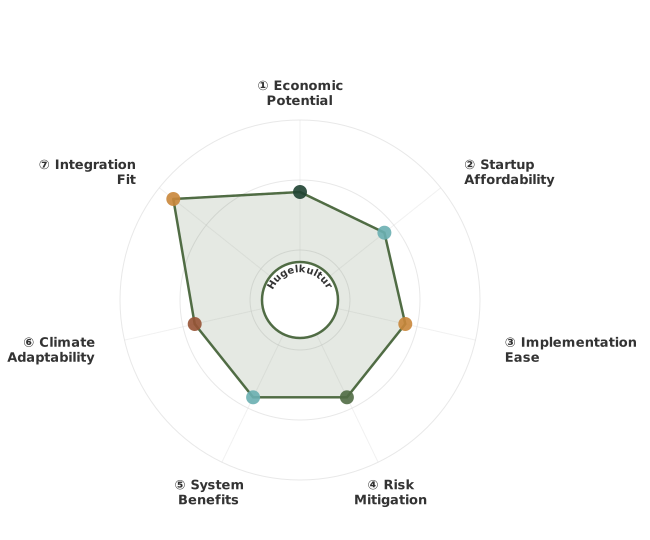
How These Traits Are Calculated
Trait dimensions are ordered clockwise starting from the top of the chart (12 o'clock position):
1. Economic Potential
Financial returns, annual value, and break-even timeline
WHAT: Evaluates financial viability by combining net annual value ($/ha from savings, income, and amortized harvests) with break-even timeline showing when practices pay for themselves.
WHY: Farmers need clear ROI understanding before committing resources. Fast payback (≤3 years) with strong returns (≥$300/ha) enables confident adoption, while long timelines (>10 years) restrict adoption to well-funded operations willing to wait for returns.
HOW: Calculated from net annual value in $/ha and break-even years. Exceptional (≥2.6): fast ROI ≤3 years + high value ≥$300/ha. Typical (1.8-2.5): moderate returns or longer timelines. Limited (<1.8): marginal economics or very long payback >10 years.
2. Startup Affordability
Initial investment costs and financial barrier to entry
WHAT: Measures financial barrier to entry through startup costs for equipment, infrastructure, consulting, and materials. Inverted scoring: lower costs = higher scores = more accessible adoption.
WHY: Affordability determines who can adopt. Low-cost practices (<$250/ha) enable widespread adoption across diverse scales, while high costs (>$2,500/ha) limit adoption to well-capitalized operations, creating barriers that slow regenerative transition.
HOW: Calculated from initial investment parsed from practice content. Inverted scoring: Exceptional (≥2.6): minimal investment <$250/ha. Typical (1.8-2.5): moderate costs $250-2,500/ha. Limited (<1.8): high barrier >$2,500/ha.
3. Implementation Ease
Learning curve and specialized knowledge required
WHAT: Measures how much learning, planning, and specialized knowledge a practice requires. Simpler practices with fewer steps score higher, while complex practices requiring extensive training or specialized resources score lower.
WHY: Complex practices create adoption barriers even when economically viable. Straightforward practices enable faster adoption and broader participation, while those requiring extensive training, timing precision, or specialized equipment limit who can succeed.
HOW: Evaluated by measuring documentation length and identifying complexity markers like location-specific requirements, seasonal timing windows, specialized skills, and dedicated equipment needs. Exceptional (≥2.6): straightforward practices with minimal prerequisites. Typical (1.8-2.5): moderate learning curve with some specialized needs. Limited (<1.8): steep learning curve requiring significant training or resources.
4. Risk Mitigation
Identified financial and ecological risk assessment
WHAT: Evaluates documented risks across financial (investment loss, market volatility) and ecological (crop failure, pest outbreaks) domains. Inverted scoring: fewer risks = higher scores.
WHY: Understanding risk exposure helps farmers make informed decisions. Low-risk practices allow confident implementation, while high-risk practices require careful planning and contingency resources. Risk transparency prevents costly failures.
HOW: Calculated from identified risks in practice content. Inverted scoring: Exceptional (≥2.6): ≤2 risks with manageable severity. Typical (1.8-2.5): 3-5 moderate risks. Limited (<1.8): 6+ risks or severe exposure.
5. System Benefits
How many ways the practice improves your land simultaneously
WHAT: Measures how many aspects of land health improve at once—carbon storage, soil quality, erosion control, water absorption, and biodiversity. Practices that improve multiple areas simultaneously create compounding benefits where each improvement reinforces the others.
WHY: The best practices solve multiple problems at once. For example, addressing erosion simultaneously builds carbon and improves water infiltration, creating a resilient system with positive feedback loops. Single-benefit approaches miss these compound transformation opportunities.
HOW: Evaluated across five key outcomes: carbon sequestration, soil organic matter increase, erosion reduction, water infiltration improvement, and biodiversity enhancement. Exceptional (≥2.6): high carbon storage (>8 t/ha/yr), improvements across 4-5 areas, transformative outcomes. Typical (1.8-2.5): moderate carbon (3-8 t/ha/yr), improvements across 2-3 areas. Limited (<1.8): modest impact (<3 t/ha/yr), single-area focus only.
6. Climate Adaptability
Geographic applicability across Köppen climate zones
WHAT: Evaluates geographic applicability by assessing how many Köppen climate zones successfully support a practice and what adaptation requirements are needed. Measures breadth of climates where farmers can implement with minimal to moderate modifications.
WHY: Universal practices working across diverse climates enable more farmers to adopt regenerative approaches. Practices limited to single climate types (only Mediterranean, only tropical) restrict adoption and slow global transition. Adaptability determines whether a practice serves niche regions or offers broad transformation.
HOW: LLM evaluation of regional success stories, Köppen zone coverage, and adaptation needs. Exceptional (≥2.6): 5+ zones or 4+ climate types, 3+ continents, minimal adaptation. Typical (1.8-2.5): 3-4 zones or 2-3 types, 2 continents, moderate adaptation. Limited (<1.8): 1-2 zones, single region, significant adaptation or highly specialized.
7. Integration Fit
How well this practice combines with others you're doing
WHAT: Measures how well a practice combines with other regenerative practices you might be doing. Some practices work as building blocks that make many other practices easier or more effective, while others work best on their own.
WHY: Practices that combine well with many others create more value on your farm. For example, cover cropping enables no-till, improves grazing, supports crop diversity, and helps water management—making all of them work better together. This helps you build a coherent system rather than juggling disconnected practices.
HOW: Evaluated by identifying which practices combine well and how strong those combinations are. 'Ideally Suited' means strong combinations where practices reinforce each other (practice A makes B easier, while B makes A more effective). 'Adequate' means complementary benefits that work well together. Exceptional (≥2.6): combines well with 6+ practices, serves as a building block. Typical (1.8-2.5): combines with 3-5 practices. Limited (<1.8): 1-2 practices or works best alone.
Going Deeper
1
WHY - The Benefits
Hugelkultur's appeal lies in its ability to transform what might be considered waste materials into a highly productive, self-sustaining garden ecosystem. By mimicking the natural decomposition processes found on forest floors, it builds soil health, conserves water, and...
Hugelkultur's appeal lies in its ability to transform what might be considered waste materials into a highly productive, self-sustaining garden ecosystem. By mimicking the natural decomposition processes found on forest floors, it builds soil health, conserves water, and...
WHY - The Benefits
Hugelkultur's appeal lies in its ability to transform what might be considered waste materials into a highly productive, self-sustaining garden ecosystem. By mimicking the natural decomposition processes found on forest floors, it builds soil health, conserves water, and...
Hugelkultur's appeal lies in its ability to transform what might be considered waste materials into a highly productive, self-sustaining garden ecosystem. By mimicking the natural decomposition processes found on forest floors, it builds soil health, conserves water, and...
Soil Health Benefits
The primary benefit of hugelkultur is its profound impact on soil health. The decomposition of woody materials is a slow, continuous process that releases nutrients like nitrogen, phosphorus, and potassium over many years. This gradual nutrient cycling reduces the need for external synthetic inputs, fostering a more balanced and self-sustaining soil fertility. As the wood breaks down, it creates pore spaces, improving soil aeration and drainage.
A well-established hugelkultur bed can increase soil organic matter content by 2-5% over a decade. This organic matter serves as food for a diverse array of soil microorganisms, including beneficial fungi and bacteria, as well as earthworms. The increased biological activity improves soil structure, leading to better aggregation and a higher capacity for water infiltration and retention. Studies and practitioner reports suggest that infiltration rates can increase by 50-200% in hugelkultur beds compared to compacted or degraded soils.
Furthermore, hugelkultur beds act as significant carbon sinks. The substantial volume of woody debris incorporated into the mound stores carbon that would otherwise be released into the atmosphere through rapid decomposition or burning. Over a 20-year period, a well-constructed hugelkultur mound can sequester an estimated 5-15 tonnes of CO2 equivalent per hectare, contributing to climate change mitigation efforts. The living roots of plants growing on the mound also continuously add to soil organic matter through exudates and root turnover.
The porous nature of decomposing wood and the rich microbial life within hugelkultur beds create an ideal habitat for earthworms and other beneficial soil fauna. These organisms further aerate the soil, improve drainage, and cycle nutrients. The diverse plant community that thrives on a hugelkultur bed—from herbs and vegetables to small fruit trees—also contributes to soil health by providing a continuous supply of organic matter and supporting a complex soil food web.
Economic Benefits
While hugelkultur requires an initial investment of labor and materials, its long-term economic benefits can be substantial, particularly for growers focused on perennial crops, market gardens, or residential food production. The most significant economic advantage is the drastic reduction in input costs over time.
The self-irrigating nature of hugelkultur mounds means that watering requirements are cut by 50-80% compared to conventional garden beds. This saves on water usage costs and labor, which is a critical factor in arid regions or areas with water restrictions. The slow-release fertilization from decomposing wood diminishes the need for purchased fertilizers, saving hundreds of dollars per hectare (or acre) annually over the life of the bed.
The initial setup cost for a hugelkultur bed can range from $50-200 per hectare (USD equivalent), primarily covering compost, manure, and possibly some fencing materials if livestock were used for building. The labor investment for construction can be significant, estimated at 2-5 full days per hectare, depending on available resources and team size. However, this is a one-time cost. The ongoing annual costs are minimal, focused on planting and occasional top-dressing with compost to maintain surface fertility, typically adding less than $50/ha per year.
Over 5-10 years, the cumulative savings on water, fertilizer, and labor can easily offset the initial investment. Furthermore, the enhanced soil health leads to more robust plant growth, higher yields, and improved crop quality. This can translate to increased revenue for market gardeners or greater food security for homesteaders. For perennial systems like fruit trees or berry bushes established on hugelkultur mounds, the setup costs are amortized over decades, providing exceptionally high returns on investment as the plants mature and the soil continues to improve.
Regenerative Systems Fit
Hugelkultur is a practice that inherently supports multiple regenerative agriculture principles, acting as a foundational technique for building soil and fostering resilient agroecosystems.
Principle 1 (Minimize Soil Disturbance): While the initial construction involves moving materials and creating the mound, it is a one-time event that does not involve tilling or inverting the underlying soil structure. The focus is on building on top of the land rather than disturbing it. Once built, the mound is managed with minimal disturbance, preserving soil structure and biology.
Principle 2 (Maximize Crop Diversity): Hugelkultur beds are ideal for polycultures and diverse plantings. The varied microclimates—moist, cool areas at the base and dry, sunny zones on top—allow for a wide array of species, including vegetables, herbs, fruit bushes, and even small trees, to coexist. This diversity above ground translates to diversity below ground, supporting a richer soil food web.
Principle 3 (Keep Soil Covered): Hugelkultur mounds are typically planted continuously with living vegetation. This ensures that the soil surface is protected year-round from erosion, extreme temperatures, and moisture loss. The decomposition of woody materials also contributes significant mulch-like cover to the surface.
Principle 4 (Maintain Living Roots): The diverse plantings atop hugelkultur mounds ensure that living roots are present for as long as possible throughout the year. This constant biological activity feeds soil microbes, cycles nutrients, and maintains soil structure. Perennial plants, often featured on hugelkultur, exemplify this principle.
Principle 5 (Integrate Livestock): While not always directly integrated, hugelkultur can be part of larger integrated systems. For instance, livestock manure can be a key component in building the mounds, and chickens or other small animals can graze around the beds, helping with pest control and contributing fertility. In larger-scale hugelkultur systems, swales or berms can be incorporated to manage water, and contour planting can integrate with grazing management.
For farms moving towards regenerative practices, hugelkultur offers a tangible way to start building soil fertility and resilience, especially on less productive land. It can be used to establish perennial food systems, enhance water infiltration, and improve soil carbon sequestration. It serves as a "stepping stone" by creating micro-sites of highly fertile, regenerative soil that can then be expanded or integrated into larger landscape designs.
Sources behind this view
Videos & Podcasts
-
Hugelkultur beds are built by layering woody materials with nitrogen sources for slow decomposition, creating nutrient-rich, water-retentive raised beds that improve soil health. They can be managed a
-
Hugelkultur involves creating permanent raised beds with woody debris cores for water and nutrient retention. The speaker shares practical, adaptable methods for building these mounds in wooded or wet
-
Detailed instructions for building hugelkultur beds using wood and clay on a half-acre lot with clay soil, low rainfall, and wind. Emphasizes water management, soil building, and maximizing growing sp

-
Details building berms and hugelkultur beds for soil building and irrigation-free gardening. Emphasizes using wood and trees for structure, creating microclimates (warm and cool zones), and transition

Community
-
Advanced hugelkultur strategies focus on long-term soil building and water retention, using nitrogen-fixing plants (seaberry, lupin, red alder), compost, and careful mulching. Success is highly contex
Read more (opens in new window) permies.com -
Adapting hugelkultur for deserts involves burying wood below grade to wick capillary water, fostering fungal connections with deep-rooted plants and nitrogen fixers, and using deep mulch to combat eva
Read more (opens in new window) permies.com -
Hugelkultur's impact on soil nutrients, invasive species, and wood types (especially pine) is detailed. Practical advice includes using aged wood, adding nitrogen, and managing soil acidity. It's used
Read more (opens in new window) permies.com -
Build hugelkultur beds with a base of large logs (less than half slow-decaying hardwoods), twigs, nitrogen-rich clippings, and soil. Aim for a 6' base settling to 4', with optional pallet use for wet
Read more (opens in new window) permies.com
Research
-
JARDINS EM HUGELKULTUR NA UNIVERSIDADE (opens in new window)
This study found: University project implemented Hugelkultur (raised beds with organic matter and wood) for practical learning. The technique proved effective for sustainable, low-maintenance gardens, especially during
From the Web
-
Hugelkultur involves building raised garden beds with decomposing wood and organic materials for long-term fertility, carbon sequestration, and water retention. Key construction details, benefits like
2
WHERE - Regional Considerations
Hugelkultur is highly adaptable and can be implemented across a wide range of climates and soil types, but regional considerations influence material selection, construction techniques, and resulting performance. The core principle of utilizing woody debris for slow...
Hugelkultur is highly adaptable and can be implemented across a wide range of climates and soil types, but regional considerations influence material selection, construction techniques, and resulting performance. The core principle of utilizing woody debris for slow...
WHERE - Regional Considerations
Hugelkultur is highly adaptable and can be implemented across a wide range of climates and soil types, but regional considerations influence material selection, construction techniques, and resulting performance. The core principle of utilizing woody debris for slow...
Hugelkultur is highly adaptable and can be implemented across a wide range of climates and soil types, but regional considerations influence material selection, construction techniques, and resulting performance. The core principle of utilizing woody debris for slow...
Click Here to Look up your Region if you don't already know it
Humid Temperate Regions
Representative Locations: Southeastern United States, Northern Europe (UK, Germany, Poland), Eastern China, Japan, New Zealand. Climate Context: Warm to hot summers and cool to cold winters with moderate to high annual precipitation (750-1500 mm (75-150 cm) or 30-60 inches) distributed relatively evenly. USDA Zones 6-8, Köppen Cfb/Cfa.
Hugelkultur Application: These regions offer ideal conditions for hugelkultur due to ample rainfall, moderate temperatures, and often readily available woody debris from forestry or landscape management. Decomposition rates are generally vigorous. The main considerations are managing excessive moisture and nutrient leaching from heavy rains.
- Material Selection: Use a good mix of hard and soft woods. Ensure adequate drainage by building mounds higher or on contour on slopes. Incorporate more compost and leaf litter to increase biological activity and prevent anaerobic conditions in the core.
- Construction: Mounds can be built quite large (1-2 meters or 3-6 feet high) as decomposition will be robust. Ensure good spacing between mounds to allow for air circulation and prevent waterlogging between beds.
- Planting: A wide variety of vegetables, fruits, and herbs thrive. Focus on plants that appreciate consistent moisture but are not overly susceptible to root rot.
Mediterranean Regions
Representative Locations: California, Mediterranean Basin (Spain, Italy, Greece), Central Chile, Southwestern Australia, Western Cape South Africa. Climate Context: Hot, dry summers and mild, wet winters. Annual precipitation 400-900 mm (40-90 cm; 15-35 inches), highly seasonal. USDA Zones 8-10, Köppen Csa/Csb.
Hugelkultur Application: Hugelkultur is exceptionally valuable in Mediterranean climates for its water retention capabilities. The slow-release of moisture from the decomposing wood core acts as a critical buffer during long, dry summers.
- Material Selection: Prioritize dense hardwood logs for longevity and slower decomposition, ensuring the water reservoir lasts through dry periods. Incorporate plenty of organic matter like compost and aged manure to maximize water-holding capacity.
- Construction: Build mounds taller (1.5-2.5 meters or 5-8 feet) to maximize the water-storing capacity of the woody core. Consider building mounds on contour to capture any available winter rainfall. Mounds can be somewhat steeper, as excessive water isn't as much of a concern as water scarcity.
- Planting: Focus on drought-tolerant perennial vegetables, fruit trees (figs, pomegranates, olives), herbs (rosemary, thyme), and self-sufficient crops. Use companion planting to shade the mound surface and further reduce evaporation. Be prepared for supplemental hand watering during establishment of new plants.
Arid/Semi-Arid Regions
Representative Locations: Western USA, North Africa, Central Asia, Interior Australia. Climate Context: Low annual precipitation (<400 mm or 15 inches), high temperatures, short and often unpredictable growing season. USDA Zones 7-9, Köppen BSh/BSk.
Hugelkultur Application: Hugelkultur is a transformative technique in arid regions, acting as a passive rainwater harvesting and soil fertility system. The primary goal is maximizing water storage and minimizing evaporation.
- Material Selection: Use large, dense hardwoods for the core to ensure maximum water retention over long dry periods. Thoroughly mix compost and aged manure into the upper layers to create a highly absorbent and nutrient-rich planting medium.
- Construction: Mounds should be substantial, often 2-3 meters (6-10 feet) high and wide, to create a significant water reservoir. Building them in swales or depressions, or on contour, helps capture any rainfall. The sides should be gently sloped to maximize planting area and minimize runoff. Consider building them closer together to create microclimates and reduce surface area exposed to sun.
- Planting: Select drought-resistant and heat-tolerant species. Fruit trees adapted to arid conditions, perennial vegetables, heat-loving herbs, and native edible plants are excellent choices. Densely plant the mound surface with groundcovers and mulch heavily to reduce evaporation. Initial planting might require supplemental watering until the core is fully established and functioning as a reservoir.
Cold Continental Regions
Representative Locations: Northern USA and Canada, Northern Europe, Northern Asia. Climate Context: Very short growing seasons, extreme summer heat, severe winter cold. USDA Zones 3-5, Köppen Dfa/Dfb.
Hugelkultur Application: In cold climates, hugelkultur offers benefits for extending the growing season and protecting plants from frost. The decomposing wood generates gentle heat, and the elevated mound can warm up faster in spring.
- Material Selection: A mix of hardwood and softwood is suitable. Ensure adequate composting to buffer against potential cold sensitivity of some plants.
- Construction: Mounds can be built moderately high (1-1.5 meters or 3-5 feet). The large volume of decomposing material will continue to generate warmth throughout the fall and winter, extending the growing season on the mound's surface by several weeks. In extremely cold areas, consider insulating mounded beds with straw or other materials during winter.
- Planting: Select cold-hardy vegetables, berries, asparagus, rhubarb, and short-season fruiting trees or shrubs. Utilize the warmth of the mound for early spring plantings and late fall harvests.
Subtropical Regions
Representative Locations: Southeastern USA, Southern China, Southern Brazil, Eastern Australia. Climate Context: Hot, humid summers and mild winters with generally ample rainfall. USDA Zones 9-11, Köppen Cfa/Cwa.
Hugelkultur Application: Hugelkultur excels in subtropical regions by improving drainage in often heavy clay soils and providing a consistent moisture source during occasional dry spells or intense heat.
- Material Selection: Use a good balance of hard and soft woods. Ensure thorough mixing of compost and aged manure to promote rapid decomposition and microbial activity, which helps prevent waterlogging in the upper layers.
- Construction: Mounds should be sufficiently elevated (1-1.5 meters or 3-5 feet) to ensure good drainage. Planting dense vegetation on the mound surfaces also helps to uptake excess moisture.
- Planting: Suitable for a wide array of tropical and subtropical vegetables, fruits, and ornamental plants. Consider selecting nitrogen-fixing cover crops to further enrich the soil.
Tropical Regions
Representative Locations: Central America, Southeast Asia, East Africa, Northern Australia, Northern South America. Climate Context: High temperatures year-round, with distinct wet and dry seasons or consistent high rainfall. Köppen Af/Am/Aw.
Hugelkultur Application: In tropical regions, hugelkultur is ideal for improving drainage in heavy, waterlogged soils common in rainy seasons and for maximizing water conservation during dry spells. The rapid decomposition rates in warm, humid conditions mean nutrients are cycled quickly, requiring careful management.
- Material Selection: A mix of hardwoods and softwoods is beneficial. Ensure higher proportions of compost and aged manure to accelerate decomposition and nutrient cycling, preventing the woody core from becoming too anaerobic during wet periods.
- Construction: Mounds should be well-elevated (1-2 meters or 3-6 feet) with steep sides to ensure adequate drainage. Building on contour or incorporating swales can manage heavy rainfall, preventing erosion.
- Planting: Almost any tropical or subtropical plant can thrive. Focus on crops that benefit from consistent moisture but can tolerate temporary wetness, such as perennial vegetables, fruit trees, bamboos, and spices. Dense planting with cover crops can help manage rapid nutrient cycling and prevent excessive leaching during heavy rains.
3
HOW - Implementation Process
Building a hugelkultur mound is a hands-on process that can be adapted to scale and available resources. The core principle is layering organic materials of varying decomposition rates to create a long-lasting, fertile soil structure.
Building a hugelkultur mound is a hands-on process that can be adapted to scale and available resources. The core principle is layering organic materials of varying decomposition rates to create a long-lasting, fertile soil structure.
HOW - Implementation Process
Building a hugelkultur mound is a hands-on process that can be adapted to scale and available resources. The core principle is layering organic materials of varying decomposition rates to create a long-lasting, fertile soil structure.
Building a hugelkultur mound is a hands-on process that can be adapted to scale and available resources. The core principle is layering organic materials of varying decomposition rates to create a long-lasting, fertile soil structure.
Prerequisites
Before starting, consider:
- Material Availability: Access to woody debris (logs, branches, prunings), compost, aged manure, and topsoil. The more diverse the organic matter, the better.
- Location: Choose an area that receives adequate sunlight for the intended plants. Consider drainage; avoid areas that naturally pool water unless actively creating a swale.
- Scale: Decide on the size and number of mounds based on available space, labor, and planting goals. Mounds can range from small garden beds for home gardens to large landscape features for farms.
- Tools: Access to shovels, wheelbarrows, possibly a tractor or skid steer for larger constructions, and a source of water for initial establishment.
Phase 1: Preparing the Base (Contour & Logs)
Duration: 1-2 days
- Site Preparation: Mark the outline of your mound(s) or create a swale first if building on contour or in an arid region. For contour building, dig a swale or trench along the contour line where the base of the mound will sit. This captures rainfall.
- Base Layering (Logs): Place the largest woody materials such as logs and thick branches at the bottom of the mound. Position them parallel to the contour of the land or within the swale. These will form the core structure and act as a long-term reservoir of organic matter and moisture. Aim for a base layer that is at least 0.3-0.6 meters (1-2 feet) thick. Overlap logs slightly to create a solid base.
- International Context: In regions with abundant softwoods (like pine in Scandinavia or certain fast-growing species in South America), use them but ensure they are mixed with hardwoods for longevity. In arid regions, dense hardwoods are crucial for water retention.
Phase 2: Adding Biomass and Filling the Mound
Duration: 2-4 days (scale dependent)
- Intermediate Layers: Layer progressively smaller organic materials on top of the logs. This includes smaller branches, twigs, leaves, grass clippings, straw, and other plant residues. Pack these layers somewhat, but allow for air pockets to facilitate decomposition.
- Nutrient & Microbial Boost: Add nitrogen-rich materials such as aged manure, coffee grounds, or kitchen scraps. If available, add a layer of existing compost or healthy garden soil to inoculate the mound with beneficial microorganisms, accelerating decomposition and soil building. Earthworms found in compost will also help break down materials.
- Filling and Shaping: Continue layering materials, aiming for a mound height of 1-2 meters (3-6 feet) or higher, depending on your goals and available materials. The mound should be wider at the base and taper towards the top, creating a stable, sloped shape. Ensure the final shape is accessible for planting and maintenance.
- International Context: In regions with heavy rainfall (e.g., Southeast Asia, parts of Europe), build mounds taller and steeper to ensure good drainage and prevent waterlogging. In arid regions (e.g., Australia, Western USA), ensure the base captures and retains as much moisture as possible, potentially by building into the landscape.
Phase 3: Establishing the Planting Surface
Duration: 1-2 days
- Top Layer: Cover the entire mound with a generous layer of compost and quality topsoil, at least 15-30 cm (6-12 inches) deep. This will be the primary planting medium, providing immediate fertility and structure for seeds and young plants.
- Watering: Thoroughly water the entire mound. This helps to settle the materials, initiate decomposition, and ensure the soil is moist for planting. Continue watering regularly for the first few weeks until the mound is established and the decomposition process is actively drawing moisture from the woody core.
- International Context: In arid regions, intensive watering is critical during this phase to "prime" the mound for water retention. In humid regions, monitor moisture to prevent oversaturation.
Phase 4: Planting and Mulching
Duration: Ongoing
- Planting Strategy: Plan your plantings based on the microclimates of the mound. Sun-loving plants along the top and sides, shade-tolerant species at the base. Consider perennial vegetables, fruits, herbs, and support species like nitrogen-fixing plants.
- Mulching: Apply a final layer of mulch (straw, wood chips, shredded leaves) over the topsoil. This conserves moisture, suppresses weeds, regulates soil temperature, and adds further organic matter as it decomposes.
- International Context: In tropical climates with rapid decomposition, frequent mulching is required. In dry regions, thick mulching is essential for water conservation.
Transition Timeline & Phase-Out Strategy
Hugelkultur itself is a regenerative transition practice, evolving from conventional garden beds or degraded land into a long-term, self-sustaining system. It doesn't typically involve phasing out non-regenerative inputs directly, but rather replacing them with natural processes.
- Year 0-1 (Establishment): Focus on construction, planting, and ensuring initial plant establishment. Water and observe the mound.
- Year 1-3 (Decomposition & Fertility): Observe the wood beginning to decompose. Nutrient release becomes noticeable, reducing fertilizer needs. Soil biology activates.
- Year 3-5 (Maturity): The mound settles, decomposition is active, and soil fertility is stable. Watering needs are significantly reduced. Reduced reliance on purchased inputs becomes apparent.
- Year 5+ (Self-Sustaining): The hugelkultur bed functions largely on its own, requiring minimal intervention beyond planting and occasional mulching. It has graduated to a fully regenerative system.
Sources behind this view
Videos & Podcasts
-
Hugelkultur beds are built by layering woody materials with nitrogen sources for slow decomposition, creating nutrient-rich, water-retentive raised beds that improve soil health. They can be managed a
-
Hugelkultur involves creating permanent raised beds with woody debris cores for water and nutrient retention. The speaker shares practical, adaptable methods for building these mounds in wooded or wet
-
Hugelkultur mounds are built by burying woody debris and organic matter, then annually capped with leaves and manure. They are planted with annuals like the 'three sisters' or perennials, utilizing lo
-
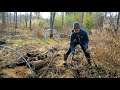
Detailed instructions for building hugelkultur raised beds using woody debris, logs, and soil, framed by locust wood or EMT conduit. Emphasizes using organic matter for fertility, incorporating fallen
Community
-
Advanced hugelkultur strategies focus on long-term soil building and water retention, using nitrogen-fixing plants (seaberry, lupin, red alder), compost, and careful mulching. Success is highly contex
Read more (opens in new window) permies.com -
Detailed instructions for building hugelkultur mounds emphasize layering rotting wood with nitrogen-rich materials like leaves, grass clippings, and kitchen waste, followed by compost and cover crops,
Read more (opens in new window) permies.com -
Adapting hugelkultur for deserts involves burying wood below grade to wick capillary water, fostering fungal connections with deep-rooted plants and nitrogen fixers, and using deep mulch to combat eva
Read more (opens in new window) permies.com -
Build hugelkultur beds with a base of large logs (less than half slow-decaying hardwoods), twigs, nitrogen-rich clippings, and soil. Aim for a 6' base settling to 4', with optional pallet use for wet
Read more (opens in new window) permies.com
Research
-
JARDINS EM HUGELKULTUR NA UNIVERSIDADE (opens in new window)
This study found: University project implemented Hugelkultur (raised beds with organic matter and wood) for practical learning. The technique proved effective for sustainable, low-maintenance gardens, especially during
From the Web
-
Hugelkultur involves building raised garden beds with decomposing wood and organic materials for long-term fertility, carbon sequestration, and water retention. Key construction details, benefits like
4
Know the Debate
Hugelkultur's success and timeline depend on your climate, the materials used, and how you build the mound. In humid regions, beds mature quickly i...
Know the Debate
Hugelkultur's success and timeline depend on your climate, the materials used, and how you build the mound. In humid regions, beds mature quickly i...
Hugelkultur's success and timeline depend on your climate, the materials used, and how you build the mound. In humid regions, beds mature quickly into self-irrigating systems within 3-5 years. Arid regions require taller, denser mounds and careful water management, extending establishment and initial irrigation needs. Labor investment varies from DIY on homesteads to machinery-assisted large-scale projects, impacting initial costs significantly.
How long until hugelkultur beds reach peak fertility?
Rapid Fertility within 1-3 Years
Some practitioners achieve noticeable fertility and reduced watering needs within 1-3 years by using a mix of aged wood, ample compost, fast-decomposing materials, and high microbial inoculation.
Sources behind this view
Sources behind this view
Videos & Podcasts
-
Hugelkultur beds are built by layering woody materials with nitrogen sources for slow decomposition, creating nutrient-rich, water-retentive raised beds that improve soil health. They can be managed as no-till, no-water systems and their orientation can be adjusted for optimal sun exposure.
-
Hugelkultur (soil on wood) beds utilize decaying wood to retain water, allowing garden plants to thrive through summer without irrigation, as demonstrated by Sepp Holzer's extensive work in Montana.

-
Hugelkultur involves burying wood in soil to create self-irrigating beds that retain moisture and nutrients, significantly reducing irrigation needs and promoting plant growth. Immediate planting is recommended, with mulch aiding moisture retention. Plant orientation affects flavor intensity.

Slow Fertility Over 5+ Years
Other approaches emphasize using large, fresh logs and slower decomposition, suggesting peak fertility and water retention benefits are realized over 5 or more years, with initial nitrogen drawdown being a concern.
Sources behind this view
Sources behind this view
Videos & Podcasts
-
Hugelkultur's benefits are often overpromised; success requires completely rotten wood and time. Initial nitrogen robbing is a concern. It can be used for water storage, but other methods may be superior. It can serve multiple purposes beyond just growing.

-
Hugelkultur mounds are built by burying woody debris and organic matter, then annually capped with leaves and manure. They are planted with annuals like the 'three sisters' or perennials, utilizing local waste materials to build soil fertility.
-
Recommends using seasoned hardwood (like oak) for hugelkultur beds, avoiding softwoods. Annual compost application is advised to support wood decomposition and soil health. Larger wood increases longevity.
Making Sense of the Differences
The timeline for hugelkultur fertility depends on the type of wood used, its age, and the climate's moisture and temperature. Fresh, large hardwood logs in less humid environments will decompose and release nutrients more slowly over 5+ years, while softer woods and ample moisture in humid climates can accelerate this process to 1-3 years. Initial nutrient availability can also be influenced by supplemental compost and microbial inoculants.
How does hugelkultur primarily retain water?
Wood as Primary Water Reservoir
The woody core of hugelkultur beds acts like a sponge, directly absorbing and releasing water over long periods, creating a self-irrigating system primarily due to the porous nature of the decomposing wood.
Sources behind this view
Sources behind this view
Videos & Podcasts
-
Hugelkultur (soil on wood) beds utilize decaying wood to retain water, allowing garden plants to thrive through summer without irrigation, as demonstrated by Sepp Holzer's extensive work in Montana.
-
Detailed instructions for building hugelkultur beds using wood and clay on a half-acre lot with clay soil, low rainfall, and wind. Emphasizes water management, soil building, and maximizing growing space, while avoiding the septic drain field.
-
Hugelkultur involves burying wood in soil to create self-irrigating beds that retain moisture and nutrients, significantly reducing irrigation needs and promoting plant growth. Immediate planting is recommended, with mulch aiding moisture retention. Plant orientation affects flavor intensity.
Research
-
Simulation of Soil Water and Heat Flow under Plastic Mulching and Different Ridge Patterns (opens in new window)
This study found: A three-year study in a dry region explored how plastic film covers on raised beds (ridge-furrow systems) affect soil moisture and temperature. Researchers compared bare ground to two different raised bed designs with plastic covers. Using computer modeling, they found that the plastic-covered beds significantly warmed the soil by up to 4.6% and dramatically reduced water loss through evaporation (by over 84%). While overall water use by plants was slightly lower, the water available to plant roots increased significantly (by up to 40%). This means the plastic mulch and the shape of the beds helped keep soil moisture more stable and available for crops, especially in the 'wide ridge, narrow ridge' design, which was most beneficial for crop growth.
Improved Soil Structure & Biology
Water retention is primarily due to the improved soil structure, increased organic matter, and enhanced microbial activity that develops around the decomposing wood, rather than the wood itself acting as a sponge.
Sources behind this view
Sources behind this view
Research
-
JARDINS EM HUGELKULTUR NA UNIVERSIDADE (opens in new window)
This study found: This study describes how a university used a permaculture gardening method called Hugelkultur (meaning 'hill culture') to connect classroom learning with hands-on experience. Hugelkultur involves building raised garden beds filled with organic materials like wood scraps and plant waste. This technique is especially useful in areas with poor soil, drainage issues, or limited water. The university built two such beds on campus for students and community members to learn from. The project showed that these gardens are effective, requiring little maintenance and providing healthy food, even during a severe drought. The key benefits are improved soil over time and excellent water retention, making them sustainable and resilient.
-
Enhancing crop yield and conserving soil moisture through mulching practices in dryland agriculture (opens in new window)
This study found: Farming in dry areas needs smart ways to save water. This review highlights how using ground cover, called mulching, is a key practice. Mulching helps keep soil moist, reduces evaporation, and can improve soil health. Organic mulches, like composted yard waste, can increase soil organic matter and its ability to hold water. They also boost soil nutrients like phosphorus and potassium. Plastic mulches can help release nutrients as they break down. Overall, mulching helps conserve water, reduce soil erosion, control weeds, and lessen competition for water and nutrients, making farming more sustainable in dry, hot regions.
-
Assessing the Effect of Soil and Water Conservation Technologies on Climbing Bean Growth and Yield in Lake Mulehe Sub Catchment, Kisoro District, Uganda (opens in new window)
This study found: A study in Uganda compared how different soil and water conservation methods affect soil health and climbing bean crops. Researchers tested terracing, trenching, mulching, and cover cropping against leaving fields bare. Over three years, all these methods improved soil pH, making it more suitable for growing crops. Importantly, soil organic matter increased significantly in all treated areas, ranging from 2% to 5%, compared to very low levels in untreated fields. The study found mixed results for other soil nutrients and physical properties. The researchers recommend that farmers adopt mulching, trenches, and terraces to keep soil pH in a good range and build up organic matter, which improves soil fertility and structure. They also suggest prioritizing methods that encourage beneficial microbes and reduce soil compaction.
From the Web
-
Hugelkultur is a gardening technique using logs and compostable materials to keep plants moist and fertilized, particularly useful for fall gardens.
Source: ucanr.edu (opens in new window)
Making Sense of the Differences
Water retention in hugelkultur beds is likely a result of both the wood acting as a long-term moisture reservoir and the improved soil structure and biological activity fostered around the decomposing materials. In drier climates, the direct water-holding capacity of the wood core is crucial, while in humid regions, the enhanced soil biology and drainage created by the mound's structure play a more significant role in managing moisture.
What kind of wood is best for hugelkultur?
Dense Hardwoods for Longevity (Arid/Humid)
Using dense hardwoods is recommended for longevity and better water retention, especially in arid climates or for beds intended to last many decades. These woods decompose more slowly and provide a stable moisture reservoir.
Sources behind this view
Sources behind this view
Videos & Podcasts
-
Recommends using seasoned hardwood (like oak) for hugelkultur beds, avoiding softwoods. Annual compost application is advised to support wood decomposition and soil health. Larger wood increases longevity.
-
Hugelkultur, by Sepp Holzer, uses decaying wood in raised beds for fungal benefits and water retention, ideal for wet climates but unsuitable for brassicas and dry environments.
Mix of Woods or Softwoods for Faster Setup (Humid/Cold)
A mix of hardwoods and softwoods, or even primarily softwoods, can be used, especially in humid climates where decomposition is faster, or when a quicker nutrient release is desired. This is also suitable for cold climates where decomposition is slower overall.
Sources behind this view
Sources behind this view
Videos & Podcasts
-
Hugelkultur beds are built by layering woody materials with nitrogen sources for slow decomposition, creating nutrient-rich, water-retentive raised beds that improve soil health. They can be managed as no-till, no-water systems and their orientation can be adjusted for optimal sun exposure.
-
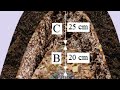
Details the layering of hugelkultur beds: organic matter on wood base, then soil, then mulch. Highlights benefits of enhanced decomposition, nutrient transfer, water retention, and waste recycling.
-
Continues detailed instructions for hugelkultur raised beds, emphasizing material flexibility (wood debris, logs, fallen trees) and adaptable framing (EMT hoops, pounded posts). Highlights winter construction, fertility benefits, and potential for future reconfiguration.
Caution with Fresh or N-Fixing Woods
Freshly cut wood, especially softwoods, can temporarily tie up nitrogen during decomposition. Logs with high lignin content may decompose slower. Some specific wood types might have allelopathic effects or attract unwanted pests.
Sources behind this view
Sources behind this view
Videos & Podcasts
-
Hugelkultur's benefits are often overpromised; success requires completely rotten wood and time. Initial nitrogen robbing is a concern. It can be used for water storage, but other methods may be superior. It can serve multiple purposes beyond just growing.
Research
-
Simulation of Soil Water and Heat Flow under Plastic Mulching and Different Ridge Patterns (opens in new window)
This study found: A three-year study in a dry region explored how plastic film covers on raised beds (ridge-furrow systems) affect soil moisture and temperature. Researchers compared bare ground to two different raised bed designs with plastic covers. Using computer modeling, they found that the plastic-covered beds significantly warmed the soil by up to 4.6% and dramatically reduced water loss through evaporation (by over 84%). While overall water use by plants was slightly lower, the water available to plant roots increased significantly (by up to 40%). This means the plastic mulch and the shape of the beds helped keep soil moisture more stable and available for crops, especially in the 'wide ridge, narrow ridge' design, which was most beneficial for crop growth.
Making Sense of the Differences
The ideal wood for hugelkultur depends on the climate and desired decomposition speed. Dense hardwoods offer longevity and water retention, crucial in arid or long-term systems. In humid or rapid-decomposition environments, a mix of woods or even solely softwoods can work faster, though attention to initial nitrogen drawdown from fresh wood is advised. Always aim for aged or partially decomposed wood for quicker nutrient release and avoid wood that is highly resistant to decay or known to be allelopathic.
5
HOW MUCH - Costs & Investment
Note: Costs shown in USD; multiply by local labor and material cost indices for your region. Labor costs vary significantly internationally.
Note: Costs shown in USD; multiply by local labor and material cost indices for your region. Labor costs vary significantly internationally.
HOW MUCH - Costs & Investment
Note: Costs shown in USD; multiply by local labor and material cost indices for your region. Labor costs vary significantly internationally.
Note: Costs shown in USD; multiply by local labor and material cost indices for your region. Labor costs vary significantly internationally.
Note: All costs are based on recent US economic data (2024–2026) and may vary substantially by region based on local labor rates, material costs, and regulatory requirements.
Site Preparation and Base Material Procurement
The foundation of a hugelkultur system is the woody debris core, which dictates the site's long-term fertility. For small operations under 50 acres (20 ha), costs are driven by manual acquisition and local transport, ranging from $150–$450 per acre ($371–$1,112/ha). Mid-sized operations spanning 50–500 acres (20–202 ha) often utilize existing farm woodlots or windbreaks, which shifts the cost profile toward internal logistics and site management, resulting in a range of $100–$300 per acre ($247–$741/ha). For large-scale implementations exceeding 500 acres (202 ha), the model relies on repurposing site-clearing debris or forestry slash from external sources; due to economies of scale in logistics and volume sourcing, these costs typically range from $80–$250 per acre ($198–$618/ha).
Compost and topsoil additions required to cap the woody core also vary significantly. Small-scale garden operations often rely on high-priced, bagged organic-certified compost, adding $200–$600 per acre ($494–$1,483/ha). In contrast, large-scale operations frequently source bulk manure, wood chips, and municipal green waste, keeping logistics and material costs optimized at $100–$300 per acre ($247–$741/ha).
Labor and Mechanized Installation
Labor represents the single most significant operational cost variable. For small-scale installations, the DIY approach is standard, yet the labor-equivalent cost to move logs and soil manually is estimated at $400–$1,200 per acre ($988–$2,965/ha), based on a professional labor rate of $20–$30 per hour. As operations scale to mid-size, the reliance on manual labor is inefficient; producers transition to using skid steers, mini-excavators, or forestry mulchers. Rental or custom-hire rates for this heavy machinery, inclusive of operator fees, range from $300–$900 per acre ($741–$2,224/ha). Large-scale installations of 500+ acres utilize massive earth-moving equipment and specialized forestry loaders to achieve high throughput, resulting in lower per-unit costs of $250–$700 per acre ($618–$1,730/ha). While manual labor remains an option for these larger sites, it is generally cost-prohibitive, making mechanization the standard for successful integration of hugelkultur at scale.
Ongoing Maintenance and Soil Amelioration
Once the hugelkultur mound is constructed, it functions as a long-term biological asset, but it is not entirely maintenance-free. Small-scale systems require annual top-dressing of organic mulch and compost, costing $50–$150 per acre ($124–$371/ha). Mid-sized operations, often integrated into complex orchard or row-crop systems, utilize cover cropping or manure tea applications, incurring costs of $40–$120 per acre ($99–$297/ha) for seed, fuel, and equipment use. Large-scale perennial systems involve monitoring, clearing pathways, and maintaining drainage runoff; these maintenance interventions range from $30–$100 per acre ($74–$247/ha). If supplemental irrigation is integrated, these systems often require monitoring of drip emitters or micro-sprinkler lines, which can add an additional $50–$150 annually per acre, though these costs are typically offset quickly by the reduction in water usage.
Most Spend: Most agricultural operations (the middle 60%) fall within the $450–$1,100 per acre ($1,112–$2,718/ha) range for total initial setup. This captures mid-sized farms that have transitioned from manual labor to mid-tier mechanized equipment and are sourcing materials in bulk rather than at retail garden prices.
Why the Range?: The primary drivers of cost variation are material acquisition and site complexity. Operations that must purchase logs, chips, and compost from off-site suppliers face the upper bounds of the cost ranges, while farms that generate these materials as byproducts of existing land clearing or orchard pruning stay near the lower bound. Additionally, site topography significantly impacts labor intensity; level, accessible sites require lower machinery hours compared to steep or remote parcels.
Sources behind this view
Videos & Podcasts
-
Hugelkultur beds are built by layering woody materials with nitrogen sources for slow decomposition, creating nutrient-rich, water-retentive raised beds that improve soil health. They can be managed a
-
Hugelkultur mounds are built by burying woody debris and organic matter, then annually capped with leaves and manure. They are planted with annuals like the 'three sisters' or perennials, utilizing lo
Community
-
Advanced hugelkultur strategies focus on long-term soil building and water retention, using nitrogen-fixing plants (seaberry, lupin, red alder), compost, and careful mulching. Success is highly contex
Read more (opens in new window) permies.com -
Offers detailed advice on hugelkultur: sprinkle leaves, add nitrogen (coffee grounds, organic manure), pack dirt (12-18" cover), build wide/tall for water storage, and use excavators or wheelbarrows f
Read more (opens in new window) permies.com -
Build hugelkultur beds with a base of large logs (less than half slow-decaying hardwoods), twigs, nitrogen-rich clippings, and soil. Aim for a 6' base settling to 4', with optional pallet use for wet
Read more (opens in new window) permies.com -
Offers practical advice on hugelkultur: beds act as water harvesters, reducing irrigation needs; recommend 4ft+ spacing for access. Suggests using machinery (bobcat/trackhoe) for construction, varied
Read more (opens in new window) permies.com
6
REWARDS AND RISKS - Economics & Risk Factors
REWARDS AND RISKS - Economics & Risk Factors
Economic Scenarios In a Best Case Scenario, a farm with direct access to local woody debris and sufficient machinery invests $450–$600 per acre ($1,112–$1,483/ha) in initial setup. By year 3, the resulting moisture retention reduces utility and fuel expenses related to irrigation by 70%, while biological activity increases crop yields by 40–60%. This yields a full recovery of the initial investment within 4 years. In a Typical Case Scenario, operations on mid-scale land invest between $700–$900 per acre ($1,730–$2,224/ha). These systems realize a 20–30% increase in yield compared to flat-bed farming, and irrigation costs drop by 50%, saving producers $150–$300 per acre ($371–$741/ha) annually. Break-even typically occurs in 6–8 years as nitrogen sequestration wanes and internal decomposition begins lowering N-P-K fertilizer expenditures by 40%. A Worst Case Scenario often arises from poor site planning, such as implementing hugelkultur on heavy clay soils without drainage modifications, resulting in waterlogging and potential system failure. Such failures can push costs to $1,200–$2,000 per acre ($2,965–$4,942/ha) including reconstruction attempts, making payback periods extend beyond 12 years or resulting in total capital loss.
Market Factors and Risk Mitigation Profitability is heavily influenced by crop selection. High-value crops such as berries or organic niche vegetables see the greatest return on the investment in hugelkultur because the moisture-controlled environment enables earlier marketing windows when prices are at a premium. To mitigate financial risk, farmers should perform a professional site drainage analysis costing $200–$400 before construction to confirm soil suitability and water infiltration rates. Nitrogen management is the second major pillar of risk; during the first 2 years, microbes often sequester nitrogen to break down woody cores. Proactive nitrogen management involves placing a 3-inch layer of nitrogen-rich compost or manure on the surface, requiring an additional $100–$150 per acre ($247–$371/ha), which effectively prevents early-stage yield depressions.
Transition Period Risks Hugelkultur presents a unique "stabilization lag." In year 1, farmers should anticipate a 10–20% yield dip as the microbial population accelerates the colonization of the buried wood. To counteract this, producers should interplant nitrogen-fixing crops like clover, which costs roughly $40–$60 per acre ($99–$148/ha) for seed and sowing. The primary economic danger is premature reliance on the mound for peak production. Farmers must maintain a cash-flow buffer for the first 24 months, as the initial 2-year establishment window is characterized by net capital outflow. By year 3, maintenance costs generally decrease by 30% as the mound enters a steady-state biological regime, marking the transition from capital investment to operational payoff.
Sources behind this view
Videos & Podcasts
-
Hugelkultur beds are built by layering woody materials with nitrogen sources for slow decomposition, creating nutrient-rich, water-retentive raised beds that improve soil health. They can be managed a
-
Hugelkultur involves creating permanent raised beds with woody debris cores for water and nutrient retention. The speaker shares practical, adaptable methods for building these mounds in wooded or wet
-
Details building berms and hugelkultur beds for soil building and irrigation-free gardening. Emphasizes using wood and trees for structure, creating microclimates (warm and cool zones), and transition
-
Detailed instructions for building hugelkultur beds using wood and clay on a half-acre lot with clay soil, low rainfall, and wind. Emphasizes water management, soil building, and maximizing growing sp
Community
-
Advanced hugelkultur strategies focus on long-term soil building and water retention, using nitrogen-fixing plants (seaberry, lupin, red alder), compost, and careful mulching. Success is highly contex
Read more (opens in new window) permies.com -
Hugelkultur's impact on soil nutrients, invasive species, and wood types (especially pine) is detailed. Practical advice includes using aged wood, adding nitrogen, and managing soil acidity. It's used
Read more (opens in new window) permies.com -
Offers detailed advice on hugelkultur: sprinkle leaves, add nitrogen (coffee grounds, organic manure), pack dirt (12-18" cover), build wide/tall for water storage, and use excavators or wheelbarrows f
Read more (opens in new window) permies.com -
Offers practical advice on hugelkultur: beds act as water harvesters, reducing irrigation needs; recommend 4ft+ spacing for access. Suggests using machinery (bobcat/trackhoe) for construction, varied
Read more (opens in new window) permies.com
Research
-
JARDINS EM HUGELKULTUR NA UNIVERSIDADE (opens in new window)
This study found: University project implemented Hugelkultur (raised beds with organic matter and wood) for practical learning. The technique proved effective for sustainable, low-maintenance gardens, especially during
From the Web
-
Hugelkultur involves building raised garden beds with decomposing wood and organic materials for long-term fertility, carbon sequestration, and water retention. Key construction details, benefits like
7
COMPATIBLE PRACTICES - Integration Opportunities
Hugelkultur is a versatile practice that can be integrated with numerous other regenerative and sustainable land management techniques, amplifying its benefits and creating more resilient ecosystems.
Hugelkultur is a versatile practice that can be integrated with numerous other regenerative and sustainable land management techniques, amplifying its benefits and creating more resilient ecosystems.
COMPATIBLE PRACTICES - Integration Opportunities
Hugelkultur is a versatile practice that can be integrated with numerous other regenerative and sustainable land management techniques, amplifying its benefits and creating more resilient ecosystems.
Hugelkultur is a versatile practice that can be integrated with numerous other regenerative and sustainable land management techniques, amplifying its benefits and creating more resilient ecosystems.
Agroforestry Systems
- Hugelkultur is a foundational element for creating food forests, perennial vegetable gardens, and other integrated tree-crop systems. Mounds provide excellent drainage and aeration for fruit trees, berry bushes, and root vegetables, which often struggle in compacted or heavy soils.
- Integration Benefit: Hugelkultur mounds establish perennial systems quickly, enhancing soil health while trees and shrubs mature. The soil-building capacity of the mounds supports the long-term health and productivity of the entire agroforestry system.
No-Till Gardening
- Hugelkultur inherently promotes no-till management. Once built, the mounds are managed by surface-level additions of compost and mulch and by planting living vegetation, avoiding any soil disturbance.
- Integration Benefit: Hugelkultur creates an ideal soil structure for no-till methods, leading to long-term soil health, carbon sequestration, and reduced erosion. It establishes a system where disturbing the soil becomes unnecessary.
Cover Cropping
- Living plants are almost always grown on the surface of hugelkultur mounds, effectively acting as continuous cover crops. They protect the soil, add organic matter, and feed soil biology.
- Integration Benefit: Cover crops planted on hugelkultur mounds contribute to the mound's fertility as they decompose, add root diversity, and prevent erosion. This synergy creates a dynamic, self-renewing fertility cycle.
Water Harvesting (Swales, Keyline Design)
- Building hugelkultur mounds on contour or within swales is a common practice, especially in arid or drought-prone areas. Swales intercept runoff, allowing it to infiltrate the landscape and recharge groundwater.
- Integration Benefit: Swales fill with water, providing a consistent moisture source for the hugelkultur mounds built behind them, creating a highly water-efficient microclimate ideal for plant growth even in dry conditions.
Composting & Vermicomposting
- Compost and aged manure are essential components for building the initial layers of a hugelkultur mound and for top-dressing established beds. Vermicomposting (worm farming) can produce nutrient-rich worm castings that further enhance the soil.
- Integration Benefit: Utilizing on-farm compost and vermicastings reduces reliance on purchased inputs and turns organic waste into valuable soil amendments for hugelkultur, creating a closed-loop system.
Animal Integration (Poultry, Small Livestock)
- Chickens or other small livestock can be allowed to graze around hugelkultur beds. Their foraging can help control weeds, their manure adds fertility, and they can help break down surface organic matter.
- Integration Benefit: Animals can contribute fertility and manage vegetation on and around the mounds. However, direct grazing on young plants or the mound surface needs careful management to prevent damage.
Companion Planting
- The diverse microclimates of hugelkultur mounds are perfect for companion planting, where different species are grown together to benefit each other (e.g., pest deterrence, nutrient sharing).
- Integration Benefit: Maximizes space utilization and plant health on the mound, further enhancing biodiversity and ecological interactions.
Sources behind this view
Videos & Podcasts
-
Hugelkultur beds are built by layering woody materials with nitrogen sources for slow decomposition, creating nutrient-rich, water-retentive raised beds that improve soil health. They can be managed a
-
Hugelkultur involves creating permanent raised beds with woody debris cores for water and nutrient retention. The speaker shares practical, adaptable methods for building these mounds in wooded or wet
-
Hugelkultur mounds are built by burying woody debris and organic matter, then annually capped with leaves and manure. They are planted with annuals like the 'three sisters' or perennials, utilizing lo
-
Hugelkultur is a no-till method using decomposed wood to build soil structure, balance fungi/bacteria, manage weeds, and prevent compaction. Use mounds in wet climates, trenches in dry climates.
Community
-
Advanced hugelkultur strategies focus on long-term soil building and water retention, using nitrogen-fixing plants (seaberry, lupin, red alder), compost, and careful mulching. Success is highly contex
Read more (opens in new window) permies.com -
Adapting hugelkultur for deserts involves burying wood below grade to wick capillary water, fostering fungal connections with deep-rooted plants and nitrogen fixers, and using deep mulch to combat eva
Read more (opens in new window) permies.com -
Hugelkultur's impact on soil nutrients, invasive species, and wood types (especially pine) is detailed. Practical advice includes using aged wood, adding nitrogen, and managing soil acidity. It's used
Read more (opens in new window) permies.com -
Provides practical guidance on constructing Hugelkultur beds and swales, focusing on sourcing soil and organic matter, combining techniques, and adapting construction to site conditions and available
Read more (opens in new window) permies.com
Research
-
JARDINS EM HUGELKULTUR NA UNIVERSIDADE (opens in new window)
This study found: University project implemented Hugelkultur (raised beds with organic matter and wood) for practical learning. The technique proved effective for sustainable, low-maintenance gardens, especially during
From the Web
-
Hugelkultur involves building raised garden beds with decomposing wood and organic materials for long-term fertility, carbon sequestration, and water retention. Key construction details, benefits like