
Interseeding
Interseeding is the practice of planting a secondary crop into an established primary crop or pasture without disturbing it. This involves strategically placing seeds between rows or within existing plant stands, allowing both crops to grow simultaneously. It's a method to prolong ground cover, increase crop diversity, and improve resource utilization over a longer season.
Read More: Complete Description
Interseeding is a powerful technique that involves planting a second crop into an existing cash crop or pasture without disrupting the primary crop. This practice essentially bridges the gap between harvest and planting, or between two growth cycles, by introducing a new plant population into an established one. Seeds are strategically placed, often using specialized equipment, between rows of row crops like corn or soybeans, into pastures of grasses and legumes, or even between trees in agroforestry systems. The goal is to keep the soil covered, maintain living roots in the soil for as long as possible, and maximize biomass production and nutrient cycling.
From a regenerative agriculture perspective, interseeding directly supports several core principles. It vigorously upholds keeping soil covered (Principle 3) by ensuring there are living plants between the primary crop rows or after harvest, preventing bare soil and its associated risks of erosion and nutrient loss. It also significantly contributes to maintaining living roots (Principle 4), extending the period of photosynthesis and nutrient uptake, which builds soil organic matter and supports soil biology. By introducing a new species into an existing monoculture or simplified pasture, interseeding directly enhances maximizing crop diversity (Principle 2), both above and below ground. This increased diversity can lead to more resilient ecosystems, improved nutrient cycling, and better pest and disease management. When integrated with livestock, it can also support integrating livestock (Principle 5) by providing additional forage between seasons. The impact on minimizing soil disturbance (Principle 1) is generally positive, as interseeding aims to avoid tillage, though the type of seeding equipment and ground preparation must be carefully considered.
Interseeding can take many forms, depending on the primary crop, climate, and desired outcomes. In grain systems, a cover crop like clover, vetch, or a multi-species mix might be drilled into corn in the late vegetative stage. This provides nitrogen fixation for the corn, and the cover crop continues to grow after corn harvest. In pastures, legumes like clover or vetch can be interseeded into grass to improve forage quality and nitrogen content. For fruit orchards and vineyards, cover crops can be interseeded to suppress weeds, improve soil structure, and attract beneficial insects. The key to successful interseeding is timing, species selection, and appropriate equipment that minimizes damage to the existing crop.
One common misconception about interseeding is that it is simply intercropping—growing two or more crops simultaneously in the same field with no overlap. While related, interseeding specifically implies seeding into an established crop or pasture, often without full tillage. It can also be misunderstood as a practice solely for organic farmers; however, it offers significant benefits for conventional systems seeking to improve soil health and reduce input costs. For instance, interseeding legumes can reduce the need for synthetic nitrogen fertilizers, a common goal in many farming systems globally.
Globally, interseeding is practiced across diverse agricultural systems. In Europe, farmers interseed cover crops into winter wheat or rapeseed to protect soil over winter and add nitrogen. In North and South America, it's used in corn and soybean systems to extend the growing season and build soil organic matter. Pastoral systems in East Africa might interseed drought-tolerant legumes into native grasslands to improve forage. Across Asia, interseeding of pulses or other crops into rice paddies post-harvest is a common practice to utilize land efficiently. The applicability varies with climate—from humid temperate zones where successive cropping is feasible, to drier regions where timing and species selection become critical for water conservation.
The practice of interseeding falls into a fascinating category within regenerative agriculture. While its core aims align with foundational regenerative principles, its implementation can sometimes be considered a transition practice or context-dependent depending on the degree of disturbance and the target system. For example, if interseeding requires light tillage for seed-to-soil contact and the primary goal is to transition away from full tillage and bare fallows, it serves as a vital stepping stone. If it's performed with minimal disturbance using specialized no-till drills into an established perennial system, it's a foundational regenerative practice. The critical factor is always the intention: to build soil health, enhance diversity, and reduce reliance on external inputs over time.
Sources behind this view
Sources behind this view
 Videos & Podcasts
-
Details interseeding cover crops (barley, rye, medium red clover) via airplane or drill to increase GDUs, soil organic matter, and carbon sequestration. Discusses planting green, feed production, and
-
Key factors for cover crop interceding include seed selection (species, mix, size), seeding rate, purpose, application method (homemade, aerial, drone, high clearance), and critical timing. Seed size

-
Recommends early interseeding of cover crops like brassicas and annual ryegrass into corn, emphasizing careful consideration of prior herbicide use (especially atrazine). This technique improves weed

-
Intercropping offers benefits in rotation, harvest management, weed control (linked to soil health), and varietal diversity (using blends). Livestock integration is beneficial for managing cover crops

 Research
-
Drill and broadcast establishment methods influence interseeded cover crop performance in organic corn (opens in new window)
This study found: Interseeding cover crops into organic corn using a drill or broadcast method showed similar corn yields and nitrogen retention. Broadcasting may be more cost-effective. Post-harvest cereal rye outperf
-
Advancing Intercropping Research and Practices in Industrialized Agricultural Landscapes (opens in new window)
This study found: Intercropping (growing multiple crops together) boosts yields, stability, and soil health through better resource use. Standardized research is needed to advance this sustainable practice, especially
-
Establishment and Function of Cover Crops Interseeded into Corn (opens in new window)
This study found: Planting cover crops between growing corn using a drill or light soil disturbance improved establishment and reduced soil nitrogen. Careful termination is key to avoid impacting subsequent soybean yie
-
Annual intercrops: an alternative pathway for sustainable agriculture. (opens in new window)
This study found: Intercropping, growing multiple crops together, enhances resource use, boosts yields, improves soil fertility (especially with legumes), reduces pests, and offers financial stability, contributing to
 From the Web
-
Intercropping, growing multiple crops together, enhances resource use and pest control but demands careful management and complicates crop rotation by mixing plant families, requiring extra planning f
Key Points
What It Is
- Planting a crop into an existing one
- Prolongs soil cover and living roots
- Increases above and below-ground diversity
- Minimal disturbance to established crop
Why Do It
- Builds soil organic matter 0.5-1.5%
- Reduces erosion by 60-85%
- Increases crop/pasture resilience
- Supports multiple regenerative principles
Know the Debate
- Yields vary: neutral to positive to slight potential drag
- Equipment helps: drilling superior to broadcasting but adaptable
- Timing and species are key for success
- Integrates well with no-till, grazing, and cover crops
Benefits - Financial
- Reduced synthetic nitrogen input costs: $40-70 per acre ($99–$173 per hectare) annually
- Extended grazing season saves $80-120 per acre ($198–$297 per hectare) in annual feed costs
- Improved soil water retention adds 5-10% in crop resilience
- Enhanced forage quality increases livestock weight gain by 10-15%
Benefits - System
- Keeps soil covered year-round (Principle 3)
- Maintains living roots longer (Principle 4)
- Maximizes crop/pasture diversity (Principle 2)
- Can reduce pesticide/herbicide needs
Risks - Financial
- Total variable costs for seed/labor: $75-225 per acre ($185–$556 per hectare) annually
- Potential crop yield drag: 3-8% during the 3-year transition
- Equipment purchase costs: $5,000-85,000 per unit investment
Risks - System
- Establishment failure in drought/heat
- Competition with primary crop for resources
- Seed-to-soil contact challenges without tillage
- Requires precise timing and species selection
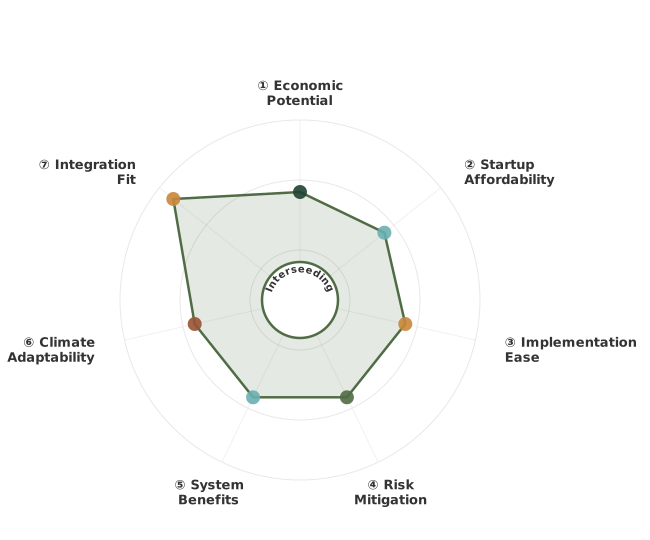
How These Traits Are Calculated
Trait dimensions are ordered clockwise starting from the top of the chart (12 o'clock position):
1. Economic Potential
Financial returns, annual value, and break-even timeline
WHAT: Evaluates financial viability by combining net annual value ($/ha from savings, income, and amortized harvests) with break-even timeline showing when practices pay for themselves.
WHY: Farmers need clear ROI understanding before committing resources. Fast payback (≤3 years) with strong returns (≥$300/ha) enables confident adoption, while long timelines (>10 years) restrict adoption to well-funded operations willing to wait for returns.
HOW: Calculated from net annual value in $/ha and break-even years. Exceptional (≥2.6): fast ROI ≤3 years + high value ≥$300/ha. Typical (1.8-2.5): moderate returns or longer timelines. Limited (<1.8): marginal economics or very long payback >10 years.
2. Startup Affordability
Initial investment costs and financial barrier to entry
WHAT: Measures financial barrier to entry through startup costs for equipment, infrastructure, consulting, and materials. Inverted scoring: lower costs = higher scores = more accessible adoption.
WHY: Affordability determines who can adopt. Low-cost practices (<$250/ha) enable widespread adoption across diverse scales, while high costs (>$2,500/ha) limit adoption to well-capitalized operations, creating barriers that slow regenerative transition.
HOW: Calculated from initial investment parsed from practice content. Inverted scoring: Exceptional (≥2.6): minimal investment <$250/ha. Typical (1.8-2.5): moderate costs $250-2,500/ha. Limited (<1.8): high barrier >$2,500/ha.
3. Implementation Ease
Learning curve and specialized knowledge required
WHAT: Measures how much learning, planning, and specialized knowledge a practice requires. Simpler practices with fewer steps score higher, while complex practices requiring extensive training or specialized resources score lower.
WHY: Complex practices create adoption barriers even when economically viable. Straightforward practices enable faster adoption and broader participation, while those requiring extensive training, timing precision, or specialized equipment limit who can succeed.
HOW: Evaluated by measuring documentation length and identifying complexity markers like location-specific requirements, seasonal timing windows, specialized skills, and dedicated equipment needs. Exceptional (≥2.6): straightforward practices with minimal prerequisites. Typical (1.8-2.5): moderate learning curve with some specialized needs. Limited (<1.8): steep learning curve requiring significant training or resources.
4. Risk Mitigation
Identified financial and ecological risk assessment
WHAT: Evaluates documented risks across financial (investment loss, market volatility) and ecological (crop failure, pest outbreaks) domains. Inverted scoring: fewer risks = higher scores.
WHY: Understanding risk exposure helps farmers make informed decisions. Low-risk practices allow confident implementation, while high-risk practices require careful planning and contingency resources. Risk transparency prevents costly failures.
HOW: Calculated from identified risks in practice content. Inverted scoring: Exceptional (≥2.6): ≤2 risks with manageable severity. Typical (1.8-2.5): 3-5 moderate risks. Limited (<1.8): 6+ risks or severe exposure.
5. System Benefits
How many ways the practice improves your land simultaneously
WHAT: Measures how many aspects of land health improve at once—carbon storage, soil quality, erosion control, water absorption, and biodiversity. Practices that improve multiple areas simultaneously create compounding benefits where each improvement reinforces the others.
WHY: The best practices solve multiple problems at once. For example, addressing erosion simultaneously builds carbon and improves water infiltration, creating a resilient system with positive feedback loops. Single-benefit approaches miss these compound transformation opportunities.
HOW: Evaluated across five key outcomes: carbon sequestration, soil organic matter increase, erosion reduction, water infiltration improvement, and biodiversity enhancement. Exceptional (≥2.6): high carbon storage (>8 t/ha/yr), improvements across 4-5 areas, transformative outcomes. Typical (1.8-2.5): moderate carbon (3-8 t/ha/yr), improvements across 2-3 areas. Limited (<1.8): modest impact (<3 t/ha/yr), single-area focus only.
6. Climate Adaptability
Geographic applicability across Köppen climate zones
WHAT: Evaluates geographic applicability by assessing how many Köppen climate zones successfully support a practice and what adaptation requirements are needed. Measures breadth of climates where farmers can implement with minimal to moderate modifications.
WHY: Universal practices working across diverse climates enable more farmers to adopt regenerative approaches. Practices limited to single climate types (only Mediterranean, only tropical) restrict adoption and slow global transition. Adaptability determines whether a practice serves niche regions or offers broad transformation.
HOW: LLM evaluation of regional success stories, Köppen zone coverage, and adaptation needs. Exceptional (≥2.6): 5+ zones or 4+ climate types, 3+ continents, minimal adaptation. Typical (1.8-2.5): 3-4 zones or 2-3 types, 2 continents, moderate adaptation. Limited (<1.8): 1-2 zones, single region, significant adaptation or highly specialized.
7. Integration Fit
How well this practice combines with others you're doing
WHAT: Measures how well a practice combines with other regenerative practices you might be doing. Some practices work as building blocks that make many other practices easier or more effective, while others work best on their own.
WHY: Practices that combine well with many others create more value on your farm. For example, cover cropping enables no-till, improves grazing, supports crop diversity, and helps water management—making all of them work better together. This helps you build a coherent system rather than juggling disconnected practices.
HOW: Evaluated by identifying which practices combine well and how strong those combinations are. 'Ideally Suited' means strong combinations where practices reinforce each other (practice A makes B easier, while B makes A more effective). 'Adequate' means complementary benefits that work well together. Exceptional (≥2.6): combines well with 6+ practices, serves as a building block. Typical (1.8-2.5): combines with 3-5 practices. Limited (<1.8): 1-2 practices or works best alone.
Going Deeper
1
WHY - The Benefits
Interseeding offers a suite of advantages, primarily centered on enhancing soil health, diversifying farm systems, and improving economic resilience. By strategically introducing a secondary plant population into an existing system, farmers can achieve significant...
Interseeding offers a suite of advantages, primarily centered on enhancing soil health, diversifying farm systems, and improving economic resilience. By strategically introducing a secondary plant population into an existing system, farmers can achieve significant...
WHY - The Benefits
Interseeding offers a suite of advantages, primarily centered on enhancing soil health, diversifying farm systems, and improving economic resilience. By strategically introducing a secondary plant population into an existing system, farmers can achieve significant...
Interseeding offers a suite of advantages, primarily centered on enhancing soil health, diversifying farm systems, and improving economic resilience. By strategically introducing a secondary plant population into an existing system, farmers can achieve significant...
Soil Health Benefits
Interseeding is a direct pathway to improving soil organic matter. The additional biomass from the interseeded crop, when managed appropriately (e.g., left as residue or grazed), decomposes, adding carbon to the soil. Over a period of 5-10 years, this can lead to a cumulative increase of 0.5-1.5 percentage points in soil organic matter. Rates of SOM accumulation are variable and depend on climate, starting soil condition, management intensity, and measurement depth. This increase enhances water-holding capacity, nutrient availability, and soil aggregation. For example, interceding legumes into monoculture pastures can boost nitrogen levels naturally, enhancing the health and growth of the primary forage species.
Erosion control is a primary benefit, especially in systems prone to bare ground. By keeping the soil surface covered with living vegetation for a longer period, interseeding significantly reduces the risk of wind and water erosion. Studies have shown that cover crops, often established through interseeding, can reduce soil erosion by 60-85%. This protects valuable topsoil and prevents sedimentation in waterways.
The extended period of living roots in the soil throughout the year promotes a more active and diverse soil biological community. This continuous root exudation feeds beneficial microbes, fungi, and earthworms, which are crucial for nutrient cycling, soil structure development, and disease suppression. The presence of multiple plant species also supports a greater diversity of soil organisms, creating a more resilient and functional soil ecosystem.
Water infiltration and retention are significantly improved by interseeding. The root systems of both the primary crop and the interseeded crop help to create channels and pores in the soil, allowing water to penetrate more effectively. This reduces surface runoff and replenished soil moisture reserves, making crops more resilient to drought. The increased organic matter also enhances the soil's ability to retain water.
Economic Benefits
A primary economic driver for interseeding is the potential for diversification of income. In pastoral systems, interceding legumes like clover or vetch can significantly boost forage quality and quantity, leading to improved animal performance (e.g., higher weight gains, better milk production) and potentially extending the grazing season by 30-45 days. This can translate to reduced reliance on supplemental feed, saving potentially $50-150/ha ($20-60/acre) USD equivalent in feed costs.
In annual cropping systems, interseeding a cover crop into corn or soybeans can provide valuable ecosystem services that reduce input costs. Legumes can fix atmospheric nitrogen, potentially reducing the need for synthetic nitrogen fertilizer by $50-150/ha ($20-60/acre) USD equivalent in subsequent crops. Other cover crop species can scavenge residual nutrients from the soil, preventing them from leaching and making them available for the next crop.
The practice can also facilitate a second cash crop or an additional harvest within the same season. For example, quick-maturing crops might be interseeded into a less competitive primary crop, providing a yield in addition to the main crop or a valuable post-harvest resource. This can increase the overall productivity and economic return from the land.
The long-term economic benefits of improved soil health—including increased water-holding capacity, enhanced nutrient availability, and greater resilience to climate variability—reduce risk and improve profitability over time. Soil that is rich in organic matter and biological activity requires fewer costly inputs and is more productive under challenging conditions.
Regenerative Systems Fit
Interseeding is a highly adaptable practice that directly embodies and supports several key regenerative agriculture principles:
Principle 2 (Maximize Crop Diversity): By introducing a new species into an existing crop or pasture, interseeding immediately increases the botanical and functional diversity of the landscape. This above-ground diversity can lead to a more diverse soil microbiome, better pest and disease resistance, and more efficient nutrient cycling. For example, interceding a multi-species cover crop mix into corn provides a diverse root system and above-ground biomass that supports a wider array of soil organisms than a corn monoculture alone.
Principle 3 (Keep Soil Covered): Interseeding fundamentally ensures that the soil surface remains covered for a longer duration, often year-round. Whether the interseeded crop is grown simultaneously with the main crop or continues after harvest, it prevents bare soil exposure. This protection shields the soil from erosion by wind and rain, conserves soil moisture by reducing evaporation, and insulates soil organisms from extreme temperatures. In a pasture context, interceding legumes or diverse forbs into grasses ensures continuous living cover, preventing the soil from being exposed during seasonal dips in grass growth.
Principle 4 (Maintain Living Roots): This principle is directly addressed by interseeding. By having two or more plant populations growing sequentially or simultaneously, the period of active root growth and photosynthesis is extended. Living roots continuously feed soil microbes with carbon exudates, which is vital for building soil organic matter and supporting a healthy soil food web. This continuous biological activity helps to build soil structure rather than allowing it to degrade during periods of fallow or bare soil.
Principle 5 (Integrate Livestock): Interseeding is a valuable tool for enhancing pasture productivity and quality, thereby improving livestock integration. By interceding legumes, ranchers can improve the protein content and overall nutritional value of forage. This leads to better animal performance and can reduce the need for expensive grain supplements. Furthermore, interceding species that extend the grazing season can reduce winter feeding costs and allow livestock to remain on pasture for longer periods, maintaining their health and reducing the carbon footprint associated with feed transportation and barn confinement.
When interseeding is performed with minimal soil disturbance (e.g., using no-till drills), it aligns perfectly with Principle 1 (Minimize Soil disturbance). However, if the interseeding method involves significant tillage for seed-to-soil contact, it might be considered a transition practice if the ultimate goal is to move towards full no-till systems. In such cases, it serves as a valuable stepping stone, breaking the cycle of bare fallows and supporting the establishment of more diverse plant communities that can eventually enable true no-till management. The timeline for transitioning to truly regenerative interseeding would depend on the initial system; for example, moving from annual tillage to no-till interseeding might take 2-5 years of consistent practice and demonstrating the effectiveness of biological regeneration.
Sources behind this view
Videos & Podcasts
-
Details interseeding cover crops (barley, rye, medium red clover) via airplane or drill to increase GDUs, soil organic matter, and carbon sequestration. Discusses planting green, feed production, and
-
Farmers detail diverse cover cropping mixes (rye, vetch, oats, flax, sunflowers, peas, canola) and polyculture systems to boost soil health and reduce inputs. They emphasize continuous living roots, l
-
Utilize multi-species cover crops based on specific 'resource concerns' to improve soil health, nitrogen fixation, and water retention. Integrate livestock for grazing, calving, and overwintering, enh
-
Key factors for cover crop interceding include seed selection (species, mix, size), seeding rate, purpose, application method (homemade, aerial, drone, high clearance), and critical timing. Seed size
 Community
-
Details cover crop termination methods, nutrient cycling (N scavenging/fixing, P availability), bio-controls, weed/pest/disease management, and specific mix recommendations. Emphasizes soil testing, r
Read more (pp. 10-20) (opens PDF, pp. 10-20) efotg.sc.egov.usda.gov -
Offers practical guidance on cover crop implementation, covering equipment, residue management, climate/weather considerations, establishment techniques, seeding methods (broadcast vs. drill), water m
Read more (pp. 8-10) (opens PDF, pp. 8-10) efotg.sc.egov.usda.gov -
Seven strategies accelerate cover crop ROI: managing weeds, grazing, addressing compaction, transitioning to no-till, improving soil moisture, managing nutrients (using legumes like Hairy Vetch/Austri
Read more (opens in new window) sustainableagriculture.net -
Fall-planted winter cover crops improve soil health by adding organic matter, enhancing structure, and fixing nitrogen via legumes. Non-legumes mine nitrates and alleviate compaction. Avoid letting co
Read more (opens in new window) ucanr.edu
Research
-
Drill and broadcast establishment methods influence interseeded cover crop performance in organic corn (opens in new window)
This study found: Interseeding cover crops into organic corn using a drill or broadcast method showed similar corn yields and nitrogen retention. Broadcasting may be more cost-effective. Post-harvest cereal rye outperf
-
The Role of Cover Crops in North American Cropping Systems (opens in new window)
This study found: Cover crops offer multiple benefits in North American farming, including nitrogen fixation, erosion control, weed/pest management, and improved soil health through organic matter and reduced compactio
-
Optimizing cover crop practices as a sustainable solution for global agroecosystem services. (opens in new window)
This study found: Optimized cover crop strategies (long-term, no-till, legume/non-legume mix, residue mulch) significantly boost farm ecosystem services, including crop yields, carbon capture, and erosion control, whil
-
Evaluating Cover Crops for Benefits, Costs and Performance within Cropping System Niches (opens in new window)
This study found: Review of cover crops highlights benefits (pest control, soil health, yield) and costs. Best species identified for different seasons/regions. Rye excels in winter, C4 grasses in summer. Legumes fix N
From the Web
-
Integrating cover crops with no-till, crop rotation, and grazing enhances soil health, aids manure spreading, and alleviates compaction. Proper termination timing is essential for subsequent crops.
2
WHERE - Regional Considerations
The success of interseeding is heavily influenced by climate, soil type, and the specific cropping or grazing system. Its adaptability makes it feasible across a wide range of global regions, but careful species selection and timing are crucial for optimal results.
The success of interseeding is heavily influenced by climate, soil type, and the specific cropping or grazing system. Its adaptability makes it feasible across a wide range of global regions, but careful species selection and timing are crucial for optimal results.
WHERE - Regional Considerations
The success of interseeding is heavily influenced by climate, soil type, and the specific cropping or grazing system. Its adaptability makes it feasible across a wide range of global regions, but careful species selection and timing are crucial for optimal results.
The success of interseeding is heavily influenced by climate, soil type, and the specific cropping or grazing system. Its adaptability makes it feasible across a wide range of global regions, but careful species selection and timing are crucial for optimal results.
Click Here to Look up your Region if you don't already know it
Humid Temperate Regions
Representative Locations: Midwestern United States, Northern Europe (e.g., UK, Germany, Northern France), Eastern China, Japan, New Zealand. Climate Context: Moderate temperatures, ample rainfall distributed relatively evenly throughout the year. Distinct warm and cold seasons. USDA Zones 4-7, Köppen Cfa/Cfb/Dfb. Interseeding Application: These regions offer long growing seasons suitable for multiple crop cycles or extended pasture growth. Interseeding cover crops into summer cash crops like corn or soybeans is highly effective, as is interceding legumes into perennial pastures for extended productivity. The ample moisture supports successful establishment of secondary crops, allowing for significant biomass production. Examples include interceding red clover into wheat for autumn grazing or nitrogen fixation, or drilling a multi-species cover crop into standing corn before harvest to establish a winter cover.
Mediterranean Regions
Representative Locations: California (USA), Mediterranean Basin (e.g., Spain, Italy, Greece), Central Chile, Southwestern Australia, Cape Province (South Africa). Climate Context: Hot, dry summers and mild, wet winters. Rainfall is highly seasonal, typically concentrated in the cooler months. USDA Zones 8-10, Köppen Csa/Csb. Interseeding Application: In these regions, interseeding strategies must account for the dry summer period. The focus is often on winter cover crops that utilize winter rainfall, or summer-active species that can survive with limited irrigation. Interseeding drought-tolerant legumes or grasses into pastures might extend grazing into dry periods if supplemented by irrigation or if residual soil moisture is sufficient. In cropping systems, planting winter cover crops after summer cash crops (e.g., interceding rye or vetch into harvested grain fields) is a key strategy to keep soil covered and build organic matter during the wet season. Species selection must prioritize drought tolerance and adaptation to alkaline soils common in some areas.
Arid and Semi-Arid Regions
Representative Locations: Western USA (e.g., High Plains, intermountain West), North Africa (e.g., Maghreb), Central Asia, Inner Australia. Climate Context: Very low and erratic rainfall, high temperatures, short growing seasons. Significant risk of soil moisture depletion. USDA Zones 6-9, Köppen BSh/BSk. Interseeding Application: Interseeding in arid regions is challenging and requires specialized approaches focused on water-wise species and strategic timing. Often, it involves interceding drought-tolerant perennials into existing rangelands to improve forage quality and ground cover, or selecting cover crop species that can establish during the short, unpredictable rainy seasons. Some systems may use conserved moisture to establish deep-rooted cover crops after cash crop harvest. The primary goal is to capture any available moisture, prevent erosion, and provide a living root to support soil biology. Careful selection of species that are extremely drought-tolerant and competitive is paramount.
Cold Continental Regions
Representative Locations: Northern USA and Canada, Northern Europe (e.g., Scandinavia, Russia), Northern Asia. Climate Context: Very short growing seasons, extreme summer heat, and severe winter cold; short periods of snow cover. USDA Zones 2-5, Köppen Dfa/Dfb/Dfc. Interseeding Application: In cold climates, interseeding typically focuses on maximizing growth during the short summer window or utilizing the early spring and late autumn periods. Fast-growing cover crops can be interseeded into early spring cash crops like peas or potatoes, or into summer grains. In pastures, hardy cool-season grasses and legumes are interseeded to boost forage production during the limited grazing season. Some systems might utilize frost-tolerant species that can establish in late summer for overwintering and early spring growth, effectively extending the green cover period before the main cash crop is planted.
Subtropical Regions
Representative Locations: Southeastern USA, Southern China, Southern Brazil, Eastern Australia, Paraguay. Climate Context: Hot, humid summers and mild winters with generally ample rainfall, though periods of drought can occur. Köppen Cfa/Cwa. Interseeding Application: These regions offer excellent potential for interseeding due to warm temperatures and consistent rainfall. Cover crops can be interseeded into various summer cash crops and will thrive. Overlapping growing seasons allow for significant biomass production from the interseeded crop. Legumes interseeded into pastures are particularly effective in boosting protein content and extending the grazing period. For example, interceding cowpeas or velvet beans into maize can provide nitrogen and additional forage. The challenge here is often managing excessive growth and avoiding competition that could negatively impact the primary crop.
Tropical Regions
Representative Locations: Central America, Southeast Asia, East Africa, Northern Australia, Northern South America. Climate Context: High temperatures year-round, with distinct wet and dry seasons or consistently high rainfall. Köppen Af/Am/Aw. Interseeding Application: Tropical regions are ideal for year-round interseeding due to the long, consistent growing seasons. Interseeding into perennial crops like coffee or cacao can improve soil health, provide ground cover, and attract beneficial insects. In mixed cropping systems, multiple species are often grown together from the start. For annual cropping, interceding nitrogen-fixing cover crops or pest-repellent species can significantly enhance system resilience. Managing weed pressure and ensuring appropriate species selection for specific rainfall patterns become key considerations.
3
HOW - Implementation Process
Implementing interseeding effectively requires careful planning regarding timing, species selection, and appropriate equipment to ensure success without negatively impacting the primary crop or pasture.
Implementing interseeding effectively requires careful planning regarding timing, species selection, and appropriate equipment to ensure success without negatively impacting the primary crop or pasture.
HOW - Implementation Process
Implementing interseeding effectively requires careful planning regarding timing, species selection, and appropriate equipment to ensure success without negatively impacting the primary crop or pasture.
Implementing interseeding effectively requires careful planning regarding timing, species selection, and appropriate equipment to ensure success without negatively impacting the primary crop or pasture.
Prerequisites
- Primary Crop/Pasture Health: The existing stand should be healthy and vigorous to withstand competition from the interseeded crop. Stressed or weak stands are poor candidates.
- Soil Moisture: Adequate soil moisture is critical for germination and establishment of the interseeded crop, especially if no-till methods are used. This may dictate the optimal timing within the season or year.
- Resource Availability: Access to appropriate interseeding equipment (e.g., no-till drills, winged coulters, air seeders) and suitable seed varieties is necessary.
- Clear Objective: Define the goal of interseeding: e.g., nitrogen fixation, weed suppression, increased forage quality, extended grazing, soil organic matter building. This informs species selection.
Phase 1: Species Selection and Planning
This is the most critical phase. The choice of interseeding species depends on the primary crop, climate, soil type, and desired outcome.
-
Interseeding into Row Crops (e.g., Corn, Soybeans, Cotton):
- Nitrogen Fixation: Legumes like red clover, hairy vetch, crimson clover, or peas.
- Weed Suppression: Buckwheat, oats, annual ryegrass, mustard species.
- Soil Health/Biomass: Radishes, turnips, cereal rye, Sudan grass, sorghum-sudangrass.
- Insectary: Phacelia, tillage radish, alyssum.
- Considerations: Select species that are less competitive with the primary crop for light, water, and nutrients during the overlapping growth period. Early planting into the primary crop may require slower-growing or shade-tolerant species. Later planting (post-harvest or later vegetative stage) allows for more robust and competitive species.
-
Interseeding into Pastures:
- Legumes for N Fixation/Quality: Clover (red, white, crimson), vetch, alfalfa, birdsfoot trefoil.
- Drought Tolerance: Sainty (onobrychis), chicory, plantain.
- Winter Hardiness: Winter rye, winter wheat (for grazing), annual ryegrass.
- Considerations: Choose species that are compatible with existing pasture species, provide nutritional benefits, and are palatable to livestock. Ensure they can establish without excessive competition to the dominant grasses.
-
Interseeding into Orchards/Vineyards:
- Weed Suppression/Ground Cover: Buckwheat, annual ryegrass, phacelia, vetch.
- Beneficial Insect Attractants: Alyssum, dill, fennel, cilantro.
- Soil Building: Crimson clover, annual ryegrass, tillage radish.
- Considerations: Select species that do not compete excessively with trees/vines, are compatible with orchard floor management (e.g., can be grazed or mowed), and do not harbor pests detrimental to the primary crop.
Phase 2: Equipment and Seeding Operations
The method of seeding is crucial to avoid damaging the primary crop and ensure good seed-to-soil contact.
-
No-Till Drills/Interseeders: These are specialized machines with coulters that cut a narrow slit in the soil surface, place seed and fertilizer (if used), and close the slit with minimal disturbance. They are ideal for interseeding into established crops or pastures without tillage. Seed placement directly in the soil is key for establishment.
- Row Crop Specifics: Drills designed for precise coulter placement between crop rows (e.g., 15-30 cm or 6-12 inch spacing) are used.
- Pasture Specifics: Drills with wider spacing or broadcast seeders followed by a light cultipacker can be used, especially if the primary crop is already harvested or low-growing.
-
Winged Coulters/Rippers: Some systems use winged coulters attached to tillage implements to create a wider zone of soil disturbance for seed placement while minimizing overall soil inversion. This can be an option for pastures or fallow phases.
-
Broadcast Seeding: Seeds are broadcast over the field using an aerial seeder or ground-driven spreader. This is often done into standing crops nearing harvest or into pastures. Success depends heavily on rainfall or follow-up soil disturbance (e.g., light harrowing or wheel traffic from grazing animals) to ensure seed-to-soil contact. It carries a higher risk of establishment failure than drilled seeding.
-
Timing of Seeding:
- Early Interseeding (Component of existing crop): Planting into young cash crops (e.g., corn at V4-V6 stage) requires small-seeded, shade-tolerant species that won't unduly compete.
- Late Interseeding (Post-cash crop harvest): Planting into stubble after primary crop harvest allows for more robust species and higher seeding rates, utilizing residual moisture and cooler temperatures.
- Pasture Interseeding: Ideally timed with natural moisture availability or before a period of active growth. Late summer/early fall in temperate regions, or at the start of the wet season in drier climates.
Phase 3: Management of Interseeded Crop
Once established, management focuses on optimizing the benefits while minimizing negative impacts on the primary system.
-
Competition Management:
- Grazing: Strategic grazing can control the growth of the interseeded crop, preventing it from out-competing the primary crop or cash crop. This is particularly effective in pastoral systems. Animals can be introduced once the interseeded crop has established sufficient root systems.
- Mowing/Crimping: If grazing is not feasible, mowing or roller-crimping can be used to manage the height and growth of the interseeded crop, especially before it significantly impacts the primary crop's light or nutrient availability.
-
Termination: For annual interseeded crops that are not intended to be harvested or grazed, termination may be necessary. This can be done via mowing, roller-crimping, or under-seeding with a different crop. The residue should ideally be left on the soil surface to contribute to soil cover and organic matter.
-
Nutrient Management: If legumes are interseeded, they will contribute nitrogen. This needs to be factored into fertilization plans for the primary crop or subsequent crops. Application of additional fertilizers should be done cautiously to avoid promoting excessive competition from the interseeded species.
-
Monitoring: Regularly assess the health and growth of both the primary crop and the interseeded crop. Monitor for signs of intense competition, pest outbreaks, or disease. Adjust management practices as needed.
Transition Timeline & Phase-Out Strategy (If applicable)
Interseeding is often used as a transition practice to phase out bare fallows or simplify crop rotations.
- Year 1-2: Focus on successful establishment and growth of interseeded crops. Experiment with different species and seeding rates. Goal is to demonstrate increased soil cover, improved soil moisture, and early signs of biological improvements.
- Year 2-4: Begin to observe tangible benefits like reduced erosion, improved forage quality, or early nitrogen contributions. If interseeding into annual crops, evaluate the potential to reduce synthetic fertilizer applications or implement no-till planting for the main crop.
- Year 4-5+: Interseeding becomes standard practice, likely with a shift towards permanent no-till in crop systems. The focus is on optimizing cover crop mixes for specific goals (e.g., maximizing carbon sequestration, specific nutrient management). The "transition" phase is complete, and interseeding is now a foundational regenerative practice.
The "phase-out" is not of interseeding itself, but of the practices it replaces—like bare fallows, excessive tillage for weed control, or reliance on synthetic inputs. Success looks like a more resilient, diverse, and biologically active system where interseeding is a natural, integrated component.
Sources behind this view
Videos & Podcasts
-
Intercropping offers benefits in rotation, harvest management, weed control (linked to soil health), and varietal diversity (using blends). Livestock integration is beneficial for managing cover crops
-
Farmers detail diverse cover cropping mixes (rye, vetch, oats, flax, sunflowers, peas, canola) and polyculture systems to boost soil health and reduce inputs. They emphasize continuous living roots, l
-
Details interseeding cover crops (barley, rye, medium red clover) via airplane or drill to increase GDUs, soil organic matter, and carbon sequestration. Discusses planting green, feed production, and
-
Recommends early interseeding of cover crops like brassicas and annual ryegrass into corn, emphasizing careful consideration of prior herbicide use (especially atrazine). This technique improves weed
Community
-
Details cover crop termination methods, nutrient cycling (N scavenging/fixing, P availability), bio-controls, weed/pest/disease management, and specific mix recommendations. Emphasizes soil testing, r
Read more (pp. 10-20) (opens PDF, pp. 10-20) efotg.sc.egov.usda.gov
Research
-
Drill and broadcast establishment methods influence interseeded cover crop performance in organic corn (opens in new window)
This study found: Interseeding cover crops into organic corn using a drill or broadcast method showed similar corn yields and nitrogen retention. Broadcasting may be more cost-effective. Post-harvest cereal rye outperf
-
Advancing Intercropping Research and Practices in Industrialized Agricultural Landscapes (opens in new window)
This study found: Intercropping (growing multiple crops together) boosts yields, stability, and soil health through better resource use. Standardized research is needed to advance this sustainable practice, especially
-
Establishment and Function of Cover Crops Interseeded into Corn (opens in new window)
This study found: Planting cover crops between growing corn using a drill or light soil disturbance improved establishment and reduced soil nitrogen. Careful termination is key to avoid impacting subsequent soybean yie
-
Evaluating Cover Crops for Benefits, Costs and Performance within Cropping System Niches (opens in new window)
This study found: Review of cover crops highlights benefits (pest control, soil health, yield) and costs. Best species identified for different seasons/regions. Rye excels in winter, C4 grasses in summer. Legumes fix N
From the Web
-
Intercropping, exemplified by bean/oat or pea/barley mixes, increases yields (up to 30% LER) and farm resilience. Practical aspects include seed rate adjustments (60-80%), harvest management, and post
4
Know the Debate
Interseeding success is highly context-dependent, particularly in humid temperate and subtropical regions where long growing seasons and ample mois...
Know the Debate
Interseeding success is highly context-dependent, particularly in humid temperate and subtropical regions where long growing seasons and ample mois...
Interseeding success is highly context-dependent, particularly in humid temperate and subtropical regions where long growing seasons and ample moisture support robust double-cropping. In semi-arid environments, success hinges on drought-tolerant species and precise timing to capture limited rainfall. Cold climates require fast-growing, cold-hardy species established during short growing windows. Infrastructure needs range from rental drills to significant capital investment for specialized equipment for large-scale operations. Labor demands are primarily for seeding and ongoing management, though grazing integration can increase this. While 1-2 years show initial benefits, full integration may take 3-5 years.
What are the actual yield impacts of interseeding cover crops into main crops?
Neutral to positive yields (4-20 bu/ac increase)
Academic research and some field reports suggest interseeding can maintain or improve main crop yields, especially in humid regions with good moisture and nitrogen-fixing legumes. Benefits arise from improved soil health, nitrogen contributions, and effective weed suppression facilitated by cover crop residue.
Sources behind this view
Sources behind this view
Videos & Podcasts
-
Interseeding cover crops into corn is beneficial, especially with good seed-to-soil contact using a drill unit. Reduced corn populations (28-32k) can support this. Interseeding increases insect diversity, including predators, potentially reducing pest pressure and herbicide needs, with no observed yield penalty and sometimes yield increases.
Research
-
Drill and broadcast establishment methods influence interseeded cover crop performance in organic corn (opens in new window)
This study found: Organic corn farmers in Pennsylvania are looking for ways to establish cover crops, especially where the growing season is short. This study tested two methods of planting cover crops *during* the growing season (interseeding) into corn: using a drill versus broadcasting seeds. They also compared this to planting cover crops *after* the corn harvest. The cover crop mix included annual ryegrass, orchardgrass, and forage radish. Planting the cover crops with a drill resulted in more growth and more forage radish in the fall compared to broadcasting. However, the amount of corn harvested, weed control, and how much nitrogen stayed in the soil were similar between the drill and broadcast methods. This suggests that broadcasting cover crops between corn rows might be a more cost-effective option for farmers. At one southern farm, planting cereal rye after harvest was better for spring growth and nitrogen retention than interseeding. At northern farms, inconsistent cover crop growth and the radish dying over winter led to potential nitrogen loss. More research is needed to compare the long-term benefits and management challenges of interseeding versus post-harvest cover cropping.
-
Establishing winter annual cover crops by interseeding into Maize and Soybean (opens in new window)
This study found: A two-year study across multiple locations in the upper Midwest looked at planting winter cover crops like cereal rye, winter camelina, and field pennycress between rows of standing corn and soybeans. The goal was to see if this 'interseeding' method could help farmers establish cover crops even with limited time after harvest. Planting dates and cover crop types affected how well they grew. Cereal rye generally produced more growth than the oilseed crops. In one northern location, field pennycress provided the most ground cover. Importantly, planting these cover crops did not harm corn or soybean harvest yields or soil moisture levels. Cover crops grew better in soybeans than corn, likely because more sunlight reached them. The study suggests this practice is promising for diversifying soybean production, but more work is needed for corn systems.
From the Web
-
Interseeding cover crops into corn at the V3-V6 stage (June) allows for earlier establishment, improved nutrient retention, and better water quality. Promising species include African cabbage, annual ryegrass, hairy vetch, red clover, and cereal rye, with no negative impact on corn yields.
-
Trials by Teachout and Vittetoe explored interseeding cover crops into corn at V2-V4 stages. Teachout saw a 13 bu/ac yield increase with 100 lb N/ac vs 70 lb N/ac. Vittetoe experienced a 43 bu/ac yield reduction in 2017 (early seeding) but a 20 bu/ac increase in 2018 (later seeding), suggesting soil improvements from prior cover crop growth.
Variable yields, potential drag (15-40% reduction)
Field reports highlight risks of yield drag, particularly in drier climates or with late/early interseeding, high competitive species, or residual herbicide issues. Competition for light, water, and nutrients can significantly impact main crop development, with losses up to 40% reported in some challenging scenarios.
Sources behind this view
Sources behind this view
Videos & Podcasts
-
Interseeding cover crops into corn (V5-V7 stage) converts stover to feed but faces challenges like herbicide carryover, moisture, poor soil contact, and shading. Innovations like shorter corn and optimized planting populations help. Oats are a versatile, high-tonnage option after small grains.
-
Interceding cover crops (e.g., annual ryegrass, crimson clover) into corn between V4-V6 stages is discussed. Success depends on timing, managing residual herbicides with short half-lives, and selecting appropriate species to avoid yield drag. This practice can improve weed control and is most suitable for the northern Corn Belt.
-
Interceding cover crops (e.g., annual ryegrass, crimson clover) into corn between V4-V6 stages is discussed. Success depends on timing, managing residual herbicides with short half-lives, and selecting appropriate species to avoid yield drag. This practice can improve weed control and is most suitable for the northern Corn Belt.
Making Sense of the Differences
Yield impacts from interseeding are highly variable. In humid regions or where nitrogen-fixing legumes provide significant benefits, neutral to positive yields are achievable. However, in drier climates, with less competitive cash crops, or when residual herbicides interfere, yield drag is a real risk. Success hinges on meticulous management: selecting appropriate, less competitive species for early/difficult windows, ensuring good seed-to-soil contact via drilling, and carefully timing termination or utilizing livestock grazing to manage competition.
Is specialized equipment required for successful interseeding?
Specialized drills highly recommended for success
Advanced no-till drills with specialized coulters provide optimal seed-to-soil contact, crucial for establishment, especially in dry conditions or when interceding into live crops. These tools minimize disturbance and maximize germination rates.
Sources behind this view
Sources behind this view
Videos & Podcasts
-
Discusses cover crop establishment challenges, focusing on interseeding as a key strategy. Explores methods like aerial seeding, broadcasting with abrasion, turbo-tilling, and advanced equipment like the Penn State interseeder, noting their pros, cons, and species-specific considerations.

-
Successful interceding requires good seed-to-soil contact through incorporation (drills, cultivators) rather than broadcasting, ensuring seeds reach moisture for faster germination. This is critical due to the narrow window before corn rapid growth. Species like buckwheat and cowpeas are favored, and shorter-day corn hybrids may allow more cover crop growth.
Research
-
Drill and broadcast establishment methods influence interseeded cover crop performance in organic corn (opens in new window)
This study found: Organic corn farmers in Pennsylvania are looking for ways to establish cover crops, especially where the growing season is short. This study tested two methods of planting cover crops *during* the growing season (interseeding) into corn: using a drill versus broadcasting seeds. They also compared this to planting cover crops *after* the corn harvest. The cover crop mix included annual ryegrass, orchardgrass, and forage radish. Planting the cover crops with a drill resulted in more growth and more forage radish in the fall compared to broadcasting. However, the amount of corn harvested, weed control, and how much nitrogen stayed in the soil were similar between the drill and broadcast methods. This suggests that broadcasting cover crops between corn rows might be a more cost-effective option for farmers. At one southern farm, planting cereal rye after harvest was better for spring growth and nitrogen retention than interseeding. At northern farms, inconsistent cover crop growth and the radish dying over winter led to potential nitrogen loss. More research is needed to compare the long-term benefits and management challenges of interseeding versus post-harvest cover cropping.
-
Establishment and Function of Cover Crops Interseeded into Corn (opens in new window)
This study found: This study tested different ways to plant cover crops between the rows of corn when the corn was still growing, in the upper Midwest. They compared broadcasting seeds, broadcasting with light soil disturbance, and using a specialized drill. The drill method generally led to more cover crop growth in the fall. Planting with the drill or with light soil disturbance resulted in more red clover and hairy vetch growth in the spring. The cover crops didn't hurt corn yields but did reduce the yield of the following soybean crop by about 10% at one location, likely due to poor termination of hairy vetch. Cover crops that grew well in the spring also reduced the amount of nitrate nitrogen in the soil. The findings suggest that interceding cover crops into corn is feasible and can help reduce soil nitrogen, but careful termination is crucial to avoid competition with the next crop.
Adaptable methods exist but have higher risk
While specialized drills offer best results, farmers use broadcast seeding, aerial application, or adapted cultivators. These methods are less reliable, particularly in dry conditions or when precise seed-to-soil contact is needed, but can be lower cost or more accessible.
Sources behind this view
Sources behind this view
Videos & Podcasts
-
Discusses diverse cover crop planting methods (drilling, broadcasting, aerial seeding, interseeding) and timing, emphasizing adaptability, equipment modification, and the importance of clear instructions for groundwater sampling programs.

-
Discusses cover crop establishment challenges, focusing on interseeding as a key strategy. Explores methods like aerial seeding, broadcasting with abrasion, turbo-tilling, and advanced equipment like the Penn State interseeder, noting their pros, cons, and species-specific considerations.
-
Interseeding cover crops into corn (V5-V7 stage) converts stover to feed but faces challenges like herbicide carryover, moisture, poor soil contact, and shading. Innovations like shorter corn and optimized planting populations help. Oats are a versatile, high-tonnage option after small grains.
Research
-
Drill and broadcast establishment methods influence interseeded cover crop performance in organic corn (opens in new window)
This study found: Organic corn farmers in Pennsylvania are looking for ways to establish cover crops, especially where the growing season is short. This study tested two methods of planting cover crops *during* the growing season (interseeding) into corn: using a drill versus broadcasting seeds. They also compared this to planting cover crops *after* the corn harvest. The cover crop mix included annual ryegrass, orchardgrass, and forage radish. Planting the cover crops with a drill resulted in more growth and more forage radish in the fall compared to broadcasting. However, the amount of corn harvested, weed control, and how much nitrogen stayed in the soil were similar between the drill and broadcast methods. This suggests that broadcasting cover crops between corn rows might be a more cost-effective option for farmers. At one southern farm, planting cereal rye after harvest was better for spring growth and nitrogen retention than interseeding. At northern farms, inconsistent cover crop growth and the radish dying over winter led to potential nitrogen loss. More research is needed to compare the long-term benefits and management challenges of interseeding versus post-harvest cover cropping.
Making Sense of the Differences
Specialized no-till drills are highly recommended for maximizing interseeding success due to their ability to ensure proper seed-to-soil contact, especially when planting into living crops or dry soils. However, farmers can achieve results with less specialized equipment like broadcast spreaders or adapted cultivators, though this often entails higher risk of establishment failure, reliance on favorable weather, or need for additional steps like light tillage or livestock trampling. The decision hinges on an operation's scale, budget, risk tolerance, and specific interseeding goals.
5
HOW MUCH - Costs & Investment
The costs associated with interseeding can vary significantly depending on the scale of operation, the equipment used, the species selected, and the local market prices for seeds.
The costs associated with interseeding can vary significantly depending on the scale of operation, the equipment used, the species selected, and the local market prices for seeds.
HOW MUCH - Costs & Investment
The costs associated with interseeding can vary significantly depending on the scale of operation, the equipment used, the species selected, and the local market prices for seeds.
The costs associated with interseeding can vary significantly depending on the scale of operation, the equipment used, the species selected, and the local market prices for seeds.
Note: All costs are based on recent US economic data (2024–2026) and may vary substantially by region based on local labor rates, material costs, and regulatory requirements.
Seed Costs
Seed selection remains the primary variable in the total investment for interseeding. Small-scale operations (under 50 acres (20 ha)) typically lack the purchasing volume to secure favorable wholesale pricing, leading to costs of $15 to $50 per acre ($37–$124/ha). Mid-size operations (50 to 500 acres (20–202 ha)) benefit from economies of scale through agricultural cooperatives, settling into a range of $12 to $40 per acre ($30–$99/ha). Large-scale producers (over 500 acres (202 ha)) frequently negotiate forward contracts for specialized cover crop mixes, bringing costs down to $10 to $30 per acre ($25–$74/ha). Producers selecting complex, 10-species high-diversity mixes will consistently see costs trending toward the ceiling of these ranges, while those utilizing single-species rye or ryegrass applications will see costs trend toward the floor.
Equipment Costs
The decision to rent versus own equipment dictates the variability of your overhead. Rental costs for precision interseeders or high-clearance no-till drills are highest for small-scale operations at $30 to $100 per acre ($74–$247/ha), as these farmers often struggle with the logistics of short-term, low-volume rentals. Mid-size operations experience costs of $20 to $75 per acre ($49–$185/ha), while large-scale producers, often operating their own fleets, see effective costs of $15 to $50 per acre ($37–$124/ha). For producers choosing to invest in capital equipment, costs range from $5,000 for purchasing and retrofitting older drill hardware to $85,000 for high-precision, brand-new specialized machinery. For a 1,000-acre (405 ha) farm, amortizing a $85,000 investment results in a depreciation charge of roughly $8.50 per acre ($21/ha) each year, which is significantly more cost-effective than rental models over a 10-year holding period.
Labor and Management
Management inputs for interseeding include scouting, recalibrating equipment for specific row widths, and monitoring germination under the canopy of the primary crop. Small-scale producers doing this work independently encounter opportunity costs ranging from $25 to $75 per acre ($62–$185/ha). Mid-size operations that balance owner labor with occasional seasonal help generally fall into the $15 to $50 per acre ($37–$124/ha) range. Large-scale operations prioritize labor efficiency through GPS autosteer and high-capacity equipment, keeping management costs to $10 to $30 per acre ($25–$74/ha). These expenses are essential to avoid catastrophic failure, as improper timing or failure to adjust for moisture stress can necessitate costly replanting or result in total crop-loss interventions.
Most Spend: Most agricultural operations fall within the range of $60 to $150 per acre ($148–$371/ha) in total annual variable costs. This reflects the reality that while equipment rentals can be expensive, most mid-size farmers optimize their seed cost structure by avoiding complex seed blends and maintaining older, owned equipment to minimize high rental fees.
Why the Range?: Cost variation is largely driven by the intensity of the seed mix and the accessibility of equipment. High-diversity seed mixes contain specialized brassicas and clovers that cost substantially more than cereal grains, while the proximity to local equipment rental pools or the ability to purchase bulk seed directly from processors creates a significant delta between different producer sizes.
Sources behind this view
Videos & Podcasts
-
Farmer interseeded cover crops into corn (2019-2023) for diversity and soil health, using a modified grain drill. He transitioned from GMO corn with problematic herbicide applications to non-GMO corn
-
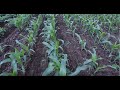
Low seeding rates (3-10 lbs/acre) for cover crops are cost-effective. Examples include broadcast seeding in corn silage, clover in small grains, or light brassica/oat mixes for grazing. Complex blends
-
Adopting soil health practices like reduced tillage and cover crops can be economically neutral or beneficial by offsetting costs of fuel, machinery, and erosion-related nutrient loss, with potential

-
Discusses pros and cons of grain drills for cover crops, noting cost and time limitations for large acreages, and potential failure in dry conditions, contrasting with aerial application.

Community
-
Discusses equipment and techniques for direct drilling and overseeding pasture and crop seeds, including rental options for specialized no-till seeders and older farm drills suitable for quad bikes, e
Read more (opens in new window) permies.com
Research
-
Farmers employ diverse cover crop management strategies to meet soil health goals (opens in new window)
This study found: Farmers use diverse cover crop methods, with costs around $99/ha. 'Planting green' increased. Varied practices and uncertain profitability make adoption challenging.
-
Drill and broadcast establishment methods influence interseeded cover crop performance in organic corn (opens in new window)
This study found: Interseeding cover crops into organic corn using a drill or broadcast method showed similar corn yields and nitrogen retention. Broadcasting may be more cost-effective. Post-harvest cereal rye outperf
-
Farmers employ diverse cover crop management strategies to meet soil health goals (opens in new window)
This study found: Farmers use diverse cover crop strategies, with costs averaging $99/hectare. Experimentation and varied practices make predicting profitability challenging.
6
REWARDS AND RISKS - Economics & Risk Factors
Interseeding, while promising significant regenerative benefits, carries economic and system risks that need careful consideration and planning.
Interseeding, while promising significant regenerative benefits, carries economic and system risks that need careful consideration and planning.
REWARDS AND RISKS - Economics & Risk Factors
Interseeding, while promising significant regenerative benefits, carries economic and system risks that need careful consideration and planning.
Interseeding, while promising significant regenerative benefits, carries economic and system risks that need careful consideration and planning.
Economic Scenarios
In a Best Case Scenario, successful interseeding of a nitrogen-fixing legume blend into corn at the V4-V6 stage offers significant mid-term returns. By displacing 80 lbs (36 kg) per acre of synthetic nitrogen, producers realize savings of $48 to $64 per acre ($119–$158/ha) based on current urea market pricing. Combined with a soil-structure boost that yields $30 to $50 per acre ($74–$124/ha) in water resiliency benefits, the total economic value can reach $115 per acre ($284/ha).
In a Typical Scenario, interseeding into pasture extends the winter grazing season by 25 days. By reducing reliance on stored hay—valued at $3.50 per day per animal unit—the operation saves $80 to $100 per acre ($198–$247/ha) in feed costs. After subtracting the $40 per acre ($99/ha) cost for seed, the operation realizes a net gain of $40 to $60 per acre ($99–$148/ha).
In a Worst Case Scenario, extreme drought or poor timing results in total biomass failure. The direct loss of the $80 per acre ($198/ha) spent on seed and equipment is compounded by a "moisture penalty" where the interseeded cover competes with the primary crop, potentially reducing yield by 5 to 8 bushels per acre (~538 kg/ha). At a valuation of $4 per bushel, this adds a loss of $20 to $32 per acre ($49–$79/ha), bringing the total economic impact to $100 to $112 per acre ($247–$277/ha).
Market Factors and Risk Mitigation
Profitability is explicitly linked to global synthetic fertilizer markets. When prices for anhydrous ammonia or urea spike, the ROI of legume-heavy interseeding increases because the "replacement value" of the nitrogen provided by the cover crop rises accordingly. To mitigate risk, producers should utilize "split-seeding," where only 20% of total acreage is interseeded in the first year. This limits exposure to $20-$30 per acre ($49–$74/ha) in experimental costs while allowing the operator to refine management techniques. Additionally, negotiating multi-year, fixed-acreage contracts with custom applicators can reduce equipment-related line items by 15% to 20%.
Transition Period Risks
Transitioning to an interseeding model effectively requires resetting the soil's biological state, which introduces two primary risks: 1. Yield Drag: During the first 1 to 3 years, the soil microbiome adjust to the higher competition of a dual-species system, leading to a documented yield dip of 3% to 8%. Mitigation involves selecting non-aggressive, low-growing species that minimize root-zone competition during the primary crop's critical growth phase. 2. Management Learning Curve: Transition years often see an increase in scouting labor costs, as farmers must learn to distinguish between beneficial competition and moisture-robbing weeds. Costs for this extra management are typically $20 to $40 per acre ($49–$99/ha) above steady-state levels until proficiency is reached.
Sources behind this view
Videos & Podcasts
-
Farmers detail diverse cover cropping mixes (rye, vetch, oats, flax, sunflowers, peas, canola) and polyculture systems to boost soil health and reduce inputs. They emphasize continuous living roots, l
-
Intercropping offers benefits in rotation, harvest management, weed control (linked to soil health), and varietal diversity (using blends). Livestock integration is beneficial for managing cover crops
-
Key factors for cover crop interceding include seed selection (species, mix, size), seeding rate, purpose, application method (homemade, aerial, drone, high clearance), and critical timing. Seed size
-
Utilize multi-species cover crops based on specific 'resource concerns' to improve soil health, nitrogen fixation, and water retention. Integrate livestock for grazing, calving, and overwintering, enh
Community
-
Details cover crop termination methods, nutrient cycling (N scavenging/fixing, P availability), bio-controls, weed/pest/disease management, and specific mix recommendations. Emphasizes soil testing, r
Read more (pp. 10-20) (opens PDF, pp. 10-20) efotg.sc.egov.usda.gov -
Seven strategies accelerate cover crop ROI: managing weeds, grazing, addressing compaction, transitioning to no-till, improving soil moisture, managing nutrients (using legumes like Hairy Vetch/Austri
Read more (opens in new window) sustainableagriculture.net -
Offers practical guidance on cover crop implementation, covering equipment, residue management, climate/weather considerations, establishment techniques, seeding methods (broadcast vs. drill), water m
Read more (pp. 8-10) (opens PDF, pp. 8-10) efotg.sc.egov.usda.gov -
Fall-planted winter cover crops improve soil health by adding organic matter, enhancing structure, and fixing nitrogen via legumes. Non-legumes mine nitrates and alleviate compaction. Avoid letting co
Read more (opens in new window) ucanr.edu
Research
-
Evaluating Cover Crops for Benefits, Costs and Performance within Cropping System Niches (opens in new window)
This study found: Review of cover crops highlights benefits (pest control, soil health, yield) and costs. Best species identified for different seasons/regions. Rye excels in winter, C4 grasses in summer. Legumes fix N
-
Drill and broadcast establishment methods influence interseeded cover crop performance in organic corn (opens in new window)
This study found: Interseeding cover crops into organic corn using a drill or broadcast method showed similar corn yields and nitrogen retention. Broadcasting may be more cost-effective. Post-harvest cereal rye outperf
-
Establishment and Function of Cover Crops Interseeded into Corn (opens in new window)
This study found: Planting cover crops between growing corn using a drill or light soil disturbance improved establishment and reduced soil nitrogen. Careful termination is key to avoid impacting subsequent soybean yie
-
Optimizing cover crop practices as a sustainable solution for global agroecosystem services. (opens in new window)
This study found: Optimized cover crop strategies (long-term, no-till, legume/non-legume mix, residue mulch) significantly boost farm ecosystem services, including crop yields, carbon capture, and erosion control, whil
From the Web
-
Intercropping, exemplified by bean/oat or pea/barley mixes, increases yields (up to 30% LER) and farm resilience. Practical aspects include seed rate adjustments (60-80%), harvest management, and post
-
Integrating livestock with cover crops requires careful species selection, planting, and grazing management. Diverse mixes, including grasses (like cereal rye) and legumes (like clovers), enhance fora
-
Cover crop economics vary, with potential for profitability through reduced input costs (fertilizer, herbicides) and improved soil health. However, initial costs and management nuances, including till
7
COMPATIBLE PRACTICES - Integration Opportunities
Interseeding is a highly synergistic practice that enhances the effectiveness of many other regenerative agriculture techniques. Its ability to keep soil covered and provide living roots makes it a natural partner for a variety of management strategies.
Interseeding is a highly synergistic practice that enhances the effectiveness of many other regenerative agriculture techniques. Its ability to keep soil covered and provide living roots makes it a natural partner for a variety of management strategies.
COMPATIBLE PRACTICES - Integration Opportunities
Interseeding is a highly synergistic practice that enhances the effectiveness of many other regenerative agriculture techniques. Its ability to keep soil covered and provide living roots makes it a natural partner for a variety of management strategies.
Interseeding is a highly synergistic practice that enhances the effectiveness of many other regenerative agriculture techniques. Its ability to keep soil covered and provide living roots makes it a natural partner for a variety of management strategies.
No-Till Farming
- Interseeding is a cornerstone of successful no-till systems. It provides the cover crop biomass that protects the soil surface and feeds biology, which are critical components for transitioning away from tillage.
- Integration Benefit: No-till drills with interceding capabilities allow for seeding into various residues, while interseeding ensures continuous soil cover and perennial roots, preventing compaction and erosion inherent in conventional no-till systems.
Cover Cropping
- Interseeding is a method of establishing cover crops, especially while a cash crop is still growing. It allows for "sacrifice" cover crops or "sacrifice" cash crops in some systems, maximizing season-long biological activity.
- Integration Benefit: Extends the period of soil cover and root activity, leading to greater soil organic matter accumulation, improved soil structure, and enhanced nutrient cycling than traditional single-season cover cropping.
Regenerative Transition Programs
- If interseeding is being used as a mechanism to transition away from tillage or bare fallows, it must be integrated within a broader transition plan.
- Integration Benefit: Interseeding provides the necessary biological activity and soil cover that enables subsequent steps in the transition, such as eliminating herbicides, reducing synthetic fertilizers, and moving towards full no-till or permanent pasture systems. The success of interseeding often predicates the success of these larger transition goals.
Rotational/Adaptive Grazing
- Interseeding legumes or diverse forages into pastures dramatically improves the quality and quantity of forage available for livestock. This directly supports higher animal performance and extends the grazing season.
- Integration Benefit: Animals can graze the interseeded components, while their manure and trampling help distribute seeds and nutrients, further integrating the system. Strategic grazing management prevents over-competition and ensures the persistence of interseeded species.
Multi-Species Cropping Systems
- Interseeding is a direct application of diversifying plant communities above ground. It can be used to layer crops with different root depths, nutrient needs, and growth cycles.
- Integration Benefit: Enhances biodiversity, improves nutrient use efficiency, and builds a more resilient cropping system that is less susceptible to single pests, diseases, or market fluctuations.
Conservation Buffers and Windbreaks
- Interseeding can be used to establish diverse perennial vegetation along field edges or within buffer strips, contributing to their ecological function.
- Integration Benefit: Increases the effectiveness of buffers by providing more continuous habitat, improving pollinator support, and enhancing soil health in transition zones.
Livestock Integration
- As mentioned with grazing, interseeding directly creates more diverse and nutritious forage bases for livestock. This is particularly true for inter-seeding legumes and energy-rich forages into grass pastures.
- Integration Benefit: Improves animal health and productivity, reduces costs associated with supplemental feed, and facilitates nutrient cycling via manure distribution.
Sources behind this view
Videos & Podcasts
-
Intercropping offers benefits in rotation, harvest management, weed control (linked to soil health), and varietal diversity (using blends). Livestock integration is beneficial for managing cover crops
-
Farmers detail diverse cover cropping mixes (rye, vetch, oats, flax, sunflowers, peas, canola) and polyculture systems to boost soil health and reduce inputs. They emphasize continuous living roots, l
-
Utilize multi-species cover crops based on specific 'resource concerns' to improve soil health, nitrogen fixation, and water retention. Integrate livestock for grazing, calving, and overwintering, enh
-
Details interseeding cover crops (barley, rye, medium red clover) via airplane or drill to increase GDUs, soil organic matter, and carbon sequestration. Discusses planting green, feed production, and
Community
-
Details cover crop termination methods, nutrient cycling (N scavenging/fixing, P availability), bio-controls, weed/pest/disease management, and specific mix recommendations. Emphasizes soil testing, r
Read more (pp. 10-20) (opens PDF, pp. 10-20) efotg.sc.egov.usda.gov -
Explains cover crop functions (green manure, nutrient cycling, erosion control, weed suppression) and categorizes them into six functional groups. Compares single-species vs. multispecies mixes, highl
Read more (pp. 2-5) (opens PDF, pp. 2-5) efotg.sc.egov.usda.gov -
Cover crops offer additional benefits like breaking soil compaction with deep roots and supporting pest management by attracting beneficial insects. Farmers should select cover crops based on specific
Read more (opens in new window) ucanr.edu
Research
-
Advancing Intercropping Research and Practices in Industrialized Agricultural Landscapes (opens in new window)
This study found: Intercropping (growing multiple crops together) boosts yields, stability, and soil health through better resource use. Standardized research is needed to advance this sustainable practice, especially
-
Syndromes of production in intercropping impact yield gains. (opens in new window)
This study found: Global study identified two intercropping strategies: high-input (corn/legumes, staggered growth, wide rows, high fertilizer) yielded 4x more than low-input. Both saved land and fertilizer.
-
Benefits and Risks of Intercropping for Crop Resilience and Pest Management. (opens in new window)
This study found: Intercropping (growing multiple crops together) boosts resilience to climate change and improves pest control by enhancing resource use and beneficial insect habitat. While generally profitable, adopt
-
Annual intercrops: an alternative pathway for sustainable agriculture. (opens in new window)
This study found: Intercropping, growing multiple crops together, enhances resource use, boosts yields, improves soil fertility (especially with legumes), reduces pests, and offers financial stability, contributing to
From the Web
-
Intercropping, exemplified by bean/oat or pea/barley mixes, increases yields (up to 30% LER) and farm resilience. Practical aspects include seed rate adjustments (60-80%), harvest management, and post
-
Intercropping, growing multiple crops together, enhances resource use and pest control but demands careful management and complicates crop rotation by mixing plant families, requiring extra planning f
-
Intercropping enhances arable rotations by increasing resilience, improving pest and disease management, and supporting pollinators. Careful planning of planting and harvest times, considering species