
Living Mulch
Living mulch is a regenerative agriculture practice where a living ground cover, typically a cover crop, is grown and maintained year-round in the spaces between cash crops or in fields not actively growing a primary crop. This living cover acts as a natural mulch, suppressing weeds, preventing erosion, improving soil health, conserving moisture, and supporting biodiversity, all while keeping soil covered and roots active.
Read More: Complete Description
Living mulch is a dynamic system where a carefully selected plant cover remains alive on the soil surface for extended periods, often year-round, in conjunction with or between cash crop production cycles. Instead of bare fallows or synthetic mulches, a living mat of plants—commonly cover crops but sometimes perennial forage crops or vining plants—provides continuous soil protection and biological support. This practice directly embodies several core regenerative agriculture principles, fundamentally shifting away from extractive, disturbance-intensive systems.
One of the primary goals of living mulch is to keep soil covered (Principle 3) and maintain living roots (Principle 4) for as long as possible throughout the year. By suppressing weeds, this living cover reduces the need for herbicides and mechanical cultivation, thereby minimizing soil disturbance (Principle 1). The diverse root systems of living mulches enhance soil structure, increase water infiltration, and boost soil organic matter, fostering a more resilient and productive ecosystem. This continuous plant presence also supports a thriving below-ground biology, leading to improved nutrient cycling and greater farm system resilience.
The implementation of living mulch can take various forms, depending on the cropping system and local conditions. In vegetable production, low-growing cover crops like crimson clover, vetch, or specific mown grasses (e.g., perennial ryegrass) are often planted in alleyways between crop beds or broadcast within beds and managed through mowing or suppression. For grain crops, especially in no-till or reduced-tillage systems, a living mulch might be established in the inter-row spaces of the cash crop or grown as a companion crop that cooperates rather than competes. In some regions, perennial forage crops or even specific native grasses might serve as a living mulch under perennial fruit trees or in pastoral systems.
From a regenerative perspective, living mulch systems excel at fostering biodiversity both above and below ground. The diverse plant species utilized provide habitat and food sources for beneficial insects, pollinators, and soil organisms. The continuous root activity fuels a robust soil food web, enhancing nutrient availability for the cash crop and reducing the need for synthetic inputs. This practice moves farming towards a more naturally balanced ecosystem, where plants, soil biology, and beneficial fauna work in synergy.
However, the successful implementation of living mulch is not without its challenges. It requires careful selection of species that are compatible with the primary cash crop, and management strategies (like mowing, crimping, or sometimes strategic herbicide application in transition phases) are needed to balance the benefits of the living mulch with the needs of the crop. Competition for water, nutrients, and light can occur if the living mulch is too vigorous or poorly managed, potentially impacting cash crop yields, especially during the transition period. This nuanced management is where the practice moves from potentially extractive to regenerative.
Living mulch is best understood as a foundational regenerative practice that supports a suite of other regenerative principles. It is not a transition practice, as it inherently aligns with minimizing disturbance, maximizing diversity, keeping soil covered, and maintaining living roots. While it doesn't directly integrate livestock into its core definition, it creates an environment that is highly compatible with livestock integration (Principle 5) through improved forage quality and reduced soil disturbance, making it a powerful tool for diversified regenerative systems. Its success is often amplified when combined with other practices that reduce tillage and chemical inputs.
The efficacy of living mulch is context-dependent. Different climate zones, soil types, and agricultural systems will dictate the most suitable species and management approaches. For instance, in cooler, humid climates, grasses and legumes might form the basis of a living mulch, while in warmer or drier regions, more drought-tolerant species or different management strategies might be required. The practice aims to create a stable, biologically active soil surface that reduces reliance on external inputs and enhances the resilience of the farming system to environmental stresses like drought, heavy rainfall, and temperature fluctuations.
Sources behind this view
Sources behind this view
 Videos & Podcasts
-
Using legumes like crimson clover as a living mulch into cash crops, or as overwinter cover crops, is crucial for nitrogen fixation and building organic matter, though timing and species selection are

-
Details on implementing the hay mulching system: specialized planters, scalability (1-120 acres), forage production needs (1:1 acre ratio with 3 cuttings), preference for haage over hay, and fertility

-
Living mulches (clover) could revolutionize organic rotations, reducing cultivation and potentially enabling continuous cropping. Integrating livestock grazing offers complementary income and soil ben

 Community
-
Living mulches are applied in raised beds and food forests using species like white clover, Valerianella locusta, Nigella, comfrey, and Alyssum. Research shows they improve soil health and moisture, t
Read more (opens in new window) permies.com -
Living mulch uses 'fill-in' plants to improve soil health and drought tolerance through root exudates, microbial activity, and nitrogen fixation from legumes like cowpeas and clover. Suitable for comp
Read more (opens in new window) ucanr.edu -
Details cover crop termination methods, nutrient cycling (N scavenging/fixing, P availability), bio-controls, weed/pest/disease management, and specific mix recommendations. Emphasizes soil testing, r
Read more (pp. 10-20) (opens PDF, pp. 10-20) efotg.sc.egov.usda.gov -
Utilize cut grass and weeds (before seeding) as mulch, creating 8-inch layers that build fertile, spongy soil, suppress weeds, and attract beneficial organisms. Sourcing sufficient mulch is a challeng
Read more (opens in new window) permies.com
 Research
-
Integrated management of living mulches for weed control: A review (opens in new window)
This study found: Living mulches (cover crops with cash crops) offer weed control, soil health, and resource efficiency benefits. Managing competition through suppression, cultivar choice, and planting adjustments is k
-
Can living mulches in intercropping systems reduce the potential nitrate leaching? Studies of organic cauliflower (<i>Brassica oleracea</i>L. var.<i>botrytis</i>) and leek (<i>Allium porrum</i>L.) production across European conditions (opens in new window)
This study found: Living mulches, strategically planted, can reduce soil nitrate loss by up to 35 kg/ha in organic cauliflower and leek systems across Europe, without harming crop yields.
-
Living mulch for weed management in organic vegetable cropping systems under Mediterranean and North European conditions (opens in new window)
This study found: Using 'living mulches' (cover crops between cash crops) effectively reduced weeds in organic vegetable farms in Denmark and Italy. Later sowing of the living mulch improved main crop growth and weed s
-
Yield, product quality and energy use in organic vegetable living mulch cropping systems: research evidence and farmers’ perception (opens in new window)
This study found: Living mulches in organic vegetable systems can work if cash crop density is managed to offset yield loss. Farmers find it feasible, but yield quantity/quality concerns need addressing.
 From the Web
-
Living-mulch cover crops like buckwheat, teff grass, annual ryegrass, and clover, planted at high seeding rates, provide rapid soil coverage and weed suppression, contributing to overall ecological we
-
Living mulches (e.g., red clover, white clover, lucerne) are proposed for weed control by intercropping cash crops with companion legumes, which grow after harvest and can be managed or destroyed, off
-
Living mulch systems in organic farming use actively growing cover crops to suppress weeds, control erosion, and support beneficial insects. Subterranean clover is a key species. Management includes m
-
Living mulches, particularly clover, enhance soil health, pest/weed/erosion control, and nitrogen fixation in arable crops. Modern strip-tillage machinery allows for successful crop establishment in c
Key Points
What It Is
- Living cover crop maintained year-round
- Between cash crops or in fallow periods
- Suppresses weeds, prevents erosion, conserves moisture
- Maximizes soil cover and living roots
Why Do It
- Enhances soil health and structure
- Reduces need for tillage and herbicides
- Builds biodiversity above and below ground
- Increases farm system resilience
Know the Debate
- Soil health gains range from 1-3 years to 5+ years by context.
- Living mulch success depends on cash crop selection and management.
- Integration benefits include reduced inputs and enhanced soil structure.
- Investment pays back in 1-5 years via savings and yield stability.
Benefits - Financial
- Reduced annual herbicide expenses by $125–$260 per acre ($309–$642 per hectare)
- Annual synthetic fertilizer input savings of 20–30% per acre
- Yield stability gains of 10–12% by year 3 of implementation
Benefits - System
- Soil organic matter increase: 0.5-1.5% over decade
- Water infiltration improvement: 20-40%
- Supports beneficial insect populations
- Directly supports Principles 1, 2, 3, 4
Risks - Financial
- Year 1–2 potential cash crop yield reduction of 5–15%
- Initial establishment investment range of $83–$188 per acre ($205–$465 per hectare)
Risks - System
- Crop competition for water/nutrients
- Establishment challenges in arid conditions
- Weed seed bank potential if managed poorly
- Requires learning new management skills
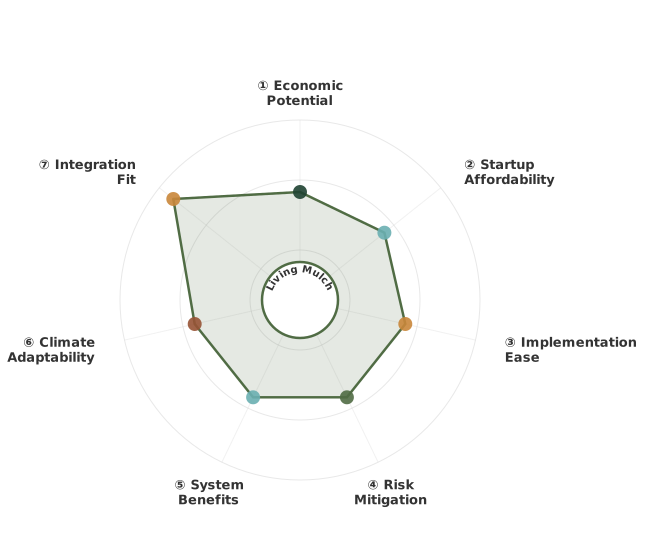
How These Traits Are Calculated
Trait dimensions are ordered clockwise starting from the top of the chart (12 o'clock position):
1. Economic Potential
Financial returns, annual value, and break-even timeline
WHAT: Evaluates financial viability by combining net annual value ($/ha from savings, income, and amortized harvests) with break-even timeline showing when practices pay for themselves.
WHY: Farmers need clear ROI understanding before committing resources. Fast payback (≤3 years) with strong returns (≥$300/ha) enables confident adoption, while long timelines (>10 years) restrict adoption to well-funded operations willing to wait for returns.
HOW: Calculated from net annual value in $/ha and break-even years. Exceptional (≥2.6): fast ROI ≤3 years + high value ≥$300/ha. Typical (1.8-2.5): moderate returns or longer timelines. Limited (<1.8): marginal economics or very long payback >10 years.
2. Startup Affordability
Initial investment costs and financial barrier to entry
WHAT: Measures financial barrier to entry through startup costs for equipment, infrastructure, consulting, and materials. Inverted scoring: lower costs = higher scores = more accessible adoption.
WHY: Affordability determines who can adopt. Low-cost practices (<$250/ha) enable widespread adoption across diverse scales, while high costs (>$2,500/ha) limit adoption to well-capitalized operations, creating barriers that slow regenerative transition.
HOW: Calculated from initial investment parsed from practice content. Inverted scoring: Exceptional (≥2.6): minimal investment <$250/ha. Typical (1.8-2.5): moderate costs $250-2,500/ha. Limited (<1.8): high barrier >$2,500/ha.
3. Implementation Ease
Learning curve and specialized knowledge required
WHAT: Measures how much learning, planning, and specialized knowledge a practice requires. Simpler practices with fewer steps score higher, while complex practices requiring extensive training or specialized resources score lower.
WHY: Complex practices create adoption barriers even when economically viable. Straightforward practices enable faster adoption and broader participation, while those requiring extensive training, timing precision, or specialized equipment limit who can succeed.
HOW: Evaluated by measuring documentation length and identifying complexity markers like location-specific requirements, seasonal timing windows, specialized skills, and dedicated equipment needs. Exceptional (≥2.6): straightforward practices with minimal prerequisites. Typical (1.8-2.5): moderate learning curve with some specialized needs. Limited (<1.8): steep learning curve requiring significant training or resources.
4. Risk Mitigation
Identified financial and ecological risk assessment
WHAT: Evaluates documented risks across financial (investment loss, market volatility) and ecological (crop failure, pest outbreaks) domains. Inverted scoring: fewer risks = higher scores.
WHY: Understanding risk exposure helps farmers make informed decisions. Low-risk practices allow confident implementation, while high-risk practices require careful planning and contingency resources. Risk transparency prevents costly failures.
HOW: Calculated from identified risks in practice content. Inverted scoring: Exceptional (≥2.6): ≤2 risks with manageable severity. Typical (1.8-2.5): 3-5 moderate risks. Limited (<1.8): 6+ risks or severe exposure.
5. System Benefits
How many ways the practice improves your land simultaneously
WHAT: Measures how many aspects of land health improve at once—carbon storage, soil quality, erosion control, water absorption, and biodiversity. Practices that improve multiple areas simultaneously create compounding benefits where each improvement reinforces the others.
WHY: The best practices solve multiple problems at once. For example, addressing erosion simultaneously builds carbon and improves water infiltration, creating a resilient system with positive feedback loops. Single-benefit approaches miss these compound transformation opportunities.
HOW: Evaluated across five key outcomes: carbon sequestration, soil organic matter increase, erosion reduction, water infiltration improvement, and biodiversity enhancement. Exceptional (≥2.6): high carbon storage (>8 t/ha/yr), improvements across 4-5 areas, transformative outcomes. Typical (1.8-2.5): moderate carbon (3-8 t/ha/yr), improvements across 2-3 areas. Limited (<1.8): modest impact (<3 t/ha/yr), single-area focus only.
6. Climate Adaptability
Geographic applicability across Köppen climate zones
WHAT: Evaluates geographic applicability by assessing how many Köppen climate zones successfully support a practice and what adaptation requirements are needed. Measures breadth of climates where farmers can implement with minimal to moderate modifications.
WHY: Universal practices working across diverse climates enable more farmers to adopt regenerative approaches. Practices limited to single climate types (only Mediterranean, only tropical) restrict adoption and slow global transition. Adaptability determines whether a practice serves niche regions or offers broad transformation.
HOW: LLM evaluation of regional success stories, Köppen zone coverage, and adaptation needs. Exceptional (≥2.6): 5+ zones or 4+ climate types, 3+ continents, minimal adaptation. Typical (1.8-2.5): 3-4 zones or 2-3 types, 2 continents, moderate adaptation. Limited (<1.8): 1-2 zones, single region, significant adaptation or highly specialized.
7. Integration Fit
How well this practice combines with others you're doing
WHAT: Measures how well a practice combines with other regenerative practices you might be doing. Some practices work as building blocks that make many other practices easier or more effective, while others work best on their own.
WHY: Practices that combine well with many others create more value on your farm. For example, cover cropping enables no-till, improves grazing, supports crop diversity, and helps water management—making all of them work better together. This helps you build a coherent system rather than juggling disconnected practices.
HOW: Evaluated by identifying which practices combine well and how strong those combinations are. 'Ideally Suited' means strong combinations where practices reinforce each other (practice A makes B easier, while B makes A more effective). 'Adequate' means complementary benefits that work well together. Exceptional (≥2.6): combines well with 6+ practices, serves as a building block. Typical (1.8-2.5): combines with 3-5 practices. Limited (<1.8): 1-2 practices or works best alone.
Going Deeper
1
WHY - The Benefits
Living mulch is a powerful regenerative practice that offers a cascade of benefits, directly impacting soil health, farm economics, and overall system resilience. Its core strategy of maintaining a living cover year-round addresses several critical limitations of...
Living mulch is a powerful regenerative practice that offers a cascade of benefits, directly impacting soil health, farm economics, and overall system resilience. Its core strategy of maintaining a living cover year-round addresses several critical limitations of...
WHY - The Benefits
Living mulch is a powerful regenerative practice that offers a cascade of benefits, directly impacting soil health, farm economics, and overall system resilience. Its core strategy of maintaining a living cover year-round addresses several critical limitations of...
Living mulch is a powerful regenerative practice that offers a cascade of benefits, directly impacting soil health, farm economics, and overall system resilience. Its core strategy of maintaining a living cover year-round addresses several critical limitations of...
Soil Health Benefits
The most profound benefits of living mulch accrue to soil health. By constantly covering the soil surface, it shields against erosion from wind and rain, reducing valuable topsoil loss by 50-85%. The dense root networks enhance soil structure, improving aggregation and porosity, which in turn boosts water infiltration rates by 20-40% and water-holding capacity. This improved water management is critical for drought resilience.
Living mulch contributes significantly to soil organic matter (SOM) accumulation. As cover crop plants grow, die, and decompose, they add fresh carbon to the soil. The continuous presence of living roots stimulates microbial activity year-round, feeding a diverse soil food web that efficiently breaks down organic matter and builds stable humus. Over time, SOM can increase, with typical gains in many systems ranging from 0.1-0.5% per year, transforming compacted or depleted soils into fertile, biologically active media. This improved SOM boosts nutrient availability, increases cation exchange capacity (CEC), and enhances the soil's buffering capacity against pH changes.
The extensive root systems of living mulches also break up soil compaction, creating channels that improve aeration and enable deeper root penetration for cash crops. This biological aeration is more sustainable than mechanical tillage, which can create a plow pan and be a net soil disturber. Furthermore, the diverse root exudates produced by living mulches feed a wider array of beneficial soil microbes, including mycorrhizal fungi and nitrogen-fixing bacteria, fostering a healthier rhizosphere and improving nutrient cycling.
Economic Benefits
The economic advantages of implementing living mulch are substantial, stemming primarily from reduced input costs and improved long-term productivity. By suppressing weeds naturally, living mulches can reduce or eliminate the need for herbicides. This not only saves direct chemical costs ($150-500/ha annually USD equivalent, depending on system complexity) but also reduces labor associated with mechanical weeding and the environmental risks associated with herbicide use.
Improved soil health, a direct outcome of living mulch, leads to greater yield stability and sometimes increases in cash crop yields. As soil organic matter and water retention improve, crops become more resilient to drought and extreme weather events, reducing the risk of crop failure and increasing income predictability. Studies have shown yield increases of 5-15% in cash crops after 5-10 years of establishing living mulch systems, especially in systems with reduced competition.
Living mulch systems can also offer additional revenue streams. Some cover crop species, if managed appropriately, can be harvested for biomass (bioenergy, animal feed), or provide high-quality forage for livestock. In systems where the living mulch is integrated with livestock (e.g., grazing between crop rows in grazed cover crops), this creates a dual-enterprise system that significantly multiplies the economic output of the land. The long-term benefits of improved soil fertility and reduced erosion also translate to lower costs for fertilization, irrigation, and land repair.
Improved soil structure and water infiltration reduce the need for supplemental irrigation, particularly in regions prone to water scarcity. This translates to lower water costs and a more sustainable use of water resources. The overall reduction in reliance on external inputs (fertilizers, herbicides, pesticides, water, fuel for tillage) makes farming operations more profitable and resilient to market fluctuations in input prices.
Regenerative Systems Fit
Living mulch is a foundational practice that profoundly supports multiple regenerative agriculture principles, making it a cornerstone for farms aiming for true sustainability and resilience.
Principle 1 (Minimize Soil Disturbance): Living mulch inherently reduces soil disturbance. It replaces tillage for weed control and fallow periods with continuous plant cover. The living roots also stabilize soil structure, decreasing the need for further mechanical intervention. By letting plants do the "work" of weed suppression and soil building, the physical disruption of the soil ecosystem is minimized.
Principle 2 (Maximize Crop Diversity): The practice is built on species diversity in two ways: (a) the diversity of species within the living mulch mix itself (e.g., diverse cover crop blends) which supports a wider range of soil microbes and performs multiple ecological functions, and (b) the temporal and spatial diversity it introduces by co-existing with the primary crop or occupying fallow periods. This increased botanical diversity aboveground translates to greater functional diversity below ground in the soil ecosystem.
Principle 3 (Keep Soil Covered): This principle is at the heart of living mulch. The living cover provides continuous protection to the soil surface, preventing erosion, moderating soil temperatures, and retaining moisture. This constant cover is crucial for preventing soil degradation and maintaining the soil's biological activity throughout the year. Unlike synthetic mulches or bare soil, living mulch actively contributes to the soil ecosystem.
Principle 4 (Maintain Living Roots): Living mulch ensures that photosynthesizing plants are in the soil for the longest possible duration. Continuous root activity feeds soil microbes year-round, constantly supplying carbon and exudates that sustain the soil food web. This living root presence is vital for maintaining soil structure, nutrient cycling, and preventing anaerobic conditions that arise from bare, compacted soils.
Principle 5 (Integrate Livestock): While not a direct component of living mulch itself, the practice creates an ideal environment for livestock integration. The improved soil health and robust forage production under a living mulch system can support grazing animals, especially if the living mulch species are selected for forage quality and managed with rotational grazing. The reduced soil disturbance and enhanced soil structure make the land more resilient to grazing pressure.
When integrated with other regenerative practices such as no-till planting, cover cropping cycles, and compost application, living mulch systems become exceptionally powerful. They can enhance the effectiveness of nutrient cycling, buffer against pest outbreaks, and further improve soil fertility, creating a synergistic effect that accelerates the transition to a fully regenerative farming system. For farmers, living mulch represents a pathway to increasing farm profitability and ecological function simultaneously, moving beyond the limitations of conventional agriculture.
Sources behind this view
Videos & Podcasts
-
Explains the importance of keeping soil covered using mulch as a core conservation agriculture principle. Discusses benefits like water retention, erosion control, and soil health, alongside potential
-
Using legumes like crimson clover as a living mulch into cash crops, or as overwinter cover crops, is crucial for nitrogen fixation and building organic matter, though timing and species selection are
-
Cover crops attract beneficial insects and pollinators, suppress pests, and improve soil biology. Mimicking nature's integration of animals and plants, alongside practices like no-till and diversity,

-
Maintain year-round living roots to build soil fertility, support microbial communities, fix nitrogen (via legumes/Rhizobium), and suppress disease. This practice minimizes soil disturbance and create
Community
-
Living mulches are applied in raised beds and food forests using species like white clover, Valerianella locusta, Nigella, comfrey, and Alyssum. Research shows they improve soil health and moisture, t
Read more (opens in new window) permies.com -
Living mulch uses 'fill-in' plants to improve soil health and drought tolerance through root exudates, microbial activity, and nitrogen fixation from legumes like cowpeas and clover. Suitable for comp
Read more (opens in new window) ucanr.edu -
Utilize cut grass and weeds (before seeding) as mulch, creating 8-inch layers that build fertile, spongy soil, suppress weeds, and attract beneficial organisms. Sourcing sufficient mulch is a challeng
Read more (opens in new window) permies.com -
Feed your soil with compost, mulch, and cover crops like Dutch white clover. Legumes, with *Rhizobium spp.*, fix atmospheric nitrogen, enriching soil and reducing fertilizer needs.
Read more (opens in new window) ucanr.edu
Research
-
Integrated management of living mulches for weed control: A review (opens in new window)
This study found: Living mulches (cover crops with cash crops) offer weed control, soil health, and resource efficiency benefits. Managing competition through suppression, cultivar choice, and planting adjustments is k
-
Understory living grass mulch improves soil fertility, fruit yield and quality. (opens in new window)
This study found: Living grass mulch significantly improved soil fertility, boosting organic matter by 24% and beneficial soil microbes. It also increased fruit yield and quality, supporting sustainable agriculture.
-
The Role of Cover Crops in North American Cropping Systems (opens in new window)
This study found: Cover crops offer multiple benefits in North American farming, including nitrogen fixation, erosion control, weed/pest management, and improved soil health through organic matter and reduced compactio
-
Can living mulches in intercropping systems reduce the potential nitrate leaching? Studies of organic cauliflower (<i>Brassica oleracea</i>L. var.<i>botrytis</i>) and leek (<i>Allium porrum</i>L.) production across European conditions (opens in new window)
This study found: Living mulches, strategically planted, can reduce soil nitrate loss by up to 35 kg/ha in organic cauliflower and leek systems across Europe, without harming crop yields.
From the Web
-
Living mulch systems in organic farming use actively growing cover crops to suppress weeds, control erosion, and support beneficial insects. Subterranean clover is a key species. Management includes m
-
Living mulches, particularly clover, enhance soil health, pest/weed/erosion control, and nitrogen fixation in arable crops. Modern strip-tillage machinery allows for successful crop establishment in c
-
Living Mulch Systems involve a perennial legume understorey grown under arable crops for multiple years to enable organic, no-till production, reducing fertilizer/herbicide use and improving soil heal
-
This project investigates Living Mulches in arable farming, assessing legume understorey impacts on crop performance, weeds, and soil health.
2
WHERE - Regional Considerations
Living mulch systems, while broadly applicable, require careful adaptation to specific regional climates and agricultural contexts to maximize their regenerative benefits and manage potential challenges. The choice of species, management intensity, and potential for crop...
Living mulch systems, while broadly applicable, require careful adaptation to specific regional climates and agricultural contexts to maximize their regenerative benefits and manage potential challenges. The choice of species, management intensity, and potential for crop...
WHERE - Regional Considerations
Living mulch systems, while broadly applicable, require careful adaptation to specific regional climates and agricultural contexts to maximize their regenerative benefits and manage potential challenges. The choice of species, management intensity, and potential for crop...
Living mulch systems, while broadly applicable, require careful adaptation to specific regional climates and agricultural contexts to maximize their regenerative benefits and manage potential challenges. The choice of species, management intensity, and potential for crop...
Click Here to Look up your Region if you don't already know it
Humid Temperate Regions
Representative Locations: Midwestern and Eastern United States, Northern Europe (UK, Germany, France, Poland), Eastern China, Japan, temperate Australia (e.g., Victoria, Tasmania).
Climate Context: Warm-to-hot summers and cool-to-cold winters with moderate to abundant annual precipitation (75-150 cm or 30-60 inches) distributed relatively evenly throughout the year. USDA Zones 4-7, Köppen Cfb/Cfa. These are environments where diverse cool-season grasses and legumes can thrive.
Adaptations & Opportunities: Regions with longer growing seasons and ample moisture are ideal for establishing robust living mulches. Cool-season grasses like perennial ryegrass, fescues, or orchardgrass can form a dense, competitive living mulch that effectively smothers weeds. Legumes such as crimson clover, red clover, and hairy vetch can be integrated to fix atmospheric nitrogen, reducing fertilizer requirements for the cash crop and supporting overall soil fertility. Management often involves mowing to control height and reduce competition with the cash crop, especially during early establishment stages. In vegetable systems, white clover or low-growing fescues are excellent choices for inter-row spaces. Compatibility with crops like corn, soybeans, small grains, and diverse vegetable crops is high, provided careful management of competition is practiced.
Mediterranean Regions
Representative Locations: California (USA), Mediterranean coast (Spain, Italy, Greece, North Africa), Central Chile, Southwestern Australia, Cape region of South Africa.
Climate Context: Hot, dry summers and mild, wet winters. Precipitation is highly seasonal, with most rainfall occurring in the cooler months (40-90 cm or 15-35 inches annually). USDA Zones 8-10, Köppen Csa/Csb.
Adaptations & Opportunities: The dry summers and mild winters present a unique challenge for living mulches in this region. Continuous cover can be difficult to maintain during the hot, dry period. Drought-tolerant species are paramount. Low-growing, drought-resistant legumes like subterranean clover or certain medics can perform well as winter-growing living mulches, fixing nitrogen and providing ground cover during the wet season. They may go dormant during the dry summer, requiring careful management to ensure they don't unduly compete with summer crops or that the land is retreated with a summer-appropriate cover if bare-soil periods are problematic. Alternatively, a management system that includes a summer fallow phase that is heavily mulched with residue or a drought-tolerant summer cover crop might be necessary. In regions with supplementary irrigation, more options open up. For perennial crops like olives or grapes, tough, low-growing groundcovers that can withstand dry periods and provide ground cover are ideal.
Arid / Semi-Arid Regions
Representative Locations: Great Plains (USA), parts of the southwestern US, Central Asia, parts of the Middle East, Interior Australia.
Climate Context: Very low annual precipitation (<40 cm or 15 inches), often with high evaporation rates. Temperatures can vary widely from hot summers to cold winters. Growing seasons can be short and unpredictable. USDA Zones vary widely, Köppen BSh/BSk.
Adaptations & Opportunities: Living mulches in arid regions are most successful when focused on water conservation and maximizing the use of limited rainfall. Drought-tolerant, deep-rooted species are essential. Legumes like certain vetches or clovers that can fix nitrogen and survive dry spells are beneficial. The focus is less on dense, competitive cover and more on maintaining living roots and a stable soil surface. Practices like "residue management" which aims to retain stubble from previous crops or cover crops can function as a form of living mulch support. Intercropping and companion planting techniques offer a way to establish a beneficial ground cover without direct competition. Water-saving techniques like keyline design or contour farming can be essential companions to living mulch in these areas. The goal is to reduce evaporation, improve infiltration, and provide habitat for beneficial organisms.
Cold Continental Regions
Representative Locations: Northern USA and Canada, Scandinavia, Russia, Northern Europe, Northern Asia.
Climate Context: Short growing seasons, hot summers, and severe winters with prolonged periods of freezing temperatures and snow cover. USDA Zones 3-5, Köppen Dfa/Dfb.
Adaptations & Opportunities: In cold climates, maximizing the use of the short growing season is key. Winter-hardy cover crops that can survive freezing temperatures and resume growth in spring are crucial. Species like cereal rye, hairy vetch, and winter peas are valuable for establishing a living mulch that can overwinter. The living mulch might be terminated in spring to allow cash crop establishment, or managed to continue as a lower-growing inter-row cover. The insulation provided by a winter-hardy living mulch can protect the soil from freeze-thaw cycles and erosion. In regions with significant snow cover, the mulch can help trap snow, providing insulation and moisture upon melting. Selection of species that can withstand early spring or late fall frosts is important for extending the period of living cover.
Subtropical Regions
Representative Locations: Southeastern USA, Southern China, Southern Brazil, Eastern Australia, parts of India.
Climate Context: Hot, humid summers and mild winters with generally ample year-round rainfall, though dry spells can occur. USDA Zones 9-11, Köppen Cfa/Cwa.
Adaptations & Opportunities: Subtropical climates offer a long growing season, allowing for year-round living mulch systems. Warm-season and cool-season species can be rotated or mixed to provide continuous cover and benefits. Vigorous legumes like cowpeas, certain types of velvet beans, and tropical vetches can thrive, fixing nitrogen and providing biomass. Perennial tropical grasses and clovers can also form effective living mulches. However, weed pressure can be high, and competition with cash crops may be intense. Careful selection of living mulch species that are less aggressive or that can be managed through mowing or grazing is vital. The high humidity and rainfall can also increase disease pressure, so disease-resistant varieties and good air circulation are important considerations.
Tropical Regions
Representative Locations: Central America, Southeast Asia, East Africa, Northern Australia, Northern South America.
Climate Context: Consistently high temperatures year-round, with distinct wet and dry seasons or consistent high rainfall. Köppen Af/Am/Aw.
Adaptations & Opportunities: Tropical regions present unique opportunities and challenges. The long, hot growing season allows for rapid growth of many cover crop species. Nitrogen-fixing legumes are particularly effective and can dramatically reduce the need for synthetic nitrogen fertilizer in subsequent crops. However, competition for water during the dry season can be severe, and in regions with extremely high rainfall, managing for excessive soil moisture and nutrient leaching may be necessary. Perennial species like certain types of tropical clovers, desmodium, or even managed grasses can form effective living mulches. Integration with livestock, such as grazing poultry or small ruminants between crop rows, is a highly effective strategy in tropical systems. Managing for disease and pest resistance is critical due to high humidity and year-round growing conditions.
3
HOW - Implementation Process
Implementing a living mulch system requires careful planning and adjustment of management practices to balance the needs of the living mulch with the cash crop. The goal is to create a symbiotic relationship where the living mulch provides ecological services without...
Implementing a living mulch system requires careful planning and adjustment of management practices to balance the needs of the living mulch with the cash crop. The goal is to create a symbiotic relationship where the living mulch provides ecological services without...
HOW - Implementation Process
Implementing a living mulch system requires careful planning and adjustment of management practices to balance the needs of the living mulch with the cash crop. The goal is to create a symbiotic relationship where the living mulch provides ecological services without...
Implementing a living mulch system requires careful planning and adjustment of management practices to balance the needs of the living mulch with the cash crop. The goal is to create a symbiotic relationship where the living mulch provides ecological services without...
Prerequisites
- Site Assessment: Understand your soil type, drainage, prevalent weeds, and climate. Identify any existing compaction issues that might hinder root development of the living mulch.
- Crop Compatibility: Choose cash crops that are compatible with inter-row living mulches. Crops with wider spacing or taller stature that cast shade can help manage living mulch vigor. Shallow-rooted crops may compete more directly with the living mulch for surface resources.
- Species Selection: Select living mulch species based on climate, soil, desired benefits (nitrogen fixation, weed suppression, trafficability), and compatibility with the cash crop. Consider mixes for greater diversity and resilience.
- Management Plan: Develop a clear plan for managing the living mulch, including mowing frequency, timing, cutting height, and termination strategies if needed.
Phase 1: Establishment
Timing: Ideally, establish living mulch during a fallow period or before planting the main cash crop, allowing it several weeks or months to establish a root system and ground cover. In some systems, it can be sown in the fall in anticipation of a spring crop.
Species Mix:
- For cooler, humid climates: Consider mixes of perennial or self-resewing annuals.
- Grasses: Perennial ryegrass (e.g., Belle, Shademaster), fine fescues (e.g., Chewing's fescue), orchardgrass. These provide dense ground cover and trafficability.
- Legumes: White clover (Trifolium repens), crimson clover (Trifolium incarnatum - annual), subterranean clover (Trifolium subterraneum - annual, drought-tolerant). These fix nitrogen and can be grazed.
- Forbs: Alsike clover (Trifolium hybridum), birdsfoot trefoil (Lotus corniculatus - drought tolerant).
- For warmer, drier climates: Focus on drought-tolerant species.
- Legumes: Subterranean clover, certain medics (Medicago spp.), annual vetch (Vicia spp., e.g., Common vetch, Hairy vetch - may need management to prevent excessive climbing).
- Grasses: Drought-tolerant fescues, certain native grasses if suitable.
Sowing:
- Method: Use a no-till drill for best seed-to-soil contact. Broadcasting can work but may require a light harrowing or cultipacking. Aim for a shallow seeding depth (0.5-1.5 cm or 0.25-0.5 inches).
- Rate: Use appropriate seeding rates for the chosen species or mix. Often 10-20 kg/ha (20-40 lbs/acre) depending on species.
- Soil Preparation: Minimal tillage is preferred. Ensure adequate soil moisture for germination. If establishing into an existing crop, ensure adequate light penetration for the living mulch seedlings.
Initial Management:
- Mowing: After establishment (approx. 4-6 weeks or when 10-15 cm or 4-6 inches tall), mow the living mulch to about 5-7 cm (2-3 inches). This encourages tillering and prevents it from becoming too tall and competitive early on. Mow before or immediately after cash crop planting if they are established simultaneously.
- Traffic Management: Avoid heavy traffic on the living mulch until it is well-rooted, especially if the soil is wet, to prevent compaction.
Phase 2: Integration with Cash Crops
Timing: When cash crop is planted, you'll need to manage the living mulch to minimize competition.
- Row Crops (Corn, Soybeans, Vegetables):
- Inter-row planting: Sow living mulch in the spaces between crop rows. This allows the cash crop maximum light and nutrient access.
- Mowing: Regular mowing of the living mulch is crucial. Mow lower than the cash crop canopy and at a frequency that prevents it from over-topping or aggressively competing. Mowing can be done with a flail mower, rotary mower, or specialized inter-row mowers. The timing of mowing should be coordinated with the cash crop's growth stage and its competition tolerance.
-
Small Grains (Wheat, Barley):
- Companion planting: Sow living mulch species (e.g., crimson clover) with the grain crop or in the same season. Select species that are less competitive or that can be managed by early spring mowing.
- Post-harvest living mulch: Sow a living mulch immediately after grain harvest onto stubble. This keeps the soil covered over winter and can be grazed or managed for subsequent crops.
-
Perennial Crops (Fruit Trees, Vineyards):
- Continuous cover: Allow a living mulch (e.g., white clover, creeping thyme, or native groundcovers) to establish permanently under trees or vines. This reduces soil disturbance, improves soil structure, and can help manage pests and diseases.
Phase 3: Ongoing Management and Termination (if applicable)
Mowing Strategy: This is the key to successful living mulch integration.
- Frequency: Mow as needed, typically 3-6 times per growing season, depending on species vigor and cash crop growth stage.
- Height: Mow to a height that keeps the living mulch suppressed below the cash crop canopy. This means cutting it back significantly whenever it starts to compete for light.
- Timing: Mow before the living mulch becomes overly competitive or begins to produce seed if you want to prevent its spread. Mowing residue can be left on the surface as mulch.
Termination (Optional):
- Some living mulch systems are perennial and are managed continuously.
- In other systems, especially where intense cash crop competition is unavoidable or the living mulch species becomes too aggressive, it may need to be terminated. This can be done by:
- Smothering: Planting a subsequent crop into the living mulch, allowing the cash crop to outcompete it.
- Crimping/Rolling: Using a roller-crimper to terminate the living mulch before it sets seed, leaving a dense residue mat.
- Mechanical termination: Limited tillage (e.g., shallow disking) if absolutely necessary, though this goes against the regenerative principle.
- Herbicides: In transition phases, a targeted herbicide application might be considered, but the goal is to move away from this. Careful timing is crucial to avoid harming the cash crop.
Transition Timeline & Phase-Out Strategy (if living mulch is used temporarily): If living mulch is used as a temporary cover to build soil health before transitioning to another system, the strategy is to let it build soil for 1-3 years, then terminate it as part of preparing land for a new crop rotation or system. The "phase-out" is the termination step, followed by establishment of the new cultivation or planting method. The goal is that the soil health benefits gained from the living mulch persist and support the next system.
If living mulch is used permanently, there is no "phase-out." Management focuses on maintaining species balance and preventing unwanted dominance.
Sources behind this view
Videos & Podcasts
-
Using legumes like crimson clover as a living mulch into cash crops, or as overwinter cover crops, is crucial for nitrogen fixation and building organic matter, though timing and species selection are
-
Details on implementing the hay mulching system: specialized planters, scalability (1-120 acres), forage production needs (1:1 acre ratio with 3 cuttings), preference for haage over hay, and fertility
-
Living mulches (clover) could revolutionize organic rotations, reducing cultivation and potentially enabling continuous cropping. Integrating livestock grazing offers complementary income and soil ben
Community
-
Living mulches are applied in raised beds and food forests using species like white clover, Valerianella locusta, Nigella, comfrey, and Alyssum. Research shows they improve soil health and moisture, t
Read more (opens in new window) permies.com -
Details cover crop termination methods, nutrient cycling (N scavenging/fixing, P availability), bio-controls, weed/pest/disease management, and specific mix recommendations. Emphasizes soil testing, r
Read more (pp. 10-20) (opens PDF, pp. 10-20) efotg.sc.egov.usda.gov -
Living mulch uses 'fill-in' plants to improve soil health and drought tolerance through root exudates, microbial activity, and nitrogen fixation from legumes like cowpeas and clover. Suitable for comp
Read more (opens in new window) ucanr.edu -
Utilize cut grass and weeds (before seeding) as mulch, creating 8-inch layers that build fertile, spongy soil, suppress weeds, and attract beneficial organisms. Sourcing sufficient mulch is a challeng
Read more (opens in new window) permies.com
Research
-
Integrated management of living mulches for weed control: A review (opens in new window)
This study found: Living mulches (cover crops with cash crops) offer weed control, soil health, and resource efficiency benefits. Managing competition through suppression, cultivar choice, and planting adjustments is k
-
Can living mulches in intercropping systems reduce the potential nitrate leaching? Studies of organic cauliflower (<i>Brassica oleracea</i>L. var.<i>botrytis</i>) and leek (<i>Allium porrum</i>L.) production across European conditions (opens in new window)
This study found: Living mulches, strategically planted, can reduce soil nitrate loss by up to 35 kg/ha in organic cauliflower and leek systems across Europe, without harming crop yields.
-
Living mulch for weed management in organic vegetable cropping systems under Mediterranean and North European conditions (opens in new window)
This study found: Using 'living mulches' (cover crops between cash crops) effectively reduced weeds in organic vegetable farms in Denmark and Italy. Later sowing of the living mulch improved main crop growth and weed s
-
Yield, product quality and energy use in organic vegetable living mulch cropping systems: research evidence and farmers’ perception (opens in new window)
This study found: Living mulches in organic vegetable systems can work if cash crop density is managed to offset yield loss. Farmers find it feasible, but yield quantity/quality concerns need addressing.
From the Web
-
Living-mulch cover crops like buckwheat, teff grass, annual ryegrass, and clover, planted at high seeding rates, provide rapid soil coverage and weed suppression, contributing to overall ecological we
-
Living mulches (e.g., red clover, white clover, lucerne) are proposed for weed control by intercropping cash crops with companion legumes, which grow after harvest and can be managed or destroyed, off
-
Living mulch systems in organic farming use actively growing cover crops to suppress weeds, control erosion, and support beneficial insects. Subterranean clover is a key species. Management includes m
-
Manage clover living mulches with mowing and reduced herbicide rates to balance weed suppression and crop competition. In-crop mowing is key to optimizing yield while maintaining weed control.
4
Know the Debate
Living mulch systems, where a living ground cover is maintained year-round, offer significant soil health and economic benefits but require careful...
Know the Debate
Living mulch systems, where a living ground cover is maintained year-round, offer significant soil health and economic benefits but require careful...
Living mulch systems, where a living ground cover is maintained year-round, offer significant soil health and economic benefits but require careful consideration of local context. Outcomes vary widely by climate: humid regions see rapid benefits (1-3 years), while semi-arid areas may need 5+ years for full development. The practice generally requires moderate upfront costs ($100-300/ha) and a modest increase in annual management time for mowing and monitoring. Successful implementation hinges on pairing appropriate species with specific cash crops and climates, and adapting management over time, making it a flexible yet context-sensitive regenerative tool.
How long until soil health benefits from living mulch?
Noticeable benefits in 1-3 years
Academic and institute research suggests that quicker soil health improvements can be seen in 1-3 years, particularly in humid climates with vigorous cover crop growth and suitable cash crops.
Sources behind this view
Sources behind this view
Videos & Podcasts
-
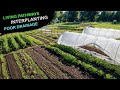
Trials a compost-alternative system using cover crops as the primary mulch for long-season crops. Employs living mulches like sweet alyssum and clover to 'armor' the soil in a no-till approach.
Research
-
Cover crops and living mulches (opens in new window)
This study found: This review highlights the many advantages of using cover crops and living mulches in farming. For decades, winter cover crops like winter rye and hairy vetch have been used to protect the soil surface, prevent erosion, and build soil health. Planting these crops between main crop seasons can provide nitrogen for the next crop, reduce soil loss, help manage weeds, and increase organic matter in the soil. Hairy vetch, in particular, has been noted for boosting nitrogen availability, improving soil structure and water absorption, and reducing water runoff. Newer research on perennial living mulches, such as crownvetch and white clover, offers a way to maintain ground cover year-round without needing to replant annually. These ground cover systems are being developed for various crops, including corn, small grains, and orchards. Legume cover crops are especially valuable because they can 'fix' nitrogen from the air, making it available for crops that need a lot of it, like corn. They can also help soak up excess nitrogen in the soil, preventing it from being lost before the next crop can use it. The review emphasizes why studying cover crops is important for managing soil erosion, nitrogen levels, weeds, and other environmental concerns.
-
Enhancing Sustainable Farming and Climate Resilience: The Role of Cover Crops (opens in new window)
This study found: Planting cover crops is a vital farming practice that improves soil health, prevents erosion, holds more water, and supports beneficial insects and wildlife. By using a mix of cover crops, especially those that fix nitrogen (like legumes), farmers can naturally add fertilizer to the soil, reducing the need for synthetic products. Cover crops also help control weeds, attract natural pest predators, and pull carbon out of the atmosphere to store in the soil, which helps fight climate change. These practices make farms more profitable by cutting costs and more resilient to unpredictable weather. While challenges like initial costs exist, research, policy, and education can help more farmers adopt this beneficial practice.
From the Web
-
Cover crops act as a living mulch to improve soil health by preventing erosion, nutrient loss, and weed growth. Certain species can fix atmospheric nitrogen, enhancing soil fertility naturally, and are crucial for organic no-till systems and carbon sequestration.
Full benefits emerge in 5+ years
Field practitioners often highlight that the most substantial soil improvements, such as significant water infiltration and robust soil food web activity, take 5 or more years to fully develop.
Sources behind this view
Sources behind this view
Videos & Podcasts
-
Methods for growing living plant covers include green manure (short-term, incorporated plants), cover crops, and living mulch (perennial or self-seeding ground cover), which are preferred over traditional mulch for long-term soil health.

-
Explains the importance of keeping soil covered using mulch as a core conservation agriculture principle. Discusses benefits like water retention, erosion control, and soil health, alongside potential downsides like herbicide residues and nitrogen tie-up. Reviews various mulch materials including straw, hay, compost, cardboard, leaves, grass clippings, wood chips, and cover crops, emphasizing context-specific application.
-
Advocates for cover crops (biannual grass like winter rye, plus legumes) in no-till gardens to maintain a living root, sequester carbon, build aggregation, fix nitrogen, and break disease cycles, with residue providing slow-release nutrients.
Making Sense of the Differences
The timeline for observing significant soil health benefits from living mulch depends on climate, soil type, species, and management. Humid regions with fertile soils and well-chosen species may see improvement in 1-3 years, while drier climates or degraded soils might require 5+ years for full development. Farmers should expect gradual soil building, focusing on early indicators like structure and water infiltration, with full biological function maturing over the long term.
Are specific cash crops prerequisites for living mulch?
Cash crop choice significantly impacts success
Field practitioners stress that matching living mulch to cash crops is critical; vigorous or tall crops allow for living mulches, while sensitive crops may struggle due to competition.
Sources behind this view
Sources behind this view
Videos & Podcasts
-
Methods for growing living plant covers include green manure (short-term, incorporated plants), cover crops, and living mulch (perennial or self-seeding ground cover), which are preferred over traditional mulch for long-term soil health.
-
Using legumes like crimson clover as a living mulch into cash crops, or as overwinter cover crops, is crucial for nitrogen fixation and building organic matter, though timing and species selection are critical.
-
Living mulches, like crimson clover, can be grown and 'chop and dropped' to provide nitrogen fixation and soil cover, acting as a free mulch and enriching soil over time. This method is planned for annual garden cover cropping.
Competition managed by species choice and mowing
Academic and institute sources acknowledge competition but suggest that selecting less aggressive living mulch species and managing their height through mowing can mitigate yield reduction.
Sources behind this view
Sources behind this view
Research
-
Living mulch cover crops for weed control in small-scale applications (opens in new window)
This study found: This two-year study explored using 'living mulches' – cover crops planted alongside vegetables – to help small organic farms manage weeds without relying on herbicides. Researchers tested buckwheat, field pea, crimson clover, and red clover as living mulches, growing them with snap beans, bell peppers, and broccoli. While the living mulches did show promise in reducing weed growth, the vegetable crops yielded less. This was likely because the vegetables, living mulches, and weeds were all competing for the same water and nutrients, especially during dry periods and in areas with many existing weed seeds. Farmers using this method may also find they need to spend more time mowing between rows and weeding.
-
Weed control, soil health, and yield tradeoffs of between-bed management strategies in organic plasticulture vegetable production (opens in new window)
This study found: A two-year study in Michigan looked at different ways to manage the areas between plastic-covered vegetable beds in organic farming. They compared common methods like tilling and using straw mulch with planting cover crops as 'living mulches' (Italian ryegrass, cereal rye, or a mix of clover and rye). While tilling and straw mulch were best at controlling weeds and reducing weed seeds, the living mulches struggled to establish and were mostly made up of weeds themselves. This meant the living mulches didn't add much organic matter to the soil. Interestingly, the type of management between the beds didn't affect squash yields, but bell pepper yields were significantly reduced by all methods except tilling in one of the years. A key benefit of the living mulches and weedy areas was their ability to significantly reduce nitrogen loss from the soil, meaning less fertilizer could potentially leach away. Soil microbial activity varied, with higher enzyme activity in the living mulch and straw mulch treatments compared to tilling.
From the Web
-
Living mulch systems in organic farming use actively growing cover crops to suppress weeds, control erosion, and support beneficial insects. Subterranean clover is a key species. Management includes mowing, partial tilling, or livestock grazing for suppression.
-
Living mulches, particularly clover, enhance soil health, pest/weed/erosion control, and nitrogen fixation in arable crops. Modern strip-tillage machinery allows for successful crop establishment in clover living mulches, maintaining yields for crops like spring barley.
Making Sense of the Differences
Cash crop selection is a prerequisite for successful living mulch, as competition can impact yields. Vigorous crops tolerant of shade or competition, or those with wider spacing, are more compatible. Sensitive crops might experience reduced yields if the living mulch is too aggressive. Management, particularly mowing to control living mulch height and density, is crucial for balancing benefits with cash crop needs. Matching living mulch species to local climate and cash crop requirements is key.
5
HOW MUCH - Costs & Investment
Note: Costs shown in USD; multiply by local labor and material cost indices for your region. Labor costs vary significantly internationally.
Note: Costs shown in USD; multiply by local labor and material cost indices for your region. Labor costs vary significantly internationally.
HOW MUCH - Costs & Investment
Note: Costs shown in USD; multiply by local labor and material cost indices for your region. Labor costs vary significantly internationally.
Note: Costs shown in USD; multiply by local labor and material cost indices for your region. Labor costs vary significantly internationally.
Note: All costs are based on recent US economic data (2024–2026) and may vary substantially by region based on local labor rates, material costs, and regulatory requirements.
Seed Procurement and Mix Selection
Seed costs represent the primary variable expense for living mulch systems. Small-scale operations (under 50 acres (20 ha)) typically incur costs of $47–$135 per acre ($116–$334/ha) due to higher market prices for premium legume or specialized grass varieties purchased in smaller volumes. Mid-size operations (50–500 acres (20–202 ha)) see costs of $36–$94 per acre ($89–$232/ha), benefiting from semi-bulk sourcing that reduces unit prices by 15–25% compared to retail. Large-scale operations (500+ acres) leverage agricultural cooperatives and proprietary blends to reach $26–$73 per acre ($64–$180/ha), optimizing costs through volume and bulk direct shipping.
Establishment and Planting Labor
Labor demands fluctuate significantly based on equipment existing at the farm level versus custom-hired services. Small operations face $26–$73 per acre ($64–$180/ha), often restricted by the mobilization fees of custom service providers or the limitations of smaller, less efficient equipment. Mid-size farms realize improved efficiencies, yielding costs of $19–$52 per acre ($47–$128/ha) by amortizing machinery expenses across larger, contiguous blocks. Large-scale operations achieve the lowest cost, ranging from $13–$42 per acre ($32–$104/ha), through the use of high-capacity auto-steer planters and GPS-integrated equipment that reduces per-acre overlaps by 5–10%.
Ongoing Management and Termination
Seasonal maintenance requires mowing to modulate competition between the mulch and the primary cash crop. Small farms invest $21–$47 per acre ($52–$116/ha), accounting for 2–4 manual mowing passes and occasional spot-spraying if weed pressure spikes. Mid-size operations maintain costs of $16–$36 per acre ($40–$89/ha) by utilizing wide-deck mowers that increase acreage covered per hour. Large-scale operations operate at $10–$26 per acre ($25–$64/ha), leveraging autonomous equipment or variable-rate technology to precisely manage moisture competition without redundant field passes.
Most Spend: The majority of agricultural operations land within a range of $83–$188 per acre ($205–$465/ha). This middle 60% encompasses farmers who utilize standard clover-grass mixes and own a significant portion of their own seeding and management equipment, allowing them to avoid retail markups associated with custom planting services.
Why the Range?: Costs vary primarily due to seed selection, the level of precision in equipment used, and the existing fleet of available machinery. Proprietary high-diversity mixes can raise costs by $40+ per acre, while reliance on custom hiring can inflate labor expenditures by 25–40% compared to self-managed operations.
Sources behind this view
Videos & Podcasts
-
Cover crops are an 'investment crop,' not an expense, offering low-cost fertility and soil health benefits. They are managed with a flail mower, minimal tillage, bed shaping, and tarping for two weeks

-
Utilize multi-species cover crops based on specific 'resource concerns' to improve soil health, nitrogen fixation, and water retention. Integrate livestock for grazing, calving, and overwintering, enh

-
Farmers detail diverse cover cropping mixes (rye, vetch, oats, flax, sunflowers, peas, canola) and polyculture systems to boost soil health and reduce inputs. They emphasize continuous living roots, l
-
Details on implementing the hay mulching system: specialized planters, scalability (1-120 acres), forage production needs (1:1 acre ratio with 3 cuttings), preference for haage over hay, and fertility
Community
-
Details cover crop termination methods, nutrient cycling (N scavenging/fixing, P availability), bio-controls, weed/pest/disease management, and specific mix recommendations. Emphasizes soil testing, r
Read more (pp. 10-20) (opens PDF, pp. 10-20) efotg.sc.egov.usda.gov -
Cover crops offer cost-effective benefits for soil health, including building organic matter, managing nutrients (nitrogen scavenging by grasses/brassicas, fixation by legumes), suppressing weeds, and
Read more (opens in new window) ucanr.edu -
Seven strategies accelerate cover crop ROI: managing weeds, grazing, addressing compaction, transitioning to no-till, improving soil moisture, managing nutrients (using legumes like Hairy Vetch/Austri
Read more (opens in new window) sustainableagriculture.net -
Cover crops offer cost-effective benefits for soil health, including building organic matter, managing nutrients (nitrogen scavenging by grasses/brassicas, fixation by legumes), suppressing weeds, and
Read more (opens in new window) ucanr.edu
Research
-
Evaluating Cover Crops for Benefits, Costs and Performance within Cropping System Niches (opens in new window)
This study found: Review of cover crops highlights benefits (pest control, soil health, yield) and costs. Best species identified for different seasons/regions. Rye excels in winter, C4 grasses in summer. Legumes fix N
-
The Role of Cover Crops in North American Cropping Systems (opens in new window)
This study found: Cover crops offer multiple benefits in North American farming, including nitrogen fixation, erosion control, weed/pest management, and improved soil health through organic matter and reduced compactio
-
Optimizing cover crop practices as a sustainable solution for global agroecosystem services. (opens in new window)
This study found: Optimized cover crop strategies (long-term, no-till, legume/non-legume mix, residue mulch) significantly boost farm ecosystem services, including crop yields, carbon capture, and erosion control, whil
-
Tarping and mulching effects on crop yields, profitability, and soil nutrients in a continuous no-till organic vegetable production system (opens in new window)
This study found: Four-year study in NY found compost mulch boosted organic vegetable yields and soil carbon (+49%), while tarping improved no-till profitability. Rye mulch reduced yields and profits.
From the Web
-
Cover crop economics vary, with potential for profitability through reduced input costs (fertilizer, herbicides) and improved soil health. However, initial costs and management nuances, including till
-
Details economic benefits of cover crops, including reduced input costs, erosion control, improved soil fertility, and enhanced water storage. Addresses concerns like seed cost and potential for unwan
6
REWARDS AND RISKS - Economics & Risk Factors
REWARDS AND RISKS - Economics & Risk Factors
Economic Scenarios In a Best Case Scenario, a perfectly established living mulch creates a canopy that suppresses weeds by 75–85%, eliminating the need for 2–3 herbicide applications and saving $125–$260 annually per acre. When combined with a 10–12% yield boost from enhanced moisture retention, producers may see a net gain of $260–$520 per acre ($642–$1,285/ha) by year 3. In the Typical Case Scenario, weed suppression remains moderate, curbing chemical expenses by $60–$125 per acre ($148–$309/ha), while nitrogen fixation replaces 20–30 lbs (9.1–14 kg) of urea fertilizer (a value of $15–$40 per acre ($37–$99/ha)). Combined with stable crop yields, the initial $83–$188 per acre ($205–$465/ha) investment is typically recouped by year 4. In a Worst Case Scenario, poor species selection results in nutrient competition that drags primary cash crop yields down by 5–15%. With an initial establishment cost of $188 per acre ($465/ha) and potential yield losses of $100–$300 per acre ($247–$741/ha), total losses can reach $290–$490 per acre ($717–$1,211/ha) within the first 24 months before the system is reconfigured.
Market Factors Profitability is inextricably linked to synthetic fertilizer pricing. When nitrogen costs surge above $800–$1,000 per ton, the nitrogen-fixing value of leguminous cover crops increases, providing a clearer ROI for the producer. Conversely, in low-margin years with depressed commodity prices, the cost of managing the living mulch (e.g., mowing fuel and labor) may exceed the immediate savings, potentially extending the payback period beyond the projected 4-year cycle.
Risk Mitigation Producers can mitigate the risk of yield drag by implementing a 10-inch "dead zone" or "clear strip" around cash crop rows. This precision practice, while adding $5–$11 per acre ($12–$27/ha) in monitoring labor, prevents the mulch from competing for sunlight and moisture, and effectively reduces the risk of 10% yield suppression.
Transition Period Risks The transition period (years 1–3) often triggers a "Yield Dip" as soil biology shifts to accommodate the new management system. Producers should anticipate a 3–8% reduction in net income during the first 24 months. To survive this phase, it is recommended to convert only 20–30% of total farm acreage to living mulch, limiting the exposure to a single crop failure. Full soil stabilization and reliable ROI typically manifest by the start of year 4.
Sources behind this view
Videos & Podcasts
-
Details on implementing the hay mulching system: specialized planters, scalability (1-120 acres), forage production needs (1:1 acre ratio with 3 cuttings), preference for haage over hay, and fertility
-
Under-vine management trials show straw mulching increases yield by ~20% and lasts 3-4 years. Multi-species cover crops (medic, clover, rye grass) boost soil microbial activity and health, with long-t
-
Using legumes like crimson clover as a living mulch into cash crops, or as overwinter cover crops, is crucial for nitrogen fixation and building organic matter, though timing and species selection are
-
Compares organic no-till corn strategies: rye-vetch (good weed suppression, N contribution, but late planting/pest risks) and clover living mulch (earlier planting, but competition/N availability risk
Community
-
Living mulches are applied in raised beds and food forests using species like white clover, Valerianella locusta, Nigella, comfrey, and Alyssum. Research shows they improve soil health and moisture, t
Read more (opens in new window) permies.com -
Utilize cut grass and weeds (before seeding) as mulch, creating 8-inch layers that build fertile, spongy soil, suppress weeds, and attract beneficial organisms. Sourcing sufficient mulch is a challeng
Read more (opens in new window) permies.com -
Living mulch uses 'fill-in' plants to improve soil health and drought tolerance through root exudates, microbial activity, and nitrogen fixation from legumes like cowpeas and clover. Suitable for comp
Read more (opens in new window) ucanr.edu -
The Ruth Stout deep mulching method, using ~14 inches of straw, effectively suppressed weeds by 80% and managed slugs in the UK. It supports wildlife, maintains soil health, and requires supplemental
Read more (opens in new window) www.permaculture.org.uk
Research
-
Integrated management of living mulches for weed control: A review (opens in new window)
This study found: Living mulches (cover crops with cash crops) offer weed control, soil health, and resource efficiency benefits. Managing competition through suppression, cultivar choice, and planting adjustments is k
-
Weed control, soil health, and yield tradeoffs of between-bed management strategies in organic plasticulture vegetable production (opens in new window)
This study found: Michigan study: Living mulches between plastic beds improved nitrogen retention but struggled with weed control and organic matter addition. Pepper yields were reduced by living mulches compared to ti
-
Can living mulches in intercropping systems reduce the potential nitrate leaching? Studies of organic cauliflower (<i>Brassica oleracea</i>L. var.<i>botrytis</i>) and leek (<i>Allium porrum</i>L.) production across European conditions (opens in new window)
This study found: Living mulches, strategically planted, can reduce soil nitrate loss by up to 35 kg/ha in organic cauliflower and leek systems across Europe, without harming crop yields.
-
Living mulch for weed management in organic vegetable cropping systems under Mediterranean and North European conditions (opens in new window)
This study found: Using 'living mulches' (cover crops between cash crops) effectively reduced weeds in organic vegetable farms in Denmark and Italy. Later sowing of the living mulch improved main crop growth and weed s
From the Web
-
Living-mulch cover crops like buckwheat, teff grass, annual ryegrass, and clover, planted at high seeding rates, provide rapid soil coverage and weed suppression, contributing to overall ecological we
-
Living mulch systems in organic farming use actively growing cover crops to suppress weeds, control erosion, and support beneficial insects. Subterranean clover is a key species. Management includes m
-
Living mulches using clover understories for direct drilling cereals show promise for weed control, nitrogen supply, and soil health, but current trials indicate a ~32% yield loss due to perennial wee
-
Utilize living mulch or 'plant teams' by intercropping perennial forage legumes (red/white clover, lucerne) with cash crops like winter wheat or oilseed rape to suppress weeds. Test on-farm and aim fo
7
WHO - Labor & Expertise
Implementing living mulch systems requires a shift in management perspective and can involve new skill sets, particularly in species selection, timing of operations, and understanding plant interactions. The labor and expertise requirements vary depending on the...
Implementing living mulch systems requires a shift in management perspective and can involve new skill sets, particularly in species selection, timing of operations, and understanding plant interactions. The labor and expertise requirements vary depending on the...
WHO - Labor & Expertise
Implementing living mulch systems requires a shift in management perspective and can involve new skill sets, particularly in species selection, timing of operations, and understanding plant interactions. The labor and expertise requirements vary depending on the...
Implementing living mulch systems requires a shift in management perspective and can involve new skill sets, particularly in species selection, timing of operations, and understanding plant interactions. The labor and expertise requirements vary depending on the...
Skill Requirements
- Plant Identification and Growth Habits: Farmers need to be able to identify their cash crop, living mulch species, and common weeds. Understanding the growth cycles, competitive tendencies, and nutrient needs of each component is crucial.
- Agronomic Expertise: Knowledge of crop rotation, soil fertility, and water management remains essential, but must now be integrated with the dynamics of the living mulch. This includes understanding how the living mulch influences nutrient availability and water dynamics for the cash crop.
- Equipment Operation and Maintenance: Skills in operating mowers, no-till drills, and potentially specialized inter-row cultivation equipment are valuable. Maintenance of this equipment is also important for successful implementation.
- Pest and Disease Monitoring: Farmers need to be vigilant in monitoring for any shifts in pest or disease pressures that might arise from the increased plant diversity, and understand how to manage them using integrated approaches.
- Learning Agility: Living mulch systems are not "set it and forget it." They require a willingness to observe, learn, and adapt management strategies based on the specific farm conditions, season after season. Farmers skilled in adaptive management will adapt more quickly.
Labor Demands
- Establishment Phase: Sowing the living mulch and initial mowing/management can require significant labor input, especially during the first year. This might involve a few extra passes with equipment or manual inspection.
- Ongoing Maintenance: Regular mowing is often the most significant ongoing labor input for intensive living mulch systems, especially in vegetable or row crop production. The frequency can range from 3-6 times per growing season. In less intensive systems (e.g., lower-growing legumes in grain alleys), mowing might be less frequent or managed by grazing.
- Monitoring and Adjustment: This includes regular field checks to assess competition levels, weed pressure, and cash crop health, which requires dedicated observational time.
- Termination (if applicable): If the living mulch needs to be terminated, this can involve additional labor for mowing, crimping, or potentially carefully managed herbicide application.
Expertise Acquisition and Support
- Local Extension Services: Agricultural extension agents in many regions can provide guidance on suitable living mulch species for local climates and compatible cash crops.
- Regenerative Agriculture Networks: Connecting with farmer networks, such as those focused on organic agriculture, conservation tillage, or cover cropping, can provide invaluable peer-to-peer learning.
- Research Institutions and Non-Profits: Organizations dedicated to sustainable agriculture research (e.g., Rodale Institute, SARE in the US, national agricultural research institutes globally) often publish guides and case studies on living mulch.
- Consultants: Specialized agricultural consultants focusing on regenerative systems can offer tailored advice and farm planning.
- Trial and Error: Farmers often acquire the most valuable expertise by experimenting on a smaller scale, learning what works best in their unique environment.
International Labor Cost Considerations
Labor costs vary dramatically across continents and countries.
- High Labor Cost Regions: In countries with high wages (e.g., North America, Western Europe), investing in efficient equipment (e.g., specialized inter-row mowers, precise no-till drills) to reduce labor time may be more economically viable. DIY approaches and simpler living mulch management schemes might be favored.
- Lower Labor Cost Regions: In regions where labor is more abundant and less costly, more labor-intensive management (e.g., frequent mowing with smaller equipment, manual weeding if necessary, or integrating grazing animals) becomes a more feasible option. This can allow for more diverse and potentially more productive living mulch systems.
The "sweet spot" for labor often involves finding a balance between initial investment in efficient machinery and leveraging available labor intelligently, ensuring that management tasks are performed at the optimal time without overwhelming farm resources.
Sources behind this view
Videos & Podcasts
-
A conventional farmer explores living mulches to reduce synthetic nitrogen reliance and build fertility, anticipating potential UK nitrogen use restrictions and learning from others' experiments.
-
Living mulch, a permanent ground cover of perennial plants, is presented as a sustainable alternative to traditional mulch. It enhances soil health, provides nitrogen, supports beneficial insects, and

Community
-
Living mulches are applied in raised beds and food forests using species like white clover, Valerianella locusta, Nigella, comfrey, and Alyssum. Research shows they improve soil health and moisture, t
Read more (opens in new window) permies.com -
Living mulch uses 'fill-in' plants to improve soil health and drought tolerance through root exudates, microbial activity, and nitrogen fixation from legumes like cowpeas and clover. Suitable for comp
Read more (opens in new window) ucanr.edu
Research
-
Integrated management of living mulches for weed control: A review (opens in new window)
This study found: Living mulches (cover crops with cash crops) offer weed control, soil health, and resource efficiency benefits. Managing competition through suppression, cultivar choice, and planting adjustments is k
-
Yield, product quality and energy use in organic vegetable living mulch cropping systems: research evidence and farmers’ perception (opens in new window)
This study found: Living mulches in organic vegetable systems can work if cash crop density is managed to offset yield loss. Farmers find it feasible, but yield quantity/quality concerns need addressing.
-
Living mulch for weed management in organic vegetable cropping systems under Mediterranean and North European conditions (opens in new window)
This study found: Using 'living mulches' (cover crops between cash crops) effectively reduced weeds in organic vegetable farms in Denmark and Italy. Later sowing of the living mulch improved main crop growth and weed s
-
Can living mulches in intercropping systems reduce the potential nitrate leaching? Studies of organic cauliflower (<i>Brassica oleracea</i>L. var.<i>botrytis</i>) and leek (<i>Allium porrum</i>L.) production across European conditions (opens in new window)
This study found: Living mulches, strategically planted, can reduce soil nitrate loss by up to 35 kg/ha in organic cauliflower and leek systems across Europe, without harming crop yields.
From the Web
-
Living mulch systems in organic farming use actively growing cover crops to suppress weeds, control erosion, and support beneficial insects. Subterranean clover is a key species. Management includes m
-
Utilize living mulch or 'plant teams' by intercropping perennial forage legumes (red/white clover, lucerne) with cash crops like winter wheat or oilseed rape to suppress weeds. Test on-farm and aim fo
8
COMPATIBLE PRACTICES - Integration Opportunities
Living mulch is a highly compatible practice that synergizes powerfully with other regenerative agriculture techniques, amplifying their benefits and accelerating the transition to resilient, productive farm systems. Its core function—maintaining living cover and...
Living mulch is a highly compatible practice that synergizes powerfully with other regenerative agriculture techniques, amplifying their benefits and accelerating the transition to resilient, productive farm systems. Its core function—maintaining living cover and...
COMPATIBLE PRACTICES - Integration Opportunities
Living mulch is a highly compatible practice that synergizes powerfully with other regenerative agriculture techniques, amplifying their benefits and accelerating the transition to resilient, productive farm systems. Its core function—maintaining living cover and...
Living mulch is a highly compatible practice that synergizes powerfully with other regenerative agriculture techniques, amplifying their benefits and accelerating the transition to resilient, productive farm systems. Its core function—maintaining living cover and...
No-Till Farming
- Integration: Living mulch is often used in conjunction with, or as a step towards, no-till systems. It provides the protective cover and biological activity that no-till relies on. If broadcasting living mulch into no-till crop rows, the no-till planter must be able to cut through the living mulch residue.
- Benefit: No-till prevents soil disturbance, while living mulch keeps the soil covered and biologically active, creating a self-reinforcing cycle of soil health improvement and reduced erosion.
Diverse Cover Cropping
- Integration: Living mulch is itself a form of continuous cover cropping. It can be designed as part of a longer-term cover cropping strategy, where specific mixes are used between cash crops or in phased rotations to build soil fertility and structure over time.
- Benefit: Maximizes species diversity above and below ground, enhancing ecosystem services. Living mulch can precede or follow cash crops, providing continuous soil protection and nutrient cycling throughout the year.
Rotational Grazing / Adaptive Grazing
- Integration: Living mulches (especially vining legumes or hardy grasses) can provide excellent forage for grazing animals. Animals can be strategically grazed between crop rows or in fields managed with living mulch.
- Benefit: Livestock integrate nutrients and organic matter into the system, stimulating plant growth and improving soil fertility. Grazing can also help manage the vigor of the living mulch, reducing its competition with cash crops, and the improved soil structure under living mulch makes it more resilient to grazing impact.
Reduced Input Agriculture
- Integration: Living mulches directly contribute to reducing synthetic inputs by suppressing weeds (reducing herbicide needs), fixing nitrogen (reducing fertilizer needs), and improving soil fertility and water retention (reducing pesticide and irrigation needs).
- Benefit: Creates a more economically and environmentally sustainable system by lowering reliance on costly and potentially harmful external inputs.
Conservation of Water Resources
- Integration: Living mulches improve soil structure, increasing water infiltration and water-holding capacity. They also reduce evaporation from the soil surface through ground cover and shading.
- Benefit: Conserves precious water resources, making crops more resilient to drought and reducing the need for irrigation, which is critical in many water-scarce regions worldwide.
Biodiversity Enhancement
- Integration: Living mulches provide habitat and food for a wide array of beneficial insects (pollinators, predators), soil microbes, and other wildlife.
- Benefit: Creates a more balanced agroecosystem, promoting natural pest control, enhancing pollination services, and supporting broader ecological health.
Compost and Organic Amendments
- Integration: While living mulch builds soil organic matter naturally, the addition of compost or other organic amendments can further enhance soil health and fertility, especially in the initial stages of transition or in very depleted soils.
- Benefit: Accelerates soil building processes, providing a richer environment for both the living mulch and the cash crop to thrive, and further reducing reliance on synthetic fertilizers.
By integrating living mulch with these practices, farmers can create highly functional, resilient, and profitable agricultural systems that actively regenerate soil health, enhance biodiversity, and contribute to environmental sustainability. The synergy between living mulch and practices like no-till, cover cropping, and livestock integration is particularly strong, forming the bedrock of many advanced regenerative farming approaches.
Sources behind this view
Videos & Podcasts
-
Utilize multi-species cover crops based on specific 'resource concerns' to improve soil health, nitrogen fixation, and water retention. Integrate livestock for grazing, calving, and overwintering, enh
-
Farmers detail diverse cover cropping mixes (rye, vetch, oats, flax, sunflowers, peas, canola) and polyculture systems to boost soil health and reduce inputs. They emphasize continuous living roots, l
-
Farmers Trey Hill and Jimmy Edmonds detail active cover crop management and 'planting green,' emphasizing soil malleability, reduced compaction, and earlier planting. Integrating livestock boosts micr
-
Cover crops attract beneficial insects and pollinators, suppress pests, and improve soil biology. Mimicking nature's integration of animals and plants, alongside practices like no-till and diversity,
Community
-
Living mulches are applied in raised beds and food forests using species like white clover, Valerianella locusta, Nigella, comfrey, and Alyssum. Research shows they improve soil health and moisture, t
Read more (opens in new window) permies.com -
Enhance soil health through plant diversity, continuous soil cover (living plants/residues), and livestock integration. Manage carbon-to-nitrogen ratios of residues and adopt no-till practices to impr
Read more (opens in new window) permies.com -
Living mulch uses 'fill-in' plants to improve soil health and drought tolerance through root exudates, microbial activity, and nitrogen fixation from legumes like cowpeas and clover. Suitable for comp
Read more (opens in new window) ucanr.edu
Research
-
Integrated management of living mulches for weed control: A review (opens in new window)
This study found: Living mulches (cover crops with cash crops) offer weed control, soil health, and resource efficiency benefits. Managing competition through suppression, cultivar choice, and planting adjustments is k
-
The Role of Cover Crops in North American Cropping Systems (opens in new window)
This study found: Cover crops offer multiple benefits in North American farming, including nitrogen fixation, erosion control, weed/pest management, and improved soil health through organic matter and reduced compactio
-
Building Soil Health and Fertility through Organic Amendments and Practices: A Review (opens in new window)
This study found: Review of organic amendments (manures, compost, cover crops) and regenerative practices (no-till, crop diversity, agroecology) shows they restore soil health by increasing organic matter and beneficia
-
Optimizing cover crop practices as a sustainable solution for global agroecosystem services. (opens in new window)
This study found: Optimized cover crop strategies (long-term, no-till, legume/non-legume mix, residue mulch) significantly boost farm ecosystem services, including crop yields, carbon capture, and erosion control, whil
From the Web
-
Living mulch systems in organic farming use actively growing cover crops to suppress weeds, control erosion, and support beneficial insects. Subterranean clover is a key species. Management includes m
-
Living mulches, particularly clover, enhance soil health, pest/weed/erosion control, and nitrogen fixation in arable crops. Modern strip-tillage machinery allows for successful crop establishment in c
-
Utilize living mulch or 'plant teams' by intercropping perennial forage legumes (red/white clover, lucerne) with cash crops like winter wheat or oilseed rape to suppress weeds. Test on-farm and aim fo
-
Discusses cover crop selection for killed-mulch and living-mulch systems in organic farming. Highlights species like hairy vetch, cereal rye, and subterranean clover for nitrogen fixation, biomass, an