
Low-Stress Livestock Handling
Low-stress livestock handling is the art and science of moving and managing animals with minimal fear, frustration, or panic. This approach leverages understanding of animal behavior and natural instincts to guide them calmly through chutes, paddocks, or loading docks, fostering trust and reducing stress on both animals and handlers. It's about working with animal nature, not against it, leading to safer, more efficient operations and healthier livestock.
Read More: Complete Description
Low-stress livestock handling is a holistic management philosophy that prioritizes animal welfare through a deep understanding of their behavior, herd dynamics, and natural instincts. It involves employing techniques that minimize fear, aggression, and panic, creating a more cooperative relationship between animals and handlers. Rather than forcing animals with intimidation or pain, this approach uses calm, deliberate movements, pressure-and-release principles, and careful observation to guide livestock efficiently and effectively. By reducing stress, handlers foster trust, making animals more predictable and easier to manage over time.
At its core, low-stress handling recognizes that animals perceive their environment through their senses and react based on instinct and learned experiences. They are prey animals, inherently sensitive to sudden movements, loud noises, and perceived threats. Low-stress techniques leverage these sensitivities in a positive way. For example, by moving animals at their natural pace and using gentle pressure to guide their direction, handlers can move entire herds with minimal agitation. This often involves working from their "blind spots" or moving them into areas where they feel safe, rather than cornering them into situations of panic.
From a regenerative agriculture perspective, low-stress livestock handling strongly supports Principle 5: Integrate Livestock. While often considered a herd management practice, its principles directly enhance the regenerative goals of livestock integration. When animals are handled calmly, they experience less stress, leading to improved health, better nutrient utilization, and calmer digestion. This translates to healthier manure, which is more beneficial for soil health when strategically applied through grazing management. Stressed animals can exhibit undesirable behaviors that lead to soil compaction or uneven nutrient distribution; conversely, calm animals are more likely to graze evenly and move predictably.
Furthermore, low-stress handling indirectly supports Principle 1: Minimize Soil Disturbance and Principle 3: Keep Soil Covered. Animals that are not panicked are less likely to stampede, break fences, or churn up soil in frustration. Their movements become more controlled and deliberate, reducing the likelihood of accidental soil damage or erosion. When livestock are managed calmly, they can be grazed more effectively in rotational or adaptive systems, ensuring continuous plant cover and minimizing bare ground, thus reinforcing regenerative goals for soil protection.
The practice transcends geographical regions and animal types. While often associated with cattle ranching in North America, its principles are universally applicable to sheep, goats, pigs, and even poultry in diverse environments from the humid, temperate plains of Europe to the semi-arid rangelands of Australia, the pastoral systems of East Africa, and the mixed farms of South America. The tools and specific techniques might vary—acoustic deterrents for sheep, carefully designed holding pens for pigs, or handler positioning for cattle—but the underlying philosophy of understanding and respecting animal behavior remains constant.
Common misconceptions often portray low-stress handling as simply being "gentle" or "slow." While slowness is sometimes a component, the practice is far more nuanced. It's about strategic pressure, understanding flight zones, using visual cues, and anticipating animal reactions. It requires patience and consistent application, moving away from reactive force-based methods. For example, instead of pushing cattle into a chute with electric prods, a handler might use a fence line to guide them into the opening, applying just enough pressure to encourage movement forward without causing panic.
The economic benefits are substantial and often immediate. Reduced stress leads to better weight gain, improved reproductive rates, and lower mortality. Calmer animals are safer to handle, reducing the risk of injuries to livestock and human handlers alike. This leads to fewer vet bills and less downtime due to accidents. Over time, the relationship built with livestock through low-stress handling can transform the entire operation, making daily tasks more efficient and more enjoyable, fostering a deeper connection to the land and its inhabitants.
The transition to low-stress handling requires a shift in mindset and a commitment to learning. It involves observing animals closely, understanding their cues, and practicing patience. It’s a journey of continuous learning, where handlers refine their skills through experience and observation, progressively building trust and improving their ability to work with their animals, rather than against them.
Sources behind this view
Sources behind this view
 Videos & Podcasts
-
Details low-stress cattle handling techniques, focusing on straight lines and proper pressure application, as taught by Bud Williams. Emphasizes reducing stress to improve health and prevent disease,
-
Proper stockmanship, focusing on animals' mental well-being and calmness, is crucial for production. Handlers must understand their actions cause animal behavior, counteracting human instincts and bui
-
Low-stress handling and managing animal mental well-being are vital in grazing and feedlots. Regular, skilled handling, including 'driving' techniques and utilizing excess energy for exercises like ch
-
Low-stress livestock handling minimizes productivity losses caused by animal stress. Focus on generating momentum and movement before directing animals, avoiding force and fear. Remedy Animal Solution

 Community
-
Learn low-stress livestock handling techniques from experts like Temple Grandin and Bud Williams. Utilize body condition scoring (1-9 scale) to assess animal health, energy, and predict offspring vigo
Read more (opens in new window) ucanr.edu
 Research
-
Low-stress cattle handling (opens in new window)
This study found: Low-stress cattle handling improves safety, animal welfare, and reduces production losses. It involves understanding animal behavior, facility design, and communication cues, with resources provided f
-
The Visual, Auditory, and Physical Environment of Livestock Handling Facilities and Its Effect on Ease of Movement of Cattle, Pigs, and Sheep (opens in new window)
This study found: Livestock handling facility design (visual, auditory, physical) impacts animal movement and welfare. Simple changes like better lighting, reduced noise, and non-slip floors can improve flow and reduce
-
Effect of pre-slaughter handling, exercise and the presence of a dog on lamb welfare and meat quality. (opens in new window)
This study found: Intense pre-slaughter handling of lambs increased stress hormones and altered meat pH, potentially impacting quality consistency, despite some improvements in tenderness and moisture.
 From the Web
-
Proper Stockmanship, taught by Tina Williams and Richard McConnell, focuses on managing livestock's emotional state for better welfare and production, requiring minimal investment for lifelong gains.
Key Points
What It Is
- Managing animals with minimal fear/panic
- Uses understanding of animal behavior
- Gentle pressure, calm movements
- Builds trust between animals and handlers
Why Do It
- Improves animal health and well-being
- Increases handler safety and efficiency
- Enhances livestock productivity and fertility
- Supports regenerative soil and pasture management
Know the Debate
- Benefits emerge over 1-3 years with consistent practice.
- Economic gains include reduced shrink and improved health.
- Low-stress handling enhances regenerative integration.
- Facility adaptation can aid success but isn't always essential.
Benefits - Financial
- Reduced shrink by 1-3%, saving $10-25 per head marketed.
- Improved weight gain metrics increasing revenue by $20-40 per head.
- Lower death loss by 1-2%, retaining $15-30 investment per animal.
- Veterinary cost savings of $5-15 per head via improved immune function.
Benefits - System
- Calmer animals graze more evenly (Principle 5)
- Reduced soil disturbance from panic/stampedes (Principle 1)
- Less damage to fences and infrastructure
- Supports year-round living roots through better grazing management (Principle 4)
Risks - Financial
- Initial training costs of $500-4,500 depending on total operation size.
- Facility capital expenditure ranging from $800 to $90,000.
- Temporary 20-30% reduction in labor efficiency during 6-month learning curve.
Risks - System
- Misinterpretation of animal behavior cues
- Inconsistent application of techniques
- Inadequate rest periods for animals after handling
- Reversion to old habits under pressure
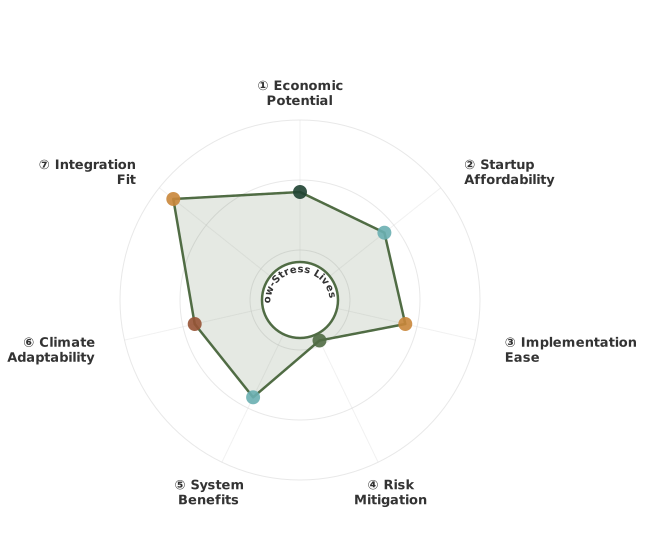
How These Traits Are Calculated
Trait dimensions are ordered clockwise starting from the top of the chart (12 o'clock position):
1. Economic Potential
Financial returns, annual value, and break-even timeline
WHAT: Evaluates financial viability by combining net annual value ($/ha from savings, income, and amortized harvests) with break-even timeline showing when practices pay for themselves.
WHY: Farmers need clear ROI understanding before committing resources. Fast payback (≤3 years) with strong returns (≥$300/ha) enables confident adoption, while long timelines (>10 years) restrict adoption to well-funded operations willing to wait for returns.
HOW: Calculated from net annual value in $/ha and break-even years. Exceptional (≥2.6): fast ROI ≤3 years + high value ≥$300/ha. Typical (1.8-2.5): moderate returns or longer timelines. Limited (<1.8): marginal economics or very long payback >10 years.
2. Startup Affordability
Initial investment costs and financial barrier to entry
WHAT: Measures financial barrier to entry through startup costs for equipment, infrastructure, consulting, and materials. Inverted scoring: lower costs = higher scores = more accessible adoption.
WHY: Affordability determines who can adopt. Low-cost practices (<$250/ha) enable widespread adoption across diverse scales, while high costs (>$2,500/ha) limit adoption to well-capitalized operations, creating barriers that slow regenerative transition.
HOW: Calculated from initial investment parsed from practice content. Inverted scoring: Exceptional (≥2.6): minimal investment <$250/ha. Typical (1.8-2.5): moderate costs $250-2,500/ha. Limited (<1.8): high barrier >$2,500/ha.
3. Implementation Ease
Learning curve and specialized knowledge required
WHAT: Measures how much learning, planning, and specialized knowledge a practice requires. Simpler practices with fewer steps score higher, while complex practices requiring extensive training or specialized resources score lower.
WHY: Complex practices create adoption barriers even when economically viable. Straightforward practices enable faster adoption and broader participation, while those requiring extensive training, timing precision, or specialized equipment limit who can succeed.
HOW: Evaluated by measuring documentation length and identifying complexity markers like location-specific requirements, seasonal timing windows, specialized skills, and dedicated equipment needs. Exceptional (≥2.6): straightforward practices with minimal prerequisites. Typical (1.8-2.5): moderate learning curve with some specialized needs. Limited (<1.8): steep learning curve requiring significant training or resources.
4. Risk Mitigation
Identified financial and ecological risk assessment
WHAT: Evaluates documented risks across financial (investment loss, market volatility) and ecological (crop failure, pest outbreaks) domains. Inverted scoring: fewer risks = higher scores.
WHY: Understanding risk exposure helps farmers make informed decisions. Low-risk practices allow confident implementation, while high-risk practices require careful planning and contingency resources. Risk transparency prevents costly failures.
HOW: Calculated from identified risks in practice content. Inverted scoring: Exceptional (≥2.6): ≤2 risks with manageable severity. Typical (1.8-2.5): 3-5 moderate risks. Limited (<1.8): 6+ risks or severe exposure.
5. System Benefits
How many ways the practice improves your land simultaneously
WHAT: Measures how many aspects of land health improve at once—carbon storage, soil quality, erosion control, water absorption, and biodiversity. Practices that improve multiple areas simultaneously create compounding benefits where each improvement reinforces the others.
WHY: The best practices solve multiple problems at once. For example, addressing erosion simultaneously builds carbon and improves water infiltration, creating a resilient system with positive feedback loops. Single-benefit approaches miss these compound transformation opportunities.
HOW: Evaluated across five key outcomes: carbon sequestration, soil organic matter increase, erosion reduction, water infiltration improvement, and biodiversity enhancement. Exceptional (≥2.6): high carbon storage (>8 t/ha/yr), improvements across 4-5 areas, transformative outcomes. Typical (1.8-2.5): moderate carbon (3-8 t/ha/yr), improvements across 2-3 areas. Limited (<1.8): modest impact (<3 t/ha/yr), single-area focus only.
6. Climate Adaptability
Geographic applicability across Köppen climate zones
WHAT: Evaluates geographic applicability by assessing how many Köppen climate zones successfully support a practice and what adaptation requirements are needed. Measures breadth of climates where farmers can implement with minimal to moderate modifications.
WHY: Universal practices working across diverse climates enable more farmers to adopt regenerative approaches. Practices limited to single climate types (only Mediterranean, only tropical) restrict adoption and slow global transition. Adaptability determines whether a practice serves niche regions or offers broad transformation.
HOW: LLM evaluation of regional success stories, Köppen zone coverage, and adaptation needs. Exceptional (≥2.6): 5+ zones or 4+ climate types, 3+ continents, minimal adaptation. Typical (1.8-2.5): 3-4 zones or 2-3 types, 2 continents, moderate adaptation. Limited (<1.8): 1-2 zones, single region, significant adaptation or highly specialized.
7. Integration Fit
How well this practice combines with others you're doing
WHAT: Measures how well a practice combines with other regenerative practices you might be doing. Some practices work as building blocks that make many other practices easier or more effective, while others work best on their own.
WHY: Practices that combine well with many others create more value on your farm. For example, cover cropping enables no-till, improves grazing, supports crop diversity, and helps water management—making all of them work better together. This helps you build a coherent system rather than juggling disconnected practices.
HOW: Evaluated by identifying which practices combine well and how strong those combinations are. 'Ideally Suited' means strong combinations where practices reinforce each other (practice A makes B easier, while B makes A more effective). 'Adequate' means complementary benefits that work well together. Exceptional (≥2.6): combines well with 6+ practices, serves as a building block. Typical (1.8-2.5): combines with 3-5 practices. Limited (<1.8): 1-2 practices or works best alone.
Going Deeper
1
WHY - The Benefits
Low-stress livestock handling offers a cascade of benefits that improve animal health, operational efficiency, and ultimately, the economic and ecological sustainability of the farm or ranch. By understanding and working with animal behavior rather than against it,...
Low-stress livestock handling offers a cascade of benefits that improve animal health, operational efficiency, and ultimately, the economic and ecological sustainability of the farm or ranch. By understanding and working with animal behavior rather than against it,...
WHY - The Benefits
Low-stress livestock handling offers a cascade of benefits that improve animal health, operational efficiency, and ultimately, the economic and ecological sustainability of the farm or ranch. By understanding and working with animal behavior rather than against it,...
Low-stress livestock handling offers a cascade of benefits that improve animal health, operational efficiency, and ultimately, the economic and ecological sustainability of the farm or ranch. By understanding and working with animal behavior rather than against it,...
Animal Health and Welfare
The primary benefit of low-stress handling is the reduction of stress on livestock. Chronic stress negatively impacts an animal's physiology, leading to suppressed immune function, impaired digestion, and reduced reproductive capacity. Animals handled calmly experience less cortisol release and anxiety, resulting in:
- Improved Immune Response: Reduced stress hormones allow the immune system to function optimally, making animals more resilient to diseases and parasites. This leads to lower mortality rates and a reduced need for medical interventions, such as antibiotics or dewormers. Studies have shown that animals handled calmly require fewer treatments for common ailments.
- Enhanced Digestive Function: Stress can disrupt gut motility and nutrient absorption. Calm animals tend to digest their feed more efficiently, leading to better nutrient utilization and improved weight gain or milk production. This means more of the feed consumed is converted into productive output.
- Better Reproductive Performance: Stress is a significant factor in reproductive failure in livestock. Lower stress levels can lead to improved conception rates, fewer abortions, and better mothering instincts. For breeding herds, this translates directly to higher calf or lamb crops.
- Reduced Physical Injury: Panicked animals are prone to stampedes, falls, and collisions, leading to injuries like broken bones, bruises, or internal trauma. Calm handling minimizes these risks, ensuring animals remain healthy and valuable.
Operational Efficiency and Safety
Beyond animal welfare, low-stress handling significantly improves the efficiency and safety of farm operations for both humans and livestock:
- Faster Processing Times (Once Skilled): While initial learning may slow things down, skilled low-stress handlers can move animals through processing facilities (chutes, scales, loading docks) more quickly and smoothly than those using force. Animals move cooperatively when they are not in flight mode.
- Reduced Shrinkage: Shrinkage refers to the weight loss animals experience during handling, transport, and processing due to stress, dehydration, and manure/urine loss. Calm handling dramatically reduces this, often by 1-3%, which can translate to significant financial savings per head.
- Improved Handler Safety: Animals that are calmer and more predictable are far safer to work with. Reductions in sudden movements, kicks, bites, and unpredictable behavior significantly lower the risk of injury to farm workers. This not only protects human well-being but also reduces costs associated with work-related injuries.
- Greater Predictability: Animals accustomed to low-stress handling become more habituated to human presence and routine. They respond more predictably to handler cues, making management tasks less demanding and more reliable.
Economic Benefits
The cumulative effects of improved animal health and operational efficiency translate directly into economic advantages:
- Increased Profitability: Better weight gains, higher reproductive rates, lower death loss, and reduced veterinary costs all contribute to a leaner bottom line. The reduction in shrinkage alone can recoup the costs of training and equipment.
- Higher Market Value: Animals that are less stressed and healthier often fetch better prices at market. They appear calmer and more robust, signalling good management practices to buyers.
- Reduced Infrastructure Damage: Panicked animals can damage fences, gates, and handling equipment. Calm movement reduces wear and tear on infrastructure, decreasing replacement and repair costs.
- Enhanced Brand Reputation: Operations known for humane and low-stress handling can build a positive reputation, potentially attracting more discerning buyers or customers who value animal welfare.
Regenerative Systems Fit
Low-stress livestock handling is intrinsically linked to the principles of regenerative agriculture, particularly when integrated with sound grazing management.
- Principle 5 (Integrate Livestock): This practice is fundamental to successful livestock integration. Calm animals are more amenable to rotational or adaptive grazing, moving predictably between paddocks. This controlled movement ensures even grazing pressure, prevents overgrazing of sensitive areas, and allows for adequate pasture recovery periods. This uniformity in grazing density promotes consistent manure distribution, vital for nutrient cycling and pasture health. Stressed animals, conversely, may bunch up, overgraze certain areas, and cause excessive trampling, undermining regenerative pasture goals.
- Principle 1 (Minimize Soil Disturbance): While not directly a soil-building practice, low-stress handling significantly reduces the risk of soil disturbance. Animals in panic modes can stampede, break through fences, and churn soil, leading to erosion and compaction. When handled calmly, their movements are more controlled, minimizing accidental soil damage and ensuring that grazing is a regenerative soil improvement tool, not a destructive one.
- Principle 3 (Keep Soil Covered): By facilitating controlled grazing, low-stress handling supports the maintenance of continuous plant cover. Animals managed calmly are less likely to cause catastrophic damage to pastures. This makes it easier to implement grazing patterns that ensure plants are not overgrazed and have sufficient rest periods to regrow, thereby maintaining living cover on the soil surface year-round and preventing bare ground that leads to erosion.
- Principle 4 (Maintain Living Roots): Effective rotational grazing, which low-stress handling enables, is crucial for maintaining living roots. Animals are moved before they can overgraze to the point of stunting root growth. Adequate rest periods allow plants to regrow, photosynthesize, and maintain their root systems, ensuring continuous biological activity in the soil.
Therefore, low-stress handling is not just an operational technique; it's a foundational element for integrating livestock regeneratively. It ensures animals are managed in a way that optimizes their health and productivity while simultaneously protecting and enhancing the soil and plant resources they interact with.
Sources behind this view
Videos & Podcasts
-
Details low-stress cattle handling techniques, focusing on straight lines and proper pressure application, as taught by Bud Williams. Emphasizes reducing stress to improve health and prevent disease,
-
Low-stress handling and managing animal mental well-being are vital in grazing and feedlots. Regular, skilled handling, including 'driving' techniques and utilizing excess energy for exercises like ch
-
Proper stockmanship, focusing on animals' mental well-being and calmness, is crucial for production. Handlers must understand their actions cause animal behavior, counteracting human instincts and bui
-
Low-stress handling, starting at the ranch using methods like Bud Williams', significantly improves cattle performance and eating behavior in the feedlot. Gentle handling reduces stress, positively im
Community
-
Learn low-stress livestock handling techniques from experts like Temple Grandin and Bud Williams. Utilize body condition scoring (1-9 scale) to assess animal health, energy, and predict offspring vigo
Read more (opens in new window) ucanr.edu
Research
-
The Visual, Auditory, and Physical Environment of Livestock Handling Facilities and Its Effect on Ease of Movement of Cattle, Pigs, and Sheep (opens in new window)
This study found: Livestock handling facility design (visual, auditory, physical) impacts animal movement and welfare. Simple changes like better lighting, reduced noise, and non-slip floors can improve flow and reduce
-
Low-stress cattle handling (opens in new window)
This study found: Low-stress cattle handling improves safety, animal welfare, and reduces production losses. It involves understanding animal behavior, facility design, and communication cues, with resources provided f
-
Western Canadian cow-calf producers' perspectives about cattle welfare, handling, and training in cattle handling: A thematic analysis. (opens in new window)
This study found: Western Canadian beef ranchers understand animal welfare and its link to profitability. They value low-stress handling and practical, affordable training that reflects on-farm realities.
-
Management practices associated with stress in cattle on western Canadian cow-calf operations: A mixed methods study. (opens in new window)
This study found: Western Canadian ranchers use squeeze chutes and abrupt weaning, influenced by cost and tradition. Concerns exist about nonabrupt weaning causing more stress, but improved performance could encourage
2
WHERE - Regional Considerations
Low-stress livestock handling is universally applicable, but the specific techniques and tools may need adaptation based on regional factors. Understanding animal behavior, temperament, and environmental conditions is key to successful implementation across all...
Low-stress livestock handling is universally applicable, but the specific techniques and tools may need adaptation based on regional factors. Understanding animal behavior, temperament, and environmental conditions is key to successful implementation across all...
WHERE - Regional Considerations
Low-stress livestock handling is universally applicable, but the specific techniques and tools may need adaptation based on regional factors. Understanding animal behavior, temperament, and environmental conditions is key to successful implementation across all...
Low-stress livestock handling is universally applicable, but the specific techniques and tools may need adaptation based on regional factors. Understanding animal behavior, temperament, and environmental conditions is key to successful implementation across all...
Click Here to Look up your Region if you don't already know it
Humid Temperate Regions
Representative Locations: Southeastern United States, northern Europe (UK, Germany, Poland), eastern China, Japan, New Zealand
Climate Context: Warm to hot summers and cool to cold winters with moderate to high annual precipitation (75-150 cm or 30-60 inches) distributed relatively evenly. USDA Zones 6-8, Köppen Cfb/Cfa.
Considerations: In regions with lush, prolonged growing seasons and abundant forage, achieving consistent rotational grazing is paramount. Low-stress handling ensures animals move calmly between paddocks, maximizing pasture utilization and rest periods. The focus may be on managing herd movement through varied terrain, as dense vegetation can sometimes create unexpected blind spots or encourage animals to break away. Gentle handling is crucial to prevent stress-induced impacts on rapidly growing pastures. The abundance of forage means animals are often well-fed, which can make them calmer but also requires skilled handling to manage their movement effectively, especially during peak growing seasons. Handler positioning and visual cues are key.
Mediterranean Regions
Representative Locations: California, Mediterranean basin (Spain, Italy, Greece), central Chile, southwestern Australia, Western Cape South Africa
Climate Context: Hot, dry summers and mild, wet winters. Annual precipitation 40-90 cm (400-900 mm; 15-35 inches), highly seasonal. USDA Zones 8-10, Köppen Csa/Csb.
Considerations: These regions often face challenges with seasonal forage availability and water scarcity. Low-stress handling becomes critical during drought periods when animals may be more anxious and less conditioned by abundant feed. Techniques that conserve energy and minimize stress are vital for maintaining animal health and reducing shrink during transport to supplementary feed or water sources. Handling pens should be designed with good ventilation and shade to mitigate heat stress. Teaching animals to move calmly through dry, often dusty conditions is important to reduce respiratory irritation. The focus is on minimizing any stress that could exacerbate the effects of environmental hardship.
Arid/Semi-Arid Regions
Representative Locations: Western USA, North Africa, Central Asia, Interior Australia
Climate Context: Low annual precipitation (<40 cm or 15 inches), high temperatures, short and often unpredictable growing season. USDA Zones 7-9, Köppen BSh/BSk.
Considerations: In these challenging environments, animals may be more naturally accustomed to traveling further for resources, and their herd instinct may be stronger due to the need to find scattered pasture and water. Handlers must be adept at managing livestock over longer distances and in open spaces where traditional penning and chute systems are less common. Understanding natural flocking behavior and using landscape features to guide animals are essential. Low-stress techniques are vital for moving animals between distant grazing areas or to water sources without causing excessive fatigue or stress, which could lead to lameness or dehydration. The emphasis is on using natural terrain and movement patterns to facilitate handling, often with smaller handler groups.
Cold Continental Regions
Representative Locations: Northern USA and Canada, Northern Europe, Northern Asia
Climate Context: Very short growing seasons, extreme summer heat, severe winter cold. USDA Zones 3-5, Köppen Dfa/Dfb.
Considerations: In regions with harsh winters, livestock may spend more time housed or in sheltered areas. Handling processes that involve moving animals in and out of confinement (for winter feeding, health checks, or birthing) require meticulous attention to low-stress protocols. Animals unfamiliar with extreme cold may be more sensitive to sudden temperature changes or confinement stress. Acclimatization and gradual introduction to handling procedures are key. Techniques must account for slippery conditions from snow or ice, ensuring safe movement around yards and facilities. Mental stimulation for animals confined for long periods can also help maintain a calmer disposition.
Subtropical Regions
Representative Locations: Southeastern USA, Southern China, Southern Brazil, Eastern Australia
Climate Context: Hot, humid summers and mild winters with generally ample rainfall. USDA Zones 9-11, Köppen Cfa/Cwa.
Considerations: High humidity and heat can amplify stress levels in livestock. Low-stress handling techniques that facilitate quick movement through processing or handling areas are crucial to minimize the duration of exposure to heat and humidity. Shaded holding pens, access to water during handling, and moving animals during cooler parts of the day are important adaptations. The effectiveness of visual cues can be influenced by dense vegetation in some subtropical areas, requiring handlers to be extra mindful of clear lines of sight and strategic positioning. Disease pressures are often higher in these humid climates, so maintaining low stress is vital for immune health.
Tropical Regions
Representative Locations: Central America, Southeast Asia, East Africa, Northern Australia, Northern South America
Climate Context: High temperatures year-round, with distinct wet and dry seasons or consistent high rainfall. Köppen Af/Am/Aw.
Considerations: Tropical climates present unique challenges with extreme heat, high humidity, and potentially intense rainy seasons impacting ground conditions. Animals may be more lethargic in high heat, making them harder to move, or more prone to panic if overheated or confined in humid conditions. Low-stress handling is about efficiency and speed to minimize exposure to heat and humidity. Shade, water, and ventilation in holding areas are critical. Techniques utilizing natural topography and water features can aid movement. In pastoral systems, where vast distances are involved, patience and understanding of animal drive are key to moving herds calmly across challenging terrain, especially during wet seasons.
3
HOW - Implementation Process
Implementing low-stress livestock handling is a journey that involves a mindset shift, learning new skills, and adapting existing infrastructure. It’s a process that builds trust and efficiency over time.
Implementing low-stress livestock handling is a journey that involves a mindset shift, learning new skills, and adapting existing infrastructure. It’s a process that builds trust and efficiency over time.
HOW - Implementation Process
Implementing low-stress livestock handling is a journey that involves a mindset shift, learning new skills, and adapting existing infrastructure. It’s a process that builds trust and efficiency over time.
Implementing low-stress livestock handling is a journey that involves a mindset shift, learning new skills, and adapting existing infrastructure. It’s a process that builds trust and efficiency over time.
Prerequisites
- Commitment to Learning: The handler must be willing to observe animal behavior, understand their instincts, and patiently practice new techniques. This isn't about adopting a few tricks; it's about fundamentally changing how you interact with animals.
- Basic Understanding of Animal Behavior: Familiarity with concepts like flight zones, pressure and release, herd instinct, and visual perception of prey animals is essential.
- Access to Information: Resources like books, online courses, workshops, or mentorship from experienced low-stress handlers are valuable.
Phase 1: Understanding the Animal's Perspective
- Observation: Spend time simply watching your animals with no agenda. Note how they move, where they feel comfortable, where they tend to balk, their body language (ears, tail, posture), and their reactions to different stimuli.
- Flight Zones: Learn to identify an animal's flight zone – the area around them that triggers their movement away from an approaching presence. Moving into this zone applies pressure; releasing pressure allows movement forward. Understanding the size of this zone (larger for more flighty animals/older animals, smaller for more habituated ones) is key.
- Pressure and Release: The fundamental principle. Apply pressure (enter flight zone) to cause movement, then release pressure as soon as the desired movement occurs. This teaches the animal that pressure stops when they comply, encouraging cooperation. Avoid constant pressure, which causes panic and resistance.
- Visual Cues: Animals tend to move towards open spaces and away from perceived threats. Use visual cues like open gates, clear pathways, and handler positioning to guide their natural tendency to move forward.
Phase 2: Facility Design and Adaptation
While low-stress handling can be practiced with minimal infrastructure, certain adaptations significantly enhance effectiveness and reduce animal stress.
- Holding Pens: Design pens that have solid or opaque sides to reduce visual distractions and fears. Round pens or curved alleys are preferable to sharp corners, as they offer fewer places to feel trapped and allow animals to see handlers naturally. Avoid visual barriers at the exit of chutes that might cause balking. Ensure pens are not overcrowded and have adequate space for movement.
- Alleys and Chutes: Use curved alleys that allow animals to see the path ahead and feel less cornered. Transition from wider holding pens to narrower alleys, gradually increasing pressure. Avoid objects that could cause injury or panic, such as exposed metal sharp edges or dangling chains. Ensure good lighting and ventilation.
- Loading Docks: Design docks with smooth transitions, solid sides, and minimal step-ups or drop-offs. Handlers should position themselves to encourage movement forward, not to block escape.
- Local Adaptation: In arid regions, ensure adequate shade and water in holding pens. In wet regions, ensure good drainage to prevent slipperiness during handling. In tropical climates, prioritize ventilation and minimize exposure to heat. Global sourcing for materials like curved plastic or smooth steel panels is common.
Phase 3: Implementing Handling Techniques
- Working from the "Sweet Spot": For cattle, this is often behind the shoulder, using the flight zone to encourage forward movement. For sheep and goats, handlers might work more to the side and rear.
- Using Pressure and Release: Apply only the necessary pressure (entering the flight zone) to elicit movement, then back off the instant the animal moves as desired. This teaches them that compliance stops pressure.
- Working with Pace: Don't rush animals. Let them move at their natural pace. Forcing them can lead to panic, injury, and long-term negative associations.
- Strategic Positioning: Position yourself to utilize the animal's tendency to move away from pressure and towards open space. Avoid direct confrontation; work at the periphery of their awareness.
- Herd Dynamics: Understand that animals move better in a group. Use the collective momentum of the herd to move individuals. Avoid isolating animals unnecessarily, as this can increase their stress.
- Calm Communication: Speak in a calm, steady voice. Avoid shouting, whistling sharply, or making sudden loud noises, which can startle animals.
- Positive Reinforcement: Where practical, use food or other positive stimuli to reward calm behavior or guide animals, especially in training scenarios.
Phase 4: Continuous Practice and Refinement
- Regular Handling Sessions: The more animals are handled calmly, the more accustomed they become to it, reducing stress over time.
- Seek Mentorship and Training: Attend workshops, watch videos, and if possible, work with experienced low-stress handlers. Seek feedback on your technique.
- Adaptation Across Species and Contexts: Recognize that handling sheep will differ from cattle, and handling in a small pen differs from handling across a large pasture. Continuously adapt your approach.
- Reflect and Adjust: After each handling session, reflect on what worked well and what didn't. Identify specific moments of stress or resistance and analyze why they occurred. Adjust your approach for the next time.
Transition Timeline & Phase-Out Strategy
This practice is not a "transition" in the sense of replacing a conventional input with a regenerative one. It's a fundamental change in how you manage your animals. There are no non-regenerative inputs to phase out, but rather ingrained habits and potentially outdated infrastructure to adapt.
- Immediate Start: Begin understanding animal behavior and basic principles from day one. Practice basic pressure-release techniques in small, low-stakes situations (e.g., moving a few animals from one small paddock to another).
- Year 1-2: Gradual Implementation: Adapt your facilities as resources allow. Focus on consistently applying low-stress principles in routine tasks like moving animals between grazing paddocks, gathering them, or basic health checks. Seek out training opportunities.
- Year 3+: Full Integration: Low-stress handling becomes the default operating procedure for all animal management. Benefits become more pronounced in animal health, productivity, and handler experience. New infrastructure incorporates low-stress design principles from the outset.
The goal is to fully integrate low-stress handling into the farm's operational DNA, making it the most efficient and effective method for managing livestock, all while enhancing animal welfare and contributing to regenerative goals.
Sources behind this view
Videos & Podcasts
-
Details low-stress cattle handling techniques, focusing on straight lines and proper pressure application, as taught by Bud Williams. Emphasizes reducing stress to improve health and prevent disease,
-
Low-stress handling and managing animal mental well-being are vital in grazing and feedlots. Regular, skilled handling, including 'driving' techniques and utilizing excess energy for exercises like ch
-
Explains low-stress cattle handling using a sweep chute and sorting pens, referencing Temple Grandin's principles. Emphasizes using handling equipment effectively, managing distractions, and ensuring
-
Explains advanced stockmanship techniques, emphasizing counterclockwise movement and utilizing the animal's left eye to process fear, thereby reducing stress during handling, improving efficiency, and

Community
-
Learn low-stress livestock handling techniques from experts like Temple Grandin and Bud Williams. Utilize body condition scoring (1-9 scale) to assess animal health, energy, and predict offspring vigo
Read more (opens in new window) ucanr.edu
Research
-
The Visual, Auditory, and Physical Environment of Livestock Handling Facilities and Its Effect on Ease of Movement of Cattle, Pigs, and Sheep (opens in new window)
This study found: Livestock handling facility design (visual, auditory, physical) impacts animal movement and welfare. Simple changes like better lighting, reduced noise, and non-slip floors can improve flow and reduce
-
Low-stress cattle handling (opens in new window)
This study found: Low-stress cattle handling improves safety, animal welfare, and reduces production losses. It involves understanding animal behavior, facility design, and communication cues, with resources provided f
-
Western Canadian cow-calf producers' perspectives about cattle welfare, handling, and training in cattle handling: A thematic analysis. (opens in new window)
This study found: Western Canadian beef ranchers understand animal welfare and its link to profitability. They value low-stress handling and practical, affordable training that reflects on-farm realities.
-
Management practices associated with stress in cattle on western Canadian cow-calf operations: A mixed methods study. (opens in new window)
This study found: Western Canadian ranchers use squeeze chutes and abrupt weaning, influenced by cost and tradition. Concerns exist about nonabrupt weaning causing more stress, but improved performance could encourage
From the Web
-
Proper Stockmanship, taught by Tina Williams and Richard McConnell, focuses on managing livestock's emotional state for better welfare and production, requiring minimal investment for lifelong gains.
4
Know the Debate
Low-stress livestock handling practices offer significant benefits across diverse agricultural systems, though the timeline for realizing full econ...
Know the Debate
Low-stress livestock handling practices offer significant benefits across diverse agricultural systems, though the timeline for realizing full econ...
Low-stress livestock handling practices offer significant benefits across diverse agricultural systems, though the timeline for realizing full economic returns and the extent of facility adaptation required can vary. From the humid temperate regions of Europe to the arid rangelands of the Western U.S., the core principles of understanding animal behavior and minimizing fear remain constant. The scale of operation and existing infrastructure, however, influence the investment in training and facility modifications, impacting the pace at which complete integration and maximum benefits are achieved.
How long does it take to see benefits from low-stress handling?
Immediate observation, gradual economic gains (1-3 years)
Academic research and immediate handler experience show that improved animal calmness, safety, and reduced injury can be observed from the first handling sessions. However, significant economic benefits like improved weight gain, conception rates, and reduced death loss typically require 1-3 years of consistent practice and animal habituation across the herd.
Sources behind this view
Sources behind this view
Videos & Podcasts
-
Low-stress handling, starting at the ranch using methods like Bud Williams', significantly improves cattle performance and eating behavior in the feedlot. Gentle handling reduces stress, positively impacts genetics and personality expression, and leads to better outcomes.
-
Bud Williams' stockmanship philosophy treats animals as intelligent learners, replacing brute force with positive, precise interactions. This reduces stress, improves health and performance, and offers significant financial benefits, requiring management commitment to training and a shift in approach.
Research
-
The human-animal relationship in dairy animals. (opens in new window)
This study found: Improving how farm workers interact with dairy animals can lead to better animal well-being and higher milk production. The study suggests that training farm staff to have a more positive attitude and better handling techniques is key. New technologies, like monitoring systems, could help identify specific bad habits in workers, making training more effective. However, the researchers note that some farms might be hesitant to adopt these new technologies.
From the Web
-
Proper Stockmanship, taught by Tina Williams and Richard McConnell, focuses on managing livestock's emotional state for better welfare and production, requiring minimal investment for lifelong gains.
Focus on immediate behavioral change, long-term economic realization (1-2 years)
Experienced handlers and ranches report that while animals become calmer and safer to work with almost immediately, the full financial upside—such as weight gain, reduced shrink, and lower vet costs—typically materializes over 1-2 years as animals habituate and handlers hone their skills for maximum efficiency.
Sources behind this view
Sources behind this view
Videos & Podcasts
-
Low-stress handling and managing animal mental well-being are vital in grazing and feedlots. Regular, skilled handling, including 'driving' techniques and utilizing excess energy for exercises like chute runs, prevents stress, improves health, and enhances production.
-
Low-stress livestock handling minimizes productivity losses caused by animal stress. Focus on generating momentum and movement before directing animals, avoiding force and fear. Remedy Animal Solutions offers homeopathic, drug-free options for animal health.
-
Proper stockmanship, focusing on animals' mental well-being and calmness, is crucial for production. Handlers must understand their actions cause animal behavior, counteracting human instincts and building trust through consistent, positive interactions. Calmness leads to better production and reproduction.
Immediate gains in calmness and safety, long-term systemic impact
The most accessible benefits of low-stress handling are immediate improvements in animal calmness, handler safety, and overall herd predictability. The tangible economic and reproductive gains, however, often take 1-3 years to fully manifest as animals habituate to calm handling and managers refine their approach and facilities.
Sources behind this view
Sources behind this view
Videos & Podcasts
-
Learn low-stress cattle handling techniques from Bud Williams' disciples: work with animal instincts, use side pressure for movement, avoid stopping/starting, maintain a zigzag pattern, and prioritize a calm 'gather' for successful drives.
Research
-
The Visual, Auditory, and Physical Environment of Livestock Handling Facilities and Its Effect on Ease of Movement of Cattle, Pigs, and Sheep (opens in new window)
This study found: Temple Grandin's work shows that the way livestock handling areas (like chutes and corrals) look, sound, and feel can greatly affect how easily cattle, pigs, and sheep move through them. When animals are hesitant to move, handlers often resort to electric prods or other forceful methods, which is a serious animal welfare issue. Making simple changes to the environment can make a big difference. For example, adding light to dark areas, reducing loud or sudden noises, and removing distractions like moving vehicles can help animals move more smoothly. In outdoor pens, sharp shadows on the ground can make cattle stop, while softer shadows are less of a problem. Building small solid barriers to block animals' view of moving equipment or people can also encourage them to move forward. Crucially, ensuring floors are non-slip prevents animals from falling. Often, you don't need to rebuild your entire handling system; small adjustments to existing facilities can lead to significant improvements in animal flow and welfare. Measuring things like slips, falls, stops, and the use of prods before and after changes helps show what's working.
From the Web
-
Provides guidance for youth on low-stress livestock handling before fairs, emphasizing building trust, understanding flight zones and point of balance, and exposing animals to new stimuli to minimize stress and improve performance.
-
Stockmanship and low-stress handling demonstrably improve farm profitability through increased conception rates, weight gain, and immune function, while also upholding animal welfare and human safety, fostering a more ethical and harmonious agricultural system.
Making Sense of the Differences
The realization of benefits from low-stress handling ranges from immediate gains in animal calmness and handler safety to longer-term economic improvements (1-3 years) in weight gain, conception rates, and reduced health losses. Consistent practice, animal habituation, and effective handler skill development are key drivers of realizing these outcomes. While initial stress reduction is apparent, the full financial rewards accrue over time as the relationship between handler and animal strengthens.
How much do low-stress handling practices impact herd productivity and profitability?
Significant, rapid financial returns (1-2 years)
Ranchers and trainers report that consistent use of low-stress handling leads to rapid improvements in herd productivity, with significant financial benefits like reduced shrink (1-3%), better weight gain (5-10%), and lower death loss (1-5%) achievable within 1-2 years, often recouping initial training costs rapidly.
Sources behind this view
Sources behind this view
Videos & Podcasts
-
Low-stress handling and managing animal mental well-being are vital in grazing and feedlots. Regular, skilled handling, including 'driving' techniques and utilizing excess energy for exercises like chute runs, prevents stress, improves health, and enhances production.
-
Low-stress handling, starting at the ranch using methods like Bud Williams', significantly improves cattle performance and eating behavior in the feedlot. Gentle handling reduces stress, positively impacts genetics and personality expression, and leads to better outcomes.
Research
-
The human-animal relationship in dairy animals. (opens in new window)
This study found: Improving how farm workers interact with dairy animals can lead to better animal well-being and higher milk production. The study suggests that training farm staff to have a more positive attitude and better handling techniques is key. New technologies, like monitoring systems, could help identify specific bad habits in workers, making training more effective. However, the researchers note that some farms might be hesitant to adopt these new technologies.
-
Factors intrinsic to handling and transport in pre-slaughter behavioural changes in beef cattle. (opens in new window)
This study found: Research on beef cattle before slaughter identified that how animals are handled and transported significantly affects their behavior. Factors like how crowded the trailer is, whether animals have horns, how far and how long they travel, and how long they wait before unloading all play a role. For males, farm handling and facilities were also important. Understanding and minimizing these stressful factors is key to reducing losses and improving overall animal welfare and production outcomes.
Incremental but substantial gains over time (2-4 years)
While immediate calm is observed, the full economic impact on operations with 200+ head is typically realized over 2-4 years. Benefits include a 1-2% reduction in shrink, 3-4% weight gain improvement, and lower vet costs, leading to substantial annual savings that recoup investments in training and moderate facility upgrades within this timeframe.
Sources behind this view
Sources behind this view
Videos & Podcasts
-
Proper stockmanship, focusing on animals' mental well-being and calmness, is crucial for production. Handlers must understand their actions cause animal behavior, counteracting human instincts and building trust through consistent, positive interactions. Calmness leads to better production and reproduction.
From the Web
-
Stockmanship and low-stress handling demonstrably improve farm profitability through increased conception rates, weight gain, and immune function, while also upholding animal welfare and human safety, fostering a more ethical and harmonious agricultural system.
-
Stockmanship and low-stress livestock handling, as taught by Marissa Taylor, emphasize understanding cattle and goat behavior, using pressure and relief within their flight zones to guide them safely and efficiently without coercion, leading to improved animal welfare and farm performance.
Transformative impacts with broader, systemic benefits
Beyond direct economic metrics, low-stress handling leads to calmer animals that graze more evenly and cause less soil disturbance. This supports regenerative goals for long-term pasture health, reducing infrastructure damage and enhancing the overall sustainability and brand reputation of operations known for humane practices.
Sources behind this view
Sources behind this view
Videos & Podcasts
-
Effective grazing management involves providing adequate pasture rest/recovery periods, good water, and mineral supply, which leads to content animals that move themselves and reduces overall farm problems.
From the Web
-
Provides guidance for youth on low-stress livestock handling before fairs, emphasizing building trust, understanding flight zones and point of balance, and exposing animals to new stimuli to minimize stress and improve performance.
-
Effective stockmanship is vital for regenerative grazing, using animal contentment as a key indicator of forage quality and management success. A slow, patient approach to pasture moves, including training and acclimation, builds trust and can reduce labor needs.
Making Sense of the Differences
Low-stress handling consistently yields significant profitability improvements, with immediate gains in animal calmness and safety. Substantial economic benefits like reduced shrink (1-3%), improved weight gain (3-10%), and lower death/vet costs ($5-25/head) are typically realized within 1-3 years of consistent application. These financial returns rapidly offset initial training and facility costs, while also enhancing regenerative outcomes like improved pasture utilization and reduced soil disturbance.
5
HOW MUCH - Costs & Investment
Note: Costs shown in USD; multiply by local labor and material cost indices for your region. Labor costs vary significantly internationally. Equipment can often be modified or sourced locally.
Note: Costs shown in USD; multiply by local labor and material cost indices for your region. Labor costs vary significantly internationally. Equipment can often be modified or sourced locally.
HOW MUCH - Costs & Investment
Note: Costs shown in USD; multiply by local labor and material cost indices for your region. Labor costs vary significantly internationally. Equipment can often be modified or sourced locally.
Note: Costs shown in USD; multiply by local labor and material cost indices for your region. Labor costs vary significantly internationally. Equipment can often be modified or sourced locally.
Note: All costs are based on recent US economic data (2024–2026) and may vary substantially by region based on local labor rates, material costs, and regulatory requirements.
Training and Skill Development
Training remains the most critical barrier to entry for livestock managers looking to pivot from conventional high-pressure methods to low-stress patterns. For small-scale operations (under 50 acres (20 ha)), foundational investment is modest, typically costing $100–$300. This capital is deployed to secure high-quality industry guidebooks and comprehensive online masterclasses that provide the theoretical groundwork necessary to begin behavioral observation. Producers at this scale often act as their own trainers, absorbing the labor cost of self-education.
Mid-size operations (50–500 acres (20–202 ha)) face a steeper requirement to institutionalize these methods across a permanent management team. Investment typically ranges from $500–$1,500. This expenditure shifts from self-study to action, covering tuition for 1–2 key managers to attend regional hands-on workshops. Furthermore, at this tier, hiring a specialized consultant for a one-day farm visit is highly recommended to audit existing facility flows and provide real-time coaching, which costs an average of $600–$1,000 per day including travel.
Large-scale operations (500+ acres) must account for the high cost of standardizing handling protocols across large herds and multi-person crews. Annual investments ranging from $2,000–$4,500+ are standard. This significant outlay ensures consistent staff adherence to low-stress techniques and often includes bringing in specialized clinicians to conduct multi-day intensive sessions on-site. These sessions often involve actual cattle interaction, proving necessary to break ingrained habits that threaten animal welfare and handler safety in high-density environments.
Infrastructure and Facility Adaptations
Facility modification costs are driven by the current hardware and spatial layout of handling pens. Small-scale operations often require capital requirements of $800–$3,000. These funds are primarily targeted at high-impact, low-cost modifications: adding solid side panels to existing chutes using exterior-grade plywood or salvaged scrap metal and re-hanging gates to improve animal flow through the facility. These tactile changes effectively block visual distractions that cause cattle to balk or pivot during loading.
Mid-size operations require a more substantial retrofit expenditure of $5,000–$20,000. Facilities at this size scale benefit from the installation of dedicated curved alley components, adjustable-width alleyways that account for varying frame sizes of cattle, and properly positioned sorting gates. These upgrades are precision-engineered to prevent high-pressure points that cause animals to perceive the facility as a threat rather than a pathway.
Large-scale operations often face investments of $25,000–$90,000+ to overhaul or construct durable, integrated handling facilities. At this level, the cost includes permanent round holding tubs, professional-grade hydraulic squeeze chutes, and advanced sweep gates. These systems are specifically designed to minimize flight zone pressure on populations exceeding 500 head, ensuring that the labor efficiency gained through LSLH is not lost to inadequate or dangerous infrastructure that requires multiple handlers to manage a single animal.
Most Spend: The middle 60% of commercial producers who transition from high-pressure to low-stress handling models over an 18-month period typically invest $5,000–$15,000 to cover the combined costs of education and necessary facility improvements.
Why the Range?: The primary driver of cost variability is the "replacement vs. retrofit" decision. Operations already equipped with reputable steel infrastructure can utilize modular components, keeping costs at the low end of the spectrum. Conversely, operations managing dilapidated legacy structures—typically wood or jagged, rusted metal—must opt for complete tear-outs and replacements, which are significantly more capital-intensive due to the high cost of heavy-duty materials and specialized labor.
6
REWARDS AND RISKS - Economics & Risk Factors
REWARDS AND RISKS - Economics & Risk Factors
Producers adopting low-stress livestock handling (LSLH) move toward an operating model characterized by higher output and lower overhead. In an optimized, best-case scenario for an operation managing 200 head, owners realize an annual economic benefit of $13,000–$18,000. This is achieved through three primary performance levers: a 2% reduction in shrink—conserving roughly $20 of value per head—a 5% increase in annual weight gain valued at $30 per head, and a 2% reduction in total death loss, which saves an additional $15 per animal in investment recovery.
In the typical scenario, which manifests over a 2–3 year development cycle, managers reach a steady-state annual net benefit of $5,000–$8,000. This is generated by a 1% improvement in shrink ($10 per head) and a 3% boost in growth rates ($18 per head). At these figures, an initial capital investment of $10,000 for training and retrofitting is fully recouped within 2–4 years. Conversely, failure to institutionalize the practice—often resulting from poor staff buy-in or superficial facility changes—risks a worst-case scenario where the business realizes zero measurable gain, effectively writing off the $2,000–$5,000 spent on initial training and low-level improvements.
Market factors provide further justification for the transition. Cattle presented as "gentle" consistently attract premiums of $0.05–$0.15 per lb at specialized sales, as buyers recognize the superior immune health and feedlot conversion rates of low-stress animals. Furthermore, producers who document their welfare protocols can access direct-to-consumer markets, where retail beef programs command an additional $0.50–$1.50 per lb over commodity pricing.
Risk mitigation requires constant vigilance. To combat "handler regression," where exhausted staff revert to high-pressure tactics, operations should budget $500–$1,000 for an annual "refresher" training audit to correct bad habits. Physical safety remains the greatest hidden cost; investing $2,000–$5,000 in minor safety-focused facility upgrades is a proactive strategy that statistically reduces worker compensation claims and animal damage by 15–25% in the first year.
Transition Period Risks
The switch to LSLH involves a temporary "learning curve" tax. During the initial 6–12 month window, processing times may increase by 20–30% because handlers are intentionally moving at a slower, more deliberate pace to maintain animal calm. This is an unavoidable training investment. To mitigate any secondary losses, managers should avoid scheduling "high-volume" processing during the first two rotations of the season—planning instead for 50% extra time per head. Once high-level proficiency is reached, operational speeds return to baseline, but with markedly lower metabolic cost to the herd, ensuring the initial time investment is fully recovered by the conclusion of the second year.
Sources behind this view
Videos & Podcasts
-
Details low-stress cattle handling techniques, focusing on straight lines and proper pressure application, as taught by Bud Williams. Emphasizes reducing stress to improve health and prevent disease,
-
Low-stress handling and managing animal mental well-being are vital in grazing and feedlots. Regular, skilled handling, including 'driving' techniques and utilizing excess energy for exercises like ch
-
Explains advanced stockmanship techniques, emphasizing counterclockwise movement and utilizing the animal's left eye to process fear, thereby reducing stress during handling, improving efficiency, and
-
Explains low-stress cattle handling using a sweep chute and sorting pens, referencing Temple Grandin's principles. Emphasizes using handling equipment effectively, managing distractions, and ensuring
Community
-
Recommends investing in handling systems like squeeze chutes and Bud Boxes for safe beef cattle restraint, especially during muddy conditions. Highlights Temple Grandin's expertise in humane animal ha
Read more (opens in new window) smallfarms.cornell.edu -
Learn low-stress livestock handling techniques from experts like Temple Grandin and Bud Williams. Utilize body condition scoring (1-9 scale) to assess animal health, energy, and predict offspring vigo
Read more (opens in new window) ucanr.edu
Research
-
The Visual, Auditory, and Physical Environment of Livestock Handling Facilities and Its Effect on Ease of Movement of Cattle, Pigs, and Sheep (opens in new window)
This study found: Livestock handling facility design (visual, auditory, physical) impacts animal movement and welfare. Simple changes like better lighting, reduced noise, and non-slip floors can improve flow and reduce
-
Low-stress cattle handling (opens in new window)
This study found: Low-stress cattle handling improves safety, animal welfare, and reduces production losses. It involves understanding animal behavior, facility design, and communication cues, with resources provided f
-
Effect of pre-slaughter handling, exercise and the presence of a dog on lamb welfare and meat quality. (opens in new window)
This study found: Intense pre-slaughter handling of lambs increased stress hormones and altered meat pH, potentially impacting quality consistency, despite some improvements in tenderness and moisture.
-
Western Canadian cow-calf producers' perspectives about cattle welfare, handling, and training in cattle handling: A thematic analysis. (opens in new window)
This study found: Western Canadian beef ranchers understand animal welfare and its link to profitability. They value low-stress handling and practical, affordable training that reflects on-farm realities.
7
WHO - Labor & Expertise
Low-stress livestock handling requires a skilled and observant labor force, especially as operations scale or aim for higher levels of efficiency and animal welfare. While the core principles are simple, their effective application demands continuous learning and practice.
Low-stress livestock handling requires a skilled and observant labor force, especially as operations scale or aim for higher levels of efficiency and animal welfare. While the core principles are simple, their effective application demands continuous learning and practice.
WHO - Labor & Expertise
Low-stress livestock handling requires a skilled and observant labor force, especially as operations scale or aim for higher levels of efficiency and animal welfare. While the core principles are simple, their effective application demands continuous learning and practice.
Low-stress livestock handling requires a skilled and observant labor force, especially as operations scale or aim for higher levels of efficiency and animal welfare. While the core principles are simple, their effective application demands continuous learning and practice.
Skill Requirements
Successfully implementing low-stress livestock handling requires a unique blend of physical and mental aptitudes:
- Observational Skills: The handler must be able to keenly observe animal body language—ear position, tail movement, posture, eye contact, and vocalizations—to interpret their emotional state (calm, curious, alert, fearful, aggressive) and behavioral intentions.
- Patience and Calm Demeanor: Animals are highly sensitive to handler stress and agitation. A calm, steady, and patient handler is essential for building trust and preventing escalation of fear. Patience allows the handler to work at the animal's pace, rather than imposing their own.
- Understanding of Animal Behavior: Knowledge of prey animal instincts, flight zones, herd mentality, and how animals perceive their environment is fundamental. This includes understanding how visual perception, scent, and sound influence their reactions.
- Physical Dexterity and Positioning: The ability to move calmly and deliberately, position oneself effectively within an animal's flight zone without causing panic, and use subtle cues (like body posture or a slow hand wave) to guide movement.
- Communication Skills: This extends beyond verbal commands. It involves non-verbal communication through body language and movement that animals understand. For teams, effective communication between handlers is vital to maintain unified pressure and avoid confusing animals.
- Adaptability and Problem-Solving: Each animal and situation can be different. Handlers must be able to adapt their techniques on the fly, assess challenges (e.g., a balky animal, a facility issue), and find non-confrontational solutions.
- Commitment to Continuous Learning: Low-stress handling is a skill honed over time. The best handlers are those who are always observing, learning, and refining their methods.
Labor Considerations and Expertise Levels
-
Beginner Handler: Focuses on understanding basic principles of flight zone and pressure/release. Primarily uses books, online resources, and observation. May apply techniques during routine tasks like moving animals from pasture to barn. Time investment: 2-5 hours/week learning and practicing.
-
Intermediate Handler: Has a good grasp of core concepts and can apply them effectively in most routine situations. May attend introductory workshops. Can handle animals in simple chute systems or small pens with reasonable efficiency and reduced stress. Starts to understand how facility design impacts handling. Time investment: 5-10 hours/week in practice and seeking further knowledge.
-
Skilled Handler/Trainer: Demonstrates consistent low-stress handling across diverse animals and situations. Can manage moderate-sized groups with efficiency and safety. Can identify and address complex behavioral issues. May be able to train others directly. Often possesses formal training (workshops, clinics) and extensive practical experience. Can contribute to facility design and layout. Time investment: 10+ hours/week in advanced practice, mentoring, and continuous skill refinement.
International Labor Cost Context
- Regions with High Labor Costs (e.g., Western Europe, North America, Australia): The investment in training skilled handlers or hiring experienced professionals pays off quickly through increased efficiency, reduced shrink, and lower injury rates. Labor costs can make extensive facility modifications seem expensive, so DIY approaches and prioritizing modifications that have the biggest impact are common.
- Regions with Lower Labor Costs (e.g., parts of Asia, Africa, South America): While specialized training might still be valuable, the emphasis may be on knowledge transfer and practical skill-building for a larger workforce. The cost-benefit analysis hinges more on reducing animal losses, improving health, and increasing overall productivity rather than solely on handler time savings. DIY adaptations and leveraging local materials for facility improvements become more prevalent. The principles remain the same regardless of input cost.
Hiring Considerations
When hiring staff for livestock operations, inquire about their experience with or understanding of low-stress handling principles. Look for candidates who demonstrate patience, observation skills, and a willingness to learn. Consider investing in training for new hires, as the long-term benefits in animal welfare, efficiency, and safety often outweigh the upfront cost.
Sources behind this view
Videos & Podcasts
-
Details low-stress cattle handling techniques, focusing on straight lines and proper pressure application, as taught by Bud Williams. Emphasizes reducing stress to improve health and prevent disease,
-
Low-stress handling and managing animal mental well-being are vital in grazing and feedlots. Regular, skilled handling, including 'driving' techniques and utilizing excess energy for exercises like ch
-
Proper stockmanship, focusing on animals' mental well-being and calmness, is crucial for production. Handlers must understand their actions cause animal behavior, counteracting human instincts and bui
-
Low-stress handling, starting at the ranch using methods like Bud Williams', significantly improves cattle performance and eating behavior in the feedlot. Gentle handling reduces stress, positively im
Community
-
Learn low-stress livestock handling techniques from experts like Temple Grandin and Bud Williams. Utilize body condition scoring (1-9 scale) to assess animal health, energy, and predict offspring vigo
Read more (opens in new window) ucanr.edu
Research
-
Low-stress cattle handling (opens in new window)
This study found: Low-stress cattle handling improves safety, animal welfare, and reduces production losses. It involves understanding animal behavior, facility design, and communication cues, with resources provided f
-
The Visual, Auditory, and Physical Environment of Livestock Handling Facilities and Its Effect on Ease of Movement of Cattle, Pigs, and Sheep (opens in new window)
This study found: Livestock handling facility design (visual, auditory, physical) impacts animal movement and welfare. Simple changes like better lighting, reduced noise, and non-slip floors can improve flow and reduce
-
Western Canadian cow-calf producers' perspectives about cattle welfare, handling, and training in cattle handling: A thematic analysis. (opens in new window)
This study found: Western Canadian beef ranchers understand animal welfare and its link to profitability. They value low-stress handling and practical, affordable training that reflects on-farm realities.
8
EQUIPMENT - Tools & Infrastructure
While low-stress handling emphasizes handler technique and understanding, the right equipment and facility design can significantly enhance its effectiveness, making it easier for both animals and handlers. The goal is to create flow, reduce visual barriers, and minimize...
While low-stress handling emphasizes handler technique and understanding, the right equipment and facility design can significantly enhance its effectiveness, making it easier for both animals and handlers. The goal is to create flow, reduce visual barriers, and minimize...
EQUIPMENT - Tools & Infrastructure
While low-stress handling emphasizes handler technique and understanding, the right equipment and facility design can significantly enhance its effectiveness, making it easier for both animals and handlers. The goal is to create flow, reduce visual barriers, and minimize...
While low-stress handling emphasizes handler technique and understanding, the right equipment and facility design can significantly enhance its effectiveness, making it easier for both animals and handlers. The goal is to create flow, reduce visual barriers, and minimize...
Essential Tools for Handlers
- Flag or Plastic Bag: A simple tool used to extend the handler's presence and apply gentle visual or movement cues from a distance, influencing the animal's flight zone without needing to get too close.
- Sticks or Whips (Used Tactfully): Not for striking animals, but for applying visual cues or gentle pressure at the edge of their flight zone. A properly used halter stick can increase an animal's directional response without direct contact. Their purpose is to extend the handler's reach and influence, not to inflict pain.
- Halters and Leads: For training individual animals or specific procedures. Must be fitted correctly to avoid discomfort or injury.
- Ropes or Panels (for temporary adjustments): Can be used to close off escape routes or guide animals in specific directions in open-range settings or temporary yards.
Facility Design Principles
The most impactful equipment is often the facility itself. Key low-stress design principles include:
- Movement Flow: Facilities should guide animals naturally from holding pens through alleys to working areas (e.g., chutes, scales). Smooth, continuous curves are preferred over sharp corners, which can cause balking and panic. Animals tend to move forward into open, visible spaces.
- Solid or Opaque Sides: Lowering visual distractions from the outside world is crucial. Solid or opaque sides on chutes and pens help animals focus on the path ahead and reduce their tendency to veer off or try to escape.
- Absence of Visual Traps: Avoid Y-junctions where animals don't know which way to go, or dead ends that make them feel trapped. Openings should be visible and lead forward.
- Appropriate Lighting: Ensure good, consistent lighting in handling areas. Animals often hesitate in areas with sudden dark-to-light or light-to-dark transitions. Natural light is ideal, but supplemental lighting should be consistent.
- Non-Slip Surfaces: Wet or slippery floors, especially in concrete chutes or outside loading ramps, can cause animals to fall and panic. Non-slip surfaces or adequate traction are essential.
- Ventilation and Shade: Especially critical in hot or humid climates. Well-ventilated holding pens with sufficient shade can significantly reduce heat stress during handling.
- Quiet Materials: Using materials that don't create excessive noise when animals move against them (e.g., rubber-lined chutes, plastic panels) can minimize auditory stress.
Specific Infrastructure Components
- Round Pens/Holding Areas: Facilitate natural movement and allow handlers to work from the periphery of herd dynamics.
- Curved Alleys/Chutes: Guide animals forward smoothly, allowing them to see the path ahead and reducing perceived confinement.
- Stall Dividers: Solid or opaque panels that prevent distractions and visual escapes.
- Non-Balking Gates/Doors: Designed to swing inward easily with animal pressure or allow forward movement without obstruction.
- Well-Maintained Scales and Squeeze Chutes: Ensure they are functioning smoothly, quietly, and are ergonomically designed for both animal and handler safety.
International Sourcing and Adaptation
- DIY and Local Materials: In many regions, especially those with lower labor costs or where specialized equipment is expensive, farmers adapt existing structures using local lumber, repurposed metal, or durable plastics. Curved panels can be fabricated from various materials.
- Modular Systems: Companies offer modular handling systems that can be adapted to different farm sizes and layouts. These can be sourced internationally or locally through distributors.
- Cost-Effectiveness: Prioritize improvements that offer the biggest return in terms of flow and stress reduction. Often, simple modifications like adding solid panels to existing fences or adjusting gate placements can make a substantial difference without major capital investment. For example, adding panels to an existing straight alley can help reduce visual distractions.
- Adaptation to Livestock Type: Sheep and goats may require different handling setups (e.g., smaller pens, lower gates) than cattle. Pig handling might involve different strategies for guiding them and specialized flooring.
Investing in or adapting equipment and facilities for low-stress handling is not just about animal welfare; it’s an investment in operational efficiency, safety, and long-term economic viability. It makes the daily tasks of animal management more pleasant and productive for everyone involved.
Sources behind this view
Videos & Podcasts
-
Details low-stress cattle handling techniques, focusing on straight lines and proper pressure application, as taught by Bud Williams. Emphasizes reducing stress to improve health and prevent disease,
-
Explains low-stress cattle handling using a sweep chute and sorting pens, referencing Temple Grandin's principles. Emphasizes using handling equipment effectively, managing distractions, and ensuring
-
Low-stress handling and managing animal mental well-being are vital in grazing and feedlots. Regular, skilled handling, including 'driving' techniques and utilizing excess energy for exercises like ch
-
Explains advanced stockmanship techniques, emphasizing counterclockwise movement and utilizing the animal's left eye to process fear, thereby reducing stress during handling, improving efficiency, and
Community
-
Recommends investing in handling systems like squeeze chutes and Bud Boxes for safe beef cattle restraint, especially during muddy conditions. Highlights Temple Grandin's expertise in humane animal ha
Read more (opens in new window) smallfarms.cornell.edu -
Learn low-stress livestock handling techniques from experts like Temple Grandin and Bud Williams. Utilize body condition scoring (1-9 scale) to assess animal health, energy, and predict offspring vigo
Read more (opens in new window) ucanr.edu
Research
-
The Visual, Auditory, and Physical Environment of Livestock Handling Facilities and Its Effect on Ease of Movement of Cattle, Pigs, and Sheep (opens in new window)
This study found: Livestock handling facility design (visual, auditory, physical) impacts animal movement and welfare. Simple changes like better lighting, reduced noise, and non-slip floors can improve flow and reduce
-
Low-stress cattle handling (opens in new window)
This study found: Low-stress cattle handling improves safety, animal welfare, and reduces production losses. It involves understanding animal behavior, facility design, and communication cues, with resources provided f
From the Web
-
Designing efficient, stress-free handling systems is key for managing sheep and goats, improving animal movement and reducing stress.
-
Guidance on designing cattle handling facilities emphasizes low-stress practices, strategic location (e.g., pasture convergence), appropriate sizing (20 sq ft/cow, 14 sq ft/calf), and features like cr
-
Essential equipment for contract grazing includes well-designed handling facilities, scales for performance monitoring, robust fencing (perimeter and interior electric), ample water sources, and adequ
9
COMPATIBLE PRACTICES - Integration Opportunities
Low-stress livestock handling is not a standalone practice but a foundational approach that enhances the effectiveness and regenerative outcomes of many other farm and ranch management strategies.
Low-stress livestock handling is not a standalone practice but a foundational approach that enhances the effectiveness and regenerative outcomes of many other farm and ranch management strategies.
COMPATIBLE PRACTICES - Integration Opportunities
Low-stress livestock handling is not a standalone practice but a foundational approach that enhances the effectiveness and regenerative outcomes of many other farm and ranch management strategies.
Low-stress livestock handling is not a standalone practice but a foundational approach that enhances the effectiveness and regenerative outcomes of many other farm and ranch management strategies.
Rotational/Adaptive Grazing
- Integration: Low-stress handling is critical for moving animals efficiently and calmly between paddocks, ensuring minimal stress during grazing rotations. This allows for uniform grazing pressure and adequate rest periods for pasture recovery.
- Regenerative Synergy: Enforces Principle 5 (Integrate Livestock) by ensuring animals are managed as a tool for pasture improvement, not a source of degradation. Facilitates Principle 3 (Keep Soil Covered) and Principle 4 (Maintain Living Roots) by enabling grazing management that promotes continuous plant cover and vigorous root systems.
Holistic Planned Grazing
- Integration: Similar to rotational grazing, this method relies on the ability to move animals purposefully and calmly according to a detailed plan that considers animal, plant, and soil health.
- Regenerative Synergy: Enables precise herd placement and timing, maximizing nutrient cycling (Principle 5) and optimizing time for plant regrowth and soil biological activity (Principles 3 & 4). Reduces risk of overgrazing that could lead to soil disturbance (Principle 1).
Silvopasture
- Integration: Low-stress handling is vital for managing livestock within tree-pasture systems. Animals need to be moved calmly between silvopastoral areas and into and out of protected zones for young trees.
- Regenerative Synergy: Ensures livestock can be integrated thoughtfully (Principle 5) into the multi-layered system without damaging young trees or causing soil compaction under trees, thereby supporting all five regenerative principles.
Animal Health Management (e.g., Vaccinations, Deworming)
- Integration: Performing health procedures using low-stress techniques significantly reduces animal stress, which can compromise the efficacy of treatments and lead to negative associations with handling facilities.
- Regenerative Synergy: Improved immune function due to reduced stress supports overall animal well-being (connected to Principle 5). Reduces the need for repeated treatments, indirectly supporting reduced external inputs.
Facilitating Improved Genetics
- Integration: When animals are consistently handled calmly, they become less fearful and more trainable. This makes it easier to identify, isolate, and breed desirable traits, including temperament and docility.
- Regenerative Synergy: Enhances the genetic potential of livestock for regenerative systems by selecting for animals that are calmer, more efficient converters of forage, and less prone to stress-related health issues, thus improving their contribution to Principle 5.
Controlled Traffic Farming (CTF) for Livestock
- Integration: While CTF is typically for cropping, applying its principles to livestock (e.g., using designated paths for moving animals to prevent compaction in specific areas) benefits from low-stress handling to ensure animals follow those paths calmly.
- Regenerative Synergy: Directly supports Principle 1 (Minimize Soil Disturbance) by preventing concentrated compaction from repeated animal traffic and routes, especially in high-traffic areas like permanent watering points or feed stations.
In essence, low-stress livestock handling acts as a "glue" for regenerative livestock integration. It makes the strategic movement and management of animals practical, safe, and biologically sound, allowing other regenerative practices to be implemented more effectively and with greater success across diverse landscapes and climates.
Sources behind this view
Videos & Podcasts
-
Low-stress handling and managing animal mental well-being are vital in grazing and feedlots. Regular, skilled handling, including 'driving' techniques and utilizing excess energy for exercises like ch
-
Proper stockmanship, focusing on animals' mental well-being and calmness, is crucial for production. Handlers must understand their actions cause animal behavior, counteracting human instincts and bui
-
Low-stress handling, starting at the ranch using methods like Bud Williams', significantly improves cattle performance and eating behavior in the feedlot. Gentle handling reduces stress, positively im
-
Reducing stress through adjusted stockmanship and 'cow time' grazing allows cattle to seek higher nutrition, eat a wider variety of plants, and promotes faster plant recovery, leading to improved anim
Research
-
Low-stress cattle handling (opens in new window)
This study found: Low-stress cattle handling improves safety, animal welfare, and reduces production losses. It involves understanding animal behavior, facility design, and communication cues, with resources provided f