
Mixed Species Grazing
Mixed species grazing combines different types of livestock, such as cattle, sheep, goats, and poultry, on the same land, either simultaneously or sequentially. This practice aims to leverage the unique grazing behaviors and dietary preferences of each species to improve pasture health, enhance nutrient cycling, and increase overall land productivity in a more regenerative manner.
Read More: Complete Description
Mixed species grazing, also known as multi-species or mixed animal grazing, is a powerful regenerative practice that involves intentionally integrating two or more types of livestock onto a single pasture. This can include combinations like cattle and sheep, cattle and goats, sheep and goats, or even adding poultry such as chickens or ducks to the mix. The core philosophy is that by utilizing the diverse grazing habits and dietary needs of different animals, a more balanced and beneficial impact can be achieved on the land compared to monoculture grazing (grazing only one species).
The primary advantages stem from the fact that different animals graze differently. Cattle tend to graze on taller, more mature grasses, using their tongues to pull them in. Sheep prefer shorter, more selective grazing, nibbling at grasses, legumes, and forbs close to the ground. Goats are browsers, often preferring woody shrubs, vines, and weeds that other livestock may avoid. Poultry scratch and peck, aerating the soil surface, consuming insects, and scavenging for seeds. When managed together, these varied appetites mean that pastures are grazed more uniformly, with fewer undesirable plants (weeds) being overgrazed or left to dominate while preferred forages are selectively eaten down.
This practice directly supports the regenerative principle of Integrating Livestock (Principle 5). Instead of simply using animals as a tool, mixed species grazing optimizes their role as ecosystem engineers. By grazing different plant species and heights, they stimulate plant growth more effectively, increase species diversity in the pasture, and cycle nutrients more thoroughly across the landscape. This leads to a more complex and resilient plant community below ground as well.
It also strongly supports Maximizing Crop Diversity (Principle 2) above ground by promoting a wider range of desirable forage species. As different animals graze preferred plants, they inadvertently allow less-preferred species to thrive, leading to a more biodiverse sward. This diversity in plant life contributes to a corresponding diversity in soil biology, creating a richer below-ground ecosystem.
Furthermore, mixed species grazing contributes to Keeping Soil Covered (Principle 3) by encouraging denser, more uniform pasture growth, reducing the likelihood of bare patches forming. The varied grazing patterns can also lead to more consistent dung distribution, contributing to soil organic matter buildup and fertility. Finally, by promoting healthier, more resilient pastures, it indirectly supports Maintaining Living Roots (Principle 4) by ensuring photosynthetic activity is sustained for longer periods throughout the year.
Mixed species grazing is not a new concept. Throughout history and across continents, pastoralists and farmers have practiced variations of it. In the Mediterranean, sheep and goats have long been grazed alongside cattle, particularly in diverse landscapes with shrubby undergrowth. In East Africa, pastoral communities traditionally moved herds of cattle, sheep, and goats together through savannas, managing them as a single unit whose combined grazing pressure was greater than any single species. Modern regenerative agriculture has revisited and refined these practices, often using high-density, short-duration grazing (also known as Management-Intensive Grazing or Rotational Grazing) with mixed species to accelerate soil health improvements.
However, successful implementation requires careful planning. The goal is not simply to put different animals on the same field, but to strategically manage their interactions with the pasture and with each other. This includes considerations like animal health (co-grazing can sometimes break parasite cycles for certain species, but can also introduce new challenges), fencing infrastructure to manage multiple species, water access, and predator protection. The economic benefits can be significant, including increased carrying capacity, improved animal performance in some cases, and diversified income streams from different livestock products.
The complexity of mixed species grazing can vary. Running cattle and sheep in the same paddock sequentially is relatively straightforward. Running them simultaneously, especially with young animals or different species' predator vulnerabilities, requires more intricate management. Integrating poultry into cattle or sheep pastures often involves portable coops that move frequently. Regardless of the species combination, the overarching goal is to create a more robust, resilient, and productive ecosystem that benefits from the synergistic relationships between different herbivores and their environment.
Sources behind this view
Sources behind this view
 Videos & Podcasts
-
Multi-species grazing (cattle, sheep, goats) offers synergistic benefits by improving plant palatability and expression, enhancing biodiversity and productivity, unlike monoculture systems.

-
Laura Payne details how managed grazing enhances soil health, water quality, and wildlife habitat, citing research on reduced erosion, improved stream health, and support for grassland birds. Key prin
-
A New Zealand dairy farmer achieved rapid topsoil building, increased milk production, and improved animal health by switching from rye grass/clover and nitrogen fertilizer to a 12-species forage mix,
-
Non-selective grazing with high stock density maximizes leaf-to-stem ratio, boosting photosynthesis and pumping liquid carbon sugars into soil to build humus and fertility. This approach rapidly impro
 Community
-
Manage rotational grazing by setting recovery (15-40+ days, adapting to region/season) and grazing periods (2-3 days). Aim to 'take half, leave half' for livestock and soil microbes. High stocking den
Read more (opens in new window) smallfarms.cornell.edu -
Recommends increasing pasture diversity and resilience through multispecies grazing, integrating various livestock types to improve forage utilization and ecosystem health.
Read more (opens in new window) smallfarms.cornell.edu -
A grass-based polycultural pasture mix is optimal for livestock, maximizing calories, soil health, and carbon sequestration. Diverse mixes support wildlife, and working with local conditions is key, d
Read more (opens in new window) permies.com -
Multispecies grazing enhances pasture health and carrying capacity by utilizing diverse forages and livestock habits for uniform defoliation. Adding sheep to cattle can boost productivity by 20-25%, w
Read more (opens in new window) smallfarms.cornell.edu
 Research
-
Grassland biodiversity and ecosystem functions benefit more from cattle than sheep in mixed grazing: A meta-analysis. (opens in new window)
This study found: Mixed grazing with cattle and sheep benefits grasslands more than single-species grazing. Cattle in mixed systems significantly boost plant diversity, soil carbon, and livestock gains, suggesting a ke
-
Managing Grazing to Restore Soil Health, Ecosystem Function, and Ecosystem Services (opens in new window)
This study found: Properly managed grazing animals can reverse environmental damage. Regenerative practices, like Adaptive Multi-Paddock (AMP) grazing, boost soil health, increase soil carbon, reduce erosion, and enhan
-
Diversifying livestock promotes multidiversity and multifunctionality in managed grasslands. (opens in new window)
This study found: Mixing livestock species (sheep and cattle) in grasslands significantly boosted biodiversity and multiple ecosystem functions, including plant growth and nutrient cycling, over three years.
-
Why and how farmers manage mixed cattle–sheep farming systems and cope with economic, climatic and workforce-related hazards (opens in new window)
This study found: Farmers combining cattle and sheep reported better financial stability and pasture use, with flexible work organization helping them adapt to weather and economic risks. Mixed systems are promising fo
 From the Web
-
Multispecies grazing with sheep or goats alongside cattle enhances soil health through diverse grazing habits, boosts profitability via diversified revenue streams, and improves drought resilience.
-
Multispecies grazing diversifies income, improves pasture health, and aids in weed and parasite control. Strategies for managing plant toxicity, including bloat, grass tetany, prussic acid, nitrate po
-
Multispecies grazing, especially with cattle and sheep, boosts carrying capacity by 20-25%, improves pasture health through uniform defoliation, and can reduce methane emissions. It aids vegetation ma
-
Multi-species grazing improves soil health, plant diversity, and resilience through increased microbial activity. Practical tips for adding sheep/goats include consulting experts, infrastructure needs
Key Points
What It Is
- Combines cattle, sheep, goats, poultry, etc.
- Leverages unique grazing behaviors
- Enhances pasture uniformity and health
- Can be simultaneous or sequential
Why Do It
- Improves pasture species diversity
- Increases soil fertility and biology
- Reduces reliance on weeds for some species
- Diversifies farm income streams
Know the Debate
- Pasture productivity can increase 10-30% with mixed species.
- Diversified income streams reduce market risk.
- Mixed grazing improves soil biology and nutrient cycling.
- Parasite control effectiveness varies with management precision.
- Infrastructure costs range from $200-$1500/ha ($80-600/ac).
Benefits - Financial
- Increased carrying capacity delivers 10–30% more animal units per acre.
- Improved forage utilization reduces supplemental feed costs by 5–15% annually.
- Multiple revenue streams can improve net profit by $52–$469 per acre ($128–$1,159 per hectare).
Benefits - System
- Maximizes crop diversity (Principle 2)
- Integrates livestock strategically (Principle 5)
- Keeps soil covered via uniform grazing (Principle 3)
- Enhances soil biology through diversity
Risks - Financial
- Initial infrastructure startup costs range from $52–$208 per acre ($128–$514 per hectare).
- Parasite outbreaks trigger veterinary costs of $21–$52 per head.
- Transition-year production dips may reduce gross revenue by 5–10%.
Risks - System
- Potential for inter-species parasite transfer
- Requires adaptable fencing and water systems
- Uneven animal distribution can cause patch grazing
- Incompatible gestation/calving/lambing seasons
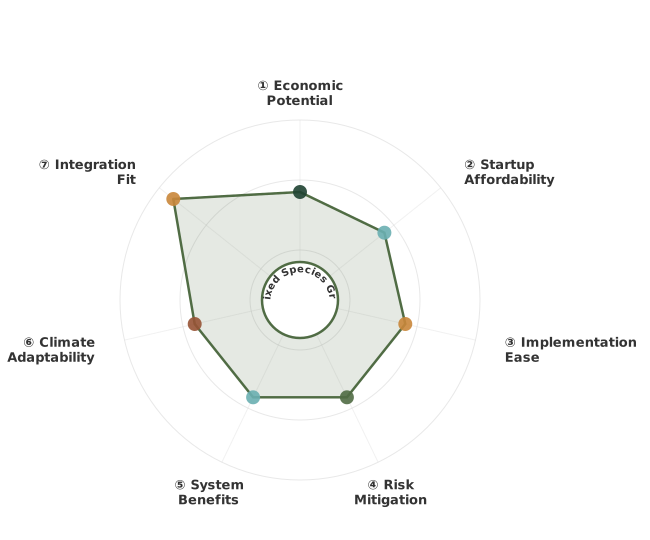
How These Traits Are Calculated
Trait dimensions are ordered clockwise starting from the top of the chart (12 o'clock position):
1. Economic Potential
Financial returns, annual value, and break-even timeline
WHAT: Evaluates financial viability by combining net annual value ($/ha from savings, income, and amortized harvests) with break-even timeline showing when practices pay for themselves.
WHY: Farmers need clear ROI understanding before committing resources. Fast payback (≤3 years) with strong returns (≥$300/ha) enables confident adoption, while long timelines (>10 years) restrict adoption to well-funded operations willing to wait for returns.
HOW: Calculated from net annual value in $/ha and break-even years. Exceptional (≥2.6): fast ROI ≤3 years + high value ≥$300/ha. Typical (1.8-2.5): moderate returns or longer timelines. Limited (<1.8): marginal economics or very long payback >10 years.
2. Startup Affordability
Initial investment costs and financial barrier to entry
WHAT: Measures financial barrier to entry through startup costs for equipment, infrastructure, consulting, and materials. Inverted scoring: lower costs = higher scores = more accessible adoption.
WHY: Affordability determines who can adopt. Low-cost practices (<$250/ha) enable widespread adoption across diverse scales, while high costs (>$2,500/ha) limit adoption to well-capitalized operations, creating barriers that slow regenerative transition.
HOW: Calculated from initial investment parsed from practice content. Inverted scoring: Exceptional (≥2.6): minimal investment <$250/ha. Typical (1.8-2.5): moderate costs $250-2,500/ha. Limited (<1.8): high barrier >$2,500/ha.
3. Implementation Ease
Learning curve and specialized knowledge required
WHAT: Measures how much learning, planning, and specialized knowledge a practice requires. Simpler practices with fewer steps score higher, while complex practices requiring extensive training or specialized resources score lower.
WHY: Complex practices create adoption barriers even when economically viable. Straightforward practices enable faster adoption and broader participation, while those requiring extensive training, timing precision, or specialized equipment limit who can succeed.
HOW: Evaluated by measuring documentation length and identifying complexity markers like location-specific requirements, seasonal timing windows, specialized skills, and dedicated equipment needs. Exceptional (≥2.6): straightforward practices with minimal prerequisites. Typical (1.8-2.5): moderate learning curve with some specialized needs. Limited (<1.8): steep learning curve requiring significant training or resources.
4. Risk Mitigation
Identified financial and ecological risk assessment
WHAT: Evaluates documented risks across financial (investment loss, market volatility) and ecological (crop failure, pest outbreaks) domains. Inverted scoring: fewer risks = higher scores.
WHY: Understanding risk exposure helps farmers make informed decisions. Low-risk practices allow confident implementation, while high-risk practices require careful planning and contingency resources. Risk transparency prevents costly failures.
HOW: Calculated from identified risks in practice content. Inverted scoring: Exceptional (≥2.6): ≤2 risks with manageable severity. Typical (1.8-2.5): 3-5 moderate risks. Limited (<1.8): 6+ risks or severe exposure.
5. System Benefits
How many ways the practice improves your land simultaneously
WHAT: Measures how many aspects of land health improve at once—carbon storage, soil quality, erosion control, water absorption, and biodiversity. Practices that improve multiple areas simultaneously create compounding benefits where each improvement reinforces the others.
WHY: The best practices solve multiple problems at once. For example, addressing erosion simultaneously builds carbon and improves water infiltration, creating a resilient system with positive feedback loops. Single-benefit approaches miss these compound transformation opportunities.
HOW: Evaluated across five key outcomes: carbon sequestration, soil organic matter increase, erosion reduction, water infiltration improvement, and biodiversity enhancement. Exceptional (≥2.6): high carbon storage (>8 t/ha/yr), improvements across 4-5 areas, transformative outcomes. Typical (1.8-2.5): moderate carbon (3-8 t/ha/yr), improvements across 2-3 areas. Limited (<1.8): modest impact (<3 t/ha/yr), single-area focus only.
6. Climate Adaptability
Geographic applicability across Köppen climate zones
WHAT: Evaluates geographic applicability by assessing how many Köppen climate zones successfully support a practice and what adaptation requirements are needed. Measures breadth of climates where farmers can implement with minimal to moderate modifications.
WHY: Universal practices working across diverse climates enable more farmers to adopt regenerative approaches. Practices limited to single climate types (only Mediterranean, only tropical) restrict adoption and slow global transition. Adaptability determines whether a practice serves niche regions or offers broad transformation.
HOW: LLM evaluation of regional success stories, Köppen zone coverage, and adaptation needs. Exceptional (≥2.6): 5+ zones or 4+ climate types, 3+ continents, minimal adaptation. Typical (1.8-2.5): 3-4 zones or 2-3 types, 2 continents, moderate adaptation. Limited (<1.8): 1-2 zones, single region, significant adaptation or highly specialized.
7. Integration Fit
How well this practice combines with others you're doing
WHAT: Measures how well a practice combines with other regenerative practices you might be doing. Some practices work as building blocks that make many other practices easier or more effective, while others work best on their own.
WHY: Practices that combine well with many others create more value on your farm. For example, cover cropping enables no-till, improves grazing, supports crop diversity, and helps water management—making all of them work better together. This helps you build a coherent system rather than juggling disconnected practices.
HOW: Evaluated by identifying which practices combine well and how strong those combinations are. 'Ideally Suited' means strong combinations where practices reinforce each other (practice A makes B easier, while B makes A more effective). 'Adequate' means complementary benefits that work well together. Exceptional (≥2.6): combines well with 6+ practices, serves as a building block. Typical (1.8-2.5): combines with 3-5 practices. Limited (<1.8): 1-2 practices or works best alone.
Going Deeper
1
WHY - The Benefits
Mixed species grazing offers a multi-faceted approach to enhancing farm resilience, profitability, and ecological health. By combining the distinct grazing behaviors of different livestock species, producers can unlock synergistic benefits that lead to improved pasture...
Mixed species grazing offers a multi-faceted approach to enhancing farm resilience, profitability, and ecological health. By combining the distinct grazing behaviors of different livestock species, producers can unlock synergistic benefits that lead to improved pasture...
WHY - The Benefits
Mixed species grazing offers a multi-faceted approach to enhancing farm resilience, profitability, and ecological health. By combining the distinct grazing behaviors of different livestock species, producers can unlock synergistic benefits that lead to improved pasture...
Mixed species grazing offers a multi-faceted approach to enhancing farm resilience, profitability, and ecological health. By combining the distinct grazing behaviors of different livestock species, producers can unlock synergistic benefits that lead to improved pasture...
Soil Health Benefits
One of the most significant benefits of mixed species grazing is its contribution to soil health. When different species graze a pasture, they tend to consume a wider variety of plants and at different heights. Cattle, for example, are grazers of mature grasses, while sheep are selective grazers of shorter, leafy forages and legumes. Goats are browsers, adept at consuming woody shrubs and weeds that other livestock avoid. This creates a more uniform grazing impact across the pasture, preventing the overgrazing of preferred species and the undergrazing of less palatable plants.
This uniform grazing pressure stimulates pasture growth more effectively and encourages a diverse community of plant species. A more diverse plant community, in turn, supports a more diverse soil microbial community. Different plant roots exude different carbon compounds, feeding a wider array of bacteria, fungi, protozoa, and nematodes. This increased biological activity leads to faster decomposition of organic matter, improved nutrient cycling, and the production of glomalin, a protein that binds soil particles into stable aggregates. Aggregated soil has better aeration, water infiltration, and water holding capacity, all critical for drought resilience and erosion control.
Research has indicated that mixed species grazing can lead to higher soil organic matter content compared to monoculture grazing. The dung and urine from multiple species are also deposited across the pasture, providing a more balanced nutrient distribution. For instance, the coarse manure of cattle, when mixed with the finer droppings of sheep and goats, can help improve soil structure and fertility. Poultry, when integrated, scratch the surface, which can help incorporate organic matter and break up surface crusts, further enhancing soil aeration and water infiltration.
Economic Benefits
Economically, mixed species grazing offers a pathway to increased profitability through diversification and improved efficiency.
- Increased Carrying Capacity and Animal Performance: By managing different species together, producers can often increase the number of animal units per hectare. This is because different species utilize different forage resources, meaning the total biomass available to the combined herd is greater than what a single species could utilize effectively. In some cases, combining species can also lead to improved animal performance. For instance, it's often observed that sheep graze better and gain more weight when co-grazed with cattle, likely due to the removal of taller grasses by cattle, making shorter legumes and forbs more accessible to sheep.
- Diversified Income Streams: Running multiple species provides diversified income. If cattle prices are low, sheep or goat prices might be stable or rising, smoothing out the economic volatility that can affect farms reliant on a single commodity. Producers can also market a wider range of products, such as beef, lamb, goat meat, wool, milk, cheese, and poultry products.
- Reduced Marketing Risk: A diversified product base reduces the dependency on any single market. This can be particularly beneficial in regions with volatile commodity markets or where niche markets exist for different livestock products.
- Improved Forage Utilization: Mixed species grazing ensures that more of the available forage is consumed and utilized, reducing waste and improving the return on investment in pasture management. This can lead to higher profit margins per hectare.
- Potential for Reduced Input Costs: A healthier, more biologically active soil requires fewer external inputs like synthetic fertilizers. Improved grazing management can also reduce the need for supplementary feeding, especially during shoulder seasons, further enhancing profitability.
On average, well-managed mixed species grazing systems can support 10-30% more animal units per hectare than systems grazed by a single species, leading to higher gross revenues. The exact financial return depends on species combination, management intensity, market access, and regional costs, but the principle of enhanced productivity and diversified risk generally holds true, offering a potential for higher profit per hectare over time.
Regenerative Systems Fit
Mixed species grazing is a foundational regenerative practice that directly supports and amplifies several key regenerative principles.
Principle 2 (Maximize Crop Diversity): This is the most direct link. By grazing different plant species and heights, mixed species grazing encourages a more diverse plant community above ground. Cattle graze grass tussocks, sheep graze leafier legumes and forbs, and goats actively target woody growth. This creates a more varied habitat for soil microbes and insects, leading to greater functional diversity in the ecosystem. The diversity in plant species results in a diversity of root structures and exudates, feeding a broader spectrum of soil organisms.
Principle 5 (Integrate Livestock): Mixed species grazing is an advanced form of livestock integration. It optimizes the functional role of animals as ecosystem managers. Instead of a single type of animal imposing a uniform grazing pressure, multiple species with varied appetites create a more complex and balanced impact. This leads to better nutrient cycling, improved dung distribution, and more effective stimulation of plant growth across a wider range of species. It moves beyond simply "using animals" to strategically harnessing their collective impact for ecosystem betterment.
Principle 3 (Keep Soil Covered): A more uniformly grazed and diverse pasture is less likely to develop bare patches. When different animal species consume forages at different levels, the pasture canopy remains denser and more continuous. This consistent ground cover protects soil from wind and water erosion, conserves soil moisture, and supports soil biology by providing a stable habitat.
Principle 4 (Maintain Living Roots): A diverse, uniformly grazed pasture supports a more continuous presence of living roots throughout the year. As different plant species thrive and go through their growth cycles, and as different animals graze at different levels, the overall photosynthetic activity and root growth are sustained across the ecosystem. This constant biological activity at the root zone is crucial for soil structure development and nutrient cycling.
For farms transitioning to regenerative agriculture, mixed species grazing offers significant advantages. It can help move away from monocultures (whether of crops or livestock) towards more resilient, biodiverse systems. It provides a pathway to increasing land productivity and profitability while simultaneously improving ecological health. It can also be integrated with other regenerative practices like rotational grazing, cover cropping, and silvopasture to create even greater synergistic benefits. The practice is particularly valuable as it doesn't require phasing out existing livestock enterprises but rather optimizing their integration.
Sources behind this view
Videos & Podcasts
-
Multi-species grazing (cattle, sheep, goats) offers synergistic benefits by improving plant palatability and expression, enhancing biodiversity and productivity, unlike monoculture systems.
-
A New Zealand dairy farmer achieved rapid topsoil building, increased milk production, and improved animal health by switching from rye grass/clover and nitrogen fertilizer to a 12-species forage mix,
-
Laura Payne details how managed grazing enhances soil health, water quality, and wildlife habitat, citing research on reduced erosion, improved stream health, and support for grassland birds. Key prin
-
Utilize multi-species cover crops based on specific 'resource concerns' to improve soil health, nitrogen fixation, and water retention. Integrate livestock for grazing, calving, and overwintering, enh

Community
-
Adopts a holistic grazing management approach emphasizing diverse perennial pastures, higher residuals (4"), and longer rest periods (avg. 45 days) to build soil health, increase organic matter (3.4%
Read more (opens in new window) smallfarms.cornell.edu -
Discusses regenerative grazing with cattle, sheep, and goats, emphasizing high-density impact and long recovery periods for soil health and ecosystem restoration in arid regions. Debates overgrazing,
Read more (opens in new window) permies.com -
Multi-species cover crop success hinges on soil type, species, and goals, with regenerative practices like grazing and manure spreading building soil health. Gabe Brown's methods differ from a New Eng
Read more (opens in new window) permies.com -
Manage rotational grazing by setting recovery (15-40+ days, adapting to region/season) and grazing periods (2-3 days). Aim to 'take half, leave half' for livestock and soil microbes. High stocking den
Read more (opens in new window) smallfarms.cornell.edu
Research
-
Grassland biodiversity and ecosystem functions benefit more from cattle than sheep in mixed grazing: A meta-analysis. (opens in new window)
This study found: Mixed grazing with cattle and sheep benefits grasslands more than single-species grazing. Cattle in mixed systems significantly boost plant diversity, soil carbon, and livestock gains, suggesting a ke
-
Managing Grazing to Restore Soil Health, Ecosystem Function, and Ecosystem Services (opens in new window)
This study found: Properly managed grazing animals can reverse environmental damage. Regenerative practices, like Adaptive Multi-Paddock (AMP) grazing, boost soil health, increase soil carbon, reduce erosion, and enhan
-
Diversifying livestock promotes multidiversity and multifunctionality in managed grasslands. (opens in new window)
This study found: Mixing livestock species (sheep and cattle) in grasslands significantly boosted biodiversity and multiple ecosystem functions, including plant growth and nutrient cycling, over three years.
-
Regenerative agriculture improves productivity and profitability while reducing greenhouse gas emissions on Australian sheep farms. (opens in new window)
This study found: Australian sheep farms show regenerative practices like AMP grazing and diverse pastures improve soil carbon and reduce emissions, but trade-offs exist between profitability and environmental benefits
From the Web
-
Adaptive grazing, emphasizing longer paddock rest periods, promotes pasture diversity and soil health. This leads to improved livestock nutrition, milk/meat quality, and extended grazing seasons, as d
-
Multispecies grazing with sheep or goats alongside cattle enhances soil health through diverse grazing habits, boosts profitability via diversified revenue streams, and improves drought resilience.
-
Multispecies grazing diversifies income, improves pasture health, and aids in weed and parasite control. Strategies for managing plant toxicity, including bloat, grass tetany, prussic acid, nitrate po
-
Multi-species grazing improves soil health, plant diversity, and resilience through increased microbial activity. Practical tips for adding sheep/goats include consulting experts, infrastructure needs
2
WHERE - Regional Considerations
Mixed species grazing is broadly applicable across diverse climates and regions due to its adaptability. However, the specific species chosen and management strategies will need to be tailored to local conditions.
Mixed species grazing is broadly applicable across diverse climates and regions due to its adaptability. However, the specific species chosen and management strategies will need to be tailored to local conditions.
WHERE - Regional Considerations
Mixed species grazing is broadly applicable across diverse climates and regions due to its adaptability. However, the specific species chosen and management strategies will need to be tailored to local conditions.
Mixed species grazing is broadly applicable across diverse climates and regions due to its adaptability. However, the specific species chosen and management strategies will need to be tailored to local conditions.
Click Here to Look up your Region if you don't already know it
Humid Temperate Regions
Representative Locations: Northeastern United States, Northern Europe (UK, France, Germany), Eastern China, New Zealand
Climate Context: Moderate temperatures, year-round rainfall (75-150 cm or 30-60 inches), distinct seasons with warm summers and cool winters. USDA Zones 4-7, Köppen Cfb/Cfa.
Suitability & Adaptation: Highly suitable. These regions generally support lush perennial pastures ideal for cattle and sheep. Goats can thrive and help manage brushy undergrowth, which is common in these areas. Poultry can be integrated with mobile coops for insect control and soil aeration. The challenge here is often managing excess moisture and lush growth. Co-grazing cattle and sheep helps prevent selective overgrazing and trampling. Adding goats can be exceptionally beneficial for controlling invasive brush species that thrive in these humid conditions, contributing to Principle 2 and 5.
Mediterranean Regions
Representative Locations: California (USA), Mediterranean Basin (Spain, Italy, Greece), Central Chile, Southwestern Australia, South Africa
Climate Context: Hot, dry summers and mild, wet winters. Rainfall is seasonal (40-90 cm or 15-35 inches). USDA Zones 8-10, Köppen Csa/Csb.
Suitability & Adaptation: Excellent suitability, especially with an emphasis on drought-tolerant species. Historically, these regions have been managed with mixed herds of goats, sheep, and cattle for millennia. Goats are particularly valuable here for browsing on shrubs and woody plants that can otherwise dominate during dry periods, helping to prevent shrub encroachment on grasslands, aligning with Principle 2 for plant diversity. Sheep are excellent at managing the sparse, dry grasses and forbs. Cattle can graze on taller, more robust grasses during the wet season. Managing water resources and ensuring adequate dry-season forage is critical. Integrating browsing species is vital for Principle 5 in managing woody invasive species effectively.
Arid/Semi-Arid Regions
Representative Locations: Western USA, North Africa, Central Asia, Interior Australia, Sahel region of Africa
Climate Context: Low and unpredictable rainfall (<40 cm or 15 inches), high temperatures, short growing seasons. USDA Zones 6-9, Köppen BSh/BSk.
Suitability & Adaptation: Requires careful species selection and stringent management to avoid overgrazing. Goats and sheep are generally more adapted to arid conditions than cattle due to their ability to browse on shrubs, forbs, and tough grasses. A mixed herd of goats and sheep can utilize a wider range of ephemeral plants that appear after rains, maximizing forage utilization (Principle 5) and promoting plant diversity (Principle 2). Cattle can be integrated during periods of better forage growth, but their grazing typically needs to be managed more carefully. Strategic movement and very large rest periods for pastures are essential to maintain cover (Principle 3) and living roots (Principle 4). Drought-tolerant forage species are crucial.
Cold Continental Regions
Representative Locations: Northern USA and Canada, Northern Europe, Northern Asia
Climate Context: Very short growing seasons, extreme summer heat, severe winter cold. USDA Zones 2-5, Köppen Dfa/Dfb.
Suitability & Adaptation: Mixed species grazing is feasible but requires careful season-long planning. Cattle and sheep are primary species. Goats can be integrated, especially for brush control in forest edges or to manage weeds during the shorter growing season. Poultry can be integrated during warmer months. The main challenge is the short grazing window. Producers may need to incorporate fodder crops or stored feeds for the long winter. However, the principles of diverse grazing to improve pasture health remain key. Animals' varied appetites can help manage the rapid growth that occurs during the short, intense growing season, thus promoting uniform grazing and Principle 2.
Subtropical and Tropical Regions
Representative Locations: Southeastern USA, Southern China, Southern Brazil, Eastern Australia, Southeast Asia, East Africa
Climate Context: Hot, humid summers and mild winters with generally ample rainfall (Tropical: consistently high rainfall; Subtropical: distinct wet/dry seasons). Köppen Cfa/Cwa/Af/Aw.
Suitability & Adaptation: Highly suitable and historically common. These regions support year-round or near year-round grazing. Mixed species grazing is particularly effective for managing invasive weeds and brush that thrive in warm, wet conditions (Principle 2). Cattle, sheep, and goats can all be run, with goats and sheep often better at managing fibrous and woody growth. Integrating cattle with sheep and goats can improve economic diversification and pasture utilization. Poultry can be very effective in these regions for insect control and surface aeration. Careful management of animal health in humid conditions is crucial. The combination of species can lead to very high landscape utilization and nutrient cycling efficiency if managed properly.
3
HOW - Implementation Process
Implementing mixed species grazing, while conceptually simple, requires thoughtful planning and adaptation to your specific context. The process involves understanding the animals, the pasture, and the desired outcomes.
Implementing mixed species grazing, while conceptually simple, requires thoughtful planning and adaptation to your specific context. The process involves understanding the animals, the pasture, and the desired outcomes.
HOW - Implementation Process
Implementing mixed species grazing, while conceptually simple, requires thoughtful planning and adaptation to your specific context. The process involves understanding the animals, the pasture, and the desired outcomes.
Implementing mixed species grazing, while conceptually simple, requires thoughtful planning and adaptation to your specific context. The process involves understanding the animals, the pasture, and the desired outcomes.
Prerequisites
Before you begin, consider:
- Your Goals: What are you aiming for? Improved pasture health, diversified income, weed control, improved animal health?
- Your Land: What is your soil type, topography, rainfall, growing season length, and current pasture composition? Are there existing weed or brush issues?
- Your Existing Livestock: What species do you currently run? What additional species might you introduce? What are their dietary needs and grazing behaviors?
- Markets: Do you have access to markets for multiple livestock products (beef, lamb, goat meat, wool, dairy, eggs)?
- Management Capacity: Do you have the time and expertise to manage multiple species, or are you willing to learn?
- Infrastructure: Do you have adequate fencing, water sources, and handling facilities for the species you intend to run?
Phase 1: Planning and Species Selection
-
Assess Pasture Resources: Map your paddocks. Identify areas with dominant grass species, areas with legumes or forbs, and areas with woody shrubs or weeds. Understand which aspects you want to improve. For example, if you have significant woody growth, goats or sheep would be excellent additions. If your pasture is mostly grass, cattle and sheep might be optimal.
-
Select Animal Species: Choose species that best complement your existing livestock and suit your land's resources and your goals.
- Cattle: Excellent for managing mature grasses, creating grazing impact, and their manure is rich in organic matter.
- Sheep: Prefer shorter, leafy forages and legumes; good at selective grazing and less prone to trampling than cattle. Effective at managing some weeds.
- Goats: Primarily browsers, excellent for controlling woody shrubs, vines, and invasive weeds. Can utilize forages that other species ignore.
- Poultry (chickens, turkeys, ducks): Excellent for insect control, surface aeration, and scavenging. Can be integrated using mobile coops ("chicken tractors").
-
Climate and Feed Availability: Choose species and breeds suited to your local climate. For instance, in arid regions, focus on drought-tolerant breeds of goats and sheep. In humid regions, select breeds with good parasite resistance.
-
Market Access: Ensure there are viable markets for all intended products.
Phase 2: Infrastructure and Socialization
-
Fencing: This is often the biggest hurdle. You may need different types of fencing.
- Perimeter Fencing: Must be robust enough for cattle and secure enough to contain either sheep or goats, depending on your mix.
- Internal Fencing: Electric fencing (multi-strand polywire/tape) is highly versatile for creating paddocks and managing different species or species groups within larger areas. Consider height and wire spacing for each species. For example, goats often require higher and more secure fencing than sheep.
- Temporary Fencing: For poultry or for creating smaller, specific grazing areas within larger paddocks.
-
Water: Ensure adequate, accessible water for all species in all paddocks. The system may need to be adapted; for instance, cattle troughs might need to be slightly larger or more numerous if water is scarce.
-
Handling Facilities: You'll need facilities capable of handling all species, separate if necessary for treatments or sorting.
-
Socialization (If Running Simultaneously): Gradually introduce species to each other and to their new environment before mixing them completely on pasture.
- Observe new species' behavior.
- For young animals, this process is easier.
- Ensure adequate space so one species doesn't dominate or stress another.
- Monitor for any aggression or detrimental interactions. For instance, a mixed herd of cattle and sheep might require a slightly longer rest period after grazing to allow pasture recovery due to varied consumption.
Phase 3: Grazing Management
Management strategies depend on whether species are grazed simultaneously or sequentially.
Simultaneous Grazing:
- Rotational Grazing: This is essential. Move the mixed herd to fresh paddocks frequently, allowing ample rest periods for pasture recovery. This optimizes forage utilization and prevents overgrazing.
- Stocking Density: The stocking rate should be based on the combined nutritional needs of all species, often resulting in a higher overall density than monoculture grazing.
- Paddock Design: Design paddocks to ensure good species distribution and reduce 'patch grazing'. For example, if there are desirable legumes, place water or salt supplements strategically to encourage grazing in those areas.
- Predator and Health Management: Ensure young or vulnerable animals are protected. Monitor for inter-species parasite transfer (e.g., barber pole worm in sheep can be exacerbated by co-grazing with cattle that act as intermediate hosts; specific management strategies are needed).
Sequential Grazing:
- "Mop-up" Grazing: One species grazes a paddock first, followed later by another. For example, cattle might graze down taller grasses, then sheep follow to selectively graze legumes and forbs, and goats might be used to clean up woody regrowth. This can be very effective for specific land management goals.
- Timing: The interval between grazing bouts depends on pasture regrowth and management objectives. This approach allows for more targeted management of each species' impact.
Phase 4: Monitoring and Adaptation
- Pasture Health: Regularly assess pasture composition, uniformity of grazing, and presence of weeds. Are the desired plant species thriving? Is uniform grazing occurring?
- Animal Health: Monitor animals for signs of stress, illness, or parasite problems, paying attention to species-specific health issues.
- Soil Health: Observe soil structure, infiltration rates, and organic matter over time.
- Economic Performance: Track livestock performance, product sales, and input costs.
- Adaptation: Be prepared to adjust your grazing rotations, species mixes, or management strategies based on your monitoring results. Mixed species grazing is a dynamic system that responds to continuous learning and adaptation.
Transition Timeline: If integrating new species, start small. Introduce one new species at a time to an existing herd, or integrate poultry into one paddock first. Gradually increase the scale and complexity of the mix as you gain experience and confidence. The transition can take 1-3 years to fully implement and optimize.
Sources behind this view
Videos & Podcasts
-
Multi-species grazing (cattle, sheep, goats) offers synergistic benefits by improving plant palatability and expression, enhancing biodiversity and productivity, unlike monoculture systems.
-
A New Zealand dairy farmer achieved rapid topsoil building, increased milk production, and improved animal health by switching from rye grass/clover and nitrogen fertilizer to a 12-species forage mix,
-
Laura Payne details how managed grazing enhances soil health, water quality, and wildlife habitat, citing research on reduced erosion, improved stream health, and support for grassland birds. Key prin
-
Holistic grazing, with high-density short grazing (2-3 days) and long rest periods (3-4 months), dramatically increases pasture diversity, eliminates pests like grasshoppers, and boosts livestock prod
Community
-
Details an integrated system of Managed Intensive Rotational Grazing and rotational cropping using holistic management. It emphasizes increasing forage availability, integrating livestock (cattle, chi
Read more (opens in new window) permies.com -
Practical rotational grazing advice for small acreage with goats, sheep, and chickens, emphasizing frequent moves, sacrificial paddocks, and specific forage types (fescue, rye, Bermuda) for Zone 8b. M
Read more (opens in new window) permies.com -
Manage rotational grazing by setting recovery (15-40+ days, adapting to region/season) and grazing periods (2-3 days). Aim to 'take half, leave half' for livestock and soil microbes. High stocking den
Read more (opens in new window) smallfarms.cornell.edu -
Adopts a holistic grazing management approach emphasizing diverse perennial pastures, higher residuals (4"), and longer rest periods (avg. 45 days) to build soil health, increase organic matter (3.4%
Read more (opens in new window) smallfarms.cornell.edu
Research
-
Grassland biodiversity and ecosystem functions benefit more from cattle than sheep in mixed grazing: A meta-analysis. (opens in new window)
This study found: Mixed grazing with cattle and sheep benefits grasslands more than single-species grazing. Cattle in mixed systems significantly boost plant diversity, soil carbon, and livestock gains, suggesting a ke
-
Why and how farmers manage mixed cattle–sheep farming systems and cope with economic, climatic and workforce-related hazards (opens in new window)
This study found: Farmers combining cattle and sheep reported better financial stability and pasture use, with flexible work organization helping them adapt to weather and economic risks. Mixed systems are promising fo
-
Diversifying livestock promotes multidiversity and multifunctionality in managed grasslands. (opens in new window)
This study found: Mixing livestock species (sheep and cattle) in grasslands significantly boosted biodiversity and multiple ecosystem functions, including plant growth and nutrient cycling, over three years.
-
Managing Grazing to Restore Soil Health, Ecosystem Function, and Ecosystem Services (opens in new window)
This study found: Properly managed grazing animals can reverse environmental damage. Regenerative practices, like Adaptive Multi-Paddock (AMP) grazing, boost soil health, increase soil carbon, reduce erosion, and enhan
From the Web
-
Multispecies grazing diversifies income, improves pasture health, and aids in weed and parasite control. Strategies for managing plant toxicity, including bloat, grass tetany, prussic acid, nitrate po
-
Multispecies grazing with sheep or goats alongside cattle enhances soil health through diverse grazing habits, boosts profitability via diversified revenue streams, and improves drought resilience.
-
Explains multispecies grazing with sheep, goats, and cattle for income diversification, vegetation management, weed and parasite control, and outlines implementation considerations. Also covers extend
-
Commit to multi-species grazing for regenerative agriculture, managing for diverse pastures by understanding that cattle prefer grasses, sheep prefer forbs, and goats browse, utilizing each species' s
4
Know the Debate
Mixed-species grazing outcomes are highly dependent on management intensity, species combination, and regional context. In humid temperate regions ...
Know the Debate
Mixed-species grazing outcomes are highly dependent on management intensity, species combination, and regional context. In humid temperate regions ...
Mixed-species grazing outcomes are highly dependent on management intensity, species combination, and regional context. In humid temperate regions with reliable rainfall, robust perennial pastures benefit significantly from diverse grazers, leading to rapid improvements in soil health and carrying capacity within 1-3 years. Conversely, arid or semi-arid environments require careful species selection (e.g., goats for brush control) and longer rest periods, meaning noticeable soil changes may take 5-10 years. Initial infrastructure costs for adaptable fencing and water systems can range from $8-600/acre, with daily labor of 1-2 hours for paddock moves being crucial regardless of scale. Farmers must also account for potential parasite management complexities and market dynamics for multiple livestock products.
What are the true benefits of mixed-species grazing?
Synergistic benefits strongly validated
Mixed-species grazing significantly enhances ecosystem functions, boosting pasture carrying capacity by 10-30%, improving animal performance, diversifying income, and promoting soil health through increased organic matter and uniform nutrient cycling.
Sources behind this view
Sources behind this view
Videos & Podcasts
-
Greg Judy of Green Pastures Farm explains the benefits of running sheep and cattle together ('flerd'). This system helps control parasites, improves pasture management by targeting different plants (sheep eat weeds/brush, cattle eat grass/clover), and provides an additional income stream due to fluctuating market prices for each species.
Research
-
Grassland biodiversity and ecosystem functions benefit more from cattle than sheep in mixed grazing: A meta-analysis. (opens in new window)
This study found: A review of many studies from Europe, the US, and China found that grazing grasslands with a mix of cattle and sheep generally leads to better results than grazing with just one type of animal. While cattle alone boosted plant variety and soil carbon, sheep alone had little effect. When both cattle and sheep grazed together, plant density and the variety of beneficial insects increased, but soil life like nematodes became less diverse. Importantly, cattle in mixed grazing systems were key drivers of improvements, increasing plant diversity, boosting the growth of wildflowers and nitrogen-fixing plants (like clover), increasing soil carbon, and improving livestock weight gain. The benefits were influenced by weather, how intensely the land was grazed, and for how long. This research suggests that mixed grazing, with a strong role for cattle, is a promising strategy for improving grassland health, soil carbon, and animal production.
-
Why and how farmers manage mixed cattle–sheep farming systems and cope with economic, climatic and workforce-related hazards (opens in new window)
This study found: This study surveyed 37 farmers who raise both cattle and sheep together to understand why and how they manage these mixed herds. Farmers found that combining cattle and sheep improved their financial stability and made better use of their pastures. While some thought it would mean more work, they actually found it offered more varied and flexible tasks. The research identified different ways farmers combine the animals, from low to high interaction, and how they organize their work throughout the year. Farmers use the mixed system to cope with challenges like unpredictable weather, economic shifts, and labor shortages by adjusting the number of each animal, their breeding times, and how they share tasks. The findings highlight that managing work alongside animal and land resources is crucial for successful mixed-species farming, which shows promise for more ecological farming.
From the Web
-
Explains multispecies grazing with sheep, goats, and cattle for income diversification, vegetation management, weed and parasite control, and outlines implementation considerations. Also covers extending the grazing season with annual forages and stockpiling.
Benefits are context-dependent and complex
While mixed-species grazing offers potential advantages, the added management complexity, infrastructure needs, and potential health risks mean benefits are often marginal and highly dependent on farmer expertise and specific regional conditions. Not a guaranteed optimal outcome.
Sources behind this view
Sources behind this view
Videos & Podcasts
-
Mixed grazing benefits vegetation and animal performance but faces copper toxicity issues in some regions. Leader-follower systems optimize nutrient needs and weed control. Parasite management and infrastructure (fencing, water access) are key considerations.
-
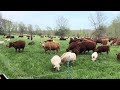
Implementing dual-species grazing with cattle and sheep using a 12-inch lower wire for sheep containment. Sheep effectively manage brush like multiflora rose, improving pasture and wildlife habitat. This practice also offers potential parasite management benefits.
Research
-
Plant Species Diversity and Management of Temperate Forage and Grazing Land Ecosystems (opens in new window)
This study found: For over a century, scientists have debated whether planting a variety of plant species in pastures and grazing lands leads to better overall performance. While diverse grasslands are thought to produce more and more stable forage, and use nutrients more efficiently, there's been a lack of solid evidence, especially when livestock are involved. Early studies on simple mixes of grasses and legumes were unclear, but newer research hints that more diverse pastures might yield more. However, how this affects animal productivity is still not well understood, and more research is needed. While farmers are primarily concerned with forage yield, the review also points out that diverse grazing lands offer other benefits like improved environmental quality and aesthetics.
From the Web
-
Multispecies grazing with cattle, sheep, and goats enhances pasture diversity and health, increasing carrying capacity and soil organic matter. It improves nutrient cycling, suppresses weeds, and can reduce methane emissions, leading to greater farm profitability.
Making Sense of the Differences
The actual benefits of mixed-species grazing strongly depend on the farmer's skill and the specific environment. Experienced graziers using adaptive management and appropriate infrastructure in suitable climates often see significant gains in pasture health, carrying capacity, and diversified income. However, less experienced operators or those in challenging environments might find the management complexity and upfront investment yield only modest improvements, necessitating a cautious, incremental approach to implementation.
How reliable is parasite control with mixed-species grazing?
Parasite reduction is plausible with host specificity
Mixed-species grazing can reduce parasite loads due to host specificity, where sheep or goats consume cattle parasites, helping break life cycles and reduce overall infection pressure in the system.
Sources behind this view
Sources behind this view
Videos & Podcasts
-
Greg Judy of Green Pastures Farm explains how sheep and cattle grazing together control invasive brush and weeds, improve pasture diversity by targeting different plants, and manage parasites. Frequent moving of sheep and using clean land is key. This mixed-species approach also diversifies farm income.
Research
-
Grassland management and helminth control on livestock farms (opens in new window)
This study found: Farmers with both cattle and sheep can use mixed grazing (running different animals together on the same pasture) to help control internal parasites. This works because many common worms only infect specific types of animals. While some parasites can affect both cattle and sheep, differences in how animals react can still be used to manage risky pastures. Scientists are also looking into whether certain plants can naturally help control parasites in livestock.
From the Web
-
Multispecies grazing diversifies income, improves pasture health, and aids in weed and parasite control. Strategies for managing plant toxicity, including bloat, grass tetany, prussic acid, nitrate poisoning, and fescue toxicosis, are provided.
Parasite control is complex and context-dependent
Parasite control in mixed grazing is complex, with potential for new challenges or exacerbated existing issues if not meticulously managed; success depends on understanding life cycles and implementing strict rotational grazing.
Sources behind this view
Sources behind this view
Videos & Podcasts
-
Mixed grazing benefits vegetation and animal performance but faces copper toxicity issues in some regions. Leader-follower systems optimize nutrient needs and weed control. Parasite management and infrastructure (fencing, water access) are key considerations.
-
Recommends integrating cattle and sheep for grazing, citing benefits like reduced parasites, more even grazing impact, improved soil health through diverse hoof impact, enhanced nutrient cycling, and reduced labor requirements.
-
An integrated multi-species grazing system using cows and sheep with net fencing improves pasture health and animal parasite control. Letting pastures mature and using mulch mowing further enhances soil consumption and field quality.

-
Integrating cows and sheep provides parasite control, more even grazing, varied soil impact, enhanced nutrient cycling, and reduced labor, with sheep often following cattle.
Making Sense of the Differences
The potential for parasite control through mixed-species grazing is recognized, primarily through host-switching mechanisms where one species removes parasites that are less impactful for them but could infect another. However, this benefit is not automatic and depends heavily on implementing rigorous grazing management, including adequate pasture rest to break parasite life cycles. Without this active management, or in especially challenging environments, mixed grazing could inadvertently increase parasite loads. Therefore, while promising, relying solely on species mixing for parasite control without understanding and applying sound ecological grazing principles is risky.
5
HOW MUCH - Costs & Investment
Calculating the precise costs of implementing mixed species grazing can vary widely based on existing infrastructure, scale of operation, and the specific species being integrated. The primary investments are typically in infrastructure and potentially the acquisition of...
Calculating the precise costs of implementing mixed species grazing can vary widely based on existing infrastructure, scale of operation, and the specific species being integrated. The primary investments are typically in infrastructure and potentially the acquisition of...
HOW MUCH - Costs & Investment
Calculating the precise costs of implementing mixed species grazing can vary widely based on existing infrastructure, scale of operation, and the specific species being integrated. The primary investments are typically in infrastructure and potentially the acquisition of...
Calculating the precise costs of implementing mixed species grazing can vary widely based on existing infrastructure, scale of operation, and the specific species being integrated. The primary investments are typically in infrastructure and potentially the acquisition of...
Note: All costs are based on recent US economic data (2024–2026) and may vary substantially by region based on local labor rates, material costs, and regulatory requirements.
Fencing Infrastructure
Fencing remains the primary barrier to entry for mixed-species grazing. For small operations (under 50 acres (20 ha)), installing high-tensile electric internal fencing costs $208–$625 per acre ($514–$1,544/ha), accounting for post materials and energizers. Mid-size operations (50–500 acres (20–202 ha)) benefit from lower cost-per-acre ratios, ranging from $125–$417 per acre ($309–$1,030/ha). Large-scale operations (500+ acres) typically leverage existing perimeters, resulting in costs of $83–$292 per acre ($205–$722/ha). If adding sheep or goats, specialized predator-deterrent woven wire or electric netting is required; for small tracts, expect an additional $625–$1,667 per acre ($1,544–$4,119/ha), while large tracts realize efficiencies at $292–$834 per acre ($722–$2,061/ha).
Water System Enhancements
Integrating smaller ruminants into cattle-dominant systems necessitates higher-capacity or more frequent water access. Small operations often invest $125–$417 per acre ($309–$1,030/ha) to install high-flow poly piping and portable troughs. Mid-size operations extending current mains spend $83–$292 per acre ($205–$722/ha). Large-scale producers implementing solar-powered pumping systems in remote corners of the property spend $63–$208 per acre ($156–$514/ha), with costs heavily influenced by topography and distance from the primary wellhead.
Mobile Shelters and Handling Facilities
Integrated poultry operations require mobile shelters, costing $208–$834 per unit, with mid-size operations often totaling $3,126–$7,294 in total hardware investment. Handling facility requirements differ by species; modest sorting panels for small operators range from $208–$834. Mid-size producers requiring multi-species chutes spend $1,876–$3,647, while large-scale operations with high throughput often invest $2,605–$6,252 for automated systems designed to minimize labor for multiple livestock types.
Most Spend: The middle 60% of producers typically invest $2,605 to $6,773 for total infrastructure upgrades. This demographic typically utilizes existing perimeter infrastructure and focuses capital on mobile electric fencing and flexible water delivery systems rather than replacing existing permanent high-tensile fencing.
Why the Range?: Cost variation is dictated by the current state of pre-existing infrastructure. Producers operating on "raw" land without existing power or water lines will consistently trend toward the high end of these ranges, while those who can tie into existing perimeter fences and water grid systems will occupy the lower cost tiers.
Sources behind this view
Videos & Podcasts
-
Details the financial benefits of investing in fencing and water infrastructure for grazing, estimating costs ($175/acre) and returns (66% increase in carrying capacity). Discusses specific paddock de
-
Covers essential cattle farm infrastructure: temporary electric fencing ($800-$1000) for rotational grazing, various water sources and DIY/purchased waterers, and corrals (expensive but alternatives e

-
Discusses costs of grazing infrastructure (fences, water systems, travel lanes) and financial assistance through NRCS EQIP, including incentive payments for successful grazing management. Record-keepi
-
Starting a farm incurs major costs: land purchase, water systems (seek existing sources), clearing, seeding ($7-10k over 7 yrs), and fencing ($125k on this 150-acre farm). Profitability takes 5-10 yea
6
REWARDS AND RISKS - Economics & Risk Factors
Implementing mixed species grazing brings potential for significant economic rewards alongside inherent risks that require careful management.
Implementing mixed species grazing brings potential for significant economic rewards alongside inherent risks that require careful management.
REWARDS AND RISKS - Economics & Risk Factors
Implementing mixed species grazing brings potential for significant economic rewards alongside inherent risks that require careful management.
Implementing mixed species grazing brings potential for significant economic rewards alongside inherent risks that require careful management.
Economic Scenarios
- Best Case: Strategic grazing increases carrying capacity, yielding a 15–25% boost in total animal units per acre. With premium product marketing, producers generate $208–$469 in additional net income per acre annually, recovering capital within 24–36 months.
- Typical Case: Forage utilization improvements yield 5–10% productivity gains. Reduced supplemental feed costs save $26–$63 per acre ($64–$156/ha) annually, with overall net profit increasing by $52–$156 per acre ($128–$385/ha) through improved land health and lower weed management expenses.
- Worst Case: Failure in parasite management leads to outbreaks, resulting in $21–$52 per head in veterinary costs and a 10–20% mortality rate in vulnerable stock. Combined with potential equipment failure or predation, acute short-term losses can reach $313–$834 per acre ($773–$2,061/ha).
Market Factors and Risk Mitigation Diversification spreads commodity risk but increases management complexity. To capture premium pricing, producers often target direct-to-consumer outlets, which offer a 20–40% price margin over terminal auction prices. Parasite risk represents the most significant biological economic threat; systematic rotation every 1–3 days keeps labor costs at $15–$25 per hour but prevents parasite buildup that would otherwise destroy profit margins. Annual preventative fence testing—costing approximately $521 per year—serves as a mandatory insurance policy to avoid high-cost stock loss due to predation.
Transition Period Risks Transitioning to mixed-species grazing entails a 12–24 month learning phase. Producers often experience a 5–10% dip in gross revenue during the first year as managers calibrate stocking densities to varying forage intake rates. The risk of "over-management" is high, where excessive, redundant labor reduces net gains. To mitigate this, scale the transition gradually; implement multi-species grazing on 10–15% of total acreage first. This "sandbox" approach allows for the refinement of handling protocols and grazing schedules without risking the operation's entire annual revenue stream.
Sources behind this view
Videos & Podcasts
-
Multi-species grazing (cattle, sheep, goats) offers synergistic benefits by improving plant palatability and expression, enhancing biodiversity and productivity, unlike monoculture systems.
-
A New Zealand dairy farmer achieved rapid topsoil building, increased milk production, and improved animal health by switching from rye grass/clover and nitrogen fertilizer to a 12-species forage mix,
-
Holistic grazing, with high-density short grazing (2-3 days) and long rest periods (3-4 months), dramatically increases pasture diversity, eliminates pests like grasshoppers, and boosts livestock prod
-
Laura Payne details how managed grazing enhances soil health, water quality, and wildlife habitat, citing research on reduced erosion, improved stream health, and support for grassland birds. Key prin
Community
-
Adopts a holistic grazing management approach emphasizing diverse perennial pastures, higher residuals (4"), and longer rest periods (avg. 45 days) to build soil health, increase organic matter (3.4%
Read more (opens in new window) smallfarms.cornell.edu -
Manage rotational grazing by setting recovery (15-40+ days, adapting to region/season) and grazing periods (2-3 days). Aim to 'take half, leave half' for livestock and soil microbes. High stocking den
Read more (opens in new window) smallfarms.cornell.edu -
Integrates livestock (cows, sheep, goats, chickens, pigs) into oak woodlands using silvopasture and rotational grazing, prioritizing soil health and plant welfare with regular animal movement and clim
Read more (opens in new window) permies.com -
A grass-based polycultural pasture mix is optimal for livestock, maximizing calories, soil health, and carbon sequestration. Diverse mixes support wildlife, and working with local conditions is key, d
Read more (opens in new window) permies.com
Research
-
Why and how farmers manage mixed cattle–sheep farming systems and cope with economic, climatic and workforce-related hazards (opens in new window)
This study found: Farmers combining cattle and sheep reported better financial stability and pasture use, with flexible work organization helping them adapt to weather and economic risks. Mixed systems are promising fo
-
Grassland biodiversity and ecosystem functions benefit more from cattle than sheep in mixed grazing: A meta-analysis. (opens in new window)
This study found: Mixed grazing with cattle and sheep benefits grasslands more than single-species grazing. Cattle in mixed systems significantly boost plant diversity, soil carbon, and livestock gains, suggesting a ke
-
Diversifying livestock promotes multidiversity and multifunctionality in managed grasslands. (opens in new window)
This study found: Mixing livestock species (sheep and cattle) in grasslands significantly boosted biodiversity and multiple ecosystem functions, including plant growth and nutrient cycling, over three years.
-
Managing Grazing to Restore Soil Health, Ecosystem Function, and Ecosystem Services (opens in new window)
This study found: Properly managed grazing animals can reverse environmental damage. Regenerative practices, like Adaptive Multi-Paddock (AMP) grazing, boost soil health, increase soil carbon, reduce erosion, and enhan
From the Web
-
Multispecies grazing diversifies income, improves pasture health, and aids in weed and parasite control. Strategies for managing plant toxicity, including bloat, grass tetany, prussic acid, nitrate po
-
Multispecies grazing with sheep or goats alongside cattle enhances soil health through diverse grazing habits, boosts profitability via diversified revenue streams, and improves drought resilience.
-
Explains multispecies grazing with sheep, goats, and cattle for income diversification, vegetation management, weed and parasite control, and outlines implementation considerations. Also covers extend
-
Multi-species grazing improves soil health, plant diversity, and resilience through increased microbial activity. Practical tips for adding sheep/goats include consulting experts, infrastructure needs
7
COMPATIBLE PRACTICES - Integration Opportunities
Mixed species grazing is highly compatible with a wide range of regenerative agriculture practices, often amplifying their benefits and creating synergistic outcomes.
Mixed species grazing is highly compatible with a wide range of regenerative agriculture practices, often amplifying their benefits and creating synergistic outcomes.
COMPATIBLE PRACTICES - Integration Opportunities
Mixed species grazing is highly compatible with a wide range of regenerative agriculture practices, often amplifying their benefits and creating synergistic outcomes.
Mixed species grazing is highly compatible with a wide range of regenerative agriculture practices, often amplifying their benefits and creating synergistic outcomes.
Rotational Grazing
- The foundation of effective mixed species grazing. Rotational grazing ensures adequate rest periods for pasture recovery, promotes uniform grazing impacts, and helps manage parasite loads by breaking life cycles.
- Synergy: Combining different species in rotational paddocks allows for more comprehensive forage utilization and a more balanced impact on plant communities and soil biology.
Cover Cropping
- When used in annual cropping systems or on fallow periods within pastures, diverse cover crops can provide high-quality forage for mixed livestock.
- Synergy: Utilizing mixed livestock to graze cover crops can help terminate them effectively while distributing nutrients and preparing the land for subsequent crops or improved pasture. The diverse plant community in cover crops makes them ideal for mixed grazing.
Silvopasture
- Integrating trees with pasture where livestock graze. Mixed species grazing can manage the understory vegetation in silvopasture systems effectively.
- Synergy: Goats and sheep can be particularly useful in silvopasture for controlling woody regrowth and brush that cattle might ignore, thereby maintaining the balance of the silvopasture system and Principle 2. Cattle might graze grasses under trees while goats browse on encroaching shrubs.
Holistic Planned Grazing
- A more advanced form of rotational grazing that considers ecosystem processes and animal behavior.
- Synergy: Mixed species herds can be incorporated into Holistic Planned Grazing to achieve more complete forage utilization and a more complex biological impact on the land, enhancing nutrient cycling and soil health.
Keyline Design / Water Harvesting
- Techniques for managing water flow and infiltration across landscapes.
- Synergy: Mixed grazing herds, managed rotationally, can help maintain vegetation cover on areas targeted by keyline water harvesting, preventing erosion and maximizing water infiltration. The varied impact of different species may support diverse plant communities that thrive in these micro-catchments.
Composting / Manure Management
- While animals graze and deposit manure directly, collected manure or compost can be used to supplement pasture fertility.
- Synergy: Integrating mixed species allows for more diverse nutrient profiles in manure, which, when composted or managed effectively, can lead to a more balanced soil fertility program.
Organic or Regenerative Certification
- Mixed species grazing aligns well with standards for organic and regenerative farming systems around the world.
- Synergy: It demonstrates a commitment to ecological principles, animal welfare, and diversified production, often supporting certification requirements related to pasture health and animal diversity.
The integration of mixed species grazing with these and other regenerative practices creates a powerful system that enhances ecological function, economic resilience, and farm sustainability.
Sources behind this view
Videos & Podcasts
-
Multi-species grazing (cattle, sheep, goats) offers synergistic benefits by improving plant palatability and expression, enhancing biodiversity and productivity, unlike monoculture systems.
-
A New Zealand dairy farmer achieved rapid topsoil building, increased milk production, and improved animal health by switching from rye grass/clover and nitrogen fertilizer to a 12-species forage mix,
-
Integrating livestock grazing into cropping systems enhances soil regeneration and provides both economic and ecological profit. Mutually beneficial arrangements with cattle owners deliver high-qualit

-
Holistic management with cattle is key to improving soil health, water cycles, and carbon sequestration. Maximize animal impact (hooves, dung, urine) for diversity and plant growth, while breeding cat
Community
-
Adopts a holistic grazing management approach emphasizing diverse perennial pastures, higher residuals (4"), and longer rest periods (avg. 45 days) to build soil health, increase organic matter (3.4%
Read more (opens in new window) smallfarms.cornell.edu -
Details an integrated system of Managed Intensive Rotational Grazing and rotational cropping using holistic management. It emphasizes increasing forage availability, integrating livestock (cattle, chi
Read more (opens in new window) permies.com -
Manage rotational grazing by setting recovery (15-40+ days, adapting to region/season) and grazing periods (2-3 days). Aim to 'take half, leave half' for livestock and soil microbes. High stocking den
Read more (opens in new window) smallfarms.cornell.edu -
Integrates livestock (cows, sheep, goats, chickens, pigs) into oak woodlands using silvopasture and rotational grazing, prioritizing soil health and plant welfare with regular animal movement and clim
Read more (opens in new window) permies.com
Research
-
Managing Grazing to Restore Soil Health, Ecosystem Function, and Ecosystem Services (opens in new window)
This study found: Properly managed grazing animals can reverse environmental damage. Regenerative practices, like Adaptive Multi-Paddock (AMP) grazing, boost soil health, increase soil carbon, reduce erosion, and enhan
-
Grassland biodiversity and ecosystem functions benefit more from cattle than sheep in mixed grazing: A meta-analysis. (opens in new window)
This study found: Mixed grazing with cattle and sheep benefits grasslands more than single-species grazing. Cattle in mixed systems significantly boost plant diversity, soil carbon, and livestock gains, suggesting a ke
-
Why and how farmers manage mixed cattle–sheep farming systems and cope with economic, climatic and workforce-related hazards (opens in new window)
This study found: Farmers combining cattle and sheep reported better financial stability and pasture use, with flexible work organization helping them adapt to weather and economic risks. Mixed systems are promising fo
-
Diversifying livestock promotes multidiversity and multifunctionality in managed grasslands. (opens in new window)
This study found: Mixing livestock species (sheep and cattle) in grasslands significantly boosted biodiversity and multiple ecosystem functions, including plant growth and nutrient cycling, over three years.
From the Web
-
Multispecies grazing diversifies income, improves pasture health, and aids in weed and parasite control. Strategies for managing plant toxicity, including bloat, grass tetany, prussic acid, nitrate po
-
Multispecies grazing with sheep or goats alongside cattle enhances soil health through diverse grazing habits, boosts profitability via diversified revenue streams, and improves drought resilience.
-
Multispecies grazing, especially with cattle and sheep, boosts carrying capacity by 20-25%, improves pasture health through uniform defoliation, and can reduce methane emissions. It aids vegetation ma
-
Multi-species grazing improves soil health, plant diversity, and resilience through increased microbial activity. Practical tips for adding sheep/goats include consulting experts, infrastructure needs