
Multi-Species Grazing
Multi-species grazing involves grazing two or more animal species together or in sequence on the same land to leverage their different grazing habits and dietary preferences. This practice enhances forage utilization, improves pasture health, and increases overall land productivity by mimicking natural ecosystems where diverse herbivores coexist, leading to a more resilient and regenerative system.
Read More: Complete Description
Multi-species grazing is the intentional practice of combining two or more animal species—such as cattle, sheep, goats, horses, or poultry—on the same grazing area, either simultaneously or in sequential rotations. This approach capitalizes on the fact that different species have unique grazing behaviors, dietary preferences, and selective consumption patterns. For instance, cattle are grazers preferring to eat grasses, sheep are intermediate grazers/browsers adept at consuming broadleaf forbs and shorter grasses, and goats are primarily browsers, adept at eating woody shrubs, vines, and weeds.
By grazing these species together, land managers can achieve a more uniform and controlled removal of plant biomass across the pasture. Cattle might graze down taller grasses, sheep can then target the broadleaf plants and shorter grasses that cattle leave behind, and goats can be used to manage brush and woody encroachment. This differential consumption prevents any single plant community from being overgrazed by one species while allowing other less palatable species to dominate. This holistic approach to grazing not only improves the efficiency of forage utilization but also contributes to higher biodiversity within the pasture ecosystem.
From a regenerative agriculture perspective, multi-species grazing inherently supports several core principles. It directly embodies Principle 5: Integrate Livestock, by strategically using animals to cycle nutrients, build soil organic matter through manure deposition, and stimulate plant growth with their grazing impact. By promoting a more diverse and resilient pasture sward through differential grazing pressure, it also aligns with Principle 2: Maximize Crop Diversity, encouraging a wider array of plant species to thrive, which in turn supports a more diverse soil microbiome. Furthermore, by preventing overgrazing of specific plant types and promoting overall pasture health, it contributes to Principle 3: Keep Soil Covered, as a diverse and vigorous plant community ensures continuous ground cover. Properly managed, it also sustains Principle 4: Maintain Living Roots, by supporting perennial pasture species that photosynthesize for extended portions of the year.
The practice actively combats the negative effects of monoculture grazing systems. In single-species systems, certain plant species can become dominant and others are suppressed, leading to reduced biodiversity and plant health. This can also lead to an accumulation of internal parasites specific to that animal species, requiring increased reliance on anthelmintics. Multi-species grazing can help break these cycles. For example, parasites common in cattle may not be viable in sheep, and vice versa.
Multi-species grazing is not merely about putting different animals in the same field; it requires thoughtful planning and management. This includes considering the compatibility of species (e.g., avoiding species that may compete aggressively or cause undue stress), their nutritional needs, and how their grazing patterns will interact. Fencing and water access must accommodate the needs of all species involved. The duration of grazing and the rest periods are crucial for allowing plant recovery and ensuring that biodiversity benefits are realized without compromising animal nutrition or pasture health.
Historically, farmers in many regions practiced a form of multi-species grazing out of necessity, keeping mixed herds for economic resilience and land management. For instance, pastoralists in East Africa have long managed mixed herds of cattle, goats, and sheep, capitalizing on their different grazing niches to thrive in arid and semi-arid environments. Similarly, traditional European farm systems often integrated cattle, sheep, and pigs on common lands, benefiting from the pigs' ability to root out tubers and control undergrowth. Modern regenerative agriculture seeks to understand and reapply these principles with scientific rigor.
The benefits extend beyond ecological improvements. Economically, multi-species grazing can diversify income streams, reduce reliance on external inputs (like fertilizers or pesticides), and improve overall farm profitability. By fostering a healthier soil ecosystem, it can lead to increased fertility, better water retention, and greater resilience to environmental stressors like drought or extreme weather, thereby reducing economic risks. This practice is adaptable to various scales, from small diversified farms to large ranches, and can be integrated with other regenerative techniques.
However, implementing multi-species grazing requires careful consideration of potential challenges. These include managing different animal health requirements, ensuring adequate fencing and infrastructure to contain mixed species, and developing a grazing plan that optimizes benefits for all livestock and the pasture. Mismanagement can lead to overgrazing, interspecies competition, or failure to achieve the desired ecological outcomes. A phased transition, starting with simpler combinations and gradually introducing more complexity, is often advisable.
Sources behind this view
Sources behind this view
 Videos & Podcasts
-
Multi-species grazing (cattle, sheep, goats) offers synergistic benefits by improving plant palatability and expression, enhancing biodiversity and productivity, unlike monoculture systems.
-
A New Zealand dairy farmer achieved rapid topsoil building, increased milk production, and improved animal health by switching from rye grass/clover and nitrogen fertilizer to a 12-species forage mix,
-
Laura Payne details how managed grazing enhances soil health, water quality, and wildlife habitat, citing research on reduced erosion, improved stream health, and support for grassland birds. Key prin
-
Holistic grazing, with high-density short grazing (2-3 days) and long rest periods (3-4 months), dramatically increases pasture diversity, eliminates pests like grasshoppers, and boosts livestock prod
 Community
-
Discusses regenerative grazing with cattle, sheep, and goats, emphasizing high-density impact and long recovery periods for soil health and ecosystem restoration in arid regions. Debates overgrazing,
Read more (opens in new window) permies.com -
Adopts a holistic grazing management approach emphasizing diverse perennial pastures, higher residuals (4"), and longer rest periods (avg. 45 days) to build soil health, increase organic matter (3.4%
Read more (opens in new window) smallfarms.cornell.edu -
Manage rotational grazing by setting recovery (15-40+ days, adapting to region/season) and grazing periods (2-3 days). Aim to 'take half, leave half' for livestock and soil microbes. High stocking den
Read more (opens in new window) smallfarms.cornell.edu -
A grass-based polycultural pasture mix is optimal for livestock, maximizing calories, soil health, and carbon sequestration. Diverse mixes support wildlife, and working with local conditions is key, d
Read more (opens in new window) permies.com
 Research
-
Managing Grazing to Restore Soil Health, Ecosystem Function, and Ecosystem Services (opens in new window)
This study found: Properly managed grazing animals can reverse environmental damage. Regenerative practices, like Adaptive Multi-Paddock (AMP) grazing, boost soil health, increase soil carbon, reduce erosion, and enhan
-
Grassland biodiversity and ecosystem functions benefit more from cattle than sheep in mixed grazing: A meta-analysis. (opens in new window)
This study found: Mixed grazing with cattle and sheep benefits grasslands more than single-species grazing. Cattle in mixed systems significantly boost plant diversity, soil carbon, and livestock gains, suggesting a ke
-
Diversifying livestock promotes multidiversity and multifunctionality in managed grasslands. (opens in new window)
This study found: Mixing livestock species (sheep and cattle) in grasslands significantly boosted biodiversity and multiple ecosystem functions, including plant growth and nutrient cycling, over three years.
-
Why and how farmers manage mixed cattle–sheep farming systems and cope with economic, climatic and workforce-related hazards (opens in new window)
This study found: Farmers combining cattle and sheep reported better financial stability and pasture use, with flexible work organization helping them adapt to weather and economic risks. Mixed systems are promising fo
 From the Web
-
Multispecies grazing diversifies income, improves pasture health, and aids in weed and parasite control. Strategies for managing plant toxicity, including bloat, grass tetany, prussic acid, nitrate po
-
Multispecies grazing with sheep or goats alongside cattle enhances soil health through diverse grazing habits, boosts profitability via diversified revenue streams, and improves drought resilience.
-
Multispecies grazing, especially with cattle and sheep, boosts carrying capacity by 20-25%, improves pasture health through uniform defoliation, and can reduce methane emissions. It aids vegetation ma
-
Commit to multi-species grazing for regenerative agriculture, managing for diverse pastures by understanding that cattle prefer grasses, sheep prefer forbs, and goats browse, utilizing each species' s
Key Points
What It Is
- Two or more animal species graze together
- Leverages different grazing/browsing habits
- Enhances forage utilization and pasture health
- Mimics natural ecosystem dynamics
Why Do It
- Increases biodiversity and pasture resilience
- Improves nutrient cycling and soil fertility
- Reduces reliance on external inputs
- Diversifies farm income streams
Know the Debate
- Synergistic benefits across species for pasture health
- Enhanced forage use, biodiversity, and soil fertility
- Diversified income potential, reduced input costs
- Initial infrastructure and management complexity are key
- Outcomes depend on species, climate, and management intensity
Benefits - Financial
- Net income growth of 15-25% from diversified animal products
- Carrying capacity increases of 15-25% through ecosystem mimicry
- Premium market access adds $1.00-3.00/lb in potential revenue
- Parasite cost reduction of 20-30% via proactive diagnostic testing
Benefits - System
- Controls unwanted vegetation (e.g., brush, weeds)
- Enhances soil organic matter: 0.5-1.5% increase
- Improves water infiltration: 30-50% better
- Supports 5 regenerative principles; highest synergy
Risks - Financial
- Estimated net annual losses of $105-260 per acre ($259–$642 per hectare) during mismanagement phases
- Yield reduction of 10-15% during the 12-24 month transition gap
Risks - System
- Interspecies competition for resources
- Increased complexity in animal health management
- Potential for misgrazing if not managed properly
- Requires adaptable fencing and water systems
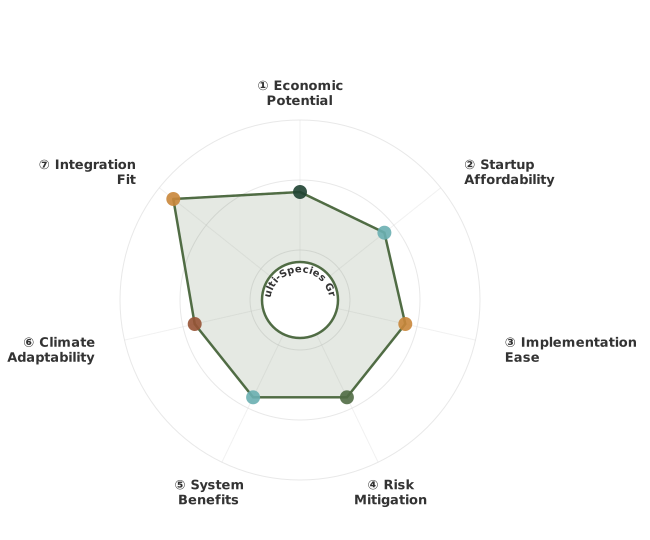
How These Traits Are Calculated
Trait dimensions are ordered clockwise starting from the top of the chart (12 o'clock position):
1. Economic Potential
Financial returns, annual value, and break-even timeline
WHAT: Evaluates financial viability by combining net annual value ($/ha from savings, income, and amortized harvests) with break-even timeline showing when practices pay for themselves.
WHY: Farmers need clear ROI understanding before committing resources. Fast payback (≤3 years) with strong returns (≥$300/ha) enables confident adoption, while long timelines (>10 years) restrict adoption to well-funded operations willing to wait for returns.
HOW: Calculated from net annual value in $/ha and break-even years. Exceptional (≥2.6): fast ROI ≤3 years + high value ≥$300/ha. Typical (1.8-2.5): moderate returns or longer timelines. Limited (<1.8): marginal economics or very long payback >10 years.
2. Startup Affordability
Initial investment costs and financial barrier to entry
WHAT: Measures financial barrier to entry through startup costs for equipment, infrastructure, consulting, and materials. Inverted scoring: lower costs = higher scores = more accessible adoption.
WHY: Affordability determines who can adopt. Low-cost practices (<$250/ha) enable widespread adoption across diverse scales, while high costs (>$2,500/ha) limit adoption to well-capitalized operations, creating barriers that slow regenerative transition.
HOW: Calculated from initial investment parsed from practice content. Inverted scoring: Exceptional (≥2.6): minimal investment <$250/ha. Typical (1.8-2.5): moderate costs $250-2,500/ha. Limited (<1.8): high barrier >$2,500/ha.
3. Implementation Ease
Learning curve and specialized knowledge required
WHAT: Measures how much learning, planning, and specialized knowledge a practice requires. Simpler practices with fewer steps score higher, while complex practices requiring extensive training or specialized resources score lower.
WHY: Complex practices create adoption barriers even when economically viable. Straightforward practices enable faster adoption and broader participation, while those requiring extensive training, timing precision, or specialized equipment limit who can succeed.
HOW: Evaluated by measuring documentation length and identifying complexity markers like location-specific requirements, seasonal timing windows, specialized skills, and dedicated equipment needs. Exceptional (≥2.6): straightforward practices with minimal prerequisites. Typical (1.8-2.5): moderate learning curve with some specialized needs. Limited (<1.8): steep learning curve requiring significant training or resources.
4. Risk Mitigation
Identified financial and ecological risk assessment
WHAT: Evaluates documented risks across financial (investment loss, market volatility) and ecological (crop failure, pest outbreaks) domains. Inverted scoring: fewer risks = higher scores.
WHY: Understanding risk exposure helps farmers make informed decisions. Low-risk practices allow confident implementation, while high-risk practices require careful planning and contingency resources. Risk transparency prevents costly failures.
HOW: Calculated from identified risks in practice content. Inverted scoring: Exceptional (≥2.6): ≤2 risks with manageable severity. Typical (1.8-2.5): 3-5 moderate risks. Limited (<1.8): 6+ risks or severe exposure.
5. System Benefits
How many ways the practice improves your land simultaneously
WHAT: Measures how many aspects of land health improve at once—carbon storage, soil quality, erosion control, water absorption, and biodiversity. Practices that improve multiple areas simultaneously create compounding benefits where each improvement reinforces the others.
WHY: The best practices solve multiple problems at once. For example, addressing erosion simultaneously builds carbon and improves water infiltration, creating a resilient system with positive feedback loops. Single-benefit approaches miss these compound transformation opportunities.
HOW: Evaluated across five key outcomes: carbon sequestration, soil organic matter increase, erosion reduction, water infiltration improvement, and biodiversity enhancement. Exceptional (≥2.6): high carbon storage (>8 t/ha/yr), improvements across 4-5 areas, transformative outcomes. Typical (1.8-2.5): moderate carbon (3-8 t/ha/yr), improvements across 2-3 areas. Limited (<1.8): modest impact (<3 t/ha/yr), single-area focus only.
6. Climate Adaptability
Geographic applicability across Köppen climate zones
WHAT: Evaluates geographic applicability by assessing how many Köppen climate zones successfully support a practice and what adaptation requirements are needed. Measures breadth of climates where farmers can implement with minimal to moderate modifications.
WHY: Universal practices working across diverse climates enable more farmers to adopt regenerative approaches. Practices limited to single climate types (only Mediterranean, only tropical) restrict adoption and slow global transition. Adaptability determines whether a practice serves niche regions or offers broad transformation.
HOW: LLM evaluation of regional success stories, Köppen zone coverage, and adaptation needs. Exceptional (≥2.6): 5+ zones or 4+ climate types, 3+ continents, minimal adaptation. Typical (1.8-2.5): 3-4 zones or 2-3 types, 2 continents, moderate adaptation. Limited (<1.8): 1-2 zones, single region, significant adaptation or highly specialized.
7. Integration Fit
How well this practice combines with others you're doing
WHAT: Measures how well a practice combines with other regenerative practices you might be doing. Some practices work as building blocks that make many other practices easier or more effective, while others work best on their own.
WHY: Practices that combine well with many others create more value on your farm. For example, cover cropping enables no-till, improves grazing, supports crop diversity, and helps water management—making all of them work better together. This helps you build a coherent system rather than juggling disconnected practices.
HOW: Evaluated by identifying which practices combine well and how strong those combinations are. 'Ideally Suited' means strong combinations where practices reinforce each other (practice A makes B easier, while B makes A more effective). 'Adequate' means complementary benefits that work well together. Exceptional (≥2.6): combines well with 6+ practices, serves as a building block. Typical (1.8-2.5): combines with 3-5 practices. Limited (<1.8): 1-2 practices or works best alone.
Going Deeper
1
WHY - The Benefits
Multi-species grazing is a powerful regenerative practice that unlocks synergistic benefits across ecological, economic, and operational dimensions. By understanding and harnessing the distinct needs and behaviors of different livestock species, land managers can...
Multi-species grazing is a powerful regenerative practice that unlocks synergistic benefits across ecological, economic, and operational dimensions. By understanding and harnessing the distinct needs and behaviors of different livestock species, land managers can...
WHY - The Benefits
Multi-species grazing is a powerful regenerative practice that unlocks synergistic benefits across ecological, economic, and operational dimensions. By understanding and harnessing the distinct needs and behaviors of different livestock species, land managers can...
Multi-species grazing is a powerful regenerative practice that unlocks synergistic benefits across ecological, economic, and operational dimensions. By understanding and harnessing the distinct needs and behaviors of different livestock species, land managers can...
Soil Health Benefits
Multi-species grazing enhances soil health primarily through improved and diversified nutrient cycling and more effective plant community management. When cattle, sheep, and/or goats graze together, their manure is deposited across the landscape in varied locations and compositions, providing a more uniform distribution of organic matter and nutrients. Cattle tend to deposit nutrients in dung pats, while sheep and goats distribute finer depositions. This varied impact can improve soil structure and microbial activity compared to uniform deposition from a single species.
The differential grazing pressure is key to plant community health, which directly impacts soil. Cattle primarily graze grasses, sheep consume a mix of grasses and forbs, and goats browse on woody plants and shrubs. This selective consumption prevents any single plant species from becoming overly dominant or being completely suppressed, leading to a more diverse and structurally complex plant community. A more diverse plant community means a wider array of root structures and depths, which improves aggregate stability, enhances soil aeration, and increases water infiltration. Studies indicate that well-managed multi-species grazing can improve water infiltration by 30-50% and increase soil organic matter by 0.5-1.5% over 5-10 years compared to monoculture grazing.
Furthermore, by controlling undesirable plants and brush, multi-species grazing reduces the need for chemical herbicides. These herbicides can negatively impact soil microbial life. The improved plant health and biodiversity also lead to more consistent soil cover year-round. Living roots from diverse species provide continuous feed for soil microbes, promoting a robust soil food web, which is the engine of soil regeneration.
Economic Benefits
Economically, multi-species grazing offers a pathway to increased profitability and reduced input costs through diversification and improved resource utilization. A primary economic benefit is the potential for increased stocking rates. By utilizing a wider range of forages more effectively, the carrying capacity of the land can be increased by 15-25% for mixed herds compared to monoculture grazing. This means more animal units can be supported per hectare, leading to higher overall gross revenue.
Diversification of income is another significant advantage. Instead of relying solely on cattle or sheep, farmers can market multiple products: beef, lamb, goat meat, cheese, fiber (wool, mohair), and even poultry or specialty animal products if small poultry flocks are integrated. This diversification reduces the farm's vulnerability to market fluctuations for any single commodity. If the market for lamb is down, strong returns from beef or goat operations can buffer the loss.
Reduced input costs are also a major economic driver. A more diverse and healthy pasture supported by multi-species grazing requires less external fertilization. The efficient utilization of forages means less supplemental feed is needed. Furthermore, the controlled consumption of brush and weeds by goats or sheep can reduce or eliminate the need for costly and environmentally damaging herbicide applications. Parasite load management can also lead to lower veterinary bills; moving between species can break parasite cycles that build up in single-species herds. Over 5-10 years, these efficiencies can translate to 10-20% lower operating costs.
The enhanced land health resulting from regenerative practices like multi-species grazing can also lead to increased land value appreciation. Farms demonstrating high soil organic matter, improved water management, and robust biodiversity are increasingly valued by buyers seeking sustainable and resilient agricultural systems. This can result in 10-15% higher land values over the long term.
Regenerative Systems Fit
Multi-species grazing is a foundational regenerative practice, directly supporting and enhancing multiple regenerative principles. When implemented effectively, it creates a holistic system that builds soil health, increases ecosystem biodiversity, and improves economic resilience.
Principle 1 (Minimize Soil Disturbance): While grazing itself involves some level of physical impact, multi-species grazing, particularly when combined with rotational grazing, minimizes compaction and disturbance compared to continuous or overgrazing with a single species. Different hoof structures and grazing patterns can distribute impact more evenly, preventing the formation of dense, anaerobic hardpans associated with monoculture grazing. The increased plant vigor and organic matter also improve soil structure, making it more resistant to disturbance.
Principle 2 (Maximize Crop Diversity): This is perhaps the most directly supported principle. By utilizing the selective grazing habits of different species, multi-species grazing promotes a greater diversity of plant species on the pasture. Cattle focus on grasses, sheep target broadleaf plants and shorter grasses, and browsers like goats manage woody growth. This differentiation prevents dominance by a few species and encourages the establishment of a wider array of forages and beneficial plants, leading to a richer botanical tapestry both above and below ground.
Principle 3 (Keep Soil Covered): A more diverse and healthy pasture sward managed through multi-species grazing ensures continuous ground cover. The varied grazing patterns and improved plant vigor mean that overgrazing is less likely, and there is always a living plant canopy or significant mulch layer protecting the soil surface from erosion, temperature extremes, and evaporation. This consistent cover fosters a stable soil environment.
Principle 4 (Maintain Living Roots): The improved health and diversity of pasture species under multi-species grazing directly supports the maintenance of living roots for a longer duration throughout the year. Perennial grasses, forbs, and managed shrubs all contribute to ongoing root activity, soil carbon sequestration, and nutrient cycling, even during periods of dormancy.
Principle 5 (Integrate Livestock): Multi-species grazing is an ideal manifestation of livestock integration. It moves beyond simply having animals on land to strategically using their diverse biological functions to enhance the entire ecosystem. The key to its success is combining multiple species with managed rotation, which provides the necessary rest periods for pasture recovery—a critical element missing in set stocking systems. They are not just consumers but active managers of the plant community and key players in nutrient cycling, soil building, and economic productivity.
Integration with other regenerative practices is highly synergistic. Multi-species grazing works exceptionally well with:
- Rotational Grazing/Adaptive Multi-Paddock (AMP) grazing: This is essential for managing different species together, ensuring adequate rest for plant recovery, and controlling interspecies grazing impact.
- Cover Cropping: Can be used to boost forage diversity and resilience when pasture is stressed or during phase-ins.
- Silvopasture: Integrating trees into pastures creates additional grazing niches, especially for goats, and adds another layer of biodiversity.
- Holistic Management: The planning framework can help optimize multi-species grazing decisions for holistic goals.
For farms transitioning from conventional monoculture grazing, multi-species grazing offers a concrete strategy to build ecological health while diversifying income. It encourages a shift in mindset from maximizing a single species' production to optimizing the ecosystem's overall productivity.
Sources behind this view
Videos & Podcasts
-
Multi-species grazing (cattle, sheep, goats) offers synergistic benefits by improving plant palatability and expression, enhancing biodiversity and productivity, unlike monoculture systems.
-
A New Zealand dairy farmer achieved rapid topsoil building, increased milk production, and improved animal health by switching from rye grass/clover and nitrogen fertilizer to a 12-species forage mix,
-
Laura Payne details how managed grazing enhances soil health, water quality, and wildlife habitat, citing research on reduced erosion, improved stream health, and support for grassland birds. Key prin
-
Holistic grazing, with high-density short grazing (2-3 days) and long rest periods (3-4 months), dramatically increases pasture diversity, eliminates pests like grasshoppers, and boosts livestock prod
Community
-
Discusses regenerative grazing with cattle, sheep, and goats, emphasizing high-density impact and long recovery periods for soil health and ecosystem restoration in arid regions. Debates overgrazing,
Read more (opens in new window) permies.com -
Adopts a holistic grazing management approach emphasizing diverse perennial pastures, higher residuals (4"), and longer rest periods (avg. 45 days) to build soil health, increase organic matter (3.4%
Read more (opens in new window) smallfarms.cornell.edu -
Manage rotational grazing by setting recovery (15-40+ days, adapting to region/season) and grazing periods (2-3 days). Aim to 'take half, leave half' for livestock and soil microbes. High stocking den
Read more (opens in new window) smallfarms.cornell.edu -
Multi-species cover crop success hinges on soil type, species, and goals, with regenerative practices like grazing and manure spreading building soil health. Gabe Brown's methods differ from a New Eng
Read more (opens in new window) permies.com
Research
-
Managing Grazing to Restore Soil Health, Ecosystem Function, and Ecosystem Services (opens in new window)
This study found: Properly managed grazing animals can reverse environmental damage. Regenerative practices, like Adaptive Multi-Paddock (AMP) grazing, boost soil health, increase soil carbon, reduce erosion, and enhan
-
Grassland biodiversity and ecosystem functions benefit more from cattle than sheep in mixed grazing: A meta-analysis. (opens in new window)
This study found: Mixed grazing with cattle and sheep benefits grasslands more than single-species grazing. Cattle in mixed systems significantly boost plant diversity, soil carbon, and livestock gains, suggesting a ke
-
Regenerative agriculture improves productivity and profitability while reducing greenhouse gas emissions on Australian sheep farms. (opens in new window)
This study found: Australian sheep farms show regenerative practices like AMP grazing and diverse pastures improve soil carbon and reduce emissions, but trade-offs exist between profitability and environmental benefits
-
Diversifying livestock promotes multidiversity and multifunctionality in managed grasslands. (opens in new window)
This study found: Mixing livestock species (sheep and cattle) in grasslands significantly boosted biodiversity and multiple ecosystem functions, including plant growth and nutrient cycling, over three years.
From the Web
-
Adaptive grazing, emphasizing longer paddock rest periods, promotes pasture diversity and soil health. This leads to improved livestock nutrition, milk/meat quality, and extended grazing seasons, as d
-
Multispecies grazing with sheep or goats alongside cattle enhances soil health through diverse grazing habits, boosts profitability via diversified revenue streams, and improves drought resilience.
-
Multispecies grazing diversifies income, improves pasture health, and aids in weed and parasite control. Strategies for managing plant toxicity, including bloat, grass tetany, prussic acid, nitrate po
-
Key principles for managing soil and forage include minimizing tillage, maintaining living roots, promoting species diversity, and practicing adaptive grazing. Specific grazing height recommendations
2
WHERE - Regional Considerations
The success and implementation of multi-species grazing are significantly influenced by regional climate, topography, and prevailing vegetation type. While the core principles remain universal, adaptation is key.
The success and implementation of multi-species grazing are significantly influenced by regional climate, topography, and prevailing vegetation type. While the core principles remain universal, adaptation is key.
WHERE - Regional Considerations
The success and implementation of multi-species grazing are significantly influenced by regional climate, topography, and prevailing vegetation type. While the core principles remain universal, adaptation is key.
The success and implementation of multi-species grazing are significantly influenced by regional climate, topography, and prevailing vegetation type. While the core principles remain universal, adaptation is key.
Click Here to Look up your Region if you don't already know it
Humid Temperate Regions
Representative Locations: Southeastern United States, northern Europe (UK, Ireland, Germany, Poland), eastern China, Japan, New Zealand
Climate Context: Warm to hot summers and cool to cold winters with moderate to high annual precipitation (75-150 cm or 30-60 inches) distributed relatively evenly. USDA Zones 6-8, Köppen Cfb/Cfa.
Suitability: Excellent suitability. These regions typically support lush perennial pastures with significant grass and forb diversity. Cattle and sheep are common livestock, and introducing goats can effectively manage brush encroachment common in expanding pastures or managed woodlands. The consistent rainfall supports robust plant growth, allowing for multiple species to thrive and be managed through rotational grazing. Challenges can include managing moisture-related diseases for some species and controlling invasive broadleaf weeds that sheep excel at managing. High biodiversity potential for plant and soil communities.
Arid/Semi-Arid Regions
Representative Locations: Western USA (Great Plains, Intermountain West), North Africa, Central Asia, Interior Australia, parts of the Middle East
Climate Context: Low annual precipitation (<40 cm or 15 inches), high temperatures, short and often unpredictable growing season. USDA Zones 7-9, Köppen BSh/BSk.
Suitability: Highly beneficial. In these challenging environments, leveraging the unique foraging habits of different species is critical for land health. Goats are particularly adept at utilizing woody shrubs and drought-tolerant browse that cattle and sheep may ignore or underutilize. Sheep can efficiently graze down grasses and forbs that recover slowly in dry conditions. This mix allows for better utilization of sparse, resilient vegetation, preventing overgrazing of any single resource. Managing water sources becomes paramount, and species that can travel further or utilize more varied water sources (like goats) can be advantageous. Careful livestock rotation is essential to avoid depleting fragile perennial plants during dry spells.
Mediterranean Regions
Representative Locations: California, Mediterranean basin (Spain, Italy, Greece), central Chile, southwestern Australia, Western Cape South Africa
Climate Context: Hot, dry summers and mild, wet winters. Annual precipitation 40-90 cm (15-35 inches), highly seasonal. USDA Zones 8-10, Köppen Csa/Csb.
Suitability: Very good. These regions often feature tough perennial grasses, aromatic shrubs (e.g., chaparral, maquis), and seasonal forbs. Goats excel at managing woody shrubs and controlling fuel loads, reducing wildfire risk. Sheep are effective at grazing down grasses and broadleaf plants that emerge during the wet season. Cattle can graze the more established grasslands. The seasonal nature of rainfall requires careful planning for forage availability and potential supplementation, but the diverse plant communities can support mixed grazing well. Drought management and fire risk mitigation are key considerations.
Cold Continental Regions
Representative Locations: Northern USA and Canada, Northern Europe, Siberia, Northern Asia
Climate Context: Very short growing seasons, extreme summer heat, severe winter cold. USDA Zones 3-5, Köppen Dfa/Dfb.
Suitability: Good, with seasonal adaptation. These regions present challenges due to long winters and short growing seasons. Multi-species grazing is most effective during the warmer months when high-quality forage is abundant. Introducing species that can utilize winter forages or browse well is beneficial. For example, goats are excellent at debarking trees and clearing brush that may accumulate during the growing season, providing valuable winter forage for themselves or other species. Sheep and cattle can efficiently utilize grasses and legumes during the summer. Management must include strategies for winter feeding, housing, and potentially species-specific needs during extreme cold.
Subtropical Regions
Representative Locations: Southeastern USA, Southern China, Southern Brazil, Eastern Australia, Parts of Africa and South America
Climate Context: Hot, humid summers and mild winters with generally ample rainfall. USDA Zones 9-11, Köppen Cfa/Cwa.
Suitability: Excellent. High temperatures and humidity can stress single species, making mixed grazing beneficial. Cattle may suffer significant heat stress, which can be mitigated by shade from trees (silvopasture), and by balancing their grazing with sheep or goats that may tolerate heat better or utilize different forage types. These regions often have a long growing season, allowing for a diverse array of forages and the management of brush and woody species that can proliferate in warm, wet climates. Managing for tropical parasites, which can be prevalent, is a key consideration for animal health, and species diversification can aid parasite management.
Tropical Regions
Representative Locations: Central America, Southeast Asia, East Africa, Northern Australia, Northern South America
Climate Context: High temperatures year-round, with distinct wet and dry seasons or consistent high rainfall. Köppen Af/Am/Aw.
Suitability: Very high, with specific adaptations. Tropical conditions often favor rapid growth of diverse vegetation, including grasses, forbs, and significant woody biomass. Multi-species grazing is particularly effective here for controlling brush and forages that can quickly become unpalatable or choked with weeds. Goats are extremely effective at clearing woody growth. Cattle and buffalo may graze grasses, while sheep can graze shorter understory. The challenge in tropics includes managing heat stress, humidity-related diseases, and rapidly growing, often less nutritious, vegetation. Integrating shade trees (silvopasture) is highly recommended. Seasonal dry periods require careful pasture management and potential supplemental feeding strategies.
3
HOW - Implementation Process
Implementing multi-species grazing requires careful planning tailored to your specific operation, region, and goals. The key is to design a system where species complement rather than compete with each other, ultimately benefiting both the animals and the land.
Implementing multi-species grazing requires careful planning tailored to your specific operation, region, and goals. The key is to design a system where species complement rather than compete with each other, ultimately benefiting both the animals and the land.
HOW - Implementation Process
Implementing multi-species grazing requires careful planning tailored to your specific operation, region, and goals. The key is to design a system where species complement rather than compete with each other, ultimately benefiting both the animals and the land.
Implementing multi-species grazing requires careful planning tailored to your specific operation, region, and goals. The key is to design a system where species complement rather than compete with each other, ultimately benefiting both the animals and the land.
Prerequisites
Before initiating multi-species grazing, assess these factors:
- Goals: Clearly define what you aim to achieve (e.g., increased stocking rate, brush control, parasite management, habitat improvement).
- Species Compatibility: Research the grazing habits, nutritional needs, and social behaviors of the species you intend to graze together. Ensure they are compatible and won't create undue stress or competition.
- Land Resources: Evaluate your pasture types, topography, water availability, and existing vegetation. Some species are better suited to certain environments and plant communities.
- Infrastructure: Assess your current fencing, water systems, and handling facilities. Can they accommodate multiple species with different needs and behaviors?
- Market Access: Confirm you have reliable markets for all livestock products you intend to raise.
- Knowledge Base: Educate yourself on the specific management requirements for each species and their interactions.
Phase 1: Planning and Preparation (Months 0-3)
This phase involves gathering information and making strategic decisions before introducing animals.
Species Selection:
- Core Species: Cattle or sheep are often the foundation due to their commonality and effectiveness on grasslands.
- Complementary Species:
- Goats: Excellent for brush and weed control. Integrate them for managing woody encroachment, invasive species, or when targeting specific browse plants.
- Horses: Can be used for grassland management, but require careful management to avoid overgrazing specific areas. Often best managed in sequence or with dedicated paddocks.
- Poultry: Small flocks of chickens or turkeys can be integrated with cattle or horses to graze insects and weed seeds, with their manure contributing to fertility.
- Donkeys/Mules: Similar to horses, can help manage certain forages.
- Consider animal ratios: A common starting point might be 2-3 sheep or goats for every 1 cattle unit, but this depends heavily on forage type and management goals.
Infrastructure Adaptations:
- Fencing: Most crucial aspect. Consider:
- Electric Fencing: Highly adaptable. Use polywire or tape and step-in posts for temporary divisions. Ensure sufficient voltage for all species. Goats, in particular, can be escape artists and may require tighter mesh or multiple strands.
- Permanent Fencing: For perimeter fencing, ensure it is sturdy and appropriate for all species (e.g., not too wide a gap for lambs or kids that could get stuck).
- Internal Paddock Design: Plan for smaller paddocks to facilitate rotational grazing and species separation when needed.
- Water Access: Ensure all species have easy access to clean water. Cattle require larger troughs; sheep and goats may need more numerous, smaller troughs. Consider seasonal water availability and potential for water scarcity in arid regions.
- Handling Facilities: Adapt or build facilities (e.g., holding pens, loading ramps) that can safely handle mixed species.
Grazing Plan Development:
- Rotational/AMP Grazing: Essential for managing multi-species. Design a system of paddocks with adequate rest periods (30-60 days for pasture, longer for woody browse).
- Species Sequencing: Plan which species will graze which paddocks and when. Example: 1. Cattle to graze down tall grasses. 2. Sheep to follow, cleaning up shorter grasses and broadleaf plants. 3. Goats to follow, browsing on woody shrubs and weeds. 4. Allow rest period.
- Simultaneous Grazing: If species are grazing together, ensure equal access to preferred forages and water. Management may involve adjusting stocking density to balance consumption.
Market Research: Understand demand and pricing for the multiple products you will generate.
Phase 2: Initial Implementation (Months 3-12)
This is the period of introduction and learning.
Begin with Small Groups/Paddocks:
- Start with a smaller acreage or a well-defined paddock to test your plan.
- Begin with a simpler combination (e.g., cattle and sheep) before introducing more complex mixes.
- Monitor animal behavior closely: Are they grazing together harmoniously or exhibiting stress and competition?
Introduction Protocol:
- Gradual Introduction: Introduce animals to new paddocks and species gradually. Avoid overwhelming them.
- Observe Forage Utilization: Monitor how each species is interacting with the available vegetation. Are they utilizing what you intended? Is one species over-grazing a specific plant type?
- Animal Health Monitoring: Watch for signs of stress, injury, or unusual parasite load. Consult with a veterinarian familiar with multi-species management.
Adaptive Management:
- Be prepared to adjust your grazing plan based on observations.
- If competition for a specific forage is high, consider separating species for a period or adjusting stocking rates.
- If one species is disproportionately impacting the pasture, modify their grazing duration or access.
- Document everything: Paddock movements, stocking densities, animal performance, plant response, and any challenges encountered.
Phase 3: Optimization and Scaling (Years 1-3)
Refine your system based on experience and observed outcomes.
Refine Grazing Rotations:
- Adjust paddock size, stocking density, and rest periods based on plant growth rates, species needs, and climate.
- Consider seasonal variations in forage quality and quantity, altering rotations accordingly.
Optimize Species Ratios:
- Fine-tune the proportion of each species to achieve specific goals (e.g., more goats if brush is the primary target).
Infrastructure Improvements:
- Make permanent upgrades to fencing, water systems, and handling facilities based on lessons learned.
Economic Evaluation:
- Track income and expenses for each species. Analyze profitability and input costs.
Scaling Up:
- Gradually expand the multi-species grazing area or complexity of species combinations as confidence and expertise grow.
Transition Timeline & Phase-Out Strategy (If applicable)
While multi-species grazing itself is a regenerative practice, it might be part of a greater farm transition. If moving from monoculture grazing where, for example, only cattle were grazed:
- Year 0-1: Introduce a small number of sheep or goats to a few paddocks to gain experience. Focus on learning their behavior and management needs. Monitor how they interact with cattle and the pasture.
- Year 1-2: Increase the proportion of sheep/goats and expand to more paddocks. Begin to observe diversified forage use and potential improvements in pasture health. If parasite loads increase unexpectedly, employ species-specific grazing rotations or herd separation during rest periods.
- Year 2-3: Implement multi-species grazing across the majority of grazing land. Fine-tune rotations for optimal species interaction and plant response. Markets for secondary products (lamb, goat meat) should be established.
- Year 3+: The system is fully integrated. Continuous monitoring and adaptive management ensure long-term sustainability.
The "phase-out" here is the phase-out of inefficient single-species monoculture grazing in favor of a more resilient and productive multi-species system.
Sources behind this view
Videos & Podcasts
-
Implement adaptive multi-paddock (AMP) grazing with short (1-3 day) grazing periods and long recovery (90-120+ days) to prevent overgrazing. Focus on plant recovery, soil health, and consistent livest

-
Multi-species grazing (cattle, sheep, goats) offers synergistic benefits by improving plant palatability and expression, enhancing biodiversity and productivity, unlike monoculture systems.
-
Holistic grazing, with high-density short grazing (2-3 days) and long rest periods (3-4 months), dramatically increases pasture diversity, eliminates pests like grasshoppers, and boosts livestock prod
-
This cluster details ultra-high stock density grazing (UHSDG) and 'total grazing' for cattle, emphasizing intensive management, long pasture recovery, and increased stocking rates. The speaker advocat
Community
-
Adopts a holistic grazing management approach emphasizing diverse perennial pastures, higher residuals (4"), and longer rest periods (avg. 45 days) to build soil health, increase organic matter (3.4%
Read more (opens in new window) smallfarms.cornell.edu -
Manage rotational grazing by setting recovery (15-40+ days, adapting to region/season) and grazing periods (2-3 days). Aim to 'take half, leave half' for livestock and soil microbes. High stocking den
Read more (opens in new window) smallfarms.cornell.edu -
Practical rotational grazing advice for small acreage with goats, sheep, and chickens, emphasizing frequent moves, sacrificial paddocks, and specific forage types (fescue, rye, Bermuda) for Zone 8b. M
Read more (opens in new window) permies.com -
Details an integrated system of Managed Intensive Rotational Grazing and rotational cropping using holistic management. It emphasizes increasing forage availability, integrating livestock (cattle, chi
Read more (opens in new window) permies.com
Research
-
Managing Grazing to Restore Soil Health, Ecosystem Function, and Ecosystem Services (opens in new window)
This study found: Properly managed grazing animals can reverse environmental damage. Regenerative practices, like Adaptive Multi-Paddock (AMP) grazing, boost soil health, increase soil carbon, reduce erosion, and enhan
-
Multi-paddock grazing on rangelands: why the perceptual dichotomy between research results and rancher experience? (opens in new window)
This study found: Ranchers often see benefits from multi-paddock grazing that scientific studies don't always confirm. This review explores the gap, highlighting rancher-led adaptive management principles and suggestin
-
Transitioning from conventional continuous grazing to planned rest-rotation grazing: A beef cattle case study from central Texas (opens in new window)
This study found: A 5-year Texas case study found planned rest-rotation grazing showed potential for more forage and better soil health on cultivated paddocks compared to continuous grazing, with similar overall profit
-
Best Management Practices for Intensive Grazing Systems: Southeast Missouri Case Study (opens in new window)
This study found: A case study in Southeast Missouri showcases intensive grazing BMPs: smaller paddocks, rotational schedules, protected water access, shade, diverse forages, and winter feeding areas to improve soil he
From the Web
-
Multispecies grazing diversifies income, improves pasture health, and aids in weed and parasite control. Strategies for managing plant toxicity, including bloat, grass tetany, prussic acid, nitrate po
-
Explains multispecies grazing with sheep, goats, and cattle for income diversification, vegetation management, weed and parasite control, and outlines implementation considerations. Also covers extend
-
Multispecies grazing with cattle, sheep, and goats enhances pasture diversity and health, increasing carrying capacity and soil organic matter. It improves nutrient cycling, suppresses weeds, and can
-
Multispecies grazing diversifies farms, enhancing ecological resiliency, pasture health, and profitability by integrating livestock species for better land use and income stability.
4
Know the Debate
Multi-species grazing offers significant ecological and economic benefits by leveraging the distinct habits of different livestock. In humid temper...
Know the Debate
Multi-species grazing offers significant ecological and economic benefits by leveraging the distinct habits of different livestock. In humid temper...
Multi-species grazing offers significant ecological and economic benefits by leveraging the distinct habits of different livestock. In humid temperate regions with reliable rainfall, expect rapid pasture response and biodiversity gains within two years. Arid regions require careful species selection for drought tolerance, with results unfolding over five to seven years. Initial infrastructure costs range from $70-100/ha for portable fencing and basic water to $600-800/ha for enhanced permanent systems, with annual costs varying from $200-275/ha (DIY labor) to $1200-1600/ha (hired labor, supplemental feed). Success hinges on matching species to pasture type, mastering rotational grazing, and developing markets for diverse products.
What drives multi-species grazing benefits: hoof impact or plant stimulation?
Hoof Impact & Nutrient Cycling
Some believe the primary benefits stem from hoof action physically incorporating organic matter, uniform manure distribution, and concentrated nutrient cycling, directly stimulating soil biology and breaking up surface crusts.
Sources behind this view
Sources behind this view
Videos & Podcasts
-
Recommends integrating cattle and sheep for grazing, citing benefits like reduced parasites, more even grazing impact, improved soil health through diverse hoof impact, enhanced nutrient cycling, and reduced labor requirements.
Research
-
Diversifying livestock promotes multidiversity and multifunctionality in managed grasslands. (opens in new window)
This study found: A three-year study on a large grassland showed that mixing different types of livestock, like sheep and cattle together instead of just one type, significantly improved the overall health and function of the grassland. This 'livestock diversification' led to a greater variety of plants, insects, and soil organisms (multidiversity). This increased biodiversity, in turn, boosted multiple ecosystem functions such as better plant growth, improved nutrient cycling, and healthier soil. The study found that the combined effect of diverse life forms was more powerful than focusing on just one aspect of diversity. This means that farmers can improve their grasslands' productivity and resilience by strategically mixing different livestock species.
From the Web
-
Multispecies grazing with cattle, sheep, and goats enhances pasture diversity and health, increasing carrying capacity and soil organic matter. It improves nutrient cycling, suppresses weeds, and can reduce methane emissions, leading to greater farm profitability.
Plant Stimulation & Biodiversity
Others emphasize that varied grazing habits stimulate diverse plant growth patterns, including root exudates and varied plant heights, leading to greater plant diversity and overall ecosystem resilience.
Sources behind this view
Sources behind this view
Videos & Podcasts
-
Multi-species grazing (cattle, sheep, goats) offers synergistic benefits by improving plant palatability and expression, enhancing biodiversity and productivity, unlike monoculture systems.
Research
-
Grassland biodiversity and ecosystem functions benefit more from cattle than sheep in mixed grazing: A meta-analysis. (opens in new window)
This study found: A review of many studies from Europe, the US, and China found that grazing grasslands with a mix of cattle and sheep generally leads to better results than grazing with just one type of animal. While cattle alone boosted plant variety and soil carbon, sheep alone had little effect. When both cattle and sheep grazed together, plant density and the variety of beneficial insects increased, but soil life like nematodes became less diverse. Importantly, cattle in mixed grazing systems were key drivers of improvements, increasing plant diversity, boosting the growth of wildflowers and nitrogen-fixing plants (like clover), increasing soil carbon, and improving livestock weight gain. The benefits were influenced by weather, how intensely the land was grazed, and for how long. This research suggests that mixed grazing, with a strong role for cattle, is a promising strategy for improving grassland health, soil carbon, and animal production.
From the Web
-
Multispecies grazing, especially with cattle and sheep, boosts carrying capacity by 20-25%, improves pasture health through uniform defoliation, and can reduce methane emissions. It aids vegetation management and parasite control.
Context-Dependent Mechanism
The most effective mechanism likely shifts based on environment, where hoof action might be more critical in arid soils for breaking crusts, while plant stimulation is key in humid areas with rapid plant growth.
Sources behind this view
Sources behind this view
Videos & Podcasts
-
Multi-species grazing with sheep/goats and cattle in the West benefits the landscape by utilizing diverse plants, including those with toxins unpalatable to cattle. This increases forage utilization, supports native plant populations, and aids in fire mitigation and invasive species control.
Research
-
FORAGES AND PASTURES SYMPOSIUM: Improving soil health and productivity on grasslands using managed grazing of livestock. (opens in new window)
This study found: Managing livestock grazing on grasslands can offer multiple benefits beyond just producing meat or milk. By carefully planning grazing, farmers can encourage a wider variety of plants to grow. This diversity helps plants use sunlight, water, and nutrients more effectively, making the pasture more resilient to weather changes and less prone to weeds. Managed grazing also helps build soil organic matter, which means more carbon and nutrients are stored in the soil, and the soil can hold more water. While grazing can create soil compaction, the roots from diverse pasture plants can help reduce this. More research is needed on how different grazing and rest periods affect soil compaction. Keeping enough plants on the ground is key to helping water soak into the soil, even in wet areas. Diverse plant communities can also create better habitats for wildlife and pollinators. It's important to remember that how grasslands respond to grazing depends a lot on local climate, soil, and plant types. A single grazing plan might not be best for both animal production and all the ecological benefits, so farmers need to balance their goals.
From the Web
-
Multispecies grazing diversifies income, improves pasture health, and aids in weed and parasite control. Strategies for managing plant toxicity, including bloat, grass tetany, prussic acid, nitrate poisoning, and fescue toxicosis, are provided.
Making Sense of the Differences
The primary driver of multi-species grazing benefits may be context-dependent. In arid regions, hoof action's impact on soil structure and manure concentration for nutrient cycling may be more critical. In more humid climates with vigorous plant growth, stimulating diverse root exudates and promoting varied plant species through selective grazing appears to be the more dominant mechanism. Farmers should observe which species preferentially target certain plants and how their impact affects soil cover and moisture retention in their specific climate and soil type.
What are the real infrastructure and market prerequisites for multi-species grazing?
Significant Infrastructure & Market Planning Required
Successfully implementing multi-species grazing demands considerable upfront investment in adaptable fencing and water systems, alongside careful development of markets for all livestock products.
Sources behind this view
Sources behind this view
Videos & Podcasts
-
Mixed grazing benefits vegetation and animal performance but faces copper toxicity issues in some regions. Leader-follower systems optimize nutrient needs and weed control. Parasite management and infrastructure (fencing, water access) are key considerations.
-
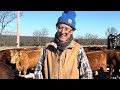
Greg Judy of Green Pastures Farm explains the benefits of running sheep and cattle together ('flerd'). This system helps control parasites, improves pasture management by targeting different plants (sheep eat weeds/brush, cattle eat grass/clover), and provides an additional income stream due to fluctuating market prices for each species.
From the Web
-
Explains multispecies grazing with sheep, goats, and cattle for income diversification, vegetation management, weed and parasite control, and outlines implementation considerations. Also covers extending the grazing season with annual forages and stockpiling.
-
Multi-species grazing improves soil health, plant diversity, and resilience through increased microbial activity. Practical tips for adding sheep/goats include consulting experts, infrastructure needs, and species separation during birthing seasons.
High Management Complexity and Labor Commitment
Field experience highlights that managing different species' unique needs (e.g., handling, birthing) and ensuring optimal grazing interactions requires significant labor and adaptive management, often extending beyond initial infrastructure costs.
Sources behind this view
Sources behind this view
Videos & Podcasts
-
An integrated multi-species grazing system using cows and sheep with net fencing improves pasture health and animal parasite control. Letting pastures mature and using mulch mowing further enhances soil consumption and field quality.

-
Greg Judy of Green Pastures Farm explains how sheep and cattle grazing together control invasive brush and weeds, improve pasture diversity by targeting different plants, and manage parasites. Frequent moving of sheep and using clean land is key. This mixed-species approach also diversifies farm income.
From the Web
-
Practical implementation of multispecies grazing involves understanding grazing dynamics of cattle, sheep, goats, pigs, and poultry. Key considerations include adaptable fencing, species-specific handling facilities, and predator control strategies like guardian dogs and bonding with larger livestock.
Scale-Dependent Cost and Market Dynamics
Infrastructure costs vary greatly by scale, from $70-100/ha for portable systems to $600-800/ha for enhanced permanent setups, and market access for secondary products is critical for economic viability.
Sources behind this view
Sources behind this view
Videos & Podcasts
-
Greg Judy of Green Pastures Farm explains how sheep and cattle grazing together control invasive brush and weeds, improve pasture diversity by targeting different plants, and manage parasites. Frequent moving of sheep and using clean land is key. This mixed-species approach also diversifies farm income.
From the Web
-
Practical implementation of multispecies grazing involves understanding grazing dynamics of cattle, sheep, goats, pigs, and poultry. Key considerations include adaptable fencing, species-specific handling facilities, and predator control strategies like guardian dogs and bonding with larger livestock.
Making Sense of the Differences
Implementing multi-species grazing requires more than just putting different animals in a field; it demands significant upfront capital for adaptable infrastructure and a solid market strategy for each livestock product. Field reports emphasize the high labor commitment and practical management challenges, which can be underestimated. Farmers should budget for initial infrastructure costs ranging from $70/ha for basic portable setups to $600+/ha for advanced permanent systems, with ongoing annual costs for feed and health. Developing markets for each species' products is critical for realizing the economic benefits and requires proactive effort.
How much can multi-species grazing improve pasture and soil?
Significant, Measurable Gains (0.5-25%)
Academic and institute sources cite studies showing marked improvements such as doubled lamb weight gains, 15-25% increased carrying capacity, and 30-50% better water infiltration, often within 3-5 years.
Sources behind this view
Sources behind this view
Videos & Podcasts
-
A multi-species pasture cropping trial showed doubled lamb weight gains and nearly doubled profits compared to a single-species barley crop, with a 21% increase in soil carbon and improved nutrient levels in just six months.

Research
-
FORAGES AND PASTURES SYMPOSIUM: Improving soil health and productivity on grasslands using managed grazing of livestock. (opens in new window)
This study found: Managing livestock grazing on grasslands can offer multiple benefits beyond just producing meat or milk. By carefully planning grazing, farmers can encourage a wider variety of plants to grow. This diversity helps plants use sunlight, water, and nutrients more effectively, making the pasture more resilient to weather changes and less prone to weeds. Managed grazing also helps build soil organic matter, which means more carbon and nutrients are stored in the soil, and the soil can hold more water. While grazing can create soil compaction, the roots from diverse pasture plants can help reduce this. More research is needed on how different grazing and rest periods affect soil compaction. Keeping enough plants on the ground is key to helping water soak into the soil, even in wet areas. Diverse plant communities can also create better habitats for wildlife and pollinators. It's important to remember that how grasslands respond to grazing depends a lot on local climate, soil, and plant types. A single grazing plan might not be best for both animal production and all the ecological benefits, so farmers need to balance their goals.
From the Web
-
Multispecies grazing, especially with cattle and sheep, boosts carrying capacity by 20-25%, improves pasture health through uniform defoliation, and can reduce methane emissions. It aids vegetation management and parasite control.
Qualitative Improvements & Anecdotal Evidence
Field practitioners often report visible improvements in pasture diversity, reduced parasite issues, better forage utilization, and 'healthier land' based on observation and their own operational success.
Sources behind this view
Sources behind this view
Videos & Podcasts
-
Multi-species grazing (cattle, sheep, goats) offers synergistic benefits by improving plant palatability and expression, enhancing biodiversity and productivity, unlike monoculture systems.
-
Multi-species grazing with sheep and cattle enhances soil health and rangeland by utilizing sheep's ability to graze weeds (leafy spurge, buck brush) that cattle avoid. This improves plant diversity, balances grazing pressure, and optimizes forage use, leading to better soil health.
-
Greg Judy of Green Pastures Farm explains the benefits of running sheep and cattle together ('flerd'). This system helps control parasites, improves pasture management by targeting different plants (sheep eat weeds/brush, cattle eat grass/clover), and provides an additional income stream due to fluctuating market prices for each species.
Context-Dependent and Variable Outcomes
While benefits are recognized, specific quantitative data comparing multi-species to monoculture grazing across diverse farms and climates is less robust, leading to variable outcomes.
Sources behind this view
Sources behind this view
Research
-
Plant Species Diversity and Management of Temperate Forage and Grazing Land Ecosystems (opens in new window)
This study found: For over a century, scientists have debated whether planting a variety of plant species in pastures and grazing lands leads to better overall performance. While diverse grasslands are thought to produce more and more stable forage, and use nutrients more efficiently, there's been a lack of solid evidence, especially when livestock are involved. Early studies on simple mixes of grasses and legumes were unclear, but newer research hints that more diverse pastures might yield more. However, how this affects animal productivity is still not well understood, and more research is needed. While farmers are primarily concerned with forage yield, the review also points out that diverse grazing lands offer other benefits like improved environmental quality and aesthetics.
From the Web
-
Multispecies grazing diversifies income, improves pasture health, and aids in weed and parasite control. Strategies for managing plant toxicity, including bloat, grass tetany, prussic acid, nitrate poisoning, and fescue toxicosis, are provided.
Making Sense of the Differences
The quantifiable benefits of multi-species grazing, such as increased stocking rates (15-25%) and soil carbon gains (up to 21% in trials), are supported by academic and institute data, particularly in optimized settings. Field experiences often validate these improvements qualitatively, highlighting better pasture health, weed control, and reduced parasite loads. However, the precise magnitude of these gains can be variable, influenced by climate, specific species combinations, management intensity, and the initial health of the land. Farmers can expect measurable improvements over 3-5 years, with early qualitative signs appearing sooner, but precise yield increases require careful monitoring and adaptation to local conditions.
5
HOW MUCH - Costs & Investment
Note: Costs shown in USD; multiply by local labor and material cost indices for your region. Labor costs vary significantly internationally. Currency fluctuations and local economic conditions strongly influence actual costs.
Note: Costs shown in USD; multiply by local labor and material cost indices for your region. Labor costs vary significantly internationally. Currency fluctuations and local economic conditions strongly influence actual costs.
HOW MUCH - Costs & Investment
Note: Costs shown in USD; multiply by local labor and material cost indices for your region. Labor costs vary significantly internationally. Currency fluctuations and local economic conditions strongly influence actual costs.
Note: Costs shown in USD; multiply by local labor and material cost indices for your region. Labor costs vary significantly internationally. Currency fluctuations and local economic conditions strongly influence actual costs.
Note: All costs are based on recent US economic data (2024–2026) and may vary substantially by region based on local labor rates, material costs, and regulatory requirements.
Initial Infrastructure Investment (Fencing, Water, Handling)
Establishing a multi-species grazing system necessitates a transition from static boundary management to dynamic internal paddock rotation. This infrastructure is the primary barrier to entry. For small-scale operations under 50 acres (20 ha), investment is focused on temporary electric fencing and mobile water points. Producers typically allocate $52–$208 per acre ($128–$514/ha) for "step-in" posts, braided polywire, and portable solar chargers. Handling infrastructure at this scale is minimal, often utilizing existing outbuildings or low-cost portable pens, costing $0–$21 per acre ($0–$52/ha).
Mid-sized operations between 50 and 500 acres (20–202 ha) require a hybrid approach, combining permanent high-tensile perimeter fencing for containment and high-frequency internal rotational polywire. Water infrastructure must be upgraded to support multiple species simultaneously; this typically involves pressurized water headers and portable troughs, costing $125–$365 per acre ($309–$902/ha). This includes roughly $62–$156 per acre ($153–$385/ha) for fencing and $42–$156 per acre ($104–$385/ha) for robust hydraulic water delivery systems.
Large-scale operations exceeding 500 acres (202 ha) require significant capital expenditure, ranging from $261–$677 per acre ($645–$1,673/ha). Costs at this scale are driven by the installation of professional high-tensile fencing ($156–$313 per acre ($385–$773/ha)) and the deployment of extensive, solar-powered pumping systems integrated into well or surface water capture points ($104–$365 per acre ($257–$902/ha)). Large-scale specialized handling facilities, such as hydraulic chutes capable of accommodating both cattle and small ruminants (sheep or goats), remain a significant capital requirement.
Annual Operating Costs (Livestock Management, Maintenance, Labor)
Operating expenses represent the ongoing financial commitment required to maintain peak system health. Small-scale producers often face high "hidden" labor costs. While cash outlays for supplemental feed typically hover between $104–$313 per acre ($257–$773/ha), total annual operating costs, including routine maintenance and basic veterinary oversight, reach $261–$521 per acre ($645–$1,287/ha).
Mid-sized operations, which often utilize hired labor for daily livestock moves and more rigorous health monitoring, report operating costs of $521–$990 per acre ($1,287–$2,446/ha). A significant portion of this expenditure—$52–$156 per acre ($128–$385/ha)—is allocated to selective deworming and diagnostic fecal egg count testing to combat internal parasite loads common when mixing species such as cattle and sheep.
Large-scale systems face the highest operating overhead, frequently exceeding $938 per acre ($2,318/ha) and reaching upwards of $2,084 per acre ($5,150/ha) in high-stocking-density environments. These costs reflect the need for professional livestock handlers, comprehensive herd health protocols, and the increased logistical complexity of managing large animal populations across vastly subdivided grazing acreage.
Most Spend: The middle 60% of operations typically invest between $155 and $350 per acre ($383–$865/ha) for infrastructure and $550–$900 per acre ($1,359–$2,224/ha) for annual operating costs. This range represents producers who move beyond "starter" equipment but have not yet scaled into large-scale, fully automated, or high-technology rotational grazing systems.
Why the Range?: The primary variance in costs stems from existing site topography, initial water access, and the intensity of the grazing management plan employed. Proximity to technical support and current state of fencing infrastructure significantly drive capital costs, while labor intensity and the severity of local parasite pressures heavily dictate annual operating expenditures.
Sources behind this view
Videos & Podcasts
-
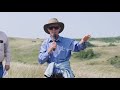
Details the financial benefits of investing in fencing and water infrastructure for grazing, estimating costs ($175/acre) and returns (66% increase in carrying capacity). Discusses specific paddock de
-
Starting a cattle enterprise requires significant upfront investment. It's recommended to begin with stockers over cow-calf operations for faster returns and simpler management. Careful breed experime
-
Establishing a 150-acre regenerative grass-fed beef farm in the Blue Ridge Mountains involves substantial upfront costs for land ($2,000/acre), clearing ($125k), fencing ($125k), and water systems ($3
-
Covers essential cattle farm infrastructure: temporary electric fencing ($800-$1000) for rotational grazing, various water sources and DIY/purchased waterers, and corrals (expensive but alternatives e

Research
-
Increasing Intensity of Pasture Use with Dairy Cattle: An Economic Analysis (opens in new window)
This study found: Intensive grazing on Pennsylvania dairy farms was more profitable than hay/corn silage, returning $129/acre. High debt and poor cash flow motivated increased grazing intensity, which lowered feed cost
From the Web
-
In the Northern Plains, cattle and sheep can significantly improve small grain production by enhancing soil structure, managing weeds/pests, and reducing costs. Options include grazing fees ($0.10/hea
6
REWARDS AND RISKS - Economics & Risk Factors
Multi-species grazing offers significant rewards but also carries inherent risks that require careful management. Understanding these factors is crucial for successful implementation.
Multi-species grazing offers significant rewards but also carries inherent risks that require careful management. Understanding these factors is crucial for successful implementation.
REWARDS AND RISKS - Economics & Risk Factors
Multi-species grazing offers significant rewards but also carries inherent risks that require careful management. Understanding these factors is crucial for successful implementation.
Multi-species grazing offers significant rewards but also carries inherent risks that require careful management. Understanding these factors is crucial for successful implementation.
Economic Scenarios In the best-case scenario, operators achieve a 25% increase in total carrying capacity while suppressing input costs through natural forage competition. Following the critical establishment period (years 1–3), operators utilizing direct-market channels for specific meats (lamb, goat, and grass-finished beef) see gross revenues grow by 30–40% annually. When operational overhead is tightly managed, producers sustain net profit margins between 15% and 25%.
In a typical case, producers realize a 15% increase in stocking capacity by year 3. While diversified revenue streams—selling multiple species alongside one another—stabilize cash flow against market fluctuations, total annual profit remains modest due to the elevated labor requirements. The expected return on investment (ROI) for infrastructure at this transition pace is consistently achieved within 6–8 years.
Worst-case scenarios emerge when producers fail to manage internal parasite cycles, leading to high mortality rates and low sale weights. Failure to align stocking density with forage availability can lead to a net annual loss of $105–$260 per acre ($259–$642/ha). These losses are often driven by excessive spending on remedial veterinary medicine and expensive supplemental feed required to compensate for overgrazed, degraded pasture.
Market Factors and Risk Mitigation Profitability is inherently sensitive to the pricing of small ruminants, which often lack the massive price discovery mechanisms found in the cattle industry. Producers should mitigate this by securing forward contracts or developing direct-to-consumer relationships. These channels often command premiums of $1.00–$3.00 per lb above standard commodity prices.
Managing biological risk is equally critical. Pathogens like Haemonchus contortus pose a direct threat to the financial viability of sheep and goat enterprises. Utilizing "FAMACHA" eye scoring and consistent fecal testing reduces total veterinary expenditures by 20–30% by avoiding the overuse of chemical dewormers. An upfront investment of $520–$1,565 in training and diagnostic tools serves as a significant hedge against emergency expenses that could otherwise impact bottom-line profit.
Transition Period Risks Moving to a multi-species system involves a "Transition Gap" typically spanning 12–24 months. During this phase, producers often encounter a "yield dip" as the pasture ecosystem recalibrates. Biological soil improvements, which ultimately drive the increase in grazing yield, usually lag behind the implementation of the grazing plan by 1–2 years. Farmers should budget for a 10–15% decline in total marketable weight during the first 18 months of operation. Mitigation strategies involve the staggered introduction of species—beginning with a small cohort of 5–10 secondary animals introduced into existing sequences—to allow for management familiarity and rotational system refinements before full-scale expansion.
Sources behind this view
Videos & Podcasts
-
Multi-species grazing (cattle, sheep, goats) offers synergistic benefits by improving plant palatability and expression, enhancing biodiversity and productivity, unlike monoculture systems.
-
A New Zealand dairy farmer achieved rapid topsoil building, increased milk production, and improved animal health by switching from rye grass/clover and nitrogen fertilizer to a 12-species forage mix,
-
An MLA trial showed lambs on a 10-species multi-species crop gained double the weight (16kg vs 8kg) compared to forage barley over 57 days, with increased soil carbon and nutrients, highlighting benef
-
Large-scale trials on challenging soils showed multi-species swards improved lamb weaning weights, reduced time to slaughter, lowered fecal egg counts, and improved ewe body condition compared to pere

Community
-
Multispecies grazing enhances pasture health and carrying capacity by utilizing diverse forages and livestock habits for uniform defoliation. Adding sheep to cattle can boost productivity by 20-25%, w
Read more (opens in new window) smallfarms.cornell.edu -
Recommends increasing pasture diversity and resilience through multispecies grazing, integrating various livestock types to improve forage utilization and ecosystem health.
Read more (opens in new window) smallfarms.cornell.edu -
Offers practical guidance on multi-species grazing, including graze/rest periods, stock density, fire management, drought planning, and the ecological role of dung beetles.
Read more (opens in new window) ucanr.edu -
Proposes a goat-then-sheep rotation for brush and grass management, seeking advice on integrating a cow and managing parasites. Plans to dig swales for water retention and assess pasture carrying capa
Read more (opens in new window) permies.com
Research
-
Why and how farmers manage mixed cattle–sheep farming systems and cope with economic, climatic and workforce-related hazards (opens in new window)
This study found: Farmers combining cattle and sheep reported better financial stability and pasture use, with flexible work organization helping them adapt to weather and economic risks. Mixed systems are promising fo
-
Grassland biodiversity and ecosystem functions benefit more from cattle than sheep in mixed grazing: A meta-analysis. (opens in new window)
This study found: Mixed grazing with cattle and sheep benefits grasslands more than single-species grazing. Cattle in mixed systems significantly boost plant diversity, soil carbon, and livestock gains, suggesting a ke
-
Diversifying livestock promotes multidiversity and multifunctionality in managed grasslands. (opens in new window)
This study found: Mixing livestock species (sheep and cattle) in grasslands significantly boosted biodiversity and multiple ecosystem functions, including plant growth and nutrient cycling, over three years.
-
Combining beef cattle and sheep in an organic system. I. Co-benefits for promoting the production of grass-fed meat and strengthening self-sufficiency. (opens in new window)
This study found: Combining beef cattle and sheep in an organic system boosted pasture-finished lamb production, reduced supplemental feed and dewormer use in sheep, and improved cow weight gain over four years.
From the Web
-
Multispecies grazing diversifies income, improves pasture health, and aids in weed and parasite control. Strategies for managing plant toxicity, including bloat, grass tetany, prussic acid, nitrate po
-
Multispecies grazing with sheep or goats alongside cattle enhances soil health through diverse grazing habits, boosts profitability via diversified revenue streams, and improves drought resilience.
-
Explains multispecies grazing with sheep, goats, and cattle for income diversification, vegetation management, weed and parasite control, and outlines implementation considerations. Also covers extend
-
Multi-species grazing improves soil health, plant diversity, and resilience through increased microbial activity. Practical tips for adding sheep/goats include consulting experts, infrastructure needs
7
COMPATIBLE PRACTICES - Integration Opportunities
Multi-species grazing is highly synergistic with a range of other regenerative practices, enhancing ecosystem function and economic viability.
Multi-species grazing is highly synergistic with a range of other regenerative practices, enhancing ecosystem function and economic viability.
COMPATIBLE PRACTICES - Integration Opportunities
Multi-species grazing is highly synergistic with a range of other regenerative practices, enhancing ecosystem function and economic viability.
Multi-species grazing is highly synergistic with a range of other regenerative practices, enhancing ecosystem function and economic viability.
Rotational Grazing/Adaptive Multi-Paddock (AMP) Grazing
- Integration: Multi-species grazing thrives within a rotational or AMP framework. It allows precise control over where each species grazes, for how long, and ensures adequate rest periods for plant recovery. Different paddocks can be designated for specific species' needs (e.g., brush-heavy areas for goats).
- Synergy: AMP grazing maximizes forage utilization and prevents overgrazing, which is critical when managing species with different palates. It also distributes manure more effectively, enhancing soil fertility across the entire farm.
Cover Cropping
- Integration: Cover crops can be used to supplement pasture, especially during transition periods or when pasture quality is low. Diverse cover crop mixes can also mimic the variety of forages available in natural multi-species grazing systems.
- Synergy: Animals can graze cover crops, extending the grazing season and utilizing biomass efficiently. Their manure fertilizes the soil for subsequent cash crops or pasture regeneration.
Silvopasture
- Integration: Integrating trees into pastures creates distinct microclimates and forage niches that are ideal for multi-species grazing. Goats are particularly effective at managing brush and browse in silvopastoral systems, while cattle and sheep utilize the understory grasses and forbs.
- Synergy: Trees provide shade, mitigating heat stress for cattle and improving overall animal comfort and performance. They also contribute organic matter through leaf litter, further enhancing soil health and biodiversity.
Holistic Management Planning
- Integration: The framework of Holistic Management provides a decision-making model for planning and monitoring grazing operations. It helps align multi-species grazing with ecological, social, and economic goals.
- Synergy: Allows graziers to make informed decisions about species combinations, timing, stocking rates, and rest periods based on the land's health and their overall farm vision.
Keyline Design and Water Harvesting
- Integration: Implementing keyline design can optimize water distribution across landscapes managed for multi-species grazing, ensuring more consistent forage availability, especially in drier regions.
- Synergy: Improved water retention and distribution can support more robust plant growth, allowing for higher stocking densities and better utilization by mixed herds.
Integrated Pest Management (IPM)
- Integration: By diversifying livestock, the reliance on single-target chemical controls for parasites specific to one species is reduced. Improved pasture biodiversity can also support natural predators of pests.
- Synergy: Reduced reliance on chemical interventions enhances soil biology and farm ecosystem health.
Considerations for "Stepping Stone" Practices: If multi-species grazing is being introduced as part of a broader transition, it might serve as a stepping stone. For example:
Sources behind this view
Videos & Podcasts
-
Multi-species grazing (cattle, sheep, goats) offers synergistic benefits by improving plant palatability and expression, enhancing biodiversity and productivity, unlike monoculture systems.
-
Holistic grazing, with high-density short grazing (2-3 days) and long rest periods (3-4 months), dramatically increases pasture diversity, eliminates pests like grasshoppers, and boosts livestock prod
-
A New Zealand dairy farmer achieved rapid topsoil building, increased milk production, and improved animal health by switching from rye grass/clover and nitrogen fertilizer to a 12-species forage mix,
-
This cluster details ultra-high stock density grazing (UHSDG) and 'total grazing' for cattle, emphasizing intensive management, long pasture recovery, and increased stocking rates. The speaker advocat
Community
-
Discusses regenerative grazing with cattle, sheep, and goats, emphasizing high-density impact and long recovery periods for soil health and ecosystem restoration in arid regions. Debates overgrazing,
Read more (opens in new window) permies.com -
Adopts a holistic grazing management approach emphasizing diverse perennial pastures, higher residuals (4"), and longer rest periods (avg. 45 days) to build soil health, increase organic matter (3.4%
Read more (opens in new window) smallfarms.cornell.edu -
Recommends increasing pasture diversity and resilience through multispecies grazing, integrating various livestock types to improve forage utilization and ecosystem health.
Read more (opens in new window) smallfarms.cornell.edu -
Details an integrated system of Managed Intensive Rotational Grazing and rotational cropping using holistic management. It emphasizes increasing forage availability, integrating livestock (cattle, chi
Read more (opens in new window) permies.com
Research
-
Managing Grazing to Restore Soil Health, Ecosystem Function, and Ecosystem Services (opens in new window)
This study found: Properly managed grazing animals can reverse environmental damage. Regenerative practices, like Adaptive Multi-Paddock (AMP) grazing, boost soil health, increase soil carbon, reduce erosion, and enhan
-
Adaptive multi-paddock grazing management’s influence on soil food web community structure for: increasing pasture forage production, soil organic carbon, and reducing soil respiration rates in southeastern USA ranches (opens in new window)
This study found: Adaptive multi-paddock grazing in the southeastern US increased pasture growth by 46%, improved soil food webs, reduced soil respiration by 19.5%, and boosted soil organic carbon by 20.6% compared to
-
Diversifying livestock promotes multidiversity and multifunctionality in managed grasslands. (opens in new window)
This study found: Mixing livestock species (sheep and cattle) in grasslands significantly boosted biodiversity and multiple ecosystem functions, including plant growth and nutrient cycling, over three years.
-
Regenerative agriculture improves productivity and profitability while reducing greenhouse gas emissions on Australian sheep farms. (opens in new window)
This study found: Australian sheep farms show regenerative practices like AMP grazing and diverse pastures improve soil carbon and reduce emissions, but trade-offs exist between profitability and environmental benefits
From the Web
-
Multispecies grazing diversifies income, improves pasture health, and aids in weed and parasite control. Strategies for managing plant toxicity, including bloat, grass tetany, prussic acid, nitrate po
-
Regenerative grazing, especially adaptive multi-paddock (AMP) grazing, enhances farm profitability, ecosystem health, and food system resiliency. Studies show AMP grazing increases soil carbon by 13%
-
Multispecies grazing with sheep or goats alongside cattle enhances soil health through diverse grazing habits, boosts profitability via diversified revenue streams, and improves drought resilience.
-
Explains multispecies grazing with sheep, goats, and cattle for income diversification, vegetation management, weed and parasite control, and outlines implementation considerations. Also covers extend