
Portable Handling
Portable handling systems use mobile infrastructure such as temporary fencing, self-unloading feed bunks, automated waterers, and movable chutes to manage livestock. These systems allow for frequent movement and strategic placement of animals across pastures or fields, enabling precise grazing distribution and targeted nutritional management critical for building soil health.
Read More: Complete Description
Portable handling systems are a flexible approach to livestock management that prioritizes animal welfare, labor efficiency, and strategic land stewardship. At its core, the practice involves using movable infrastructure to contain, feed, and water livestock in specific locations for defined periods. This contrasts with static corrals and feedlots, offering a dynamic solution that can be adapted to any landscape. The equipment typically includes temporary electric or high-tensile wire fencing, portable water tanks or troughs connected via flexible hoses or temporary pipelines, towed or self-unloading feed wagons, and often, portable loading ramps or small crowding tubs for sorting and processing animals.
The primary driver for adopting portable handling is its ability to facilitate intensive rotational or adaptive grazing systems. By using temporary fencing, managers can create small, well-defined paddocks. Livestock are then moved frequently between these paddocks, ensuring they graze specific areas for short durations. This planned movement allows for concentrated impact and nutrient deposition, followed by extended rest periods for plant recovery. Such systems are vital for regenerative agriculture, directly supporting multiple core principles.
Specifically, portable handling systems are foundational for Integrate Livestock (Principle 5). They enable livestock to be strategically placed to cycle nutrients, stimulate plant growth through grazing, and build soil organic matter through manure and urine deposition. By allowing precise control over where animals graze and for how long, managers can ensure that nutrient cycling is beneficial rather than detrimental to soil health. This precision is impossible with continuous grazing or static holding areas, which often lead to overgrazing and soil compaction in localized areas.
Furthermore, portable handling directly supports Keep Soil Covered (Principle 3) and Maintain Living Roots (Principle 4). By enabling frequent cell grazing and rapid paddock rotation, these systems ensure that pastures are not continuously grazed down to bare soil. Animals are moved before they can strip valuable perennial plants. The subsequent rest periods allow grasses and forbs to regrow, maintaining living roots in the soil for extended periods and keeping the soil surface covered with living biomass or residual plant material. This continuous vegetative cover protects soil from erosion, conserves moisture, and fuels soil microbial activity.
Minimizing soil disturbance (Principle 1) is also enhanced. While the livestock themselves cause some disturbance through trampling, portable handling systems allow for greater control over this impact. By avoiding the need for heavy, fixed infrastructure like large concrete feedpads or permanent corrals that require significant earthmoving and soil sealing, the overall footprint of livestock operation on the land is reduced. The temporary nature of the infrastructure means that once animals are moved, the land can recover, and the soil structure is not permanently compromised.
In terms of Maximizing Crop Diversity (Principle 2), portable handling allows for more diverse plant communities to thrive. When pastures are managed with rest periods, plants have the opportunity to set seed and re-establish. This supports a wider array of grasses, forbs, and legumes, creating a more resilient ecosystem. In silvopastoral or agroforestry systems, portable handling can be used to protect young trees or shrubs from grazing damage during their establishment phase, allowing for a more complex, multi-layered system to develop.
Portable handling systems are particularly valuable in international contexts where farms are diverse in scale and landscape. In vast, open rangelands like those in Mongolia or parts of Australia, portable fencing allows for the management of herds across large areas. In smaller mixed farms in Europe or South America, they offer flexibility to integrate livestock into crop rotations or utilize marginal land without significant upfront investment in permanent infrastructure. This adaptability makes the practice broadly applicable across humid temperate, arid, tropical, and temperate regions.
The transition pathway to regenerative agriculture often involves adopting practices like portable handling gradually. Farmers might start with a few portable electric fence reels and a movable water tank to experiment with rotational grazing on a small section of their farm. With demonstrated success in improved pasture health and animal performance, they can then invest in more sophisticated portable equipment like self-unloading feeders or automated water systems that reduce labor and improve precision. The key is recognizing that precise control over livestock placement is a powerful tool for influencing soil and plant health, and portable systems provide that control efficiently.
Sources behind this view
Sources behind this view
 Community
-
Intensive rotational grazing of grass-fed beef cows on small acreage, using daily paddock moves and electric fencing, improves pasture health, fertility, and reduces feed costs through regenerative ag
Read more (opens in new window) permies.com
 Research
-
Review: Precision Livestock Farming technologies in pasture-based livestock systems. (opens in new window)
This study found: Smart farming tech (GPS, drones, virtual fencing) can improve livestock management on pasture for cattle, sheep, goats, pigs, and poultry, despite challenges like battery life and cost.
-
Managing Grazing to Restore Soil Health, Ecosystem Function, and Ecosystem Services (opens in new window)
This study found: Properly managed grazing animals can reverse environmental damage. Regenerative practices, like Adaptive Multi-Paddock (AMP) grazing, boost soil health, increase soil carbon, reduce erosion, and enhan
-
The role of portable electric fencing in biodiversity-friendly pasture management (opens in new window)
This study found: New portable electric fences make rotational grazing and diverse pastures more accessible, potentially aiding biodiversity conservation and food production. More research is needed on rotational grazi
Key Points
What It Is
- Mobile infrastructure for livestock management
- Enables precise grazing distribution
- Temporary fencing, feeders, and waterers
- Adapts to varied landscapes
Why Do It
- Facilitates intensive rotational grazing
- Enhances animal welfare and performance
- Builds soil health through controlled impact
- Increases operational flexibility
Know the Debate
- Investment varies from $1.5k-$7k (small) to $20k-$145k+ (large)
- Labor ranges from 5-15 hrs/wk (small) to staff for large
- Precise management critical for soil health gains
- Overgrazing risk if rest periods are mismanaged
- Adapts to varied climates and farm scales
Benefits - Financial
- Increase annual forage utilization efficiency by 20–30% across entire operation.
- Extend the grazing season by 30–60 days, saving $52–$125 per head.
- Reduce synthetic fertilizer inputs by 20–40% through targeted manure distribution.
Benefits - System
- Integrates livestock (Principle 5) precisely
- Keeps soil covered/living roots (Principles 3 & 4)
- Enhances plant diversity (Principle 2)
- Minimizes permanent soil disturbance (Principle 1)
Risks - Financial
- Initial startup investments range from $2,600 to $99,000 based on scale.
- Improper management can trigger 10–15% yield loss due to overgrazing.
- Annual maintenance costs average 5–8% of initial capital equipment value.
Risks - System
- Requires active management and frequent moves
- Ineffective fencing can lead to escapes
- Animal welfare issues if water/feed not accessible
- Can re-compact soil if rest periods are insufficient
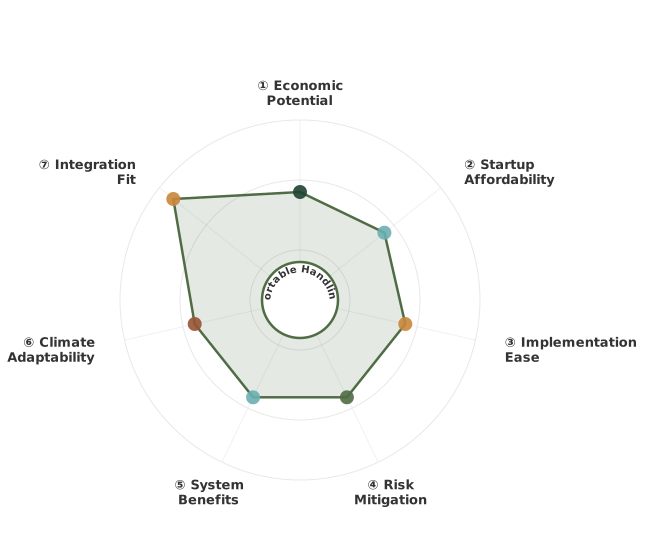
How These Traits Are Calculated
Trait dimensions are ordered clockwise starting from the top of the chart (12 o'clock position):
1. Economic Potential
Financial returns, annual value, and break-even timeline
WHAT: Evaluates financial viability by combining net annual value ($/ha from savings, income, and amortized harvests) with break-even timeline showing when practices pay for themselves.
WHY: Farmers need clear ROI understanding before committing resources. Fast payback (≤3 years) with strong returns (≥$300/ha) enables confident adoption, while long timelines (>10 years) restrict adoption to well-funded operations willing to wait for returns.
HOW: Calculated from net annual value in $/ha and break-even years. Exceptional (≥2.6): fast ROI ≤3 years + high value ≥$300/ha. Typical (1.8-2.5): moderate returns or longer timelines. Limited (<1.8): marginal economics or very long payback >10 years.
2. Startup Affordability
Initial investment costs and financial barrier to entry
WHAT: Measures financial barrier to entry through startup costs for equipment, infrastructure, consulting, and materials. Inverted scoring: lower costs = higher scores = more accessible adoption.
WHY: Affordability determines who can adopt. Low-cost practices (<$250/ha) enable widespread adoption across diverse scales, while high costs (>$2,500/ha) limit adoption to well-capitalized operations, creating barriers that slow regenerative transition.
HOW: Calculated from initial investment parsed from practice content. Inverted scoring: Exceptional (≥2.6): minimal investment <$250/ha. Typical (1.8-2.5): moderate costs $250-2,500/ha. Limited (<1.8): high barrier >$2,500/ha.
3. Implementation Ease
Learning curve and specialized knowledge required
WHAT: Measures how much learning, planning, and specialized knowledge a practice requires. Simpler practices with fewer steps score higher, while complex practices requiring extensive training or specialized resources score lower.
WHY: Complex practices create adoption barriers even when economically viable. Straightforward practices enable faster adoption and broader participation, while those requiring extensive training, timing precision, or specialized equipment limit who can succeed.
HOW: Evaluated by measuring documentation length and identifying complexity markers like location-specific requirements, seasonal timing windows, specialized skills, and dedicated equipment needs. Exceptional (≥2.6): straightforward practices with minimal prerequisites. Typical (1.8-2.5): moderate learning curve with some specialized needs. Limited (<1.8): steep learning curve requiring significant training or resources.
4. Risk Mitigation
Identified financial and ecological risk assessment
WHAT: Evaluates documented risks across financial (investment loss, market volatility) and ecological (crop failure, pest outbreaks) domains. Inverted scoring: fewer risks = higher scores.
WHY: Understanding risk exposure helps farmers make informed decisions. Low-risk practices allow confident implementation, while high-risk practices require careful planning and contingency resources. Risk transparency prevents costly failures.
HOW: Calculated from identified risks in practice content. Inverted scoring: Exceptional (≥2.6): ≤2 risks with manageable severity. Typical (1.8-2.5): 3-5 moderate risks. Limited (<1.8): 6+ risks or severe exposure.
5. System Benefits
How many ways the practice improves your land simultaneously
WHAT: Measures how many aspects of land health improve at once—carbon storage, soil quality, erosion control, water absorption, and biodiversity. Practices that improve multiple areas simultaneously create compounding benefits where each improvement reinforces the others.
WHY: The best practices solve multiple problems at once. For example, addressing erosion simultaneously builds carbon and improves water infiltration, creating a resilient system with positive feedback loops. Single-benefit approaches miss these compound transformation opportunities.
HOW: Evaluated across five key outcomes: carbon sequestration, soil organic matter increase, erosion reduction, water infiltration improvement, and biodiversity enhancement. Exceptional (≥2.6): high carbon storage (>8 t/ha/yr), improvements across 4-5 areas, transformative outcomes. Typical (1.8-2.5): moderate carbon (3-8 t/ha/yr), improvements across 2-3 areas. Limited (<1.8): modest impact (<3 t/ha/yr), single-area focus only.
6. Climate Adaptability
Geographic applicability across Köppen climate zones
WHAT: Evaluates geographic applicability by assessing how many Köppen climate zones successfully support a practice and what adaptation requirements are needed. Measures breadth of climates where farmers can implement with minimal to moderate modifications.
WHY: Universal practices working across diverse climates enable more farmers to adopt regenerative approaches. Practices limited to single climate types (only Mediterranean, only tropical) restrict adoption and slow global transition. Adaptability determines whether a practice serves niche regions or offers broad transformation.
HOW: LLM evaluation of regional success stories, Köppen zone coverage, and adaptation needs. Exceptional (≥2.6): 5+ zones or 4+ climate types, 3+ continents, minimal adaptation. Typical (1.8-2.5): 3-4 zones or 2-3 types, 2 continents, moderate adaptation. Limited (<1.8): 1-2 zones, single region, significant adaptation or highly specialized.
7. Integration Fit
How well this practice combines with others you're doing
WHAT: Measures how well a practice combines with other regenerative practices you might be doing. Some practices work as building blocks that make many other practices easier or more effective, while others work best on their own.
WHY: Practices that combine well with many others create more value on your farm. For example, cover cropping enables no-till, improves grazing, supports crop diversity, and helps water management—making all of them work better together. This helps you build a coherent system rather than juggling disconnected practices.
HOW: Evaluated by identifying which practices combine well and how strong those combinations are. 'Ideally Suited' means strong combinations where practices reinforce each other (practice A makes B easier, while B makes A more effective). 'Adequate' means complementary benefits that work well together. Exceptional (≥2.6): combines well with 6+ practices, serves as a building block. Typical (1.8-2.5): combines with 3-5 practices. Limited (<1.8): 1-2 practices or works best alone.
Going Deeper
1
WHY - The Benefits
Portable handling systems offer a suite of interconnected benefits that align directly with the goals of regenerative agriculture. By enabling precise management of livestock, these systems transform animals from potential agents of degradation into powerful tools for...
Portable handling systems offer a suite of interconnected benefits that align directly with the goals of regenerative agriculture. By enabling precise management of livestock, these systems transform animals from potential agents of degradation into powerful tools for...
WHY - The Benefits
Portable handling systems offer a suite of interconnected benefits that align directly with the goals of regenerative agriculture. By enabling precise management of livestock, these systems transform animals from potential agents of degradation into powerful tools for...
Portable handling systems offer a suite of interconnected benefits that align directly with the goals of regenerative agriculture. By enabling precise management of livestock, these systems transform animals from potential agents of degradation into powerful tools for...
Soil Health Benefits
Portable handling systems are instrumental in building soil health by allowing for the controlled distribution of animal impact. When livestock are grazed in small paddocks for short durations, their hooves can help incorporate surface organic matter into the soil and break up surface crusting, improving water infiltration and aeration. Crucially, the extended rest periods afforded by frequent moves allow perennial plants to fully recover, regrow, and develop robust root systems. This continuous presence of living roots year-round feeds soil microbes, enhances soil structure through root exudates, and contributes to steady increases in soil organic matter over time.
Studies on rotational grazing systems, heavily reliant on portable handling, consistently show improvements in soil organic matter. A meta-analysis of grazing studies indicated an average increase of 0.5-1.5% in soil organic matter within 5-10 years of implementing well-managed grazing, particularly in temperate and humid regions. This increased organic matter enhances soil's water-holding capacity, nutrient-cycling efficiency, and support for biodiversity. The practice of keeping soil covered with living plants or a layer of mulch year-round, facilitated by portable handling, also dramatically reduces soil erosion, preserving topsoil and preventing sedimentation of waterways.
Economic Benefits
The economic advantages of portable handling systems stem from increased efficiency, reduced capital expenditure, and improved production. Compared to constructing elaborate fixed infrastructure like permanent corrals, concrete feedpads, or extensive fencing, portable systems require a lower initial investment. For example, a well-designed portable electric fencing setup can cost $500-2,000 per hectare ($200-800 per acre) for initial materials, whereas permanent steel fencing and concrete structures can easily run $5,000-20,000 per hectare ($2,000-8,000 per acre). This makes regenerative grazing more accessible to farmers with limited capital.
Furthermore, enhanced forage utilization is a significant economic driver. By grazing animals in areas where forage is at its optimal growth stage and then moving them, producers can achieve 20-30% better utilization of available pasture compared to continuous grazing methods like set stocking. This reduces the need for supplemental feed, saving costs. The extended grazing season, often 30-60 days longer annually, also means livestock spend more time on pasture where they perform well, reducing feed costs and increasing profitability. Livestock managed with portable handling systems often experience reduced stress due to better shade, water access, and less competition, leading to improved weight gains, fertility, and overall animal health, which translates directly to better economic returns.
Regenerative Systems Fit
Portable handling systems are foundational for implementing several key regenerative agriculture principles:
Principle 1 (Minimize Soil Disturbance): While livestock do cause some trampling disturbance, portable handling allows for this to be managed. By avoiding the need for large, permanent infrastructure that seals or displaces soil, and by ensuring animals are moved before significant compaction occurs, the overall mechanical impact on soil structure is minimized. The temporary nature of the infrastructure means land can be more readily returned to its natural state after use.
Principle 2 (Maximize Crop Diversity): By enabling rest periods for pastures, portable handling allows less competitive plant species to establish and thrive. This supports a richer diversity of grasses, legumes, and forbs in the forage ecosystem, leading to greater ecological resilience and improved nutrition for livestock. In agroforestry or silvopasture settings, portable fencing can protect young trees from browsing, allowing for the successful integration of woody species and enhancing vertical diversity.
Principle 3 (Keep Soil Covered): Intensive rotational grazing managed with portable handling actively promotes continuous soil cover. Animals graze paddocks down to a planned residual height and are then moved, allowing ample time for plants to regrow and cover the soil surface. This prevents prolonged periods of bare soil, reducing erosion and conserving moisture.
Principle 4 (Maintain Living Roots): The planned rest periods are crucial for maintaining living roots in the soil throughout the year. As plants are grazed moderately and then allowed to recover, their root systems remain active and continue to feed soil biology, cycle nutrients, and stabilize soil structure, even during dormant periods.
Principle 5 (Integrate Livestock): This is where portable handling truly shines. It provides the tactical tool to deliberately integrate livestock into the farm ecosystem. Managers can control the timing, intensity, and duration of grazing in specific areas—directing livestock to improve soil fertility, manage plant communities, or break up plant residue. This precision transforms livestock from a potential liability into an active partner in regenerating the land.
For farms transitioning to regenerative agriculture, portable handling offers a low-barrier entry point. It allows producers to experiment with regenerative grazing techniques without massive capital investment, demonstrating tangible improvements in soil and pasture health. As confidence and profitability grow, they can gradually invest in more advanced portable equipment, further refining their management and deepening their regenerative impact.
Sources behind this view
 Videos & Podcasts
-
Regenerative grazing (adaptive multi-paddock) uses high-density, short-duration grazing with long recovery to stimulate soil health, increase biomass, and improve water infiltration, mimicking natural
-
Explores adaptive multi-paddock grazing, contrasting it with cell grazing, and emphasizes animal impact for landscape recovery. Recommends mob grazing with frequent moves (every 3 days) using temporar
-
This cluster details ultra-high stock density grazing (UHSDG) and 'total grazing' for cattle, emphasizing intensive management, long pasture recovery, and increased stocking rates. The speaker advocat
-
Laura Payne details how managed grazing enhances soil health, water quality, and wildlife habitat, citing research on reduced erosion, improved stream health, and support for grassland birds. Key prin
Community
-
Manage rotational grazing by setting recovery (15-40+ days, adapting to region/season) and grazing periods (2-3 days). Aim to 'take half, leave half' for livestock and soil microbes. High stocking den
Read more (opens in new window) smallfarms.cornell.edu -
Planned Holistic Grazing by Allan Savory is recommended for large, dry farms to regenerate land and improve stocking rates. Key practices include using swales and ditches for water infiltration, adapt
Read more (opens in new window) permies.com -
Effective pasture rotation uses smaller paddocks, frequent moves, and electric fencing, with water source availability being critical. Recommendations include learning from Joel Salatin and starting c
Read more (opens in new window) permies.com -
Intensive rotational grazing of grass-fed beef cows on small acreage, using daily paddock moves and electric fencing, improves pasture health, fertility, and reduces feed costs through regenerative ag
Read more (opens in new window) permies.com
Research
-
Managing Grazing to Restore Soil Health, Ecosystem Function, and Ecosystem Services (opens in new window)
This study found: Properly managed grazing animals can reverse environmental damage. Regenerative practices, like Adaptive Multi-Paddock (AMP) grazing, boost soil health, increase soil carbon, reduce erosion, and enhan
-
Review: Precision Livestock Farming technologies in pasture-based livestock systems. (opens in new window)
This study found: Smart farming tech (GPS, drones, virtual fencing) can improve livestock management on pasture for cattle, sheep, goats, pigs, and poultry, despite challenges like battery life and cost.
-
FORAGES AND PASTURES SYMPOSIUM: COVER CROPS IN LIVESTOCK PRODUCTION: WHOLE-SYSTEM APPROACH: Managing grazing to restore soil health and farm livelihoods1 (opens in new window)
This study found: Regenerative grazing management is key to sustainable, climate-resilient farms. It restores soil health, enhances ecosystem services like carbon capture and water infiltration, and improves farm profi
-
FORAGES AND PASTURES SYMPOSIUM: COVER CROPS IN LIVESTOCK PRODUCTION: WHOLE-SYSTEM APPROACH: Managing grazing to restore soil health and farm livelihoods. (opens in new window)
This study found: Shifting to low-input, regenerative farming with smart grazing management can restore soil health, improve ecosystem services like carbon capture and water infiltration, and boost farm profitability f
2
WHERE - Regional Considerations
The effectiveness and design of portable handling systems are influenced by geography, climate, and farm scale. While the core principles remain constant, regional adaptations are key to success.
The effectiveness and design of portable handling systems are influenced by geography, climate, and farm scale. While the core principles remain constant, regional adaptations are key to success.
WHERE - Regional Considerations
The effectiveness and design of portable handling systems are influenced by geography, climate, and farm scale. While the core principles remain constant, regional adaptations are key to success.
The effectiveness and design of portable handling systems are influenced by geography, climate, and farm scale. While the core principles remain constant, regional adaptations are key to success.
Click Here to Look up your Region if you don't already know it
Humid Temperate Regions
Representative Locations: Northeastern United States, Northern Europe (UK, Germany), Eastern China, Japan, New Zealand
Climate Context: Warm to hot summers and cool to cold winters with moderate to high annual precipitation (75-150 cm or 30-60 inches) distributed relatively evenly. USDA Zones 6-8, Köppen Cfb/Cfa.
Regional Suitability: Highly suitable. Abundant rainfall and long growing seasons support lush pasture growth, maximizing the benefits of intensive grazing and rest periods. Portable electric fencing is very effective for creating numerous paddocks from dense pastures. Management focus: optimizing rest periods to prevent overgrazing and maintain high forage quality, managing moisture to avoid compaction immediately after grazing, and ensuring adequate shade during hot summer months. Integration with annual cropping is common, using livestock to graze crop residues or cover crops.
Mediterranean Regions
Representative Locations: California, Mediterranean basin (Spain, Italy, Greece), Central Chile, Southwestern Australia, Western Cape South Africa
Climate Context: Hot, dry summers and mild, wet winters. Annual precipitation 40-90 cm (15-35 inches), highly seasonal. USDA Zones 8-10, Köppen Csa/Csb.
Regional Suitability: Moderately suitable; requires careful planning. Summer drought significantly limits forage availability and plant regrowth. Portable handling is most effective during the wet season. During dry summers, systems might focus on dry pasture management, utilizing drought-tolerant species, or integrating with supplemental feeding in designated portable corrals to protect sparse vegetation. Fencing needs to be robust enough to withstand potentially higher winds in drier areas. Focus on maximizing soil moisture capture during the wet season and protecting soil from wind and water erosion during dry periods.
Arid/Semi-Arid Regions
Representative Locations: Western USA, North Africa, Central Asia, Interior Australia
Climate Context: Low annual precipitation (<40 cm or 15 inches), high temperatures, short and often unpredictable growing season. USDA Zones 7-9, Köppen BSh/BSk.
Regional Suitability: Challenging but valuable. Portable handling is critical for managing limited forage resources and preventing overgrazing, which can be devastating in these fragile ecosystems. Management must be highly adaptive, with grazing periods often shorter and rest periods much longer, sometimes spanning multiple years in extremely dry conditions. Techniques like "savory grazing" using high-density herds for short periods to trample and mulch dry grass, followed by long rest, are facilitated by portable handling. Water availability is a primary concern; portable water systems must be reliable and strategically placed. Emphasis on protecting soil from wind erosion.
Cold Continental Regions
Representative Locations: Northern USA and Canada, Northern Europe, Northern Asia
Climate Context: Very short growing seasons, extreme summer heat, severe winter cold. USDA Zones 3-5, Köppen Dfa/Dfb.
Regional Suitability: Highly suitable, especially for extending the grazing season. Portable fencing allows for maximizing grazing during the short summer and fall growing periods. Transitioning to portable feeders and waterers can extend pasture use into late fall and early spring, reducing reliance on stored feed. Winter management might involve leaving land ungrazed with portable systems removed to allow accumulation of residue for spring recovery, or using portable feeding stations to concentrate manure in specific areas for later incorporation or soil benefits.
Subtropical Regions
Representative Locations: Southeastern USA, Southern China, Southern Brazil, Eastern Australia
Climate Context: Hot, humid summers and mild winters with generally ample rainfall. USDA Zones 9-11, Köppen Cfa/Cwa.
Regional Suitability: Very highly suitable. Warm temperatures and high rainfall support year-round or near year-round pasture growth, enabling intensive grazing management. Portable handling allows for precise control over animal impact and nutrient distribution. Managing heat stress is important; portable shade structures or strategically placed trees can be integrated with portable handling systems. The potential for insect-borne diseases may also influence management rhythms and the need for rotational movement.
Tropical Regions
Representative Locations: Central America, Southeast Asia, East Africa, Northern Australia, Northern South America
Climate Context: High temperatures year-round, with distinct wet and dry seasons or consistent high rainfall. Köppen Af/Am/Aw.
Regional Suitability: Highly suitable, but requires adaptation to wet/dry cycles and potential for invasive species. Portable handling is vital for managing pasture in areas with distinct wet and dry seasons, ensuring forage is utilized effectively during peak growth and land is rested during drought. In high-rainfall areas, managing soil moisture to prevent damage from animal traffic is critical. Ensuring adequate shade and water during high-temperature periods is paramount. Systems may need to be robust to handle high humidity and potential for increased pest activity.
3
HOW - Implementation Process
HOW - Implementation Process
- Calf-Only or Growing Herd: For producers new to portable handling, starting with weaned calves or younger stock is often easier. They are generally more responsive to management changes, less prone to fence breaking, and less likely to cause severe grazing impact than mature, pregnant, or lactating animals.
- Basic Understanding of Plant Growth: Familiarity with how key forage species respond to grazing and rest is essential. Knowing when plants are in vegetative growth, reproductive stages, and how they react to defoliation is critical for setting grazing durations and rest periods.
- Local Climate & Forage Knowledge: Understanding your region's rainfall patterns, growing seasons, temperature extremes, and dominant forage species is vital for planning paddock size, rest periods, and water availability.
- Water Availability: A reliable plan for supplying water to wherever animals are located. This might involve existing infrastructure that can be extended with temporary lines, or a system of portable water tanks.
Phase 1: Planning & Layout
- Map Your Land: Obtain or create a detailed map of your grazing area. Identify existing fences, water sources, roads, potential hazards (sinkholes, steep slopes), and areas of concern (sensitive riparian zones, tree stands).
- Define Pasture Types & Goals: Categorize land by forage type and productivity (e.g., lush bottomland, dry upland pasture, fallow field). Determine your primary goals: maximize animal performance, build soil organic matter, improve water infiltration, control invasive plants, or a combination.
- Determine Paddock Size: Paddock size is dictated by herd size, forage availability, and planned grazing duration. A common rule of thumb: the herd should be able to graze the paddock down to a desired residual in 1-3 days. For a herd of 50 head of cattle, this might mean paddocks of 0.5 to 2 hectares (1-5 acres) in lush conditions, or much larger paddocks in drier, less productive areas. International differences in land scale and forage quality will significantly influence this.
- Plan Fencing Lines: Sketch out temporary fence lines on your map, creating paddocks that facilitate natural water flow (allowing livestock to water on their way to the next paddock) and animal movement. Consider animal psychology: create laneways to guide them to new areas.
- Water System Planning: Plot the locations for portable water points. Consider animal movement between paddocks and the most efficient way to deliver water using flexible hoses, temporary pipes, or portable tanks.
Phase 2: Infrastructure Setup
- Perimeter Enforcement: If your grazing area is not already fully fenced with robust perimeter fencing (e.g., high-tensile wire fencing), this is a priority. Portable fences are secondary dividers; a perimeter fence is essential. For areas with very large mobile herds (e.g., Mongolia), portable fencing may be the primary enclosure, but requires significant labor to manage.
- Electric Fencing: Invest in portable electric fencing. This typically includes energizers (battery or solar-powered), polywire or tape, portable insulators, and step-in posts. For larger animals like cattle, polywire with 5-7 strands and insulated step-in posts spaced 5-10 meters (15-30 feet) apart is common. For sheep, finer polywire or netting with closer post spacing may be needed.
- Portable Water Delivery:
- Hoses/Pipes: Flexible lay-flat hoses or temporary poly pipes can be run from a pressurized water source (well, rural water supply) to portable water troughs.
- Portable Tanks: If no pressurized source is available, a towed water trailer or large static tank that can be refilled manually or by truck is necessary.
- Float Valves: Use portable float valves to ensure troughs maintain a consistent water level with minimal overflow.
- Portable Feeders & Handling:
- Feeders: For supplemental feeding (e.g., during drought or for specific nutritional needs), use portable feeders that can be moved with the herd. Self-unloading feeders or simple trough systems are common.
- Handling Systems: For processing (vet checks, tagging, weaning), portable yards or small holding tubs can be used. These are often made of light-duty steel panels and can be set up temporarily near the current grazing area.
Phase 3: Grazing Management & Livestock Movement
- Introduction to Paddock: Move the herd into the first paddock. Ensure they have access to water and feed (if supplemental). Electric fencing should be energized and secure.
- Daily Observation: Monitor animal behavior, forage intake, and fence integrity daily. Check water levels and functionality. Identify any escapees or issues with the fencing early.
- Planned Grazing Duration: Graze the paddock for the predetermined period (typically 1-3 days for cattle in lush conditions). The goal is to consume a target amount of forage without overgrazing. Aim to leave a residual height of 7-10 cm (3-4 inches) for cool-season grasses or 10-15 cm (4-6 inches) for warm-season grasses. For sheep, residual heights are typically lower.
- Paddock Move: Relocate the herd to the next paddock. This involves moving portable fencing to create the new area and closing off the previous one. If using portable water, disconnect hoses/pipes from the previous location and reconnect to the new one, or refill portable tanks. Energize the new section of fence.
- Rest Period Management: The vacated paddock enters a rest period. The duration of this rest is critical for regrowth and depends on climate, season, soil moisture, and plant species. It can range from 2 days in rapid growth conditions to 365+ days following a drought or in arid regions.
- Repeat & Adapt: Continue this cycle, moving animals through a planned sequence of paddocks. Monitor pasture regrowth and adjust rest/grazing periods based on actual plant response and environmental conditions.
Sources behind this view
Videos & Podcasts
-
Implement adaptive multi-paddock (AMP) grazing with short (1-3 day) grazing periods and long recovery (90-120+ days) to prevent overgrazing. Focus on plant recovery, soil health, and consistent livest

-
Increase grazing frequency (e.g., twice daily) for better pasture utilization and animal performance. Invest heavily in water infrastructure and use temporary fencing in long, narrow paddocks to maxim
-
Details the practical implementation of intensive rotational grazing, including infrastructure (fencing, water points) and management strategies for large Australian properties. This approach signific
-
Implementing a grazing plan involves calculating paddock size based on forage balance and livestock demand, designing water systems, and installing fences (high tensile electric, barbed wire, woven wi
Community
-
Manage rotational grazing by setting recovery (15-40+ days, adapting to region/season) and grazing periods (2-3 days). Aim to 'take half, leave half' for livestock and soil microbes. High stocking den
Read more (opens in new window) smallfarms.cornell.edu -
Adopts a holistic grazing management approach emphasizing diverse perennial pastures, higher residuals (4"), and longer rest periods (avg. 45 days) to build soil health, increase organic matter (3.4%
Read more (opens in new window) smallfarms.cornell.edu -
Practical rotational grazing advice for small acreage with goats, sheep, and chickens, emphasizing frequent moves, sacrificial paddocks, and specific forage types (fescue, rye, Bermuda) for Zone 8b. M
Read more (opens in new window) permies.com -
Managed rotational grazing for pigs uses forage height, not time, for moves (3 days-3 weeks), with 3+ weeks rest to break parasite cycles. Paddock size depends on animal weight, forage growth, and goa
Read more (opens in new window) permies.com
Research
-
Impacts of holistic planned grazing with bison compared to continuous grazing with cattle in South Dakota shortgrass prairie (opens in new window)
This study found: Managed grazing with bison in South Dakota's shortgrass prairie significantly improved soil health, water infiltration, forage, and plant composition compared to continuous cattle grazing over a decad
-
The effect of Holistic Planned Grazing™ on African rangelands: a case study from Zimbabwe (opens in new window)
This study found: Holistic Planned Grazing™ in Zimbabwe improved rangeland health, soil, and vegetation with higher animal density. Temporary animal enclosures also boosted crop yields, suggesting HPG enhances ecosyste
-
Principles and guidelines for managing cattle grazing in the grazing lands of northern Australia: stocking rates, pasture resting, prescribed fire, paddock size and water points – a review (opens in new window)
This study found: Review of cattle grazing management in northern Australia: principles for stocking rates, pasture resting, prescribed fire, and fencing/water points to improve livestock production, economic returns,
-
Impacts of grazing management on hill country pastures: principles and practices (opens in new window)
This study found: Smart grazing on hilly pastures balances animal needs with grass availability. Managing livestock numbers and types, and grazing at the right time, improves pasture quality and quantity for better far
 From the Web
-
This section details paddock setup, fencing, and water systems for rotational grazing. It provides seasonal adjustment guidelines for cool-season and warm-season grasses, emphasizing plant recovery pe
-
Daily grazing management involves pasture moves based on animal needs and behavior, adapting to ranch conditions. Observations of animal restlessness signal moves, while diverse forages and cover crop
-
Adaptive multi-paddock grazing requires flexible paddock design based on goals, animal species, grazing period, recovery, stock density, and animal impact. Key factors include vegetation types, biome,
-
A 10-step plan for regenerative grazing emphasizes adaptive management, goal setting, mapping, infrastructure assessment, and proper stocking rates. It advises starting small to gain experience before
4
Know the Debate
The utility of portable handling systems for regenerative agriculture is highly adaptable across diverse geographical and operational contexts. Whi...
Know the Debate
The utility of portable handling systems for regenerative agriculture is highly adaptable across diverse geographical and operational contexts. Whi...
The utility of portable handling systems for regenerative agriculture is highly adaptable across diverse geographical and operational contexts. While effective in humid regions with ample rainfall and short rest periods, arid and semi-arid environments demand meticulous planning for longer rest and water conservation strategies. Small farms can begin with minimal investment akin to $1,500-$7,000 for basic systems, while large operations may require over $20,000, seeking labor efficiency through advanced equipment. Ongoing labor from daily moves must be factored in, ranging from 5-15 hours weekly for small holdings to dedicated staff for extensive ranches, all while remembering that precise management is crucial for realizing soil health benefits over a 5-10 year timeframe.
What are the real costs and labor for portable handling?
Low Capital, High Labor (Small Scale)
Starting with basic electric fencing ($1,500-$7,000) and essential waterers offers an affordable entry. This approach is feasible for small farms but demands significant ongoing labor (5-15 hrs/week) for frequent moves and fence management.
Sources behind this view
Sources behind this view
Videos & Podcasts
-
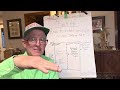
Practical guide to temporary paddock fencing using O'Brien step-in posts and poly wire for rotational grazing. Details include post selection, wire height, water system setup with quick couplers and float valves, and calculating paddock size based on seasonal grass growth.
From the Web
-
Guides the design of portable water systems using tanks and surface tubing for rotational grazing in crop fields, detailing calculations for flow rate, friction loss, elevation, and pressure to ensure adequate water supply for livestock.
-
Integrating portable heifers and dry cows via adaptive grazing in crop systems offers substantial cost savings ($0.56/head/day vs. $4/head/day) and soil health benefits. Practices like Bud Williams' methods and energized fencing enable efficient grazing, reducing manure costs and improving animal health and longevity.
Moderate Capital, Moderate Labor (Mid Scale)
Mid-size operations (50-250 acres) invest $5,500-$27,500 in more robust systems, including quality energizers and multiple water points. Labor remains hands-on (10-30 hrs/week) but is often optimized with ATVs or UTVs.
Sources behind this view
Sources behind this view
Videos & Podcasts
-
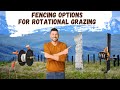
Modern fencing options (plastics, electricity, solar) enable lighter, safer, and less labor-intensive rotational grazing, moving away from old-style permanent anchoring.
Research
-
PA Innovations in livestock, grazing systems and rangeland management to improve landscape productivity and sustainability (opens in new window)
This study found: While smart farming technologies are common in crop farming, they've been slower to catch on for livestock and grazing operations. This review looks at how new technologies could help farmers manage their animals and pastures better. This includes using data to apply fertilizers precisely where needed, accurately measuring how much grass is available, tracking individual animal performance, and using automated systems to monitor livestock. Tools like automatic weighing stations and remote drafting systems are highlighted as potentially valuable for graziers aiming to improve efficiency and sustainability.
From the Web
-
Essential equipment for contract grazing includes well-designed handling facilities, scales for performance monitoring, robust fencing (perimeter and interior electric), ample water sources, and adequate shelter to minimize animal stress and ensure safety.
High Capital, Optimized Labor (Large Scale)
Large ranches ($21k-$145k+) deploy extensive, durable systems with automated waterers and feeders, often requiring dedicated staff due to sheer scale. Investment focuses on efficiency and reduced labor per animal.
Sources behind this view
Sources behind this view
Videos & Podcasts
-
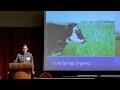
Nate Powell details essential mobile infrastructure for livestock management on leased land, including trailers, portable corrals, water solutions, and adaptable fencing strategies based on animal class and risk, with a focus on Montana conditions.
-
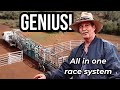
Demonstrates a portable, integrated cattle handling system (loading race, crush, scales bay) for efficient processing across multiple trap yards. Cost-effective construction with replaceable panels and quick setup/pack-up saves time and resources.
Research
-
Developments in monitoring grazing behaviour and automated grazing management in extensive systems (opens in new window)
This study found: This review explores how technology is improving the management and welfare of livestock on large ranches and pastures. It covers new tools that track where animals are, how much they eat, and their health, including 'virtual fencing' systems that use GPS to manage livestock without physical fences. The Australian beef industry is noted as a leader in adopting these 'smart farming' technologies for animals. A real-world example of the eShepherd virtual fencing system being used to protect a sensitive natural area is also featured. The chapter looks at what's been achieved and what research is coming next.
-
Precision Livestock Farming Applications (PLF) for Grazing Animals (opens in new window)
This study found: As global demand for animal products rises, livestock farming is growing, leading to larger herds and changes in how animals are managed. It's hard for farmers to check each animal individually when they have many. Precision Livestock Farming (PLF) uses technology like sensors and smart computer programs to constantly monitor animals in real-time. This helps detect problems early and understand what each animal needs. Technologies include automatic scales, RFID tags for identification and behavior tracking, temperature sensors, mapping tools for pastures, drones for herd oversight, and virtual fences to manage grazing. While some tools are available, especially for cattle, cost, cultural habits, and lack of good technology infrastructure prevent widespread use. This review looks at these technologies and suggests ways to improve their use in large-scale grazing operations.
Making Sense of the Differences
The cost and labor intensity of portable handling systems vary significantly with farm scale. Small operations can adopt basic systems for $1,500-$7,000 with significant manual labor, focusing on flexibility. Mid-scale farms ($5,500-$27,500) invest in more robust equipment for efficiency, while large ranches ($21,000-$145,000+) prioritize automation and scale, often employing dedicated staff. Payback periods are generally 1.5-2 years for smaller efficient setups, and labor savings or production gains drive overall economics.
How precise is animal impact and its soil regeneration effect?
Precise Impact, High Regeneration
Portable handling enables highly controlled grazing, maximizing soil health benefits like 0.5-1.5% organic matter increase in 5-10 years. This precise management maximizes water infiltration and builds robust root systems.
Sources behind this view
Sources behind this view
Videos & Podcasts
-
Daily cattle moves in adaptive multi-paddock grazing are practical using polywire and step-in posts, improving animal performance, soil health, and forage stands efficiently.
-
Discusses advanced grazing management, emphasizing paddock layout, skipping paddocks for fly control, and the critical role of fencing and water. Highlights how subdivision and shorter grazing periods significantly increase carrying capacity (AUDs/acre) and return on investment.
Research
-
Optimising intensive grazing: a comprehensive review of rotational grassland management, innovative grazing strategies and infrastructural requirements (opens in new window)
This study found: This review looks at how dairy farmers can improve their grazing practices, especially with intensive rotational grazing, and the importance of farm infrastructure. When farmers try to get cows to eat more grass, they often have to limit the pasture size, which can lead to cows competing more for food. Giving cows fresh grass more than once a day might actually lower milk production in younger cows because of this competition. A better approach is to divide pastures into sections for 24-36 hour grazing. This reduces competition and stops cows from eating new grass too soon. Having good farm paths (roadways) is key to easily moving cows between these grazing areas and to the milking parlor. The location of the milking parlor and the quality of farm paths (width, surface) significantly impact how efficiently cows move and can even affect how much milk they produce. Improving these paths can also make farm work easier.
From the Web
-
Guidance on designing cattle handling facilities emphasizes low-stress practices, strategic location (e.g., pasture convergence), appropriate sizing (20 sq ft/cow, 14 sq ft/calf), and features like crowd gates, adjustable chutes, and curved alleys for safe and efficient animal processing.
Variable Impact, Management Dependent
Ineffective management, such as improper rest periods or fence breaks, can lead to overgrazing and compaction, negating regenerative benefits. Success requires observation, adaptation, and understanding of local conditions.
Sources behind this view
Sources behind this view
Videos & Podcasts
-
Nate Powell details essential mobile infrastructure for livestock management on leased land, including trailers, portable corrals, water solutions, and adaptable fencing strategies based on animal class and risk, with a focus on Montana conditions.
-
Implementing rotational grazing requires basic electric fencing, chargers, reels, and posts. Key elements include grass, water, minerals, shade, hot fence, and the right animal. Focus on observation, adaptation, and daily movement for effective paddock management.
Research
-
Low-stress cattle handling (opens in new window)
This study found: Handling cattle calmly is safer for people, better for the animals' well-being, and can prevent costly losses in production. This article explains that to truly master low-stress handling, you need to understand not just the basic techniques, but also how to design facilities that help animals move easily, how herds behave, how to read animal body language, and even how cows' brains and emotions work. It's aimed at veterinarians who can then train farm staff and others working with cattle, offering resources for deeper learning.
From the Web
-
Essential elements for cattle handling facilities include utilities (electricity, water), cover/shade, proper slope for drainage, specialized chutes (calf, palpation), robust gates, all-weather road access, appropriate size (35-45 sq ft/cow-calf pair), sufficient holding pens (at least three), and flexible/modular design to avoid shadows and ensure safety and functionality.
Making Sense of the Differences
The impact of portable handling on soil regeneration is strongly tied to management precision. While the systems enable controlled grazing, improper planning of rest periods or inadequate fencing can lead to overgrazing and soil compaction, undermining regenerative goals. Success demands a detailed understanding of plant growth responses, animal behavior, and keen observation, particularly in adapting to local climates and forage conditions. Beginners are advised to start conservatively, prioritize reliable watering and fencing, and progressively refine their approach.
5
HOW MUCH - Costs & Investment
Note: All costs are in USD equivalent. Multiply by local currency and adjust for local labor rates, material availability, and import costs. Labor costs vary significantly internationally, impacting the proportion of DIY vs. hired work.
Note: All costs are in USD equivalent. Multiply by local currency and adjust for local labor rates, material availability, and import costs. Labor costs vary significantly internationally, impacting the proportion of DIY vs. hired work.
HOW MUCH - Costs & Investment
Note: All costs are in USD equivalent. Multiply by local currency and adjust for local labor rates, material availability, and import costs. Labor costs vary significantly internationally, impacting the proportion of DIY vs. hired work.
Note: All costs are in USD equivalent. Multiply by local currency and adjust for local labor rates, material availability, and import costs. Labor costs vary significantly internationally, impacting the proportion of DIY vs. hired work.
Note: All costs are based on recent US economic data (2024–2026) and may vary substantially by region based on local labor rates, material costs, and regulatory requirements.
Portable Fencing Infrastructure
The foundational capital requirement for portable handling is the electric fencing suite. For small-scale operations (under 50 acres (20 ha)), initial investment for a high-quality solar energizer, two miles of polywire, and 100 tread-in posts ranges from $830 to $2,600. Mid-size operations (50–500 acres (20–202 ha)) typically invest in more robust, higher-joule energizers and additional reels for complex paddock division, spending between $2,600 and $10,400. Large-scale ranching operations (500+ acres) scaling to adaptive multi-paddock grazing may allocate $10,400 to $46,900 for commercial-grade fence chargers, heavy-duty wire systems, and specialized corner post assemblies that allow for permanent-quality mobility across massive, varying landscapes.
Portable Water Delivery Systems
Water distribution is frequently the most significant logistical cost in mobile grazing. Small farms generally utilize basic tank and hose setups with floating valves, costing $520 to $2,080. Mid-size operations require more complex delivery solutions, such as temporary high-pressure lay-flat piping and larger 300 to 600-gallon (2,271 L) portable troughs, necessitating a budget of $2,080 to $8,340. Large operations face significant expenses for centralized water movement, involving extensive piping networks to transport water to mobile troughs, pressure-boosters, and professional-grade quick-coupling valves, ranging from $8,300 to $36,500.
Portable Feeders and Supplements
Management-intensive grazing reduces the need for constant supplemental feeding, yet infrastructure remains essential during transition periods or winter months. Small-scale operators typically spend $420 to $1,560 on basic poly-troughs or single-bale feeders. Mid-size setups often integrate self-unloading or towed creep feeders designed for easier movement, costing $1,560 to $6,250. Large operations require high-capacity, heavy-duty towed feeders compatible with vehicle hitching, which can represent an investment of $6,250 to $31,300, depending on hardware specifications like self-contained mineral dispensers or heavy-duty hay-saving skirts.
Modular Handling and Sorting Systems
This category includes aluminum portable chutes, crowding tubs, and adjustable loading ramps. Small operations often utilize simple head gates costing $830 to $3,130. Mid-size operations frequently invest in a modular portable chute system, which allows for safer handling in the field compared to static facilities, costing $4,170 to $12,500. Large-scale operations prioritize high-throughput commercial processing lanes and hydraulic or manual portable crowding tubs for efficient herd management, with costs ranging from $12,500 to $62,500 for a comprehensive, transportable system.
Most Spend: The majority of farm operations fall into the middle 60% of these cumulative ranges, typically spending between $6,500 and $28,000 for a functional, integrated mobile handling system. This investment tier usually covers high-value essentials like high-output energizers, pressurized water delivery, and mid-range transportable chutes.
Why the Range?: Costs vary significantly based on the level of manual versus automated labor required; for example, a manual hand-crank reel system is significantly cheaper than automated tensioning spools. Additionally, the geography of the property—specifically terrain steepness and water source distance—drives the requirement for higher-spec piping, booster pumps, and heavy-duty structural bracing, which can increase capital expenditures by 30-50% in rugged landscape environments.
Sources behind this view
Videos & Podcasts
-
Covers essential cattle farm infrastructure: temporary electric fencing ($800-$1000) for rotational grazing, various water sources and DIY/purchased waterers, and corrals (expensive but alternatives e

-
Details the financial benefits of investing in fencing and water infrastructure for grazing, estimating costs ($175/acre) and returns (66% increase in carrying capacity). Discusses specific paddock de
-
Discusses costs of grazing infrastructure (fences, water systems, travel lanes) and financial assistance through NRCS EQIP, including incentive payments for successful grazing management. Record-keepi
6
REWARDS AND RISKS - Economics & Risk Factors
REWARDS AND RISKS - Economics & Risk Factors
Economic Scenarios In a Best Case Scenario, a mid-size operation (200 acres (81 ha)) invests $18,750 in a premium portable system. By mastering high-density grazing, output per acre increases by 25%. Enhanced forage quality improves weaning weights by 15 lbs (6.8 kg) per head across a 100-cow herd. At current feeder market prices, this weight gain yields $3,125 in additional annual revenue. Coupled with a $7,290 reduction in annual hay and commercial feed costs through extended grazing intervals, the operation achieves a total annual benefit of $10,415, hitting the breakeven point in approximately 22 months.
In a Typical Case Scenario, a small-scale operation (40 acres (16 ha)) invests $5,200 in a basic mobile setup. Improvements in forage utilization yield a 15% increase in stocking capacity. Reduced labor from simplified, mobile handling saves 10 hours per month at an implied rate of $20 per hour, totaling $2,500 in annual labor efficiency. Total annual financial gains reach $3,330. With an initial investment of $5,200, the operational ROI, driven by forage utilization and animal performance, is reached within 19 to 21 months.
In a Worst Case Scenario, a producer invests $10,400 but lacks the diagnostic skills to monitor soil moisture and regrowth rates. Improper, stagnant movement timings create localized overgrazing and soil compaction, leading to a 10% decrease in total pasture production over three seasons. Emergency supplemental feed costs rise to cover the pasture deficit, adding $5,200 in annual expenses. Equipment breakage due to poor maintenance results in $2,080 in repairs. The system is abandoned within two years, resulting in a total net loss exceeding $12,500 and significant long-term degradation of pasture potential.
Market Factors and Risk Mitigation Profitability is tightly linked to prevailing livestock prices and the current cost of synthetic nitrogen. When fertilizer costs exceed $800 per ton, portable systems provide a hedge by building soil fertility naturally, increasing the "value-add" of the grazing practice. Mitigation strategies include "modular entry"—starting with the cheapest, most high-impact equipment (fencing and water) before purchasing expensive handling hardware. A maintenance budget of 6.5% of the total equipment value should be set aside annually to cover expected wear and tear, preventing sudden capital drains due to unexpected failure.
Transition Period Risks Moving to portable management requires a shift in operator time allocation. Initial "yield dips" may occur in year one if the operator overestimates forage availability while the soil microbiology is still transitioning from conventional synthetic inputs to natural fertility cycles. This risk is mitigated by maintaining a 20% "safety feed reserve" during the first 24 months to cover unexpected shortfalls. Furthermore, moving cattle into fresh paddocks requires 5–8 hours of added planning time monthly during the first year of implementation.
Sources behind this view
Videos & Podcasts
-
Implemented mob grazing by moving cattle daily to fresh pasture, resulting in thousands saved annually, a 30% increase in stocking rate, and improved soil organic matter (up to 9%) by feeding soil mic
-
Improved grazing management boosts ranch economics through higher stocking rates, better cows-per-man ratios, extended grazing seasons, and reduced feeding costs. Strategic fencing and water developme
-
Analyzes four ranch profitability scenarios by adjusting stocking rates, cow size, and grazing intensity. Higher stocking rates with smaller cows and intensive management, including adequate pasture r
-
Intensive grazing economics depend on labor, equipment, and context. High stock density and bale grazing can manage brush, while soil microbial balance (fungal vs. bacterial) influences plant growth a
Research
-
Economics of increasing the persistence of sown pastures: costs, stocking rate and cash flow (opens in new window)
This study found: A 15-year financial model shows pastures that last longer and support higher stocking rates without replanting are most profitable, linking ecological sustainability to economic viability for grazing
-
Transitioning from conventional continuous grazing to planned rest-rotation grazing: A beef cattle case study from central Texas (opens in new window)
This study found: A 5-year Texas case study found planned rest-rotation grazing showed potential for more forage and better soil health on cultivated paddocks compared to continuous grazing, with similar overall profit
7
WHO - Labor & Expertise
WHO - Labor & Expertise
- Animal Husbandry: Basic understanding of livestock health, behavior, and nutritional needs is essential. Producers need to recognize signs of stress, illness, or injury, and ensure animals have adequate access to food and water.
- Pasture Management: Knowledge of forage plant species, their growth cycles, and their response to grazing and rest is critical. This includes understanding how to set appropriate grazing durations and rest periods for different plant communities and environmental conditions.
- Basic Equipment Maintenance: Understanding how to set up, operate, and troubleshoot electric fences, water systems, and feeders is necessary. This includes basic repairs for equipment damage.
- Planning & Observation: The ability to plan paddock sequences, estimate grazing times, observe plant and animal responses, and adapt management strategies on the fly is paramount. This requires analytical thinking and attention to detail.
Labor Implications
- Intensity vs. Duration: Portable handling systems often increase labor intensity (more frequent moves and checks) but reduce the need for static, labor-intensive infrastructure.
- Flexibility & Adaptability: Daily or every-other-day observation and moves are common practices. This requires a flexible schedule, especially during peak grazing seasons.
- Labor Savings Potential: Once mastered, efficient systems with quality portable feeders and waterers can reduce the day-to-day labor compared to managing animals in fixed lots or continuous grazing. The time saved on infrastructure maintenance (e.g., fixing permanent fence) can be redirected to pasture observation and planning.
- Scale Dependency: Labor requirements increase with herd size and land area. Large-scale operations often employ dedicated staff or use ATVs/UTVs with specialized equipment (e.g., mounted fence reels, towed feeders) to manage labor efficiently.
- International Labor Costs: In regions with lower labor costs (e.g., parts of South Asia, Africa), a higher labor input for moves and checks is common and economically feasible. In regions with high labor costs (e.g., North America, Western Europe), producers tend to invest more in labor-saving portable equipment like automated waterers and feeders.
Expertise Development
- Mentorship: Learning from experienced regenerative graziers is invaluable. Participate in workshops, field days, or direct farm visits.
- Extension Services: Connect with local agricultural extension offices, universities, or research institutions that may offer guidance on grazing management and soil health.
- Online Resources: Numerous online platforms, forums, and educational videos offer insights into portable handling and regenerative grazing techniques.
- Experimentation: Start small, experiment with different paddock designs, grazing durations, and rest periods on a portion of your land. Observe results and adapt your approach.
Sources behind this view
Videos & Podcasts
-
Adaptive Multi-Paddock Grazing (AMPG) involves flexible, short-duration grazing and long rest periods, replacing conventional inputs with animal manure. Research metrics include soil health, water inf

-
Implementing rotational grazing requires basic electric fencing, chargers, reels, and posts. Key elements include grass, water, minerals, shade, hot fence, and the right animal. Focus on observation,
Community
-
Recommends mob grazing and holistic management for pasture health, using electric fences to manage livestock movement, distribute manure, and encourage native grasses. Provides links to expert videos
Read more (opens in new window) permies.com
Research
-
Review: Precision Livestock Farming technologies in pasture-based livestock systems. (opens in new window)
This study found: Smart farming tech (GPS, drones, virtual fencing) can improve livestock management on pasture for cattle, sheep, goats, pigs, and poultry, despite challenges like battery life and cost.
-
A 100-Year Review: A century of change in temperate grazing dairy systems. (opens in new window)
This study found: Dairy grazing systems evolved over 100 years from random grazing to intensive, high-output systems driven by research, technology, and breeding. Managed grazing, better genetics, and supplementary fee
-
Precision Livestock Farming Applications (PLF) for Grazing Animals (opens in new window)
This study found: Precision Livestock Farming (PLF) uses sensors and software to monitor grazing animals, improving health and management. Adoption is limited by cost, tradition, and poor infrastructure, despite availa
-
Precision Tools for Forage Assessment and Nutritional Decision Support in Grazing-Ruminant Systems: A Narrative Review (opens in new window)
This study found: New precision tools can help manage grazing animal nutrition by assessing pasture quality, but face challenges in calibration, cost, and farm-level adoption for practical decision-making.
8
EQUIPMENT - Tools & Infrastructure
The term "Portable Handling" encompasses a range of equipment designed for flexibility and mobility. The specific tools needed will vary based on animal type, scale of operation, landscape, and budget.
The term "Portable Handling" encompasses a range of equipment designed for flexibility and mobility. The specific tools needed will vary based on animal type, scale of operation, landscape, and budget.
EQUIPMENT - Tools & Infrastructure
The term "Portable Handling" encompasses a range of equipment designed for flexibility and mobility. The specific tools needed will vary based on animal type, scale of operation, landscape, and budget.
The term "Portable Handling" encompasses a range of equipment designed for flexibility and mobility. The specific tools needed will vary based on animal type, scale of operation, landscape, and budget.
Fencing Systems
- Energizers: The heart of electric fencing.
- Solar-powered: Most common for rotational grazing, providing off-grid power for remote paddocks. Range from small, portable units ($100-300 USD equivalent) to larger, more powerful units ($500-1,000+ USD equivalent).
- Battery-powered: Cheaper for smaller enclosures or temporary use, but require frequent battery changes or recharging.
- Mains-powered: Require access to electricity, less portable but offer consistent power.
- Conductive Material: Transmits the electric pulse.
- Polywire/Polytape: Woven strands of conductive wire with plastic insulation. Polytape is more visible, often used for larger animals or as a visual deterrent mainlines. Polywire is more common for subdivision. Costs vary based on length and number of conductors. ($0.10 - $0.50 USD/meter)
- High-Tensile Wire: Steel wire that carries charge very efficiently. Often used for perimeter fencing or along laneways where it might be exposed to more stress.
- Posts & Insulators: Anchor the conductive material and keep it insulated from the ground.
- Step-in Posts: Lightweight, plastic or fiberglass posts that can be quickly pushed into the ground. Come in various heights. ($1-3 USD each)
- Insulators: Snap onto posts to hold wire/tape and prevent electrical shorting.
- Corner/Gate Posts: More robust posts for corners and gate transitions.
- Gates & Handlers: Allow for opening and closing fence lines without losing charge.
- Portable Gates: Made from tape, wire, or flexible tubing with handles.
- Gate Insulators & Handles: Specialized components to maintain electrical continuity.
Water Delivery Systems
- Portable Water Troughs:
- Plastic/Polyethylene Troughs: Lightweight, durable, and come in various sizes. Can be filled manually or via hose. ($50-300 USD equivalent)
- Towed Water Trailers: Larger tanks mounted on trailers, useful for moving significant water volumes across pastures without extensive hose networks. ($800 - $5,000+ USD equivalent)
- Water Lines:
- Lay-flat Hose: Collapsible hoses ideal for temporary use. Easy to deploy and store. ($0.50 - $2.00 USD/foot)
- Temporary Poly Pipe: Flexible UV-resistant pipes that can be laid on the surface or buried shallowly for longer-term temporary use.
- Water Management Components:
- Float Valves: Automatically control water level in troughs, preventing overflow and waste, crucial for water conservation.
- Quick-Connect Fittings: Allow for rapid connection and disconnection of hoses/pipes during paddock moves.
- Portable Pumps: If water source is a pond or stream, a pump may be needed.
Feeding Systems
- Portable Feeders:
- Basic Troughs: Simple plastic or metal troughs that can be moved manually or with a tractor. ($50-200 USD each)
- Towed Feed Wagons: Large feeders on wheels, often with augers or openings for controlled feed delivery. Can be pulled by tractor or ATV. ($1,000 - $5,000+ USD equivalent)
- Self-Unloading Feeders: More automated, often with solar-powered augers, reducing labor for filling.
- Feed Storage: Portable storage bins or proximity to a main feed shed.
Handling & Sorting Equipment
- Portable Yards/Pens: Lightweight steel panels that can be quickly assembled to create temporary holding areas for sorting, processing, or veterinary care. ($50-150 USD/panel)
- Crowding Tubs & Ramps: Circular tubs that funnel animals toward a loading ramp or processing chute. Can be small trailer-mounted units. ($800 - $5,000+ USD equivalent)
Ancillary Equipment
- ATV/UTV: Highly beneficial for transporting equipment, checking fences, and moving animals across large areas.
- Hand Tools: Insulated pliers, wire cutters, measuring tapes, shepherd's crooks.
- Soil Probes/Penetrometers: For assessing soil compaction and health to guide grazing management.
Sourcing: Equipment can be purchased from specialized livestock supply companies, agricultural cooperatives, or online retailers. International producers may need to consider import duties and local suppliers. Durability and ease of repair are key considerations for long-term investment.
Sources behind this view
Videos & Podcasts
-
Covers essential cattle farm infrastructure: temporary electric fencing ($800-$1000) for rotational grazing, various water sources and DIY/purchased waterers, and corrals (expensive but alternatives e
-
Kevin Wilty details the essential infrastructure for grazing systems: robust fencing (high-tensile electric, polywire) and water systems. He is adopting virtual fencing (Halters) to increase daily mov

-
Implementing rotational grazing requires basic electric fencing, chargers, reels, and posts. Key elements include grass, water, minerals, shade, hot fence, and the right animal. Focus on observation,
Community
-
Essential sheep farming infrastructure includes high-tensile woven wire fencing for predator control, portable electric fences for rotational grazing, basic shelter, and a water-hauling trailer. Buyin
Read more (opens in new window) smallfarms.cornell.edu
9
COMPATIBLE PRACTICES - Integration Opportunities
Portable handling is not a standalone practice; its regenerative potential is amplified when integrated with other land management strategies.
Portable handling is not a standalone practice; its regenerative potential is amplified when integrated with other land management strategies.
COMPATIBLE PRACTICES - Integration Opportunities
Portable handling is not a standalone practice; its regenerative potential is amplified when integrated with other land management strategies.
Portable handling is not a standalone practice; its regenerative potential is amplified when integrated with other land management strategies.
Rotational Grazing
- This is the core management strategy enabled by portable handling. The integration is synergistic: portable handling provides the tactical tools, while rotational grazing provides the strategic framework for animal movement, paddock size, grazing duration, and rest periods.
- Integration Benefit: Maximizes forage utilization, improves soil health through controlled impact and nutrient cycling, extends the grazing season, and builds plant diversity.
Adaptive Multi-Paddock (AMP) Grazing
- A more advanced form of rotational grazing, AMP grazing emphasizes high animal density for short periods followed by long rest periods, aiming to mimic natural herbivore herds. Portable handling is necessary to implement AMP grazing effectively across multiple paddocks.
- Integration Benefit: Accelerates soil organic matter accumulation, enhances water infiltration, improves carbon sequestration, and promotes highly resilient grassland ecosystems.
Cover Cropping in Livestock Systems
- Portable handling allows livestock to graze cover crops for specific durations. This can help manage cover crop biomass, incorporate residue, and cycle nutrients.
- Integration Benefit: Livestock input nutrients (manure) into the cover crop system, turning biomass into fertility for the next cash crop or pasture phase. Careful management prevents overgrazing and ensures cover crop benefits are maintained.
Silvopasture
- Portable fencing is ideal for managing livestock within silvopasture systems. It can be used to protect young trees from grazing damage during establishment, or to manage grazing intensity under mature trees.
- Integration Benefit: Ensures livestock utilize forage effectively while protecting valuable tree infrastructure, allowing for dual production of timber/nuts and livestock. It also helps distribute manure more evenly around trees.
Keyline Design / Water Harvesting
- Though not directly related to fencing, portable handling can be used to strategically place livestock near keyline water harvesting structures (swales, ponds) to facilitate nutrient cycling and vegetation establishment in these areas after they collect water.
- Integration Benefit: Enhances the effectiveness of water harvesting by concentrating livestock impact and nutrient deposition where it is most beneficial for plant growth and soil moisture retention.
Holistic Management
- Portable handling is a practical tool for implementing Holistic Management decision-making processes, allowing managers to move livestock according to planned holistic financial and ecological goals.
- Integration Benefit: Provides the tactical flexibility to execute a holistically planned grazing sequence that considers animal, land, and economic needs simultaneously.
For farms transitioning to regenerative agriculture, adopting portable handling often presents itself as an initial step. Its low capital cost compared to permanent infrastructure and its direct impact on grazing management make it an accessible practice. As producers gain experience and witness the benefits to soil and forage, they naturally gravitate towards more structured grazing plans like AMP or Holistic Management, using portable handling as their primary tool.