
Woodland Pork Production
Woodland pork production integrates pigs into forested or wooded areas, allowing them to forage on natural vegetation, acorns, and supplementary feed. This practice mimics natural pig behavior, enhancing animal welfare, improving nutrient cycling through manure deposition, and fostering a more biodiverse ecosystem by integrating livestock with trees.
Read More: Complete Description
Woodland pork production, also known as silvopork or forest hog farming, is an integrated land management system that combines raising pigs with trees and other woody vegetation. It's a practice rooted in mimicking natural foraging behaviors of pigs, which are omnivores that naturally root, forage, and seek shade in wooded environments. In this system, pigs are managed within a wooded landscape—either naturally occurring forests, woodlots, or intentionally planted multi-story agroforestry systems—where they are free to roam, root, and consume a diverse diet of natural forage, fallen nuts, fruits, roots, and supplementary feed.
This integration offers a synergistic approach to land use. Pigs contribute to nutrient cycling by depositing manure directly onto the soil, fertilizing both the understory vegetation and the trees. Their rooting behavior can help prepare seedbeds for tree regeneration and manage understory plant density, potentially reducing fire hazards or controlling invasive species. In turn, the wooded environment provides essential resources for the pigs: shade from the sun, shelter from adverse weather, access to diverse natural food sources, and opportunities for natural behaviors like rooting and wallowing, all of which contribute to improved animal welfare and reduced stress compared to confinement systems.
From a regenerative agriculture perspective, woodland pork production aligns strongly with several core principles. It directly supports integrating livestock (Principle 5) by using animals as a tool to cycle nutrients, manage vegetation, and build soil fertility within a perennial landscape. The presence of diverse plant life—trees, shrubs, forbs, and grasses—contributes to maximizing crop diversity (Principle 2) above and below ground, fostering a complex soil food web. The perennial nature of the trees and often the understory vegetation ensures keeping soil covered (Principle 3) year-round, protecting it from erosion and maintaining biological activity. Furthermore, the living roots of trees and the understory plants contribute to maintaining living roots (Principle 4) for extended periods, continuously feeding soil biology. When managed to avoid overgrazing or soil pugging, and when trees are established with minimal disturbance, it also supports minimizing soil disturbance (Principle 1).
The practice is highly adaptable across various climates and regions globally. In temperate regions like Europe and North America, pigs might forage in oak, beech, or pine forests, consuming acorns, mast, roots, and supplementary grains. In warmer climates, such as parts of South America or Southeast Asia, they can utilize tropical forest systems, benefiting from abundant fruits and roots. The key is selecting appropriate tree species, managing understory vegetation, and ensuring that pig rooting and movement do not lead to permanent soil degradation or excessive erosion—a critical factor in its regenerative application.
Woodland pork production is not without its challenges. Overstocking or poor management can lead to soil compaction, erosion, and damage to desirable trees or understory plants. Pigs are powerful rooters, and careful planning is needed to direct their activity and protect young trees or sensitive vegetation. This often involves using fencing to manage pig movement within designated areas or rotational grazing within larger wooded blocks. Managing supplementary feed inputs is also crucial to ensure a balanced diet without creating reliance on non-regenerative inputs.
The economic viability of woodland pork production stems from several factors. It can reduce feed costs compared to confinement systems due to natural foraging. It offers enhanced animal welfare, which can command premium prices in niche markets. The practice can also generate income from timber, nuts, or other forest products over the long term, creating a diversified income stream. Financially, it's a transitionary practice in that it moves away from input-intensive confinement farming towards integrating livestock into perennial, naturally functioning landscapes, producing valuable ecosystem services alongside pork.
Considerable experience from Europe, particularly France and the UK, highlights successful models where pigs forage in oak and chestnut forests. In regions like the Amazon basin, indigenous communities have long integrated livestock, including pigs, with forest ecosystems. Globally, the regenerative adoption of woodland pork production is growing as producers seek more sustainable, resilient, and profitable farming systems that actively build soil health and enhance biodiversity.
Sources behind this view
Sources behind this view
 Videos & Podcasts
-
Details the economics of Polyface Farm's pig operation, including profitability ($60k net on leased land), charcoal use, paddock prep, low labor (1 hr/day), and positive land impact through rotational
-
John Hopkins used pigs to renovate woodlands and control invasives (mola rose, barberry) by rooting and cultipacking seeds in small paddocks (60x60 ft) within a 3-acre woodlot. This created regenerate
-
A forester in northeast Pennsylvania uses pigs in wood lots to root and cultivate exposed forest floors, creating soil-to-seed contact for new forage species like orchard grass and clover, while manag
-
Demonstrates the regenerative impact of pigs on silvopasture over eight years, significantly reducing undergrowth and promoting forage growth. Contrasts managed vs. unmanaged forest areas, showcasing
 Community
-
Regenerative pig farming on forested, sloped land involves sustainable logging for pasture creation, planting diverse forages (grasses, legumes, brassicas), and using robust electric fencing with high
Read more (opens in new window) permies.com -
Joel Salatin and others propose pigs provide crucial 'ecological disturbance' to forests, creating savannahs and silvopastures by selectively killing trees. Proper rotation, stocking density, and prot
Read more (opens in new window) permies.com -
Explores the integration of pigs and trees (agroforestry/silvopasture), detailing benefits and management practices, by Joseph Orefice.
Read more (opens in new window) smallfarms.cornell.edu -
Pigs are raised in a silvopasture system, foraging on grass and various fruit/nut trees (hazelnuts, chestnuts, mulberries). They are 'nut-finished' and act as a natural pest/disease control by consumi
Read more (opens in new window) permies.com
 Research
-
Such as pigs eat: the rise and fall of the pannage pig in the <scp>UK</scp> (opens in new window)
This study found: Pannage pig systems, where pigs forage in forests for acorns, were historically vital. Renewed interest in animal welfare and sustainable agriculture is bringing this practice back into focus.
-
Chasing pigs, chasing profits: (De)territorializing organic and free-range pig farming in Norway (opens in new window)
This study found: Norwegian study: Organic/free-range pig farming faces market and land management challenges. Farmers adapt by valuing pigs for broader farm productivity and social connections, requiring a rethink of
 From the Web
-
Silvopasture for pigs requires moving animals every 3-7 days using portable electric fencing to prevent soil damage. Paddocks need 30-90 day rest periods. Stocking rates of 10-20 pigs/acre are a guide
-
Raising hogs outdoors requires careful environmental management, primarily through rotation, to protect soil and water. Feeding must be balanced, with purchased feed crucial for young pigs, while olde
Key Points
What It Is
- Pigs forage in wooded areas with trees
- Mimics natural pig behavior & diet
- Integrates livestock with perennial landscapes
- Enhances animal welfare and nutrient cycling
Why Do It
- Reduces reliance on external feed inputs
- Builds soil health and fertility naturally
- Supports biodiversity and ecosystem function
- Diversifies farm income streams
Know the Debate
- Soil carbon gains vary; visible results in 1-3 years, true sequestration takes 5-10.
- Fencing strategy ranges from portable electric to permanent infrastructure.
- Feed cost savings vary widely based on woodland resources.
- Pigs enhance soil health and biodiversity in wooded systems.
Benefits - Financial
- Premium market access improves margins by $0.75 - $2.50 per lb.
- Supplemental feed input costs are reduced by 20% - 40% annually.
- ROI for well-managed systems often achieved within 24 - 36 months.
Benefits - System
- Soil organic matter increase: 0.5-1.5% over 5-10 yrs
- Biodiversity support: Habitat for insects, birds
- Nutrient cycling: Manure fertilizes trees/forage
- Maintains living roots year-round (Principle 4)
Risks - Financial
- Startup infrastructure costs range from $600 - $3,500 per acre ($1,483–$8,649 per hectare).
- Transition-year production dips of 10% - 15% in finish weights.
- Operating costs can fluctuate by 25% due to parasite management.
Risks - System
- Soil compaction/erosion if overstocked
- Damage to desirable trees/understory by rooting
- Disease transmission to/from wildlife
- Requires careful fencing and rotational management
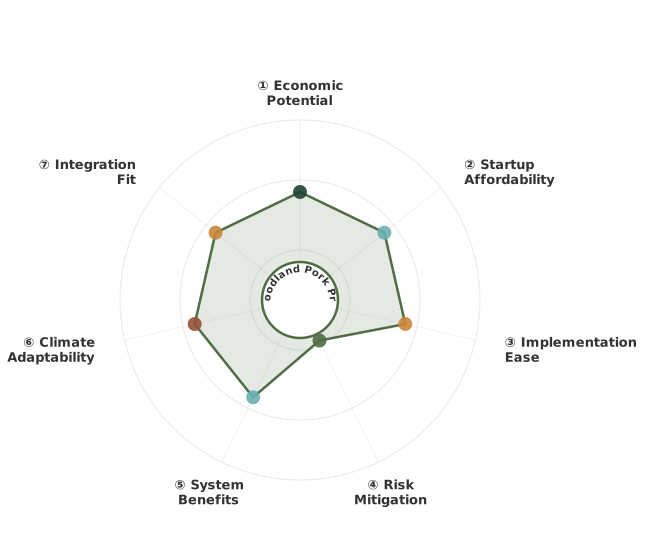
How These Traits Are Calculated
Trait dimensions are ordered clockwise starting from the top of the chart (12 o'clock position):
1. Economic Potential
Financial returns, annual value, and break-even timeline
WHAT: Evaluates financial viability by combining net annual value ($/ha from savings, income, and amortized harvests) with break-even timeline showing when practices pay for themselves.
WHY: Farmers need clear ROI understanding before committing resources. Fast payback (≤3 years) with strong returns (≥$300/ha) enables confident adoption, while long timelines (>10 years) restrict adoption to well-funded operations willing to wait for returns.
HOW: Calculated from net annual value in $/ha and break-even years. Exceptional (≥2.6): fast ROI ≤3 years + high value ≥$300/ha. Typical (1.8-2.5): moderate returns or longer timelines. Limited (<1.8): marginal economics or very long payback >10 years.
2. Startup Affordability
Initial investment costs and financial barrier to entry
WHAT: Measures financial barrier to entry through startup costs for equipment, infrastructure, consulting, and materials. Inverted scoring: lower costs = higher scores = more accessible adoption.
WHY: Affordability determines who can adopt. Low-cost practices (<$250/ha) enable widespread adoption across diverse scales, while high costs (>$2,500/ha) limit adoption to well-capitalized operations, creating barriers that slow regenerative transition.
HOW: Calculated from initial investment parsed from practice content. Inverted scoring: Exceptional (≥2.6): minimal investment <$250/ha. Typical (1.8-2.5): moderate costs $250-2,500/ha. Limited (<1.8): high barrier >$2,500/ha.
3. Implementation Ease
Learning curve and specialized knowledge required
WHAT: Measures how much learning, planning, and specialized knowledge a practice requires. Simpler practices with fewer steps score higher, while complex practices requiring extensive training or specialized resources score lower.
WHY: Complex practices create adoption barriers even when economically viable. Straightforward practices enable faster adoption and broader participation, while those requiring extensive training, timing precision, or specialized equipment limit who can succeed.
HOW: Evaluated by measuring documentation length and identifying complexity markers like location-specific requirements, seasonal timing windows, specialized skills, and dedicated equipment needs. Exceptional (≥2.6): straightforward practices with minimal prerequisites. Typical (1.8-2.5): moderate learning curve with some specialized needs. Limited (<1.8): steep learning curve requiring significant training or resources.
4. Risk Mitigation
Identified financial and ecological risk assessment
WHAT: Evaluates documented risks across financial (investment loss, market volatility) and ecological (crop failure, pest outbreaks) domains. Inverted scoring: fewer risks = higher scores.
WHY: Understanding risk exposure helps farmers make informed decisions. Low-risk practices allow confident implementation, while high-risk practices require careful planning and contingency resources. Risk transparency prevents costly failures.
HOW: Calculated from identified risks in practice content. Inverted scoring: Exceptional (≥2.6): ≤2 risks with manageable severity. Typical (1.8-2.5): 3-5 moderate risks. Limited (<1.8): 6+ risks or severe exposure.
5. System Benefits
How many ways the practice improves your land simultaneously
WHAT: Measures how many aspects of land health improve at once—carbon storage, soil quality, erosion control, water absorption, and biodiversity. Practices that improve multiple areas simultaneously create compounding benefits where each improvement reinforces the others.
WHY: The best practices solve multiple problems at once. For example, addressing erosion simultaneously builds carbon and improves water infiltration, creating a resilient system with positive feedback loops. Single-benefit approaches miss these compound transformation opportunities.
HOW: Evaluated across five key outcomes: carbon sequestration, soil organic matter increase, erosion reduction, water infiltration improvement, and biodiversity enhancement. Exceptional (≥2.6): high carbon storage (>8 t/ha/yr), improvements across 4-5 areas, transformative outcomes. Typical (1.8-2.5): moderate carbon (3-8 t/ha/yr), improvements across 2-3 areas. Limited (<1.8): modest impact (<3 t/ha/yr), single-area focus only.
6. Climate Adaptability
Geographic applicability across Köppen climate zones
WHAT: Evaluates geographic applicability by assessing how many Köppen climate zones successfully support a practice and what adaptation requirements are needed. Measures breadth of climates where farmers can implement with minimal to moderate modifications.
WHY: Universal practices working across diverse climates enable more farmers to adopt regenerative approaches. Practices limited to single climate types (only Mediterranean, only tropical) restrict adoption and slow global transition. Adaptability determines whether a practice serves niche regions or offers broad transformation.
HOW: LLM evaluation of regional success stories, Köppen zone coverage, and adaptation needs. Exceptional (≥2.6): 5+ zones or 4+ climate types, 3+ continents, minimal adaptation. Typical (1.8-2.5): 3-4 zones or 2-3 types, 2 continents, moderate adaptation. Limited (<1.8): 1-2 zones, single region, significant adaptation or highly specialized.
7. Integration Fit
How well this practice combines with others you're doing
WHAT: Measures how well a practice combines with other regenerative practices you might be doing. Some practices work as building blocks that make many other practices easier or more effective, while others work best on their own.
WHY: Practices that combine well with many others create more value on your farm. For example, cover cropping enables no-till, improves grazing, supports crop diversity, and helps water management—making all of them work better together. This helps you build a coherent system rather than juggling disconnected practices.
HOW: Evaluated by identifying which practices combine well and how strong those combinations are. 'Ideally Suited' means strong combinations where practices reinforce each other (practice A makes B easier, while B makes A more effective). 'Adequate' means complementary benefits that work well together. Exceptional (≥2.6): combines well with 6+ practices, serves as a building block. Typical (1.8-2.5): combines with 3-5 practices. Limited (<1.8): 1-2 practices or works best alone.
Going Deeper
1
WHY - The Benefits
Woodland pork production offers a suite of benefits that align with regenerative agriculture's goals of ecological restoration, economic resilience, and enhanced animal welfare. It's an approach that seeks to leverage natural processes for more sustainable and profitable...
Woodland pork production offers a suite of benefits that align with regenerative agriculture's goals of ecological restoration, economic resilience, and enhanced animal welfare. It's an approach that seeks to leverage natural processes for more sustainable and profitable...
WHY - The Benefits
Woodland pork production offers a suite of benefits that align with regenerative agriculture's goals of ecological restoration, economic resilience, and enhanced animal welfare. It's an approach that seeks to leverage natural processes for more sustainable and profitable...
Woodland pork production offers a suite of benefits that align with regenerative agriculture's goals of ecological restoration, economic resilience, and enhanced animal welfare. It's an approach that seeks to leverage natural processes for more sustainable and profitable...
Soil Health Benefits
Integrating pigs into wooded environments can significantly improve soil health over time. The natural rooting behavior of pigs, when managed appropriately, can help to break up surface compaction, aerate the soil, and incorporate organic matter. Their manure, rich in nitrogen, phosphorus, and potassium, acts as a natural fertilizer, directly enriching the soil beneath the trees. This continuous deposition of organic matter, combined with the leaf litter from trees and any understory vegetation, contributes to an increase in soil organic matter (SOM). Studies and anecdotal evidence suggest SOM can increase by 0.5-1.5% over a 5-10 year period in well-managed silvopork systems, leading to improved soil structure, water-holding capacity, and nutrient availability.
The presence of diverse plant species—trees, grasses, forbs, and beneficial fungi stimulated by animal activity—enhances soil biological communities. Earthworm populations tend to increase as they process organic matter and their burrows improve aeration and drainage. Mycorrhizal fungal networks, essential for nutrient uptake by plants, are supported by the diverse perennial root systems of trees and understory species. This complex biological ecosystem makes the soil more resilient to drought, heavy rainfall, and pest outbreaks, reducing the need for external inputs.
Economic Benefits
The economic advantages of woodland pork production are multifaceted, offering both cost savings and potential for premium revenue streams. A primary benefit is the reduction in feed costs. Pigs foraging in woodlands can obtain a significant portion of their nutritional needs from natural sources like acorns, nuts, roots, insects, and fallen fruits. This reduces the reliance on purchased feed, which is often a major expense in conventional pork production. Depending on the density and quality of the woodland, feed costs can be reduced by 20-50%.
Animal welfare improvements can translate into higher market value. Consumers are increasingly seeking products from animals raised in more natural, less stressful conditions. Pork from pigs raised in woodland settings, often marketed as "pastured pork" or "forest-raised pork," can command premium prices, typically 15-30% higher than conventional pork. This premium reflects the improved animal welfare, perceived higher quality, and the story of a more sustainable production system.
Moreover, the trees integrated into the system represent a long-term investment. Depending on species and management, timber, nuts (e.g., chestnuts, hazelnuts), or fruits can provide additional income streams, often in 15-40 year cycles for timber and earlier for nuts. This diversification of income makes the farm more resilient to market fluctuations in individual commodities. Initial setup costs, while present for fencing and tree planting (if not existing), are often offset by these savings and premium opportunities.
Regenerative Systems Fit
Woodland pork production is a powerful practice that embodies several regenerative agriculture principles and facilitates the adoption of others.
Principle 1: Minimize Soil Disturbance: While pigs can root channels, well-managed woodland systems reduce the chronic disturbance associated with conventional tillage. The presence of a 'living mulch' maintained by trees and understory vegetation protects the soil surface from erosion. The rooting, if managed rotationally and not over a single area for extended periods, can be seen as a form of biological aeration that doesn't destroy soil structure in the long term, unlike mechanical tillage.
Principle 2: Maximize Crop Diversity: This principle is inherently met by integrating pigs into a woodland system. You have multiple tree species, diverse understory plants, beneficial fungi, bacteria, and insects, all interacting. The pigs themselves add to this complexity by influencing plant communities and nutrient distribution. This multi-layered biodiversity creates a more stable and resilient ecosystem.
Principle 3: Keep Soil Covered: Woodland environments naturally maintain soil cover through dense tree canopies, leaf litter, and living understory vegetation. Pigs contribute to this by incorporating organic matter into the soil surface through rooting, and their manure adds fertility rather than leading to bare, exposed soil.
Principle 4: Maintain Living Roots: The perennial nature of trees and many understory forage plants ensures living roots are present year-round or for extended growing seasons. These roots continuously feed soil microbes, stabilize soil structure, and facilitate nutrient cycling, contributing to overall soil health and resilience.
Principle 5: Integrate Livestock: This is the cornerstone of woodland pork production. Livestock are not confined but are an integral part of the ecosystem, performing functions like nutrient cycling, vegetation management, and pest control, while also providing a primary farm product.
The practice acts as a stepping stone to more advanced regenerative systems. By improving soil health and demonstrating the economic viability of integrated systems, it builds confidence for further adoption of agroforestry or silvopasture practices. It transitions pork production away from a high-input, confinement model towards one that complements natural landscapes, reducing reliance on external, often non-renewable, inputs.
Sources behind this view
Videos & Podcasts
-
Pigs are utilized to establish silvopasture on a 10-acre homestead. They destroy overgrown pastures, are used for strip-rooting after overseeding with oats and root crops, and help clear wooded areas.
-
Demonstrates the regenerative impact of pigs on silvopasture over eight years, significantly reducing undergrowth and promoting forage growth. Contrasts managed vs. unmanaged forest areas, showcasing
-
Polyface Farm uses pig silvopasture with frequent moves and long rests to awaken dormant seed banks and grow grass. Trees are pruned every seven years for sunlight penetration, generating $10,000/acre
-
John Hopkins used pigs to renovate woodlands and control invasives (mola rose, barberry) by rooting and cultipacking seeds in small paddocks (60x60 ft) within a 3-acre woodlot. This created regenerate
Community
-
Regenerative pig farming on forested, sloped land involves sustainable logging for pasture creation, planting diverse forages (grasses, legumes, brassicas), and using robust electric fencing with high
Read more (opens in new window) permies.com -
Joel Salatin and others propose pigs provide crucial 'ecological disturbance' to forests, creating savannahs and silvopastures by selectively killing trees. Proper rotation, stocking density, and prot
Read more (opens in new window) permies.com -
Guide to assessing woodlands for silvopasture, covering site quality, access, livestock needs, hazard mitigation, water, and fencing. Emphasizes integrated tree, forage, and livestock production for s
Read more (opens in new window) smallfarms.cornell.edu -
Raising pasture-based swine involves choosing between breeding or feeder pigs, selecting heritage breeds, assessing land availability for rotation, providing supplemental feed (14% protein), sturdy sh
Read more (opens in new window) ucanr.edu
Research
-
Chasing pigs, chasing profits: (De)territorializing organic and free-range pig farming in Norway (opens in new window)
This study found: Norwegian study: Organic/free-range pig farming faces market and land management challenges. Farmers adapt by valuing pigs for broader farm productivity and social connections, requiring a rethink of
-
Such as pigs eat: the rise and fall of the pannage pig in the <scp>UK</scp> (opens in new window)
This study found: Pannage pig systems, where pigs forage in forests for acorns, were historically vital. Renewed interest in animal welfare and sustainable agriculture is bringing this practice back into focus.
From the Web
-
Raising pigs in silvopasture involves rotational grazing every 3-7 days with portable electric fencing, 30-90 day paddock rest, and stocking 10-20 pigs/acre. Protect trees with guards and avoid grazin
-
Raising pigs in silvopasture involves rotational grazing with moves every 3-7 days using portable electric fencing, 30-90 day paddock rest, and stocking 10-20 pigs/acre. Protect trees, manage soil com
-
Offers practical tips for successful silvopasture with pigs, detailing how to integrate them into woodlands for land clearing and soil improvement.
-
Provides practical tips for integrating pigs into wooded environments for silvopasture success, as detailed by NCAT Agriculture Specialist Mike Lewis.
2
WHERE - Regional Considerations
Woodland pork production can be adapted to many regions globally, but success hinges on aligning system design with local climate, available tree species, and existing vegetation. The management intensity and economic potential will vary significantly.
Woodland pork production can be adapted to many regions globally, but success hinges on aligning system design with local climate, available tree species, and existing vegetation. The management intensity and economic potential will vary significantly.
WHERE - Regional Considerations
Woodland pork production can be adapted to many regions globally, but success hinges on aligning system design with local climate, available tree species, and existing vegetation. The management intensity and economic potential will vary significantly.
Woodland pork production can be adapted to many regions globally, but success hinges on aligning system design with local climate, available tree species, and existing vegetation. The management intensity and economic potential will vary significantly.
Click Here to Look up your Region if you don't already know it
Temperate and Continental Climates
Representative Locations: North America (e.g., Eastern USA, Southern Canada), Europe (e.g., UK, France, Germany, Poland), Eastern Asia (e.g., Northern China, Japan)
Climate Context: Moderate to high rainfall (750-1500 mm or 30-60 inches annually), distinct seasons with warm to hot summers and cold winters. USDA Hardiness Zones 4-8, Köppen Cfa, Cfb, Dfa, Dfb.
Considerations: Focus on species that produce valuable mast (acorns from oak, beechnuts, chestnuts) or edible nuts (hazelnuts, walnuts). Pigs can forage effectively in deciduous and mixed forests. Winter management is crucial; pigs may need supplemental shelter and higher energy feed during cold periods. Protection of young trees from root damage is paramount during establishment and colder months when foraging is scarce. Fencing is essential to contain pigs and protect food plots or young plantings.
Mediterranean Climates
Representative Locations: Mediterranean Basin (e.g., Spain, Italy, Greece), California (USA), Central Chile, Southwestern Australia, South Africa (Western Cape)
Climate Context: Hot, dry summers and mild, wet winters. Rainfall is seasonal and variable (400-900 mm or 15-35 inches annually). USDA Hardiness Zones 8-10, Köppen Csa, Csb.
Considerations: Drought-tolerant tree species are essential. Evergreen oaks (Quercus suber, Quercus ilex), carob, and certain nut trees (e.g., pistachio adapted to drier edge conditions) are suitable. Water management for pigs (access to shade and water) is critical during hot summers. Rotational grazing within the woodland is key to prevent overgrazing of sparse understory during dry periods and to manage rooting impact. Fire risk management is also important in these regions.
Subtropical and Humid Subtropical Climates
Representative Locations: Southeastern USA, Southern China, Eastern Australia, Southern Brazil, parts of India
Climate Context: Hot, humid summers with ample rainfall distributed throughout the year or with distinct wet seasons. Mild winters. USDA Hardiness Zones 9-11, Köppen Cfa, Cwa.
Considerations: High potential for diverse forage and mast production. Species like various oak species, pecan, Chinese chestnut, and numerous fruiting trees thrive. High humidity and temperature can stress animals, making natural shade and wallowing areas particularly important. Diseases and parasites may be more prevalent due to warm, moist conditions, requiring diligent animal health management and careful waste management through manure distribution. Intense rainfall can exacerbate erosion risks if not managed carefully with stocking rates and rotational grazing.
Tropical Climates
Representative Locations: Central America, Southeast Asia, Amazon Basin, West Africa, Northern Australia
Climate Context: High temperatures year-round, with consistent high rainfall (1500-3000+ mm or 60-120+ inches) or pronounced wet/dry seasons. Köppen Af, Am, Aw.
Considerations: Abundant natural food sources from diverse tropical tree species (e.g., various figs, palms, tropical nuts, various fruit trees). Pigs can forage in multi-story forest systems. Shade and access to water/wallowing are paramount due to high year-round temperatures. Managing rooting impact is crucial, as tropical soils can be fragile and prone to erosion if disturbed bare. Disease vectors may be more prevalent. Requires careful selection of species that thrive in constant moisture and heat, and management that prevents soil degradation during intense wet seasons.
Arid and Semi-Arid Climates
Representative Locations: North Africa, Central Asia, Interior Australia, parts of Western USA
Climate Context: Low and unpredictable rainfall (<400 mm or 15 inches annually), high temperatures, short growing seasons. USDA Hardiness Zones vary, Köppen BSh, BSk.
Considerations: This is the most challenging environment for woodland pork production due to limited natural feed and water. Success requires focusing on drought-tolerant trees that produce mast (e.g., mesquite, certain acacias grown for pods, drought-hardy oaks). Significant supplementary feeding and water provision will be necessary. Management must be very conservative to prevent overgrazing and soil degradation. It's often more viable as a component of a larger rotational grazing system where pigs are moved into sparse woodlands for short periods to harvest seasonal resources, rather than a year-round system.
3
HOW - Implementation Process
Successful woodland pork production involves careful planning, appropriate species selection, and ongoing management to balance pig welfare and productivity with ecological integrity.
Successful woodland pork production involves careful planning, appropriate species selection, and ongoing management to balance pig welfare and productivity with ecological integrity.
HOW - Implementation Process
Successful woodland pork production involves careful planning, appropriate species selection, and ongoing management to balance pig welfare and productivity with ecological integrity.
Successful woodland pork production involves careful planning, appropriate species selection, and ongoing management to balance pig welfare and productivity with ecological integrity.
Prerequisites
- Land Suitability: Have access to at least 0.8 hectares (2 acres) of wooded or suitable land per 10-20 finishing pigs to allow adequate foraging, rooting, and resting space. Higher area per pig is better for sustainability.
- Soil Assessment: Evaluate existing soil health. While pigs can improve soil, severely degraded, highly erodible land may require initial remediation or careful management to prevent further damage. Understand existing vegetation: is it beneficial (mast-producing trees) or undesirable (invasive species) to manage?
- Water Access: Reliable access to clean drinking water is non-negotiable. Pigs consume 2-4 liters (0.5-1 gallon) per day per pig, more in hot weather. Consider natural water sources (ponds, streams) or install water troughs/lines.
- Existing Tree Health: If using existing woodlands, ensure trees are healthy and not overly stressed. Mature forests with good understory diversity are ideal. Young, valuable stands may require protection during pig integration.
- Market Access: Identify potential markets for premium pork products or understand local demand for pasture-raised or specialty pork.
Phase 1: Site Selection and Preparation
- Tree Species Assessment: Identify existing tree species. Prioritize those producing mast (acorns, nuts) or legumes that pigs can forage. Consider species for timber or nut production for long-term integration. If planting, select species appropriate to your climate and soil (see WHERE section).
- Fencing Strategy: Design a robust fencing system. Pigs are strong and can be escape artists. High-tensile electric fencing, closely spaced wire, or permanent woven wire are common. Consider movable electric fencing for rotational management within larger wooded blocks. Fencing is critical for containing pigs to desired foraging areas and protecting young trees or sensitive understory plants.
- Area Designation: Designate specific woodland blocks or paddocks for pig foraging. Avoid integrating pigs into areas with very steep slopes (>20%), sensitive ecosystems, or very young/valuable tree stands that require protection.
- Initial Clearing (If Necessary): Minimal clearing should be done to facilitate access and ensure safety. Remove hazardous trees that could fall on animals. Improve access for movement of pigs and equipment. If planting new trees, consider planting them first and establishing them for 2-3 years before introducing pigs, or using tree guards.
Phase 2: Establishing the System
- Animal Integration: Introduce pigs gradually. Start with a lower stocking density to monitor their impact on the environment and their own welfare. Acclimatize them to the new diet by gradually reducing conventional feed and increasing access to natural forage.
- Supplemental Feeding Strategy: Provide balanced supplemental feed, especially during periods of low natural forage availability (e.g., dry seasons, winter). Feed in designated areas to concentrate manure deposition where it's beneficial and easier to manage, rather than allowing pigs to root up feeding areas.
- Watering Points: Set up water troughs or pipelines, ensuring they are accessible and kept clean. In hot climates, provide wallowing areas (muddy pits or access to ponds) for thermoregulation.
- Rotational Management: Implement rotational grazing within the woodland. Move pigs between paddocks every 1-4 weeks, depending on forage availability and pig impact, allowing vegetation and soil to recover between grazing periods. This prevents overgrazing, soil compaction, and erosion.
Phase 3: Ongoing Management and Monitoring
- Animal Health: Monitor pigs for signs of stress, injury, or disease. Ensure parasitic control measures are in place, as pigs foraging can be exposed to various internal and external parasites. Consult with local veterinarians experienced in alternative livestock systems.
- Vegetation Monitoring: Regularly assess the impact of pigs on the understory vegetation and trees. If desirable trees are being damaged or soil is becoming overly exposed and compacted, reduce stocking density, shorten grazing duration, or rotate pigs more frequently. Encourage desirable forage species through grazing management.
- Nutrient Management: Observe manure distribution patterns. If deposition is too concentrated, adjust feeding locations or movement patterns. Manure can break down over time, but excessive accumulation can create anaerobic zones.
- Fencing Maintenance: Regularly check and repair fences to prevent escapes and protect young trees or sensitive areas.
- Market Development: Continually nurture relationships with premium markets interested in ethically and regeneratively raised pork.
Transition Timeline & Phase-Out Strategy
Woodland pork is not typically a practice that requires phasing out non-regenerative inputs in the same way that, for example, synthetic fertilizer use does. Instead, the transition is about moving from industrial or confinement systems towards woodland integration.
- Shift from Confinement: The primary "transition" is the shift in production paradigm—moving pigs from barns/confinement to pasture/woodlands. This is typically done gradually, starting with a small percentage of the herd or dedicating a portion of the land to woodland grazing.
- Reducing External Inputs: As pigs become more efficient at foraging and natural food sources become more abundant, the reliance on purchased feed is reduced. This is a natural phase-out of non-regenerative inputs as the integrated system proves its efficiency.
- Building Soil Health: Successive years of pigs foraging in a managed woodland system lead to improvements in soil health and understory vegetation. This natural improvement reduces the need for any soil amendments or interventions, completing the transition to a self-sustaining system.
- Graduation: The system "graduates" to a fully regenerative approach when the pigs are efficiently integrated, animal health is excellent with minimal external inputs, soil health is demonstrably improving, and the associated trees and understory vegetation are thriving and adding long-term value. This might take 2-5 years to reach optimal balance depending on the starting land conditions and management intensity.
Sources behind this view
Videos & Podcasts
-
Pigs are utilized to establish silvopasture on a 10-acre homestead. They destroy overgrown pastures, are used for strip-rooting after overseeding with oats and root crops, and help clear wooded areas.
-
Demonstrates the regenerative impact of pigs on silvopasture over eight years, significantly reducing undergrowth and promoting forage growth. Contrasts managed vs. unmanaged forest areas, showcasing
-
Polyface Farm uses pig silvopasture with frequent moves and long rests to awaken dormant seed banks and grow grass. Trees are pruned every seven years for sunlight penetration, generating $10,000/acre
-
John Hopkins used pigs to renovate woodlands and control invasives (mola rose, barberry) by rooting and cultipacking seeds in small paddocks (60x60 ft) within a 3-acre woodlot. This created regenerate
Community
-
Regenerative pig farming on forested, sloped land involves sustainable logging for pasture creation, planting diverse forages (grasses, legumes, brassicas), and using robust electric fencing with high
Read more (opens in new window) permies.com -
Joel Salatin and others propose pigs provide crucial 'ecological disturbance' to forests, creating savannahs and silvopastures by selectively killing trees. Proper rotation, stocking density, and prot
Read more (opens in new window) permies.com -
For silvopasture pigs, use very short rotations (1 day or less per paddock) and set up multiple paddocks proactively to prevent soil degradation. Maintaining a sod layer is also key.
Read more (opens in new window) smallfarms.cornell.edu -
Raising pasture-based swine involves choosing between breeding or feeder pigs, selecting heritage breeds, assessing land availability for rotation, providing supplemental feed (14% protein), sturdy sh
Read more (opens in new window) ucanr.edu
Research
-
Such as pigs eat: the rise and fall of the pannage pig in the <scp>UK</scp> (opens in new window)
This study found: Pannage pig systems, where pigs forage in forests for acorns, were historically vital. Renewed interest in animal welfare and sustainable agriculture is bringing this practice back into focus.
-
Chasing pigs, chasing profits: (De)territorializing organic and free-range pig farming in Norway (opens in new window)
This study found: Norwegian study: Organic/free-range pig farming faces market and land management challenges. Farmers adapt by valuing pigs for broader farm productivity and social connections, requiring a rethink of
-
Sustainable Swine Feeding: A Holistic Approach to Improve Productivity in Line with the One Health Concept (opens in new window)
This study found: Sustainable pig feeding strategies using postbiotics, parabiotics, and phytobiotics are reviewed to improve health and reduce environmental impact, especially during weaning.
From the Web
-
Raising pigs in silvopasture involves rotational grazing every 3-7 days with portable electric fencing, 30-90 day paddock rest, and stocking 10-20 pigs/acre. Protect trees with guards and avoid grazin
-
Silvopasture for pigs requires moving animals every 3-7 days using portable electric fencing to prevent soil damage. Paddocks need 30-90 day rest periods. Stocking rates of 10-20 pigs/acre are a guide
-
Offers practical tips for successful silvopasture with pigs, detailing how to integrate them into woodlands for land clearing and soil improvement.
-
Raising pigs in silvopasture involves rotational grazing with moves every 3-7 days using portable electric fencing, 30-90 day paddock rest, and stocking 10-20 pigs/acre. Protect trees, manage soil com
4
Know the Debate
Woodland pork production is adaptable globally, but outcomes vary with local conditions. In humid temperate regions with good forage, soil benefits...
Know the Debate
Woodland pork production is adaptable globally, but outcomes vary with local conditions. In humid temperate regions with good forage, soil benefits...
Woodland pork production is adaptable globally, but outcomes vary with local conditions. In humid temperate regions with good forage, soil benefits appear within years. Semi-arid rangelands require longer patience for carbon gains. Entry costs range from $500-$4,800/ha depending on scale and infrastructure. Daily labor of 1-2 hours is typical, with higher needs for intensive rotation. Expect 5-10 years for tree maturity and significant carbon sequestration.
How long to see soil carbon gains from pigs?
Visible soil health in 1-3 years
Well-managed woodland pork systems show immediate improvements in understory forage, soil surface structure, and increased biological activity within 1-3 years.
Sources behind this view
Sources behind this view
Videos & Podcasts
-
Pigs in woods supplement diet with acorns (up to 70%) and utilize shade. They break down organic matter like logs and acorns, aiding soil regeneration. This natural approach promotes healthy pigs without antibiotics, enhancing meat quality and farm productivity.
-
Demonstrates the regenerative impact of pigs on silvopasture over eight years, significantly reducing undergrowth and promoting forage growth. Contrasts managed vs. unmanaged forest areas, showcasing transformation of overgrown forests into productive grazing land.
-
Pigs are utilized to establish silvopasture on a 10-acre homestead. They destroy overgrown pastures, are used for strip-rooting after overseeding with oats and root crops, and help clear wooded areas. This process aids soil building, with seeds from pig feed growing in the pasture, and prepares land for native grasses or orchards.
Measurable carbon gains take 5-10 years
Substantial and stable soil organic carbon sequestration requires 5-10 years of consistent, conservative management, especially in drier climates or less degraded soils.
Sources behind this view
Sources behind this view
Research
-
Such as pigs eat: the rise and fall of the pannage pig in the <scp>UK</scp> (opens in new window)
This study found: For centuries, pigs were fattened by letting them forage in forests for acorns and nuts – a practice called mast feeding or pannage. This was a common way to produce pork across Europe, including in ancient Rome and Norman England. As farming technology advanced, this method was largely forgotten. However, there's renewed interest today in mast feeding due to concerns about animal welfare, the potential for more sustainable farming practices, and reports that the meat tastes better. This article looks back at the history of feeding pigs in woodlands and considers if it has a future.
-
Trade-offs in the externalities of pig production are not inevitable. (opens in new window)
This study found: A study comparing different ways of raising pigs in the UK and Brazil found that there isn't one 'perfect' farming method that avoids all negative impacts. The research looked at intensive indoor farms, free-range farms, organic farms, and farms with pigs in woodlands, examining their effects on land use, greenhouse gas emissions, antibiotic use, and animal well-being. Generally, farms that used less land had lower greenhouse gas emissions but used more antibiotics and had poorer animal welfare, and vice versa. The study suggests that instead of just switching farm types, farmers can improve their environmental and welfare outcomes by focusing on reducing impacts within their current farming system.
-
Animal Welfare and Production Challenges Associated with Pasture Pig Systems: A Review (opens in new window)
This study found: This review looked at research on raising pigs outdoors on pasture to find out what challenges farmers face regarding animal wellbeing. While some issues are built into pasture systems, others can be improved with better planning and management. Key risks for pigs on pasture include extreme weather (heat and cold), exposure to diseases and parasites from wildlife, attacks by predators, not getting enough food, high death rates for piglets before weaning, and difficulties in caring for sick animals or keeping facilities clean. The review suggests that careful system design and good management can significantly improve the welfare of pigs raised on pasture.
Making Sense of the Differences
The timing of observable soil carbon gains from woodland pork systems varies significantly based on initial soil organic matter, climate (rainfall and temperature), pig density and impact, and the maturity of the woodland ecosystem. While immediate improvements in forage and soil structure are often seen within 1-3 years, measuring stable increases in soil organic carbon typically requires 5-10 years of consistent, well-managed grazing. Farmers should focus on soil health indicators in the short term and expect longer timeframes for confirmed carbon sequestration.
What fencing is best for woodland pigs?
Permanent perimeter + electric subdivisions
A robust system uses permanent outer fencing for security and multiple strands of electric fencing for internal rotational paddocks, balancing cost and effectiveness for long-term management and tree protection.
Sources behind this view
Sources behind this view
From the Web
-
Offers practical tips for successful silvopasture with pigs, detailing how to integrate them into woodlands for land clearing and soil improvement.
-
Raising pigs in silvopasture involves rotational grazing every 3-7 days with portable electric fencing, 30-90 day paddock rest, and stocking 10-20 pigs/acre. Protect trees with guards and avoid grazing wet soils. Observe land daily for adaptability and cooperation.
-
Silvopasture for pigs requires moving animals every 3-7 days using portable electric fencing to prevent soil damage. Paddocks need 30-90 day rest periods. Stocking rates of 10-20 pigs/acre are a guideline, with understocking preferred. Protect young trees and avoid grazing wet soils. Supplemental feeding is needed, with portable feeders spreading manure. Adaptability and observation are key to this cooperative land management practice.
Adaptable portable electric fencing
Portable electric fencing allows flexible paddock creation for rotational grazing, offering lower initial investment and adaptability for frequent moves, though requiring daily checks and maintenance.
Sources behind this view
Sources behind this view
Videos & Podcasts
-
Compares using pigs for pasture grazing (cover crops for meat quality, soil health) versus woodland management (thinning, acorns). Notes thinning is labor-intensive, with cover crop grazing offering greater current value. Discusses pen management and fence challenges in woods.
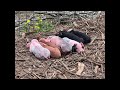
-
Hogs are raised in wooded areas at Sacred Song Farm (Mancus, CO), allowing natural rooting/wallowing. Rotation on 2-3 acre paddocks with polywire every 7-10 days, followed by a 16-18 month rest, promotes understory growth and soil health.
-
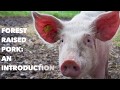
Forest-raised/pastured pork offers high profitability and manageable labor with proper infrastructure, but presents challenges with training, feed costs, and potential for injury. Pigs require careful handling and specific equipment.
Making Sense of the Differences
Fencing choices for woodland pigs hinge on budget, scale, and management style. Permanent perimeter fencing provides security and tree protection but is costlier. Portable electric fencing is adaptable for rotational grazing and lower initial investment, yet requires more intensive daily checks and maintenance. A common effective strategy combines robust permanent perimeter fencing with flexible electric subdivisions for rotational paddocks, balancing containment, adaptability, and cost.
How much do pigs reduce feed costs in woodlands?
Significant savings (20-50%) in productive woodlands
In well-managed woodlands with abundant mast, roots, and diverse forage, pigs can obtain a substantial portion of their diet, leading to 20-50% feed cost reduction compared to confinement systems.
Sources behind this view
Sources behind this view
Videos & Podcasts
-
Pigs in woods supplement diet with acorns (up to 70%) and utilize shade. They break down organic matter like logs and acorns, aiding soil regeneration. This natural approach promotes healthy pigs without antibiotics, enhancing meat quality and farm productivity.
-
Explores long-term silvopasture management, noting pigs halt seedling growth but promote forage. Proposes periodic pig removal for forest regeneration and highlights black walnut trees as a multi-benefit crop (shade, timber, high-value syrup).
-
Forest-raised pork offers better weight gain due to shade and natural wallows, while pastured pork can reduce grain costs but risks sunburn and pasture destruction from rooting. Frequent rotation is key for pasture pigs.
Modest savings (10-20%) in less productive areas
In drier climates, less productive woodlands, or with less efficient breeds, natural foraging provides lower savings (10-20%), and supplemental feeding remains critical for nutritional balance.
Sources behind this view
Sources behind this view
Research
-
Animal Welfare and Production Challenges Associated with Pasture Pig Systems: A Review (opens in new window)
This study found: This review looked at research on raising pigs outdoors on pasture to find out what challenges farmers face regarding animal wellbeing. While some issues are built into pasture systems, others can be improved with better planning and management. Key risks for pigs on pasture include extreme weather (heat and cold), exposure to diseases and parasites from wildlife, attacks by predators, not getting enough food, high death rates for piglets before weaning, and difficulties in caring for sick animals or keeping facilities clean. The review suggests that careful system design and good management can significantly improve the welfare of pigs raised on pasture.
-
Pig Farming in Alternative Systems: Strengths and Challenges in Terms of Animal Welfare, Biosecurity, Animal Health and Pork Safety (opens in new window)
This study found: This review looked at different ways of raising pigs, comparing standard indoor farms with 'alternative' methods like outdoor or free-range systems. Alternative farms generally let pigs act more naturally, which is good for their well-being. However, managing things like food, water, temperature, and keeping predators out can be harder, especially when pigs are outside. Disease prevention measures (biosecurity) also seem to be less strict and more difficult to maintain in alternative systems. While pigs in these systems might have fewer lung problems, issues like parasites and piglets being crushed by their mothers are still common. Importantly, alternative farms may have more germs that can spread to people, posing a potential risk to human health.
-
Trade-offs in the externalities of pig production are not inevitable. (opens in new window)
This study found: A study comparing different ways of raising pigs in the UK and Brazil found that there isn't one 'perfect' farming method that avoids all negative impacts. The research looked at intensive indoor farms, free-range farms, organic farms, and farms with pigs in woodlands, examining their effects on land use, greenhouse gas emissions, antibiotic use, and animal well-being. Generally, farms that used less land had lower greenhouse gas emissions but used more antibiotics and had poorer animal welfare, and vice versa. The study suggests that instead of just switching farm types, farmers can improve their environmental and welfare outcomes by focusing on reducing impacts within their current farming system.
From the Web
-
Raising hogs outdoors requires careful environmental management, primarily through rotation, to protect soil and water. Feeding must be balanced, with purchased feed crucial for young pigs, while older hogs benefit from pasture and woodland foraging. Feed costs are a major expense.
Making Sense of the Differences
The degree of feed cost reduction in woodland-raised pigs varies considerably. Productive woodlands rich in mast, roots, and diverse forage can yield significant savings (20-50%) as pigs obtain much of their diet naturally. However, in drier regions, less productive woodlands, or areas with limited natural food sources, savings are more modest (10-20%), and consistent supplemental feeding remains essential for balanced nutrition and optimal growth. Management intensity and pig breed also play a role in how effectively pigs utilize available forage.
5
HOW MUCH - Costs & Investment
Note: Costs shown in USD; multiply by local labor and material cost indices for your region. Labor costs vary significantly internationally.
Note: Costs shown in USD; multiply by local labor and material cost indices for your region. Labor costs vary significantly internationally.
HOW MUCH - Costs & Investment
Note: Costs shown in USD; multiply by local labor and material cost indices for your region. Labor costs vary significantly internationally.
Note: Costs shown in USD; multiply by local labor and material cost indices for your region. Labor costs vary significantly internationally.
Note: All costs are based on recent US economic data (2024–2026) and may vary substantially by region based on local labor rates, material costs, and regulatory requirements. Estimates assume land ownership or existing lease structures are already in place and focus on the deployment of woodland pork infrastructure.
Infrastructure & Fencing
Containment is the primary driver of capital expenditure in woodland pork production. For small-scale operations (under 50 acres (20 ha)), high-tensile electric fencing investments range from $1,200 to $3,500 per acre ($2,965–$8,649/ha), heavily influenced by the density of perimeter fencing needed to secure dense forest borders. Mid-size operations (50 to 500 acres (20–202 ha)) typically leverage longer fence lines that benefit from lower per-acre material requirements, lowering costs to $600 to $1,800 per acre ($1,483–$4,448/ha). Large-scale operations (over 500 acres (202 ha)) further optimize these costs to $300 to $1,000 per acre ($741–$2,471/ha) by utilizing existing natural barriers and installing high-capacity, multi-mile energizers. These ranges account for professional installation labor, which can add 30% to 50% to costs compared to self-installation.
Water Systems & Logistics
Providing reliable, clean water to pigs in forested terrain constitutes a major technical hurdle. Small operations often rely on manual hauling or gravity-fed barrel systems, resulting in costs of $150 to $600 per acre ($371–$1,483/ha). Mid-size firms frequently invest in permanent, modular poly-pipe runs and solar-powered pump setups to minimize daily labor, costing $100 to $450 per acre ($247–$1,112/ha). Large-scale producers manage the highest logistical complexity by building tiered manifold distribution systems across vast timber tracks, spending $50 to $300 per acre ($124–$741/ha). These systems are essential to prevent over-concentration at single watering points, which protects soil structure across the 500-plus acre plots.
Rotational Tools & Supplemental Feeders
Managing the movement of livestock requires significant physical assets. Small operations require 1 to 2 portable units (500-lb (227 kg) to 2,000-lb (907 kg) capacity) at a cost of $100 to $400 per acre ($247–$988/ha). Mid-size farms invest $80 to $300 per acre ($198–$741/ha) in weather-resistant steel troughs that withstand forest debris and moisture. Large-scale enterprises minimize per-acre costs to $70 to $200 by installing centralized feeding nodes that serve as permanent "base stations" for rotating herds. These feeders are vital to ensuring the forest floor is not depleted of all nutrients during heavy mast seasons.
Annual Operational Costs
Variable costs are dominated by supplemental feed, which typically comprises 60% of annual outlays. Depending on site-specific mast production—such as acorn or hickory nut availability—supplemental feed costs range from $70 to $250 per pig. Veterinary health and parasite management add $20 to $70 per head, reflecting the necessity of treatments for forest-dwelling parasites. Intensive rotational labor, if outsourced, should be budgeted at $70 to $250 per pig annually to account for moves, health checks, and infrastructure maintenance. Consequently, farmers should budget for a total annual variable cost range of $160 to $570 per pig prior to achieving market weight.
Most Spend: The middle 60% of all operations fall within a total infrastructure capital expenditure of $900 to $2,600 per acre ($2,224–$6,425/ha). This range represents the "standard" investment in quality semi-permanent fencing and solar-water infrastructure that avoids being at either the extreme DIY low-end or the gold-plated commercial high-end.
Why the Range?: Costs deviate based primarily on the intensity of predator pressure—requiring more robust hardware—and the natural topography of the site. High-density, multi-strata forest requires significantly more fencing footage per acre compared to open orchard or silvopasture, driving the wide variations in per-acre deployment.
Sources behind this view
Videos & Podcasts
-
Details the economics of Polyface Farm's pig operation, including profitability ($60k net on leased land), charcoal use, paddock prep, low labor (1 hr/day), and positive land impact through rotational
-
Polyface Farm's 20-acre pig system uses 6-10 paddocks (half-acre each) to net $60,000/year from 300 pigs on leased land, demonstrating high profitability with $200-$250 profit per pig.
-
A 20-acre scrub land parcel was transformed into a profitable pig finishing operation using rotational grazing with electric fencing, generating $270,000 gross revenue and $60,000 net profit from 300
-
Utilize marginal land for pastured pigs with managed grazing, moving them every 5-12 days. This method generates high income ($10k/acre), improves soil, and produces less stressed, faster-cooking pork
Community
-
Regenerative pig farming on forested, sloped land involves sustainable logging for pasture creation, planting diverse forages (grasses, legumes, brassicas), and using robust electric fencing with high
Read more (opens in new window) permies.com -
Plan for pastured pigs (5 sows, 2 boars, 40 piglets on 20 acres, 40-day rotation) aiming for $12k/year. Piglets are slower growing (8 months) on pasture, with direct marketing yielding $750-$900 per p
Read more (opens in new window) permies.com -
Raising pigs requires strong fencing to prevent escapes and feralization, and managing feed costs is critical for profitability. Farmers utilize waste streams like dairy whey and bulk organic grain to
Read more (opens in new window) smallfarms.cornell.edu -
Permaculture farms can be financially viable for meat production, with estimates suggesting 10 pigs/acre and a sow on 2 acres potentially generating $6,000/year. System design is key to sustainable pr
Read more (opens in new window) permies.com
Research
-
Cultural integration of smallholder pig farming among the dayak communityin Lamandau district, Central Kalimantan, Indonesia (opens in new window)
This study found: Smallholder pig farms in Indonesia integrate cultural practices with farming, showing profitability despite high feed costs. Challenges include feed expenses and disease; solutions involve local feed
-
Pig farming profitability and constraints in smallholder households in Rwanda: a case study of Musanze district. (opens in new window)
This study found: Pig farming in Rwanda's Musanze district is profitable, driven by education, market access, feed, and vet care. Key challenges include high feed costs, lack of capital, and disease. The study recommen
-
Development of pig farming based on Sili systems as a prototype of integrated agriculture farming system on highland West New Guinea, Indonesia (opens in new window)
This study found: Papua highlands study: Local 'sili' integrated farms support native pig raising with sweet potato feed, free-range/confinement methods, and selection for fast growth. Farms typically run by 2-3 famili
-
Indigenous pig management practices in rural villages of Western Kenya (opens in new window)
This study found: A study in Western Kenya found indigenous pig management practices are poor, with farmers facing challenges in feeding, disease, housing, and profits. Improving knowledge and practices could boost pro
6
REWARDS AND RISKS - Economics & Risk Factors
REWARDS AND RISKS - Economics & Risk Factors
The economics of woodland pork hinge on differentiation. In the Best Case Scenario, a farmer targeting premium direct-to-consumer channels secures prices $2.00 to $4.00 per pound higher than conventional retailers, facilitating a full return on a $1,500 per acre ($3,707/ha) capital investment within 24 to 36 months. Typical Case operations involve a $2,500 per acre ($6,178/ha) investment with feed costs reduced by 20% to 30%, resulting in a 5 to 7-year cost recovery period. The Worst Case Scenario involves failing to differentiate the product, forcing a sale at conventional commodity prices. If combined with infrastructure costs exceeding $4,000 per acre ($9,884/ha), the operation faces a 15% to 20% loss in annual revenue, which often leads to project abandonment within 3 years.
Market factors are the primary point of failure. Woodland pork is a value-added product; farmers who remain "price-takers" in a conventional market cannot recover the higher labor and infrastructure costs inherent in rotational forest production. To mitigate this, successful farms invest $2,000 to $8,000 in cold-chain infrastructure (freezers, vacuum sealers, processing partnerships), which increases profit margins by approximately 30%. Furthermore, feed price volatility is countered by locking in $20 to $40 per ton grain forward-contracts, ensuring stabilization of the largest annual variable cost component.
Transition Period Risks are particularly acute. In the first 12 to 18 months, systems frequently experience a 10% to 15% finish weight dip as animals adapt to forage-heavy diets. Overgrazing is also a severe risk during the first two seasons before the rotational system is fully optimized. To mitigate these risks, new practitioners should operate at only 50% of the target stocking density for the first two seasons. Additionally, allocating a "contingency cushion" of $500 per acre ($1,236/ha) is essential for covering emergency fence repairs or sudden increases in supplemental feed requirements during the establishment of the forest understory management plan.
Sources behind this view
Videos & Podcasts
-
Details the economics of Polyface Farm's pig operation, including profitability ($60k net on leased land), charcoal use, paddock prep, low labor (1 hr/day), and positive land impact through rotational
-
John Hopkins used pigs to renovate woodlands and control invasives (mola rose, barberry) by rooting and cultipacking seeds in small paddocks (60x60 ft) within a 3-acre woodlot. This created regenerate
-
Pigs are utilized to establish silvopasture on a 10-acre homestead. They destroy overgrown pastures, are used for strip-rooting after overseeding with oats and root crops, and help clear wooded areas.
-
A forester in northeast Pennsylvania uses pigs in wood lots to root and cultivate exposed forest floors, creating soil-to-seed contact for new forage species like orchard grass and clover, while manag
Community
-
Regenerative pig farming on forested, sloped land involves sustainable logging for pasture creation, planting diverse forages (grasses, legumes, brassicas), and using robust electric fencing with high
Read more (opens in new window) permies.com -
Joel Salatin and others propose pigs provide crucial 'ecological disturbance' to forests, creating savannahs and silvopastures by selectively killing trees. Proper rotation, stocking density, and prot
Read more (opens in new window) permies.com -
Raising pasture-based swine involves choosing between breeding or feeder pigs, selecting heritage breeds, assessing land availability for rotation, providing supplemental feed (14% protein), sturdy sh
Read more (opens in new window) ucanr.edu -
Raising pigs requires strong fencing to prevent escapes and feralization, and managing feed costs is critical for profitability. Farmers utilize waste streams like dairy whey and bulk organic grain to
Read more (opens in new window) smallfarms.cornell.edu
From the Web
-
Raising hogs outdoors requires careful environmental management, primarily through rotation, to protect soil and water. Feeding must be balanced, with purchased feed crucial for young pigs, while olde
7
WHO - Labor & Expertise
Woodland pork production requires a blend of livestock management skills and a basic understanding of woodland ecology and agroforestry principles. The labor intensity can vary significantly based on scale, fencing, water systems, and the degree of natural foraging...
Woodland pork production requires a blend of livestock management skills and a basic understanding of woodland ecology and agroforestry principles. The labor intensity can vary significantly based on scale, fencing, water systems, and the degree of natural foraging...
WHO - Labor & Expertise
Woodland pork production requires a blend of livestock management skills and a basic understanding of woodland ecology and agroforestry principles. The labor intensity can vary significantly based on scale, fencing, water systems, and the degree of natural foraging...
Woodland pork production requires a blend of livestock management skills and a basic understanding of woodland ecology and agroforestry principles. The labor intensity can vary significantly based on scale, fencing, water systems, and the degree of natural foraging...
Labor Requirements:
- Daily: Checking water, providing supplemental feed (if any), observing animal health and behavior, verifying fence integrity. This typically takes 1-2 hours per day for small to mid-scale operations.
- Weekly: Fence repairs, moving portable feeders/troughs, deeper inspection of animal health, cleaning water troughs, checking tree guards.
- Monthly/Seasonally: Pasture/woodland rotation management, supplemental fencing work, assessing vegetation impact, managing parasitic control programs, potentially tree maintenance (pruning, replanting). Intensive management within woodlots may require daily movement of pigs.
- Annually: Major infrastructure checks, market planning, veterinary consultations, potential cover crop planting for soil health between foraging cycles.
Expertise Needed:
- Livestock Husbandry: Understanding pig behavior, nutritional needs, health monitoring, parasite control, and breeding (if applicable). Knowledge of breed selection for foraging ability is beneficial.
- Woodland Ecology: Basic understanding of tree species and their needs (light, water, soil), understory vegetation dynamics, and how animal impact affects plant communities and soil.
- Agroforestry/Silvopasture Principles: Knowledge of how to integrate trees and livestock for mutual benefit, including species selection, spacing, tree protection, and rotational grazing strategies.
- Fencing and Infrastructure: Skill in designing and maintaining robust fencing and reliable water delivery systems.
- Soil Health Management: Understanding how pigs' rooting and manure deposition affect soil structure, fertility, and erosion.
- Market Development: Ability to identify and develop markets for specialty pork products.
International Labor Cost Context:
- Regions with High Labor Costs: (e.g., Western Europe, North America, Australia) will see a higher proportion of total costs attributed to hired labor if intensive daily rotational management is employed. DIY approaches and robust infrastructure that reduces daily checks (e.g., automated waterers) become more economically attractive.
- Regions with Lower Labor Costs: (e.g., parts of Latin America, Asia, Africa) may find more frequent animal handling and monitoring using hired labor to be economically feasible. However, expertise in sustainable woodland management and animal health remains critical, even if labor is abundant. Infrastructure investment should still focus on durability and efficiency to maximize long-term gains.
Learning Pathways:
- Workshops and Courses: Many agricultural extension services, universities, and regenerative farming organizations offer courses on silvopasture, pasture-raising livestock, and agroforestry.
- Mentorship and Peer Learning: Connecting with experienced woodland pork producers is invaluable for practical, site-specific advice.
- Reading and Research: Numerous books, articles, and case studies are available on silvopasture and integrated livestock systems. Organizations like the Rodale Institute, Savory Institute, and various national forestry or agricultural research bodies provide resources.
Sources behind this view
Videos & Podcasts
-
Details the economics of Polyface Farm's pig operation, including profitability ($60k net on leased land), charcoal use, paddock prep, low labor (1 hr/day), and positive land impact through rotational
-
Pigs are utilized to establish silvopasture on a 10-acre homestead. They destroy overgrown pastures, are used for strip-rooting after overseeding with oats and root crops, and help clear wooded areas.
-
John Hopkins used pigs to renovate woodlands and control invasives (mola rose, barberry) by rooting and cultipacking seeds in small paddocks (60x60 ft) within a 3-acre woodlot. This created regenerate
-
Managed pig silvopasture can create healthy landscapes. Strategic disturbance, not planting, releases latent seed banks, encouraging grass and perennial growth. Pigs are moved three times a year to av
Community
-
Regenerative pig farming on forested, sloped land involves sustainable logging for pasture creation, planting diverse forages (grasses, legumes, brassicas), and using robust electric fencing with high
Read more (opens in new window) permies.com -
Joel Salatin and others propose pigs provide crucial 'ecological disturbance' to forests, creating savannahs and silvopastures by selectively killing trees. Proper rotation, stocking density, and prot
Read more (opens in new window) permies.com -
Raising pasture-based swine involves choosing between breeding or feeder pigs, selecting heritage breeds, assessing land availability for rotation, providing supplemental feed (14% protein), sturdy sh
Read more (opens in new window) ucanr.edu -
Pasture-based swine management (PBSM) requires careful planning regarding breed selection (heritage breeds recommended), land assessment, supplemental feeding (14% crude protein minimum), shelter, wat
Read more (opens in new window) ucanr.edu
Research
-
Such as pigs eat: the rise and fall of the pannage pig in the <scp>UK</scp> (opens in new window)
This study found: Pannage pig systems, where pigs forage in forests for acorns, were historically vital. Renewed interest in animal welfare and sustainable agriculture is bringing this practice back into focus.
From the Web
-
Raising pigs in silvopasture involves rotational grazing every 3-7 days with portable electric fencing, 30-90 day paddock rest, and stocking 10-20 pigs/acre. Protect trees with guards and avoid grazin
-
Raising hogs outdoors requires careful environmental management, primarily through rotation, to protect soil and water. Feeding must be balanced, with purchased feed crucial for young pigs, while olde
-
Silvopasture for pigs requires moving animals every 3-7 days using portable electric fencing to prevent soil damage. Paddocks need 30-90 day rest periods. Stocking rates of 10-20 pigs/acre are a guide
-
Silvopasture management for pigs involves rotational grazing with portable electric fencing, moving pigs every 3-7 days. Key practices include 30-90 day paddock rest, stocking 10-20 pigs/acre, protect
8
EQUIPMENT - Tools & Infrastructure
Effective woodland pork production relies on infrastructure that supports containment, feeding, watering, and managing the animals within the woodland environment, while also facilitating management and harvesting.
Effective woodland pork production relies on infrastructure that supports containment, feeding, watering, and managing the animals within the woodland environment, while also facilitating management and harvesting.
EQUIPMENT - Tools & Infrastructure
Effective woodland pork production relies on infrastructure that supports containment, feeding, watering, and managing the animals within the woodland environment, while also facilitating management and harvesting.
Effective woodland pork production relies on infrastructure that supports containment, feeding, watering, and managing the animals within the woodland environment, while also facilitating management and harvesting.
Essential Infrastructure
-
Fencing Systems:
- Permanent Perimeter Fencing: For containing the entire wooded area from external threats and other livestock. Woven wire fencing (e.g., 4- or 5-foot height) is effective.
- Subdivision Fencing: For rotational management within the woodland.
- High-Tensile Electric Fencing: With multiple strands and good grounding, this is cost-effective for creating temporary or semi-permanent paddocks. Requires energizers, insulators, and portable posts or reels.
- Portable Welded Wire or Polymer Fencing: Useful for smaller areas or creating temporary 'creep' areas for young pigs.
- Tree Guards/Protection: If planting young trees, use durable plastic tree shelters, hardware cloth cages, or electric wire barriers around trunks to prevent rooting damage from pigs.
-
Water Systems:
- Troughs and Nasal Dips: Stationary or portable troughs that hold adequate water. Consider 'nasal dip' waterers that require the animal to push a lever. Ensure large enough capacity for the herd.
- Water Lines: If possible, extending water lines from a central source (well, municipal supply) to multiple points within the woodland reduces daily labor. Polyethylene pipe is common.
- Natural Water Sources: Ponds or streams can supplement water needs but require management to prevent excessive soil erosion and contamination from pig waste. Ensure safe access and egress.
-
Feeding Systems:
- Stationary Feeders: For regular supplemental feeding. These should be durable, weather-resistant, and designed to minimize waste. Placing them in designated areas helps concentrate manure.
- Portable Feeders: Can be moved to different paddocks during rotational grazing to evenly distribute fertility and manage pig movement.
- Movable Troughs: For delivering feed, especially liquid feed formulations if used.
-
Shelter and Wallowing Areas:
- Portable Shelters: Simple hoop structures covered with metal or durable composites, or A-frame shelters, offer protection from sun, wind, and rain. These can be moved periodically.
- Wallowing Areas: Essential in warmer climates. Can be natural ponds or mud wallows created by digging shallow pits and allowing them to fill with water. This helps pigs thermoregulate and protect their skin.
-
Handling and Movement Equipment:
- Sort Panels and Gates: For moving pigs between paddocks or to handling facilities.
- Loading Chutes: For transporting market-ready hogs.
- Nursery Pens: If farrowing on-site, requires specific pens for piglets.
Woodland-Specific Equipment
- Tree Planters/Augers: If establishing new woodland areas, specialized equipment for planting trees efficiently is needed.
- Dibble Bars or Post Drivers: For installing tree guards or electric fence posts.
- Brush Cutters/Trimmers: For managing understory vegetation or clearing around trees.
- Small Tractor with Front-End Loader: Useful for moving feed, materials, and muck within larger properties.
Equipment Sourcing and Cost Considerations:
- New vs. Used: Many fencing materials and feeders can be purchased new. Used agricultural equipment can offer significant cost savings.
- DIY vs. Professional Installation: Fencing and water systems can often be installed by farmers with basic DIY skills, saving on labor costs. Complex water systems or extensive tree planting might benefit from professional expertise.
- Local Availability: The cost and availability of fencing supplies, water systems, and potentially even portable shelters can vary by region. International sourcing may be an option for specialized items but consider shipping costs and local support.
- Phased Investment: Infrastructure can be built incrementally. Start with essential fencing and water, then add more sophisticated feeding and shelter systems as the operation scales up and finances allow.
Sources behind this view
Videos & Podcasts
-
Pigs are utilized as a low-cost tool for silvopasture development by disturbing undergrowth (e.g., multiflora rose) and preparing soil for overseeding. Their natural behavior acts as tillage and plant
-
John Hopkins used pigs to renovate woodlands and control invasives (mola rose, barberry) by rooting and cultipacking seeds in small paddocks (60x60 ft) within a 3-acre woodlot. This created regenerate
-
Details the economics of Polyface Farm's pig operation, including profitability ($60k net on leased land), charcoal use, paddock prep, low labor (1 hr/day), and positive land impact through rotational
-
Pigs are utilized to establish silvopasture on a 10-acre homestead. They destroy overgrown pastures, are used for strip-rooting after overseeding with oats and root crops, and help clear wooded areas.
Community
-
Regenerative pig farming on forested, sloped land involves sustainable logging for pasture creation, planting diverse forages (grasses, legumes, brassicas), and using robust electric fencing with high
Read more (opens in new window) permies.com -
Joel Salatin and others propose pigs provide crucial 'ecological disturbance' to forests, creating savannahs and silvopastures by selectively killing trees. Proper rotation, stocking density, and prot
Read more (opens in new window) permies.com -
Raising pasture-based swine involves choosing between breeding or feeder pigs, selecting heritage breeds, assessing land availability for rotation, providing supplemental feed (14% protein), sturdy sh
Read more (opens in new window) ucanr.edu -
Raising pigs requires strong fencing to prevent escapes and feralization, and managing feed costs is critical for profitability. Farmers utilize waste streams like dairy whey and bulk organic grain to
Read more (opens in new window) smallfarms.cornell.edu
Research
-
Such as pigs eat: the rise and fall of the pannage pig in the <scp>UK</scp> (opens in new window)
This study found: Pannage pig systems, where pigs forage in forests for acorns, were historically vital. Renewed interest in animal welfare and sustainable agriculture is bringing this practice back into focus.
From the Web
-
Raising pigs in silvopasture involves rotational grazing every 3-7 days with portable electric fencing, 30-90 day paddock rest, and stocking 10-20 pigs/acre. Protect trees with guards and avoid grazin
-
Raising pigs in silvopasture involves rotational grazing with moves every 3-7 days using portable electric fencing, 30-90 day paddock rest, and stocking 10-20 pigs/acre. Protect trees, manage soil com
-
Raising hogs outdoors requires careful environmental management, primarily through rotation, to protect soil and water. Feeding must be balanced, with purchased feed crucial for young pigs, while olde
-
Silvopasture management for pigs involves rotational grazing with portable electric fencing, moving pigs every 3-7 days. Key practices include 30-90 day paddock rest, stocking 10-20 pigs/acre, protect
9
COMPATIBLE PRACTICES - Integration Opportunities
Woodland pork production is inherently an integrated practice, but its regenerative potential is amplified when combined with other complementary systems.
Woodland pork production is inherently an integrated practice, but its regenerative potential is amplified when combined with other complementary systems.
COMPATIBLE PRACTICES - Integration Opportunities
Woodland pork production is inherently an integrated practice, but its regenerative potential is amplified when combined with other complementary systems.
Woodland pork production is inherently an integrated practice, but its regenerative potential is amplified when combined with other complementary systems.
Rotational Grazing / Multi-Paddock Grazing
- Integration: Pigs are managed in timed rotations through different woodland blocks or paddocks. This controls their impact, prevents over-rooting in one spot, allows vegetation to recover, and distributes manure more evenly.
- Synergy: Prevents overgrazing, reduces risk of soil compaction and erosion, allows trees and understory plants to thrive, improves nutrient cycling and fertility distribution. Allows for shorter grazing periods and longer rest periods for vegetation.
Silvopasture (Broader)
- Integration: Woodland pork is a specific application of silvopasture, focusing on pigs. This broader practice can also include cattle, sheep, or poultry integrated with trees and forages.
- Synergy: Creates a multi-species, multi-resource ecosystem. Can diversify income streams further, utilize different niches, and enhance overall land productivity and resilience. For example, pigs might forage in a younger woodlot while cattle graze a more established pasture area nearby.
Direct Marketing and Value-Added Products
- Integration: Developing marketing strategies around the 'story' of woodland pork—its welfare, ecological benefits, and premium quality.
- Synergy: Enables farmers to capture the full economic value of their regenerative practices by connecting directly with consumers willing to pay for ethically produced food. This is crucial for making niche practices financially sustainable.
Nut and Mast Producing Tree Systems
- Integration: Selecting tree species not only for shade and habitat but specifically for their edible nuts (e.g., chestnuts, hazelnuts, walnuts, pecans) or mast (acorns).
- Synergy: Directly enhances the natural forage available to pigs, reducing supplemental feed costs and improving diet. Produces a secondary, high-value crop (nuts) that can be sold or used.
Cover Cropping (within woodland or adjacent)
- Integration: Planting cover crops in woodland clearings, along access paths, or in adjacent areas where pigs are rotated.
- Synergy: Improves soil health in areas pigs might not actively forage, fixes nitrogen, adds organic matter, and provides additional forage for pigs, especially during periods of low natural food availability.
Agroforestry Systems (e.g., Alley Cropping)
- Integration: Integrating pigs into systems where rows of trees are interspersed with annual or perennial crops. Pigs might forage in the alleys between tree rows.
- Synergy: Pigs can help manage understory vegetation in tree alleys, contribute fertility, and their rooting might prepare the ground for subsequent cover crop planting. Requires careful management to prevent damage to crops.
Reduced Tillage/No-Till Adjacent Croplands
- Integration: If woodland pork is part of a larger diversified farm, the improvements in soil health and fertility from the woodland operation can contribute to a farm-wide transition towards reduced tillage for annual crops.
- Synergy: Manure and organic matter from the woodland system can potentially be composted and used on adjacent crop fields, reducing the need for synthetic fertilizers. Improved soil biology resilience can support reduced tillage practices across the farm.
The synergistic integration of woodland pork production with these practices creates a robust, resilient, and regenerative agricultural system that optimizes land use, enhances biodiversity, improves soil health, and provides high-quality food products. ```
Sources behind this view
Videos & Podcasts
-
Demonstrates the regenerative impact of pigs on silvopasture over eight years, significantly reducing undergrowth and promoting forage growth. Contrasts managed vs. unmanaged forest areas, showcasing
-
Pigs are utilized to establish silvopasture on a 10-acre homestead. They destroy overgrown pastures, are used for strip-rooting after overseeding with oats and root crops, and help clear wooded areas.
-
John Hopkins used pigs to renovate woodlands and control invasives (mola rose, barberry) by rooting and cultipacking seeds in small paddocks (60x60 ft) within a 3-acre woodlot. This created regenerate
-
Polyface Farm uses pig silvopasture with frequent moves and long rests to awaken dormant seed banks and grow grass. Trees are pruned every seven years for sunlight penetration, generating $10,000/acre
Community
-
Regenerative pig farming on forested, sloped land involves sustainable logging for pasture creation, planting diverse forages (grasses, legumes, brassicas), and using robust electric fencing with high
Read more (opens in new window) permies.com -
Joel Salatin and others propose pigs provide crucial 'ecological disturbance' to forests, creating savannahs and silvopastures by selectively killing trees. Proper rotation, stocking density, and prot
Read more (opens in new window) permies.com -
For silvopasture pigs, use very short rotations (1 day or less per paddock) and set up multiple paddocks proactively to prevent soil degradation. Maintaining a sod layer is also key.
Read more (opens in new window) smallfarms.cornell.edu -
Explores the integration of pigs and trees (agroforestry/silvopasture), detailing benefits and management practices, by Joseph Orefice.
Read more (opens in new window) smallfarms.cornell.edu
Research
-
Synergizing Agroforestry and Permaculture for Sustainable Organic Farming (opens in new window)
This study found: Agroforestry and permaculture enhance organic farming by integrating trees, crops, and livestock, improving soil health, biodiversity, and resilience. Challenges include funding, knowledge, and policy
-
Such as pigs eat: the rise and fall of the pannage pig in the <scp>UK</scp> (opens in new window)
This study found: Pannage pig systems, where pigs forage in forests for acorns, were historically vital. Renewed interest in animal welfare and sustainable agriculture is bringing this practice back into focus.
From the Web
-
Raising pigs in silvopasture involves rotational grazing every 3-7 days with portable electric fencing, 30-90 day paddock rest, and stocking 10-20 pigs/acre. Protect trees with guards and avoid grazin
-
Raising pigs in silvopasture involves rotational grazing with moves every 3-7 days using portable electric fencing, 30-90 day paddock rest, and stocking 10-20 pigs/acre. Protect trees, manage soil com
-
Offers practical tips for successful silvopasture with pigs, detailing how to integrate them into woodlands for land clearing and soil improvement.
-
Provides practical tips for integrating pigs into wooded environments for silvopasture success, as detailed by NCAT Agriculture Specialist Mike Lewis.