
How do I build soil organic matter?
Building soil organic matter (SOM) is achieved by consistently increasing the input of diverse organic materials and minimizing their loss. This involves practices that feed soil biology, such as incorporating cover crops, perennial pastures, compost, and animal manures, while simultaneously reducing soil disturbance through techniques like no-till or reduced tillage. Over 3-7 years, these methods can increase SOM levels by 0.2-1.0% annually, significantly enhancing soil structure, water infiltration, nutrient cycling, and resilience to environmental stresses across diverse agricultural systems worldwide.
Read More: Complete Description
Sources behind this view
Sources behind this view
 Videos & Podcasts
-
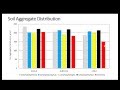
Building soil organic matter requires multiple practices: crop diversity, cover crops, organic inputs, reduced tillage, and perennials. Diversified rotations, even with tillage, outperform continuous
-
Soil organic matter is built by microbial biomass, influenced by growth efficiency. Cover crops enhance microbial efficiency (55% in organic vs. 45% in conventional systems), leading to greater stable

-
Soil organic matter is vital for soil health, acting as a fulcrum for management practices. Conventional diets of high-residue, feast-famine cycles degrade soil structure. Potential SOM is soil-type d
-
Soil health practices like cover crops, reduced tillage, and livestock integration boost soil biology, increase organic matter, improve water infiltration, reduce erosion and compaction, and enhance n
 Community
-
High nitrogen inputs can stimulate microbes to consume soil organic matter. Experts suggest adding excess carbon (biochar, wood chips) and potentially reducing nitrogen to build soil organic matter, w
Read more (opens in new window) permies.com -
Build soil by increasing organic matter inputs (compost, cover crops) and reducing losses (conservation tillage, residue management). Soil biodiversity, driven by microbes, is key for nutrient cycling
Read more (opens in new window) ucanr.edu -
Compost and mulch build Soil Organic Matter, improving water infiltration and reducing erosion, though achieving high levels is challenging. They typically contain 1-4% nitrogen.
Read more (opens in new window) ucanr.edu
 Research
-
The Role of Organic Matter in Soil for Improving Crop Productivity and Soil Health (opens in new window)
This study found: Soil organic matter (SOM) is key to soil fertility and crop yields, improving soil structure, water retention, and nutrient cycling. Practices like cover crops, reduced tillage, and manure application
-
What Agriculture Can Learn from Native Ecosystems in Building Soil Organic Matter: A Review (opens in new window)
This study found: Farming causes soil organic matter loss; perennial grain crops may help agriculture build SOM like natural ecosystems, potentially adding 0.13-1.70 t C/ha/year.
-
Mechanisms controlling the stabilization of soil organic matter in agricultural soils as amended with contrasting organic amendments: Insights based on physical fractionation coupled with C NMR spectroscopy. (opens in new window)
This study found: Long-term study shows organic amendment quality and quantity control soil carbon stabilization pathways. Cattle manure and sewage sludge composts increased mineral-bound soil carbon, while bark and co
-
Soil Particulate and Mineral-Associated Organic Matter Increases in Organic Farming under Cover Cropping and Manure Addition (opens in new window)
This study found: A 10-year study found organic farming with cover crops and composted manure significantly increased soil carbon sequestration (1.26 Mg/ha/yr). Organic practices boosted lighter soil organic matter, wh
 From the Web
-
Increase soil organic matter (SOM) by controlling erosion, reducing tillage, and enhancing root biomass through practices like cover crops, perennial grasses, and crop residue retention. Diversified r
-
Provides practical strategies to increase soil organic matter (SOM) by controlling erosion, reducing tillage, retaining crop residue, diversifying rotations with perennials, using cover crops, and inc
-
Organic agriculture increases soil organic matter (SOM), which enhances beneficial soil microbes, nutrient cycling, and plant disease control. Higher SOM improves soil structure, reduces erosion, and
-
Organic agriculture builds soil organic matter (SOM) by recycling plant/animal residues, enhancing soil microbes, improving structure, and increasing water retention. This reduces erosion, greenhouse
Key Points
First Steps
- Assess current soil organic matter levels.
- Identify organic material sources on-farm.
- Select a cover crop suitable for your climate.
- Plan for reduced or no-till equipment needs.
Key Methods
- Integrate diverse cover crop sequences.
- Apply compost or well-composted manures.
- Implement rotational grazing with livestock.
- Minimize soil disturbance with no-till.
Timing & Sequence
- Plant cover crops between cash crop cycles.
- Sequentially graze livestock on pastures.
- Apply compost during off-peak planting times.
- Transition to no-till over 1-3 years.
System Integration
- Add diversity; plant multiple species.
- Integrate livestock for manure and grazing.
- Connect carbon sequestration to nutrient cycling.
- Reduce reliance on synthetic inputs.
Know the Debate
- SOM gains: 0.2-1.0% annually; field reports suggest 0.5-1.5% possible.
- Focus on labile vs. stable SOM fractions drives different management.
- Climate, soil type, and management intensity affect rates.
- Improve soil structure, water, and nutrients over time.
Going Deeper
1
Getting Started: Assessment and Planning
Before you begin actively building soil organic matter, understanding your starting point is essential. This involves a baseline assessment of your current soil organic matter levels. Soil testing is the primary method; aim for tests that measure total organic carbon...
Getting Started: Assessment and Planning
Before you begin actively building soil organic matter, understanding your starting point is essential. This involves a baseline assessment of your current soil organic matter levels. Soil testing is the primary method; aim for tests that measure total organic carbon...
Before you begin actively building soil organic matter, understanding your starting point is essential. This involves a baseline assessment of your current soil organic matter levels. Soil testing is the primary method; aim for tests that measure total organic carbon (TOC) or total organic matter (TOM), ideally analyzed by a reputable laboratory. Most agricultural soils fall within a range of 1-6% SOM, but values can vary significantly based on climate, parent material, and land use history. For instance, soils in the humid tropics often have lower SOM (1-3%) due to rapid decomposition, while soils in cooler, temperate grasslands can naturally reach higher levels (4-8% or more).
Once you have a baseline, it’s crucial to assess your farm’s resources for organic matter inputs. This includes crop residues (stalks, leaves), cover crop biomass, animal manures, and any potential sources of compostable materials. Consider the quantity and quality of these inputs. Is there enough residue left after harvest? Can livestock graze cover crops? Are there clean sources of manure? Planning also involves assessing your current tillage practices. If you are using intensive tillage, creating a phased transition plan to reduced or no-till is vital to prevent recaptured SOM from being lost. This plan might involve deep ripping followed by reduced tillage, then moving to shallow tillage, and finally to no-till over a period of 2-5 years, depending on your soil type and equipment.
Sources behind this view
Sources behind this view
Videos & Podcasts
-
Building soil organic matter requires multiple practices: crop diversity, cover crops, organic inputs, reduced tillage, and perennials. Diversified rotations, even with tillage, outperform continuous
-
Soil organic matter is vital for soil health, acting as a fulcrum for management practices. Conventional diets of high-residue, feast-famine cycles degrade soil structure. Potential SOM is soil-type d
-
Soil organic matter is built by microbial biomass, influenced by growth efficiency. Cover crops enhance microbial efficiency (55% in organic vs. 45% in conventional systems), leading to greater stable
-
Boost soil organic matter with compost (e.g., 50/50 horse manure/green waste) for increased productivity, flavor, resilience, and aphid control. Cover cropping is a cost-effective alternative for buil
Community
-
Assess soil pH and herbicide presence via testing. Improve soil with organic materials, cover crops for nitrogen fixation, and local resources like mulch or manure. Start with simple gardens and plan
Read more (opens in new window) permies.com
Research
-
Organic and Conventional Management Effects on Biologically Active Soil Organic Matter Pools (opens in new window)
This study found: Ten-year study shows organic farming, especially with manure or cover crops, builds more stable soil organic matter than conventional methods. Particulate organic matter is a key indicator.
-
The Role of Organic Matter in Soil for Improving Crop Productivity and Soil Health (opens in new window)
This study found: Soil organic matter (SOM) is key to soil fertility and crop yields, improving soil structure, water retention, and nutrient cycling. Practices like cover crops, reduced tillage, and manure application
-
Soil Particulate and Mineral-Associated Organic Matter Increases in Organic Farming under Cover Cropping and Manure Addition (opens in new window)
This study found: A 10-year study found organic farming with cover crops and composted manure significantly increased soil carbon sequestration (1.26 Mg/ha/yr). Organic practices boosted lighter soil organic matter, wh
-
Impact of agricultural management on soil aggregates and associated organic carbon fractions: analysis of long-term experiments in Europe (opens in new window)
This study found: Long-term European trials show reduced tillage and organic inputs (manure, compost) significantly improve soil structure and organic carbon by up to 51%, mitigating negative impacts of plowing.
From the Web
-
Organic farming relies on healthy soil built with cover crops, crop rotations, compost, and manure. These practices enhance soil structure, water infiltration, and nutrient availability. Nitrogen mana
-
Organic farming relies on healthy soil built with cover crops, crop rotations, compost, and manure. These practices increase organic matter, improving soil structure and nutrient availability. Underst
-
Organic agriculture builds soil organic matter (SOM) by recycling plant/animal residues, enhancing soil microbes, improving structure, and increasing water retention. This reduces erosion, greenhouse
2
Step-by-Step Process for Increasing Soil Organic Matter
Building soil organic matter is a continuous process, not a one-time fix. The initial steps involve implementing practices that increase the rate of organic matter input into the soil ecosystem. Implement Cover Cropping: Select cover crop species or mixes tailored to...
Step-by-Step Process for Increasing Soil Organic Matter
Building soil organic matter is a continuous process, not a one-time fix. The initial steps involve implementing practices that increase the rate of organic matter input into the soil ecosystem. Implement Cover Cropping: Select cover crop species or mixes tailored to...
Building soil organic matter is a continuous process, not a one-time fix. The initial steps involve implementing practices that increase the rate of organic matter input into the soil ecosystem.
-
Implement Cover Cropping: Select cover crop species or mixes tailored to your climate and cropping system objectives. Plant them as soon as feasible after your cash crop harvest. For example, in the Corn Belt of North America, planting cereal rye and hairy vetch after corn harvest in early autumn (September-October) ensures winter survival and provides abundant biomass in late spring (April-May Northern Hemisphere) when terminated before planting soybeans. In the Southern Hemisphere, this would occur from March-April. Aim for a minimum of 6-8 weeks of growth for significant root development and biomass addition.
-
Incorporate Livestock Integration: If you have livestock, ensure your grazing management maximizes soil benefits. This means implementing intensive rotational grazing, moving animals every 1-3 days to different paddocks. This prevents overgrazing, allows plants to recover, and concentrates manure and urine, providing a nutrient-rich fertilizer to smaller areas. For ranches in Australia or South America, this could involve moving cattle or sheep through diverse pasture mixes, ensuring hoof action helps incorporate organic matter into the topsoil.
-
Apply Organic Amendments: Systematically apply compost or well-composted animal manures. A rate of 10-20 metric tons/ha (4-8 tons/acre) applied every 1-3 years can provide a significant boost. For example, a dairy farm in Europe might use composted manure from their operation, applying it to grain fields during fallow periods or before planting. Timing is crucial; applying compost in spring before planting can provide readily available nutrients and organic matter as crops establish.
-
Transition to Reduced/No-Till: Drastically reduce or eliminate tillage. This involves investing in or adapting equipment like direct-seed drills or no-till planters that can penetrate residue and place seed accurately without prior soil disturbance. This practice preserves soil structure, protects existing SOM from erosion and oxidation, and allows the soil food web to establish a more stable habitat. Farmers in the UK who have transitioned to no-till farming have reported significant increases in earthworm populations and aggregated soil structure within 3-5 years.
Sources behind this view
Sources behind this view
Videos & Podcasts
-
Building soil organic matter requires multiple practices: crop diversity, cover crops, organic inputs, reduced tillage, and perennials. Diversified rotations, even with tillage, outperform continuous
-
Soil health practices like cover crops, reduced tillage, and livestock integration boost soil biology, increase organic matter, improve water infiltration, reduce erosion and compaction, and enhance n
-
Explains building soil organic matter through a systems approach: cover crops, balanced N:C inputs (molasses, humates), microbial teas, yeast metabolites, and avoiding synthetic fungicides. Tropical c
-
Increasing soil organic matter via carbon cycling, cover crops, and livestock grazing enhances water infiltration and storage, building resilience against drought. Intentional practices are key to pro
Community
-
Utilize mixed annual cover crops (legumes & grasses) for soil fertility and water retention. Graze and roll biomass to build organic matter. Consider spawning trees with mycorrhizal fungi for enhanced
Read more (opens in new window) permies.com -
Actively build soil fertility using keyline plowing for water infiltration, seeding nitrogen-fixing cover crops (clovers) and tillage radishes, occasional mowing, and rock dust application for mineral
Read more (opens in new window) permies.com -
Enhance soil health by increasing plant diversity, maintaining year-round plant growth (especially with cover crops), reducing tillage, and keeping soil covered with vegetation or residue to improve o
Read more (opens in new window) ucanr.edu -
Recommends adding organic matter like compost (10-20 cu ft/100 sq ft) to improve soil health and structure by feeding microorganisms, which convert it to plant nutrients and cement soil particles. Rep
Read more (opens in new window) ucanr.edu
Research
-
Microbial Community Traits and Necromass Dynamics Shape Soil Carbon Accumulation. (opens in new window)
This study found: Organic fertilizers boost soil carbon 160% over 180 years vs. 26% for synthetic, by supporting beneficial soil microbes and building both labile and stable carbon pools. Long-term studies confirm orga
-
Long‐Term Organic Inputs Effects on Soil Carbon and Nitrogen Sequestration in a Temperate Agroecosystem (opens in new window)
This study found: 27-year Ohio no-till study: Compost and manure significantly increased soil carbon and nitrogen. Manure best for N, compost for stable C. Cover crops also improved soil health.
-
Agronomic management strategies to increase soil organic carbon in the short-term: evidence from on-farm experimentation in the Veneto region (opens in new window)
This study found: Four-year Italian study shows compost and cover crops significantly boost soil carbon, but may reduce corn yields, highlighting economic trade-offs.
-
The pros and cons of increasing soil organic matter in dryland cropping systems (opens in new window)
This study found: Review of strategies to increase soil organic matter in drylands, balancing benefits (soil health, resilience) with costs (economic, environmental). Highlights context-specific optima and unique dryla
From the Web
-
Increase soil organic matter (SOM) by controlling erosion, reducing tillage, and enhancing root biomass through practices like cover crops, perennial grasses, and crop residue retention. Diversified r
-
Provides practical strategies to increase soil organic matter (SOM) by controlling erosion, reducing tillage, retaining crop residue, diversifying rotations with perennials, using cover crops, and inc
-
Increasing soil organic matter requires adding organic materials (manure, compost, cover crops) and minimizing losses through reduced tillage, diverse crop rotations, and integrated crop-livestock sys
-
Organic farming relies on healthy soil built with cover crops, crop rotations, compost, and manure. These practices enhance soil structure, water infiltration, and nutrient availability. Nitrogen mana
3
Seasonal Timing and Hemisphere Neutrality
The timing of these practices is critical and must be adapted to local growing seasons across the globe. Early Spring (March-April Northern Hemisphere / September-October Southern Hemisphere): This is an ideal time to terminate winter-hardy cover crops and prepare for...
Seasonal Timing and Hemisphere Neutrality
The timing of these practices is critical and must be adapted to local growing seasons across the globe. Early Spring (March-April Northern Hemisphere / September-October Southern Hemisphere): This is an ideal time to terminate winter-hardy cover crops and prepare for...
The timing of these practices is critical and must be adapted to local growing seasons across the globe.
-
Early Spring (March-April Northern Hemisphere / September-October Southern Hemisphere): This is an ideal time to terminate winter-hardy cover crops and prepare for spring planting. For example, cereal rye/vetch mixes planted the previous fall will be ready to be terminated using crimping, mowing, or light incorporation. It’s also a good time to apply compost to fields that will be planted with spring cash crops. If you are in a region with a distinct dry season, like parts of Africa, this period might also be the last chance to apply manure before soils become too dry for effective nutrient uptake.
-
Late Spring/Early Summer (May-June Northern Hemisphere / November-December Southern Hemisphere): If you have a double-crop or intercropping system, this is when you would plant your shorter-season cover crops after an early harvest. For example, after harvesting winter wheat in parts of North America or Europe, a sorghum-sudangrass or buckwheat cover crop could be planted for summer biomass production. Livestock producers should be planning grazing rotations to ensure good pasture growth, moving animals frequently to maximize forage utilization and nutrient distribution.
-
Late Summer/Early Autumn (August-September Northern Hemisphere / February-March Southern Hemisphere): This is a crucial planting window for many types of cover crops that will overwinter and provide spring benefits. Examples include planting legumes like crimson clover or field peas, or grasses like triticale or oats. Farmers in regions with mild winters, like California, USA, or southern Chile, can establish cover crops during this period with high confidence. This is also a prime time to apply manure and compost before the ground freezes or the dry season fully sets in.
-
Late Autumn/Early Winter (October-November Northern Hemisphere / April-May Southern Hemisphere): Focus on establishing cover crops that can tolerate harsh winters, such as cereal rye and winter peas. If you are adopting no-till, ensure all necessary equipment adjustments and preparations are made to accommodate planting into heavier residue in the following spring. For livestock, this is the time to assess winter feed strategies and potential for grazing winter cover crops or stockpiled pastures to reduce reliance on stored feed, thereby continuing the cycle of organic matter input.
Sources behind this view
Sources behind this view
Videos & Podcasts
-
Key cover crop planting windows include early spring (March-April) before corn for soil health and erosion control, early summer for forage, and early interceding (V3-V6 stage) using small seeds like
-
Spring cover crop planting includes frost seeding and drilling (March-April). Broadcasting is an option, especially for grazing. Planting oats, winter rye, or triticale provides diverse livestock fora
-
In Zone 3A with short growing seasons, cover cropping strategies include dedicating plots, using pathways with clovers, or under-sowing cash crops. If full cover cropping isn't possible, focus on unde
-
In northern climates, use 'double crop cover crops' as the cash crop. Plant fall mixes (cereal rye, hairy vetch), graze in late spring/early summer, then follow with a warm-season mix. This builds soi
Community
-
Recommends specific cover crops: cereal rye (60-120 lbs/acre, Sept 1-Oct 15), hairy vetch (15-30 lbs/acre, early Sept), crimson clover (10-20 lbs/acre, late Aug/early Sept), and oats (40-60 lbs/acre,
Read more (opens in new window) ucanr.edu -
Offers practical guidance on cover crop implementation, covering equipment, residue management, climate/weather considerations, establishment techniques, seeding methods (broadcast vs. drill), water m
Read more (pp. 8-10) (opens PDF, pp. 8-10) efotg.sc.egov.usda.gov -
Cover crop selection requires considering goals, soil, climate, and planting dates. Recommended species include cereal rye (late Aug-early Oct), hairy vetch (mid-Aug-mid-Sep), crimson clover (late Aug
Read more (opens in new window) ucanr.edu -
Covers practical use of cover crops: select species and timing based on goals and conditions. Winter cover crops sown late summer/early autumn, growing season cover crops between main crops. Hairy vet
Read more (opens in new window) www.permaculture.org.uk
Research
-
Cover Crop Termination Timing is Critical in Organic Rotational No‐Till Systems (opens in new window)
This study found: Timing cover crop termination is key in organic no-till. Killing hairy vetch/triticale later improved control. Early cereal rye termination led to seed production, causing volunteer issues in subseque
-
Timing of Cover Crop Termination: Management Considerations for the Southeast (opens in new window)
This study found: Cover crop termination timing is crucial for maximizing soil health and crop yields in conservation tillage systems in the Southeast. Consider growing season, soil moisture, N management, and equipmen
-
Forages and pastures symposium: cover crops in livestock production: whole-system approach. Can cover crops pull double duty: conservation and profitable forage production in the Midwestern United States? (opens in new window)
This study found: Midwestern farmers use cover crops to improve soil health and grow livestock forage. Oats and brassicas provide nutritious fall feed, with grazing trials showing good weight gain in cattle. Spring gra
-
Evaluating Cover Crops for Benefits, Costs and Performance within Cropping System Niches (opens in new window)
This study found: Review of cover crops highlights benefits (pest control, soil health, yield) and costs. Best species identified for different seasons/regions. Rye excels in winter, C4 grasses in summer. Legumes fix N
From the Web
-
Plan cover crop planting by assessing soil conditions and choosing species for specific windows: early fall (Sept) for overwintering grasses/Brassicas, or late winter/early spring for diverse species.
-
Traditional winter cover crops (cool-season, cold-hardy species) are seeded late summer to mid-fall (Aug-Oct) in North America. Late winter/early spring seeding (Feb-Mar) is an alternative for areas w
4
Equipment and Infrastructure Requirements
Successfully implementing practices to build soil organic matter often requires specific equipment, though adaptation is possible across scales and budgets. Cover Crop Seeding: For smaller operations or in regions where large equipment is not common, a broadcast spreader...
Equipment and Infrastructure Requirements
Successfully implementing practices to build soil organic matter often requires specific equipment, though adaptation is possible across scales and budgets. Cover Crop Seeding: For smaller operations or in regions where large equipment is not common, a broadcast spreader...
Successfully implementing practices to build soil organic matter often requires specific equipment, though adaptation is possible across scales and budgets.
-
Cover Crop Seeding: For smaller operations or in regions where large equipment is not common, a broadcast spreader towed behind a small tractor or ATV can be effective for seeding cover crops into standing cash crops or onto prepared ground. For larger acreages, specialized cover crop drills or planters offer better seed-to-soil contact and depth control. Costs for these can range from $5,000 USD (€4,600) for smaller broadcast seeders to $40,000-$100,000 USD (€37,000-€93,000) for high-capacity no-till drills.
-
Tillage Alternatives: The most significant equipment investment for moving away from conventional tillage is often a no-till or strip-till drill/planter. For operations transitioning gradually, a disc-ripper or conservation tillage disc can reduce soil disturbance compared to moldboard plows. The cost of a used no-till planter might range from $10,000-$30,000 USD (€9,300-€28,000), while new, advanced models can exceed $150,000 USD (€140,000). Equipment rental or custom hiring services can be viable options to test these practices before purchasing.
-
Composting and Manure Handling: If you plan to produce your own compost, basic infrastructure includes a pitchfork or front-end loader for turning piles, and potentially a small tractor with a loader. For larger volumes of manure, a manure spreader is essential, with costs ranging from $3,000 USD (€2,800) for a small PTO-powered spreader to over $20,000 USD (€18,500) for large capacity units. Aeration systems for compost piles can reduce decomposition time and improve quality, representing an additional infrastructure cost of $500-$5,000 USD (€460-€4,600).
-
Livestock Management: Implementing effective rotational grazing requires a system of fencing. High-tensile electric fencing is the most flexible and cost-effective, allowing for quick paddock divisions. Spools of polywire cost $50-$150 USD (€45-€140) and portable posts $2-$5 USD (€1.80-€4.60) each. Water access in multiple paddocks is also key; this can involve portable water tanks ($200-$2,000 USD / €185-€1,850) or establishing a piped water system with multiple hydrants, a more significant upfront investment but yielding long-term benefits.
Sources behind this view
Sources behind this view
Videos & Podcasts
-
Covers essential cattle farm infrastructure: temporary electric fencing ($800-$1000) for rotational grazing, various water sources and DIY/purchased waterers, and corrals (expensive but alternatives e

5
Common Mistakes and Troubleshooting
Several common pitfalls can hinder progress in building soil organic matter. Understanding these allows for proactive solutions. Mistake: Planting cover crops too late or terminating them too early. Troubleshooting: Late planting means insufficient growth and root mass...
Common Mistakes and Troubleshooting
Several common pitfalls can hinder progress in building soil organic matter. Understanding these allows for proactive solutions. Mistake: Planting cover crops too late or terminating them too early. Troubleshooting: Late planting means insufficient growth and root mass...
Several common pitfalls can hinder progress in building soil organic matter. Understanding these allows for proactive solutions.
-
Mistake: Planting cover crops too late or terminating them too early.
- Troubleshooting: Late planting means insufficient growth and root mass before the next cash crop. Early termination of cover crops means less available carbon for SOM. Invest in precision planting for timely cover crop establishment, and if terminating by mowing or roller-crimping, ensure it’s done at the optimal plant growth stage (e.g., for roller-crimping, when the cover crop is flowering for maximum biomass and seed set prevention). Use planting calendars specific to your region to guide these decisions.
-
Mistake: Insufficient diversity in cover crop mixes or pasture species.
- Troubleshooting: A monoculture cover crop or pasture may not provide the full spectrum of benefits. Mixes of grasses, legumes, and brassicas offer varied root structures, nutrient contributions, and soil biology support. For example, a mix of sorghum-sudangrass (for biomass and deep roots), cowpeas (for nitrogen fixation), and sunflowers (for deep nutrient scavenging) can be highly effective in warmer climates. Experiment with different mixes and observe their performance and impact on soil health over time.
-
Mistake: Over-application or improperly composted manure.
- Troubleshooting: Fresh manure can burn crops due to high ammonia levels and introduce weed seeds. It's crucial that manure is properly composted, reaching thermophilic temperatures (above 54°C / 130°F) for several weeks. If using farm-produced compost, conduct a simple germination test to ensure weed seeds have been inactivated. Nutrient analysis of compost and manure is also vital for accurate application rates to avoid nutrient imbalances or groundwater contamination, particularly in sensitive regions like coastal Europe or parts of North America.
-
Mistake: Continuing with intensive tillage.
- Troubleshooting: Tillage is the primary antagonist of SOM accumulation. If unable to transition to no-till immediately, shift to reduced tillage systems like strip-tilling or practicing shallower plowing. The goal is to disturb the soil as little as possible. Visualize the soil as a living organism; frequent disturbance is like causing it constant stress. Focus on building soil aggregates through cover crops and organic amendments, which will naturally improve soil structure and reduce the need for mechanical intervention over time.
Sources behind this view
Sources behind this view
Videos & Podcasts
-
Farmers discuss no-till benefits (soil health, water retention, weed control) and challenges (labor intensity, initial cost). Strategies include tarping, mulching, cover cropping, and careful planning

-
Cover crops are essential for maintaining soil structure, building organic matter, and improving water infiltration, preventing erosion. Examples from Brazil and Gabe Brown highlight the importance of
-
Building soil organic matter requires multiple practices: crop diversity, cover crops, organic inputs, reduced tillage, and perennials. Diversified rotations, even with tillage, outperform continuous
-
Improve soil health by managing cover crop biomass for optimal photosynthesis. Use livestock or tools like roller crimpers/mowing to add carbon via residues, avoiding early mowing that exposes bare gr
Community
-
Soil structure is built by biology, not tilling. Use deep-rooted cover crops like daikon, turnips, dandelions, and burdock to break compaction and add organic matter. Avoid tilling; instead, layer org
Read more (opens in new window) permies.com -
Improve heavy clay soil by adding copious organic matter: use compost, green manure cover crops (peas, vetch, grains, radishes), and arborist wood chips. Specific spring methods include aeration, dens
Read more (opens in new window) permies.com -
Adopt no-till/minimum tillage to preserve soil health and prevent carbon loss. Enhance fertility organically with cover crops, crop rotation, compost, and mulching, while avoiding synthetic fertilizer
Read more (opens in new window) ucanr.edu -
Addresses no-till compaction by emphasizing compost quality and demonstrating its resistance. Recommends 'chop and drop' for cover crops (clover, alfalfa) and using pathways to manage compaction, with
Read more (opens in new window) permies.com
Research
-
Building Soil Health and Fertility through Organic Amendments and Practices: A Review (opens in new window)
This study found: Review of organic amendments (manures, compost, cover crops) and regenerative practices (no-till, crop diversity, agroecology) shows they restore soil health by increasing organic matter and beneficia
-
What Agriculture Can Learn from Native Ecosystems in Building Soil Organic Matter: A Review (opens in new window)
This study found: Farming causes soil organic matter loss; perennial grain crops may help agriculture build SOM like natural ecosystems, potentially adding 0.13-1.70 t C/ha/year.
-
Building Soil Health and Fertility through Organic Amendments and Practices: A Review (opens in new window)
This study found: Using organic amendments (manures, composts, cover crops) and regenerative practices (no-till, crop diversity) restores soil health by increasing organic matter and beneficial microbes, leading to mor
-
Impact of soil tillage and land use on soil organic carbon decline under mediterranean conditions (opens in new window)
This study found: Tilling soil in Mediterranean climates significantly reduces soil organic matter. Avoiding soil disturbance, especially through no-till practices, is crucial for maintaining soil health.
6
Monitoring and Adjustment
Measuring progress is key to refining your approach. The most direct metric is tracking changes in soil organic matter levels over time through regular soil testing, ideally every 2-4 years. Aim for an annual increase of 0.2-1.0% SOM in the top 15 cm (6 inches) of soil...
Monitoring and Adjustment
Measuring progress is key to refining your approach. The most direct metric is tracking changes in soil organic matter levels over time through regular soil testing, ideally every 2-4 years. Aim for an annual increase of 0.2-1.0% SOM in the top 15 cm (6 inches) of soil...
Measuring progress is key to refining your approach. The most direct metric is tracking changes in soil organic matter levels over time through regular soil testing, ideally every 2-4 years. Aim for an annual increase of 0.2-1.0% SOM in the top 15 cm (6 inches) of soil under consistent regenerative practices. However, observable changes in the soil itself are equally important indicators.
Look for improvements in soil aggregation: soil should form stable clumps that don't easily break apart in water. This is often visible after heavy rainfall, where soils with higher SOM will show less surface crusting and erosion. Earthworm populations are excellent bioindicators; a healthy soil ecosystem will have visible earthworms in the topsoil. Water infiltration rates should also increase. A simple test is to pour a bucket of water onto a bare, firm patch of soil; in healthy, SOM-rich soil, the water should soak in within minutes, whereas compacted or degraded soils may remain puddled for hours.
Beyond these physical indicators, observe your crops. Are they more resilient to drought? Do they require less supplemental fertility? Anecdotal evidence from farmers is often one of the first signs of improvement. Reports from farmers in Punjab, India, often mention seeing better crop stands and reduced disease pressure after implementing cover cropping and reduced tillage for 3-5 years, alongside gradual increases in SOM. These qualitative observations, combined with quantitative soil testing and visible soil health improvements, help confirm that your practices are effectively building soil organic matter and that adjustments may be needed to optimize your strategy.
Sources behind this view
Sources behind this view
Videos & Podcasts
-
Observed significant soil structure improvement and organic matter increase (50-100%) over two years in Zambia, attributed to biological inputs, balanced N:C ratios, and eliminating synthetic fungicid
-
Building soil organic matter requires multiple practices: crop diversity, cover crops, organic inputs, reduced tillage, and perennials. Diversified rotations, even with tillage, outperform continuous
-
Soil organic matter is vital for soil health, acting as a fulcrum for management practices. Conventional diets of high-residue, feast-famine cycles degrade soil structure. Potential SOM is soil-type d
-
Organic farming increases soil organic matter, improving drought resilience, water-holding capacity, and aggregate stability, leading to deeper topsoil and better soil structure compared to convention
Research
-
Substantial and Rapid Increase in Soil Health across Crops with Conversion from Conventional to Regenerative Practices (opens in new window)
This study found: Switching to regenerative practices like cover cropping and compost rapidly improved soil organic matter, soil structure, and beneficial soil microbes on a working farm over nine years.
-
The pros and cons of increasing soil organic matter in dryland cropping systems (opens in new window)
This study found: Review of strategies to increase soil organic matter in drylands, balancing benefits (soil health, resilience) with costs (economic, environmental). Highlights context-specific optima and unique dryla
-
Organic and Conventional Management Effects on Biologically Active Soil Organic Matter Pools (opens in new window)
This study found: Ten-year study shows organic farming, especially with manure or cover crops, builds more stable soil organic matter than conventional methods. Particulate organic matter is a key indicator.
-
Synergistic effects of multiple "good agricultural practices" for promoting organic carbon in soils: A systematic review of long-term experiments. (opens in new window)
This study found: Combining reduced tillage, organic amendments, crop rotation, and avoiding bare fallows increased soil organic carbon in long-term farm studies, turning land into a carbon sink.
From the Web
-
Provides a practical guide to measuring soil health using field indicators and lab tests, emphasizing consistency, context-specific interpretation, and tracking functional improvements over time. Link
-
Offers practical strategies to increase soil organic matter (SOM) by reducing loss through erosion control and reduced tillage, and increasing SOM via crop residue retention, diverse rotations, perenn
7
Regional Adaptations for Building Soil Organic Matter
The principles of building soil organic matter are universal, but their application must be tailored to specific regional conditions. Temperate Climates (e.g., Midwest US, Western Europe, parts of Australia): These regions often have fertile soils that respond well to...
Regional Adaptations for Building Soil Organic Matter
The principles of building soil organic matter are universal, but their application must be tailored to specific regional conditions. Temperate Climates (e.g., Midwest US, Western Europe, parts of Australia): These regions often have fertile soils that respond well to...
The principles of building soil organic matter are universal, but their application must be tailored to specific regional conditions.
-
Temperate Climates (e.g., Midwest US, Western Europe, parts of Australia): These regions often have fertile soils that respond well to cover cropping and no-till. The challenge can be overwintering cover crops or managing heavy crop residues. Selecting varieties suited to winter hardiness or using low-residue tillage equipment is important. Humid temperate zones benefit from diverse cover crop mixes including grasses and legumes. Drier temperate zones may favor drought-tolerant species like certain millets or native grasses and focus on maximizing water infiltration and retention.
-
Tropical Climates (e.g., Humid Tropics of Brazil, Southeast Asia, parts of Africa): High temperatures and rainfall in the tropics accelerate organic matter decomposition, making SOM maintenance and building a significant challenge. Practices like agroforestry, intercropping with nitrogen-fixing trees, and using cover crops that can thrive in multiple seasons are crucial. Mulching with crop residues or biochar can help protect SOM from rapid breakdown and improve water retention. Integrating livestock in rotational systems is highly productive, but managing manure to prevent nutrient leaching and pathogen concerns requires careful attention. Smallholder farmers in these regions can utilize biomass from perennial crops and intercropping for compost and mulch.
-
Arid and Semi-Arid Climates (e.g., parts of the Mediterranean, US Southwest, Central Asia): Water scarcity is the primary limiting factor. Practices that maximize water infiltration and retention are paramount. This includes aggressive cover cropping with drought-tolerant species that can survive on limited moisture, using contour farming and terracing to slow runoff, and employing reduced tillage to preserve soil moisture and structure. Manure and compost applications are highly valuable for improving water-holding capacity, but careful management is needed to prevent excessive nitrogen volatilization in hot, dry conditions. Biochar can be particularly beneficial in these regions for water retention and nutrient availability.
Sources behind this view
Sources behind this view
Videos & Podcasts
-
Explains building soil organic matter through a systems approach: cover crops, balanced N:C inputs (molasses, humates), microbial teas, yeast metabolites, and avoiding synthetic fungicides. Tropical c
-
Increasing soil organic matter via carbon cycling, cover crops, and livestock grazing enhances water infiltration and storage, building resilience against drought. Intentional practices are key to pro
-
Build soil organic matter by maximizing root activity (perennials, cover crops, diverse species, legumes) and minimizing disturbance (no-till, strip-till). Livestock integration aids residue breakdown
-
Increase soil organic matter via composting, cover crops, reduced chemical inputs, and no-till/minimum-till practices. Mulching is a highly effective, underappreciated method for soil regeneration, tr

Community
-
Tropical soils have low cation exchange capacity due to minimal clay and humic acid; organic matter is primarily in canopy, not soil. Soil fauna create porosity, so lack of organic matter causes erosi
Read more (opens in new window) permies.com -
Compares water harvesting techniques like zai pits (arid) vs. hugelkultur/raised beds (moist climates like Missouri), stressing organic matter and mulch for moisture retention and drainage, referencin
Read more (opens in new window) permies.com -
Conserve soil moisture by minimizing disturbance and tilling, as reduced-disturbance methods with cover crops retain more water. Encourage biodiversity above and below ground through diverse plantings
Read more (opens in new window) ucanr.edu -
In arid deserts, increasing soil organic matter (aiming for 1.5% over 40 years) and using cover crops/living mulch are key to retaining limited rainfall (8-10 inches annually) and reducing evaporation
Read more (opens in new window) permies.com
Research
-
The pros and cons of increasing soil organic matter in dryland cropping systems (opens in new window)
This study found: Review of strategies to increase soil organic matter in drylands, balancing benefits (soil health, resilience) with costs (economic, environmental). Highlights context-specific optima and unique dryla
-
Improving Farming Practices for Sustainable Soil Use in the Humid Tropics and Rainforest Ecosystem Health (opens in new window)
This study found: In humid tropics, avoid plowing and use continuous mulching with gypsum to build soil organic matter for better root growth and nutrient uptake. Green manure is preferred over soluble chemical fertili
-
Anthropogenic and Inherent Effects on Soil Organic Carbon across the U.S (opens in new window)
This study found: Cover crops and reduced tillage increased U.S. soil organic matter, while manure boosted it significantly. Diversified systems were best; rain helped, heat hurt. Soil type mattered.
-
LEVERAGING SOIL MICROBES FOR CLIMATE-SMART AGRICULTURE: STRATEGIES FOR OPTIMIZING SOIL HEALTH AND RESILIENCE (opens in new window)
This study found: Soil microbes are vital for climate-smart farming, helping store carbon and reduce greenhouse gases. They also boost crop drought tolerance and nutrient use. Practices like conservation tillage and or
From the Web
-
Hot, humid climates accelerate soil organic matter loss; cover crops are vital for rebuilding it. Proper selection, management, and rhizobium inoculation are key for legume nitrogen fixation and overa
8
Integration with Other Regenerative Practices
Building soil organic matter is not an isolated activity; it is intrinsically linked with other regenerative agriculture principles and practices, amplifying their benefits. Biodiversity: Increased SOM directly supports a more diverse and robust soil food web. This...
Integration with Other Regenerative Practices
Building soil organic matter is not an isolated activity; it is intrinsically linked with other regenerative agriculture principles and practices, amplifying their benefits. Biodiversity: Increased SOM directly supports a more diverse and robust soil food web. This...
Building soil organic matter is not an isolated activity; it is intrinsically linked with other regenerative agriculture principles and practices, amplifying their benefits.
-
Biodiversity: Increased SOM directly supports a more diverse and robust soil food web. This enhanced biological activity can improve nutrient cycling, disease suppression, and plant nutrient uptake, reducing the need for external inputs. Practices that increase aboveground biodiversity, such as diverse cover crop mixes and intercropping, also contribute to diverse root exudates and residues, further fueling soil biology and SOM accrual. For example, planting a multi-species cover crop mix with different plant families creates a wider array of food sources for soil organisms.
-
Livestock Integration: As discussed, livestock are powerful tools for building SOM. Their grazing stimulates plant growth and their manure provides direct organic inputs. Integrating livestock into cropping systems through managed grazing of cover crops or crop residues closes nutrient loops and builds soil fertility. Conversely, healthy soils with high SOM support more vigorous forage growth, leading to better livestock performance. This symbiotic relationship is a hallmark of integrated regenerative systems.
-
Reduced Tillage and Crop Rotation: Reduced tillage is fundamental to preserving SOM once built. It protects soil structure and prevents rapid oxidation of organic matter. Diverse crop rotations, including cover crops and perennial phases, ensure a continuous supply of diverse organic inputs and varied root architectures, stimulating different soil microbial communities and promoting stable SOM formation. A rotation that includes a deep-rooted perennial crop like alfalfa after a decade of annual cropping can significantly improve soil structure and SOM in the topsoil, preparing it for subsequent annual crops.
-
Water Management: Higher SOM levels dramatically improve a soil's water-holding capacity. This means improved infiltration during rainfall and reduced water loss through evaporation. In regions prone to drought, like parts of the Sahel in Africa, this enhanced water retention is critical for crop survival and can buffer against yield losses. In areas with heavy rainfall, improved infiltration reduces runoff and erosion, preventing the loss of SOM and valuable topsoil. This makes farms more resilient to extreme weather events, a key component of adapting to climate change.
Sources behind this view
Sources behind this view
Videos & Podcasts
-
Building soil organic matter through regenerative practices like composting and regenerative grazing is key to sequestering carbon, increasing resilience, improving water retention, and boosting yield
-
Building soil organic matter requires multiple practices: crop diversity, cover crops, organic inputs, reduced tillage, and perennials. Diversified rotations, even with tillage, outperform continuous
-
Multispecies farming boosts soil water-holding capacity (1% OM = 27k gal/acre) and infiltration through living roots, reduced tillage, and diverse biology. It improves water-use efficiency and drastic
-
Increasing soil organic matter via carbon cycling, cover crops, and livestock grazing enhances water infiltration and storage, building resilience against drought. Intentional practices are key to pro
Community
-
Gabe Brown states 'Carbon drives farm profit,' linking soil organic matter (SOM) to profitability and water retention. Practices like high-density grazing can build SOM, with plant roots being a key c
Read more (opens in new window) permies.com -
Soil Organic Matter (SOM) is vital for soil health and water infiltration. Plant roots, fed by photosynthesis sugars, attract fungi that produce glomalin, aggregating soil particles and creating pores
Read more (opens in new window) ucanr.edu -
Build soil by increasing organic matter inputs (compost, cover crops) and reducing losses (conservation tillage, residue management). Soil biodiversity, driven by microbes, is key for nutrient cycling
Read more (opens in new window) ucanr.edu
Research
-
Building Soil Health and Fertility through Organic Amendments and Practices: A Review (opens in new window)
This study found: Review of organic amendments (manures, compost, cover crops) and regenerative practices (no-till, crop diversity, agroecology) shows they restore soil health by increasing organic matter and beneficia
-
The Role of Organic Matter in Soil for Improving Crop Productivity and Soil Health (opens in new window)
This study found: Soil organic matter (SOM) is key to soil fertility and crop yields, improving soil structure, water retention, and nutrient cycling. Practices like cover crops, reduced tillage, and manure application
-
The pros and cons of increasing soil organic matter in dryland cropping systems (opens in new window)
This study found: Review of strategies to increase soil organic matter in drylands, balancing benefits (soil health, resilience) with costs (economic, environmental). Highlights context-specific optima and unique dryla
-
A Review of Soil Organic Carbon Dynamics under Regenerative Agricultural Practices (opens in new window)
This study found: Regenerative agriculture practices like cover crops and reduced tillage significantly increase soil organic carbon (0.2-1.5 Mg C ha⁻¹ yr⁻¹), improving soil health and resilience. Challenges include co
From the Web
-
Increasing soil organic matter (SOM) requires reducing erosion and increasing inputs. Key practices include minimizing tillage, retaining crop residue, diversifying rotations, incorporating perennials
-
Provides practical strategies to increase soil organic matter (SOM) by controlling erosion, reducing tillage, retaining crop residue, diversifying rotations with perennials, using cover crops, and inc
-
Rotations with perennial forages and crop residue management significantly increase soil organic matter, enhance soil biology, and improve water quality by reducing nutrient loss and greenhouse gas em
-
Regenerative agriculture focuses on regenerating soil by maximizing living plants and deep roots, minimizing disturbance (e.g., strip tilling), and integrating livestock. Key practices include increas
9
Know the Debate
Building soil organic matter (SOM) is a transformative process, but the speed and method for achieving it can vary. Building soil's carbon content ...
Know the Debate
Building soil organic matter (SOM) is a transformative process, but the speed and method for achieving it can vary. Building soil's carbon content ...
Building soil organic matter (SOM) is a transformative process, but the speed and method for achieving it can vary. Building soil's carbon content typically involves increasing organic matter inputs through cover crops, compost, and livestock, while minimizing losses from tillage. Academic studies often project steady, moderate gains over decades, emphasizing long-term stability. In contrast, many regenerative practitioners report seeing significant improvements and higher rates of SOM accretion within 3-7 years, especially in degraded soils, due to intense biological activity and carbon sequestration. These differing perspectives often stem from varied measurement methods, differing definitions of 'stable' SOM, and the specific contexts of climate, soil type, and management intensity.
How fast can I build soil organic matter?
Steady gains (0.1-0.4% annually)
Academic research and institutional guides typically project consistent, moderate annual increases in SOM, emphasizing long-term stability over rapid gains. These estimates often reflect findings from controlled trials and established practices like no-till and cover cropping over multiple years.
Sources behind this view
Sources behind this view
Research
-
What Agriculture Can Learn from Native Ecosystems in Building Soil Organic Matter: A Review (opens in new window)
This study found: Farming practices have led to significant losses of soil organic matter (SOM) compared to natural ecosystems like grasslands and forests. This happens because annual crops have less root growth than perennial plants, and tilling the soil exposes protected organic matter to microbes that break it down. While practices like reduced tillage and cover crops help, they don't fully restore SOM. The review suggests that developing perennial grain crops, which are long-lived and don't require frequent tilling, holds the most promise for agriculture to build soil organic matter levels similar to those found in natural environments. This could potentially add between 0.13 and 1.70 tons of soil carbon per acre per year.
-
Managing soil organic matter – implications for soil structure on organic farms (opens in new window)
This study found: Abstract. This paper reviews current understanding of soil structure, the role of soil organic matter (SOM) in soil structure and evidence for or against better soil physical condition under organic farming. It also includes new data from farm case studies in the UK. Young SOM is especially important for soil structural development, improving ephemeral stability through fungal hyphae, extracellular polysaccharides, etc. Thus, to achieve aggregate stability and the advantages that this conveys, frequent input of fresh organic matter is required. Practices that add organic material are routinely a feature of organically farmed soils and the literature generally shows that, comparing like with like, organic farms had at least as good and sometimes better soil structure than conventionally managed farms. Our case studies confirmed this. In the reviewed papers, SOM was generally larger on the biodynamic/organic farms because of the organic additions and/or leys in the rotation. We can therefore hypothesize that, because it is especially the light fraction of SOM that is involved in soil structural development, soil structure will improve in a soil to which fresh organic residues are added regularly. Thus, we argue it is not the farming system per se that is important in promoting better physical condition, but the amount and quality of organic matter returned to a soil.
From the Web
-
Increasing soil organic matter requires adding organic materials (manure, compost, cover crops) and minimizing losses through reduced tillage, diverse crop rotations, and integrated crop-livestock systems. Soil type and decomposition rates influence accumulation.
-
Rotations with perennial forages and crop residue management significantly increase soil organic matter, enhance soil biology, and improve water quality by reducing nutrient loss and greenhouse gas emissions. Reduced tillage and no-till practices are key.
Rapid accrual (0.5-1.5%+ annually reported)
Field practitioners frequently report observing substantial SOM increases, often 0.5-1.5% annually, within 2-5 years using intense regenerative practices. These accounts emphasize significant gains in soil structure, water infiltration, and crop resilience.
Sources behind this view
Sources behind this view
Videos & Podcasts
-
Building soil organic matter requires multiple practices: crop diversity, cover crops, organic inputs, reduced tillage, and perennials. Diversified rotations, even with tillage, outperform continuous corn monocultures in improving soil organic matter and soybean yields.
-
Increasing soil organic matter (carbon) is crucial; regenerative practices have raised it from 1.6-1.9% to over 5% by eliminating tillage and drastically reducing synthetics, improving water infiltration.
-
Four key USDA recommendations for improving soil organic matter are: minimal soil disturbance (no-till), diverse plant species, continuous living cover, and keeping soil covered. Singing Frogs Farm achieved over 8.5% organic matter in five years using these methods.

-
Diversified farming (cash crops, cover crops, multi-species livestock) increased soil organic matter from 1.7% to over 11%, enhancing nutrient density and moisture holding capacity (6,625 gal/acre).
Making Sense of the Differences
The wide variations in reported SOM building rates stem from differences in measurement, specific management intensity, and environmental context. Academic studies often reflect long-term averages and stable conditions, while field reports may capture initial rapid gains in degraded soils or focus on observable soil improvements that correlate with SOM increases. Climate (especially rainfall), soil type, the initial SOM level (degraded soils show faster initial gains), and the quality/diversity of organic inputs applied all significantly influence the rate of accumulation. Farmers should expect initial visible improvements within 2-5 years, with cumulative increases of 0.2-1.0% annually being a common target, though higher rates may be achievable under optimal, intensive management.
Should management target labile or stable SOM fractions?
Targeting Stable SOM (Humus)
This perspective emphasizes building long-lasting SOM, such as mineral-associated organic matter (MAOM), which is stable and crucial for sustained soil health and carbon sequestration. Practices focus on maximizing inputs that form stable compounds, often over longer timescales.
Sources behind this view
Sources behind this view
Videos & Podcasts
-
Soil organic matter consists of dissolved (DOM), particulate (POM), and mineral-associated (MAOM) forms. POM is short-lived and aids nutrient cycling, while MAOM is persistent and stable. Microbial decomposition is key to forming stable SOM, enabling fertility production alongside carbon sequestration.
Research
-
Managing soil organic matter – implications for soil structure on organic farms (opens in new window)
This study found: Abstract. This paper reviews current understanding of soil structure, the role of soil organic matter (SOM) in soil structure and evidence for or against better soil physical condition under organic farming. It also includes new data from farm case studies in the UK. Young SOM is especially important for soil structural development, improving ephemeral stability through fungal hyphae, extracellular polysaccharides, etc. Thus, to achieve aggregate stability and the advantages that this conveys, frequent input of fresh organic matter is required. Practices that add organic material are routinely a feature of organically farmed soils and the literature generally shows that, comparing like with like, organic farms had at least as good and sometimes better soil structure than conventionally managed farms. Our case studies confirmed this. In the reviewed papers, SOM was generally larger on the biodynamic/organic farms because of the organic additions and/or leys in the rotation. We can therefore hypothesize that, because it is especially the light fraction of SOM that is involved in soil structural development, soil structure will improve in a soil to which fresh organic residues are added regularly. Thus, we argue it is not the farming system per se that is important in promoting better physical condition, but the amount and quality of organic matter returned to a soil.
-
Mechanisms controlling the stabilization of soil organic matter in agricultural soils as amended with contrasting organic amendments: Insights based on physical fractionation coupled with C NMR spectroscopy. (opens in new window)
This study found: A long-term study in Japan looked at how different organic materials affect soil organic matter (SOM) over 26-31 years. Researchers used special methods to separate and analyze different forms of SOM, including material stuck to soil particles and material trapped within aggregates. They found that adding organic amendments like compost generally increased total soil carbon. Different composts had different effects: bark and coffee residue composts helped build up more easily accessible SOM, while cattle manure and sewage sludge composts, especially at higher rates, led to more SOM that was strongly bound to soil minerals. This suggests that the type and amount of organic material added influences how soil carbon is stored, involving different natural processes. The study highlights that the quality of the organic amendment is key to controlling how soil carbon builds up and stabilizes.
Targeting Labile SOM (Fresh Inputs)
This view prioritizes feeding soil biology with abundant fresh organic matter (labile SOM precursors) to drive rapid microbial activity, nutrient cycling, and immediate soil improvements. It focuses on practices that maximize plant growth and residue return.
Sources behind this view
Sources behind this view
Videos & Podcasts
-
Building soil organic matter requires multiple practices: crop diversity, cover crops, organic inputs, reduced tillage, and perennials. Diversified rotations, even with tillage, outperform continuous corn monocultures in improving soil organic matter and soybean yields.
-
Soil organic matter is primarily built by roots and root exudates, with root turnover and grazing management being key factors. High fertility, from organic or inorganic sources, enhances organic matter development by supporting root growth. Dung beetles also contribute.

From the Web
-
Soil organic matter cycling involves labile (short-term) and stable fractions. Labile SOM releases nutrients via microbial activity, requiring fresh organic matter input. Stable SOM (humus, charcoal) builds long-term soil health. Correct tillage and continuous plant cover are key to managing these cycles.
Making Sense of the Differences
The debate over targeting labile versus stable SOM reflects different priorities and time horizons. Labile SOM, from fresh organic matter, rapidly fuels soil biology, enhancing nutrient cycling and temporary soil aggregation. Stable SOM (like MAOM) is long-lived and critically important for sustained soil health and carbon sequestration. While practitioners often emphasize the immediate benefits of feeding labile pools, academic research highlights the necessity of fostering stable SOM for long-term carbon storage and soil resilience. An integrated approach likely leverages practices that build labile pools initially to kickstart biology, then transitions to methods that encourage stabilization and sequestration into more persistent SOM fractions.