
How do I make and apply compost?
Making and applying compost is a cornerstone of regenerative agriculture, building soil health by increasing organic matter, nutrient availability, and beneficial microbial activity. To make compost, layer "greens" (nitrogen-rich materials like manure, food scraps) with "browns" (carbon-rich materials like straw, woody debris) in a pile or vessel, ensuring adequate moisture (like a wrung-out sponge) and aeration. Aim for a C:N ratio between 25:1 and 35:1. Apply compost by top-dressing fields 3-6 months before planting, incorporating it into planting rows, or using it as a topdressing for established perennial systems. Successful compost application enhances soil structure, water infiltration, and nutrient cycling by feeding soil biology over time.
Read More: Complete Description
Sources behind this view
Sources behind this view
 Videos & Podcasts
-
Compost is manufactured using high-carbon materials, layered with nitrogen sources and rock minerals in a slurry, with minimal turning to favor fungal decomposition. This 'no-till compost' is surface-

-
Compost application enhances soil biology, leading to increased fungal presence, improved plant health, and higher yields, reducing reliance on synthetic inputs. Regenerative practices like polycroppi
-
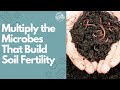
Details a traditional compost recipe (1/3 green, 1/3 brown, 1/3 manure + clay) accelerated to 6 weeks via aerobic turning. Emphasizes microbial balance for soil health and crop protection, with variet
-
Large-scale composting for regenerative agriculture relies on liquid amendments and irrigation systems. No-till is crucial. Sourcing clean ingredients and finding sufficient compost are challenges.

 Community
-
Compost can be applied to the soil surface without tilling, benefiting plants through microbial introduction, nutrient leaching, and integration by earthworms. Covering with mulch aids this process.
Read more (opens in new window) permies.com -
Composting improves soil health by turning waste into nutrient-rich material. It requires equal parts 'greens' (nitrogen-rich like kitchen scraps, grass clippings) and 'browns' (carbon-rich like leave
Read more (opens in new window) ucanr.edu -
Recommends a three-tiered composting system for efficiency, emphasizing aerobic conditions, moisture, and temperature management. Suggests 90% completion is sufficient for soil amendments, with potent
Read more (opens in new window) permies.com -
Compost and mulch build Soil Organic Matter, improving water infiltration and reducing erosion, though achieving high levels is challenging. They typically contain 1-4% nitrogen.
Read more (opens in new window) ucanr.edu
 Research
-
Recycling of Organic Wastes through Composting: Process Performance and Compost Application in Agriculture (opens in new window)
This study found: Composting organic waste creates a valuable soil amendment that improves fertility and can suppress diseases. The review covers compost quality, application methods, and potential downsides of over-ap
-
Recycling of Organic Wastes through Composting: Process Performance and Compost Application in Agriculture (opens in new window)
This study found: Composting organic wastes creates a valuable soil amendment that improves fertility and can suppress diseases. The review covers compost quality, application, and potential negative effects of overuse
Key Points
Start Here
- Gather diverse 'greens' and 'browns' materials.
- Balance C:N ratio between 25:1 and 35:1.
- Ensure pile size for adequate heat retention.
- Maintain moisture at 'wrung-out sponge' level.
Key Methods
- Layer greens and browns evenly.
- Aerate pile by turning every 1-4 weeks.
- Monitor temperature for thermophilic phase.
- Allow for mesophilic cooling and curing.
- Utilize bins, piles, or windrows.
Timing Sequence
- Build pile anytime materials are available.
- Hot phase lasts weeks; curing takes months.
- Apply compost 3-6 months before planting.
- Top-dress perennials annually or biennially.
- Monitor soil improvement over 3-7 years.
System Integration
- Reduces need for synthetic fertilizers.
- Feeds diverse soil food web.
- Improves soil structure, water infiltration.
- Recycles on-farm organic waste streams.
- Builds resilience to drought and pests.
Know the Debate
- Application methods vary: early incorporation vs. no-till surface.
- Equipment needs scale from basic tools to $100k+ machines.
- Herbicide contamination risk requires careful feedstock sourcing.
- Compost improves soil health and reduces synthetic input needs.
Going Deeper
1
Getting Started: Material Selection and Site Preparation
The success of your compost hinges on the careful selection of your raw materials and the strategic placement of your composting site. For "green" or nitrogen-rich inputs, prioritize materials readily available and safe for consumption if compost is used on food crops....
Getting Started: Material Selection and Site Preparation
The success of your compost hinges on the careful selection of your raw materials and the strategic placement of your composting site. For "green" or nitrogen-rich inputs, prioritize materials readily available and safe for consumption if compost is used on food crops....
The success of your compost hinges on the careful selection of your raw materials and the strategic placement of your composting site. For "green" or nitrogen-rich inputs, prioritize materials readily available and safe for consumption if compost is used on food crops. This includes animal manures from herbivores (cattle, sheep, horses, poultry bedding), food scraps from kitchens and processing facilities (avoiding meat and dairy for large-scale operations to prevent odors and pest issues), and green grass clippings or cover crop residues. For "brown" or carbon-rich materials, consider dry leaves, straw, sawdust (used sparingly and from untreated wood), wood chips (finer particles decompose faster), shredded cardboard, and crop stalks. A good starting point for material collection is to aim for roughly equal volumes of greens and browns, understanding this will need adjustment based on their specific composition.
The composting site itself should be practical and accessible. Ideally, it should be on level ground with good drainage to prevent waterlogging. Proximity to water sources is beneficial for maintaining moisture levels, and it should be conveniently located for moving materials in and finished compost out. For smaller operations or those concerned about aesthetics or pest attraction, enclosed bins, commercially available compost tumblers, or even simple pallet enclosures can work well. For larger farms, a dedicated area for windrows or static piles is more efficient, often requiring space for machinery access for turning. Consider prevailing winds if odor is a concern, and ensure the site is accessible year-round for consistent compost production and application.
Sources behind this view
Sources behind this view
Videos & Podcasts
-
Composting requires understanding material quality and the four elements (warmth, moisture, air, soil) in context with the landscape. Thorough mixing, starting from material generation, and site organ
-
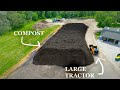
Compost mixing involves creating a carbon nest for nitrogen-rich materials, aiming for a 30:1 carbon-to-nitrogen ratio. Proper aeration, moisture, and careful material handling are crucial for creatin
-
A guide to composting, detailing benefits for soil health and waste reduction. Explains the 'greens' and 'browns' ratio (2:1 browns to greens), layering, aeration, moisture management, and what materi

-
Details compost pile location requirements (drainage, space, neighbor consideration) and essential inputs: carbonaceous ('brown') and nitrogenous ('green') materials. Recommends covering nitrogen mate
Community
-
Guide to backyard composting using a 'warm compost' method, detailing 'greens' (nitrogen-rich) and 'browns' (carbon-rich) ratios, material preparation, and optimal timing (end of year) for creating nu
Read more (opens in new window) ucanr.edu -
Pile composting involves layering 'greens' (nitrogen) and 'browns' (carbon) with proper moisture (50%) and temperature (100-150°F). Methods range from slow (12-18 months) to fast (6-8 weeks) with freq
Read more (opens in new window) ucanr.edu -
Prioritize composting, utilizing black soldier flies and tumble composters in chicken runs, to gain an 18-month head start for greenhouse preparation and improve soil.
Read more (opens in new window) permies.com -
User 'Su Ba' describes a simple, effective composting method using microbe-rich local soil to inoculate large pallet bins filled with diverse organic materials, producing location-specific compost for
Read more (opens in new window) permies.com
Research
-
Duration of Composting and Changes in Temperature, pH and C/N Ratio during Composting: A Review (opens in new window)
This study found: Review on composting biodegradable waste: completion time depends on waste type and method. Key factors are moisture, temperature, pH, and C:N ratio, which change during decomposition.
-
Compare and Contrast Various Composting Techniques to Examine the Impact of Composting on the Environment (opens in new window)
This study found: Review compares composting techniques (piles, pits) for recycling organic waste, highlighting temperature and C:N ratio's role in microbial activity and environmental impact.
 From the Web
-
A guide to making compost at home, detailing how to set up a heap, mix green (nitrogen-rich) and brown (carbon-rich) materials in equal parts, and turn regularly. It explains compost benefits for soil
-
Learn to make compost at home by balancing nitrogen-rich green materials (food waste, grass) with carbon-rich brown materials (twigs, paper). Set up a bin, mix equal parts, turn regularly, and cover t
-
Composting bins can be passive holding units (6 months-2 years) or active turning units (4-6 weeks). Key steps include layering materials, maintaining moisture (squeeze test), aeration, and turning ev
-
This guide from University of Illinois Extension details composting methods, emphasizing the need for balanced carbon/nitrogen materials, air, moisture, and temperature for microbial decomposition. It
2
Step-by-Step Composting Process: Building and Managing the Pile
Building a compost pile is an additive process that requires attention to layering and aeration. Begin by creating a base layer of coarse brown material, such as small branches or wood chips, to promote airflow from below. Then, alternate layers of green and brown...
Step-by-Step Composting Process: Building and Managing the Pile
Building a compost pile is an additive process that requires attention to layering and aeration. Begin by creating a base layer of coarse brown material, such as small branches or wood chips, to promote airflow from below. Then, alternate layers of green and brown...
Building a compost pile is an additive process that requires attention to layering and aeration. Begin by creating a base layer of coarse brown material, such as small branches or wood chips, to promote airflow from below. Then, alternate layers of green and brown materials, much like making lasagna. Aim for layers approximately 10-20 cm (4-8 in) thick. A common guideline is to have a ratio of 2-3 parts brown to 1 part green by volume. For instance, a layer of straw followed by a layer of manure, then a layer of leaves. As you add materials, lightly moisten each layer if it appears dry. Aim to build the pile to a minimum height of 1 meter (3 feet) and ideally up to 1.5 meters (5 feet) to encourage the development of high temperatures.
Once the pile is constructed, its management focuses on maintaining optimal temperature, moisture, and aeration. The thermometer is your friend here; aim for 55-70°C (130-160°F) in the core of the pile for at least 15 days to ensure sanitization. This hot phase is typically followed by a cooling phase as microbial activity slows. Turning the pile is the primary method for aeration and breaking up anaerobic pockets. The frequency of turning depends on your desired compost speed and material type. For faster, high-quality compost, turn every 1-2 weeks, moving material from the outside to the inside. For a slower, passive approach, turning every 4-6 weeks or even less frequently is acceptable, but the compost may take 6-12 months to mature. Monitor moisture levels regularly and water if the pile feels dry.
Sources behind this view
Sources behind this view
Videos & Podcasts
-
Offers practical advice on managing aerobic compost piles, including layering, monitoring temperature and moisture, ideal size (1m³), and rectifying issues like anaerobic conditions, prioritizing micr
-
Explains the active composting phase: pile size (3-4 ft), turning frequency, and managing temperature (131-170°F) and moisture. Turning adds air, ensures even decomposition, and kills weed seeds/disea
-
For a hot compost pile: use diverse ingredients (fresh manure, brewer's waste, seeds), ensure adequate moisture in all materials before mixing, and mix thoroughly as the pile is built. Heat comes from

-
Accelerate compost production by balancing green (nitrogen-rich) and brown (carbon-rich) materials, ensuring adequate air and moisture. Use natural activators like manure or coffee grounds, chop mater

Community
-
Pile composting involves layering 'greens' (nitrogen) and 'browns' (carbon) with proper moisture (50%) and temperature (100-150°F). Methods range from slow (12-18 months) to fast (6-8 weeks) with freq
Read more (opens in new window) ucanr.edu -
Composting requires a 30:1 carbon-to-nitrogen ratio using 'browns' (leaves, straw) and 'greens' (scraps, grass). Maintain moisture, air circulation through turning, and ideal temperatures (100-150°F).
Read more (opens in new window) ucanr.edu -
Recommends a three-tiered composting system for efficiency, emphasizing aerobic conditions, moisture, and temperature management. Suggests 90% completion is sufficient for soil amendments, with potent
Read more (opens in new window) permies.com -
Creating quality compost requires a balanced mix of carbon and nitrogen materials (ideally 30:1 C:N ratio, practically 50:50 green/brown and coarse/fine). Compost tea is a good fertility starter, but
Read more (opens in new window) permies.com
Research
-
Stability and maturity indexes of organic fraction compost (opens in new window)
This study found: Composting yard waste, chicken manure, and plant charcoal produced mature, stable compost in 54 days, confirmed by multiple tests like seed germination and microbial activity.
-
Duration of Composting and Changes in Temperature, pH and C/N Ratio during Composting: A Review (opens in new window)
This study found: Review on composting biodegradable waste: completion time depends on waste type and method. Key factors are moisture, temperature, pH, and C:N ratio, which change during decomposition.
-
Compare and Contrast Various Composting Techniques to Examine the Impact of Composting on the Environment (opens in new window)
This study found: Review compares composting techniques (piles, pits) for recycling organic waste, highlighting temperature and C:N ratio's role in microbial activity and environmental impact.
From the Web
-
Composting bins can be passive holding units (6 months-2 years) or active turning units (4-6 weeks). Key steps include layering materials, maintaining moisture (squeeze test), aeration, and turning ev
-
Effective composting requires a balance of organic matter (1:1 green to brown ratio), moisture (like a wrung-out sponge), oxygen (from turning), and bacteria. Optimal pile size is 3-5 cubic feet, and
-
A guide to making compost at home, detailing how to set up a heap, mix green (nitrogen-rich) and brown (carbon-rich) materials in equal parts, and turn regularly. It explains compost benefits for soil
-
Learn to make compost at home by balancing nitrogen-rich green materials (food waste, grass) with carbon-rich brown materials (twigs, paper). Set up a bin, mix equal parts, turn regularly, and cover t
3
Seasonal Timing and Hemisphere Neutrality
Composting can be initiated at any time of year, but the pace of decomposition is influenced by ambient temperatures. In temperate climates, cooler seasons (late autumn through early spring in the Northern Hemisphere, or late spring through early autumn in the Southern...
Seasonal Timing and Hemisphere Neutrality
Composting can be initiated at any time of year, but the pace of decomposition is influenced by ambient temperatures. In temperate climates, cooler seasons (late autumn through early spring in the Northern Hemisphere, or late spring through early autumn in the Southern...
Composting can be initiated at any time of year, but the pace of decomposition is influenced by ambient temperatures. In temperate climates, cooler seasons (late autumn through early spring in the Northern Hemisphere, or late spring through early autumn in the Southern Hemisphere) mean that external temperatures are lower, requiring a larger pile or more frequent turning to maintain internal heat. Actively building piles in warmer periods (early spring to late autumn in the Northern Hemisphere, or early autumn to late spring in the Southern Hemisphere) generally leads to faster decomposition, as ambient warmth supports microbial activity.
The aging or curing process for compost is essential. After the active thermophilic and cooling phases, the compost needs time to stabilize and mature. This typically takes another 2-4 months. During this curing period, the remaining organic compounds are broken down, and beneficial fungi and actinomycetes become more prevalent. Applying partially composted material can still offer benefits but carries a higher risk of weed seed germination or competition with young plants due to continued decomposition. Therefore, aiming for fully cured compost is best practice, especially for seedlings or sensitive crops. This means that if you start a pile in early spring (March-April Northern Hemisphere; September-October Southern Hemisphere), it may be ready for application by late summer or autumn (August-October Northern Hemisphere; February-April Southern Hemisphere), or more reliably, the following spring.
Sources behind this view
Sources behind this view
Videos & Podcasts
-
Explains the active composting phase: pile size (3-4 ft), turning frequency, and managing temperature (131-170°F) and moisture. Turning adds air, ensures even decomposition, and kills weed seeds/disea
-
Recommends a specific compost bin design with a drop-down plate. For cold climates, start thermophilic composting in June using manure (especially sheep) and carbon materials, aiming for fall applicat
-
Compost feeds soil life, not plants directly, and its nutrients do not leach out. It can be applied anytime, but November/December is optimal for feeding soil life in the Northern Hemisphere, even und
-
Making high-quality compost involves building balanced carbon/nitrogen windrows, frequent turning (ideally with machinery), managing moisture, and monitoring temperature to ensure it's fully mature be
Community
-
Pile composting involves layering 'greens' (nitrogen) and 'browns' (carbon) with proper moisture (50%) and temperature (100-150°F). Methods range from slow (12-18 months) to fast (6-8 weeks) with freq
Read more (opens in new window) ucanr.edu -
Explains hot, warm, and cold composting methods, detailing material ratios (greens/browns), preparation (size reduction), turning frequency, moisture levels, and timelines for producing a soil conditi
Read more (opens in new window) ucanr.edu -
Composting requires a 30:1 carbon-to-nitrogen ratio using 'browns' (leaves, straw) and 'greens' (scraps, grass). Maintain moisture, air circulation through turning, and ideal temperatures (100-150°F).
Read more (opens in new window) ucanr.edu -
Hot composting, recommended by Master Gardeners, produces fertile compost in 4-6 weeks by balancing nitrogen ('greens') and carbon ('browns') in a 3'x3'x3' pile. Regular turning and moisture managemen
Read more (opens in new window) ucanr.edu
From the Web
-
Composting involves mesophilic and thermophilic microbial activity, with an active phase (130-150°F) killing pathogens and weed seeds, followed by a curing phase for stabilization. Finished compost is
4
Equipment and Infrastructure Costs
The equipment and infrastructure needed for composting vary immensely with scale and method. For smallholdings and home gardens, the cost can be minimal, essentially free if using existing space and materials. A simple wooden bin might cost $50-150 (approximately...
Equipment and Infrastructure Costs
The equipment and infrastructure needed for composting vary immensely with scale and method. For smallholdings and home gardens, the cost can be minimal, essentially free if using existing space and materials. A simple wooden bin might cost $50-150 (approximately...
The equipment and infrastructure needed for composting vary immensely with scale and method. For smallholdings and home gardens, the cost can be minimal, essentially free if using existing space and materials. A simple wooden bin might cost $50-150 (approximately €45-135), while commercial compost tumblers range from $150-500 (approximately €135-450). For medium-scale farm operations employing static piles or bins, investment might include a pitchfork or shovel ($30-100), a hose and water access, and potentially a small tractor with a manure fork or front-end loader for turning larger piles, which represents a significant capital investment.
Larger operations using windrows typically require specialized equipment like a compost turner, which can cost anywhere from $10,000 to over $100,000 (approximately €9,000 to €90,000), depending on size and sophistication. Associated infrastructure might include concrete pads for windrows ($500-2,000, or €450-1,800, per section) to improve drainage and longevity, and possibly screens for sifting finished compost ($2,000-15,000, or €1,800-13,500). However, many progressive farms leverage existing machinery like excavators or skid steers with appropriate attachments, keeping upfront infrastructure costs lower. The key is to match the investment to the scale of production and the expected returns, often seeing a payback within 2-5 years through reduced synthetic input costs and improved yields.
Sources behind this view
Sources behind this view
Videos & Podcasts
-
Finished compost is screened and sold for $60/yard or used in a raised bed mix ($135/yard). Essential equipment includes a tractor, turner, loader, and screen, with used setups costing $30-40k. Older,
-
For small-scale farmers, buying compost (e.g., 20 yards for $600 in San Diego) is often more time-efficient and cost-effective than making it, especially when time is a major constraint.
Research
-
CURRENT STATE CONCERNING THE CONSTRUCTION OF ORGANIC COMPOST EQUIPMENT. A REVIEW (opens in new window)
This study found: This review explores compost equipment for organic farming, highlighting how microorganisms transform waste into soil-enriching compost, reducing waste and improving fertility.
5
Common Mistakes and Troubleshooting
One of the most common mistakes is improper material handling, particularly imbalances in the C:N ratio or moisture content. A pile that is too "green" (high nitrogen) or too wet can become anaerobic, leading to foul odors (ammonia or rotten egg smells) and slow,...
Common Mistakes and Troubleshooting
One of the most common mistakes is improper material handling, particularly imbalances in the C:N ratio or moisture content. A pile that is too "green" (high nitrogen) or too wet can become anaerobic, leading to foul odors (ammonia or rotten egg smells) and slow,...
One of the most common mistakes is improper material handling, particularly imbalances in the C:N ratio or moisture content. A pile that is too "green" (high nitrogen) or too wet can become anaerobic, leading to foul odors (ammonia or rotten egg smells) and slow, inefficient decomposition. Fixing this involves turning the pile thoroughly to introduce oxygen and adding sufficient dry "brown" materials like straw, sawdust, or shredded cardboard to absorb excess moisture and rebalance the carbon. Conversely, a pile that is too "brown" (high carbon) or too dry will fail to heat up. The solution is to add more nitrogen-rich "green" materials like manure or food scraps, and to introduce water until the desired "wrung-out sponge" consistency is achieved.
Another frequent oversight is insufficient aeration. If piles are not turned regularly, or if they are constructed too densely without coarse materials to facilitate airflow, anaerobic pockets will form. This can also result in "hot spots" that are too dry while other parts remain too cool. Careful turning, ensuring that material from the edges and top is mixed into the core, is crucial. For static piles that are not turned, incorporating larger, coarse materials throughout the pile when building it can create built-in aeration channels. Ensuring the pile has sufficient mass, ideally at least 1 cubic meter (1 cubic yard) for thermophilic activity, is also vital; smaller piles lose heat too quickly during cooler ambient temperatures.
Sources behind this view
Sources behind this view
Videos & Podcasts
-
Troubleshooting compost piles: ensure adequate size (1 cubic yard), sufficient nitrogen greens, aeration, proper moisture (handful squeeze test), and diverse carbon sources (straw, hay, leaves, not ju

-
For a hot compost pile: use diverse ingredients (fresh manure, brewer's waste, seeds), ensure adequate moisture in all materials before mixing, and mix thoroughly as the pile is built. Heat comes from
-
Offers practical advice on building and managing compost piles, including material ratios (carbon:nitrogen), pile size, covering, and managing kitchen scraps. Emphasizes temperature and moisture contr
-
Effective compost management involves regular turning (every 4 weeks, or sooner if issues arise), monitoring temperature and moisture, and understanding material properties. Proper thermophilic phase
Community
-
Pile composting involves layering 'greens' (nitrogen) and 'browns' (carbon) with proper moisture (50%) and temperature (100-150°F). Methods range from slow (12-18 months) to fast (6-8 weeks) with freq
Read more (opens in new window) ucanr.edu -
Build a hot compost pile in weeks by balancing 'greens' and 'browns' (approx. 30:1 ratio), shredding materials, maintaining moisture like a squeezed sponge, and turning every few days. Aim for 160°F t
Read more (opens in new window) ucanr.edu -
Composting requires a 30:1 carbon-to-nitrogen ratio using 'browns' (leaves, straw) and 'greens' (scraps, grass). Maintain moisture, air circulation through turning, and ideal temperatures (100-150°F).
Read more (opens in new window) ucanr.edu -
Learn to build a 'hot pile' compost in weeks by combining shredded greens and browns (equal volume, more greens for energy), keeping it moist like a squeezed sponge, and turning it regularly. Aim for
Read more (opens in new window) ucanr.edu
From the Web
-
Hot composting requires piles at least 3x3x3 feet, balanced green and brown materials, adequate moisture (like a wrung-out sponge), and regular aeration through turning or tools. Troubleshooting cover
-
Troubleshooting guide for compost piles: bad smells indicate lack of oxygen (turn pile, add browns); dryness requires moisture addition; no heat means insufficient nitrogen (add greens); small piles w
6
Monitoring and Adjustment: Measuring Success
Assessing the quality of finished compost involves both sensory evaluation and, for more rigorous assessment, laboratory analysis. Visually, mature compost should be dark brown, crumbly, and uniform in texture. It should smell earthy and pleasant, not ammoniated or sour....
Monitoring and Adjustment: Measuring Success
Assessing the quality of finished compost involves both sensory evaluation and, for more rigorous assessment, laboratory analysis. Visually, mature compost should be dark brown, crumbly, and uniform in texture. It should smell earthy and pleasant, not ammoniated or sour....
Assessing the quality of finished compost involves both sensory evaluation and, for more rigorous assessment, laboratory analysis. Visually, mature compost should be dark brown, crumbly, and uniform in texture. It should smell earthy and pleasant, not ammoniated or sour. A key indicator of beneficial microbial activity is the presence of fungal hyphae, which can appear as fine white threads. For crops, especially seedlings, it's wise to conduct a germination test: sow a few seeds in a sample of the compost; if they germinate and grow vigorously, the compost is likely ready and safe.
Longer-term benefits on the soil are measured through observable changes and soil testing. Look for improved soil structure characterized by better aggregation (soil particles clumping together), increased water infiltration rates after rain, and reduced soil crusting. An increase in earthworm populations is a strong sign of a healthy soil food web. In terms of quantitative metrics, regular soil organic matter testing is vital. Aim for an annual increase of 0.1-0.5% in soil organic matter over 3-7 years of consistent compost application, alongside other regenerative practices. Farmers in the drylands of North Africa have reported significant improvements in soil water retention and crop resilience by applying compost made from local organic waste, leading to a measurable reduction in crop wilting during dry spells.
Sources behind this view
Sources behind this view
Videos & Podcasts
-
Compost application enhances soil biology, leading to increased fungal presence, improved plant health, and higher yields, reducing reliance on synthetic inputs. Regenerative practices like polycroppi
-
Emphasizes testing compost for essential microbes (protozoa, nematodes) and avoiding actinobacteria-dominant, alkaline, or sand-heavy products. Recommends pH and shake tests to ensure compost quality

-
Use a microscope to assess compost maturity and microbial populations (fungi, bacteria, protozoa, nematodes). Target specific fungal-to-bacterial biomass ratios (e.g., 1:1 for grasses, 0.8:1 for tomat

-
Moisture in compost is managed via a squeeze test (like a wrung-out sponge, 40-50% ideal). Daily checks during active composting are recommended. Recipes are hands-on, balancing green and brown materi
Research
-
SOIL BIOLOGICAL AND BIOCHEMICAL QUALITY OF WHEAT-MAIZE CROPPING SYSTEM IN LONG-TERM FERTILIZER EXPERIMENTS (opens in new window)
This study found: Long-term organic compost application in wheat-maize systems significantly improved soil organic matter, microbial biomass, and beneficial nematodes compared to chemical fertilizers, indicating enhanc
-
Compost organic matter content varied five-fold and determined compost quality across 107 composts of the North Sea Region. (opens in new window)
This study found: Study of 107 composts in the North Sea Region found wide variation in quality. Higher organic matter correlated with more microbes and nutrients. Farm-made compost had more microbes; green waste compo
-
Organic carbon and nitrogen stocks in a clay loam soil 10 years after a single compost application (opens in new window)
This study found: A single compost application boosted soil carbon and nitrogen for 10 years in Ontario clay loam, with yard waste and pig manure composts showing lasting benefits. Higher rates of food scrap compost yi
-
Biochemical thresholds to differentiate mineralizing and stabilizing organic waste amendments for soil carbon management (opens in new window)
This study found: New biochemical tests identify organic amendments that build stable soil carbon. High lignin and stability indicators mean slower decomposition, leading to long-term soil improvement and climate benef
From the Web
-
Assess finished compost by visual cues (dark, crumbly, earthy smell) and practical tests: seed germination (radish/lettuce) or Solvita respiration tests for CO2 and ammonia. TMECC protocols are availa
-
Tests for finished compost include visual cues (dark, crumbly, earthy smell), a seed germination test with radish/lettuce, and the Solvita test measuring CO2 and ammonia respiration.
-
Details compost quality assessment, focusing on maturity, stability, and controlling contaminants like heavy metals and pathogens. Emphasizes monitoring, testing, and documentation for safe agricultur
7
Scaling Up: From Small Batch to Farm-Wide Integration
Transitioning from small-scale or experimental composting to farm-wide application requires a strategic approach to ensure consistent supply and efficient integration. First, conduct detailed audits of all available organic waste streams on the farm, quantifying...
Scaling Up: From Small Batch to Farm-Wide Integration
Transitioning from small-scale or experimental composting to farm-wide application requires a strategic approach to ensure consistent supply and efficient integration. First, conduct detailed audits of all available organic waste streams on the farm, quantifying...
Transitioning from small-scale or experimental composting to farm-wide application requires a strategic approach to ensure consistent supply and efficient integration. First, conduct detailed audits of all available organic waste streams on the farm, quantifying potential inputs of greens and browns. This may involve composting crop residues, animal manures, food processing by-products, or even municipal or industrial organic waste if available and appropriate. Based on these volumes, design a composting system that can handle the anticipated output, whether it's expanding the number of static piles, investing in larger bins, or establishing dedicated windrows.
Develop a composting schedule that aligns with your crop rotation and nutrient management plan. For example, compost intended for spring planting needs to be initiated the previous summer or autumn at the latest. Consider the logistical challenges of moving large volumes of raw materials and finished compost. This might involve investing in or utilizing existing farm machinery like tractors, loaders, spreaders, or trailers. Implementing a phased approach, starting with a portion of the farm or a specific crop rotation, allows for learning and adjustment before full-scale implementation. Economic justification for scaling up often comes from reduced synthetic input costs, improved soil structure leading to better water management, and enhanced crop yields and quality, with many farmers observing a return on their compost investment within 3-5 years.
Sources behind this view
Sources behind this view
Videos & Podcasts
-
Nick Padwick describes scaling up compost production to windrows using wood chip and manure, emphasizing C:N ratios, material freshness, and moisture management. He also details using clover grown und
-
Earthcare Farm processes 50-100 tons of organic materials daily on 3 acres, producing 6,000 cubic yards of compost annually. They manage diverse feedstocks, test for persistent herbicides using bioass
-
Farmers built compost using local spent grain, chicken manure, spoiled silage, and wood chips. They learned thermophilic composting, managed low volumes initially, and adapted equipment, including a c

-
Large-scale composting for regenerative agriculture relies on liquid amendments and irrigation systems. No-till is crucial. Sourcing clean ingredients and finding sufficient compost are challenges.
Community
-
Importing compost carries risks of contamination (pathogens, weeds, chemicals) due to lack of control; ask specific questions about source and processing. Cover cropping and on-site composting are pre
Read more (opens in new window) permies.com
Research
-
A Case Study on Role of Microbial Consortia Assisted Decomposition of Agro-waste for Improvement of Soil Organic Carbon – A Step Towards Sustainable Development (opens in new window)
This study found: A microbial mix and cow manure sped up farm waste composting to 30-45 days, boosting soil organic matter by 13-25% in two seasons on 15 farms. Developed for sustainable farming.
-
Recycling of Organic Wastes through Composting: Process Performance and Compost Application in Agriculture (opens in new window)
This study found: Composting organic waste creates a valuable soil amendment that improves fertility and can suppress diseases. The review covers compost quality, application methods, and potential downsides of over-ap
-
Locally available compost application in organic farms: 2-year effect on biological soil properties (opens in new window)
This study found: Two years of repeated green-waste compost application in Northern Italy significantly boosted soil microbial activity and enzyme function, especially on soils initially low in organic matter. Precisio
-
Recycling of Organic Wastes through Composting: Process Performance and Compost Application in Agriculture (opens in new window)
This study found: Composting organic wastes creates a valuable soil amendment that improves fertility and can suppress diseases. The review covers compost quality, application, and potential negative effects of overuse
8
Regional Adaptations for Diverse Climates and Systems
Composting techniques must be adapted to specific regional conditions. In arid and semi-arid regions, maintaining moisture is the primary challenge. Techniques like using compost trenches, Hügelkultur beds (mounds built with woody debris), or placing compost in deeper...
Regional Adaptations for Diverse Climates and Systems
Composting techniques must be adapted to specific regional conditions. In arid and semi-arid regions, maintaining moisture is the primary challenge. Techniques like using compost trenches, Hügelkultur beds (mounds built with woody debris), or placing compost in deeper...
Composting techniques must be adapted to specific regional conditions. In arid and semi-arid regions, maintaining moisture is the primary challenge. Techniques like using compost trenches, Hügelkultur beds (mounds built with woody debris), or placing compost in deeper layers can help conserve water. Covering compost piles with a layer of soil or mulch can further reduce evaporation. In humid tropics, the risk is excessive moisture and rapid leaching of nutrients. Compost piles should be well-aerated and may benefit from being housed under simple shelters or constructed on elevated platforms to promote drainage. Rapid decomposition in hot, humid climates can also mean materials break down quickly, so frequent additions of nitrogen-rich materials may be necessary.
In temperate regions, the primary concern is often maintaining adequate temperatures during colder months. Larger, well-insulated piles (e.g., using composted manure bedding or wood chips as insulation) are more effective. For faster composting, active turning and ensuring sufficient aeration are critical to driving the thermophilic process even when ambient temperatures are low. Integrating livestock into the composting process can also be a powerful regional adaptation. For ranchers in North America or cattle farmers in South America, managing manure with bedding straw in feedlots can create ideal composting conditions, or dedicated composting pads can be established for larger manure volumes. Similarly, in parts of Asia where rice paddy straw is abundant, it can be a primary bulking agent for compost made with animal manures and kitchen scraps.
Sources behind this view
Sources behind this view
Videos & Podcasts
-
Dr. Elaine Ingham emphasizes bio-regionalism in soil health, explaining that local, indigenous microorganisms are essential. Compost must be made locally to match climate and habitat, ensuring optimal

-
Explains the benefits, science (C:N ratio, moisture, oxygen, temperature), and methods (windrows, in-vessel) of manure composting. Highlights NRCS 317 standards, regulatory considerations, and the nee

-
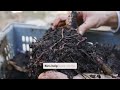
Presents multiple composting methods for desert environments: classic pile (alternating greens/browns), trench composting (burying scraps), bins (control temp/moisture), and vermicomposting (worm cast
-
Introduce fungi via diverse, biologically complete compost, considering local climate. Mitigate climate change impacts by maintaining ground cover for soil temperature and moisture regulation, buildin
Community
-
Recommends a three-tiered composting system for efficiency, emphasizing aerobic conditions, moisture, and temperature management. Suggests 90% completion is sufficient for soil amendments, with potent
Read more (opens in new window) permies.com
9
Integration with Other Regenerative Practices
Composting is a potent catalyst when integrated into a broader regenerative farm system. It works synergistically with cover cropping; compost applied to fields enhances the growth and nitrogen-fixing capabilities of cover crops, which in turn provide more organic matter...
Integration with Other Regenerative Practices
Composting is a potent catalyst when integrated into a broader regenerative farm system. It works synergistically with cover cropping; compost applied to fields enhances the growth and nitrogen-fixing capabilities of cover crops, which in turn provide more organic matter...
Composting is a potent catalyst when integrated into a broader regenerative farm system. It works synergistically with cover cropping; compost applied to fields enhances the growth and nitrogen-fixing capabilities of cover crops, which in turn provide more organic matter for future composting or direct soil improvement. Reduced tillage or no-till systems benefit immensely from compost, as it introduces organic matter and microbial life without disruptive cultivation. This fosters a more resilient soil structure and a thriving soil food web, mirroring more closely the forest floor ecosystem.
For livestock operations, compost provides an excellent outlet for manure, transforming a potential waste management issue into a valuable soil fertility resource. Applying compost to pastures can improve forage quality and growth, while compost made from manure and bedding can be used to build fertility in cropping systems. When integrated with rotational grazing, the increased pasture health promoted by compost application can support denser livestock populations and improve animal health. In arid regions, compost's ability to improve water infiltration and retention is crucial for drought resilience, working hand-in-hand with water harvesting techniques such as contour planting or swales. Collectively, these integrated practices build living soil, enhance farm biodiversity, and create truly circular nutrient flows.
Sources behind this view
Sources behind this view
Videos & Podcasts
-
Reducing chemical and mechanical disturbance is key to soil health. Adding compost inoculates soil with diverse microorganisms, improving aggregation, water infiltration, and plant resilience via myco

-
Compost application enhances soil biology, leading to increased fungal presence, improved plant health, and higher yields, reducing reliance on synthetic inputs. Regenerative practices like polycroppi
-
Key regenerative farming practices like composting and cover cropping enhance soil biology, increase organic matter, and sequester carbon. Cover cropping is vital in the Pacific Northwest to prevent w
-
Details regenerative tobacco farming practices: lower-cost compost use, improved fertilization and pest management leading to fewer pests (7 vs 11 incidents) and reduced costs. Highlights ecosystem de

Community
-
Use compost and organic mulch to improve soil health, structure, water retention, and carbon sequestration. Plant cover crops for erosion control and soil feeding, and minimize fertilizer use as compo
Read more (opens in new window) ucanr.edu -
Compost, a product of controlled organic decomposition, offers numerous agricultural benefits including increased soil organic matter, improved water retention, enhanced microbial activity, and nutrie
Read more (opens in new window) ucanr.edu -
Increase soil organic matter by adding compost, using mulching mowers, and employing chop-and-drop methods to improve soil health, reduce greenhouse gases, and enhance plant growth.
Read more (opens in new window) ucanr.edu -
Regenerative practices like composting, planting perennials, using cover crops (e.g., clover), and reducing tillage enhance soil health and sequester carbon by improving water retention, adding microb
Read more (opens in new window) ucanr.edu
Research
-
Building Soil Health and Fertility through Organic Amendments and Practices: A Review (opens in new window)
This study found: Review of organic amendments (manures, compost, cover crops) and regenerative practices (no-till, crop diversity, agroecology) shows they restore soil health by increasing organic matter and beneficia
-
Regenerative Agriculture: Restoring Ecosystems¢ Resilience and Productivity: A Review (opens in new window)
This study found: Regenerative agriculture builds soil health and ecosystem services through practices like no-till, cover crops, and diverse rotations. It increases soil organic matter, improves water infiltration, bo
-
Compost amendment to enhance carbon sequestration in rangelands (opens in new window)
This study found: Compost application to rangelands significantly increased plant growth (>40%) and soil carbon storage (50%), while improving soil structure, water retention, and nutrient availability across global st
-
Building Soil Health and Fertility through Organic Amendments and Practices: A Review (opens in new window)
This study found: Using organic amendments (manures, composts, cover crops) and regenerative practices (no-till, crop diversity) restores soil health by increasing organic matter and beneficial microbes, leading to mor
10
Know the Debate
Composting is a fundamental regenerative practice that transforms organic waste into a rich soil amendment. While the general principles of balanci...
Know the Debate
Composting is a fundamental regenerative practice that transforms organic waste into a rich soil amendment. While the general principles of balanci...
Composting is a fundamental regenerative practice that transforms organic waste into a rich soil amendment. While the general principles of balancing greens and browns, maintaining moisture, and providing aeration are universal, the most effective methods and considerations vary significantly based on your climate, operational scale, available equipment, and crop sensitivities. From small garden piles to large agricultural windrows, understanding these contextual factors is key to successful compost production and application. This guide explores common approaches, potential challenges, and how to integrate composting into your farm system.
What is the best method for applying compost to farmland?
Early incorporation or surface application in pastures
Institute and academic sources often recommend incorporating compost into the soil 3-5 months before planting or spreading it as a top layer on established perennials. This allows initial decomposition and integration before crop establishment.
Sources behind this view
Sources behind this view
Research
-
Soil Properties under Nitrogen‐ vs. Phosphorus‐Based Manure and Compost Management of Corn (opens in new window)
This study found: A five-year study in central New York looked at how different ways of applying compost and liquid dairy manure to corn fields affected soil health. Applying nutrients based on the crop's phosphorus needs (P-removal rates), especially when combined with tillage to incorporate manure, led to a decrease in soil organic matter over time. However, applying compost based on nitrogen needs increased soil organic matter and boosted soil microbial activity. Fields receiving P-based manure or synthetic nitrogen fertilizer also showed higher levels of soil phosphorus. The study suggests that incorporating manure with tillage at P-based rates can reduce soil organic matter, and that injecting manure instead of tilling it in might help preserve it.
From the Web
-
Incorporate 3-4 inches of compost into garden soil and till it in during spring preparation. Compost can also be used as a 3-inch mulch layer around plants, avoiding direct contact with stems.
-
Farm compost systems include passive, windrow, and aerated static piles. Annual application rates of 5-20 tons/acre are suggested, guided by soil tests to manage nutrients like nitrogen and avoid excess phosphorus.
No-till surface application or application to living cover crops
Field practitioners often advocate for no-till methods, applying compost directly to the soil surface or, preferably, over living cover crops to feed microbial life and avoid nitrogen tie-up. This approach emphasizes feeding the soil food web directly.
Sources behind this view
Sources behind this view
Videos & Podcasts
-
Large-scale composting for regenerative agriculture relies on liquid amendments and irrigation systems. No-till is crucial. Sourcing clean ingredients and finding sufficient compost are challenges.
-
Compost application rates are context-dependent, with 1 inch annually recommended for subsoil. Incorporating compost into the topsoil using tools like a tilther is preferred for nutrient availability and labor efficiency.
-
Advocates applying compost to living green crops, explaining how the crop's biology enhances nutrient absorption and prevents anaerobic conditions. Details compost ingredient analysis (brown/green), layering techniques, and the critical role of temperature management (63-70°C) for effective decomposition and nutrient retention.
-
Use 1-2 inches of biologically active compost, applied without tilling, to inoculate soil with microbial life and boost fertility.
Making Sense of the Differences
The optimal compost application method depends on your farm's specific goals and constraints. While early incorporation is a traditional way to integrate compost into the soil profile, no-till surface application, particularly over living cover crops, is favored by many regenerative practitioners for its direct support of soil biology. Field results suggest surface application on living covers can enhance nutrient uptake and improve soil structure. Farmers should consider their crop's sensitivity to nitrogen tie-up, their equipment capabilities, and their soil's existing biology when deciding whether to incorporate or surface-apply.
What are the equipment needs for farm-scale composting?
Minimal equipment for small to medium scale
Institute and academic sources suggest starting with basic tools like pitchforks or front-end loaders for turning, with minimal capital investment for smaller operations.
Sources behind this view
Sources behind this view
Research
-
On-Farm Composting Methods (opens in new window)
This study found: This review brings together different ways farmers can make compost on their own land, especially focusing on faster methods. Composting turns farm waste into a valuable resource that helps improve soil health and fertility. The goal is to encourage more farmers, particularly in developing countries, to use these techniques to boost their crops and protect the environment from damage.
From the Web
-
Farm compost systems include passive, windrow, and aerated static piles. Annual application rates of 5-20 tons/acre are suggested, guided by soil tests to manage nutrients like nitrogen and avoid excess phosphorus.
-
Compost is a vital soil amendment that transforms organic material into a life-rich conditioner, fostering a diverse microbial web essential for healthy soil and regenerative farming practices.
Significant investment for large-scale, efficient operations
Field practitioners report that efficient compost production at a farm-wide scale often requires specialized machinery like windrow turners and screeners, which can cost $10,000 to over $100,000.
Sources behind this view
Sources behind this view
Videos & Podcasts
-
Large-scale composting for regenerative agriculture relies on liquid amendments and irrigation systems. No-till is crucial. Sourcing clean ingredients and finding sufficient compost are challenges.
-
Compost application rates are context-dependent, with 1 inch annually recommended for subsoil. Incorporating compost into the topsoil using tools like a tilther is preferred for nutrient availability and labor efficiency.
-
Discusses transitioning from labor-intensive manure composting to modern techniques, emphasizing the need for soil biology and organic matter before compost application. Advocates applying compost to living cover crops for better nutrient utilization and soil structure, and details the importance of brown and green ingredients, temperature control, and finishing compost with a brown layer.
Making Sense of the Differences
Composting equipment needs vary greatly with farm scale. Smaller operations can often manage with basic tools and existing farm machinery. However, achieving efficient, high-volume compost production for larger farms typically requires investment in specialized equipment like windrow turners and screeners, representing a significant capital expenditure. Farmers should carefully assess their organic waste volumes, desired compost quality, and available budget to determine the most appropriate scale of operation and corresponding equipment investment.
Does compost pose a risk of persistent herbicide contamination?
Risk exists, especially with off-farm inputs
Field practitioners report significant crop damage from persistent herbicides in compost, noting that standard composting may not fully degrade them. Careful sourcing of clean materials is emphasized.
Sources behind this view
Sources behind this view
Videos & Podcasts
-
Effective compost requires a specific mix: 60% browns, 30% greens, 10% high nitrogen. Proper temperature and moisture management, along with regular turning, are crucial. Improper composting can spread harmful microbes, so professional guidance is recommended.
Standard composting handles most common materials safely
Academic and institute sources generally focus on the benefits and basic methods of composting, with limited discussion of specific herbicide persistence issues except for general warnings about avoiding diseased plants or certain manures.
Sources behind this view
Sources behind this view
Research
-
Recycling of Organic Wastes through Composting: Process Performance and Compost Application in Agriculture (opens in new window)
This study found: This review looks at how composting turns organic waste like food scraps and yard trimmings into a valuable soil amendment. It covers how to make good quality compost that's ready to use, and the best ways to apply it to farms. The review explains how compost can boost soil health, help protect plants from diseases, and also warns about potential problems if too much compost is applied. Composting is a flexible method that can be used on any scale, from home gardens to large municipal facilities.
From the Web
-
Recommends a three-layer composting method: 6-8 inches of organic matter, 1-2 inches of starter (manure, fertilizer, or commercial starter) for nitrogen, and 1-2 inches of topsoil for microorganisms. Avoids meat, dairy, certain manures, and diseased plants.
-
Improve soil with conditioners like aged manure (over 6 months old) and compost. Apply 2-3 inches and mix in. Avoid fresh manure and pet waste in vegetable gardens.
Making Sense of the Differences
While most composting literature focuses on beneficial outcomes, a significant risk exists from persistent herbicides found in some feedstocks, particularly treated hay or manure. Field practitioners report substantial crop damage from contaminated compost. Academic and institute guidance often lacks specific warnings on this issue, focusing more on general material selection. Farmers should prioritize sourcing 'clean' green materials from known herbicide-free sources and consider aging manure for an extended period, or consult with local experts to assess the risk in their specific region and material streams.