
How do I design a crop rotation?
Designing a crop rotation involves strategically sequencing crops over time on the same land to build soil health, manage pests and diseases, and optimize nutrient cycles. Start by mapping your farm's fields, assessing your soil type and climate, and understanding the roles of different crop families in your system, such as legumes for nitrogen fixation and deep-rooted crops for soil structure. Aim for diversity in your rotation, typically including 3-5 different crop types or families over a 4-6 year cycle, to maximize benefits and minimize risks, while progressively reducing reliance on external inputs.
Read More: Complete Description
Sources behind this view
Sources behind this view
 Videos & Podcasts
-
E-Agronom's software optimizes crop rotation for grain farmers by using machine algorithms to balance logistics, EU regulations, profitability, and soil health, helping them avoid long-term problems a

-
Redesigning crop rotations for regenerative agriculture involves long-term (7-10+ year) planning with a 'cropping plan' to maximize diversity of cash crops, species, and cover crops for optimal soil c
-
Crop rotations are essential for soil health, pest management, and erosion control. Avoid continuous cropping and planting same-family crops. Plan rotations for multiple years, incorporating cover cro
-
Recommends a 4-year crop rotation plan for home gardens, cycling through legumes, leafy greens, fruiting vegetables, and root crops to prevent soil depletion, reduce pests/diseases, and improve soil s

 Community
-
Crop rotation prevents pests and diseases by moving crop families to new beds every 3+ years. A sample 4-year rotation includes heavy feeders, light feeders, nitrogen fixers, and cover crops, requirin
Read more (opens in new window) smallfarms.cornell.edu -
Effective crop rotation on diversified farms relies on 'ad hoc' placement based on field knowledge and history, rather than rigid textbook sequences. A NEON planning manual offers systematic procedure
Read more (opens in new window) smallfarms.cornell.edu -
Eight rules for vegetable garden crop rotation: follow heavy feeders with light feeders, include nitrogen-fixing legumes, rotate with seasons and plant families, use rotation to reduce pests and weeds
Read more (opens in new window) ucanr.edu -
Explains crop rotation as a feasible method for improving soil health by rotating crops and potentially livestock across land parcels, contrasting it with historical field rotation.
Read more (opens in new window) permies.com
 Research
-
Managing soil fertility in organic farming systems (opens in new window)
This study found: Organic farming soil fertility relies on integrated systems: crop rotation, legumes for nitrogen, manure/residue recycling, and leys for organic matter. This long-term approach contrasts with conventi
-
Accounting for soil biotic effects on soil health and crop productivity in the design of crop rotations (opens in new window)
This study found: Designing crop rotations should focus on specific soil organisms and their interactions with plants, rather than just overall microbial diversity, to improve soil health and crop yields.
-
A rotation design to reduce weed density in organic farming (opens in new window)
This study found: A proposed 9-year organic crop rotation design aims to reduce weed numbers by disrupting weed life cycles and incorporating no-till periods, potentially improving yields and soil nitrogen.
-
Cropping Systems (opens in new window)
This study found: Crop rotation and mixed cropping are vital for sustainable agriculture, improving soil health, reducing pest issues, and lowering fertilizer/water needs for farmers.
 From the Web
-
Expert organic farmers manage crop rotations through a systematic eight-step process, prioritizing soil health, disease/weed control, and profitability. This involves detailed planning, data gathering
-
Expert organic farmers manage crop rotations through a cyclical process of goal setting, resource assessment, data gathering, analysis, planning, execution, evaluation, and adjustment. Key responsibil
-
Provides a seven-step guide to crop rotation planning, emphasizing soil health benefits from microbial diversity. Key steps include goal setting, mapping, plant family analysis, and backup planning, w
-
Provides a seven-step guide to crop rotation planning for enhancing soil microbial diversity, emphasizing goal setting, detailed mapping, plant family analysis, and practical implementation considerat
Key Points
Start Here
- Map fields, soil types, and climate.
- Understand crop family roles (legumes, grains, roots).
- Assess current pest/disease pressures.
- Set yield and fertility goals.
- Inventory available equipment.
Sequencing Strategy
- Aim for 4-6 year cycles with 3-5 crop types.
- Prioritize crop growth stage and nutrient needs.
- Integrate cover crops between cash crops.
- Plan crop termination for maximum benefit.
- Consider livestock integration for fertility.
Key Design Principles
- Sequence crops by family to break pest cycles.
- Incorporate legumes for nitrogen fixation.
- Include deep-rooted crops for soil structure.
- Vary nutrient demands across the rotation.
- Consider cover crops for soil health.
Monitoring And Adjustment
- Track yield, soil health, and pest data.
- Observe soil aggregation and water infiltration.
- Adjust rotation based on field observations.
- Phase out synthetic inputs over 3-7 years.
- Seek peer learning and expert advice.
Know the Debate
- Soil health benefits emerge over 2-7+ years depending on context.
- Rotation design requires local knowledge for optimal results.
- Generic plans may underperform; adaptation is key.
- Integrate livestock and cover crops for synergy.
Going Deeper
1
Getting Started: The Foundational Assessment
Before drawing up your first rotation plan, a deep understanding of your farming context is paramount. This involves a comprehensive inventory of your land's current state and potential. Start by creating detailed maps of each field, identifying variations in soil...
Getting Started: The Foundational Assessment
Before drawing up your first rotation plan, a deep understanding of your farming context is paramount. This involves a comprehensive inventory of your land's current state and potential. Start by creating detailed maps of each field, identifying variations in soil...
Before drawing up your first rotation plan, a deep understanding of your farming context is paramount. This involves a comprehensive inventory of your land's current state and potential. Start by creating detailed maps of each field, identifying variations in soil texture, organic matter content, slope, and drainage. Understanding these subtle differences will help you assign appropriate crops to specific areas. For instance, fields with poor drainage might be better suited to crops tolerant of “wet feet” or used for deep-rooted cover crops that improve aeration over time. Assess your microclimate as well: are there areas prone to frost, wind, or prolonged drought within your farm?
Next, document your farm's history. What crops have been grown where, and with what management practices? Identify any persistent weed, insect, or disease problems that have emerged. These are critical clues for designing a rotation that actively counteracts them. Gather soil test results from the past 5-10 years, paying close attention to trends in organic matter, pH, and key nutrient levels (N, P, K, micronutrients). If you haven't tested recently, conduct comprehensive tests for each field. Finally, reflect on your farm's overall goals. Are you aiming to increase soil organic matter by 0.5-1% annually, reduce reliance on nitrogen fertilizer by 20% per year, or improve water infiltration by 10 cm (4 in) within 5 years? Clear objectives will guide your crop selections and sequencing decisions. For a smallholder in Kenya, this might mean prioritizing drought-tolerant grains and nitrogen-fixing pulses for household food security and soil fertility, while a large-scale grain producer in the US Midwest might focus on maximizing biomass and carbon sequestration with longer rotations.
Sources behind this view
Sources behind this view
Videos & Podcasts
-
Redesigning crop rotations for regenerative agriculture involves long-term (7-10+ year) planning with a 'cropping plan' to maximize diversity of cash crops, species, and cover crops for optimal soil c
-
Efficient crop planning starts with market demand, working backward to determine planting schedules and rotations. Avoid over-scheduling, consider pairing crop families, and utilize resources like spr
-
Farm design incorporating crop rotation into 10 field blocks, grouping by botanical family and nutrient needs (heavy vs. light feeders), ensures long-term soil health and sustainability.
-
To introduce new crops into rotations, start with small-scale trials (5-10 acres) using available resources. A sample rotation includes rye cover crop after corn, then soybeans, wheat/oats, and soil-b
Community
-
Effective crop rotation on diversified farms relies on 'ad hoc' placement based on field knowledge and history, rather than rigid textbook sequences. A NEON planning manual offers systematic procedure
Read more (opens in new window) smallfarms.cornell.edu
Research
-
Managing soil fertility in organic farming systems (opens in new window)
This study found: Organic farming soil fertility relies on integrated systems: crop rotation, legumes for nitrogen, manure/residue recycling, and leys for organic matter. This long-term approach contrasts with conventi
-
Guidelines for Improved Agronomic Management and Economic Evaluation of Crop Rotation Trials in Mediterranean Environments (opens in new window)
This study found: Guidelines for planning effective crop rotation trials in Mediterranean regions, focusing on long-term commitment, experimental design, and data collection for a good return on investment.
-
Cropping Systems (opens in new window)
This study found: Crop rotation and mixed cropping are vital for sustainable agriculture, improving soil health, reducing pest issues, and lowering fertilizer/water needs for farmers.
From the Web
-
Expert organic farmers manage crop rotations through a systematic eight-step process, prioritizing soil health, disease/weed control, and profitability. This involves detailed planning, data gathering
-
Expert organic farmers plan crop rotations by setting farm goals, identifying resources/constraints, gathering and analyzing data from field observations and past records to manage soil health, diseas
-
Provides principles for organic crop rotation: follow legumes with nitrogen-demanders, avoid related species, use deep-rooted crops, and plan sequences for weed/pest control and soil health. Key steps
-
Expert organic farmers manage crop rotations through an eight-step process, prioritizing soil health, disease/weed control, and profitability. This involves detailed planning, data gathering via field
2
Step-by-Step Process: Crafting Your Rotation Plan
Crafting your crop rotation is an iterative process. Begin by listing all the crops you intend to grow for sale or feed, along with potential cover crops and forage options. For each crop, identify its family, its primary nutrient needs and contributions (especially...
Step-by-Step Process: Crafting Your Rotation Plan
Crafting your crop rotation is an iterative process. Begin by listing all the crops you intend to grow for sale or feed, along with potential cover crops and forage options. For each crop, identify its family, its primary nutrient needs and contributions (especially...
Crafting your crop rotation is an iterative process. Begin by listing all the crops you intend to grow for sale or feed, along with potential cover crops and forage options. For each crop, identify its family, its primary nutrient needs and contributions (especially nitrogen dynamics), its root architecture (shallow, deep, fibrous, taproot), and known pest/disease susceptibilities. Then, group them into categories: nitrogen fixers (legumes), biomass producers (grains/grasses), soil conditioners (deep-rooted crops), and weed suppressors (smother crops).
Once you have your crop list and their characteristics, start building sequences. The simplest approach is a 3- or 4-year rotation, ensuring no two crops from the same family follow each other immediately. A common starting point is: 1. Year 1: Heavy Feeder/Grain: A crop with high nutrient demand, like corn (maize) or a high-yielding cereal. This crop will utilize existing soil fertility. 2. Year 2: Legume: A nitrogen-fixing crop (e.g., soybeans, beans, peas, alfalfa) that replenishes soil nitrogen for the next crop. Aim for 75-150 kg/ha (67-134 lb/acre) of nitrogen fixation. 3. Year 3: Root/Brassica or Light Feeder: A crop that can utilize residual nitrogen and has a different disease/pest profile, such as sugar beets, potatoes, canola, or wheat. This step helps break pest cycles and can improve soil structure if it's a deep-rooted crop. 4. Year 4 (Optional but Recommended): Cover Crop/Fallow: A dedicated period for a diverse cover crop mix or a strategic fallow to build soil organic matter, suppress weeds, and prepare for the next cycle. Consider planting a blend of grasses, legumes, and brassicas for maximum benefit, aiming to achieve 4,000-8,000 kg/ha (3,500-7,100 lb/acre) of dry matter biomass.
Consider seasonal opportunities. Can you fit a quick-growing cover crop between a winter wheat harvest and a spring corn planting? This is especially relevant in regions with longer growing seasons, like southeastern Australia or parts of South America. For areas with a single growing season, focus on optimizing the main crop sequence and the primary cover crop. For example, in Manitoba, Canada, a common rotation is canola-wheat-canola-barley, with cover crops utilized where feasible, often after early-season harvests or in specialized field strips.
Sources behind this view
Sources behind this view
Videos & Podcasts
-
Details a cover crop rotation following winter wheat, using lentils for nitrogen, radishes for compaction, and oats for fibrous roots. This practice enhances soil aggregation, water infiltration, and
-
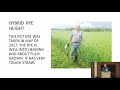
A 6-year organic crop rotation in Iowa uses winter annual hybrid rye planted in September to suppress giant ragweed and improve soil health. The rotation covers soil ~90% of the time, incorporates man
-
A detailed crop rotation sequence is outlined, starting with soil-building legumes (alfalfa, sweet clover), followed by winter annuals, warm-season annuals (soybeans, buckwheat, corn, millet), and coo

-
Plan cover crop use based on specific goals (e.g., nutrient management, weed competition). Mixtures enhance diversity and nutrient cycling. Continuous low-disturbance no-till with diverse rotations an

Community
-
Details a regenerative rotational cropping system using no-till, mulching, and integrated livestock (chicken tractors). Crops rotate through seedling, cover crop, legume, grain, and hay phases over su
Read more (opens in new window) permies.com -
Crop rotation prevents pests and diseases by moving crop families to new beds every 3+ years. A sample 4-year rotation includes heavy feeders, light feeders, nitrogen fixers, and cover crops, requirin
Read more (opens in new window) smallfarms.cornell.edu -
Effective crop rotation on diversified farms relies on 'ad hoc' placement based on field knowledge and history, rather than rigid textbook sequences. A NEON planning manual offers systematic procedure
Read more (opens in new window) smallfarms.cornell.edu -
Eight rules for vegetable garden crop rotation: follow heavy feeders with light feeders, include nitrogen-fixing legumes, rotate with seasons and plant families, use rotation to reduce pests and weeds
Read more (opens in new window) ucanr.edu
Research
-
Cropping system typologies perform differently under climate stress in Manitoba, Canada: multi-criteria assessment (opens in new window)
This study found: Diverse crop rotations in Manitoba, Canada, improved yields and soil health under drought compared to traditional systems, with biodiverse and warm-season crop rotations outperforming others and reduc
-
Comparison of crop management strategies involving crop genotype and weed management practices in conventional and more diverse cropping systems (opens in new window)
This study found: Diverse crop rotations (3-4 years) with corn, soy, and legumes matched or exceeded corn-soybean profits, significantly cutting synthetic N fertilizer and herbicide use.
-
Economic analysis of organic cropping systems under different tillage intensities and crop rotations (opens in new window)
This study found: Diverse crop rotations boosted organic farm profits in the Canadian Prairies over three years, while reduced tillage did not significantly improve financial returns.
-
Increasing crop diversity in wheat rotations increases yields but decreases soil health (opens in new window)
This study found: 17-year study: Crop rotations with soybeans increased yields but decreased soil health indicators compared to continuous winter wheat. Continuous wheat built soil health but lowered yields.
From the Web
-
Expert organic farmers manage crop rotations through a systematic eight-step process, prioritizing soil health, disease/weed control, and profitability. This involves detailed planning, data gathering
-
Crop rotation is key in organic farming, integrating cover crops, diverse species, and organic matter for fertility, pest control, and soil health. Principles include alternating crop families, root d
-
Provides a seven-step guide to crop rotation planning, emphasizing soil health benefits from microbial diversity. Key steps include goal setting, mapping, plant family analysis, and backup planning, w
-
Provides a seven-step guide to crop rotation planning for enhancing soil microbial diversity, emphasizing goal setting, detailed mapping, plant family analysis, and practical implementation considerat
3
Seasonal Timing and Hemisphere Neutrality
Executing a successful crop rotation requires careful attention to seasonal timing, tailored to both the crops’ needs and your local climate, irrespective of hemisphere. Early spring (March-April in the Northern Hemisphere, September-October in the Southern Hemisphere)...
Seasonal Timing and Hemisphere Neutrality
Executing a successful crop rotation requires careful attention to seasonal timing, tailored to both the crops’ needs and your local climate, irrespective of hemisphere. Early spring (March-April in the Northern Hemisphere, September-October in the Southern Hemisphere)...
Executing a successful crop rotation requires careful attention to seasonal timing, tailored to both the crops’ needs and your local climate, irrespective of hemisphere. Early spring (March-April in the Northern Hemisphere, September-October in the Southern Hemisphere) is typically when the primary planting of cool-season cash crops (like wheat, oats, barley) or early-season grains begins. Following this, during late spring and early summer (May-June Northern Hemisphere, November-December Southern Hemisphere), warm-season crops such as corn (maize), soybeans, sorghum, or sunflowers are planted.
Throughout the summer (July-August Northern Hemisphere, January-February Southern Hemisphere), the focus shifts to crop development and preparation for harvest. This is also a critical window for planting many cover crops. For example, planting a cover crop mix of sorghum-sudangrass and cowpeas after an early harvest of winter wheat in July (Northern Hemisphere) or January (Southern Hemisphere) can generate significant biomass before winter frosts.
As the main growing season winds down in late summer and early autumn (September-October Northern Hemisphere, March-April Southern Hemisphere), focus shifts to harvesting these main crops. Immediately following harvest is prime time to sow winter cover crops like rye, vetch, or hairy vicar, which can overwinter in many climates, providing soil protection and early-season nutrients. These winter cover crops are typically terminated in early spring (again, March-April Northern Hemisphere, September-October Southern Hemisphere) before the next cash crop is planted, ideally by grazing livestock, roller-crimping, or shallow tillage, depending on your system goals and equipment.
In tropical regions with multiple growing seasons, such as Queensland, Australia, or the Ivory Coast, rotations can be more dynamic, potentially including 3 or more crop cycles per year. For instance, a sequence might involve a legume (e.g., pigeon pea) during the wet season (December-March), followed by a grain (e.g., maize) in the short-rains season (April-May), and then a fast-growing cover crop or vegetable in the dry season using irrigation. The principle remains the same: vary crop families and their functions to build soil health across all seasons.
Sources behind this view
Sources behind this view
Videos & Podcasts
-
Details a cover crop rotation following winter wheat, using lentils for nitrogen, radishes for compaction, and oats for fibrous roots. This practice enhances soil aggregation, water infiltration, and
-
Farmer uses a double cover crop system after wheat: warm-season mix (potentially grazed), followed by a cool-season mix to build nitrogen and biology for the next cash crop.

-
A detailed crop rotation sequence is outlined, starting with soil-building legumes (alfalfa, sweet clover), followed by winter annuals, warm-season annuals (soybeans, buckwheat, corn, millet), and coo
-
In northern climates, use 'double crop cover crops' as the cash crop. Plant fall mixes (cereal rye, hairy vetch), graze in late spring/early summer, then follow with a warm-season mix. This builds soi
Community
-
A multi-season crop rotation system uses barley, oats, peas, broad beans, broccoli, and various root crops to maintain soil cover, reduce nutrient leaching, and protect soil biota, with specific plant
Read more (opens in new window) permies.com
4
Equipment and Infrastructure Considerations
Implementing a well-designed crop rotation often requires thoughtful consideration of equipment and infrastructure, but it’s adaptable to various scales and existing capabilities. The most significant changes often relate to tillage practices. While some rotations can be...
Equipment and Infrastructure Considerations
Implementing a well-designed crop rotation often requires thoughtful consideration of equipment and infrastructure, but it’s adaptable to various scales and existing capabilities. The most significant changes often relate to tillage practices. While some rotations can be...
Implementing a well-designed crop rotation often requires thoughtful consideration of equipment and infrastructure, but it’s adaptable to various scales and existing capabilities. The most significant changes often relate to tillage practices. While some rotations can be managed with conventional tillage equipment (plows, discs, cultivators), regenerative approaches increasingly emphasize reduced or no-tillage methods to preserve soil structure and biology. This might involve investing in no-till seed drills or air seeders designed to place seed directly into crop residue, which can range in cost from $30,000 to $100,000+ USD (€28,000-93,000+ EUR) depending on width and features. A roller-crimper, used to terminate cover crops by flattening them, can cost $5,000-$20,000 USD (€4,600-18,500 EUR).
For farmers integrating livestock, infrastructure for grazing management is essential. This includes fencing (permanent or portable electric fencing costing $0.50-$2.00 USD per linear meter or $0.15-$0.60 USD per linear foot), water points, and potentially portable shelters. Rotational grazing, where livestock are moved frequently through a series of paddocks, is often integrated with crop rotations to cycle nutrients and manage crop residues. For instance, animals might graze cereal stubble and cover crops, depositing manure that fertilizes the soil for the next cash crop, reducing the need for synthetic fertilizers.
Storage and handling facilities are also important, particularly if you plan to grow a wider diversity of crops or introduce seed production for cover crops. This might range from basic grain bins to specialized equipment for handling finer seeds or crops like potatoes. If your rotation involves a significant shift towards diverse small grains or pulses, investing in appropriate cleaning and drying equipment may be necessary. Overall, the upfront investment can vary widely, from under $5,000 USD (€4,600 EUR) for small-scale enhancements to well over $150,000 USD (€140,000 EUR) for large-scale no-till systems and integrated livestock. However, these investments are often offset by reduced input costs (fertilizers, pesticides) over time, with many farmers reporting savings of $100-$300/ha ($40-$120/acre) annually after a few years of transition.
Sources behind this view
Sources behind this view
Videos & Podcasts
-
Century is integrating soil disturbance reduction (saving £30-£100+/hectare), cover crops, and input reduction (improving nitrogen use efficiency to 92%) across its farms, utilizing grants and explori

Community
-
Details a regenerative rotational cropping system using no-till, mulching, and integrated livestock (chicken tractors). Crops rotate through seedling, cover crop, legume, grain, and hay phases over su
Read more (opens in new window) permies.com
5
Common Mistakes and Troubleshooting
One of the most common mistakes in crop rotation design is insufficient diversity. Farmers may fall into the trap of a 3-crop rotation that still carries risks or doesn't fully leverage the benefits of more varied plant types. For example, only rotating between corn,...
Common Mistakes and Troubleshooting
One of the most common mistakes in crop rotation design is insufficient diversity. Farmers may fall into the trap of a 3-crop rotation that still carries risks or doesn't fully leverage the benefits of more varied plant types. For example, only rotating between corn,...
One of the most common mistakes in crop rotation design is insufficient diversity. Farmers may fall into the trap of a 3-crop rotation that still carries risks or doesn't fully leverage the benefits of more varied plant types. For example, only rotating between corn, soybeans, and wheat might not adequately address a wider range of pest issues or build soil organic matter as effectively as a 5- or 6-crop rotation including brassicas and diverse cover crops. To troubleshoot this, actively seek to include crops from different families and with different management needs. Ensure at least one legume is included in the primary cycle for nitrogen contribution, and consider incorporating a deep-rooted crop species like turnips or daikon radish periodically to alleviate compaction, which can penetrate to 60-120 cm (24-48 inches).
Another frequent issue is inadequate cover cropping. Farmers might plant cover crops but terminate them too late, negatively impacting the subsequent cash crop's establishment, or too early, reducing their soil-building benefits. For instance, terminating a lush rye cover crop too close to planting a sensitive crop like sugar beets can tie up soil nitrogen due to the high carbon-to-nitrogen ratio of the residue. To resolve this, develop a clear termination plan for each cover crop based on its species, growth stage, and the needs of the following cash crop. Roller-crimping at the correct growth stage (anthesis or flowering for grasses) is key to effectively terminating cover crops without excessive residue disruption, typically costing $5,000-$20,000 USD (€4,600-18,500 EUR).
Managing crop residue is crucial. While no-till systems aim to keep residue on the surface, improper management can lead to nutrient immobilization or create disease reservoirs. If observing slowed crop establishment or visible nutrient deficiencies in the seedling stage following a cover crop, it might indicate excess carbon tie-up. This can be addressed by adjusting the cover crop mix, ensuring a better C:N ratio by including more legumes, or by using starter fertilizer (if in a transition phase) at a rate of 20-40 kg/ha (18-36 lb/acre) of N or by incorporating livestock to graze and break down residue. Similarly, if pests specific to legumes (e.g., pea aphids) become problematic, a rotation might need to be adjusted to include a more resistant crop or a biological control agent.
Finally, not adapting the rotation to local conditions is a recipe for failure. A rotation that works in the humid Midwest of the United States might be entirely unsuited to the arid conditions of central Asia or the Mediterranean. For example, attempting to grow moisture-loving crops without adequate irrigation in a dryland system will lead to crop failure and soil degradation. Troubleshoot by researching successful rotations in similar climates or by consulting local regenerative agriculture specialists who understand regional constraints and opportunities. This might mean prioritizing drought-tolerant grains like millet or sorghum in dryer regions, or focusing on cover crops that are efficient water users and provide moisture-retaining organic matter.
Sources behind this view
Sources behind this view
Videos & Podcasts
-
Achieving cover crop diversity (10 plant families) requires moving beyond corn-soybean rotations. Strategies include livestock management, relay cropping, and understanding termination methods. Start

-
Plan cover crop use based on specific goals (e.g., nutrient management, weed competition). Mixtures enhance diversity and nutrient cycling. Continuous low-disturbance no-till with diverse rotations an
-
Intercropping offers benefits in rotation, harvest management, weed control (linked to soil health), and varietal diversity (using blends). Livestock integration is beneficial for managing cover crops

-
Crop rotations are essential for soil health, pest management, and erosion control. Avoid continuous cropping and planting same-family crops. Plan rotations for multiple years, incorporating cover cro
Community
-
Effective crop rotation on diversified farms relies on 'ad hoc' placement based on field knowledge and history, rather than rigid textbook sequences. A NEON planning manual offers systematic procedure
Read more (opens in new window) smallfarms.cornell.edu -
Crop rotation prevents pests and diseases by moving crop families to new beds every 3+ years. A sample 4-year rotation includes heavy feeders, light feeders, nitrogen fixers, and cover crops, requirin
Read more (opens in new window) smallfarms.cornell.edu -
Eight rules for vegetable garden crop rotation: follow heavy feeders with light feeders, include nitrogen-fixing legumes, rotate with seasons and plant families, use rotation to reduce pests and weeds
Read more (opens in new window) ucanr.edu -
Conservation crop rotation, a planned crop sequence, significantly improves soil health by reducing erosion and increasing organic matter. It enhances water quality by managing nutrients and pesticide
Read more (pp. 1-2) (opens PDF, pp. 1-2) efotg.sc.egov.usda.gov
Research
-
Increasing crop diversity mitigates weather variations and improves yield stability. (opens in new window)
This study found: Ontario study: Diverse crop rotations and reduced tillage improved yield stability by 7-22% in corn and soybeans, especially during hot, dry years, reducing crop failure risk.
-
Cropping system typologies perform differently under climate stress in Manitoba, Canada: multi-criteria assessment (opens in new window)
This study found: Diverse crop rotations in Manitoba, Canada, improved yields and soil health under drought compared to traditional systems, with biodiverse and warm-season crop rotations outperforming others and reduc
-
Crop rotational diversity can mitigate climate-induced grain yield losses. (opens in new window)
This study found: Diverse crop rotations protect grain yields from climate change impacts. Studies in Europe and North America show wider rotations significantly reduce losses from extreme weather, with optimal benefit
-
Diversified crop rotations improve soil microbial communities and functions in a six-year field experiment. (opens in new window)
This study found: Six-year study shows diverse crop rotations boost soil microbial richness and function, improving soil fertility by enhancing beneficial bacteria and fungi and their interconnections.
From the Web
-
Expert organic farmers manage crop rotations through a cyclical process of goal setting, resource assessment, data gathering, analysis, planning, execution, evaluation, and adjustment. Key responsibil
-
Crop rotation is key in organic farming, integrating cover crops, diverse species, and organic matter for fertility, pest control, and soil health. Principles include alternating crop families, root d
-
Crop rotation planning involves setting goals (organic compliance, soil health, pest/weed control), listing crops, identifying sequences, and mapping fields. Cover crops are key, with strategies to re
-
Always cover the ground with cover crops between cash crops to suppress weeds, fix nitrogen, and manage water. Plan rotations by prioritizing goals, mapping fields, grouping crops by family, and docum
6
Monitoring and Adjustment for Continuous Improvement
The true power of crop rotation lies not just in its initial design, but in its continuous refinement through diligent monitoring and thoughtful adjustment. Establishing a baseline and tracking key performance indicators (KPIs) is essential. Regularly collect soil...
Monitoring and Adjustment for Continuous Improvement
The true power of crop rotation lies not just in its initial design, but in its continuous refinement through diligent monitoring and thoughtful adjustment. Establishing a baseline and tracking key performance indicators (KPIs) is essential. Regularly collect soil...
The true power of crop rotation lies not just in its initial design, but in its continuous refinement through diligent monitoring and thoughtful adjustment. Establishing a baseline and tracking key performance indicators (KPIs) is essential. Regularly collect soil samples (at least every 2-3 years) to monitor changes in organic matter content, bulk density, nutrient levels, and microbial activity. Many regenerative farmers aim for an annual increase of 0.2-1.0% in soil organic matter, a key indicator of soil health improvement. Field observations are equally critical: document weed pressure, presence of beneficial insects, incidence of disease, and yield variations across fields.
Observe crop health during the growing season. Are the plants vibrant and healthy, or are there signs of stress, nutrient deficiency, or disease? For example, pale green plants in the vegetative stage of a cereal crop might indicate insufficient nitrogen. If this pattern persists or increases, it signals a need to adjust the rotation to include more effective nitrogen-fixing legumes or to refine cover crop management to enhance nitrogen cycling. The ultimate success metric is sustained or increasing yields with decreasing external input costs (fertilizers, pesticides, herbicides), leading to a net profit increase of 5-15% over 5-10 years.
When adjustments are needed, consider them holistically. If a specific weed species becomes dominant, don't just react with a herbicide; consider which crop in your rotation might be less susceptible or if a targeted cover crop could outcompete it. For instance, if broadleaf weeds are increasing, introducing a cereal grain which thrives with competition from grasses, or a smother crop like buckwheat, might be more effective than relying on synthetic controls. Similarly, if a common disease begins to take hold, analyze the preceding crops. Was a susceptible crop planted recently? Can you insert a 2-3 year break with non-host crops to starve the pathogen?
Embrace experimentation on a small scale. Before committing to a whole-field change, test a new crop or a modified sequence in a small plot or a single field. This allows you to assess its performance, identify potential challenges, and build confidence before a larger rollout. For example, a farmer in Western Australia might trial a new lupin variety or a different legume/grain mix on a few hectares to gauge its yield potential and integration ease before seeding it across hundreds of hectares. This pragmatic approach, combined with detailed record-keeping and a willingness to learn from both successes and failures, is the hallmark of effective regenerative crop rotation management.
Sources behind this view
Sources behind this view
Videos & Podcasts
-
Details regenerative 'resets' (seasonal vs. conventional), multi-species cropping for diversity, and restoring nutrient cycles. Discusses mechanical tools like Kelly chains, strategic planting times,
-
Crop rotations are essential for soil health, pest management, and erosion control. Avoid continuous cropping and planting same-family crops. Plan rotations for multiple years, incorporating cover cro
-
Presents regenerative organic principles: diversity, soil health, and minimizing disturbance. Advocates for combining organic and regenerative approaches. Details a 9-year crop rotation in Montana foc
-
An organic farmer details a flexible crop rotation emphasizing diversity, long soil rest periods (36 months no-till), cover crops, varied planting dates, and balanced nutrient management for effective
Community
-
Details a regenerative rotational cropping system using no-till, mulching, and integrated livestock (chicken tractors). Crops rotate through seedling, cover crop, legume, grain, and hay phases over su
Read more (opens in new window) permies.com -
Explains crop rotation as a feasible method for improving soil health by rotating crops and potentially livestock across land parcels, contrasting it with historical field rotation.
Read more (opens in new window) permies.com -
Conservation crop rotation, a planned crop sequence, significantly improves soil health by reducing erosion and increasing organic matter. It enhances water quality by managing nutrients and pesticide
Read more (pp. 1-2) (opens PDF, pp. 1-2) efotg.sc.egov.usda.gov
Research
-
The importance of long‐term experiments in agriculture: their management to ensure continued crop production and soil fertility; the Rothamsted experience (opens in new window)
This study found: Long-term field experiments are vital for sustainable farming and food security, requiring active management to maintain yields and providing invaluable archived samples for soil research and modeling
-
Increasing crop diversity mitigates weather variations and improves yield stability. (opens in new window)
This study found: Ontario study: Diverse crop rotations and reduced tillage improved yield stability by 7-22% in corn and soybeans, especially during hot, dry years, reducing crop failure risk.
-
Cropping system typologies perform differently under climate stress in Manitoba, Canada: multi-criteria assessment (opens in new window)
This study found: Diverse crop rotations in Manitoba, Canada, improved yields and soil health under drought compared to traditional systems, with biodiverse and warm-season crop rotations outperforming others and reduc
-
Diversified crop rotations improve soil microbial communities and functions in a six-year field experiment. (opens in new window)
This study found: Six-year study shows diverse crop rotations boost soil microbial richness and function, improving soil fertility by enhancing beneficial bacteria and fungi and their interconnections.
From the Web
-
Expert organic farmers manage crop rotations through a systematic eight-step process, prioritizing soil health, disease/weed control, and profitability. This involves detailed planning, data gathering
-
Expert organic farmers manage crop rotations through a cyclical process of goal setting, resource assessment, data gathering, analysis, planning, execution, evaluation, and adjustment. Key responsibil
-
Expert farmers execute crop rotations by monitoring conditions, adapting to challenges like weather and pests with contingency plans, and evaluating performance to adjust future plans, emphasizing con
-
Expert organic farmers manage crop rotations through an eight-step process, prioritizing soil health, disease/weed control, and profitability. This involves detailed planning, data gathering via field
7
Regional Adaptations and Global Context
Crop rotation design is intrinsically linked to geography, climate, and socioeconomic context. What thrives and is economically viable in the fertile plains of Western Europe may be vastly different from what is feasible and beneficial for a smallholder farmer in...
Regional Adaptations and Global Context
Crop rotation design is intrinsically linked to geography, climate, and socioeconomic context. What thrives and is economically viable in the fertile plains of Western Europe may be vastly different from what is feasible and beneficial for a smallholder farmer in...
Crop rotation design is intrinsically linked to geography, climate, and socioeconomic context. What thrives and is economically viable in the fertile plains of Western Europe may be vastly different from what is feasible and beneficial for a smallholder farmer in Southeast Asia or a rancher in the Argentine Pampas. For instance, in the temperate climates of North America and Europe, rotations often focus on 4-6 year cycles involving major grains (wheat, corn, barley), oilseeds (canola, sunflower), and legumes (soybeans, peas, beans, alfalfa). Integrating cover crops like rye, vetch, clover, and radish is common for soil health, with costs for seed typically ranging from $30-$100 USD/ha ($12-$40 USD/acre).
In warmer, tropical, and subtropical regions, the potential for multiple cropping cycles per year often dictates more complex rotations. Farmers in the humid tropics of Brazil might incorporate short-season legumes, fast-growing cover crops that can be grazed or tilled in, and perennial crops within their system. For example, a rotation might involve maize followed by a cowpea cover crop, then rice, and potentially a year of improved pasture for livestock integration to build fertility. The emphasis here is often on drought tolerance and rapid nutrient cycling, with costs for seed potentially lower per unit but with higher volumes needed due to multiple cycles.
For arid and semi-arid regions, such as parts of the Middle East or Australia, water conservation is paramount. Rotations are typically longer, often incorporating fallow periods strategically managed with conservation tillage to capture and store moisture. Drought-tolerant grains like millet, sorghum, and specific wheat varieties are common, paired with legumes that can fix nitrogen efficiently even under stress, such as chickpeas or certain wild relatives of beans. The goal is to maximize the productivity of every rainfall event, with an emphasis on soil health to improve water infiltration and retention, aiming for a 5-10% increase in available soil water capacity over 5 years.
In many developing regions, smallholder farmers may have limited access to equipment or finances. Here, crop rotation often focuses on intercropping and polycultures, where multiple crops are grown together in the same field, effectively creating a biological rotation. For example, planting maize with beans and squash – the "three sisters" system prevalent in many indigenous cultures – provides nitrogen, ground cover, and diverse nutrition. The infrastructure needs are minimal, relying on traditional tools. The economic benefit is often achieved through increased resilience, reduced risk of total crop failure, and improved household food security, rather than high market yields for single commodities, with potential for 15-25% yield increases for companion crops compared to monocultures. Understanding these diverse contexts is key to designing effective and appropriate crop rotations globally.
Sources behind this view
Sources behind this view
Videos & Podcasts
-
E-Agronom's software optimizes crop rotation for grain farmers by using machine algorithms to balance logistics, EU regulations, profitability, and soil health, helping them avoid long-term problems a
-
Tailor rotations using combi crops and intercropping (e.g., linseed with legumes) for profit and soil health. Undersow annual legumes like crimson clover after the main cash crop for nitrogen fixation

-
Global weather extremes are forcing crop rotation changes, with corn and soybeans increasing in Europe and North Dakota. Shorter rotations lead to pest and disease resistance challenges, emphasizing t

-
Details a crop rotation strategy using intercropping (oats with vetch/clovers, corn with soybeans/vetch) for nitrogen fixation and weed control, and full-season grazing on degraded land to improve soi
![Thumbnail for [S2E2] Farmer Panel: Fertilizer Reduction Strategies](/static/thumbnails/B1Q32-kEq_c.jpg)
Community
-
Details a regenerative rotational cropping system using no-till, mulching, and integrated livestock (chicken tractors). Crops rotate through seedling, cover crop, legume, grain, and hay phases over su
Read more (opens in new window) permies.com -
Explains crop rotation as a feasible method for improving soil health by rotating crops and potentially livestock across land parcels, contrasting it with historical field rotation.
Read more (opens in new window) permies.com -
Conservation crop rotation, a planned crop sequence, significantly improves soil health by reducing erosion and increasing organic matter. It enhances water quality by managing nutrients and pesticide
Read more (pp. 1-2) (opens PDF, pp. 1-2) efotg.sc.egov.usda.gov
Research
-
Cropping system typologies perform differently under climate stress in Manitoba, Canada: multi-criteria assessment (opens in new window)
This study found: Diverse crop rotations in Manitoba, Canada, improved yields and soil health under drought compared to traditional systems, with biodiverse and warm-season crop rotations outperforming others and reduc
-
Diversified crop rotations improve soil microbial communities and functions in a six-year field experiment. (opens in new window)
This study found: Six-year study shows diverse crop rotations boost soil microbial richness and function, improving soil fertility by enhancing beneficial bacteria and fungi and their interconnections.
-
Increasing crop diversity mitigates weather variations and improves yield stability. (opens in new window)
This study found: Ontario study: Diverse crop rotations and reduced tillage improved yield stability by 7-22% in corn and soybeans, especially during hot, dry years, reducing crop failure risk.
-
Crop rotational diversity can mitigate climate-induced grain yield losses. (opens in new window)
This study found: Diverse crop rotations protect grain yields from climate change impacts. Studies in Europe and North America show wider rotations significantly reduce losses from extreme weather, with optimal benefit
8
Integration with Other Regenerative Practices
Crop rotation is a cornerstone of regenerative agriculture, but its effectiveness is amplified when integrated with other complementary practices. One of the most powerful integrations is with cover cropping. As discussed, cover crops are ideal companions within a...
Integration with Other Regenerative Practices
Crop rotation is a cornerstone of regenerative agriculture, but its effectiveness is amplified when integrated with other complementary practices. One of the most powerful integrations is with cover cropping. As discussed, cover crops are ideal companions within a...
Crop rotation is a cornerstone of regenerative agriculture, but its effectiveness is amplified when integrated with other complementary practices. One of the most powerful integrations is with cover cropping. As discussed, cover crops are ideal companions within a rotation, fulfilling specific roles like nitrogen fixation, biomass production, weed suppression, and breaking soil compaction. A rotation might strategically deploy a legume cover crop like crimson clover before a grain crop, or a deep-rooted daikon radish to alleviate compaction before sensitive root crops. The synergy between cash crops and cover crops within the rotation accelerates soil health improvements, aiming for a 0.2-1.0% annual increase in soil organic matter.
Integrating livestock is another transformative aspect. Rotational grazing of animals – cattle, sheep, or poultry – through crop fields can significantly enhance the rotation's benefits. Animals can graze cover crops, consuming biomass and depositing nutrient-rich manure, effectively fertilizing the soil. They can also graze crop residues, speeding up their decomposition and cycling nutrients. For example, allowing sheep to graze after a wheat harvest can prepare the field for a winter cover crop or a subsequent cash crop, simultaneously providing fertility and reducing the need for mechanical residue management. This integration can contribute to reducing synthetic fertilizer expenditures by 30-50% over 5-7 years.
Reduced or no-tillage practices are almost invariably linked with effective crop rotations. By minimizing soil disturbance, tillage reduction preserves soil structure, encourages earthworm activity, and protects soil organic matter. A rotation designed with no-till in mind will often involve robust cover crops to manage weeds and provide a mulch layer, along with the use of no-till seed drills. This combination avoids depleting soil carbon, improves water infiltration, and significantly reduces fuel and labor costs, potentially saving $40-$120/ha ($16-$49/acre) annually in fuel and labor. The soil biology that thrives in undisturbed conditions actively supports the nutrient cycling and disease suppression benefits of the crop rotation.
Finally, biodiversity at multiple scales is fostered by well-designed crop rotations. Beyond crop species diversity, integrating practices like companion planting within cash crops or maintaining field borders with native plants can enhance beneficial insect populations, providing natural pest control. A diverse rotation itself supports a more diverse soil microbial community. For instance, a rotation including brassicas followed by legumes will support different sets of fungal and bacterial populations, leading to a more resilient and functional soil ecosystem. This layered approach to biodiversity, moving from the crop level to the landscape level, ensures the farm system is not only productive but also ecologically robust and self-sustaining.
Sources behind this view
Sources behind this view
Videos & Podcasts
-
Utilize multi-species cover crops based on specific 'resource concerns' to improve soil health, nitrogen fixation, and water retention. Integrate livestock for grazing, calving, and overwintering, enh

-
Increasing crop diversity (aiming for ~20 species) and incorporating practices like double cropping, biofumigation (Sudan sorghum hybrid), and integrating animals builds farm resilience against climat
-
Multi-species cover crops (at least six types like cereals, legumes, broadleaves) are crucial for soil health, stimulating the soil food web and improving soil structure. Alternative methods like Kore
-
Farmers detail diverse cover cropping mixes (rye, vetch, oats, flax, sunflowers, peas, canola) and polyculture systems to boost soil health and reduce inputs. They emphasize continuous living roots, l
Community
-
Details a regenerative rotational cropping system using no-till, mulching, and integrated livestock (chicken tractors). Crops rotate through seedling, cover crop, legume, grain, and hay phases over su
Read more (opens in new window) permies.com -
Enhance soil health through plant diversity, continuous soil cover (living plants/residues), and livestock integration. Manage carbon-to-nitrogen ratios of residues and adopt no-till practices to impr
Read more (opens in new window) permies.com -
Enhance agrobiodiversity with crop rotations (e.g., alfalfa for N credit), cover cropping (green manures, catch crops), and intercropping (mixed, row, strip, relay). These methods improve soil nitroge
Read more (opens in new window) ucanr.edu -
Conservation crop rotation, a planned crop sequence, significantly improves soil health by reducing erosion and increasing organic matter. It enhances water quality by managing nutrients and pesticide
Read more (pp. 1-2) (opens PDF, pp. 1-2) efotg.sc.egov.usda.gov
Research
-
Soil Microbial Dynamics in Regenerative Agriculture Systems: A Data-Driven Synthesis for Soil Health, Pest Suppression, and Yield Sustainability in the Western Canadian Prairies (opens in new window)
This study found: Regenerative farming in Western Canada boosts soil microbes (up to 86%), fungi (up to 60%), and carbon, improving soil health and water retention. This leads to more stable yields and reduced syntheti
-
Does agricultural crop diversity enhance soil microbial biomass and organic matter dynamics? A meta‐analysis (opens in new window)
This study found: Crop rotations, especially with cover crops, significantly boost soil carbon (up to 8.5%) and nitrogen (up to 12.8%), and increase soil microbes by over 20%, enhancing soil health and productivity.
-
Diversified crop rotations improve soil microbial communities and functions in a six-year field experiment. (opens in new window)
This study found: Six-year study shows diverse crop rotations boost soil microbial richness and function, improving soil fertility by enhancing beneficial bacteria and fungi and their interconnections.
-
Regenerative Agriculture: Restoring Ecosystems¢ Resilience and Productivity: A Review (opens in new window)
This study found: Regenerative agriculture builds soil health and ecosystem services through practices like no-till, cover crops, and diverse rotations. It increases soil organic matter, improves water infiltration, bo
From the Web
-
Regenerative farming combines no-till, cover crops, and complex rotations, often with livestock grazing, to boost profitability by reducing input costs and increasing soil organic matter. Studies show
-
Crop rotation is key in organic farming, integrating cover crops, diverse species, and organic matter for fertility, pest control, and soil health. Principles include alternating crop families, root d
-
Effective organic farming relies on diverse crop rotations and cultural practices, including cover crops, legumes, and livestock integration, to enhance soil health, manage pests, and promote biodiver
-
Crop rotation is the core of organic farming, integrating cover crops, diverse species, and soil-building practices for fertility, pest control, and weed management. Key principles include alternating
9
Know the Debate
Designing an effective crop rotation hinges on understanding your specific farm context and adapting general principles to maximize soil health, ma...
Know the Debate
Designing an effective crop rotation hinges on understanding your specific farm context and adapting general principles to maximize soil health, ma...
Designing an effective crop rotation hinges on understanding your specific farm context and adapting general principles to maximize soil health, manage pests, and optimize fertility. Outcomes in soil health improvement vary considerably, typically appearing within two to seven years, influenced by initial soil conditions and management intensity across different climates. Critical to success is tailoring rotation design to local agronomic realities, as generic plans may not account for regional pest cycles, soil types, or climate patterns. Integrating livestock and cover crops amplifies rotation benefits, accelerating progress towards a resilient and productive farm system.
How long does it take to see soil health benefits from crop rotation?
Benefits in 2-3 years (ideal conditions)
Optimal conditions with adequate moisture and diverse rotations can lead to noticeable improvements in soil organic matter and structure within 2-3 years, especially on degraded land with active management.
Sources behind this view
Sources behind this view
Videos & Podcasts
-
Redesigning crop rotations for regenerative agriculture involves long-term (7-10+ year) planning with a 'cropping plan' to maximize diversity of cash crops, species, and cover crops for optimal soil coverage and health.
-
Crop rotations are essential for soil health, pest management, and erosion control. Avoid continuous cropping and planting same-family crops. Plan rotations for multiple years, incorporating cover crops and fallow periods, and be prepared to adjust.
Improvements over 5-7+ years (variable conditions)
In less optimal conditions, diverse rotations, or with less intensive management, measurable soil health changes may take 5-7 years or longer, requiring sustained effort and context-appropriate strategies.
Sources behind this view
Sources behind this view
Videos & Podcasts
-
Redesigning crop rotations for regenerative agriculture involves long-term (7-10+ year) planning with a 'cropping plan' to maximize diversity of cash crops, species, and cover crops for optimal soil coverage and health.
Research
-
Does agricultural crop diversity enhance soil microbial biomass and organic matter dynamics? A meta‐analysis (opens in new window)
This study found: A review of 122 studies shows that planting a variety of crops in rotation, rather than just one crop year after year, significantly improves soil health. Fields with crop rotations had 3.6% more soil carbon and 5.3% more soil nitrogen than fields planted with a single crop. When these rotations included cover crops (plants grown to improve soil, not for harvest), the benefits were even larger, with an 8.5% increase in soil carbon and a 12.8% increase in soil nitrogen. Importantly, crop rotations also boosted the amount of living microbes in the soil by over 20%, which are vital for nutrient cycling and soil structure. This means diverse crop rotations are a key strategy for maintaining productive and healthy farmland.
From the Web
-
Crop rotation is the sequential planting of different crops on the same land to improve soil health, optimize nutrients, and manage pests/diseases by interrupting cycles and replenishing soil, unlike monocultures.
Making Sense of the Differences
The timeline for observing soil health benefits from crop rotation varies significantly based on initial soil condition, climate, and management intensity. Degraded soils with adequate moisture may show rapid improvements in organic matter and structure within 2-3 years. However, less optimal conditions or less diverse rotations might require 5-7 years or longer for measurable changes, emphasizing the need for patience and consistent, context-appropriate management.
Does crop rotation design require regional agronomic expertise?
Design requires local expertise
Experienced farmers emphasize that effective crop rotation is highly context-dependent, requiring local knowledge of pest cycles, soil types, climate, and market conditions to achieve predictable results.
Sources behind this view
Sources behind this view
Videos & Podcasts
-
Crop rotation is vital for nutrient balance, managing pests/diseases (like squash bugs/mildew), and promoting soil microbial diversity to prevent pathogen buildup. Limited space requires compensatory measures like row covers and beneficial insect habitats.
-
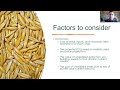
Goals for diverse organic grain rotations include soil building, pest/weed/disease cycle disruption, risk spreading, and profitability. Key considerations are fertility management, understanding weed life cycles, proper crop sequencing to break disease cycles, moisture conservation, and purposeful tillage.
From the Web
-
Crop rotation is vital in organic farming for soil health, pest, weed, and disease management by influencing soil microbial biodiversity through plant root exudates. Key principles include alternating crop families, following legumes with nitrogen-demanding crops, and incorporating deep-rooted species.
General principles with adaptive planning
While general principles of crop rotation are beneficial, specific soil organism interactions, environmental factors, and crop needs necessitate tailored designs for optimal improvement, integrating scientific knowledge with observation.
Sources behind this view
Sources behind this view
Research
-
Accounting for soil biotic effects on soil health and crop productivity in the design of crop rotations (opens in new window)
This study found: To improve crop yields and reduce environmental harm, farmers can design smarter crop rotation plans. This review suggests that instead of just looking at overall soil microbial diversity, it's more important to identify specific beneficial soil organisms and understand how they interact with plants. By studying these plant-soil relationships and using advanced tools like DNA analysis to map out soil life, we can develop better ways to measure soil health and create crop rotation systems that truly boost both soil quality and crop harvests.
From the Web
-
Expert organic farmers manage crop rotations through a cyclical process of goal setting, resource assessment, data gathering, analysis, planning, execution, evaluation, and adjustment. Key responsibilities include prioritizing soil health, disease/weed control, and profitability, with a strong emphasis on detailed observation, record-keeping, and flexible adaptation to challenges.
-
Expert organic farmers manage crop rotations through a systematic eight-step process, prioritizing soil health, disease/weed control, and profitability. This involves detailed planning, data gathering, flexible execution, and continuous evaluation and adjustment based on field conditions, weather, and market demands.
Making Sense of the Differences
While general crop rotation principles are universally beneficial, optimal design requires deep regional understanding. Generic plans may not account for local pest lifecycles, specific soil conditions, or microclimates, leading to suboptimal outcomes or unintended consequences. Farmers must integrate scientific knowledge with hands-on observation and local expertise to tailor rotations effectively for their unique operation, suggesting regional adaptation is a critical prerequisite.