
How do I implement no-till?
Implementing no-till involves transitioning away from soil disturbance for planting and harvesting, focusing instead on building soil structure and biology through cover crops, reduced residue removal, and appropriate equipment. Begin by planting cover crops into existing crop residue, ideally after a final harvest or before planting the next cash crop. This is often achieved with a specialized no-till drill or planter that cuts a narrow slot for seed placement, minimizing soil disturbance. Measurable improvements in soil aggregation, water infiltration, and organic matter content typically occur over 3-7 years.
Read More: Complete Description
Sources behind this view
Sources behind this view
 Videos & Podcasts
-
Switching to no-till requires new equipment (tractors, drills), different residue management (straw/chaff), reliance on chemical fallow for weeds, and a change in mindset, often supported by governmen
-
Strongly advocates for no-till combined with cover crops, detailing benefits like erosion control, water conservation, improved soil structure, and increased biological activity. Emphasizes uniform re

-
Transitioning to 100% no-till farming requires a gradual, multi-year approach (3-5 years) to allow soil healing and structure formation. Benefits include reduced erosion, improved water infiltration b
-
No-till farming, especially when planting green into cover crops using minimal-disturbance air seeders, protects soil, improves water infiltration, and builds stability, bridging the yield gap with co

 Community
-
No-till involves direct drilling into undisturbed residue, preserving soil organisms. Tools like broadforks and sub-soilers aid soil aeration without inversion, crucial for mitigating compaction, espe
Read more (opens in new window) permies.com -
No-till crop production avoids damaging soil disturbance, allowing soil organisms to build a healthy ecosystem, resulting in improved soil structure, fertility, water infiltration, and reduced erosion
Read more (opens in new window) permies.com -
Adopt no-till/minimum tillage to preserve soil health and prevent carbon loss. Enhance fertility organically with cover crops, crop rotation, compost, and mulching, while avoiding synthetic fertilizer
Read more (opens in new window) ucanr.edu -
Reduced tillage minimizes soil disturbance through targeted methods, aiming for less intensity and depth, and can lead to no-till adoption. Implementation varies by farm size, soil type, equipment, an
Read more (opens in new window) smallfarms.cornell.edu
 Research
-
No-till Farming in the Agroecological Management Approach (opens in new window)
This study found: No-till farming, a core part of ecological agriculture, minimizes soil disturbance and maintains crop residue to improve soil health, reduce erosion, and cut costs compared to conventional methods.
 From the Web
-
No-till farming eliminates tillage, planting seed in narrow strips to improve erosion control and reduce labor. Effective weed management requires surface-applied herbicides, with early spring residua
-
Conservation tillage principles include reducing tillage, using crop rotations with cover crops to avoid bare soil, and maximizing residue coverage on the soil surface. Traffic control and specialized
-
Employ no-till methods to retain soil moisture and enhance soil health. Use tap-rooted cover crops like turnips and radishes to reduce compaction and improve water infiltration, minimizing runoff.
-
Conservation tillage principles include reducing soil disturbance, using crop rotations with cover crops like cereal rye, and maintaining maximum residue coverage on the soil surface to improve soil h
Key Points
Start Here
- Assess your current soil health and structure.
- Develop a cover crop planting strategy.
- Evaluate and adapt your current planter.
- Start with a single field trial.
Key Methods
- Prioritize cover crops for biomass and soil building.
- Use a no-till planter to cut seed slot.
- Maintain ample surface residue cover.
- Minimize and strategically phase out synthetic inputs.
Timing Sequence
- Plant fall cover crops after harvest.
- Terminate cover crops in late spring.
- Plant cash crop into residue/mulch.
- Monitor soil moisture and weed pressure closely.
System Integration
- Integrate diverse crop rotations.
- Incorporate livestock for grazing and fertility.
- Combine with other soil-building practices.
- Focus on long-term soil biology development.
Know the Debate
- Herbicides often used but organic no-till is feasible.
- Soil structure improvements take 3-7 years, depending on context.
- Successful no-till requires cover crops and soil residue.
- Specialized equipment can aid establishment and efficiency.
Going Deeper
1
Getting Started with No-Till
Transitioning to no-till requires careful planning and often a gradual approach, especially on farms with a long history of conventional tillage. Before planting the first no-till crop, consider initiating a cover cropping program to prepare the soil. Planting resilient...
Getting Started with No-Till
Transitioning to no-till requires careful planning and often a gradual approach, especially on farms with a long history of conventional tillage. Before planting the first no-till crop, consider initiating a cover cropping program to prepare the soil. Planting resilient...
Transitioning to no-till requires careful planning and often a gradual approach, especially on farms with a long history of conventional tillage. Before planting the first no-till crop, consider initiating a cover cropping program to prepare the soil. Planting resilient cover crops, such as rye, vetch, or radish, in the fall (early spring Northern Hemisphere, early fall Southern Hemisphere) can help break up compaction, add organic matter, and suppress weeds. Farmers in the Canadian Prairies, for example, often plant a winter rye cover crop that they terminate with a roller-crimper in late spring (May-June Northern Hemisphere, November-December Southern Hemisphere) before planting their main crop into the residue. The initial investment in a no-till planter or drill can range from $30,000 to $200,000+ USD ($40,000-270,000+ CAD/AUD; €35,000-230,000+ EUR), though many farmers begin by renting or adapting existing equipment for a few seasons. Early indicators of success, such as increased moisture retention and the presence of earthworms, can often be observed within the first 2-3 years.
Sources behind this view
Sources behind this view
Videos & Podcasts
-
Switching to no-till requires new equipment (tractors, drills), different residue management (straw/chaff), reliance on chemical fallow for weeds, and a change in mindset, often supported by governmen
-
Transitioning to 100% no-till farming requires a gradual, multi-year approach (3-5 years) to allow soil healing and structure formation. Benefits include reduced erosion, improved water infiltration b
-
Details a farm's transition to reduced tillage (mostly no-till) with diverse crop rotations and multi-species cover crops. Discusses specific planter setups for heavy clay soils and techniques for int
-
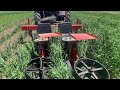
Dan Oostenbrink outlines no-till challenges on heavy clay: firm soil, difficulty planting into mulch, and the trade-off between cover crop biomass for weed control versus nutrient release. Deep compos
Research
-
Equipment Development for Small and Urban Conservation Farming Systems (opens in new window)
This study found: New no-till equipment for walk-behind tractors enables small farms to effectively use cover crops (like cereal rye) and transplant cash crops (like tomatoes), reducing labor and improving soil health.
-
Organic No-Till Systems in Eastern Canada: A Review (opens in new window)
This study found: Organic no-till farming in Eastern Canada shows promise but faces adoption challenges due to yearly success variability. Cover crops are key, with research focusing on fall rye and natural weed contro
-
No‐till Plot Planter with Row Space and Fertilizer Placement Capabilities (opens in new window)
This study found: A custom no-till planter allows quick adjustment of row spacing and fertilizer placement, successfully planting various crops through heavy crop residue.
2
Step-by-Step Implementation of No-Till
The implementation of no-till typically follows a sequence that minimizes risk and builds understanding. 1. Observation and Assessment: Begin by examining your current soil. Dig test pits to understand soil structure, drainage, and current organic matter content. Note...
Step-by-Step Implementation of No-Till
The implementation of no-till typically follows a sequence that minimizes risk and builds understanding. 1. Observation and Assessment: Begin by examining your current soil. Dig test pits to understand soil structure, drainage, and current organic matter content. Note...
The implementation of no-till typically follows a sequence that minimizes risk and builds understanding. 1. Observation and Assessment: Begin by examining your current soil. Dig test pits to understand soil structure, drainage, and current organic matter content. Note compaction layers and weed profiles. 2. Cover Cropping Strategy: Develop a cover cropping plan that aligns with your cash crop rotation and local climate. Prioritize species that will build soil structure and add biomass, such as cereal grains or legumes. 3. Equipment Adaptation or Acquisition: Evaluate your existing planting equipment. Many planters and drills can be adapted for no-till by adding specific components like depth gauge wheels, larger tires, or coulters. Investing in a dedicated no-till planter, which cuts a narrow seed trench, is often a key step. For example, farmers in the Argentine Pampas might adapt disc drills for early transitions, while others invest in strip-till units that only disturb the seed zone. 4. First No-Till Planting: Select a field with a prepared cover crop or residue. Ensure your planter can accurately place seed at the correct depth into the undisturbed soil, even amongst existing surface residue. For instance, planting soybeans into a terminated cereal rye cover crop in early summer (June-July Northern Hemisphere, December-January Southern Hemisphere) requires precise seeding depth to ensure good soil contact. 5. Residue Management: Learn to manage crop residue. Leaving adequate residue on the surface (aiming for 50-70% cover) is crucial for weed suppression and moisture conservation. Avoid excessive nutrient removal or burning of residue. 6. Weed Management Evolution: As soil health improves, the need for external weed control methods often decreases. Healthy soil biology and competitive cover crops help suppress weeds by outcompeting them for resources and suppressing weed seed germination. Many farmers report a reduction in herbicide reliance over 3-7 years.
Sources behind this view
Sources behind this view
Videos & Podcasts
-
Switching to no-till requires new equipment (tractors, drills), different residue management (straw/chaff), reliance on chemical fallow for weeds, and a change in mindset, often supported by governmen
-
Farmers discuss no-till benefits (soil health, water retention, weed control) and challenges (labor intensity, initial cost). Strategies include tarping, mulching, cover cropping, and careful planning

-
Strongly advocates for no-till combined with cover crops, detailing benefits like erosion control, water conservation, improved soil structure, and increased biological activity. Emphasizes uniform re
-
Transitioning to 100% no-till farming requires a gradual, multi-year approach (3-5 years) to allow soil healing and structure formation. Benefits include reduced erosion, improved water infiltration b
Community
-
Holistic no-till farming with cover crops and rotational grazing improved productivity by 5% in three years on clay soils, with yields up 10% after 18 years.
Read more (opens in new window) permies.com -
No-till involves direct drilling into undisturbed residue, preserving soil organisms. Tools like broadforks and sub-soilers aid soil aeration without inversion, crucial for mitigating compaction, espe
Read more (opens in new window) permies.com -
A new organic no-till soybean system uses rye cover crops, rolled to suppress weeds and conserve moisture, reducing tillage, labor, and fuel. It includes adaptive management and specific planting equi
Read more (opens in new window) smallfarms.cornell.edu -
Conservation tillage, particularly no-till, impacts soil density, organic matter, and nutrient stratification. Challenges include compaction, stand establishment, and weed control, requiring careful m
Read more (pp. 6-8) (opens PDF, pp. 6-8) extension.cropsciences.illinois.edu
Research
-
Conventional, Minimum/Reduced, and Zero Tillage: Implications for Soil and Water Conservation and Residue Management in Global and Indian Contexts (opens in new window)
This study found: Zero tillage, especially with Happy Seeders, improves soil structure, water retention, and yields by up to 17% while cutting costs and emissions. Success depends on local adaptation and integrated wee
-
Short-term and long-term effects of tillage and crop rotation on soil physical properties, organic C and N in a Black Chernozem in northeastern Saskatchewan (opens in new window)
This study found: Eight-year study in Saskatchewan showed no-till farming significantly improved soil structure and increased active soil carbon compared to conventional tillage, even in soils with high organic matter.
-
Weed dynamics and conservation agriculture principles: A review (opens in new window)
This study found: Conservation agriculture (no-till, cover crops, rotation) changes weed dynamics. No-till can reduce weed seedbanks faster but may favor grasses. Diverse crop rotations are crucial for effective weed m
-
Аgrophysical state of podzolized chernozem in agrocoenosis during the different types of transition to no-till technology (opens in new window)
This study found: No-till farming, especially with a transition period of shallow tillage, significantly improved soil moisture and air balance in Ukrainian chernozem soils over five years, outperforming traditional pl
From the Web
-
Conservation tillage principles include reducing tillage, using crop rotations with cover crops to avoid bare soil, and maximizing residue coverage on the soil surface. Traffic control and specialized
-
Conservation tillage principles include reducing tillage to minimize soil compaction, using crop rotations with cover crops to maintain soil coverage, and managing equipment for site-specific needs. M
-
No-till farming eliminates tillage, planting seed in narrow strips to improve erosion control and reduce labor. Effective weed management requires surface-applied herbicides, with early spring residua
-
Conservation tillage principles include reducing tillage, using crop rotations with cover crops, and maintaining maximum residue on the soil surface to prevent compaction and erosion. Equipment manage
3
Seasonal Timing and Hemisphere-Neutral Guidance
Successful no-till implementation is closely tied to seasonal operations, requiring adaptation across hemispheres. Early Spring (March-April Northern Hemisphere, September-October Southern Hemisphere): This is a critical time for planting early-season cash crops into...
Seasonal Timing and Hemisphere-Neutral Guidance
Successful no-till implementation is closely tied to seasonal operations, requiring adaptation across hemispheres. Early Spring (March-April Northern Hemisphere, September-October Southern Hemisphere): This is a critical time for planting early-season cash crops into...
Successful no-till implementation is closely tied to seasonal operations, requiring adaptation across hemispheres.
- Early Spring (March-April Northern Hemisphere, September-October Southern Hemisphere): This is a critical time for planting early-season cash crops into overwintered cover crops or standing crop residue from the previous year. Ensure your planter is calibrated for precise depth control in cooler, potentially moist soils. Farmers in the US Midwest might be planting corn or soybeans, while those in Brazil might be planting their second season crop.
- Late Spring/Early Summer (May-July Northern Hemisphere, November-January Southern Hemisphere): This period is ideal for terminating cover crops that were planted the previous fall. Roller-crimpers are often used to create a thick mat of mulch, and timing is crucial to prevent the cover crop from setting seed. This mulch layer is then planted into directly for the main crop. Examples include terminating rye before planting corn in the European Union or terminating a legume cover crop before planting a grain sorghum in South Africa.
- Summer (June-August Northern Hemisphere, December-February Southern Hemisphere): Focus shifts to in-season crop management and preparing for fall. This may involve managing volunteer cover crops or weeds using broadcast applications of cover crop seed for a summer fallow period, particularly in drier regions like Western Australia.
- Fall Harvest (September-November Northern Hemisphere, March-May Southern Hemisphere): After cash crop harvest, immediately plant fall-planted cover crops. This ensures continuous soil cover and builds fertility for the following year. Planting a mix of cereal rye and winter peas in Pennsylvania, USA, or planting a resilient mix for the wet season in the Philippines are common practices.
Sources behind this view
Sources behind this view
Videos & Podcasts
-
Key cover crop planting windows include early spring (March-April) before corn for soil health and erosion control, early summer for forage, and early interceding (V3-V6 stage) using small seeds like
-
Keith Burns details the 'why' behind post-harvest cover crops: boosting biology, preventing erosion, weed control, nitrogen fixation, nutrient cycling, beneficial insect habitat, and forage. He stress

-
In northern climates, use 'double crop cover crops' as the cash crop. Plant fall mixes (cereal rye, hairy vetch), graze in late spring/early summer, then follow with a warm-season mix. This builds soi
-
Discusses diverse cover crop planting methods (drilling, broadcasting, aerial seeding, interseeding) and timing, emphasizing adaptability, equipment modification, and the importance of clear instructi

Community
-
Offers practical guidance on cover crop implementation, covering equipment, residue management, climate/weather considerations, establishment techniques, seeding methods (broadcast vs. drill), water m
Read more (pp. 8-10) (opens PDF, pp. 8-10) efotg.sc.egov.usda.gov -
Practical guidance on cover crop planting dates (fall/spring) and termination methods (mechanical, chemical, biological) to integrate with cash crops and crop rotation in Indiana.
Read more (opens in new window) ucanr.edu -
New USDA guidelines for cover crop termination, effective 2014, link timing to cash crop planting dates across four US zones, offering more flexibility than previous calendar-based rules, especially f
Read more (opens in new window) sustainableagriculture.net -
Cover crop timing for establishment and termination is critical for maximizing benefits like biomass and nitrogen fixation, especially in northern California's climate, influencing cash crop performan
Read more (opens in new window) ucanr.edu
Research
-
Timing of Cover Crop Termination: Management Considerations for the Southeast (opens in new window)
This study found: Cover crop termination timing is crucial for maximizing soil health and crop yields in conservation tillage systems in the Southeast. Consider growing season, soil moisture, N management, and equipmen
-
Cover Crop Termination Timing is Critical in Organic Rotational No‐Till Systems (opens in new window)
This study found: Timing cover crop termination is key in organic no-till. Killing hairy vetch/triticale later improved control. Early cereal rye termination led to seed production, causing volunteer issues in subseque
-
Timing of Cover-Crop Management Effects on Weed Suppression in No-Till Planted Soybean using a Roller-Crimper (opens in new window)
This study found: Earlier planting and later termination of cereal rye and rye/vetch cover crops increased biomass and weed suppression in no-till soybeans. Biomass timing relative to weed emergence was key for effecti
4
Equipment and Infrastructure for No-Till
Adopting no-till farming necessitates careful consideration of equipment and infrastructure changes. The most critical piece of equipment is a planter or drill designed for no-till conditions. No-Till Planters/Drills: These machines are engineered to cut through heavy...
Equipment and Infrastructure for No-Till
Adopting no-till farming necessitates careful consideration of equipment and infrastructure changes. The most critical piece of equipment is a planter or drill designed for no-till conditions. No-Till Planters/Drills: These machines are engineered to cut through heavy...
Adopting no-till farming necessitates careful consideration of equipment and infrastructure changes. The most critical piece of equipment is a planter or drill designed for no-till conditions.
- No-Till Planters/Drills: These machines are engineered to cut through heavy surface residue and plant seeds into undisturbed soil. Key features include robust row units, high-flotation tires to minimize compaction, and specialized attachments like row cleaners, gauge wheels, and fertilizer openers. Prices for new, high-capacity no-till planters can range from $80,000 to $250,000+ USD ($110,000-340,000+ CAD/AUD; €90,000-280,000+ EUR). Used equipment can offer significant savings, often in the $30,000 to $100,000 USD ($40,000-135,000+ CAD/AUD; €35,000-110,000+ EUR) range, but requires thorough inspection. Farmers in regions like Punjab, India, have successfully adopted modified planters for wheat and rice, adapting equipment to local conditions and crop needs.
- Residue Management Tools: While not always essential, tools like roller-crimpers can be invaluable for terminating cover crops and creating a consistent mulch layer. These can be purchased or fabricated, with costs ranging from $5,000 to $15,000 USD ($7,000-20,000+ CAD/AUD; €6,000-17,000+ EUR).
- Precision Agriculture Technology: GPS guidance and auto-steer systems are highly beneficial for maintaining accurate row spacing and minimizing overlap, especially on larger operations. This technology can reduce fuel costs and improve efficiency, with integrated systems costing $10,000 to $30,000+ USD ($13,000-40,000+ CAD/AUD; €11,000-34,000+ EUR).
- Cover Crop Seed Storage: Increased use of cover crops may require improved seed storage facilities to maintain quality and viability throughout the year.
Sources behind this view
Sources behind this view
Videos & Podcasts
-
Switching to no-till requires new equipment (tractors, drills), different residue management (straw/chaff), reliance on chemical fallow for weeds, and a change in mindset, often supported by governmen
-
Implementing no-till and cover crops is achievable with adapted equipment, focusing on planter modifications, seed firmers, and sprayers for management. The speaker shares personal experiences demonst
-
Adopting no-till and cover crops reduces production costs by an estimated $31/acre over 3-5 years through lower fuel use, reduced tillage equipment needs, and decreased reliance on inputs, while impro

-
Existing planters can be adapted for no-till cover crop seeding with modifications like improved closing wheels. Consulting seed suppliers and agronomists is crucial for equipment and chemical compati

Community
-
Discusses equipment and techniques for direct drilling and overseeding pasture and crop seeds, including rental options for specialized no-till seeders and older farm drills suitable for quad bikes, e
Read more (opens in new window) permies.com -
Seeking a 5-15 ft grain drill for regenerative farming (polycultures, interseeding) under $5k. Options include older plate planters ($300-$500) for tilled ground or Deere 7000 conservation planters, a
Read more (opens in new window) permies.com
Research
-
Equipment Development for Small and Urban Conservation Farming Systems (opens in new window)
This study found: New no-till equipment for walk-behind tractors enables small farms to effectively use cover crops (like cereal rye) and transplant cash crops (like tomatoes), reducing labor and improving soil health.
-
Comparative Study of Power Tiller Operated Machines for Small Holders Farming in Conservation Agriculture (opens in new window)
This study found: Small tractor attachments are vital for timely, cost-effective sustainable farming on small Indian farms, improving crop diversification and yields across various crops.
-
Fabrication of Equipment and IoT-Assisted Monitoring for Enhanced Zero-Till Farming (opens in new window)
This study found: New equipment and IoT monitoring system developed to improve no-till farming, featuring a non-tilling seeder with fertilizer sprayer for efficient and sustainable food production.
-
No‐till Plot Planter with Row Space and Fertilizer Placement Capabilities (opens in new window)
This study found: A custom no-till planter allows quick adjustment of row spacing and fertilizer placement, successfully planting various crops through heavy crop residue.
5
Common Mistakes and Troubleshooting in No-Till
Transitioning to no-till can present challenges; understanding common pitfalls is key to overcoming them. Insufficient Residue Management: Leaving too much uneven residue can interfere with seed-to-soil contact, leading to poor germination. Conversely, removing too much...
Common Mistakes and Troubleshooting in No-Till
Transitioning to no-till can present challenges; understanding common pitfalls is key to overcoming them. Insufficient Residue Management: Leaving too much uneven residue can interfere with seed-to-soil contact, leading to poor germination. Conversely, removing too much...
Transitioning to no-till can present challenges; understanding common pitfalls is key to overcoming them.
- Insufficient Residue Management: Leaving too much uneven residue can interfere with seed-to-soil contact, leading to poor germination. Conversely, removing too much residue exposes the soil to erosion and excessive drying. Troubleshooting: Adjust planter settings (row cleaners, coulter depth) to manage residue. Experiment with different cover crop termination methods and timing to achieve optimal residue cover (50-70%).
- Inconsistent Seed Depth: Planting too shallow in dry surface residue, or too deep in warm, moist soil, can lead to erratic emergence. Troubleshooting: Calibrate planter openers and ensure proper down pressure. Use depth gauge wheels and monitor seed depth in the furrow, especially during varying soil moisture conditions. Field trials in France have shown that seeding too shallow into dry surface residue can result in a 15-30% yield reduction.
- Poor Cover Crop Termination: A cover crop that is not fully terminated can compete aggressively with the cash crop for water and nutrients. Troubleshooting: Ensure termination occurs at the correct growth stage and with sufficient force (e.g., roller-crimper timing, herbicide application if transitioning through a limited use phase). For instance, terminating cereal rye after flowering but before seed set is critical for preventing new weed issues.
- Compaction Issues from Implements: Even in no-till, heavy machinery operated on saturated soils can create new compaction layers. Troubleshooting: Avoid operating heavy equipment on wet soils. Utilize low-ground-pressure tires or track systems where possible. Deep-rooted cover crops and livestock integration also help alleviate existing compaction.
- Nutrient Imbalance and Availability: Initially, nutrients may be tied up in surface residue or mineralized more slowly. Troubleshooting: Monitor soil nutrient levels closely. Consider targeted application of nutrients, often as starter fertilizer in the opener furrow, during the transition period (3-7 years). As soil biology matures, nutrient cycling will improve.
Sources behind this view
Sources behind this view
Videos & Podcasts
-
Switching to no-till requires new equipment (tractors, drills), different residue management (straw/chaff), reliance on chemical fallow for weeds, and a change in mindset, often supported by governmen
-
Strongly advocates for no-till combined with cover crops, detailing benefits like erosion control, water conservation, improved soil structure, and increased biological activity. Emphasizes uniform re
-
Farmers discuss no-till benefits (soil health, water retention, weed control) and challenges (labor intensity, initial cost). Strategies include tarping, mulching, cover cropping, and careful planning
-
Addresses planter setup for no-till planting into cover crops, emphasizing residue management (using slicers), proper seed placement to avoid hairpinning, and the critical impact of planting timing on

Community
-
Offers practical guidance on cover crop implementation, covering equipment, residue management, climate/weather considerations, establishment techniques, seeding methods (broadcast vs. drill), water m
Read more (pp. 8-10) (opens PDF, pp. 8-10) efotg.sc.egov.usda.gov -
No-till involves direct drilling into undisturbed residue, preserving soil organisms. Tools like broadforks and sub-soilers aid soil aeration without inversion, crucial for mitigating compaction, espe
Read more (opens in new window) permies.com -
Conservation tillage, particularly no-till, impacts soil density, organic matter, and nutrient stratification. Challenges include compaction, stand establishment, and weed control, requiring careful m
Read more (pp. 6-8) (opens PDF, pp. 6-8) extension.cropsciences.illinois.edu
Research
-
Timing of Cover Crop Termination: Management Considerations for the Southeast (opens in new window)
This study found: Cover crop termination timing is crucial for maximizing soil health and crop yields in conservation tillage systems in the Southeast. Consider growing season, soil moisture, N management, and equipmen
-
Weed dynamics and conservation agriculture principles: A review (opens in new window)
This study found: Conservation agriculture (no-till, cover crops, rotation) changes weed dynamics. No-till can reduce weed seedbanks faster but may favor grasses. Diverse crop rotations are crucial for effective weed m
-
Cover Crop-Based, Organic Rotational No-Till Corn and Soybean Production Systems in the Mid-Atlantic United States (opens in new window)
This study found: Organic no-till farming with cover crops in the mid-Atlantic US shows promise for soybean yields, but corn fertility and weed control remain challenges. Specialized equipment and cover crop breeding a
-
Organic zero-till in the northern US Great Plains Region: Opportunities and obstacles (opens in new window)
This study found: Organic no-till in the northern Great Plains faces challenges with cover crop termination, water use, and nitrogen supply, but can be integrated with crop rotation, grazing, and specialized tools for
6
Monitoring and Adjusting No-Till Systems
Effectively monitoring progress allows for informed adjustments to optimize the no-till system. Soil Structure and Aggregation: Regularly dig test pits. Look for improved soil structure, increased earthworm activity (aim for 5-15 earthworms per 30 cm x 30 cm (1 ft x 1...
Monitoring and Adjusting No-Till Systems
Effectively monitoring progress allows for informed adjustments to optimize the no-till system. Soil Structure and Aggregation: Regularly dig test pits. Look for improved soil structure, increased earthworm activity (aim for 5-15 earthworms per 30 cm x 30 cm (1 ft x 1...
Effectively monitoring progress allows for informed adjustments to optimize the no-till system.
- Soil Structure and Aggregation: Regularly dig test pits. Look for improved soil structure, increased earthworm activity (aim for 5-15 earthworms per 30 cm x 30 cm (1 ft x 1 ft) area after 3-5 years), and finer soil particles forming stable clumps. The presence of a 'living root system' in the soil year-round from cover crops is a key indicator of biological activity.
- Water Infiltration and Retention: Conduct simple infiltration tests by pouring a known quantity of water onto a small, prepared soil surface and timing how long it takes to soak in. Infiltration rates should increase from approximately 2.5 cm/hour (1 in/hour) to 5-10 cm/hour (2-4 in/hour) over 5-10 years. Observe improved soil moisture throughout the season, particularly during dry spells.
- Weed Pressure: Track the types and prevalence of weeds. While initial weed pressure may be higher, a healthy, diverse soil ecosystem and competitive cash crops will suppress many common weeds naturally. Note specific weed species that may require strategic management. Reductions in herbicide applications, averaging 20-50% reduction in active ingredient over 5-10 years, are often reported.
- Yield Performance: While a primary goal is to improve soil health, yield is a critical consideration. Compare yields to your historical averages and to nearby conventional fields. Many farmers observe stable or slightly decreasing yields during the transition, which can last anywhere from 1 to 7 years. Shorter dips of 1-3 years are often seen in research settings, while real-world farm transitions, especially when phasing out synthetic inputs, can take longer. This is typically followed by a steady increase of 0.5-2% annually as soil health improves.
- Economic Indicators: Track input costs (seeds, fuel, herbicides, synthetic fertilizers). A successful no-till transition should lead to reduced overall input costs, contributing to improved farm profitability. For example, a farm in rural Zambia transitioning to no-till may see input cost reductions of 15-25% within 5 years due to lower fuel use and reduced reliance on external fertility inputs.
Sources behind this view
Sources behind this view
Videos & Podcasts
-
Switching to no-till requires new equipment (tractors, drills), different residue management (straw/chaff), reliance on chemical fallow for weeds, and a change in mindset, often supported by governmen
-
Transitioning to 100% no-till farming requires a gradual, multi-year approach (3-5 years) to allow soil healing and structure formation. Benefits include reduced erosion, improved water infiltration b
-
Farmers discuss no-till benefits (soil health, water retention, weed control) and challenges (labor intensity, initial cost). Strategies include tarping, mulching, cover cropping, and careful planning
-
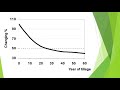
Details four phases of soil restoration under no-till (Initialization, Transition, Consolidation, Maintenance). Stresses that even one tillage event resets progress. Mentions equipment like no-till dr
Community
-
Holistic no-till farming with cover crops and rotational grazing improved productivity by 5% in three years on clay soils, with yields up 10% after 18 years.
Read more (opens in new window) permies.com -
Sustainable soil management practices like reducing tillage, planting cover crops, and improving crop rotations enhance soil health and drought resilience. No-till systems drastically reduce water run
Read more (opens in new window) sustainableagriculture.net -
Conservation tillage, particularly no-till, impacts soil density, organic matter, and nutrient stratification. Challenges include compaction, stand establishment, and weed control, requiring careful m
Read more (pp. 6-8) (opens PDF, pp. 6-8) extension.cropsciences.illinois.edu
Research
-
Long‐term research avoids spurious and misleading trends in sustainability attributes of no‐till (opens in new window)
This study found: A 29-year study shows no-till benefits for yield and soil moisture emerge after 15+ years, with increasing profitability over time. Long-term research is vital to avoid misleading short-term trends.
-
No‐Till Legume Cover Crops Enhance Soil Carbon, Mitigate Greenhouse Gas Emissions, and Increase Yield in Dryland Wheat: A Global Meta‐Analysis (opens in new window)
This study found: Global meta-analysis shows no-till + legume cover crops significantly boost dryland wheat soil carbon (+28.5%), yield (+24.1%), and resource efficiency, while cutting GHG emissions. Long-term use yiel
-
Long-term continuous no-till corn-soybean systems: Examining soil carbon sequestration and nitrogen accumulation across various pools. (opens in new window)
This study found: Long-term no-till farming with cover crops significantly increased soil organic matter (14-69%) and total nitrogen (16-60%) in corn-soybean systems, reducing compaction and carbon loss.
-
Tarping and mulching effects on crop yields, profitability, and soil nutrients in a continuous no-till organic vegetable production system (opens in new window)
This study found: Four-year study in NY found compost mulch boosted organic vegetable yields and soil carbon (+49%), while tarping improved no-till profitability. Rye mulch reduced yields and profits.
From the Web
-
The no-till system minimizes soil disturbance, protecting against erosion, increasing biological activity, and reducing water evaporation. Pre-conversion soil building is crucial. A 32-year study show
7
Regional Adaptations and Integration
The implementation of no-till is not a one-size-fits-all approach and must be adapted to specific regional conditions and integrated into broader regenerative systems. Temperate Climates: In regions like the US Midwest or parts of Europe, managing heavy crop residue from...
Regional Adaptations and Integration
The implementation of no-till is not a one-size-fits-all approach and must be adapted to specific regional conditions and integrated into broader regenerative systems. Temperate Climates: In regions like the US Midwest or parts of Europe, managing heavy crop residue from...
The implementation of no-till is not a one-size-fits-all approach and must be adapted to specific regional conditions and integrated into broader regenerative systems.
- Temperate Climates: In regions like the US Midwest or parts of Europe, managing heavy crop residue from high-yielding corn and wheat is a primary concern. Winter cover crops like rye and vetch are highly effective. The focus is on ensuring good seed-to-soil contact in cooler, denser soils. Many Midwest farms are integrating cover crops with livestock grazing in the fall and winter, utilizing the manure to build fertility and further manage residue.
- Tropical and Subtropical Climates: In areas such as the humid tropics of Brazil, Southeast Asia, or sub-Saharan Africa, no-till must contend with heavy rainfall, high temperatures, and potentially different suites of soil-borne pests and diseases. Integrating leguminous cover crops can provide nitrogen fixation, while fast-growing, biomass-producing species can help build organic matter and suppress weeds under high-growth conditions. For smallholding farmers in Ghana, for example, using intercropping of cassava with cowpea or groundnut in a no-till system has shown significant improvements in soil structure and yield stability. Livestock integration, where animals graze cover crops and deposit manure, is also a powerful tool for fertility management.
- Arid and Semi-Arid Climates: In regions like the Western United States or parts of Australia, water conservation is paramount. No-till’s ability to leave residue on the surface significantly reduces evaporative water loss and wind erosion. Drought-tolerant cover crops, such as certain millets or sorghum varieties, are often employed. Phasing out synthetic nitrogen over 3-7 years by incorporating legumes and diversifying rotations becomes critical to support plant growth with limited moisture. Water harvesting techniques, like contour farming and Zai pits in dryland Africa, can be combined with no-till practices to maximize water use efficiency.
No-till is most effective when integrated with other regenerative practices. This includes diverse crop rotations that incorporate cover crops, legumes for nitrogen fixation, and species with different root structures. The strategic integration of livestock, whether through grazing cover crops or applying manure, can significantly enhance soil fertility and carbon sequestration. Combining no-till with strip-tillage in certain challenging soil types or for specific crops can provide a transitional step. Ultimately, the goal is to build a resilient agroecosystem where no single practice is relied upon, but all work synergistically to improve soil health and farm sustainability.
Sources behind this view
Sources behind this view
Videos & Podcasts
-
Farmers discuss no-till benefits (soil health, water retention, weed control) and challenges (labor intensity, initial cost). Strategies include tarping, mulching, cover cropping, and careful planning
-
Strongly advocates for no-till combined with cover crops, detailing benefits like erosion control, water conservation, improved soil structure, and increased biological activity. Emphasizes uniform re
-
Utilize multi-species cover crops based on specific 'resource concerns' to improve soil health, nitrogen fixation, and water retention. Integrate livestock for grazing, calving, and overwintering, enh

-
A soil health management system integrates quality no-till, diverse cover crops, adapted nutrient management, and other practices to create synergistic benefits, improving organic matter, aggregate st
Community
-
Holistic no-till farming with cover crops and rotational grazing improved productivity by 5% in three years on clay soils, with yields up 10% after 18 years.
Read more (opens in new window) permies.com -
Building healthy soil involves minimizing tillage (no-till) and keeping it covered year-round with living plants and cover crops. These practices enhance water retention, nutrient cycling, and soil re
Read more (opens in new window) smallfarms.cornell.edu -
Enhance soil health through plant diversity, continuous soil cover (living plants/residues), and livestock integration. Manage carbon-to-nitrogen ratios of residues and adopt no-till practices to impr
Read more (opens in new window) permies.com -
Sustainable soil management practices like reducing tillage, planting cover crops, and improving crop rotations enhance soil health and drought resilience. No-till systems drastically reduce water run
Read more (opens in new window) sustainableagriculture.net
Research
-
No‐Till Legume Cover Crops Enhance Soil Carbon, Mitigate Greenhouse Gas Emissions, and Increase Yield in Dryland Wheat: A Global Meta‐Analysis (opens in new window)
This study found: Global meta-analysis shows no-till + legume cover crops significantly boost dryland wheat soil carbon (+28.5%), yield (+24.1%), and resource efficiency, while cutting GHG emissions. Long-term use yiel
-
Conventional, Minimum/Reduced, and Zero Tillage: Implications for Soil and Water Conservation and Residue Management in Global and Indian Contexts (opens in new window)
This study found: Zero tillage, especially with Happy Seeders, improves soil structure, water retention, and yields by up to 17% while cutting costs and emissions. Success depends on local adaptation and integrated wee
-
Optimizing cover crop practices as a sustainable solution for global agroecosystem services. (opens in new window)
This study found: Optimized cover crop strategies (long-term, no-till, legume/non-legume mix, residue mulch) significantly boost farm ecosystem services, including crop yields, carbon capture, and erosion control, whil
-
Long-term continuous no-till corn-soybean systems: Examining soil carbon sequestration and nitrogen accumulation across various pools. (opens in new window)
This study found: Long-term no-till farming with cover crops significantly increased soil organic matter (14-69%) and total nitrogen (16-60%) in corn-soybean systems, reducing compaction and carbon loss.
From the Web
-
Key regenerative agriculture methods include no-till farming, cover cropping, agroforestry, perennial crops, planned rotational grazing (Holistic Management), and compost application, all aimed at imp
-
Conservation tillage principles include reducing tillage, using crop rotations with cover crops to avoid bare soil, and maximizing residue coverage on the soil surface. Traffic control and specialized
-
Conservation tillage principles include reducing tillage to minimize soil compaction, using crop rotations with cover crops to maintain soil coverage, and managing equipment for site-specific needs. M
-
Regenerative agriculture utilizes methods like no-till, agroforestry, perennial crops, planned rotational grazing (Holistic Management), compost application, and pasture cropping to improve soil healt
8
Quick Profile
{ "start_here": [ "Assess your current soil health and structure.", "Develop a cover crop planting strategy.", "Evaluate and adapt your current planter.", "Start with a single field trial." ], "key_methods": [ "Prioritize cover crops for biomass and soil building.", "Use...
Quick Profile
{ "start_here": [ "Assess your current soil health and structure.", "Develop a cover crop planting strategy.", "Evaluate and adapt your current planter.", "Start with a single field trial." ], "key_methods": [ "Prioritize cover crops for biomass and soil building.", "Use...
{
  "start_here": [
    "Assess your current soil health and structure.",
    "Develop a cover crop planting strategy.",
    "Evaluate and adapt your current planter.",
    "Start with a single field trial."
  ],
  "key_methods": [
    "Prioritize cover crops for biomass and soil building.",
    "Use a no-till planter to cut seed slot.",
    "Maintain ample surface residue cover.",
    "Minimize and strategically phase out synthetic inputs."
  ],
  "timing_sequence": [
    "Plant fall cover crops after harvest.",
    "Terminate cover crops in late spring.",
    "Plant cash crop into residue/mulch.",
    "Monitor soil moisture and weed pressure closely."
  ],
  "system_integration": [
    "Integrate diverse crop rotations.",
    "Incorporate livestock for grazing and fertility.",
    "Combine with other soil-building practices.",
    "Focus on long-term soil biology development."
  ]
}
Sources behind this view
9
Know the Debate
Implementing no-till farming offers significant benefits for soil health, water conservation, and cost reduction, but its success depends heavily o...
Know the Debate
Implementing no-till farming offers significant benefits for soil health, water conservation, and cost reduction, but its success depends heavily o...
Implementing no-till farming offers significant benefits for soil health, water conservation, and cost reduction, but its success depends heavily on context. In humid regions with ample rainfall and fertile soils, transitioning to no-till may show rapid improvements in soil biology and structure within 2-3 years. However, in drier climates or on heavily compacted soils, achieving robust soil health can take 5-10 years, requiring more patience and adaptive management. Initial infrastructure costs can range from adapting existing equipment ($30k-$100k used) to investing in new no-till planters ($80k-$250k+). Labor needs may decrease overall due to fewer field passes, but specialized knowledge in cover cropping, residue management, and equipment calibration becomes crucial.
Does no-till farming require herbicide use?
Organic No-Till (Herbicide-Free)
Organic systems prioritize mechanical or biological termination of cover crops (roller-crimping, tarping) to create residue mulch and suppress weeds, avoiding synthetic inputs. This requires precise timing and management of cover crops to ensure successful cash crop establishment.
Sources behind this view
Sources behind this view
Videos & Podcasts
-
Crop residue from cover crops in no-till systems is vital for weed control, temperature regulation, and improved soil aeration and moisture management, preventing compaction and sidewall smearing.
-
Recommends cover cropping as the essential tool to make no-till successful for conventional farmers, especially in overcoming challenges like wet soil conditions.

From the Web
-
Reducing tillage intensity in organic farming is achievable through practices like rotational no-till, cover cropping, and strip tillage. These methods aim to manage weeds, improve soil health, and optimize planting timing, though careful experimentation with cover crops, machinery, and timing is required.
-
Reducing tillage in organic farming involves using cover crops, rotational no-till, and precise timing. Strategies include managing weed pressure with residue, terminating cover crops at the reproductive stage, and using specialized machinery like roller crimpers and no-till planters.
Conventional No-Till (Herbicide-Assisted)
Conventional no-till farmers often use herbicides for reliable and cost-effective weed control and cover crop termination, especially on large acreages or in challenging soil conditions. Methods include early residual applications and specific herbicides for problematic weeds.
Sources behind this view
Sources behind this view
Videos & Podcasts
-
Switching to no-till requires new equipment (tractors, drills), different residue management (straw/chaff), reliance on chemical fallow for weeds, and a change in mindset, often supported by government programs like USDA EQIP.
Research
-
Weed Flora and Soil Seed Bank Composition as Affected by Tillage System in Three-Year Crop Rotation (opens in new window)
This study found: A three-year study in Poland compared different ways of preparing soil for crops: traditional plowing, reduced tillage, and no-till (planting directly into stubble). They found that less soil disturbance meant more weeds and more weed seeds in the soil, especially in the top few inches. No-till systems also saw more perennial and invasive weeds like marestail. However, the researchers concluded that if farmers use effective herbicides, they can still grow winter wheat successfully with no-till without major yield losses and without letting invasive weeds take over.
From the Web
-
No-till farming eliminates tillage, planting seed in narrow strips to improve erosion control and reduce labor. Effective weed management requires surface-applied herbicides, with early spring residual applications recommended. Specific planter attachments or fall strip-till can address challenges in wet, residue-heavy soils.
-
Employ no-till methods to retain soil moisture and enhance soil health. Use tap-rooted cover crops like turnips and radishes to reduce compaction and improve water infiltration, minimizing runoff.
Making Sense of the Differences
The debate over herbicide use in no-till hinges on farming system goals and constraints. Organic systems demand herbicide-free methods, often requiring more intensive management of cover crops and specialized machinery. Conventional operations may use herbicides for efficiency and reliability, though many aim to reduce their reliance over time as soil health improves. Farmers must assess their region's climate, weed pressure, economic feasibility, and personal commitment to input reduction to determine the best path.
How long does it take for no-till to improve soil structure?
Early improvements (2-3 years)
Academic research indicates initial positive changes in soil structure, moisture retention, and microbial activity can be observed within 2-3 years of adopting no-till, especially in dry climates or with effective cover cropping.
Sources behind this view
Sources behind this view
Research
-
A review on tillage system and no-till agriculture and its impact on soil health (opens in new window)
This study found: This review looks at how traditional plowing (tillage) and no-till farming affect soil health. Plowing breaks up the soil, which can temporarily help with planting and weed control. However, it can also lead to problems like soil becoming too hard (compaction), soil washing or blowing away (erosion), and a loss of important organic matter. This harms the soil over time. No-till farming, where the soil is not disturbed, is highlighted as a better approach. It helps conserve water, reduces soil degradation, and can lower farming costs by saving on fuel and labor. No-till is being adopted worldwide on farms of all sizes for more sustainable crop production.
-
No-tillage systems promote bacterial photosynthetic gene expression in low carbon, semi-arid surface soils. (opens in new window)
This study found: A study in dry, agricultural areas of Texas found that switching from conventional tillage to no-tillage farming significantly changed what soil microbes were doing. Specifically, eliminating tillage boosted the activity of genes related to photosynthesis in bacteria, which are often found in biological soil crusts on the surface. These crusts can offer benefits beyond just preventing wind erosion. Planting a winter wheat cover crop on no-till land didn't add much to these specific gene changes, but it did show promise in reducing fungal diseases in one year of the study. The research suggests that reducing or eliminating tillage is a key practice for improving the health and function of soil microbes in dry climates.
-
Effects of Tillage and Sowing Methods on Soil Physical Properties and Corn Plant Characters (opens in new window)
This study found: A study in Northeast China compared different ways of preparing soil and planting corn, all involving returning crop residue to the field. They looked at plowing, rotary tilling, and two types of no-till methods. The study found that one no-till method (NTS) kept the soil wetter on average and was a feasible option for these fertile grassland soils. Another no-till method (STS) kept the soil cooler, which could affect late-season corn growth. While plowing resulted in less soil compaction initially, the no-till methods showed promise for maintaining soil moisture and didn't significantly reduce corn yields in the short term. This suggests that reducing tillage can be a sustainable approach for corn production in this region.
From the Web
-
Employ no-till methods to retain soil moisture and enhance soil health. Use tap-rooted cover crops like turnips and radishes to reduce compaction and improve water infiltration, minimizing runoff.
Significant benefits (3-7+ years)
Field experiences suggest that substantial improvements in soil structure, like breaking compaction and developing stable aggregates, often require 3-7 years, with heavier soils potentially taking longer.
Sources behind this view
Sources behind this view
Videos & Podcasts
-
No-till means keeping soil covered with residue and minimizing disturbance. It allows managing more acres profitably with reduced fuel, labor, and machinery costs, saving up to $135/acre.
-
Strongly advocates for no-till combined with cover crops, detailing benefits like erosion control, water conservation, improved soil structure, and increased biological activity. Emphasizes uniform residue management and proper planter/drill selection as keys to successful establishment.
-
No-tillage farming enhances soil structure for better water absorption and resilience, supports diverse soil life, and sequesters carbon, unlike conventional tillage which degrades soil health and ecosystem diversity.

-
Early no-till principles emphasized removing compaction with equipment, limiting traffic, and keeping soils covered. Failure to address these leads to poor soil biology; use roots and biologicals to maintain soil structure after initial mechanical correction.

Making Sense of the Differences
When it comes to observing soil structure improvements in no-till, timelines can vary. Academic studies often point to early benefits within 2-3 years, particularly in drier regions benefiting from cover crops, while extensive field experience suggests that significant changes, such as robust aggregation and compaction breakdown, may take 3-7 years or more, especially in heavy clay soils. Factors influencing this pace include the starting soil condition (degree of degradation), annual rainfall, success of cover crop biomass and root architecture, and the consistency of management practices. Farmers should anticipate initial improvements but plan for a longer transition period to see the full benefits of enhanced soil structure.