
How do I manage weeds without tillage?
Managing weeds without tillage fundamentally shifts focus from mechanical destruction to proactive building of a resilient farm ecosystem. This involves diverse strategies like establishing competitive cover crops, optimizing crop rotations for suppression, employing grazing management, and utilizing mulching techniques. The goal is to create conditions where soil biology, crop vigor, and beneficial organisms naturally outcompete weeds. Success is measured by reduced scouting time, lower reliance on external inputs, and healthier soil over time, typically observed within 3-5 years of consistent practice.
Read More: Complete Description
Sources behind this view
Sources behind this view
 Videos & Podcasts
-
Tillage in no-till systems destroys soil structure, aggregate stability, and active carbon, hindering water infiltration and promoting weeds. Maintaining soil cover and growing biomass are key to weed
-
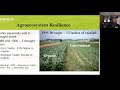
Reducing tillage in organic systems is key for weed control and soil health. Methods include crop rotation, less aggressive tillage, blind cultivation with tine weeders, and using roller crimpers, aim
-
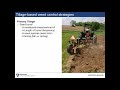
Discusses weed management tactics in tillage and reduced tillage systems, emphasizing seed bank management, cover crop biomass for light suppression, delayed termination benefits, and adaptive use of
-
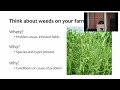
The 'weeding the soil, not the crop' approach aims to eliminate the soil weed seed bank through zero tolerance for seed production, using bioextensive methods like bare fallow and cover crops to rapid
 Community
-
Eric Koperek's guide details 9 no-till methods for planting into live sod/weeds using cover crops (cereal rye, buckwheat, clover, forage maize) and living mulches for weed control and biomass producti
Read more (opens in new window) permies.com -
Research by Stresow and Maher shows that combining tarps, mulch, and strategic timing effectively reduces weeds in no-till vegetables by depleting the weed seedbank.
Read more (opens in new window) smallfarms.cornell.edu -
Offers practical weed management strategies: pull young weeds from moist soil, cut before seeding, remove entire roots, use tools, sheet compost, and consider least toxic herbicides as a last resort.
Read more (opens in new window) ucanr.edu -
Advocates for regenerative weed management by ceasing problem creation, utilizing edible meadow guilds that thrive with existing vegetation, and employing slashmulch (chop-and-drop) to grow crops like
Read more (opens in new window) permies.com
 Research
-
Ecological Management of Agricultural Weeds (opens in new window)
This study found: Book on ecological weed management to reduce herbicide use. Covers tillage, crop diversity, livestock grazing, and natural pest control for weed suppression in various farming systems.
-
Weed Dynamics and Management Strategies for Cropping Systems in the Northern Great Plains (opens in new window)
This study found: Diversified cropping and conservation tillage in the Northern Great Plains have changed weed communities, leading to herbicide resistance. Varying selection pressure through diverse rotations, crop ty
-
To each their own: case studies of four successful, small-scale organic vegetable farmers with distinct weed management strategies (opens in new window)
This study found: Four organic vegetable farms show distinct weed management strategies: critical period control, zero seed rain, plastic mulch, and natural mulch. Success depends on aligning strategy tradeoffs with fa
-
Nonconventional Weed Management Strategies for Modern Agriculture (opens in new window)
This study found: New weed control methods are needed due to labor shortages and herbicide resistance. Promising strategies include improved tillage, harvest seed control, allelopathy, biotechnology, thermal methods, a
 From the Web
-
Organic weed management employs crop rotation, cover cropping (allelopathy, mulching), intercropping, enhancing crop competitiveness, soil amendments, conservation biocontrol (seed predation), and var
-
Effective organic weed management uses a 'many little hammers' approach with diverse cultural and physical practices like cover crops, crop rotations, and mechanical cultivation. Research shows organi
-
Manage garden weeds with healthy plants, high mowing for turf, mulch (organic/inorganic), timely mechanical removal, and cover crops. This integrated approach prevents weed competition for resources a
-
Integrate multiple weed management tactics ('many little hammers') and utilize crop rotation to disrupt weed life cycles. Alternating planting seasons, crop types, and associated operations targets sp
Key Points
First Steps
- Assess current weed species and pressure.
- Map fields and soil types for tailored plans.
- Start with a small test area.
- Learn about local beneficial insects and soil microbes.
Key Methods
- Plant diverse, competitive cover crops.
- Implement complex crop rotations.
- Utilize targeted mulching techniques.
- Integrate managed grazing where applicable.
Timing & Sequence
- Select cover crops for specific weed suppression.
- Time cash crop planting for competitive advantage.
- Rotate grazing for maximum impact.
- Plan sequential use of techniques.
System Integration
- Build soil organic matter for crop vigor.
- Increase biodiversity above and below ground.
- Encourage beneficial insect populations.
- Enhance water infiltration and retention.
Know the Debate
- Weed reduction takes 3-10 years, depending on weed type.
- Cover crop mulch suppresses weeds early, not always full-season.
- Specialized planters help, but alternatives exist.
- Integrated strategies are more effective than single tactics.
Going Deeper
1
Getting Started: Assessment and Planning
Before implementing any new strategy, a thorough assessment of your current farm system is critical. Understand the dominant weed species present – are they annuals, perennials, broadleaves, or grasses? This dictates the most effective suppression methods. Map your...
Getting Started: Assessment and Planning
Before implementing any new strategy, a thorough assessment of your current farm system is critical. Understand the dominant weed species present – are they annuals, perennials, broadleaves, or grasses? This dictates the most effective suppression methods. Map your...
Before implementing any new strategy, a thorough assessment of your current farm system is critical. Understand the dominant weed species present – are they annuals, perennials, broadleaves, or grasses? This dictates the most effective suppression methods. Map your fields, identifying areas of known weed pressure or challenging soil conditions. For many farmers, this involves observing which areas consistently show higher weed density or which species are becoming problematic. Documenting these observations, perhaps through field scouting anually or bi-annularly, provides a baseline.
The next step is to define your goals. Are you looking to reduce reliance on synthetic inputs, improve soil health, or adapt to changing climate conditions? Your objectives will shape the specific combination of non-tillage methods you employ. For instance, a smallholder in Kenya aiming to build soil fertility alongside weed control might prioritize intercropping with legumes and mulching with crop residues. A large-scale grain producer in the US Plains might focus on multi-species cover crop blends followed by no-till planting of cash crops, aiming for rapid build-up of soil organic matter to choke out weeds. Planning should also consider available resources, including equipment, labor, and knowledge, and identify potential learning opportunities, such as workshops or peer-to-peer farmer networks.
Sources behind this view
Sources behind this view
Videos & Podcasts
-
Effective IWM requires identifying weeds, scouting/monitoring their biology, analyzing and combining multiple tools, planning operations (including crop rotation), and crucially, acting with precise t
-
Farmers discuss no-till benefits (soil health, water retention, weed control) and challenges (labor intensity, initial cost). Strategies include tarping, mulching, cover cropping, and careful planning

-
Discusses weed management tactics in tillage and reduced tillage systems, emphasizing seed bank management, cover crop biomass for light suppression, delayed termination benefits, and adaptive use of
-
Effective weed management in regenerative agriculture focuses on discouraging weeds by promoting soil biology and plant health through diverse planting (annuals, perennials like alfalfa, teff grass, h

Community
-
Details IPM monitoring (weeds, insects, disease) and suppression methods (mechanical, biological, chemical, cultural), emphasizing strategies to manage pesticide resistance through diverse rotations,
Read more (pp. 4-6) (opens PDF, pp. 4-6) efotg.sc.egov.usda.gov -
Strategies to reduce pesticide resistance are detailed, including pre-season actions (diversify rotation, cover crops), planting strategies (weed-free seed, varied herbicides), growing season tactics
Read more (pp. 34-42) (opens PDF, pp. 34-42) efotg.sc.egov.usda.gov -
Offers practical questions for farmers to assess weed situations, focusing on machinery cleaning, understanding past weed issues, recognizing new weed threats, and considering residual herbicides for
Read more (opens in new window) smallfarms.cornell.edu
Research
-
To each their own: case studies of four successful, small-scale organic vegetable farmers with distinct weed management strategies (opens in new window)
This study found: Four organic vegetable farms show distinct weed management strategies: critical period control, zero seed rain, plastic mulch, and natural mulch. Success depends on aligning strategy tradeoffs with fa
-
Weed Dynamics and Management Strategies for Cropping Systems in the Northern Great Plains (opens in new window)
This study found: Diversified cropping and conservation tillage in the Northern Great Plains have changed weed communities, leading to herbicide resistance. Varying selection pressure through diverse rotations, crop ty
-
Ecological Management of Agricultural Weeds (opens in new window)
This study found: Book on ecological weed management to reduce herbicide use. Covers tillage, crop diversity, livestock grazing, and natural pest control for weed suppression in various farming systems.
-
Weed suppression by cover crops: comparative on‐farm experiments under integrated and organic conservation tillage (opens in new window)
This study found: Six legume cover crops reduced weeds by 96-100% in integrated conservation tillage and 19-87% in organic systems over two years. Fast soil coverage and high biomass were key. Additional weed managemen
From the Web
-
Implement organic weed management through cultural practices like preventing new weed introductions and weed reproduction, matching soil fertility to crop needs, grouping similar crops for efficient t
-
Transitioning to organic requires proactive weed management: use cover crops and tillage to reduce seed banks and perennial reserves, especially on former hayfields. Livestock grazing, seed/machinery
-
Develop an organic weed management plan by identifying problematic weeds like johnsongrass and quackgrass, mapping their locations, and designing crop rotations that utilize diverse crop characteristi
2
Step-by-Step Process: Implementing Key Strategies
Managing weeds without tillage is a layered approach, combining multiple tactics strategically throughout the year. 1. Cover Cropping for Suppression and Soil Health: This is perhaps the most powerful tool. Select cover crops or blends that grow vigorously and provide...
Step-by-Step Process: Implementing Key Strategies
Managing weeds without tillage is a layered approach, combining multiple tactics strategically throughout the year. 1. Cover Cropping for Suppression and Soil Health: This is perhaps the most powerful tool. Select cover crops or blends that grow vigorously and provide...
Managing weeds without tillage is a layered approach, combining multiple tactics strategically throughout the year.
1. Cover Cropping for Suppression and Soil Health: This is perhaps the most powerful tool. Select cover crops or blends that grow vigorously and provide dense ground cover. For example, in temperate regions, a mix of cereal rye (Secale cereale) and hairy vetch (Vicia villosa) can be planted in fall (September-October Northern Hemisphere, March-April Southern Hemisphere), providing excellent weed suppression through early spring (March-April Northern Hemisphere, September-October Southern Hemisphere). The rye establishes rapidly, outcompeting early germinating weeds, while vetch adds nitrogen and biomass. In tropical regions, cowpeas (Vigna unguiculata) or sunn hemp (Crotalaria juncea) can be grown as effective summer cover crops, suppressing weeds and improving soil structure. The key is to select species known for competitive growth and high biomass production in your local climate. Termination methods are crucial: roller-crimpers are highly effective for biomass mats, while light grazing can prepare areas for planting.
2. Crop Rotation Design for Disruption: A diverse crop rotation is fundamental. Avoid monocultures. Including crops with different growth habits, planting times, and root structures naturally disrupts weed life cycles. For instance, a rotation might include a competitive early-season grain crop, followed by a broadleaf crop that benefits from vetch nitrogen, and then a late-season crop planted into a decomposing cover crop residue. Consider including crops like buckwheat (Fagopyrum esculentum) in warmer months. Buckwheat is a fast-growing allelopathic plant that can suppress weeds and break disease cycles, typically terminating with frost in cooler climates or through mechanical means in warmer zones. In the Australian wheat belt, rotations often incorporate pulses like lentils or chickpeas, which are less competitive with some grass weeds compared to wheat, combined with strategic grazing of cover crops between cereal harvests.
3. Precision Mulching and Residue Management: Leaving crop residue on the surface provides a physical barrier to weed germination and conserves soil moisture. For perennial weed control, sheet mulching (also known as lasagna gardening) can be highly effective. This involves layering organic materials like cardboard, straw, compost, and aged manure directly on top of the soil. For example, to establish a new perennial planting bed, a layer of cardboard is placed over the area, overwetted, followed by 15-30 cm (6-12 in) of straw or compost. This smothers existing weeds and decomposes over time, building soil. On larger scales, maintaining stubble from the previous crop, approximately 20-40 cm (8-16 in) high, when planting the next cash crop, can significantly reduce early weed emergence.
4. Integrated Grazing Management: Livestock can be powerful allies in non-tillage weed management. Strategic, high-intensity rotational grazing (also known as mob grazing) can effectively suppress weeds by trampling, grazing, and nutrient cycling. For example, grazing sheep or cattle tightly on a cover crop field for 1-3 days before moving them to a new paddock can decimate certain weed species and incorporate their organic matter back into the soil via manure. This can be particularly effective for managing annual weeds and breaking the life cycle of some perennial noxious weeds. In regions like the Altiplano of Bolivia, llamas or alpacas might be used to graze fallow periods, managing grassland vegetation and preventing dominance by specific invasive species. It is crucial that grazing be managed to prevent overgrazing of desirable plants or soil compaction.
Sources behind this view
Sources behind this view
Videos & Podcasts
-
Discusses weed management tactics in tillage and reduced tillage systems, emphasizing seed bank management, cover crop biomass for light suppression, delayed termination benefits, and adaptive use of
-
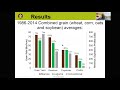
Organic weed control emphasizes long crop rotations and cover crops like hairy vetch (with corn) and cereal rye (with soybeans), terminated using a roller crimper for no-till planting, with high-resid
-
Organic no-till relies on cover crops (hairy vetch for corn, cereal rye for soybeans) terminated with a roller crimper for weed control. Precise timing of planting and termination is critical; a high
-
Transitioning to no-till organic on erodable land involves replacing chemical termination with roller crimping rye, using mechanical weed control, diversifying crop rotations with small grains and leg

Community
-
Eric Koperek's guide details 9 no-till methods for planting into live sod/weeds using cover crops (cereal rye, buckwheat, clover, forage maize) and living mulches for weed control and biomass producti
Read more (opens in new window) permies.com -
Details cover crop termination methods, nutrient cycling (N scavenging/fixing, P availability), bio-controls, weed/pest/disease management, and specific mix recommendations. Emphasizes soil testing, r
Read more (pp. 10-20) (opens PDF, pp. 10-20) efotg.sc.egov.usda.gov -
Comprehensive weed control strategies include preventative measures (weed-free inputs, frequent mowing to prevent seeding), cultural practices (soil aeration, dense planting, tall mowing), mechanical
Read more (opens in new window) ucanr.edu -
Weed control methods include soil solarization, cleaning equipment, composting manure, the 'water, wait, cultivate' removal technique, sheet mulching with cardboard, and exhausting perennial weeds by
Read more (opens in new window) ucanr.edu
Research
-
To each their own: case studies of four successful, small-scale organic vegetable farmers with distinct weed management strategies (opens in new window)
This study found: Four organic vegetable farms show distinct weed management strategies: critical period control, zero seed rain, plastic mulch, and natural mulch. Success depends on aligning strategy tradeoffs with fa
-
Weed Dynamics and Management Strategies for Cropping Systems in the Northern Great Plains (opens in new window)
This study found: Diversified cropping and conservation tillage in the Northern Great Plains have changed weed communities, leading to herbicide resistance. Varying selection pressure through diverse rotations, crop ty
-
Weed Management Strategies to Reduce Herbicide Use in Zero-Till Rice–Wheat Cropping Systems of the Indo-Gangetic Plains (opens in new window)
This study found: No-till rice-wheat systems can reduce herbicide use by employing crop residue mulch (5-10 t/ha) to suppress weeds like canarygrass by up to 76%. Other methods include competitive cultivars and cover c
-
Influence of different soil management practices on ground-flora vegetation in an almond orchard (opens in new window)
This study found: A 30-year study in an Italian almond orchard found that mowing or cover cropping promoted diverse ground flora, improving soil structure and reducing nitrogen loss, unlike bare ground maintained by he
From the Web
-
Transitioning to organic requires proactive weed management: use cover crops and tillage to reduce seed banks and perennial reserves, especially on former hayfields. Livestock grazing, seed/machinery
-
Effective weed-suppressing crop rotations involve clean fallow periods, following difficult crops with easy-to-manage ones, preventing weed seed production, rotating seasonal plantings, and using comp
-
Implement organic weed management through cultural practices like preventing new weed introductions and weed reproduction, matching soil fertility to crop needs, grouping similar crops for efficient t
-
Organic weed management employs crop rotation, cover cropping (allelopathy, mulching), intercropping, enhancing crop competitiveness, soil amendments, conservation biocontrol (seed predation), and var
3
Seasonal Timing and Hemisphere-Neutral Considerations
Successful weed management without tillage requires understanding seasonal rhythms and adapting practices accordingly. Early Spring (March-April Northern Hemisphere, September-October Southern Hemisphere): This is a critical window. If a winter cover crop was grown, its...
Seasonal Timing and Hemisphere-Neutral Considerations
Successful weed management without tillage requires understanding seasonal rhythms and adapting practices accordingly. Early Spring (March-April Northern Hemisphere, September-October Southern Hemisphere): This is a critical window. If a winter cover crop was grown, its...
Successful weed management without tillage requires understanding seasonal rhythms and adapting practices accordingly.
Early Spring (March-April Northern Hemisphere, September-October Southern Hemisphere): This is a critical window. If a winter cover crop was grown, its termination timing is key. Termination should occur when the cover crop has reached peak biomass but before it goes to seed, and ideally when soil moisture is favorable for subsequent cash crop planting. For example, rolling a cereal rye cover crop in the temperate US Midwest around late April (Northern Hemisphere) prepares the seedbed for corn or soybean planting. In the Argentine Pampas, termination of a similar cover crop in late October or early November (Southern Hemisphere) would precede summer cash crops. Weed scouting during this period is crucial to identify any escaped weeds and inform management decisions for the remainder of the season.
Late Spring to Early Summer (May-July Northern Hemisphere, November-January Southern Hemisphere): This period focuses on establishing summer cash crops or warm-season cover crops. If planting directly into residue, ensure sufficient soil moisture and that the cash crop is planted deep enough to access it. For farmers in the Mediterranean climate of California, planting drought-tolerant cover crops like sorghum-sudangrass (Sorghum x drummondii) in early summer can suppress heat-loving weeds and build organic matter. In the humid tropics of Southeast Asia, planting rice or other staple crops after a short-season green manure cover crop like mung bean (Vigna radiata) around June (Northern Hemisphere) can provide early weed suppression.
Late Summer to Early Fall (August-October Northern Hemisphere, February-April Southern Hemisphere): This phase is about preparing for overwintering cover crops or fall-seeded cash crops. If a summer crop has been harvested, managing its residue is important to prevent weed seed dispersal. This is the ideal time to plant fall cover crops to build soil health and suppress winter weeds. For instance, planting a mix of oats (Avena sativa), crimson clover (Trifolium incarnatum), and radishes (Raphanus sativus) in early September (Northern Hemisphere) in the UK would provide biomass, nitrogen fixation, and soil disturbance through root action, all contributing to weed suppression the following spring. Similarly, in Western Australia, planting a legume-cereal cover crop mix in April or May (Southern Hemisphere) prepares the ground for the next wheat or barley crop.
Winter (November-February Northern Hemisphere, May-August Southern Hemisphere): While many field operations cease, this period is vital for planning and observation. Observe how winter cover crops are performing and how they are suppressing weeds. This is also a time to develop or refine crop rotation plans for the following year, incorporating species that offer different weed management benefits. In colder climates, frost can manage many annual weeds, but perennial root systems may persist and require attention in subsequent seasons.
Sources behind this view
Sources behind this view
Videos & Podcasts
-
Organic no-till relies on cover crops (hairy vetch for corn, cereal rye for soybeans) terminated with a roller crimper for weed control. Precise timing of planting and termination is critical; a high
-
Discusses weed management tactics in tillage and reduced tillage systems, emphasizing seed bank management, cover crop biomass for light suppression, delayed termination benefits, and adaptive use of
-
Key cover crop planting windows include early spring (March-April) before corn for soil health and erosion control, early summer for forage, and early interceding (V3-V6 stage) using small seeds like
-
Optimizing cover crop management for weed suppression in no-till systems involves treating cover crops like cash crops and extending their growing season to increase biomass and competition. Practices

Community
-
Cover crop timing for establishment and termination is critical for maximizing benefits like biomass and nitrogen fixation, especially in northern California's climate, influencing cash crop performan
Read more (opens in new window) ucanr.edu
Research
-
Timing of Cover-Crop Management Effects on Weed Suppression in No-Till Planted Soybean using a Roller-Crimper (opens in new window)
This study found: Earlier planting and later termination of cereal rye and rye/vetch cover crops increased biomass and weed suppression in no-till soybeans. Biomass timing relative to weed emergence was key for effecti
-
Timing of Cover Crop Termination: Management Considerations for the Southeast (opens in new window)
This study found: Cover crop termination timing is crucial for maximizing soil health and crop yields in conservation tillage systems in the Southeast. Consider growing season, soil moisture, N management, and equipmen
-
Cover Crop Termination Timing is Critical in Organic Rotational No‐Till Systems (opens in new window)
This study found: Timing cover crop termination is key in organic no-till. Killing hairy vetch/triticale later improved control. Early cereal rye termination led to seed production, causing volunteer issues in subseque
-
Critical Period of Weed Control in Maize as Influenced by Soil Tillage Practices and Glyphosate Application (opens in new window)
This study found: No-till farming in Slovenia shortened the critical period for weed control in corn, reducing the need for early herbicide applications compared to conventional tillage.
From the Web
-
Cover crops suppress weeds by competing during fallow periods, improving soil health, and enabling no-till systems. Winter and summer cover crops, mixtures, and strategic management (e.g., roller-crim
-
Rotate seasonal plantings to manage weed emergence, use cover crops on bare soil for suppression (high-density is effective), and avoid weed-promoting cover crops. Sod crops reduce annual weeds over y
4
Equipment and Infrastructure Requirements
Transitioning to non-tillage weed management often requires a re-evaluation of equipment, though not necessarily large capital expenditures. No-Till Planters/Drills: The most significant investment is often a planter or drill designed for no-till conditions. These...
Equipment and Infrastructure Requirements
Transitioning to non-tillage weed management often requires a re-evaluation of equipment, though not necessarily large capital expenditures. No-Till Planters/Drills: The most significant investment is often a planter or drill designed for no-till conditions. These...
Transitioning to non-tillage weed management often requires a re-evaluation of equipment, though not necessarily large capital expenditures.
No-Till Planters/Drills: The most significant investment is often a planter or drill designed for no-till conditions. These machines can cut through heavy crop residue, accurately place seed into undisturbed soil, and manage the nuances of planting into mulch. Prices for new, high-quality no-till planters can range from $40,000 to $150,000+ USD ($60,000 to $225,000+ CAD/AUD/EUR), depending on size and features. However, many farmers successfully begin with smaller, used, or simpler no-till drills, often costing $10,000 to $30,000 USD ($15,000 to $45,000 CAD/AUD/EUR). Equipment sharing or custom hiring services are viable options for smaller operations or initial trials.
Cover Crop Termination Equipment: For terminating cover crops without tillage, a roller-crimper is highly effective. These are typically bar-like implements that attach to a tractor and are used to bend and break the stems of cover crops, creating a dense mat of mulch. Costs for roller-crimpers typically range from $5,000 to $25,000 USD ($7,500 to $37,500 CAD/AUD/EUR). Alternatively, targeted grazing with livestock, as described above, requires fencing and water infrastructure, which can represent a significant infrastructure investment if not already in place, but offers ongoing benefits beyond weed management. In some regions, specialized mowing equipment can be used to chop cover crops if roller-crimpers are not feasible.
Other Tools: While not always essential, a good set of row cultivators can be useful for managing weeds between crop rows in the initial transition years or for specific crop types, even in a generally no-till system. These might cost $5,000 to $20,000 USD ($7,500 to $30,000 CAD/AUD/EUR). Specialized equipment for harvesting or handling cover crop seed can also be beneficial. For smallholdings or market gardens, tools like scythes, broadforks (for aeration, not weed control), and robust wheel hoes can be effective manual alternatives for weed management and residue manipulation.
Sources behind this view
Sources behind this view
Videos & Podcasts
-
Switching to no-till requires new equipment (tractors, drills), different residue management (straw/chaff), reliance on chemical fallow for weeds, and a change in mindset, often supported by governmen
-
Efficient cultivation tools like the Tilmore tractor, wheel weeders, and finger weeders are key for managing weeds in 18-inch row systems. Field preparation involves cover crops, light tillage, and pr
-
Existing planters can be adapted for no-till cover crop seeding with modifications like improved closing wheels. Consulting seed suppliers and agronomists is crucial for equipment and chemical compati

-
Compares costs of no-till ($40/acre), no-till with cover crops ($50/acre), and diverse rotations, emphasizing that termination costs are often integrated into regular herbicide use.

5
Common Mistakes and Troubleshooting
Even with careful planning, challenges can arise when transitioning to non-tillage weed management. Problem: Insufficient Cover Crop Biomass: This is a common issue in the first few years. The cover crop may not grow densely enough to provide adequate weed suppression....
Common Mistakes and Troubleshooting
Even with careful planning, challenges can arise when transitioning to non-tillage weed management. Problem: Insufficient Cover Crop Biomass: This is a common issue in the first few years. The cover crop may not grow densely enough to provide adequate weed suppression....
Even with careful planning, challenges can arise when transitioning to non-tillage weed management.
Problem: Insufficient Cover Crop Biomass: This is a common issue in the first few years. The cover crop may not grow densely enough to provide adequate weed suppression. Root Cause: Poor seed-to-soil contact, insufficient fertility (especially for nitrogen-fixing cover crops), incorrect planting dates, or adverse weather conditions. Solution: Ensure proper seeding rates and depths, use a high-quality seed mix suited to your climate's thermal profile (e.g., cool-season vs. warm-season annuals), consider starter fertility for cover crops if needed, and adjust planting dates for optimal establishment. For example, planting cereal rye earlier in fall (e.g., late August instead of mid-September in the northern US) can lead to significantly more biomass. In the UK, ensuring sufficient phosphorus for clover establishment is critical.
Problem: Perennial Weed Resurgence: Invasive perennial weeds like bindweed (Convolvulus spp.) or couch grass (Elymus repens) can be persistent and may seem to worsen initially. Root Cause: Tillage would have chopped and spread these weeds, so removing tillage allows their root systems to consolidate. Inadequate suppression from cover crops or insufficient grazing pressure can allow them to thrive. Solution: Integrate methods that attack perennial roots. This could include repeated grazing, targeted mowing to deplete root reserves, or strategic use of cover crops known to inhibit perennial growth (e.g., buckwheat's allelopathy). Long-term crop rotation, including crops that are actively managed and harvested during the perennial's active growth phase, is also essential. For example, a farmer in South Africa dealing with couch grass might incorporate a summer fallow period managed with targeted grazing or careful use of a broadfork to disturb root crowns, followed by a vigorous winter cover crop.
Problem: Difficulties Harvesting/Planting into Residue: Inconsistent planter performance or residue build-up can cause issues. Root Cause: Residue is too heavy or wet at planting, planter blades are dull or not correctly set, or incorrect planter coulters are used. Solution: Ensure planters are equipped with robust residue-cutting units (e.g., row cleaners that can be adjusted or disabled, or specialized no-till coulters). Make sure blades are sharp and set appropriately for soil conditions. If residue is excessive, light grazing, or timing your cover crop termination to allow some decomposition before planting can help. For example, a farmer in Canada might adjust their no-till drill settings to handle the residue from a heavy flax or canola cover crop, or even consider a light, pre-plant grazing pass by cattle if timings allow.
Problem: Nutrient Imbalances: Especially in the early years, soil biology might not be mature enough to mineralize nutrients efficiently, leading to crop deficiencies. Root Cause: Over-reliance on slow-release organic nutrient sources without sufficient microbial activity, or underestimation of crop nutrient demands. Solution: Integrate nutrient-rich cover crops like legumes (for nitrogen) and those that scavenge nutrients (e.g., radishes for potassium). Use compost or animal manures judiciously to supply readily available nutrients and boost microbial populations. Monitor crops for nutrient deficiencies and, if necessary for a critical transitional period, consider biologically compatible nutrient supplements or highly diluted soluble nutrients, always prioritizing building organic nutrient cycling capacity over synthetic applications which are not recommended long-term.
Sources behind this view
Sources behind this view
Videos & Podcasts
-
Plan cover crop use based on specific goals (e.g., nutrient management, weed competition). Mixtures enhance diversity and nutrient cycling. Continuous low-disturbance no-till with diverse rotations an
-
Transitioning to no-till organic on erodable land involves replacing chemical termination with roller crimping rye, using mechanical weed control, diversifying crop rotations with small grains and leg
-
Discusses weed management tactics in tillage and reduced tillage systems, emphasizing seed bank management, cover crop biomass for light suppression, delayed termination benefits, and adaptive use of
-
Addresses planter setup for no-till planting into cover crops, emphasizing residue management (using slicers), proper seed placement to avoid hairpinning, and the critical impact of planting timing on

Community
-
Details cover crop termination methods, nutrient cycling (N scavenging/fixing, P availability), bio-controls, weed/pest/disease management, and specific mix recommendations. Emphasizes soil testing, r
Read more (pp. 10-20) (opens PDF, pp. 10-20) efotg.sc.egov.usda.gov -
Offers practical guidance on cover crop implementation, covering equipment, residue management, climate/weather considerations, establishment techniques, seeding methods (broadcast vs. drill), water m
Read more (pp. 8-10) (opens PDF, pp. 8-10) efotg.sc.egov.usda.gov -
Fall-planted winter cover crops improve soil health by adding organic matter, enhancing structure, and fixing nitrogen via legumes. Non-legumes mine nitrates and alleviate compaction. Avoid letting co
Read more (opens in new window) ucanr.edu
Research
-
Weed Dynamics and Management Strategies for Cropping Systems in the Northern Great Plains (opens in new window)
This study found: Diversified cropping and conservation tillage in the Northern Great Plains have changed weed communities, leading to herbicide resistance. Varying selection pressure through diverse rotations, crop ty
-
Weed dynamics and conservation agriculture principles: A review (opens in new window)
This study found: Conservation agriculture (no-till, cover crops, rotation) changes weed dynamics. No-till can reduce weed seedbanks faster but may favor grasses. Diverse crop rotations are crucial for effective weed m
-
Overcoming Weed Management Challenges in Cover Crop–Based Organic Rotational No-Till Soybean Production in the Eastern United States (opens in new window)
This study found: Organic no-till soybeans use cereal rye cover crops flattened by a roller-crimper for weed suppression. Maximizing rye biomass is key. Challenges include specific weed types and perennial weeds. Integ
-
Weed suppression by cover crops: comparative on‐farm experiments under integrated and organic conservation tillage (opens in new window)
This study found: Six legume cover crops reduced weeds by 96-100% in integrated conservation tillage and 19-87% in organic systems over two years. Fast soil coverage and high biomass were key. Additional weed managemen
6
Monitoring and Adjustment
Tracking progress in non-tillage weed management is crucial, focusing on both weed populations and soil health indicators. Weed Population Assessment: Conduct regular field surveys to identify weed species composition, density, and distribution. This can be done visually...
Monitoring and Adjustment
Tracking progress in non-tillage weed management is crucial, focusing on both weed populations and soil health indicators. Weed Population Assessment: Conduct regular field surveys to identify weed species composition, density, and distribution. This can be done visually...
Tracking progress in non-tillage weed management is crucial, focusing on both weed populations and soil health indicators.
Weed Population Assessment: Conduct regular field surveys to identify weed species composition, density, and distribution. This can be done visually during scouting trips. Note changes over time; for example, a decrease in annual broadleaf weeds might be accompanied by an increase in certain perennial grasses, requiring a shift in strategy. A simple metric is tracking the time spent scouting or the number of targeted weed control interventions needed per season. For instance, a farmer in Northern India might aim to reduce the hours spent manually weeding paddy fields by 25% year-on-year through improved cover cropping and intercropping practices.
Soil Health Indicators: Monitor key soil health parameters that directly influence weed competition. This includes organic matter content, which typically increases by 0.2-0.5% per year with consistent no-till and cover cropping. Earthworm populations are excellent indicators of soil biology; an increase in earthworm presence and activity suggests a more robust ecosystem capable of suppressing weeds. Soil aggregate stability, indicated by how well soil particles clump together, improves with soil biology and limits weed seed germination because it creates less favorable soil structure. Field observations of improved water infiltration and reduced soil capping are also positive signs. A farmer in rural Brazil might measure a 10-15% improvement in water infiltration rates after 3 years of continuous no-till and cover cropping.
Crop Vigor and Yield: Ultimately, the success of weed management is reflected in the health and yield of your cash crops. Observe how well your crops are establishing and growing, their color, and their overall resilience to stress. While weed competition is a factor, improved soil health from non-tillage practices often leads to more vigorous crops that can better withstand competition. Track crop yields and quality metrics. A consistent yield, or a slow but steady increase in yields after initial transition challenges, indicates that the system is balancing weed pressure with crop performance. For example, in Western Europe, farms transitioning to no-till and cover crops might aim for stable or slightly increasing grain yields, with reduced input costs over a 5-7 year period.
Economic Tracking: Keep detailed records of input costs. Non-tillage systems generally reduce fuel consumption, labor associated with tillage, and potentially the need for some herbicides over time. While cover crop seed and specialized equipment may have upfront costs, these are often offset by savings in other areas. Tracking these economic shifts provides a clear picture of the system's financial viability. For instance, a farmer in New Zealand might document a reduction in annual fuel costs by $50-100/ha ($20-40/acre) and a phased reduction in herbicide expenditure by 15-30% within 3-5 years.
Sources behind this view
Sources behind this view
Videos & Podcasts
-
Switching to no-till requires new equipment (tractors, drills), different residue management (straw/chaff), reliance on chemical fallow for weeds, and a change in mindset, often supported by governmen
-
Discusses weed management tactics in tillage and reduced tillage systems, emphasizing seed bank management, cover crop biomass for light suppression, delayed termination benefits, and adaptive use of
-
Farmers discuss no-till benefits (soil health, water retention, weed control) and challenges (labor intensity, initial cost). Strategies include tarping, mulching, cover cropping, and careful planning
-
Discusses the benefits of no-till systems, emphasizing improved stand establishment and yield, especially in dry conditions. Stresses the critical need for proactive herbicide management, including sp
Community
-
Research by Stresow and Maher shows that combining tarps, mulch, and strategic timing effectively reduces weeds in no-till vegetables by depleting the weed seedbank.
Read more (opens in new window) smallfarms.cornell.edu
Research
-
Weed Dynamics during Transition to Conservation Agriculture in Western Kenya Maize Production. (opens in new window)
This study found: Reduced tillage and no-till in Western Kenya significantly decreased weed populations and costs in maize-bean systems within one year, without harming corn yields.
-
No‐Till Legume Cover Crops Enhance Soil Carbon, Mitigate Greenhouse Gas Emissions, and Increase Yield in Dryland Wheat: A Global Meta‐Analysis (opens in new window)
This study found: Global meta-analysis shows no-till + legume cover crops significantly boost dryland wheat soil carbon (+28.5%), yield (+24.1%), and resource efficiency, while cutting GHG emissions. Long-term use yiel
-
Weed dynamics and conservation agriculture principles: A review (opens in new window)
This study found: Conservation agriculture (no-till, cover crops, rotation) changes weed dynamics. No-till can reduce weed seedbanks faster but may favor grasses. Diverse crop rotations are crucial for effective weed m
-
Conventional, Minimum/Reduced, and Zero Tillage: Implications for Soil and Water Conservation and Residue Management in Global and Indian Contexts (opens in new window)
This study found: Zero tillage, especially with Happy Seeders, improves soil structure, water retention, and yields by up to 17% while cutting costs and emissions. Success depends on local adaptation and integrated wee
7
Scaling Up and Regional Adaptations
The principles of non-tillage weed management are universal, but their specific application varies significantly by region and farm scale. Smallholdings and Market Gardens: For smaller operations, manual labor and hand tools are often primary. Sheet mulching is highly...
Scaling Up and Regional Adaptations
The principles of non-tillage weed management are universal, but their specific application varies significantly by region and farm scale. Smallholdings and Market Gardens: For smaller operations, manual labor and hand tools are often primary. Sheet mulching is highly...
The principles of non-tillage weed management are universal, but their specific application varies significantly by region and farm scale.
Smallholdings and Market Gardens: For smaller operations, manual labor and hand tools are often primary. Sheet mulching is highly effective for immediate weed suppression and soil building. Intercropping, where crops are grown in close proximity, creates competition that naturally suppresses weeds. For example, a market gardener in the UK might interplant carrots with radishes, where the radishes sprout quickly, loosen the soil, and suppress early weeds, then are harvested, leaving the carrots to grow vigorously. Crop rotation becomes paramount, with a planned sequence of crops designed to break weed cycles over a 3-5 year period. Tool sharing or community workshops can mitigate equipment costs.
Temperate Climates (e.g., North America, Europe, Russia): In these regions, the focus is often on managing cool-season and warm-season annuals and perennials. Winter cover crops like cereal rye, vetch, and crimson clover are vital for overwintering ground cover and biomass production. Spring planting into residue is common, with equipment designed to handle mulch. Examples include the prairies of Canada and the US, or the agricultural regions of France and Germany. Challenges can include managing early-season moisture and potentially higher costs for specialized no-till drills, though used equipment is widely available.
Tropical and Subtropical Climates (e.g., Brazil, India, Kenya, Australia): These climates present unique opportunities and challenges. The year-round growing season allows for continuous cover cropping, which is highly effective for weed suppression and soil health. However, high temperatures and intense rainfall can lead to rapid decomposition and potential weed seed bank stimulation if not managed properly. In the humid tropics of Brazil, for example, farmers might use pigeon pea (Cajanus cajan) or lablab bean (Lablab purpureus) as cover crops, followed by short-season cash crops, leveraging the intense rainfall and sunshine to build soil rapidly. In Australia, managing perennial grasses and summer weeds in dryland grain systems requires careful selection of cover crops that can survive dry spells and provide substantial biomass, often coupled with strategic grazing of livestock. Integration with livestock is particularly common and effective in these regions, with cattle or sheep managed to graze cover crops and suppress weeds between crop cycles.
Dryland and Arid Regions (e.g., parts of Australia, the Mediterranean, the Sahel): Water conservation is paramount. Non-tillage and residue management are critical for retaining soil moisture. Cover crops must be drought-tolerant and selected for their ability to survive with limited water. In parts of Western Australia, farmers may focus on stubble retention for moisture conservation and use drought-hardy cover crops like medics (Medicago spp.) or certain brassicas. Managed grazing plays a key role here, with livestock grazing cover crops during dry periods before the cash crop is planted, helping to break weed cycles and improve soil structure for water infiltration. The cost of cover crop seed can be a significant consideration, so selecting locally adapted and cost-effective species is crucial.
Sources behind this view
Sources behind this view
Videos & Podcasts
-
Discusses weed management tactics in tillage and reduced tillage systems, emphasizing seed bank management, cover crop biomass for light suppression, delayed termination benefits, and adaptive use of
-
Organic weed control emphasizes long crop rotations and cover crops like hairy vetch (with corn) and cereal rye (with soybeans), terminated using a roller crimper for no-till planting, with high-resid
-
Optimizing cover crop management for weed suppression in no-till systems involves treating cover crops like cash crops and extending their growing season to increase biomass and competition. Practices
-
Effective perennial weed control involves aggressive tillage cycles combined with strategic cover cropping, targeting weeds during their vulnerable stages and utilizing competitive cover crops like so

Community
-
Eric Koperek's guide details 9 no-till methods for planting into live sod/weeds using cover crops (cereal rye, buckwheat, clover, forage maize) and living mulches for weed control and biomass producti
Read more (opens in new window) permies.com -
Details cover crop termination methods, nutrient cycling (N scavenging/fixing, P availability), bio-controls, weed/pest/disease management, and specific mix recommendations. Emphasizes soil testing, r
Read more (pp. 10-20) (opens PDF, pp. 10-20) efotg.sc.egov.usda.gov -
Offers practical guidance on cover crop implementation, covering equipment, residue management, climate/weather considerations, establishment techniques, seeding methods (broadcast vs. drill), water m
Read more (pp. 8-10) (opens PDF, pp. 8-10) efotg.sc.egov.usda.gov -
Implement drought-resistant living covers like clay iron peas, sunflowers, barley, and radishes for soil building and weed suppression in saline conditions. Start no-till trials with cover crop mixes,
Read more (opens in new window) permies.com
Research
-
Weed Dynamics and Management Strategies for Cropping Systems in the Northern Great Plains (opens in new window)
This study found: Diversified cropping and conservation tillage in the Northern Great Plains have changed weed communities, leading to herbicide resistance. Varying selection pressure through diverse rotations, crop ty
-
To each their own: case studies of four successful, small-scale organic vegetable farmers with distinct weed management strategies (opens in new window)
This study found: Four organic vegetable farms show distinct weed management strategies: critical period control, zero seed rain, plastic mulch, and natural mulch. Success depends on aligning strategy tradeoffs with fa
-
Influence of different soil management practices on ground-flora vegetation in an almond orchard (opens in new window)
This study found: A 30-year study in an Italian almond orchard found that mowing or cover cropping promoted diverse ground flora, improving soil structure and reducing nitrogen loss, unlike bare ground maintained by he
-
Weed Management Strategies to Reduce Herbicide Use in Zero-Till Rice–Wheat Cropping Systems of the Indo-Gangetic Plains (opens in new window)
This study found: No-till rice-wheat systems can reduce herbicide use by employing crop residue mulch (5-10 t/ha) to suppress weeds like canarygrass by up to 76%. Other methods include competitive cultivars and cover c
From the Web
-
Transitioning to organic requires proactive weed management: use cover crops and tillage to reduce seed banks and perennial reserves, especially on former hayfields. Livestock grazing, seed/machinery
-
Implement organic weed management through cultural practices like preventing new weed introductions and weed reproduction, matching soil fertility to crop needs, grouping similar crops for efficient t
-
Effective weed-suppressing crop rotations involve clean fallow periods, following difficult crops with easy-to-manage ones, preventing weed seed production, rotating seasonal plantings, and using comp
-
Organic weed management employs crop rotation, cover cropping (allelopathy, mulching), intercropping, enhancing crop competitiveness, soil amendments, conservation biocontrol (seed predation), and var
8
Integration with Other Regenerative Practices
Non-tillage weed management is never a standalone practice; it thrives when integrated with other regenerative principles and techniques. Cover Cropping: As detailed above, cover crops are the cornerstone of non-tillage weed management. They smother existing weeds,...
Integration with Other Regenerative Practices
Non-tillage weed management is never a standalone practice; it thrives when integrated with other regenerative principles and techniques. Cover Cropping: As detailed above, cover crops are the cornerstone of non-tillage weed management. They smother existing weeds,...
Non-tillage weed management is never a standalone practice; it thrives when integrated with other regenerative principles and techniques.
Cover Cropping: As detailed above, cover crops are the cornerstone of non-tillage weed management. They smother existing weeds, prevent new weed seeds from germinating by blocking light, and improve soil health, making cash crops more competitive. The selection of cover crops should consider their weed-suppressing qualities, as well as their impact on soil fertility and structure. For instance, vigorous cereal rye in temperate zones or strong legumes in tropical zones offer dual benefits.
Crop Rotation: A diverse and thoughtful crop rotation is the second pillar. By varying the crops planted in a field year after year, farmers disrupt the specific life cycles and germination cues of different weed species. Following a heavy-feeding grain crop with a deep-rooted legume crop, or including a fast-growing summer cover crop between cash crops, creates an environment less favorable to monoculture-loving weeds. This integrated approach prevents any single weed species from establishing a dominant presence.
Integrated Pest Management (IPM): Non-tillage strategies inherently contribute to IPM by fostering a healthy soil ecosystem that supports beneficial insects and soil microbes that can prey on weed seeds or attack emerging weed seedlings. Furthermore, the focus on crop vigor means crops are more resilient to the pressures that weeds might exacerbate. By reducing soil disturbance, non-tillage also preserves beneficial organisms that help cycle nutrients and build soil structure, making the entire system more resilient. When weeds do reach problematic levels, managers are encouraged to use the least disruptive and most ecologically sound methods, always prioritizing biological and mechanical approaches over broad-spectrum synthetic agents.
Livestock Integration: As discussed, managed grazing is a powerful tool. Livestock can directly graze down weed growth, reducing seed production and depleting perennial root reserves. Their manure adds nutrients and organic matter, further enhancing soil biology and supporting more vigorous crop growth that can outcompete weeds. This practice links nutrient cycling, weed control, and soil building in a synergistic loop, creating a more robust and self-sustaining farm system.
Sources behind this view
Sources behind this view
Videos & Podcasts
-
Discusses weed management tactics in tillage and reduced tillage systems, emphasizing seed bank management, cover crop biomass for light suppression, delayed termination benefits, and adaptive use of
-
Regenerative practices (cover crops, no-till, rotation, livestock) are key. While glyphosate may be used initially, companion planting (legumes with wheat) and diverse rotations reduce herbicide need.

-
Combines 40% organic and 60% no-till methods, minimizing physical and chemical disturbance by using plants for weed control and compaction. This reduces inputs (N, P, K), increases profitability, and

-
Effective weed management in regenerative agriculture focuses on discouraging weeds by promoting soil biology and plant health through diverse planting (annuals, perennials like alfalfa, teff grass, h
Community
-
Advocates for regenerative weed management by ceasing problem creation, utilizing edible meadow guilds that thrive with existing vegetation, and employing slashmulch (chop-and-drop) to grow crops like
Read more (opens in new window) permies.com -
Weed management should utilize Integrated Pest Management (IPM), combining identification, biological, cultural, and mechanical/physical controls. Act before weeds set seed, recognizing their benefits
Read more (opens in new window) ucanr.edu -
Discusses diverse weed management strategies including crop rotation, mulching, tarping, smother crops (corn, squash), and tools like cultivators and stirrup hoes, emphasizing context-dependency based
Read more (opens in new window) permies.com -
Permaculture strategy to manage invasive weeds focuses on nourishing the soil food web and increasing biodiversity, rather than tillage. This approach aims to create healthy soil that naturally outcom
Read more (opens in new window) permies.com
Research
-
Weed Dynamics and Management Strategies for Cropping Systems in the Northern Great Plains (opens in new window)
This study found: Diversified cropping and conservation tillage in the Northern Great Plains have changed weed communities, leading to herbicide resistance. Varying selection pressure through diverse rotations, crop ty
-
Weed dynamics and conservation agriculture principles: A review (opens in new window)
This study found: Conservation agriculture (no-till, cover crops, rotation) changes weed dynamics. No-till can reduce weed seedbanks faster but may favor grasses. Diverse crop rotations are crucial for effective weed m
-
Ecological Management of Agricultural Weeds (opens in new window)
This study found: Book on ecological weed management to reduce herbicide use. Covers tillage, crop diversity, livestock grazing, and natural pest control for weed suppression in various farming systems.
-
To each their own: case studies of four successful, small-scale organic vegetable farmers with distinct weed management strategies (opens in new window)
This study found: Four organic vegetable farms show distinct weed management strategies: critical period control, zero seed rain, plastic mulch, and natural mulch. Success depends on aligning strategy tradeoffs with fa
From the Web
-
Organic weed management employs crop rotation, cover cropping (allelopathy, mulching), intercropping, enhancing crop competitiveness, soil amendments, conservation biocontrol (seed predation), and var
-
Integrate multiple weed management tactics ('many little hammers') and utilize crop rotation to disrupt weed life cycles. Alternating planting seasons, crop types, and associated operations targets sp
-
Regenerative weed management focuses on integrating 'weeds' as beneficial cover crops to improve soil health, water infiltration, and pest control, rather than eradication. This approach leverages nat
-
Effective organic weed management uses a 'many little hammers' approach with diverse cultural and physical practices like cover crops, crop rotations, and mechanical cultivation. Research shows organi
9
Know the Debate
Managing weeds without tillage is a systems approach that relies on building soil health and plant competition rather than mechanical destruction. ...
Know the Debate
Managing weeds without tillage is a systems approach that relies on building soil health and plant competition rather than mechanical destruction. ...
Managing weeds without tillage is a systems approach that relies on building soil health and plant competition rather than mechanical destruction. Success hinges on understanding your specific weed pressures and regional climate. In regions with distinct growing seasons and adequate moisture, continuous cover cropping and diverse rotations can significantly reduce weed populations within 3-5 years. However, areas with perennial weed challenges or less predictable rainfall may require 5-10 years of consistent effort, potentially integrating livestock for aggressive grazing. While specialized no-till equipment can be beneficial, many farmers adapt existing tools or use custom services, especially in the initial transition, making the practice accessible across scales and budgets.
How long does it take for non-tillage to reduce weed pressure?
Significant reduction in 3-5 years
Institutions and some research suggest that implementing diverse rotations, cover crops, and minimizing disturbance can lead to substantial weed population reduction and reduced reliance on herbicides within 3-5 years.
Sources behind this view
Sources behind this view
Videos & Podcasts
-
Weed management involves prevention (crop rotation, cover crops) and competition reduction (cultural methods, mechanical weeding). Crop rotation is key to disrupting weed cycles. 'Rotation head' crops like alfalfa enhance system resilience and long-term profitability.

From the Web
-
Effective organic weed management uses a 'many little hammers' approach with diverse cultural and physical practices like cover crops, crop rotations, and mechanical cultivation. Research shows organic crops can tolerate some weeds, and strategic planning can significantly reduce weed populations.
-
Organic weed management uses a 'many little hammers' approach with practices like cover cropping, crop rotation, and mechanical cultivation. Tolerance for higher weed populations is key. Strategies include selecting low-weed land, understanding weed life cycles, and planting competitive crops.
-
Integrate multiple weed management tactics ('many little hammers') and utilize crop rotation to disrupt weed life cycles. Alternating planting seasons, crop types, and associated operations targets specific weeds and prevents dominance, while incorporating forage crops can suppress perennial and annual weeds.
Perennial weeds persist longer, 5-10+ years for significant reduction
Field practitioners and some research highlight that perennial weeds can persist or even increase initially in no-till, requiring 5-10+ years for significant seed bank depletion and reliance reduction due to deep root reserves and seed longevity.
Sources behind this view
Sources behind this view
Videos & Podcasts
-
Tillage in no-till systems destroys soil structure, aggregate stability, and active carbon, hindering water infiltration and promoting weeds. Maintaining soil cover and growing biomass are key to weed management without tillage.
-
Discusses weed management tactics in tillage and reduced tillage systems, emphasizing seed bank management, cover crop biomass for light suppression, delayed termination benefits, and adaptive use of cultivation. Addresses challenges in no-till organic systems like stand establishment and potential yield drag.
-
Controlling blackgrass and other weeds in regenerative agriculture requires more than just no-till or zero disturbance. Delay drilling, appropriate cultivation, and understanding specific weed biology (e.g., meadow brome dormancy) are crucial. Soil health helps long-term, but short-term intervention is necessary.
Making Sense of the Differences
The timeline for weed reduction in no-till systems varies significantly based on the initial weed seed bank, presence of perennial weeds, and specific management intensity. Systems that aggressively manage perennial weeds with diverse crop rotations, ample cover crop biomass, and strategic grazing tend to see benefits sooner (within 3-5 years). Farms with significant perennial weed issues or less intensive practices may require 5-10+ years of consistent effort for substantial seed bank depletion. Farmers should expect an initial adjustment period and be prepared to employ multiple synergistic tactics.
Can cover crop residue alone reliably suppress weeds year-round?
Early-season suppression, but not full-season control
Academic research indicates that while cover crop residue provides significant early-season weed suppression, it is often insufficient for full-season control and may not deter persistent perennial weeds or aggressive annuals.
Sources behind this view
Sources behind this view
Research
-
Contribution of Cover Crops to Weed Management in Sustainable Agricultural Systems (opens in new window)
This study found: Planting cover crops can help manage weeds in sustainable farming systems, especially when using no-till methods. Cover crops like winter rye leave behind residue that can suppress weeds early in the season, particularly small-seeded weeds that need light to sprout. However, this residue alone doesn't control weeds all season long, and weeds that do emerge can grow larger. Cover crops that stay alive throughout the growing season (living mulches) can also suppress weeds, but they can also compete with your main crop. Managing these living mulches, perhaps with careful herbicide use or mowing, is key to balancing weed control with crop growth. The study suggests that completely getting rid of herbicides isn't realistic when using cover crops. Instead, herbicides can be used strategically to manage the cover crops themselves and to control weeds that pop up later. Using cover crops might allow farmers to switch from pre-emergence herbicides (which can be persistent in water) to post-emergence herbicides, which are often used at lower rates. Ultimately, cover crops are most valuable for long-term soil health and protection, especially on land prone to erosion, and herbicides can be a tool to help achieve these soil benefits.
Biomass and mulching provide substantial suppression
Field practitioners and institutional guides emphasize that thick, well-managed cover crop biomass, terminated at peak growth, creates a mulch layer that significantly suppresses weed seed germination and provides substantial weed control.
Sources behind this view
Sources behind this view
Videos & Podcasts
-
Weed management involves prevention (crop rotation, cover crops) and competition reduction (cultural methods, mechanical weeding). Crop rotation is key to disrupting weed cycles. 'Rotation head' crops like alfalfa enhance system resilience and long-term profitability.
-
Transitioning to no-till reduces weed pressure by eliminating soil disturbance, covering the soil, and depleting the seed bank. Methods include tarping, applying compost and mulch, and ensuring continuous soil coverage.
From the Web
-
Proactive weed management includes mulching (organic/synthetic), crop rotation, competition via cover crops (including allelopathic species like rye), reducing the seed bank through mowing and soil solarization, and stale seedbed techniques. These methods aim to prevent weed establishment and out-compete them with crops.
Making Sense of the Differences
Cover crop residue provides significant early-season weed suppression by blocking light and reducing germination cues, but its effectiveness for full-season control or managing aggressive perennial weeds is variable. Its efficacy depends on biomass production, decomposition rate, specific weed species, and crop competition. For complete year-round suppression, other methods like precise cultivation, targeted grazing, or strategic tillage may still be necessary, especially during initial transition phases or for particularly problematic weed species.
Do specialized no-till planters significantly improve weed management?
Specialized planters are crucial for success
Academic and field sources emphasize that specialized no-till planters are essential for effectively planting into heavy residue, ensuring proper seed placement, and minimizing weed seed disturbance, thereby contributing to overall weed management.
Sources behind this view
Sources behind this view
Videos & Podcasts
-
Transitioning to no-till reduces weed pressure by eliminating soil disturbance, covering the soil, and depleting the seed bank. Methods include tarping, applying compost and mulch, and ensuring continuous soil coverage.
From the Web
-
Proactive weed management includes mulching (organic/synthetic), crop rotation, competition via cover crops (including allelopathic species like rye), reducing the seed bank through mowing and soil solarization, and stale seedbed techniques. These methods aim to prevent weed establishment and out-compete them with crops.
Alternatives exist: adaptations and hired services can work
Some field practitioners suggest that while specialized planters help, farmers can adapt existing equipment, use simple modifications, or hire custom services, making no-till planting accessible without immediate large capital expenditure.
Sources behind this view
Sources behind this view
Videos & Podcasts
-
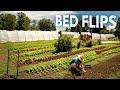
Managing weeds in no-till: remove entire plants (roots included) or use light cultivation (power harrow, tilther, stirrup hoe) to minimize disturbance. Prioritize employee well-being and sustainable soil stewardship over excessive idealism.
-
Reducing tillage in organic systems is key for weed control and soil health. Methods include crop rotation, less aggressive tillage, blind cultivation with tine weeders, and using roller crimpers, aiming for rotational no-till.
-
A weed-free farm is achieved through precision cultivation, targeting weeds at the thread stage with rapid soil disturbance in straight, evenly spaced rows. Regularity and the right tools (wire hoes, collinear cultivators) are crucial for efficiency and minimizing hand weeding.
Making Sense of the Differences
While specialized no-till planters offer significant advantages for planting into residue and minimizing soil disturbance, they are not the only path to success. Farmers can adapt existing equipment, use simple modifications, or utilize custom hiring services to manage weed pressure. The key lies in adapting planting techniques and residue management to ensure good seed-to-soil contact, even with less specialized machinery. Careful timing and understanding residue levels can mitigate challenges, making no-till weed management accessible across different scales and budgets.