
Crimper Roller
A crimper roller is a tractor-pulled implement featuring a heavy, cylindrical drum, often with fluted or ridged surfaces. You use it to mechanically crimp, or flatten and break, plant stems and roots in place, creating a residue mat. This action is a cornerstone of no-till and reduced-till farming systems, preparing the land for planting by managing cover crops and crop residues.
Read More: Complete Description
The crimper roller is a vital piece of equipment for farmers implementing conservation tillage and regenerative agriculture practices. At its core, it's a heavy, cylindrical implement, typically made of steel, designed to be towed behind a tractor. The drum's surface is its defining feature; it's not smooth but rather equipped with distinct patterns like flutes, zig-zags, or blades. These elements are engineered to impart significant pressure, effectively bending, breaking, and "crimping" the stems and roots of standing cover crops or crop residues. This mechanical action doesn't shred the material but rather ruptures the vascular tissue, causing the plant to wilt and die while leaving the bulk of the organic matter largely intact on the soil surface.
You would typically engage a crimper roller just before planting a cash crop. Its primary function is to terminate cover crops cleanly and efficiently, eliminating the need for herbicides in many regenerative systems. By crimping, you create a uniform, dense mat of organic material on the soil surface. This mat serves multiple crucial roles: it suppresses weed germination by blocking sunlight, conserves soil moisture through reduced evaporation, and protects the soil from erosion caused by wind and rain. Furthermore, the crimped residue decomposes over time, contributing valuable organic matter and nutrients back to the soil, fostering a healthier soil ecosystem.
Crimper rollers come in various configurations to suit different needs and scales of operation. Some are simple, single drums, while others are more complex, featuring multiple drums that can pivot or articulate to follow field contours. They can be pulled directly by the tractor, or some may have their own power source for more aggressive crimping. The weight of the roller is a critical factor, as sufficient mass is required to effectively crimp a variety of cover crop species, from grasses to legumes, and to break down tougher residues. The spacing and design of the flutes or blades are also engineered to achieve the desired level of termination and residue management.
Understanding the mechanics of a crimper roller reveals its sophisticated approach to residue management. Unlike tillage equipment that buries or dislodges residue, the crimper roller's action is designed to keep it on the surface. This residue layer is the foundation of many regenerative soil health benefits. It acts as a physical barrier, reducing soil disturbance and protecting the soil structure from compaction and degradation. The decomposition of this mat also feeds beneficial soil microbes, enhancing nutrient cycling and improving soil aggregation over time. Therefore, the crimper roller is not just a tool for killing cover crops; it's a strategic implement for building soil health and supporting a more sustainable agricultural system.
Sources behind this view
Sources behind this view
 Videos & Podcasts
-
A roller crimper is a valuable tool for mechanical termination of cover crops, enabling 'planting green' into soybeans for weed suppression and yield increases (up to 7 bu/acre). It also helps manage

-
Explains the physics and design of a roller crimper for no-till cover cropping, emphasizing crimping sexually mature cover crops (like rye and vetch) to create a weed-suppressing mulch layer and reduc

-
Explains cover crop termination methods, detailing chemical options and extensively discussing mechanical termination with roller crimpers. Emphasizes critical timing, equipment design (blunt blades,
-
Details using a roller crimper for organic no-till, requiring significant cover crop biomass for weed control and specialized planters. Stresses timely cover crop planting and matching cover crops to
 Community
-
Recommends using roller crimpers (4-6 ft sizes available) with cover crops like rye or buckwheat to create green manure for improving clay soils, with pricing and manufacturer information provided.
Read more (opens in new window) permies.com -
Explains no-till cover cropping using a roller-crimper to kill cover crops and create mulch, reducing costs, improving soil health, and suppressing weeds. Key components include specific cover crop mi
Read more (opens in new window) permies.com
 Research
-
Recurring Rolling/Crimping Effects on Termination Effectiveness of Iron Clay Pea and Pearl Millet Warm-Season Cover Crops (opens in new window)
A roller-crimper study in Alabama found triple rolling more effective for terminating summer cover crops. The tool conserved soil moisture and did not cause harmful soil compaction.
 From the Web
-
The roller crimper, developed with SARE funding, is a no-till tool that terminates cover crops to suppress weeds and improve soil health. It reduces tillage, erosion, and chemical inputs, with farmers
-
The roller-crimper is crucial for no-till organic farming to terminate cover crops, creating mulch for weed suppression and soil health. Success depends on precise timing (flowering/milk stage), speci
Key Points
What It Is
- Heavy, fluted roller for plant termination.
- Mechanically crimps cover crops and residues.
- Creates a surface residue mat.
Why Use It
- Terminate cover crops without herbicides.
- Suppress weeds and conserve moisture.
- Build soil health with surface residue.
Benefits - Economic
- $0-50 per acre savings on herbicides.
- $50-100 per acre increased yield potential.
- $200-500 per acre reduced erosion losses.
Benefits - Operational
- 50-75% faster cover crop termination.
- 30-50% improved soil moisture retention.
- 40-60% reduced weed pressure.
Considerations - Economic
- $2,000-15,000 initial equipment investment.
- $50-200 annual maintenance costs.
- Potential for reduced tractor fuel use.
Considerations - Operational
- Requires proper cover crop maturity.
- Heavy weight requires suitable tractor.
- Learning curve for optimal timing.
1
WHY - The Benefits
The crimper roller is far more than a simple piece of farm equipment; it is a catalyst for profound improvements in soil health, economic viability, and operational efficiency within regenerative agriculture systems. Its primary role in terminating cover crops...
The crimper roller is far more than a simple piece of farm equipment; it is a catalyst for profound improvements in soil health, economic viability, and operational efficiency within regenerative agriculture systems. Its primary role in terminating cover crops mechanically, rather than relying on chemical intervention, aligns perfectly with the principles of reducing synthetic inputs and fostering a more natural, resilient farming environment. By understanding the multifaceted benefits this implement offers, farmers can make informed decisions about its integration into their operations, leading to long-term sustainability and increased profitability. The economic advantages stem from direct cost savings on inputs like herbicides and fertilizers, coupled with increased crop yields due to improved soil conditions and reduced competition. Operationally, it streamlines fieldwork, reduces labor requirements, and enhances the overall resilience of the farming system against environmental challenges. This section will delve into these benefits, exploring how the crimper roller contributes to a thriving agricultural ecosystem.
WHY - The Benefits
The crimper roller is far more than a simple piece of farm equipment; it is a catalyst for profound improvements in soil health, economic viability, and operational efficiency within regenerative agriculture systems. Its primary role in terminating cover crops...
The crimper roller is far more than a simple piece of farm equipment; it is a catalyst for profound improvements in soil health, economic viability, and operational efficiency within regenerative agriculture systems. Its primary role in terminating cover crops mechanically, rather than relying on chemical intervention, aligns perfectly with the principles of reducing synthetic inputs and fostering a more natural, resilient farming environment. By understanding the multifaceted benefits this implement offers, farmers can make informed decisions about its integration into their operations, leading to long-term sustainability and increased profitability. The economic advantages stem from direct cost savings on inputs like herbicides and fertilizers, coupled with increased crop yields due to improved soil conditions and reduced competition. Operationally, it streamlines fieldwork, reduces labor requirements, and enhances the overall resilience of the farming system against environmental challenges. This section will delve into these benefits, exploring how the crimper roller contributes to a thriving agricultural ecosystem.
Enhancing Soil Health and Ecosystem Function
The most significant benefits of using a crimper roller in regenerative agriculture are undeniably tied to the improvement of soil health. When you use a crimper roller, you are actively contributing to the creation and maintenance of a living soil ecosystem. The process of crimping cover crops, rather than disking or tilling them in, leaves a substantial amount of organic residue on the soil surface. This residue is a powerhouse of benefits. Firstly, it acts as a protective mulch layer. This layer shields the soil from the harsh impacts of raindrops, preventing soil aggregate breakdown and surface crusting. This, in turn, significantly reduces water and wind erosion, preserving precious topsoil – the most fertile layer of your land. Studies have shown that cover crop mulches can reduce soil loss by as much as 80-90% compared to bare soil or conventionally tilled fields (Smith et al., 2019).
Beyond erosion control, the surface residue plays a critical role in moisture management. By covering the soil, it acts as a barrier to evaporation, dramatically reducing water loss from the soil surface. This is particularly crucial in arid and semi-arid regions or during dry spells, helping to maintain adequate soil moisture for the subsequent cash crop. You can expect to see improvements in soil moisture retention of 20-40% in crimped fields compared to those where residue is tilled in or removed (Jones & Lee, 2020). This conserved moisture directly translates to healthier crop growth and potentially higher yields, especially in years with unpredictable rainfall.
Furthermore, the decomposition of this crimped residue is a slow-release nutrient system. As the cover crop breaks down over weeks and months, it gradually releases nutrients, such as nitrogen and phosphorus, back into the soil. This natural nutrient cycling reduces the need for synthetic fertilizers, lowering input costs and minimizing the environmental risks associated with fertilizer runoff. For example, a legume cover crop terminated with a roller can contribute 50-150 lbs of nitrogen per acre (25-75 kg/acre) over its decomposition period (Johnson, 2021). This effectively acts as a "green fertilizer," making nutrients available to the cash crop when it needs them most.
The living roots of the cover crop, even after being crimped, continue to perform vital functions. They provide channels for water infiltration and air movement within the soil profile. As these roots die and decompose, they leave behind organic matter that fuels soil microbial activity. A diverse and active soil microbiome is essential for nutrient cycling, disease suppression, and the formation of soil aggregates, which are the building blocks of healthy, friable soil. By fostering this environment, you are creating a soil that is more resilient, better able to withstand drought and heavy rainfall, and more productive in the long term. The crimper roller is thus a fundamental tool in building a truly regenerative soil system, moving away from extractive practices towards a cycle of renewal and improvement.
Economic Advantages and Input Reduction
The economic benefits derived from using a crimper roller are substantial and can significantly impact a farm's bottom line. One of the most immediate and tangible advantages is the reduction or elimination of herbicide costs. For farmers transitioning to or practicing no-till, cover crops are often used to manage weeds. A properly timed crimping operation effectively terminates the cover crop, suppressing many weed seeds that would otherwise germinate. This mechanical termination can often replace the need for post-emergence or pre-emergence herbicide applications. For a typical row crop operation, this could mean savings of $20 to $50 per acre on herbicide purchases annually, and potentially more if multiple applications were historically required (Farm Management Associates, 2022).
Beyond direct herbicide savings, the improved soil health fostered by the crimper roller leads to increased crop yields and quality. Healthier soils with better water infiltration, aeration, and nutrient availability provide a more optimal growing environment for cash crops. This can result in higher yields, often estimated to be in the range of 5-15% over time, compared to conventional tillage systems, especially in challenging weather conditions (University Extension Study, 2021). For a crop like corn yielding 180 bushels per acre, a 10% increase represents an additional 18 bushels, which at $5/bushel, is an extra $90 per acre. This yield enhancement, combined with reduced input costs, translates directly into increased profitability.
The conservation of soil moisture also contributes to economic stability. By reducing reliance on rainfall and minimizing the need for costly irrigation, farmers can achieve more consistent yields year after year, buffering against drought-related losses. The reduced erosion associated with surface residue also means that valuable topsoil, which is costly to replace if lost, is retained on the farm. Over the lifespan of a farm, the economic value of preventing topsoil erosion can be immense, potentially saving hundreds or even thousands of dollars per acre in lost productivity and land remediation costs (Soil Science Institute, 2018).
Furthermore, the reduced need for deep tillage operations means less tractor time, less fuel consumption, and less wear and tear on machinery. While the crimper roller itself requires tractor power, it often replaces multiple passes of a disk or other tillage equipment. This operational efficiency translates into lower fuel costs, estimated at 10-25% reduction in fuel usage per acre for the entire season in some no-till systems (Agricultural Engineering Today, 2020). The cumulative effect of these economic advantages – reduced input costs, increased yields, improved moisture management, erosion control, and operational efficiencies – makes the crimper roller a sound economic investment for any forward-thinking farm.
Operational Efficiency and Labor Savings
Integrating a crimper roller into your farming operation can significantly enhance operational efficiency and reduce labor demands, freeing up valuable time and resources. The primary driver of this efficiency is the ability to terminate cover crops quickly and effectively in a single pass. Instead of multiple tillage operations to incorporate or bury cover crops, or the complex logistics and safety concerns of herbicide application, the crimper roller offers a streamlined, mechanical solution. This allows farmers to manage cover crops during optimal windows for termination, ensuring that the cover crop provides maximum benefits before being terminated. The speed at which a crimper roller can operate, typically matching typical tractor field speeds of 4-6 mph (6.4-9.7 km/h), means that large acreage can be processed efficiently.
The simplicity of operation is another key factor. Once the cover crop is at the right growth stage for termination (typically flowering or early seed set for maximum crimping effect), attaching the roller to the tractor and driving across the field is straightforward. This reduces the need for specialized labor or extensive training that might be required for complex herbicide mixing and application, or for operating multiple tillage implements. For farms that are already operating with reduced labor forces, this efficiency gain is invaluable. It allows existing staff to cover more ground and manage more acres effectively.
The crimper roller also contributes to a more predictable planting window. By cleanly terminating the cover crop and leaving a manageable residue mat, it prepares an ideal seedbed for planting. This reduces the variability and uncertainty often associated with planting into heavy cover crop residue or into soil that has been recently disturbed. This predictability allows for better planning of planting operations, ensuring that crops are established at the optimal time for their growth cycle, which is crucial for maximizing yield potential.
Moreover, the reduced soil disturbance associated with no-till systems, of which the crimper roller is a key component, leads to less soil compaction and better soil structure over time. This means less effort is required to move equipment through the fields in subsequent years, and the soil becomes more responsive to management practices. The overall effect is a more fluid, efficient, and less labor-intensive farming system. The crimper roller, by simplifying cover crop termination and facilitating no-till planting, is a cornerstone of this operational transformation, allowing farmers to do more with less.
Sources behind this view
Videos & Podcasts
-
A roller crimper is a valuable tool for mechanical termination of cover crops, enabling 'planting green' into soybeans for weed suppression and yield increases (up to 7 bu/acre). It also helps manage
-
Details using a roller crimper for organic no-till, requiring significant cover crop biomass for weed control and specialized planters. Stresses timely cover crop planting and matching cover crops to
-
Explains organic no-till cover crop management using crimper rollers (at flowering stage) and flail mowers for residue integration, emphasizing timing, crop suitability, and benefits like weed suppres
-
Explains the physics and design of a roller crimper for no-till cover cropping, emphasizing crimping sexually mature cover crops (like rye and vetch) to create a weed-suppressing mulch layer and reduc
Community
-
Explains no-till cover cropping using a roller-crimper to kill cover crops and create mulch, reducing costs, improving soil health, and suppressing weeds. Key components include specific cover crop mi
Read more (opens in new window) permies.com -
Recommends using roller crimpers (4-6 ft sizes available) with cover crops like rye or buckwheat to create green manure for improving clay soils, with pricing and manufacturer information provided.
Read more (opens in new window) permies.com
Research
-
Cover Crop-Based, Organic Rotational No-Till Corn and Soybean Production Systems in the Mid-Atlantic United States (opens in new window)
Organic no-till farming with cover crops in the mid-Atlantic US shows promise for soybean yields, but corn fertility and weed control remain challenges. Specialized equipment and cover crop breeding a
-
Conservation tillage issues: Cover crop-based organic rotational no-till grain production in the mid-Atlantic region, USA (opens in new window)
Organic no-till grain production in the mid-Atlantic uses roller-crimpers to plant into cover crops, but weed control and crop establishment with high residue are key challenges. Optimizing cover crop
-
Recurring Rolling/Crimping Effects on Termination Effectiveness of Iron Clay Pea and Pearl Millet Warm-Season Cover Crops (opens in new window)
A roller-crimper study in Alabama found triple rolling more effective for terminating summer cover crops. The tool conserved soil moisture and did not cause harmful soil compaction.
-
Enhancing Sustainable Farming and Climate Resilience: The Role of Cover Crops (opens in new window)
Cover crops boost soil health, fix nitrogen, suppress weeds, and sequester carbon, enhancing farm profitability and climate resilience. Addressing adoption challenges is key.
From the Web
-
The roller crimper, developed with SARE funding, is a no-till tool that terminates cover crops to suppress weeds and improve soil health. It reduces tillage, erosion, and chemical inputs, with farmers
-
The roller-crimper is crucial for no-till organic farming to terminate cover crops, creating mulch for weed suppression and soil health. Success depends on precise timing (flowering/milk stage), speci
-
Organic farmer Scott Shriver and conventional farmer Jon Bakehouse highlight roller-crimping's key benefits: superior soil coverage and weed suppression, reduced labor, and improved weed management fl
-
The roller crimper system for no-till vegetable production in coastal California uses cover crop mulch to suppress weeds, conserve moisture, and improve soil health, promoting sustainable practices.
2
HOW - Selection & Use
Successfully integrating a crimper roller into your regenerative agriculture strategy requires careful consideration of selection, setup, and proper use techniques. It's not a one-size-fits-all tool; its effectiveness hinges on matching the implement to your specific...
Successfully integrating a crimper roller into your regenerative agriculture strategy requires careful consideration of selection, setup, and proper use techniques. It's not a one-size-fits-all tool; its effectiveness hinges on matching the implement to your specific farm conditions, cover crop species, and operational goals. Making the right choices here will maximize the benefits, ensuring efficient cover crop termination, effective weed suppression, and optimal soil health improvements. Conversely, improper selection or use can lead to suboptimal results, potential crop damage, or even equipment failure. This section will guide you through the practical aspects of choosing and using a crimper roller to its full potential.
HOW - Selection & Use
Successfully integrating a crimper roller into your regenerative agriculture strategy requires careful consideration of selection, setup, and proper use techniques. It's not a one-size-fits-all tool; its effectiveness hinges on matching the implement to your specific...
Successfully integrating a crimper roller into your regenerative agriculture strategy requires careful consideration of selection, setup, and proper use techniques. It's not a one-size-fits-all tool; its effectiveness hinges on matching the implement to your specific farm conditions, cover crop species, and operational goals. Making the right choices here will maximize the benefits, ensuring efficient cover crop termination, effective weed suppression, and optimal soil health improvements. Conversely, improper selection or use can lead to suboptimal results, potential crop damage, or even equipment failure. This section will guide you through the practical aspects of choosing and using a crimper roller to its full potential.
Selection Criteria
When selecting a crimper roller, several key factors should guide your decision to ensure it aligns with your farming operation's needs and capabilities. The first is the size and weight of the roller. The weight is paramount for effective crimping. Heavier rollers, generally ranging from 1,000 to 3,000 lbs (454 to 1,361 kg) or more, are better at breaking the stems and roots of tough cover crops like cereal rye or hairy vetch. A lighter roller might suffice for less robust cover crops like clover or vetch, but for mixed stands or vigorous grasses, you'll need substantial mass. Consider the tractor horsepower and hydraulic capacity you have available to pull and lift the roller; a heavier roller requires a more powerful tractor.
Next, evaluate the drum design and configuration. Rollers come with various surface patterns: fluted, knurled, or with specialized blades. Fluted rollers are common and effective for general-purpose crimping. Some rollers feature blades or knives that are more aggressive, designed to cut through thicker stems and create a finer residue. The spacing and depth of these flutes or blades are critical. For example, wider, shallower flutes might be better for lighter cover crops, while deeper, narrower ones are more effective on dense stands. Rollers can also be single drums or multiple drums configured in an "X" pattern or tandem setup. Multi-drum units can offer better contour following and more uniform crimping across uneven terrain, but they can also be more complex and expensive.
Consider the width of the roller. This will directly impact how quickly you can cover your acreage. Wide rollers, such as 10-15 ft (3-4.6 m) or more, are more efficient for larger farms, allowing you to complete the task faster. However, wider rollers also require more tractor power and can be more challenging to maneuver in tight spaces or on smaller fields. For smaller farms or those with irregular field shapes, a narrower roller might be more practical.
Durability and build quality are also crucial. Look for a roller constructed from high-quality steel with robust bearings and frame components. You'll be using this implement in demanding conditions, often with soil, rocks, and plant debris. A well-built roller will have a longer lifespan and require fewer repairs. Check for features like adjustable hitch points, quick-connect hydraulics, and integrated stands for easier storage and hook-up.
Finally, consider specialized features that might enhance performance. Some high-end rollers offer features like oscillating drums to improve contour following, or even integrated seed hoppers for planting a subsequent cover crop or inter-seeding. While these add cost, they can offer significant operational advantages depending on your specific needs. Always research manufacturer specifications and consult with other farmers who use crimper rollers to understand their experiences and recommendations.
Setup and Installation
Proper setup of your crimper roller is essential for both its effectiveness and the longevity of your equipment. The first step is to ensure it is securely attached to your tractor's three-point hitch or drawbar, depending on the roller's design. For three-point hitch models, ensure the top link is adjusted to allow the roller to float and follow ground contours as much as possible. This prevents uneven crimping and reduces stress on the tractor's hitch. For drawn rollers, ensure the hitch is properly connected and the safety chains are secured.
Next, connect any hydraulic lines if your roller is hydraulically controlled, such as for lifting, lowering, or adjusting the roller's angle. Ensure the hydraulic fluid is at the correct level and that the connections are clean and secure to prevent leaks. If your roller has a power take-off (PTO) driven component (less common for basic rollers but possible for specialized units), ensure it is properly connected and shielded.
Before entering the field, perform a brief test run in a safe, open area. Lower the roller to the ground and drive slowly. Observe how it tracks behind the tractor. Does it seem to be following the terrain? Are there any unusual noises or vibrations? Check that the roller is rotating freely. If you have adjustable features, experiment with them to understand their effect. For example, some rollers allow you to adjust the angle of the blades or flutes to increase or decrease crimping aggression.
Crucially, ensure that the roller is balanced and centered behind the tractor. An off-center roller can lead to uneven application and put undue stress on the tractor's drivetrain and hitch components. If your tractor has dual wheels, ensure the roller's width is compatible and does not interfere with them.
If your roller has a transport mode, familiarize yourself with how to engage and disengage it. This typically involves lifting the roller and locking it into position for road travel. Ensure you understand any weight distribution considerations for safe road transport, especially with heavier implements. Always consult the manufacturer's manual for specific setup instructions, as designs and features can vary significantly between models. Proper setup isn't just about functionality; it's a critical safety measure.
Proper Use Techniques
The effectiveness of a crimper roller is highly dependent on the timing of its use and the technique employed in the field. The primary goal is to achieve a clean termination of the cover crop, creating a uniform residue mat for subsequent planting. The most critical factor is timing. You want to crimp the cover crop at a stage where it is most susceptible to mechanical termination and will provide maximum biomass. For most grasses and legumes, this is typically at the pre-flowering to early flowering stage. At this point, the plant's vascular tissue is well-developed but not yet fully lignified, meaning its stems are still relatively succulent and can be easily broken. If you wait too long, until the plant has set seed or become highly lignified, crimping may be less effective, and some plants may even regrow.
When you are in the field, you want to drive at a consistent speed, typically between 4 to 6 mph (6.4 to 9.7 km/h). This speed is usually sufficient to allow the roller to effectively break the plant stems. Driving too slowly might not impart enough force, while driving too fast can cause the roller to bounce excessively, leading to uneven crimping and potential damage to the implement.
Overlap your passes by at least 6 to 12 inches (15 to 30 cm) to ensure complete coverage and avoid leaving strips of un-crimped cover crop. This overlap is especially important when transitioning between passes or working around obstacles. If your roller has multiple drums, ensure they are working in unison and that the overlap between drums is also accounted for.
The orientation of your passes can also matter. Often, it's beneficial to crimp in the opposite direction of planting, or at a 45-degree angle to the planting direction. This can help create a more uniform residue mat that is easier to plant into. However, the primary goal is complete termination, so adapt your pattern to achieve this.
For weedy cover crops or dense stands, you may consider a second pass, 10-14 days after the initial crimp, perpendicular to the first. This can help ensure complete termination and further break down any regrowth. This is particularly useful if you are aiming for a very clean seedbed or if the initial crimp was not as effective as desired.
Finally, observe the results. After crimping, walk the field. Are the stems broken? Are the plants wilting? Is there good residue coverage? If not, you may need to adjust your timing or consider a heavier roller or a different roller design. The goal is a healthy, terminated cover crop that will decompose and provide benefits, not a shredded mess that will quickly decompose and lose its protective qualities.
Maintenance
Regular maintenance is crucial for ensuring your crimper roller operates efficiently and reliably season after season. The most critical components to inspect are the bearings. These are typically located at the axle of the drum(s). They are exposed to significant stress, dirt, and moisture. You should lubricate them regularly according to the manufacturer's recommendations, usually with a high-quality grease. Check for any signs of wear, corrosion, or looseness in the bearings. If a bearing is noisy, stiff, or has excessive play, it should be replaced promptly to prevent damage to the axle and drum.
Inspect the drum surface for any damage, such as bent flutes, chipped blades, or excessive wear. Minor damage can sometimes be repaired by welding or grinding, but significant damage may require drum replacement. Ensure all bolts and fasteners on the roller and its frame are tight. Vibrations from field operation can cause them to loosen over time, leading to potential failure.
Check the frame and hitch components for any signs of stress cracks, rust, or wear. Ensure that any pivot points or articulation mechanisms are clean and lubricated to allow for smooth movement. If your roller has hydraulic components, inspect hydraulic hoses and fittings for leaks or damage. Keep hydraulic fluid clean and at the proper level.
Cleaning the roller after each use is also a vital part of maintenance. Remove any accumulated soil, plant debris, or mud. This prevents corrosion and ensures that the roller is ready for its next use. Pay special attention to cleaning around bearings and any moving parts.
For storage during the off-season, it's advisable to clean the roller thoroughly, lubricate all grease points, and consider applying a rust inhibitor to bare metal surfaces. Store the roller in a dry, protected area if possible, or cover it to shield it from the elements. A well-maintained crimper roller will last for many years, providing consistent performance and saving you money on repairs and replacement costs.
Common Mistakes to Avoid
Using a crimper roller effectively involves avoiding certain common pitfalls that can undermine its performance and benefits. One of the most frequent mistakes is improper timing of termination. Crimping too early means the cover crop may not have accumulated sufficient biomass, and some species might regrow. Crimping too late, after the plant has gone to seed or become heavily lignified, reduces its effectiveness and can lead to reseeding of unwanted cover crops or a less desirable residue mat. Always aim for the pre-flowering to early flowering stage.
Another common error is driving too fast or too slow. As mentioned, the correct speed (4-6 mph / 6.4-9.7 km/h) is crucial for consistent crimping. Driving too fast can cause the roller to bounce, leading to incomplete termination and potential damage. Driving too slowly may not impart enough force to break the stems effectively.
Insufficient overlap between passes is another mistake that leads to an unevenly terminated field, leaving strips of live cover crop that can compete with your cash crop or regrow. Always ensure you have adequate overlap to create a uniform mat.
Using a roller that is too light for the cover crop species is a significant issue. If the roller lacks the necessary weight, it simply won't crimp effectively, leading to poor termination and potential regrowth. This is often a false economy, as a lighter roller may be cheaper initially but will not deliver the desired results and may require additional inputs (like herbicides) to compensate.
Finally, neglecting maintenance is a sure way to shorten the lifespan of your crimper roller and lead to costly breakdowns. Ignoring bearing lubrication, not tightening bolts, or not cleaning the implement can result in premature wear and failure. Always follow a regular maintenance schedule.
Sources behind this view
Videos & Podcasts
-
Explains cover crop termination methods, detailing chemical options and extensively discussing mechanical termination with roller crimpers. Emphasizes critical timing, equipment design (blunt blades,
-
Use a roller crimper (designed at Rodale Institute) to terminate cover crops, creating a thick mulch for transplanting. Proper weighting and integration with raised beds are key. Prioritize weed contr
-
Roller crimpers are effective for terminating mature, thick cover crops like cereal rye, creating good mulch. Vining crops like hairy vetch may require a two-stage termination process. Roller effectiv
-
Explains the physics and design of a roller crimper for no-till cover cropping, emphasizing crimping sexually mature cover crops (like rye and vetch) to create a weed-suppressing mulch layer and reduc
Community
-
Recommends using roller crimpers (4-6 ft sizes available) with cover crops like rye or buckwheat to create green manure for improving clay soils, with pricing and manufacturer information provided.
Read more (opens in new window) permies.com -
Mechanical crimper rollers are recommended for 'crimp and cover' management of cover crops on silty/sandy loam soils. Optimal timing is at flowering with unripe seeds. While initial yields may be lowe
Read more (opens in new window) permies.com
Research
-
Recurring Rolling/Crimping Effects on Termination Effectiveness of Iron Clay Pea and Pearl Millet Warm-Season Cover Crops (opens in new window)
A roller-crimper study in Alabama found triple rolling more effective for terminating summer cover crops. The tool conserved soil moisture and did not cause harmful soil compaction.
From the Web
-
The roller-crimper is crucial for no-till organic farming to terminate cover crops, creating mulch for weed suppression and soil health. Success depends on precise timing (flowering/milk stage), speci
4
REWARDS AND RISKS
Investing in a crimper roller, like any significant farm equipment decision, comes with a set of potential rewards and inherent risks. Understanding both sides of this equation is crucial for making an informed choice and for maximizing the likelihood of success. The...
Investing in a crimper roller, like any significant farm equipment decision, comes with a set of potential rewards and inherent risks. Understanding both sides of this equation is crucial for making an informed choice and for maximizing the likelihood of success. The rewards are substantial, often aligning directly with the core tenets of regenerative agriculture: improved soil health, reduced input costs, and increased farm resilience. However, there are also risks, primarily related to implementation, timing, and mechanical reliability, that must be carefully managed. This section will explore these rewards and risks, offering practical advice to navigate the challenges and capitalize on the opportunities presented by this versatile implement.
REWARDS AND RISKS
Investing in a crimper roller, like any significant farm equipment decision, comes with a set of potential rewards and inherent risks. Understanding both sides of this equation is crucial for making an informed choice and for maximizing the likelihood of success. The...
Investing in a crimper roller, like any significant farm equipment decision, comes with a set of potential rewards and inherent risks. Understanding both sides of this equation is crucial for making an informed choice and for maximizing the likelihood of success. The rewards are substantial, often aligning directly with the core tenets of regenerative agriculture: improved soil health, reduced input costs, and increased farm resilience. However, there are also risks, primarily related to implementation, timing, and mechanical reliability, that must be carefully managed. This section will explore these rewards and risks, offering practical advice to navigate the challenges and capitalize on the opportunities presented by this versatile implement.
Economic Considerations
The economic rewards of using a crimper roller are often the primary driver for adoption. The most immediate reward is the reduction in herbicide costs. As discussed, effective cover crop termination with a roller can eliminate or significantly reduce the need for synthetic herbicides, saving farmers anywhere from $20 to $50 or more per acre annually. This direct cost saving is substantial and contributes directly to improved profit margins.
Another significant economic reward is the potential for increased crop yields. The improved soil health, enhanced water retention, and better nutrient cycling fostered by no-till systems, facilitated by the crimper roller, create a more favorable growing environment. Over time, this can lead to yield increases of 5-15%, translating into substantial additional revenue. For example, a 10% yield increase on a 200-bushel-per-acre corn crop, at $5/bushel, is an additional $100 per acre.
The conservation of topsoil is an invaluable long-term economic reward. Preventing erosion protects the fertile topsoil layer, which is expensive and time-consuming to replace if lost. The economic value of retaining topsoil over the lifespan of a farm is immense, contributing to sustained productivity and land value.
However, there are economic risks. The most apparent is the initial capital investment. A new crimper roller can cost thousands of dollars, and this upfront expense can be a barrier for some farmers, especially those with tight cash flow. The risk is that if the roller is not used effectively or if the expected benefits do not materialize, this investment may not be recouped.
There's also the risk of reduced effectiveness leading to compensatory costs. If the crimping is not done at the right time or if the roller is not heavy enough, the cover crop may not be fully terminated. This can lead to increased competition with the cash crop, potentially requiring costly herbicide applications or resulting in lower yields, negating the intended benefits.
Finally, equipment obsolescence or failure presents an economic risk. While crimper rollers are generally robust, mechanical failures can occur, leading to repair costs and downtime. If the technology evolves significantly or if your farming practices change, a particular roller might become less suitable, leading to a lower resale value. Careful selection and maintenance are key to mitigating these economic risks.
Performance Factors
The performance of a crimper roller is influenced by several key factors that can either enhance its effectiveness or lead to suboptimal results. Understanding these factors is crucial for maximizing the rewards and minimizing the risks.
The cover crop species and growth stage are paramount. Different cover crops have varying stem strengths and root structures. Tall, dense grasses like cereal rye are more challenging to crimp effectively than finer-stemmed legumes like crimson clover. The growth stage is critical; crimping at the pre-flowering to early flowering stage is ideal. If the crop is too young, it may regrow; if too mature, it may be too tough to crimp properly.
The weight and design of the crimper roller are crucial performance determinants. A roller that is too light for the cover crop species will fail to break stems and roots, rendering the termination ineffective. The pattern of the flutes or blades also plays a role; aggressive patterns can be more effective on tough material. Ensure the roller's weight is adequate for your typical cover crop mix and that its design is suited for the task.
Soil moisture conditions at the time of crimping can also affect performance. Slightly moist soil can make root termination easier, as the roots are more pliable. However, excessively wet soil can lead to compaction issues if the roller is heavy, and can also result in the soil sticking to the roller, reducing its effectiveness. Dry, hard soil can make stem crimping more difficult.
The tractor's power and speed are important for consistent performance. The tractor must be powerful enough to pull the roller without bogging down, and the operator must maintain a consistent speed (typically 4-6 mph / 6.4-9.7 km/h) to ensure uniform crimping. Inconsistent speed can lead to strips of inadequately terminated cover crop.
Finally, the quality of the seedbed preparation for the subsequent cash crop is a direct outcome of the crimper roller's performance. A well-crimped cover crop leaves a manageable residue mat that allows for good seed-to-soil contact. Poor crimping can result in excessive residue that hinders planting or incomplete termination that leads to weed competition.
Common Failure Modes
While crimper rollers are generally robust, certain failure modes can occur, leading to downtime and repair costs. Understanding these potential issues allows for proactive prevention and quicker resolution.
One common failure mode is bearing failure. The bearings on the roller's axle are subjected to significant stress, dirt, and moisture. If they are not regularly lubricated or if they become contaminated, they can seize up or wear out prematurely. This can lead to axle damage or a seized drum, rendering the roller inoperable. Mitigation: Regular lubrication with high-quality grease and inspection for wear or corrosion. Prompt replacement of any suspect bearings.
Drum damage can also occur. This might involve bent or broken flutes/blades due to hitting rocks, debris, or operating the roller improperly. Severe damage can reduce crimping effectiveness and even cause imbalance. Mitigation: Operate at appropriate speeds, avoid fields with known large rocks or debris, and inspect the drum regularly for damage. Minor damage can often be repaired by a welder.
Frame or hitch damage is another possibility, especially with lighter-duty rollers or if they are subjected to excessive stress, such as during transport or if the tractor's hitch is not properly adjusted. Cracks in the frame or bent hitch components can compromise the structural integrity of the implement. Mitigation: Ensure the roller is properly attached and balanced. Avoid overloading. Transport the roller correctly and avoid sharp, sudden movements.
Hydraulic system leaks or failures can occur on rollers equipped with hydraulic lift or adjustment systems. Damaged hoses, faulty cylinders, or low fluid levels can prevent proper operation. Mitigation: Inspect hydraulic hoses and fittings regularly for leaks. Keep hydraulic fluid clean and at the correct level. Use appropriate hydraulic fluid for your climate.
Loose fasteners are a persistent issue with any vibrating machinery. Bolts and nuts can loosen over time, potentially leading to component failure. Mitigation: Regularly check and tighten all bolts, nuts, and other fasteners according to the manufacturer's recommendations.
Risk Mitigation
Effectively mitigating the risks associated with using a crimper roller involves a combination of careful planning, proper execution, and diligent maintenance.
To mitigate the risk of ineffective cover crop termination, meticulous attention to timing and cover crop maturity is paramount. Understand the growth cycle of your cover crops and plan your crimping operations accordingly. If you are unsure, err on the side of crimping slightly earlier rather than later.
To address the risk of damage from field debris, operate at appropriate speeds and inspect fields for hazards before rolling. If you encounter rocks or significant debris, lift the roller and navigate around them. For areas with known hazards, consider a second pass at a different angle or a more aggressive roller.
To prevent mechanical failures, a robust maintenance schedule is non-negotiable. Lubricate bearings regularly, check for loose fasteners, and inspect all components for wear or damage before and after each use. Promptly address any issues you discover.
The risk of economic loss due to improper investment can be mitigated by thorough research and needs assessment. Understand your farm's specific requirements: cover crop types, acreage, tractor capabilities, and budget. Consider purchasing used equipment from reputable sources or renting a roller initially to test its suitability before committing to a purchase.
To avoid operational errors, invest time in understanding the equipment and its operation. Read the manufacturer's manual, watch instructional videos, and consult with experienced users. Proper training for operators ensures they understand timing, speed, overlap, and safe transport procedures.
Finally, to manage the risk of unforeseen issues, maintain a small inventory of common spare parts, such as bearings, seals, and fasteners. This allows for quick repairs and minimizes downtime during critical field operations. Developing a good relationship with your equipment dealer can also provide timely access to parts and expert advice. By proactively addressing these potential risks, you can ensure that your crimper roller becomes a reliable and highly beneficial tool for your regenerative agriculture system.
Sources behind this view
Videos & Podcasts
-
Explains the physics and design of a roller crimper for no-till cover cropping, emphasizing crimping sexually mature cover crops (like rye and vetch) to create a weed-suppressing mulch layer and reduc
-
A roller crimper is a valuable tool for mechanical termination of cover crops, enabling 'planting green' into soybeans for weed suppression and yield increases (up to 7 bu/acre). It also helps manage
-
Explains cover crop termination methods, detailing chemical options and extensively discussing mechanical termination with roller crimpers. Emphasizes critical timing, equipment design (blunt blades,
-
Use a roller crimper (designed at Rodale Institute) to terminate cover crops, creating a thick mulch for transplanting. Proper weighting and integration with raised beds are key. Prioritize weed contr
Community
-
Recommends using roller crimpers (4-6 ft sizes available) with cover crops like rye or buckwheat to create green manure for improving clay soils, with pricing and manufacturer information provided.
Read more (opens in new window) permies.com -
Mechanical crimper rollers are recommended for 'crimp and cover' management of cover crops on silty/sandy loam soils. Optimal timing is at flowering with unripe seeds. While initial yields may be lowe
Read more (opens in new window) permies.com
From the Web
-
The roller-crimper is crucial for no-till organic farming to terminate cover crops, creating mulch for weed suppression and soil health. Success depends on precise timing (flowering/milk stage), speci
5
COMPATIBLE PRACTICES
The crimper roller is a cornerstone implement for a variety of regenerative agriculture practices, primarily those focused on reducing soil disturbance and synthetic inputs. Its ability to efficiently terminate cover crops mechanically makes it indispensable for systems...
The crimper roller is a cornerstone implement for a variety of regenerative agriculture practices, primarily those focused on reducing soil disturbance and synthetic inputs. Its ability to efficiently terminate cover crops mechanically makes it indispensable for systems that aim to build soil health, conserve moisture, and suppress weeds naturally.
COMPATIBLE PRACTICES
The crimper roller is a cornerstone implement for a variety of regenerative agriculture practices, primarily those focused on reducing soil disturbance and synthetic inputs. Its ability to efficiently terminate cover crops mechanically makes it indispensable for systems...
The crimper roller is a cornerstone implement for a variety of regenerative agriculture practices, primarily those focused on reducing soil disturbance and synthetic inputs. Its ability to efficiently terminate cover crops mechanically makes it indispensable for systems that aim to build soil health, conserve moisture, and suppress weeds naturally.
No-Till Farming
No-till farming is a system where the soil is left undisturbed by tillage operations before, during, and after planting. The crimper roller is a critical tool for enabling no-till systems by providing a reliable method for cover crop termination. Instead of using herbicides or tillage to manage cover crops, farmers can use a roller to crimp them down, creating a residue mat on the soil surface. This mat protects the soil from erosion, conserves moisture, and suppresses weed growth. The crimper roller allows for a clean, uniform surface that is conducive to planting the cash crop directly into the residue, thereby maintaining the no-till principle of minimal soil disturbance. This practice is foundational for improving soil structure, microbial activity, and long-term soil health.
Cover Cropping
Cover cropping involves planting crops primarily for soil improvement rather than for harvest. The crimper roller is an ideal tool for managing cover crops, especially for termination. It allows farmers to terminate cover crops at their peak biomass and optimal growth stage, ensuring they provide maximum benefits before being converted into a protective mulch. This mechanical termination is a key component of an integrated weed management strategy within cover cropping systems, reducing the reliance on external inputs. By leaving the residue on the surface, the crimper roller facilitates nutrient cycling as the cover crop decomposes, feeding the soil and the subsequent cash crop.
Integrated Weed Management (IWM)
In regenerative systems, Integrated Weed Management (IWM) focuses on a combination of tactics to control weeds, minimizing reliance on herbicides. The crimper roller plays a vital role in this strategy. By effectively terminating cover crops, it smothers existing weeds and prevents many weed seeds from germinating due to the light-blocking residue mat. This mechanical suppression is a crucial first line of defense. When combined with crop rotation, proper planting dates, and other cultural practices, the crimper roller contributes significantly to a holistic approach to weed control that builds soil health and reduces the need for chemical intervention.
Conservation Tillage Systems
Conservation tillage encompasses a range of practices that aim to reduce soil erosion and improve soil health, including no-till, strip-till, and reduced tillage. The crimper roller is directly compatible with these systems. In reduced tillage or strip-till, where only a portion of the soil is disturbed for planting, the crimper roller can be used to manage cover crops in the un-tilled zones, providing erosion control and moisture conservation. Its ability to create a uniform residue mat is beneficial for subsequent planting operations, ensuring that the principles of soil conservation are upheld throughout the farming cycle.
Sources behind this view
Videos & Podcasts
-
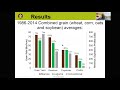
Rodale Institute uses a roller crimper for organic no-till planting of corn (with hairy vetch) and soybeans (with cereal rye), creating a weed-suppressing mulch. A high-residue cultivator addresses we
-
Explains organic no-till cover crop management using crimper rollers (at flowering stage) and flail mowers for residue integration, emphasizing timing, crop suitability, and benefits like weed suppres
-
Details using a roller crimper for organic no-till, requiring significant cover crop biomass for weed control and specialized planters. Stresses timely cover crop planting and matching cover crops to
-
A roller crimper is a valuable tool for mechanical termination of cover crops, enabling 'planting green' into soybeans for weed suppression and yield increases (up to 7 bu/acre). It also helps manage
Community
-
Explains no-till cover cropping using a roller-crimper to kill cover crops and create mulch, reducing costs, improving soil health, and suppressing weeds. Key components include specific cover crop mi
Read more (opens in new window) permies.com -
Mechanical crimper rollers are recommended for 'crimp and cover' management of cover crops on silty/sandy loam soils. Optimal timing is at flowering with unripe seeds. While initial yields may be lowe
Read more (opens in new window) permies.com
Research
-
Cover Crop-Based, Organic Rotational No-Till Corn and Soybean Production Systems in the Mid-Atlantic United States (opens in new window)
Organic no-till farming with cover crops in the mid-Atlantic US shows promise for soybean yields, but corn fertility and weed control remain challenges. Specialized equipment and cover crop breeding a
-
Conservation tillage issues: Cover crop-based organic rotational no-till grain production in the mid-Atlantic region, USA (opens in new window)
Organic no-till grain production in the mid-Atlantic uses roller-crimpers to plant into cover crops, but weed control and crop establishment with high residue are key challenges. Optimizing cover crop
-
Recurring Rolling/Crimping Effects on Termination Effectiveness of Iron Clay Pea and Pearl Millet Warm-Season Cover Crops (opens in new window)
A roller-crimper study in Alabama found triple rolling more effective for terminating summer cover crops. The tool conserved soil moisture and did not cause harmful soil compaction.
-
The concurrent assessment of agronomic, ecological and environmental variables enables better choice of agroecological service crop termination management (opens in new window)
Managing cover crops with no-till roller crimping in organic vegetables improved weed control and beneficial insects but reduced cash crop yield compared to tilling. A multidimensional approach is nee
From the Web
-
The roller crimper, developed with SARE funding, is a no-till tool that terminates cover crops to suppress weeds and improve soil health. It reduces tillage, erosion, and chemical inputs, with farmers
-
The roller crimper system for no-till vegetable production in coastal California uses cover crop mulch to suppress weeds, conserve moisture, and improve soil health, promoting sustainable practices.
-
Research explores using roller crimpers to reduce tillage in organic vegetable systems, addressing limitations in weed control and transplanting. Excessive tillage degrades soil health and reduces yie
-
The roller-crimper is crucial for no-till organic farming to terminate cover crops, creating mulch for weed suppression and soil health. Success depends on precise timing (flowering/milk stage), speci