
Fence Charger
A fence charger, also known as an energizer or fencer, is an electrical device that sends periodic pulses of high voltage, low amperage electricity through a length of fence wire. When livestock or wildlife touch the electrified fence, they receive a mild but memorable shock, deterring them from crossing or damaging the barrier. These chargers are essential for effective containment and exclusion in various agricultural and land management settings.
Read More: Complete Description
A fence charger is the heart of an electric fencing system, responsible for converting available power into the high-voltage pulses that deter livestock and wildlife. It functions by storing energy in capacitors and then rapidly discharging it through the fence line. This discharge creates a brief, intense electrical pulse that is harmless but startling to animals, teaching them to respect the fence boundary. The output is characterized by high voltage (typically from 4,000 to 10,000 volts or more) and very low amperage (milliampere range), ensuring effectiveness without causing serious harm.
The primary purpose of a fence charger is to create a psychological barrier for animals. Unlike physical barriers like woven wire or barbed wire, which animals might try to push through or break, electric fences rely on conditioning. The immediate, unpleasant sensation of the shock discourages animals from touching the fence again, leading to a more passive and less destructive containment method. This is particularly valuable in regenerative agriculture where minimizing soil disturbance and infrastructure damage is paramount.
Fence chargers come in various types, primarily distinguished by their power source. They can be powered by mains electricity (AC chargers), batteries (DC chargers), or solar panels. The choice of power source often depends on the location of the fence line, accessibility to electricity, and the desired level of mobility. AC chargers are generally the most powerful and reliable for permanent installations near a power outlet. Battery-powered chargers offer flexibility for remote areas but require periodic battery replacement or recharging. Solar-powered chargers are ideal for remote locations and offer a sustainable, self-sufficient solution, harnessing the sun's energy to charge an internal battery that powers the charger.
Key characteristics to consider when selecting a fence charger include its voltage output, the length of fence it can power, and its power source. The voltage output dictates the "kick" of the fence, which needs to be sufficient to deter the target animals. The length of fence it can power, often measured in miles or kilometers, is crucial for matching the charger's capacity to the size of the enclosure. The power source, as mentioned, determines operational flexibility and sustainability. Additionally, features like indicator lights for fence performance, surge protection, and durability in outdoor conditions are important for long-term reliability and ease of use.
Sources behind this view
Sources behind this view
 Videos & Podcasts
-
Intensive rotational grazing with electric fencing improves soil and animal performance. Smaller cattle (1000-1100 lbs) are preferred for reduced pasture impact and higher fertility. Proper electric f

-
Energized fencing is key for cover crop grazing, requiring adequate voltage (7,000V), proper grounding, and animal training. Common failures stem from human error, poor maintenance, and lack of traini
-
Electric fencing is a cost-effective and flexible livestock containment method. Key components include proper chargers (low-impedance, adequately sized), grounding systems, high-tensile wire for perma

-
Provides detailed guidance on electric fencing for sheep and cattle, emphasizing quality chargers, proper grounding, livestock training, and the benefits of Dorper sheep. Recommends investing in relia

 Community
-
Explains why polywire electric fences may fail with cattle, emphasizing the critical role of joules over volts, charger quality, impedance matching, and proper paddock management to ensure effective c
Read more (opens in new window) permies.com -
Discusses electric fence durability and power sources for rotational grazing, noting older fencers are robust but batteries and chargers (prone to lightning) are failure points. Suggests woven wire as
Read more (opens in new window) permies.com
Key Points
What It Is
- Electrical device for electric fences.
- Delivers periodic high-voltage pulses.
- Creates a deterrent shock for animals.
- Powers containment and exclusion fencing.
Why Use It
- Effective animal containment without physical barriers.
- Reduces damage to fences and soil.
- Cost-effective for large areas.
- Supports rotational grazing management.
Benefits - Economic
- $150-400 initial investment.
- Reduced labor for fence repair.
- Lower material costs than physical fences.
- Potential for increased land productivity.
Benefits - Operational
- Quick setup for temporary paddocks.
- Minimal animal injury risk.
- Effective for diverse livestock types.
- Adaptable to varying terrain.
Considerations - Economic
- Ongoing electricity or battery costs.
- Solar panel initial cost ($200-500+).
- Potential for lightning damage.
- Higher upfront cost than plain wire.
Considerations - Operational
- Requires proper grounding for effectiveness.
- Regular maintenance may be needed.
- Vulnerable to vegetation contact.
- Understanding pulse timing is key.
1
WHY - The Benefits
The judicious use of a fence charger, as the central component of an electric fencing system, unlocks a cascade of benefits that align profoundly with the principles of regenerative agriculture. By creating a non-physical, yet highly effective, barrier, it enables...
The judicious use of a fence charger, as the central component of an electric fencing system, unlocks a cascade of benefits that align profoundly with the principles of regenerative agriculture. By creating a non-physical, yet highly effective, barrier, it enables farmers and land managers to implement more dynamic and ecologically sound grazing practices. This technology moves beyond traditional, static fencing, which can lead to overgrazing, soil compaction, and habitat degradation in fixed areas. Instead, it facilitates the precise management of livestock movement, allowing for planned grazing strategies that mimic natural herd behavior, thereby enhancing soil health, biodiversity, and overall farm resilience.
WHY - The Benefits
The judicious use of a fence charger, as the central component of an electric fencing system, unlocks a cascade of benefits that align profoundly with the principles of regenerative agriculture. By creating a non-physical, yet highly effective, barrier, it enables...
The judicious use of a fence charger, as the central component of an electric fencing system, unlocks a cascade of benefits that align profoundly with the principles of regenerative agriculture. By creating a non-physical, yet highly effective, barrier, it enables farmers and land managers to implement more dynamic and ecologically sound grazing practices. This technology moves beyond traditional, static fencing, which can lead to overgrazing, soil compaction, and habitat degradation in fixed areas. Instead, it facilitates the precise management of livestock movement, allowing for planned grazing strategies that mimic natural herd behavior, thereby enhancing soil health, biodiversity, and overall farm resilience.
One of the most significant benefits of employing a fence charger lies in its direct contribution to soil health. Regenerative agriculture emphasizes practices that build soil organic matter, improve water infiltration, and enhance soil structure. Electric fencing, powered by a reliable charger, is instrumental in achieving this through rotational grazing. By allowing pastures to rest for extended periods between grazing events, electric fences enable plants to regrow fully, develop deeper root systems, and replenish soil nutrient reserves. This rest period is crucial; it allows soil microbial communities to flourish, decompose organic matter, and cycle nutrients more efficiently. Without the ability to quickly and cost-effectively divide pastures, achieving such intensive grazing management becomes impractical. A fence charger makes it possible to create temporary paddocks of varying sizes, ensuring that livestock spend just enough time in an area to graze it down to the desired level before being moved. This prevents overgrazing, which can damage plant roots, reduce forage production, and expose bare soil to erosion. The increased root biomass from well-rested plants also acts as a natural soil conditioner, improving soil aggregation and water-holding capacity. Furthermore, the concentrated manure and urine deposition from livestock in a managed paddock can act as a potent fertilizer, evenly distributing nutrients and stimulating microbial activity, further enriching the soil. The ability to move animals frequently means less trampling damage over any single area, preserving soil structure and reducing the risk of compaction.
Beyond soil health, the economic advantages facilitated by a fence charger are substantial, directly contributing to the economic value and profitability of a regenerative operation. Traditional fencing, such as barbed wire or woven wire, requires significant upfront investment in materials, posts, and labor, and ongoing costs for maintenance and repair. Electric fencing, while still an investment, typically has a lower initial cost per linear foot or meter for the fencing materials themselves (wire, insulators, etc.), and the charger represents a central point of expense. The ability to create temporary paddocks with electric fencing means that less permanent infrastructure is needed, and existing fences can be augmented with temporary electric lines. This flexibility allows for more precise grazing management, leading to better forage utilization. When pastures are grazed effectively and allowed adequate rest, forage production increases, meaning more animal weight gain per acre or fewer acres needed to support the same number of animals. This translates directly into higher revenue or lower feed costs. Moreover, electric fences are far less prone to damage from livestock attempting to push through them, reducing the costly and time-consuming task of fence repair. A well-functioning electric fence acts as a strong psychological deterrent, minimizing livestock escapes, which can lead to lost animals, damage to neighboring properties, and potential legal liabilities. The reduced labor requirement for fence maintenance frees up valuable time for other critical farm tasks, such as pasture monitoring, animal health checks, or marketing. The overall efficiency gained in land management and livestock handling directly boosts the economic viability of the farm.
Labor efficiency is another critical benefit that a fence charger brings to regenerative farming systems. In many agricultural operations, labor is a significant cost and often a limiting factor. Electric fencing systems, by their nature, are designed for ease of deployment and management, dramatically improving labor efficiency compared to conventional fencing. The ability to quickly set up and move temporary electric fences allows for rapid adaptation to changing grazing needs or pasture conditions. For instance, during a rotational grazing cycle, moving a herd can be accomplished by simply opening a gate and activating a new section of electric fence, a process that can take minutes rather than hours or days. This contrasts sharply with the effort required to repair or rebuild sections of physical fencing. The reduced need for constant fence repair also frees up significant amounts of time that would otherwise be spent on maintenance. This saved time can be reallocated to more productive activities, such as improving animal health management, optimizing pasture composition through targeted grazing, or engaging in value-added activities. Furthermore, the reduced risk of livestock escapes means less time spent searching for and retrieving lost animals. For operations that rely on seasonal labor, the ease of managing electric fences can also simplify training and deployment, making the workforce more effective. The overall reduction in physical exertion and time spent on fencing tasks contributes to a more sustainable and less physically demanding workload for the farmer or land manager.
Sustainability is a cornerstone of regenerative agriculture, and the fence charger plays a vital role in supporting this principle. Electric fencing, when used for planned grazing, promotes ecological sustainability by enhancing biodiversity and reducing reliance on external inputs. By enabling rotational grazing, it allows for the recovery and vigorous growth of a wider variety of plant species within a pasture. This increased plant diversity supports a more diverse insect population, which in turn provides food for birds and other wildlife, fostering a healthier and more resilient ecosystem. The improved soil health resulting from well-managed grazing also means better water cycles, with increased infiltration and reduced runoff, protecting local water resources. Furthermore, solar-powered fence chargers offer a renewable and sustainable energy source, reducing the farm's carbon footprint and dependence on fossil fuels. Unlike traditional fencing materials that can degrade and become waste, electric fencing components, when eventually replaced, are often lighter and require less energy to transport and dispose of. The ability to manage livestock more effectively also means that land can be grazed productively without the need for extensive land clearing or the use of chemical inputs to control invasive species that might otherwise proliferate in poorly managed pastures. Ultimately, the fence charger empowers land stewards to graze animals in a way that mimics natural ecological processes, leading to a more sustainable and self-sufficient agricultural system.
Sources behind this view
Videos & Podcasts
-
Permanent high-tensile electric fencing, ponds for water, and shade are crucial low-cost infrastructure for efficient livestock rotation (pigs, cows), manure deposition, and effective grazing in regen
-
Electric fencing (suspension type) for wild dogs offers long-term benefits: minimal maintenance, reduced erosion, improved ground cover and pasture, and better neighbor relations, paying for itself in

-
Intensive rotational grazing with electric fencing improves soil and animal performance. Smaller cattle (1000-1100 lbs) are preferred for reduced pasture impact and higher fertility. Proper electric f
-
Improving water supply quality (e.g., fencing off ponds) and utilizing existing fencing with temporary electric fencing enhances livestock health, productivity, and pasture management through better r

 Research
-
The role of portable electric fencing in biodiversity-friendly pasture management (opens in new window)
New portable electric fences make rotational grazing and diverse pastures more accessible, potentially aiding biodiversity conservation and food production. More research is needed on rotational grazi
2
HOW - Selection & Use
Selecting and properly using a fence charger is critical for the success of any electric fencing system. The charger is the engine that powers the entire setup, and its performance directly influences the effectiveness of animal containment, the longevity of the fence,...
Selecting and properly using a fence charger is critical for the success of any electric fencing system. The charger is the engine that powers the entire setup, and its performance directly influences the effectiveness of animal containment, the longevity of the fence, and the overall efficiency of your grazing management. Making an informed choice and understanding best practices for installation and operation will save you time, money, and frustration, ensuring your electric fence serves its intended purpose reliably and safely.
HOW - Selection & Use
Selecting and properly using a fence charger is critical for the success of any electric fencing system. The charger is the engine that powers the entire setup, and its performance directly influences the effectiveness of animal containment, the longevity of the fence,...
Selecting and properly using a fence charger is critical for the success of any electric fencing system. The charger is the engine that powers the entire setup, and its performance directly influences the effectiveness of animal containment, the longevity of the fence, and the overall efficiency of your grazing management. Making an informed choice and understanding best practices for installation and operation will save you time, money, and frustration, ensuring your electric fence serves its intended purpose reliably and safely.
Selection Criteria
Choosing the right fence charger involves assessing several key factors related to your specific needs and the environment in which it will operate. The first and most crucial consideration is the power source. You'll encounter AC (mains powered), DC (battery powered), and solar-powered chargers. AC chargers are generally the most robust and cost-effective for permanent installations where a power outlet is readily available. They provide consistent, high-voltage output and don't require battery maintenance. However, they are limited by the proximity to an electrical source. DC chargers offer flexibility for remote pastures where AC power is unavailable. These typically run on deep-cycle batteries, which need periodic recharging or replacement. For truly off-grid operations, solar chargers are the ideal solution. They combine a battery with a solar panel, allowing for continuous operation as long as the panel receives sufficient sunlight. While the initial cost of solar chargers can be higher, they offer long-term cost savings and sustainability.
Next, consider the length of fence you need to power. Manufacturers rate chargers by the maximum length of fence they can effectively energize, often expressed in miles or kilometers. This rating is usually based on a fence with minimal vegetation contact. You must choose a charger with a capacity that exceeds your planned fence length, especially if you anticipate significant vegetation growth touching the wires. It's also important to consider the type of vegetation. Heavy, conductive weeds can drain power from the fence, requiring a more powerful charger. A good rule of thumb is to select a charger rated for at least 1.5 to 2 times the actual length of your fence.
The voltage output is another critical specification. Higher voltage provides a stronger shock, which is more effective for deterring larger, more stubborn animals or in situations where vegetation is likely to touch the fence. Chargers are typically rated in kilovolts (kV), with outputs ranging from 4 kV to 10 kV (4,000 to 10,000 volts) or more. While a minimum of 4,000 volts is standard for most livestock, hard-to-contain animals like sheep, goats, and predators often require 8,000 volts or more for effective containment. The joule rating (stored energy) is also important, indicating the total energy the charger can deliver per pulse. A higher joule rating means a stronger, more impactful shock, especially useful for long fences or challenging conditions.
Finally, consider durability and features. Look for chargers designed for outdoor use, with weather-resistant casings and protection against lightning strikes. Features like indicator lights that show fence status (voltage level, battery charge) can be invaluable for quick diagnostics and troubleshooting. Some chargers also have built-in surge protection, which can save the unit from damage during electrical storms. The overall build quality and brand reputation can also be indicators of reliability and longevity.
Setup/Installation
Proper installation is paramount for ensuring your fence charger operates effectively and safely. The goal is to deliver a sharp, memorable shock to any animal that touches the fence, which requires a well-grounded system with minimal power leakage.
Begin by mounting the fence charger securely. For AC chargers, ensure it is installed indoors or in a weather-protected enclosure, away from moisture and direct sunlight. For battery or solar chargers, they can often be mounted on a post near the fence line, but still in a location that offers some protection from the elements. Use appropriate mounting hardware, ensuring the unit is stable and won't be dislodged by wind or animal activity.
Grounding is arguably the most critical aspect of electric fence installation. A fence charger needs a good ground to complete the electrical circuit. Without it, the shock will be weak or non-existent. You will need a grounding system consisting of ground rods and ground clamps. Drive several galvanized steel ground rods (typically 6-8 feet or 1.8-2.4 meters long) into moist soil, spaced at least 10 feet (3 meters) apart. The number of ground rods required depends on soil conditions and charger power, but a minimum of three 6-8 foot (1.8-2.4 m) rods is the standard recommendation to ensure safety and effectiveness, especially for permanent or large-scale installations. Connect these rods together in series using galvanized ground wire, starting with the rod closest to the charger.
Connect the charger to the grounding system using a high-quality ground wire. The charger will have a terminal specifically for the ground connection. Ensure this connection is clean, tight, and free of corrosion.
Next, connect the charger to the fence line. Use a high-voltage lead-out wire (or insulated fence wire) specifically designed for this purpose. This wire should run from the charger's "fence" terminal to the beginning of your electric fence. Use insulated connectors or clamps to attach this wire securely to the first electric fence wire. Ensure this lead-out wire is also insulated from any metal objects or the ground.
For battery and solar chargers, ensure the battery is properly connected and, in the case of solar, that the panel is positioned to receive maximum sunlight throughout the day. Clean the solar panel periodically to remove dust and debris that can reduce its efficiency.
Finally, test the fence. Once everything is connected, turn on the charger and use a fence tester to measure the voltage at various points along the fence line, especially at the furthest points from the charger. A strong reading (a minimum of 4,000 volts for most applications) indicates a well-functioning system. If the voltage is low, re-check your grounding, connections, and look for any shorts in the fence line (e.g., wires touching metal posts or vegetation).
Proper Use Techniques
Effective use of a fence charger involves understanding how to maintain the electric fence's integrity and optimize its performance for animal containment. This goes beyond initial setup and involves ongoing vigilance and management.
Ensure the fence line is kept clear of vegetation. Grass, weeds, and branches that touch the electric fence wires will drain its power, weakening the shock. Regularly walk or mow the fence line to keep it free of growth. This is especially important in the spring and summer months when vegetation grows rapidly.
Monitor the fence regularly for breaks, loose connections, or damaged insulators. Insulators are critical for preventing the electric current from leaking to fence posts. Replace any damaged insulators promptly. Check all connections to ensure they are secure, as loose connections can increase resistance and reduce voltage.
Use a fence tester frequently to check the voltage. A good fence tester is an inexpensive but invaluable tool. Testing the voltage at different points along the fence, especially at the far end, will help you identify problems quickly. A sudden drop in voltage usually indicates a short or a break somewhere in the system.
Understand the behavior of the animals you are containing. Different species have different sensitivities and learning curves. For new animals, it may be beneficial to have a secondary physical barrier in front of the electric fence for the first few days to help them learn to respect the electric barrier without multiple unpleasant shocks. Once they understand, the physical barrier can be removed.
When moving livestock from one paddock to another, ensure the new paddock's electric fence is fully energized and functional before opening the gate. This prevents animals from bolting into an uncharged section or escaping. Always ensure that the charger is turned off when you are working directly on the fence line, especially if you need to touch the wires.
Consider the charger's power source. For battery-powered systems, monitor battery charge levels and recharge or replace batteries as needed. For solar systems, ensure the solar panel is clean and unobstructed. For AC chargers, ensure the power supply is reliable.
Maintenance
Regular maintenance of your fence charger and the entire electric fence system is crucial for ensuring consistent performance and longevity. Neglecting maintenance can lead to fence failures, animal escapes, and premature equipment failure.
Charger Maintenance:
* Cleaning: Periodically wipe down the exterior of the charger to remove dust, dirt, and cobwebs. For AC chargers, ensure the internal components remain free of dust if accessible.
* Connections: Check all electrical connections – from the power source to the charger, and from the charger to the ground rods and fence wire. Ensure they are clean, tight, and free of corrosion. This is especially important for battery terminals and ground connections.
* Indicator Lights: Most modern chargers have indicator lights that signal fence performance or battery status. Familiarize yourself with what these lights mean and use them as diagnostic tools. A blinking light indicating low voltage is a clear signal to investigate.
* Power Source: For AC chargers, ensure the power outlet is functioning correctly. For battery chargers, monitor battery voltage and charge levels. For solar chargers, clean the solar panel regularly and ensure it is angled optimally for sunlight.
Grounding System Maintenance:
* Ground Rods: Check that ground rods are still firmly in the ground and that connections to the ground wire are secure. In very dry conditions, the effectiveness of the grounding system can be reduced. Sometimes, watering the area around the ground rods can temporarily improve grounding.
* Ground Wire: Inspect the ground wire for damage, breaks, or corrosion.
Fence Line Maintenance:
* Vegetation Control: This is ongoing and critical. Regularly mow, trim, or otherwise remove any vegetation that comes into contact with the fence wires.
* Insulators: Inspect all insulators on fence posts for cracks, chips, or looseness. Replace any damaged insulators immediately to prevent power leakage.
* Wire Tension: Ensure electric fence wires are properly tensioned. Loose wires can sag and come into contact with the ground or vegetation, causing shorts.
* Connections: Check all splices and connections in the fence wire to ensure they are secure and making good electrical contact.
* Gate Insulators: If using gates, ensure gate insulators are properly installed and functioning to maintain the electric current across the gate opening.
Troubleshooting:
* Low Voltage: If you notice consistently low voltage, the most common causes are poor grounding, shorts due to vegetation, or a faulty charger. Systematically check each component.
* No Voltage: This usually indicates a complete break in the circuit, a poorly connected ground, or a charger that has failed completely.
Common Mistakes to Avoid
When setting up and using fence chargers, several common mistakes can significantly impair system performance or lead to premature failure. Being aware of these pitfalls can save considerable time and expense.
- Insufficient Grounding: This is the most frequent mistake. Using too few ground rods, spacing them too close together, or having poor connections will result in a weak or non-existent shock. Always err on the side of more ground rods, especially in dry or sandy soil.
- Using the Wrong Wire: Employing standard wire or even barbed wire for the hot fence line can lead to shorts and poor conductivity. Always use polywire, polytape, or high-tensile wire specifically designed for electric fencing, along with appropriate insulators.
- Improper Insulation: Allowing the electric fence wire to touch metal posts, wooden posts without insulators, or other conductive materials will create a short circuit, draining power and weakening the shock. Ensure every point where the wire contacts a post is insulated.
- Neglecting Vegetation Control: Letting grass and weeds grow into the fence is a leading cause of fence failure. The conductive nature of plants drains power from the fence, making it ineffective for animal containment. Regular clearing is essential.
- Ignoring Fence Testers: Relying solely on visual inspection or the charger's indicator lights is insufficient. A fence tester provides an accurate voltage reading and is indispensable for diagnosing problems.
- Connecting to Barbed Wire: Never connect an electric fence charger directly to a barbed wire fence. Barbed wire is highly conductive and prone to shorts through its barbs, and it can cause excessive damage to animals that touch it.
- Inadequate Charger Capacity: Choosing a charger that is too small for the length of the fence or the type of animals being contained will result in a weak shock and ineffective containment. Always select a charger with sufficient power and joule rating.
- Poorly Maintained Battery/Solar Systems: For DC and solar chargers, failing to monitor battery charge, clean solar panels, or replace worn-out batteries will lead to intermittent or complete power loss.
Sources behind this view
Videos & Podcasts
-
Detailed instructions for installing electric fences, focusing on wire threading, insulators, H-braces, and a critical grounding system with 1 foot of ground rod per charger Joule, spaced 10 feet apar
-
To maintain effective electric fences, use a powerful charger (8-12 joules) and avoid shutting off power behind grazing animals. Vegetation sap drains fence power; a strong charger handles contact, re

-
Keep electric fencers on to prevent vegetation from grounding the fence; only amps, not volts, consume electricity, so a properly maintained fence uses minimal power.

-
Electric fencing is a cost-effective and flexible livestock containment method. Key components include proper chargers (low-impedance, adequately sized), grounding systems, high-tensile wire for perma
Community
-
Explains why polywire electric fences may fail with cattle, emphasizing the critical role of joules over volts, charger quality, impedance matching, and proper paddock management to ensure effective c
Read more (opens in new window) permies.com -
Compares solar charger effectiveness for electric fencing, detailing wiring improvements for cattle to extend battery life. Discusses handling electric mesh fencing and the importance of proper ground
Read more (opens in new window) permies.com
3
HOW MUCH - Costs & Investment
The cost associated with fence chargers and electric fencing systems can vary significantly based on the type of charger, the scale of the operation, and the specific components chosen. Understanding these costs is essential for budgeting and for calculating the return...
The cost associated with fence chargers and electric fencing systems can vary significantly based on the type of charger, the scale of the operation, and the specific components chosen. Understanding these costs is essential for budgeting and for calculating the return on investment, particularly within a regenerative agriculture framework where efficiency and long-term value are prioritized.
HOW MUCH - Costs & Investment
The cost associated with fence chargers and electric fencing systems can vary significantly based on the type of charger, the scale of the operation, and the specific components chosen. Understanding these costs is essential for budgeting and for calculating the return...
The cost associated with fence chargers and electric fencing systems can vary significantly based on the type of charger, the scale of the operation, and the specific components chosen. Understanding these costs is essential for budgeting and for calculating the return on investment, particularly within a regenerative agriculture framework where efficiency and long-term value are prioritized.
Initial Purchase Costs
The primary expense for an electric fencing system is the fence charger itself. Prices range widely depending on the power source, output capacity, and brand reputation.
- AC Powered Chargers: These are generally the most economical upfront. Smaller units suitable for short fences or low-density livestock might cost between $75 and $150. Medium-sized chargers, capable of powering several miles of fence with moderate vegetation, typically range from $150 to $300. High-power AC chargers for very long fences or challenging conditions can cost $300 to $600 or more.
- DC Powered Chargers (Battery): These are usually more expensive than comparable AC chargers due to the inclusion of battery components and charging mechanisms. Basic battery-powered chargers might start around $100 to $200. More robust models designed for longer-term use and higher output can range from $200 to $400. The cost of deep-cycle batteries themselves (which may need replacement every 3-5 years) can add another $100 to $300 depending on size and type.
- Solar Powered Chargers: These represent the highest initial investment but offer the most autonomy and long-term operational savings. Small solar chargers for very short fences might be found for $150 to $250. Mid-range solar chargers, suitable for a few miles of fence, typically cost between $250 and $500. Larger, heavy-duty solar units with integrated batteries and powerful panels can range from $500 to $1,000 or even higher for extensive systems. The solar panel itself can be a significant portion of this cost.
Beyond the charger, you will need other components to complete the system:
* High-Voltage Insulated Wire: This is for connecting the charger to the fence and the ground rods to the charger. Costs range from $0.20 to $1.00 per foot ($0.65 to $3.28 per meter).
* Ground Rods: Galvanized steel rods (6-8 feet or 1.8-2.4 meters) cost approximately $15 to $30 each. You'll typically need 3-5 for a good grounding system.
* Ground Rod Clamps: These cost about $5 to $10 each.
* Fence Wire/Tape/Rope: The actual fencing material (e.g., polywire, polytape, high-tensile wire) varies significantly in price. Polywire can be $0.05 to $0.20 per foot ($0.16 to $0.65 per meter), while polytape can be $0.20 to $0.75 per foot ($0.65 to $2.46 per meter). High-tensile wire is more durable and conductive but also more expensive.
* Insulators: Essential for preventing shorts. Costs range from $0.50 to $5.00 each, depending on type and durability.
* Connectors and Tensioners: These add to the cost, typically a few dollars each.
* Fence Tester: A basic voltage tester costs $20 to $50, while more advanced models with fault-finding capabilities can cost $100 to $300.
For a small operation with a few acres and a simple rotational grazing setup, the initial investment for a basic AC charger, wire, insulators, ground rods, and a tester might be in the range of $200 to $500. For a mid-sized operation requiring several miles of fencing and a more powerful solar charger, the initial cost could easily reach $1,000 to $3,000 or more, depending on the complexity and scale.
Operating Costs
The ongoing operating costs for fence chargers are generally quite low, especially when compared to the costs associated with maintaining physical fencing or managing livestock in less efficient ways.
- Electricity Consumption (AC Chargers): Modern fence chargers are remarkably energy-efficient. Even high-power units typically consume very little electricity. A charger rated for 10 miles of fence might consume only 5 to 15 watts of power continuously. At an average electricity rate of $0.15 per kilowatt-hour (kWh), this translates to a monthly cost of roughly $0.50 to $2.00. Over a year, this is a negligible expense, often less than $25.
- Battery Replacement (DC & Solar Chargers): This is the primary ongoing cost for non-AC systems. Deep-cycle batteries, used in DC and solar chargers, have a lifespan of about 3 to 5 years, depending on usage and maintenance. A replacement battery can cost $100 to $300. If you need to replace batteries every 4 years for a $200 battery, the annual cost is $50.
- Solar Panel Maintenance: Solar panels require minimal maintenance, primarily occasional cleaning. If a panel is damaged by hail or other impact, replacement can cost $100 to $400, depending on size and type. However, solar panels are generally very durable.
- Repairs: While chargers are built to be robust, they can fail due to lightning strikes, power surges, or general wear and tear. Repair costs can vary, but often it is more cost-effective to replace a charger if it is several years old and requires significant repair.
- Vegetation Control: While not a direct cost of the charger, maintaining a clear fence line is an operational necessity. This might involve fuel for mowers or trimmers, or labor costs if hiring someone. However, this cost is often offset by the reduced need for physical fence repairs.
When considering operating costs, solar chargers offer significant advantages by eliminating electricity bills. The main ongoing expense is battery replacement. For AC chargers, the electricity cost is minimal. The overall operating cost for an electric fence system is typically very low, making it a highly economical choice for livestock management.
Scale Considerations
The cost-effectiveness and investment in fence chargers and electric fencing systems scale significantly with the size of the operation and the intensity of grazing management.
- Small-Scale / Hobby Farms: For operations with a few acres or a small number of animals (e.g., 5-10 cattle, 20-30 sheep), a basic AC charger or a small solar charger is usually sufficient. The initial investment might be under $500. The operating costs are minimal, and the benefits in terms of pasture management and animal control are immediate and significant. Rotational grazing can be implemented with just a few temporary electric fences, making the ROI very quick.
- Mid-Sized Operations (50-200+ acres): As acreage increases, so does the need for more robust chargers and potentially longer runs of electric fencing. Mid-range AC or solar chargers become more appropriate, and the quantity of fencing materials (wire, insulators, posts) increases substantially. Initial investment could range from $1,000 to $5,000, depending on the complexity of paddock design and the number of animals. The ability to divide larger pastures into smaller, manageable paddocks becomes critical for effective rotational grazing, and the cost savings from improved forage utilization and reduced labor for fence repair become more pronounced.
- Commercial / Large-Scale Ranching: For extensive ranches requiring many miles of fencing to manage large herds over vast areas, the investment in fencing infrastructure, including powerful chargers (often multiple units), high-tensile wire, and specialized installation tools, can be substantial, potentially tens of thousands of dollars. However, the economic benefits at this scale are also immense. Optimized grazing management can lead to significant improvements in animal performance, forage production, and land health, resulting in a very high return on investment. The efficiency gained in moving large numbers of animals quickly and safely is invaluable. Solar power becomes particularly attractive for large, remote areas where running AC power is impractical and costly.
In all scales, the efficiency gained from electric fencing in terms of labor, reduced damage, and improved forage utilization often makes it a more economically viable option than traditional fencing over the long term, despite potentially higher upfront costs for more powerful or specialized chargers.
Long-Term Value
The long-term value of investing in a quality fence charger and electric fencing system extends far beyond the initial purchase price and low operating costs. The true value lies in the enhanced management capabilities and the positive ecological and economic outcomes it facilitates within a regenerative agriculture context.
- Improved Pasture Health and Productivity: By enabling effective rotational grazing, electric fencing leads to healthier, more resilient pastures. This means increased forage production, better quality forage, and sustained grazing capacity over time. The ability to manage grazing intensity and duration reduces the risk of overgrazing and allows plant communities to thrive, building soil organic matter and improving water infiltration. This long-term soil health directly translates to increased land productivity and resilience against drought or other environmental stresses.
- Reduced Infrastructure Costs: While initial costs exist, electric fencing can significantly reduce the need for expensive, permanent fencing materials like barbed wire or woven wire, especially for temporary paddocks. The lifespan of electric fencing components, when properly maintained, is considerable. Chargers, in particular, can last 10-15 years or more if protected from lightning and power surges. This longevity, coupled with lower material costs for the fence line itself, results in substantial savings over the lifespan of the system.
- Labor Savings and Efficiency: The reduction in labor required for fence maintenance and repair is a significant long-term economic benefit. Time saved on mending broken fences can be reinvested in more profitable activities. The ease of moving animals with electric fences also streamlines daily operations, making livestock management more efficient and less physically demanding.
- Enhanced Animal Welfare and Reduced Losses: A well-functioning electric fence provides a consistent and predictable deterrent, minimizing animal stress and the risk of escapes. Escaped livestock can cause significant damage, incur retrieval costs, and lead to lost revenue. By preventing escapes, the system contributes to consistent revenue streams and reduced liabilities.
- Ecological Benefits: The long-term value also includes the ecological benefits of improved land health. Healthier soils retain more water, reduce erosion, and support greater biodiversity. This contributes to a more sustainable and resilient farming system, which is the ultimate goal of regenerative agriculture.
In essence, the fence charger is an enabler of better land management. It unlocks the potential for highly effective grazing practices that build soil health, increase profitability, and create a more sustainable and resilient agricultural ecosystem. The initial investment, therefore, should be viewed not as an expense, but as a strategic investment in the long-term health and productivity of the land and the farm business.
Sources behind this view
Videos & Podcasts
-
Details the financial benefits of investing in fencing and water infrastructure for grazing, estimating costs ($175/acre) and returns (66% increase in carrying capacity). Discusses specific paddock de

-
Electric fencing is a cost-effective and flexible livestock containment method. Key components include proper chargers (low-impedance, adequately sized), grounding systems, high-tensile wire for perma
Community
-
Explains why polywire electric fences may fail with cattle, emphasizing the critical role of joules over volts, charger quality, impedance matching, and proper paddock management to ensure effective c
Read more (opens in new window) permies.com
4
REWARDS AND RISKS
The fence charger, as the heart of an electric fencing system, offers substantial rewards when implemented correctly, but also carries inherent risks that must be managed. Understanding these aspects is crucial for maximizing the benefits while minimizing potential...
The fence charger, as the heart of an electric fencing system, offers substantial rewards when implemented correctly, but also carries inherent risks that must be managed. Understanding these aspects is crucial for maximizing the benefits while minimizing potential downsides, ensuring the technology serves its purpose effectively and safely within a regenerative farming context.
REWARDS AND RISKS
The fence charger, as the heart of an electric fencing system, offers substantial rewards when implemented correctly, but also carries inherent risks that must be managed. Understanding these aspects is crucial for maximizing the benefits while minimizing potential...
The fence charger, as the heart of an electric fencing system, offers substantial rewards when implemented correctly, but also carries inherent risks that must be managed. Understanding these aspects is crucial for maximizing the benefits while minimizing potential downsides, ensuring the technology serves its purpose effectively and safely within a regenerative farming context.
Economic Considerations
The economic rewards of using a fence charger are primarily derived from its ability to facilitate efficient and cost-effective livestock management. By enabling planned grazing, it directly impacts forage utilization, animal performance, and labor costs.
- Best Case Scenario: In an ideal scenario, a well-chosen and properly installed fence charger, powering an effective rotational grazing system, can lead to a noticeable increase in animal weight gain per acre due to improved forage quality and quantity. Reduced pasture degradation means less need for supplemental feeding, saving significant costs. Labor savings from reduced fence repairs and easier animal movement can amount to hundreds or even thousands of dollars annually, depending on the operation size. The initial investment in the charger and fencing materials is recouped within 1-3 years through these savings and increased productivity. For example, a mid-sized operation might see a 10-15% increase in carrying capacity or a 5-10% improvement in animal growth rates, directly boosting profitability.
- Typical Case Scenario: In a typical scenario, the fence charger delivers its core benefits of effective containment and efficient pasture division. While dramatic increases in productivity might not always be immediately apparent, the system reliably prevents escapes, reduces damage to fences, and allows for better pasture rest. The economic rewards are seen in consistent, predictable livestock management, reduced time spent on fence repair, and more even distribution of manure and urine, which contributes to soil fertility. The payback period for the initial investment might be 3-5 years, representing a solid, reliable return.
- Worst Case Scenario: The worst economic outcomes usually stem from improper selection or installation of the charger and fencing system. This can include a charger that is too small for the fence length, leading to frequent animal escapes and associated costs (lost animals, damage claims, retrieval time). Poor grounding can render the fence ineffective, negating its benefits. If a charger is damaged by lightning and not promptly replaced, the entire grazing plan can be disrupted, leading to overgrazing in some areas and underutilization in others. The cost of replacing a damaged charger prematurely, coupled with losses from escapes or poor forage management, can outweigh the intended economic benefits, leading to a negative ROI in the short term.
Performance Factors
The performance of a fence charger and the electric fencing system it powers is influenced by several key factors, many of which are within the manager's control. Optimizing these factors ensures maximum effectiveness.
- Voltage Output and Animal Behavior: The effectiveness of the shock is directly tied to the voltage. Different animal species have different sensitivities. For instance, animals with thicker hides or more hair (like cattle or sheep) require higher voltage than those with thinner hides (like pigs). A fence that is too weak will not deter animals, leading to breaches. Conversely, excessively high voltage, while effective, is unnecessary and can be wasteful. Maintaining a consistent voltage of at least 4,000 volts is often recommended for most livestock.
- Grounding System Integrity: As repeatedly emphasized, a robust grounding system is paramount. Soil conductivity varies significantly with moisture content and soil type. Dry, sandy, or rocky soils offer poor conductivity, requiring more ground rods than damp, loamy soils. The number and depth of ground rods, along with the quality of connections, directly impact the shock's effectiveness. A poorly grounded fence might deliver a shock that is perceived as a mild tingle rather than a memorable deterrent.
- Vegetation Contact and Fence Shorts: The most common reason for reduced fence performance is contact with vegetation. Grass, weeds, and branches touching the electrified wires drain power, lowering the voltage. The denser and more conductive the vegetation, the greater the power loss. This means that during periods of rapid plant growth or after rain, fence performance can degrade if vegetation is not managed.
- Insulator Condition and Wire Integrity: Damaged insulators can allow the electric current to leak to fence posts, especially wooden posts which can become conductive when wet. Similarly, breaks in the fence wire, loose connections, or the wire touching metal components will create shorts. Maintaining the physical integrity of the fence line and ensuring all components are in good working order is crucial for sustained performance.
Common Failure Modes
Understanding how fence chargers and electric fence systems typically fail is key to proactive maintenance and risk mitigation.
- Lightning Strikes: This is the most significant risk to fence chargers. A direct or nearby lightning strike can send a massive surge of electricity through the fence line, overloading and destroying the charger. This is a common cause of charger failure, especially in open pastures.
- Power Surges/Brownouts: Fluctuations in the main electrical supply (for AC chargers) can also damage charger components over time or cause intermittent operation.
- Vegetation-Induced Shorts: As discussed, constant contact with conductive vegetation will drain power. Over time, this constant load and potential for arcing can degrade charger components or lead to overheating and failure, though this is less common than lightning damage for the charger itself but very common for fence failure.
- Battery Degradation/Failure: For DC and solar chargers, batteries have a finite lifespan and will eventually degrade and fail to hold a charge. This leads to intermittent or complete loss of power. Overcharging or deep discharging can accelerate battery wear.
- Ground Rod Corrosion/Disconnection: Ground connections can corrode over time, especially in damp environments, leading to increased resistance and reduced grounding effectiveness. Rods can also become loose or dislodged.
- Charger Overheating: While designed for outdoor use, chargers can overheat if installed in direct, prolonged sunlight without adequate ventilation, or if internal components fail.
Risk Mitigation
Mitigating the risks associated with fence chargers and electric fencing involves a combination of proactive measures and reactive strategies.
- Lightning Protection: Install a lightning diverter or arrestor on the fence line. These devices provide a path for lightning surges to safely discharge into the ground, bypassing the charger. Ensure your grounding system is robust, as it plays a role in lightning dissipation. For AC chargers, consider a surge protector on the power cord.
- Proper Installation and Grounding: Adhering to best practices for installation, particularly with grounding, is the best defense against many performance issues. Using more ground rods than minimally required, especially in less-than-ideal soil conditions, is a wise investment.
- Regular Maintenance and Monitoring: Implement a schedule for routine checks of the charger, grounding system, and fence line. Use a fence tester regularly to monitor voltage and identify potential problems before they lead to failure. Keep vegetation under control.
- Quality Components: Invest in reputable brands and quality components. While cheaper alternatives may seem attractive, they often fail prematurely, leading to higher long-term costs and greater risks. High-quality insulators, wire, and chargers are more resilient.
- Battery Management (DC/Solar): For battery-powered systems, use deep-cycle batteries designed for this application. Monitor battery voltage and charge levels. Replace batteries proactively before they completely fail, which can prevent system downtime. Ensure solar panels are kept clean and unobstructed.
- Backup Systems: For critical containment needs, consider having a backup charger or battery pack available, especially during periods of high risk (e.g., before moving livestock).
- Fencing Design: Design your electric fence system with redundancy in mind where possible. For example, using multiple strands of wire can provide a backup if one strand is compromised.
By understanding the potential rewards and risks, and by implementing diligent selection, installation, and maintenance practices, you can ensure your fence charger is a reliable and valuable tool for your regenerative agriculture operation.
Sources behind this view
Videos & Podcasts
-
Electric fencing is a cost-effective and flexible livestock containment method. Key components include proper chargers (low-impedance, adequately sized), grounding systems, high-tensile wire for perma
-
Provides detailed guidance on electric fencing for sheep and cattle, emphasizing quality chargers, proper grounding, livestock training, and the benefits of Dorper sheep. Recommends investing in relia
-
Effective energized fencing requires sufficient voltage (7,000V+), proper grounding, and appropriate materials (avoid steel T-posts). Sizing energizers, using battery power, and employing tools like f
-
To maintain effective electric fences, use a powerful charger (8-12 joules) and avoid shutting off power behind grazing animals. Vegetation sap drains fence power; a strong charger handles contact, re
Community
-
Explains why polywire electric fences may fail with cattle, emphasizing the critical role of joules over volts, charger quality, impedance matching, and proper paddock management to ensure effective c
Read more (opens in new window) permies.com -
Compares solar charger effectiveness for electric fencing, detailing wiring improvements for cattle to extend battery life. Discusses handling electric mesh fencing and the importance of proper ground
Read more (opens in new window) permies.com
5
COMPATIBLE PRACTICES
The fence charger, as the power source for electric fencing, is a foundational component for numerous regenerative agriculture practices that rely on controlled livestock movement for ecological benefit. Its versatility makes it indispensable for maximizing land health,...
The fence charger, as the power source for electric fencing, is a foundational component for numerous regenerative agriculture practices that rely on controlled livestock movement for ecological benefit. Its versatility makes it indispensable for maximizing land health, animal productivity, and operational efficiency.
COMPATIBLE PRACTICES
The fence charger, as the power source for electric fencing, is a foundational component for numerous regenerative agriculture practices that rely on controlled livestock movement for ecological benefit. Its versatility makes it indispensable for maximizing land health,...
The fence charger, as the power source for electric fencing, is a foundational component for numerous regenerative agriculture practices that rely on controlled livestock movement for ecological benefit. Its versatility makes it indispensable for maximizing land health, animal productivity, and operational efficiency.
Rotational Grazing
Rotational grazing, perhaps the most prominent regenerative practice, relies heavily on the fence charger. This system involves moving livestock frequently between pastures, allowing each area adequate rest for plant regrowth. The fence charger enables the creation of temporary paddocks of various sizes using electric fencing. By dividing larger fields into smaller units, managers can precisely control the duration and intensity of grazing. This prevents overgrazing, promotes root development, improves soil structure, and enhances nutrient cycling through concentrated manure deposition. The ability to easily move electric fences powered by the charger allows for flexible adaptation to forage availability and plant growth stages, maximizing the benefits of grazing for both pasture health and animal nutrition.
Managed Intensive Grazing (MIG)
Managed Intensive Grazing (MIG) is an advanced form of rotational grazing that emphasizes very high stock densities for short periods, followed by extended rest. The fence charger is critical for MIG as it allows for the rapid deployment of numerous small paddocks or "grazing cells." This high intensity of grazing, powered by the charger, ensures that animals consume a large portion of the available forage in a single pass and deposit manure evenly. The short grazing periods (often 12-48 hours per paddock) followed by long rest periods (weeks or months) are essential for stimulating plant vigor, increasing biodiversity, and building soil organic matter. Without the precise control afforded by electric fencing and reliable chargers, achieving the intensity and rest periods required for MIG would be impractical.
Livestock Exclusion and Protection
Beyond containment, fence chargers are vital for excluding livestock from sensitive areas or protecting them from external threats. For instance, electric fences can be used to keep cattle out of riparian zones, protecting water quality and stream banks from erosion and degradation. They can also be used to safeguard newly planted trees or sensitive habitats from grazing. Conversely, electric fences can be erected around a farmstead to deter predators like coyotes or foxes from accessing livestock, particularly valuable for protecting smaller animals like poultry or sheep. The charger provides the necessary deterrent to keep these animals at bay without requiring permanent, costly physical barriers.
Wildlife Management
In some contexts, fence chargers are used in conjunction with electric fencing to manage wildlife. This can involve deterring wildlife from entering agricultural fields where they might cause crop damage, or conversely, using electric fencing to keep livestock within designated areas and prevent them from entering wildlife corridors or sensitive ecosystems. The shock from an electric fence can be a deterrent to many types of wildlife, helping to balance agricultural needs with ecological considerations. For example, electric netting powered by a charger can be used to temporarily fence off areas for wildlife observation or research without causing permanent habitat alteration.
All-Weather and Seasonal Grazing
The adaptability of electric fencing, powered by a fence charger, allows for grazing in various weather conditions and seasons. In winter, for example, electric fences can be used to create smaller sacrifice areas or to access residual foragethat would otherwise be inaccessible. The ability to quickly set up and move these temporary fences means that grazing management can continue even when soil conditions are less than ideal, provided the electric fence is maintained and animals are managed appropriately. This flexibility ensures that livestock can be grazed more consistently throughout the year, maximizing the utilization of on-farm forage and reducing reliance on purchased feed.
Sources behind this view
Videos & Podcasts
-
Intensive rotational grazing with electric fencing improves soil and animal performance. Smaller cattle (1000-1100 lbs) are preferred for reduced pasture impact and higher fertility. Proper electric f
-
Greg Judy explains the setup and benefits of a powerful electric fence system (63 joule charger, 5 ground rods) for intensive cattle grazing on leased land. The system, housed in a cedar box, effectiv

-
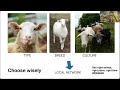
Rotational grazing tools include fencing for paddock creation and animals as ecological disturbances. Strategic use of animals can renovate pastures, build soil health, and manage vegetation, but requ
-
Energized fencing is key for cover crop grazing, requiring adequate voltage (7,000V), proper grounding, and animal training. Common failures stem from human error, poor maintenance, and lack of traini
Community
-
Implement rotational grazing with strong perimeter and interior fencing (high tensile electric recommended, focus on grounding) and reliable water systems, using resources like 'The Art and Science of
Read more (opens in new window) smallfarms.cornell.edu -
Explains why polywire electric fences may fail with cattle, emphasizing the critical role of joules over volts, charger quality, impedance matching, and proper paddock management to ensure effective c
Read more (opens in new window) permies.com -
Discusses electric fence durability and power sources for rotational grazing, noting older fencers are robust but batteries and chargers (prone to lightning) are failure points. Suggests woven wire as
Read more (opens in new window) permies.com
Research
-
The role of portable electric fencing in biodiversity-friendly pasture management (opens in new window)
New portable electric fences make rotational grazing and diverse pastures more accessible, potentially aiding biodiversity conservation and food production. More research is needed on rotational grazi