
Polywire
Polywire is a flexible, lightweight electric fencing material composed of multiple strands of conductive metal wire interwoven with UV-stabilized plastic fibers. You use it to create temporary or semi-permanent electrified barriers for livestock management, predator control, or garden protection. Its conductivity allows for an electric shock when animals touch it, deterring them from crossing the boundary without causing physical harm.
Read More: Complete Description
Polywire represents a modern evolution in electric fencing, offering a versatile and accessible solution for a wide range of agricultural and horticultural needs. At its core, polywire is a composite material designed for effective electrical conductivity and durability in outdoor environments. It typically consists of a core of several fine, highly conductive metal strands (often aluminum or stainless steel) that carry the electrical current. These conductive strands are then woven or twisted together with a matrix of UV-stabilized polyethylene or polypropylene fibers. These plastic fibers serve several crucial functions: they provide structural integrity to the wire, prevent short-circuiting by insulating the conductive strands from each other, and offer significant resistance to degradation from sunlight and weather exposure, thereby extending the lifespan of the product.
The construction of polywire makes it significantly lighter and more flexible than traditional barbed wire or high-tensile wire fencing. This flexibility is a key characteristic, allowing you to easily deploy and retrieve it for rotational grazing, temporary paddocks, or quick repairs. The visual aspect of polywire is also noteworthy; it is often brightly colored (commonly white or orange) to enhance visibility for both livestock and humans, reducing the risk of accidental collisions. The conductivity of polywire can vary depending on the number and type of conductive strands used, ranging from standard conductivity suitable for most livestock to high-conductivity options for longer fence lines or areas with heavy vegetation. This variability allows you to select a polywire product that precisely matches the electrical requirements of your specific application, ensuring an effective deterrent.
The primary application of polywire is in creating electric fences. These fences are not physical barriers in the traditional sense but rather psychological ones, relying on a mild electric shock to deter animals from crossing. This makes them ideal for managing livestock such as cattle, sheep, goats, and horses, allowing for efficient rotational grazing without the need for extensive, costly permanent fencing. It’s also valuable for containing animals within designated areas, preventing them from escaping, and for excluding predators from sensitive areas like poultry coops or gardens. The ease of setup and takedown makes it particularly useful for temporary enclosures, such as managing livestock on leased land, creating temporary holding pens, or protecting newly planted areas from browsing wildlife.
Key characteristics of polywire include its lightweight nature, making it easy to handle and transport; its flexibility, allowing for quick deployment around corners or uneven terrain; its UV resistance, ensuring longevity in outdoor conditions; and its varying levels of electrical conductivity, which you can match to your specific needs. The visual contrast provided by its bright colors also contributes to its effectiveness and safety. Unlike traditional fencing that requires significant physical force to deter animals, electric fencing with polywire uses a deterrent shock, which is generally harmless but startling, teaching animals to respect the boundary over time. This inherent characteristic makes it a humane and effective tool for animal management.
Sources behind this view
Sources behind this view
 Videos & Podcasts
-
Details efficient rotational grazing infrastructure: high-tensil electric fence, polywire on geared reels, quality step-in posts, and polypipe water lines. For pigs, uses hogwire panels and bulk feede
-
Explores semi-permanent and temporary fencing, including electric netting, multi-reel systems, and step-in posts. Discusses pros/cons for different animals (cattle, pigs, goats, sheep) and terrains, n
 Community
-
Provides practical advice on using electric fencing (net-style and poly-wire) for livestock, detailing effectiveness against predators, challenges with deer and drought, power source considerations (A
Read more (opens in new window) permies.com
Key Points
What It Is
- Conductive strands woven with UV-stable plastic.
- Lightweight, flexible, and visible electric fencing.
- Composite material for temporary or semi-permanent barriers.
Why Use It
- Efficient rotational grazing management.
- Humane and effective animal containment.
- Cost-effective alternative to traditional fencing.
Benefits - Economic
- Initial investment $50-200 per 1/4 mile roll.
- Reduces feed costs via pasture utilization.
- Lower labor costs for setup/moves.
Benefits - Operational
- 50% faster setup and takedown than wire.
- Easy to move and reconfigure paddocks.
- Requires less physical exertion to deploy.
Considerations - Economic
- Initial cost of charger and grounding.
- Potential damage from wildlife or storms.
- Replacement costs for worn-out polywire.
Considerations - Operational
- Requires a functional energizer and grounding.
- Conductivity decreases with distance and vegetation.
- Proper tensioning is crucial for effectiveness.
1
WHY - The Benefits
The adoption of polywire in regenerative agriculture is driven by a confluence of benefits that directly support ecological health, economic viability, and operational efficiency. As farmers and land stewards increasingly seek methods to enhance soil fertility, improve...
The adoption of polywire in regenerative agriculture is driven by a confluence of benefits that directly support ecological health, economic viability, and operational efficiency. As farmers and land stewards increasingly seek methods to enhance soil fertility, improve biodiversity, and reduce reliance on synthetic inputs, polywire emerges as a critical tool for implementing advanced grazing strategies. Its primary role is in facilitating well-managed rotational grazing, a cornerstone of regenerative practices. By enabling the creation of flexible, temporary paddocks, polywire allows for precise control over where livestock graze and for how long. This controlled grazing prevents overgrazing, which can decimate pasture cover and damage soil structure, and instead promotes even utilization, allowing pastures to recover and regrow vigorously. This directly contributes to increased soil organic matter, improved water infiltration, and enhanced ecosystem resilience.
WHY - The Benefits
The adoption of polywire in regenerative agriculture is driven by a confluence of benefits that directly support ecological health, economic viability, and operational efficiency. As farmers and land stewards increasingly seek methods to enhance soil fertility, improve...
The adoption of polywire in regenerative agriculture is driven by a confluence of benefits that directly support ecological health, economic viability, and operational efficiency. As farmers and land stewards increasingly seek methods to enhance soil fertility, improve biodiversity, and reduce reliance on synthetic inputs, polywire emerges as a critical tool for implementing advanced grazing strategies. Its primary role is in facilitating well-managed rotational grazing, a cornerstone of regenerative practices. By enabling the creation of flexible, temporary paddocks, polywire allows for precise control over where livestock graze and for how long. This controlled grazing prevents overgrazing, which can decimate pasture cover and damage soil structure, and instead promotes even utilization, allowing pastures to recover and regrow vigorously. This directly contributes to increased soil organic matter, improved water infiltration, and enhanced ecosystem resilience.
Beyond its direct impact on pasture health, polywire offers significant economic advantages. The initial investment in polywire, while not negligible, is considerably lower than that of traditional fencing materials like barbed wire or woven wire, especially when considering the cost per linear foot or meter for temporary applications. This cost-effectiveness allows farmers to implement sophisticated grazing plans without prohibitive capital expenditure. Furthermore, the improved pasture utilization fostered by rotational grazing leads to reduced feed costs, as livestock can harvest more of their nutritional needs directly from well-managed pastures. This translates into a tangible increase in profitability. The labor savings associated with the ease of setup, movement, and takedown of polywire fences also contribute to a more economically efficient operation, freeing up valuable time for other critical tasks.
Operationally, polywire revolutionizes the flexibility and responsiveness of livestock management. The lightweight and pliable nature of polywire, combined with specialized insulators and portable posts, means that paddocks can be created, expanded, reduced, or moved with unprecedented speed and ease. This agility is paramount for adaptive management, allowing farmers to respond quickly to changing weather conditions, pasture growth rates, or specific animal needs. For instance, a farmer can quickly set up a smaller paddock to intensively graze a specific area for weed control or to move livestock to fresh, rested pasture before the previous paddock is depleted. This operational efficiency minimizes stress on both the animals and the farmer, contributing to a more harmonious and productive farming system.
The sustainability aspect of polywire use is also profound. By enabling intensive, short-duration grazing followed by long rest periods, polywire supports the development of deep-rooted perennial grasses. These deep roots are vital for sequestering atmospheric carbon into the soil, a critical process in mitigating climate change. Healthy, well-managed pastures also create habitats for beneficial insects and soil microorganisms, enhancing biodiversity both above and below ground. The reduced need for mechanical mowing for weed control, as livestock can manage weeds effectively in a rotational system, further lowers energy consumption and associated emissions. Thus, the judicious use of polywire is not merely about containing animals; it is about orchestrating a complex ecological process that regenerates the land.
Finally, the quality and performance of the livestock themselves can be indirectly improved through the application of polywire. Well-managed pastures provide a more diverse and nutritious diet for grazing animals, leading to better health, growth rates, and reproductive performance. Reduced stress from continuous confinement or overgrazing also contributes to animal well-being. The ability to isolate animals for treatments, observations, or specific feeding regimes, facilitated by the ease of setting up temporary electric fences, further supports optimal animal husbandry. In essence, polywire acts as an enabler, a tool that unlocks the potential of well-managed grazing systems to regenerate natural resources while simultaneously enhancing economic and operational outcomes.
Sources behind this view
Videos & Podcasts
-
Details efficient rotational grazing infrastructure: high-tensil electric fence, polywire on geared reels, quality step-in posts, and polypipe water lines. For pigs, uses hogwire panels and bulk feede
-
Replaced internal permanent wire fences with temporary polywire fencing to create more adaptable paddocks for managing larger cattle herds. This change increased flexibility, reduced weed growth in fe

-
Doug Ferguson details his transition to rotational grazing using polywire and portable water, highlighting improved pasture health, drought resilience, and time efficiency compared to conventional fee

2
HOW - Selection & Use
Selecting the appropriate polywire and implementing it correctly are crucial for its effectiveness and longevity. The process begins with understanding the electrical requirements of your fence line and the types of animals you intend to contain. Polywire is not a...
Selecting the appropriate polywire and implementing it correctly are crucial for its effectiveness and longevity. The process begins with understanding the electrical requirements of your fence line and the types of animals you intend to contain. Polywire is not a one-size-fits-all solution, and choosing the right product for your specific needs will maximize its performance and minimize potential issues.
HOW - Selection & Use
Selecting the appropriate polywire and implementing it correctly are crucial for its effectiveness and longevity. The process begins with understanding the electrical requirements of your fence line and the types of animals you intend to contain. Polywire is not a...
Selecting the appropriate polywire and implementing it correctly are crucial for its effectiveness and longevity. The process begins with understanding the electrical requirements of your fence line and the types of animals you intend to contain. Polywire is not a one-size-fits-all solution, and choosing the right product for your specific needs will maximize its performance and minimize potential issues.
Selection Criteria
When selecting polywire, consider the conductivity of the material. This is often indicated by the number of conductive strands and the material of those strands (e.g., aluminum, stainless steel). For shorter fence lines (up to 1/4 mile or 400 meters) or areas with minimal vegetation, standard conductivity polywire with fewer conductive strands may suffice. However, for longer runs or areas where vegetation is likely to touch the fence, increasing the number of conductive strands or opting for higher conductivity materials like aluminum will ensure adequate voltage reaches the entire fence line. Different manufacturers offer various configurations, so look for specifications regarding ohms per unit length (lower ohms indicate higher conductivity). The UV-stabilized plastic material is also critical for durability. Ensure the plastic is rated for outdoor use and has a good warranty against degradation from sunlight. Color is another factor; bright colors like white or orange enhance visibility, which is important for preventing accidental collisions. The breaking strength is also worth noting, especially if you are containing larger, more powerful animals. While polywire is designed to be flexible, it still needs to withstand some tension and potential impacts. Finally, consider the number of strands of plastic used in conjunction with the conductive wires, as this affects the overall strength and rigidity of the polywire.
Setup/Installation
Setting up a polywire fence involves more than just stringing wire between posts. You'll need a suitable energizer (electric fence charger) and a robust grounding system. The energizer converts the mains power or battery into high-voltage, low-amperage pulses. The grounding system is equally critical; it typically consists of one or more grounding rods driven into moist soil, connected to the energizer. Without proper grounding, the electric shock will be weak or non-existent. For polywire, you will also need insulated posts, which can be either specialized electric fence posts (like fiberglass or plastic posts) or wooden posts with insulated screw-in or tie-on insulators. These insulators prevent the conductive strands from shorting out through the posts. Begin by installing your energizer and grounding system, usually near a power source. Then, stretch the polywire between your corner posts and intermediate posts, ensuring it is taut but not overly tight. Use a polywire tensioner to achieve the desired tightness. For longer runs, consider using multiple strands of polywire spaced appropriately for the animals being contained. For example, a lower strand for sheep or goats, and higher strands for cattle. Ensure all connections are secure and insulated. The energizer should be connected to the fence line via an insulated lead-out wire.
Proper Use Techniques
The effectiveness of a polywire fence hinges on maintaining a consistent electrical charge throughout the entire barrier. This requires regular monitoring. Use a fence tester to periodically check the voltage at various points along the fence line, especially at the furthest points from the energizer. Vegetation touching the polywire is a primary cause of voltage drop. You must regularly patrol the fence line and trim any grass, weeds, or branches that are in contact with the polywire. This is particularly important after rain or in areas with rapid plant growth. For rotational grazing, when moving animals to a new paddock, ensure the new fence is properly electrified before introducing the livestock. Never allow animals to be enclosed by a non-electrified fence, as this can lead to them discovering they can push through it. When introducing livestock to an electric fence for the first time, it is often beneficial to have a run-back fence or a well-established boundary nearby. This allows them to retreat if they receive a shock. Some farmers also run a strand of polywire adjacent to a traditional fence line to reinforce the barrier and deter animals from leaning on or pushing against the non-electrified fence. Always ensure that the gate handles or connection points for gates are properly insulated and electrified.
Maintenance
Polywire fences require ongoing maintenance to ensure their optimal performance. The most frequent task is vegetation control. Regularly patrol your fence lines and clear any encroaching grass, weeds, or branches. Inspect all insulators for cracks or damage, and replace any that are compromised. Check the tension of the polywire; if it becomes too slack, it can sag and increase the risk of contact with vegetation or animals. Use a polywire tensioner to re-tighten as needed. Examine all connections, especially at gates, corners, and where the lead-out wire connects to the fence. Ensure they are clean, secure, and properly insulated. The energizer and grounding system also require periodic checks. Ensure the grounding rods are in good contact with moist soil and that the connections are clean and tight. Test the energizer output regularly. In areas with heavy snow or ice, polywire can be damaged by the weight of accumulated ice. In such cases, it may be necessary to temporarily remove the polywire or reinforce the posts. Storage of polywire when it is not in use is also important. Store it in a dry place, away from direct sunlight, to prolong its lifespan.
Common Mistakes to Avoid
One of the most common mistakes is using an undersized or inadequate energizer for the length and conditions of the fence line. Always choose an energizer rated for the total length of your fence, considering potential vegetation contact. Another frequent error is insufficient grounding. A weak or improperly installed grounding system will cripple the effectiveness of the entire fence. Ensure you have enough grounding rods and that they are driven into moist soil and properly connected. Failing to adequately trim vegetation is another major pitfall. Animals quickly learn to push through a fence that is not consistently electrified due to vegetation shorts. Improperly insulated posts or connections are also a common cause of failure, leading to voltage leakage. Finally, not using a fence tester to monitor voltage regularly can lead to problems going unnoticed until animals escape. Consistent monitoring and proactive maintenance are key to preventing these common mistakes.
Sources behind this view
Videos & Podcasts
-
Detailed guide on setting up electric fencing for intensive grazing using Strain-All poly wire, geared reels, and step-in posts. Features the Intellashock 120 solar fence charger for reliable power. E
-
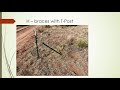
Details on electric fence construction: use high-tensile wire for cows, polywire for horses. Emphasizes secure insulator ties (full loop), twisted wire for support, and proper gate/underground wire in
-
Detailed instructions on safely connecting and energizing electric fence wire using pigtails and step-in posts, emphasizing shock prevention and the 'psychological fence' effect on cattle.
-
Effective energized fencing requires sufficient voltage (7,000V+), proper grounding, and appropriate materials (avoid steel T-posts). Sizing energizers, using battery power, and employing tools like f
Community
-
Advice on portable electric fencing highlights Gallagher and Premier 1 brands for reliability and high joule output. Essential practices include using visible polywire/netwire, ensuring proper groundi
Read more (opens in new window) permies.com -
Initial challenges with single-strand polywire for containing a single cow in rotational grazing are discussed, highlighting the need for stronger fencing and potentially higher-joule chargers due to
Read more (opens in new window) permies.com
 From the Web
-
Detailed guide on electric fencing for multi-paddock grazing, covering chargers, grounding, posts, high-tensile wire, polywire, tensioners, insulators, and reels. Emphasizes flexibility, ease of use,
-
Detailed guide on setting up solar-charged polywire paddocks for cattle, covering training, materials (geared reel, solar charger, fiberglass posts), construction steps, recommended polywire heights (
-
Guide to setting up solar-charged polywire paddocks, covering pre-construction considerations, essential materials (geared reel, solar charger, polywire), construction steps, and charger connection, w
3
HOW MUCH - Costs & Investment
The cost of implementing a polywire electric fencing system can vary significantly based on the scale of the operation, the quality of materials chosen, and the existing infrastructure. However, compared to traditional fencing methods, polywire generally offers a more...
The cost of implementing a polywire electric fencing system can vary significantly based on the scale of the operation, the quality of materials chosen, and the existing infrastructure. However, compared to traditional fencing methods, polywire generally offers a more budget-friendly entry point for creating flexible and effective animal containment. Understanding these costs, from initial purchase to ongoing expenses, is essential for making informed investment decisions.
HOW MUCH - Costs & Investment
The cost of implementing a polywire electric fencing system can vary significantly based on the scale of the operation, the quality of materials chosen, and the existing infrastructure. However, compared to traditional fencing methods, polywire generally offers a more...
The cost of implementing a polywire electric fencing system can vary significantly based on the scale of the operation, the quality of materials chosen, and the existing infrastructure. However, compared to traditional fencing methods, polywire generally offers a more budget-friendly entry point for creating flexible and effective animal containment. Understanding these costs, from initial purchase to ongoing expenses, is essential for making informed investment decisions.
Initial Purchase Costs
The primary initial investment for a polywire system includes the polywire itself, electric fence posts, insulators (if not integrated into the posts), gate handles, and most importantly, an electric fence energizer and a grounding system.
* Polywire: This is often sold in rolls of varying lengths, commonly 1/4 mile (approximately 400 meters) or 1/2 mile (approximately 800 meters). A 1/4 mile roll of standard conductivity polywire can range from $50 to $150, depending on the number of conductive strands and quality. High-conductivity polywire may cost $80 to $250 per 1/4 mile roll.
* Electric Fence Posts: Lightweight, portable plastic or fiberglass posts are common for temporary polywire fencing. These can cost $2 to $8 per post, depending on height and durability. For a 1/4 mile (400m) fence line requiring posts every 15-20 feet (4.5-6m), you might need 70-90 posts, totaling $140 to $720. For longer-term or more robust installations, wooden posts are an option, but require separate insulators.
* Insulators: If using wooden posts or certain types of corner posts, you’ll need insulators. These can range from $0.50 to $2 per insulator.
* Gate Handles: Essential for creating movable gates, these typically cost $15 to $40 each.
* Electric Fence Energizer: This is a significant cost. Small, battery-powered energizers suitable for short runs (up to 1 mile or 1.6 km) can cost $50 to $150. Larger, AC-powered units for longer fences (up to 10-20 miles or 16-32 km) can range from $150 to $500 or more. The required power output (joules) depends on the fence length and the presence of vegetation.
* Grounding System: This typically involves one or more ground rods (6-8 feet or 1.8-2.4 meters long), which cost $15 to $30 each, and connection hardware. You will need at least one, but often two or three for optimal performance.
* Tensioners and Accessories: Polywire tensioners, wire connectors, and warning signs add another $30 to $100 to the initial setup.
For a small farm or garden protection (e.g., 1/4 mile or 400m fence): You might spend $200 - $600 for polywire, posts, a basic energizer, and accessories.
For a mid-size operation using polywire extensively for rotational grazing (e.g., 1-2 miles or 1.6-3.2 km): Initial costs could range from $1,000 to $3,000, factoring in multiple energizers, larger quantities of polywire, and more posts.
For commercial-scale operations: Investment can climb significantly, potentially into tens of thousands of dollars, but the per-unit cost may decrease with bulk purchasing.
Operating Costs
Operating costs for a polywire fence system are generally low, primarily consisting of electricity consumption, maintenance, and eventual replacement of worn components.
* Electricity: Electric fence energizers are remarkably energy-efficient. Even powerful units consume very little electricity. A typical energizer might consume 5-20 watts, costing pennies per day to operate. For example, at $0.15 per kWh, a 10-watt energizer would cost about $0.03 per day, or roughly $10-$15 per year.
* Maintenance: This is largely labor, but involves costs for replacing damaged insulators, mending broken polywire strands, and clearing vegetation. The frequency of this maintenance depends on the environment and the quality of the initial installation.
* Replacement: Polywire has a lifespan typically ranging from 5 to 15 years, depending on the quality of the UV protection and exposure to harsh conditions. Energizers and posts also have finite lifespans, with energizers potentially lasting 5-10 years and posts varying greatly. Replacement costs will depend on the lifespan of the components and the scale of the fencing. For a 1/4 mile (400m) fence, replacing the polywire might cost $50-$150 every 5-10 years.
Scale Considerations
The cost-effectiveness of polywire becomes more pronounced as the scale of your fencing needs increases. While the per-unit cost of polywire and posts might seem high for a very small area, the ability to quickly erect and dismantle fences makes it ideal for managing small, intensively grazed paddocks. For larger acreages requiring extensive rotational grazing, the cost savings over fixed fencing become substantial. For instance, fencing 100 acres with traditional barbed wire might cost $3,000-$6,000 per mile ($1,800-$3,700 per km), whereas using polywire for temporary paddocks across that acreage would likely involve a lower initial investment for the portable components and energizers, spread across multiple temporary fences. The ability to reconfigure fencing with polywire also means that a single investment in materials can serve multiple grazing plans over time, increasing its return on investment.
Long-Term Value
The true value of polywire lies in its role as an enabler of efficient and regenerative grazing practices. While the initial purchase price is a factor, the long-term benefits—improved pasture health, increased carrying capacity, reduced feed costs, and enhanced soil fertility—often far outweigh the initial investment. A system that allows for rotational grazing can increase pasture productivity by 20-50% or more, leading to a significant return on investment through higher stocking rates and improved animal performance. The flexibility it provides also means that land can be managed more dynamically, adapting to drought, flood, or changing market demands, which adds a layer of resilience to the farming operation. The reduced need for mechanical weed control and the potential for carbon sequestration also contribute to long-term ecological and economic sustainability. When considering the total cost of ownership, including the benefits derived from regenerative practices, polywire fencing often represents a highly advantageous investment for forward-thinking agricultural operations.
Sources behind this view
Videos & Podcasts
-
Details efficient rotational grazing infrastructure: high-tensil electric fence, polywire on geared reels, quality step-in posts, and polypipe water lines. For pigs, uses hogwire panels and bulk feede
-
Essential grazing infrastructure includes high-tensile perimeter fencing and portable fencing (poly wire, reels, step-in posts). Resources like Practical Farmers of Iowa and NRCS offer grants and cost

-
Details construction of two-strand high-tensile electric fence using fiberglass posts and high-voltage energizers (min 4000V). Solar-powered options are suitable for remote areas. Cost-effective ($3/a
-
Detailed guide on setting up electric fencing for intensive grazing using Strain-All poly wire, geared reels, and step-in posts. Features the Intellashock 120 solar fence charger for reliable power. E
Community
-
Details cost-effective installation of high-tensile electric fencing, including material sourcing (sucker rods, wooden posts), post driving techniques for hard ground, and longevity considerations for
Read more (opens in new window) permies.com
4
REWARDS AND RISKS
Implementing polywire fencing systems offers substantial rewards, primarily through enhanced grazing management and operational flexibility. However, like any agricultural tool, it also carries inherent risks that must be understood and mitigated to ensure success. A...
Implementing polywire fencing systems offers substantial rewards, primarily through enhanced grazing management and operational flexibility. However, like any agricultural tool, it also carries inherent risks that must be understood and mitigated to ensure success. A balanced perspective on both the upsides and downsides is crucial for effective adoption.
REWARDS AND RISKS
Implementing polywire fencing systems offers substantial rewards, primarily through enhanced grazing management and operational flexibility. However, like any agricultural tool, it also carries inherent risks that must be understood and mitigated to ensure success. A...
Implementing polywire fencing systems offers substantial rewards, primarily through enhanced grazing management and operational flexibility. However, like any agricultural tool, it also carries inherent risks that must be understood and mitigated to ensure success. A balanced perspective on both the upsides and downsides is crucial for effective adoption.
Economic Considerations
The primary economic reward of using polywire is its cost-effectiveness, particularly for temporary or rotational grazing systems. The initial outlay for polywire, portable posts, and a suitable energizer is typically a fraction of the cost of installing permanent fencing like barbed wire or woven wire, especially over large areas. This lower barrier to entry allows farmers to experiment with or fully implement rotational grazing strategies, which can lead to increased pasture productivity. For example, well-managed rotational grazing can increase pasture carrying capacity by 30-50% or more, meaning more animals can be supported on the same land, directly increasing revenue. Reduced feed costs are another significant reward; as animals graze more efficiently and pastures are utilized more fully, the need for supplemental feed diminishes, saving an average of $0.50-$1.50 per animal per day during the grazing season. The labor savings from easy setup and relocation also contribute to profitability by freeing up valuable time.
However, economic risks exist. The initial investment in a quality energizer and grounding system is critical and can be a significant upfront cost. If an undersized or low-quality energizer is purchased, the fence may not be effective, leading to animal escapes and potential crop damage or loss of livestock, which can incur substantial economic losses. Similarly, if the polywire itself is of poor quality (e.g., inadequate UV protection, insufficient conductive strands), it will degrade quickly, requiring premature replacement and increasing long-term costs. The risk of damage from extreme weather events (high winds, heavy snow/ice) or wildlife can also lead to unexpected repair costs or lost livestock. Furthermore, if the rotational grazing plan is poorly executed, leading to overgrazing or insufficient rest periods, the pasture can be degraded, reducing its future productivity and thus diminishing the expected economic returns.
Performance Factors
The performance of a polywire fence is directly tied to several key factors. Electrical conductivity is paramount; the lower the resistance (ohms) of the polywire, the further the voltage will travel along the fence line. This is influenced by the number and material of conductive strands and the overall length of the fence. Vegetation contact is the most common enemy of performance, as it grounds the fence and reduces voltage. Therefore, consistent vegetation management is non-negotiable. The effectiveness of the energizer and the quality of the grounding system are equally critical. A properly matched energizer that delivers sufficient joules for the fence length and conditions, coupled with a robust grounding system, ensures a strong, consistent shock. The physical integrity of the polywire and insulators also plays a role; breaks in the wire or damaged insulators will lead to power loss. Finally, animal behavior and training are performance factors. Animals that are new to electric fencing may require a period of acclimatization to learn to respect the barrier.
Common Failure Modes
The most common failure mode for polywire fencing is a loss of electrical charge, often referred to as "shorting." This occurs when the electrical current finds an unintended path to the ground. Key causes include:
1. Vegetation Contact: Grass, weeds, or branches touching the polywire create a direct path to the ground. This is the most frequent issue.
2. Faulty Insulators: Cracked, broken, or improperly installed insulators allow the wire to touch fence posts (especially wooden ones) or metal stakes, shorting out the current.
3. Poor Grounding: Inadequate grounding rods, insufficient moisture in the soil, or loose connections to the grounding system will prevent the circuit from completing, resulting in a weak or non-existent shock.
4. Energizer Malfunction: The energizer itself can fail, or its output may be insufficient for the length of the fence.
5. Broken Polywire or Loose Connections: Physical breaks in the polywire or loose connections at gates, tensioners, or energizer hookups interrupt the flow of electricity.
6. Animal Damage: Larger animals, or repeated pressure from smaller animals, can break polywire or damage posts and insulators.
Risk Mitigation
Mitigating the risks associated with polywire fencing involves proactive management and attention to detail.
* Vegetation Management: Regularly patrol and clear vegetation that touches the fence. This is the single most effective risk mitigation strategy.
* Quality Components: Invest in a high-quality energizer matched to your fence length and conditions, and use durable, UV-resistant polywire and insulators.
* Proper Installation: Ensure a robust grounding system is installed correctly, and all insulators and connections are secure and functional. Use a fence tester regularly to monitor voltage.
* Animal Training and Introduction: When introducing livestock to electric fencing, do so gradually. Consider having a secondary fence or run-back area available.
* Regular Inspection: Conduct frequent visual inspections of the entire fence line, especially after storms or periods of rapid plant growth. Check tension and look for any signs of damage.
* Weather Preparedness: In areas prone to severe weather, consider how the fence will withstand high winds, heavy snow, or ice. This might involve using stronger posts or temporarily removing polywire during extreme conditions.
* Backup Systems: For critical containment, consider dual energizers or backup power for the energizer.
By understanding these risks and implementing these mitigation strategies, you can significantly enhance the reliability and effectiveness of your polywire fencing system, maximizing its benefits while minimizing potential downsides.
Sources behind this view
Videos & Podcasts
-
Detailed guide on setting up electric fencing for intensive grazing using Strain-All poly wire, geared reels, and step-in posts. Features the Intellashock 120 solar fence charger for reliable power. E
-
Effective livestock containment relies on management, not just fences. Panelists recommend hot electric fences (high tensile, poly wire) creating a mental barrier, coupled with respecting animal needs

-
Ashlin Jones details using polywire for flexible paddock division, emphasizing the challenge of training 'fence pusher' cows. Maintaining high voltage (around 9,000 volts) on solar-powered electric fe

-
Effective energized fencing requires sufficient voltage (7,000V+), proper grounding, and appropriate materials (avoid steel T-posts). Sizing energizers, using battery power, and employing tools like f
Community
-
Provides practical advice on using electric fencing (net-style and poly-wire) for livestock, detailing effectiveness against predators, challenges with deer and drought, power source considerations (A
Read more (opens in new window) permies.com -
Initial challenges with single-strand polywire for containing a single cow in rotational grazing are discussed, highlighting the need for stronger fencing and potentially higher-joule chargers due to
Read more (opens in new window) permies.com
From the Web
-
Detailed guide on electric fencing for multi-paddock grazing, covering chargers, grounding, posts, high-tensile wire, polywire, tensioners, insulators, and reels. Emphasizes flexibility, ease of use,
5
COMPATIBLE PRACTICES
Polywire fencing is a versatile tool that integrates seamlessly with a variety of regenerative agriculture practices, enhancing their effectiveness and enabling more efficient management. Its flexibility and cost-effectiveness make it an ideal component for systems that...
Polywire fencing is a versatile tool that integrates seamlessly with a variety of regenerative agriculture practices, enhancing their effectiveness and enabling more efficient management. Its flexibility and cost-effectiveness make it an ideal component for systems that rely on dynamic land management and controlled animal movement.
COMPATIBLE PRACTICES
Polywire fencing is a versatile tool that integrates seamlessly with a variety of regenerative agriculture practices, enhancing their effectiveness and enabling more efficient management. Its flexibility and cost-effectiveness make it an ideal component for systems that...
Polywire fencing is a versatile tool that integrates seamlessly with a variety of regenerative agriculture practices, enhancing their effectiveness and enabling more efficient management. Its flexibility and cost-effectiveness make it an ideal component for systems that rely on dynamic land management and controlled animal movement.
Rotational Grazing
Polywire is arguably most compatible with rotational grazing systems. This practice involves moving livestock frequently between pastures, allowing each area a sufficient rest period for regrowth. Polywire's ease of deployment and relocation makes it perfect for creating the temporary paddocks required for this system. Farmers can quickly erect new fences to isolate a section of pasture, allowing animals to graze it intensively for a short duration before moving them to fresh ground. This controlled grazing prevents overgrazing, promotes deeper root development in perennial grasses, improves soil structure through hoof action (when managed correctly), and distributes manure more evenly across the landscape. The ability to create small, manageable paddocks with polywire maximizes pasture utilization and ensures that each grazing cycle contributes to land regeneration.
Managed Intensive Grazing (MIG)
Managed Intensive Grazing (MIG), a more refined form of rotational grazing, often utilizes very small paddocks and extremely short grazing durations. Polywire is essential for MIG due to the need for frequent and precise paddock adjustments. With MIG, paddocks might be moved daily or even multiple times a day. The lightweight nature of polywire and portable posts allows for this rapid reconfiguration. This high level of control ensures that animals consume forage efficiently, leaving behind sufficient residual material to protect the soil surface and stimulate rapid regrowth. MIG, enabled by polywire, can dramatically increase stocking rates and improve pasture health, leading to significant improvements in soil organic matter and biodiversity.
Livestock Exclusion from Sensitive Areas
In regenerative systems, protecting sensitive areas like riparian zones, newly seeded fields, or areas undergoing restoration is crucial. Polywire fencing provides a cost-effective and easily deployable method for excluding livestock from these vulnerable zones. Instead of building permanent, costly fences, a temporary electric fence can be erected around the periphery of the sensitive area. This allows livestock to graze the surrounding areas without damaging the protected land. Once the grazing is complete or the sensitive area no longer requires protection, the polywire fence can be quickly removed, minimizing its impact on the land and allowing for flexible land use.
Predator Control
While not its primary function, polywire can be incorporated into predator control strategies, especially for smaller livestock like poultry or lambs. By electrifying the perimeter of a coop or enclosure, polywire can create a deterrent barrier to common predators such as foxes, coyotes, or raccoons. When combined with a sufficiently powerful energizer and regular maintenance to ensure it remains electrified, it can add a significant layer of protection, preventing predators from reaching vulnerable animals. This complements other regenerative practices that aim to enhance biodiversity, ensuring that livestock can coexist more safely with local wildlife.
Wildlife Management in Gardens and Croplands
For farmers practicing integrated crop and livestock systems, polywire can be invaluable for protecting garden plots or crop fields from foraging wildlife or from livestock that might wander out of their designated grazing areas. A temporary electric fence can be quickly set up around a vegetable garden to deter deer, rabbits, or other pests. Similarly, it can be used to create temporary barriers to keep livestock away from ripening crops or newly planted areas, preventing damage and ensuring that the land is utilized according to the farm's management plan. This flexibility allows for dynamic land use, where areas can be protected or opened up as needed throughout the growing season.
Sources behind this view
Videos & Podcasts
-
Details efficient rotational grazing infrastructure: high-tensil electric fence, polywire on geared reels, quality step-in posts, and polypipe water lines. For pigs, uses hogwire panels and bulk feede
-
Stoney Ridge Farm utilizes electric fencing (polywire/polybraid) with pigtail posts for pasture management, controlling cattle movement to areas like water tanks. Low-stress animal handling techniques
-
Explores semi-permanent and temporary fencing, including electric netting, multi-reel systems, and step-in posts. Discusses pros/cons for different animals (cattle, pigs, goats, sheep) and terrains, n
-
Effective livestock containment relies on management, not just fences. Panelists recommend hot electric fences (high tensile, poly wire) creating a mental barrier, coupled with respecting animal needs
Community
-
Discusses electric fencing for deer deterrence, rotational grazing, and livestock containment. Recommends polywire for cows/pigs and netting for poultry/sheep/goats. Tall fences and bird netting are a
Read more (opens in new window) permies.com