
Scythe
A scythe is a long, curved blade attached to a handle, designed for efficiently cutting grass, grains, and other low-lying vegetation. It is a manual tool that relies on the user's rhythm and strength to swing the blade in a sweeping motion, making it ideal for tasks where mechanical mowers are impractical or undesirable. You use this tool by adopting a specific stance and employing a fluid, side-to-side motion to harvest crops or clear land with minimal disturbance to the soil and surrounding ecosystem.
Read More: Complete Description
The scythe is an ancient and highly effective hand tool, consisting of a long, curved steel blade (the scythe blade or snath) securely fastened to a long wooden or metal handle (the snath). This elegantly simple design has been a cornerstone of agriculture and land management for millennia, allowing humans to efficiently harvest crops, clear overgrown areas, and manage pastures without the need for fuel or electricity. The blade's sharp edge is designed to slice through vegetation with a single, well-executed stroke, minimizing damage to the plants and the underlying soil.
You use a scythe by standing with your feet shoulder-width apart, grasping the handles of the snath, and initiating a rhythmic, sweeping motion from side to side. The blade is kept low to the ground, intended to cut just above the soil surface. This motion is not a chop but a slice, leveraging the blade's length and the user's body weight and momentum to create a clean cut. The curved nature of the blade allows it to gather the cut material in a neat swathe, making collection easier. Different types of scythe blades and snaths exist, tailored for specific tasks such as mowing fine grasses, harvesting dense grains, or clearing brush. The effectiveness of a scythe is directly tied to the sharpness of its blade, which requires regular honing and occasional sharpening to maintain its cutting efficiency.
The scythe's appeal lies in its low impact on the environment and its quiet operation. Unlike gasoline-powered mowers, it produces no emissions, generates no noise pollution, and requires no fossil fuels. This makes it a favored tool for organic farmers, permaculturists, and individuals seeking to manage land sustainably. It is particularly useful in areas with uneven terrain, steep slopes, around obstacles like trees and rocks, or in small plots where larger machinery cannot navigate. The physical engagement with the task also provides a form of exercise, fostering a connection with the land and the work being done. Mastering the scythe involves learning proper blade angle, body posture, and the efficient use of momentum, a skill that, once acquired, allows for hours of productive work with considerable satisfaction.
Sources behind this view
Sources behind this view
 Videos & Podcasts
-
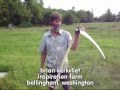
Provides detailed guidance on using and maintaining a scythe for biomass creation, including sharpening, peening, and proper body-fitting setup of the snath, highlighting its efficiency over string tr
 Community
-
Utilize scythes for permaculture tasks like mowing lawns for mulch, harvesting small grains, and composting to build soil organic matter. Specific blade types and maintenance techniques (peening) are
Read more (opens in new window) permies.com -
Scythes offer superior, low-pollution clearing for irrigation ditches and weeds compared to modern tools. Proper technique and sharpening mitigate back strain, making it a valuable, environmentally so
Read more (opens in new window) permies.com
Key Points
What It Is
- Long, curved blade on a handle.
- Manual tool for cutting vegetation.
- Traditional, efficient harvesting implement.
Why Use It
- Quiet, emission-free operation.
- Excellent for uneven terrain.
- Minimal soil disturbance.
Benefits - Economic
- $150-400 initial investment.
- Zero fuel costs.
- Long lifespan with care.
Benefits - Operational
- Cuts precisely, reducing waste.
- Quiet operation, no noise pollution.
- Excellent for intricate areas.
Considerations - Economic
- Blade sharpening costs $10-30 annually.
- Initial learning curve may slow initial work.
- Higher quality tools cost $300-600+.
Considerations - Operational
- Requires physical exertion and skill.
- Blade needs regular sharpening.
- Blade damage can occur from impact.
1
WHY - The Benefits
The scythe, a tool steeped in history, offers a compelling array of benefits for regenerative agriculture practitioners and land managers. Its elegance lies in its simplicity, yet its impact on ecological health, economic viability, and operational efficiency is...
The scythe, a tool steeped in history, offers a compelling array of benefits for regenerative agriculture practitioners and land managers. Its elegance lies in its simplicity, yet its impact on ecological health, economic viability, and operational efficiency is profound. In an era increasingly focused on sustainability and minimizing environmental footprint, the scythe stands out as a remarkably effective and harmonious solution for managing vegetation. Its ability to cut cleanly and precisely, coupled with its quiet and emission-free operation, aligns perfectly with the principles of regenerative farming, which seeks to enhance rather than deplete natural resources.
WHY - The Benefits
The scythe, a tool steeped in history, offers a compelling array of benefits for regenerative agriculture practitioners and land managers. Its elegance lies in its simplicity, yet its impact on ecological health, economic viability, and operational efficiency is...
The scythe, a tool steeped in history, offers a compelling array of benefits for regenerative agriculture practitioners and land managers. Its elegance lies in its simplicity, yet its impact on ecological health, economic viability, and operational efficiency is profound. In an era increasingly focused on sustainability and minimizing environmental footprint, the scythe stands out as a remarkably effective and harmonious solution for managing vegetation. Its ability to cut cleanly and precisely, coupled with its quiet and emission-free operation, aligns perfectly with the principles of regenerative farming, which seeks to enhance rather than deplete natural resources.
From an ecological perspective, the scythe’s minimal impact is perhaps its most significant advantage. Unlike rotary mowers or brush cutters, which can tear and shred vegetation, the scythe's sharp blade slices cleanly. This clean cut promotes faster regrowth and reduces the risk of disease transmission to the plants. Furthermore, the scythe operates without the need for fossil fuels, eliminating greenhouse gas emissions and noise pollution. This makes it an ideal tool for sensitive ecosystems, wildlife habitats, and areas where quiet operation is paramount. The absence of engine noise also allows for a more immersive experience with the natural surroundings, fostering a deeper connection with the land.
Economically, the scythe presents a low-cost entry point and minimal ongoing expenses. The initial investment, while variable depending on quality and origin, is typically a fraction of the cost of powered machinery. Crucially, the scythe has no fuel costs, no expensive engine maintenance, and no recurring parts replacement for engines or transmissions. With proper care and occasional sharpening, a good quality scythe can last for decades, making it an exceptionally cost-effective tool over its lifespan. This economic advantage is particularly significant for small-scale operations, community gardens, or individuals managing their own land where capital investment is a key consideration.
Operationally, the scythe offers unparalleled precision and versatility. Its long, curved blade allows for controlled cutting, making it perfect for harvesting delicate crops like grains, hay, or herbs where preserving the quality of the material is essential. It excels in areas where larger machinery cannot go, such as steep slopes, around trees and obstacles, in dense undergrowth, or in small, irregularly shaped fields. The rhythmic motion of scything can also be a form of physical exercise, promoting well-being while accomplishing necessary tasks. Mastering the scythe involves developing a fluid technique that utilizes body mechanics rather than brute force, leading to efficient and satisfying work.
The regenerative aspect of scythe use extends to its contribution to soil health. By cutting vegetation at or just above the soil surface, the scythe leaves behind plant material that can decompose and return nutrients to the soil. This organic matter acts as a natural mulch, suppressing weeds, retaining moisture, and providing habitat for beneficial soil organisms. Unlike tilling, which can disrupt soil structure and lead to erosion, scything is a non-disruptive method of vegetation management that supports a healthy, living soil ecosystem. This aligns with regenerative agriculture's core tenet of building soil health for long-term productivity and resilience.
In summary, the scythe is more than just a tool; it is a philosophy of working with nature rather than against it. Its benefits are multifaceted, encompassing ecological stewardship, economic prudence, operational dexterity, and a profound connection to the land. For those seeking to cultivate a more sustainable and harmonious relationship with their environment, the scythe offers a powerful and time-tested solution.
Soil Health Enhancement
The scythe's contribution to soil health is one of its most compelling advantages in a regenerative agricultural context. Unlike mechanical mowers that often shred and pulverize plant material, leaving behind a messy residue that can hinder decomposition and promote disease, the scythe's clean slicing action creates fine, uniform cuts. This results in a more aesthetically pleasing and ecologically beneficial residue. When left on the field, this cut vegetation acts as a natural mulch. This mulch layer is crucial for suppressing weed growth by blocking sunlight, thereby reducing the need for herbicides or intensive manual weeding. It also plays a vital role in moisture conservation. By forming a protective barrier on the soil surface, the mulch reduces evaporation, helping to maintain soil moisture levels, which is critical for plant growth and soil microbial activity, especially during dry periods.
Furthermore, the slow decomposition of this organic matter enriches the soil with essential nutrients over time. As the plant material breaks down, it releases nitrogen, phosphorus, potassium, and other micronutrients back into the soil profile, effectively acting as a slow-release fertilizer. This cyclical nutrient release reduces the reliance on external synthetic fertilizers, which can have detrimental environmental impacts, including water pollution and soil degradation. The presence of this undisturbed organic layer also provides a habitat and food source for a diverse array of beneficial soil organisms, including earthworms, fungi, and bacteria. These organisms are the architects of healthy soil, improving soil structure, aeration, and nutrient cycling. The scythe’s gentle approach ensures that these vital soil inhabitants are not disturbed or harmed, unlike the aggressive action of heavier machinery.
The scythe’s non-disruptive nature is paramount. By avoiding soil compaction, which is a common issue with heavy machinery, the scythe helps maintain the soil's natural porosity. Good soil porosity is essential for water infiltration, preventing runoff and erosion, and allowing roots to penetrate deeply. This is particularly important on slopes or in areas prone to heavy rainfall. The absence of heavy equipment also means less disruption to the soil's intricate web of fungal hyphae and microbial communities, which are fundamental to soil structure and fertility. By preserving these natural systems, the scythe supports the development of a resilient and self-sustaining soil ecosystem, a cornerstone of regenerative agriculture. This holistic approach to vegetation management, facilitated by the scythe, directly contributes to building long-term soil fertility and improving the land's capacity to sequester carbon, mitigate climate change, and support biodiversity.
Economic Viability and Independence
The economic benefits of using a scythe in regenerative agriculture are substantial, particularly for small to medium-sized operations, or for those seeking to reduce their reliance on external inputs and costly machinery. The initial investment in a quality scythe is remarkably low compared to powered mowing equipment. A good European-style scythe outfit, including a blade, snath, and whetstone, can range from $150 to $400. In contrast, a basic walk-behind brush cutter might cost $300 to $800, and a ride-on mower or tractor-pulled mower can easily run into thousands or tens of thousands of dollars. This significantly lower upfront cost makes the scythe an accessible tool for a wider range of farmers and land stewards, freeing up capital for other essential investments in their operation.
Beyond the initial purchase, the ongoing operational costs of a scythe are negligible. There are no fuel expenses, which can be a significant recurring cost for gasoline-powered equipment, especially with fluctuating fuel prices. There are no oil changes, spark plugs, air filters, or complex engine repairs to worry about. The primary ongoing costs are related to maintenance: sharpening stones and occasional blade replacement. A good whetstone might cost $10 to $30, and a quality scythe blade, with proper care, can last for many years, potentially costing $50 to $150 when it eventually needs replacement. This translates to an annual maintenance cost of perhaps $10 to $50, a stark contrast to the hundreds or even thousands of dollars that can be spent on maintaining powered machinery.
This economic independence is a crucial aspect of regenerative agriculture. By minimizing reliance on fossil fuels and complex, repair-intensive machinery, farmers can achieve greater resilience in their operations. They are less vulnerable to supply chain disruptions for fuel or parts, and less dependent on specialized mechanics. The ability to perform maintenance and sharpening tasks themselves also fosters a deeper understanding of the tool and a sense of self-sufficiency. This independence translates into more predictable budgeting and greater control over operational expenses. For operations focused on producing high-value crops where maintaining pristine quality is paramount, the scythe’s clean cut also reduces damage to the harvested material, leading to higher quality produce and potentially better market prices. The time saved on maintenance and fuel purchasing can be redirected towards more productive activities on the farm.
Labor Efficiency and Skill Development
While initially perceived as a labor-intensive tool, the scythe, when used correctly, can be surprisingly efficient, and its use fosters valuable physical and mental skills. The efficiency of a scythe is not measured in acres per hour in the same way as a tractor, but rather in its ability to perform specific tasks with precision and minimal waste, especially in challenging terrains or around sensitive crops. For tasks like harvesting hay for small-scale livestock operations, cutting cover crops for mulching, or clearing overgrown edges of fields, a skilled scythe user can achieve a remarkable rate of work. The rhythmic, sweeping motion, when synchronized with the user's breath and body movement, can become almost meditative, allowing for sustained periods of productive work without the fatigue associated with jerky, force-based movements.
The learning curve for scything is real, but it is also a rewarding process that develops a deep understanding of biomechanics and tool use. Unlike simply turning a key on a machine, mastering the scythe requires learning to read the terrain, adjust blade angle for different vegetation densities, and utilize momentum and leverage effectively. This process builds physical strength, coordination, and a heightened sense of proprioception. The repetitive, yet fluid, motion engages core muscles and improves posture, offering a form of integrated exercise that contributes to overall physical health. This contrasts with the often sedentary nature of operating many powered machines. The skill of sharpening and maintaining the blade also becomes an integral part of the process, deepening the user's connection with their tools and their work.
Furthermore, the scythe's ability to operate in areas inaccessible to larger machinery is a significant efficiency factor. Clearing around trees, fence lines, irrigation systems, or in between closely planted crops can be done with a scythe far more effectively and safely than with a tractor or mower. This precision allows for better management of field edges and intercropping systems, which are common in regenerative agriculture. The quiet operation also means that tasks can be performed at any time of day without disturbing neighbors or wildlife, offering flexibility in scheduling. The development of scything skills can also lead to opportunities for offering specialized land management services, such as traditional haymaking or brush clearing, creating potential new income streams for regenerative farmers. The satisfaction derived from mastering such a refined and effective tool, coupled with the physical and mental benefits, contributes to a more fulfilling and sustainable approach to land stewardship.
Sources behind this view
Videos & Podcasts
-
Provides detailed guidance on using and maintaining a scythe for biomass creation, including sharpening, peening, and proper body-fitting setup of the snath, highlighting its efficiency over string tr
Community
-
Scythes offer superior, low-pollution clearing for irrigation ditches and weeds compared to modern tools. Proper technique and sharpening mitigate back strain, making it a valuable, environmentally so
Read more (opens in new window) permies.com -
Adopting a scythe is motivated by avoiding gas engines, noise, and smell, and for clearing brambles and weeds. It's valued for creating long mulch pieces and promoting self-sufficiency, complementing
Read more (opens in new window) permies.com
2
HOW - Selection & Use
Selecting and using a scythe effectively is crucial for maximizing its benefits in regenerative agriculture. It’s not simply a matter of picking up any long blade with a handle; understanding the nuances of scythe design and mastering the proper techniques will transform...
Selecting and using a scythe effectively is crucial for maximizing its benefits in regenerative agriculture. It’s not simply a matter of picking up any long blade with a handle; understanding the nuances of scythe design and mastering the proper techniques will transform it from a potentially awkward tool into an extension of your body, capable of efficient and satisfying work. This section will guide you through choosing the right scythe for your needs, setting it up correctly, and employing the techniques that have made this tool a staple for centuries.
HOW - Selection & Use
Selecting and using a scythe effectively is crucial for maximizing its benefits in regenerative agriculture. It’s not simply a matter of picking up any long blade with a handle; understanding the nuances of scythe design and mastering the proper techniques will transform...
Selecting and using a scythe effectively is crucial for maximizing its benefits in regenerative agriculture. It’s not simply a matter of picking up any long blade with a handle; understanding the nuances of scythe design and mastering the proper techniques will transform it from a potentially awkward tool into an extension of your body, capable of efficient and satisfying work. This section will guide you through choosing the right scythe for your needs, setting it up correctly, and employing the techniques that have made this tool a staple for centuries.
Selection Criteria
Choosing the right scythe starts with understanding that not all scythes are created equal, and the "best" scythe is often the one that fits you and your intended use. The primary components to consider are the blade and the snath (handle). Blades vary in length, shape, and thickness, each optimized for different types of vegetation and cutting styles. For general mowing of grass and hay, a blade between 24 to 30 inches (60 to 76 cm) is common. For harvesting grains or dealing with tougher, denser vegetation, a longer, narrower blade, perhaps 30 to 36 inches (76 to 91 cm), might be preferred. Thinner, more flexible blades are generally better for fine grasses and hay, while thicker, stiffer blades can handle tougher stalks and weeds. European-style scythe blades, known for their sharpness and efficiency, are often preferred by experienced users.
The snath, or handle, is equally important and should be chosen to match your body height and arm length. A snath that is too long or too short will lead to an awkward posture, reducing efficiency and potentially causing strain. A good rule of thumb is that the top handgrip should be at about hip height when the snath is standing vertically. The snath also typically has two handgrips, the position of which can often be adjusted. These grips allow you to control the blade's angle and depth of cut. Snaths can be made from wood, aluminum, or composite materials. Wooden snaths are traditional and offer a natural feel, while metal or composite snaths are often lighter, more durable, and may offer greater adjustability. The balance and weight of the entire outfit (blade and snath) are critical for comfortable and sustainable use.
Consider the intended use. If you are primarily mowing dense, waist-high grass, you'll need a robust blade and a sturdy snath. If you are harvesting delicate herbs or fine grains, a lighter, more flexible blade designed for precision cutting will be more appropriate. Many manufacturers offer different blade profiles and snath lengths, so it is often beneficial to consult with experienced scythe users or retailers who can offer personalized recommendations. Purchasing a complete outfit from a reputable supplier can ensure that the blade and snath are well-matched and properly assembled. Don't underestimate the value of a good whetstone and a peening anvil/hammer for blade maintenance, as these are essential accessories that contribute significantly to the scythe's performance and longevity.
Setup and Assembly
Proper setup of your scythe is crucial for safety, efficiency, and comfort. The most common method of attaching a European-style scythe blade to a snath involves a clamp mechanism. The snath typically has a metal ferrule or attachment point at the lower end where the blade is connected. The blade itself has a tang or a hole that fits over this attachment. A wedge, often made of wood or plastic, is then driven into the gap between the blade and the ferrule, securing the blade tightly. The angle at which the blade is attached relative to the snath is critical. This angle determines how the blade sits on the ground during the swing. It should be set so that the blade is parallel to the ground at the point of the deepest cut, allowing for a clean slice.
Adjusting the blade angle is usually done by slightly loosening the wedge and tapping the blade or ferrule to achieve the desired position, then re-tightening the wedge firmly. The handgrip positions on the snath should also be adjusted to suit your body. The upper grip is typically positioned so that your elbow is bent at a comfortable angle, and the lower grip should allow for good control of the blade's sweep. Experimentation is key here; what feels comfortable and efficient for one person may not for another. Ensure that all fittings are tight and secure before each use. A loose blade can be dangerous and ineffective.
For American-style scythes, the blade is often riveted or bolted directly to the snath, which is typically shorter and more curved. The setup process for these is generally simpler, with the blade often being sharpened and honed directly on the tool. However, European-style scythes, with their interchangeable blades and adjustable snaths, offer greater versatility and are generally preferred for their cutting efficiency and ergonomic design. Once assembled, it's wise to practice a few gentle swings in an open area to get a feel for the tool's balance and movement before tackling serious work.
Proper Use Techniques
The art of scything lies in a fluid, rhythmic motion that utilizes the entire body, not just the arms. The goal is to slice through the vegetation, not hack at it. Start by standing with your feet shoulder-width apart, knees slightly bent, and your body facing the direction you intend to cut. Grasp the handles of the snath firmly but not rigidly. The swing begins from your core, pivoting your torso to the right (if you are right-handed) to gather momentum. As you swing your body from right to left in a smooth arc, the blade moves forward and across the vegetation.
Maintain a consistent blade angle, keeping it low to the ground and parallel to the surface you are cutting. The tip of the blade should ideally lead slightly, ensuring a clean cut. As the blade sweeps across, the vegetation should fall neatly to your left, forming a swathe. The length of your stride and the arc of your swing will determine how wide a swath you can cut. A typical swing might cover 4 to 5 feet (1.2 to 1.5 meters) of width. After completing the leftward swing, you return the scythe to the right, lifting it slightly over any uncut vegetation, and preparing for the next stroke.
It's crucial to avoid forcing the blade. The sharpness of the blade and the momentum of your swing should do the work. If you feel resistance, it usually means the blade is dull, the angle is incorrect, or you are trying to cut too much at once. Take smaller, more controlled swings, and focus on the slicing action. Listen to the sound of the blade cutting; a clean, crisp sound indicates a sharp blade and proper technique. After each few strokes, you may need to advance your stance slightly to continue cutting. Periodically, you will need to stop and sharpen the blade using a whetstone. This is a vital part of maintaining efficiency and should be done frequently, perhaps every 5 to 15 minutes of active cutting, depending on the vegetation.
Maintenance and Sharpening
Effective scythe maintenance is centered on keeping the blade razor-sharp and in good condition. The primary method for maintaining sharpness during use is honing with a whetstone. Whetstones for scythes are typically oval-shaped and designed to be held in a water-filled holder attached to your belt or snath. After a few minutes of cutting, or when you notice the blade starting to drag or tear rather than slice, you’ll need to hone. Hold the scythe blade steady, and with a sweeping motion, run the whetstone along both sides of the blade's edge, from heel to tip. Alternate sides with each stroke. This process realigns the microscopic teeth of the blade, restoring its keen edge.
Beyond honing, periodic sharpening using a grinding stone or file is necessary to reshape the edge, especially if the blade becomes nicked or significantly dull. This is a more involved process and is often referred to as "peening." Peening involves hammering the edge of the blade on a special anvil to thin and work-harden the metal, creating a finer edge that can then be honed to razor sharpness. This is a skill that can take practice to master but is essential for maintaining the blade's optimal cutting performance over its lifespan. Many users opt to send their blades out for professional peening if they are not comfortable performing it themselves.
After use, always clean the blade thoroughly to remove any sap, dirt, or moisture that could lead to rust. A light coating of oil, such as linseed oil or a mineral oil, can provide further protection. Store the scythe in a dry place, ideally with a blade guard to prevent accidental cuts and to protect the edge. Inspect the snath for any signs of wear or damage, and ensure that the blade attachment remains secure. Regular inspection and care will ensure your scythe remains a reliable and effective tool for years to come.
Common Mistakes to Avoid
One of the most common mistakes beginners make is trying to use brute force. Scythes are slicing tools, not choppers. Forcing a dull blade into tough vegetation will lead to fatigue, frustration, and potentially damage to the blade or snath. Always ensure your blade is well-honed before you begin and hone it frequently. Another error is maintaining an incorrect blade angle. If the blade is angled too high, it will skip over the vegetation; too low, and it will dig into the soil, causing damage and resistance. The blade should skim just above the ground, parallel to the surface.
Improper stance and swing are also common. Many beginners try to cut with just their arms, leading to inefficient movement and strain. The power should come from your core and torso, with a fluid, sweeping motion. Over-exerting yourself by attempting to cut too wide a swath too quickly is another mistake. Start with shorter, more controlled swings and gradually increase your reach as you gain confidence and rhythm. Rushing the process will lead to fatigue and poor results.
Neglecting blade maintenance is perhaps the most critical error. A dull blade is not only ineffective but also dangerous, as it requires more force and increases the risk of slipping. Failing to hone regularly, or not sharpening when necessary, will severely hamper your progress. Lastly, not adjusting the snath and handgrips for your body can lead to discomfort, pain, and an inefficient swing. Take the time to set up your scythe ergonomically. By avoiding these common pitfalls, you can accelerate your learning curve and enjoy the full benefits of this remarkable tool.
Sources behind this view
Videos & Podcasts
-
Provides detailed guidance on using and maintaining a scythe for biomass creation, including sharpening, peening, and proper body-fitting setup of the snath, highlighting its efficiency over string tr
Community
-
Discusses scything technique challenges including blade tip control, maintaining low cuts, and body posture. Emphasizes fixing slipping snathe handles immediately to prevent damage and achieve a prope
Read more (opens in new window) permies.com -
Guidance on scythe use covers blade selection (ditch/garden for woody, grass for mowing), sharpening, and crucial collar tightening techniques. Proper angle adjustment and periodic re-tightening are e
Read more (opens in new window) permies.com
3
HOW MUCH - Costs & Investment
The cost of acquiring and maintaining a scythe is significantly lower than that of motorized mowing equipment, making it an economically attractive option for many regenerative agriculture practitioners. The investment is primarily in the initial purchase of a quality...
The cost of acquiring and maintaining a scythe is significantly lower than that of motorized mowing equipment, making it an economically attractive option for many regenerative agriculture practitioners. The investment is primarily in the initial purchase of a quality tool and ongoing, minimal maintenance. Understanding these costs across different scales of operation can help in budgeting and decision-making.
HOW MUCH - Costs & Investment
The cost of acquiring and maintaining a scythe is significantly lower than that of motorized mowing equipment, making it an economically attractive option for many regenerative agriculture practitioners. The investment is primarily in the initial purchase of a quality...
The cost of acquiring and maintaining a scythe is significantly lower than that of motorized mowing equipment, making it an economically attractive option for many regenerative agriculture practitioners. The investment is primarily in the initial purchase of a quality tool and ongoing, minimal maintenance. Understanding these costs across different scales of operation can help in budgeting and decision-making.
Initial Purchase Costs
The initial cost of a scythe outfit can vary widely depending on the quality of materials, craftsmanship, brand, and whether you purchase a complete set or individual components.
For Small-Scale Operations/Hobbyists (e.g., home gardens, small homesteads, market gardens):
* Basic Scythe Outfit: This might include a moderately priced blade (e.g., 24-28 inches / 60-71 cm), a wooden or entry-level aluminum snath, and a basic whetstone.
* Cost Range: $150 - $300
* Higher Quality Scythe Outfit: This would feature a premium European-style blade known for its sharpness and durability, a lighter and more adjustable snath (aluminum or composite), and a higher-quality whetstone.
* Cost Range: $300 - $600
For Mid-Size Operations/Market Gardeners (e.g., larger market gardens, small farms managing pastures):
* Multiple Blades: It’s beneficial to have a couple of blades for different tasks (e.g., a general mowing blade and a finer harvesting blade) or for redundancy.
* Cost per Blade: $50 - $150
* High-Quality Snath: An adjustable, ergonomic snath is crucial for extended work periods and comfort.
* Cost Range: $150 - $300
* Comprehensive Sharpening Kit: This would include a good whetstone, a honing holder, and potentially a small peening anvil and hammer for more advanced maintenance.
* Cost Range: $100 - $250
* Total Investment for Mid-Size: $400 - $1,000 (for a robust setup with multiple blades and sharpening tools)
For Commercial Scale/Specialized Use (e.g., large-scale hay production, specific harvesting contracts):
While scythes are not typically the primary tool for vast commercial acreage due to labor intensity, they can be used for specialized tasks or in niche markets. For such operations, investing in multiple high-end scythes, specialized blades (e.g., for grain harvesting), and robust sharpening equipment is common.
* Multiple High-End Outfits: Acquiring 2-4 top-tier scythe outfits.
* Cost Range: $800 - $2,000+
* Professional Sharpening Equipment: Investment in professional-grade peening anvils, hammers, and a range of whetstones.
* Cost Range: $200 - $500+
* Blade Replacements: Stocking a few spare high-quality blades.
* Cost Range: $200 - $600+
Note: These prices are estimates and can vary based on supplier, region, and economic conditions. Purchasing directly from specialized scythe manufacturers or European suppliers can sometimes offer better value.
Operating Costs
The operating costs of a scythe are exceptionally low, primarily revolving around maintenance and sharpening.
Annual Operating Costs:
- Sharpening Stones (Whetstones): These are consumables that wear down over time. A good quality whetstone can last for several years of regular use, but may need occasional replacement.
- Cost: $10 - $30 per year (for replacement or additional stones)
- Blade Maintenance: While blades are durable, they may eventually need replacement if significantly damaged or worn out. This is infrequent for well-cared-for blades.
- Cost: $0 - $150 (averaged annually, assuming a blade lasts 5-10 years at $50-$150 per blade)
- Blade Honing Oil/Water: Some users use a light oil or simply water for honing.
- Cost: Minimal, often negligible ($0 - $5 per year)
- Fuel: $0 (This is a primary advantage over powered equipment)
- Lubrication (for adjustable snaths): Minimal.
- Cost: $0 - $5 per year
- Repairs: Scythes are simple tools. Repairs are usually minor, such as re-securing a wedge or replacing a grip.
- Cost: $0 - $20 per year (averaged)
Total Estimated Annual Operating Costs:
* Small Scale/Hobbyist: $10 - $50
* Mid-Size Operation: $20 - $100
* Commercial Scale (for specialized tasks): $50 - $200 (higher if more blades are replaced or more extensive sharpening equipment is maintained)
The negligible operating costs are a significant economic advantage, especially when compared to powered mowers or brush cutters, which can incur hundreds of dollars annually in fuel, oil, and maintenance.
Scale Considerations
The scythe's economic viability is highly dependent on the scale of operation and the specific tasks being performed.
-
Small-Scale (e.g., < 1 acre): For very small areas, a scythe is often the most cost-effective and practical solution. The initial investment is low, and there are no fuel costs or complex maintenance. It's perfectly suited for maintaining small orchards, garden beds, or small pastures. The labor input, while present, is manageable and often seen as beneficial exercise.
-
Mid-Scale (e.g., 1-10 acres): For farms managing larger areas of pasture, cover crops, or hay for small livestock, the scythe can still be a valuable tool, especially for specific tasks or in areas where larger machinery is impractical. Investing in a high-quality, ergonomic scythe outfit becomes more important for efficiency and comfort. It can be used for harvesting hay in sections, clearing difficult terrain, or maintaining field edges. For larger areas, it might be used in conjunction with other tools or machinery. The operational cost savings over powered equipment become even more pronounced at this scale.
-
Large Commercial Scale (e.g., > 10 acres): For broad-acre commodity farming, using a scythe as the primary mowing tool is generally not economically feasible due to the labor intensity required to cover large areas. However, scythes can still find application for specialized tasks like harvesting grains for specific markets (e.g., heritage grains), managing biodiverse meadows for seed collection, or for maintaining steep slopes or sensitive riparian areas where machinery cannot go. In these cases, the value lies in the precision, quality of cut, and minimal environmental impact, rather than sheer speed. The cost-benefit analysis shifts from pure efficiency to value-added production or ecological stewardship.
The decision to incorporate scythes at larger scales often involves a trade-off between capital investment in machinery and labor costs. For operations prioritizing ecological principles, reduced reliance on fossil fuels, and a connection to traditional methods, the scythe remains a relevant and valuable investment, even at larger scales, for its specific applications.
Long-Term Value
The long-term value of a scythe is exceptional, primarily due to its durability, low maintenance, and timeless utility. A well-maintained, quality scythe outfit can last for decades, potentially an entire lifetime, outlasting multiple generations of powered machinery. When considering the total cost of ownership, factoring in initial purchase, annual operating costs, and lifespan, the scythe often proves to be one of the most cost-effective tools in a regenerative farmer's arsenal.
The absence of complex mechanical or electrical components means there are fewer points of failure. The primary wear components are the blade and the whetstone, both of which are relatively inexpensive and easily replaceable. The snath, if made from durable materials and cared for, can last indefinitely. This longevity translates into significant savings over time by avoiding repeated purchases of machinery, costly repairs, and the expense of fuel.
Furthermore, the skills acquired in using and maintaining a scythe are transferable and enduring. Mastering this tool fosters a deeper understanding of land management and a connection to traditional practices, which can be invaluable in itself. In a regenerative context, the long-term value also extends to the environmental benefits. By choosing a scythe, you are investing in a tool that supports soil health, reduces pollution, and minimizes reliance on non-renewable resources, contributing to the long-term ecological and economic sustainability of your land. This holistic view of value—encompassing financial, ecological, and personal well-being—underscores the scythe's enduring importance.
Sources behind this view
Videos & Podcasts
-
Provides detailed guidance on using and maintaining a scythe for biomass creation, including sharpening, peening, and proper body-fitting setup of the snath, highlighting its efficiency over string tr
Community
-
Learn to use and maintain a scythe for tasks like mowing and clearing trails; proper sharpening and technique are key. Scythe Supply in Maine is a recommended vendor.
Read more (opens in new window) permies.com -
Recommends scythes for various tasks on raised beds and uneven ground, emphasizing proper technique and sharpening. Suggests Scythe Supply in Maine; initial cost ~$160-200 with no operating costs.
Read more (opens in new window) permies.com
4
REWARDS AND RISKS
The scythe, while offering significant rewards, also presents certain risks and challenges that necessitate careful consideration. Understanding these aspects will allow regenerative practitioners to harness its benefits while mitigating potential downsides, ensuring a...
The scythe, while offering significant rewards, also presents certain risks and challenges that necessitate careful consideration. Understanding these aspects will allow regenerative practitioners to harness its benefits while mitigating potential downsides, ensuring a safe and productive experience.
REWARDS AND RISKS
The scythe, while offering significant rewards, also presents certain risks and challenges that necessitate careful consideration. Understanding these aspects will allow regenerative practitioners to harness its benefits while mitigating potential downsides, ensuring a...
The scythe, while offering significant rewards, also presents certain risks and challenges that necessitate careful consideration. Understanding these aspects will allow regenerative practitioners to harness its benefits while mitigating potential downsides, ensuring a safe and productive experience.
Economic Considerations
The primary economic reward of using a scythe is its exceptionally low cost of ownership. With an initial investment typically ranging from $150 to $600 for a quality setup, and annual operating costs of only $10 to $100 for sharpening and minor maintenance, the scythe represents a highly economical choice compared to powered equipment. This dramatically reduces a farm's reliance on fossil fuels and their associated price volatility, as well as the unpredictable costs of machinery repairs. For small-scale operations or those on tight budgets, this economic independence is invaluable, freeing up capital for other essential investments. The long lifespan of a well-maintained scythe (often decades) further amplifies its economic advantage, providing decades of service for a single initial outlay.
However, there are economic risks to consider. The most significant is the time investment required. While efficient for its intended tasks, scything is inherently slower than operating a tractor-pulled mower or a brush cutter for large, open areas. If an operation's primary goal is rapid acreage coverage, the scythe might not be economically viable as a sole tool. This means that if labor costs are extremely high, the time spent scything could translate into higher overall operational expenses compared to mechanized alternatives, especially for tasks like large-scale hay production. Additionally, the initial learning curve can lead to slower work rates during the initial period of use, impacting productivity until proficiency is gained. The cost of a quality scythe outfit can still be a barrier for those with extremely limited capital, even if it’s far less than machinery.
Conversely, the scythe can also create economic opportunities. Its ability to harvest crops with minimal damage can lead to higher quality produce, fetching better prices in niche markets. The quiet, ecological nature of its operation can align with marketing strategies emphasizing sustainability and organic practices. Furthermore, the skills of scything and blade maintenance are becoming increasingly valued, potentially leading to opportunities for offering specialized land management services or workshops. The risk here is market demand; these niche markets might be smaller or more competitive. Ultimately, the economic success of using a scythe depends on aligning the tool's capabilities with the operation's specific goals, scale, and market opportunities.
Performance Factors
The performance of a scythe is heavily influenced by several key factors, all of which can be managed to optimize results. The most critical is blade sharpness. A razor-sharp blade slices effortlessly through vegetation, requiring minimal force and producing a clean cut. A dull blade will tear, snag, and require significantly more effort, leading to fatigue and inefficient work. Regular honing with a whetstone during use, and periodic sharpening or peening, are essential for maintaining peak performance. The type and condition of the vegetation also play a significant role. Scythes excel at cutting grass, hay, and grains. They are also effective on many types of weeds and brush, provided they are not excessively thick or woody.
The user's technique is paramount. A fluid, rhythmic swing that utilizes body mechanics, rather than brute arm strength, allows for sustained work and efficient cutting. Proper stance, consistent blade angle, and controlled momentum are crucial. Learning to read the terrain and adjust the swing accordingly—compensating for uneven ground, obstacles, or dense patches—enhances performance. The length and shape of the blade, matched to the snath and the user's body, also dictate how effectively the scythe can perform. A blade that is too long or too short, or one that is not properly angled to the ground, will significantly impair cutting efficiency and comfort.
The environmental conditions can also affect performance. Dry, brittle vegetation can sometimes be more challenging to cut cleanly than slightly damp or supple material. Very wet conditions might make the blade more prone to clogging. Wind can also affect the direction of cut material and the user's balance. Despite these factors, the scythe's performance is often superior in specific contexts. Its ability to cut cleanly around delicate plants, harvest without bruising, and navigate complex terrains where machinery would cause damage or be unusable, represents a performance advantage in many regenerative agricultural scenarios. The ability to cover areas with an even, aesthetically pleasing finish, leaving a residue that benefits soil health, is another aspect of its performance.
Common Failure Modes
While scythes are robust tools, certain failure modes can occur if they are not used or maintained properly. The most common issue is a dull blade. This isn't a failure of the tool itself but a consequence of insufficient maintenance. A dull blade leads to tearing of vegetation, increased effort, and fatigue, making the tool seem ineffective. Nicks and chips in the blade edge can occur if the scythe strikes hard objects like rocks, roots, or metal debris hidden in the grass. These imperfections prevent a clean cut and require repair through grinding or peening.
A loose blade attachment is a significant safety hazard. If the wedge securing the blade to the snath is not properly seated or has worked loose, the blade can wobble or even detach during a swing, posing a serious risk of injury. Regular checks of the blade attachment and ensuring the wedge is firmly in place are essential.
While less common, damage to the snath can occur. Wooden snaths can crack or break, especially if subjected to excessive force or improper storage. Metal or composite snaths are generally more durable but can bend or fracture under extreme stress. Rusting of the blade is another potential issue if the tool is not cleaned and oiled after use, particularly in humid environments. This can degrade the blade's edge and structural integrity over time.
Finally, user-induced failures are common, such as attempting to cut vegetation that is too thick or woody for the blade, leading to bending or breaking the blade. Trying to force a dull blade can also put undue stress on the snath.
Risk Mitigation
Mitigating the risks associated with scythe use involves a combination of careful selection, proper technique, diligent maintenance, and awareness.
For Dull Blades and Nicks:
* Mitigation: Always hone the blade frequently during use. Carry a whetstone and use it every 5-15 minutes of cutting. Inspect the blade regularly for damage. If a nick is minor, it can often be ground out. For significant damage or to restore a fine edge, professional peening may be required. If you are prone to hitting hard objects, consider investing in a more robust blade or practicing more deliberate cutting.
For Loose Blade Attachment:
* Mitigation: Before each use, firmly check that the blade is securely attached to the snath. Ensure the wedge is fully seated and tight. If the wedge loosens during use, stop and re-secure it immediately. Periodically inspect the ferrule on the snath for damage.
For Snath Damage:
* Mitigation: Choose a snath made from durable materials appropriate for your intended use. Avoid subjecting wooden snaths to extreme stress or leaving them exposed to harsh weather. Store the scythe properly in a dry environment.
For Rusting:
* Mitigation: Always clean and dry the blade thoroughly after each use. Apply a light coat of oil (e.g., linseed oil, mineral oil) to protect the metal surface. Store the scythe in a dry place.
For User-Induced Failures:
* Mitigation: Learn proper technique. Understand the limitations of your scythe and the vegetation you are cutting. Avoid trying to cut material that is too thick or woody. Focus on a slicing motion rather than hacking. Take breaks to avoid fatigue, which can lead to carelessness and mistakes. Ensure your snath and handgrips are properly adjusted for comfort and control.
General Safety:
* Mitigation: Always wear appropriate safety gear, including sturdy footwear and gloves. Be aware of your surroundings, ensuring no people or animals are within your swing radius. Use a blade guard when transporting or storing the scythe. Never leave a scythe lying in tall grass where it could be accidentally stepped on.
By adopting these preventative measures, the risks associated with scythe use can be significantly minimized, allowing for safe, efficient, and rewarding operation.
Sources behind this view
Videos & Podcasts
-
Provides detailed guidance on using and maintaining a scythe for biomass creation, including sharpening, peening, and proper body-fitting setup of the snath, highlighting its efficiency over string tr
Community
-
Offers solutions for scythe blade shifting, emphasizes peening for sharpness, and compares scythes favorably to string trimmers for efficiency, environmental impact, and material use.
Read more (opens in new window) permies.com -
Discusses scything technique challenges including blade tip control, maintaining low cuts, and body posture. Emphasizes fixing slipping snathe handles immediately to prevent damage and achieve a prope
Read more (opens in new window) permies.com
5
COMPATIBLE PRACTICES
The scythe is a versatile tool that integrates seamlessly into a variety of regenerative agriculture practices, enhancing their efficiency, sustainability, and ecological benefits. Its low impact, precision, and quiet operation make it an ideal complement to systems that...
The scythe is a versatile tool that integrates seamlessly into a variety of regenerative agriculture practices, enhancing their efficiency, sustainability, and ecological benefits. Its low impact, precision, and quiet operation make it an ideal complement to systems that prioritize soil health, biodiversity, and minimal external inputs.
COMPATIBLE PRACTICES
The scythe is a versatile tool that integrates seamlessly into a variety of regenerative agriculture practices, enhancing their efficiency, sustainability, and ecological benefits. Its low impact, precision, and quiet operation make it an ideal complement to systems that...
The scythe is a versatile tool that integrates seamlessly into a variety of regenerative agriculture practices, enhancing their efficiency, sustainability, and ecological benefits. Its low impact, precision, and quiet operation make it an ideal complement to systems that prioritize soil health, biodiversity, and minimal external inputs.
Small-Scale Market Gardening
In small-scale market gardening, the scythe finds its place in managing cover crops, harvesting hay for mulch, and clearing pathways or borders. Market gardeners often rely on cover crops to build soil fertility, suppress weeds, and prevent erosion between cash crop cycles. The scythe provides an efficient and non-disruptive method for cutting these cover crops down before they go to seed, leaving the residue on the surface to decompose and enrich the soil. Unlike rototillers, which can disrupt soil structure and harm beneficial organisms, the scythe's clean cut preserves soil integrity. It's also useful for harvesting grasses and legumes specifically grown for mulching, providing on-site, free organic matter. Furthermore, its precision allows gardeners to easily clear vegetation from narrow pathways or around delicate crops without damaging them, a task that can be cumbersome with larger machinery.
Permaculture and Food Forests
Permaculture systems, particularly food forests, often involve diverse plantings with varying canopy layers and understory vegetation. The scythe is invaluable for managing this complexity. It can be used to harvest wild edibles or medicinal plants, clear areas for new plantings without disturbing established trees, and manage ground cover in perennial systems. In perennial systems, the goal is often to mimic natural ecosystems, where the soil surface is typically covered with organic matter. The scythe's ability to cut vegetation and leave it in situ as mulch aligns perfectly with this principle. It allows practitioners to maintain desired vegetation levels while contributing to the soil's organic content and moisture retention, supporting the health of trees and other perennial crops within the food forest. Its quiet operation also means it can be used without disturbing the often-sensitive wildlife that inhabits these diverse ecosystems.
Pasture Management and Haymaking
For small-scale livestock operations, the scythe offers a sustainable method for pasture management and traditional haymaking. It allows for selective grazing area management by cutting back overgrown sections, encouraging fresh growth, and removing mature, less palatable grasses. When harvesting hay, the scythe's clean cut produces high-quality forage, and the resulting swathe is ready for raking and drying. This approach is particularly useful on smaller fields, steep slopes, or in areas with irregular terrain where larger mowing equipment might be impractical or damaging. The absence of fuel emissions and noise pollution also makes it a preferred method for those managing pastures in sensitive ecological areas or for producing certified organic hay. The rhythmic exercise of haymaking with a scythe also connects the farmer directly to the process of feeding their animals.
Wild Harvesting and Foraging
The scythe is an essential tool for wild harvesters and foragers who gather plants for food, medicine, or crafts. Its ability to cut cleanly and precisely allows for the selective harvesting of specific plants without damaging surrounding vegetation or the root systems of perennial species. This is crucial for ensuring the long-term sustainability of wild plant populations. Whether harvesting medicinal herbs, edible greens, or materials for basketry, the scythe provides a controlled and efficient means of gathering. It can also be used to clear access to desirable wild plants or to manage areas to encourage the growth of specific species. The traditional association of scythes with rural life and resourcefulness makes it a natural fit for those who practice foraging and wildcrafting.
Habitat Restoration and Biodiversity Enhancement
In habitat restoration projects, the scythe plays a role in managing invasive species, clearing overgrown areas to promote native plant growth, and preparing sites for ecological regeneration. Its precise cutting action can be used to selectively remove invasive plants without harming desirable native species. By cutting back dense vegetation, it can improve light penetration to the soil, encouraging the germination and growth of native seeds. Leaving the cut material in place can also help stabilize soil and prevent erosion, especially on disturbed sites. The scythe's low impact on soil structure and its emission-free operation are critical in sensitive ecological restoration contexts where minimizing further disturbance is paramount. It allows for a more nuanced and controlled approach to vegetation management compared to heavy machinery.
Sources behind this view
Videos & Podcasts
-
Provides detailed guidance on using and maintaining a scythe for biomass creation, including sharpening, peening, and proper body-fitting setup of the snath, highlighting its efficiency over string tr
Community
-
Utilize scythes for permaculture tasks like mowing lawns for mulch, harvesting small grains, and composting to build soil organic matter. Specific blade types and maintenance techniques (peening) are
Read more (opens in new window) permies.com -
The scythe is an indispensable tool for cutting mulch, clearing paths, and maintaining orchards and saplings with finesse, offering a meditative experience and promoting plant health by providing ligh
Read more (opens in new window) permies.com