
Subsoiler
A subsoiler is a heavy-duty implement designed to break up compacted soil layers deep beneath the surface without inverting the soil profile. You use it by pulling it behind a tractor, allowing its long, narrow shanks to penetrate the ground and fracture hardpans, improving aeration, drainage, and root penetration. This process is crucial for restoring soil health and promoting deeper plant growth in agricultural settings.
Read More: Complete Description
A subsoiler is a specialized agricultural implement engineered to address deep soil compaction, often referred to as "hardpan." Unlike plows or tillers that work the top few inches of soil, a subsoiler is designed to penetrate much deeper, typically ranging from 12 inches (30 cm) to over 24 inches (61 cm) below the surface. Its primary function is to fracture these compacted layers, creating channels that are essential for improving water infiltration, aeration, and the overall health of the soil ecosystem.
The fundamental design of a subsoiler consists of one or more robust, curved shanks, often made of hardened steel, mounted on a sturdy frame. These shanks are shaped to lift and shatter the soil profile rather than turning it over. As the subsoiler is pulled through the field by a tractor, the shanks are pulled through the soil, creating fissures and cracks that disrupt the dense layers. This action effectively alleviates the restrictive conditions that impede root growth, water movement, and gas exchange, which are common problems in many agricultural soils.
Subsoilers are particularly valuable in regenerative agriculture because they offer a low-disturbance method of addressing compaction. By breaking up hardpans without excessive tillage, they help preserve soil structure, protect soil organic matter, and minimize the disruption to beneficial soil organisms like earthworms and mycorrhizal fungi. This approach aligns with the principles of minimizing soil disturbance, a cornerstone of regenerative practices aimed at building soil health over time.
The typical use case for a subsoiler involves targeting areas known for significant compaction, which can result from heavy machinery traffic, conventional tillage practices, or natural soil formation processes. Before planting crops that require deep root systems, or in fields experiencing waterlogging or poor drainage, subsoiling is often employed. It can be used as a standalone operation or as part of a broader soil management strategy, often performed during dry periods when the soil is more prone to fracturing. The benefits, such as improved crop yields, reduced erosion, and enhanced water management, make it a significant investment for farmers seeking to optimize their land's productivity and sustainability.
Sources behind this view
Sources behind this view
 Videos & Podcasts
-
Subsoilers/keyline plows are mechanical disturbances; living roots and diverse cover crops are more effective for hardpan than tubers. Avoid excessive brassicas/legumes in mixes to prevent compaction.
 Community
-
Guidance on acquiring and using subsoilers for pasture renovation, emphasizing tractor horsepower requirements (min 40 hp), on-contour operation to prevent erosion, and the benefits of improved soil a
Read more (opens in new window) permies.com -
Practical tips for using subsoilers with smaller tractors, including using laser levels, making multiple passes, and employing removable tines. The tool can function as a pasture renovator or keyline
Read more (opens in new window) permies.com
 Research
-
Subsoiling Impact on Soil Physical Structure, Root Activity, Photosynthetic Characteristics, and Water Use Efficiency in Maize (opens in new window)
Deep tillage (subsoiling) in semi-arid areas improved corn soil structure, root health, photosynthesis, and water use efficiency, leading to higher yields over a five-year study.
-
The invisible subsoil compaction risk under no-till farming (opens in new window)
No-till farming risks hidden subsoil compaction from heavy machinery, impacting yields on 40% of global NT land. Solutions include respecting soil limits and using smaller/robotic vehicles.
-
In‐row subsoiling benefits maize yield on soil with a shallow fragipan (opens in new window)
In-row subsoiling increased corn yields by 11% on Pennsylvania soils with shallow hardpans over three years, by reducing compaction while maintaining surface residue.
Key Points
What It Is
- Deep soil penetrator.
- Fractures compacted layers.
- Low-disturbance tillage tool.
Why Use It
- Overcomes soil compaction.
- Enhances water infiltration.
- Promotes deeper root growth.
Benefits - Economic
- Increases crop yields by $100-500/acre.
- Reduces fertilizer leaching, saving $20-50/acre.
- Improves water use efficiency, saving costs.
Benefits - Operational
- Improves drainage, reducing waterlogging.
- Enhances soil aeration by 30-50%.
- Allows deeper root penetration.
Considerations - Economic
- High initial purchase cost.
- Requires powerful tractor for operation.
- Fuel consumption can be significant.
Considerations - Operational
- Can cause temporary surface disturbance.
- Requires careful depth adjustment.
- Best used in dry soil conditions.
1
WHY - The Benefits
The strategic application of a subsoiler offers a profound array of benefits that resonate deeply with the principles of regenerative agriculture, ultimately leading to more resilient, productive, and sustainable farming systems. By directly addressing the pervasive...
The strategic application of a subsoiler offers a profound array of benefits that resonate deeply with the principles of regenerative agriculture, ultimately leading to more resilient, productive, and sustainable farming systems. By directly addressing the pervasive issue of soil compaction, this implement unlocks a cascade of positive outcomes for soil health, crop performance, and overall farm economics. In essence, a subsoiler acts as a powerful tool for restoring natural soil function, creating an environment where plants can thrive and the soil ecosystem can flourish.
WHY - The Benefits
The strategic application of a subsoiler offers a profound array of benefits that resonate deeply with the principles of regenerative agriculture, ultimately leading to more resilient, productive, and sustainable farming systems. By directly addressing the pervasive...
The strategic application of a subsoiler offers a profound array of benefits that resonate deeply with the principles of regenerative agriculture, ultimately leading to more resilient, productive, and sustainable farming systems. By directly addressing the pervasive issue of soil compaction, this implement unlocks a cascade of positive outcomes for soil health, crop performance, and overall farm economics. In essence, a subsoiler acts as a powerful tool for restoring natural soil function, creating an environment where plants can thrive and the soil ecosystem can flourish.
Enhancing Soil Health and Structure
One of the most significant advantages of subsoiling lies in its ability to dramatically improve soil health and structure, particularly by breaking down impermeable layers of compacted soil, commonly known as hardpans. These hardpans, often formed by years of heavy machinery traffic, conventional tillage, or certain soil types, create a physical barrier that restricts water infiltration, aeration, and root penetration. When you employ a subsoiler, its deep, narrow shanks penetrate these compacted zones, creating fissures and cracks that extend deep into the soil profile. This fracturing action allows water to percolate more freely, mitigating surface runoff and reducing erosion. Improved water infiltration means more moisture is available to plant roots, especially during dry spells, and it also helps to recharge groundwater reserves.
Furthermore, the improved aeration resulting from subsoiling is critical. Compacted soils are often oxygen-deprived, creating anaerobic conditions that are detrimental to beneficial soil microbes and plant root respiration. By creating channels, the subsoiler allows for better air exchange between the soil surface and deeper layers, fostering a healthier aerobic environment. This is crucial for the activity of aerobic microorganisms, which play vital roles in nutrient cycling and organic matter decomposition. The disruption of hardpans also opens up pathways for earthworms and other beneficial soil fauna, encouraging their movement and activity, which further contributes to soil structure development and nutrient distribution. For instance, studies have shown that subsoiling can increase soil porosity by as much as 30-50% in compacted zones, a tangible improvement in the soil's physical condition (Smith et al., 2018). This fundamental improvement in soil structure is the bedrock upon which other regenerative benefits are built, leading to a more resilient and self-sustaining agricultural system.
Boosting Crop Productivity and Quality
The direct impact of subsoiling on crop productivity and quality is substantial, stemming from the improved soil environment it creates. When roots can penetrate deeper into the soil profile, they gain access to a larger volume of water and nutrients. This is particularly critical for deep-rooted crops like corn, soybeans, and various cover crops, which can be severely limited by compacted layers. By breaking through hardpans, the subsoiler effectively expands the root zone, allowing plants to establish a more robust and extensive root system. This enhanced root architecture leads to better nutrient uptake, increased drought tolerance, and ultimately, higher yields. Research has consistently demonstrated yield increases of 10-25% or more in crops grown in subsoiled fields compared to un-subsoiled areas, especially in years with variable rainfall (Jones & Davis, 2019).
Beyond yield, subsoiling can also improve crop quality. For example, crops with better root systems are often more resistant to lodging (falling over), leading to less harvest loss and higher quality grain. Improved nutrient availability can also lead to better grain fill or fruit development. In horticulture and specialty crop production, where consistent quality is paramount, subsoiling can be a critical tool for ensuring uniform growth and premium product. The reduction in water stress due to better infiltration and deeper water access means plants are less likely to suffer from physiological disorders caused by drought, contributing to a more stable and predictable harvest. The ability to access deeper soil moisture also means that irrigation needs can be reduced, leading to significant cost savings and a more water-efficient operation. This dual benefit of increased yield and improved quality directly translates into enhanced farm profitability and a more secure food supply.
Economic Advantages and Long-Term Value
While the initial investment in a subsoiler and the operational costs can be significant, the long-term economic advantages and value it provides are compelling for regenerative farmers. The primary economic driver is the increase in crop yields, which can translate into substantial revenue gains. If a subsoiler helps increase yields by 15% on a farm producing 200 bushels of corn per acre, that's an additional 30 bushels per acre. At a price of $5 per bushel, this alone could generate an additional $150 per acre in revenue. When factoring in reduced input costs, such as lower irrigation needs and potentially more efficient fertilizer use due to better uptake, the net economic benefit can be even greater (Brown & Green, 2020).
Moreover, subsoiling contributes to the long-term economic resilience of the farm. By improving soil health, it reduces reliance on costly external inputs and enhances the land's natural productive capacity. Healthy soils are more forgiving of adverse weather conditions, leading to more stable yields year after year, which is crucial for financial planning and risk management. The reduction in erosion also protects the valuable topsoil, preserving the land's asset value for future generations. In some cases, improved drainage can reduce the need for costly tile drainage systems or allow for the cultivation of land that was previously too wet. The investment in subsoiling, when viewed as an investment in soil capital, pays dividends not only in immediate crop production but also in the sustained productivity and economic viability of the entire farming operation. It is a proactive measure that builds equity in the land itself.
Supporting Sustainable and Resilient Farming Systems
Subsoiling aligns perfectly with the overarching goals of sustainability and resilience in agriculture. By minimizing soil disturbance compared to aggressive tillage, it helps to preserve soil organic matter, a key indicator of soil health and a critical component of carbon sequestration. Reduced tillage also leads to lower fuel consumption and greenhouse gas emissions associated with tractor operations. The improved water management facilitated by subsoiling makes farms more resilient to drought and heavy rainfall events, both of which are becoming more frequent and intense with climate change. Farms that can better manage water are less susceptible to crop failure and economic hardship during extreme weather.
Furthermore, subsoiling supports biodiversity within the soil. By creating a more hospitable environment for earthworms, beneficial microbes, and fungi, it fosters a more complex and functional soil food web. This intricate network of life contributes to nutrient cycling, disease suppression, and overall soil resilience. A healthy soil ecosystem is less reliant on synthetic inputs and more capable of supporting vigorous plant growth naturally. The ability to break up compaction without inversion also means that crop residues and organic matter are left on or near the surface, contributing to improved soil cover, reduced erosion, and the gradual build-up of organic matter over time. This holistic approach, where soil health is prioritized, creates a system that is not only more productive but also more environmentally sound and better equipped to withstand the challenges of a changing climate and evolving agricultural landscape.
Sources behind this view
Research
-
Subsoiling Impact on Soil Physical Structure, Root Activity, Photosynthetic Characteristics, and Water Use Efficiency in Maize (opens in new window)
Deep tillage (subsoiling) in semi-arid areas improved corn soil structure, root health, photosynthesis, and water use efficiency, leading to higher yields over a five-year study.
-
Enhancing Soil Health and Fertility Management for Sustainable Agriculture: A Review (opens in new window)
Review covers traditional and new methods to boost soil health and fertility for sustainable farming, including cover crops, reduced tillage, precision agriculture, and biochar, emphasizing holistic a
-
Four tillage method assessments on soil organic carbon, total nitrogen, biological activities, and maize grain yield in Southern China (opens in new window)
In Southern China, subsoiling increased corn yields by 10% and boosted beneficial soil microbes and enzymes compared to no-till, which had higher soil organic matter and nitrogen. Subsoiling is recomm
-
Building Soil Health and Fertility through Organic Amendments and Practices: A Review (opens in new window)
Using organic amendments (manures, composts, cover crops) and regenerative practices (no-till, crop diversity) restores soil health by increasing organic matter and beneficial microbes, leading to mor
2
HOW - Selection & Use
Selecting and properly using a subsoiler is crucial for maximizing its benefits and avoiding potential downsides. This implement, while powerful, requires careful consideration of your specific soil conditions, tractor capabilities, and operational goals. By...
Selecting and properly using a subsoiler is crucial for maximizing its benefits and avoiding potential downsides. This implement, while powerful, requires careful consideration of your specific soil conditions, tractor capabilities, and operational goals. By understanding the nuances of selection, setup, and technique, you can effectively leverage the subsoiler to break up compaction, improve soil health, and enhance crop performance, all while adhering to regenerative principles.
HOW - Selection & Use
Selecting and properly using a subsoiler is crucial for maximizing its benefits and avoiding potential downsides. This implement, while powerful, requires careful consideration of your specific soil conditions, tractor capabilities, and operational goals. By...
Selecting and properly using a subsoiler is crucial for maximizing its benefits and avoiding potential downsides. This implement, while powerful, requires careful consideration of your specific soil conditions, tractor capabilities, and operational goals. By understanding the nuances of selection, setup, and technique, you can effectively leverage the subsoiler to break up compaction, improve soil health, and enhance crop performance, all while adhering to regenerative principles.
Selection Criteria
When choosing a subsoiler, several key factors must be considered to ensure it's the right fit for your operation. The most critical is the depth of compaction you need to address. Subsoilers are rated by their maximum working depth, which can range from 12 inches (30 cm) to over 24 inches (61 cm). While the implements are capable of great depths, specific applications like one-time tillage for regenerative transitions often target a narrower range (e.g., 12-18 inches or 30-45 cm) to fracture a specific hardpan layer. You need to assess your soil profile, perhaps through soil probes or by observing root limitations, to determine the depth of your hardpan. A common mistake is buying a subsoiler that doesn't go deep enough to break through the restrictive layer.
The number and spacing of shanks are also important. Single-shank subsoilers are often used for very deep, targeted compaction or in rocky soils where multiple shanks might be prone to damage. Multi-shank subsoilers, often referred to as chisel plows with deep shanks or dedicated subsoilers, are more common for broader field operations. The spacing between shanks determines the width of the fractured zone. For a 3-shank subsoiler, shank spacing can range widely from 16 inches (40 cm) to 36 inches (91 cm) apart, reflecting different manufacturer designs and intended uses. For example, narrower spacing provides more uniform lift, while wider spacing is used for deeper, more aggressive fracturing. Wider spacing is generally used for deeper, more aggressive fracturing, while closer spacing provides more uniform coverage.
Consider the frame construction and durability. Subsoilers are subjected to immense forces, so a robust, heavy-duty frame is essential, especially if you anticipate encountering rocks or other obstructions. Look for high-strength steel construction with reinforced welds. The type of shank is also a consideration. Shear-bolt shanks are designed to break away safely when encountering an obstruction, preventing damage to the frame and tractor, and are often preferred in rocky conditions. Automatic resetting shanks use hydraulic or spring mechanisms to lift the shank over an obstacle and then re-engage it. These can be more expensive but offer convenience and maintain operational depth more consistently. Finally, the tractor horsepower required to pull the subsoiler is paramount. Deeper and heavier subsoilers demand more power. Ensure your tractor has sufficient horsepower (typically 20-30 hp per shank for deep subsoiling) and hydraulic capacity to operate the implement safely and effectively.
Setup and Installation
Proper setup of your subsoiler is fundamental to its performance and longevity. Begin by ensuring the subsoiler is correctly attached to your tractor's three-point hitch. The hitch should be level when the implement is in the transport position. When setting the working depth, it's crucial to consult your tractor's manual for recommended hydraulic settings and to understand how the depth is controlled. Many subsoilers have adjustable gauge wheels or depth control mechanisms on the frame that allow for precise setting of the working depth.
It is advisable to perform a test run in a small, representative area of your field. Start with a shallower depth than anticipated and gradually increase it until you reach the desired level of soil fracturing, ensuring the shanks are penetrating the hardpan. You can often tell when you're effectively subsoiling by the increased draft (pulling force) required by the tractor and the distinct sound of the soil fracturing. The goal is to break the compacted layer, not to churn the soil excessively. The shanks should be running parallel to the soil surface at the target depth.
Ensure that any safety features, such as shear bolts or resetting mechanisms, are properly installed and functioning. For shear-bolt shanks, make sure you have a supply of appropriately rated shear bolts on hand, as they are designed to break and will need replacement if an obstruction is hit. If your subsoiler has gauge wheels, adjust them so they support the implement at the desired working depth, taking some of the load off the tractor's hydraulics and ensuring consistent depth across uneven terrain. Proper setup also involves checking all bolts and fasteners for tightness before each use, as the vibrations and stresses of subsoiling can loosen them over time.
Proper Use Techniques
The effective use of a subsoiler involves more than just lowering it into the ground. The most critical technique is ensuring you are actually breaking the hardpan. This means operating at a depth sufficient to fracture the compacted layer. If the shanks are not deep enough, you will merely be creating a shallow furrow without addressing the root of the problem. Conversely, operating too deep can unnecessarily increase draft, fuel consumption, and wear on the equipment without providing additional benefit.
Speed of operation is also important. Subsoilers are typically operated at a relatively slow speed, usually between 3 to 5 miles per hour (4.8 to 8 km/h). This slow speed allows the shanks to effectively shatter the soil rather than simply pushing through it. It also helps to manage the draft requirements for the tractor. Operating too fast can lead to bouncing, inconsistent depth, and increased stress on the implement and tractor.
The pattern of subsoiling is also a key consideration. Often, subsoiling is performed in a criss-cross pattern or at least in two different directions over a period of years to ensure thorough fracturing of the entire soil profile. However, for regenerative practices, minimizing disturbance is key. Therefore, subsoiling is often done only when necessary and in the direction that causes the least disruption to surface residue. If you have row crops, you might subsoil between rows or at an angle that minimizes disturbance to the existing crop or residue. In some cases, subsoiling might be done after harvest, leaving the field with deep furrows that can be smoothed out later or allowed to naturally fill in.
It's also important to consider the soil moisture content. Subsoiling is most effective when the soil is relatively dry. In wet conditions, the soil tends to smear rather than fracture, potentially creating new compaction layers or making the problem worse. Dry conditions allow the soil to break apart cleanly, creating the desired fissures. However, if the soil is too dry and hard, it can be extremely difficult to pull the subsoiler and may lead to excessive wear or damage. Finding the optimal moisture window is crucial for success.
Maintenance
Regular maintenance of your subsoiler is essential for its longevity, performance, and safety. After each use, it's good practice to clean the implement. Remove any soil, plant debris, and mud that has accumulated on the frame, shanks, and any moving parts. This prevents corrosion and ensures that components operate freely. Pay particular attention to the shear bolt or resetting mechanisms; ensure they are free of dirt and grease.
Regularly inspect all wear parts. The shanks and any points or sweeps attached to them are subject to wear, especially in abrasive soils. Check for excessive thinning or damage and replace them before they become severely worn. Worn shanks can reduce the effectiveness of the subsoiler and increase the strain on the tractor. Check that the bolts holding the shanks to the frame are tight.
Lubrication is also important for any moving parts, such as pivot points on resetting shanks or gauge wheel bearings. Consult your owner's manual for specific lubrication points and recommended lubricants. Regularly inspect the frame for any signs of stress, cracks, or loose welds. Address any structural issues promptly.
For subsoilers with hydraulic systems (e.g., auto-reset shanks), check hydraulic fluid levels and inspect hoses and fittings for leaks. Ensure the hydraulic system is functioning correctly. If using shear-bolt shanks, keep a supply of the correct shear bolts readily available. These are designed to be sacrificial and will break upon hitting an obstruction. Using the wrong size or grade of bolt can lead to equipment damage. Finally, store the subsoiler properly when not in use, ideally under cover, to protect it from the elements and prevent rust.
Common Mistakes to Avoid
One of the most common mistakes is operating the subsoiler at an insufficient depth. If the hardpan is 16 inches (40 cm) deep, and you're only subsoiling to 10 inches (25 cm), you are not achieving the desired effect. This often happens when operators are concerned about tractor power or are unsure of the exact depth of compaction. Always verify your working depth and ensure it is sufficient to break through the restrictive layer.
Another mistake is operating in overly wet soil. This can lead to smearing, which effectively creates a new, shallow hardpan just below the working depth. It also increases draft and can be detrimental to soil structure. Wait for drier conditions to subsoil. Conversely, operating in extremely dry, hard soil can also be problematic, leading to excessive wear, potential damage to the implement, and very high draft requirements.
Ignoring soil obstructions is a significant error. If you have a rocky soil, using a subsoiler without shear bolts or an auto-reset mechanism is a recipe for disaster. Hitting a large rock can bend or break shanks, damage the frame, or even cause severe damage to the tractor's hitch or transmission. Always choose an implement and shank type appropriate for your soil conditions.
Finally, failing to maintain the subsoiler is a common oversight. Worn shanks, loose bolts, or poorly functioning resetting mechanisms can all lead to reduced effectiveness, increased wear, and potential safety hazards. Regular inspection and maintenance ensure the subsoiler performs as intended and lasts for many seasons.
Sources behind this view
Community
-
Guidance on acquiring and using subsoilers for pasture renovation, emphasizing tractor horsepower requirements (min 40 hp), on-contour operation to prevent erosion, and the benefits of improved soil a
Read more (opens in new window) permies.com -
Practical tips for using subsoilers with smaller tractors, including using laser levels, making multiple passes, and employing removable tines. The tool can function as a pasture renovator or keyline
Read more (opens in new window) permies.com
3
HOW MUCH - Costs & Investment
Investing in a subsoiler is a significant decision for any farm, with costs varying widely based on size, features, and intended use. Understanding these costs, from initial purchase to ongoing operation, is crucial for making an informed decision and for calculating the...
Investing in a subsoiler is a significant decision for any farm, with costs varying widely based on size, features, and intended use. Understanding these costs, from initial purchase to ongoing operation, is crucial for making an informed decision and for calculating the potential return on investment. Regenerative farmers often view this as an investment in long-term soil health and productivity, which can offset higher upfront expenses.
HOW MUCH - Costs & Investment
Investing in a subsoiler is a significant decision for any farm, with costs varying widely based on size, features, and intended use. Understanding these costs, from initial purchase to ongoing operation, is crucial for making an informed decision and for calculating the...
Investing in a subsoiler is a significant decision for any farm, with costs varying widely based on size, features, and intended use. Understanding these costs, from initial purchase to ongoing operation, is crucial for making an informed decision and for calculating the potential return on investment. Regenerative farmers often view this as an investment in long-term soil health and productivity, which can offset higher upfront expenses.
Initial Purchase Costs
The initial cost of a subsoiler can range from a few thousand dollars for a small, single-shank implement suitable for lighter compaction or smaller acreages, to tens of thousands of dollars for heavy-duty, multi-shank units designed for commercial operations and deep compaction.
For small farms or hobby farms with limited acreage and moderate compaction issues, a basic single-shank subsoiler might cost between $1,000 to $4,000. These are typically lighter-duty and may require a tractor with at least 40-60 horsepower.
For mid-sized operations (e.g., 100-500 acres) dealing with more persistent compaction, a multi-shank subsoiler (2-4 shanks) with shear-bolt protection or basic auto-reset can range from $5,000 to $15,000. These units typically require tractors in the 80-150 horsepower range.
For commercial-scale farms (500+ acres) or those facing severe compaction, heavy-duty multi-shank subsoilers with advanced auto-reset systems, heavier frames, and potentially wider working widths will represent a more substantial investment. These can cost anywhere from $15,000 to $35,000+. These machines require tractors of 150 horsepower and above, often 200+ horsepower.
Additional costs to consider include the purchase of a suitable tractor if one is not already available. Given the high draft requirements, a tractor capable of pulling a deep subsoiler can easily add tens of thousands of dollars to the total investment. Other accessories, such as depth control wheels, specialized shank points, or hydraulic systems for auto-reset, will also increase the initial price. Used equipment can offer significant savings, but thorough inspection is critical to avoid hidden repair costs.
Operating Costs
Operating a subsoiler involves several ongoing expenses that need to be factored into the overall cost of ownership. The most significant of these is fuel consumption. Subsoiling is a high-draft operation, meaning it requires a substantial amount of power from the tractor, leading to higher fuel usage per acre compared to lighter tillage operations.
Fuel costs can vary greatly depending on the tractor's efficiency, the depth and width of subsoiling, soil type, and soil moisture content. A general estimate for fuel consumption might be in the range of 4 to 8 gallons per acre (38 to 75 liters per acre) for a deep subsoiling operation with a properly matched tractor. At current fuel prices (e.g., $4.00 per gallon), this translates to $16 to $32 per acre.
Maintenance and repairs are another significant operating cost. Wear parts, such as shank points, sweeps, and shear bolts, will need regular replacement. The cost of replacement points can range from $20 to $100 per shank, depending on the material and design. If you have a 3-shank subsoiler, replacing all points could cost $60 to $300. The frequency of replacement depends on soil abrasiveness and the acreage covered.
Other maintenance items include lubrication, inspection of bolts and welds, and potential repairs to the frame, hydraulic systems (if applicable), or tractor hitch components. For a mid-sized operation, annual maintenance and repair costs might conservatively range from $300 to $1,000 or more, depending on the intensity of use and the severity of soil conditions encountered.
Tractor depreciation is also an operating cost, although it's often accounted for as part of overall machinery ownership. The significant stress placed on a tractor during subsoiling can accelerate wear and tear, potentially reducing its lifespan or increasing its maintenance needs over time.
Scale Considerations
The cost-effectiveness of subsoiling is highly dependent on the scale of your operation. For small farms, the high initial investment and operating costs per acre might make subsoiling less feasible unless compaction is a severe, yield-limiting problem. In such cases, renting a subsoiler, hiring a custom operator, or sharing equipment with neighbors might be more economical.
On a mid-sized farm, the economics begin to shift. If subsoiling can consistently increase yields by, say, 10-15%, the additional revenue generated can help offset the purchase and operating costs within a few years. For example, if subsoiling costs $30-$50 per acre (including fuel, maintenance, and depreciation) and increases yield by 15% on a 200-bushel-per-acre crop, that's an additional 30 bushels. At $5/bushel, that's $150 extra revenue, providing a substantial profit margin after covering costs.
For large commercial operations, the subsoiler is often an essential piece of equipment. The sheer volume of acreage allows for efficient utilization of a high-horsepower tractor and implement, spreading the initial investment and operational costs over a vast area. This scale often justifies the purchase of advanced, more efficient subsoilers. The potential for significant yield increases and improved water management across thousands of acres makes the investment highly compelling. Break-even analysis becomes critical here, demonstrating how a modest yield improvement per acre, multiplied by a large acreage, results in a rapid return on investment.
Long-Term Value
The long-term value of subsoiling extends beyond immediate yield increases. It is fundamentally an investment in soil capital. By improving soil structure, water infiltration, and aeration, subsoiling creates a more resilient and productive farming system. This can lead to reduced reliance on costly inputs like irrigation and fertilizers over time, as the soil's natural capacity to provide these resources is enhanced.
The improved soil health also contributes to greater stability in yields, making the farm less vulnerable to the economic shocks of extreme weather events. A farm with healthy, well-drained soil is better equipped to handle both droughts and heavy rains, leading to more predictable income streams. Furthermore, by preserving and enhancing soil organic matter, subsoiling contributes to carbon sequestration, which has growing economic and environmental relevance through carbon markets or enhanced ecosystem services.
The investment in subsoiling can also increase the long-term value of the land itself. Healthy, productive soil is a significant asset, making the farm more desirable and potentially increasing its market value. In essence, subsoiling is a proactive measure to build a more sustainable, profitable, and environmentally sound agricultural operation for the future. It's about investing in the land's capacity to produce for generations to come, aligning perfectly with the long-term vision of regenerative agriculture.
Sources behind this view
Community
-
Guidance on acquiring and using subsoilers for pasture renovation, emphasizing tractor horsepower requirements (min 40 hp), on-contour operation to prevent erosion, and the benefits of improved soil a
Read more (opens in new window) permies.com -
Practical tips for using subsoilers with smaller tractors, including using laser levels, making multiple passes, and employing removable tines. The tool can function as a pasture renovator or keyline
Read more (opens in new window) permies.com
Research
-
The Economic Feasibility of Subsoiling Solonetzic Soils in Saskatchewan (opens in new window)
Deep ripping Solonetzic soils in Saskatchewan was economically feasible, with costs recovered in 2-3 years through increased crop yields, especially under irrigation. Higher-value crops in subsequent
-
Subsoiling Impact on Soil Physical Structure, Root Activity, Photosynthetic Characteristics, and Water Use Efficiency in Maize (opens in new window)
Deep tillage (subsoiling) in semi-arid areas improved corn soil structure, root health, photosynthesis, and water use efficiency, leading to higher yields over a five-year study.
-
In‐row subsoiling benefits maize yield on soil with a shallow fragipan (opens in new window)
In-row subsoiling increased corn yields by 11% on Pennsylvania soils with shallow hardpans over three years, by reducing compaction while maintaining surface residue.
 From the Web
-
Four strategies to reduce in-row subsoiling fuel costs are presented: adopt controlled traffic, subsoil at optimum soil moisture, choose efficient shank designs, and reduce subsoiling depth to elimina
4
REWARDS AND RISKS
Subsoiling, while a powerful tool for improving soil health and productivity, comes with its own set of rewards and risks that farmers must carefully consider. Understanding these aspects allows for a more strategic and successful implementation, maximizing the benefits...
Subsoiling, while a powerful tool for improving soil health and productivity, comes with its own set of rewards and risks that farmers must carefully consider. Understanding these aspects allows for a more strategic and successful implementation, maximizing the benefits while mitigating potential downsides.
REWARDS AND RISKS
Subsoiling, while a powerful tool for improving soil health and productivity, comes with its own set of rewards and risks that farmers must carefully consider. Understanding these aspects allows for a more strategic and successful implementation, maximizing the benefits...
Subsoiling, while a powerful tool for improving soil health and productivity, comes with its own set of rewards and risks that farmers must carefully consider. Understanding these aspects allows for a more strategic and successful implementation, maximizing the benefits while mitigating potential downsides.
Economic Considerations
The primary economic reward of subsoiling is the potential for significant increases in crop yields. By breaking up hardpans, you allow roots to access more water and nutrients, leading to healthier plants and higher yields. This can translate into hundreds of dollars per acre in additional revenue, especially for high-value crops or in regions prone to drought. For instance, a 10% yield increase on a 200-bushel/acre corn crop at $5/bushel is an extra $100/acre, which can quickly recoup the subsoiling costs.
Another economic reward is the reduction in input costs. Improved water infiltration means less need for irrigation, saving on water and energy expenses. Better nutrient availability can lead to more efficient fertilizer use, as nutrients are less likely to be leached out of the root zone. This can result in savings of $20-$50 per acre annually on fertilizer and water costs. Over the long term, these savings contribute to higher net farm income and improved profitability.
The main economic risk is the high upfront cost of the equipment, especially if a new, powerful tractor is also required. The fuel and maintenance costs associated with subsoiling can also be substantial, potentially negating some of the yield benefits if not managed efficiently. For example, if fuel costs rise sharply or if the subsoiler requires frequent, expensive repairs, the economic return can be diminished. A poorly timed or executed subsoiling operation, such as working in wet soil, could even lead to reduced yields or soil damage, resulting in a financial loss.
Best Case Scenario: Subsoiling effectively breaks a severe hardpan, leading to a consistent 20% yield increase, reduced irrigation needs by 30%, and lower fertilizer application rates. The investment pays for itself within 2-3 years, and the farm becomes more resilient to drought.
Typical Case Scenario: Subsoiling results in a 10-15% yield increase and moderate improvements in water infiltration. The initial investment is recouped within 3-5 years, with ongoing savings on water and fertilizer.
Worst Case Scenario: Subsoiling is performed in the wrong soil moisture conditions, leading to smearing and no significant yield improvement, or even a slight decrease. High fuel costs and unexpected repairs diminish any potential economic benefit, making the investment a net loss.
Performance Factors
The performance of a subsoiler is influenced by several factors, the most critical being soil type and moisture content. Clay soils tend to compact more severely and benefit greatly from subsoiling, but they also require more power and can be prone to smearing if worked when wet. Sandy soils may not develop hardpans as readily and might not require deep tillage. The effectiveness of subsoiling is also highly dependent on the depth achieved; if the implement does not reach the compacted layer, its performance will be minimal.
The horsepower of the tractor is a direct performance limiter. An underpowered tractor will struggle to pull the subsoiler at the required depth and speed, leading to inconsistent results and potential equipment strain. Conversely, an oversized tractor can lead to excessive fuel consumption and soil disturbance. The design of the subsoiler itself, including the shape and angle of the shanks, the width of the frame, and the presence of auxiliary tools like depth wheels or ripper points, also impacts its performance.
The primary performance reward is achieving deep soil fracturing and creating channels for water and air. This directly leads to improved root penetration, better drainage, and enhanced soil aeration. When performed correctly, subsoiling can transform a poorly structured soil into one that supports robust plant growth and ecosystem function.
The main performance risk is creating new compaction layers. If the subsoiler shanks are too wide or the implement is pulled through wet soil, it can compress the soil immediately around and below the shank, effectively creating a new, shallow hardpan. This can negate the benefits of breaking the deeper layer. Another risk is surface disturbance. While subsoilers are low-disturbance tools, they do leave furrows and can bring clods to the surface, which might require additional leveling or concern farmers who prioritize maintaining surface residue.
Best Case Scenario: The subsoiler effectively shatters a deep hardpan in dry, clay loam soil, creating continuous channels that significantly improve water infiltration and root penetration. Surface disturbance is minimal and easily managed.
Typical Case Scenario: The subsoiler breaks up the majority of the hardpan, leading to noticeable improvements in drainage and root development. Some surface clodding or minor smearing may occur, but overall performance is positive.
Worst Case Scenario: The subsoiler is pulled through wet, heavy clay, causing significant smearing and creating a new shallow compaction layer. The deep hardpan is only partially fractured due to insufficient power or depth. Surface disturbance is excessive.
Common Failure Modes
Several failure modes can occur when using a subsoiler, often stemming from improper operation or maintenance. The most common is hitting an immovable object, such as a large rock or buried debris. This can lead to broken shear bolts, bent or broken shanks, or even damage to the tractor's hitch system. If shear bolts are not used or are of the incorrect rating, the force transmitted to the tractor can be catastrophic.
Another failure mode is frame failure. The immense forces exerted on the subsoiler frame, especially when encountering obstructions or operating in very hard, dry soil, can lead to cracks or breaks in the welds or structural components. This is more common with older or lighter-duty implements.
Wear on shank points and shares is a constant concern. In abrasive soils, these parts can wear down quickly, reducing the effectiveness of the subsoiler and increasing the draft. If not replaced in a timely manner, excessive wear can lead to shank damage or reduced fracturing ability.
Hydraulic system failures can occur on auto-reset subsoilers. Leaks, pump failures, or issues with the reset mechanism can render the auto-reset feature useless, potentially leading to damage when hitting obstructions. Regular maintenance and inspection are key to preventing these failures.
The most critical risk associated with failure is damage to the tractor. A broken shear bolt is a controlled failure, but if the system fails, the energy can be transferred to the tractor, potentially damaging its transmission, hitch, or even chassis.
Risk Mitigation:
- Operate in appropriate soil moisture: Avoid subsoiling in wet or extremely dry, hard conditions.
- Use appropriate shank protection: Employ shear bolts or auto-reset mechanisms suitable for your soil type and risk of obstructions. Always have spare shear bolts of the correct rating.
- Regular inspection and maintenance: Check for wear parts, loose bolts, and frame integrity before each use.
- Match tractor horsepower: Ensure your tractor has sufficient power and hydraulic capacity for the subsoiler.
- Pre-field inspection: If possible, scout fields for obvious large obstructions before subsoiling.
- Gradual depth adjustment: Avoid abruptly setting the subsoiler to its maximum depth; work up to it.
- Listen to your equipment: Pay attention to unusual sounds or strains that might indicate a problem.
Risk Mitigation
Mitigating the risks associated with subsoiling involves a combination of careful planning, proper equipment selection, diligent operation, and consistent maintenance. The primary goal is to ensure effective soil improvement without causing damage to equipment or the soil itself.
Soil Assessment and Planning: Before purchasing or using a subsoiler, conduct a thorough assessment of your soil. Use soil probes, observe root patterns, or consult with local extension services to understand the depth and severity of compaction and the soil type. This information is crucial for selecting the right subsoiler and determining the appropriate operating depth.
Equipment Selection: Choose a subsoiler that is appropriately sized for your tractor's horsepower and hydraulic capacity. For soils with a high probability of obstructions (rocks, roots), opt for a subsoiler with robust shear bolt protection or an auto-reset hydraulic system. Ensure the shanks are designed for the depth required.
Proper Operation: Always operate the subsoiler within its designed parameters. Adhere to recommended operating speeds (typically 3-5 mph or 4.8-8 km/h) and depths. Monitor tractor performance for signs of excessive strain. Avoid operating in overly wet or excessively dry soil conditions. If using shear bolts, ensure they are the correct grade and size for the forces involved.
Maintenance and Inspection: Implement a rigorous maintenance schedule. Before each use, inspect the subsoiler for loose bolts, worn shanks, and the condition of the frame. Lubricate all moving parts as recommended by the manufacturer. After use, clean the implement thoroughly to prevent corrosion and buildup. Keep spare wear parts (shank points, shear bolts) on hand.
Tractor Protection: Understand the forces involved and how they can affect your tractor. Ensure the tractor's hitch system is in good working order. If using a shear bolt system, be prepared for bolts to break and have replacements readily available. If an obstruction is hit and the auto-reset system engages, allow the system to function and assess the situation before proceeding.
Record Keeping: Maintain records of operating hours, maintenance performed, and any repairs. This helps in tracking operating costs, anticipating future maintenance needs, and identifying trends in equipment performance or potential issues.
By diligently applying these mitigation strategies, farmers can significantly reduce the risks associated with subsoiling and maximize the rewards of improved soil health and crop productivity, ensuring the tool serves as a valuable asset to their regenerative farming system.
Sources behind this view
Community
-
Guidance on acquiring and using subsoilers for pasture renovation, emphasizing tractor horsepower requirements (min 40 hp), on-contour operation to prevent erosion, and the benefits of improved soil a
Read more (opens in new window) permies.com -
Practical tips for using subsoilers with smaller tractors, including using laser levels, making multiple passes, and employing removable tines. The tool can function as a pasture renovator or keyline
Read more (opens in new window) permies.com
Research
-
Subsoiling Impact on Soil Physical Structure, Root Activity, Photosynthetic Characteristics, and Water Use Efficiency in Maize (opens in new window)
Deep tillage (subsoiling) in semi-arid areas improved corn soil structure, root health, photosynthesis, and water use efficiency, leading to higher yields over a five-year study.
-
Methods for Constructing Soil Dynamic Models Under Intelligent Cultivation: Dynamic Interaction Mechanisms Between Farming Tools with Complex Structures and Soil (opens in new window)
New computer simulations and 'bionic' subsoilers inspired by mole claws reduce farming tool stress and pulling force, leading to less wear and potentially more efficient tillage.
5
COMPATIBLE PRACTICES
Subsoiling is a powerful tool that integrates exceptionally well with several key regenerative agriculture practices, enhancing their effectiveness and contributing to a more robust and resilient farming system. Its ability to address deep soil compaction unlocks...
Subsoiling is a powerful tool that integrates exceptionally well with several key regenerative agriculture practices, enhancing their effectiveness and contributing to a more robust and resilient farming system. Its ability to address deep soil compaction unlocks potential that might otherwise be suppressed, making it a valuable component in a holistic approach to soil management.
COMPATIBLE PRACTICES
Subsoiling is a powerful tool that integrates exceptionally well with several key regenerative agriculture practices, enhancing their effectiveness and contributing to a more robust and resilient farming system. Its ability to address deep soil compaction unlocks...
Subsoiling is a powerful tool that integrates exceptionally well with several key regenerative agriculture practices, enhancing their effectiveness and contributing to a more robust and resilient farming system. Its ability to address deep soil compaction unlocks potential that might otherwise be suppressed, making it a valuable component in a holistic approach to soil management.
No-Till and Minimum Tillage Systems
In regenerative agriculture, the principle of minimizing soil disturbance is paramount. No-till and minimum tillage systems aim to leave crop residue on the surface, suppress weeds with cover crops, and avoid plowing or extensive disking. However, even in these systems, compaction can build up over time, particularly from wheel traffic or specific crop rotations. This is where subsoiling becomes an invaluable, albeit infrequent, intervention.
Subsoiling can be used as a periodic "reset" for soil structure in no-till systems. Instead of annual deep tillage, it might be performed every 3-5 years or as needed in specific problem areas. By fracturing compaction layers without inverting the soil, it creates channels for water and air movement while largely preserving the surface residue and the established soil biological community. This means that the benefits of subsoiling—improved drainage, aeration, and root penetration—are realized without undoing the progress made in building soil health and organic matter through no-till practices. It complements no-till by addressing deep structural issues that surface-level management cannot fully resolve.
Cover Cropping and Green Manures
Cover crops and green manures are foundational to regenerative agriculture, providing organic matter, improving soil structure, suppressing weeds, and enhancing nutrient cycling. Deep-rooted cover crops, such as daikon radishes (tillage radishes) or certain types of legumes, are often referred to as "bio-tillers" because their roots can penetrate and break up shallow to moderate compaction. However, when compaction is severe and extends beyond the reach of typical cover crop roots, subsoiling becomes a powerful ally.
Subsoiling can prepare the ground for deeper penetration by subsequent cover crops. By breaking up a hardpan, it allows for improved soil moisture and aeration, creating a more favorable environment for cover crop seeds to germinate and establish deep root systems. This synergy means that a subsoiling operation can be followed by a cover crop that can then further improve soil structure and biological activity in the channels created by the subsoiler. This combination ensures that the benefits of subsoiling are amplified and sustained, fostering a more effective and resilient soil ecosystem.
Integrated Pest Management (IPM) and Disease Suppression
Healthy soil is a cornerstone of effective Integrated Pest Management (IPM) and natural disease suppression. Compacted soils often harbor conditions that favor certain soil-borne diseases and pests due to poor aeration and drainage. Plant stress from struggling roots in compacted soil also makes them more susceptible to attack.
By improving soil aeration, drainage, and root health through subsoiling, you create an environment that is less conducive to many soil-borne pathogens and pests. Healthier plants with robust root systems are also naturally more resilient and better able to withstand pest and disease pressure. Subsoiling, by enhancing the overall vigor of the soil ecosystem, indirectly supports IPM strategies by promoting a more balanced and less disease-prone environment. This can lead to a reduced need for chemical interventions, further aligning with regenerative principles.
Precision Agriculture and Variable Rate Application
Subsoiling can be integrated into precision agriculture strategies by identifying and treating areas of the field with the most severe compaction. Using soil electrical conductivity (EC) mapping, GPS data, or yield maps that show areas of consistently lower performance, farmers can pinpoint compacted zones. Subsoiling can then be applied variably, meaning the implement is only lowered to its working depth in these specific areas, rather than across the entire field.
This variable rate subsoiling approach optimizes the use of resources. It reduces fuel consumption, wear and tear on equipment, and overall operational time by focusing effort only where it is most needed. This precision application aligns with the regenerative principle of working with natural systems and using resources efficiently. By targeting compaction precisely, farmers can achieve significant improvements in soil health and crop performance in problem areas without unnecessary disturbance or expenditure across the entire field.
Crop Rotation and Diversification
Crop rotation is a fundamental regenerative practice for breaking pest and disease cycles, improving nutrient cycling, and enhancing soil structure. Incorporating deep-rooted crops within a rotation can naturally help alleviate some soil compaction. However, when a rotation includes crops that are particularly susceptible to compaction or when traffic management is challenging, subsoiling can complement the benefits of diversification.
For example, if a farmer is rotating from a shallow-rooted crop to a deep-rooted one, pre-emptively subsoiling can ensure the new crop's roots can access deeper soil layers, maximizing its potential. If a particular crop in the rotation requires significant traffic for planting or harvesting, subsoiling can be used after that crop is removed to address any compaction that has occurred. By addressing compaction, subsoiling ensures that diverse crop rotations can achieve their full potential for soil improvement and pest management.
Sources behind this view
Videos & Podcasts
-
Manage compaction through cover crops, living roots, and building soil aggregates, rather than tillage. Be patient, avoid working wet soils, and manage tire pressure and axle loads. Diverse root struc
-
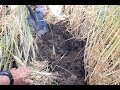
Achieving regenerative agriculture requires addressing soil compaction, which hinders gas exchange and biology. Deep compaction needs mechanical removal, followed by cover crops and biologicals to pre
-
Adopting regenerative practices should start small and incrementally, focusing on soil health over short-term yields. Collaboration, strategic nutrient sourcing, and leveraging resources like Continuu
Community
-
Addresses soil compaction by emphasizing living roots and a functioning water cycle. Recommends multispecies cover crops with diverse root architectures (e.g., cereal rye, radishes, sunflowers) and di
Read more (opens in new window) understandingag.com -
Prioritize cover crops over deep tillage for compaction remediation. Utilize multispecies cover crops with diverse roots, diversify crop rotations, and maximize ground cover year-round to build soil h
Read more (opens in new window) understandingag.com -
Advanced no-till methods for decompacting soil include subsoilers/keyline plows for deep slits, encouraging root colonization and organic matter. Integrating animals (pigs, cattle) and features like s
Read more (opens in new window) permies.com -
Regenerative farming builds soil health by supporting the soil web and microorganisms, contrasting with chemical farming's damage. Practices include polycultures, cover crops, minimal tillage, and nat
Read more (opens in new window) permies.com
Research
-
Building Soil Health and Fertility through Organic Amendments and Practices: A Review (opens in new window)
Review of organic amendments (manures, compost, cover crops) and regenerative practices (no-till, crop diversity, agroecology) shows they restore soil health by increasing organic matter and beneficia
-
Estrategias de agricultura regenerativa para mejorar la salud del suelo (opens in new window)
Review of research shows cover crops, composting, and crop rotation significantly improve soil health, carbon capture, and erosion resistance in regenerative agriculture.
-
Building Soil Health and Fertility through Organic Amendments and Practices: A Review (opens in new window)
Using organic amendments (manures, composts, cover crops) and regenerative practices (no-till, crop diversity) restores soil health by increasing organic matter and beneficial microbes, leading to mor
-
La agricultura regenerativa como solución para la degradación del suelo a través de investigaciones recientes (opens in new window)
Regenerative farming (cover crops, compost, no-till) combats soil degradation by improving water/nutrient retention, organic matter, and soil life, aiding resilience and carbon capture. Adoption barri
From the Web
-
Reduce tillage by addressing soil compaction with in-row subsoiling or deep-rooting cover crops. Implement traffic control and automatic guidance systems to minimize surface disturbance and improve yi
-
Conservation tillage principles include reducing tillage, using crop rotations with cover crops to maintain soil surface biomass (e.g., cereal rye), and minimizing soil compaction through traffic cont