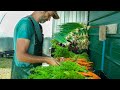
A washing station is a dedicated area or structure, often equipped with plumbing, drainage, and specialized fixtures, designed for efficiently cleaning harvested produce, equipment, or livestock. You use it to remove soil, debris, pests, and other contaminants, ensuring product quality, safety, and readiness for further processing, storage, or sale. These stations are pivotal in maintaining hygiene and streamlining post-harvest operations in regenerative agriculture.

Read More: Complete Description

A washing station is a fundamental piece of infrastructure in any agricultural operation, serving as a controlled environment for the thorough cleaning of a variety of materials. At its core, it’s a designated space, ranging from a simple setup with a hose and basin to a complex, purpose-built facility with integrated water filtration, conveyor belts, and specialized cleaning mechanisms. The primary purpose of a washing station is to remove unwanted substances – such as soil, mud, dust, insects, plant matter, and pathogens – from harvested crops, tools, equipment, or even livestock. This cleaning process is critical for several reasons, including improving the aesthetic appeal and marketability of produce, extending its shelf life by removing spoilage-promoting contaminants, and ensuring food safety by reducing the risk of pathogen transmission.

You might encounter washing stations in various forms depending on the scale and specific needs of a farm. For small-scale operations, a simple setup might involve a sturdy table, a large food-grade tub or basin, a reliable water source (either municipal or collected rainwater), and adequate drainage to manage wastewater. For larger or more specialized operations, a washing station could be a more elaborate construction, potentially including multi-stage washing systems, automated sorting capabilities, and dedicated drying areas. Industrial-scale washing stations might even incorporate advanced technologies like ozone or UV sterilization to enhance microbial reduction. Regardless of its complexity, the key functional components typically include a water supply, a washing area, a rinsing mechanism, and a system for debris removal and wastewater management.

The typical uses of a washing station are diverse, reflecting the varied needs on a regenerative farm. For most vegetable and fruit farms, the most common use is washing harvested produce. This can range from delicate greens that require gentle rinsing to root vegetables that need thorough scrubbing to remove tenacious soil. Beyond produce, washing stations are indispensable for cleaning farm tools, harvesting equipment, and implements to prevent the spread of diseases, pests, and weed seeds between fields or crops. In livestock operations, dedicated washing stations are used for cleaning animals before shows, sales, or veterinary procedures, as well as for maintaining the hygiene of animal housing and equipment. The design and features of a washing station are often tailored to the specific materials being cleaned, considering factors like water pressure, temperature, the type of cleaning agent (if any), and the desired level of cleanliness.

Key characteristics of an effective washing station include durability, ease of cleaning, and efficient water and waste management. Materials used in construction should be food-grade, non-corrosive, and able to withstand frequent exposure to water and cleaning solutions. Surfaces should be smooth and non-porous to prevent bacterial growth and facilitate thorough sanitization. Adequate drainage is paramount to prevent waterlogging, to manage wastewater responsibly, and to comply with environmental regulations. Ergonomics also plays a role, with the station designed to minimize physical strain on users during prolonged periods of washing and cleaning. Ultimately, a well-designed washing station is an investment that enhances efficiency, product quality, and operational hygiene, contributing significantly to the success and sustainability of a regenerative agricultural enterprise.

Sources behind this view

Key Points

What It Is

  • Dedicated area for cleaning farm materials.
  • Removes soil, debris, pests, and pathogens.
  • Essential for hygiene and product quality.
  • Range from simple to complex setups.

Why Use It

  • Enhances produce appearance and marketability.
  • Extends shelf life and reduces spoilage.
  • Prevents disease and pest spread.
  • Meets food safety and regulatory standards.

Benefits - Economic

  • $100-$5,000+ initial investment depending on scale.
  • Reduces post-harvest losses by 10-30%.
  • Saves labor costs by 20-50% for washing tasks.
  • Increases market value of cleaned produce.

Benefits - Operational

  • 50% faster cleaning than manual methods.
  • Improves hygiene and reduces contamination risk.
  • Streamlines post-harvest workflow.
  • Enhances product consistency and appearance.

Considerations - Economic

  • Initial setup costs vary significantly.
  • Ongoing costs for water and energy.
  • Potential for equipment repair and maintenance.
  • Wastewater treatment can incur costs.

Considerations - Operational

  • Requires proper training for use and cleaning.
  • Regular maintenance is crucial for longevity.
  • Water source availability and quality are key.
  • Proper waste disposal is environmentally important.
1

WHY - The Benefits

The integration of a washing station into a regenerative agriculture system is far more than a simple post-harvest chore; it's a strategic investment that yields multifaceted benefits, touching upon economic viability, operational efficiency, product quality, and...

The integration of a washing station into a regenerative agriculture system is far more than a simple post-harvest chore; it's a strategic investment that yields multifaceted benefits, touching upon economic viability, operational efficiency, product quality, and environmental stewardship. In regenerative farming, where the goal is to work in harmony with natural systems, a well-designed washing station supports these principles by minimizing waste, conserving resources, and producing high-quality outputs that command better market prices and customer loyalty. When you implement a washing station, you are not just cleaning produce; you are actively enhancing its value, extending its usability, and reinforcing the health and integrity of your entire farming operation.

Enhancing Produce Quality and Marketability

One of the most immediate and tangible benefits of a washing station is the dramatic improvement in the quality and marketability of your harvested produce. In regenerative agriculture, the emphasis is on producing nutrient-dense, flavorful food. However, even the most exceptionally grown produce can be compromised by the presence of soil, debris, or blemishes acquired during harvest. A washing station provides the means to restore produce to its pristine, natural state, making it visually appealing to consumers. For delicate items like leafy greens, a gentle rinse can remove clinging soil particles without causing damage, presenting a clean, vibrant product ready for the consumer's table. For root vegetables, a thorough wash is essential to remove the stubborn adherence of soil, transforming them from muddy tubers into attractive, ready-to-use ingredients. This enhanced appearance directly translates into higher market value, allowing you to command premium prices at farmers' markets, in restaurants, or through direct-to-consumer sales.

Furthermore, the cleaning process removes potential contaminants that could lead to premature spoilage. Soil often harbors microorganisms, and while some are beneficial in the field, their presence on harvested produce can accelerate decay and reduce shelf life. By effectively washing away these contaminants, you significantly extend the period during which your produce remains fresh and appetizing. This reduction in post-harvest loss is a critical economic advantage, especially for perishable goods. Instead of discarding produce that has become unsaleable due to dirt or early signs of decay, you can confidently bring it to market, thereby increasing your overall yield and profitability. This improved shelf life also allows for more flexible marketing strategies, enabling you to manage your inventory more effectively and reduce the pressure of immediate sales, which can sometimes lead to discounting and reduced revenue. The ability to consistently present clean, high-quality produce also builds trust and loyalty with your customers, fostering repeat business and a stronger brand reputation.

Improving Food Safety and Reducing Contamination Risk

In any food production system, food safety is paramount, and regenerative agriculture is no exception. A washing station plays a crucial role in mitigating food safety risks by providing a controlled environment for cleaning produce and equipment. Harvested produce can come into contact with a variety of potential contaminants in the field, including animal feces, contaminated irrigation water, soil-borne pathogens, and residues from approved agricultural inputs. A well-designed washing station, especially one incorporating multi-stage rinsing or sanitization steps, can effectively remove or significantly reduce the presence of these harmful microorganisms. This is particularly important for produce that is consumed raw, such as salads, fruits, and fresh vegetables.

By systematically cleaning your produce, you are directly reducing the risk of foodborne illnesses for your customers. This adherence to food safety standards is not only an ethical imperative but also a crucial business consideration. It protects your reputation, avoids costly recalls, and ensures compliance with regulatory requirements, which are becoming increasingly stringent. Beyond produce, washing stations are vital for cleaning harvesting tools, crates, and processing equipment. These items can harbor pathogens and transfer them from one batch of produce to another. Regular and thorough cleaning of equipment in a designated washing station prevents cross-contamination and maintains a hygienic production environment. This proactive approach to sanitation is a cornerstone of responsible food production and is a key differentiator for farms committed to the highest standards of quality and safety.

Enhancing Operational Efficiency and Labor Savings

Beyond the direct benefits to product quality and safety, a washing station significantly boosts operational efficiency and can lead to substantial labor savings. In conventional farming, manual washing of produce can be a time-consuming and labor-intensive task. Imagine washing hundreds of pounds of root vegetables or delicate greens by hand; it's a process that requires considerable time, physical effort, and often results in inconsistent outcomes. A washing station, with its optimized setup – whether it involves specialized brushes, high-pressure water jets, or even automated conveyors – can drastically speed up this process.

For instance, a well-designed washing station can reduce the time spent cleaning produce by 50% or more compared to informal or purely manual methods. This freed-up labor can then be reallocated to other critical tasks, such as planting, cultivating, pest management, or marketing, thereby increasing the overall productivity of your farm. Furthermore, the repetitive and often physically demanding nature of washing can lead to fatigue and potential injuries. By providing an ergonomically designed washing station, you can improve working conditions for your staff, reducing strain and enhancing job satisfaction. The standardization of the washing process also leads to more consistent results, ensuring that all produce is cleaned to a uniform standard, which further contributes to overall operational efficiency and product quality. This streamlining of post-harvest handling is a key factor in making smaller, diversified farms more competitive and sustainable.

Supporting Sustainable Resource Management

Regenerative agriculture is deeply committed to ecological principles, and a washing station, when designed and operated thoughtfully, can align with these goals. While washing inherently requires water, a well-planned station can incorporate features that promote water conservation and responsible wastewater management. For example, implementing a multi-stage washing system can allow for the reuse of water. Initial rinsing stages might capture the dirtiest water, which can then be used for less critical tasks like cleaning equipment, while cleaner rinse water is reserved for final product washing.

Furthermore, many regenerative farms collect and utilize rainwater for their operations. A washing station can be integrated into a rainwater harvesting system, reducing reliance on municipal water sources and lowering water costs. The wastewater generated from washing stations, particularly if it contains significant amounts of soil and organic matter, can also be managed in an environmentally beneficial way. Instead of simply discharging it, this nutrient-rich wastewater can be directed to compost piles, where it contributes to the decomposition process and adds valuable organic matter and nutrients. This circular approach to resource management exemplifies regenerative principles, turning a potential waste stream into a valuable input for soil fertility. By carefully considering water usage, filtration, and wastewater treatment, a washing station can become a tool for enhancing the sustainability of your entire operation.

2

HOW - Selection & Use

Selecting, setting up, and properly using a washing station are critical steps to ensure it effectively serves its purpose in your regenerative agricultural operation. A well-chosen and correctly implemented washing station can be a significant asset, enhancing...

Selecting, setting up, and properly using a washing station are critical steps to ensure it effectively serves its purpose in your regenerative agricultural operation. A well-chosen and correctly implemented washing station can be a significant asset, enhancing efficiency and product quality, while a poorly chosen or misused one can be a source of frustration, wasted resources, and potential problems. This section will guide you through the practical aspects of making the right choice, installing it correctly, employing best practices for its operation, and maintaining it for long-term effectiveness.

Selection Criteria

When choosing a washing station, you must consider several key factors to ensure it aligns with your specific needs, scale of operation, and the types of produce or materials you will be cleaning. The first and most crucial consideration is the scale of operation. A small market garden will have vastly different requirements than a mid-sized diversified farm or a large commercial enterprise. For small operations, a portable, collapsible sink with a gravity-fed water system or a simple hose attachment might suffice. Mid-sized farms might opt for a more robust, stationary unit with better drainage and potentially a small pump for increased water pressure. Larger operations will likely require custom-built or commercial-grade systems with advanced features like multiple washing stages, conveyor belts, and integrated sanitation systems.

Next, consider the type of produce or materials you will be washing. Delicate greens require gentle handling and a less forceful water flow, perhaps using a spray bar or a gentle cascade. Root vegetables, on the other hand, often need more vigorous scrubbing and higher water pressure to remove stubborn soil. If you are washing a variety of items, a versatile station with adjustable settings or interchangeable components will be beneficial. Think about the water source and availability. Do you have reliable access to clean municipal water, or will you be relying on well water or harvested rainwater? The quality of your water source is critical for food safety. If using well or rainwater, consider implementing filtration and testing protocols. The volume of water required will also influence your choice; a system that is too small may not be able to keep up with demand.

Drainage and wastewater management are also paramount. Your washing station must have adequate drainage to prevent water from pooling, which can create unsanitary conditions and potential slip hazards. Consider where the wastewater will go. Will it be directed to a municipal sewer, a dedicated septic system, or used for irrigation or compost enrichment? Understanding local regulations regarding wastewater disposal is essential. The materials of construction are vital for durability and hygiene. Stainless steel is often preferred for its durability, ease of cleaning, and resistance to corrosion, but it can be expensive. Food-grade plastics or coated metals can be more affordable alternatives, but ensure they are robust and non-porous.

Finally, budget and available space will naturally play a role. Determine how much you can realistically invest and ensure you have the necessary space for the washing station, as well as for staging produce before and after washing, and for storing cleaning supplies. Consider ergonomics and ease of use. A station that is too high or too low, or that requires awkward movements, can lead to fatigue and inefficiency. Look for features that promote comfortable and safe working conditions. For example, adjustable height tables or foot-operated water valves can make a significant difference. Don't overlook maintenance requirements. Some systems are more complex and require more frequent or specialized maintenance than others.

Setup and Installation

Proper setup and installation are crucial for the safe, efficient, and long-lasting operation of your washing station. The specific steps will vary greatly depending on the complexity of the station, but general principles apply to most setups.

Site Selection: Choose a location that is easily accessible for both bringing in harvested produce and for disposing of wastewater. It should have a reliable water supply and, if needed, access to electricity for pumps or other powered components. Ensure the ground is level and stable to prevent the station from tipping or becoming unstable. If the station is outdoors, consider protection from direct sun and harsh weather, which can affect water temperature and worker comfort. A covered area or a dedicated wash house is ideal. Proximity to storage areas for cleaned produce is also a consideration to minimize transport distances.

Plumbing and Water Supply: Connect your water source to the washing station. This might involve simple hose connections or more complex plumbing with shut-off valves, pressure regulators, and potentially water heating elements if hot water is required. Ensure all connections are secure to prevent leaks. If using a pump, ensure it is appropriately sized for your needs and properly wired according to electrical safety standards. For gravity-fed systems, ensure the water source is adequately elevated to provide sufficient pressure.

Drainage System: This is a critical component. Ensure the washing station is positioned to allow for efficient drainage. If it's a standalone unit, it should have a built-in drain that connects to your chosen wastewater management system (e.g., drain field, leach pit, or compost area). If you're using a tub or basin, ensure it can be easily emptied or connected to a drain. Proper slope is essential for gravity-driven drainage. Avoid allowing wastewater to pool around the station, as this creates unsanitary conditions and potential slip hazards. Consider installing a grease trap or sediment filter if your wastewater contains significant amounts of organic matter or oil, especially if discharging to a municipal sewer.

Assembly and Stability: Follow the manufacturer's instructions meticulously for assembling any pre-fabricated washing station. Ensure all components are securely fastened. If building a custom station, ensure it is robust and stable. Consider anchoring it if it is in a location prone to high winds.

Sanitation Setup: If your washing station involves multiple stages or the use of sanitizers, ensure these are integrated correctly. This might include dedicated tanks for sanitizing solutions, spray nozzles, or dip tanks. Ensure you have a designated area for storing cleaning agents and sanitizers safely and according to regulations.

Testing: Before full operation, thoroughly test the water supply, pressure, drainage, and any electrical components. Run water through the system for an extended period to check for leaks and ensure the drainage is functioning effectively. This initial testing phase is crucial for identifying and rectifying any potential issues before they cause problems during peak operation.

Proper Use Techniques

Using your washing station effectively involves more than just turning on the water. Adopting proper techniques ensures optimal cleaning, preserves produce quality, and maximizes the lifespan of your equipment.

Preparation: Before you begin washing, ensure the station is clean and sanitized. Remove any debris from previous use. Prepare your harvested produce by removing any large, loose debris by hand or with a brush to avoid clogging your washing system. Sort produce to remove any damaged or diseased items, as these can contaminate the wash water and subsequent batches.

Water Temperature and Pressure: Use the appropriate water temperature and pressure for the type of produce you are washing. For most fruits and vegetables, cool to lukewarm water is generally best. Water that is too hot can cook delicate produce or cause wilting, while water that is too cold might not effectively remove all soil and grime. Water pressure should be sufficient to dislodge dirt but not so high that it bruises or damages the produce. For leafy greens, a gentle spray or immersion with agitation is preferred, while root vegetables might benefit from higher pressure or a brushing mechanism.

Washing Stages: If your station has multiple washing stages, use them efficiently. The first stage is typically for removing the bulk of the soil and debris. Subsequent stages, which use cleaner water, are for rinsing and sanitizing. This multi-stage approach is more effective and conserves cleaner water for the final rinse. If you are using a sanitizer, ensure you follow the manufacturer's recommended concentration and contact time. Over-sanitizing can damage produce, while under-sanitizing will be ineffective.

Agitation and Scrubbing: For produce with stubborn soil, gentle agitation in the wash water or light scrubbing can be very effective. Avoid harsh scrubbing that can damage the skin or flesh of fruits and vegetables. For items like root vegetables, brushes integrated into the washing system or manual brushes can be used judiciously.

Rinsing: Thorough rinsing is critical to remove any residual soil, cleaning agents, or sanitizers. Ensure all surfaces of the produce are exposed to clean rinse water. If using a spray system, ensure the spray covers all parts of the produce adequately.

Drying: While not always part of the washing station itself, proper drying after washing is crucial for extending shelf life and preventing mold growth. Allow produce to drain thoroughly on clean racks or use drying equipment if available. Ensure good air circulation to facilitate drying.

Post-Washing Sanitation: After you have finished washing, it is imperative to clean and sanitize the washing station itself. This prevents the buildup of bacteria and other microorganisms, ensuring that the station is ready for its next use and does not become a source of contamination. Disassemble any removable parts, scrub them thoroughly, and sanitize the entire unit.

Water Management: Monitor the wash water quality. If the water becomes excessively dirty, cloudy, or develops an odor, it's time to change it. This is especially important between different types of produce or if washing items that are particularly dirty. Conserve water by only running the system when needed and by using efficient spray patterns.

Maintenance

Regular and thorough maintenance is key to ensuring your washing station remains functional, hygienic, and efficient for years to come. Neglecting maintenance can lead to costly repairs, reduced performance, and potential food safety issues.

Daily Checks: At the end of each day's use, perform a visual inspection of the washing station. Check for any obvious damage, loose parts, or blockages in the drainage system. Clean out any visible debris.

Regular Cleaning and Sanitization: This is the most critical aspect of maintenance. After each use, thoroughly clean all surfaces with appropriate cleaning agents. Follow this with a thorough sanitization process using a food-grade sanitizer. Pay close attention to nooks, crannies, and areas where food particles might accumulate.

Plumbing and Water System: Periodically inspect all hoses, pipes, and connections for leaks or wear. Check water filters and replace them as recommended by the manufacturer. If you have a pump, check its seals and ensure it is operating smoothly. If you use a water heater, ensure it is functioning correctly and at the appropriate temperature.

Drainage System: Keep the drainage system clear of debris. Regularly inspect and clean any strainers or traps. If you notice slow drainage, investigate the cause immediately, as this could indicate a blockage building up.

Mechanical Components: If your washing station has moving parts, such as brushes, agitators, or conveyors, inspect them regularly for wear and tear. Lubricate any necessary parts according to the manufacturer's recommendations. Ensure belts are tensioned correctly and that all moving parts operate smoothly without excessive noise or vibration.

Material Integrity: Periodically check the structural integrity of the washing station. Look for signs of corrosion, rust, or cracks in the materials. Address any issues promptly to prevent further damage. For stainless steel, ensure it is cleaned with non-abrasive materials to avoid scratching, which can create sites for bacterial growth.

Record Keeping: Maintain a log of maintenance activities, including cleaning schedules, repairs, and parts replacements. This record can help you identify recurring issues and ensure that maintenance is performed consistently.

Seasonal Shutdown: If the washing station is used seasonally, ensure it is properly prepared for shutdown. Drain all water, clean and sanitize thoroughly, and store it in a dry, protected location if possible. Cover it to protect it from dust and pests.

Common Mistakes to Avoid

To maximize the benefits of your washing station and prevent common pitfalls, be aware of these frequent mistakes:

  • Using the same water for multiple batches without changing it: This leads to re-contamination of produce. Always change wash water when it becomes cloudy or dirty.
  • Inadequate sanitization of the station itself: A dirty washing station will contaminate the very produce you are trying to clean. Sanitize thoroughly after every use.
  • Using harsh or unapproved cleaning chemicals: These can leave residues that are harmful to both consumers and the environment. Always use food-grade, approved cleaners and sanitizers.
  • Ignoring drainage issues: Standing water creates a breeding ground for bacteria and can lead to mold growth. Ensure your drainage is always efficient.
  • Over-agitating or scrubbing delicate produce: This can cause bruising, damage, and reduce shelf life. Tailor your washing intensity to the produce type.
  • Not rinsing thoroughly enough: Residues of soil, cleaning agents, or sanitizers can negatively impact produce quality and safety. Ensure a complete rinse.
  • Skipping regular maintenance: This leads to breakdowns, reduced efficiency, and potential safety hazards. Follow a strict maintenance schedule.
  • Improper wastewater disposal: Discharging contaminated wastewater indiscriminately can harm the environment and violate regulations. Plan for responsible disposal.
  • Washing too much produce at once: Overloading the station can lead to inefficient cleaning and damage to the produce. Work in manageable batches.
  • Not training users properly: Inconsistent or incorrect use can negate the benefits of the station. Ensure all users understand the proper procedures.
3

HOW MUCH - Costs & Investment

The cost of a washing station can vary dramatically, from a few hundred dollars for a simple DIY setup to tens of thousands for sophisticated commercial units. Understanding these cost variations is crucial for budgeting and making an informed investment decision that...

The cost of a washing station can vary dramatically, from a few hundred dollars for a simple DIY setup to tens of thousands for sophisticated commercial units. Understanding these cost variations is crucial for budgeting and making an informed investment decision that aligns with your farm's financial capacity and operational needs. This section breaks down the costs associated with acquiring, operating, and maintaining a washing station, considering different scales of operation.

Initial Purchase Costs

The initial purchase cost of a washing station is the most significant upfront investment. These costs are highly variable, influenced by size, materials, features, and whether you opt for a pre-built commercial unit or a DIY solution.

Small-Scale / Hobby Farm: For very small operations, like a market garden or a CSA with limited produce volume, you can often create a functional washing station for $100 to $500. This might involve purchasing:
* A food-grade plastic tub or stainless steel sink (e.g., $50-$200)
* A high-quality hose and spray nozzle (e.g., $30-$75)
* A sturdy table or workbench (e.g., $50-$150)
* Basic plumbing fittings (e.g., $20-$50)
* Optional: A small submersible pump for better water circulation or pressure (e.g., $50-$100)

Mid-Sized Farm: For operations that are larger and require more durability and efficiency, costs can range from $500 to $5,000. This level might include:
* Purchasing a dedicated, moderately sized stainless steel sink or multi-basin unit (e.g., $300-$1,500)
* A more powerful water pump for better pressure and flow rates (e.g., $100-$300)
* A water filtration system to improve water quality (e.g., $100-$500)
* A dedicated, enclosed wash stand or table with integrated drainage (e.g., $200-$1,000)
* Optional: A small conveyor belt for certain produce (e.g., $500-$2,000)
* Optional: A basic water heater for warmer wash water (e.g., $150-$400)

Commercial / Large-Scale Operation: For commercial enterprises with high volumes of produce, the investment can be substantial, typically ranging from $5,000 to $50,000+. These systems are often custom-designed or purchased as industrial-grade equipment and may include:
* Large, heavy-duty stainless steel wash tanks with integrated agitation systems (e.g., $2,000-$10,000 per tank)
* Automated conveyor belts for product transport (e.g., $2,000-$15,000)
* Multi-stage washing and rinsing systems (e.g., $5,000-$25,000+)
* Advanced water filtration, recirculation, and sterilization (UV, ozone) systems (e.g., $3,000-$15,000+)
* Specialized cleaning attachments (e.g., rotary brushes, spray bars) (e.g., $500-$3,000 each)
* Dedicated wash house construction or significant modification (e.g., $10,000-$50,000+)
* Integrated drying systems (e.g., forced air blowers, vibratory dryers) (e.g., $2,000-$10,000+)

DIY vs. Pre-Built: Building your own washing station can significantly reduce initial costs, especially for smaller operations. However, it requires time, labor, and some technical skill. Pre-built units offer convenience, proven designs, and often better durability, but at a higher price point. When pricing, always factor in installation costs, which can include plumbing, electrical work, and structural modifications.

Operating Costs

Beyond the initial purchase, you'll incur ongoing operating costs for using your washing station. These are primarily related to water consumption, energy usage, and consumables.

Water Usage: This is typically the most significant operating cost. The amount of water used depends on the size of the station, the duration of washing, the type of produce, and whether water is recirculated.
* Small-scale: Might use 50-200 gallons (190-760 liters) per day, costing $0.50 - $5 per day (depending on local water rates, e.g., $0.01-$0.03 per gallon).
* Mid-sized: Could use 200-1,000 gallons (760-3,800 liters) per day, costing $2 - $30 per day.
* Commercial: Can use thousands of gallons per day, with costs potentially reaching $50 - $200+ per day or more, especially if water is not recirculated or filtered.
* Water Conservation: Implementing water-saving features like low-flow spray nozzles, timed cycles, and water recirculation systems can significantly reduce these costs.

Energy Usage: If your washing station uses electric pumps, water heaters, or automated components, energy costs will be a factor.
* Small-scale: Minimal energy costs, perhaps $0.10 - $0.50 per day for a small pump or heater.
* Mid-sized: Could range from $1 - $10 per day, depending on pump size, heater usage, and electricity rates.
* Commercial: High-volume pumps, heaters, and automation can drive energy costs to $10 - $50+ per day.
* Efficiency: Using energy-efficient pumps and heaters, and optimizing run times, can help manage these costs.

Consumables: This includes cleaning agents, sanitizers, and replacement filters.
* Small-scale: Minimal, perhaps $5 - $20 per month.
* Mid-sized: $20 - $100 per month, depending on the frequency of cleaning and type of sanitizers used.
* Commercial: Can range from $100 - $500+ per month for specialized sanitizers, large filter replacements, and cleaning supplies.

Maintenance and Repairs: While not strictly an operating cost, budget for periodic maintenance and unexpected repairs. This can be estimated as a percentage of the initial investment, perhaps 0.5% to 5% annually, depending on the complexity and quality of the unit.

Total Estimated Operating Costs (Monthly):
* Small-Scale: $20 - $100
* Mid-Sized: $100 - $500
* Commercial: $500 - $3,000+

Scale Considerations

The cost-effectiveness of a washing station is heavily dependent on the scale of your operation. What is a wise investment for one farm might be an unnecessary expense for another.

Small Farms (e.g., < 5 acres, primary market is local farmers' markets):
* Investment Focus: Durability, ease of use, and minimal upfront cost.
* Recommended Solution: DIY setup, a single-basin stainless steel sink, or a portable wash station.
* Cost Range: $100 - $1,000.
* Break-Even: Achieved quickly through time savings and reduced spoilage, potentially within the first season. The primary ROI is labor savings and improved product quality.

Mid-Sized Farms (e.g., 5-50 acres, diversified crops, multiple sales channels like CSA, restaurants, wholesale):
* Investment Focus: Efficiency, reliability, and capacity.
* Recommended Solution: A stationary, multi-basin sink system, perhaps with a basic conveyor or spray bar attachment. Consideration for a dedicated wash area.
* Cost Range: $1,000 - $10,000.
* Break-Even: Typically within 1-3 years. ROI comes from increased throughput, reduced labor per unit of produce, and higher market prices due to consistent quality.

Large Commercial Operations (e.g., >50 acres, high-volume wholesale, processing):
* Investment Focus: Automation, high throughput, advanced sanitation, and water/energy efficiency.
* Recommended Solution: Industrial-grade, often custom-designed, multi-stage washing and processing lines.
* Cost Range: $10,000 - $50,000+.
* Break-Even: Can be longer, 3-7 years, but the scale of operation means that even small improvements in efficiency or reduction in spoilage result in significant absolute dollar savings and revenue increases. ROI is driven by economies of scale, competitive pricing, and meeting large buyer demands.

When evaluating costs, always perform a cost-benefit analysis. Quantify the labor hours saved, the reduction in spoilage, and any potential increase in revenue due to improved quality. Compare these benefits against the total cost of ownership (initial purchase + operating costs + maintenance) over a projected lifespan of the equipment.

Long-Term Value

The long-term value of a washing station extends beyond its immediate economic returns. It contributes to the sustainability and resilience of your farm operation.

Increased Profitability: By reducing post-harvest losses and improving the marketability of your produce, a washing station directly contributes to higher profits. Consistent quality also builds customer loyalty, leading to sustained sales.

Labor Efficiency and Farm Viability: Washing can be a bottleneck in post-harvest operations. A washing station streamlines this process, making your labor more productive. This efficiency is crucial for farms, especially smaller ones, to remain competitive and economically viable. It can also improve working conditions for employees, reducing turnover.

Food Safety Assurance: A dedicated washing station provides a controlled environment to meet food safety standards, which is increasingly important for market access and consumer trust. This reduces the risk of costly recalls or health-related incidents.

Resource Management: Well-designed stations can incorporate water-saving technologies and facilitate responsible wastewater management, aligning with regenerative principles and potentially reducing utility bills.

Asset Depreciation: Like any equipment, washing stations depreciate over time. However, a well-maintained, durable unit can serve your farm for many years, providing value far exceeding its initial cost. The lifespan can range from 5-10 years for basic units to 15-25+ years for heavy-duty stainless steel commercial systems.

Adaptability: As your farm grows and evolves, you may need to upgrade or expand your washing station. The initial investment in a quality system can make future expansions more manageable.

Return on Investment (ROI): While difficult to pinpoint universally, a reasonable ROI can be expected within 1-5 years for most farms, depending on the initial investment, operational savings, and increased revenue. For a $3,000 mid-sized station, if it saves 10 hours of labor per week at $15/hour ($150/week or $7,800/year), the ROI is achieved within the first year, not even accounting for reduced spoilage.

4

REWARDS AND RISKS

Investing in a washing station is a strategic decision with significant potential rewards, but like any agricultural investment, it also carries inherent risks. Understanding both sides of this equation will help you make informed choices, maximize benefits, and mitigate...

Investing in a washing station is a strategic decision with significant potential rewards, but like any agricultural investment, it also carries inherent risks. Understanding both sides of this equation will help you make informed choices, maximize benefits, and mitigate potential downsides, ensuring your washing station becomes a valuable asset rather than a liability.

Economic Considerations

The economic rewards of a washing station are directly tied to its ability to improve your farm's bottom line. However, miscalculations in investment or operation can lead to financial strain.

Rewards:
* Increased Revenue: By presenting cleaner, more appealing produce, you can command higher prices. A 10-20% increase in price for high-quality, well-washed produce is not uncommon. For example, if you sell 10,000 lbs of a crop at $1/lb, a 10% price increase (to $1.10/lb) due to better presentation adds $1,000 in revenue.
* Reduced Post-Harvest Losses: Spoilage is a major drain on farm profitability. A washing station can reduce losses by 10-30%, turning potential waste into saleable product. If you previously lost 20% of a $10,000 crop to spoilage, recovering even half of that loss ($1,000) significantly improves profitability.
* Labor Cost Savings: As discussed, automating or streamlining washing can save considerable labor. If a washing station saves 10 hours of labor per week at $15/hour, that's $7,800 saved annually. This freed-up labor can be used for more profitable activities.
* Market Access: Many wholesale buyers, restaurants, and even some direct markets require produce to be washed and ready for sale. A washing station is often a prerequisite for accessing these higher-value markets.

Risks:
* Over-investment: Purchasing a station that is too large, too complex, or too expensive for your current or projected needs can strain cash flow and lead to underutilization. A $10,000 station that only saves $2,000 in labor annually will take 5 years to recoup the initial cost, not including operating expenses.
* Underestimating Operating Costs: High water bills, significant energy consumption, and frequent replacement of filters or sanitizers can eat into profits. If operating costs are 50% higher than projected, the ROI period extends significantly.
* Equipment Obsolescence or Breakdown: Technology evolves, and equipment can break down. A major repair on an older, out-of-warranty unit could cost hundreds or even thousands of dollars, impacting your budget.
* Lack of Use: If the washing station is cumbersome to use, difficult to clean, or doesn't fit well into your workflow, it may not be used to its full potential, negating its economic benefits.

Best Case Scenario: You invest in a moderately priced, efficient washing station that perfectly fits your operation. It saves you significant labor, reduces spoilage by 25%, and allows you to command premium prices, leading to a 15% increase in overall revenue. The station pays for itself within the first year, and its consistent use contributes to sustained profitability and market growth for years to come.

Typical Case Scenario: You invest in a washing station that meets your needs but requires some adjustment to your workflow. It saves you labor and reduces spoilage by 15%. Operating costs are as projected. The station pays for itself within 2-3 years, providing steady economic benefits and improving operational efficiency.

Worst Case Scenario: You invest in an overly complex or expensive station that is difficult to operate and maintain. Labor savings are minimal, spoilage is only slightly reduced, and operating costs are higher than anticipated. The station becomes an underutilized asset, taking 7+ years to recoup the investment or potentially never providing a positive ROI.

Performance Factors

The performance of your washing station is directly linked to its design, how you use it, and how well you maintain it. Optimizing these factors ensures you get the most out of your investment.

Rewards:
* Consistent Quality: A well-designed station, used correctly, ensures every batch of produce is cleaned to a similar standard, enhancing overall product consistency.
* Improved Efficiency: Streamlined processes mean more produce can be washed in less time, allowing for quicker turnaround from harvest to market. This can mean the difference between selling fresh produce today or having to store it.
* Enhanced Hygiene: Proper use and sanitation protocols lead to a cleaner product, reducing the risk of contamination and improving food safety.
* Durability and Longevity: Investing in quality materials and performing regular maintenance can ensure your washing station performs reliably for many years.

Risks:
* Inconsistent Cleaning: If the station is not used properly (e.g., wrong water pressure, insufficient rinsing, overloading), cleaning can be inconsistent, leading to some produce being well-washed and others still dirty.
* Damage to Produce: Using excessive water pressure or harsh agitation can bruise or damage delicate produce, reducing its quality and shelf life.
* Cross-Contamination: If the station is not properly cleaned and sanitized between batches or types of produce, it can become a source of cross-contamination, spreading pathogens or allergens.
* Water/Energy Inefficiency: Poor design or improper use can lead to excessive water and energy consumption, increasing operating costs and environmental impact.

Best Case Scenario: Your washing station is perfectly sized for your needs, easy to operate and clean, and built from durable materials. You use it consistently with proper techniques, leading to consistently high-quality, clean produce with minimal damage. It operates efficiently, with low water and energy consumption.

Typical Case Scenario: Your washing station performs well most of the time. You might occasionally have minor issues with inconsistent cleaning on certain produce types or find the cleaning process a bit time-consuming. With regular maintenance, it remains a reliable performer.

Worst Case Scenario: Your washing station is difficult to use, prone to breakdowns, or does not clean effectively. Produce is frequently damaged, or cleaning is inconsistent. High operating costs and frequent repairs make it an inefficient and frustrating part of your operation.

Common Failure Modes

Understanding how washing stations can fail is key to proactive prevention and quick troubleshooting.

Failure Mode: Clogged Drains and Poor Drainage
* Cause: Accumulation of soil, debris, and plant matter.
* Impact: Water pooling, unsanitary conditions, slip hazards, potential overflow.
* Mitigation: Regular cleaning of strainers and traps, using a pre-wash to remove large debris, proper wastewater management system design.
* Troubleshooting: Disassemble and clean drain components. Use a plumber's snake or high-pressure water jet if necessary.

Failure Mode: Pump Failure
* Cause: Overheating, debris in the impeller, worn seals, electrical issues.
* Impact: Loss of water pressure or flow, inability to operate the station.
* Mitigation: Ensure pump is correctly sized, install intake filters, perform regular maintenance as per manufacturer's instructions, protect from running dry.
* Troubleshooting: Check power supply, listen for unusual noises, inspect impeller for blockages, check seals. May require professional repair or replacement.

Failure Mode: Corrosion and Material Degradation
* Cause: Use of harsh chemicals, prolonged exposure to moisture, using abrasive cleaning tools on sensitive materials.
* Impact: Weakening of structure, rust spots, potential contamination from degraded materials.
* Mitigation: Use appropriate, food-grade cleaning agents. Ensure materials are suitable for the intended use (e.g., stainless steel for wet environments). Regular cleaning and drying.
* Troubleshooting: For minor rust, use appropriate rust removers. For significant degradation, parts may need replacement.

Failure Mode: Sanitizer Ineffectiveness or Residue
* Cause: Incorrect concentration, insufficient contact time, improper rinsing, or using expired sanitizers.
* Impact: Inadequate pathogen reduction, potential harm to consumers if residues remain.
* Mitigation: Strictly follow manufacturer's instructions for dilution and contact times. Ensure thorough rinsing. Use fresh sanitizers.
* Troubleshooting: Re-test sanitizer concentration. Ensure all surfaces are thoroughly rinsed. If residues persist, review rinsing procedures.

Failure Mode: Wear and Tear on Mechanical Parts
* Cause: Friction, continuous operation, lack of lubrication, debris ingress.
* Impact: Reduced efficiency, increased noise, eventual breakdown of components like brushes, conveyors, or agitators.
* Mitigation: Regular lubrication, cleaning of moving parts, inspection for wear, replacement of worn parts proactively.
* Troubleshooting: Identify the specific worn part. Order and replace according to manufacturer guidelines.

Risk Mitigation

Effectively mitigating the risks associated with a washing station involves a combination of careful planning, diligent operation, and consistent maintenance.

  • Thorough Needs Assessment: Before purchasing, clearly define your washing needs (volume, types of produce, available space, budget). This prevents over-investment or under-speccing.
  • Invest in Quality: While initial cost is a factor, prioritize durability and reliability. A slightly more expensive, well-built unit will often have lower long-term costs due to fewer repairs and longer lifespan.
  • Develop Standard Operating Procedures (SOPs): Create clear guidelines for operation, cleaning, sanitization, and maintenance. Train all users thoroughly on these procedures.
  • Implement a Robust Maintenance Schedule: Don't wait for things to break. Proactive, regular maintenance is key to preventing failures and extending equipment life.
  • Monitor Operating Costs: Keep track of water and energy usage, as well as consumable costs. Look for ways to improve efficiency and reduce these expenses.
  • Build in Redundancy (if feasible): For critical operations, consider having backup pumps or simpler, manual alternatives available in case of equipment failure.
  • Stay Informed on Regulations: Understand local health and environmental regulations regarding food handling and wastewater disposal. Ensure your washing station and practices comply.
  • Regularly Review Workflow: Periodically assess if the washing station is integrated efficiently into your overall post-harvest workflow. Identify and address any bottlenecks or inefficiencies.
  • Seek Expert Advice: Consult with equipment suppliers, agricultural extension services, or experienced farmers when making purchasing decisions or troubleshooting issues.
5

COMPATIBLE PRACTICES

A washing station is a foundational piece of infrastructure that integrates seamlessly with numerous regenerative agricultural practices, enhancing their efficiency and effectiveness. Its primary role is to prepare harvested products for subsequent stages, whether that's...

A washing station is a foundational piece of infrastructure that integrates seamlessly with numerous regenerative agricultural practices, enhancing their efficiency and effectiveness. Its primary role is to prepare harvested products for subsequent stages, whether that's immediate sale, storage, processing, or further value addition.

Direct Marketing and Farmers' Markets

For farms engaged in direct marketing, especially through farmers' markets, a washing station is indispensable. The visual appeal of produce is paramount when selling directly to consumers. A washing station ensures that your vegetables, fruits, and herbs are free from soil, debris, and blemishes, presenting them in their most attractive state. This significantly boosts impulse buys and customer satisfaction. Beyond aesthetics, clean produce is perceived as safer and healthier, which is a key selling point for consumers seeking high-quality, locally grown food. The efficiency gained from a washing station also means you can spend less time on post-harvest prep and more time engaging with customers, building relationships, and managing your market stall effectively. For delicate items like salad greens, a gentle wash and spin-dry can make them ready to eat straight from the bag, a major convenience for consumers.

Community Supported Agriculture (CSA) Programs

CSA programs rely on consistent delivery of high-quality produce to subscribing members. A washing station is critical for ensuring that the produce packed for CSA boxes is clean, presentable, and has an extended shelf life. Members expect their produce to be ready for consumption with minimal preparation. Washing removes soil and potential contaminants, reducing the risk of spoilage during transit and storage before reaching the member's home. This contributes to member satisfaction and retention. Furthermore, for farms offering a wide variety of crops, a washing station streamlines the packing process. Efficiently cleaning and preparing diverse items allows for more accurate and appealing box contents, reinforcing the value proposition of the CSA membership.

Wholesale and Restaurant Supply Chains

Supplying produce to restaurants, grocers, or food hubs often involves meeting specific quality and safety standards. A washing station is essential for meeting these requirements. Wholesale buyers frequently demand produce that is already cleaned and packed, ready for their own distribution or processing. Restaurants, in particular, value produce that requires minimal preparation in their busy kitchens. A consistent washing process ensures that your produce meets these expectations, opening doors to more lucrative wholesale contracts. Moreover, regulatory compliance, especially regarding food safety, is often more stringent in wholesale channels. A dedicated washing station provides a controlled environment to mitigate risks and demonstrate due diligence in food safety practices, which is crucial for building trust with larger buyers.

Value-Added Product Creation

Farms that engage in value-added processing, such as making jams, sauces, dried herbs, or pickled vegetables, also rely heavily on a washing station. The quality of the raw ingredients directly impacts the quality of the final product. Thoroughly washing fruits and vegetables before processing removes any contaminants that could affect flavor, texture, or shelf life of the processed goods. For instance, residual soil in herbs could lead to gritty dried products, or improperly washed fruit might introduce unwanted microorganisms into jams. A clean starting point is fundamental to creating safe, high-quality value-added products that can command premium prices and build brand recognition beyond fresh produce sales.

Equipment and Tool Sanitation

Beyond produce, washing stations are vital for maintaining the hygiene of farm equipment and tools. Regenerative agriculture often emphasizes minimizing soil disturbance and preventing the spread of pests and diseases. Regularly washing and sanitizing harvesting tools, knives, crates, and machinery prevents the transfer of soil-borne pathogens, weed seeds, and insect pests from one field or crop to another. This practice is crucial for integrated pest management (IPM) and for preventing the introduction of diseases that could compromise crop health and yield. A dedicated washing area makes this essential sanitation task more manageable and effective, contributing to overall farm health and productivity.

Sources behind this view

Videos & Podcasts
View Full Document (Printable single-page version)