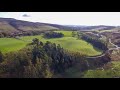
Scots pine (Pinus sylvestris) finds application in regenerative agriculture primarily as a component in agroforestry systems and for land rehabilitation. In experiments like Glensock, it's integrated with livestock grazing, forming an open canopy that provides shelter while allowing for limited forage. Research in the Mu Us Desert demonstrates its significant role in soil building, where planting Scots pine, alongside other species, substantially increased both soil inorganic and organic carbon stocks. This carbon sequestration potential is further highlighted in studies on rehabilitating mine spoil dumps, where Scots pine, especially when amended with compost, contributes to higher soil organic carbon levels and reduced CO2 emissions. Farmers transplanting Scots pine seedlings to enhance hedgerows create more robust windbreaks and improve wildlife habitat, leveraging its conifer presence. While not a nitrogen fixer, its capacity for carbon sequestration and soil improvement makes it a valuable element in diversified farming systems aiming for ecological restoration and resilience.

Regenerative Quick Profile

All recommendations assume integrated, regenerative practices—not conventional inputs.

Climate & Soil Fit

Climate: Tropical Rainforest, Tropical Monsoon, Tropical Savanna, Hot Semi-Arid (Steppe), Cold Semi-Arid (Steppe), Hot Desert, Cold Desert, Humid Subtropical, Oceanic (Maritime Temperate), Hot-Summer Mediterranean, Warm-Summer Mediterranean, Monsoon-Influenced Humid Subtropical, Subtropical Highland, Hot-Summer Continental, Warm-Summer Continental, Subarctic, Monsoon-Influenced Hot-Summer Continental, Tundra

Zones: USDA 2-7, Australian Zones 3-5

Optimal Soil: Sandy Soil

System Role & Functions

Primary: Windbreak

Secondary: Silvopasture, Soil Remediation

Key Benefits: Climate adaptable, Drought tolerant, Wide zone range

Management Level

Experience: Beginner-Friendly

Maintenance: Moderate maintenance - Scots pine naturally integrates into healthy soil ecosystems, requiring minimal intervention beyond observing its natural development and ensuring healthy soil biology through practices like mulching.

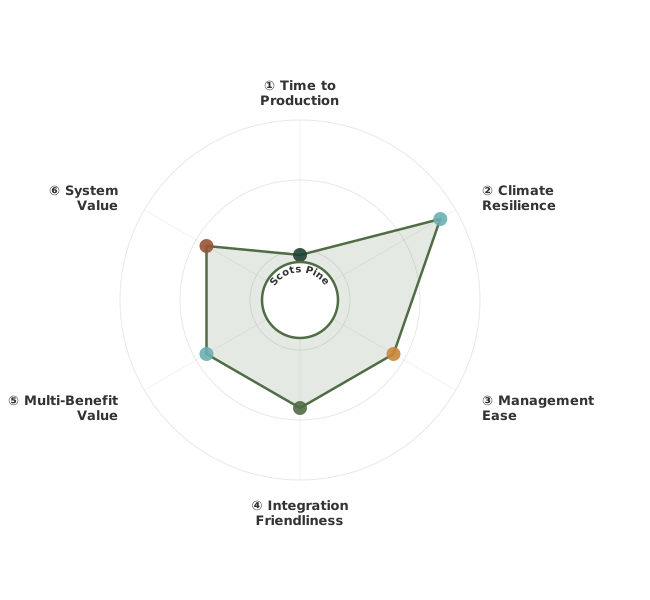
Time to Production: Slow (5+ years) - Primarily grown for timber and windbreak functions, Scots pine requires a long-term commitment within the system, with its primary yields manifesting over many years.

Value Streams

  • Fruit/nut harvest
1

Climate Suitability Assessment

Will this plant thrive in your climate?

IDEALLY SUITED

Köppen Zone: Cfb (Oceanic (Maritime Temperate)), Dfa (Hot-Summer Continental), Dfb (Warm-Summer Continental), Dfc (Subarctic)
USDA Zone: 4a, 4b, 5a, 5b, 6a, 6b
Australian Zone: temperate
EU Climate Region: atlantic, continental

Scots Pine performs optimally in climates with mild winters and moderate to warm summers, characterized by consistent rainfall and absence of extreme temperature fluctuations. This includes Köppen zones Cfb, Dfb, and EU Atlantic and Continental regions, as well as USDA zones 5b through 7b, and Australian temperate zones. These environments provide the necessary growing season length (typically 150-200+ frost-free days) and temperature ranges (optimal growth between 50-75°F / 10-24°C) for vigorous establishment and sustained growth. Precipitation levels of 20-40 inches (50-100 cm) annually are generally sufficient, with minimal need for irrigation. Windbreaks are highly effective, offering excellent protection. Silvopasture benefits from reliable forage production under the canopy, and soil remediation is supported by strong root systems and biomass production. Establishment success rates are consistently high (>85%), with minimal management required beyond initial planting and protection from severe browsing.

ADEQUATE

Köppen Zone: BSk (Cold Semi-Arid (Steppe)), Cfa (Humid Subtropical), Csa (Hot-Summer Mediterranean), Csb (Warm-Summer Mediterranean), Cwa (Monsoon-Influenced Humid Subtropical), Cwb (Subtropical Highland), Dwa (Monsoon-Influenced Hot-Summer Continental)
USDA Zone: 3a, 3b, 7a, 7b

Scots Pine is adequately suited to climates with more pronounced seasonal variations, including USDA zones 4b, 8a, and 8b, and Köppen Dfc and Dwa zones. These regions offer a sufficient growing season (120-180 frost-free days) but may present challenges such as moderate winter cold (USDA 4b) or hotter summers (USDA 8a/8b, Dwa). In cooler adequate zones, growth may be slightly slower, and winter damage is a possibility, requiring careful site selection. In warmer adequate zones, summer heat and potential drought can stress the trees, necessitating supplemental irrigation for optimal performance in silvopasture or soil remediation. Establishment success is good (70-85%) with proper timing and site preparation. Windbreak effectiveness is generally high, but silvopasture productivity might be reduced by forage competition or heat stress on grazing animals. Standard management practices, including mulching and occasional watering, are beneficial.

NOT RECOMMENDED

Köppen Zone: Af (Tropical Rainforest), Am (Tropical Monsoon), Aw (Tropical Savanna), ET (Tundra), BSh (Hot Semi-Arid (Steppe)), BWh (Hot Desert), BWk (Cold Desert)
USDA Zone: 2a, 8a, 8b, 9a, 10a, 11a, 12a

Scots Pine is not recommended for climates with extreme temperature fluctuations, very short growing seasons, or prolonged periods of intense heat or cold. This includes Köppen zones Dfd, Dwc, Dwd, and USDA zones 1a through 5a, as well as USDA zones 9a and 9b. In extremely cold regions (USDA 1-3, Köppen Dfd/Dwc/Dwd), winter kill is highly probable due to temperatures far below its tolerance, and the short growing season prevents meaningful establishment or growth. In hot, arid regions (USDA 9a/9b), prolonged extreme heat and lack of sufficient winter chill lead to severe stress, reduced vigor, and increased susceptibility to pests and diseases, making it impractical for windbreaks or silvopasture. Establishment success is low (<70%), and survival rates are poor, requiring intensive management and high replacement costs. Alternative species better adapted to these specific extreme conditions are essential for successful regenerative agriculture practices.

Better alternatives for these "not recommended" zones: Siberian Larch (Larix sibirica) (Highly cold-hardy deciduous conifer adapted to extreme northern climates.), Siberian Stone Pine (Pinus sibirica) (More cold-tolerant than Scots Pine and better suited to harsh cold zones.), Italian Cypress (Cupressus sempervirens) (Drought-tolerant and heat-loving evergreen for hot, arid regions.), Arizona Cypress (Cupressus arizonica) (Drought and heat tolerant, suitable for arid and semi-arid regions.)

Note: Zones listed above represent climates where this plant can produce reliably with reasonable management. Climate zones not mentioned would require intensive climate modification (greenhouses, extensive infrastructure) and are not economically viable for regenerative agriculture purposes.

2

Soil Suitability Assessment

Which soil types work best for this plant?

IDEALLY SUITED

Sandy Soil

This plant thrives in these soil types without requiring amendments or remediation. Natural soil conditions support optimal growth and productivity.

ADEQUATE

Acidic Soil, Clay Soil, Desert Soil, Loam Soil, Rich Soil, Rocky Soil

This plant performs acceptably in these soil types with moderate, manageable remediation such as pH adjustment, compost addition, or drainage improvement. The required amendments are practical and cost-effective for regenerative agriculture.

NOT RECOMMENDED

Alkaline Soil, Saline Soil, Wet Soil

Growing this plant in these soil types would require impractical remediation such as complete soil replacement, extensive amendments, or cost-prohibitive infrastructure. These conditions are not economically viable for regenerative agriculture.

Note: Soil suitability assessments focus on remediation requirements. "Ideally Suited" means the plant generally thrives without the need for substantial amendments, "Adequate" means manageable remediation (lime, compost, mulch), and "Not Recommended" means impractical soil changes would be required. Climate factors like rainfall and temperature also influence success.

3

Seasonal Considerations

Planting timing, growth duration, and harvest windows

Establishing Scots pine for long-term agroforestry success hinges on understanding its multi-year rhythm. For nursery planting, aim for the dormant season, either early spring before bud break or late fall after foliage has senesced. This minimizes transplant shock for both bare-root and containerized stock. True establishment takes several years, often 3-5, before the tree reliably withstands environmental stresses and begins vigorous growth. Expect the first significant harvests, whether for timber, pulp, or other products, typically occurring from year 10 to 15, with full economic production continuing for many decades.

Throughout the year, management aligns with the tree's natural cycle. Pruning is best undertaken during the dormant season, ensuring clean cuts and minimal sap loss, ideally in late winter or early spring before sap flow intensifies. While Scots pine doesn't have a traditional fruit or nut harvest, its growth and development are tied to seasonal changes. Bloom, if relevant for pollination or seed production, occurs in spring. The tree enters a critical period of winter dormancy, crucial for its survival and subsequent spring growth. Understanding these phases allows for proactive management, maximizing the long-term potential of your Scots pine planting.

4

System Role & Multi-Benefit Value

Functional roles, integration strategies, and stacked benefits

Functional Role

Total System Value

Scots pine offers significant whole-farm resilience through a multi-layered system value. Directly, it provides timber production potential. Systemically, its primary role as a windbreak enhances the microclimate for crops and livestock, reducing wind erosion and stress. It also contributes to carbon sequestration, with studies indicating substantial increases in soil organic and inorganic carbon stocks under Scots pine rehabilitation projects. While not explicitly mentioned for nitrogen fixation or pollinator support, its dense canopy can provide habitat for beneficial insects and wildlife, contributing to biodiversity. This diversification of farm functions—from timber to climate regulation and habitat provision—reduces reliance on single income streams and enhances overall farm stability against environmental and market fluctuations.

Integration Characteristics

Multi-Benefit Value: Adequate - Scots pine contributes structural diversity, providing timber resources and wind protection, while offering habitat for wildlife; its adaptability to various soil conditions supports ecosystem resilience.

Integration Friendliness: Adequate - Scots pine's value as a long-term timber and windbreak component makes it a stable element within larger agroforestry designs, contributing to soil health and habitat over time.

5

Management & Care Requirements

Integration guidance, maintenance needs, and care practices

How to Integrate This Plant

Scots pine, as a tree primarily noted for its windbreak function, can be integrated into regenerative systems by strategically planting it along farm boundaries or within silvopasture designs. Its open canopy, as seen in agroforestry experiments, allows for limited grazing underneath, making it compatible with silvopasture systems. It can also be used to fill gaps in existing hedgerows to enhance their windbreak capabilities and provide wildlife habitat. The timeline for its contribution is gradual: while it offers some initial shelter in early years, its full windbreak potential and ecosystem services develop over decades. Beyond windbreaks, Scots pine contributes to soil carbon sequestration and can improve soil physicochemical characteristics.

Integration Practices & Management

Sources indicate *Pinus sylvestris* (Scots pine) is integrated into regenerative agriculture through agroforestry and land reclamation. In experimental agroforestry systems, Scots pine is established alongside grazing animals, with an open canopy providing shelter and limited grazing opportunities. For land reclamation, Scots pine is utilized in phytoremediation efforts on mine spoil dumps to sequester carbon, with management involving amendments like compost and lake chalk. It is also incorporated into shelterbelt designs in agricultural regions to improve soil physicochemical characteristics and bacterial communities. In hedgerow establishment, young Scots pine seedlings are transplanted to fill gaps, aiming to create robust windbreaks and enhance wildlife habitat, with care taken to minimize soil disturbance during transplanting. While specific details on seeding rates, direct companion planting with cash crops, or termination strategies are not extensively covered, the examples highlight its role in creating multi-functional landscapes that support biodiversity, carbon sequestration, and soil health.

Management Profile

Maintenance Intensity: Adequate - Scots pine naturally integrates into healthy soil ecosystems, requiring minimal intervention beyond observing its natural development and ensuring healthy soil biology through practices like mulching.

Pest Disease Pressure: Adequate - While generally resilient, Scots pine can be susceptible to certain pressures; proactive ecosystem health, fostered by diverse planting and healthy soil biology, supports natural resistance.

Time To Production: Not Recommended - Primarily grown for timber and windbreak functions, Scots pine requires a long-term commitment within the system, with its primary yields manifesting over many years.

Sources behind this view

Videos & Podcasts
Research
6

Economics & Value Streams

Direct harvest, system benefits, ecosystem services, and risk diversification

Comprehensive economic analysis including direct harvest value, system enhancement contributions, ecosystem services, value timeline, and risk diversification strategies.

Per-Tree Production Economics

Metric Value
Establishment Cost $5-15
Years to First Harvest 10-15 years
Annual Maintenance $2-4
Yield 20-40 lbs/year 9-18 kg/year
Market Price $0-0/lb $0-0/kg
Productive Lifespan 40-60 years
Net Annual Return* $-4 to $-2/year (negative)

Values shown per mature tree, not per acre. In regenerative systems, trees are integrated at low densities across diverse landscapes. Establishment costs spread over the lifespan of the tree. Early years have costs but no revenue.

* Net Annual Return = (Yield × Market Price) − (Amortized Establishment Cost + Annual Maintenance). This return is realized only at/after first harvest; early years have costs but no revenue. Range shows worst case to best case scenarios.

System Enhancement Value

Beyond harvest: wind protection and erosion control from grasses/shrubs

Windbreak & Erosion Control Value

Windbreak protection: 10-15x height (200-600 ft downwind (2-14 acres per 100ft row)). Windbreak value varies by wind exposure, crop types, and windbreak design.

Scots pine serves as an excellent primary component for windbreaks. Their evergreen nature provides year-round protection, a significant advantage over deciduous species, especially during critical early-growth periods for crops or when livestock require consistent shelter. As noted in Transcript, Scots pine can create a more robust hedgerow, offering superior windbreak capabilities. The effectiveness of a windbreak is directly related to its height and density, with Scots pine capable of reaching significant heights. This protection extends considerable distances downwind, creating microclimates that reduce wind speed. The benefits include reduced soil erosion by preventing wind from lifting topsoil, decreased desiccation of crops and soil, and protection of young plants from wind damage. This leads to improved crop yields and more stable agricultural production in areas prone to strong winds. The establishment of Scots pine windbreaks is a direct investment in the resilience of the agricultural landscape.

Additional System Contributions

Beyond its primary windbreak function and silvopasture potential, Scots pine contributes to the broader ecological health of the farm system. Transcript highlights their role in enhancing wildlife habitat, particularly in areas where conifers are scarce, attracting various wildlife species. The dense foliage provides nesting sites and shelter. Furthermore, Scots pine, as a conifer, plays a role in soil remediation and improvement. Research in boreal forests (Transcript) suggests that Scots pine forests, particularly under continuous-cover forestry, can influence soil organic carbon dynamics and support ectomycorrhizal fungi communities, which are vital for nutrient cycling and soil health. While not a legume, the litter input from Scots pine contributes to soil organic matter over time. The species' resilience to pests and diseases, as mentioned in relation to YUCO schemes (Transcript), also adds to its value in creating a more robust and less vulnerable farm ecosystem.

Ecosystem Service Contributions

Environmental contributions: carbon, pollinators, wildlife, and water

  • Carbon Sequestration: Scots pine forests have a significant capacity for carbon sequestration, storing carbon in their biomass (trunks, branches, roots) and in the soil organic matter. Boreal Scots pine forests, as studied in Transcript, demonstrate a role in soil organic carbon dynamics, with continuous-cover forestry potentially supporting carbon storage through litter inputs and fungal communities.
  • Pollinator Support: Low. While Scots pine produces pollen, it is wind-pollinated and not a significant nectar source for most commercially important pollinators. Its primary value lies in structural habitat and windbreak functions.
  • Wildlife Habitat: Provides valuable habitat, including nesting sites and shelter, for various bird and small mammal species due to its dense evergreen foliage. It can also contribute to the aesthetic and structural diversity of the landscape, indirectly supporting a wider range of wildlife.
  • Water Quality: Not applicable

Value Timeline: Protection Development

When you'll see results: faster than trees, protection begins 1-3 years

Years 1-2

Initial windbreak establishment, providing early-stage wind reduction and potential for limited wildlife shelter. Erosion control benefits begin as roots stabilize soil.

Years 3-5

Established windbreak providing significant protection. Silvopasture benefits (shade, shelter) become more pronounced as trees mature. Initial contributions to soil organic matter through litterfall.

Years 10-20

Mature windbreak offering maximum protection across a wider downwind area. Significant shade and shelter for livestock in silvopasture settings. Substantial contribution to soil organic carbon and fungal community development. Potential for early thinning for biomass or wood products.

20+ Years

Long-term timber production potential. Continued provision of mature ecosystem services: windbreak, wildlife habitat, carbon sequestration, and soil health enhancement. Potential for continuous-cover forestry management for sustained benefits.

Farm Risk Reduction

How this reduces farm risk: crop protection and erosion reduction

  • Multiple Revenue Streams: Timber production (eventual harvest), biomass (thinning), silvopasture benefits (improved livestock productivity), ecosystem services (windbreak protection, carbon sequestration, wildlife habitat).
  • Temporal Income Spread: Value is spread from immediate windbreak/shelter services to long-term timber harvest. Ongoing provision of ecosystem services throughout the life of the stand.
  • Market Risk Hedge: Reduces reliance on single crop yields by providing consistent, non-marketable benefits (windbreak, habitat) and diversifying potential revenue streams (timber, biomass). Evergreen nature offers resilience against seasonal weather fluctuations and market volatility for annual crops.
7

Regenerative Suitability Details

Comprehensive trait ratings for system integration assessment

Comparative ratings for this plant across key regenerative agriculture traits.

Trait Suitability Explanation
Drought Tolerance Ideally Suited Scots pine efficiently utilizes soil moisture through its deep root system, thriving in conditions where water availability is a concern and contributing to soil moisture retention through its canopy.
Establishment Ease Adequate This species establishes readily across diverse soil and climate conditions, demonstrating moderate early vigor that aids in natural competition and soil surface stabilization.
Time To Production Not Recommended Primarily grown for timber and windbreak functions, Scots pine requires a long-term commitment within the system, with its primary yields manifesting over many years.
Multi Benefit Value Adequate Scots pine contributes structural diversity, providing timber resources and wind protection, while offering habitat for wildlife; its adaptability to various soil conditions supports ecosystem resilience.
Climate Adaptability Ideally Suited With an extensive natural range, Scots pine demonstrates remarkable resilience to extreme temperatures and fluctuating moisture levels, a testament to its inherent ability to thrive within dynamic environmental conditions.
Hardiness Zone Range Ideally Suited Adaptable across USDA zones 2-7, Scots pine exhibits exceptional cold hardiness and broad ecological tolerance, contributing to system stability in challenging climates.
Maintenance Intensity Adequate Scots pine naturally integrates into healthy soil ecosystems, requiring minimal intervention beyond observing its natural development and ensuring healthy soil biology through practices like mulching.
Pest Disease Pressure Adequate While generally resilient, Scots pine can be susceptible to certain pressures; proactive ecosystem health, fostered by diverse planting and healthy soil biology, supports natural resistance.
Integration Friendliness Adequate Scots pine's value as a long-term timber and windbreak component makes it a stable element within larger agroforestry designs, contributing to soil health and habitat over time.

Comparative System: Ratings compare plants within their economic category (e.g., cover crop nitrogen fixation compared to other cover crops, not to all plants). Individual farm conditions and management practices significantly influence actual performance.

8

Learn More

Why farmers use this plant and additional resources

Why Regenerative Farmers Use This Plant

Scots Pine (Pinus sylvestris) is a foundational species for regenerative agroforestry systems, offering a robust perennial asset that builds ecological health over decades. At maturity, it is a significant carbon sink, sequestering an estimated 2-5 tons of CO2e per acre annually through its extensive root systems and woody biomass accumulation. Its deep taproot, often reaching 6-15+ feet (1.8-4.5+ m) at maturity, enhances soil structure, improves water infiltration, and scavenges nutrients from deeper soil profiles, making it invaluable in drought-prone or nutrient-depleted landscapes. The long-lived nature of Scots Pine means it provides multi-decade economic returns through timber, resin, or as a component in diversified farm enterprises, while also accumulating significant asset value on the land.

Integrating Scots Pine into farm landscapes offers a cascade of ecosystem services. As a pioneer species, it readily establishes on marginal lands, providing critical habitat and food sources for a variety of wildlife, including birds and beneficial insects. Its dense canopy, once mature, offers valuable shade regulation, reducing heat stress on livestock and understory crops, and acting as an effective windbreak that can protect fields and buildings, reducing soil erosion by 20-50%. In silvopasture systems, it can be integrated with grazing animals, with the trees providing browse and shelter, while the alleys can support forage production. Its presence contributes to biodiversity by creating varied microclimates and habitat niches, supporting a more resilient farm ecosystem. Research indicates that well-established tree systems can measurably increase soil organic carbon by 0.5-1.5% over 10-20 years. The decomposition of its needle litter contributes organic matter to the soil, typically adding 0.5-1.5 tons of organic matter per acre annually at maturity, which in turn improves soil water holding capacity by up to 10%. The root system’s aeration and soil binding properties can lead to water infiltration rates increasing by 25-75% over time. Its presence can support a significant increase in beneficial insect populations, potentially by 15-30% compared to open fields, by offering shelter and overwintering sites.

Scots Pine has a long history of successful integration across diverse agricultural systems. In the boreal and temperate regions of Europe, it has been a cornerstone of forestry and land management for centuries. In the UK, it is often incorporated into hedgerows and shelterbelts on mixed farms, offering wind protection and habitat. In parts of North America, it is used in reforestation efforts and as a component of windbreaks on prairie farms. In the boreal regions of Canada and Scandinavia, it forms the backbone of sustainable forestry and agroforestry practices, often interplanted with shade-tolerant berries or used in windbreaks for agricultural fields. In parts of Europe, such as Poland and Germany, it is a key component of mixed forest systems. Its adaptability allows it to be a valuable component in diverse systems, from timber plantations to integrated farm woodlands, demonstrating its global accessibility and utility for regenerative practitioners.

9

How to Integrate This Plant

Practical guidance for regenerative systems

Establishing Scots Pine typically involves direct seeding or planting nursery-grown seedlings. For direct seeding, rates can range from 0.5-1 lb/acre (0.5-1 kg/ha) for broadcast sowing, or 0.25-0.5 lb/acre (0.25-0.5 kg/ha) if drilled. Planting depth is critical for germination, aiming for 0.25-0.5 inches (0.6-1.3 cm) in well-prepared soil. Nursery seedlings are often planted with a spacing of 6-10 ft (1.8-3 m) apart in rows, or at densities of 200-400 trees per acre for timber production. In agroforestry systems, such as alley cropping or silvopasture, wider row spacing of 30-40 ft (9-12 m) is recommended to allow for equipment access and light penetration for understory crops or forage.

The optimal planting time is typically in early spring, from March to May in the Northern Hemisphere (after the risk of hard frost has passed), or in early autumn, from September to November, to allow roots to establish before extreme temperatures. Southern Hemisphere timing would be reversed, with spring planting in September-October and autumn planting in April-May. Planting nursery seedlings should be done at the same depth they were in the nursery, ensuring the root collar is at soil level.

Once established, Scots Pine requires minimal intervention, particularly in regenerative systems. Water needs are highest during the first 1-3 years, with approximately 1 inch (2.5 cm) of water per week during dry periods being beneficial. Fertility management should prioritize biological approaches; the decomposition of its own needles creates acidic mulch that can suppress weeds and build soil organic matter. Incorporating compost, planting nitrogen-fixing cover crops like clover or vetch in the understory from year 2-3, and utilizing rotational grazing residue are key strategies. As the trees mature, their need for external fertility decreases significantly.

Scots Pine typically establishes quickly, with noticeable growth within the first year. It requires 1-3 years for initial establishment and can reach a productive stage for timber or other uses within 15-30 years, with full maturity and maximum ecosystem services achieved over 40-60 years. Canopy management involves strategic thinning and pruning to maintain desired light penetration for understory crops, aiming for 50-70% light penetration depending on the understory species' needs, often starting around year 5-10. Integrated pest and disease management should focus on cultural practices like proper spacing to improve air circulation and selecting healthy seedlings, with biological controls being the preferred method for any emerging issues. Long-term infrastructure considerations include initial deer or browse protection (e.g., tree shelters for the first 3-5 years) and potentially temporary irrigation during establishment in drier climates.

Regional Adaptations Scots Pine integration is diverse due to its hardy nature.

  • United Kingdom: Incorporated into mixed woodlands, hedgerows, and field margins on mixed farms, offering wind protection and habitat. Autumn planting is often preferred to benefit from winter moisture.
  • Canadian Prairies: Extensively used for windbreaks around farms, planted in single or double rows with spacing of 8-12 ft (2.4-3.6 m) between trees, often alongside deciduous species. Spring planting after the risk of hard frost has passed is typical, with careful attention to establishment watering.
  • Australia: Can be trialed in cooler, higher rainfall regions (e.g., Tasmania or Victoria) as part of farm forestry initiatives, for timber production, and erosion control on slopes. Requires careful site selection and establishment, ideally with autumn rains to coincide with the onset of the rainy season.
  • Mediterranean Climates: Drought tolerance once established makes it suitable for reforestation and erosion control on slopes. Spring planting is often preferred to avoid summer drought, or timed to coincide with the onset of the rainy season.
  • Boreal Regions (Canada, Scandinavia): Forms the backbone of sustainable forestry and agroforestry practices, often interplanted with shade-tolerant berries or used in windbreaks for agricultural fields.
  • Continental Europe (Poland, Germany): A key component of mixed forest systems that support a variety of understory flora and fauna.