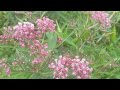
Tropical Milkweed
Asclepias curassavica, commonly known as tropical milkweed, finds a niche in regenerative agriculture primarily as a valuable support species, particularly for pollinator habitats. While not a primary cover crop or nitrogen fixer, its significant role lies in attracting and supporting a diverse array of pollinators, including crucial species like monarch butterflies and honey bees, as noted in observational studies. This pollinator support is a key regenerative benefit, enhancing biodiversity within agricultural landscapes and contributing to the health of surrounding ecosystems. The knowledge base suggests its integration into systems where pollinator abundance is a priority, potentially alongside other polyculture elements. Farmer experiences from the provided excerpts focus on its floral visitor and nectar microbial communities, indicating its function in supporting beneficial insect populations. While direct mentions of its use in practices like rotational grazing or no-till are limited in this knowledge base, its value as a component that bolsters ecological services, specifically for beneficial insects, is evident. Further research may clarify its role in more complex regenerative farming systems.
For a full botanical description see: Wikipedia↗(opens in new window) (external link)
Regenerative Quick Profile
All recommendations assume integrated, regenerative practices—not conventional inputs.
Climate & Soil Fit
Climate: Tropical Rainforest, Tropical Monsoon, Tropical Savanna, Hot Semi-Arid (Steppe), Cold Semi-Arid (Steppe), Hot Desert, Humid Subtropical, Oceanic (Maritime Temperate), Hot-Summer Mediterranean, Warm-Summer Mediterranean, Monsoon-Influenced Humid Subtropical, Subtropical Highland, Hot-Summer Continental
Zones: USDA 9-11, Australian Zones 11-14, EU Mediterranean, Subtropical
Optimal Soil: Loam Soil
System Role & Functions
Primary: Pollinator Support
Secondary: Cash Crop With Services
Key Benefits: Multi-benefit value
Management Level
Experience: Beginner-Friendly
Maintenance: Moderate maintenance - Its role in supporting monarch populations is a key system integration. Continued bloom is encouraged through strategic harvest of flowering stems, and its water needs are met through thoughtful water management.
Value Streams
- Diversifies farm income
- Enhances biodiversity
1
Climate Suitability Assessment
Will this plant thrive in your climate?
Climate Suitability Assessment
Will this plant thrive in your climate?
Köppen Zone: Af (Tropical Rainforest), Am (Tropical Monsoon), Aw (Tropical Savanna), Cfa (Humid Subtropical), Cwa (Monsoon-Influenced Humid Subtropical)
USDA Zone: 8a, 9a, 10a, 11a, 12a
Australian Zone: tropical, subtropical
Tropical Milkweed thrives in climates characterized by long, warm growing seasons with minimal frost and adequate to abundant rainfall, scoring ≥0.80 across Köppen zones Cfa, Cwa, Aw, and regional zones like USDA 8a-13a, Australian subtropical and tropical, and parts of the EU Mediterranean during its growing season. These conditions allow for robust perennial growth, continuous and prolific flowering, and exceptional pollinator support throughout the year or for extended periods. Temperatures generally remain within its optimal range (70-90°F/21-32°C), promoting vigorous vegetative growth and nectar production. Precipitation patterns, whether consistent or distinct wet/dry seasons that align with its cycle, are well-tolerated. Establishment is highly successful, and minimal management is required beyond potential pruning to manage vigor. Its dual function as a pollinator magnet and a cash crop with services is maximized, yielding consistent benefits for both ecological services and economic returns.
Köppen Zone: BSh (Hot Semi-Arid (Steppe)), BWh (Hot Desert), Cfb (Oceanic (Maritime Temperate)), Csa (Hot-Summer Mediterranean), Csb (Warm-Summer Mediterranean), Cwb (Subtropical Highland)
USDA Zone: 7a
Australian Zone: grassland, temperate
EU Climate Region: atlantic, mediterranean
Tropical Milkweed performs adequately (0.60-0.79) in climates with moderate temperatures and sufficient growing season length, but where some limitations exist, such as Köppen As, USDA 7a-7b, Australian grassland and temperate, and EU Atlantic and Mediterranean regions. These zones typically have mild winters but may experience shorter growing seasons, cooler summers, or pronounced dry periods that can stress the plant and reduce its perennialization. While it can establish well and provide good pollinator support during its peak growing season, its flowering may be less continuous or abundant compared to ideal zones. Supplemental irrigation might be necessary during dry spells in Mediterranean or grassland climates to maintain vigor and flowering. Management may involve occasional pruning or replanting as an annual in cooler temperate areas to ensure consistent performance and maximize its benefits for pollinators and its cash crop potential.
Köppen Zone: ET (Tundra), BSk (Cold Semi-Arid (Steppe)), BWk (Cold Desert), Dfa (Hot-Summer Continental), Dfb (Warm-Summer Continental), Dfc (Subarctic), Dwa (Monsoon-Influenced Hot-Summer Continental)
USDA Zone: 2a, 3a, 3b, 4a, 5a, 5b, 6a
Australian Zone: arid
Tropical Milkweed is not recommended (0.40-0.59) in climates with extreme heat and severe drought, such as Köppen BSh and BWh, and Australian arid zones. These conditions make reliable perennial establishment and consistent flowering for pollinator support highly impractical and economically questionable. High temperatures exceeding 90-100°F (32-38°C) for extended periods cause significant heat stress, drastically reducing nectar production and potentially leading to plant death. Water requirements become exceptionally high, necessitating intensive and costly irrigation infrastructure that is often unsustainable in these regions. While it might survive as an annual with significant intervention, its primary functions are compromised. Alternative drought-tolerant and heat-resilient native plants are far better suited for pollinator support and cash crop services in these challenging environments.
Note: Zones listed above represent climates where this plant can produce reliably with reasonable management. Climate zones not mentioned would require intensive climate modification (greenhouses, extensive infrastructure) and are not economically viable for regenerative agriculture purposes.
2
Soil Suitability Assessment
Which soil types work best for this plant?
Soil Suitability Assessment
Which soil types work best for this plant?
Loam Soil
This plant thrives in these soil types without requiring amendments or remediation. Natural soil conditions support optimal growth and productivity.
Clay Soil, Desert Soil, Rich Soil, Rocky Soil, Sandy Soil
This plant performs acceptably in these soil types with moderate, manageable remediation such as pH adjustment, compost addition, or drainage improvement. The required amendments are practical and cost-effective for regenerative agriculture.
Acidic Soil, Alkaline Soil, Saline Soil, Wet Soil
Growing this plant in these soil types would require impractical remediation such as complete soil replacement, extensive amendments, or cost-prohibitive infrastructure. These conditions are not economically viable for regenerative agriculture.
Note: Soil suitability assessments focus on remediation requirements. "Ideally Suited" means the plant generally thrives without the need for substantial amendments, "Adequate" means manageable remediation (lime, compost, mulch), and "Not Recommended" means impractical soil changes would be required. Climate factors like rainfall and temperature also influence success.
3
Seasonal Considerations
Planting timing, growth duration, and harvest windows
Seasonal Considerations
Planting timing, growth duration, and harvest windows
Establishing Asclepias curassavica, or tropical milkweed, is best initiated in early spring, after all danger of frost has passed, allowing its root system to develop before the heat of summer. For container-grown seedlings, planting can occur throughout the active growing season, but early spring offers the most forgiving window. Bare-root stock is typically planted during the plant's dormant period, usually in late fall or very early spring before bud break. Expect about two to three years for the young trees to become well-established, with the first significant harvest possible in years three to five. Full production, where the trees yield their maximum potential, is typically achieved by year five or six. These perennial trees can remain productive for well over a decade, often two or more. Pruning is best undertaken during the dormant season, typically in late winter or very early spring before new growth begins. Harvests are usually concentrated during the peak blooming period of summer and early fall. While tropical milkweed doesn't experience a true deep winter dormancy in warmer climates, it will slow its growth considerably as temperatures cool in late fall.
4
System Role & Multi-Benefit Value
Functional roles, integration strategies, and stacked benefits
System Role & Multi-Benefit Value
Functional roles, integration strategies, and stacked benefits
Functional Role
Total System Value
The total system value of tropical milkweed lies in its significant contribution to ecosystem services and farm resilience. While not a direct harvest crop, its primary benefit is robust pollinator support, attracting key species like honey bees and monarch butterflies, which are vital for the pollination of many agricultural crops. This enhances the productivity and stability of the farming system. By integrating it into field margins or as part of a polyculture, it contributes to biodiversity and can attract a wider array of beneficial insects and wildlife, creating a more balanced ecosystem. Furthermore, its presence can indirectly support soil health by fostering a diverse microbial community, as suggested by studies on nectar microbial diversity. This plant acts as a natural asset, diversifying the farm's ecological functions and reducing reliance on external inputs, thereby increasing overall risk diversification and resilience. Its immediate contribution to pollinator populations in Year 1 makes it a rapid-impact addition to any regenerative landscape.
Integration Characteristics
Multi-Benefit Value: Ideally Suited - A cornerstone species for monarch butterfly larvae and a vital nectar resource for a broad spectrum of pollinators, enhancing local biodiversity.
Sources behind this view
-
Maximizing arthropod‐mediated ecosystem services in agricultural landscapes: the role of native plants (opens in new window)
Native plants can boost beneficial insects on farms, providing pollination and pest control services worth billions. They offer crucial food sources and habitat, especially in moderately complex lands
5
Management & Care Requirements
Integration guidance, maintenance needs, and care practices
Management & Care Requirements
Integration guidance, maintenance needs, and care practices
How to Integrate This Plant
Tropical milkweed (Asclepias curassavica) is a valuable non-tree plant for regenerative systems, primarily serving as a crucial pollinator support species. Integrate it into hedgerows, field margins, or intercropping systems to attract beneficial insects like honey bees and monarch butterflies, as noted in observational studies. Its role extends beyond direct pollinator support by enhancing biodiversity and potentially attracting other beneficial wildlife. Compatible practices include border plantings, insectary strips, and as part of a diverse perennial polyculture. It can be integrated into silvopasture edges or alley cropping systems where its primary function is supporting the wider farm ecosystem. Timeline to contribution is immediate, with flowering and pollinator attraction beginning in Year 1. Beyond direct harvest, its value lies in supporting natural pest control, improving soil health through associated microbial activity, and increasing overall farm resilience by fostering a robust pollinator population essential for many crops.
Integration Practices & Management
The provided source mentions Asclepias curassavica primarily in the context of its floral visitors and nectar microbial communities in an urban setting, noting its appeal to honey bees and monarch butterflies. However, the knowledge base offers limited direct information on how regenerative farmers integrate this specific plant into their systems, such as establishment methods, grazing integration, termination strategies, or management considerations. The text does not detail seeding rates, timing, companion planting, tillage practices, mob grazing, rotational systems, rest periods, fertility needs, competition management, succession planning, relay cropping, intercropping, or rotation sequences. Therefore, based solely on the provided text, a comprehensive explanation of regenerative farming integration practices for Asclepias curassavica cannot be constructed. The source focuses on ecological observations of the plant rather than its agronomic application within regenerative agriculture.
Management Profile
Maintenance Intensity: Adequate - Its role in supporting monarch populations is a key system integration. Continued bloom is encouraged through strategic harvest of flowering stems, and its water needs are met through thoughtful water management.
6
Regenerative Suitability Details
Comprehensive trait ratings for system integration assessment
Regenerative Suitability Details
Comprehensive trait ratings for system integration assessment
Comparative ratings for this plant across key regenerative agriculture traits.
| Trait | Suitability | Explanation |
|---|---|---|
| Establishment Ease | Adequate | Germinates reliably, establishing with moderate vigor when soil organic matter is actively built. Good seedling survival is supported by effective moisture management. |
| Multi Benefit Value | Ideally Suited | A cornerstone species for monarch butterfly larvae and a vital nectar resource for a broad spectrum of pollinators, enhancing local biodiversity. |
| Climate Adaptability | Not Recommended | Thrives in warmer regions (zones 9-11), requiring protection from frost. While preferring consistent moisture, it demonstrates resilience with good soil structure and mulching to retain water. |
| Maintenance Intensity | Adequate | Its role in supporting monarch populations is a key system integration. Continued bloom is encouraged through strategic harvest of flowering stems, and its water needs are met through thoughtful water management. |
Comparative System: Ratings compare plants within their economic category (e.g., cover crop nitrogen fixation compared to other cover crops, not to all plants). Individual farm conditions and management practices significantly influence actual performance.
7
Learn More
Why farmers use this plant and additional resources
Learn More
Why farmers use this plant and additional resources
Why Regenerative Farmers Use This Plant
Asclepias curassavica, commonly known as tropical milkweed, offers significant ecological benefits within regenerative agriculture systems, primarily through its exceptional support for pollinator populations and enhancement of ecosystem resilience. This perennial herb is a vital nectar and pollen source for a wide array of bees, butterflies, and other beneficial insects. Its continuous blooming from spring through fall, with flowers producing an abundant nectar flow, provides a crucial food resource during periods when other floral sources may be scarce. Studies indicate that milkweed species can support hundreds of pollinator visits per day, directly contributing to the pollination of nearby crops and wild flora, thus enhancing overall farm biodiversity.
Beyond its role as a pollinator magnet, Asclepias curassavica contributes to soil health and ecosystem resilience. While not a nitrogen fixer, its robust root system, which can reach depths of 2-4 feet (0.6-1.2 meters), helps to improve soil structure, enhance water infiltration, and reduce erosion, particularly on sloped areas or in buffer zones. The plant's ability to thrive in a variety of soil types, including those that are less fertile, makes it a valuable component for land restoration and ecological landscaping. Its dense foliage and fibrous root system contribute to soil organic matter when allowed to decompose, improving soil structure and water-holding capacity over time. In systems focused on biodiversity enhancement, planting Tropical Milkweed in dedicated borders or intermixed within crop rows can significantly boost the presence of natural enemies of common agricultural pests. For instance, studies have shown that increased pollinator activity, supported by plants like milkweed, can lead to a 10-20% improvement in fruit set and yield for certain insect-pollinated crops. The increased presence of beneficial insects, such as ladybugs and lacewings, attracted to milkweed habitats, can lead to a natural reduction in pest populations in adjacent fields by up to 25%.
The economic niche of Asclepias curassavica is primarily linked to its ecological services. By attracting and sustaining populations of natural enemies of common agricultural pests, it can indirectly reduce the need for costly pest management interventions. Furthermore, its aesthetic appeal can be leveraged in agritourism or for creating visually appealing farm landscapes. In regions where it is native or well-adapted, it can also serve as a component in medicinal herb gardens, though its primary value in regenerative agriculture lies in its ecological contributions and its critical role in supporting the life cycle of the Monarch butterfly.
Regional success stories highlight the adaptability of Asclepias curassavica. In the southern United States, it is widely planted in pollinator gardens and along field edges in Texas and Florida, providing essential habitat for Monarchs during their migratory journeys. In Australia, it is incorporated into native plant landscapes and revegetation projects across New South Wales and Queensland to support local insect biodiversity. Farmers in parts of Brazil have utilized it in agroforestry systems to enhance the pollinator activity crucial for fruit set in adjacent crops. In the Brazilian coffee plantations, it is often planted along field edges and in inter-row spaces to support a diverse insect community, including natural predators of coffee pests. Australian farmers have incorporated it into native revegetation projects and pollinator gardens on the edges of their wheat-sheep systems to enhance biodiversity and attract beneficial insects. In the United States, particularly in the Midwest, it is a cornerstone plant in pollinator strips and conservation easements adjacent to corn and soybean fields, directly supporting Monarch butterfly migration routes and providing habitat for a multitude of native bees.
Sources behind this view
-
Tropical milkweed (*A. curassavica*) attracts monarchs and bees but can disrupt monarch migration and spread parasites. Experts suggest cutting it back before migration season. Native milkweeds are al
Read more (opens in new window) ucanr.edu -
Plant native milkweed or diverse nectar sources to support Monarch butterflies, crucial pollinators. Avoid pesticides and support organic agriculture. Participate in community science projects to aid
Read more (opens in new window) ucanr.edu -
Focuses on creating Monarch butterfly habitats, emphasizing the role of milkweed (including Butterfly Weed) and detailing life cycle stages from caterpillar to butterfly.
Read more (opens in new window) permies.com
-
Plant native milkweed species like Butterfly, Prairie, Swamp, Poke, and Whorled milkweed to support monarch butterflies, as caterpillars feed exclusively on these plants. Planting multiple species pro
8
How to Integrate This Plant
Practical guidance for regenerative systems
How to Integrate This Plant
Practical guidance for regenerative systems
Establishing Asclepias curassavica is relatively straightforward, with seeds and cuttings being common propagation methods. For direct seeding, rates typically range from 0.5-2 ounces per 1000 square feet (14-57 grams per 93 square meters), or approximately 0.5-4 lbs/acre (0.56-4.5 kg/ha) when broadcast. The optimal planting depth for seeds is shallow, around 0.125-0.25 inches (3-6 mm), as they require light to germinate. Germination typically occurs within 7-21 days under favorable conditions. For cuttings, ensure they are taken from healthy plants and are at least 4-6 inches (10-15 cm) long.
Planting is best done in spring after the last frost, typically March to May in the Northern Hemisphere and September to November in the Southern Hemisphere, when soil temperatures are consistently above 15°C (59°F). In areas with mild winters, it can be sown in autumn for germination the following spring. In the Mediterranean climates of Southern Europe, it can be planted in spring (March-April). In the humid subtropical regions of the southeastern United States, it is often planted in early spring (February-March). In Australia's temperate zones, it is sown in early autumn (March-April) or early spring (September-October). Spacing can vary depending on the desired density, but plants are often spaced 12-18 inches (30-45 cm) apart to allow for full growth.
Management of Asclepias curassavica in regenerative systems prioritizes its ecological function over intensive cultivation. It is a relatively low-input plant once established, requiring minimal watering, typically 0.5-1 inch (1.3-2.5 cm) per week during prolonged dry spells, especially in its first year. Mature plants are moderately drought-tolerant. Fertility needs are generally met through ambient soil nutrients and organic matter decomposition; compost application can be beneficial during establishment. The plant reaches its mature height of 2-4 feet (0.6-1.2 meters) within its first growing season and will flower prolifically. Pest and disease management relies heavily on promoting a healthy ecosystem; beneficial insects naturally control aphids, and the plant is generally robust.
Ecological integration is where Asclepias curassavica truly shines. It is ideally suited for inclusion in pollinator borders, hedgerows, buffer strips along waterways, and as an understory component in food forests or silvopasture systems. As a perennial, it requires low management intensity after establishment, contributing to long-term soil cover and habitat. Its interaction with surrounding crops is generally neutral to beneficial; it does not typically compete aggressively for resources and can attract pollinators that benefit nearby fruit and seed crops. Propagation and spread should be monitored; in areas where it is considered invasive or outcompetes native milkweeds, management might involve deadheading or selective removal to maintain desired ecological balance and support native species. In regions where it can become invasive, such as parts of California, management may involve removing spent flower heads before seed set or planting in contained areas to prevent unwanted spread.
Regional adaptations for Asclepias curassavica are broad, but careful consideration is needed to avoid negative impacts on native Monarch butterfly populations. In the southern United States, it is often planted in managed gardens and farms, with a strong emphasis on pruning back in late fall or early winter to prevent overwintering of parasites that can harm Monarchs. In Australia, it is widely used in ecological restoration projects across various states, contributing to local insect diversity without the same migratory butterfly concerns. In Brazil, it can be integrated into coffee and cacao agroforestry systems, where its pollinator support enhances the yield of these perennial crops, and its perennial nature complements the existing farm structure. In regions where it can become invasive or outcompete native milkweeds, such as parts of California, careful consideration of native Asclepias species is recommended, or management practices to prevent uncontrolled spread are necessary.