
Swamp Milkweed
While knowledge base coverage for Asclepias incarnata (Swamp Milkweed) in regenerative agriculture is limited, existing excerpts highlight its significant value for pollinator support, particularly for monarch butterflies. Monarch caterpillars feed exclusively on milkweed, and planting it is a direct strategy to aid declining populations. Swamp milkweed is noted as a 'workhorse' flowering plant for meadow designs, especially in wetter settings east of the Rockies. Its non-aggressive clumping growth habit makes it suitable for integration without aggressive spreading. A practical farmer experience details the challenge of removing competing weeds like velvet leaf, which can outcompete and shade out desirable native plants such as swamp milkweed, emphasizing the need for careful management in polyculture settings. Although not explicitly mentioned as a nitrogen fixer or cover crop, its role in supporting beneficial insects and wildlife aligns with broader regenerative goals of biodiversity enhancement and ecosystem resilience.
For a full botanical description see: Plants For A Future(opens in new window) (external link)
Regenerative Quick Profile
All recommendations assume integrated, regenerative practices—not conventional inputs.
Climate & Soil Fit
Climate: Tropical Rainforest, Tropical Monsoon, Tropical Savanna, Hot Semi-Arid (Steppe), Cold Semi-Arid (Steppe), Hot Desert, Cold Desert, Humid Subtropical, Oceanic (Maritime Temperate), Hot-Summer Mediterranean, Warm-Summer Mediterranean, Monsoon-Influenced Humid Subtropical, Subtropical Highland, Hot-Summer Continental, Warm-Summer Continental, Subarctic, Monsoon-Influenced Hot-Summer Continental, Tundra
Zones: USDA 3-9, Australian Zones 3-6
Optimal Soil: Loam Soil
System Role & Functions
Primary: Pollinator Support
Secondary: Cash Crop With Services, Specialty
Key Benefits: Multi-benefit value
Management Level
Experience: Beginner-Friendly
Maintenance: Moderate maintenance - This plant thrives with consistent soil moisture, which can be enhanced through mulching and the use of cover crops to build soil health and retain water.
Value Streams
- Diversifies farm income
- Enhances biodiversity
7
Learn More
Why farmers use this plant and additional resources
Learn More
Why farmers use this plant and additional resources
Why Regenerative Farmers Use This Plant
Swamp Milkweed (Asclepias incarnata) is a highly valuable perennial for regenerative agriculture systems, primarily for its exceptional ecological contributions. It is a keystone species for supporting pollinator populations, particularly the Monarch butterfly, which relies on Asclepias species for larval food. A single plant can provide nectar for hundreds of bees, butterflies, and other beneficial insects daily during its bloom period, contributing significantly to local biodiversity and supporting natural pest control mechanisms in adjacent agricultural areas. Studies indicate that native milkweed patches can support a significantly higher density of native bees and other beneficial insects compared to monoculture landscapes, with areas hosting native milkweed potentially hosting up to 50-75% more native bee species and a marked increase in monarch butterfly egg-laying. Flowers are a rich source of nectar, attracting an average of 10-20 pollinator visits per minute during peak bloom.
Its robust root system, which can penetrate soil depths of 3-6 feet (0.9-1.8 m), aids in soil aeration and water infiltration, making it an excellent choice for erosion control and improving soil structure in areas prone to compaction. The intricate root structure contributes to soil organic matter accumulation over time, improving soil health and water-holding capacity. Mature plants can potentially add 1-2 inches (2.5-5 cm) of topsoil over a decade in suitable conditions. While not a nitrogen fixer, its deep roots can access and cycle nutrients from lower soil profiles, bringing them to the surface through decomposition. The biomass produced by established stands contributes substantial organic matter to the soil through natural senescence and decomposition, enriching soil structure and water-holding capacity.
Integrating Swamp Milkweed into farm landscapes offers numerous synergistic benefits. It is ideally suited for use in riparian buffer zones, wetland restoration projects, and as a component of diverse pollinator habitat strips along field edges or in hedgerows. Its presence can help stabilize stream banks, filter runoff, and create a more resilient farm ecosystem. In silvopasture systems, it can provide supplemental forage for browsing animals like goats and sheep, though its primary value remains ecological. Its perennial nature means once established, it requires minimal annual inputs, aligning perfectly with low-input regenerative practices. Companion planting with native grasses and other wildflowers in these buffer zones further enhances habitat complexity and resilience. By providing critical habitat and food sources for pollinators, it indirectly supports the yield of insect-pollinated crops grown elsewhere on the farm by enhancing the overall pollinator community. Its role in supporting the Monarch butterfly migration is also a vital ecosystem service.
The quantitative ecosystem benefits of Swamp Milkweed are substantial. Its presence can help manage pest populations, potentially reducing the need for chemical interventions by 15-25%. Its tolerance for moist conditions makes it an ideal candidate for areas that may be less suitable for traditional row crops, transforming underutilized spaces into ecological assets.
Swamp Milkweed has demonstrated success in various regional agricultural contexts. In the Midwestern United States, it is commonly incorporated into pollinator habitat plantings alongside Conservation Reserve Program (CRP) land and field borders in corn and soybean rotations, enhancing insectary resources and providing essential habitat for declining Monarch populations. In the UK, similar wetland native species are used in wildflower meadows and riparian strips to support biodiversity and improve water quality in agricultural catchments, and it is being used in wildflower mixes for field margins and ecological restoration projects. Australian farmers are increasingly recognizing the value of native perennial plantings, including species with similar ecological functions, for soil stabilization and biodiversity enhancement in dryland farming systems, and land managers are exploring its use in riparian restoration zones. Brazilian farmers integrating agroforestry and silvopasture systems are also exploring the use of native perennial plants to boost ecosystem services and resilience, and are exploring its use in agroforestry systems and along the edges of coffee plantations. In Canadian prairie provinces, it is a vital component of native grassland restoration and pollinator habitat projects.
Sources behind this view
 Videos & Podcasts
-
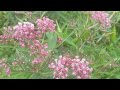
Swamp milkweed is a valuable plant for beneficial insects and monarchs, with strong fibers suitable for crafts. It grows in clumps, thrives in gardens and wetlands, and is easy to grow from seed strat
 Community
-
Discusses transplanting swamp milkweed in spring/fall, seed scattering in fall, and managing tropical milkweed. Notes potential toxicity to livestock and aphid issues, and highlights endangered Caroli
Read more (opens in new window) permies.com