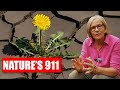
While coverage of *Senecio vulgaris* (common groundsel) in our knowledge base is limited, insights into its role in regenerative agriculture are emerging. Primarily, it appears as a persistent weed requiring management, particularly in vegetable and fruit crops. The knowledge base emphasizes preventing its prolific seed production and spread through timely interventions like hand-weeding or hoeing before flowering, ideally within weeks of sowing sensitive crops. For control, field margin cleaning and annual moldboard plowing are suggested as more effective than rotary tillage due to its shallow roots and short seed viability. The use of bioplastic mulch is also noted for persistent infestations in horticulture. While not explicitly stated as a primary regenerative crop (e.g., cover crop or forage), its management strategies highlight the importance of soil disturbance timing and methods in maintaining crop health within regenerative systems. Further research is needed to explore any potential benefits such as pollinator support or soil building properties.

Regenerative Quick Profile

All recommendations assume integrated, regenerative practices—not conventional inputs.

Climate & Soil Fit

Climate: Tropical Rainforest, Tropical Monsoon, Tropical Savanna, Hot Semi-Arid (Steppe), Cold Semi-Arid (Steppe), Humid Subtropical, Oceanic (Maritime Temperate), Hot-Summer Mediterranean, Warm-Summer Mediterranean, Monsoon-Influenced Humid Subtropical, Subtropical Highland, Hot-Summer Continental, Warm-Summer Continental, Subarctic, Monsoon-Influenced Hot-Summer Continental

Zones: USDA 4-11, Australian Zones 1-14

Optimal Soil: Loam Soil

System Role & Functions

Primary: Cover Crop System

Secondary: Pollinator Support, Specialty

Key Benefits: Climate adaptable, Easy establishment

Management Level

Experience: Beginner-Friendly

Maintenance: High maintenance - Its rapid growth and reseeding can be managed through integrated practices like mulching and cover cropping, fostering a balanced soil ecosystem.

Value Streams

  • Cover crop (soil investment)
  • Soil building and erosion control
  • Pollinator habitat and support

Know the Debate

  • Common groundsel: weed or beneficial plant?
  • Management varies from eradication to strategic integration.
1

Climate Suitability Assessment

Will this plant thrive in your climate?

IDEALLY SUITED

Köppen Zone: Cfa (Humid Subtropical), Cfb (Oceanic (Maritime Temperate)), Cwa (Monsoon-Influenced Humid Subtropical)
USDA Zone: 6a, 7a, 8a, 9a
Australian Zone: temperate
EU Climate Region: atlantic

Common Groundsel thrives in climates characterized by moderate temperatures and consistent moisture, with Köppen zones Cfb, Dfb, and regional zones like USDA 7a-8b, Australian temperate, and EU Atlantic regions offering optimal conditions. These areas typically provide 180-240 frost-free days, with temperatures ranging from 50-75°F (10-24°C) during its active growth periods. Ample rainfall (30-50 inches/75-125 cm annually) supports its establishment and persistence, allowing it to function effectively as a cover crop by providing consistent ground cover and contributing to soil health. Its prolific seeding habit ensures good coverage, and its flowering period offers valuable support for pollinators. Minimal management is required, and it reliably fulfills its primary function as a cover crop system, with secondary benefits for pollinator support and specialty uses in these zones. Establishment success is high, exceeding 85%, with minimal risk of winter kill in the milder zones.

ADEQUATE

Köppen Zone: Af (Tropical Rainforest), Am (Tropical Monsoon), Aw (Tropical Savanna), Csa (Hot-Summer Mediterranean), Csb (Warm-Summer Mediterranean), Cwb (Subtropical Highland), Dfa (Hot-Summer Continental), Dfb (Warm-Summer Continental)
USDA Zone: 5a, 5b, 10a, 11a, 12a
Australian Zone: subtropical
EU Climate Region: continental

In climates offering adequate suitability, such as Köppen zones Cfa, Csb, Dfa, Dwa, and regional zones like USDA 5b-6b, 9a-10b, Australian subtropical, and EU continental regions, Common Groundsel can perform reasonably well. These zones typically have growing seasons of 120-180 frost-free days, with temperatures that can fluctuate, sometimes reaching levels that cause moderate stress during peak summer or winter. Precipitation may be sufficient but can be inconsistent, potentially requiring supplemental irrigation in drier periods. Establishment success is good (70-85%) with proper timing, but its perenniality might be compromised in the colder or hotter extremes. As a cover crop, it provides moderate ground cover and pollinator support, but its biomass production may be less than in ideal zones. Management may involve some attention to timing and potential reseeding in marginal areas. Its economic viability as a cover crop is generally good, with standard inputs.

NOT RECOMMENDED

Köppen Zone: ET (Tundra), BSh (Hot Semi-Arid (Steppe)), BSk (Cold Semi-Arid (Steppe)), BWh (Hot Desert), BWk (Cold Desert), Dfc (Subarctic), Dwa (Monsoon-Influenced Hot-Summer Continental)
USDA Zone: 2a, 3a, 3b, 4a

Common Groundsel is not recommended in climates that present significant environmental challenges, including Köppen zones Csa, Dwb, Bsk, Bwh, and regional zones like USDA 3a-5a, Australian arid/semi-arid (implied by Bsk/Bwh), and EU alpine/boreal (implied by Dwb/Bsk). These zones are characterized by extreme temperature fluctuations, insufficient growing seasons, or severe water scarcity. For instance, hot desert climates (Bwh) experience prolonged drought and extreme heat (above 100°F/38°C) that prevent any meaningful growth, requiring extensive and impractical irrigation. Cold semi-arid (Bsk) and subarctic (Dwb) zones suffer from short growing seasons and extreme winter cold (below -20°F/-29°C), leading to high winter kill rates and unreliable establishment (success rates below 70%). Mediterranean climates (Csa) are too dry in summer. In these areas, Common Groundsel's primary function as a cover crop system is severely compromised due to low biomass production, poor stand persistence, and high management costs. Alternative plants better suited to these harsh conditions are essential for successful regenerative agriculture practices.

Better alternatives for these "not recommended" zones: Cowpea (Heat-tolerant nitrogen fixer for hot zones.), Sunn Hemp (Tropical nitrogen fixer adapted to hot, dry conditions.), Hairy Vetch (Cold-hardy annual legume for nitrogen fixation in cold zones.), Winter Rye (Extremely cold-hardy cover crop for biomass and soil protection.)

Note: Zones listed above represent climates where this plant can produce reliably with reasonable management. Climate zones not mentioned would require intensive climate modification (greenhouses, extensive infrastructure) and are not economically viable for regenerative agriculture purposes.

2

Soil Suitability Assessment

Which soil types work best for this plant?

IDEALLY SUITED

Loam Soil

This plant thrives in these soil types without requiring amendments or remediation. Natural soil conditions support optimal growth and productivity.

ADEQUATE

Clay Soil, Rich Soil, Rocky Soil, Sandy Soil

This plant performs acceptably in these soil types with moderate, manageable remediation such as pH adjustment, compost addition, or drainage improvement. The required amendments are practical and cost-effective for regenerative agriculture.

NOT RECOMMENDED

Acidic Soil, Alkaline Soil, Desert Soil, Saline Soil, Wet Soil

Growing this plant in these soil types would require impractical remediation such as complete soil replacement, extensive amendments, or cost-prohibitive infrastructure. These conditions are not economically viable for regenerative agriculture.

Note: Soil suitability assessments focus on remediation requirements. "Ideally Suited" means the plant generally thrives without the need for substantial amendments, "Adequate" means manageable remediation (lime, compost, mulch), and "Not Recommended" means impractical soil changes would be required. Climate factors like rainfall and temperature also influence success.

3

Seasonal Considerations

Planting timing, growth duration, and harvest windows

Establishing your Senecio Vulgaris trees thrives with careful timing. For nursery stock, planting is best done during the dormant season, either as bare-root stock in early spring before bud break, or containerized trees anytime from early spring through late fall, ensuring they are well-watered during active growth. True establishment takes several years; anticipate initial establishment to be complete within three to five years, with the first light harvests possible around year five to seven. Full production, where trees yield significantly, is typically achieved by year ten, and these trees will continue to be productive for decades.

Seasonal management focuses on optimizing growth and harvest. Pruning is most effective when performed during the dormant season, after leaf drop in late fall and before the start of new spring growth. The primary harvest season will generally occur in late summer to early fall, coinciding with fruit or seed maturity. Senecio Vulgaris trees will exhibit vibrant bloom in mid to late spring, attracting beneficial pollinators. As temperatures cool in late fall, the trees will naturally enter winter dormancy, preparing for the next cycle of growth.

4

System Role & Multi-Benefit Value

Functional roles, integration strategies, and stacked benefits

Functional Role

Total System Value

The total system value of common groundsel in regenerative agriculture is primarily derived from its role in early succession and ground cover. It doesn't offer direct harvest value, nor is it typically cultivated for system enhancement like nitrogen fixation or windbreaks. However, its rapid germination and dense growth can provide immediate erosion control and suppress other weed species in the short term, especially in disturbed agricultural lands or field margins, as suggested by its mention in vegetable and fruit crop contexts. Its ecosystem services are minimal, as it's a short-lived annual. Risk diversification is limited, as its prolific seeding can become a weed management challenge if not controlled before flowering. Its main contribution to whole-farm resilience is its ability to quickly stabilize soil and occupy space, preventing degradation in the immediate aftermath of disturbance, before more structured, long-term components of a regenerative system are established.

Integration Characteristics

Multi-Benefit Value: Not Recommended - Contributes to soil cover and can serve as a temporary food source for beneficial insects, supporting biodiversity within the ecosystem.

5

Management & Care Requirements

Integration guidance, maintenance needs, and care practices

How to Integrate This Plant

Common groundsel, while often considered a weed, can be integrated into regenerative systems by understanding its rapid reproduction and short seed longevity. Its primary role is as a pioneer species that can provide rapid ground cover, preventing erosion and suppressing less aggressive weeds in the short term. While not a nitrogen fixer, its dense growth can offer temporary shade and compete with undesirable species, especially in early successional stages or disturbed areas. Practices like annual moldboard plowing, as mentioned, can manage its populations by disrupting shallow roots and burying seeds, making it compatible with systems that incorporate periodic soil disturbance. Its rapid growth and germination, requiring light, suggest it could be managed in areas where quick cover is needed before a more desirable perennial cover crop is established or during fallow periods. Its value lies in its ability to quickly occupy bare ground, offering a temporary benefit before being managed out.

Integration Practices & Management

The provided knowledge base offers limited insight into how regenerative farmers actively integrate *Senecio vulgaris* (common groundsel) into their systems. The sources primarily focus on its management as a weed, highlighting its rapid reproduction, prolific seed production, and persistence. Control strategies discussed include preventative measures like cleaning field margins to limit seed dispersal, and tillage methods. Annual moldboard plowing is noted as more effective than rotary tillage due to the weed's shallow roots and short seed viability. The importance of removing groundsel before flowering to prevent seed spread is emphasized, with recommendations for hand-weeding or hoeing within weeks of crop sowing. For persistent infestations, bioplastic mulch is suggested. The knowledge base does not detail establishment methods, integration with grazing, specific termination strategies beyond manual removal and tillage, or its role in fertility management, succession planning, or integration with cash crops like relay or intercropping. Therefore, a comprehensive understanding of its integration into regenerative farming practices cannot be drawn from these specific mentions.

Management Profile

Maintenance Intensity: Not Recommended - Its rapid growth and reseeding can be managed through integrated practices like mulching and cover cropping, fostering a balanced soil ecosystem.

6

Regenerative Suitability Details

Comprehensive trait ratings for system integration assessment

Comparative ratings for this plant across key regenerative agriculture traits.

Trait Suitability Explanation
Establishment Ease Ideally Suited Rapid establishment in soil disturbance, quickly building ground cover and contributing to soil surface protection.
Multi Benefit Value Not Recommended Contributes to soil cover and can serve as a temporary food source for beneficial insects, supporting biodiversity within the ecosystem.
Climate Adaptability Ideally Suited Thrives across a broad range of climatic conditions, demonstrating resilience and contributing to ecosystem stability in diverse environments.
Maintenance Intensity Not Recommended Its rapid growth and reseeding can be managed through integrated practices like mulching and cover cropping, fostering a balanced soil ecosystem.

Comparative System: Ratings compare plants within their economic category (e.g., cover crop nitrogen fixation compared to other cover crops, not to all plants). Individual farm conditions and management practices significantly influence actual performance.

7

Know the Debate

Common groundsel (*Senecio vulgaris*) presents a unique aspect of regenerative agriculture, sparking debate on whether it's a problematic weed or a...

Common groundsel (*Senecio vulgaris*) presents a unique aspect of regenerative agriculture, sparking debate on whether it's a problematic weed or a beneficial pioneer species. While traditional methods focus on its eradication, regenerative approaches increasingly examine how its rapid growth and soil coverage can be leveraged. Understanding its role depends on your specific farming context, goals, and the type of ecosystem you are managing.

Is common groundsel a weed or a beneficial plant?

Problematic Weed

Common groundsel is viewed as a weed requiring strict management, especially in sensitive crops. Practices focus on preventing seed spread through timely hoeing or plowing before flowering to avoid competition and pest issues.

Sources behind this view

Sources behind this view

Research
  • Building Soil Health and Fertility through Organic Amendments and Practices: A Review (opens in new window)

    This study found: This review highlights how organic materials and regenerative farming methods can rebuild soil health and fertility, counteracting damage from intensive agriculture. It covers key organic inputs like animal manures, compost, cover crops (such as cereal rye and hairy vetch), crop leftovers, and living mulches. These additions provide essential nutrients over time, boost soil organic matter, and encourage beneficial soil microbes. The review also discusses supporting practices like reduced tillage (including no-till), planting diverse crops in rotation or together, and integrating trees and livestock into farming systems. While it takes time to see the full benefits of rebuilding soil, using these integrated approaches consistently improves how well soil ecosystems function, leading to more sustainable and resilient farms.

From the Web
  • Manages common groundsel (*Senecio vulgaris*) through field margin cleanup, annual moldboard plowing, and timely hoeing before flowering. Leverages its short seed longevity, light requirement for germination, and sensitivity to disturbance. Control is aided by short-season crops and prompt post-harvest cleanup. Note its toxicity to livestock.

Beneficial Pioneer Plant

Common groundsel acts as a beneficial pioneer species, covering disturbed soil, preventing erosion, feeding pollinators, and contributing biomass to the soil food web, fitting seamlessly into regenerative systems.

Sources behind this view

Sources behind this view

Videos & Podcasts
From the Web
  • Bare ground encourages weeds, which are nature's way of healing disturbed soil. Regenerative farming harnesses this by turning weeds into beneficial cover crops, preventing bare soil to reduce erosion and conserve water, and managing rather than eradicating weeds.

Making Sense of the Differences

The differing perspectives on common groundsel stem from management context and goals. In intensive vegetable production aiming to eliminate competition and prevent seed bank proliferation, it's managed as a weed. However, in broader regenerative systems valuing soil cover and biodiversity, its rapid colonization of disturbed land is seen as beneficial, utilizing its biomass and pollinator support through strategic timing and termination.

8

Learn More

Why farmers use this plant and additional resources

Why Regenerative Farmers Use This Plant

Senecio vulgaris, commonly known as common groundsel, plays a surprisingly significant role in regenerative agricultural systems, particularly for its ecological contributions rather than direct cash crop production. While often perceived as a weed, its rapid growth, resilient nature, and extensive root system offer surprising benefits for building soil health, supporting biodiversity, and stabilizing the environment.

Soil Health and Stabilization: Senecio vulgaris is particularly adept at colonizing disturbed soils, acting as a pioneer species and a living mulch that protects bare earth from erosion and nutrient leaching. Its shallow, fibrous root system, typically reaching depths of 2-8 inches (5-20 cm), helps to bind surface soil particles, improving aggregation and water infiltration, especially in the short term after establishment. In areas with high rainfall or on slopes, this rapid ground cover can significantly reduce soil loss, protecting valuable topsoil from being washed away. In arid or semi-arid regions, its ability to germinate and grow with minimal moisture can be critical in maintaining ground cover during dry spells, preventing dust storms and further soil degradation. Its biomass, while not exceptionally high, contributes organic matter to the soil surface upon senescence, feeding soil microbes and improving soil structure over time.

Ecological Services and Biodiversity: Beyond its physical soil protection, Senecio vulgaris offers substantial benefits to the farm ecosystem. It is a prolific producer of nectar and pollen, acting as an important early-season food source for a variety of pollinators, including bees and hoverflies, often blooming from early spring through late autumn. This continuous floral resource is crucial for supporting beneficial insect populations that can later assist in pest control for subsequent crops. Studies on similar weed species in agricultural margins suggest that a diverse weed flora, including groundsel, can support up to 30-50% more beneficial insect species compared to monoculture fields. The rapid decomposition of its leafy biomass after flowering contributes to the soil food web, providing readily available carbon and nutrients for microbial communities. Its presence can also indicate areas of soil compaction or nutrient imbalances, serving as a bio-indicator for farmers to assess and address specific field conditions.

Nutrient Scavenging and Cycling: While not a nitrogen fixer, its rapid growth means it readily scavenges available nutrients from the soil profile. This rapid nutrient uptake helps to prevent their leaching, especially in disturbed areas or after harvest, and its decomposition returns these nutrients to the soil, contributing to the nutrient cycle.

Regional Adaptations and Integration: Regional adaptations highlight its widespread utility and adaptability across diverse agricultural settings.

  • UK: Commonly appears in cereal fields after harvest, providing early spring ground cover and scavenging residual nutrients over winter. In mixed farming systems, its appearance after cereal harvest can provide a temporary ground cover that is later incorporated into the soil.
  • Australia: In the wheat-sheep belts, it can emerge with autumn rains, offering a temporary cover crop before the main winter cereals are sown or providing early grazing for livestock before more desirable pastures are established. In dryland farming systems, its rapid germination after autumn rains can help stabilize soil and prevent wind erosion on fallow fields.
  • United States: In the humid subtropical regions of the US, it can be a common sight in vegetable rotations, particularly in areas with disturbed soil. In the corn-soybean rotations of the Midwestern United States, it can emerge in early spring, providing ground cover before the main crop is planted, and its decomposition adds organic matter. In California, its rapid spring growth can be managed through grazing or mowing in vineyards and orchards to suppress weeds and provide early pollinator support. In the Pacific Northwest, farmers often include it in their cover crop mixes planted after vegetable harvests in early autumn.
  • Europe: In European vineyards, it can be a valuable component of cover crop mixes on inter-rows, supporting biodiversity and soil health without significantly competing with the vines once managed appropriately.
  • South America: In Brazilian coffee plantations, it might be tolerated in inter-row areas or appear in transition zones, contributing to ground cover, soil health, and early forage for beneficial insects that prey on coffee pests. In regions like Brazil, it can appear in coffee plantations, contributing to ground cover and biodiversity in the understory.
  • Canada: Its widespread distribution allows for integration into various Canadian agricultural zones.
  • South Africa: Its adaptability allows it to contribute to regenerative practices in regions like Cape Town.
  • Argentina: Its presence is noted in regions like Buenos Aires, contributing to local agricultural ecosystems.
  • Japan: In regions like Kyoto, it can be found contributing to soil health and biodiversity.
9

How to Integrate This Plant

Practical guidance for regenerative systems

Establishing Senecio vulgaris intentionally is rarely a primary goal, as it readily self-seeds and colonizes disturbed areas. However, understanding its germination cues and life cycle allows for its management and potential utilization within a regenerative framework.

Establishment and Seeding:

  • Natural Establishment: It readily self-seeds and colonizes disturbed areas, often establishing through its extensive seed bank. Natural regeneration is the most common method.
  • Intentional Seeding: If intentional seeding is desired, a broadcast seeding rate of 1-3 lbs/acre (1.1-3.4 kg/ha) is generally sufficient to achieve good ground cover when mixed with other species, or up to 10-15 lbs/acre (11-17 kg/ha) if planted as a primary component for rapid ground cover.
  • Planting Depth: Seeds require light for germination and should be sown shallowly, around 0.01-0.25 inches (0.25-0.6 cm), to ensure adequate seed-to-soil contact.
  • Timing: It typically germinates in cooler temperatures, often in early spring or late autumn. In the Northern Hemisphere, sowing can occur from early spring (March-April) through late summer (August-September). In the Southern Hemisphere, this translates to sowing from September to October or February to March. It establishes rapidly, often within 10-20 days under favorable conditions.

Management and Termination: Management focuses on leveraging its benefits while preventing it from becoming overly competitive with desired crops and controlling its spread.

  • Termination Methods:
  • Natural Winterkill: Preferred in colder climates, requiring no intervention.
  • Mowing or Grazing: Effective termination strategies, ideally performed when the plant is flowering but before seed set, typically around 45-60 days after emergence, or when it has reached its peak biomass (1-2 feet / 30-60 cm). This method preserves soil structure and incorporates valuable organic matter.
  • Roller-Crimping: A viable option for terminating the plant and creating a mulch layer.
  • Herbicide Use: Considered a last resort during a transitional phase, applied judiciously to young plants for maximum efficacy when regenerative methods are exhausted.
  • Growth Cycle: Plants often reach maturity within 6-8 weeks and can produce thousands of seeds per plant, ensuring its continued presence if conditions are favorable. It can reach a height of 6-18 inches (15-45 cm) at maturity.
  • Fertility and Water: Fertility is best managed through biological means; its rapid growth means it readily scavenges available nutrients, and its decomposition returns these to the soil. While it has moderate water needs, it is quite drought-tolerant once established.

Ecological Integration and Placement: Senecio vulgaris fits well into various ecological niches within a regenerative farm.

  • Cover Cropping: Can be sown as a component of a diverse cover crop mix or allowed to naturally establish in disturbed areas. It can act as a nurse crop, providing ground cover for slower-germinating species.
  • Field Margins and Buffer Strips: Well-suited for use in buffer strips along waterways or field edges, providing habitat for beneficial insects and preventing erosion. It can also be incorporated into pollinator borders or wildflower mixes.
  • Perennial Systems: In food forests or perennial cropping systems, it can act as a temporary ground cover in newly established areas or between rows, suppressing weeds and improving soil structure before more permanent plantings mature. It can also be found in field margins, hedgerows, and buffer strips.
  • Fallow Land Management: Utilized in fallow land management to provide ground cover and prevent erosion.
  • Management Intensity: Its management intensity is low; it is an annual that self-seeds readily, requiring minimal intervention.

Propagation and Spread Management: Propagation is primarily through prolific seed production. Management focuses on preventing seed set if its presence is undesirable in cropping areas, or allowing natural regeneration in designated areas. Its rapid growth cycle means it can be managed with multiple termination events throughout a season if desired. Biological control agents and beneficial insects are the primary means of managing its populations naturally. While it can spread aggressively, this can be managed by timing termination to prevent seed set or by integrating it intentionally into areas where its rapid growth is beneficial. Harvesting is not typically done for this species, but if desired for medicinal or other niche uses, sustainable collection rates should be employed to ensure population viability.

View Full Document (Printable single-page version)