
Agrivoltaics
Agrivoltaics, also known as agri-PV or solar sharing, is the practice of cultivating crops or raising livestock directly beneath or around solar photovoltaic (PV) panels installed on the same land. This innovative approach strategically co-locates renewable energy generation with agricultural production, aiming to optimize land use, create additional income streams, and potentially enhance agricultural resilience.
Read More: Complete Description
Agrivoltaics represents a powerful synergy between renewable energy production and sustainable agriculture, offering a multifaceted solution to optimize land use and create diversified income streams. At its core, the practice involves installing solar photovoltaic (PV) panels at an agricultural site, strategically designed to allow for continued agricultural activities beneath or between them. This isn't simply placing solar panels on farmland; it's a deliberate integration, optimizing panel height, spacing, tilt, and even transparency to accommodate crops and livestock while efficiently generating electricity. The system can be designed in various configurations, from arrays mounted on elevated structures allowing for full farm machinery access, to lower-profile systems that might shade crops or provide shelter for animals.
From a regenerative agriculture perspective, agrivoltaics can be classified as a context-dependent practice. Its regenerative potential hinges entirely on its design and management. When implemented thoughtfully, agrivoltaics can significantly support regenerative principles. For instance, the structure of elevated solar panels can provide shade, reducing heat stress on crops and livestock, thereby extending growing seasons or improving animal welfare. This shade can also reduce soil moisture evaporation, contributing to better water management and potentially allowing for more resilient crop choices, thereby aiding in keeping soil covered (Principle 3) and maintaining living roots (Principle 4) for longer periods. The introduction of shade-tolerant crops or species under panels also enhances crop diversity (Principle 2). Furthermore, the income generated from electricity sales can provide financial stability, enabling farmers to invest more in regenerative practices.
However, an improperly designed or managed agrivoltaics system can be extractive. If panels are installed at a height that prevents the use of farm machinery for planting or harvesting, or if they are so dense that they severely limit light penetration, agricultural productivity may decline. This could lead to abandoning farming in favor of pure solar energy generation, thus losing the agricultural function of the land. The construction phase of agrivoltaics systems can also involve significant soil disturbance and compaction, potentially violating minimizing soil disturbance (Principle 1) if not managed carefully. The key to making agrivoltaics regenerative lies in its design, which must prioritize and enhance agricultural output and soil health in conjunction with energy generation.
The transition to agrivoltaics often involves a learning curve. For farmers accustomed to open fields, adapting to managing crops or livestock under artificial structures requires new thinking. While not a direct violation of regenerative principles, the installation process itself can be disruptive. If soil compaction occurs during construction, a farmer might need to employ temporary measures, such as one-time deep tillage followed by immediate cover cropping, to remediate the damage before fully transitioning to no-till under the panels. The timeline for phasing out such disruptive practices would be short—ideally, remediation and establishment of living roots and soil cover under the panels should occur within the first 1-2 years of installation. Success would be measured by the system's ability to support productive agriculture long-term, generate renewable energy, and improve soil health indicators.
The global application of agrivoltaics is rapidly expanding. In arid regions like parts of India or the Middle East, the shade from panels can significantly reduce crop water requirements and protect plants from intense solar radiation, making it a tool for drought resilience. In temperate climates in Europe or North America, it can extend growing seasons for certain crops or provide overwintering protection for forage. In regions with high population density and limited arable land, agrivoltaics offers a way to intensify land use, producing both food and energy on the same footprint. The economic viability is often enhanced by government incentives for renewable energy, making it an attractive investment for landowners and agricultural operations alike.
A common misconception is that agrivoltaics inherently reduces crop yields. While some crops may see reduced yields under dense panel coverage due to light limitations, many forage crops, certain vegetables, and even some grains can thrive under partial shade. Research consistently shows that the benefits of reduced water stress and moderated temperatures can, in some cases, compensate for or even outweigh the yield reduction from less light. Furthermore, the financial return from electricity generation can offset any minor yield decreases, making the overall economic outcome more favorable than monoculture farming alone. The practice aligns with regenerative goals by fostering a more resilient, diversified, and economically stable agricultural system.
Sources behind this view
Sources behind this view
 Videos & Podcasts
-
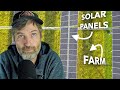
Agrivoltaics combines solar panels with agriculture, offering crops protection and potentially increasing panel efficiency through vegetation cooling. However, effectiveness is context-dependent (pane
-
Agrivoltaics research explores grazing beef cattle under solar panels, finding benefits like increased panel efficiency due to cooling grass, productive land use, and potential for high-value crops, w

-
Integrating solar and wind energy on farms offers income and dual-use opportunities like grazing livestock or planting crops under panels (agrivoltaics), providing shade and supporting biodiversity.

 Community
-
Cornell University is researching agrivoltaics, testing crop viability under solar panels and their impact on soil health, pests, and productivity. Projects include studies on apple orchards and the u
Read more (opens in new window) smallfarms.cornell.edu -
Agrivoltaics allow dual-cropping in orchards, with adjustable solar panels providing shade, frost protection, reduced irrigation, and panel cooling, enhancing crop resiliency and energy production.
Read more (opens in new window) smallfarms.cornell.edu -
Agrivoltaics in desert climates offer benefits from solar panel shade, reducing livestock heat stress and improving performance, while also aiding water management through runoff directed to swales.
Read more (opens in new window) permies.com -
The Agrivoltaics Research and Demonstration Act of 2023 proposes USDA/DoE collaboration for research and multi-region demonstration sites. It will study panel design, livestock handling, crop impacts,
Read more (opens in new window) sustainableagriculture.net
 Research
-
Toward Sustainable Energy‐Agriculture Synergies: A Review of Agrivoltaics Systems for Modern Farming Practices (opens in new window)
This study found: Agrivoltaics combines solar panels with farming, improving land use, farm environment, and farmer income. It faces cost and technical challenges but offers a sustainable solution for energy and food s
-
How to reconcile renewable energy and agricultural production in a drying world (opens in new window)
This study found: Agrivoltaics combine solar panels and farming to produce clean energy and food, offering drought protection and more stable harvests, especially in dry regions.
-
Assessing the Impact of Agrivoltaics on Water, Energy, and Carbon Cycles Using the Community Land Model Version 5 (opens in new window)
This study found: Agrivoltaics (solar panels on farms) impact water, energy, and carbon cycles differently based on climate and crop. In dry areas, they can boost carbon storage; in wetter areas, they may reduce it. 60
-
Agrivoltaics: A Sustainable Method Of Farming For Various Suitable Crops (opens in new window)
This study found: Agrivoltaics combines crop farming and electricity generation on one land parcel, offering economic and land-use benefits. It's suitable for shade-tolerant crops and can improve yields and quality, wh
 From the Web
-
Agrivoltaics integrates solar PV with agriculture, maximizing land use for food and energy. Benefits include shade, reduced water evaporation, increased solar panel efficiency, additional farmer incom
-
Agrivoltaics is being implemented in disadvantaged communities like Allensworth, California, to achieve energy sovereignty and water security via microgrids, while also enhancing food and nutrition se
-
Agrivoltaics offers farmers financial benefits through diverse revenue streams like net metering and reduced utility bills, despite higher initial costs. Policy and outreach are developing, with examp
-
Agrovoltaics integrates solar farms with agriculture to prevent soil erosion, improve soil use, and enhance energy efficiency. It benefits farmers through erosion control, increased income, and compat
Key Points
What It Is
- Solar panels and agriculture share land
- Elevated panels allow crop/livestock access
- Dual income: energy generation and farming
- Strategic design for land use optimization
Why Do It
- Creates diversified, stable income streams
- Enhances agricultural resilience to climate
- Optimizes land use in constrained areas
- Supports soil health & biodiversity (context-dependent)
Know the Debate
- Dual income from energy and crops/livestock.
- Microclimate moderation offers water savings and resilience.
- Full benefits to soil health take 5-10+ years.
- Site-specific design crucial for agricultural success.
- High upfront costs offset by incentives and dual revenue.
- Potential yield impacts vary by crop and panel density.
Benefits - Financial
- Annual lease or profit revenue of $1,563–$3,647 per acre ($3,862–$9,012 per hectare).
- Potential 15–40% increase in total net farm operation income.
- Reduction of 20–30% in irrigation water costs via panel shade.
Benefits - System
- Extends growing season in many climates
- Reduces water needs by 10-30% under panels
- Increases crop diversity; supports shade-tolerant species
- Recycles land use: Regenerative & energy production
Risks - Financial
- Capital intensity of $229,240–$625,200 per acre ($566,464–$1,544,900 per hectare) for system hardware.
- Potential 5–20% yield reduction for traditional crop configurations.
- Subsoil restoration costs of $3,126–$5,210 per acre ($7,725–$12,874 per hectare) following compaction.
Risks - System
- Soil compaction from construction (if not managed)
- Reduced light for some crops (if shaded too densely)
- Maintenance of panels and farming equipment
- Potential initial decrease in biodiversity if poorly designed
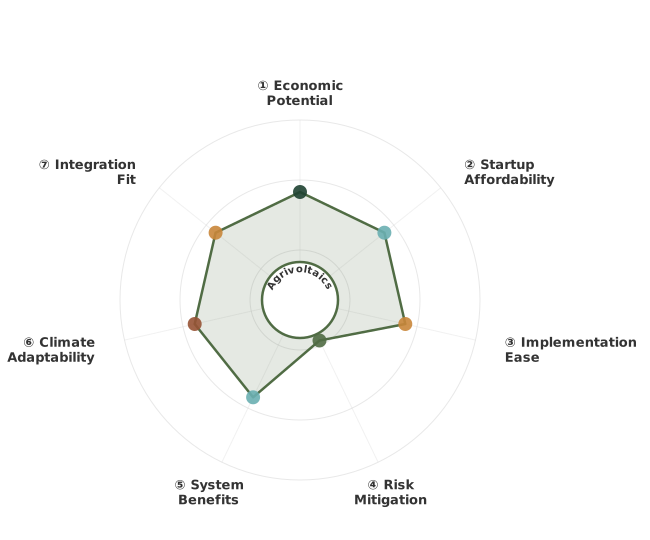
How These Traits Are Calculated
Trait dimensions are ordered clockwise starting from the top of the chart (12 o'clock position):
1. Economic Potential
Financial returns, annual value, and break-even timeline
WHAT: Evaluates financial viability by combining net annual value ($/ha from savings, income, and amortized harvests) with break-even timeline showing when practices pay for themselves.
WHY: Farmers need clear ROI understanding before committing resources. Fast payback (≤3 years) with strong returns (≥$300/ha) enables confident adoption, while long timelines (>10 years) restrict adoption to well-funded operations willing to wait for returns.
HOW: Calculated from net annual value in $/ha and break-even years. Exceptional (≥2.6): fast ROI ≤3 years + high value ≥$300/ha. Typical (1.8-2.5): moderate returns or longer timelines. Limited (<1.8): marginal economics or very long payback >10 years.
2. Startup Affordability
Initial investment costs and financial barrier to entry
WHAT: Measures financial barrier to entry through startup costs for equipment, infrastructure, consulting, and materials. Inverted scoring: lower costs = higher scores = more accessible adoption.
WHY: Affordability determines who can adopt. Low-cost practices (<$250/ha) enable widespread adoption across diverse scales, while high costs (>$2,500/ha) limit adoption to well-capitalized operations, creating barriers that slow regenerative transition.
HOW: Calculated from initial investment parsed from practice content. Inverted scoring: Exceptional (≥2.6): minimal investment <$250/ha. Typical (1.8-2.5): moderate costs $250-2,500/ha. Limited (<1.8): high barrier >$2,500/ha.
3. Implementation Ease
Learning curve and specialized knowledge required
WHAT: Measures how much learning, planning, and specialized knowledge a practice requires. Simpler practices with fewer steps score higher, while complex practices requiring extensive training or specialized resources score lower.
WHY: Complex practices create adoption barriers even when economically viable. Straightforward practices enable faster adoption and broader participation, while those requiring extensive training, timing precision, or specialized equipment limit who can succeed.
HOW: Evaluated by measuring documentation length and identifying complexity markers like location-specific requirements, seasonal timing windows, specialized skills, and dedicated equipment needs. Exceptional (≥2.6): straightforward practices with minimal prerequisites. Typical (1.8-2.5): moderate learning curve with some specialized needs. Limited (<1.8): steep learning curve requiring significant training or resources.
4. Risk Mitigation
Identified financial and ecological risk assessment
WHAT: Evaluates documented risks across financial (investment loss, market volatility) and ecological (crop failure, pest outbreaks) domains. Inverted scoring: fewer risks = higher scores.
WHY: Understanding risk exposure helps farmers make informed decisions. Low-risk practices allow confident implementation, while high-risk practices require careful planning and contingency resources. Risk transparency prevents costly failures.
HOW: Calculated from identified risks in practice content. Inverted scoring: Exceptional (≥2.6): ≤2 risks with manageable severity. Typical (1.8-2.5): 3-5 moderate risks. Limited (<1.8): 6+ risks or severe exposure.
5. System Benefits
How many ways the practice improves your land simultaneously
WHAT: Measures how many aspects of land health improve at once—carbon storage, soil quality, erosion control, water absorption, and biodiversity. Practices that improve multiple areas simultaneously create compounding benefits where each improvement reinforces the others.
WHY: The best practices solve multiple problems at once. For example, addressing erosion simultaneously builds carbon and improves water infiltration, creating a resilient system with positive feedback loops. Single-benefit approaches miss these compound transformation opportunities.
HOW: Evaluated across five key outcomes: carbon sequestration, soil organic matter increase, erosion reduction, water infiltration improvement, and biodiversity enhancement. Exceptional (≥2.6): high carbon storage (>8 t/ha/yr), improvements across 4-5 areas, transformative outcomes. Typical (1.8-2.5): moderate carbon (3-8 t/ha/yr), improvements across 2-3 areas. Limited (<1.8): modest impact (<3 t/ha/yr), single-area focus only.
6. Climate Adaptability
Geographic applicability across Köppen climate zones
WHAT: Evaluates geographic applicability by assessing how many Köppen climate zones successfully support a practice and what adaptation requirements are needed. Measures breadth of climates where farmers can implement with minimal to moderate modifications.
WHY: Universal practices working across diverse climates enable more farmers to adopt regenerative approaches. Practices limited to single climate types (only Mediterranean, only tropical) restrict adoption and slow global transition. Adaptability determines whether a practice serves niche regions or offers broad transformation.
HOW: LLM evaluation of regional success stories, Köppen zone coverage, and adaptation needs. Exceptional (≥2.6): 5+ zones or 4+ climate types, 3+ continents, minimal adaptation. Typical (1.8-2.5): 3-4 zones or 2-3 types, 2 continents, moderate adaptation. Limited (<1.8): 1-2 zones, single region, significant adaptation or highly specialized.
7. Integration Fit
How well this practice combines with others you're doing
WHAT: Measures how well a practice combines with other regenerative practices you might be doing. Some practices work as building blocks that make many other practices easier or more effective, while others work best on their own.
WHY: Practices that combine well with many others create more value on your farm. For example, cover cropping enables no-till, improves grazing, supports crop diversity, and helps water management—making all of them work better together. This helps you build a coherent system rather than juggling disconnected practices.
HOW: Evaluated by identifying which practices combine well and how strong those combinations are. 'Ideally Suited' means strong combinations where practices reinforce each other (practice A makes B easier, while B makes A more effective). 'Adequate' means complementary benefits that work well together. Exceptional (≥2.6): combines well with 6+ practices, serves as a building block. Typical (1.8-2.5): combines with 3-5 practices. Limited (<1.8): 1-2 practices or works best alone.
Going Deeper
1
WHY - The Benefits
Agrivoltaics offers a compelling suite of benefits that align with the goals of sustainable land management and enhanced farm profitability. By integrating electricity generation with agricultural production, it addresses critical challenges like the increasing demand...
Agrivoltaics offers a compelling suite of benefits that align with the goals of sustainable land management and enhanced farm profitability. By integrating electricity generation with agricultural production, it addresses critical challenges like the increasing demand for both food and clean energy, the need for climate resilience, and the farmer's constant pursuit of economic stability. The practice transforms land from a single-output resource into a multi-output system, creating value through both agricultural products and renewable energy. It also offers a pathway for farmers to occupy land that might otherwise be converted to purely extractive energy production, maintaining the agricultural stewardship of vital ecosystems.
WHY - The Benefits
Agrivoltaics offers a compelling suite of benefits that align with the goals of sustainable land management and enhanced farm profitability. By integrating electricity generation with agricultural production, it addresses critical challenges like the increasing demand...
Agrivoltaics offers a compelling suite of benefits that align with the goals of sustainable land management and enhanced farm profitability. By integrating electricity generation with agricultural production, it addresses critical challenges like the increasing demand for both food and clean energy, the need for climate resilience, and the farmer's constant pursuit of economic stability. The practice transforms land from a single-output resource into a multi-output system, creating value through both agricultural products and renewable energy. It also offers a pathway for farmers to occupy land that might otherwise be converted to purely extractive energy production, maintaining the agricultural stewardship of vital ecosystems.
Soil Health Benefits
When designed and managed with regenerative principles in mind, agrivoltaics systems can foster significant improvements in soil health. The microclimate created under elevated solar panels—characterized by reduced direct sunlight, moderated temperatures, and decreased wind speed—can lead to lower soil surface temperatures and reduced evapotranspiration. This moderation helps maintain soil moisture content, creating a more favorable environment for soil microbial activity year-round. Forage crops or permanent pasture beneath panels can therefore maintain living roots for longer periods, contributing to Principle 4 (Maintain Living Roots).
The reduced light under panels often favors the growth of shade-tolerant cover crops or perennial forages. These plants, with their continuous root systems, contribute to increased soil organic matter accumulation (Principle 2 & 4). Studies have shown that soils under agrivoltaics systems can exhibit higher levels of soil organic matter compared to adjacent open fields, particularly when perennial cover crops or established pastures are maintained. This increase in organic matter improves soil structure, water infiltration, and nutrient cycling, making the soil more resilient to drought and heavy rainfall.
Furthermore, the shade provided by panels can suppress weed growth, potentially reducing the need for herbicides. The absence of direct, intense solar radiation also helps protect surface soil and organic matter from degradation. When paired with practices like no-till or reduced tillage, agrivoltaics systems can maintain soil cover (Principle 3) and minimize disturbance (Principle 1), further enhancing soil health. The integration of livestock, where appropriate, can add further value through nutrient cycling, as manure deposited under panels fertilizes both vegetation and soil.
Economic Benefits
The primary economic driver for agrivoltaics is the dual income stream it generates. Farmers can earn revenue from selling electricity to the grid, often through Power Purchase Agreements (PPAs) or feed-in tariffs, while simultaneously earning income from traditional agriculture—crop sales, livestock products, or forage. This diversification significantly enhances farm profitability and financial resilience, making it less vulnerable to market fluctuations in either sector.
The upfront costs of installing agrivoltaic systems are substantial, but energy revenues and potential government incentives (e.g., renewable energy credits, tax incentives) help offset these investments. The total land area required for a solar installation is often reduced when panels are elevated and spaced to accommodate agriculture, allowing for higher land productivity per unit area compared to dedicating land solely to solar farms. This optimization is particularly valuable in regions with high land prices or limited arable land.
Studies and farm case examples show that net farm income can increase by 15-30% with the addition of agrivoltaics. The financial returns from electricity generation can range from $500 to $2,000 per acre ($1,200 to $5,000 per hectare) annually, depending on system size, local electricity prices, and available incentives. This additional income can provide the capital needed for farmers to invest in other regenerative practices, such as improving fencing for rotational grazing, purchasing cover crop seed, or investing in soil-testing equipment.
Returns on investment (ROI) typically range from 7-15% over the 25- to 30-year lifespan of solar panels, with the payback period often accelerated by incentives. The long-term nature of solar installations also provides a stable, predictable revenue stream, offering a financial buffer against volatile agricultural markets. By creating a more robust economic model, agrivoltaics can help sustain agricultural operations and prevent land conversion to non-agricultural uses, thereby preserving agricultural landscapes.
Regenerative Systems Fit
Agrivoltaics' fit within regenerative agriculture is context-dependent but can be highly synergistic when designed with ecological principles in mind. It supports multiple regenerative principles, particularly when panels are elevated and spaced to allow for continued agricultural activities.
Principle 1 (Minimize Soil Disturbance): While the construction of solar arrays can involve initial ground disturbance (e.g., for foundations), a regenerative approach to agrivoltaics prioritizes designs that minimize this impact. Elevated structures reduce the need for extensive ground leveling or trenching compared to ground-mounted systems. Furthermore, once installed, the land beneath the panels can be maintained in perennial cover crops or pastures, entirely eliminating annual tillage. This supports long-term soil health by preventing soil structure destruction associated with plowing or disking.
Principle 3 (Keep Soil Covered): Agrivoltaics inherently promotes keeping soil covered. The vegetation—whether crops or pasture—grown under and around panels provides continuous ground cover. The panels themselves can act as a barrier against extreme weather, reducing wind erosion and the impact of intense rainfall on exposed soil. This consistent cover protects soil aggregates, conserves moisture, and supports soil biodiversity.
Principle 4 (Maintain Living Roots): The shaded microclimate under panels often allows for extended growing seasons and improved survival of perennial forages or cover crops. This means living roots are present in the soil for a greater proportion of the year, continuously feeding soil biology, cycling nutrients, and maintaining soil structure. In many climates, agrivoltaics can enable year-round living root systems where they might otherwise be limited by heat, drought, or short growing seasons.
Principle 2 (Maximize Crop Diversity): Agrivoltaics can increase overall crop diversity by creating unique growing conditions. Shade-tolerant crops such as certain leafy greens, herbs, berries, or forage grasses can be successfully cultivated under panels, complementing open-field production. This mosaic of sunlit and partially shaded areas allows for a wider range of species to be grown on the same land parcel, enhancing biodiversity above and below ground.
Principle 5 (Integrate Livestock): Agrivoltaics offers excellent opportunities for livestock integration. Elevated panels allow sheep, goats, poultry, and even cattle to graze or rest in the shade, benefiting from moderated temperatures and protection from elements. This can improve animal welfare, reduce heat stress, and enhance animal performance, while their grazing helps manage vegetation beneath the panels. Livestock also contribute to nutrient cycling through manure deposition.
Transition Perspective: For farms transitioning to regenerative practices, agrivoltaics can be a 'stepping stone' by providing crucial financial stability. The income from energy generation can make it economically feasible to reduce reliance on synthetic inputs or invest in practices that build soil health, even if short-term yield dips occur during the transition. The challenge is ensuring the design itself is regenerative, prioritizing perennial cover, minimal disturbance, and biodiversity enhancement.
Sources behind this view
Videos & Podcasts
-
Agrivoltaics combines solar panels with agriculture, offering crops protection and potentially increasing panel efficiency through vegetation cooling. However, effectiveness is context-dependent (pane
-
Agrivoltaics research explores grazing beef cattle under solar panels, finding benefits like increased panel efficiency due to cooling grass, productive land use, and potential for high-value crops, w
-
Integrating solar and wind energy on farms offers income and dual-use opportunities like grazing livestock or planting crops under panels (agrivoltaics), providing shade and supporting biodiversity.
Community
-
Cornell University is researching agrivoltaics, testing crop viability under solar panels and their impact on soil health, pests, and productivity. Projects include studies on apple orchards and the u
Read more (opens in new window) smallfarms.cornell.edu -
Agrivoltaics allow dual-cropping in orchards, with adjustable solar panels providing shade, frost protection, reduced irrigation, and panel cooling, enhancing crop resiliency and energy production.
Read more (opens in new window) smallfarms.cornell.edu -
Agrivoltaics in desert climates offer benefits from solar panel shade, reducing livestock heat stress and improving performance, while also aiding water management through runoff directed to swales.
Read more (opens in new window) permies.com -
The Agrivoltaics Research and Demonstration Act of 2023 proposes USDA/DoE collaboration for research and multi-region demonstration sites. It will study panel design, livestock handling, crop impacts,
Read more (opens in new window) sustainableagriculture.net
Research
-
Toward Sustainable Energy‐Agriculture Synergies: A Review of Agrivoltaics Systems for Modern Farming Practices (opens in new window)
This study found: Agrivoltaics combines solar panels with farming, improving land use, farm environment, and farmer income. It faces cost and technical challenges but offers a sustainable solution for energy and food s
-
How to reconcile renewable energy and agricultural production in a drying world (opens in new window)
This study found: Agrivoltaics combine solar panels and farming to produce clean energy and food, offering drought protection and more stable harvests, especially in dry regions.
-
Assessing the Impact of Agrivoltaics on Water, Energy, and Carbon Cycles Using the Community Land Model Version 5 (opens in new window)
This study found: Agrivoltaics (solar panels on farms) impact water, energy, and carbon cycles differently based on climate and crop. In dry areas, they can boost carbon storage; in wetter areas, they may reduce it. 60
-
Farming System Dynamics of Agrivoltaics: A Review of the Circular Eco-Bridge on Improving Sustainable Agroecosystems (opens in new window)
This study found: Agrivoltaics (solar panels over crops) improves farm sustainability by moderating microclimates, enhancing resource efficiency, and creating circular resource loops. This integrated approach boosts la
From the Web
-
Agrivoltaics integrates solar PV with agriculture, maximizing land use for food and energy. Benefits include shade, reduced water evaporation, increased solar panel efficiency, additional farmer incom
-
Agrivoltaics offers farmers financial benefits through diverse revenue streams like net metering and reduced utility bills, despite higher initial costs. Policy and outreach are developing, with examp
-
Agrivoltaics is being implemented in disadvantaged communities like Allensworth, California, to achieve energy sovereignty and water security via microgrids, while also enhancing food and nutrition se
-
Agrivoltaics adoption hinges on advantage, compatibility, simplicity, trialability, and communicability, with recommendations for visual appeal and stakeholder perception management.
2
WHERE - Regional Considerations
Agrivoltaics is a versatile practice best suited to regions where its unique microclimatic benefits can be strategically leveraged to enhance agricultural productivity and resilience. The optimal design and performance depend heavily on local climate, water availability,...
Agrivoltaics is a versatile practice best suited to regions where its unique microclimatic benefits can be strategically leveraged to enhance agricultural productivity and resilience. The optimal design and performance depend heavily on local climate, water availability, solar irradiance, and land-use intensity.
WHERE - Regional Considerations
Agrivoltaics is a versatile practice best suited to regions where its unique microclimatic benefits can be strategically leveraged to enhance agricultural productivity and resilience. The optimal design and performance depend heavily on local climate, water availability,...
Agrivoltaics is a versatile practice best suited to regions where its unique microclimatic benefits can be strategically leveraged to enhance agricultural productivity and resilience. The optimal design and performance depend heavily on local climate, water availability, solar irradiance, and land-use intensity.
Click Here to Look up your Region if you don't already know it
Arid and Semi-Arid Regions
Representative Locations: Southwestern United States, parts of Australia (South Australia, Western Australia), North Africa (Morocco, Egypt), Middle East (UAE, Saudi Arabia), parts of India, Central Asia (Uzbekistan, Kazakhstan).
Climate Context: Characterized by low annual rainfall (typically <50 cm or 20 inches), high solar irradiance, and significant temperature fluctuations, with hot summers and often cool winters. USDA Zones 7-10, Köppen BSh/BSk/BWh.
Suitability: Agrivoltaics offers substantial benefits in these regions. The shade from panels significantly reduces crop water requirements by up to 10-30% through decreased evapotranspiration. Water-scarce areas can thus sustain crop production with less irrigation, or improve yield and resilience for rainfed crops. Elevated panels can protect heat-sensitive crops from extreme temperatures, allowing for extended growing seasons or the cultivation of crops that would otherwise struggle with intense heat and solar radiation. Pastures or drought-tolerant forage under panels can also provide more consistent nutrition for livestock during dry periods. The primary design consideration here is maximizing water savings and heat stress mitigation while ensuring sufficient light for chosen crops.
Humid Temperate Regions
Representative Locations: Midwestern and Eastern United States, Northern Europe (UK, Germany, France, Denmark), Eastern China, Japan, New Zealand.
Climate Context: Moderate temperatures with distinct seasons, ample rainfall distributed relatively evenly throughout the year, and significant variation in solar irradiance and growing season length. USDA Zones 4-8, Köppen Cfa/Cfb/Cbf.
Suitability: In these regions, agrivoltaics can help moderate extremes of temperature and sunlight, reducing heat stress during summer and potentially providing some protection from frost or excessive winter cold. Shade-tolerant crops like certain leafy greens, berries, and herbs can perform exceptionally well under panels, opening up opportunities for niche market production. Forage crops and pastures can benefit from extended productivity into shoulder seasons (late spring, early autumn) due to moderated temperatures and less intense sun. Design considerations might include optimizing panel tilt and height for different seasons, managing potential increased humidity under panels, and ensuring sufficient light penetration for crops that require more sun.
Mediterranean Regions
Representative Locations: California (USA), Mediterranean basin (Spain, Italy, Greece), Central Chile, Southwestern Australia, South Africa (Western Cape).
Climate Context: Hot, dry summers and mild, wet winters. Highly seasonal rainfall patterns. USDA Zones 8-10, Köppen Csa/Csb.
Suitability: Agrivoltaics systems can be advantageous in Mediterranean zones by mitigating the harsh, dry summer conditions. Shade from panels can reduce soil drying and crop water stress, allowing for cultivation of crops that might typically struggle under extreme summer sun. The moderated temperatures under panels can extend the harvest period for certain crops. In regions prone to wildfires, carefully designed agrivoltaics can serve as firebreaks and provide safe zones for livestock. Designing for water harvesting from panel surfaces could also be a beneficial strategy in these climates.
Subtropical Regions
Representative Locations: Southeastern United States, Southern China, Southern Brazil, Eastern Australia, India (parts).
Climate Context: Hot and humid summers with mild winters, generally abundant rainfall with seasonal variations. USDA Zones 9-11, Köppen Cfa/Cwa.
Suitability: Agrivoltaics in subtropical climates can help manage high temperatures and humidity. While light reduction may be a concern for some crops, many subtropical fruits, vegetables, and forage grasses can benefit from the reduced solar intensity and heat stress. The shade can create a more favorable environment for livestock, improving growth rates and reducing heat-related health issues. Design considerations would involve ensuring adequate ventilation under panels to mitigate humidity-related diseases and selecting crop varieties that tolerate or benefit from partial shade.
Tropical Regions
Representative Locations: Southeast Asia (Vietnam, Thailand, Philippines), Central America (Costa Rica, Panama), East Africa (Kenya, Tanzania), Northern Australia.
Climate Context: High temperatures year-round, with distinct wet and dry seasons or consistently high rainfall. Köppen Af/Am/Aw.
Suitability: In tropical regions, agrivoltaics is particularly useful for managing intense solar radiation and high temperatures. Shade can dramatically reduce heat stress on crops and livestock, improving yield and animal welfare. Certain crops that are sensitive to high light and heat, such as some vegetables, medicinal plants, or shade-adapted forage species, can thrive under panels. The ability to extend productive growing periods or introduce new crop varieties suited to partial shade adds significant value. Careful design is needed to ensure adequate air circulation to prevent fungal diseases, which can be prevalent in hot, humid conditions.
Overall, the success of agrivoltaics is tied to understanding these regional climatic nuances. Site-specific design is paramount, aligning panel height, spacing, tilt, and material (e.g., semi-transparent panels) with the specific agricultural goals and the environmental conditions of the location.
3
HOW - Implementation Process
Implementing an agrivoltaics system involves a phased approach, from initial planning and site assessment to ongoing management. The key is to integrate energy generation with agricultural needs from the outset.
Implementing an agrivoltaics system involves a phased approach, from initial planning and site assessment to ongoing management. The key is to integrate energy generation with agricultural needs from the outset.
HOW - Implementation Process
Implementing an agrivoltaics system involves a phased approach, from initial planning and site assessment to ongoing management. The key is to integrate energy generation with agricultural needs from the outset.
Implementing an agrivoltaics system involves a phased approach, from initial planning and site assessment to ongoing management. The key is to integrate energy generation with agricultural needs from the outset.
Prerequisites
- Land Assessment: Evaluate soil quality, topography, water availability, pest/disease history, and existing agricultural practices.
- Agricultural Goals: Define primary crops or livestock, desired yields, and management strategies.
- Energy Needs & Market: Determine on-site energy demand, local grid connectivity, and electricity market prices or incentive programs (e.g., PPAs, feed-in tariffs).
- Regulatory & Permitting: Research local zoning laws, building codes, environmental regulations, and permitting requirements for both solar installations and agricultural operations. Understand any restrictions on land use or agricultural practices near solar arrays.
- Financial Viability: Develop a comprehensive business plan assessing upfront costs, projected revenues (energy and agriculture), ROI, and potential funding sources.
Phase 1: Design and Planning
This is the most critical phase for ensuring regenerative outcomes.
-
Panel Configuration:
- Height: Panels should be elevated sufficiently for existing farm machinery (tractors, harvesters) to operate beneath. Minimum height often 3-5 meters (10-16 feet), but can be higher for larger equipment or livestock shelter.
- Spacing: Rows of panels should be spaced widely enough to allow adequate light penetration for chosen crops or forage (e.g., 8-15 meters or 25-50 feet, depending on panel height, latitude, and crop light requirements). Research specific crop light needs (e.g., tomatoes may need 70-80% of full sun, while lettuce may thrive at 50-60%).
- Tilt & Orientation: Typically oriented east-west or north-south (in the Northern Hemisphere) to maximize energy capture, but can be adjusted to optimize light for crops. South-facing (Northern Hemisphere) or north-facing (Southern Hemisphere) arrays are common.
- Panel Type: Consider semi-transparent panels to allow more light penetration or bifacial panels to capture reflected light from the ground.
-
Agricultural Integration:
- Crop Selection: Choose crops or forage varieties that tolerate partial shade, have moderate light requirements, or benefit from moderated temperatures and reduced water stress. Examples: leafy greens, herbs, berries, root vegetables, cool-season forages, or specific grain varieties.
- Livestock Integration: If livestock is planned, ensure panel height and spacing accommodate animal movement, resting, and potential shelter needs. Consider fencing requirements.
- Water Management: Incorporate rainwater harvesting from panel surfaces if feasible, and design irrigation systems (if needed) to efficiently water crops under panels.
-
Soil Conservation:
- Minimize Foundation Impact: Use screw piles, ballast systems, or minimal concrete footings to reduce soil disturbance compared to large concrete foundations. Plan foundation placement to avoid sensitive areas or critical root zones of nearby trees.
- Ground Cover: Plan for permanent cover crop or pasture establishment under and between panels immediately after construction. This starts the soil building/protection process from day one.
Phase 2: Permitting and Construction
- Permitting: Submit all necessary applications for solar installation, electrical connections, and agricultural use to local authorities.
- Site Preparation: Minimal clearing and grading, focused on establishing safe access for construction crews and equipment. Avoid heavy compaction.
- Foundation Installation: Install footings or piles. This is the primary phase where soil disturbance occurs. Design access routes to minimize compaction.
- Structure Erection: Assemble panel mounting structures.
- Panel & Electrical Installation: Mount solar panels and connect wiring, inverters, and grid connection systems.
- Ground Cover Establishment: Immediately after construction, seed the ground under/between panels with pre-selected cover crops or perennial forages. This critical step re-establishes living roots and soil cover within weeks of disturbance.
Phase 3: Agricultural Setup and Operation
- Infrastructure: Install necessary irrigation, fencing, and any specialized machinery or planting/harvesting equipment adapted for the under-panel environment.
- Planting/Grazing: Commence agricultural activities according to the chosen crop or livestock plan.
- Integrated Management: Manage panels and agriculture in coordination. For example, adjust grazing rotations to manage vegetation under panels, or adapt planting schedules based on expected light levels.
Transition Timeline & Phase-Out Strategy (Applicable if Construction Caused Significant Disturbance)
If construction resulted in localized soil compaction or disturbance:
- Year 1: Focus on establishing vigorous cover crops or perennial pasture under panels. Monitor soil moisture and infiltration rates. If significant compaction exists, consider very light, strategic harrowing or overseeding to improve root penetration.
- Year 2-3: Monitor soil health indicators (organic matter, aggregate stability, earthworm populations). As living roots and organic matter build structure, compaction should naturally remediate. Transition to no-till methods for any annual cropping.
- Long Term: Aim for permanent cover and no-till management under panels, minimizing any future soil disturbance.
Sources behind this view
Videos & Podcasts
-
Agrivoltaics combines solar panels with agriculture, offering crops protection and potentially increasing panel efficiency through vegetation cooling. However, effectiveness is context-dependent (pane
-
Agrivoltaics research explores grazing beef cattle under solar panels, finding benefits like increased panel efficiency due to cooling grass, productive land use, and potential for high-value crops, w
-
Integrating solar and wind energy on farms offers income and dual-use opportunities like grazing livestock or planting crops under panels (agrivoltaics), providing shade and supporting biodiversity.
Community
-
Cornell University is researching agrivoltaics, testing crop viability under solar panels and their impact on soil health, pests, and productivity. Projects include studies on apple orchards and the u
Read more (opens in new window) smallfarms.cornell.edu -
Agrivoltaics allow dual-cropping in orchards, with adjustable solar panels providing shade, frost protection, reduced irrigation, and panel cooling, enhancing crop resiliency and energy production.
Read more (opens in new window) smallfarms.cornell.edu -
Agrivoltaics in desert climates offer benefits from solar panel shade, reducing livestock heat stress and improving performance, while also aiding water management through runoff directed to swales.
Read more (opens in new window) permies.com -
The Agrivoltaics Research and Demonstration Act of 2023 proposes USDA/DoE collaboration for research and multi-region demonstration sites. It will study panel design, livestock handling, crop impacts,
Read more (opens in new window) sustainableagriculture.net
Research
-
Toward Sustainable Energy‐Agriculture Synergies: A Review of Agrivoltaics Systems for Modern Farming Practices (opens in new window)
This study found: Agrivoltaics combines solar panels with farming, improving land use, farm environment, and farmer income. It faces cost and technical challenges but offers a sustainable solution for energy and food s
-
How to reconcile renewable energy and agricultural production in a drying world (opens in new window)
This study found: Agrivoltaics combine solar panels and farming to produce clean energy and food, offering drought protection and more stable harvests, especially in dry regions.
-
Assessing the Impact of Agrivoltaics on Water, Energy, and Carbon Cycles Using the Community Land Model Version 5 (opens in new window)
This study found: Agrivoltaics (solar panels on farms) impact water, energy, and carbon cycles differently based on climate and crop. In dry areas, they can boost carbon storage; in wetter areas, they may reduce it. 60
-
Farming System Dynamics of Agrivoltaics: A Review of the Circular Eco-Bridge on Improving Sustainable Agroecosystems (opens in new window)
This study found: Agrivoltaics (solar panels over crops) improves farm sustainability by moderating microclimates, enhancing resource efficiency, and creating circular resource loops. This integrated approach boosts la
From the Web
-
Agrivoltaics integrates solar PV with agriculture, maximizing land use for food and energy. Benefits include shade, reduced water evaporation, increased solar panel efficiency, additional farmer incom
-
Agrivoltaics is being implemented in disadvantaged communities like Allensworth, California, to achieve energy sovereignty and water security via microgrids, while also enhancing food and nutrition se
-
Agrivoltaics combines crop production with solar energy generation, offering benefits like reduced crop water use (up to 40%) in arid regions due to shade from solar panels, while also cooling panels
-
Agrovoltaics integrates solar farms with agriculture to prevent soil erosion, improve soil use, and enhance energy efficiency. It benefits farmers through erosion control, increased income, and compat
4
Know the Debate
Agrivoltaics is a practice where solar panels and agriculture share the land, offering dual income and enhanced resilience. Its actual benefits hea...
Know the Debate
Agrivoltaics is a practice where solar panels and agriculture share the land, offering dual income and enhanced resilience. Its actual benefits hea...
Agrivoltaics is a practice where solar panels and agriculture share the land, offering dual income and enhanced resilience. Its actual benefits heavily depend on the climate, scale, and design choices. In arid regions, shade significantly cuts water needs and can cool panels, boosting efficiency. Temperate zones benefit from moderated temperatures year-round, extending growing seasons for specific crops. Implementing agrivoltaics requires substantial upfront capital, estimated at $240k-$720k per acre, but stable energy revenues and incentives can improve ROI. Ongoing labor is needed for both farming and system maintenance.
How long until agrivoltaics shows full benefits?
Immediate & Short-Term Gains (1-2 years)
Focuses on quick returns from energy generation and immediate microclimatic benefits like water savings and moderated temperatures.
Sources behind this view
Sources behind this view
Videos & Podcasts
-
Integrating solar and wind energy on farms offers income and dual-use opportunities like grazing livestock or planting crops under panels (agrivoltaics), providing shade and supporting biodiversity.
Research
-
Toward Sustainable Energy‐Agriculture Synergies: A Review of Agrivoltaics Systems for Modern Farming Practices (opens in new window)
This study found: Agrivoltaics, or 'agri-PV', is a farming approach that combines solar panels with crop production on the same land. This innovative system helps tackle global issues like energy needs, food availability, and climate change by using land more efficiently. It can improve the local farm environment, shield crops from harsh weather, and provide farmers with extra income from selling electricity. Studies show it works in different places and farming types. However, setting up these systems can be expensive and technically challenging, and there can be conflicts over land use. Future improvements will involve smart technologies like AI and robotics, along with better energy storage, to make these systems more widespread and reliable. Collaboration between researchers, policymakers, and farmers is key to unlocking the full benefits of agrivoltaics.
-
Agrivoltaics: A Sustainable Method Of Farming For Various Suitable Crops (opens in new window)
This study found: Agrivoltaics is a farming approach where crops are grown and electricity is generated on the same land at the same time. This method can lead to better use of land, boost productivity in energy and water, and provide economic advantages for farmers. While the solar panels create shade that can affect crops, planting shade-tolerant varieties or using the spaces between panels for crops that need more sun (over 50% sunlight) works well. The shade can create a favorable microclimate, making it suitable for growing crops in dry areas, raising livestock, and even for aquaponics. Certain crops like cherries, bell peppers, lettuce, grapes, and berries have shown improved growth, yield, and quality when grown under agrivoltaic systems compared to traditional farming. The electricity produced can also improve farmers' livelihoods and help reduce pollution.
From the Web
-
Agrivoltaics combines crop production with solar energy generation, offering benefits like reduced crop water use (up to 40%) in arid regions due to shade from solar panels, while also cooling panels to increase energy output.
Long-Term Ecosystem Benefits (5-10+ years)
Emphasizes the delayed realization of deep soil health improvements and the full synergistic effects of integrated systems over many years.
Sources behind this view
Sources behind this view
Videos & Podcasts
-
Agrivoltaic systems in northeast Colorado act as shelterbelts, reducing crop moisture usage by 30-50% due to wind protection. Protected areas show 10-17x higher micronutrients, driven by increased soil moisture and biological activity.
-
Dr. Stephen Herbert's research at UMass shows that elevated solar panels (7.5 ft high) allow for ~90% pasture yield and beneficial shade for cattle. Vegetable yields under panels were comparable in dry years but lower in moderate years, with leaf temperatures 15°F cooler.
-
New practices in New Mexico include adaptive multi-paddock grazing (requiring fencing and water infrastructure) and agri-voltaics, integrating solar panels with crops or grazing (often sheep/goats) for dual income streams and soil benefits.
Making Sense of the Differences
The timeline for seeing benefits varies greatly depending on what you're measuring. Energy generation and immediate microclimate effects like water savings are realized quickly. However, developing 'full' regenerative benefits, particularly deep soil health improvements and the full synergistic potential of integrated systems, takes 5-10 years or more of consistent management. Farmers aiming for quick financial returns via energy should expect them sooner than the ecological benefits.
Do all agrivoltaics sites support viable agriculture?
Suitable Land Assumed (Focus on Tech)
Academic and institute sources often focus on the technical integration of solar and agriculture, assuming suitable farmland is available and agricultural viability is a given.
Sources behind this view
Sources behind this view
Research
-
Toward Sustainable Energy‐Agriculture Synergies: A Review of Agrivoltaics Systems for Modern Farming Practices (opens in new window)
This study found: Agrivoltaics, or 'agri-PV', is a farming approach that combines solar panels with crop production on the same land. This innovative system helps tackle global issues like energy needs, food availability, and climate change by using land more efficiently. It can improve the local farm environment, shield crops from harsh weather, and provide farmers with extra income from selling electricity. Studies show it works in different places and farming types. However, setting up these systems can be expensive and technically challenging, and there can be conflicts over land use. Future improvements will involve smart technologies like AI and robotics, along with better energy storage, to make these systems more widespread and reliable. Collaboration between researchers, policymakers, and farmers is key to unlocking the full benefits of agrivoltaics.
-
Agrivoltaics: A Sustainable Method Of Farming For Various Suitable Crops (opens in new window)
This study found: Agrivoltaics is a farming approach where crops are grown and electricity is generated on the same land at the same time. This method can lead to better use of land, boost productivity in energy and water, and provide economic advantages for farmers. While the solar panels create shade that can affect crops, planting shade-tolerant varieties or using the spaces between panels for crops that need more sun (over 50% sunlight) works well. The shade can create a favorable microclimate, making it suitable for growing crops in dry areas, raising livestock, and even for aquaponics. Certain crops like cherries, bell peppers, lettuce, grapes, and berries have shown improved growth, yield, and quality when grown under agrivoltaic systems compared to traditional farming. The electricity produced can also improve farmers' livelihoods and help reduce pollution.
-
How to reconcile renewable energy and agricultural production in a drying world (opens in new window)
This study found: As the world faces increasing drought and competition for land, combining solar panels with farming (called agrivoltaics) offers a way to produce both clean energy and food on the same land. While solar panels might slightly reduce crop yields compared to ideal conditions, they can significantly protect crops from drought stress. This means more stable harvests year after year, especially in dry regions. The amount of shade from the solar panels determines how much drought protection is offered, but decisions on how to balance energy production with food security will be key, considering economic, social, and environmental impacts.
-
Empowering Rural Farming: Agrovoltaic Applications for Sustainable Agriculture (opens in new window)
This study found: Agrovoltaics, also known as Agri-PV, is a farming approach where land is used for both growing crops and generating electricity, mainly from solar panels. This 'dual-use' land strategy is becoming popular because it can significantly increase income from the same area of land. By having power generated right on the farm, it can help farmers move towards large-scale, automated 'smart farming' with less need for chemical fertilizers and pesticides, and allow for processing crops on-site. This can change how food is produced and transported, ultimately lowering farming's environmental impact. There's also potential to lower the cost of this technology in the future by using old solar panels, and it could help settle legal questions about using land for both farming and energy.
-
Agrivoltaic farming: A sustainable approach for climate-smart agriculture (opens in new window)
This study found: Combining solar panels with farming, known as agrivoltaics, is presented as a smart way for Indian farmers to grow more food while also producing clean energy. This approach helps tackle climate change impacts and ensures a reliable food supply for a growing population. By using land for both crops and solar power, farmers can save water, cut down on emissions, and make their farms more resilient. While there are challenges like initial setup costs and the need for more awareness, agrivoltaics offers significant benefits like better land use and climate protection, making it a promising solution for sustainable farming in India.
-
Knowns, uncertainties, and challenges in agrivoltaics to sustainably intensify energy and food production (opens in new window)
This study found: Combining solar panels with farming, known as agrivoltaics, could help us produce both electricity and food on the same land, reducing competition for space. This approach has the potential to make our farms more sustainable and our food and energy systems more resilient, while also helping to combat climate change. However, there are still many unknowns and challenges to overcome. The researchers stress that we urgently need more collaborative, in-depth research to fully understand how agrivoltaics affects the environment and society, and to develop new innovations that can unlock its full benefits.
From the Web
-
Agrovoltaics integrates solar farms with agriculture to prevent soil erosion, improve soil use, and enhance energy efficiency. It benefits farmers through erosion control, increased income, and compatibility with livestock, while solar developers see reduced costs and increased energy production.
-
Agrivoltaics in Colorado integrates solar power with agriculture, presenting a powerful solution for renewable energy goals and sustainable land use, requiring careful planning and community engagement.
Land Suitability Crucial (Field Experience)
Field practitioners emphasize that not all land used for solar is arable, with soil depth, water, and light being critical, often overlooked prerequisites for viable agriculture.
Sources behind this view
Sources behind this view
Videos & Podcasts
-
Agrivoltaics combines solar panels with agriculture, offering crops protection and potentially increasing panel efficiency through vegetation cooling. However, effectiveness is context-dependent (panel height, spacing, climate) and installation is expensive, though revenue potential exists.
-
Agrivoltaic systems in northeast Colorado act as shelterbelts, reducing crop moisture usage by 30-50% due to wind protection. Protected areas show 10-17x higher micronutrients, driven by increased soil moisture and biological activity.
-
Dr. Stephen Herbert's research at UMass shows that elevated solar panels (7.5 ft high) allow for ~90% pasture yield and beneficial shade for cattle. Vegetable yields under panels were comparable in dry years but lower in moderate years, with leaf temperatures 15°F cooler.
Making Sense of the Differences
While academic and institute sources often focus on the technological integration and general benefits of agrivoltaics, assuming agricultural viability, field experience highlights that land suitability is a critical prerequisite. Not all locations designated for solar have optimal soil, water, or light conditions for productive farming. Farmers must carefully assess their specific site's agricultural potential alongside energy goals to ensure the farming component is truly viable.
How do agrivoltaics affect crop yields and soil health?
Yields Vary by Crop & Design (5-15% reduction possible)
Yields depend heavily on crop light needs and panel density/height. Shade-tolerant crops may maintain or increase yields due to moderated climate, while full-sun crops can be reduced.
Sources behind this view
Sources behind this view
Videos & Podcasts
-
Agrivoltaics combines solar panels with agriculture, offering crops protection and potentially increasing panel efficiency through vegetation cooling. However, effectiveness is context-dependent (panel height, spacing, climate) and installation is expensive, though revenue potential exists.
-
Agrivoltaics research explores grazing beef cattle under solar panels, finding benefits like increased panel efficiency due to cooling grass, productive land use, and potential for high-value crops, while also assessing animal welfare.
-
Agrivoltaic systems in northeast Colorado act as shelterbelts, reducing crop moisture usage by 30-50% due to wind protection. Protected areas show 10-17x higher micronutrients, driven by increased soil moisture and biological activity.
-
Dr. Stephen Herbert's research at UMass shows that elevated solar panels (7.5 ft high) allow for ~90% pasture yield and beneficial shade for cattle. Vegetable yields under panels were comparable in dry years but lower in moderate years, with leaf temperatures 15°F cooler.
Research
-
Agrivoltaics: A Sustainable Method Of Farming For Various Suitable Crops (opens in new window)
This study found: Agrivoltaics is a farming approach where crops are grown and electricity is generated on the same land at the same time. This method can lead to better use of land, boost productivity in energy and water, and provide economic advantages for farmers. While the solar panels create shade that can affect crops, planting shade-tolerant varieties or using the spaces between panels for crops that need more sun (over 50% sunlight) works well. The shade can create a favorable microclimate, making it suitable for growing crops in dry areas, raising livestock, and even for aquaponics. Certain crops like cherries, bell peppers, lettuce, grapes, and berries have shown improved growth, yield, and quality when grown under agrivoltaic systems compared to traditional farming. The electricity produced can also improve farmers' livelihoods and help reduce pollution.
-
How to reconcile renewable energy and agricultural production in a drying world (opens in new window)
This study found: As the world faces increasing drought and competition for land, combining solar panels with farming (called agrivoltaics) offers a way to produce both clean energy and food on the same land. While solar panels might slightly reduce crop yields compared to ideal conditions, they can significantly protect crops from drought stress. This means more stable harvests year after year, especially in dry regions. The amount of shade from the solar panels determines how much drought protection is offered, but decisions on how to balance energy production with food security will be key, considering economic, social, and environmental impacts.
-
Empowering Rural Farming: Agrovoltaic Applications for Sustainable Agriculture (opens in new window)
This study found: Agrovoltaics, also known as Agri-PV, is a farming approach where land is used for both growing crops and generating electricity, mainly from solar panels. This 'dual-use' land strategy is becoming popular because it can significantly increase income from the same area of land. By having power generated right on the farm, it can help farmers move towards large-scale, automated 'smart farming' with less need for chemical fertilizers and pesticides, and allow for processing crops on-site. This can change how food is produced and transported, ultimately lowering farming's environmental impact. There's also potential to lower the cost of this technology in the future by using old solar panels, and it could help settle legal questions about using land for both farming and energy.
-
Knowns, uncertainties, and challenges in agrivoltaics to sustainably intensify energy and food production (opens in new window)
This study found: Combining solar panels with farming, known as agrivoltaics, could help us produce both electricity and food on the same land, reducing competition for space. This approach has the potential to make our farms more sustainable and our food and energy systems more resilient, while also helping to combat climate change. However, there are still many unknowns and challenges to overcome. The researchers stress that we urgently need more collaborative, in-depth research to fully understand how agrivoltaics affects the environment and society, and to develop new innovations that can unlock its full benefits.
-
A First Investigation of Agriculture Sector Perspectives on the Opportunities and Barriers for Agrivoltaics (opens in new window)
This study found: Experts in the farming industry see potential in combining solar panels with crop production, known as agrivoltaics. However, they also identified several challenges that could prevent farmers from adopting this technology. These include concerns about maintaining farm productivity over the long term, understanding the market for such systems, ensuring fair financial compensation, and needing systems that can be adapted to different farm sizes and types of farming. Addressing these issues could help make agrivoltaics more appealing to farmers and better manage land use.
Soil Health Potential Under Perennial Cover
Perennial cover crops or pastures under panels can improve soil health by providing continuous cover, reduced disturbance, and beneficial microclimates, leading to increased organic matter.
Sources behind this view
Sources behind this view
Videos & Podcasts
-
Agrivoltaic systems in northeast Colorado act as shelterbelts, reducing crop moisture usage by 30-50% due to wind protection. Protected areas show 10-17x higher micronutrients, driven by increased soil moisture and biological activity.
-
New practices in New Mexico include adaptive multi-paddock grazing (requiring fencing and water infrastructure) and agri-voltaics, integrating solar panels with crops or grazing (often sheep/goats) for dual income streams and soil benefits.
Research
-
Assessing the Impact of Agrivoltaics on Water, Energy, and Carbon Cycles Using the Community Land Model Version 5 (opens in new window)
This study found: Researchers have developed a computer model to understand how combining solar panels with farming (agrivoltaics) affects water use, energy balance, and carbon storage. The model was tested using data from farms in Illinois and Colorado. It shows that agrivoltaics can significantly change how water and carbon are used, depending on the climate and the type of crop. In dry areas, the shade and water redistribution from solar panels can help conserve soil moisture and increase carbon storage in grasses. However, in wetter areas, the reduced sunlight from panels can decrease carbon uptake in crops like corn and soybeans. The study suggests that covering about 60% of the ground with solar panels in an 'AgPV' setup (where panels and plants share the land) is the most efficient for land use. This research can help farmers and land managers make better decisions about integrating solar energy with food production.
-
Farming System Dynamics of Agrivoltaics: A Review of the Circular Eco-Bridge on Improving Sustainable Agroecosystems (opens in new window)
This study found: Agrivoltaics (AV), the practice of combining solar panels with crop farming, is reviewed for its potential to improve overall farm sustainability. By placing solar panels over crops, AV systems create new benefits such as changing light patterns, moderating local weather (temperature and humidity), and redistributing soil moisture. This review highlights four key feedback loops: how solar panels and crops share space, how weather changes affect plant growth, how the farm interacts with its surroundings, and how resources are recycled. These interactions can lead to better overall efficiency, meaning more food and energy can be produced from the same land area, with less water and less reliance on external energy sources. AV can also help farmers earn more money from diverse income streams and maintain stable crop yields even with changing weather. The research proposes a framework to help design and manage AV systems for a more circular, resilient, and sustainable future in agriculture.
Making Sense of the Differences
Agrivoltaic impacts on yields and soil are highly context-dependent. Yields can be maintained or improved for shade-tolerant crops due to moderated climate and saved water, but may decrease for full-sun crops under dense shade. Soil health can improve under perennial cover due to reduced disturbance and consistent moisture, especially when managed regeneratively. Design critically influences outcomes: panel height, spacing, and crop selection must align to maximize both energy and agricultural performance.
5
HOW MUCH - Costs & Investment
Agrivoltaic system costs are significant and vary widely based on scale, technology, location, labor rates, and financial incentives. Costs are generally quoted per watt ($/W) of installed solar capacity for the electrical component and per acre or hectare for the...
Agrivoltaic system costs are significant and vary widely based on scale, technology, location, labor rates, and financial incentives. Costs are generally quoted per watt ($/W) of installed solar capacity for the electrical component and per acre or hectare for the agricultural component and site integration.
HOW MUCH - Costs & Investment
Agrivoltaic system costs are significant and vary widely based on scale, technology, location, labor rates, and financial incentives. Costs are generally quoted per watt ($/W) of installed solar capacity for the electrical component and per acre or hectare for the...
Agrivoltaic system costs are significant and vary widely based on scale, technology, location, labor rates, and financial incentives. Costs are generally quoted per watt ($/W) of installed solar capacity for the electrical component and per acre or hectare for the agricultural component and site integration.
Note: All costs are based on recent US economic data (2024–2026) and may vary substantially by region based on local labor rates, material costs, and regulatory requirements.
Solar Infrastructure and Power Electronics
The primary capital expenditure for agrivoltaics lies in the hardware that facilitates renewable energy generation while potentially allowing for agricultural operation underneath. For small-scale operations (under 50 acres (20 ha)), system costs range from $364,700 to $625,200 per acre ($901,192–$1,544,900/ha), reflecting higher procurement expenses for localized sourcing and limited bulk volume. Mid-size operations (50–500 acres (20–202 ha)) benefit from moderate logistical efficiencies, bringing hardware costs to $229,240–$437,640 per acre ($566,464–$1,081,430/ha). Large-scale installations exceeding 500 acres (202 ha) leverage maximum economies of scale, driving solar component expenditure down to $166,720–$312,600 per acre ($411,973–$772,450/ha). These figures encompass the high-efficiency photovoltaic panels, advanced tracking or racking systems, and the inverters necessary for grid integration.
Grid Interconnection and Electrical Balance of System (BOS)
Connecting a project to the local grid acts as a major variable in project finance. Small-scale sites often bear the heaviest burden for interconnection studies and local distribution upgrades, costing between $41,680 and $93,780 per acre ($102,993–$231,735/ha). Mid-size operations generally see costs of $31,260–$67,730 per acre ($77,245–$167,364/ha) as they integrate into existing transmission networks. Large-scale utility projects benefit from dedicated substation infrastructure, reducing the per-acre interconnection burden to $20,840–$46,890 per acre ($51,497–$115,868/ha). Additionally, the Balance of System (BOS) costs—which include high-voltage cabling and transformers—add a ubiquitous 15% to 25% premium on top of the total hardware outlay, as modern safety and fire code compliance requirements must be met regardless of the project's physical footprint.
Site Preparation, Structural Engineering, and Agricultural Integration
Unlike conventional solar farms, agrivoltaic sites require specialized elevated mounting systems to provide necessary clearance for tractors, combines, and livestock. Small-scale sites invest $62,520–$114,620 per acre ($154,490–$283,232/ha) on heavy-duty foundations and engineering designed for 8 to 12-foot (3.7 m) canopy clearances. Mid-size operations optimize this cost at $41,680–$78,150 per acre ($102,993–$193,113/ha), while large-scale deployments maintain expenses within $31,260–$57,310 per acre ($77,245–$141,616/ha). Furthermore, agricultural integration—which involves modifying existing irrigation lines, installing livestock-proof conduit, and stabilizing soil—requires a dedicated budget of $5,210–$26,050 per acre ($12,874–$64,371/ha) across all size categories to ensure the site remains productive for farm activities.
Permitting, Labor, and Contingencies
Soft costs are frequently underestimated in the planning phase. Permitting, legal review, environmental impact assessments, and local public hearings typically consume 10% to 15% of the total project value. When combined with the high labor intensity required for structural installs, operators should budget for a 15% project contingency to cover shifting material delivery timelines or unforeseen geological constraints discovered during ground-mounted foundation drilling.
Most Spend: Most agricultural operations (the middle 60% of cases) fall within a total installed cost range of $350,000–$550,000 per acre ($864,868–$1,359,078/ha). This cluster includes projects that have balanced site complexity with moderate-efficiency panel technology and established grid-connection pipelines.
Why the Range?: The primary drivers for the wide cost spectrum are "interconnection complexity"—how far the site is from a high-capacity substation—and "structural elevation," where the height required for heavy farm machinery can increase steel mounting costs by up to 40% compared to low-clearance solar designs. Additionally, state-level regulatory requirements for environmental remediation and public consultation dramatically shift the total project overhead before the first panel is ever unboxed.
Sources behind this view
Videos & Podcasts
-
Agrivoltaics combines solar panels with agriculture, offering crops protection and potentially increasing panel efficiency through vegetation cooling. However, effectiveness is context-dependent (pane
-
Agrivoltaics research explores grazing beef cattle under solar panels, finding benefits like increased panel efficiency due to cooling grass, productive land use, and potential for high-value crops, w
-
Integrating solar and wind energy on farms offers income and dual-use opportunities like grazing livestock or planting crops under panels (agrivoltaics), providing shade and supporting biodiversity.
Community
-
Cornell University is researching agrivoltaics, testing crop viability under solar panels and their impact on soil health, pests, and productivity. Projects include studies on apple orchards and the u
Read more (opens in new window) smallfarms.cornell.edu -
Agrivoltaics allow dual-cropping in orchards, with adjustable solar panels providing shade, frost protection, reduced irrigation, and panel cooling, enhancing crop resiliency and energy production.
Read more (opens in new window) smallfarms.cornell.edu -
The Agrivoltaics Research and Demonstration Act of 2023 proposes USDA/DoE collaboration for research and multi-region demonstration sites. It will study panel design, livestock handling, crop impacts,
Read more (opens in new window) sustainableagriculture.net -
Agrivoltaics in desert climates offer benefits from solar panel shade, reducing livestock heat stress and improving performance, while also aiding water management through runoff directed to swales.
Read more (opens in new window) permies.com
Research
-
Toward Sustainable Energy‐Agriculture Synergies: A Review of Agrivoltaics Systems for Modern Farming Practices (opens in new window)
This study found: Agrivoltaics combines solar panels with farming, improving land use, farm environment, and farmer income. It faces cost and technical challenges but offers a sustainable solution for energy and food s
-
A Cost–Benefit Analysis for Utility-Scale Agrivoltaic Implementation in Italy (opens in new window)
This study found: Agrivoltaics in Italy are economically challenging due to high costs, requiring subsidies. Study suggests prioritizing abandoned farmlands for revitalization with agrivoltaic support.
-
Assessing the Impact of Agrivoltaics on Water, Energy, and Carbon Cycles Using the Community Land Model Version 5 (opens in new window)
This study found: Agrivoltaics (solar panels on farms) impact water, energy, and carbon cycles differently based on climate and crop. In dry areas, they can boost carbon storage; in wetter areas, they may reduce it. 60
-
How to reconcile renewable energy and agricultural production in a drying world (opens in new window)
This study found: Agrivoltaics combine solar panels and farming to produce clean energy and food, offering drought protection and more stable harvests, especially in dry regions.
From the Web
-
Agrivoltaics integrates solar PV with agriculture, maximizing land use for food and energy. Benefits include shade, reduced water evaporation, increased solar panel efficiency, additional farmer incom
-
Agrivoltaics offers farmers financial benefits through diverse revenue streams like net metering and reduced utility bills, despite higher initial costs. Policy and outreach are developing, with examp
-
Agrivoltaics requires tailored approaches and new business models, emphasizing conservation and community well-being. Policy and community engagement are key to transforming solar sites into dual-use
-
Agrivoltaics integrate solar panels on farmland to produce renewable energy while preserving agricultural land, aiming to decarbonize farms and maintain crop yields through innovative PV technologies
6
REWARDS AND RISKS - Economics & Risk Factors
Agrivoltaics presents a complex economic proposition with significant potential rewards but also considerable risks that must be carefully navigated. The financial success hinges on balancing the economics of solar energy generation with agricultural enterprise...
Agrivoltaics presents a complex economic proposition with significant potential rewards but also considerable risks that must be carefully navigated. The financial success hinges on balancing the economics of solar energy generation with agricultural enterprise profitability, under ever-changing market conditions and regulatory landscapes.
REWARDS AND RISKS - Economics & Risk Factors
Agrivoltaics presents a complex economic proposition with significant potential rewards but also considerable risks that must be carefully navigated. The financial success hinges on balancing the economics of solar energy generation with agricultural enterprise...
Agrivoltaics presents a complex economic proposition with significant potential rewards but also considerable risks that must be carefully navigated. The financial success hinges on balancing the economics of solar energy generation with agricultural enterprise profitability, under ever-changing market conditions and regulatory landscapes.
In a Best Case Scenario, the farm maximizes dual-revenue efficiency with a 25–40% increase in total net farm income. By combining electricity sales—yielding $1,563–$3,647 in annual per-acre lease payments or PPA profits—with high-value shade-tolerant crops like medicinal herbs, the system recoups initial capital in 7–9 years. This scenario relies on stable net-metering laws and the full utilization of the federal Investment Tax Credit (ITC), which can secure a 15–20% annual ROI.
In a Typical Case Scenario, agricultural yields under panels experience a 5–12% decline due to partial shading, but these losses are offset by a 20–30% reduction in irrigation costs and mitigated animal heat stress, which improves livestock weight gain. Energy revenue serves as the primary stabilizer, paying down debt to achieve full capital recovery in 12–15 years with a 10–15% net income boost.
In a Worst Case Scenario, poor design leads to yield losses exceeding 20% and significant grid curtailment. If heavy machinery causes deep soil compaction, the cost of subsoil restoration, including mechanical ripping and organic matter amendment, can add $3,126–$5,210 per acre ($7,725–$12,874/ha) to the maintenance ledger. Without strong PPA terms, ROI can dip below 4%, extending the payback period to 20+ years and threatening farm liquidity.
Profitability is heavily influenced by the "Agri-PV Premium"—the ability to market produce or meat as "solar-grown" or "renewable-raised," which can increase revenue by $0.25–$1.50 per pound. To mitigate construction risk, farmers should utilize "precision staging," concentrating all heavy equipment traffic on designated roadways; this reduces the need for costly soil restoration by approximately $2,084 per acre ($5,150/ha). Locking in fixed-rate 20-year PPAs is the most effective defense against volatile REC markets.
Transition Period Risks: The primary risk during the 2–4 year transition is soil compaction from construction cranes and infrastructure pouring, which can cause a 10–20% drop in traditional row-crop yields. To mitigate this, landowners should implement a "soil recovery lead-time." By planting deep-rooted cover crops like cereal rye or daikon radish immediately post-construction for at least two seasons, soil aeration recovers significantly faster. If livestock are included, grazing should be prohibited for the first 6–12 months to allow sod to establish its root structure around new foundations, preventing the need for expensive surface repairs or drainage management later.
Sources behind this view
Videos & Podcasts
-
Agrivoltaics combines solar panels with agriculture, offering crops protection and potentially increasing panel efficiency through vegetation cooling. However, effectiveness is context-dependent (pane
-
Agrivoltaics research explores grazing beef cattle under solar panels, finding benefits like increased panel efficiency due to cooling grass, productive land use, and potential for high-value crops, w
-
Integrating solar and wind energy on farms offers income and dual-use opportunities like grazing livestock or planting crops under panels (agrivoltaics), providing shade and supporting biodiversity.
Community
-
Cornell University is researching agrivoltaics, testing crop viability under solar panels and their impact on soil health, pests, and productivity. Projects include studies on apple orchards and the u
Read more (opens in new window) smallfarms.cornell.edu -
Agrivoltaics allow dual-cropping in orchards, with adjustable solar panels providing shade, frost protection, reduced irrigation, and panel cooling, enhancing crop resiliency and energy production.
Read more (opens in new window) smallfarms.cornell.edu -
Agrivoltaics in desert climates offer benefits from solar panel shade, reducing livestock heat stress and improving performance, while also aiding water management through runoff directed to swales.
Read more (opens in new window) permies.com -
The Agrivoltaics Research and Demonstration Act of 2023 proposes USDA/DoE collaboration for research and multi-region demonstration sites. It will study panel design, livestock handling, crop impacts,
Read more (opens in new window) sustainableagriculture.net
Research
-
Toward Sustainable Energy‐Agriculture Synergies: A Review of Agrivoltaics Systems for Modern Farming Practices (opens in new window)
This study found: Agrivoltaics combines solar panels with farming, improving land use, farm environment, and farmer income. It faces cost and technical challenges but offers a sustainable solution for energy and food s
-
How to reconcile renewable energy and agricultural production in a drying world (opens in new window)
This study found: Agrivoltaics combine solar panels and farming to produce clean energy and food, offering drought protection and more stable harvests, especially in dry regions.
-
Assessing the Impact of Agrivoltaics on Water, Energy, and Carbon Cycles Using the Community Land Model Version 5 (opens in new window)
This study found: Agrivoltaics (solar panels on farms) impact water, energy, and carbon cycles differently based on climate and crop. In dry areas, they can boost carbon storage; in wetter areas, they may reduce it. 60
-
Agrivoltaic farming: A sustainable approach for climate-smart agriculture (opens in new window)
This study found: Agrivoltaics combines solar panels with farming in India, offering dual land use for food and energy. This approach boosts food security, conserves water, and reduces emissions, promoting climate-resi
From the Web
-
Agrivoltaics integrates solar PV with agriculture, maximizing land use for food and energy. Benefits include shade, reduced water evaporation, increased solar panel efficiency, additional farmer incom
-
Agrivoltaics offers farmers financial benefits through diverse revenue streams like net metering and reduced utility bills, despite higher initial costs. Policy and outreach are developing, with examp
-
Agrivoltaics adoption hinges on advantage, compatibility, simplicity, trialability, and communicability, with recommendations for visual appeal and stakeholder perception management.
-
Agrivoltaics is being implemented in disadvantaged communities like Allensworth, California, to achieve energy sovereignty and water security via microgrids, while also enhancing food and nutrition se
7
COMPATIBLE PRACTICES - Integration Opportunities
Agrivoltaics systems can be synergistic with many regenerative agriculture practices, amplifying the benefits of both systems when integrated thoughtfully. The goal is to create a holistic land-use model that maximizes ecological health and economic viability.
Agrivoltaics systems can be synergistic with many regenerative agriculture practices, amplifying the benefits of both systems when integrated thoughtfully. The goal is to create a holistic land-use model that maximizes ecological health and economic viability.
COMPATIBLE PRACTICES - Integration Opportunities
Agrivoltaics systems can be synergistic with many regenerative agriculture practices, amplifying the benefits of both systems when integrated thoughtfully. The goal is to create a holistic land-use model that maximizes ecological health and economic viability.
Agrivoltaics systems can be synergistic with many regenerative agriculture practices, amplifying the benefits of both systems when integrated thoughtfully. The goal is to create a holistic land-use model that maximizes ecological health and economic viability.
Rotational/Adaptive Grazing
- Integration: Livestock, especially sheep, goats, or poultry, can graze effectively under elevated solar panels. Managed grazing helps control vegetation growth, suppresses weeds, and recycles nutrients via manure.
- Synergy: Provides shade and moderated temperatures for livestock, improving animal welfare and performance. Grazing animal impact can help incorporate nutrients and organic matter. Careful rotational management is critical to prevent overgrazing and soil compaction; continuous or set stocking is not a regenerative practice and will likely lead to land degradation under the panels. This supports Principle 5 (Integrate Livestock).
Reduced/No-Till Farming
- Integration: Once established, the land under panels should ideally be managed using no-till or minimal tillage techniques.
- Synergy: Eliminates soil disturbance associated with annual plowing, preserving soil structure, organic matter, and microbial communities built by perennial cover or crop residue. Facilitates continuous living roots and soil cover. Directly supports Principles 1 (Minimize Soil Disturbance) and 3 (Keep Soil Covered).
Water Harvesting & Efficient Irrigation
- Integration: Designing systems to capture rainwater runoff from solar panels and channel it for irrigation or storage. Utilizing efficient irrigation methods (e.g., drip irrigation) for crops grown under panels.
- Synergy: Reduces reliance on external water sources, conserving precious water resources, crucial in arid and semi-arid regions. Enhances crop resilience to drought.
Pollinator & Beneficial Insect Habitat
- Integration: Planting native flowering plants or pollinator-friendly forages around the perimeter or in designated non-panelized areas.
- Synergy: Creates habitat and food sources for pollinators and beneficial insects, which can improve crop pollination and natural pest control for nearby agricultural operations. Increases biodiversity on the farm. Supports Principle 2 (Maximize Crop Diversity) through a diverse landscape.
Nutrient Management & Composting
- Integration: Utilizing manure from integrated livestock, or applying compost generated on-farm or locally, to fertilize crops or pastures under panels.
- Synergy: Closes nutrient loops, reduces reliance on synthetic fertilizers, and builds soil organic matter. Enhances soil biology and fertility. Supports Principle 5 (Integrate Livestock) and Principle 1 (Minimize Soil Disturbance) by reducing the need for synthetic inputs.
Silvopasture/Agroforestry Elements
- Integration: While challenging to combine directly with panel structures, strategically planted trees or shrubs around the perimeter or in larger gaps can create complementary habitats and ecosystem services.
- Synergy: Contributes to landscape diversity, provides additional habitat, and can offer windbreaks. More conceptual—true integration requires very careful design to avoid shade conflict with panels and crops.
The success of agrivoltaics in a regenerative framework depends on designing the system to actively enhance, rather than detract from, the agricultural and ecological functions of the land. Practices that maintain living roots, keep soil covered, build diversity, reduce disturbance, and integrate livestock will maximize the regenerative potential of agrivoltaics.
Sources behind this view
Videos & Podcasts
-
Agrivoltaics combines solar panels with agriculture, offering crops protection and potentially increasing panel efficiency through vegetation cooling. However, effectiveness is context-dependent (pane
-
Agrivoltaics research explores grazing beef cattle under solar panels, finding benefits like increased panel efficiency due to cooling grass, productive land use, and potential for high-value crops, w
-
Integrating solar and wind energy on farms offers income and dual-use opportunities like grazing livestock or planting crops under panels (agrivoltaics), providing shade and supporting biodiversity.
Community
-
Cornell University is researching agrivoltaics, testing crop viability under solar panels and their impact on soil health, pests, and productivity. Projects include studies on apple orchards and the u
Read more (opens in new window) smallfarms.cornell.edu -
Agrivoltaics allow dual-cropping in orchards, with adjustable solar panels providing shade, frost protection, reduced irrigation, and panel cooling, enhancing crop resiliency and energy production.
Read more (opens in new window) smallfarms.cornell.edu -
Agrivoltaics in desert climates offer benefits from solar panel shade, reducing livestock heat stress and improving performance, while also aiding water management through runoff directed to swales.
Read more (opens in new window) permies.com -
The Agrivoltaics Research and Demonstration Act of 2023 proposes USDA/DoE collaboration for research and multi-region demonstration sites. It will study panel design, livestock handling, crop impacts,
Read more (opens in new window) sustainableagriculture.net
Research
-
Toward Sustainable Energy‐Agriculture Synergies: A Review of Agrivoltaics Systems for Modern Farming Practices (opens in new window)
This study found: Agrivoltaics combines solar panels with farming, improving land use, farm environment, and farmer income. It faces cost and technical challenges but offers a sustainable solution for energy and food s
-
How to reconcile renewable energy and agricultural production in a drying world (opens in new window)
This study found: Agrivoltaics combine solar panels and farming to produce clean energy and food, offering drought protection and more stable harvests, especially in dry regions.
-
Assessing the Impact of Agrivoltaics on Water, Energy, and Carbon Cycles Using the Community Land Model Version 5 (opens in new window)
This study found: Agrivoltaics (solar panels on farms) impact water, energy, and carbon cycles differently based on climate and crop. In dry areas, they can boost carbon storage; in wetter areas, they may reduce it. 60
-
Regenerative Agrivoltaics: Integrating Photovoltaics and Regenerative Agriculture for Sustainable Food and Energy Systems (opens in new window)
This study found: Combining regenerative agriculture with solar panels (agrivoltaics) offers a promising way to produce food sustainably and generate clean energy, with research needed on soil health, carbon capture, a
From the Web
-
Agrivoltaics integrates solar PV with agriculture, maximizing land use for food and energy. Benefits include shade, reduced water evaporation, increased solar panel efficiency, additional farmer incom
-
Agrivoltaics combines crop production with solar energy generation, offering benefits like reduced crop water use (up to 40%) in arid regions due to shade from solar panels, while also cooling panels
-
Agrivoltaics is being implemented in disadvantaged communities like Allensworth, California, to achieve energy sovereignty and water security via microgrids, while also enhancing food and nutrition se
-
A Colorado pilot project integrated perennials, compost, and water retention basins under a solar array to improve soil health and biodiversity, demonstrating agrivoltaics' potential and leading to st