
Bale Grazing
Bale grazing is a tactical livestock feeding and soil fertility strategy where large round bales of hay are placed sparsely across a pasture or field, and livestock are allowed to graze them in place. This practice concentrates animal impact and manure deposition, helping to build soil organic matter, improve nutrient distribution, and maintain cover over the soil surface, especially during dormant periods or when green forage is scarce.
Read More: Complete Description
Bale grazing is an animal-managed fertility strategy where large round bales of hay are strategically distributed across a pasture or field, and livestock are confined to graze these bales in a planned sequence. Unlike traditional feeding where hay is bunk-fed, concentrating animals and feed in one area, bale grazing scatters feed to spread animal impact and nutrient deposition. This can involve placing bales 15-30 meters (50-100 feet) apart, or in larger clusters of 3-5 bales, depending on the desired impact and landscape. Livestock are then moved to new bale locations as they consume the hay, often managed with temporary electric fencing to control access and impact.
The core principle behind bale grazing is to mimic natural grazing patterns and harness the nutrient recycling power of livestock without the negatives of concentrated feeding areas that can become overgrazed and muddy. By leaving bales in place, animals spend more time on the intended grazing area, trampling residual plant matter, increasing organic matter incorporation, and depositing manure and urine directly onto the soil surface. This significantly enhances fertility, builds soil organic matter, and can even improve soil structure over time through the combined animal impact and decomposition of uneaten hay.
Regenerative Principles Integration:
Bale grazing aligns well with the principles of regenerative agriculture, particularly when applied thoughtfully:
-
Principle 1 (Minimize Soil Disturbance): When managed correctly, bale grazing aims to minimize soil disturbance. The primary disturbance comes from animal hooves. By using temporary electric fencing and planning bale placement, farmers can direct this impact to avoid creating large areas of bare, compacted soil. Leaving uneaten hay as mulch also helps protect the soil surface. However, poor planning can lead to localized overgrazing and compaction, so careful management is key.
-
Principle 2 (Maximize Crop Diversity): While bale grazing itself doesn't directly plant diverse crops, it supports diversity by improving soil health. Healthier soils can better support diverse pasture mixes for future grazing or host more robust cover crops. The manure distribution from bale grazing can also enrich the soil, creating conditions favorable for a wider array of plant species.
-
Principle 3 (Keep Soil Covered): This is a strong suit of bale grazing. The uneaten portions of bales and animal manure act as natural mulch, keeping the soil surface covered. This protection is especially valuable during winter or dry seasons, preventing erosion from wind and rain, conserving soil moisture, and providing habitat for soil microbes. The goal is to have living plants or mulch on the soil surface year-round, which bale grazing significantly contributes to.
-
Principle 4 (Maintain Living Roots): Bale grazing indirectly supports maintaining living roots by improving soil fertility and health over time. Healthier soils support more vigorous plant growth, meaning living roots are present in the soil for longer periods in the growing season and can recover faster. When used in conjunction with rest periods for pastures, bale grazing can help build resilience for perennial forage systems.
-
Principle 5 (Integrate Livestock): Bale grazing is a direct application of integrating livestock strategically. It uses animals as a tool to cycle nutrients, build soil organic matter, and improve the pasture ecosystem. Instead of simply feeding animals, it's about managing their impact to regenerate the land.
Transition Context:
Bale grazing is generally considered a foundational regenerative practice or a context-dependent practice. Its regenerative nature hinges entirely on how it's implemented. It can be highly regenerative, actively building soil health and fertility. However, if poorly managed, it can lead to overgrazing, soil compaction, and nutrient runoff, making it extractive. It is not typically a transition practice that violates principles temporarily. The focus is on using it to enhance existing systems or as part of a larger regenerative management plan.
In mature regenerative systems, bale grazing might be used as a tool within a larger adaptive grazing plan, particularly during periods of forage scarcity or for targeted fertility improvement. It can be employed to manage residual dry matter, build soil organic matter in specific areas, or provide supplemental feed during winter while still achieving soil health goals. It requires careful planning, monitoring, and adaptation to the specific climate, soil type, and livestock enterprise.
Sources behind this view
Sources behind this view
 Videos & Podcasts
-
Bale grazing is presented as a superior long-term method for building soil organic matter and fertility compared to commercial fertilizers. Key practices include strategic bale placement, avoiding rep
-
Bale grazing in North Carolina uses hay, cow manure, and trampling to build soil carbon and biomass, improving pastures and reducing fertilizer costs. Even damaged hay and weeds like broom sedge can b
-
Bale grazing improves soil health by increasing water-holding capacity and biology, leading to self-sustaining fertility and drought resilience. It significantly reduces labor and equipment costs comp
-
Quantifies bale grazing benefits: bringing in external nutrients/organic matter, improving soil health, water retention, and fertility. Nutrient value alone justifies high hay costs, reframing 'waste'
![Thumbnail for [S4E3] Farmer Panel: Evolution of Bale Grazing Volume 2](/static/thumbnails/60MOfCMNsfk.jpg)
 Community
-
Implement bale grazing to build organic matter and soil health, and reduce nutrient runoff. Distribute bales strategically, considering soil tests and sensitive areas, and manage livestock access with
Read more (pp. 5-6) (opens PDF, pp. 5-6) efotg.sc.egov.usda.gov -
Details bale grazing techniques, explaining how feeding cattle hay in pastures distributes nutrients, fertilizes soil, and improves pasture health for the next growing season.
Read more (opens in new window) smallfarms.cornell.edu -
Details bale grazing, a method where hay bales fertilize pastures while feeding cattle, improving soil health and reducing labor.
Read more (opens in new window) smallfarms.cornell.edu -
Discusses reducing hay waste through year-round grazing, bale grazing (placing bales in pasture for controlled access), and viewing wasted hay as fertilizer, with options for composting and strategic
Read more (opens in new window) permies.com
 Research
-
Managing Grazing to Restore Soil Health, Ecosystem Function, and Ecosystem Services (opens in new window)
This study found: Properly managed grazing animals can reverse environmental damage. Regenerative practices, like Adaptive Multi-Paddock (AMP) grazing, boost soil health, increase soil carbon, reduce erosion, and enhan
-
On-farm Assessments of Pasture Rejuvenation Methods on Soil Quality Indicators in Northern Alberta (Canada) (opens in new window)
This study found: Bale grazing significantly improved Alberta pasture soil organic matter by up to 3.80% and soil health indicators over three years, outperforming other rejuvenation methods.
-
120 Characteristics of and Animal Responses to Warm- and Cool-Season Forage Baleage. (opens in new window)
This study found: Baleage from summer and winter grasses in the Southeast US offers alternatives to hay. Winter grasses like annual ryegrass show promise for improved animal performance, especially for young cattle, wi
 From the Web
-
Implement stockpile grazing by building fall forage reserves to extend the season and reduce winter costs. Use bale grazing year-round, leaving 40-50% of intact bales or 20-25% of unrolled hay as tram
-
Utilize bale grazing and strategic hay feeding in bare or underproducing areas to build soil health and improve forage production on regenerative ranches by concentrating nutrients.
-
Bale grazing, as practiced by Hannah Bernhardt at Medicine Creek Farm, strategically uses winter hay feeding to enhance soil health, increase water retention, and improve pasture regeneration, despite
-
Utilize bale grazing and hay-feeding strategies on bare or underproducing areas of your regenerative ranch to build soil health and improve forage production by adding nutrients.
Key Points
What It Is
- Hay bales scattered across pasture to graze
- Concentrates animal impact and fertility
- Uses temporary fencing for management
- Aids soil building and nutrient cycling
Why Do It
- Builds soil organic matter and fertility
- Maximizes utilization of stored forages
- Reduces labor and infrastructure costs
- Keeps soil covered for extended periods
Know the Debate
- Bale grazing: yields vary 2-6x, SOM gains 0.2-1.0% annually.
- Outcomes depend on soil type, climate, and management.
- Strategic placement protects soil, recycles nutrients.
- Reduced costs: fertilizer, labor, infrastructure.
Benefits - Financial
- Reduces annual synthetic fertilizer expenditures by $50-150 per acre ($124–$371 per hectare).
- Boosts spring weight gain by 5-10% through improved winter nutrition.
- Eliminates $500-5,000 annually in bunk and feed pad maintenance costs.
Benefits - System
- Soil organic matter increase: 0.2-1.0% per year
- Erosion reduction: 60-85% decrease
- Keeps soil covered (Principle 3) year-round
- Integrates livestock strategically (Principle 5)
Risks - Financial
- Improper management causes 15-25% hay loss during excessive rain events.
- Initial startup infrastructure requires $50-400 per acre ($124–$988 per hectare) in new capital.
- Potential 5-15% forage yield dip during 1-2 year soil transition.
Risks - System
- Poor planning leads to overgrazing/compaction
- Nutrient runoff if too close to water
- Can increase weed pressure if hay is contaminated
- Requires careful monitoring and adaptation
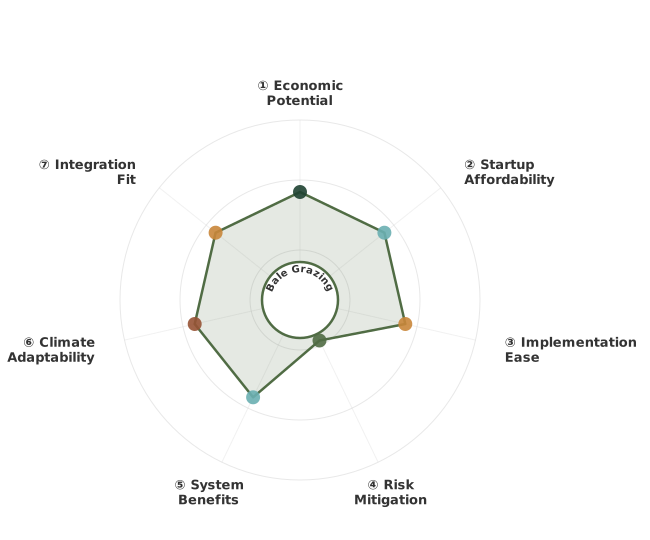
How These Traits Are Calculated
Trait dimensions are ordered clockwise starting from the top of the chart (12 o'clock position):
1. Economic Potential
Financial returns, annual value, and break-even timeline
WHAT: Evaluates financial viability by combining net annual value ($/ha from savings, income, and amortized harvests) with break-even timeline showing when practices pay for themselves.
WHY: Farmers need clear ROI understanding before committing resources. Fast payback (≤3 years) with strong returns (≥$300/ha) enables confident adoption, while long timelines (>10 years) restrict adoption to well-funded operations willing to wait for returns.
HOW: Calculated from net annual value in $/ha and break-even years. Exceptional (≥2.6): fast ROI ≤3 years + high value ≥$300/ha. Typical (1.8-2.5): moderate returns or longer timelines. Limited (<1.8): marginal economics or very long payback >10 years.
2. Startup Affordability
Initial investment costs and financial barrier to entry
WHAT: Measures financial barrier to entry through startup costs for equipment, infrastructure, consulting, and materials. Inverted scoring: lower costs = higher scores = more accessible adoption.
WHY: Affordability determines who can adopt. Low-cost practices (<$250/ha) enable widespread adoption across diverse scales, while high costs (>$2,500/ha) limit adoption to well-capitalized operations, creating barriers that slow regenerative transition.
HOW: Calculated from initial investment parsed from practice content. Inverted scoring: Exceptional (≥2.6): minimal investment <$250/ha. Typical (1.8-2.5): moderate costs $250-2,500/ha. Limited (<1.8): high barrier >$2,500/ha.
3. Implementation Ease
Learning curve and specialized knowledge required
WHAT: Measures how much learning, planning, and specialized knowledge a practice requires. Simpler practices with fewer steps score higher, while complex practices requiring extensive training or specialized resources score lower.
WHY: Complex practices create adoption barriers even when economically viable. Straightforward practices enable faster adoption and broader participation, while those requiring extensive training, timing precision, or specialized equipment limit who can succeed.
HOW: Evaluated by measuring documentation length and identifying complexity markers like location-specific requirements, seasonal timing windows, specialized skills, and dedicated equipment needs. Exceptional (≥2.6): straightforward practices with minimal prerequisites. Typical (1.8-2.5): moderate learning curve with some specialized needs. Limited (<1.8): steep learning curve requiring significant training or resources.
4. Risk Mitigation
Identified financial and ecological risk assessment
WHAT: Evaluates documented risks across financial (investment loss, market volatility) and ecological (crop failure, pest outbreaks) domains. Inverted scoring: fewer risks = higher scores.
WHY: Understanding risk exposure helps farmers make informed decisions. Low-risk practices allow confident implementation, while high-risk practices require careful planning and contingency resources. Risk transparency prevents costly failures.
HOW: Calculated from identified risks in practice content. Inverted scoring: Exceptional (≥2.6): ≤2 risks with manageable severity. Typical (1.8-2.5): 3-5 moderate risks. Limited (<1.8): 6+ risks or severe exposure.
5. System Benefits
How many ways the practice improves your land simultaneously
WHAT: Measures how many aspects of land health improve at once—carbon storage, soil quality, erosion control, water absorption, and biodiversity. Practices that improve multiple areas simultaneously create compounding benefits where each improvement reinforces the others.
WHY: The best practices solve multiple problems at once. For example, addressing erosion simultaneously builds carbon and improves water infiltration, creating a resilient system with positive feedback loops. Single-benefit approaches miss these compound transformation opportunities.
HOW: Evaluated across five key outcomes: carbon sequestration, soil organic matter increase, erosion reduction, water infiltration improvement, and biodiversity enhancement. Exceptional (≥2.6): high carbon storage (>8 t/ha/yr), improvements across 4-5 areas, transformative outcomes. Typical (1.8-2.5): moderate carbon (3-8 t/ha/yr), improvements across 2-3 areas. Limited (<1.8): modest impact (<3 t/ha/yr), single-area focus only.
6. Climate Adaptability
Geographic applicability across Köppen climate zones
WHAT: Evaluates geographic applicability by assessing how many Köppen climate zones successfully support a practice and what adaptation requirements are needed. Measures breadth of climates where farmers can implement with minimal to moderate modifications.
WHY: Universal practices working across diverse climates enable more farmers to adopt regenerative approaches. Practices limited to single climate types (only Mediterranean, only tropical) restrict adoption and slow global transition. Adaptability determines whether a practice serves niche regions or offers broad transformation.
HOW: LLM evaluation of regional success stories, Köppen zone coverage, and adaptation needs. Exceptional (≥2.6): 5+ zones or 4+ climate types, 3+ continents, minimal adaptation. Typical (1.8-2.5): 3-4 zones or 2-3 types, 2 continents, moderate adaptation. Limited (<1.8): 1-2 zones, single region, significant adaptation or highly specialized.
7. Integration Fit
How well this practice combines with others you're doing
WHAT: Measures how well a practice combines with other regenerative practices you might be doing. Some practices work as building blocks that make many other practices easier or more effective, while others work best on their own.
WHY: Practices that combine well with many others create more value on your farm. For example, cover cropping enables no-till, improves grazing, supports crop diversity, and helps water management—making all of them work better together. This helps you build a coherent system rather than juggling disconnected practices.
HOW: Evaluated by identifying which practices combine well and how strong those combinations are. 'Ideally Suited' means strong combinations where practices reinforce each other (practice A makes B easier, while B makes A more effective). 'Adequate' means complementary benefits that work well together. Exceptional (≥2.6): combines well with 6+ practices, serves as a building block. Typical (1.8-2.5): combines with 3-5 practices. Limited (<1.8): 1-2 practices or works best alone.
Going Deeper
1
WHY - The Benefits
Bale grazing offers a multifaceted approach to improving agricultural landscapes, directly impacting soil health, economic efficiency, water cycles, and overall ecosystem function. By strategically using hay to manage livestock and build soil fertility, it addresses...
Bale grazing offers a multifaceted approach to improving agricultural landscapes, directly impacting soil health, economic efficiency, water cycles, and overall ecosystem function. By strategically using hay to manage livestock and build soil fertility, it addresses...
WHY - The Benefits
Bale grazing offers a multifaceted approach to improving agricultural landscapes, directly impacting soil health, economic efficiency, water cycles, and overall ecosystem function. By strategically using hay to manage livestock and build soil fertility, it addresses...
Bale grazing offers a multifaceted approach to improving agricultural landscapes, directly impacting soil health, economic efficiency, water cycles, and overall ecosystem function. By strategically using hay to manage livestock and build soil fertility, it addresses...
Soil Health Benefits
The primary direct benefit of bale grazing is enhanced soil health. When bales are strategically placed and grazed, animals trample and incorporate a significant portion of the hay into the soil surface. This residue, combined with manure and urine, acts as a rich organic amendment, directly increasing soil organic matter (SOM). Studies and anecdotal evidence suggest SOM can increase by 0.2-1.0% annually in areas receiving consistent bale grazing impact, with improvements of 3-5% over 5-7 years in heavily utilized zones.
This increased SOM dramatically improves soil structure. Aggregates become more stable, leading to better water infiltration and retention. This means less runoff and erosion during rain events, and greater soil moisture availability during dry spells. Bale grazing can reduce erosion rates by 60-85% in treated areas compared to continuously grazed or bare land. The improved structure also facilitates root penetration and aeration, creating a more favorable environment for beneficial soil organisms like earthworms and microbes.
Manure and urine deposition spread nutrient cycling across the grazing area. While initial nutrient concentration occurs under bales, the trampling and decomposition disperse these nutrients, enriching the soil profile. This can reduce reliance on synthetic fertilizers over time. Increased biological activity in the decomposing hay and manure stimulates microbial populations, enhancing nutrient availability and soil biological function, which in turn supports stronger plant growth.
Economic Benefits
Bale grazing can offer substantial economic advantages by optimizing the use of stored forages and reducing input costs. Instead of feeding hay in central locations that require significant infrastructure and labor, scattering bales across pastures allows animals to "process" the hay in situ. This reduces labor associated with moving feed, eliminates the need for expensive feed pads or bunks that can become derelict, and minimizes hay waste.
Estimates suggest bale grazing can reduce hay processing costs by $10-30 per tonne (USD equivalent) by saving labor and equipment time. Furthermore, the fertility built from manure and trampled hay can translate into significant savings on synthetic fertilizer. For pastures managed with bale grazing, annual fertilizer savings can range from $50-150 per hectare (USD equivalent), depending on the intensity of application and soil responses.
Animal performance can also improve, especially during the transition to green forage in spring. Healthy soil with good residual SOM and available nutrients supports more nutritious forage. When animals have grazed bales in areas that then have improved soil fertility, they often exhibit better weight gains or milk production when moving to active pasture. This boost can improve overall livestock enterprise profitability. Capital savings are also realized by avoiding the need for permanent feeding infrastructure.
Regenerative Systems Fit
Bale grazing is a powerful tool for integrating livestock strategically to build soil health and ecosystem function. It directly supports:
- Principle 1 (Minimize Soil Disturbance): While not strictly no-till, bale grazing minimizes mechanical soil disturbance. The primary impact is hoof action, which can be managed. Leaving residues and manure protects soil from wind and water erosion.
- Principle 3 (Keep Soil Covered): Uneaten hay, plant residue, and manure provide continuous soil cover, protecting it from harsh weather and supporting soil organisms. This is crucial during dormant periods or droughts.
- Principle 5 (Integrate Livestock): Bale grazing is a prime example of using livestock strategically for landscape regeneration. Animals become agents of fertility and soil building, rather than just consumers of resources. Their impact is directed and managed to enhance, rather than degrade, the soil resource.
When implemented within a well-designed grazing plan, bale grazing can maximize the utilization of stored forages, improve nutrient distribution, and build soil organic matter, complementing other regenerative practices like rotational grazing, cover cropping, and reduced tillage. It helps to cycle nutrients efficiently, reduce the need for external inputs, and enhance the overall resilience of the farming system.
For farms transitioning to regenerative agriculture, bale grazing can be a practical step. It allows producers to continue using hay during periods of low forage availability while actively improving soil health and fertility, setting the stage for more diversified and robust forage systems. It helps to extend the grazing season and build soil resources needed for future regenerative endeavors.
Sources behind this view
Videos & Podcasts
-
Bale grazing in North Carolina uses hay, cow manure, and trampling to build soil carbon and biomass, improving pastures and reducing fertilizer costs. Even damaged hay and weeds like broom sedge can b
-
Bale grazing is presented as a superior long-term method for building soil organic matter and fertility compared to commercial fertilizers. Key practices include strategic bale placement, avoiding rep
-
Utilize bale grazing in designated paddocks, sacrificing hay to build soil organic matter and biology. This method fertilizes the land, breaks down rocks, improves water infiltration, and enhances pas
-
Bale grazing boosts pasture yields (4-6 tons/acre) and forage Brix (e.g., red clover >20), improving soil health and nutrient cycling. It significantly reduces diesel use by minimizing haymaking steps
Community
-
Implement bale grazing to build organic matter and soil health, and reduce nutrient runoff. Distribute bales strategically, considering soil tests and sensitive areas, and manage livestock access with
Read more (pp. 5-6) (opens PDF, pp. 5-6) efotg.sc.egov.usda.gov -
Adopts a holistic grazing management approach emphasizing diverse perennial pastures, higher residuals (4"), and longer rest periods (avg. 45 days) to build soil health, increase organic matter (3.4%
Read more (opens in new window) smallfarms.cornell.edu -
Details bale grazing techniques, explaining how feeding cattle hay in pastures distributes nutrients, fertilizes soil, and improves pasture health for the next growing season.
Read more (opens in new window) smallfarms.cornell.edu -
Discusses reducing hay waste through year-round grazing, bale grazing (placing bales in pasture for controlled access), and viewing wasted hay as fertilizer, with options for composting and strategic
Read more (opens in new window) permies.com
Research
-
Managing Grazing to Restore Soil Health, Ecosystem Function, and Ecosystem Services (opens in new window)
This study found: Properly managed grazing animals can reverse environmental damage. Regenerative practices, like Adaptive Multi-Paddock (AMP) grazing, boost soil health, increase soil carbon, reduce erosion, and enhan
-
On-farm Assessments of Pasture Rejuvenation Methods on Soil Quality Indicators in Northern Alberta (Canada) (opens in new window)
This study found: Bale grazing significantly improved Alberta pasture soil organic matter by up to 3.80% and soil health indicators over three years, outperforming other rejuvenation methods.
-
Principle, technique and application of grassland improvement. (opens in new window)
This study found: Grassland improvement strategies, combining techniques like managed grazing and overseeding, significantly boost plant growth (17-38%) and diversity (2-24%) in pastures, enhancing ecosystem services.
-
Potential of Forages to Diversify Cropping Systems in the Northern Great Plains (opens in new window)
This study found: Forage crops in the Northern Great Plains can boost grain yields, improve soil health, and add nitrogen. They also offer environmental benefits like carbon storage but can impact soil moisture. Innova
From the Web
-
Utilize bale grazing and strategic hay feeding in bare or underproducing areas to build soil health and improve forage production on regenerative ranches by concentrating nutrients.
-
Utilize bale grazing and hay-feeding strategies on bare or underproducing areas of your regenerative ranch to build soil health and improve forage production by adding nutrients.
-
Implement stockpile grazing by building fall forage reserves to extend the season and reduce winter costs. Use bale grazing year-round, leaving 40-50% of intact bales or 20-25% of unrolled hay as tram
-
Bale grazing with high-density livestock (100,000+ lbs/acre) is an inexpensive method to increase soil organic matter, stimulate microbial activity, and improve soil aggregation, leading to better wat
2
WHERE - Regional Considerations
The success and application of bale grazing are significantly influenced by regional climate, topography, forage types, and rainfall patterns. Adapting the practice to specific environmental conditions is crucial for maximizing benefits and minimizing risks.
The success and application of bale grazing are significantly influenced by regional climate, topography, forage types, and rainfall patterns. Adapting the practice to specific environmental conditions is crucial for maximizing benefits and minimizing risks.
WHERE - Regional Considerations
The success and application of bale grazing are significantly influenced by regional climate, topography, forage types, and rainfall patterns. Adapting the practice to specific environmental conditions is crucial for maximizing benefits and minimizing risks.
The success and application of bale grazing are significantly influenced by regional climate, topography, forage types, and rainfall patterns. Adapting the practice to specific environmental conditions is crucial for maximizing benefits and minimizing risks.
Click Here to Look up your Region if you don't already know it
Humid Temperate Regions
Representative Locations: Southeastern United States, Northern Europe (UK, Germany, Poland), Eastern China, Japan, New Zealand. Climate Context: Warm to hot summers and cool to cold winters with moderate to high annual precipitation (75-150 cm or 30-60 inches) distributed relatively evenly. USDA Zones 6-8, Köppen Cfb/Cfa. These regions offer long growing seasons with ample moisture, ideal for perennial pastures.
Bale Grazing Application: Bale grazing is highly effective in humid temperate zones, particularly during late fall and winter when perennial grasses go dormant but still maintain some residual cover. Scattered bales provide supplemental nutrition while their trampling and deposition enhance soil organic matter and fertility in areas that may naturally have high soil erosion potential. The abundant moisture facilitates rapid decomposition of hay residue and manure, quickly incorporating nutrients. Management challenges include potential for pugging (excessive soil disturbance by hooves in wet conditions) and ensuring sufficient rest periods for pastures in spring to recover from winter impact before active growth begins. Strategic placement away from riparian areas and on slopes prone to erosion is important.
Mediterranean Regions
Representative Locations: California, Mediterranean basin (Spain, Italy, Greece), Central Chile, Southwestern Australia, Western Cape South Africa. Climate Context: Hot, dry summers and mild, wet winters. Annual precipitation 40-90 cm (15-35 inches), highly seasonal. USDA Zones 8-10, Köppen Csa/Csb. Drought during summers necessitates careful forage management.
Bale Grazing Application: In Mediterranean climates, bale grazing is most beneficial during the dry summer months or during winter. Summer bale grazing can provide crucial supplemental feed without requiring irrigation for pastures, but requires careful monitoring to avoid overgrazing which can irreversibly degrade dryland pastures. Placing bales on contours can help capture any available moisture from dew or infrequent rain. Winter bale grazing during the wet season can help build soil organic matter but also carries the risk of severe pugging if soil is saturated and bales are too close together. It can be an excellent tool for fertility enhancement before the spring growing season.
Arid/Semi-Arid Regions
Representative Locations: Western USA, North Africa, Central Asia, Interior Australia. Climate Context: Low annual precipitation (<40 cm or 15 inches), high temperatures, short and often unpredictable growing season. USDA Zones 7-9, Köppen BSh/BSk. Water scarcity is the dominant environmental factor.
Bale Grazing Application: Bale grazing in arid and semi-arid regions must be approached with extreme caution to prevent overgrazing and degradation of already fragile ecosystems. The goal is to supplement feed while maximizing the benefit of every bit of hay residue and manure. Bales should be placed strategically to distribute impact and prevent overgrazing, perhaps on areas that are less productive or need ecological rehabilitation. Emphasis should be on leaving maximum residue and manure, ensuring it doesn't erode away before decomposition. Water availability for decomposition is a major constraint, so timing bale grazing to coincide with any expected rainfall is key. In these regions, long rest periods after bale grazing are critical to allow fragile perennial grasses and shrubs to recover.
Cold Continental Regions
Representative Locations: Northern USA and Canada, Northern Europe, Northern Asia. Climate Context: Very short growing seasons, extreme summer heat, severe winter cold. USDA Zones 3-5, Köppen Dfa/Dfb. Long, harsh winters dominate.
Bale Grazing Application: Bale grazing is highly suited for the long winter feeding periods in cold continental climates. It allows for winter feeding while building soil fertility and organic matter, which is particularly valuable as many soils in these regions may have lower SOM due to short growing seasons. The snow cover often provides a protective layer for the soil beneath, and the trampling action can help incorporate hay residue and manure into the soil once snow melts. Care must be taken to place bales away from frozen water bodies to prevent nutrient contamination. The key is to manage bale density and duration to avoid excessive disturbance of frozen or waterlogged soils in early spring as the snow recedes.
Subtropical Regions
Representative Locations: Southeastern USA, Southern China, Southern Brazil, Eastern Australia. Climate Context: Hot, humid summers and mild winters with generally ample rainfall. USDA Zones 9-11, Köppen Cfa/Cwa. High humidity and rainfall can increase decomposition rates but also risks of runoff.
Bale Grazing Application: Bale grazing in subtropical regions provides benefits similar to humid temperate zones, with higher rates of decomposition due to warmer temperatures. This means nutrients are cycled more quickly. However, the combination of high rainfall and animal impact requires careful management to prevent pugging and nutrient runoff, especially in areas with low soil organic matter or proximity to waterways. Strategic bale placement on higher ground or more resilient pasture areas is advisable. The warm, moist conditions also favor robust cover crop growth if bale grazing is used in preparation for a pasture renovation or green manure sequence.
Tropical Regions
Representative Locations: Central America, Southeast Asia, East Africa, Northern Australia, Northern South America. Climate Context: High temperatures year-round, with distinct wet and dry seasons or consistent high rainfall. Köppen Af/Am/Aw. High solar radiation and rainfall can lead to rapid nutrient cycling but also high losses through erosion and leaching.
Bale Grazing Application: In tropical regions, bale grazing can be a valuable tool for fertility building, especially during the dry season when green forage is scarce. The high temperatures accelerate decomposition of hay and manure, rapidly incorporating organic matter and nutrients into the soil. However, the intense rainfall during the wet season presents an even greater risk of nutrient runoff and soil erosion if not managed meticulously. Bales should be placed away from waterways, on contour lines, and in areas needing fertility enhancement where the trampling can help incorporate residue into the soil surface. Careful management of stocking density and duration is critical to avoid damaging tropical pastures, which can be less resilient to overgrazing than temperate forages.
3
HOW - Implementation Process
Implementing bale grazing effectively requires careful planning, execution, and monitoring. The process involves choosing the right location, determining bale density and spacing, managing animal movement, and assessing soil and pasture responses.
Implementing bale grazing effectively requires careful planning, execution, and monitoring. The process involves choosing the right location, determining bale density and spacing, managing animal movement, and assessing soil and pasture responses.
HOW - Implementation Process
Implementing bale grazing effectively requires careful planning, execution, and monitoring. The process involves choosing the right location, determining bale density and spacing, managing animal movement, and assessing soil and pasture responses.
Implementing bale grazing effectively requires careful planning, execution, and monitoring. The process involves choosing the right location, determining bale density and spacing, managing animal movement, and assessing soil and pasture responses.
Prerequisites
- Adequate Hay Quality: Use mold-free, nutrient-dense hay. Lower quality hay can lead to more waste and less desirable nutrient contribution.
- Targeted Field: Select fields that need fertility building, have residual plant matter to protect soil, or are designated for pasture rest and improvement. Avoid areas currently experiencing active erosion or adjacent to sensitive water bodies without buffer zones.
- Livestock Readiness: Ensure animals are accustomed to bales and have access to clean water and any necessary mineral supplements.
- Adequate Fencing: Have temporary electric fencing materials ready (polywire, step-in posts, energizer) to manage animal access.
Phase 1: Planning and Bale Placement
Objective: Strategically distribute nutrients and organic matter across the target area.
- Assess Field Needs: Identify areas needing fertility boost, areas to rehabilitate, or simply distribute impact across the entire field.
- Determine Bale Density: This varies greatly. For fertility enhancement, aim for 1-5 bales per hectare (0.5-2 bales per acre). For winter feeding with minimal soil impact focus, denser placement might be used.
- Spacing Strategy:
- Even Spacing: Place bales 15-30 meters (50-100 feet) apart in a grid pattern. This spreads impact broadly.
- Clustering: Place 3-5 bales in a small group, then move the group. This concentrates impact in smaller areas but allows for more uniform trampling within the cluster.
- Contour/Topography: On slopes, place bales on contours to prevent runoff and erosion. Avoid placing bales directly downhill where they could increase erosion risk through concentrated trampling.
- Bale Dropping: Use a tractor with a bale spear or grapple to place bales. Avoid unnecessary travel across the field, ideally dropping bales from a designated travel path.
Phase 2: Grazing Management and Animal Movement
Objective: Control animal access to bales to maximize nutrient distribution and minimize overgrazing.
- First Feeding Area: Start with a manageable number of bales (e.g., 3-5 bales for a herd). Confine animals to an area encompassing these bales using electric fencing. The size of this area will depend on the number of animals, bale size, and desired feeding duration (typically 3-7 days per bale/cluster).
- Monitoring: Observe animal consumption and impact. If animals are quickly consuming bales and leaving areas bare, the enclosure may be too large or there are too many animals. If bales are being wasted heavily, animals may need to be restricted from access more severely.
- Moving Fencing: As bales are consumed, move the electric fence to encircle the next set of bales. The goal is to gradually move the animals across the field, exposing new areas to their impact.
- Rest Period: After bale grazing an area, allow a significant resting period (minimum 3-6 months, ideally longer) before re-grazing or intensive use. This allows the soil to recover and any residual hay to decompose and integrate.
Phase 3: Monitoring and Adaptation
Objective: Assess the impact of bale grazing and adjust future strategies.
- Soil Assessment: Observe soil in grazed areas. Look for increased organic matter, improved aggregate stability, increased earthworm activity, and better water infiltration.
- Vegetation Response: Note how pasture plants respond. Are they more vigorous in previously grazed areas? Is there better residual cover? Are new species emerging?
- Nutrient Cycling: Monitor soil fertility tests over time to track changes in nutrient levels and SOM.
- Adaptation: Adjust bale density, spacing, and movement patterns based on observations. If overgrazing occurred on slopes, adjust placement on contours. If nutrient concentration is too high, increase spacing or number of bales per grazing area.
Transitioning from Conventional Feeding
If currently using bunk feeding, the transition to bale grazing involves:
- Gradually increasing the number of bales grazed in place versus fed in bunks.
- Experimenting with bale spacing on a small scale before full adoption.
- Phasing out permanent feed pads as they become unnecessary.
- Educating livestock on feeding from a scattered bale versus a bunk, which usually takes minimal adjustment for cattle.
Sources behind this view
Videos & Podcasts
-
Bale grazing, both low and high density, is used for winter feeding to improve soil health by distributing manure and hay residue. High-density grazing on frozen ground or poor soil areas significantl
-
Bale grazing in North Carolina uses hay, cow manure, and trampling to build soil carbon and biomass, improving pastures and reducing fertilizer costs. Even damaged hay and weeds like broom sedge can b
-
Effective bale grazing in the Eastern US requires strategic hay placement (e.g., thirds over winter), avoiding repeated feeding sites within a month, and minimizing tractor use to prevent compaction.
-
Winter feeding relies on bale grazing and stockpiled forage to reduce hay needs. High-density bale grazing on frozen ground improves soil health, increasing pasture yields and Brix content. This strat
Community
-
Implement bale grazing to build organic matter and soil health, and reduce nutrient runoff. Distribute bales strategically, considering soil tests and sensitive areas, and manage livestock access with
Read more (pp. 5-6) (opens PDF, pp. 5-6) efotg.sc.egov.usda.gov -
Details bale grazing techniques, explaining how feeding cattle hay in pastures distributes nutrients, fertilizes soil, and improves pasture health for the next growing season.
Read more (opens in new window) smallfarms.cornell.edu -
Bale grazing outwinters cattle by feeding hay in paddocks, rotating herds like the grazing season. This reduces labor, improves animal health, and fertilizes pastures. Key considerations include weath
Read more (opens in new window) smallfarms.cornell.edu -
Discusses reducing hay waste through year-round grazing, bale grazing (placing bales in pasture for controlled access), and viewing wasted hay as fertilizer, with options for composting and strategic
Read more (opens in new window) permies.com
Research
-
On-farm Assessments of Pasture Rejuvenation Methods on Soil Quality Indicators in Northern Alberta (Canada) (opens in new window)
This study found: Bale grazing significantly improved Alberta pasture soil organic matter by up to 3.80% and soil health indicators over three years, outperforming other rejuvenation methods.
-
Impacts of holistic planned grazing with bison compared to continuous grazing with cattle in South Dakota shortgrass prairie (opens in new window)
This study found: Managed grazing with bison in South Dakota's shortgrass prairie significantly improved soil health, water infiltration, forage, and plant composition compared to continuous cattle grazing over a decad
-
Potential of Forages to Diversify Cropping Systems in the Northern Great Plains (opens in new window)
This study found: Forage crops in the Northern Great Plains can boost grain yields, improve soil health, and add nitrogen. They also offer environmental benefits like carbon storage but can impact soil moisture. Innova
-
120 Characteristics of and Animal Responses to Warm- and Cool-Season Forage Baleage. (opens in new window)
This study found: Baleage from summer and winter grasses in the Southeast US offers alternatives to hay. Winter grasses like annual ryegrass show promise for improved animal performance, especially for young cattle, wi
From the Web
-
Implement stockpile grazing by building fall forage reserves to extend the season and reduce winter costs. Use bale grazing year-round, leaving 40-50% of intact bales or 20-25% of unrolled hay as tram
-
Bale grazing in winter at Peckham Farm concentrates fertility, visibly improving soil health and increasing organic matter. Combining it with frost seeding aims to boost summer forage resilience and r
-
Bale grazing, as practiced by Hannah Bernhardt at Medicine Creek Farm, strategically uses winter hay feeding to enhance soil health, increase water retention, and improve pasture regeneration, despite
-
Utilize bale grazing and strategic hay feeding in bare or underproducing areas to build soil health and improve forage production on regenerative ranches by concentrating nutrients.
4
Know the Debate
Bale grazing is a versatile tool for improving soil health and livestock economics, but its effectiveness hinges on thoughtful application. In humi...
Know the Debate
Bale grazing is a versatile tool for improving soil health and livestock economics, but its effectiveness hinges on thoughtful application. In humi...
Bale grazing is a versatile tool for improving soil health and livestock economics, but its effectiveness hinges on thoughtful application. In humid temperate regions with reliable rainfall and longer growing seasons, benefits like increased soil organic matter and pasture regrowth can be substantial and appear relatively quickly. However, in arid lands, extreme cold, or areas with fragile soils, careful management is paramount to avoid degradation. Entry costs for temporary fencing and water supply can range from $80/acre for large-scale operations to $430/acre for smaller farms. While labor for bale placement is often reduced compared to bunk feeding, daily fence moves and animal monitoring are essential, demanding 1-2 hours daily across most scales.
How much pasture yield and soil health improvement from bale grazing?
Moderate gains (0.5-3.8% SOM, +/- some soil benefits)
Academic studies generally indicate moderate improvements in soil organic matter (up to 3.8% over 3 years) and water infiltration. Some research highlights minimal short-term impact or potential risks like erosion if residue is removed.
Sources behind this view
Sources behind this view
Research
-
On-farm Assessments of Pasture Rejuvenation Methods on Soil Quality Indicators in Northern Alberta (Canada) (opens in new window)
This study found: A three-year study on farms in Northern Alberta, Canada, tested different ways to improve old pastures. The methods included deep tilling, replanting with a grass-legume mix, adding manure, resting the pasture, using synthetic fertilizer, and two grazing strategies: high-density grazing and bale grazing (leaving hay bales for cattle to eat on the pasture). Bale grazing was the most effective, significantly increasing soil organic matter by up to 3.80% and improving soil compaction, water infiltration, and nutrient levels compared to all other methods, including leaving the pasture bare. The study suggests bale grazing is a practical first option for farmers to improve soil quality and increase how many animals can graze on their pastures. Combining manure with deep tilling in the fall and high-density grazing were also found to be beneficial for pasture health.
-
Grazing Crop Residues Has Less Impact in the Short‐Term on Soil Properties than Baling in the Central Great Plains (opens in new window)
This study found: A three-year study in the central Great Plains compared what happens to soil when cattle graze corn stalks versus when those stalks are baled and removed. The research involved six farms with different soil types and rainfall amounts, all using conservation tillage. Removing a large amount of corn residue by baling significantly reduced soil moisture (by up to 32%) and increased the risk of soil blowing away in the wind (by up to 56%) compared to leaving the residue. Grazing the corn stalks, which removed less residue, generally had no negative impact on soil moisture or wind erosion risk. While baling and grazing had minimal short-term effects on other soil health indicators like compaction, the study suggests that grazing corn residue is a more sustainable practice than baling it off, especially when high amounts are removed.
-
FORAGES AND PASTURES SYMPOSIUM: Improving soil health and productivity on grasslands using managed grazing of livestock. (opens in new window)
This study found: Managing livestock grazing on grasslands can offer multiple benefits beyond just producing meat or milk. By carefully planning grazing, farmers can encourage a wider variety of plants to grow. This diversity helps plants use sunlight, water, and nutrients more effectively, making the pasture more resilient to weather changes and less prone to weeds. Managed grazing also helps build soil organic matter, which means more carbon and nutrients are stored in the soil, and the soil can hold more water. While grazing can create soil compaction, the roots from diverse pasture plants can help reduce this. More research is needed on how different grazing and rest periods affect soil compaction. Keeping enough plants on the ground is key to helping water soak into the soil, even in wet areas. Diverse plant communities can also create better habitats for wildlife and pollinators. It's important to remember that how grasslands respond to grazing depends a lot on local climate, soil, and plant types. A single grazing plan might not be best for both animal production and all the ecological benefits, so farmers need to balance their goals.
Dramatic gains (2-6x yield, >20% Brix, 0.2-1.0% SOM/yr)
Field practitioners consistently report dramatic pasture yield increases (2-6x, up to 4-6 tons/acre) and forage Brix (>20). Significant soil organic matter gains (0.2-1.0% annually) and improvements in soil biology and drought resilience are commonly observed within months.
Sources behind this view
Sources behind this view
Videos & Podcasts
-
Bale grazing builds soil aggregation, captures nutrients, and stimulates the soil seed bank. It significantly increases pasture yield (2-3x) and Brix content (2-3x) for several years, creating biological hotspots and improving forage quality.
-
Bale grazing, both low and high density, is used for winter feeding to improve soil health by distributing manure and hay residue. High-density grazing on frozen ground or poor soil areas significantly increases pasture yields (4-6 tons/acre) and forage quality (Brix >20), with a 20-year plan to cover the entire farm.
-
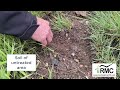
Bale grazing with cattle on degraded blow sand resulted in nearly double forage production and increased soil life (worms) compared to untreated areas, indicating improved soil health and organic matter deposition.
-
Bale grazing is presented as a superior long-term method for building soil organic matter and fertility compared to commercial fertilizers. Key practices include strategic bale placement, avoiding repeated feeding sites within a month, and minimizing tractor use in winter to prevent compaction. This method enhances pasture health and drought resilience.
Context-dependent enhancement (benefits vary by soil, climate, management)
Institute resources suggest bale grazing's benefits vary by soil condition and climate, with strategic placement intended to build soil health and improve forage production. They emphasize adapting the practice to specific ranch needs.
Sources behind this view
Sources behind this view
From the Web
-
Utilize bale grazing and strategic hay feeding in bare or underproducing areas to build soil health and improve forage production on regenerative ranches by concentrating nutrients.
-
Utilize bale grazing and hay-feeding strategies on bare or underproducing areas of your regenerative ranch to build soil health and improve forage production by adding nutrients.
-
Bale grazing, as practiced by Hannah Bernhardt at Medicine Creek Farm, strategically uses winter hay feeding to enhance soil health, increase water retention, and improve pasture regeneration, despite some concerns about forage waste.
Making Sense of the Differences
The dramatically different outcomes reported for bale grazing are driven by context: soil type, climate, forage species, livestock impact management, and measurement methods. High yields and SOM gains (0.2-1.0%/yr) are often reported in semi-arid or degraded areas where there's significant room for improvement and ample moisture for decomposition. Conversely, academic studies in more established, productive grasslands or under different measurement regimes show more moderate gains. Farmers should expect soil organic matter to increase incrementally (likely <0.5%/yr on average) and pasture yields to improve significantly (2-3x often cited) but evaluate results against their specific baseline soils and climate rather than universal claims.
5
HOW MUCH - Costs & Investment
Note: Costs shown in USD; multiply by local labor and material cost indices for your region. Labor costs vary significantly internationally.
Note: Costs shown in USD; multiply by local labor and material cost indices for your region. Labor costs vary significantly internationally.
HOW MUCH - Costs & Investment
Note: Costs shown in USD; multiply by local labor and material cost indices for your region. Labor costs vary significantly internationally.
Note: Costs shown in USD; multiply by local labor and material cost indices for your region. Labor costs vary significantly internationally.
Note: All costs are based on recent US economic data (2024–2026) and may vary substantially by region based on local labor rates, material costs, and regulatory requirements.
Fencing Infrastructure
Bale grazing necessitates temporary, high-impact fencing solutions to manage animal density and prevent overgrazing. Small operations (under 50 acres (20 ha)) typically operate with lower baseline infrastructure, requiring higher per-acre investment to establish perimeter and cell fencing from scratch, costing $80 to $150 per acre ($198–$371/ha). Mid-sized operations (50 to 500 acres (20–202 ha)) generally utilize existing farm perimeters and focus capital on portable cross-fencing, which ranges from $40 to $80 per acre ($99–$198/ha). Large-scale operations (500+ acres) leverage existing, extensive fencing layouts, focusing costs primarily on high-tensile polywire and effective solar energizer management, reducing costs to $15 to $40 per acre ($37–$99/ha). Solar energizer units capable of powering multiple sectors typically cost $300 to $600 per unit, which must be amortized against the total acreage.
Portable Water Supply
Ensuring clean water access without creating mud traps is a critical variable cost. Small-scale operations often lack the plumbing infrastructure to reach remote winter pastures, necessitating independent, mobile high-capacity troughs and hoses, which cost $150 to $250 per acre ($371–$618/ha). Mid-sized producers often have better access to existing barn-well infrastructure or paddock-based hydrants, allowing for the deployment of quick-connect portable systems at $60 to $120 per acre ($148–$297/ha). Large-scale producers utilize extensive poly-pipe trunk lines and gravity-fed or solar-pump systems, which, when spread across vast acreages, result in a significantly lower per-acre investment of $20 to $50 per acre ($49–$124/ha). These systems must be engineered for winter reliability to avoid system failure during freezing temperatures.
Logistical and Bale Transport
The movement of 1,200 to 1,500 lbs (680 kg) of hay per bale represents a significant operational cost. Logistical efficiency is dictated by machinery utilization and travel distance. Small operations, which often rely on a single tractor and spear, experience costs of $15 to $35 per acre ($37–$86/ha) due to higher labor-to-bale ratios and slower transport speeds. Mid-sized farms often employ skid steers or specialized front-end loaders with optimized staging patterns, reducing labor and fuel expenses to $8 to $20 per acre ($20–$49/ha). Large-scale operations, utilizing flatbed transport for long-distance staging during the off-season, achieve the greatest efficiency at $3 to $10 per acre ($7.4–$25/ha). Fuel costs for all tractor-based machinery are currently calculated at $3.50 to $4.25 per gallon.
Hay Purchase and Quality Management
If the hay is purchased off-farm, the expense constitutes the largest portion of the budget. Current market prices range from $120 to $250 per ton. A producer must account for "bale waste"—the portion of hay trampled or soiled rather than consumed. Managing waste is a biological input strategy where 500 lbs (227 kg) of hay waste per acre represents a soil fertility investment. Calculating the cost of this trampled organic matter, the material input value translates to $30 to $60 per acre ($74–$148/ha). This cost is technically an investment in soil organic matter, acting as a direct replacement for synthetic nitrogen and phosphorus inputs, provided the distribution is uniform and avoids excessive poaching of the soil surface.
Most Spend: The middle 60% of the cost range for most producers falls between $85 and $115 per acre ($210–$284/ha). This middle range typically captures the majority of mid-sized producers who have moved beyond the high per-acre "startup" costs of small setups but are not yet operating at the massive scale required to achieve the absolute lowest price-per-acre infrastructure and labor costs.
Why the Range?: The primary drivers for these ranges are the existing baseline infrastructure of the farm and the cost of transport logic. Farms with existing water infrastructure and on-farm hay production face costs at the lower end of the spectrum, while operations that must build new water systems, purchase all hay, and endure high labor costs for bale placement sit at the higher end of the range.
Sources behind this view
Videos & Podcasts
-
Quantifies bale grazing benefits: bringing in external nutrients/organic matter, improving soil health, water retention, and fertility. Nutrient value alone justifies high hay costs, reframing 'waste'
-
Winter feeding relies on bale grazing and stockpiled forage to reduce hay needs. High-density bale grazing on frozen ground improves soil health, increasing pasture yields and Brix content. This strat
-
Bale grazing, both low and high density, is used for winter feeding to improve soil health by distributing manure and hay residue. High-density grazing on frozen ground or poor soil areas significantl
-
Effective bale grazing in the Eastern US requires strategic hay placement (e.g., thirds over winter), avoiding repeated feeding sites within a month, and minimizing tractor use to prevent compaction.
Community
-
Discusses reducing hay waste through year-round grazing, bale grazing (placing bales in pasture for controlled access), and viewing wasted hay as fertilizer, with options for composting and strategic
Read more (opens in new window) permies.com -
Bale grazing outwinters cattle by feeding hay in paddocks, rotating herds like the grazing season. This reduces labor, improves animal health, and fertilizes pastures. Key considerations include weath
Read more (opens in new window) smallfarms.cornell.edu -
Implement bale grazing to build organic matter and soil health, and reduce nutrient runoff. Distribute bales strategically, considering soil tests and sensitive areas, and manage livestock access with
Read more (pp. 5-6) (opens PDF, pp. 5-6) efotg.sc.egov.usda.gov -
Details bale grazing techniques, explaining how feeding cattle hay in pastures distributes nutrients, fertilizes soil, and improves pasture health for the next growing season.
Read more (opens in new window) smallfarms.cornell.edu
Research
-
Increasing Intensity of Pasture Use with Dairy Cattle: An Economic Analysis (opens in new window)
This study found: Intensive grazing on Pennsylvania dairy farms was more profitable than hay/corn silage, returning $129/acre. High debt and poor cash flow motivated increased grazing intensity, which lowered feed cost
-
192 Towards Year-Round Grazing in the Southeastern U.S (opens in new window)
This study found: Southeastern U.S. sheep/goat farmers can boost profits by reducing winter feed costs through better grazing management, diverse forages, improved infrastructure, and proper hay storage, enabling year-
-
Pasture-Based Dairy Systems in Temperate Lowlands: Challenges and Opportunities for the Future (opens in new window)
This study found: Pasture-based dairy in temperate lowlands can improve efficiency and sustainability by using more legumes for nitrogen, extending grazing, and selecting robust cows. This reduces chemical inputs, lowe
-
120 Characteristics of and Animal Responses to Warm- and Cool-Season Forage Baleage. (opens in new window)
This study found: Baleage from summer and winter grasses in the Southeast US offers alternatives to hay. Winter grasses like annual ryegrass show promise for improved animal performance, especially for young cattle, wi
From the Web
-
Implement stockpile grazing by building fall forage reserves to extend the season and reduce winter costs. Use bale grazing year-round, leaving 40-50% of intact bales or 20-25% of unrolled hay as tram
-
A case study on bale grazing for winter feeding in a cow-calf operation shows increased forage production, biodiversity, and soil organic matter by using hay as litter and allowing cows to distribute
6
REWARDS AND RISKS - Economics & Risk Factors
Bale grazing offers compelling economic and systemic rewards but also carries risks that must be managed for successful implementation.
Bale grazing offers compelling economic and systemic rewards but also carries risks that must be managed for successful implementation.
REWARDS AND RISKS - Economics & Risk Factors
Bale grazing offers compelling economic and systemic rewards but also carries risks that must be managed for successful implementation.
Bale grazing offers compelling economic and systemic rewards but also carries risks that must be managed for successful implementation.
Producers bale grazing at scale face varied financial outcomes based on soil conditions, hay quality, and logistical execution. In a best-case scenario, the operation achieves a net gain of $120 to $180 per acre ($297–$445/ha). This is realized through the intersection of lower veterinary costs from improved winter nutrition, the elimination of synthetic fertilizer purchases, and the reduction of fuel spent on mechanical manure spreading. A typical case sees a more conservative net benefit of $50 to $90 per acre ($124–$222/ha), providing a stable return on labor and capital. Conversely, in a worst-case scenario—often associated with excessive moisture, improper bale density, and resulting soil poaching—a net loss of $30 to $60 per acre ($74–$148/ha) can occur. This loss is primarily driven by the wastage of high-cost hay inventory and the subsequent need for mechanical pasture reseeding to repair damaged areas.
Profitability is sensitive to external market factors, specifically the cost of synthetic nitrogen. When nitrogen prices exceed $0.80 per lb, the residual fertility value of the bale-grazed hay becomes a critical financial offset. If cattle market prices drop by $0.10/lb, the producer must tighten internal labor costs to maintain target margins, as the grazing practice requires higher precision in movement than traditional feeding methods.
Risk mitigation requires targeted capital investment. Producers should budget $200 to $400 for high-voltage, weather-resistant fencing energizers that handle multiple miles of polywire; this prevents the high labor cost of chasing ground faults during winter. Monitoring soil moisture before moving cattle into a new sector is essential. Using a $50 soil moisture probe to ensure that cattle are not placed on soft, saturated ground prevents compaction damage that can take years to recover. Furthermore, target densities of 15 to 20 tons (18 tonnes) of hay per acre are the "sweet spot" for nutrient cycling, minimizing the risk of "hot spots" where excess nitrogen leads to weed pressure in the following spring.
Transition Period Risks are most pronounced in the first 24 months. Operators often face a "nutrient lag" where stored manure and trampled forage have not fully mineralized, potentially costing $20 to $40 per acre ($49–$99/ha) in deferred grass growth. Labor efficiency is also a significant transition hurdle; operators usually log 30% more labor hours in the first season as they learn the nuances of paddock layout and fence-moving timing. To mitigate this risk, it is recommended to transition only 20% of the total land area for the first year, using this parcel to stress-test the equipment and grazing layout before scaling to the full farm operation.
Sources behind this view
Videos & Podcasts
-
Bale grazing, both low and high density, is used for winter feeding to improve soil health by distributing manure and hay residue. High-density grazing on frozen ground or poor soil areas significantl
-
Bale grazing in North Carolina uses hay, cow manure, and trampling to build soil carbon and biomass, improving pastures and reducing fertilizer costs. Even damaged hay and weeds like broom sedge can b
-
Effective bale grazing in the Eastern US requires strategic hay placement (e.g., thirds over winter), avoiding repeated feeding sites within a month, and minimizing tractor use to prevent compaction.
-
Winter feeding relies on bale grazing and stockpiled forage to reduce hay needs. High-density bale grazing on frozen ground improves soil health, increasing pasture yields and Brix content. This strat
Community
-
Implement bale grazing to build organic matter and soil health, and reduce nutrient runoff. Distribute bales strategically, considering soil tests and sensitive areas, and manage livestock access with
Read more (pp. 5-6) (opens PDF, pp. 5-6) efotg.sc.egov.usda.gov -
Details bale grazing techniques, explaining how feeding cattle hay in pastures distributes nutrients, fertilizes soil, and improves pasture health for the next growing season.
Read more (opens in new window) smallfarms.cornell.edu -
Adopts a holistic grazing management approach emphasizing diverse perennial pastures, higher residuals (4"), and longer rest periods (avg. 45 days) to build soil health, increase organic matter (3.4%
Read more (opens in new window) smallfarms.cornell.edu -
Practical rotational grazing advice for small acreage with goats, sheep, and chickens, emphasizing frequent moves, sacrificial paddocks, and specific forage types (fescue, rye, Bermuda) for Zone 8b. M
Read more (opens in new window) permies.com
Research
-
On-farm Assessments of Pasture Rejuvenation Methods on Soil Quality Indicators in Northern Alberta (Canada) (opens in new window)
This study found: Bale grazing significantly improved Alberta pasture soil organic matter by up to 3.80% and soil health indicators over three years, outperforming other rejuvenation methods.
-
Pasture-Based Dairy Systems in Temperate Lowlands: Challenges and Opportunities for the Future (opens in new window)
This study found: Pasture-based dairy in temperate lowlands can improve efficiency and sustainability by using more legumes for nitrogen, extending grazing, and selecting robust cows. This reduces chemical inputs, lowe
-
Integrated crop and livestock systems increase both climate change adaptation and mitigation capacities. (opens in new window)
This study found: Combining crops with beef cattle grazing in Brazil boosted farm productivity and soil carbon over 18 years. Moderate grazing levels were best for resilience and climate change adaptation/mitigation.
-
Managing Grazing to Restore Soil Health, Ecosystem Function, and Ecosystem Services (opens in new window)
This study found: Properly managed grazing animals can reverse environmental damage. Regenerative practices, like Adaptive Multi-Paddock (AMP) grazing, boost soil health, increase soil carbon, reduce erosion, and enhan
From the Web
-
Bale grazing in winter at Peckham Farm concentrates fertility, visibly improving soil health and increasing organic matter. Combining it with frost seeding aims to boost summer forage resilience and r
-
North Dakota farmers Erin and Drew Gaugler are leading by example in bale grazing, demonstrating its effectiveness for soil health and cost reduction on degraded land, influencing at least 10 local fa
-
Implement stockpile grazing by building fall forage reserves to extend the season and reduce winter costs. Use bale grazing year-round, leaving 40-50% of intact bales or 20-25% of unrolled hay as tram
-
Bale grazing, as practiced by Hannah Bernhardt at Medicine Creek Farm, strategically uses winter hay feeding to enhance soil health, increase water retention, and improve pasture regeneration, despite
7
WHO - Labor & Expertise
While bale grazing is conceptually simple, effective implementation requires a blend of practical farming skills and developing ecological understanding.
While bale grazing is conceptually simple, effective implementation requires a blend of practical farming skills and developing ecological understanding.
WHO - Labor & Expertise
While bale grazing is conceptually simple, effective implementation requires a blend of practical farming skills and developing ecological understanding.
While bale grazing is conceptually simple, effective implementation requires a blend of practical farming skills and developing ecological understanding.
Skill Requirements
- Livestock Handling: Familiarity with managing livestock, understanding their behavior, and ensuring their well-being. This includes skill in moving animals safely and efficiently using temporary fencing.
- Grazing Management: Understanding forage growth dynamics, rest periods, stocking rates, and how animal impact influences pasture health. This is crucial for avoiding overgrazing and ensuring soil recovery.
- Equipment Operation: Proficiency in operating a tractor with a bale spear or grapple for bale placement. Knowledge of operating electric fencing equipment (energizers, posts, wire).
- Observation and Adaptation: The ability to "read" the landscape—observing soil conditions, plant health, animal behavior, and weather patterns—and adapt management decisions accordingly. This is the cornerstone of regenerative agriculture.
- Basic Logistics: Planning bale distribution patterns, ensuring water access for livestock in grazing areas, and estimating hay needs.
Labor & Expertise Considerations
- Time Commitment: Bale grazing can reduce labor compared to daily feeding in bunks, but it introduces new tasks: planning bale placement, setting up and moving temporary fences daily or every few days, monitoring water supply, and observing animal impact. The time commitment is often more about strategic planning and observation than constant physical labor.
- Scale of Operation: For small farms (<25-50 acres / 10-20 hectares), a single person can typically manage bale grazing with moderate time investment. For larger operations (>200 acres / 80 hectares), it may require more planning, more bales, potentially multiple teams or individuals to manage different sections of land, and more robust fencing solutions.
- International Labor Costs: In regions with high labor costs (e.g., Western Europe, North America, Australia), bale grazing's reduced labor requirement compared to traditional feeding is a significant economic advantage. In regions with lower labor costs, the economic argument might be less about labor savings and more about the fertility and soil-building benefits. Hiring custom bale transport or local custom grazers for specific tasks might be economical in some regions.
- Learning Curve: There is a learning curve, especially in understanding how different soil types, climates, and forage species respond to bale grazing. Experienced graziers often develop a nuanced understanding through trial and error and observation. Access to information from peers, extension services, or regenerative agriculture networks can shorten this learning curve.
Who Can Do It: Bale grazing is accessible to a wide range of farmers and ranchers, from small diversified operations to large commercial cattle ranches. It requires a willingness to adapt management, pay attention to detail, and integrate livestock more thoughtfully into the landscape. It's a practice that rewards observation and intelligent application over brute force labor.
Sources behind this view
Videos & Podcasts
-
Bale grazing in North Carolina uses hay, cow manure, and trampling to build soil carbon and biomass, improving pastures and reducing fertilizer costs. Even damaged hay and weeds like broom sedge can b
-
Bale grazing is presented as a superior long-term method for building soil organic matter and fertility compared to commercial fertilizers. Key practices include strategic bale placement, avoiding rep
-
Manitoba farmer transitioned from frequent wire moves to 18-21 day bale grazing pods on degraded land, improving pasture and increasing carrying capacity. Emphasizes manure's role in stimulating soil
![Thumbnail for [S1E4] Farmer Panel: Evolution of Bale Grazing](/static/thumbnails/E6Z5LzkUo1U.jpg)
-
Bale grazing, both low and high density, is used for winter feeding to improve soil health by distributing manure and hay residue. High-density grazing on frozen ground or poor soil areas significantl
Community
-
Implement bale grazing to build organic matter and soil health, and reduce nutrient runoff. Distribute bales strategically, considering soil tests and sensitive areas, and manage livestock access with
Read more (pp. 5-6) (opens PDF, pp. 5-6) efotg.sc.egov.usda.gov -
Details bale grazing techniques, explaining how feeding cattle hay in pastures distributes nutrients, fertilizes soil, and improves pasture health for the next growing season.
Read more (opens in new window) smallfarms.cornell.edu -
Bale grazing outwinters cattle by feeding hay in paddocks, rotating herds like the grazing season. This reduces labor, improves animal health, and fertilizes pastures. Key considerations include weath
Read more (opens in new window) smallfarms.cornell.edu -
Discusses reducing hay waste through year-round grazing, bale grazing (placing bales in pasture for controlled access), and viewing wasted hay as fertilizer, with options for composting and strategic
Read more (opens in new window) permies.com
Research
-
On-farm Assessments of Pasture Rejuvenation Methods on Soil Quality Indicators in Northern Alberta (Canada) (opens in new window)
This study found: Bale grazing significantly improved Alberta pasture soil organic matter by up to 3.80% and soil health indicators over three years, outperforming other rejuvenation methods.
-
120 Characteristics of and Animal Responses to Warm- and Cool-Season Forage Baleage. (opens in new window)
This study found: Baleage from summer and winter grasses in the Southeast US offers alternatives to hay. Winter grasses like annual ryegrass show promise for improved animal performance, especially for young cattle, wi
-
Impacts of grazing management on hill country pastures: principles and practices (opens in new window)
This study found: Smart grazing on hilly pastures balances animal needs with grass availability. Managing livestock numbers and types, and grazing at the right time, improves pasture quality and quantity for better far
-
Pasture-Based Dairy Systems in Temperate Lowlands: Challenges and Opportunities for the Future (opens in new window)
This study found: Pasture-based dairy in temperate lowlands can improve efficiency and sustainability by using more legumes for nitrogen, extending grazing, and selecting robust cows. This reduces chemical inputs, lowe
From the Web
-
Implement stockpile grazing by building fall forage reserves to extend the season and reduce winter costs. Use bale grazing year-round, leaving 40-50% of intact bales or 20-25% of unrolled hay as tram
-
North Dakota farmers Erin and Drew Gaugler use SARE grants to demonstrate bale grazing on degraded land, integrating cover crops, rotational grazing, and sheep to improve soil health, reduce costs, an
-
North Dakota farmers Erin and Drew Gaugler are leading by example in bale grazing, demonstrating its effectiveness for soil health and cost reduction on degraded land, influencing at least 10 local fa
-
Bale grazing, as practiced by Hannah Bernhardt at Medicine Creek Farm, strategically uses winter hay feeding to enhance soil health, increase water retention, and improve pasture regeneration, despite
8
EQUIPMENT - Tools & Infrastructure
Bale grazing requires relatively basic equipment, making it an accessible practice for many producers. The emphasis is on portability and flexibility rather than heavy, permanent infrastructure.
Bale grazing requires relatively basic equipment, making it an accessible practice for many producers. The emphasis is on portability and flexibility rather than heavy, permanent infrastructure.
EQUIPMENT - Tools & Infrastructure
Bale grazing requires relatively basic equipment, making it an accessible practice for many producers. The emphasis is on portability and flexibility rather than heavy, permanent infrastructure.
Bale grazing requires relatively basic equipment, making it an accessible practice for many producers. The emphasis is on portability and flexibility rather than heavy, permanent infrastructure.
Essential Equipment
-
Bale Handling Equipment:
- Tractor with Bale Spear/Grapple: For lifting and transporting large round bales. This is the most significant capital item. Almost universally required for commercial operations.
- Bale Wagon/Trailer: For transporting multiple bales to a central staging area or directly to placement zones.
- Cost: Tractors vary widely ($10,000 - $100,000+ USD equivalent). Bale spears range from $500 - $2,000 USD equivalent. Bale trailers $1,000 - $5,000+ USD equivalent.
-
Temporary Fencing:
- Electric Fence Energizer: A high-output, multi-grid energizer capable of powering multiple lines of fence. Battery-powered or solar-powered units are common for remote pastures.
- Polywire or Electric Tape: Used to create temporary lines of electric fence. Polywire offers good conductivity and visibility.
- Portable Step-In Posts: Lightweight plastic or fiberglass posts that can be easily driven into the ground to support the polywire. Count varies by number of paddocks and desired bale spacing.
- Cost: Energizers $100 - $500+ USD equivalent. Polywire $50 - $200 per roll (depending on length). Step-in posts $2 - $5 each.
-
Water Supply:
- Portable Water Troughs/Tanks: Lighter weight troughs that can be moved with the grazing area.
- Hose Reels and Flexible Hosing: For extending water to temporary grazing sites from a main source. Quick-connect fittings are useful.
- Cost: Water tanks $100 - $500+ USD equivalent. Hose reels $100 - $300 USD equivalent.
-
Monitoring Tools:
- Penetrometer: To assess soil compaction and structure changes.
- Infiltration Ring: For measuring water infiltration rates.
- Soil Probe: For simple soil observation of organic matter and soil life.
- Camera/Notebook: For documenting observations and tracking progress.
- Cost: Generally low, under $100 - $300 USD equivalent for basic soil assessment tools.
Infrastructure Considerations
- Existing Fencing: Well-maintained perimeter fences are highly valuable. Bale grazing often uses temporary internal fencing, but a strong perimeter reduces the risk of animals escaping.
- Hay Storage: Adequate dry storage for hay is essential to minimize spoilage before it's distributed.
- Water Source Access: Proximity of main water lines or reliable water sources to the grazing areas is critical. The ability to efficiently distribute water is a key logistical consideration.
- Road Access: Fields need reasonable access for a tractor and bale spear to deliver hay without causing excessive soil disturbance.
International Sourcing: Equipment like tractors and bale spears is widely available globally. Electric fencing components are also increasingly internationalized, with many global suppliers (e.g., Gallagher, Speedrite). Portable water tanks and hoses can be sourced from agricultural supply stores in most countries. Costs will vary significantly by region due to import duties, local manufacturing, and currency exchange rates.
Sources behind this view
Videos & Podcasts
-
Effective bale grazing in the Eastern US requires strategic hay placement (e.g., thirds over winter), avoiding repeated feeding sites within a month, and minimizing tractor use to prevent compaction.
-
Manitoba farmer transitioned from frequent wire moves to 18-21 day bale grazing pods on degraded land, improving pasture and increasing carrying capacity. Emphasizes manure's role in stimulating soil
-
Bale grazing in North Carolina uses hay, cow manure, and trampling to build soil carbon and biomass, improving pastures and reducing fertilizer costs. Even damaged hay and weeds like broom sedge can b
-
Bale grazing, both low and high density, is used for winter feeding to improve soil health by distributing manure and hay residue. High-density grazing on frozen ground or poor soil areas significantl
Community
-
Implement bale grazing to build organic matter and soil health, and reduce nutrient runoff. Distribute bales strategically, considering soil tests and sensitive areas, and manage livestock access with
Read more (pp. 5-6) (opens PDF, pp. 5-6) efotg.sc.egov.usda.gov -
Bale grazing outwinters cattle by feeding hay in paddocks, rotating herds like the grazing season. This reduces labor, improves animal health, and fertilizes pastures. Key considerations include weath
Read more (opens in new window) smallfarms.cornell.edu -
Practical rotational grazing advice for small acreage with goats, sheep, and chickens, emphasizing frequent moves, sacrificial paddocks, and specific forage types (fescue, rye, Bermuda) for Zone 8b. M
Read more (opens in new window) permies.com -
Details bale grazing techniques, explaining how feeding cattle hay in pastures distributes nutrients, fertilizes soil, and improves pasture health for the next growing season.
Read more (opens in new window) smallfarms.cornell.edu
Research
-
On-farm Assessments of Pasture Rejuvenation Methods on Soil Quality Indicators in Northern Alberta (Canada) (opens in new window)
This study found: Bale grazing significantly improved Alberta pasture soil organic matter by up to 3.80% and soil health indicators over three years, outperforming other rejuvenation methods.
-
120 Characteristics of and Animal Responses to Warm- and Cool-Season Forage Baleage. (opens in new window)
This study found: Baleage from summer and winter grasses in the Southeast US offers alternatives to hay. Winter grasses like annual ryegrass show promise for improved animal performance, especially for young cattle, wi
From the Web
-
Implement stockpile grazing by building fall forage reserves to extend the season and reduce winter costs. Use bale grazing year-round, leaving 40-50% of intact bales or 20-25% of unrolled hay as tram
-
Bale grazing, as practiced by Hannah Bernhardt at Medicine Creek Farm, strategically uses winter hay feeding to enhance soil health, increase water retention, and improve pasture regeneration, despite
-
Neil Dennis utilizes innovative techniques like bale grazing, 'deep massage' for soil renovation, and 'skim grazing' for reseeding. He also shares practical management tips including freeze-proof wate
-
Bale grazing uses hay, manure, and urine to feed soil microbes, improving soil health and water infiltration. Key practices include focusing on soil, preventing compaction by feeding on hard ground, a
9
COMPATIBLE PRACTICES - Integration Opportunities
Bale grazing is rarely a standalone practice; its true regenerative potential is unlocked when integrated with other land management strategies.
Bale grazing is rarely a standalone practice; its true regenerative potential is unlocked when integrated with other land management strategies.
COMPATIBLE PRACTICES - Integration Opportunities
Bale grazing is rarely a standalone practice; its true regenerative potential is unlocked when integrated with other land management strategies.
Bale grazing is rarely a standalone practice; its true regenerative potential is unlocked when integrated with other land management strategies.
Rotational Grazing
- Description: Moving livestock through a series of paddocks with planned rest periods.
- Integration: Bale grazing fits naturally within rotational grazing plans. Bales can be used during pasture rest periods, winter feeding or to build fertility in designated paddocks as part of a larger rotation. Fenced paddocks essential for managing bale placement and animal access.
- Synergy: Enhances nutrient distribution across paddocks, allows for planned rest of vegetation where bales are grazed, improves overall pasture health.
Adaptive Multi-Paddock Grazing
- Description: Similar to rotational grazing but with higher animal densities, shorter grazing periods, and longer rest periods; also known as Holistic Management grazing.
- Integration: Bale grazing is a key technique within adaptive multi-paddock plans, often used to extend the grazing season or manage fertility in specific paddocks during critical rest phases.
- Synergy: Maximizes animal impact for soil building while allowing ample time for pasture recovery. The planned distribution of impact from bale grazing supports the goals of ecological regeneration.
Cover Cropping
- Description: Planting non-cash crops to protect and improve soil.
- Integration: Hay bales can be grazed on fields that have just finished a cover crop, their residue providing initial soil cover. Conversely, bale grazing can build fertility in preparation for planting a new cover crop mix.
- Synergy: Bale grazing residue combined with cover crop residue maximizes soil cover and organic matter input. Improved soil biology from bale grazing supports more robust cover crop growth, which in turn improves soil structure.
No-Till Farming / Residue Management
- Description: Avoiding mechanical disturbance of soil for planting crops.
- Integration: Bale grazing can be used on field edges or in rotation with cropping systems. The hay residue and manure contribute to a significant organic mulch layer, which is beneficial for no-till systems, insulating the soil and feeding soil life.
- Synergy: Residue from bale grazing can smother weeds and act as a living mulch, reducing the need for tillage and external inputs in subsequent crop years.
Water Harvesting & Management
- Description: Techniques like swales, berms, or keyline plowing to capture and distribute rainfall.
- Integration: Bale grazing can be strategically planned on contoured swales or depressions to help capture moisture from melting snow or rain interacting with the hay residue and manure, enhancing water infiltration.
- Synergy: Improved soil structure from bale grazing enhances water infiltration, making water harvesting features more effective and preventing runoff from bale sites.
Silvopasture
- Description: Integrating trees with pasture and livestock.
- Integration: Bales can be placed strategically in silvopasture systems, particularly in areas needing fertility improvement or during winter feeding. Trees can provide shade, protecting bales from rapid drying and potentially concentrating animal impact in beneficial ways.
- Synergy: Tree litter provides additional organic matter input, while animal impact from bale grazing can help incorporate nutrients around tree bases. Careful placement is needed to protect young trees from overgrazing.
Bale grazing's power lies in its ability to enhance fertility and soil health while utilizing stored forages more efficiently. When integrated with these other practices, it becomes a versatile tool for building resilient and productive regenerative agricultural systems.
Sources behind this view
Videos & Podcasts
-
Bale grazing in North Carolina uses hay, cow manure, and trampling to build soil carbon and biomass, improving pastures and reducing fertilizer costs. Even damaged hay and weeds like broom sedge can b
-
Farmers detail bale grazing for soil improvement on light sand soils, combining it with rye and cover crops. They discuss tiling as a potential tool but emphasize long-term fixes for broken soil cycle
-
Utilize bale grazing in designated paddocks, sacrificing hay to build soil organic matter and biology. This method fertilizes the land, breaks down rocks, improves water infiltration, and enhances pas
-
Bale grazing is presented as a superior long-term method for building soil organic matter and fertility compared to commercial fertilizers. Key practices include strategic bale placement, avoiding rep
Community
-
Implement bale grazing to build organic matter and soil health, and reduce nutrient runoff. Distribute bales strategically, considering soil tests and sensitive areas, and manage livestock access with
Read more (pp. 5-6) (opens PDF, pp. 5-6) efotg.sc.egov.usda.gov -
Adopts a holistic grazing management approach emphasizing diverse perennial pastures, higher residuals (4"), and longer rest periods (avg. 45 days) to build soil health, increase organic matter (3.4%
Read more (opens in new window) smallfarms.cornell.edu -
Advocates for simpler regenerative methods based on Soil Foodweb and Holistic Management, emphasizing soil restructuring for water retention and reducing reliance on inputs like biochar. Promotes holi
Read more (opens in new window) permies.com -
Enhance soil health through plant diversity, continuous soil cover (living plants/residues), and livestock integration. Manage carbon-to-nitrogen ratios of residues and adopt no-till practices to impr
Read more (opens in new window) permies.com
Research
-
Managing Grazing to Restore Soil Health, Ecosystem Function, and Ecosystem Services (opens in new window)
This study found: Properly managed grazing animals can reverse environmental damage. Regenerative practices, like Adaptive Multi-Paddock (AMP) grazing, boost soil health, increase soil carbon, reduce erosion, and enhan
-
On-farm Assessments of Pasture Rejuvenation Methods on Soil Quality Indicators in Northern Alberta (Canada) (opens in new window)
This study found: Bale grazing significantly improved Alberta pasture soil organic matter by up to 3.80% and soil health indicators over three years, outperforming other rejuvenation methods.
-
Principle, technique and application of grassland improvement. (opens in new window)
This study found: Grassland improvement strategies, combining techniques like managed grazing and overseeding, significantly boost plant growth (17-38%) and diversity (2-24%) in pastures, enhancing ecosystem services.
-
Impacts of holistic planned grazing with bison compared to continuous grazing with cattle in South Dakota shortgrass prairie (opens in new window)
This study found: Managed grazing with bison in South Dakota's shortgrass prairie significantly improved soil health, water infiltration, forage, and plant composition compared to continuous cattle grazing over a decad
From the Web
-
Utilize bale grazing and strategic hay feeding in bare or underproducing areas to build soil health and improve forage production on regenerative ranches by concentrating nutrients.
-
Adaptive grazing, emphasizing longer paddock rest periods, promotes pasture diversity and soil health. This leads to improved livestock nutrition, milk/meat quality, and extended grazing seasons, as d
-
Utilize bale grazing and hay-feeding strategies on bare or underproducing areas of your regenerative ranch to build soil health and improve forage production by adding nutrients.
-
Key principles for managing soil and forage include minimizing tillage, maintaining living roots, promoting species diversity, and practicing adaptive grazing. Specific grazing height recommendations