
Biological Inoculants
Biological inoculants are commercially produced products containing beneficial microorganisms, such as bacteria and fungi, applied to soil or plant roots. They aim to introduce or boost specific microbial populations to enhance nutrient availability, stimulate plant growth, or improve soil health. While they can be a useful input, they are distinct from building a self-sustaining, locally-adapted soil food web through composting and organic matter.
Read More: Complete Description
Biological inoculants are formulated products designed to introduce beneficial microorganisms—like bacteria, fungi, and archaea—into the soil or directly onto seeds and plant roots. These products are applied with the intention of enhancing plant health, nutrient acquisition, or soil conditions. They typically consist of dormant microbes that are activated upon application to soil or seed. The goal is often to supplement or stimulate specific microbial functions, such as nitrogen fixation, phosphorus solubilization, or disease suppression.
It is crucial to distinguish biological inoculants from the broader practice of building a vibrant, self-sustaining soil food web. The latter, largely advocated by proponents of the soil-food-web-building approach, emphasizes nurturing and stimulating the diverse, locally adapted microbial communities already present in the soil through practices like composting, applying organic matter, and minimizing soil disturbance. This approach views purchased inoculants with some skepticism, advocating for biological self-sufficiency rather than relying on external, commercial inputs. The core difference lies in whether the focus is on introducing external microbial "labor" versus cultivating the existing, native biological workforce through organic management.
From a regenerative agriculture standpoint, biological inoculants are generally considered a transition practice. While they can offer benefits and sometimes accelerate certain microbial processes, their application as an input-based solution can sometimes conflict with the principle of minimizing external inputs and fostering soil biological self-sufficiency. However, they can serve as a valuable stepping stone, particularly for farmers transitioning from highly degraded or chemically dependent systems. In such contexts, inoculants can help kick-start microbial activity in soils depleted of beneficial life, creating a more favorable environment for subsequent regenerative practices like cover cropping and reduced tillage.
The efficacy of biological inoculants is highly dependent on the specific product, the target soil and crop, and the environmental conditions. Not all products perform as advertised, and some may have limited persistence or effectiveness once introduced into a complex soil ecosystem. The microbes present in inoculants must be able to compete with native soil populations, survive in the soil environment, and actively colonize plant roots or substrates to exert their beneficial effects. This often involves careful consideration of soil pH, moisture levels, temperature, and the presence of other soil amendments or agricultural chemicals.
In regenerative transition pathways, biological inoculants may be used to accelerate the establishment of key processes. For instance, inoculating legume cover crops with specific rhizobia strains can ensure effective nitrogen fixation from the outset, while inoculating with arbuscular mycorrhizal fungi can enhance phosphorus uptake and plant resilience. These applications can help overcome initial yield gaps or nutrient deficiencies that might otherwise deter farmers from fully committing to regenerative practices. The intention, however, should always be to gradually reduce reliance on external inoculants as the native soil food web becomes more robust and diverse through improved management.
The long-term goal in regenerative agriculture is to create conditions where the soil's own biology is so healthy and diverse that it provides all necessary functions—nutrient cycling, disease suppression, water infiltration, and structure formation—without the need for external inputs. Inoculants can act as a temporary bridge to this state. Therefore, their use must be accompanied by a clear strategy for phasing them out once the native soil biology is sufficiently re-established and functioning optimally, typically within 3-5 years of consistent regenerative management. Over-reliance on inoculants without addressing underlying soil health issues can perpetuate an input-dependent model, hindering true biological regeneration.
When considering biological inoculants, it's important to look beyond just the microbial count. Factors such as the specific strains used, their viability, compatibility with other farm inputs (like fertilizers or pesticides), and the carrier material all play a role in effectiveness. Independent research and field trials, ideally from diverse geographical regions, can provide valuable insights into product performance. As regenerative systems mature, the focus shifts from introducing microbes to creating an environment that fosters the proliferation and activity of native beneficial organisms, making external inoculants progressively less necessary.
Sources behind this view
Sources behind this view
 Videos & Podcasts
-
Implement biological strategies with inoculants like Rejuvenate, C-Shield, Spectrum, or Biocode Gold at planting for residue digestion and soil structure improvement. Caretaker connection and context
-
Provides actionable steps for regenerative agronomy: balanced N:C inputs (molasses, humates), microbial teas, yeast metabolites, calcium, and effective seed treatments. Emphasizes scalability, systems
-
Establishing a broad spectrum of beneficial microbes via seed inoculation is a foundational, cost-effective practice for plant vitality and soil health, mirroring the role of colostrum for newborns.

-
Inoculating crops with mycorrhizal fungi is vital due to depletion from conventional farming. Application methods include in-furrow with starter fertilizer or compost extract. Benefits include improve

 Community
-
Advocates for intentional soil microbial inoculation using homemade compost teas, swamp water, or compost from long-term compost buckets and wood piles to enhance plant survival and growth, especially
Read more (opens in new window) permies.com -
Broad-spectrum microbial inoculants are crucial for restoring soil health and plant resilience by repopulating diverse soil microbiomes, which are essential for nutrient cycling, pest resistance, and
Read more (pp. 1-2) (opens PDF, pp. 1-2) www.sgs-ag.com -
Explains soil biology: plants get nutrients from organic matter and minerals via root exudates signaling microbes like mycorrhizae (nutrient/water uptake) and rhizobia (nitrogen fixation). Management
Read more (opens in new window) permies.com -
Soil microbiology products like mycorrhizal fungi and biological control agents often lack field efficacy. Soil food web manipulation is complex, with nematodes serving as bioindicators, but precise a
Read more (opens in new window) ucanr.edu
 Research
-
Roles of microbial interactions in determining the establishment and function of synthetic consortium inoculants for soil applications. (opens in new window)
This study found: Engineered microbe mixes often fail in fields due to interactions with existing soil microbes. Understanding these interactions is key to designing effective inoculants for better soil health and sust
-
Meta-analysis reveals the effects of microbial inoculants on the biomass and diversity of soil microbial communities. (opens in new window)
This study found: Applying beneficial microbes generally increases total soil microbes, especially with local strains and fertilizers. Nutrient levels and less stress amplify these benefits, impacting microbial communi
-
Soil organic carbon mediates plant immunity-rhizosphere microbiome interactions and controls colonization resistance to microbial inoculants. (opens in new window)
This study found: Soil organic matter levels, particularly around 1.5%, are crucial for beneficial microbe inoculant success by influencing plant defenses and soil microbial communities, according to a multi-study anal
-
Soil Microbiome Engineering in Sustainable Agriculture: A Comprehensive Review (opens in new window)
This study found: Managing soil microbes through inoculants and engineered mixes can boost crop yields, soil health, and plant resilience. Challenges include farm-scale application and cost-effectiveness.
 From the Web
-
Focuses on regenerating soil biology by building compost (Johnson-Su, vermicompost), feeding microbes with mulch/cover crops, using compost teas and inoculants, and enhancing photosynthesis via foliar
-
Offers practical advice on using microbial inoculants, including on-farm production, seed application, proper handling, and the importance of sustainable practices like minimizing tillage and enhancin
Key Points
What It Is
- Products with beneficial bacteria, fungi, archaea
- Applied to soil, seeds, or plants
- Aim to boost microbial functions
- Commercially produced microbial inputs
How This Differs
- Commercially produced microbial products
- Applied to introduce beneficial organisms
- Input-based approach to soil biology
- Convenient but dependent on external supply
Why Do It
- Enhance nutrient availability
- Stimulate plant growth
- Accelerate soil biology recovery
- Assist in regenerative transition
Know the Debate
- SOM gains vary from rapid to years, depending on context
- Healthy soil enhances inoculant success significantly
- Field efficacy is highly variable; product and application matter
- Costs range $45-350/ha; benefits depend on performance
Benefits - Financial
- Nutrient uptake improvements yield returns of $12.50–$29.17/ac annually
- Yield gains from early vigor contribute $20.84–$62.52/ac in revenue
- Synthetic fertilizer reduction provides 10–20% annual input cost savings
Benefits - System
- Enhanced nutrient cycling
- Improved plant defense mechanisms
- Faster soil food web recolonization
- Supports transition to Principle 1 (Minimize Disturbance)
Risks - Financial
- Significant upfront investment of $31.26–$145.88/ac for full-season application
- Ineffective product performance results in direct loss of $10.00–$80.00/ac
Risks - System
- May not compete with native soil biology
- Often a temporary fix, not self-sustaining
- Can perpetuate input dependency model
- Not a substitute for soil health practices
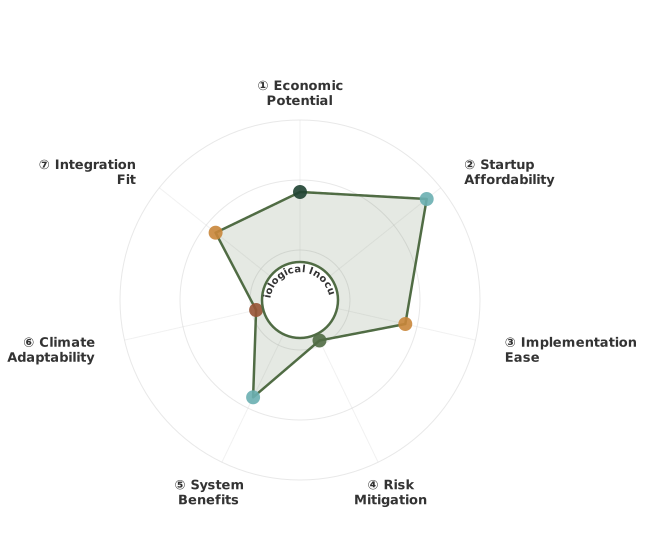
How These Traits Are Calculated
Trait dimensions are ordered clockwise starting from the top of the chart (12 o'clock position):
1. Economic Potential
Financial returns, annual value, and break-even timeline
WHAT: Evaluates financial viability by combining net annual value ($/ha from savings, income, and amortized harvests) with break-even timeline showing when practices pay for themselves.
WHY: Farmers need clear ROI understanding before committing resources. Fast payback (≤3 years) with strong returns (≥$300/ha) enables confident adoption, while long timelines (>10 years) restrict adoption to well-funded operations willing to wait for returns.
HOW: Calculated from net annual value in $/ha and break-even years. Exceptional (≥2.6): fast ROI ≤3 years + high value ≥$300/ha. Typical (1.8-2.5): moderate returns or longer timelines. Limited (<1.8): marginal economics or very long payback >10 years.
2. Startup Affordability
Initial investment costs and financial barrier to entry
WHAT: Measures financial barrier to entry through startup costs for equipment, infrastructure, consulting, and materials. Inverted scoring: lower costs = higher scores = more accessible adoption.
WHY: Affordability determines who can adopt. Low-cost practices (<$250/ha) enable widespread adoption across diverse scales, while high costs (>$2,500/ha) limit adoption to well-capitalized operations, creating barriers that slow regenerative transition.
HOW: Calculated from initial investment parsed from practice content. Inverted scoring: Exceptional (≥2.6): minimal investment <$250/ha. Typical (1.8-2.5): moderate costs $250-2,500/ha. Limited (<1.8): high barrier >$2,500/ha.
3. Implementation Ease
Learning curve and specialized knowledge required
WHAT: Measures how much learning, planning, and specialized knowledge a practice requires. Simpler practices with fewer steps score higher, while complex practices requiring extensive training or specialized resources score lower.
WHY: Complex practices create adoption barriers even when economically viable. Straightforward practices enable faster adoption and broader participation, while those requiring extensive training, timing precision, or specialized equipment limit who can succeed.
HOW: Evaluated by measuring documentation length and identifying complexity markers like location-specific requirements, seasonal timing windows, specialized skills, and dedicated equipment needs. Exceptional (≥2.6): straightforward practices with minimal prerequisites. Typical (1.8-2.5): moderate learning curve with some specialized needs. Limited (<1.8): steep learning curve requiring significant training or resources.
4. Risk Mitigation
Identified financial and ecological risk assessment
WHAT: Evaluates documented risks across financial (investment loss, market volatility) and ecological (crop failure, pest outbreaks) domains. Inverted scoring: fewer risks = higher scores.
WHY: Understanding risk exposure helps farmers make informed decisions. Low-risk practices allow confident implementation, while high-risk practices require careful planning and contingency resources. Risk transparency prevents costly failures.
HOW: Calculated from identified risks in practice content. Inverted scoring: Exceptional (≥2.6): ≤2 risks with manageable severity. Typical (1.8-2.5): 3-5 moderate risks. Limited (<1.8): 6+ risks or severe exposure.
5. System Benefits
How many ways the practice improves your land simultaneously
WHAT: Measures how many aspects of land health improve at once—carbon storage, soil quality, erosion control, water absorption, and biodiversity. Practices that improve multiple areas simultaneously create compounding benefits where each improvement reinforces the others.
WHY: The best practices solve multiple problems at once. For example, addressing erosion simultaneously builds carbon and improves water infiltration, creating a resilient system with positive feedback loops. Single-benefit approaches miss these compound transformation opportunities.
HOW: Evaluated across five key outcomes: carbon sequestration, soil organic matter increase, erosion reduction, water infiltration improvement, and biodiversity enhancement. Exceptional (≥2.6): high carbon storage (>8 t/ha/yr), improvements across 4-5 areas, transformative outcomes. Typical (1.8-2.5): moderate carbon (3-8 t/ha/yr), improvements across 2-3 areas. Limited (<1.8): modest impact (<3 t/ha/yr), single-area focus only.
6. Climate Adaptability
Geographic applicability across Köppen climate zones
WHAT: Evaluates geographic applicability by assessing how many Köppen climate zones successfully support a practice and what adaptation requirements are needed. Measures breadth of climates where farmers can implement with minimal to moderate modifications.
WHY: Universal practices working across diverse climates enable more farmers to adopt regenerative approaches. Practices limited to single climate types (only Mediterranean, only tropical) restrict adoption and slow global transition. Adaptability determines whether a practice serves niche regions or offers broad transformation.
HOW: LLM evaluation of regional success stories, Köppen zone coverage, and adaptation needs. Exceptional (≥2.6): 5+ zones or 4+ climate types, 3+ continents, minimal adaptation. Typical (1.8-2.5): 3-4 zones or 2-3 types, 2 continents, moderate adaptation. Limited (<1.8): 1-2 zones, single region, significant adaptation or highly specialized.
7. Integration Fit
How well this practice combines with others you're doing
WHAT: Measures how well a practice combines with other regenerative practices you might be doing. Some practices work as building blocks that make many other practices easier or more effective, while others work best on their own.
WHY: Practices that combine well with many others create more value on your farm. For example, cover cropping enables no-till, improves grazing, supports crop diversity, and helps water management—making all of them work better together. This helps you build a coherent system rather than juggling disconnected practices.
HOW: Evaluated by identifying which practices combine well and how strong those combinations are. 'Ideally Suited' means strong combinations where practices reinforce each other (practice A makes B easier, while B makes A more effective). 'Adequate' means complementary benefits that work well together. Exceptional (≥2.6): combines well with 6+ practices, serves as a building block. Typical (1.8-2.5): combines with 3-5 practices. Limited (<1.8): 1-2 practices or works best alone.
Going Deeper
1
WHY - The Benefits
Biological inoculants can offer specific advantages, primarily as a transitional tool to accelerate the establishment and function of soil biology. Their benefits are most pronounced when integrated into a broader regenerative strategy focused on improving soil health...
Biological inoculants can offer specific advantages, primarily as a transitional tool to accelerate the establishment and function of soil biology. Their benefits are most pronounced when integrated into a broader regenerative strategy focused on improving soil health and restoring natural processes.
WHY - The Benefits
Biological inoculants can offer specific advantages, primarily as a transitional tool to accelerate the establishment and function of soil biology. Their benefits are most pronounced when integrated into a broader regenerative strategy focused on improving soil health...
Biological inoculants can offer specific advantages, primarily as a transitional tool to accelerate the establishment and function of soil biology. Their benefits are most pronounced when integrated into a broader regenerative strategy focused on improving soil health and restoring natural processes.
Soil Health Benefits
The primary claim for biological inoculants is their ability to introduce beneficial microbes that can enhance soil functions. For example, nitrogen-fixing bacteria (like Rhizobium or Azotobacter) can add biologically available nitrogen to the soil system from atmospheric N2. Phosphorus-solubilizing microbes (e.g., Bacillus or Pseudomonas species) can break down mineralized phosphorus, making it more accessible to plants. Endophytic and ectomycorrhizal fungi can form symbiotic relationships with plant roots, extending the root system's reach for water and nutrients and improving plant tolerance to drought and salinity.
Some inoculants contain plant growth-promoting rhizobacteria (PGPR) that can synthesize plant hormones (like auxins or gibberellins), which stimulate root development and overall plant vigor. Others may include microbes that suppress soil-borne plant pathogens through mechanisms such as competition for resources, antibiotic production, or inducing plant systemic resistance. These effects can lead to healthier, more resilient crops.
However, the long-term impact is contingent on the inoculant's ability to establish and persist in the soil. Native soil microbial communities are highly competitive and adapted to local conditions. The introduced microbes must be able to survive, proliferate, and perform their intended functions effectively in the face of these native populations and varying environmental factors. Studies often show variable results, with benefits ranging from negligible to significant depending on the product, application method, soil type, climate, and crop.
Economic Benefits
When effective, biological inoculants can provide tangible economic returns. Improved nutrient uptake can lead to reduced reliance on synthetic fertilizers. For example, effective nitrogen fixation by inoculated legumes could potentially reduce the need for nitrogen application by 5-20%, saving $30-70 per hectare ($12-28 per acre) annually in fertilizer costs, depending on the crop and local fertilizer prices. Similarly, enhanced phosphorus availability can reduce the need for costly phosphorus amendments.
This improved nutrient status and plant vigor can translate to increased yield and crop quality. For cash crops, a 5-15% increase in marketable yield due to enhanced nutrient acquisition or growth promotion could mean an additional $50-200 per hectare ($20-80 per acre) in revenue for many crops. The faster establishment of beneficial soil biology can also indirectly contribute to economic benefits by shortening the transition period to fully regenerative systems, potentially reducing the yield penalties sometimes associated with the initial phases of conversion.
The investment in inoculants can range from $30-150 per hectare ($12-60 per acre) per application. If these products deliver a return on investment within the first season (e.g., through reduced input costs or increased yield), they can be economically viable. However, the variability in performance means that careful consideration of product claims, local trial data, and a phased implementation approach are essential to mitigate financial risk. The economic benefit is maximized when inoculants are used to kick-start processes that are then sustained by ongoing regenerative management practices.
Regenerative Systems Fit
In the context of regenerative agriculture, biological inoculants are best framed as a transition practice, not a foundational one. Their application can support Principle 1 (Minimize Soil Disturbance) by helping to re-establish microbial activity in soils that may have been heavily disturbed or degraded. They can also indirectly support Principle 4 (Maintain Living Roots) by promoting plant vigor and root development, which in turn keeps roots in the soil for longer periods.
However, their use can sometimes run counter to the regenerative ideal of fostering biological self-sufficiency, which emphasizes building a robust, native soil food web through organic matter addition, diverse planting, and minimal disturbance. The core philosophy of regenerative agriculture is to create a self-regulating ecosystem where plants and soil biology work in concert without reliance on external inputs. Therefore, inoculants are seen as a potential tool to accelerate the recovery of this native biological capacity, rather than a permanent solution.
When used as a transition tool, the strategy should be to employ inoculants to kick-start specific functions (e.g., nitrogen fixation in cover crops) in severely depleted soils, thereby improving the conditions for other regenerative practices to take hold (like diverse cover cropping and reduced tillage). The aim is to gradually reduce and eventually eliminate the need for inoculated products as the soil's native microbial community becomes more resilient and diverse. This phased approach allows farmers to potentially achieve faster initial results while still working towards the long-term goal of a fully functioning, self-sustaining soil ecosystem.
For example, a farmer transitioning from conventional agriculture might use Rhizobium-inoculated legumes in their first cover crop mix to ensure effective nitrogen fixation, helping to build soil organic matter more rapidly. As the soil biology improves over 2-3 years of consistent cover cropping and no-till, the native Rhizobia populations may become sufficient to inoculate legumes naturally, making the external inoculant redundant. Success in this transition means observing increasing levels of beneficial native microbes and soil biological activity, making the external inoculant no longer necessary.
Sources behind this view
Videos & Podcasts
-
Implement biological strategies with inoculants like Rejuvenate, C-Shield, Spectrum, or Biocode Gold at planting for residue digestion and soil structure improvement. Caretaker connection and context
-
Provides actionable steps for regenerative agronomy: balanced N:C inputs (molasses, humates), microbial teas, yeast metabolites, calcium, and effective seed treatments. Emphasizes scalability, systems
-
Establishing a broad spectrum of beneficial microbes via seed inoculation is a foundational, cost-effective practice for plant vitality and soil health, mirroring the role of colostrum for newborns.
-
Enhance soil biology through practices like minimizing tillage and using organic amendments. Seed treatments are a cost-effective way to introduce microbial inoculants, which multiply and support root

Community
-
Broad-spectrum microbial inoculants are crucial for restoring soil health and plant resilience by repopulating diverse soil microbiomes, which are essential for nutrient cycling, pest resistance, and
Read more (pp. 1-2) (opens PDF, pp. 1-2) www.sgs-ag.com -
Explains soil biology: plants get nutrients from organic matter and minerals via root exudates signaling microbes like mycorrhizae (nutrient/water uptake) and rhizobia (nitrogen fixation). Management
Read more (opens in new window) permies.com -
For depleted soils, use inoculated nitrogen-fixing seeds and compost extracts to build soil microbiome vitality. The goal is to create a soil rich in life, which negates the need for inoculants.
Read more (opens in new window) permies.com -
Soil microbiology products like mycorrhizal fungi and biological control agents often lack field efficacy. Soil food web manipulation is complex, with nematodes serving as bioindicators, but precise a
Read more (opens in new window) ucanr.edu
Research
-
Advances in rhizobial technology: driving sustainable agriculture in the 21 st century. (opens in new window)
This study found: Rhizobial technology uses beneficial soil bacteria to naturally fertilize crops, reduce synthetic fertilizer use, and improve plant growth and stress resistance. Advances in bio-inoculants aim to over
-
Plant Microbiomes and Soil Health in Sustainable Agriculture: Mechanisms, Bioinoculants, and Future Directions (opens in new window)
This study found: Review highlights how plant and soil microbes are vital for sustainable agriculture, aiding nutrient uptake and disease control. Bioinoculants show promise for reducing synthetic inputs, but field app
-
Microbial Biotechnology for Soil Health and Plant Nutrition: Mechanisms and Future Prospects (opens in new window)
This study found: Microbial biotechnology using beneficial microbes like nitrogen-fixers and root fungi can boost soil health, plant nutrition, and resilience. It reduces chemical input needs and offers solutions for p
-
Microbial Solutions in Agriculture: Enhancing Soil Health and Resilience Through Bio-Inoculants and Bioremediation (opens in new window)
This study found: Microbial solutions like bio-inoculants and bioremediation can boost soil health, nutrient cycling, and plant growth, reducing chemical inputs and pollution. Challenges include scalability and field e
From the Web
-
Focuses on regenerating soil biology by building compost (Johnson-Su, vermicompost), feeding microbes with mulch/cover crops, using compost teas and inoculants, and enhancing photosynthesis via foliar
-
Offers practical advice on using microbial inoculants, including on-farm production, seed application, proper handling, and the importance of sustainable practices like minimizing tillage and enhancin
-
Details microbial inoculants: Rhizobia for legume nitrogen fixation, mycorrhizae for nutrient uptake and disease suppression, and critiques free-living microbes, algae, enzymes, and vitamins for their
2
WHERE - Regional Considerations
Biological inoculants have varying performance based on climate, soil type, and native microbial populations. Their effectiveness is often modulated by the environmental conditions that influence microbial survival and activity.
Biological inoculants have varying performance based on climate, soil type, and native microbial populations. Their effectiveness is often modulated by the environmental conditions that influence microbial survival and activity.
WHERE - Regional Considerations
Biological inoculants have varying performance based on climate, soil type, and native microbial populations. Their effectiveness is often modulated by the environmental conditions that influence microbial survival and activity.
Biological inoculants have varying performance based on climate, soil type, and native microbial populations. Their effectiveness is often modulated by the environmental conditions that influence microbial survival and activity.
Click Here to Look up your Region if you don't already know it
Humid Temperate Regions
Representative Locations: Northeastern United States, Northern Europe (e.g., UK, Germany, Scandinavia), Eastern China, Japan, New Zealand
Climate Context: Moderate temperatures, adequate rainfall, varying soil types but often with established temperate soil microbial communities. USDA Zones 4-8, Köppen Cfb/Cfa.
Considerations: In these regions, native microbial populations are often robust and diverse. Inoculants may face strong competition from established microbes. Their benefit is often most pronounced in soils previously subjected to intensive chemical use or severe disturbance, where native biology has been suppressed. Products targeting specific functions (e.g., nutrient solubilization, pathogen suppression) may show better results than broad-spectrum inoculants. Careful product selection based on local research is recommended.
Mediterranean Regions
Representative Locations: California, Mediterranean basin (Spain, Italy, Greece), Central Chile, Southwestern Australia
Climate Context: Hot, dry summers and mild, wet winters. Rainfall is seasonal and can be unpredictable. Soils can vary widely but are often subject to drought stress. USDA Zones 8-10, Köppen Csa/Csb.
Considerations: Drought and heat stress can significantly impact microbial survival and activity. Inoculant products need to contain strains known for resilience to such conditions. Seed inoculation methods that provide protection for microbes during dry periods are advantageous. Phosphorus-solubilizing microbes might be particularly beneficial in soils with high but unavailable phosphorus reserves. Ensuring adequate moisture and organic matter is crucial for inoculant efficacy.
Arid and Semi-Arid Regions
Representative Locations: Western USA, North Africa, Central Asia, Interior Australia, parts of the Middle East
Climate Context: Low and often erratic rainfall, high temperatures, significant diurnal temperature variation, and generally low soil organic matter. USDA Zones 5-9, Köppen BSh/BSk.
Considerations: Microbial survival and activity are severely limited by water availability and extreme temperatures. Inoculants require specialized formulation and application methods to protect microbes from desiccation and heat. Products containing extremophile or spore-forming bacteria and fungi are more likely to survive. The impact of inoculants might be more pronounced in intensely managed agricultural systems where native biology is suppressed, but long-term benefits rely on increasing soil organic matter to improve water-holding capacity.
Cold Continental Regions
Representative Locations: Northern USA and Canada, Northern Europe, Siberia, Northern Asia
Climate Context: Very short growing seasons, extreme winter cold, often with frozen ground for extended periods. USDA Zones 3-5, Köppen Dfa/Dfb.
Considerations: Microbial activity is limited by low temperatures and short growing seasons. Inoculant efficacy depends on selecting psycrophilic (cold-loving) or psychrotolerant (cold-tolerant) strains that can become active quickly during the brief warm periods. Seed coatings that protect microbes during cold storage and activation upon planting are beneficial. The primary benefit might be seen in accelerating microbial colonization of soils with reduced native biological activity due to harsh conditions.
Subtropical and Tropical Regions
Representative Locations: Southeastern USA, Southern China, Southern Brazil, Eastern Australia, Southeast Asia, Central Africa
Climate Context: High temperatures year-round, with abundant rainfall in many areas, though some regions have distinct wet and dry seasons. Often characterized by high humidity and rapid organic matter decomposition. Köppen Cfa/Cwa/Af/Aw.
Considerations: High temperatures can accelerate decomposition, potentially reducing the persistence of some inoculants. However, high humidity and rainfall can support robust microbial activity. Inoculants can be particularly useful in degraded soils or areas with high nutrient leaching. Specific strains adapted to high soil temperatures and humidity may perform best. The rapid decomposition rate means that sustained benefits from inoculants often require continuous replenishment through organic matter inputs.
3
HOW - Implementation Process
Implementing biological inoculants requires careful product selection, timing, and application to maximize their chances of success.
Implementing biological inoculants requires careful product selection, timing, and application to maximize their chances of success.
HOW - Implementation Process
Implementing biological inoculants requires careful product selection, timing, and application to maximize their chances of success.
Implementing biological inoculants requires careful product selection, timing, and application to maximize their chances of success.
Prerequisites
- Soil Assessment: Understand your current soil biology and nutrient status. Are native populations present but suppressed, or severely depleted? This helps determine if inoculants are likely to offer a benefit over simply improving soil health.
- Problem Identification: What specific limitation are you trying to address? (e.g., poor legume nodulation, phosphorus deficiency, weak plant establishment). Choose inoculants targeting that specific function.
- Product Research: Select products from reputable manufacturers with transparent sourcing and proven efficacy in trials relevant to your region and crop. Look for evidence of field performance data, not just laboratory claims.
- Understanding of Native Microbes: Recognize that inoculants are competing with and supplementing existing soil life. Their success depends on the environment you create and their ability to integrate.
Phase 1: Product Selection and Sourcing
- Targeted Microbes: Choose inoculants based on specific crop (e.g., legumes require specific Rhizobia) and desired function (e.g., Bacillus for phosphate solubilization).
- Viability and Formulation: Ensure the product contains live microbes at the stated CFU (colony-forming units) count per gram/mL. Consider formulation (e.g., granular, liquid, seed coating) that best suits your application method and environmental conditions.
- Storage and Handling: Biological inoculants typically require careful handling. They are often sensitive to heat, UV light, and moisture. Store according to manufacturer's instructions (often refrigerated).
- Reputable Suppliers: Purchase from established companies that provide clear usage instructions and support.
Phase 2: Application
-
Timing is Critical:
- Seed Application: Most common. Apply inoculant directly to seed just before planting. Many products are designed for this, providing a protective coating. Ensure even coverage. Avoid treating large batches of seed too far in advance, as microbial viability can decrease over time.
- In-Furrow/Band Application: Applied directly into the seed trench or band near the seed at planting. This ensures proximity of microbes to the germinating seed and early root development. Can be used for granular or liquid inoculants.
- Soil Drench: Applied as a liquid drench to the soil surface, often used for established plants or for introducing microbes to the soil profile. Less common for broad-acre applications but can be useful in targeted situations.
-
Moisture Management: Microbes need moisture to become active. Ensure adequate soil moisture at the time of application or shortly thereafter (rain or irrigation). Dry conditions can kill or inactivate microbes.
- Compatibility: Check if the inoculant is compatible with other seed treatments (fungicides, pesticides) or fertilizers. Some chemicals can be detrimental to microbial survival. If incompatibility exists, apply inoculant separately or at different times.
- Equipment: Use clean application equipment to avoid contamination. For granular inoculants, ensure even distribution. For liquid applications, calibrated equipment is essential.
Phase 3: Monitoring and Evaluation
- Visual Crop Observation: Look for improved early vigor, enhanced root development, better nodulation on legumes, or signs of improved nutrient status.
- Plant Tissue Analysis: Conduct tissue tests to assess nutrient uptake, particularly nitrogen and phosphorus. Compare treated areas with untreated control strips.
- Soil Microbial Testing: While challenging to interpret definitively, soil tests for microbial biomass or specific functional groups can sometimes indicate changes.
- Yield Data: Compare yields from inoculated areas versus control strips over multiple seasons. This is the ultimate economic indicator of success.
- Adaptive Management: Based on evaluation, decide whether to continue using the inoculant, switch to a different product, or phase it out as native biology improves.
Transition Timeline & Phase-Out Strategy
Biological inoculants are primarily valuable during transition periods.
- Years 1-3: Use strategically to address known limitations (e.g., poor legume nodulation, early-season nutrient deficiency due to depressed soil biology). Focus on products with demonstrated efficacy in your region. Monitor closely for economic and biological benefits.
- Years 3-5: As soil health improves through cover cropping, reduced tillage, and organic matter addition, native microbial populations should increase in diversity and activity. Observe if benefits from inoculants diminish. Begin comparing yields from inoculated vs. un-inoculated control strips within your fields.
- Year 5+: If control strips show comparable or better performance, it's likely time to phase out inoculant use. The goal is to achieve a self-sustaining soil ecosystem where native biology provides the necessary functions. If benefits persist, reassess product choice and consider if specific niche functions still require supplementation, but aim to minimize this reliance.
Sources behind this view
Videos & Podcasts
-
Implement biological strategies with inoculants like Rejuvenate, C-Shield, Spectrum, or Biocode Gold at planting for residue digestion and soil structure improvement. Caretaker connection and context
-
Provides actionable steps for regenerative agronomy: balanced N:C inputs (molasses, humates), microbial teas, yeast metabolites, calcium, and effective seed treatments. Emphasizes scalability, systems
-
Enhance soil biology through practices like minimizing tillage and using organic amendments. Seed treatments are a cost-effective way to introduce microbial inoculants, which multiply and support root
-
Establishing a broad spectrum of beneficial microbes via seed inoculation is a foundational, cost-effective practice for plant vitality and soil health, mirroring the role of colostrum for newborns.
Community
-
Advocates for intentional soil microbial inoculation using homemade compost teas, swamp water, or compost from long-term compost buckets and wood piles to enhance plant survival and growth, especially
Read more (opens in new window) permies.com -
Broad-spectrum microbial inoculants are crucial for restoring soil health and plant resilience by repopulating diverse soil microbiomes, which are essential for nutrient cycling, pest resistance, and
Read more (pp. 1-2) (opens PDF, pp. 1-2) www.sgs-ag.com -
For depleted soils, use inoculated nitrogen-fixing seeds and compost extracts to build soil microbiome vitality. The goal is to create a soil rich in life, which negates the need for inoculants.
Read more (opens in new window) permies.com -
Examines soil microbiology products like mycorrhizae and biological controls, noting their variable efficacy in field trials and the complexity of soil food webs, with nematodes as key bioindicators b
Read more (opens in new window) ucanr.edu
Research
-
Soil Microbiome Engineering in Sustainable Agriculture: A Comprehensive Review (opens in new window)
This study found: Managing soil microbes through inoculants and engineered mixes can boost crop yields, soil health, and plant resilience. Challenges include farm-scale application and cost-effectiveness.
-
Roles of microbial interactions in determining the establishment and function of synthetic consortium inoculants for soil applications. (opens in new window)
This study found: Engineered microbe mixes often fail in fields due to interactions with existing soil microbes. Understanding these interactions is key to designing effective inoculants for better soil health and sust
-
Microbial inoculants: potential tool for sustainability of agricultural production systems. (opens in new window)
This study found: Microbial inoculants are key to sustainable farming, helping plants access nutrients and reducing reliance on chemicals. Their effectiveness varies, requiring ongoing research and farmer training for
-
Microbial Biotechnology for Soil Health and Plant Nutrition: Mechanisms and Future Prospects (opens in new window)
This study found: Microbial biotechnology using beneficial microbes like nitrogen-fixers and root fungi can boost soil health, plant nutrition, and resilience. It reduces chemical input needs and offers solutions for p
From the Web
-
Offers practical advice on using microbial inoculants, including on-farm production, seed application, proper handling, and the importance of sustainable practices like minimizing tillage and enhancin
-
Explains why microbial inoculants fail in fields (competition, environment, management) and offers solutions: diverse inoculants, field-like production, proper handling, seed treatment, and on-farm pr
4
Know the Debate
The effectiveness and application of biological inoculants vary considerably based on where you farm and your existing soil conditions. In humid te...
Know the Debate
The effectiveness and application of biological inoculants vary considerably based on where you farm and your existing soil conditions. In humid te...
The effectiveness and application of biological inoculants vary considerably based on where you farm and your existing soil conditions. In humid temperate regions with diverse native biology, inoculants may face competition but can offer targeted benefits. In arid or degraded soils, their role might be more crucial for kick-starting processes. The upfront investment ranges from modest to substantial, with actual returns highly dependent on product performance and integration with other soil health practices. Proper timing is paramount, and while some report quick soil improvements, academic studies often focus on longer-term, stabilized gains.
How quickly do microbial inoculants increase soil organic matter?
Slow, gradual gains expected (academic focus)
Academic studies suggest soil organic matter increases from microbial inoculants are typically gradual, often showing modest gains of 0.1-0.2% annually over several years. This perspective emphasizes the time needed for introduced microbes to establish, compete with native populations, and contribute to stable soil carbon sequestration.
Sources behind this view
Sources behind this view
Research
-
Favorable Soil Microbes for Sustainable Agriculture (opens in new window)
This study found: Helpful soil microbes are a great alternative to chemical fertilizers and pesticides for farming in a way that lasts. These tiny organisms help plants grow better, absorb nutrients (like nitrogen from the air), and even protect themselves from diseases. Using these natural soil helpers, or 'bio-stimulants', is a more environmentally friendly way to boost crop yields. This means farmers can rely less on chemical sprays because many microbes can naturally control pests. This chapter explores how beneficial bacteria work with plants, affect other soil life, and help important crops thrive.
-
Microbial Solutions in Agriculture: Enhancing Soil Health and Resilience Through Bio-Inoculants and Bioremediation (opens in new window)
This study found: This article discusses how tiny soil organisms, like those in 'bio-inoculants' (think natural fertilizers and pest controls) and 'bioremediation' (using microbes to clean up pollution), can significantly improve farm soils and make agriculture more sustainable. These microbial solutions help plants get the nutrients they need, grow better, and become more resistant to pests, reducing the reliance on synthetic chemicals. They can also clean up soils contaminated by industrial or agricultural pollution. While new technologies are helping us understand and use these microbes better, challenges like varying environmental conditions, scaling up production, and a lack of widespread field studies still limit their use. Ultimately, harnessing the power of soil microbes is a promising way to boost food production, improve soil health, and build resilience in farming, especially as we face climate change.
-
Plant Microbiomes and Soil Health in Sustainable Agriculture: Mechanisms, Bioinoculants, and Future Directions (opens in new window)
This study found: This review explores how the tiny microbes living with plants and in the soil (plant microbiomes) are key to healthy, sustainable farming. Using advanced technology, scientists now understand much more about how plants and these microbes work together. These microbial partners help plants get nutrients, produce growth hormones, fight off diseases, and become more resistant to stress. Healthy soil, measured by the life within it (like microbial activity), is crucial for feeding the world. Products containing beneficial microbes, called bioinoculants (like helpful root bacteria and fungi), show promise for reducing the need for synthetic fertilizers and pesticides while boosting crop yields. However, getting these microbial solutions to work consistently in farmers' fields is challenging due to varied environmental conditions, regulations, and a need for more knowledge on how to best manage these microbial communities. The authors suggest that combining different scientific fields – like microbial ecology, genetics, and farming practices – along with digital tools, is the best way to unlock the full potential of these plant and soil microbes for agriculture.
Early indicators of SOM improvement (field reports)
Field practitioners often observe improved soil structure, increased biological activity, and better water infiltration within 1-2 years of using inoculants. These early signs are interpreted as indicators of improving soil organic matter and overall biological health, even if direct carbon measurements show slower changes.
Sources behind this view
Sources behind this view
Videos & Podcasts
-
Implement biological strategies with inoculants like Rejuvenate, C-Shield, Spectrum, or Biocode Gold at planting for residue digestion and soil structure improvement. Caretaker connection and context are crucial for success.
-
Applying microbial inoculants during seeding is highly effective for soil health. Despite myths, single-species inoculants like Rhizobium and mycorrhizal fungi can be impactful. Most soil microbes require living plant roots for propagation, making plant-assisted inoculant development crucial.

-
Using a diversity of biological inoculants (bacterial, fungal, etc.) is a low-cost, high-ROI method to accelerate regenerative farming, improve profitability, and achieve results in years, not decades.

-
Establishing a broad spectrum of beneficial microbes via seed inoculation is a foundational, cost-effective practice for plant vitality and soil health, mirroring the role of colostrum for newborns.
Making Sense of the Differences
The speed of observable soil organic matter (SOM) improvement with microbial inoculants varies significantly. Academic findings often focus on long-term, stable SOM accumulation, which can take years, while field reports emphasize earlier positive indicators like improved soil structure and biological activity. Factors like soil degradation level, native microbial competition, moisture conditions, and the specific inoculant strains and application methods influence how quickly benefits manifest.
Are healthy soils required for biological inoculant success?
Healthy soil enhances inoculant performance
Academic and institute sources emphasize that biological inoculants work best in soils with existing organic matter, robust native microbial communities, and minimal chemical interference. They suggest that in severely degraded soils, inoculants may struggle to establish or compete effectively due to harsh conditions.
Sources behind this view
Sources behind this view
Research
-
Soil microbial inoculants for sustainable agriculture: Limitations and opportunities (opens in new window)
This study found: This article reviews the use of soil microbes, like bacteria and fungi, to help grow crops more sustainably. These 'microbial inoculants' can act as natural fertilizers or pest controls, reducing the need for synthetic chemicals. While some, like the bacteria that fix nitrogen (rhizobia), have been used successfully for a long time, others haven't always worked as well in the field as they did in the lab. To make these products more reliable, scientists need to better understand how these microbes live and work in the soil. This requires teamwork between different scientific fields. It's also important that the microbes are produced and packaged so they can survive and thrive in the soil and fit into farmers' current practices. Developing new ways to choose and combine beneficial microbes could lead to better products. A major challenge is that these products are rarely tested thoroughly in real farm fields under different conditions, which is essential to prove they work and to help farmers use them effectively, especially since the market is not well-regulated.
-
Insight into farming native microbiome by bioinoculant in soil-plant system. (opens in new window)
This study found: Applying beneficial microbes (like biofertilizers) to soil can help crops, but it also affects the natural community of microbes already living there. This natural soil community has both helpful microbes that boost soil health and plant growth, and harmful ones that can cause problems. To get the best results, farmers need to understand how these natural microbes interact with the added beneficial ones. The challenge is predicting these complex relationships. The review suggests that by carefully selecting and applying beneficial microbes, we can 'engineer' the soil's natural microbial community to favor the helpful organisms, leading to healthier soils and better crop yields.
From the Web
-
Beneficial microorganisms (bacteria like PGPR, fungi like Trichoderma and mycorrhizae) form symbiotic relationships with plants, protecting against pests/diseases, improving soil structure, enhancing nutrient uptake, and alleviating abiotic stress, leading to better crop growth and reduced nutrient loss.
-
Explains why microbial inoculants fail in fields (competition, environment, management) and offers solutions: diverse inoculants, field-like production, proper handling, seed treatment, and on-farm production methods.
Inoculants can help build biology in degraded soils
Field practitioners often report successful use of inoculants, including DIY versions, on a range of soil conditions, even degraded ones. Some argue that inoculants can initiate biological processes in 'starving' soils, acting as a catalyst rather than solely requiring pre-existing health.
Sources behind this view
Sources behind this view
Videos & Podcasts
-
Implement biological strategies with inoculants like Rejuvenate, C-Shield, Spectrum, or Biocode Gold at planting for residue digestion and soil structure improvement. Caretaker connection and context are crucial for success.
-
Create an IMO (Indigenous Microorganism) inoculant by collecting soil from diverse microclimates and healthy plants with shiny leaves. Mix with water and apply within 4 hours to boost soil biology around roots, especially in cold spring soils.

-
Enhance soil biology through practices like minimizing tillage and using organic amendments. Seed treatments are a cost-effective way to introduce microbial inoculants, which multiply and support root systems. DIY inoculants offer a low-cost, low-risk alternative for boosting soil biology.
-
To grow microbes, prioritize feeding native soil organisms with carbon inputs (plant biomass, compost, manures). If introducing microbes, use on-farm DIY inoculants (compost, fermented brews) first. Commercial products are a last resort due to potential ecological disruption.

Making Sense of the Differences
The necessity of healthy soil for biological inoculant success is debated. Academic and institute sources typically confirm that inoculants perform best in soils with robust native biology and organic matter, cautioning against use in highly degraded conditions. However, field practitioners often report positive outcomes even in less ideal soils, suggesting that certain inoculants can help 'kick-start' biological activity. This discrepancy likely arises from differing definitions of 'healthy soil' and the ability of specific inoculant strains to compete or persist in less favorable environments.
How effective are biological inoculants in field conditions?
Variable effectiveness, strong results with quality products/practices
Field practitioners report significant positive impacts from biological inoculants, attributing success to diverse product selection, strategic application, and integration with other regenerative practices. They emphasize that perceived failures often stem from incorrect methods or product choice, not inherent ineffectiveness.
Sources behind this view
Sources behind this view
Videos & Podcasts
-
Implement biological strategies with inoculants like Rejuvenate, C-Shield, Spectrum, or Biocode Gold at planting for residue digestion and soil structure improvement. Caretaker connection and context are crucial for success.
-
Discusses the role of soil microbes, advocating for nurturing native populations and strategically using inoculants/biofertilizers like compost extracts, commercial products, and specific fungi (mycorrhizae, Trichoderma). Highlights the natural role of seed microbiomes and diverse plant-associated microbial communities.

-
Applying microbial inoculants during seeding is highly effective for soil health. Despite myths, single-species inoculants like Rhizobium and mycorrhizal fungi can be impactful. Most soil microbes require living plant roots for propagation, making plant-assisted inoculant development crucial.
-
Using a diversity of biological inoculants (bacterial, fungal, etc.) is a low-cost, high-ROI method to accelerate regenerative farming, improve profitability, and achieve results in years, not decades.
Inconsistent efficacy; requires careful research and testing
Academic reviews highlight that inoculant effectiveness is highly variable, influenced by product quality, application, soil type, and climate. Inconsistent results mean on-farm testing is essential to validate claims, as many products may not perform as advertised.
Sources behind this view
Sources behind this view
Research
-
Soil microbial inoculants for sustainable agriculture: Limitations and opportunities (opens in new window)
This study found: This article reviews the use of soil microbes, like bacteria and fungi, to help grow crops more sustainably. These 'microbial inoculants' can act as natural fertilizers or pest controls, reducing the need for synthetic chemicals. While some, like the bacteria that fix nitrogen (rhizobia), have been used successfully for a long time, others haven't always worked as well in the field as they did in the lab. To make these products more reliable, scientists need to better understand how these microbes live and work in the soil. This requires teamwork between different scientific fields. It's also important that the microbes are produced and packaged so they can survive and thrive in the soil and fit into farmers' current practices. Developing new ways to choose and combine beneficial microbes could lead to better products. A major challenge is that these products are rarely tested thoroughly in real farm fields under different conditions, which is essential to prove they work and to help farmers use them effectively, especially since the market is not well-regulated.
-
Microbial inoculants: potential tool for sustainability of agricultural production systems. (opens in new window)
This study found: Using beneficial microbes, called microbial inoculants, is becoming increasingly important for making farming sustainable. Our soils are losing their ability to provide nutrients due to erosion, degradation, and overuse of synthetic fertilizers. These microbial inoculants, often a mix of different microbes, help plants get the nutrients they need by fixing them from the air or making them available in the soil. They offer a way to reduce reliance on chemical fertilizers, which can harm soil health, pollute water, and make farming unstable. While these microbes can improve soil quality and fertility, their effectiveness can vary depending on the farm, climate, and how they are applied. This means we need to keep finding new microbes and better ways to use them, and farmers need good access and training to see the benefits.
-
Microbial Solutions in Agriculture: Enhancing Soil Health and Resilience Through Bio-Inoculants and Bioremediation (opens in new window)
This study found: This article discusses how tiny soil organisms, like those in 'bio-inoculants' (think natural fertilizers and pest controls) and 'bioremediation' (using microbes to clean up pollution), can significantly improve farm soils and make agriculture more sustainable. These microbial solutions help plants get the nutrients they need, grow better, and become more resistant to pests, reducing the reliance on synthetic chemicals. They can also clean up soils contaminated by industrial or agricultural pollution. While new technologies are helping us understand and use these microbes better, challenges like varying environmental conditions, scaling up production, and a lack of widespread field studies still limit their use. Ultimately, harnessing the power of soil microbes is a promising way to boost food production, improve soil health, and build resilience in farming, especially as we face climate change.
-
Harnessing Microorganisms for Sustainable Agriculture: Promoting Environmental Protection and Soil Health (opens in new window)
This study found: Beneficial microorganisms are key to sustainable farming, helping to build healthy soil, move nutrients around, fight off diseases, and boost plant growth. Using microbes like root-promoting bacteria, helpful fungi, and natural pest controllers offers a greener way to farm instead of relying on synthetic fertilizers and pesticides. These tiny helpers make nutrients easier for plants to use, encourage growth, and protect crops. They also improve soil structure, help soil hold onto water and nutrients, and can even store carbon in the soil. Using these microbial products can lead to better crop yields, less harm to the environment, and make farms more resilient to changing weather.
Making Sense of the Differences
The perceived effectiveness of biological inoculants varies significantly between academic research and field application. While academic reviews emphasize inconsistent results and the need for careful product selection and testing due to factors like variable viability and native microbial competition, field practitioners often report tangible benefits. This discrepancy suggests that success in the field is heavily influenced by application methods, integration with other soil health practices, and selection of appropriate products proven in local contexts, rather than solely relying on broad scientific generalizations.
5
HOW MUCH - Costs & Investment
Note: Costs are based on recent US economic data (2023-2025) and may vary substantially in other regions based on local labor rates, material costs, and currency exchange rates.
Note: Costs are based on recent US economic data (2023-2025) and may vary substantially in other regions based on local labor rates, material costs, and currency exchange rates.
HOW MUCH - Costs & Investment
Note: Costs are based on recent US economic data (2023-2025) and may vary substantially in other regions based on local labor rates, material costs, and currency exchange rates.
Note: Costs are based on recent US economic data (2023-2025) and may vary substantially in other regions based on local labor rates, material costs, and currency exchange rates.
Note: All costs are based on recent US economic data (2024–2026, including a 4.2% inflation adjustment) and may vary substantially by region based on local labor rates, material costs, and regulatory requirements.
Seed-Applied Inoculants
Seed-applied biologicals, which include rhizobia for legumes or growth-promoting rhizobacteria for cereals, are typically the lowest-cost entry point for microbial management. For small operations (under 50 acres (20 ha)), input costs range from $12.50 to $62.50 per acre ($31–$154/ha). These costs are often driven by smaller, boutique retail purchases and less efficient, manual application methods on smaller seed lots. Mid-size operations (50–500 acres (20–202 ha)) see costs decrease to $10.42 to $50.02 per acre ($26–$124/ha) as farmers gain access to bulk seed-treatment packages pre-coated by regional dealers. Large-scale operations (500+ acres) leverage economies of scale, dropping costs to $8.34 to $41.68 per acre ($21–$103/ha) by utilizing in-house automated seed treating equipment or purchasing pre-treated seed in significant volume.
The range in seed-applied costs is fundamentally tied to the concentration of the microbial colony-forming units (CFUs) within the product. Higher-end, multi-strain products command prices near the upper end of these ranges, while standard dry-talc inoculants for soybean or alfalfa typically anchor the lower end.
Liquid and Granular In-Furrow Applications
Applying biologicals directly in-furrow during planting offers more precise delivery but requires additional equipment investment and labor. For small operations, this adds an economic burden of $16.67 to $83.36 per acre ($41–$206/ha), assuming the purchase of specialized pump kits or granular distribution boxes. Mid-size operations benefit from fixed-cost distribution across higher acreages, with costs averaging $12.50 to $70.86 per acre ($31–$175/ha). Large operations minimize these expenditures through dual-purpose liquid fertilizer toolbars, keeping costs between $10.42 and $62.52 per acre ($26–$154/ha).
These figures assume professional application techniques. If the operation requires custom application services—where a third party arrives to calibrate and distribute the product—these costs can shift toward the higher end of the ranges mentioned, potentially increasing the per-acre cost by an additional $10.00 to $20.00 depending on transit fees and local contractor availability.
Most Spend: Most small operations spend $49.92–$83.20 per acre ($123–$206/ha) annually. Mid-size operations typically invest $41.60–$74.88 per acre ($103–$185/ha). Large operations show the most efficiency, with the majority spending $29.12–$62.40 per acre ($72–$154/ha).
Why the Range?: The primary drivers of cost variance are product exclusivity and application strategy. Premium proprietary microbial consortia that include mycorrhizal fungi or complex enzyme packages sit at the higher threshold, while generic single-species inoculants remain at the bottom. Furthermore, operations that rely on "do-it-yourself" on-planter kits save significantly on labor compared to those contracting specialized application services for specialized biological biologicals that require temperature-controlled handling and specific agitation to maintain live cell counts.
Sources behind this view
Videos & Podcasts
-
Microbial soil health products offer long-term benefits and economic returns through improved fertilizer efficiency, yield increases, and potential carbon credits. H organics focuses on ryosphere rese
-
Discusses the economic viability and effectiveness of foliar applications and liquid biological amendments in pastures, emphasizing low-cost on-farm brewing and significant yield responses from trace
-
Enhance soil biology through practices like minimizing tillage and using organic amendments. Seed treatments are a cost-effective way to introduce microbial inoculants, which multiply and support root
-
Effective soil management involves remediating pesticide residues with microbial inoculants, rethinking phosphorus applications (avoiding soluble forms at planting), prioritizing ammonium/amino acid n
Community
-
For depleted soils, use inoculated nitrogen-fixing seeds and compost extracts to build soil microbiome vitality. The goal is to create a soil rich in life, which negates the need for inoculants.
Read more (opens in new window) permies.com
Research
-
Soil Microbiome Engineering in Sustainable Agriculture: A Comprehensive Review (opens in new window)
This study found: Managing soil microbes through inoculants and engineered mixes can boost crop yields, soil health, and plant resilience. Challenges include farm-scale application and cost-effectiveness.
-
Microbial Biotechnology in Agriculture. (opens in new window)
This study found: Microbial biotechnology uses microbes to boost soil health, plant growth, and pest control sustainably. It offers natural fertilizers and pesticides, with advanced tools improving understanding and ap
-
Microbial Biotechnology for Soil Health and Plant Nutrition: Mechanisms and Future Prospects (opens in new window)
This study found: Microbial biotechnology using beneficial microbes like nitrogen-fixers and root fungi can boost soil health, plant nutrition, and resilience. It reduces chemical input needs and offers solutions for p
-
Soil Penetration, Moisture, and Infiltration Under Agroecological Management: Impacts of Conservation Tillage and Microbial Inoculants (Rhizobium spp., Ensifer spp., Pseudomonas spp., and Bacillus spp.) in Hungary (opens in new window)
This study found: Combining reduced tillage with beneficial microbes quickly improved soil compaction and water retention for pea crops in Hungary, offering a nature-based strategy for resilient farming.
6
REWARDS AND RISKS - Economics & Risk Factors
Economic Scenarios
Economic Scenarios
REWARDS AND RISKS - Economics & Risk Factors
Economic Scenarios
Economic Scenarios
Best Case Scenario: A producer integrates a high-efficacy inoculant into their legume cover crops. The symbiosis is so effective that it results in a 15% reduction in synthetic nitrogen requirements, saving the grower approximately $29.17 per acre ($72/ha) in input costs. Combined with a 7% yield lift on the subsequent corn cash crop—valued at roughly $62.52 per acre ($154/ha)—the total net gain is $91.69 per acre ($227/ha). The $31.26 per acre ($77/ha) investment is recaptured immediately, achieving a return on investment within the first six months.
Typical Case Scenario: The inoculant is applied on a 300-acre (121 ha) rotation. While improved nodulation is observed in diagnostic root checks, it does not translate into a statistically significant bumper crop. However, the inoculant acts as a successful stress-mitigation tool during a mid-summer dry spell, providing a slight yield buffer of 2% ($15.00 value) and fertilizer savings of 5% ($10.42 value). The total recouped value is $25.42 per acre ($63/ha), which almost offsets the $31.26 per acre ($77/ha) investment, resulting in a near-neutral financial result with long-term soil health benefits that are difficult to capitalize in year one.
Worst Case Scenario: Due to poor storage conditions, the biologicals degrade before application. The product is applied, but low viability leads to zero measurable impact on crop performance. The $80.00 per acre ($198/ha) spent on a premium, long-acting in-furrow solution is effectively lost, as there is no fertilizer reduction or yield offset. This represents a sunk cost that highlights the risk of dealing with live biological inputs that require strict chain-of-custody protocols.
Transition Period Risks: Introducing biologicals during a regenerative transition is fraught with systemic risk. Producers often mistake the inoculant for a "silver bullet," leading them to maintain high-input systems while expecting the biology to compensate. The primary risk is a "yield drag" during the first three years of transition, where soil structure and native microbial populations have not yet stabilized. Relying on an inoculant that costs $100.00 per acre ($247/ha) to hide the fact that soil organic matter is still too low to support crops creates a false economy. To mitigate this, farmers should spend at least $5.00–$10.00 per acre ($12–$25/ha) on soil microbial profiling tests before investing in the inoculant to ensure the specific species being added are actually absent or inhibited in their existing soil baseline.
Sources behind this view
Videos & Podcasts
-
Enhance soil biology through practices like minimizing tillage and using organic amendments. Seed treatments are a cost-effective way to introduce microbial inoculants, which multiply and support root
-
Implement biological strategies with inoculants like Rejuvenate, C-Shield, Spectrum, or Biocode Gold at planting for residue digestion and soil structure improvement. Caretaker connection and context
-
Inoculating crops with mycorrhizal fungi is vital due to depletion from conventional farming. Application methods include in-furrow with starter fertilizer or compost extract. Benefits include improve
-
Biostimulants, specifically autoinducers from fermentation, can trick seeds into sensing a microbe-rich environment, prompting exudate production and beneficial microbial interactions. This leads to h
Community
-
Broad-spectrum microbial inoculants are crucial for restoring soil health and plant resilience by repopulating diverse soil microbiomes, which are essential for nutrient cycling, pest resistance, and
Read more (pp. 1-2) (opens PDF, pp. 1-2) www.sgs-ag.com -
For depleted soils, use inoculated nitrogen-fixing seeds and compost extracts to build soil microbiome vitality. The goal is to create a soil rich in life, which negates the need for inoculants.
Read more (opens in new window) permies.com -
Discusses applying a broad-spectrum microbial inoculant (endomycorrhizal fungi, ectomycorrhizal fungi, Trichoderma, beneficial bacteria) at transplanting and questions the duration of application need
Read more (opens in new window) permies.com
Research
-
Soil Microbiome Engineering in Sustainable Agriculture: A Comprehensive Review (opens in new window)
This study found: Managing soil microbes through inoculants and engineered mixes can boost crop yields, soil health, and plant resilience. Challenges include farm-scale application and cost-effectiveness.
-
Soil organic carbon mediates plant immunity-rhizosphere microbiome interactions and controls colonization resistance to microbial inoculants. (opens in new window)
This study found: Soil organic matter levels, particularly around 1.5%, are crucial for beneficial microbe inoculant success by influencing plant defenses and soil microbial communities, according to a multi-study anal
-
Advances in rhizobial technology: driving sustainable agriculture in the 21 st century. (opens in new window)
This study found: Rhizobial technology uses beneficial soil bacteria to naturally fertilize crops, reduce synthetic fertilizer use, and improve plant growth and stress resistance. Advances in bio-inoculants aim to over
-
Microbial inoculants: potential tool for sustainability of agricultural production systems. (opens in new window)
This study found: Microbial inoculants are key to sustainable farming, helping plants access nutrients and reducing reliance on chemicals. Their effectiveness varies, requiring ongoing research and farmer training for
From the Web
-
Explains why microbial inoculants fail in fields (competition, environment, management) and offers solutions: diverse inoculants, field-like production, proper handling, seed treatment, and on-farm pr
-
Offers practical advice on using microbial inoculants, including on-farm production, seed application, proper handling, and the importance of sustainable practices like minimizing tillage and enhancin
-
Details microbial inoculants: Rhizobia for legume nitrogen fixation, mycorrhizae for nutrient uptake and disease suppression, and critiques free-living microbes, algae, enzymes, and vitamins for their
7
COMPATIBLE PRACTICES - Integration Opportunities
Biological inoculants are not standalone practices but are best integrated with other regenerative approaches to maximize their benefits and support the overall transition to a self-sustaining soil ecosystem.
Biological inoculants are not standalone practices but are best integrated with other regenerative approaches to maximize their benefits and support the overall transition to a self-sustaining soil ecosystem.
COMPATIBLE PRACTICES - Integration Opportunities
Biological inoculants are not standalone practices but are best integrated with other regenerative approaches to maximize their benefits and support the overall transition to a self-sustaining soil ecosystem.
Biological inoculants are not standalone practices but are best integrated with other regenerative approaches to maximize their benefits and support the overall transition to a self-sustaining soil ecosystem.
Composting and Organic Matter Application
- Healthy soil is rich in organic matter and a diverse native soil food web. Inoculants can provide a temporary boost, but they thrive and persist best in organically rich soils. Composting provides food for native microbes and enhances the environment for introduced inoculants.
- Integration benefit: Composts provide a habitat and food source for introduced microbes, increasing their chances of survival and activity, while also feeding native soil life.
Diverse Cover Cropping
- Inoculants, particularly legume inoculants, can significantly enhance the nitrogen fixation and biomass production of cover crops.
- Integration benefit: Boosts the effectiveness of cover crops in building soil organic matter and suppressing weeds, thereby accelerating the transition to healthier soil.
Reduced/No-Till Farming
- Inoculants can help re-establish microbial populations and nutrient cycling in soils that have been disturbed by tillage or have suppressed biology due to conventional practices, making the transition to no-till smoother.
- Integration benefit: Helps support early plant growth and nutrient availability in a no-till system, potentially mitigating early-season yield risks.
Crop Rotation
- Different crops have different microbial associations. Rotating crops, especially with legumes, can create varied environments for microbial communities. Inoculants can support specific symbiotic relationships within a rotation.
- Integration benefit: Supports specific beneficial relationships within a diverse crop rotation, improving nutrient cycling and plant health across the sequence.
Integrated Pest Management (IPM) and Disease Suppression
- Some inoculants contain microbes that can suppress plant pathogens or stimulate plant defenses.
- Integration benefit: Complements IPM strategies by enhancing plant resilience naturally, potentially reducing the need for synthetic pesticides.
When used as a transition practice: Biological inoculants are most beneficial when they kick-start a process that is then sustained by these other regenerative practices. For example, inoculating legumes in a cover crop mix ensures immediate nitrogen fixation, which helps build soil organic matter and suppress weeds, creating better conditions for native soil biology to flourish over time and making the external inoculant less necessary. The synergy lies in inoculants accelerating the positive feedback loops created by these foundational regenerative practices.
Sources behind this view
Videos & Podcasts
-
Implement biological strategies with inoculants like Rejuvenate, C-Shield, Spectrum, or Biocode Gold at planting for residue digestion and soil structure improvement. Caretaker connection and context
-
Provides actionable steps for regenerative agronomy: balanced N:C inputs (molasses, humates), microbial teas, yeast metabolites, calcium, and effective seed treatments. Emphasizes scalability, systems
-
Establishing a broad spectrum of beneficial microbes via seed inoculation is a foundational, cost-effective practice for plant vitality and soil health, mirroring the role of colostrum for newborns.
-
Biostimulants, specifically autoinducers from fermentation, can trick seeds into sensing a microbe-rich environment, prompting exudate production and beneficial microbial interactions. This leads to h
Community
-
Advocates for intentional soil microbial inoculation using homemade compost teas, swamp water, or compost from long-term compost buckets and wood piles to enhance plant survival and growth, especially
Read more (opens in new window) permies.com -
Broad-spectrum microbial inoculants are crucial for restoring soil health and plant resilience by repopulating diverse soil microbiomes, which are essential for nutrient cycling, pest resistance, and
Read more (pp. 1-2) (opens PDF, pp. 1-2) www.sgs-ag.com -
Explains soil biology: plants get nutrients from organic matter and minerals via root exudates signaling microbes like mycorrhizae (nutrient/water uptake) and rhizobia (nitrogen fixation). Management
Read more (opens in new window) permies.com -
Healthy soils leverage plant-microbe symbiosis for nutrient-dense produce, carbon sequestration, water retention, and resilience, achievable through low-cost compost extracts and teas at any scale.
Read more (opens in new window) ucanr.edu
Research
-
Roles of microbial interactions in determining the establishment and function of synthetic consortium inoculants for soil applications. (opens in new window)
This study found: Engineered microbe mixes often fail in fields due to interactions with existing soil microbes. Understanding these interactions is key to designing effective inoculants for better soil health and sust
-
Soil organic carbon mediates plant immunity-rhizosphere microbiome interactions and controls colonization resistance to microbial inoculants. (opens in new window)
This study found: Soil organic matter levels, particularly around 1.5%, are crucial for beneficial microbe inoculant success by influencing plant defenses and soil microbial communities, according to a multi-study anal
-
Soil Microbiome Engineering in Sustainable Agriculture: A Comprehensive Review (opens in new window)
This study found: Managing soil microbes through inoculants and engineered mixes can boost crop yields, soil health, and plant resilience. Challenges include farm-scale application and cost-effectiveness.
-
Plant Microbiomes and Soil Health in Sustainable Agriculture: Mechanisms, Bioinoculants, and Future Directions (opens in new window)
This study found: Review highlights how plant and soil microbes are vital for sustainable agriculture, aiding nutrient uptake and disease control. Bioinoculants show promise for reducing synthetic inputs, but field app
From the Web
-
Focuses on regenerating soil biology by building compost (Johnson-Su, vermicompost), feeding microbes with mulch/cover crops, using compost teas and inoculants, and enhancing photosynthesis via foliar
-
Offers practical advice on using microbial inoculants, including on-farm production, seed application, proper handling, and the importance of sustainable practices like minimizing tillage and enhancin