
Biological Tillage
Biological tillage is a regenerative agriculture approach that focuses on building healthy soil structure and fertility through natural biological processes, rather than mechanical disturbance like plowing or tilling. It involves practices that recruit and foster soil organisms—such as earthworms, fungi, and bacteria—to create pore space, improve water infiltration, enhance nutrient cycling, and build soil organic matter, thereby eliminating the need for conventional tillage.
Read More: Complete Description
Biological tillage represents a fundamental shift in how we manage soil, moving from a paradigm of mechanical intervention to one of biological collaboration. Instead of using machinery to disrupt soil structure, kill weeds, or incorporate residues, biological tillage leverages the inherent capacity of soil life to perform these functions naturally. The core idea is that a vibrant, diverse soil ecosystem can create and maintain the ideal soil physical condition for plant growth, negating the need for repetitive soil disturbance. This approach aligns directly with the regenerative agriculture principle of minimizing soil disturbance by aiming for permanent no-till systems.
Regenerative agriculture identifies five core principles: Minimize Soil Disturbance, Maximize Crop Diversity, Keep Soil Covered, Maintain Living Roots, and Integrate Livestock. Biological tillage is intrinsically foundational to the first principle, aiming for zero annual tillage. However, its success is inextricably linked to the other four principles. Maximizing crop diversity, both above and below ground, ensures a varied food source and habitat for a broad spectrum of soil organisms. Keeping soil covered with living plants or mulch year-round provides continuous food for microbes, prevents erosion, and maintains favorable soil microclimates. Maintaining living roots, for as long as possible, fuels the soil food web through root exudates and creates active channels within the soil profile. Integrating livestock judiciously can further stimulate biological activity through manure deposition and grazing management that promotes plant growth.
The practice of biological tillage is not a single technique but a suite of integrated strategies that work synergistically. It begins with the understanding that soil is a living ecosystem. Practices such as cover cropping, using compost and organic amendments, implementing rotational grazing, and establishing perennial systems—including agroforestry and silvopasture—all contribute to building soil biology. As soil biology flourishes, it creates a stable granular structure from the interaction of roots, fungal hyphae, earthworm castings, and organic matter. This structure is far more resilient and functional than one achieved through mechanical means, better resisting compaction and erosion while improving water infiltration and aeration.
For farmers and land managers around the globe, transitioning to biological tillage means a gradual phasing out of conventional tillage operations. This transition is often facilitated by adopting practices that build soil health incrementally. For instance, a farmer might start by reducing tillage frequency, then transition to minimum tillage, and eventually to no-till, all while simultaneously implementing cover cropping and other soil-building strategies. The timeline for this transition can vary significantly based on the starting condition of the soil, climate, available resources, and the farmer's commitment. However, the ultimate goal is a self-sustaining soil system that requires no external mechanical disturbance to maintain its health and productivity.
A common misconception about biological tillage is that it requires specialized, expensive equipment or significant upfront investment. While some initial investment might be needed for cover crop seed or grazing management infrastructure, the long-term savings from reduced fuel, labor, and machinery wear often outweigh these costs. Moreover, many of the practices involved, like strategic cover cropping, are accessible to farmers of all scales and across diverse agricultural systems, from grain farming in the Canadian prairies to mixed cropping systems in India, or pastoral farming in Kenya. The key is understanding soil biology and applying practices that nurture it.
The benefits of biological tillage extend far beyond soil structure. A biologically active soil enhances nutrient availability, reducing the need for synthetic fertilizers. Improved water infiltration and retention makes crops more resilient to drought and reduces waterlogging. Enhanced soil organic matter acts as a carbon sink, contributing to climate change mitigation. Increased biodiversity in the soil supports healthier crops, leading to better yields and improved food quality, while also fostering a more resilient farm ecosystem overall. Essentially, biological tillage is about harnessing nature's power to build a more productive, resilient, and sustainable agricultural future.
Biological tillage is considered a foundational regenerative practice. It directly supports the principle of minimizing soil disturbance by aiming for its complete elimination, while its successful implementation inherently requires and enhances practices that achieve the other four regenerative principles. It's not a transition practice that violates principles temporarily; rather, it is the ultimate expression of soil management guided by biology, a permanent shift toward working with nature.
Sources behind this view
Sources behind this view
 Videos & Podcasts
-
Restoring soil health requires feeding soil biology, minimally disturbing soil (no-till), and using cover crops for soil armor. Transitioning to no-till cover crops rapidly increases microbial biomass
-
Rebuilding soil structure under no-till takes 5+ years, driven by accumulating freeze-thaw and wetting-drying cycles. Quitting tillage stops killing soil life, allowing existing biology and practices
-
Synthetic fertilizers sideline soil biology and are energy-inefficient for plants. Transitioning to no-till in western North Dakota showed significant soil regeneration in 3-6 years, driven by economi
-
Speeding up biological time involves diverse living roots stimulating soil biology. Key indicators are soil aggregation and microbial tests (PLFA for mycorrhizal fungi, protozoa). Progress typically t
 Community
-
Building soil organic matter is a top-down process, with ideal depth tied to crop root zones (aiming for 2 feet). While no-till and cover cropping are promoted, herbicide use is debated; crimping is a
Read more (opens in new window) permies.com -
Strategic use of one-time tillage on dense cover crops can accelerate soil regeneration to achieve 12 inches of rich soil in two years or less, enhancing microbial activity and organic matter, and can
Read more (opens in new window) permies.com
 Research
-
Regenerative agriculture improves soil functioning and the complexity of soil food webs after a short transition period (opens in new window)
This study found: Five years of regenerative farming in horticultural systems boosted soil moisture, organic matter, and beneficial soil enzymes. Soil animal life shifted from mites/worms to larger invertebrates, indic
-
Regenerative Agriculture: Restoring Ecosystems¢ Resilience and Productivity: A Review (opens in new window)
This study found: Regenerative agriculture builds soil health and ecosystem services through practices like no-till, cover crops, and diverse rotations. It increases soil organic matter, improves water infiltration, bo
-
Building Soil Health and Fertility through Organic Amendments and Practices: A Review (opens in new window)
This study found: Using organic amendments (manures, composts, cover crops) and regenerative practices (no-till, crop diversity) restores soil health by increasing organic matter and beneficial microbes, leading to mor
-
Substantial and Rapid Increase in Soil Health across Crops with Conversion from Conventional to Regenerative Practices (opens in new window)
This study found: Switching to regenerative practices like cover cropping and compost rapidly improved soil organic matter, soil structure, and beneficial soil microbes on a working farm over nine years.
Key Points
What It Is
- Building soil structure via soil biology
- No annual mechanical soil disturbance
- Core is 'no-till' management
- Relies on living roots and diversity
Why Do It
- Enhances soil health & fertility naturally
- Reduces operational costs (fuel, labor)
- Improves water infiltration & retention
- Supports all five regenerative principles
Know the Debate
- Soil structure built by biology, not machines
- Improvements vary by climate and soil condition
- Initial mechanical help debated for severe compaction
- Long-term savings outweigh transition costs
Benefits - Financial
- Net annual input savings of $100–$250 per acre ($247–$618 per hectare) reach maturity by year five
- Fertilizer and pesticide expenditures decreased by 30–70% through nutrient cycling
- Yield increases of 10–20% via improved moisture and soil structure
Benefits - System
- Soil organic matter +0.5-2.0% per decade
- Earthworm populations +200-500%
- Erosion reduction: 60-90% decrease
- Carbon sequestration: 2-5 tonnes CO₂e per hectare per year
Risks - Financial
- Infrastructure investment costs $50,000–$500,000 based on operational scale requirements
- Potential 5–15% yield reduction during the 1–3 year transition period
- Cover crop establishment costs $20–$60 per acre ($49–$148 per hectare) annually throughout all phases
Risks - System
- Requires consistent soil cover year-round
- Poorly managed livestock can re-compact soil
- Inadequate plant diversity starves soil biology
- Vulnerability to extreme weather if resilience not built
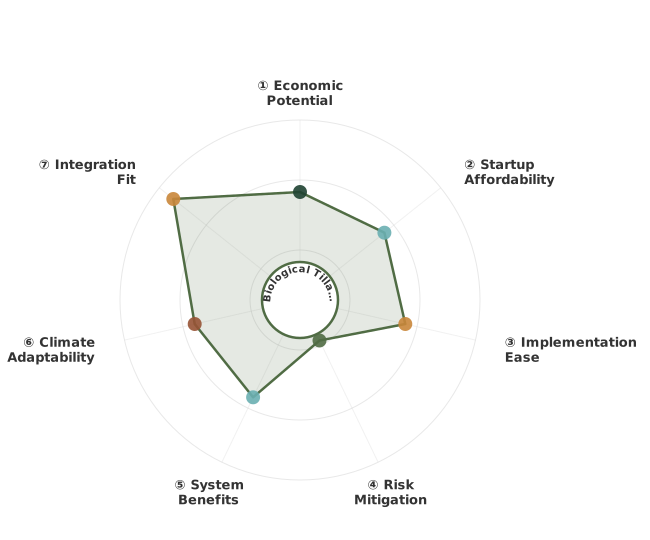
How These Traits Are Calculated
Trait dimensions are ordered clockwise starting from the top of the chart (12 o'clock position):
1. Economic Potential
Financial returns, annual value, and break-even timeline
WHAT: Evaluates financial viability by combining net annual value ($/ha from savings, income, and amortized harvests) with break-even timeline showing when practices pay for themselves.
WHY: Farmers need clear ROI understanding before committing resources. Fast payback (≤3 years) with strong returns (≥$300/ha) enables confident adoption, while long timelines (>10 years) restrict adoption to well-funded operations willing to wait for returns.
HOW: Calculated from net annual value in $/ha and break-even years. Exceptional (≥2.6): fast ROI ≤3 years + high value ≥$300/ha. Typical (1.8-2.5): moderate returns or longer timelines. Limited (<1.8): marginal economics or very long payback >10 years.
2. Startup Affordability
Initial investment costs and financial barrier to entry
WHAT: Measures financial barrier to entry through startup costs for equipment, infrastructure, consulting, and materials. Inverted scoring: lower costs = higher scores = more accessible adoption.
WHY: Affordability determines who can adopt. Low-cost practices (<$250/ha) enable widespread adoption across diverse scales, while high costs (>$2,500/ha) limit adoption to well-capitalized operations, creating barriers that slow regenerative transition.
HOW: Calculated from initial investment parsed from practice content. Inverted scoring: Exceptional (≥2.6): minimal investment <$250/ha. Typical (1.8-2.5): moderate costs $250-2,500/ha. Limited (<1.8): high barrier >$2,500/ha.
3. Implementation Ease
Learning curve and specialized knowledge required
WHAT: Measures how much learning, planning, and specialized knowledge a practice requires. Simpler practices with fewer steps score higher, while complex practices requiring extensive training or specialized resources score lower.
WHY: Complex practices create adoption barriers even when economically viable. Straightforward practices enable faster adoption and broader participation, while those requiring extensive training, timing precision, or specialized equipment limit who can succeed.
HOW: Evaluated by measuring documentation length and identifying complexity markers like location-specific requirements, seasonal timing windows, specialized skills, and dedicated equipment needs. Exceptional (≥2.6): straightforward practices with minimal prerequisites. Typical (1.8-2.5): moderate learning curve with some specialized needs. Limited (<1.8): steep learning curve requiring significant training or resources.
4. Risk Mitigation
Identified financial and ecological risk assessment
WHAT: Evaluates documented risks across financial (investment loss, market volatility) and ecological (crop failure, pest outbreaks) domains. Inverted scoring: fewer risks = higher scores.
WHY: Understanding risk exposure helps farmers make informed decisions. Low-risk practices allow confident implementation, while high-risk practices require careful planning and contingency resources. Risk transparency prevents costly failures.
HOW: Calculated from identified risks in practice content. Inverted scoring: Exceptional (≥2.6): ≤2 risks with manageable severity. Typical (1.8-2.5): 3-5 moderate risks. Limited (<1.8): 6+ risks or severe exposure.
5. System Benefits
How many ways the practice improves your land simultaneously
WHAT: Measures how many aspects of land health improve at once—carbon storage, soil quality, erosion control, water absorption, and biodiversity. Practices that improve multiple areas simultaneously create compounding benefits where each improvement reinforces the others.
WHY: The best practices solve multiple problems at once. For example, addressing erosion simultaneously builds carbon and improves water infiltration, creating a resilient system with positive feedback loops. Single-benefit approaches miss these compound transformation opportunities.
HOW: Evaluated across five key outcomes: carbon sequestration, soil organic matter increase, erosion reduction, water infiltration improvement, and biodiversity enhancement. Exceptional (≥2.6): high carbon storage (>8 t/ha/yr), improvements across 4-5 areas, transformative outcomes. Typical (1.8-2.5): moderate carbon (3-8 t/ha/yr), improvements across 2-3 areas. Limited (<1.8): modest impact (<3 t/ha/yr), single-area focus only.
6. Climate Adaptability
Geographic applicability across Köppen climate zones
WHAT: Evaluates geographic applicability by assessing how many Köppen climate zones successfully support a practice and what adaptation requirements are needed. Measures breadth of climates where farmers can implement with minimal to moderate modifications.
WHY: Universal practices working across diverse climates enable more farmers to adopt regenerative approaches. Practices limited to single climate types (only Mediterranean, only tropical) restrict adoption and slow global transition. Adaptability determines whether a practice serves niche regions or offers broad transformation.
HOW: LLM evaluation of regional success stories, Köppen zone coverage, and adaptation needs. Exceptional (≥2.6): 5+ zones or 4+ climate types, 3+ continents, minimal adaptation. Typical (1.8-2.5): 3-4 zones or 2-3 types, 2 continents, moderate adaptation. Limited (<1.8): 1-2 zones, single region, significant adaptation or highly specialized.
7. Integration Fit
How well this practice combines with others you're doing
WHAT: Measures how well a practice combines with other regenerative practices you might be doing. Some practices work as building blocks that make many other practices easier or more effective, while others work best on their own.
WHY: Practices that combine well with many others create more value on your farm. For example, cover cropping enables no-till, improves grazing, supports crop diversity, and helps water management—making all of them work better together. This helps you build a coherent system rather than juggling disconnected practices.
HOW: Evaluated by identifying which practices combine well and how strong those combinations are. 'Ideally Suited' means strong combinations where practices reinforce each other (practice A makes B easier, while B makes A more effective). 'Adequate' means complementary benefits that work well together. Exceptional (≥2.6): combines well with 6+ practices, serves as a building block. Typical (1.8-2.5): combines with 3-5 practices. Limited (<1.8): 1-2 practices or works best alone.
Going Deeper
1
WHY - The Benefits
Biological tillage is the cornerstone of achieving truly regenerative soil health, offering a cascade of interconnected benefits that improve farm profitability, ecological resilience, and environmental stewardship. It moves away from a mechanistic view of soil as an...
Biological tillage is the cornerstone of achieving truly regenerative soil health, offering a cascade of interconnected benefits that improve farm profitability, ecological resilience, and environmental stewardship. It moves away from a mechanistic view of soil as an...
WHY - The Benefits
Biological tillage is the cornerstone of achieving truly regenerative soil health, offering a cascade of interconnected benefits that improve farm profitability, ecological resilience, and environmental stewardship. It moves away from a mechanistic view of soil as an...
Biological tillage is the cornerstone of achieving truly regenerative soil health, offering a cascade of interconnected benefits that improve farm profitability, ecological resilience, and environmental stewardship. It moves away from a mechanistic view of soil as an...
Soil Health Benefits
The primary benefit of biological tillage is the profound improvement in soil structure. By eliminating mechanical disturbance, soil organisms are given the space and time to create and maintain a stable, granular, and porous structure. Earthworms, fungi, and bacteria weave together soil particles to form aggregates, which are the building blocks of healthy soil. This natural aggregation increases macropore space, dramatically enhancing water infiltration rates by 30-70% and improving hydraulic conductivity. Soils are better able to absorb rainfall, reducing surface runoff and erosion, and to retain moisture, making crops more resilient to drought.
Soil organic matter (SOM) is another key metric that improves under biological tillage. The continuous presence of living roots from diverse perennial plants and cover crops, coupled with the deposition of organic residues, provides a steady food source for soil microbes and earthworms. These organisms decompose organic matter and incorporate it into the soil profile, building SOM levels, with annual increases often ranging from 0.2-1.0% under consistent practice, though rates are highly dependent on climate, soil type, and management intensity. Higher SOM enhances soil's water-holding capacity, nutrient availability (as SOM mineralizes), and cation exchange capacity, reducing the need for synthetic inputs.
Root penetration, a critical indicator of soil health, is significantly enhanced. In conventionally tilled soils, roots often struggle to penetrate compacted layers. Biological tillage, by creating a stable, porous soil matrix, allows roots to grow deeper and more freely, accessing nutrients and water from a larger soil volume. This fosters stronger, healthier plants. Earthworm populations often increase by 200-500% in biologically managed soils due to the abundance of food, improved aeration, and lack of disturbance, further contributing to soil structure and nutrient cycling.
Economic Benefits
The economic advantages of biological tillage are substantial and accrue over time. The most immediate benefit is the reduction in operational costs. Eliminating or significantly reducing tillage operations saves on fuel, labor, machinery wear and tear, and associated maintenance costs. These savings can amount to $50-150 per hectare per year, or more, depending on previous tillage intensity.
As soil health improves, the need for synthetic inputs diminishes. Enhanced nutrient cycling from increased biological activity and higher SOM means crops can derive more nutrients from the soil itself, reducing the demand for synthetic fertilizers and pesticides. Studies and farm experiences often report input cost reductions of 30-70% over a 3-5 year transition period.
Yields, after an initial stabilization or slight dip during transition, typically increase by 10-20% in years 3-5 and can continue to improve as soil biological function matures. This yield increase is attributed to better root development, improved water and nutrient availability, and enhanced plant resilience to stress factors like drought and pests. The improved drought resilience can also translate to reduced irrigation costs or a greater ability to maintain productivity in rain-fed systems.
These combined benefits—lower costs and improved yields—contribute to greater profitability and farm resilience. The increased soil organic matter and structural integrity also represent a significant appreciation of the farm's capital asset (the land itself), making it more productive and valuable long-term.
Regenerative Systems Fit
Biological tillage is intrinsically linked to the core principles of regenerative agriculture and is considered foundational to achieving a truly regenerative system.
Principle 1 (Minimize Soil Disturbance): Biological tillage is the embodiment of this principle. By adopting no-till or permanent sod systems, mechanical disturbance of the soil is eliminated, preserving soil structure, protecting soil biota, and preventing carbon loss from oxidation. This forms the bedrock upon which other regenerative practices are built, though many practitioners find it practical to start with other principles like cover cropping or livestock integration while working towards minimizing tillage over time.
Principle 2 (Maximize Crop Diversity): Biological tillage inherently requires and promotes crop diversity. For soil biology to thrive, it needs a diverse and consistent food supply. This is achieved through cover cropping with multi-species mixes, integrating crop rotations with legumes and deep-rooted plants, and incorporating permanent vegetation like perennials or trees. This diversity extends below ground, fostering a rich soil food web.
Principle 3 (Keep Soil Covered): A core tenet of biological tillage is maintaining continuous soil cover. This is accomplished through living plants (cash crops, cover crops, perennials) and protective layers of mulch (crop residue, leaf litter, compost). Continuous cover prevents erosion, conserves moisture, moderates soil temperature, and provides ongoing sustenance for soil biology year-round, preventing periods of dormancy or starvation.
Principle 4 (Maintain Living Roots): Biological tillage relies on the perpetual presence of living roots in the soil. This ensures continuous biological activity, from root exudates feeding microbes to roots creating channels and stabilizing soil structure. Perennial systems, cover crops extending the growing season, and diverse crop rotations all contribute to keeping roots active in the soil for as much of the year as possible, fueling the soil food web and driving soil aggregation.
Principle 5 (Integrate Livestock): While not always directly part of the tillage elimination strategy, livestock integration is highly compatible and often synergistic with biological tillage, *provided it is well-managed*. Practices like adaptive or rotational grazing distribute manure, stimulate plant growth, and can help manage cover crops. However, poorly managed grazing, such as continuous set stocking, can be detrimental, leading to soil compaction, overgrazing of preferred species, and land degradation. Conversely, healthy soil built through biological tillage can support more resilient and productive pasture systems under proper grazing management.
Biological tillage prepares the ground for other regenerative practices by building a robust soil ecosystem. Improved soil structure and function make systems like cover cropping, no-till, and adaptive grazing more effective and resilient. For farms transitioning from conventional systems, biological tillage represents the ultimate goal of soil management—a state where the soil is so healthy and biologically active that it no longer requires mechanical intervention to function optimally. It signifies a farm system that is self-sustaining, inherently resilient, and contributes positively to the environment.
Sources behind this view
Videos & Podcasts
-
Restoring soil health requires feeding soil biology, minimally disturbing soil (no-till), and using cover crops for soil armor. Transitioning to no-till cover crops rapidly increases microbial biomass
-
To improve soil biology, focus on reducing disturbance, increasing biological diversity (diverse crops, cover crops), and maintaining living roots. Microbial products are variable; test them in your o
-
Implementing no-till farming involves water conservation, increasing organic matter and soil biological activity (earthworms, microbes), eliminating mechanical tillage, dynamic crop rotation, residue

-
Tillage, especially rototilling, destroys soil biology and structure. Key principles for soil health are less disturbance, more diversity, living roots, and soil cover. Transitioning away from tillage
Community
-
Tilling destroys beneficial microrhizae and shifts soil microbial balance, leading to nutrient loss and reduced soil health; soil testing and organic matter are key to recovery.
Read more (opens in new window) permies.com -
No-till crop production avoids soil disturbance, protecting soil organisms and ecosystems. Benefits include decompaction, increased fertility, better water infiltration, and reduced erosion, leading t
Read more (opens in new window) permies.com -
Adopt no-till/minimum tillage to preserve soil health and prevent carbon loss. Enhance fertility organically with cover crops, crop rotation, compost, and mulching, while avoiding synthetic fertilizer
Read more (opens in new window) ucanr.edu -
Reducing soil disturbance is crucial for soil health, as tillage degrades soil structure and resiliency. Shifting to 95% reduced tillage and adaptive grazing has improved soil aggregation, water infil
Read more (opens in new window) understandingag.com
Research
-
An Overview of the Impact of Tillage and Cropping Systems on Soil Health in Agricultural Practices (opens in new window)
This study found: Review shows no-till and diverse cropping systems (rotation, intercropping, cover crops) improve soil health, microbial life, and yields compared to conventional tillage and monocropping, protecting s
-
Impacts of Conservation Tillage and Biochar on Restoration of Soil Quality by Altering Rhizospheric Nutrient Cycling, Biocrust Formation and Crop Productivity: A Review (opens in new window)
This study found: Review highlights how reduced tillage and biochar improve soil health by boosting soil life, nutrient cycling, and root zone activity, crucial for regenerative agriculture. Challenges include soil and
-
Building Soil Health and Fertility through Organic Amendments and Practices: A Review (opens in new window)
This study found: Using organic amendments (manures, composts, cover crops) and regenerative practices (no-till, crop diversity) restores soil health by increasing organic matter and beneficial microbes, leading to mor
-
Soil Health and Sustainable Agriculture (opens in new window)
This study found: Healthy soil, driven by diverse microbes like root fungi, is key to sustainable agriculture. Practices like organic farming and conservation tillage improve soil health, though organic farming may hav
 From the Web
-
Regenerative practices like no-till, cover crops, crop rotations, compost, and well-managed grazing build soil fertility and biodiversity, enhance carbon sequestration, and improve ecosystem health, c
2
WHERE - Regional Considerations
Successfully implementing biological tillage, primarily through the adoption of no-till and the enhancement of soil biology, is globally applicable but requires adaptation to local climate, soil types, and common agricultural systems. The ultimate goal of building soil...
Successfully implementing biological tillage, primarily through the adoption of no-till and the enhancement of soil biology, is globally applicable but requires adaptation to local climate, soil types, and common agricultural systems. The ultimate goal of building soil...
WHERE - Regional Considerations
Successfully implementing biological tillage, primarily through the adoption of no-till and the enhancement of soil biology, is globally applicable but requires adaptation to local climate, soil types, and common agricultural systems. The ultimate goal of building soil...
Successfully implementing biological tillage, primarily through the adoption of no-till and the enhancement of soil biology, is globally applicable but requires adaptation to local climate, soil types, and common agricultural systems. The ultimate goal of building soil...
Click Here to Look up your Region if you don't already know it
Humid Temperate Regions
Representative Locations: Southeastern United States, northern Europe (UK, Germany, Poland), eastern China, Japan, New Zealand
Climate Context: Warm to hot summers and cool to cold winters with moderate to high annual precipitation (75-150 cm or 30-60 inches) distributed relatively evenly. USDA Zones 6-8, Köppen Cfb/Cfa.
Regional Application: In these regions, rainfall is generally sufficient to support year-round living roots and cover crops. The main challenge is often managing residue from high biomass crops and preventing soil compaction from heavy machinery operating on moist soils. Biological tillage strategies here focus on maximizing crop diversity through varied cover crop mixes, residue management techniques that retain organic matter while allowing for planter access (e.g., mulching planters, residue managers), and precise livestock management to prevent overgrazing or compaction during wet periods. The long growing season allows for multiple cover crop sequences, which are highly effective for building soil organic matter and supporting diverse soil life. Integrating trees (silvopasture) is also highly effective, as trees maintain living roots and provide year-round organic matter input.
Mediterranean Regions
Representative Locations: California, Mediterranean basin (Spain, Italy, Greece), central Chile, southwestern Australia, Western Cape South Africa
Climate Context: Hot, dry summers and mild, wet winters. Annual precipitation 40-90 cm (15-35 inches), highly seasonal. USDA Zones 8-10, Köppen Csa/Csb.
Regional Application: The distinct dry summer forces a careful approach to maintaining soil cover and living roots. Biological tillage strategies must prioritize drought-tolerant cover crops and perennials that can survive dry periods or those with deep root systems to access subsoil moisture. Building soil organic matter is crucial for water retention, so incorporating compost and resilient, drought-tolerant cover crop species is key. Minimizing disturbance becomes even more critical to prevent dust erosion during dry spells. Techniques like no-till cropping with cover crops that go dormant in summer and regrow with fall rains, or adopting silvopastoral systems with drought-tolerant trees like olives or carob, are highly effective. Extended grazing periods on dormant cover crops managed rotationally can also help build soil biology during the dry season.
Arid/Semi-Arid Regions
Representative Locations: Western USA, North Africa, Central Asia, Interior Australia
Climate Context: Low annual precipitation (<40 cm or 15 inches), high temperatures, short and often unpredictable growing season. USDA Zones 7-9, Köppen BSh/BSk.
Regional Application: In arid and semi-arid environments, water is the primary limiting factor. Biological tillage strategies must focus intensely on water conservation and maximizing the benefits of infrequent rainfall. No-till is paramount to prevent surface evaporation and erosion. Cover crops must be drought-tolerant (e.g., certain millets, sorghum-sudangrass, deep-rooted legumes) and ideally species that can survive dormancy and regrow when moisture becomes available. Building soil organic matter is critical for increasing water holding capacity, so practices that add consistent organic matter (e.g., alley cropping with drought-tolerant trees, targeted compost application, residue retention) are prioritized. Livestock integration, particularly managed grazing on resilient perennial pastures or grazed cover crops, can be highly effective for stimulating soil biology without excessive risk of recompaction if managed rotationally. Water harvesting techniques like swales and keyline design can further enhance the effectiveness of biological tillage by capturing and retaining scarce rainfall.
Cold Continental Regions
Representative Locations: Northern USA and Canada, Northern Europe, Northern Asia
Climate Context: Very short growing seasons, extreme summer heat, severe winter cold. USDA Zones 3-5, Köppen Dfa/Dfb.
Regional Application: The short growing season necessitates maximizing productivity within a limited window. Biological tillage strategies involve selecting rapid-growing cover crops that can establish and provide a significant biomass before frost. Overwintering crops like winter rye or hairy vetch are crucial for maintaining living roots and soil cover through the cold months. Residue management is important to ensure planters can operate in the spring, and techniques that foster decomposition are valuable. Integrating livestock during warmer months with carefully managed rotational grazing can help stimulate soil biology. Agroforestry systems using cold-hardy tree species can provide additional organic matter and biodiversity. The cold temperatures can slow decomposition, meaning organic matter accumulation might be slower, but the preservation of soil structure through no-till becomes even more vital to prevent erosion and ensure prompt spring planting.
Subtropical Regions
Representative Locations: Southeastern USA, Southern China, Southern Brazil, Eastern Australia
Climate Context: Hot, humid summers and mild winters with generally ample rainfall. USDA Zones 9-11, Köppen Cfa/Cwa.
Regional Application: Abundant rainfall and long growing seasons in subtropical regions allow for extensive cover cropping and perennial systems. Biological tillage practices here can focus on high biomass production for soil organic matter and carbon sequestration. Managing high residue levels from multiple cover crops and cash crops is key, often requiring specialized no-till planters. The warm, moist conditions are ideal for microbial activity, accelerating decomposition andSOM building. However, these conditions also favor pest and disease development, making crop diversity and a robust soil food web essential for natural regulation. Integrating livestock in managed systems can enhance fertility and stimulate growth, but careful rotation is needed to prevent overgrazing and compaction. Agroforestry with species adapted to warm, wet climates can further diversify the system and provide valuable products.
Tropical Regions
Representative Locations: Central America, Southeast Asia, East Africa, Northern Australia, Northern South America
Climate Context: High temperatures year-round, with distinct wet and dry seasons or consistent high rainfall. Köppen Af/Am/Aw.
Regional Application: Tropical regions experience rapid decomposition due to high temperatures and humidity, meaning soil organic matter can be depleted quickly if not managed carefully. Biological tillage strategies must focus on continuous soil cover and rapid biomass return to the soil. Cover cropping, intercropping, and agroforestry systems are highly effective and often essential. The challenge is to maintain living roots and organic matter inputs year-round. Integration with livestock through silvopastoral systems or managed grazing is extremely effective for cycling nutrients. However, tropical soils can be prone to rapid degradation (e.g., laterization) if left bare or disturbed. Therefore, minimizing disturbance and maximizing living plant cover is paramount. Crop diversity is critical for pest management and the health of the soil food web.
3
HOW - Implementation Process
Implementing biological tillage is less about a single event and more about adopting a set of interconnected management practices that foster soil biology. The primary goal is to transition to a system that relies on natural processes for soil structure and fertility,...
Implementing biological tillage is less about a single event and more about adopting a set of interconnected management practices that foster soil biology. The primary goal is to transition to a system that relies on natural processes for soil structure and fertility,...
HOW - Implementation Process
Implementing biological tillage is less about a single event and more about adopting a set of interconnected management practices that foster soil biology. The primary goal is to transition to a system that relies on natural processes for soil structure and fertility,...
Implementing biological tillage is less about a single event and more about adopting a set of interconnected management practices that foster soil biology. The primary goal is to transition to a system that relies on natural processes for soil structure and fertility,...
Prerequisites
Before shifting to biological tillage, it is essential to assess your current system and set realistic expectations:
- Soil Assessment: Understand your current soil condition. This includes assessing existing soil structure (e.g., using spade tests for aggregation, root penetration, earthworm count), compaction levels (penetrometer readings), organic matter content, and water infiltration rates. This baseline will help track progress.
- Machinery Assessment: Evaluate your current tillage equipment. The goal is to phase out moldboard plows, discs, and field cultivators. You will need a no-till planter or drill capable of cutting through surface residue and planting into undisturbed soil. Some residue management tools (e.g., specialized residue managers for planters, strip-till units if transitioning incrementally) may be beneficial initially.
- Cover Crop Strategy: Develop a plan for integrating cover crops. This includes understanding local climate suitability, desired outcomes (e.g., nitrogen fixation, weed suppression, biomass production), and species selection for multi-species mixes.
- Crop Rotation Planning: Consider how cover crops will integrate with your cash crop rotation. Diversity is key: include legumes, grasses, and broadleaves.
- Livestock Integration (Optional but Recommended): If applicable, plan how livestock can be integrated to improve soil health through managed grazing, manure deposition, and stimulating plant growth.
- Commitment to Patience: Biological improvement takes time. Expect results to become evident within 2-5 years, with significant long-term benefits building over a decade or more.
Phase 1: Reducing Tillage and Introducing Cover Crops (Year 1-2)
This phase focuses on reducing the frequency and intensity of tillage while establishing the practice of cover cropping.
Tillage Reduction:
- Start Small: If new to no-till, begin with a portion of your land or a single crop.
- Incremental Reduction: If full no-till is daunting, begin by reducing tillage passes. For example, replace a pre-plant tillage with a single pass of a light cultivator, or use stale seedbed techniques where some tillage occurs before planting, but is reduced over time.
- Stale Seedbed: In the fall, perform a light tillage pass to incorporate cover crop seed, then let it grow. In spring, plant the cash crop directly into the residue of the terminated cover crop without further tillage.
Cover Crop Establishment:
- Species Selection: Choose cover crops suitable for your climate and goals. For multi-species success, include:
- Grasses: Annual ryegrass, oats, cereal rye, sorghum-sudangrass (for fibrous roots, biomass, carbon addition).
- Legumes: Hairy vetch, crimson clover, field peas, fava beans (for nitrogen fixation, diverse root structure).
- Broadleaves: Daikon radish, turnips, buckwheat, sunflowers (for deep taproots, breaking compaction, feeding diverse biology).
- Planting Method: Use a no-till drill or broadcast seed with a roller-crimper/cultipacker. Ensure good seed-to-soil contact.
- Timing: Seed immediately after cash crop harvest or interseed into maturing cash crops if possible (e.g., overseeding into wheat fields).
Residue Management:
- Leave crop residue on the surface. It protects the soil, feeds biology, and becomes organic matter.
- Ensure planter is equipped to handle residue without plugging.
Phase 2: Transitioning to Full No-Till and Diversifying Systems (Year 3-5)
By this phase, you should be comfortable with cover cropping and have reduced tillage significantly. The focus shifts to eliminating it entirely and increasing system complexity.
Full No-Till Adoption:
- Eliminate all conventional tillage operations. All planting occurs directly into undisturbed soil or cover crop residue.
- Invest in or adapt planters/drills for effective no-till planting. This may involve row cleaners, residue managers, or specialized coulters.
- Manage planter down-pressure to ensure proper seed depth in undisturbed soil.
Crop Rotation and Diversity Expansion:
- Design crop rotations that include a minimum of 3-4 species or functional groups (e.g., grass, legume, broadleaf, root crop).
- Integrate annual cover crops between cash crops, aiming for continuous living cover. Consider multiple cover crop sequences in a year if climate allows.
- If possible, introduce perennials (e.g., hay crops, pasture) or trees (agroforestry, silvopasture) into the rotation.
Livestock Integration (if applicable):
- Implement managed grazing systems (e.g., rotational, adaptive multi-paddock grazing).
- Ensure adequate rest periods for pastures to recover and build soil biology.
- Use livestock to graze cover crops or crop residue to cycle nutrients and stimulate growth.
Soil Amendments:
- Consider targeted application of compost or organic amendments if soil tests indicate deficiencies or low SOM, rather than synthetic fertilizers.
- Monitor soil biology (e.g., earthworm counts, fungal presence) as an indicator of success.
Phase 3: Optimizing and Stabilizing Biological Systems (Year 5+)
This phase represents the mature stage of biological tillage, where the system is self-sustaining and continuously improving.
Continuous Improvement:
- Regularly monitor soil health indicators (SOM, infiltration, structure, biology) and adapt management strategies.
- Experiment with new cover crop species or mixes to further enhance diversity and specific benefits.
- Continuously refine crop rotations and livestock grazing plans.
Resource Management:
- Leverage improved water infiltration and retention to reduce irrigation needs or increase resilience to dry periods.
- Rely on soil biology for nutrient cycling, minimizing or eliminating synthetic fertilizer use.
- Use diverse plant communities and healthy soil to manage pests and diseases through natural biological control mechanisms.
Economic Optimization:
- Track cost savings from reduced inputs and operations.
- Monitor yield stability and improvements.
- Explore value-added opportunities from diverse systems (e.g., specialty crops, livestock products, organic certification).
Transition Timeline & Phase-Out Strategy
The transition to biological tillage is a gradual process, not an overnight switch. The timeline is flexible, but the objective is clear: eliminate conventional tillage and foster soil biology.
- Years 1-2 (Reducing Tillage, Introducing Cover Crops): Reduce tillage passes by 50%, introduce 1-2 cover crop sequences per year.
- Years 2-3 (Full No-Till Adoption): Eliminate all conventional tillage. Establish 2+ cover crop sequences annually or a robust perennial system. Increase crop rotation complexity to 3+ species/groups.
- Years 3-5 (System Diversification & Stabilization): Integrate more diverse cover crops, consider perennials or trees. Livestock integration optimized with managed grazing. Monitor soil biology, anticipating a 0.2-0.5% SOM increase and 50%+ improvement in earthworm populations. Yields stabilize or begin to improve.
- Year 5+ (Mature Regenerative System): Biological tillage is the norm. Soil structure is robust, requiring no mechanical intervention. Input costs are significantly reduced, yields are stable or increasing, and the farm ecosystem is more resilient. Focus shifts to continuous improvement and fine-tuning.
Graduation from conventional tillage means: When you can plant a cash crop directly into undisturbed soil or cover crop residue, achieve good seed-to-soil contact, maintain or improve yields, and see continuous improvement in soil health indicators (SOM, infiltration, earthworm populations) without ever resorting to plowing or intensive cultivation. Your management focuses on timing, diversity, living roots, and livestock impact, not on mechanical soil manipulation.
Sources behind this view
Videos & Podcasts
-
Restoring soil health requires feeding soil biology, minimally disturbing soil (no-till), and using cover crops for soil armor. Transitioning to no-till cover crops rapidly increases microbial biomass
-
Rebuilding soil structure under no-till takes 5+ years, driven by accumulating freeze-thaw and wetting-drying cycles. Quitting tillage stops killing soil life, allowing existing biology and practices
-
Details four phases of soil restoration under no-till (Initialization, Transition, Consolidation, Maintenance). Stresses that even one tillage event resets progress. Mentions equipment like no-till dr
-
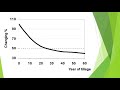
Synthetic fertilizers sideline soil biology and are energy-inefficient for plants. Transitioning to no-till in western North Dakota showed significant soil regeneration in 3-6 years, driven by economi
Research
-
Building Soil Health and Fertility through Organic Amendments and Practices: A Review (opens in new window)
This study found: Using organic amendments (manures, composts, cover crops) and regenerative practices (no-till, crop diversity) restores soil health by increasing organic matter and beneficial microbes, leading to mor
-
Economics of Soil Health: Contributions of Reduced Tillage and Cover Cropping (opens in new window)
This study found: 100 farmers reported higher net income from soil health practices like reduced tillage and cover cropping. Transition takes time but offers long-term benefits in reduced inputs and increased productiv
-
Regenerative agriculture improves soil functioning and the complexity of soil food webs after a short transition period (opens in new window)
This study found: Five years of regenerative farming in horticultural systems boosted soil moisture, organic matter, and beneficial soil enzymes. Soil animal life shifted from mites/worms to larger invertebrates, indic
4
Know the Debate
Biological tillage, fundamentally about eliminating mechanical soil disturbance, sees its outcomes shaped by where you farm, what you're working wi...
Know the Debate
Biological tillage, fundamentally about eliminating mechanical soil disturbance, sees its outcomes shaped by where you farm, what you're working wi...
Biological tillage, fundamentally about eliminating mechanical soil disturbance, sees its outcomes shaped by where you farm, what you're working with, and how long you can wait. In humid regions with reliable rainfall and shorter cold seasons, soil biology rapidly rebuilds structure, showing benefits within 2-5 years. However, in drier climates or on severely compacted soils, changes are slower and may take 7-10 years. Entry costs for no-till equipment can range from hiring custom services ($50-150/ha) to purchasing new planters ($50,000+), while cover crop seeds add $50-150/ha annually. Daily labor for managing cover crops or livestock is a consistent requirement regardless of scale.
HOW biological tillage primarily improves soil structure
Microbial Aggregation Dominant
Academic sources emphasize that microbial exudates and fungal hyphae are the primary drivers, binding soil particles into stable aggregates. These aggregates create essential pore spaces for water and air, crucial for nutrient cycling and plant root development.
Sources behind this view
Sources behind this view
Research
-
An Overview of the Impact of Tillage and Cropping Systems on Soil Health in Agricultural Practices (opens in new window)
This study found: This review explains how different farming practices, particularly how we disturb the soil (tillage) and how we plant crops, affect soil health. Traditional plowing (conventional tillage) can damage the soil's structure, but methods like no-till farming help improve it by boosting beneficial soil life and biological activity. Planting a variety of crops in sequence (crop rotation), growing crops together (intercropping), or using cover crops are also shown to increase harvests and keep soil fertile better than planting just one crop repeatedly. The research suggests that conservation tillage, especially no-till, is much better for soil quality than conventional methods. By using these practices, farmers can aim for higher crop yields while protecting the soil for the future.
-
Effects of tillage systems on soil biodiversity (opens in new window)
This study found: Different ways of disturbing the soil (tillage systems) have a big effect on the tiny living things in the soil, changing their numbers, types, and how active they are. Conservation tillage, which involves less soil disturbance, is used on millions of acres worldwide to prevent soil erosion, reduce compaction, save water, and cut costs. This method can improve soil structure, making it better at draining and holding water, which helps prevent both waterlogged conditions and drought. Better soil structure also means less runoff carrying soil, pesticides, and nutrients into waterways. Using less intensive tillage also uses less energy and releases less carbon dioxide, while building up soil organic matter and storing more carbon. How earthworms and springtails are affected depends on the soil type, while nematodes and microbial communities respond differently based on how deep they are in the soil. Different groups of soil organisms react in unique ways to tillage. The best tillage method depends on the specific conditions of each farm's soil.
From the Web
-
Transitioning to organic farming requires building soil health by balancing minerals, fostering biology with living roots and carbon sources, and improving structure through thoughtful tillage. A plan informed by soil tests and potentially a consultant is key.
Earthworm Activity Dominant
Field practitioners often highlight earthworm burrows and castings as the main mechanism for loosening soil and creating large pores. This visible macro-activity is seen as directly responsible for improving water infiltration and aeration in the short to medium term.
Sources behind this view
Sources behind this view
Videos & Podcasts
-
Restoring soil health requires feeding soil biology, minimally disturbing soil (no-till), and using cover crops for soil armor. Transitioning to no-till cover crops rapidly increases microbial biomass and improves carbon balance and water infiltration.
-
Tillage destroys soil biology, causing compaction and poor water infiltration; weeds indicate excessive disturbance. Practices like cover cropping and no-till, with reduced disturbance, promote soil health by supporting biology and organic matter.
-
Preventing bare soil and addressing compaction are critical for healthy soil biology, gas exchange, and water infiltration. Deep ripping followed by biological applications and cover crops is recommended to create disease-suppressive soils.

Making Sense of the Differences
The primary mechanism for soil structure improvement in biological tillage involves a interplay between microbial and macrofaunal activity. Academic research confirms microbial exudates and fungal networks build stable aggregates crucial for small pore spaces and water retention. Field observations highlight earthworm burrows and castings as critical for larger channels, improving rapid drainage and aeration, especially in the short to medium term. Both processes are essential for a healthy, structured soil, with the balance likely influenced by soil type, moisture, and organic matter availability.
How quickly do soil structure improvements appear?
Observable improvements in 2-5 years
Institute and academic sources suggest that consistent no-till and cover cropping can lead to noticeable improvements in soil aggregation and water infiltration within 2 to 5 years.
Sources behind this view
Sources behind this view
Research
-
Enhanced soil quality with reduced tillage and solid manures in organic farming – a synthesis of 15 years (opens in new window)
This study found: A 15-year study in Switzerland on organic farms found that reducing soil disturbance (less tilling instead of ploughing) significantly improved soil health. Over the years, this practice increased soil organic matter by 25% and boosted the amount and activity of soil microbes by over 30%. While reduced tillage made soils more stratified in nutrients, adding composted manure further increased soil organic matter by 6% compared to using liquid manure. Biodynamic preparations had little effect. Yields were similar between reduced tillage and ploughing, though reduced tillage required more attention to nitrogen supply and weed control. The study confirms that less soil disturbance enhances soil quality in organic systems, but it can also introduce management complexities.
From the Web
-
Reducing soil disturbance is crucial for soil health, as tillage degrades soil structure and resiliency. Shifting to 95% reduced tillage and adaptive grazing has improved soil aggregation, water infiltration, and plant diversity on clay soils, while cutting fuel use and saving time.
Significant changes take 7-10+ years
Field practitioners often report that substantial changes, like improved root penetration and observable soil structure, require 7-10 years or longer, particularly on degraded soils or in challenging climates.
Sources behind this view
Sources behind this view
Videos & Podcasts
-
Restoring soil health requires feeding soil biology, minimally disturbing soil (no-till), and using cover crops for soil armor. Transitioning to no-till cover crops rapidly increases microbial biomass and improves carbon balance and water infiltration.
-
Preventing bare soil and addressing compaction are critical for healthy soil biology, gas exchange, and water infiltration. Deep ripping followed by biological applications and cover crops is recommended to create disease-suppressive soils.
Making Sense of the Differences
The timeline for visible soil structure improvement in biological tillage systems depends heavily on initial soil conditions and climate. In regions with ample moisture and warmer temperatures, established soil biology can rebuild structure relatively quickly, often within 2-5 years. However, in drier or colder climates, or on soils with severe compaction and low initial organic matter, the pace of biological activity and structure formation is much slower. Field reports often reflect these challenging conditions, where it may take 7-10 years of dedicated management for noticeable improvements to manifest, emphasizing the need for farmer patience and adaptive strategies.
Is initial mechanical tillage needed for severely compacted soils?
Biological methods only (no initial tillage)
Advocates for permanent no-till argue that any mechanical disturbance disrupts soil biology and delays recovery, preferring to rely solely on biological agents like roots and microbes to overcome compaction.
Sources behind this view
Sources behind this view
Videos & Podcasts
-
Restoring soil health requires feeding soil biology, minimally disturbing soil (no-till), and using cover crops for soil armor. Transitioning to no-till cover crops rapidly increases microbial biomass and improves carbon balance and water infiltration.
-
Tillage destroys soil biology, causing compaction and poor water infiltration; weeds indicate excessive disturbance. Practices like cover cropping and no-till, with reduced disturbance, promote soil health by supporting biology and organic matter.
-
Tillage, especially rototilling, destroys soil biology and structure. Key principles for soil health are less disturbance, more diversity, living roots, and soil cover. Transitioning away from tillage, though challenging initially, leads to improved soil function, reduced pests, and long-term ecological balance.
Initial mechanical intervention can aid severely compacted soils
Some sources suggest that severely compacted soils may benefit from a single, shallow mechanical pass (like subsoiling) to create initial channels, allowing roots and biological agents to establish more effectively before permanent no-till resumes.
Sources behind this view
Sources behind this view
Videos & Podcasts
-
Preventing bare soil and addressing compaction are critical for healthy soil biology, gas exchange, and water infiltration. Deep ripping followed by biological applications and cover crops is recommended to create disease-suppressive soils.
Making Sense of the Differences
The question of whether an initial mechanical disturbance is necessary for severely compacted soils before transitioning to biological tillage is debated. Sources emphasizing a 'biological-only' approach argue that any tillage, even one-off, harms soil biology and sets back recovery. Field reports from practitioners inheriting extremely degraded land with severe compaction often find that biological methods alone struggle to penetrate, leading to stalled progress. Some suggest a single, shallow mechanical pass (e.g., with a subsoiler or Yeomans plow) can create channels for roots and water, allowing slower biological remediation to then establish and maintain improved structure. The decision hinges on the severity of compaction, soil type, climate, and the farmer's risk tolerance and patience.
5
HOW MUCH - Costs & Investment
Note: All costs are based on recent US economic data (2023-2025) and may vary substantially in other regions based on local labor rates, material costs, and regulatory requirements. International costs should be calculated using local indices for labor, fuel, seed, and...
Note: All costs are based on recent US economic data (2023-2025) and may vary substantially in other regions based on local labor rates, material costs, and regulatory requirements. International costs should be calculated using local indices for labor, fuel, seed, and...
HOW MUCH - Costs & Investment
Note: All costs are based on recent US economic data (2023-2025) and may vary substantially in other regions based on local labor rates, material costs, and regulatory requirements. International costs should be calculated using local indices for labor, fuel, seed, and...
Note: All costs are based on recent US economic data (2023-2025) and may vary substantially in other regions based on local labor rates, material costs, and regulatory requirements. International costs should be calculated using local indices for labor, fuel, seed, and...
Note: All costs are based on recent US economic data (2024–2026) and may vary substantially by region based on local labor rates, material costs, and regulatory requirements.
Initial Infrastructure and Equipment
Adopting biological tillage requires transitioning from mechanical soil inversion toward no-till or minimum-till systems, necessitating specialized planters designed to handle surface residue without disturbing the soil profile. For small operations (under 50 acres (20 ha)), producers typically allocate $50,000–$150,000 to acquire reliable, used, or refurbished six-to-eight-row no-till planters. Those choosing to avoid heavy capital outlays often opt for custom hire services, which typically cost $30–$50 per acre ($74–$124/ha) annually.
Mid-size operations (50–500 acres (20–202 ha)) require more robust, high-clearance machinery to handle increased ground speed and residue volume, with investments ranging from $100,000–$250,000. Large operations (500+ acres) command the high end of the capital spectrum, spending $200,000–$500,000 for 24-row or wider precision integrated planters. These larger units incorporate advanced variable rate technology that optimizes seed placement, which helps large-scale farmers amortize their capital investment faster through increased per-acre precision and efficiency.
Biological Inputs and Diagnostic Testing
Biological tillage success relies on maintaining living roots year-round to build soil structure through fungal hyphae and earthworm channels. This requires consistent investment in cover crop seeds. Small operations, which often prioritize highly diverse, complex seed mixes to encourage rapid biological colonization, face costs of $30–$60 per acre ($74–$148/ha). Mid-size producers benefit from moderate volume purchasing power, bringing costs to $25–$50 per acre ($62–$124/ha). Large-scale operations leverage economies of scale in seed procurement, reducing costs to $20–$40 per acre ($49–$99/ha).
Accurate diagnostic monitoring is the secondary pillar of biological management. Standardized biological soil tests—such as the Haney test or phospholipid fatty acid (PLFA) analysis—are crucial for replacing mechanical metrics with biological ones. Small farms generally pay a premium for limited batch testing, with costs of $5–$20 per acre ($12–$49/ha). Mid-size operations balance scale with testing depth at $5–$15 per acre ($12–$37/ha). Large-scale operations, monitoring vast acreages with composite sampling protocols, pay between $5–$12 per acre ($12–$30/ha) annually to maintain rigorous data tracking.
Operational Cost Offsets
Once soil health improves—typically within a 36 to 60-month window—operations enter an efficiency phase where biological activity assumes the labor previously performed by tractors. Eliminating aggressive tillage passes reduces tractor fuel and labor requirements by roughly 2–4 gallons (7.6–15 L) per acre annually. Small farms realize fuel and labor savings of $30–$80 per acre ($74–$198/ha), while mid-size operations see gains of $50–$120 per acre ($124–$297/ha). Large operations capture the greatest efficiency, with $70–$150 per acre ($173–$371/ha) in cumulative fuel and labor savings annually.
Nutrient cycling improvements further reduce the reliance on synthetic inputs. Once the soil microbiome is thriving, farmers can meaningfully reduce synthetic fertilizer and pesticide applications by 30–70%. This input efficiency transition results in annual savings of $50–$150 per acre ($124–$371/ha) for small operations, $70–$200 per acre ($173–$494/ha) for mid-size entities, and $90–$250 per acre ($222–$618/ha) for large-scale operations, depending heavily on the baseline soil fertility and current commodity crop requirements.
Most Spend: The majority of mid-size agricultural operations (50–500 acres (20–202 ha)) typically allocate $90–$140 per acre ($222–$346/ha) annually for the combined cost of cover crop seed, soil diagnostics, and planting equipment maintenance during the initial three-year transition phase.
Why the Range?: Cost variability is driven by three primary factors: equipment age and technological specifications, the complexity of cover crop species utilized, and baseline soil organic matter levels. Producers moving into highly degraded soils may require higher initial input spending to kickstart biological activity, whereas those with existing higher levels of soil health can minimize corrective biological amendments, shifting the total cost toward the lower end of the provided ranges.
Sources behind this view
Videos & Podcasts
-
Adopting no-till and cover crops reduces production costs by an estimated $31/acre over 3-5 years through lower fuel use, reduced tillage equipment needs, and decreased reliance on inputs, while impro

-
Adopting soil health practices like reduced tillage and cover crops can be economically neutral or beneficial by offsetting costs of fuel, machinery, and erosion-related nutrient loss, with potential

-
Transitioning to regenerative agriculture can avoid the 'J curve' by first optimizing agrochemical use and reducing tillage intensity to generate savings. These freed-up funds are then reinvested grad
Research
-
Economics of Soil Health: Contributions of Reduced Tillage and Cover Cropping (opens in new window)
This study found: 100 farmers reported higher net income from soil health practices like reduced tillage and cover cropping. Transition takes time but offers long-term benefits in reduced inputs and increased productiv
6
REWARDS AND RISKS - Economics & Risk Factors
REWARDS AND RISKS - Economics & Risk Factors
Economic Scenarios
- Best Case Scenario: Within 3–5 years, farmers achieve full biological function. Total operational cost savings reach $200–$350 per acre ($494–$865/ha) annually. Yields increase by 10–20% as enhanced moisture infiltration mitigates 15–30% of typical drought-induced losses. The capital payback period for specialized equipment is achieved in under 6 years, supported by reduced input spending and potential premiums for soil-health-verified commodities.
- Typical Case Scenario: After 5–7 years, mechanical tillage is completely phased out. Net annual savings fluctuate between $100–$250 per acre ($247–$618/ha). Yields stabilize at pre-transition levels, but profitability is bolster by a 30–50% decrease in synthetic fertilizer requirements. Soil organic matter typically improves by 0.5% every decade, providing a buffer against extreme weather volatility.
- Worst Case Scenario: Sub-optimal implementation—such as planting into excessively cool, wet, or high-residue conditions without proper calibration—leads to a 10–20% yield drag during the first 3 years. Combined with the $80–$120 per acre ($198–$297/ha) annual investment for cover crops and planter maintenance, early-stage net income drops by $150–$250 per acre ($371–$618/ha). Abandonment before the third year results in total loss of initial startup capital.
Market Factors & Risk Mitigation
Profitability is tied to the volatility of nitrogen prices. When synthetic nitrogen costs rise, the economic return on nitrogen-fixing cover crops increases, providing $40–$100 per acre ($99–$247/ha) in hedge-like fertilizer savings. Producers mitigate direct financial risk by utilizing federal cost-share programs, specifically the Environmental Quality Incentives Program (EQIP), which can cover 50–75% of initial direct implementation costs for qualifying acreage. This subsidy effectively lowers the "break-even" point for equipment acquisition and multi-species seed mixes during the first 24 months of operation.
Transition Period Risks
The transition phase is characterized by a "biological lag," where the soil has not yet fully transitioned to support nutrient cycling at the speed required for modern crop production.
- Yield Drag: Performance lag often occurs in years 1–3, with 3–15% yield reductions attributed to persistent density layers that temporary root action has not yet fully penetrated. To mitigate this, farmers must invest an extra $10–$20 per acre ($25–$49/ha) in precision calibration of planting depth and downforce to ensure seed-to-soil contact.
- Input Synchronization: During the first 24 months, decomposing high-carbon crop residues can lead to temporary nitrogen immobilization. Strategic nitrogen management, costing $15–$30 per acre ($37–$74/ha), is essential to prevent early-season crop yellowing and ensure consistent nutrient availability during critical growth stages.
- Pest Dynamics: Habitat transition can increase local pest populations (e.g., slugs or wireworms). Integrated Pest Management protocols are required immediately, as the system relies on developing natural predator populations rather than prophylactic chemical applications.
Sources behind this view
Videos & Podcasts
-
Transitioning to no-till and cover crops requires understanding how soil biology drives nutrient cycles (like nitrogen and C:N ratios) for effective nutrient management, as biological nutrient deliver
-
Discusses challenges and progress in cover cropping and no-till, including planting timing, compaction, residue management, and persistent cover crops. Mentions controlled traffic farming and neighbor

-
Discusses the challenges of organic no-till, especially during transition, emphasizing the need for good soil biology, management intensity, and starting small due to variability and learning curves.
-
Transitioning to no-till with cover crops requires intentionality (treating covers like cash crops) and patience (allowing sufficient growth, potentially delaying planting).

Community
-
Details economic benefits of cover crops, including reduced input costs, erosion control, improved soil fertility, and enhanced water storage. Addresses concerns like seed cost and potential for unwan
Read more (opens in new window) attra.ncat.org -
Guides cover crop selection based on farmer objectives, rotation integration, and soil health goals, emphasizing mixed species for nutrient cycling and erosion control. Includes details on establishme
Read more (opens in new window) attra.ncat.org -
Cover crop economics vary, with potential for profitability through reduced input costs (fertilizer, herbicides) and improved soil health. However, initial costs and management nuances, including till
Read more (opens in new window) attra.ncat.org
Research
-
Timing of Cover Crop Termination: Management Considerations for the Southeast (opens in new window)
This study found: Cover crop termination timing is crucial for maximizing soil health and crop yields in conservation tillage systems in the Southeast. Consider growing season, soil moisture, N management, and equipmen
-
Organic zero-till in the northern US Great Plains Region: Opportunities and obstacles (opens in new window)
This study found: Organic no-till in the northern Great Plains faces challenges with cover crop termination, water use, and nitrogen supply, but can be integrated with crop rotation, grazing, and specialized tools for
-
Enhancing Sustainable Farming and Climate Resilience: The Role of Cover Crops (opens in new window)
This study found: Cover crops boost soil health, fix nitrogen, suppress weeds, and sequester carbon, enhancing farm profitability and climate resilience. Addressing adoption challenges is key.
-
Economics of Soil Health: Contributions of Reduced Tillage and Cover Cropping (opens in new window)
This study found: 100 farmers reported higher net income from soil health practices like reduced tillage and cover cropping. Transition takes time but offers long-term benefits in reduced inputs and increased productiv
From the Web
-
Conservation tillage impacts profitability and sustainability by reducing costs and stabilizing yields, but requires careful management and lifelong learning. Farmers can manage risks and transition b
-
Conservation tillage impacts profitability, sustainability, and risk management. Successful adoption requires a mindset shift, lifelong learning, and on-farm trials, with support from Extension person
-
Conservation tillage impacts profitability, sustainability, and risk management, requiring careful cost-benefit analysis and a long-term perspective. Lifelong learning and phased farm implementation a
-
Conservation tillage systems impact profitability, sustainability, and risk. Proper management, lifelong learning, and starting with small-scale trials are key to successful adoption and long-term ben
7
COMPATIBLE PRACTICES - Integration Opportunities
Biological tillage is not a standalone practice but a foundational element that synergizes with and enhances many other regenerative agriculture techniques. Its success is amplified when integrated into a holistic system.
Biological tillage is not a standalone practice but a foundational element that synergizes with and enhances many other regenerative agriculture techniques. Its success is amplified when integrated into a holistic system.
COMPATIBLE PRACTICES - Integration Opportunities
Biological tillage is not a standalone practice but a foundational element that synergizes with and enhances many other regenerative agriculture techniques. Its success is amplified when integrated into a holistic system.
Biological tillage is not a standalone practice but a foundational element that synergizes with and enhances many other regenerative agriculture techniques. Its success is amplified when integrated into a holistic system.
Cover Cropping
- Integration: Biological tillage inherently relies on cover crops for continuous living roots, organic matter input, and weed suppression. Cover crops are the biological engine that rebuilds soil structure and fertility in the absence of tillage.
- Synergy: A diverse array of cover crops ensures continuous feeding of soil biology, creates varied root structures that improve soil porosity, and adds different forms of organic matter.
Crop Rotation Diversity
- Integration: Essential for breaking pest and disease cycles, improving nutrient cycling, and providing varied food sources for soil biology.
- Synergy: Rotating deep-rooted crops with fibrous-rooted ones, and including legumes, grasses, and broadleaves expands the diversity of soil food web activity and builds more resilient soil structure.
No-Till Planting
- Integration: Biological tillage is synonymous with no-till planting. The absence of tillage is the prerequisite for allowing soil biology to build structure.
- Synergy: No-till planting preserves the soil structure created by biology, maintains residue cover, and protects soil organisms from disturbance.
Managed Livestock Grazing
- Integration: Rotational or adaptive grazing systems can be integrated into cropping or pasture systems managed with biological tillage.
- Synergy: Livestock can graze cover crops, improving their termination and stimulating regrowth which enhances root activity. Manure adds fertility. Properly managed grazing stimulates soil biology and nutrient cycling without causing compaction on resilient no-till soil.
Composting and Organic Amendments
- Integration: Applying compost or other organic matter can accelerate soil health improvements in the early stages of biological tillage adoption.
- Synergy: Compost provides readily available food for soil microbes and earthworms, boosting biological activity and improving soil structure and water retention when integrated into no-till systems.
Agroforestry & Silvopasture
- Integration: Planting trees within cropping or grazing systems complements biological tillage by adding perennial diversity, deep root systems, and continuous organic matter input.
- Synergy: Trees maintain living roots year-round, contribute shade that moderates soil temperature and moisture, and their litter adds significant organic matter. This creates a highly diverse and resilient soil ecosystem that requires no tillage.
Keyline Design and Water Harvesting
- Integration: Techniques like swales and contour ripping can be used in conjunction with initial setup or within larger landscapes to enhance water infiltration and distribution.
- Synergy: Improved infiltration from biological tillage means water harvesting structures are more effective, allowing captured water to soak into soil that is now able to absorb it, further benefiting soil biology and plant growth.
Integrated Pest and Weed Management
- Integration: Biological tillage builds healthy soil and diverse plant communities, which naturally suppress pests and weeds.
- Synergy: A rich soil food web creates a more balanced ecosystem where beneficial insects and microbes outcompete or prey on pests and pathogens. Diverse rotations and cover crops disrupt weed cycles. This reduces reliance on synthetic pesticides and herbicides.
Implementing biological tillage effectively means embracing these synergistic practices. The more diverse and integrated the system, the more resilient and productive the soil and farm ecosystem will become, and the less need there will be for any form of disruptive intervention.
Sources behind this view
Videos & Podcasts
-
Emphasizes 'Designing with Diversity' as a core principle, advocating for intercropping, cover crops, and diverse pastures to enhance nutrient cycling and resilience. Explains how different plant rhiz
-
To improve soil biology, focus on reducing disturbance, increasing biological diversity (diverse crops, cover crops), and maintaining living roots. Microbial products are variable; test them in your o
-
Enhance soil health by improving beneficial microbes through practices like no-till, reduced tillage, and cover crops. Restore soil microbiomes via livestock grazing or composting bioreactors.
-
Restoring soil health requires feeding soil biology, minimally disturbing soil (no-till), and using cover crops for soil armor. Transitioning to no-till cover crops rapidly increases microbial biomass
Research
-
Building Soil Health and Fertility through Organic Amendments and Practices: A Review (opens in new window)
This study found: Using organic amendments (manures, composts, cover crops) and regenerative practices (no-till, crop diversity) restores soil health by increasing organic matter and beneficial microbes, leading to mor
-
Building Soil Health and Fertility through Organic Amendments and Practices: A Review (opens in new window)
This study found: Review of organic amendments (manures, compost, cover crops) and regenerative practices (no-till, crop diversity, agroecology) shows they restore soil health by increasing organic matter and beneficia
-
Farming Practice Variability and Its Implications for Soil Health in Agriculture: A Review (opens in new window)
This study found: Review of sustainable practices like conservation tillage, cover crops, and crop rotation shows they improve soil health, increase yields, and build resilience. Debate exists on tillage methods, but m
-
Agroecology: Principles for the Conversion and Redesign of Farming Systems (opens in new window)
This study found: Agroecological principles, not just practices, are key to redesigning farms. Mimicking nature boosts nutrient cycling, soil life, and biodiversity, reducing reliance on external inputs.
From the Web
-
Regenerative practices like no-till, cover crops, crop rotations, compost, and well-managed grazing build soil fertility and biodiversity, enhance carbon sequestration, and improve ecosystem health, c