
Bioremediation
Bioremediation is the use of living organisms, like microbes and plants, to clean up contaminated soil and water by breaking down harmful substances. It harnesses nature's ability to neutralize pollutants, offering a more natural and often more sustainable approach to environmental clean-up compared to traditional methods. It's a technique that can be applied both naturally in restored ecosystems or more actively with specific interventions.
Read More: Complete Description
Bioremediation is the natural or engineered use of biological organisms—primarily microorganisms (bacteria, fungi, archaea) and plants—to degrade, detoxify, or immobilize environmental contaminants in soil, water, or air. It leverages the metabolic capabilities of life to break down complex compounds, such as hydrocarbons, pesticides, heavy metals, and excess nutrients, into less harmful or inert substances. For example, certain bacteria can consume oil spills, while plants can absorb heavy metals from contaminated soil, a process known as phytoremediation.
From a regenerative agriculture perspective, bioremediation is best understood as a context-dependent practice. It can be a powerful tool for ecological restoration and enhancing farm resilience, or it can be used in ways that, while cleaning a specific site, do not build overall ecosystem health. Its regenerative value lies in its ability to address the consequences of degraded systems, often resulting from past or current extractive practices, and facilitate a return to ecological function. For instance, using applied microbial inoculants to accelerate the breakdown of pesticide residues in soil, or planting specific hyperaccumulating plants to remove heavy metals from former industrial sites near farmland, can be seen as enabling steps toward more robust regenerative systems.
The practice directly supports regenerative principles when viewed through the lens of restoring ecological health and function. While not always a direct application of a foundational practice like cover cropping or silvopasture, it acts as a crucial transition practice in many scenarios, particularly when dealing with legacy contamination. For example, using specific microbial treatments to break down persistent herbicides in soil allows a farm to transition away from chemical reliance and adopt diverse cover cropping without damaging the newly established beneficial plant life. In this context, bioremediation addresses a specific problem that hinders the adoption or success of other regenerative practices.
A key differentiator for regenerative bioremediation is its emphasis on facilitating natural processes rather than imposing purely artificial solutions. This means favoring strategies that enhance native microbial populations, promote plant growth for phytoremediation, or use bioaugmentation techniques that introduce beneficial organisms that will integrate into the local ecosystem over time. The goal isn't just removal of contaminants but also the long-term restoration of soil biology, water quality, and ecosystem resilience. For instance, rather than simply excavating and treating contaminated soil off-site, bioremediation seeks to heal the soil in situ, regenerating its structure, biology, and function.
Bioremediation plays a vital role in addressing the myriad environmental stressors that can impact agricultural landscapes. These can range from industrial pollution reaching farm borders, to legacy pesticide residues from previous land uses, to excess nutrient runoff from conventional operations. By using living systems to clean these contaminants, farms can reduce reliance on costly and potentially disruptive conventional remediation methods. This aligns with the regenerative philosophy of working with nature to solve problems, rather than against it.
The application of bioremediation is highly context-dependent, determined by the type of contaminant, the affected medium (soil, water, air), the scale of the contamination, and the desired outcome. Natural attenuation, for instance, relies on existing environmental conditions to facilitate degradation, requiring minimal intervention but potentially longer timelines. Engineered bioremediation, on the other hand, may involve adding nutrients (biostimulation) or specific microbial cultures (bioaugmentation) to accelerate the process. Phytoremediation, a plant-based approach, uses specific plant species to extract, sequester, or degrade contaminants, offering a visually integrated solution that also provides other benefits like green cover and habitat.
When considering bioremediation purely through the lens of regenerative agriculture, it's crucial to assess if the method chosen contributes to overall ecosystem health. For example, using genetically modified microbes specifically engineered for rapid breakdown might be effective but could introduce unintended ecological consequences. Regenerative bioremediation prioritizes native or well-integrated organisms, aims for a holistic improvement of the land, and aims to prevent future contamination by addressing the root causes of pollution. The ultimate success of bioremediation in a regenerative context is measured not only by contaminant removal but also by the lasting improvement in soil health, biodiversity, and ecosystem function.
Sources behind this view
Sources behind this view
 Videos & Podcasts
-
Provides comprehensive strategies for soil remediation including bio-remediation with fungi/bacteria, phytoremediation (sunflowers, mustard, comfrey), charged biochar, sheet mulching, balanced compost

-
Contaminated soils can often be remediated using fungi, phyto-remediation (e.g., hemp), and microbial methods. Forensic analysis is key to determining feasibility and timeframes, with Soil Food Web pr

-
Soil remediation involves increasing organic matter to sequester toxins and using effective microbes (E/M) and fungi. Phytoremediation with plants like comfrey is an option, but plants can also releas

 Community
-
Remediate contaminated land by testing soil and water, then inoculating with fungi and bacteria to break down chemical toxins. Increase organic matter and consider phytoremediation for elemental conta
Read more (opens in new window) permies.com
 Research
-
Microbial community structure and activity in trace element-contaminated soils phytomanaged by Gentle Remediation Options (GRO). (opens in new window)
This study found: Plant-based soil cleanup methods (GRO) significantly boosted soil microbial populations, enzyme activity, and beneficial bacteria in trace element-contaminated soils across Europe, showing long-term i
-
Pesticide Degradation by Soil Bacteria: Mechanisms, Bioremediation Strategies, and Implications for Sustainable Agriculture (opens in new window)
This study found: Soil bacteria can break down harmful pesticides, with specific strains removing 70-95% in weeks. Soil conditions impact cleanup speed, but new technologies offer faster, more sustainable solutions for
-
Bioremediation of Soil Pollution: An Effective Approach for Sustainable Agriculture (opens in new window)
This study found: Bioremediation uses living organisms to naturally and affordably clean up soil pollution from pesticides, metals, and runoff, promoting sustainable agriculture and long-term soil health.
-
Transforming ecosystems: When, where, and how to restore contaminated sites. (opens in new window)
This study found: Guidance on restoring chemically contaminated ecosystems: when to act, what to focus on (biodiversity, functions), and where to work, considering climate change. Includes practical steps like financia
Key Points
What It Is
- Using living organisms to clean contamination
- Treats soil, water, or air pollutants
- Harnesses biological processes for remediation
- Can be natural or engineered
Why Do It
- Cost-effective contaminant cleanup
- Reduces environmental risks
- Restores degraded land
- Supports ecological regeneration goals
Know the Debate
- Bioremediation cleans contamination using microbes or plants.
- Effectiveness varies by pollutant, soil, and climate.
- Success timelines range from months to years.
- Native organism use debated vs. targeted introductions.
Benefits - Financial
- Avoids prohibitive soil disposal fees of $150–$300 per ton annually.
- Protects property value, preventing potential 20–50% devaluation from contamination labels.
- Enables federal cost-share access, covering 50–75% of initial project expenses.
Benefits - System
- Enhances soil microbial diversity
- Improves water quality naturally
- Sequesters carbon through plant growth
- Restores ecosystem function (Principles 2, 3, 4, 5)
Risks - Financial
- Potential for 30–50% budget overruns if initial biological interventions fail.
- Long project timelines result in 15–25% lost revenue from idle land.
- Regulatory compliance mandates require ongoing expenditure of $8,000–$75,000 per year.
Risks - System
- Incomplete contaminant removal
- Potential for unintended ecological impacts ofintroduced organisms
- Requires specific conditions for effectiveness
- Can be slow without active management
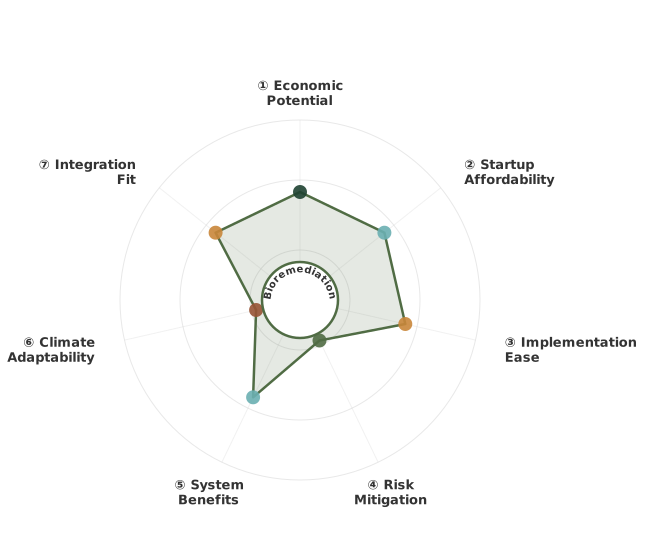
How These Traits Are Calculated
Trait dimensions are ordered clockwise starting from the top of the chart (12 o'clock position):
1. Economic Potential
Financial returns, annual value, and break-even timeline
WHAT: Evaluates financial viability by combining net annual value ($/ha from savings, income, and amortized harvests) with break-even timeline showing when practices pay for themselves.
WHY: Farmers need clear ROI understanding before committing resources. Fast payback (≤3 years) with strong returns (≥$300/ha) enables confident adoption, while long timelines (>10 years) restrict adoption to well-funded operations willing to wait for returns.
HOW: Calculated from net annual value in $/ha and break-even years. Exceptional (≥2.6): fast ROI ≤3 years + high value ≥$300/ha. Typical (1.8-2.5): moderate returns or longer timelines. Limited (<1.8): marginal economics or very long payback >10 years.
2. Startup Affordability
Initial investment costs and financial barrier to entry
WHAT: Measures financial barrier to entry through startup costs for equipment, infrastructure, consulting, and materials. Inverted scoring: lower costs = higher scores = more accessible adoption.
WHY: Affordability determines who can adopt. Low-cost practices (<$250/ha) enable widespread adoption across diverse scales, while high costs (>$2,500/ha) limit adoption to well-capitalized operations, creating barriers that slow regenerative transition.
HOW: Calculated from initial investment parsed from practice content. Inverted scoring: Exceptional (≥2.6): minimal investment <$250/ha. Typical (1.8-2.5): moderate costs $250-2,500/ha. Limited (<1.8): high barrier >$2,500/ha.
3. Implementation Ease
Learning curve and specialized knowledge required
WHAT: Measures how much learning, planning, and specialized knowledge a practice requires. Simpler practices with fewer steps score higher, while complex practices requiring extensive training or specialized resources score lower.
WHY: Complex practices create adoption barriers even when economically viable. Straightforward practices enable faster adoption and broader participation, while those requiring extensive training, timing precision, or specialized equipment limit who can succeed.
HOW: Evaluated by measuring documentation length and identifying complexity markers like location-specific requirements, seasonal timing windows, specialized skills, and dedicated equipment needs. Exceptional (≥2.6): straightforward practices with minimal prerequisites. Typical (1.8-2.5): moderate learning curve with some specialized needs. Limited (<1.8): steep learning curve requiring significant training or resources.
4. Risk Mitigation
Identified financial and ecological risk assessment
WHAT: Evaluates documented risks across financial (investment loss, market volatility) and ecological (crop failure, pest outbreaks) domains. Inverted scoring: fewer risks = higher scores.
WHY: Understanding risk exposure helps farmers make informed decisions. Low-risk practices allow confident implementation, while high-risk practices require careful planning and contingency resources. Risk transparency prevents costly failures.
HOW: Calculated from identified risks in practice content. Inverted scoring: Exceptional (≥2.6): ≤2 risks with manageable severity. Typical (1.8-2.5): 3-5 moderate risks. Limited (<1.8): 6+ risks or severe exposure.
5. System Benefits
How many ways the practice improves your land simultaneously
WHAT: Measures how many aspects of land health improve at once—carbon storage, soil quality, erosion control, water absorption, and biodiversity. Practices that improve multiple areas simultaneously create compounding benefits where each improvement reinforces the others.
WHY: The best practices solve multiple problems at once. For example, addressing erosion simultaneously builds carbon and improves water infiltration, creating a resilient system with positive feedback loops. Single-benefit approaches miss these compound transformation opportunities.
HOW: Evaluated across five key outcomes: carbon sequestration, soil organic matter increase, erosion reduction, water infiltration improvement, and biodiversity enhancement. Exceptional (≥2.6): high carbon storage (>8 t/ha/yr), improvements across 4-5 areas, transformative outcomes. Typical (1.8-2.5): moderate carbon (3-8 t/ha/yr), improvements across 2-3 areas. Limited (<1.8): modest impact (<3 t/ha/yr), single-area focus only.
6. Climate Adaptability
Geographic applicability across Köppen climate zones
WHAT: Evaluates geographic applicability by assessing how many Köppen climate zones successfully support a practice and what adaptation requirements are needed. Measures breadth of climates where farmers can implement with minimal to moderate modifications.
WHY: Universal practices working across diverse climates enable more farmers to adopt regenerative approaches. Practices limited to single climate types (only Mediterranean, only tropical) restrict adoption and slow global transition. Adaptability determines whether a practice serves niche regions or offers broad transformation.
HOW: LLM evaluation of regional success stories, Köppen zone coverage, and adaptation needs. Exceptional (≥2.6): 5+ zones or 4+ climate types, 3+ continents, minimal adaptation. Typical (1.8-2.5): 3-4 zones or 2-3 types, 2 continents, moderate adaptation. Limited (<1.8): 1-2 zones, single region, significant adaptation or highly specialized.
7. Integration Fit
How well this practice combines with others you're doing
WHAT: Measures how well a practice combines with other regenerative practices you might be doing. Some practices work as building blocks that make many other practices easier or more effective, while others work best on their own.
WHY: Practices that combine well with many others create more value on your farm. For example, cover cropping enables no-till, improves grazing, supports crop diversity, and helps water management—making all of them work better together. This helps you build a coherent system rather than juggling disconnected practices.
HOW: Evaluated by identifying which practices combine well and how strong those combinations are. 'Ideally Suited' means strong combinations where practices reinforce each other (practice A makes B easier, while B makes A more effective). 'Adequate' means complementary benefits that work well together. Exceptional (≥2.6): combines well with 6+ practices, serves as a building block. Typical (1.8-2.5): combines with 3-5 practices. Limited (<1.8): 1-2 practices or works best alone.
Going Deeper
1
WHY - The Benefits
Bioremediation offers a compelling alternative to conventional cleanup methods, leveraging the inherent capabilities of nature to restore ecosystems. Its application in agricultural contexts can range from addressing accidental spills to remediating legacy contamination...
Bioremediation offers a compelling alternative to conventional cleanup methods, leveraging the inherent capabilities of nature to restore ecosystems. Its application in agricultural contexts can range from addressing accidental spills to remediating legacy contamination...
WHY - The Benefits
Bioremediation offers a compelling alternative to conventional cleanup methods, leveraging the inherent capabilities of nature to restore ecosystems. Its application in agricultural contexts can range from addressing accidental spills to remediating legacy contamination...
Bioremediation offers a compelling alternative to conventional cleanup methods, leveraging the inherent capabilities of nature to restore ecosystems. Its application in agricultural contexts can range from addressing accidental spills to remediating legacy contamination...
Soil Health Benefits
Bioremediation, particularly when it involves enhancing soil biology or using plants, directly contributes to soil health. For example, phytoremediation uses plants to stabilize soil, reducing erosion and improving aggregation through root action. As plants grow, they contribute organic matter to the soil through root exudates and litterfall, feeding soil microbes and contributing to the formation of humus. When specific microbial consortia are introduced (bioaugmentation) to degrade recalcitrant compounds in soil, they can also enhance the overall microbial biomass and diversity, improving nutrient cycling and soil structure.
For contaminants like hydrocarbons or certain pesticides, microbial breakdown is often the most thorough method of detoxification, reducing the presence of harmful compounds to benign elements like carbon dioxide and water. This process can detoxify the soil, making it safe for plant growth and beneficial soil organisms. Increased microbial activity can also improve the soil's water-holding capacity and nutrient availability, laying the groundwork for more productive and resilient cropping or grazing systems.
Economic Benefits
The economic advantages of bioremediation often stem from its lower costs compared to physical or chemical remediation methods, which can involve excavation, transportation, and disposal of contaminated materials, or the use of harsh chemical agents. For instance, removing and treating contaminated soil can incur substantial transportation and landfill fees, whereas in-situ bioremediation keeps the contaminated material on-site, minimizing these expenses.
The timeframe for bioremediation can be longer than some conventional methods, but the overall cost savings can be significant. Furthermore, successful bioremediation can restore the economic productivity of land that might otherwise be unusable or highly devalued due to contamination. For a farm, this means reclaiming potentially lost acreage or ensuring that land remains productive and profitable for future generations, aligning with long-term regenerative economic goals. The potential to avoid substantial fines or long-term liability associated with environmental contamination also represents a significant economic benefit.
Water Cycle Benefits
Contaminated soil can leach pollutants into groundwater or surface water, impacting water quality and availability. Bioremediation techniques adept at removing specific contaminants can directly improve water cycles. Phytoremediation, for example, can use plants to absorb excess nutrients (like nitrogen and phosphorus) from agricultural runoff, preventing eutrophication of nearby water bodies. Plants also help to restore the soil's structure, increasing infiltration rates and reducing surface runoff, which replenishes groundwater and mitigates flood risk.
When contaminants like heavy metals or persistent organic pollutants are immobilized or degraded, their potential to leach into water sources is greatly reduced. This protects drinking water supplies and aquatic ecosystems. By restoring soil health and function, bioremediation supports a more natural and resilient water cycle, reducing the reliance on engineered water treatment infrastructure and conserving precious water resources.
Carbon Cycle Benefits
Many bioremediation processes, especially those involving plants and microbial activity in soil, contribute positively to carbon sequestration. Phytoremediation, by promoting plant growth, directly removes atmospheric carbon dioxide through photosynthesis, storing carbon in biomass (stems, leaves, roots) and eventually in the soil as organic matter through root decay and litterfall. Healthy soil rich in organic matter is a significant carbon sink.
Microbial bioremediation processes break down organic contaminants, releasing carbon dioxide as a byproduct. While this releases carbon, it's often converting complex, potentially harmful organic molecules into atmospheric CO2 and water. In some cases, anaerobic degradation of organic contaminants can produce methane, a potent greenhouse gas, highlighting the importance of selecting appropriate remediation strategies to manage gas emissions. However, the net effect in restoring plant-driven ecosystems and building soil organic matter typically leads to a favorable outcome for the carbon cycle in the long term, when integrated into broader regenerative farming systems.
Biodiversity Benefits
Bioremediation can significantly enhance biodiversity by restoring habitats and improving environmental conditions. Cleaning up contaminated soil and water removes barriers to plant and animal life. For example, phytoremediation can transform areas toxic to most life into green spaces capable of supporting a variety of plant species, which in turn provide food and habitat for insects, birds, and other wildlife.
Restoring soil health through microbial activity also supports a more diverse and robust soil food web, from bacteria and fungi to invertebrates. This increased biodiversity in the soil leads to better nutrient cycling, disease suppression, and overall ecosystem resilience. By removing pollutants that harm sensitive organisms, bioremediation directly contributes to biodiversity conservation and the creation of more ecologically sound landscapes within and around agricultural operations.
Regenerative Systems Fit
Bioremediation is crucial for enabling regenerative agriculture by addressing legacy issues and facilitating transitions. It's a transition practice when it clears the path for other regenerative methods, such as removing persistent herbicide residues to allow for diverse cover cropping or no-till. In these instances, the goal is to use targeted biological tools to cleanse the system, allowing natural regenerative processes to take hold and flourish unimpeded.
When bioremediation involves restoring natural ecosystems or processes that have been degraded, it directly aligns with regenerative principles. For example, restoring wetlands to filter agricultural runoff supports Principle 3 (Keep Soil Covered) and Principle 4 (Maintain Living Roots) through the wetland vegetation, while also improving Principle 2 (Maximize Crop Diversity) and Principle 5 (Integrate Livestock) by creating habitat and cleaner water resources. The practice supports regenerative agriculture by creating the conditions necessary for soil biology to thrive, for diverse plant communities to establish, and for water cycles to function naturally.
The ideal regenerative bioremediation leverages native organisms and enhances natural processes, reinforcing ecosystem health rather than replacing it with engineered solutions that may have unforeseen consequences. Its success is measured not just by contaminant reduction, but by the lasting improvement in soil productivity, water quality, biodiversity, and the farm's overall resilience. Once a site is remediated and its biological functions restored, the focus shifts to maintaining these gains through ongoing regenerative land management.
Sources behind this view
Videos & Podcasts
-
Provides comprehensive strategies for soil remediation including bio-remediation with fungi/bacteria, phytoremediation (sunflowers, mustard, comfrey), charged biochar, sheet mulching, balanced compost
-
Explains how dominant microbes, like Rhodopseudomonas palustris, improve soil health, increase water retention, and reduce the need for synthetic inputs. Advocates for cover cropping, no-till, and mic
-
Microbes are the backbone of soil health; farming practices must support the microbial community through continuous carbon flow from living roots and cover crops, fostering positive feedback loops and

-
Regenerative agriculture benefits ecosystems by improving soil health, biodiversity, water quality, and wildlife habitats, while also enhancing farm worker conditions and community well-being.

Community
-
Remediate contaminated land by testing soil and water, then inoculating with fungi and bacteria to break down chemical toxins. Increase organic matter and consider phytoremediation for elemental conta
Read more (opens in new window) permies.com
Research
-
Bioremediation of Soil Pollution: An Effective Approach for Sustainable Agriculture (opens in new window)
This study found: Bioremediation uses living organisms to naturally and affordably clean up soil pollution from pesticides, metals, and runoff, promoting sustainable agriculture and long-term soil health.
-
Microbial Solutions in Agriculture: Enhancing Soil Health and Resilience Through Bio-Inoculants and Bioremediation (opens in new window)
This study found: Microbial solutions like bio-inoculants and bioremediation can boost soil health, nutrient cycling, and plant growth, reducing chemical inputs and pollution. Challenges include scalability and field e
-
Microbial Biotechnology in Agriculture. (opens in new window)
This study found: Microbial biotechnology uses microbes to boost soil health, plant growth, and pest control sustainably. It offers natural fertilizers and pesticides, with advanced tools improving understanding and ap
-
Regenerative Agriculture: Restoring Ecosystems¢ Resilience and Productivity: A Review (opens in new window)
This study found: Regenerative agriculture builds soil health and ecosystem services through practices like no-till, cover crops, and diverse rotations. It increases soil organic matter, improves water infiltration, bo
 From the Web
-
Bioremediation uses microbes to naturally purify contaminated soil and groundwater by breaking down impurities, offering a sustainable, cost-effective, and flexible approach to environmental cleanup.
-
Three bioremediation types—microbial, phytoremediation (plants), and mycoremediation (fungi)—use natural organisms to clean contaminants in farmlands, wetlands, and oceans, aiding food production.
2
WHERE - Regional Considerations
The effectiveness and applicability of bioremediation techniques are significantly influenced by regional environmental conditions, including climate, soil type, hydrology, and the prevalence of specific contaminants. Successful implementation requires tailoring the...
The effectiveness and applicability of bioremediation techniques are significantly influenced by regional environmental conditions, including climate, soil type, hydrology, and the prevalence of specific contaminants. Successful implementation requires tailoring the...
WHERE - Regional Considerations
The effectiveness and applicability of bioremediation techniques are significantly influenced by regional environmental conditions, including climate, soil type, hydrology, and the prevalence of specific contaminants. Successful implementation requires tailoring the...
The effectiveness and applicability of bioremediation techniques are significantly influenced by regional environmental conditions, including climate, soil type, hydrology, and the prevalence of specific contaminants. Successful implementation requires tailoring the...
Click Here to Look up your Region if you don't already know it
Humid Temperate Regions
Representative Locations: Midwestern and Eastern United States, Northern Europe (e.g., Germany, UK), Eastern China, Japan, New Zealand
Climate Context: Moderate temperatures, ample precipitation (75-150 cm or 30-60 inches annually) distributed relatively evenly throughout the year. USDA Zones 4-7, Köppen Cfb/Cfa. These regions support robust microbial activity and a wide range of plant species, making them highly suitable for many bioremediation strategies.
In these regions, soil moisture is generally not a limiting factor for microbial degradation, and the long growing seasons of many plants facilitate effective phytoremediation. Potential contaminants might include agricultural runoff (nutrients, pesticides), historical industrial pollution, or landfill leachates. Applications could involve constructed wetlands for nutrient and pesticide removal, bioaugmentation for breaking down organic pollutants in soils, or phytoremediation of heavy metals near urban or industrial fringes. Challenges may arise from high rainfall rates that can influence contaminant transport and the potential for leaching into groundwater if not managed properly.
Mediterranean Regions
Representative Locations: California (USA), Mediterranean Basin (Spain, Italy, Greece), Central Chile, Southwestern Australia, Cape Region (South Africa)
Climate Context: Hot, dry summers and mild, wet winters. Annual precipitation is typically 40-90 cm (15-35 inches), concentrated in the cooler months. USDA Zones 8-10, Köppen Csa/Csb.
The pronounced dry summer season can limit microbial activity and plant growth, slowing down bioremediation processes. However, the wet winter periods can be highly effective for microbial degradation, especially for contaminants amenable to aerobic breakdown. Phytoremediation can be challenging due to water scarcity during summers, requiring selection of drought-tolerant plant species or supplemental irrigation. Contaminants might include salts from irrigation, specific agricultural chemicals, or pollutants from urban areas with seasonal water flows. Strategies might focus on using bioremediation during wetter periods or employing hardy, native species for long-term soil stabilization and nutrient uptake.
Arid and Semi-Arid Regions
Representative Locations: Western United States, North Africa, Central Asia, Interior Australia, parts of the Middle East
Climate Context: Low annual precipitation (<40 cm or 15 inches), high temperatures, significant diurnal temperature fluctuations, and often saline or alkaline soils. Short and unpredictable growing seasons. USDA Zones 7-9, Köppen BSh/BSk.
Water scarcity is the primary limiting factor for both microbial and plant-based bioremediation in these regions. Contaminant breakdown rates can be very slow due to infrequent moisture. Phytoremediation is possible but requires carefully selected salt-tolerant and drought-resistant species, though their survival does not necessarily imply agricultural productivity. Bioaugmentation may require engineered microbes or careful management of moisture to ensure survival and activity. Soil amendments to improve water retention might be necessary. Contaminants can include heavy metals from mining operations, petroleum hydrocarbons from spills, or salinity from irrigation. Focus may be on containment and immobilization rather than rapid degradation.
Cold Continental Regions
Representative Locations: Northern United States and Canada, Northern Europe, Northern Asia
Climate Context: Very short, warm summers and long, extremely cold winters. Variable precipitation, often falling as snow. USDA Zones 3-5, Köppen Dfa/Dfb.
Low soil temperatures in these regions significantly slow down microbial metabolic rates. Bioremediation processes are largely confined to the short summer months. Introducing cold-adapted or psychrophilic (cold-loving) microorganisms for bioaugmentation can be a strategy. Phytoremediation is limited by the short growing season and the need for species that can tolerate cold and short periods of dormancy. Contaminants might include persistent organic pollutants (POPs) that degrade slowly even under optimal conditions, or pollutants from mining and resource extraction. Remediation efforts often require monitoring and intervention timed with the brief warmer periods.
Subtropical Regions
Representative Locations: Southeastern United States, Southern China, Southern Brazil, Eastern Australia
Climate Context: Hot, humid summers and mild winters with generally ample rainfall, though variation exists (e.g., hurricane seasons). USDA Zones 9-11, Köppen Cfa/Cwa.
These regions often exhibit high biological activity year-round due to warm temperatures and available moisture. This is highly conducive to microbial bioremediation and supports vigorous plant growth for phytoremediation. However, heavy rainfall can also lead to increased contaminant leaching and transport, posing challenges for containment and management. Potential contamination sources include extensive agricultural activities (pesticides, fertilizers), industrial sites, and urban runoff. Bioremediation using diverse microbial communities and robust plant species is generally very effective, but careful monitoring of water movement is essential.
Tropical Regions
Representative Locations: Central America, Southeast Asia, East Africa, Northern Australia, Northern South America
Climate Context: High temperatures year-round with either consistently high rainfall or distinct wet and dry seasons. Köppen Af/Am/Aw.
Tropical regions generally provide ideal conditions for bioremediation due to high temperatures and abundant moisture (in rainforest climates). Microbial degradation rates are typically rapid, and plant growth is vigorous, supporting extensive phytoremediation efforts. However, intense rainfall in monsoonal climates can lead to significant erosion and water contamination issues if not managed. Contaminants can be diverse, including agricultural chemicals, mercury from artisanal gold mining, and industrial pollutants. Bioremediation is highly promising, but requires careful consideration of erosion control, potential for nutrient runoff, and the selection of plant species adapted to local tropical ecosystems.
3
HOW - Implementation Process
Implementing bioremediation effectively requires a systematic approach, from initial assessment to long-term monitoring, and involves choosing the most appropriate biological strategy for the specific situation.
Implementing bioremediation effectively requires a systematic approach, from initial assessment to long-term monitoring, and involves choosing the most appropriate biological strategy for the specific situation.
HOW - Implementation Process
Implementing bioremediation effectively requires a systematic approach, from initial assessment to long-term monitoring, and involves choosing the most appropriate biological strategy for the specific situation.
Implementing bioremediation effectively requires a systematic approach, from initial assessment to long-term monitoring, and involves choosing the most appropriate biological strategy for the specific situation.
Prerequisites: Site Assessment and Goal Setting
Before any intervention, a thorough site assessment is crucial. This involves:
- Contaminant Identification and Characterization: What are the specific pollutants (e.g., hydrocarbons, heavy metals, pesticides, excess nutrients)? What are their concentrations? What is their chemical form? This often requires soil and water sampling and laboratory analysis.
- Site Characterization: What are the physical and chemical properties of the soil or water? This includes pH, organic matter content, texture, moisture levels, temperature, and the presence of existing microbial communities.
- Understanding the Hydrogeology: How does water flow through the site? Are groundwater sources at risk? This is vital for determining containment strategies and potential contaminant migration pathways.
- Regulatory Context: What are the local, regional, and national regulations regarding contaminated sites and remediation goals? This dictates acceptable cleanup levels and approved remediation techniques.
Goal Setting: Based on the assessment and regulatory requirements, clearly define the remediation goals. What concentration of contaminants is acceptable? What is the desired end-use of the land or water body? What is the acceptable timeline? For regenerative agriculture, the goal often extends beyond simple contaminant removal to include restoring soil health, enhancing biodiversity, and improving ecosystem function.
Phase 1: Strategy Selection and Design
Once goals and site conditions are understood, choose the most appropriate bioremediation strategy:
- Natural Attenuation: Relies on existing natural processes (microbial degradation, plant uptake, dilution, dispersion). Suitable for low-level contamination where natural processes are sufficient, but timelines can be long. Requires monitoring to confirm it's working.
- Biostimulation: Enhancing the activity of indigenous microorganisms by adding nutrients (e.g., nitrogen, phosphorus), electron acceptors (e.g., oxygen), or electron donors. Common for petroleum hydrocarbon spills in soil.
- Bioaugmentation: Introducing specific microbial cultures or plant species (for phytoremediation) to the contaminated site. Used when indigenous populations are insufficient or absent. Requires ensuring introduced organisms can establish and persist without causing negative ecological impacts. Plants for phytoremediation are selected based on their ability to tolerate or accumulate specific metals (phytoextraction), tolerate contaminants (phytoremediation of organic pollutants), or stabilize soil (phytostabilization).
- Engineered Bioremediation: May involve combinations of the above, plus physical enhancements like aeration, soil mixing, or constructing specialized systems (e.g., bioreactors, constructed wetlands).
Design Considerations:
- Scale: Is it a small spill area or a larger site?
- Location: Is it soil, surface water, groundwater, or sediment?
- Type of Contaminant: Organic vs. inorganic, volatile vs. persistent.
- Climate: Temperature, moisture, sunlight availability (for plants).
- Regenerative Integration: How can this approach actively build ecosystem function? Can it involve native plants, support local microbes, and improve soil structure?
Phase 2: Implementation
This is the active phase of applying the chosen strategy.
-
For Bioaugmentation/Biostimulation in Soil:
- Preparation: May involve sampling to determine optimal nutrient amendments or microbial inoculants. Tilling may be required to incorporate amendments or inoculants, but this should be minimized.
- Application: Nutrients and/or microbes are applied to the soil surface or injected into the subsurface. Application methods can include spraying, injecting, or incorporating into seed coatings for plants.
- Moisture Control: In dry climates, supplemental irrigation may be needed to stimulate microbial activity or plant growth. In wet climates, drainage may be necessary to prevent anaerobic conditions where they are not desired.
- Oxygen Availability: For aerobic degradation, ensuring adequate oxygen supply is crucial (e.g., through tilling, soil aeration, or bio-venting).
-
For Phytoremediation:
- Site Preparation: May involve minimal soil disturbance, some contouring for water management, or invasive species removal to favor target plants.
- Planting: Selecting and establishing hyperaccumulating plants, deep-rooted species for soil stabilization, or wetland plants for water filtration. Sourcing seeds or seedlings locally is preferred to ensure adaptation and support native biodiversity.
- Vegetation Management: Weeding, irrigation (if necessary), and sometimes harvesting of plant biomass (especially in phytoremediation of heavy metals) to remove contaminants.
-
For Constructed Wetlands:
- Construction: Designing and building engineered wetland cells with specific substrate media (gravel, sand) and planting appropriate wetland vegetation.
- Water Flow Management: Controls to manage water levels and flow rates through the wetland system for optimal contaminant removal.
Phase 3: Monitoring and Adaptive Management
Bioremediation is rarely a "set it and forget it" process. Ongoing monitoring is essential to track progress and adapt the strategy as needed.
- Sampling and Analysis: Regular collection of soil and water samples to measure contaminant concentrations, microbial activity, plant health, and other relevant parameters.
- Performance Evaluation: Comparing monitoring data against remediation goals and timelines.
- Adaptive Management: If the process is slower than expected, adjust nutrient levels, moisture, oxygenation, or microbial inoculations. If specific plant species are not thriving, consider alternatives or different management. If unexpected contaminants are detected, reassess the strategy. The goal is to optimize the biological processes for the specific site conditions.
- Long-Term Monitoring: Even after remediation goals are met, continued monitoring may be required by regulators or to ensure long-term ecosystem health and prevent re-contamination. For regenerative applications, monitoring soil health indicators (organic matter, microbial biomass, aggregate stability) becomes equally important alongside contaminant levels.
Transition Timeline & Phase-Out Strategy
Bioremediation, especially when used as a transition practice, should integrate into a broader regenerative plan.
- Initial Phase (Remediation Focus): The primary objective is contaminant removal or stabilization. This phase can last from months to several years, depending on the contaminant, scale, and chosen method.
- Integration Phase (Transition to Regen): As contaminant levels decrease, the focus shifts. If phytoremediation is used, the planted vegetation may be transitioned into a cover crop system or integrated into agroforestry. If bioaugmentation was used, efforts focus on enhancing the persistence and activity of introduced or enhanced native microbial communities through improved soil management (e.g., cover cropping, reduced tillage).
- Maintenance Phase (Fully Regenerative): Once cleanup levels are met, the land is managed using regenerative practices. The goal is to build ecosystem resilience so that natural processes prevent future contamination and outcompete any residual recalcitrant compounds. The bioremediation method itself should ideally leave the ecosystem in a better state than it found it, supporting native biodiversity and soil health. The "phase-out" is essentially a transition from a targeted intervention to a holistic land management system.
Sources behind this view
Videos & Podcasts
-
Provides comprehensive strategies for soil remediation including bio-remediation with fungi/bacteria, phytoremediation (sunflowers, mustard, comfrey), charged biochar, sheet mulching, balanced compost
-
Soil remediation involves increasing organic matter to sequester toxins and using effective microbes (E/M) and fungi. Phytoremediation with plants like comfrey is an option, but plants can also releas
Community
-
Remediate contaminated land by testing soil and water, then inoculating with fungi and bacteria to break down chemical toxins. Increase organic matter and consider phytoremediation for elemental conta
Read more (opens in new window) permies.com
Research
-
Transforming ecosystems: When, where, and how to restore contaminated sites. (opens in new window)
This study found: Guidance on restoring chemically contaminated ecosystems: when to act, what to focus on (biodiversity, functions), and where to work, considering climate change. Includes practical steps like financia
-
Bioresources for control of environmental pollution. (opens in new window)
This study found: Bioremediation uses plants and microbes to clean up pollution. Protecting biodiversity and exploring natural resources are crucial for effective environmental cleanup.
-
Bioremediation of Soil Pollution: An Effective Approach for Sustainable Agriculture (opens in new window)
This study found: Bioremediation uses living organisms to naturally and affordably clean up soil pollution from pesticides, metals, and runoff, promoting sustainable agriculture and long-term soil health.
-
Remediation of soil polluted with petroleum hydrocarbons and its reuse for agriculture: Recent progress, challenges, and perspectives. (opens in new window)
This study found: Review on cleaning oil-polluted soil for farming. Highlights eco-friendly bioremediation using microbes, advanced DNA sequencing, and promising bio-electrochemical systems for sustainable cleanup.
4
Know the Debate
Bioremediation outcomes are highly context-dependent, varying by climate, soil type, and contaminant. In humid temperate regions with ample moistur...
Know the Debate
Bioremediation outcomes are highly context-dependent, varying by climate, soil type, and contaminant. In humid temperate regions with ample moistur...
Bioremediation outcomes are highly context-dependent, varying by climate, soil type, and contaminant. In humid temperate regions with ample moisture, microbial and plant-assisted cleanup can be quite effective within a few years. Arid and semi-arid climates present challenges due to water scarcity, often requiring drought-tolerant species or longer timelines. Cold climates slow down biological processes considerably. Labor requirements can vary from minimal for natural attenuation to intensive for engineered systems or managing specific plant/microbe applications. Costs range from thousands to hundreds of thousands of dollars depending on scale and complexity, with smaller, site-specific remediations being more affordable.
How fast does bioremediation work?
Effective within months to a few years
Research suggests specific microbial treatments or fast-growing plants can significantly reduce contaminants like pesticides and hydrocarbons within months to a few years, particularly in favorable conditions.
Sources behind this view
Sources behind this view
Research
-
Surveillance and mitigation of soil pollution through metagenomic approaches. (opens in new window)
This study found: Soil pollution from human activities and natural sources is a major global problem, harming the environment, people, and animals. Harmful substances like oil compounds, metals, antibiotics, plastics, and pesticides build up in the soil, causing serious health risks. Fortunately, bioremediation – using plants and tiny life forms like microbes and fungi to naturally break down these pollutants – offers an effective and affordable solution. New DNA sequencing techniques called metagenomics are revolutionizing our ability to identify these helpful soil microbes, even those we can't grow in a lab. This allows us to discover their full potential for cleaning up contaminated land and to understand how they contribute to healthy soil and plants. Metagenomics can also help find genes that make microbes resistant to antibiotics or metals, which is important for understanding risks and for developing new tools for sustainable farming.
-
Biological technologies for the remediation of co-contaminated soil (opens in new window)
This study found: Soil contamination with multiple pollutants, like heavy metals and chemicals, is a growing global problem that's hard to fix. This review looks at 'biological technologies' – natural, eco-friendly ways to clean up these mixed-up soils. These methods not only remove pollutants but also improve the soil itself. The review covers techniques using microbes (like bacteria and fungi), plants (phytoremediation), biochar (a charcoal-like material), and other biological approaches. It explains how they work and how effective they are, while also pointing out what research is still needed.
From the Web
-
CSIRO scientists engineer bacterial enzymes for rapid bioremediation of organic pollutants like pesticides and explosives, offering a fast, specific, and non-toxic alternative to traditional methods for soil and produce treatment.
Highly variable, often requiring several years
Field practitioners report that bioremediation's speed is highly dependent on site conditions and management, often requiring several years of consistent effort and multiple treatments for significant contaminant reduction.
Sources behind this view
Sources behind this view
Videos & Podcasts
-
Provides comprehensive strategies for soil remediation including bio-remediation with fungi/bacteria, phytoremediation (sunflowers, mustard, comfrey), charged biochar, sheet mulching, balanced compost, vermicompost, and raw manure. Emphasizes combining methods for best results.
-
Soil remediation involves increasing organic matter to sequester toxins and using effective microbes (E/M) and fungi. Phytoremediation with plants like comfrey is an option, but plants can also release toxins. Enhancing the soil food web creates barriers, and rigorous testing is crucial.
-
Contaminated soils can often be remediated using fungi, phyto-remediation (e.g., hemp), and microbial methods. Forensic analysis is key to determining feasibility and timeframes, with Soil Food Web practices offering solutions for a growing market addressing widespread land pollution.
Making Sense of the Differences
Bioremediation timelines depend on contaminant type, concentration, and environmental factors like soil moisture and temperature. While some rapid microbial breakdown of specific pollutants is possible in optimal conditions, achieving significant contaminant reduction often requires patience, adaptive management, and several years of effort, especially for persistent chemicals or challenging soil types. Farmers should plan for potentially longer timelines and consider site-specific conditions when setting expectations for remediation speed.
Should bioremediation use native or introduced organisms?
Prioritize native organisms for ecosystem health
Focusing on stimulating indigenous microbial populations and using native plants is favored for long-term ecosystem integration and biodiversity, though it may require more patience.
Sources behind this view
Sources behind this view
Research
-
Heavy Metal Polluted Soils: Effect on Plants and Bioremediation Methods (opens in new window)
This study found: Soil pollution from toxic metals, caused by natural processes and human activities, is a global problem that harms plant growth and reduces crop yields. Bioremediation, which uses living organisms to clean up contaminated soil, is an effective solution. Using plants (phytoremediation) or combining plants with beneficial microbes is a common and efficient way to treat polluted land, making it suitable for growing crops again. The best results depend on choosing the right types of plants and microbes, as they have different ways of dealing with these heavy metals.
-
Bioresources for control of environmental pollution. (opens in new window)
This study found: Our environment faces significant pollution challenges. While we can't always stop the activities that cause pollution, we can use nature's own tools to clean it up. This process, called bioremediation, uses plants and tiny organisms like bacteria and fungi to break down, remove, or neutralize harmful toxins. Many plants and microbes naturally use pollutants as food. Scientists are also developing specialized microbes to tackle specific contaminants. However, human development is damaging ecosystems and reducing the variety of life (biodiversity), which weakens nature's ability to clean itself. Protecting and exploring these natural resources, alongside using modern technology, is key to managing pollution effectively.
From the Web
-
Three bioremediation types—microbial, phytoremediation (plants), and mycoremediation (fungi)—use natural organisms to clean contaminants in farmlands, wetlands, and oceans, aiding food production.
Use targeted, sometimes non-native, organisms for faster results
Targeted commercial microbial inoculants or specific non-native plant species are sometimes employed for faster contaminant breakdown, despite potential ecological trade-offs.
Sources behind this view
Sources behind this view
Videos & Podcasts
-
Remediate soil toxicity from herbicides and fertilizers by using specific microbes, plants, biochar, and fish emulsion to digest and cycle toxins, creating a tailored consortium for effective soil health restoration.

-
Harmful chemicals (fungicides, herbicides, insecticides, fertilizers) damage soil biology and human health. Microbes can be trained to break down these residues by feeding them small amounts of the chemicals, and then applying them to fields. Purple non-sulfur bacteria are a key solution for detoxification.
-
Clean soil by planting bio-remediating crops like hemp, adopting an ecosystem approach, stopping glyphosate use, and diversifying with nutritious wild plants.

Research
-
Surveillance and mitigation of soil pollution through metagenomic approaches. (opens in new window)
This study found: Soil pollution from human activities and natural sources is a major global problem, harming the environment, people, and animals. Harmful substances like oil compounds, metals, antibiotics, plastics, and pesticides build up in the soil, causing serious health risks. Fortunately, bioremediation – using plants and tiny life forms like microbes and fungi to naturally break down these pollutants – offers an effective and affordable solution. New DNA sequencing techniques called metagenomics are revolutionizing our ability to identify these helpful soil microbes, even those we can't grow in a lab. This allows us to discover their full potential for cleaning up contaminated land and to understand how they contribute to healthy soil and plants. Metagenomics can also help find genes that make microbes resistant to antibiotics or metals, which is important for understanding risks and for developing new tools for sustainable farming.
Making Sense of the Differences
The debate between using native versus introduced organisms in bioremediation hinges on balancing rapid contaminant removal with long-term ecosystem health. While native species promote biodiversity and ecological resilience, specific non-native or commercially developed strains might offer faster degradation rates for certain pollutants. Farmers should consider the contaminant type, remediation goals (speed vs. holistic health), and potential ecological risks when selecting organisms. Augmenting native populations and carefully selecting adapted species, whether native or non-native, remains a key strategy for successful, regenerative bioremediation.
5
HOW MUCH - Costs & Investment
Note: All costs are estimates in USD and can vary significantly by country, region, and site-specific conditions. Local labor rates, material availability, and regulatory requirements will heavily influence actual project costs.
Note: All costs are estimates in USD and can vary significantly by country, region, and site-specific conditions. Local labor rates, material availability, and regulatory requirements will heavily influence actual project costs.
HOW MUCH - Costs & Investment
Note: All costs are estimates in USD and can vary significantly by country, region, and site-specific conditions. Local labor rates, material availability, and regulatory requirements will heavily influence actual project costs.
Note: All costs are estimates in USD and can vary significantly by country, region, and site-specific conditions. Local labor rates, material availability, and regulatory requirements will heavily influence actual project costs.
Note: All costs are based on recent US economic data (2024–2026) and may vary substantially by region based on local labor rates, environmental consulting fees, and specific state-level regulatory requirements.
Site Assessment & Regulatory Planning
For small farm operations (under 50 acres (20 ha)), initial assessment costs usually range between $5,000 and $15,000. These costs involve Phase I and Phase II Environmental Site Assessments (ESAs) to define contamination plumes. For mid-size farms (50–500 acres (20–202 ha)), costs climb to $15,000–$45,000, often requiring broader soil sampling grids and hydrogeological modeling. On large operations (500+ acres), where systemic issues like legacy chemical accumulation or large-scale drainage contamination exist, assessment budgets often range from $45,000 to $120,000+ due to the sheer density of required testing points and extensive regulatory reporting submitted to state agencies.
Remediation Implementation & Technologies
Costs for biostimulation (adding nutrients/oxygen) typically run $4,000–$25,000 per acre ($9,884–$61,776/ha) (treating the top 6 inches of soil) for small-scale applications. Mid-size projects utilizing bioaugmentation (introducing specific microbial cultures) range from $25,000–$150,000, depending on the complexity of the biological inoculum required for persistent hydrocarbons or pesticides. Large-scale phytoremediation, using specialized plant species to stabilize contaminants, costs $10,000–$60,000 per acre ($24,710–$148,263/ha) for large plots (500+ acres) when accounting for custom seed mixes, establishment irrigation, and specialized harvest management to safely remove contaminated biomass. Engineered systems, such as bioreactors for water runoff, often require capital expenditures of $75,000–$300,000 for construction, pumps, and specialized media based on total flow volume.
Monitoring, Evaluation, & Maintenance
Monitoring is the most persistent cost factor. For small plots, annual sampling and reporting costs fall between $2,000 and $8,000 annually. Mid-size projects, requiring continuous oversight due to higher volumes of contaminants, budget $8,000–$25,000 per year for quarterly lab analysis. Large operations must scale this significantly, with monitoring budgets ranging from $25,000 to $75,000+ annually, often extending over 3–7 years until regulatory thresholds are reached. Maintenance of biological systems—such as weeding, supplemental irrigation, or nutrient re-application—adds an additional 5–12% of the initial capital investment annually.
Decommissioning & Closure
Final site closure, including verification sampling, final report filing, and legal sign-off from environmental authorities, typically costs $2,000–$12,000 for small sites. For mid-size operations, closure processes span $12,000–$40,000 as regulators demand more comprehensive data proof. Large, highly complex sites can exceed $50,000–$150,000 in closing costs, driven largely by specialized waste disposal if contaminated plant or soil matter must be removed from the site at the end of the process.
Most Spend: The middle 60% of most operations—typically mid-size sites suffering from localized legacy contamination like fuel spills or pesticide mixing leaks—fall within a total lifecycle investment range of $65,000–$180,000.
Why the Range?: Cost volatility is driven primarily by pollutant concentration levels; lower-level, surface-bound contamination allows for inexpensive phytoremediation, whereas subsurface, concentrated plumes necessitate high-cost bioaugmentation and intensive monitoring. Regulatory stringency also dictates price, as state-mandated cleanup requirements can necessitate more frequent, certified testing or the installation of expensive engineered, self-contained systems to prevent groundwater leaching.
Sources behind this view
Research
-
Bioremediation of Soil Pollution: An Effective Approach for Sustainable Agriculture (opens in new window)
This study found: Bioremediation uses living organisms to naturally and affordably clean up soil pollution from pesticides, metals, and runoff, promoting sustainable agriculture and long-term soil health.
-
Promises and Prospects of Phytoremediation (opens in new window)
This study found: Phytoremediation uses plants to clean polluted soil, offering a cost-effective alternative to expensive engineering methods. Plants can absorb, store, or degrade organic and inorganic contaminants thr
-
Remediation of soil polluted with petroleum hydrocarbons and its reuse for agriculture: Recent progress, challenges, and perspectives. (opens in new window)
This study found: Review on cleaning oil-polluted soil for farming. Highlights eco-friendly bioremediation using microbes, advanced DNA sequencing, and promising bio-electrochemical systems for sustainable cleanup.
-
Microbial and Plant-Assisted Bioremediation of Heavy Metal Polluted Environments: A Review (opens in new window)
This study found: Microbes and plants can naturally clean up toxic heavy metals in soil, offering a cheaper and greener alternative to traditional methods. This review explores these natural cleanup processes and how b
6
REWARDS AND RISKS - Economics & Risk Factors
REWARDS AND RISKS - Economics & Risk Factors
Economic Scenarios
- Best Case Scenario: The bioremediation process achieves regulatory compliance within 24 months, costing the lower end of estimates ($50,000–$80,000 for mid-size areas). The farm recovers 100% of the land’s utility, avoiding potential fines ($25,000–$50,000/year for non-compliance) and eliminating the need for expensive soil excavation or off-site disposal, which can command $150–$300 per ton.
- Typical Case Scenario: Cleanup proceeds as planned but takes longer than initially projected (3–5 years). Total costs range from $100,000–$225,000. The land is incrementally returned to functional status, allowing for low-risk grazing or non-food fiber crop production while continuing low-level monitoring. Return on investment is realized through avoided legal liability and land value appreciation, estimated at 5–12%.
- Worst Case Scenario: Biological agents fail to establish due to soil toxicity or climatic shifts (e.g., extreme drought), lengthening remediation to 7+ years. Project costs escalate by 30–50% due to emergency intervention measures or a forced switch to mechanical excavation. Total expenditure could exceed $350,000, and the land may remain under restricted usage, causing a long-term drag on balance sheet assets and potential legal complications if off-site migration occurs.
Market Factors & Risk Mitigation Market profitability is highly sensitive to the crop production status of the land. Strategies to mitigate risk include choosing modular remediation zones—treating 10-acre (4.0 ha) sub-sections rather than the entire 500-acre (202 ha) tract—to minimize the financial impact of potential startup failures. Utilizing cost-share programs through NRCS (e.g., EQIP) can offset 50–75% of implementation costs for eligible conservation practices. To hedge against timing risks, farmers should secure fixed-price contracts for laboratory analysis and inoculants to prevent inflation-driven budget blowouts.
Transition Period Risks If using bioremediation to clear land before transitioning to organic status, the farm faces a "clean-up window."
- Yield Dips: During the 1–3 year remediation phase, crop yields on the affected sub-section may drop by 15–25% due to the presence of remediation crops or limited nutrient access.
- Timeline to Recovery: The primary risk is the 36-month wait required for organic certification, which may be extended if soil tests continue to show trace contaminants, potentially delaying premium market revenues by an additional 12–24 months.
- Mitigation: Incorporate biochar or low-cost amendments to improve soil structure simultaneously, supporting basic cash flow through regenerative grazing or industrial hemp that is not intended for food and can tolerate minor soil disturbances during the cleanup.
Sources behind this view
Videos & Podcasts
-
Provides comprehensive strategies for soil remediation including bio-remediation with fungi/bacteria, phytoremediation (sunflowers, mustard, comfrey), charged biochar, sheet mulching, balanced compost
-
Contaminated soils can often be remediated using fungi, phyto-remediation (e.g., hemp), and microbial methods. Forensic analysis is key to determining feasibility and timeframes, with Soil Food Web pr
-
Soil remediation involves increasing organic matter to sequester toxins and using effective microbes (E/M) and fungi. Phytoremediation with plants like comfrey is an option, but plants can also releas
Community
-
Remediate contaminated land by testing soil and water, then inoculating with fungi and bacteria to break down chemical toxins. Increase organic matter and consider phytoremediation for elemental conta
Read more (opens in new window) permies.com
Research
-
Bioremediation of Soil Pollution: An Effective Approach for Sustainable Agriculture (opens in new window)
This study found: Bioremediation uses living organisms to naturally and affordably clean up soil pollution from pesticides, metals, and runoff, promoting sustainable agriculture and long-term soil health.
-
Transforming ecosystems: When, where, and how to restore contaminated sites. (opens in new window)
This study found: Guidance on restoring chemically contaminated ecosystems: when to act, what to focus on (biodiversity, functions), and where to work, considering climate change. Includes practical steps like financia
-
Microbial community structure and activity in trace element-contaminated soils phytomanaged by Gentle Remediation Options (GRO). (opens in new window)
This study found: Plant-based soil cleanup methods (GRO) significantly boosted soil microbial populations, enzyme activity, and beneficial bacteria in trace element-contaminated soils across Europe, showing long-term i
-
Remediation of soil polluted with petroleum hydrocarbons and its reuse for agriculture: Recent progress, challenges, and perspectives. (opens in new window)
This study found: Review on cleaning oil-polluted soil for farming. Highlights eco-friendly bioremediation using microbes, advanced DNA sequencing, and promising bio-electrochemical systems for sustainable cleanup.
7
COMPATIBLE PRACTICES - Integration Opportunities
Bioremediation is often a supporting practice that enables or enhances other regenerative methods. Its integration potential is high when viewed as a means to restore ecological function.
Bioremediation is often a supporting practice that enables or enhances other regenerative methods. Its integration potential is high when viewed as a means to restore ecological function.
COMPATIBLE PRACTICES - Integration Opportunities
Bioremediation is often a supporting practice that enables or enhances other regenerative methods. Its integration potential is high when viewed as a means to restore ecological function.
Bioremediation is often a supporting practice that enables or enhances other regenerative methods. Its integration potential is high when viewed as a means to restore ecological function.
Cover Cropping
- Integration: After successful bioremediation of soil contaminants, diverse cover crops are the immediate next step to build soil health. Phytoremediation plants can transition into cover crop species, or new cover crop mixes can be sown.
- Synergy: Cover crops maintain soil cover (Principle 3), provide living roots (Principle 4), add organic matter, feed soil biology, and help prevent recontamination or erosion. This amplifies the benefits of remediation by creating a more resilient and productive ecosystem.
Constructed Wetlands / Riparian Buffers
- Integration: Bioremediation using constructed wetlands for water filtration directly creates healthy buffers around farms. Phytoremediation with deep-rooted plants along waterways strengthens riparian zones.
- Synergy: These systems filter pollutants from agricultural runoff, improve water quality, provide habitat for biodiversity, reduce erosion, and contribute to Principle 2 (Maximize Diversity) and Principle 3 (Keep Soil Covered).
No-Till/Minimum Tillage
- Integration: Bioremediation that avoids excessive tillage (e.g., in-situ microbial treatments, phytoremediation) directly supports no-till goals. If some tillage was required for initial remediation, the focus shifts to permanent no-till afterwards to maintain structure.
- Synergy: Minimizing disturbance protects the microbial communities that were enhanced or introduced during remediation and preserves soil structure built by plants or biological agents. This allows the gains from remediation to be sustained.
Adaptive Multi-Paddock Grazing
- Integration: Once land is remediated and capable of supporting healthy forage, livestock can be integrated. Careful management is needed to avoid re-compacting soil if remediation involved loosening.
- Synergy: Livestock can help manage vegetation in phytoremediation sites (e.g., grazing invasive species), distribute manure to fertilize soil, and cycle nutrients. Their presence contributes to Principle 5 (Integrate Livestock) while benefiting from the restored ecosystem.
Reduced/Eliminated Synthetic Input Use
- Integration: Bioremediation often targets the breakdown of synthetic chemicals (pesticides, herbicides) or creates conditions where they are no longer needed.
- Synergy: By detoxifying soil and restoring biological function, bioremediation reduces the farm's reliance on external synthetic inputs, moving towards a self-sufficient regenerative system that relies on natural cycles.
The ultimate integration is to move from a problematic site requiring intervention to a healthy, functioning ecosystem that requires minimal external input and actively contributes to the farm's overall resilience and productivity.
Sources behind this view
Videos & Podcasts
-
Provides comprehensive strategies for soil remediation including bio-remediation with fungi/bacteria, phytoremediation (sunflowers, mustard, comfrey), charged biochar, sheet mulching, balanced compost
-
Soil remediation involves increasing organic matter to sequester toxins and using effective microbes (E/M) and fungi. Phytoremediation with plants like comfrey is an option, but plants can also releas
Research
-
Microbial community structure and activity in trace element-contaminated soils phytomanaged by Gentle Remediation Options (GRO). (opens in new window)
This study found: Plant-based soil cleanup methods (GRO) significantly boosted soil microbial populations, enzyme activity, and beneficial bacteria in trace element-contaminated soils across Europe, showing long-term i
-
Microbial Solutions in Agriculture: Enhancing Soil Health and Resilience Through Bio-Inoculants and Bioremediation (opens in new window)
This study found: Microbial solutions like bio-inoculants and bioremediation can boost soil health, nutrient cycling, and plant growth, reducing chemical inputs and pollution. Challenges include scalability and field e
-
Regenerative Agriculture: Restoring Ecosystems¢ Resilience and Productivity: A Review (opens in new window)
This study found: Regenerative agriculture builds soil health and ecosystem services through practices like no-till, cover crops, and diverse rotations. It increases soil organic matter, improves water infiltration, bo
-
Bioremediation of Soil Pollution: An Effective Approach for Sustainable Agriculture (opens in new window)
This study found: Bioremediation uses living organisms to naturally and affordably clean up soil pollution from pesticides, metals, and runoff, promoting sustainable agriculture and long-term soil health.